





-
Hormonal Dysregulation and Neuroinflammation in Endometriosis: Convergent Druggable Pathways -
Molecular Mechanisms of Plant Stress Tolerance: From Stress Perception to Phytohormonal Crosstalk and Transcriptional Regulation -
Mitochondrial Dysfunction and Oxidative Stress in Retinal Degeneration: Mechanisms, Biomarkers, and Therapeutic Perspectives -
N-Acetylneuraminate Pyruvate Lyase Promotes Cell Adaptation to Glucose Deprivation by Regulating Intracellular ATP Levels -
Comparative Whole Genome Analysis and Targeted Validation of Variants in Three Greek Indigenous Sheep Breeds
Journal Description
Current Issues in Molecular Biology
is an international, scientific, peer-reviewed, open access journal on molecular biology, published monthly online by MDPI (from Volume 43, Issue 1 - 2021).
- Open Access— free for readers, with article processing charges (APC) paid by authors or their institutions.
- High Visibility: indexed within Scopus, SCIE (Web of Science), PMC, PubMed, Embase, CAPlus / SciFinder, FSTA, AGRIS, and other databases.
- Journal Rank: JCR - Q2 (Biochemistry and Molecular Biology) / CiteScore - Q2 (Microbiology (medical))
- Rapid Publication: manuscripts are peer-reviewed and a first decision is provided to authors approximately 15.5 days after submission; acceptance to publication is undertaken in 2.8 days (median values for papers published in this journal in the first half of 2026).
- Recognition of Reviewers: APC discount vouchers, optional signed peer review, and reviewer names are published annually in the journal.
- Testimonials: See what our editors and authors say about CIMB.
Impact Factor:
4.1 (2025);
5-Year Impact Factor:
3.9 (2025)
Latest Articles
A Paradigm Shift of H2S Donors in Pulmonary Arterial Hypertension Toward Precision Delivery, Endogenous Activation, and Systemic Sensitization
Curr. Issues Mol. Biol. 2026, 48(8), 781; https://doi.org/10.3390/cimb48080781 - 30 Jul 2026
Abstract
First-generation H2S donors fail in pulmonary arterial hypertension (PAH) not due to lack of efficacy, but because they release H2S indiscriminately. This review articulates a conceptual framework for advancing H2S donor therapy along three complementary directions. Donor
[...] Read more.
First-generation H2S donors fail in pulmonary arterial hypertension (PAH) not due to lack of efficacy, but because they release H2S indiscriminately. This review articulates a conceptual framework for advancing H2S donor therapy along three complementary directions. Donor 2.0 for precision delivery: Donors remain inert in normal tissues, but release H2S upon sensing PAH microenvironment signals [reactive oxygen species (ROS), hypoxia, esterases, matrix metalloproteinases (MMPs)], combined with lesion-selective enrichment and organelle targeting. Donor–endogenous synergy: Move from chronic exogenous supplementation to restoring the patient’s own H2S synthesis via epigenetic derepression of CSE, oxidative reactivation of CBS, and substrate support for 3-MST. Systemic sensitization: Redefine H2S donors as combination enhancers that reverse acquired insensitivity to ERAs, PDE5i, and prostacyclin analogues through protein S-sulfhydration. These three mutually reinforcing dimensions transform H2S donors from passive releasers into programmable, context-sensitive therapeutic platforms, addressing the fundamental limitations of current PAH therapies.
Full article
(This article belongs to the Section Molecular Medicine)
Open AccessArticle
Soil Matrix Modulates Polystyrene Microplastic Toxicity to Eisenia fetida: From Acute Lethality to Oxidative Genotoxicity
by
Xiaoling Xu, Chuanxiang Li, Haochen Sun, Jian Wang and Jinbo Liu
Curr. Issues Mol. Biol. 2026, 48(8), 780; https://doi.org/10.3390/cimb48080780 - 30 Jul 2026
Abstract
Microplastic (MP) contamination in soils has raised widespread concern, yet the extent to which soil matrices regulate MP toxicity remains insufficiently characterized. In this study, the acute and subchronic toxicity of polystyrene (PS) to the earthworm (Eisenia fetida) was analyzed in
[...] Read more.
Microplastic (MP) contamination in soils has raised widespread concern, yet the extent to which soil matrices regulate MP toxicity remains insufficiently characterized. In this study, the acute and subchronic toxicity of polystyrene (PS) to the earthworm (Eisenia fetida) was analyzed in artificial soil and three types of natural soils (lou soil, black soil and latosol soil). The 28 d LC50 (50% lethal concentration) of PS in artificial soil was 130.86 g kg−1, whereas it decreased to 39.71 and 39.23 g kg−1 in lou and latosol soil, respectively, and increased to 175.13 g kg−1 in black soil, indicating that soil physicochemical properties may modulate MP toxic potency. Across all soil types, PS exposure triggered reactive oxygen species (ROS) accumulation in earthworms, which in turn activated antioxidant and detoxification enzymes (superoxide dismutase, catalase, and glutathione S-transferase) and ultimately led to lipid peroxidation and DNA damage. Assessment via the integrated biomarker response index suggested divergent PS toxicity across soils, indicating inconsistencies between artificial soil and natural soils. Notably, this study was conducted under controlled laboratory conditions using a single polymer type, particle size, and test organism, and therefore the observed soil-dependent toxicity patterns may not be directly extrapolated to other MP types, sizes, or soil biota. Overall, our study suggested that the toxicity data derived from artificial soil cannot fully represent the real effects in natural soils, providing valuable insights for elucidating the realistic toxicity of MPs.
Full article
(This article belongs to the Section Biochemistry, Molecular and Cellular Biology)
Open AccessArticle
Computational Chemistry and Toxicology of Phosphonate Esters of Alkyl Acetoacetates, an Unexplored Class of V-Agents
by
Georgios Pampalakis and Eleni Pontiki
Curr. Issues Mol. Biol. 2026, 48(8), 779; https://doi.org/10.3390/cimb48080779 - 30 Jul 2026
Abstract
V-agents are exceedingly toxic oily substances, among which phosphonothiolates VX and VR have been extensively studied. Nevertheless, V-agents encompass a large family of nerve agents with diverse structures, including the phosphonate esters of alkyl acetoacetates or 2-alkoxycarbonyl-1-methylvinyl cycloalkyl methylphosphonates. These agents exist in
[...] Read more.
V-agents are exceedingly toxic oily substances, among which phosphonothiolates VX and VR have been extensively studied. Nevertheless, V-agents encompass a large family of nerve agents with diverse structures, including the phosphonate esters of alkyl acetoacetates or 2-alkoxycarbonyl-1-methylvinyl cycloalkyl methylphosphonates. These agents exist in two geometric isomers, and their properties remain largely unknown. Due to continuous concerns about chemical terrorism and safety, it is necessary to study their properties in order to develop effective countermeasures. Here, we applied computational tools to predict their ADME profile, chemical properties, and structure-related toxicity. These agents exhibited optimal drug-like properties, and it was predicted that they can penetrate the skin, acting as percutaneous hazards, and further penetrate the gastrointestinal tract and the blood–brain barrier. Certain CYP450 enzymes could differentially recognize the E- and Z-isomers, and this may explain the observation that E-isomers are significantly more toxic than their Z-counterparts. Analyses of the E- and Z-isomer stabilities also offered evidence for the reported lability of the Z-isomers. In conclusion, this study provides the first detailed in silico description of these V-agents, requiring future targeted experimental validation.
Full article
(This article belongs to the Special Issue Emerging Trends in Bioinformatics and Computational Biology)
Open AccessArticle
Uncovering Functional Genetic Variation in the Indigenous Greek Eghoria Goat: An Integrative Genome-Wide Discovery and Validation Approach
by
Maria-Anna Kyrgiafini, Georgios Stamatellos, Costas Stamatis and Zissis Mamuris
Curr. Issues Mol. Biol. 2026, 48(8), 778; https://doi.org/10.3390/cimb48080778 - 30 Jul 2026
Abstract
The Eghoria goat constitutes the major indigenous goat population in Greece and represents an important genetic resource. Despite its significance, genomic information remains scarce. This study aimed to investigate coding variation in the Eghoria goat using whole-genome sequencing (WGS), with particular focus on
[...] Read more.
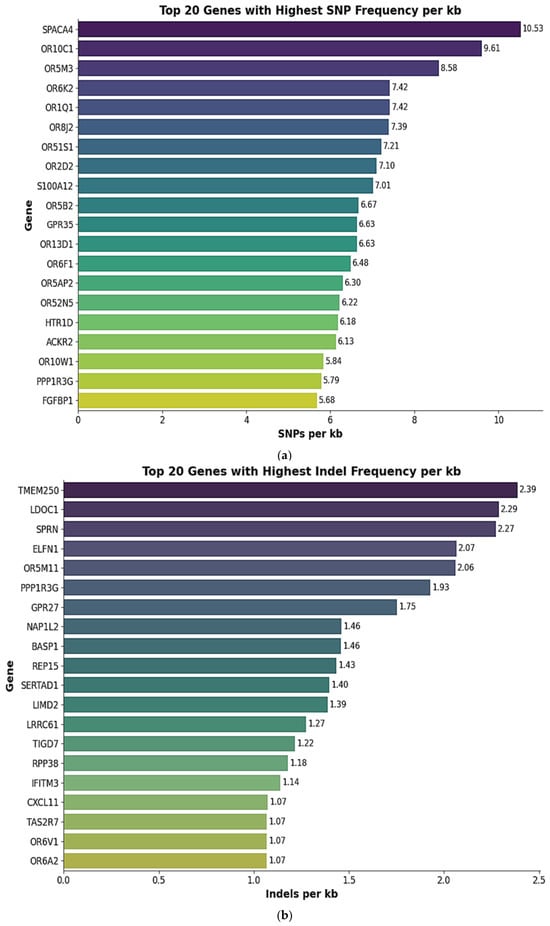
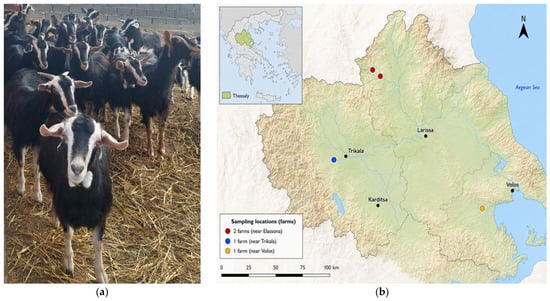
The Eghoria goat constitutes the major indigenous goat population in Greece and represents an important genetic resource. Despite its significance, genomic information remains scarce. This study aimed to investigate coding variation in the Eghoria goat using whole-genome sequencing (WGS), with particular focus on missense single nucleotide polymorphisms (SNPs) and coding insertions/deletions (indels). Whole-genome sequencing was performed on Eghoria goats (n = 6), followed by bioinformatic processing and variant filtering. Functional characterization was conducted through Gene Ontology (GO) and KEGG pathway analyses (FDR < 0.05). Normalized variant density metrics identified highly polymorphic genes. Selected missense SNPs were validated in an independent population (n = 54) using MassARRAY genotyping. Whole-genome analysis identified 10,796,211 SNPs and 1,022,779 indels. After prioritization, 15,949 missense SNPs and 861 indels were retained. Functional enrichment analyses highlighted pathways related to metabolism, ion transport, calcium signaling, immune function, transcriptional regulation, and environmental adaptation. Genes exhibiting elevated polymorphism density included olfactory receptor family members, and loci associated with metabolic regulation. Validation analyses confirmed the presence of selected variants in the Eghoria goat population. The study expands current knowledge of genomic diversity in the indigenous Eghoria goat and provides valuable resources for future genetic improvement, conservation, and breeding programs.
Full article
(This article belongs to the Special Issue Technological Advances Around Next-Generation Sequencing Application, 2nd Edition)
►▼
Show Figures

Figure 1
Open AccessReview
Bacterial Sentience Is Determined by the Stochastic, Chaotic, and Deterministic Behavior of Cytoplasmic Particles
by
Leon M. T. Dicks, Carolina Pohl and Alfred Botha
Curr. Issues Mol. Biol. 2026, 48(8), 777; https://doi.org/10.3390/cimb48080777 - 30 Jul 2026
Abstract
Bacteria are constantly exposed to stress, which intensifies as cells age, nutrients are depleted, and metabolite levels change. As metabolic activity increases, the cytoplasm transitions from a glass-like to a more fluid state, supporting the stochastic (spontaneous) and chaotic (nonlinear and unpredictable) movement
[...] Read more.
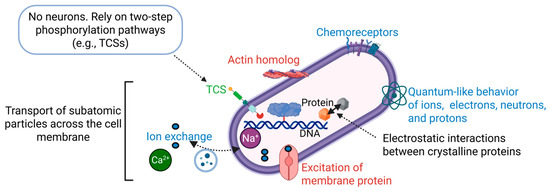
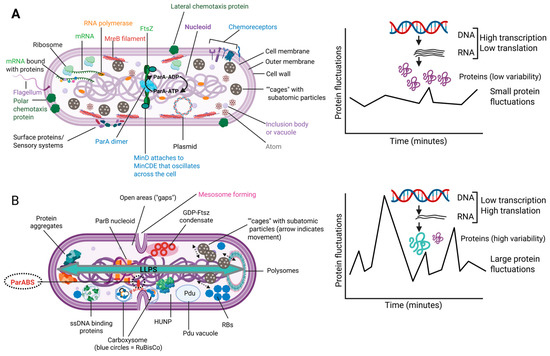
Bacteria are constantly exposed to stress, which intensifies as cells age, nutrients are depleted, and metabolite levels change. As metabolic activity increases, the cytoplasm transitions from a glass-like to a more fluid state, supporting the stochastic (spontaneous) and chaotic (nonlinear and unpredictable) movement of particles. The rate at which suspended particles or those in vacuole-like “cages” move depends on the cytoplasm’s energized and fluidic state. Cells respond to stochastic and chaotic behavior by regulating gene transcription, translation, and post-translational modifications. These stochastic and chaotic reactions generate a liquid–liquid phase separation (LLPS), causing particles to separate. This produces a dynamic force that drives cytoplasmic “turnover”. Internal and external physicochemical changes are monitored by chemoreceptors on the cell surface and embedded in the cell membrane, which activate transcriptional regulators to control gene expression, modulate enzymatic fluctuations, and regulate post-translational modifications. Sentience may also arise from the quantum-like behavior of ions, electrons, neutrons, and protons (tunneling and entanglement) and from hyperstructures that drive complex enzymatic reactions. This is, however, a highly debated topic. We argue that bacteria are conscious and do not rely solely on phosphorylation states, as in two-component systems (TCSs), but also on other cytoplasmic dynamics. We provide several examples to support the argument. It is, however, important to note that bacterial consciousness cannot be compared to that of higher life forms with a central nervous system. We refer to bacteria’s awareness of their environment as sentience and define bacterial sentience as the ability to respond to external stimuli and to reactions within a dynamic cytoplasm, thereby transferring signals either directly or via signal transduction pathways to turn gene expression on or off. We also point out that stochastic/chaotic randomness keeps the cytoplasm in a permanently dynamic, flexible, and stochastic state, safeguarding the cell against sudden, unpredictable environmental changes.
Full article
(This article belongs to the Special Issue Latest Review Papers in Molecular Biology 2026)
►▼
Show Figures

Figure 1
Open AccessArticle
Identification of Reference Genes for RT-qPCR Assays in Sambucus nigra L.
by
Zhengkun Cui, Qian Zhang, Shengyu Gao, Yinyin Fu, Yin Sun, Fei Ren and Junxiu Yao
Curr. Issues Mol. Biol. 2026, 48(8), 776; https://doi.org/10.3390/cimb48080776 - 30 Jul 2026
Abstract
Reverse transcription quantitative PCR (RT-qPCR) is one of the most widely used techniques for gene expression analysis in molecular biology. However, the accuracy of relative gene expression quantification largely depends on the stability of the reference genes used for normalization. Sambucus nigra L.
[...] Read more.
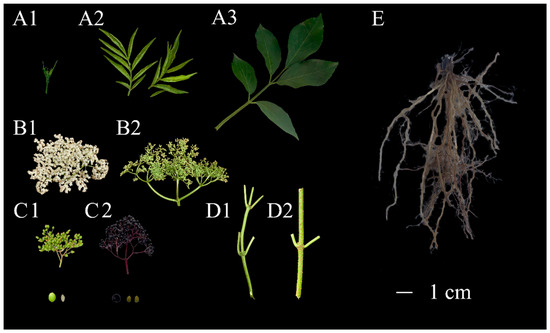
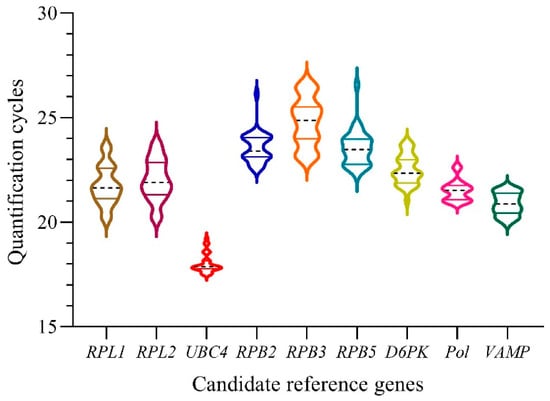
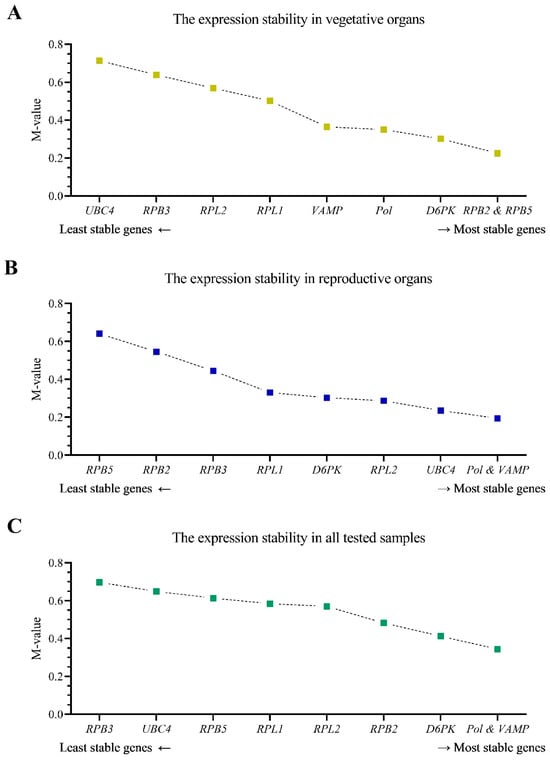
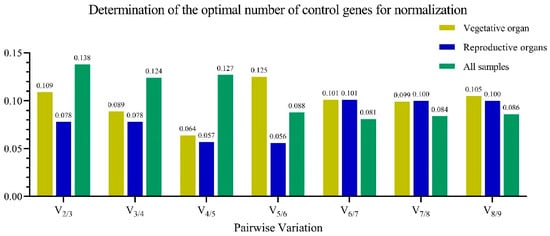
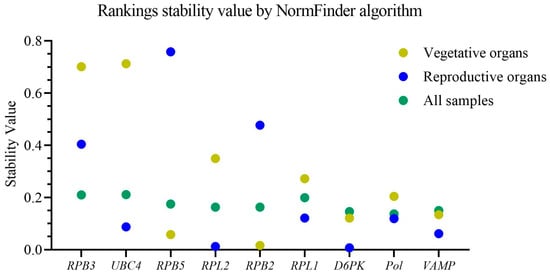
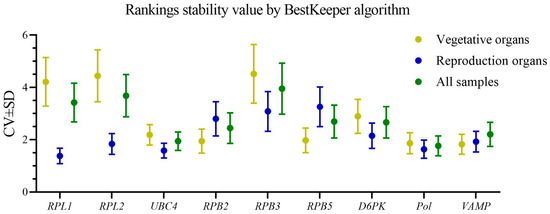
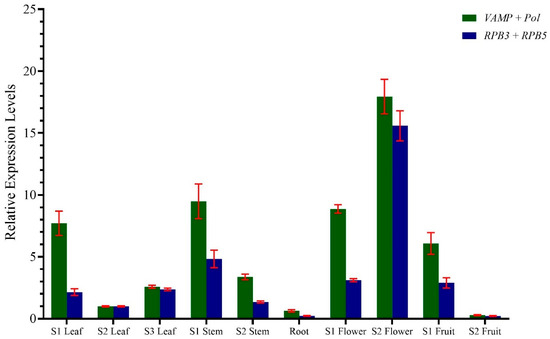
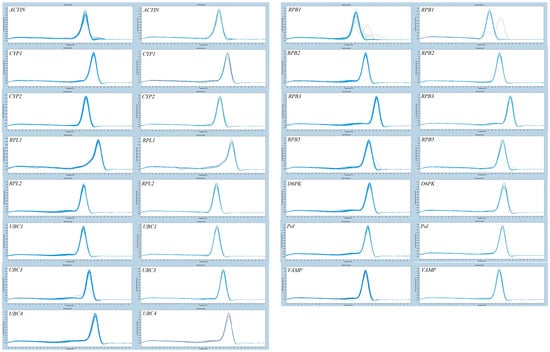
Reverse transcription quantitative PCR (RT-qPCR) is one of the most widely used techniques for gene expression analysis in molecular biology. However, the accuracy of relative gene expression quantification largely depends on the stability of the reference genes used for normalization. Sambucus nigra L. (elderberry) is a valuable medicinal and edible plant rich in anthocyanins and other bioactive compounds. Despite its increasing research and application value, no reference genes have been validated for this species. In this study, we applied RT-qPCR alongside four algorithms (GeNorm, NormFinder, BestKeeper, and RefFinder) to assess the expression stability of nine candidate reference genes across ten samples representing five tissue types (including stems, flowers, leaves, roots, fruits) at different developmental stages. The results showed that VAMP and Pol were the most suitable reference gene combination for normalization across different tissues of S. nigra. For studies involving only vegetative tissues (leaves and stems), our results recommend that RPB2 and RPB5 are the most stable and suitable reference genes. This study provides reliable reference genes for accurate RT-qPCR-based gene expression analysis in S. nigra and establishes a useful methodological basis for future functional genomics and molecular breeding studies in this species.
Full article
(This article belongs to the Special Issue Molecular Breeding and Genetics Research in Plants—3rd Edition)
►▼
Show Figures

Figure 1
Open AccessArticle
Uncoupling Protein 2 and Nitric Oxide Deficiency Favor Glycolytic Pathways and Organ Growth in the Rat Spleen
by
Lea Wagner, Rolf Schreckenberg, Nadja Itani, Tsuneshiro Sato, Julia Sperhake, Yva Cesar and Klaus-Dieter Schlüter
Curr. Issues Mol. Biol. 2026, 48(8), 775; https://doi.org/10.3390/cimb48080775 - 30 Jul 2026
Abstract
Uncoupling protein 2 (UCP2) is expressed in various tissues throughout the body, but its expression in the spleen exceeds that of other organs. However, the precise function of UCP2 for spleen physiology is unclear. The spleen acts as a hub connecting the nervous
[...] Read more.
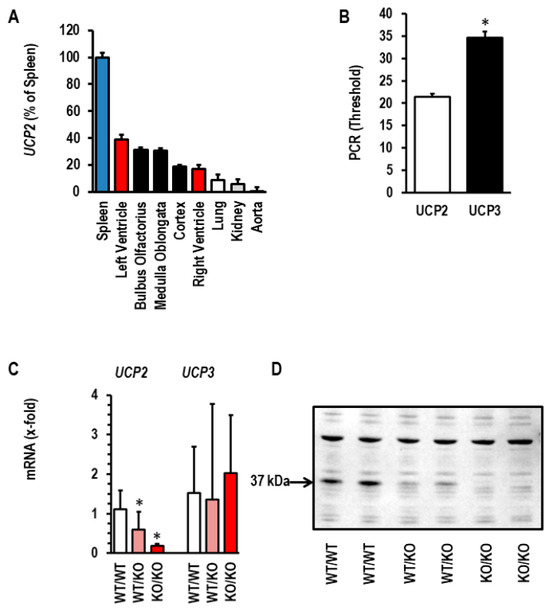
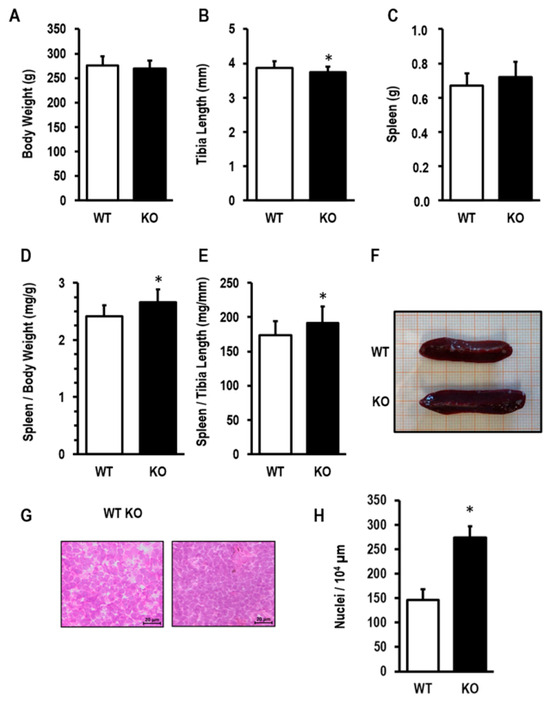
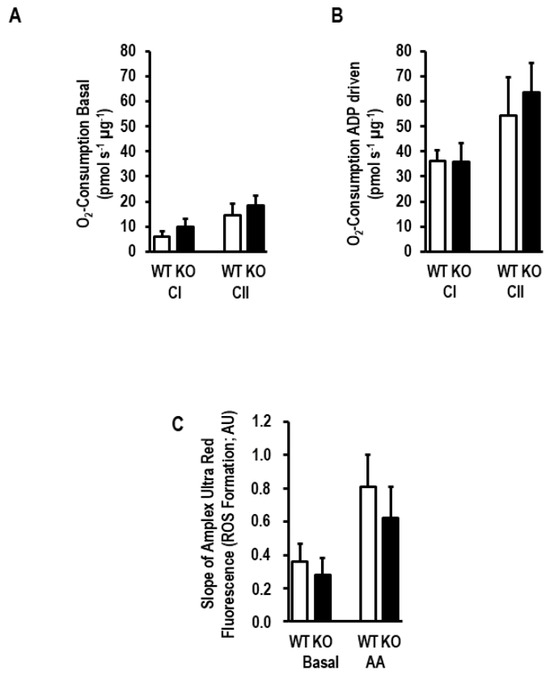
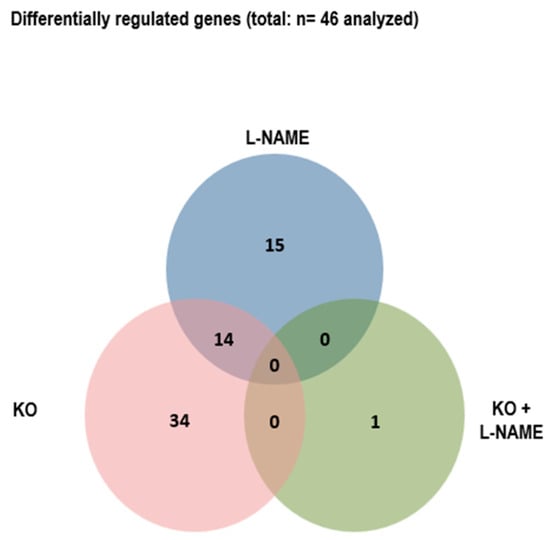
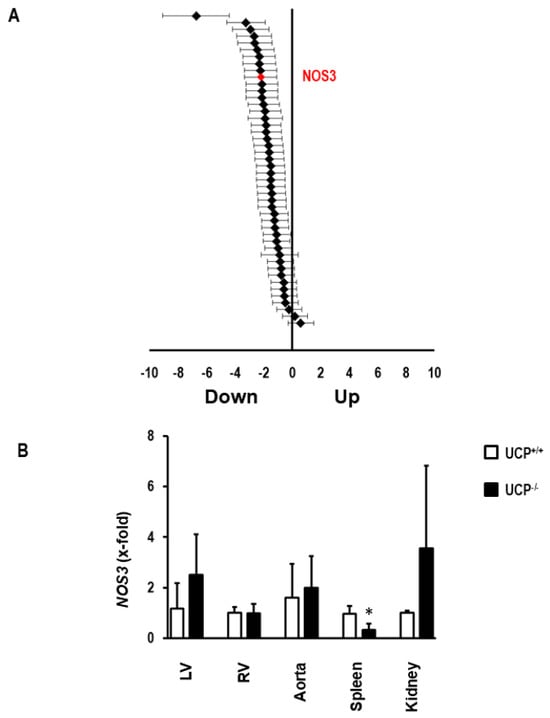
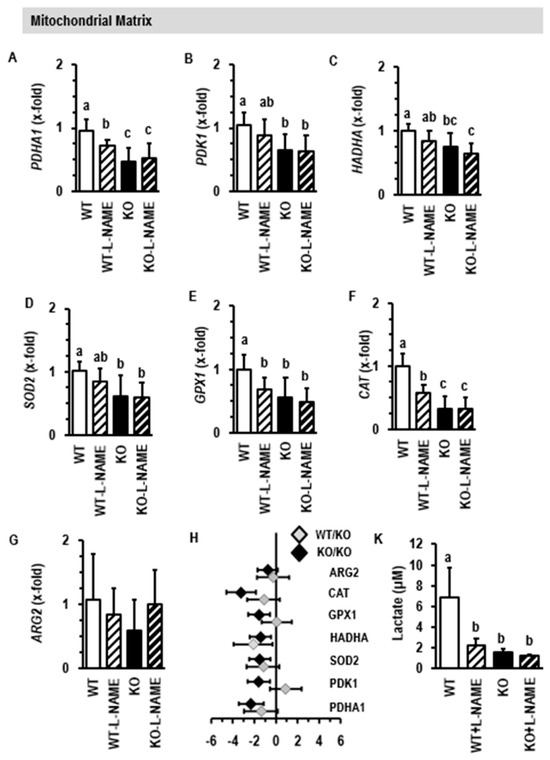
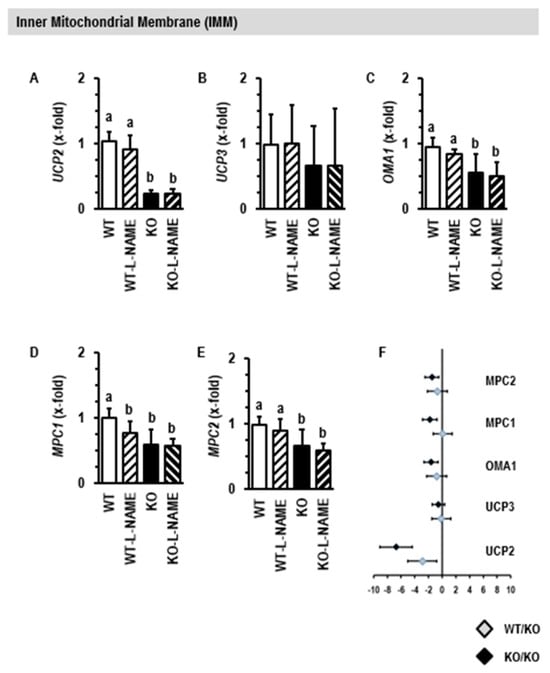
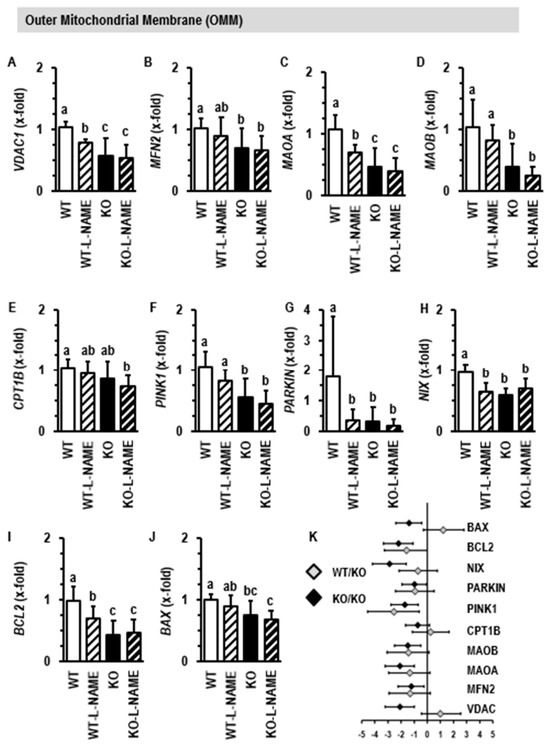
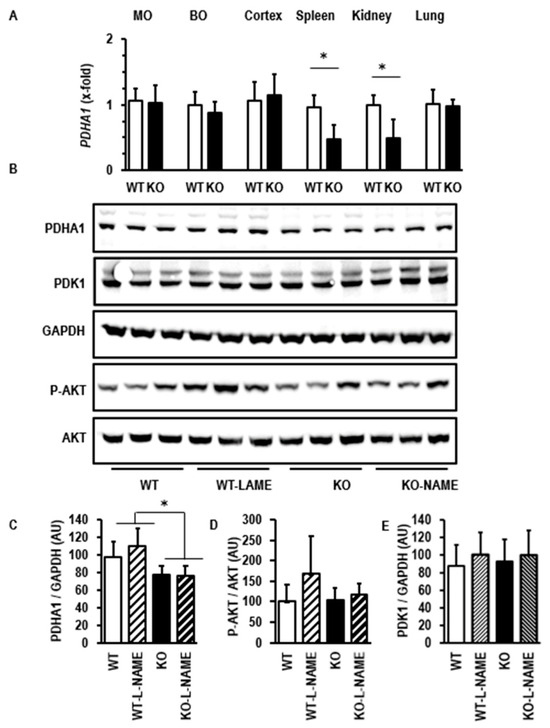
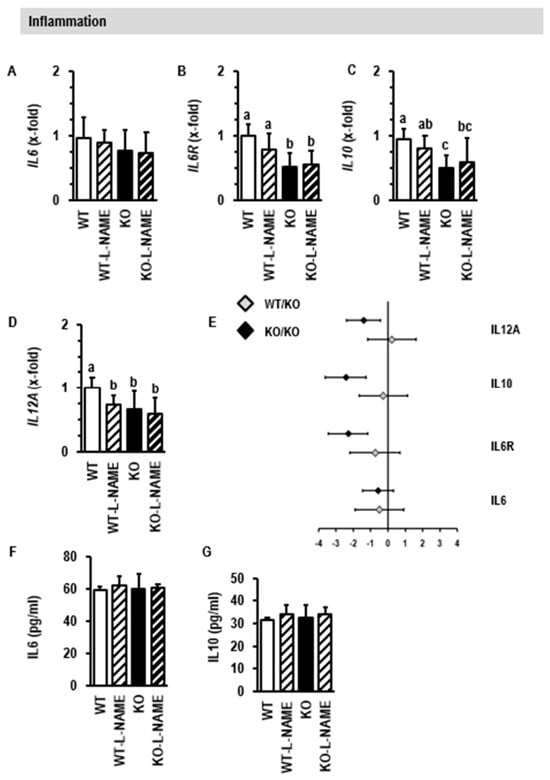
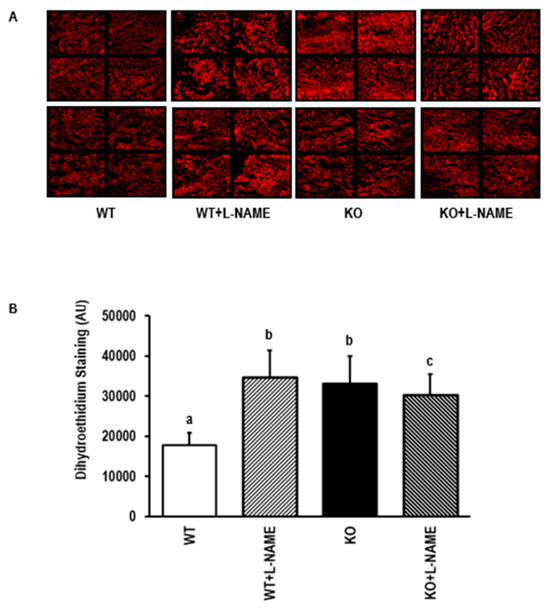
Uncoupling protein 2 (UCP2) is expressed in various tissues throughout the body, but its expression in the spleen exceeds that of other organs. However, the precise function of UCP2 for spleen physiology is unclear. The spleen acts as a hub connecting the nervous system and immune system to cardiovascular and metabolic diseases. Here, we analyzed the impact of hypertension on the spleen and the role of UCP2 in this process. Experiments were performed with UCP2-knockout rats and their wild-type littermates. Hypertension was induced by administering the nitric oxide inhibitor L-NAME via tap water. Genetic depletion of UCP2 increased spleen size (splenomegaly) and strongly impaired the expression of genes coding for mitochondrial proteins. Among them, genes coding for proteins involved in oxidative metabolism, such as pyruvate dehydrogenase alpha 1, and the detoxification of reactive oxygen species were down-regulated. Collectively, these alterations in metabolism favor glycolysis and proliferation. Moreover, NOS3 was among the strongest down-regulated genes in UCP2−/− rats, and the inhibition of nitric oxide synthase by L-NAME mimicked large parts of the expression profile. Neither the depletion of UCP2 nor L-NAME-induced hypertension or combinations thereof affected chronic inflammation. In summary, UCP2 controls fuel consumption in splenic cells in a nitric-oxide-dependent way.
Full article
(This article belongs to the Special Issue Molecular Research on Metabolic Disease)
►▼
Show Figures

Figure 1
Open AccessArticle
Metabolomics Reveals the Dynamic Characteristics of Flavonoids During the Different Developmental Stages of Citrus reticulata ‘Shiyue Ju’ and Its Mutant C. reticulata ‘Denglong Ju’
by
Qin Guan, Doudou Huang, Lan Zhang and Zongyou Lv
Curr. Issues Mol. Biol. 2026, 48(8), 774; https://doi.org/10.3390/cimb48080774 - 29 Jul 2026
Abstract
Flavonoids, prominent bioactive compounds in citrus fruits, exhibit diverse health-promoting properties. However, the dynamic compositional changes in flavonoids during fruit development remain insufficiently characterized in Citrus reticulata ‘Shiyue Ju’ (STJ) and C. reticulata ‘Denglong Ju’ (DLJ). In this study, a comprehensive untargeted metabolomics
[...] Read more.
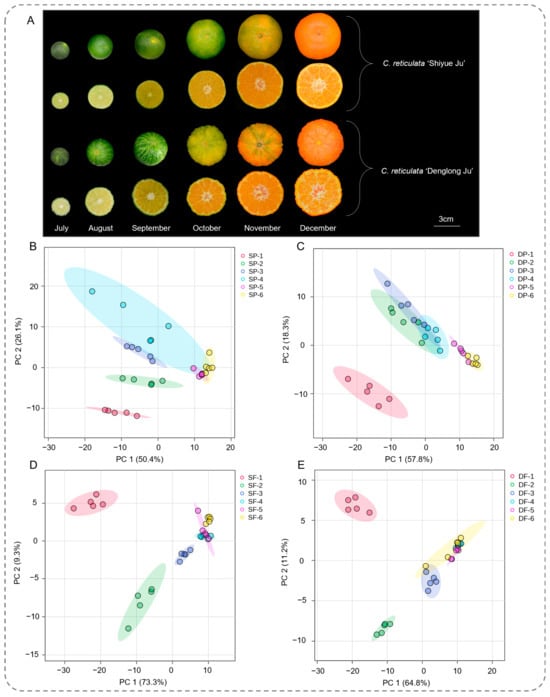
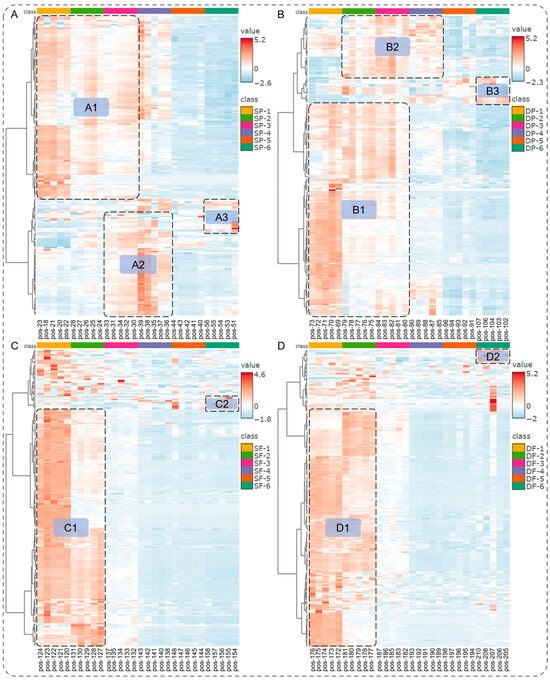
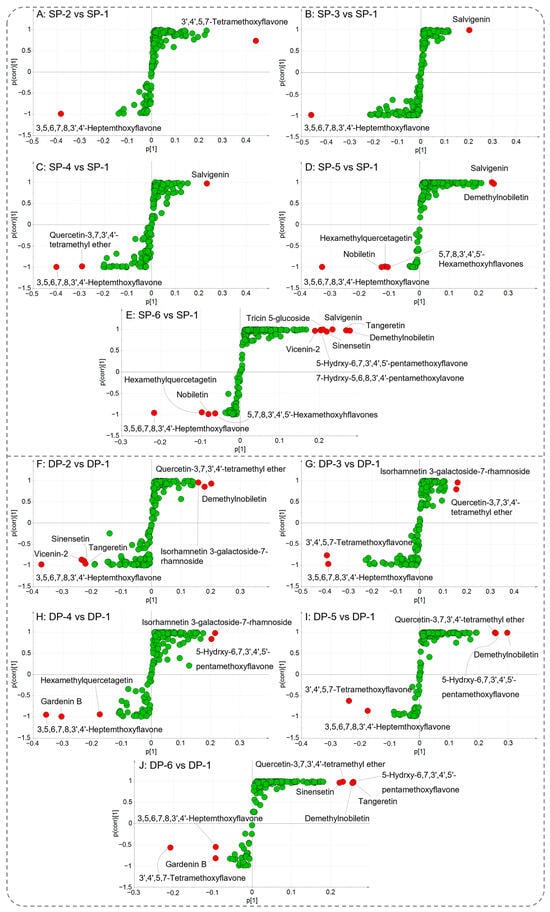
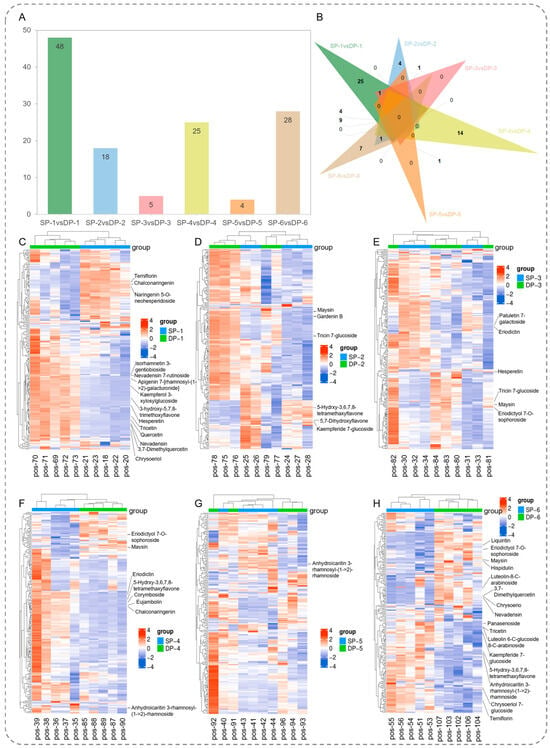
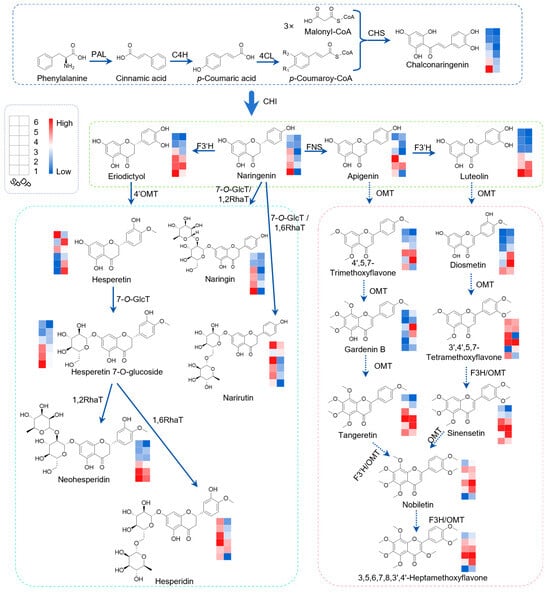
Flavonoids, prominent bioactive compounds in citrus fruits, exhibit diverse health-promoting properties. However, the dynamic compositional changes in flavonoids during fruit development remain insufficiently characterized in Citrus reticulata ‘Shiyue Ju’ (STJ) and C. reticulata ‘Denglong Ju’ (DLJ). In this study, a comprehensive untargeted metabolomics approach was employed to systematically analyze the flavonoid profiles in both peel and flesh tissues across six key developmental stages, leading to the putative annotation of 205 flavonoids. Heatmap analysis revealed higher flavonoid levels in SP-4 (STJ peel in stage 4) compared to DP-4 (DLJ peel in stage 4), potentially resulting from the substantial upregulation of genes involved in flavonoid biosynthesis during this period. Furthermore, S-plot analysis identified salvigenin, demethylnobiletin, and nobiletin as key discriminators in the peel of STJ (SP), whereas sinensetin, tangeretin, and 3′,4′,5,7-tetramethoxyflavone were predominant in the peel of DLJ (DP). These compounds could represent potential biochemical markers for varietal differentiation. Notably, SP exhibited higher levels of neohesperidin, hesperidin, naringin, and naringenin, suggesting enhanced health-promoting properties. The results enhance our understanding of flavonoid dynamics during citrus development and provide valuable implications for quality-oriented cultivation and genetic improvement.
Full article
(This article belongs to the Special Issue Molecular Mechanisms of Fruit Development, Stress Response, and Quality Formation in Horticultural Crops)
►▼
Show Figures

Figure 1
Open AccessArticle
Immunohistochemical Characterization of Tenascin-C Expression in Treatment-Naïve Breast Cancer: An Exploratory Pilot Study
by
Kanae Taruno, Rika Narui, Sakiko Miura, Yosuke Sasaki, Miharu Kano, Toshiko Yamochi and Moriaki Kusakabe
Curr. Issues Mol. Biol. 2026, 48(8), 773; https://doi.org/10.3390/cimb48080773 - 29 Jul 2026
Abstract
Objectives: Tenascin-C (TNC) is an extracellular matrix protein associated with tissue remodeling, tumor progression, and poor prognosis in breast cancer. Although TNC has attracted interest as a potential stromal biomarker, its baseline histopathological distribution in untreated breast cancer has not been fully characterized.
[...] Read more.
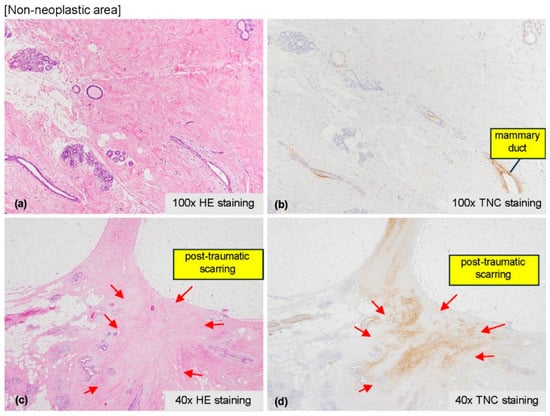
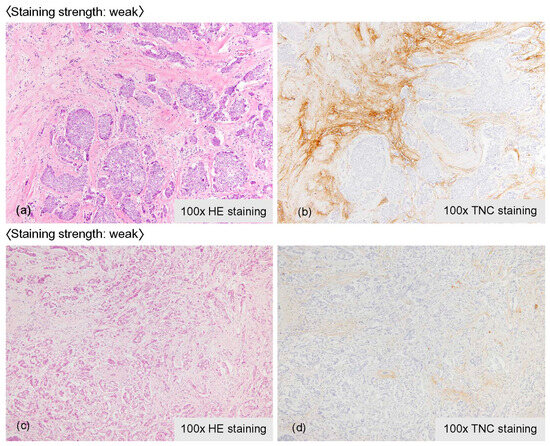
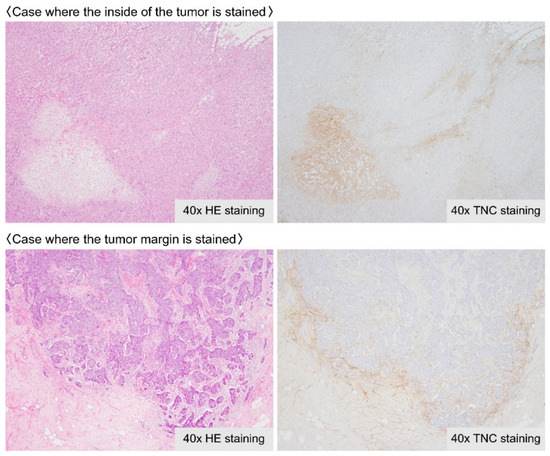
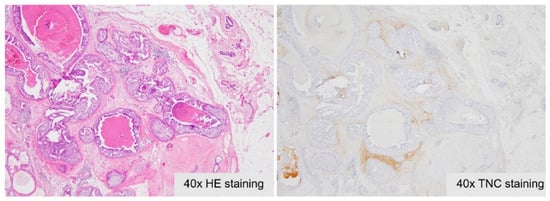
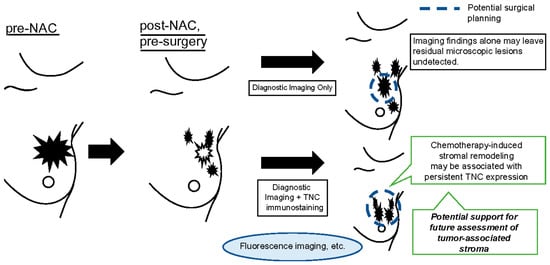
Objectives: Tenascin-C (TNC) is an extracellular matrix protein associated with tissue remodeling, tumor progression, and poor prognosis in breast cancer. Although TNC has attracted interest as a potential stromal biomarker, its baseline histopathological distribution in untreated breast cancer has not been fully characterized. This exploratory pilot study aimed to characterize the immunohistochemical distribution of TNC in representative treatment-naïve breast cancer tissues. Methods: Immunohistochemical staining for TNC was performed in representative breast cancer tissue specimens obtained from 16 treatment-naïve patients encompassing major histological and molecular subtypes. Tumor and non-tumor areas were evaluated descriptively by two board-certified pathologists using consensus assessment. Results: Heterogeneous TNC expression was observed in the stroma surrounding invasive tumors in all cases. In most specimens, TNC staining was predominantly localized to the peritumoral stroma, whereas occasional staining was observed around non-invasive lesions. Non-tumor breast stroma was largely negative, although positive staining was observed in biopsy scars and sclerotic areas. No consistent subtype-specific pattern of TNC distribution or staining intensity was identified. Conclusions: TNC showed heterogeneous stromal expression in treatment-naïve breast cancer and was also detected in biopsy scars and areas of stromal remodeling. These findings provide baseline histopathological information regarding TNC localization in untreated breast cancer. Further studies are required to determine the potential clinical utility of TNC as a stromal biomarker, including its application in the post-neoadjuvant setting.
Full article
(This article belongs to the Special Issue The Molecular Basis of Immunotherapy in Cancer Treatment)
►▼
Show Figures

Figure 1
Open AccessArticle
Functional Proteomics and Biological Screening of Protein Misfolding Under ER Stress Conditions in a Neuroblastoma Cell Model
by
Adele Serra, Elva Morretta, Michela Pecoraro, Maria Chiara Monti, Maria Pascale and Silvia Franceschelli
Curr. Issues Mol. Biol. 2026, 48(8), 772; https://doi.org/10.3390/cimb48080772 - 29 Jul 2026
Abstract
Endoplasmic reticulum (ER) stress represents a critical pathophysiological condition that plays a central role in the development of various human diseases, including protein misfolding diseases. While the small molecule Vx-445 (Elexacaftor) exhibits robust cellular bioactivity, its cryptic intracellular targets and off-label mechanisms of
[...] Read more.
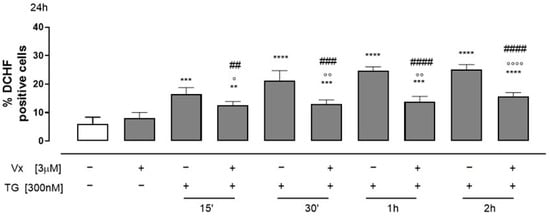
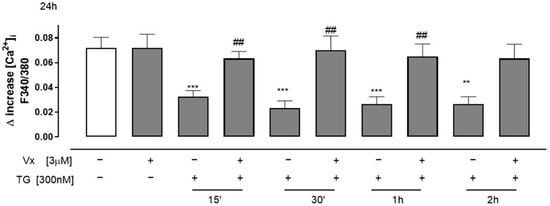
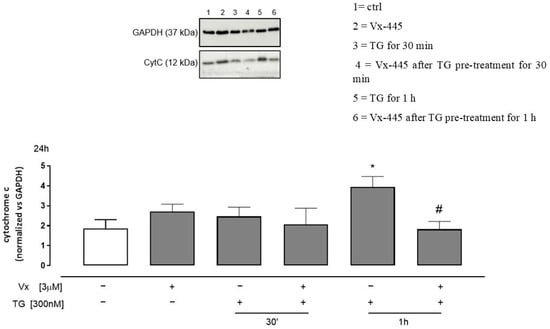
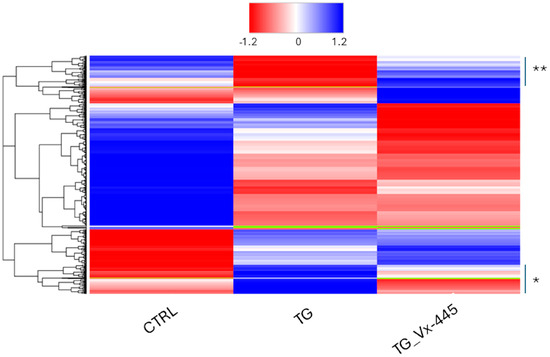
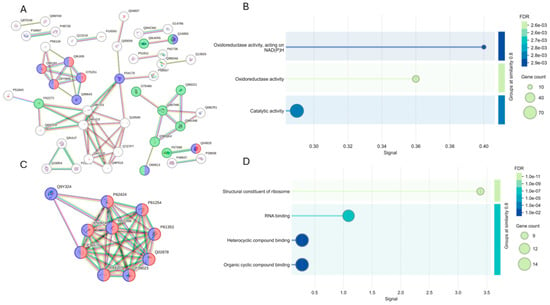
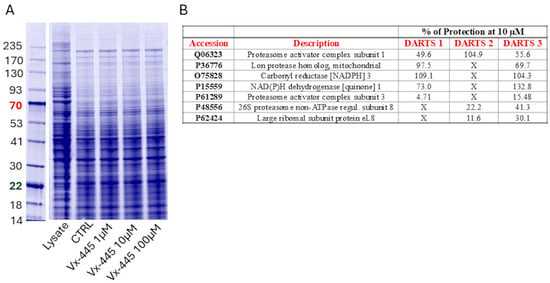
Endoplasmic reticulum (ER) stress represents a critical pathophysiological condition that plays a central role in the development of various human diseases, including protein misfolding diseases. While the small molecule Vx-445 (Elexacaftor) exhibits robust cellular bioactivity, its cryptic intracellular targets and off-label mechanisms of action remain poorly defined. This study investigates the cytoprotective efficacy and molecular targets of Vx-445 in Thapsigargin-induced ER stress in a neuronal cell model. Integrating biochemical assays, gene expression proteomics, and label-free functional proteomics, we demonstrate that Vx-445 significantly mitigates oxidative stress by reducing intracellular levels of reactive oxygen species, restores calcium homeostasis to baseline levels, and prevents apoptosis by inhibiting cytochrome c release. These phenotypic modifications correlated with changes in proteomic expression and were validated by Drug Affinity Responsive Target Stability (DARTS) analysis to map restored cellular pathways and identify potential protein interaction partners. Together, these findings uncover alternative molecular targets for Vx-445, providing a mechanistic basis for drug repurposing strategies in endoplasmic reticulum stress-related diseases.
Full article
(This article belongs to the Special Issue Molecular and Cellular Mechanisms of Neurodegenerative Disease)
►▼
Show Figures

Figure 1
Open AccessReview
Vanilla and Vanillin as Probable Causes of Hypersensitivity Reactions and Vaping Cytotoxicity
by
Kinga Lis
Curr. Issues Mol. Biol. 2026, 48(8), 771; https://doi.org/10.3390/cimb48080771 - 29 Jul 2026
Abstract
Vanilla and vanillin are the most popular flavorings added to processed foods, medications, cosmetics, and e-cigarette liquids. Vanilla owes its unique aroma to vanillin. Both vanilla and vanillin can cause hypersensitivity reactions, probably type IV. Clinically, hypersensitivity to vanilla and/or vanillin most often
[...] Read more.
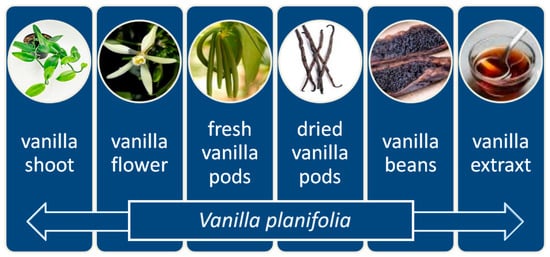
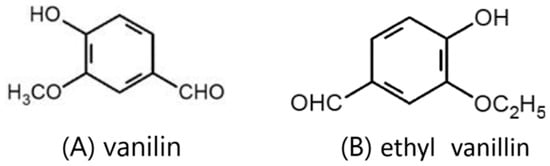
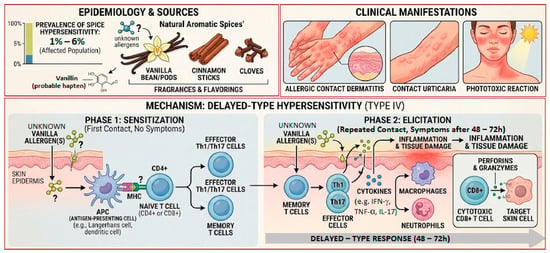
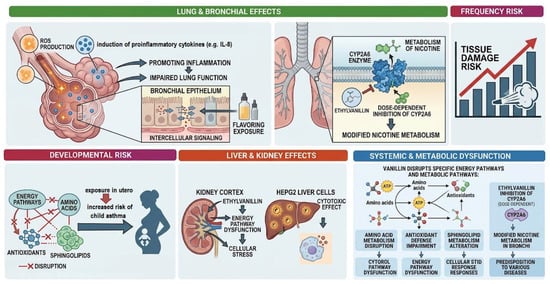
Vanilla and vanillin are the most popular flavorings added to processed foods, medications, cosmetics, and e-cigarette liquids. Vanilla owes its unique aroma to vanillin. Both vanilla and vanillin can cause hypersensitivity reactions, probably type IV. Clinically, hypersensitivity to vanilla and/or vanillin most often manifests as a limited rash (of various types) accompanied by itching and/or swelling. Long-term exposure to vanillin or its intermediates may be a factor in occupational sensitization. Although hypersensitivity to vanilla/vanillin appears to be rare, it is worth considering in the diagnostic process, especially in non-obvious situations when identifying the triggering allergen is difficult. Regardless of the likely allergic hypersensitivity to vanilla and vanillin, there are also hypotheses suggesting that vanillin and other flavorings and aromas found in e-cigarette liquids may have cytotoxic effects in people who use electronic cigarettes (vaping). Toxic reactions caused by inhaling vapors of these additives may affect the bronchial tree and other distant organs. This hypothesis, although new and relatively poorly researched, may have significant implications for public health, including for future generations, especially considering that vaping is a popular form of nicotine delivery, particularly among adolescents and young adults.
Full article
(This article belongs to the Special Issue Molecular Mechanisms and Regulation in Allergy and Immune Diseases, Immunodeficiencies, 2nd Edition)
►▼
Show Figures

Figure 1
Open AccessReview
A Comprehensive Understanding of DCTPP1 as an Emerging Therapeutic Target in Liver Cancer
by
Hye In Ka, Se Ha Jang, Hyung Seok Kim, Hyun Sun Jung and Jung Woo Eun
Curr. Issues Mol. Biol. 2026, 48(8), 770; https://doi.org/10.3390/cimb48080770 - 29 Jul 2026
Abstract
Balanced control of intracellular deoxyribonucleoside-triphosphate (dNTP) pools is crucial for accurate DNA replication and genome stability. Deoxycytidine triphosphate pyrophosphatase 1 (DCTPP1) is a cytosolic nucleotide-sanitizing enzyme that selectively hydrolyzes abnormal cytosine-derived triphosphates to maintain pyrimidine pool homeostasis. Dysregulated DCTPP1 expression disrupts this balance,
[...] Read more.
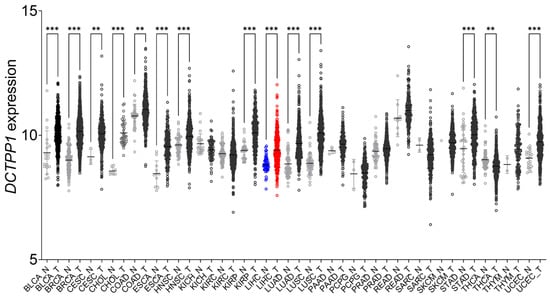
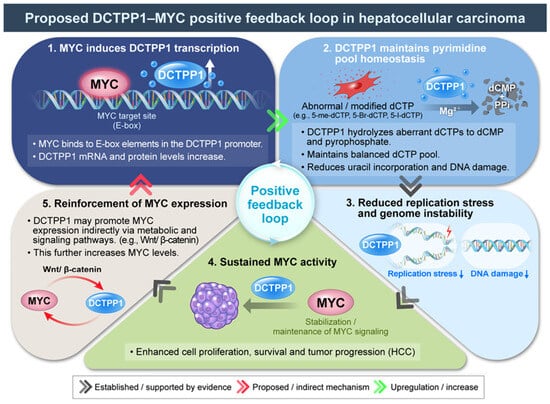
Balanced control of intracellular deoxyribonucleoside-triphosphate (dNTP) pools is crucial for accurate DNA replication and genome stability. Deoxycytidine triphosphate pyrophosphatase 1 (DCTPP1) is a cytosolic nucleotide-sanitizing enzyme that selectively hydrolyzes abnormal cytosine-derived triphosphates to maintain pyrimidine pool homeostasis. Dysregulated DCTPP1 expression disrupts this balance, leading to replication stress and genomic instability. Recent studies have revealed that DCTPP1 is frequently upregulated across various human cancers and contributes to tumor progression, stress tolerance, and chemoresistance. Particularly in hepatocellular carcinoma, an oncogenic DCTPP1/MYC feedback loop has been reported to rewire pyrimidine metabolism. This review summarizes the current understanding of DCTPP1 biology, highlights its emerging role in hepatocellular carcinoma, and discusses its potential therapeutic implications.
Full article
(This article belongs to the Special Issue Molecular Insights into Cancer Biomarkers: Identification and Practical Applications)
►▼
Show Figures

Figure 1
Open AccessArticle
Lipid-Laden M1-like Macrophages of Familial Hypercholesterolemia Patients Are Characterized by Increased Interleukin-1β Secretion and Reduced TMEM176A and TMEM176B Gene Expression
by
Artem Izyumchenko, Tatiana Usenko, Kseniia Dracheva, Kristina Legostaeva, Soreiia Urazgildeeva, Kseniia Tanayants, Maria Grunina, Ekaterina Larionova, Pavel Suchko, Oleg Glotov, Alexandr Kulikov, Sofya Pchelina and Valentina Miroshnikova
Curr. Issues Mol. Biol. 2026, 48(8), 769; https://doi.org/10.3390/cimb48080769 - 29 Jul 2026
Abstract
Familial hypercholesterolemia (FH) is a common hereditary dyslipidemia characterized by high levels of low-density lipoprotein (LDL) cholesterol and a risk of premature atherosclerosis. Previous studies showed that cardiovascular risks persist in FH even after hypolipidemic therapy is started and are linked to a
[...] Read more.
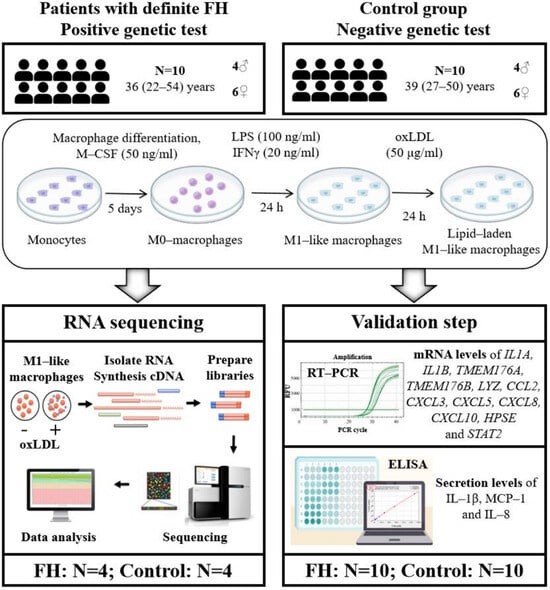
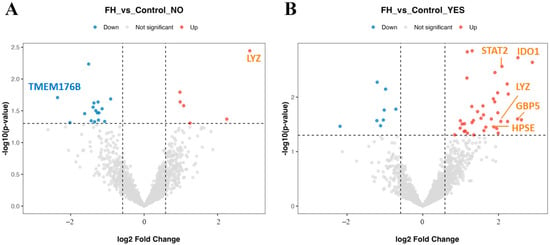
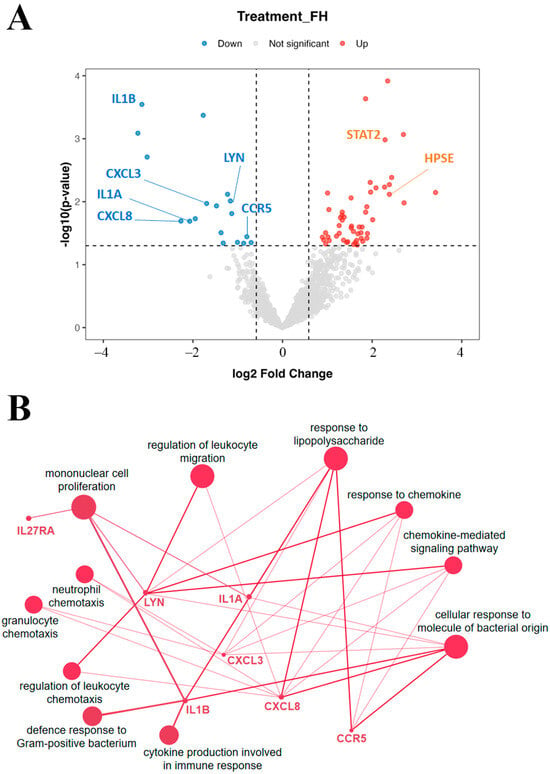
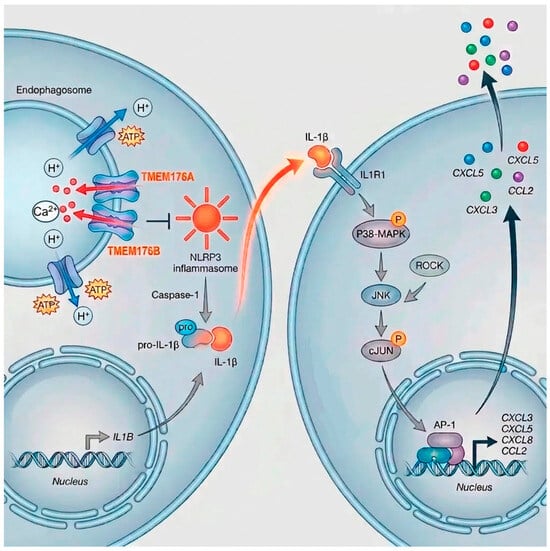
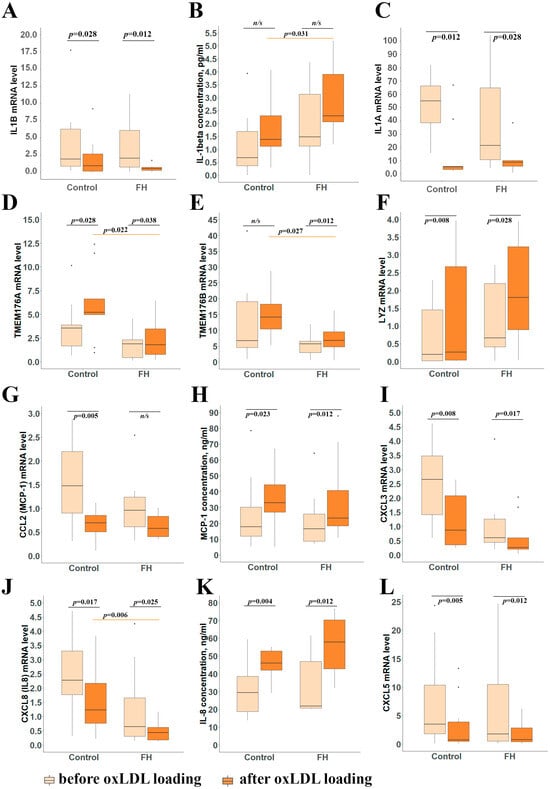
Familial hypercholesterolemia (FH) is a common hereditary dyslipidemia characterized by high levels of low-density lipoprotein (LDL) cholesterol and a risk of premature atherosclerosis. Previous studies showed that cardiovascular risks persist in FH even after hypolipidemic therapy is started and are linked to a proinflammatory status of circulating monocytes. In the current study we aimed to identify FH-specific gene expression patterns of monocyte-derived M1-like macrophages in response to lipid accumulation. RNAseq was performed for four patient and four control paired samples of M1-like macrophages before and after incubation with oxidized LDL (oxLDL). A validation step was performed in 10 patients and 10 controls using real-time PCR and ELISA. RNAseq data analysis revealed 22 DEGs between FH patients and the control group before and 47 DEGs after incubation with oxLDL. Pathway enrichment analysis suggested dysregulation of inflammatory pathways especially IL-1 and chemokine signaling in response to lipid accumulation in FH M1-like macrophages. Validation experiments demonstrated increased interleukin-1β secretion by lipid-laden M1-like macrophages in FH patients and reduced TMEM176A and TMEM176B gene expression compared to controls. Our results suggest FH M1-like macrophages may be predisposed to an accelerated immune response via interleukin-1β due to reduced TMEM176A/B activity.
Full article
(This article belongs to the Special Issue Cardiovascular Disease: From Molecular Mechanisms to Therapeutic Innovations, 2nd Edition)
►▼
Show Figures

Figure 1
Open AccessReview
RNA Sequencing Technologies in Acute Lymphoblastic Leukemia: A Comparative Technical Review
by
Maria Koutra, Paschalis Evangelidis, Apostolia Papalexandri, Tasoula Touloumenidou, Emmanouel Hatzipantelis, Ioanna Sakellari, Eleni Gavriilaki and Athanasios Tragiannidis
Curr. Issues Mol. Biol. 2026, 48(8), 768; https://doi.org/10.3390/cimb48080768 - 28 Jul 2026
Abstract
Acute Lymphoblastic Leukemia (ALL) is a highly heterogeneous hematological malignancy characterized by diverse genetic alterations. Advances in genomic and transcriptomic profiling have enabled refined ALL classification, improving clinical management and patient outcomes. This review provides a comparative evaluation of RNA sequencing methodologies for
[...] Read more.
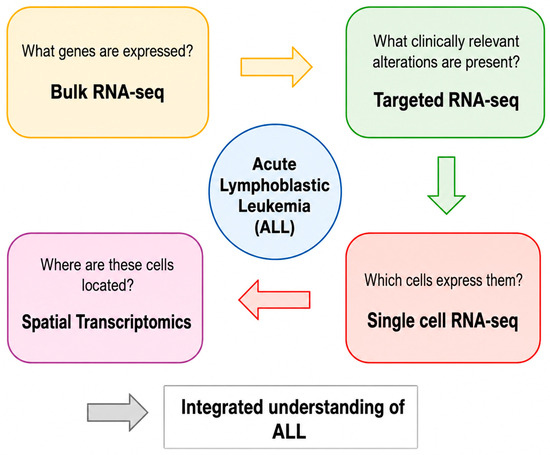
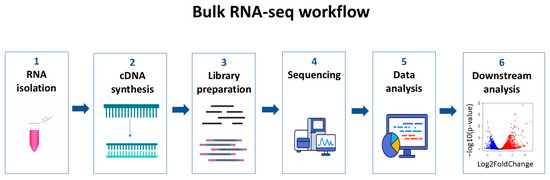
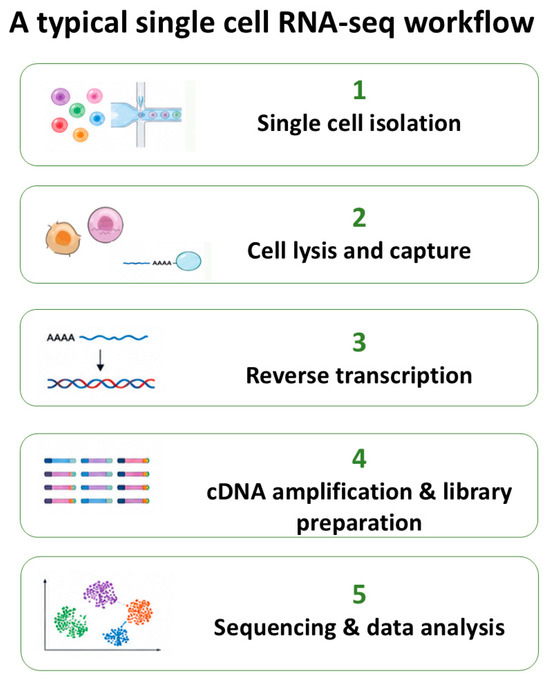
Acute Lymphoblastic Leukemia (ALL) is a highly heterogeneous hematological malignancy characterized by diverse genetic alterations. Advances in genomic and transcriptomic profiling have enabled refined ALL classification, improving clinical management and patient outcomes. This review provides a comparative evaluation of RNA sequencing methodologies for studying gene expression in ALL. Specifically, bulk RNA sequencing enables transcriptome-wide profiling at the population level, while targeted RNA sequencing provides enhanced sensitivity for detecting clinically relevant alterations. Moreover, single-cell RNA sequencing offers cellular-resolution analysis of leukemic heterogeneity and clonal architecture, whereas spatial transcriptomic analyses further reveal leukemic cell types within their microenvironment. Together, these transcriptomic methodologies have transformed the understanding of leukemia biology and enabled improved disease classification, risk stratification, and personalized medicine. Furthermore, integrating multi-omics approaches has the potential to reshape the clinical management of ALL by shifting treatment from broad chemotherapy to precision medicine. The future of transcriptomic profiling in ALL depends on the strategic integration of existing methodologies to achieve a comprehensive and clinically actionable understanding of leukemic biology.
Full article
(This article belongs to the Special Issue The Significance of Transcription Factors, miRNAs, and lncRNAs in Anticancer Drug Development, 2nd Edition)
►▼
Show Figures

Figure 1
Open AccessArticle
Integrative Analysis Prioritizes CRIP2 as a Candidate Associated with Myocardial Copper-Handling Responses After Myocardial Infarction
by
Zhengqi Qiu, Xingya Lei and Xueqin Zhang
Curr. Issues Mol. Biol. 2026, 48(8), 767; https://doi.org/10.3390/cimb48080767 - 28 Jul 2026
Abstract
Post-myocardial infarction (MI) remodeling is accompanied by metabolic stress, but the myocardial genes associated with copper handling are poorly defined. We sought to prioritize a tissue-derived candidate rather than establish a copper-dependent mechanism. Regional MI transcriptomes and an in-house left anterior descending coronary
[...] Read more.
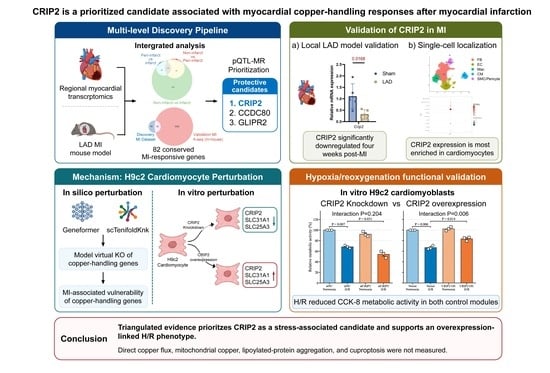
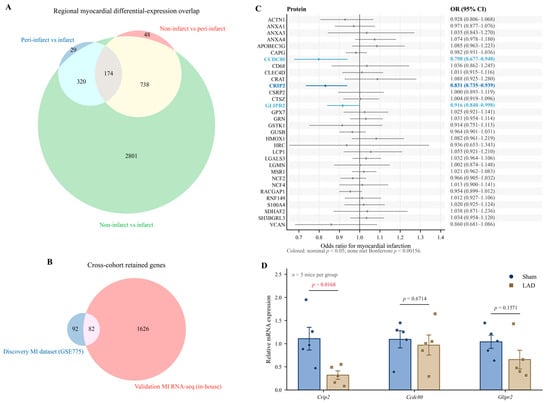
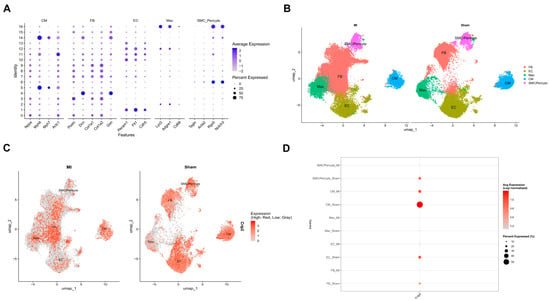
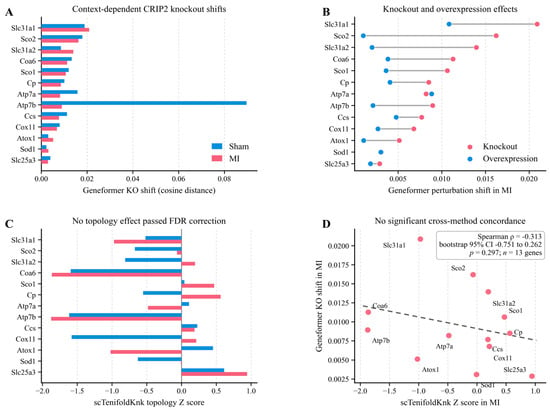
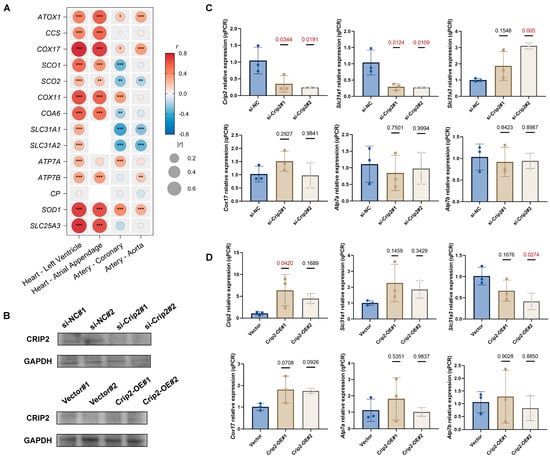
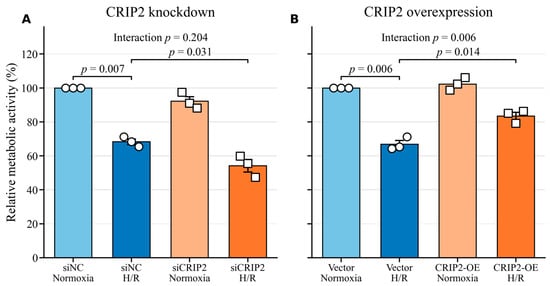
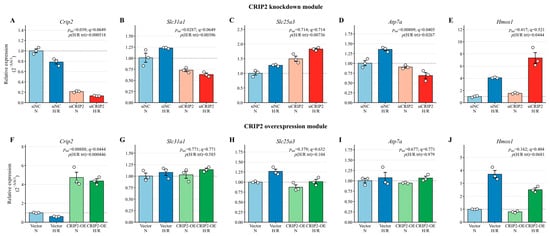
Post-myocardial infarction (MI) remodeling is accompanied by metabolic stress, but the myocardial genes associated with copper handling are poorly defined. We sought to prioritize a tissue-derived candidate rather than establish a copper-dependent mechanism. Regional MI transcriptomes and an in-house left anterior descending coronary artery ligation mouse RNA-sequencing cohort were integrated with protein quantitative trait locus-based Mendelian randomization (MR). Follow-up comprised local and external tissue validation, cardiac single-cell RNA sequencing, Genotype-Tissue Expression co-expression, computational perturbation, and CRIP2 knockdown or overexpression in H9c2 cells exposed to hypoxia/reoxygenation (H/R). CRIP2 showed a nominal protective-direction MR association (odds ratio 0.831, 95% confidence interval 0.735–0.939; p = 0.0031), but did not pass the Bonferroni threshold. Crip2 was lower in the local MI model (p = 0.0168; n = 5 per group) and in an independent dataset. A prespecified lipoylated-tricarboxylic-acid module was negatively enriched after MI (normalized enrichment score −1.63; false discovery rate 0.012), whereas the broader copper-homeostasis set was not significant. Single-cell data localized Crip2 mainly to cardiomyocytes, but were not adequately replicated for condition-level inference. Under H/R, Atp7a was the only copper-handling transcript whose knockdown-by-oxygen interaction remained significant after adjustment (q = 0.0405). CRIP2 overexpression was associated with higher Cell Counting Kit-8 metabolic activity during H/R (interaction p = 0.00551), whereas the knockdown interaction was not significant. Copper abundance, mitochondrial function, and cuproptosis markers were not measured. The data prioritize CRIP2 for mechanistic study, but do not show that it regulates copper flux or post-MI remodeling.
Full article
(This article belongs to the Special Issue Multi-Omics Integration for Precision Medicine: From Pathogenesis, Diagnosis to Treatment)
►▼
Show Figures

Graphical abstract
Open AccessArticle
Immunohistochemical Expression of CaSR, VDR, and AMA in Parathyroid Tumors in Relation to Hypercalcemia Severity in Primary Hyperparathyroidism
by
Anna K. Eremkina, Dariya A. Pastuhova, Anastasiia P. Pershina-Miliutina, Anna M. Gorbacheva, Hanum V. Bagirova, Liliya S. Urusova and Natalya G. Mokrysheva
Curr. Issues Mol. Biol. 2026, 48(8), 766; https://doi.org/10.3390/cimb48080766 - 28 Jul 2026
Abstract
Background: Primary hyperparathyroidism (PHPT) is usually caused by parathyroid tumors, resulting in hypercalcemia due to excessive PTH secretion. While disease severity correlates with calcium blood levels, the molecular mechanisms driving clinical variability remain unclear. The role of the calcium-sensing receptor (CaSR), the
[...] Read more.
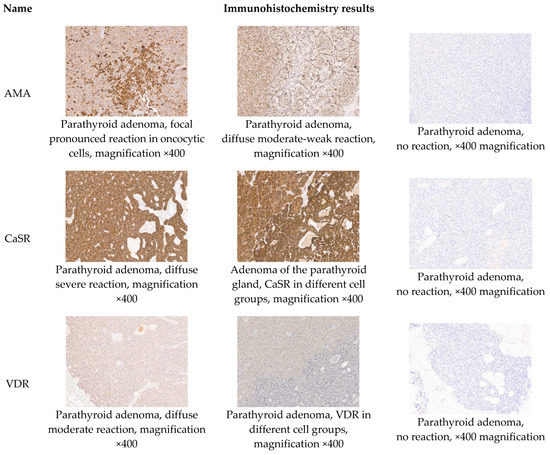
Background: Primary hyperparathyroidism (PHPT) is usually caused by parathyroid tumors, resulting in hypercalcemia due to excessive PTH secretion. While disease severity correlates with calcium blood levels, the molecular mechanisms driving clinical variability remain unclear. The role of the calcium-sensing receptor (CaSR), the vitamin D receptor (VDR) and parathyroid cells mitochondrial activity in the pathogenesis of hyperparathyroidism is of particular interest. Methods: This retrospective study included 96 patients with PHPT who underwent parathyroidectomy. Patients were stratified into four groups according to the baseline albumin-corrected serum calcium assessed at diagnosis, before the initiation of calcimimetic therapy (≤2.8; 2.8 < Ca corr. ≤ 3.0; 3.0 ≤ Ca corr. < 3.5; Ca corr. ≥ 3.5 mmol/L). Immunohistochemical expression (IHC) was estimated using CaSR, VDR, and antimitochondrial antibodies (AMA). Antibodies to VDR (GeneTex), CaSR (5C10, GeneTex), AMA (113-1, BioGenex) were used. Kidney tissue served as a positive control for CaSR and VDR antibodies, and liver tissue was used as a positive control for AMA. Statistical analysis was performed using the Statistica v. 13.3 software package (TIBCO Software Inc., Palo Alto, CA, USA; 2017). Results: Strong CaSR expression was observed in 95.8% of tumors, whereas VDR expression was reduced in 46.9%. AMA staining was heterogeneous, with high reactivity in oncocytic cells. No significant differences in CaSR, VDR, or AMA expression were found across groups with different hypercalcemia severity. No significant associations were identified between IHC marker expression and parameters of calcium-phosphorus metabolism, as well as cinacalcet treatment response. Conclusions: Despite their established roles in parathyroid regulation, CaSR and VDR expression did not correlate with hypercalcemia severity in PHPT. These findings suggest that alternative molecular mechanisms, rather than receptor expression levels, contribute to clinical heterogeneity. Further research is required.
Full article
(This article belongs to the Special Issue Tumor Immunology: From Molecular Mechanisms to Treatment)
►▼
Show Figures

Figure 1
Open AccessArticle
The Effect of ARTP Mutation on the Degradation Capacity of Citrobacter sp. D03
by
Pengji Zhou, Xingyu Liu, Bingqi Li, Lili Yang, Xianya Wu, Xizi Long and Fei Yang
Curr. Issues Mol. Biol. 2026, 48(8), 765; https://doi.org/10.3390/cimb48080765 - 27 Jul 2026
Abstract
To address the issues of low degradation efficiency in anaerobic bacteria targeting microcystin-LR (MC-LR) and the limitations of traditional genetic modification methods, this study applied ARTP mutagenesis technology for the first time to genetically engineer anaerobic MC-LR-degrading bacteria using the Citrobacter sp. D03
[...] Read more.
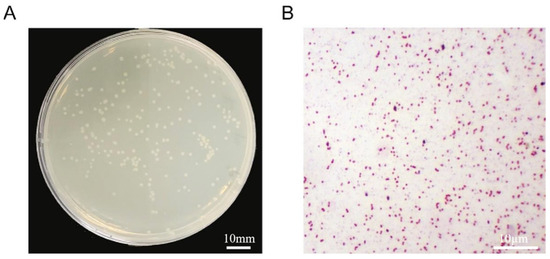
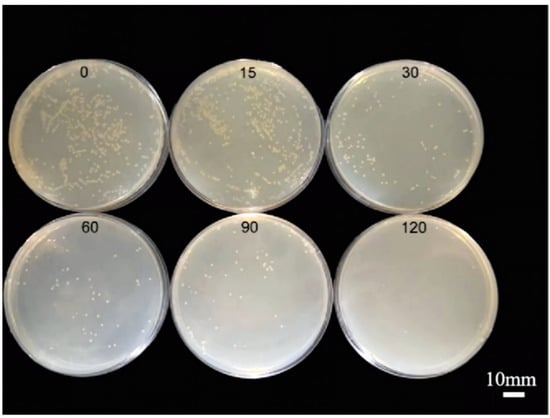
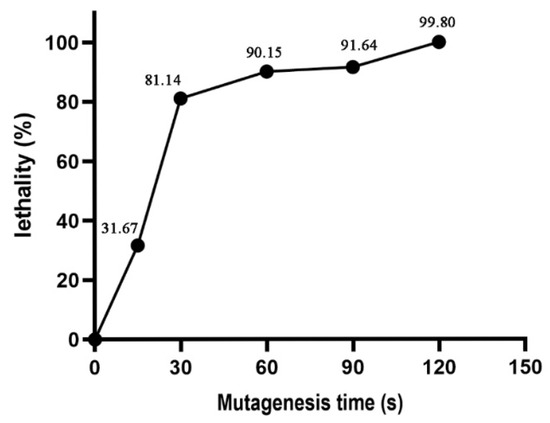
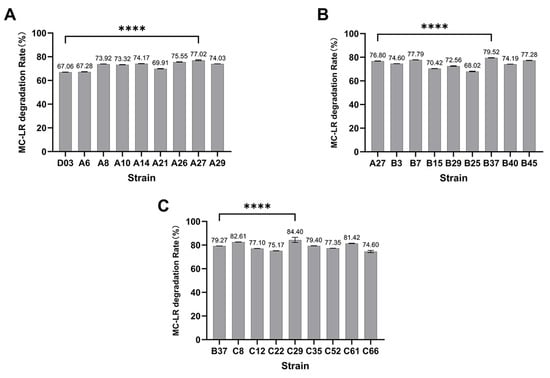
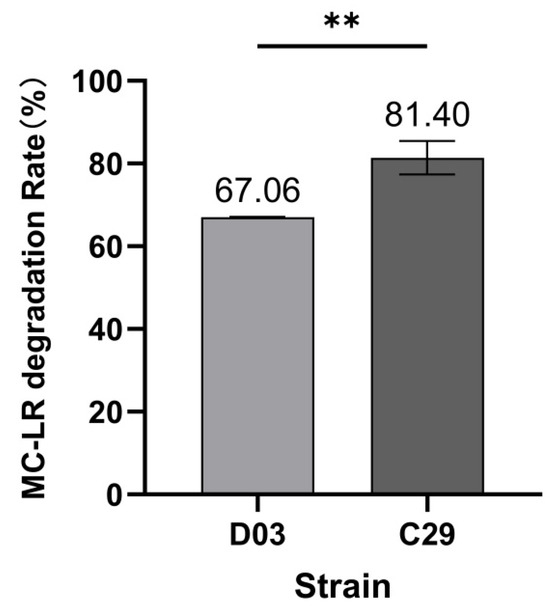
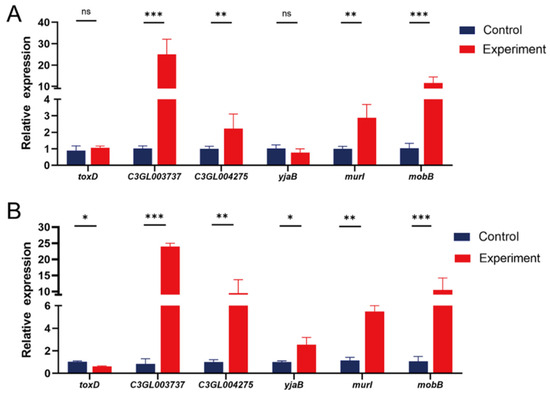
To address the issues of low degradation efficiency in anaerobic bacteria targeting microcystin-LR (MC-LR) and the limitations of traditional genetic modification methods, this study applied ARTP mutagenesis technology for the first time to genetically engineer anaerobic MC-LR-degrading bacteria using the Citrobacter sp. D03 isolated from Lake Taihu sediments as the parental strain. Through three rounds of ARTP-induced mutagenesis and directed screening, a highly efficient mutant, C29, was obtained. The results indicate that the optimal mutagenesis conditions are 60 s, with a lethality rate of 90.15%; the anaerobic degradation efficiency of MC-LR by mutant strain C29 was 14% higher than that of the wild-type strain, and the genetic efficiency remained stable after consecutive passages. Whole-genome resequencing of the new strain C29 revealed 10 mutation sites, involving key genes such as toxD, cheA, murI, and mobB. qRT-PCR validation showed that the expression of genes related to sulfur metabolism, cell wall synthesis, molybdenum cofactor synthesis, and environmental adaptation was significantly upregulated. The study confirms that ARTP mutagenesis can effectively enhance the degradation capacity of anaerobic degrading bacteria toward MC-LR through polygenic synergistic regulation, providing both microbial resources and a theoretical basis for in situ anaerobic bioremediation of MC-LR pollution in eutrophic water bodies.
Full article
(This article belongs to the Section Molecular Microbiology)
►▼
Show Figures

Figure 1
Open AccessReview
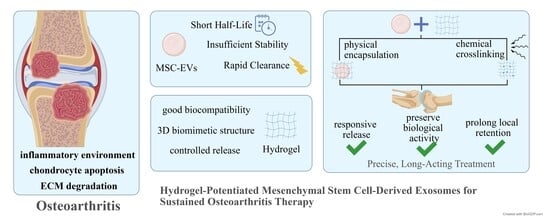
Mesenchymal Stem Cell Exosomes in Combination with Hydrogels for Osteoarthritis: From Exploratory Applications to Optimization and Translational Outlook
by
Xuemeng He, Menghang Guo, Huan Lian and Liang Chen
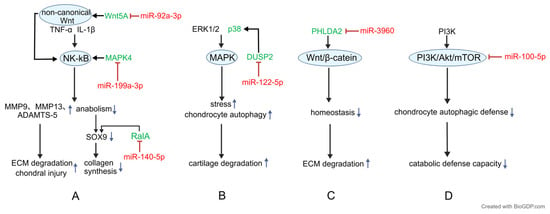
Curr. Issues Mol. Biol. 2026, 48(8), 764; https://doi.org/10.3390/cimb48080764 - 27 Jul 2026
Abstract
Osteoarthritis (OA) is a chronic degenerative joint disorder characterized primarily by cartilage degradation and extensive inflammation. Its pathological progression is closely associated with the dysregulation of critical signaling pathways; consequently, the therapeutic targets of these pathways have become crucial for intervening underlying mechanisms
[...] Read more.
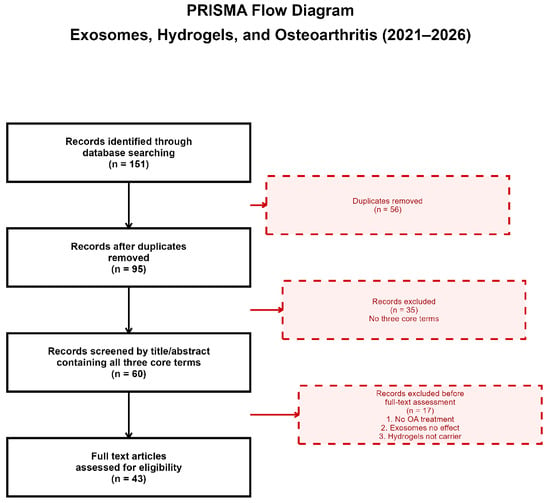
Osteoarthritis (OA) is a chronic degenerative joint disorder characterized primarily by cartilage degradation and extensive inflammation. Its pathological progression is closely associated with the dysregulation of critical signaling pathways; consequently, the therapeutic targets of these pathways have become crucial for intervening underlying mechanisms of cartilage damage. Extensive laboratory studies have found that mesenchymal stem cell-derived exosomes (MSC-Exos) can deliver bioactive cargoes such as microRNAs (miRNAs) and antioxidant enzymes to modulate these targets, thereby exerting therapeutic effects that include mitigating inflammation, inhibiting chondrocyte apoptosis, maintaining extracellular matrix homeostasis, and promoting tissue repair. However, the clinical translation of MSC-Exos is significantly hampered by inherent limitations, including source variability, low stability, and rapid clearance from the joint cavity. Hydrogels, recognized for their excellent biocompatibility, three-dimensional biomimetic architecture, and controlled drug release capabilities, have been used for OA therapy. Therefore, this review summarizes current research on the combined application of exosomes and hydrogels for OA treatment, and proposes optimization strategies for exosome preconditioning, hydrogel material selection, and hydrogel functional design. These strategies aim to enhance exosome functionality as well as enable sustained responsive, and localized exosome release within the joint, thereby improving the therapeutic efficacy for OA.
Full article
(This article belongs to the Special Issue The Contribution and Application of Molecular Biology in the Applied Biosciences—Focusing on Medicine, Biomaterials and Tissue Engineering Fields, 3rd Edition)
►▼
Show Figures

Graphical abstract
Open AccessEditorial
Editorial for the Special Issue “Advances in Multi-Omics for Functional Genomics Studies and Molecular Breeding”
by
Chen Chen
Curr. Issues Mol. Biol. 2026, 48(8), 763; https://doi.org/10.3390/cimb48080763 - 27 Jul 2026
Abstract
Plant functional genomics has entered an era of unprecedented resolution and scale, driven by the rapid evolution of sequencing technologies and the integration of multi-omics approaches [...]
Full article
(This article belongs to the Special Issue Advances in Multi-Omics for Functional Genomics Studies and Molecular Breeding)
Open AccessArticle
IDO1 Silencing Enhances Cisplatin Sensitivity in Gastric Cancer Cells via Modulation of Apoptosis and Oxidative Stress
by
Negar Taghavi Pourianazar, Narin Abdullah and Ahmet Ilvan
Curr. Issues Mol. Biol. 2026, 48(8), 762; https://doi.org/10.3390/cimb48080762 - 27 Jul 2026
Abstract
Gastric cancer remains a leading cause of cancer-related mortality worldwide, largely due to resistance to platinum-based chemotherapy. Indoleamine 2,3-dioxygenase 1 (IDO1) has been implicated in tumor progression and immune evasion; however, its cell-intrinsic role in chemoresistance remains incompletely understood. This study demonstrates that
[...] Read more.
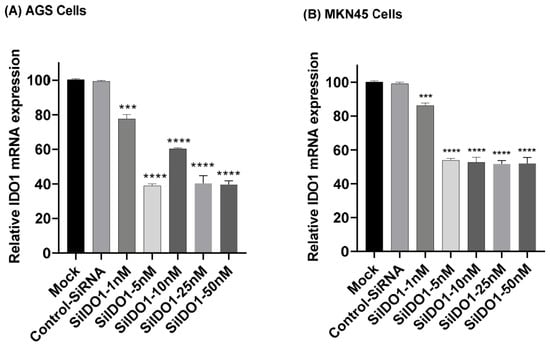
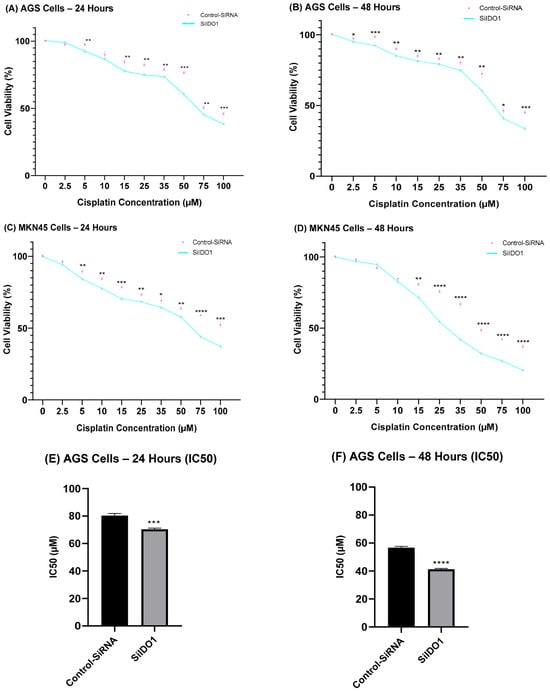
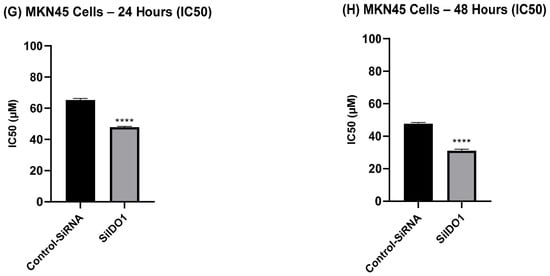
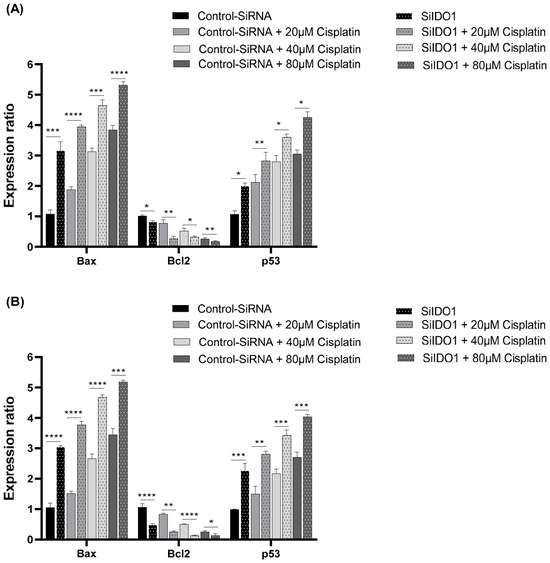
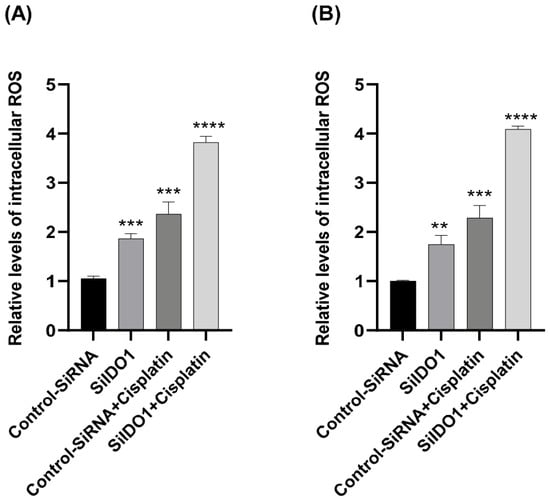
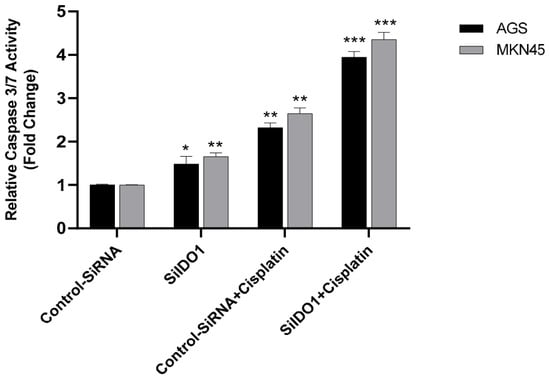
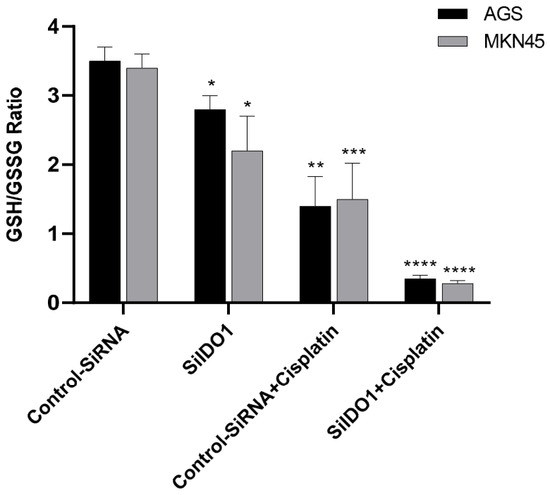
Gastric cancer remains a leading cause of cancer-related mortality worldwide, largely due to resistance to platinum-based chemotherapy. Indoleamine 2,3-dioxygenase 1 (IDO1) has been implicated in tumor progression and immune evasion; however, its cell-intrinsic role in chemoresistance remains incompletely understood. This study demonstrates that IDO1 functions as a critical regulator of cisplatin sensitivity in gastric cancer cells through a ROS-mediated mechanism. IDO1 expression was suppressed using siRNA in two gastric cancer cell lines, AGS and MKN45, followed by cisplatin treatment. Cell viability, oxidative stress levels, apoptosis-related gene expression, and caspase-3/7 activity were assessed to evaluate the functional consequences of IDO1 knockdown. IDO1 silencing significantly enhanced cisplatin-induced cytotoxicity in both cell lines, accompanied by increased intracellular reactive oxygen species (ROS) levels and a marked transcriptional shift toward a pro-apoptotic gene expression profile characterized by upregulation of Bax and p53 and downregulation of anti-apoptotic Bcl-2. Critically, functional apoptosis analysis revealed that combined IDO1 silencing and cisplatin treatment markedly increased caspase-3/7 activity, confirming activation of the execution phase of apoptosis. These findings establish that IDO1 limits apoptotic susceptibility in a cell-intrinsic manner and contributes to cisplatin sensitivity in gastric cancer cells. The mechanistic basis involves IDO1’s ROS-scavenging function: by suppressing IDO1, cells lose their capacity to neutralize ROS, leading to excessive ROS accumulation that triggers mitochondrial dysfunction and activates p53-dependent apoptotic pathways. In conclusion, this study identifies IDO1 as a key regulator of oxidative stress-associated, caspase-dependent apoptosis in gastric cancer and suggests that targeting IDO1 in combination with platinum-based chemotherapy represents a promising strategy to enhance the efficacy of gastric cancer treatment. These findings provide a rationale for clinical translation and provide a foundation for future preclinical and clinical studies.
Full article
(This article belongs to the Section Molecular Medicine)
►▼
Show Figures

Figure 1
Journal Menu
► ▼ Journal Menu-
- CIMB Home
- Aims & Scope
- Editorial Board
- Reviewer Board
- Topical Advisory Panel
- Instructions for Authors
- Special Issues
- Topics
- Sections & Collections
- Article Processing Charge
- Indexing & Archiving
- Editor’s Choice Articles
- Most Cited & Viewed
- Journal Statistics
- Journal History
- Journal Awards
- Conferences
- Editorial Office
Journal Browser
► ▼ Journal Browser-
arrow_forward_ios
Forthcoming issue
arrow_forward_ios Current issue - Volumes not published by MDPI
- Vol. 42 (2021)
- Vol. 41 (2021)
- Vol. 40 (2021)
- Vol. 39 (2020)
- Vol. 38 (2020)
- Vol. 37 (2020)
- Vol. 36 (2020)
- Vol. 35 (2020)
- Vol. 34 (2019)
- Vol. 33 (2019)
- Vol. 32 (2019)
- Vol. 31 (2019)
- Vol. 30 (2019)
- Vol. 29 (2018)
- Vol. 28 (2018)
- Vol. 27 (2018)
- Vol. 26 (2018)
- Vol. 25 (2018)
- Vol. 24 (2017)
- Vol. 23 (2017)
- Vol. 22 (2017)
- Vol. 21 (2017)
- Vol. 20 (2016)
- Vol. 19 (2016)
- Vol. 18 (2016)
- Vol. 17 (2015)
- Vol. 16 (2014)
- Vol. 15 (2013)
- Vol. 14 (2012)
- Vol. 13 (2011)
- Vol. 12 (2010)
- Vol. 11 (2009)
- Vol. 10 (2008)
- Vol. 9 (2007)
- Vol. 8 (2006)
- Vol. 7 (2005)
- Vol. 6 (2004)
- Vol. 5 (2003)
- Vol. 4 (2002)
- Vol. 3 (2001)
- Vol. 2 (2000)
- Vol. 1 (1999)
Highly Accessed Articles
Latest Books
E-Mail Alert
News
Topics
Topic in
IJMS, Agronomy, Plants, Crops, CIMB
New Achievements in Gene Mining, Germplasm Innovation, Cultivation Technologies in Rice
Topic Editors: Shimin Zuo, Yongmei Bao, Yajie HuDeadline: 31 August 2026
Topic in
Biophysica, CIMB, IJMS, IJTM, Lymphatics, Sci. Pharm.
Smart Delivery Systems for Biomolecular Therapeutics
Topic Editors: Biana Godin, Vivek GuptaDeadline: 31 October 2026
Topic in
Biomedicines, Cancers, Diagnostics, JCM, Biomolecules, Sci, CIMB, Molecules
Biomarker Development and Application, 2nd Edition
Topic Editors: Youhe Gao, Xin SuDeadline: 30 November 2026
Topic in
CIMB, IJMS, JCDD, Organoids, Biomedicines
Molecular and Cellular Mechanisms of Heart Disease
Topic Editors: Pasi Tavi, Ebru Arioglu-InanDeadline: 31 December 2026
Conferences
Special Issues
Special Issue in
CIMB
Molecular Mechanisms of Animal Metabolism: Pathophysiological Implications in Tumor Progression
Guest Editor: Cristian Gabriel Torres MendozaDeadline: 31 July 2026
Special Issue in
CIMB
Molecular Research into Eye Lens Proteins
Guest Editors: Michel-Edwar Mickael, Tenzin TenderDeadline: 31 July 2026
Special Issue in
CIMB
Molecular and Cellular Insights into Musculoskeletal Oncology: Primary Tumors, Metastases, and Translational Advances
Guest Editors: Catalin Cristoiu, Georgian IacobescuDeadline: 31 July 2026
Special Issue in
CIMB
Molecular Insights into Phytochemicals: Therapeutic Potential in Metabolic Disorders and Cancer
Guest Editor: Mohamed AddiDeadline: 31 July 2026
Topical Collections
Topical Collection in
CIMB
Molecular Mechanisms in Human Diseases
Collection Editor: Roberto Campagna
Topical Collection in
CIMB
Feature Papers Collection in Molecular Microbiology
Collection Editor: Bruce Seal
Topical Collection in
CIMB
Bioinformatics Approaches to Biomedicine
Collection Editor: Giulia Fiscon
Topical Collection in
CIMB
Molecular Advances in Veterinary Pharmacology and Toxicology
Collection Editor: Chongshan Dai