


-
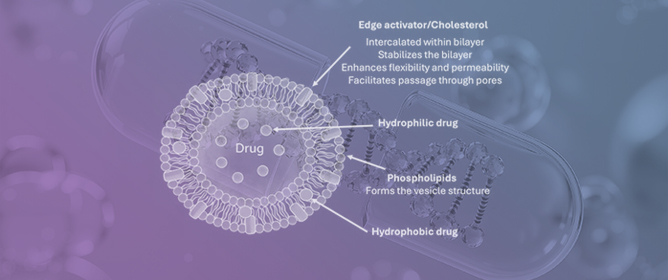
Transferosomes as Drug Delivery Systems: Design Principles, Deformability, and Translational Challenges -
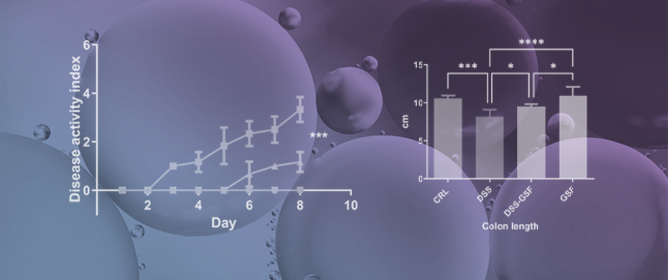
Prevention of Intestinal Inflammation and Gut Dysbiosis by Prebiotic Grape Seed Flour in Mice with DSS-Induced Colitis -
Modulation of Mu-Opioid Receptor Expression and Functional Impairment of Natural Killer Cells in Neuropathic Pain: Implications for Biomarker Discovery and Personalized Therapies
Journal Description
Pharmaceuticals
Pharmaceuticals
is a peer-reviewed, open access journal of medicinal chemistry and related drug sciences, published monthly online by MDPI. The Academy of Pharmaceutical Sciences (APS) is affiliated with Pharmaceuticals and its members receive discounts on the article processing charges.
- Open Access free for readers, with article processing charges (APC) paid by authors or their institutions.
- High Visibility: indexed within Scopus, SCIE (Web of Science), PubMed, PMC, Embase, CAPlus / SciFinder, and other databases.
- Journal Rank: JCR - Q1 (Pharmacology and Pharmacy) / CiteScore - Q1 (Pharmaceutical Science)
- Rapid Publication: manuscripts are peer-reviewed and a first decision is provided to authors approximately 14.3 days after submission; acceptance to publication is undertaken in 3.6 days (median values for papers published in this journal in the first half of 2026).
- Recognition of Reviewers: reviewers who provide timely, thorough peer-review reports receive vouchers entitling them to a discount on the APC of their next publication in any MDPI journal, in appreciation of the work done.
- Testimonials: See what our editors and authors say about Pharmaceuticals.
- International Electronic Conference on Medicinal Chemistry (https://sciforum.net/series/ecmc/latest)
- Companion journals for Pharmaceuticals include: Psychoactives and Drugs and Drug Candidates.
- Journal Clusters-Pharmaceutical Science: Scientia Pharmaceutica, Marine Drugs, Pharmaceuticals, Pharmaceutics, Pharmacy, Biologics, Future Pharmacology, Pharmacoepidemiology, Drugs and Drug Candidates and Journal of Pharmaceutical and BioTech Industry.
Impact Factor:
5.7 (2025);
5-Year Impact Factor:
5.5 (2025)
Latest Articles
Cycloastragenol Attenuates Angiotensin II-Induced Cardiac Remodeling in Association with Enhanced EGFR Lysosomal Turnover and Changes in MAPK Signaling and Autophagy
Pharmaceuticals 2026, 19(9), 1360; https://doi.org/10.3390/ph19091360 - 27 Aug 2026
Abstract
Background: Pathological cardiac remodeling is a major driver of heart failure progression and is closely associated with fibroblast activation, myocardial inflammation, oxidative injury, and impaired autophagic homeostasis. Epidermal growth factor receptor (EGFR) signaling participates in adverse remodeling through activation of MAPK pathways, but
[...] Read more.
Background: Pathological cardiac remodeling is a major driver of heart failure progression and is closely associated with fibroblast activation, myocardial inflammation, oxidative injury, and impaired autophagic homeostasis. Epidermal growth factor receptor (EGFR) signaling participates in adverse remodeling through activation of MAPK pathways, but the relationship between pharmacologically modulated EGFR turnover and cardiac remodeling remains insufficiently defined. Methods: This study investigated the protective effects of cycloastragenol (CAG), a triterpenoid sapogenin derived from Astragalus membranaceus, in Angiotensin II (Ang II)-induced cardiac remodeling and examined changes in EGFR turnover and associated MAPK signaling and autophagy-related processes. Circulating soluble EGFR was associated with heart failure severity after adjustment for age and sex. Separately, an independent exploratory transcriptomic analysis of left ventricular samples from GSE161472 showed that myocardial EGFR expression distinguished HFrEF from non-failing samples with an AUC of 0.870. Male C57BL/6 mice subjected to continuous Ang II infusion at 500 ng/kg/min for 28 days were used to establish the in vivo cardiac remodeling model and evaluate the effects of CAG on cardiac function, myocardial injury, fibrosis, inflammation, oxidative stress, apoptosis, and autophagy-related changes, with enalapril used as a positive control. Primary cardiac fibroblasts were further used to assess proliferation, migration, collagen production, EGFR membrane accumulation, lysosomal trafficking, MAPK signaling, and autophagic flux. Circulating soluble EGFR increased with heart failure severity and was associated with BNP elevation, ventricular dilation, and reduced ejection fraction. Results: CAG improved cardiac performance, reduced myocardial injury markers, alleviated fibrosis and hypertrophy, and suppressed inflammatory and oxidative responses in Ang II-treated mice. In cardiac fibroblasts, CAG reduced sustained EGFR membrane accumulation, increased EGFR recovery in pan-ubiquitin immunoprecipitates and lysosomal localization, and accelerated EGFR protein turnover, consistent with a predominantly lysosome-associated pathway. The K716R mutation attenuated CAG-associated changes in EGFR turnover, MAPK phosphorylation, and autophagic flux. Conclusions: These findings suggest that CAG attenuates Ang II-induced cardiac remodeling and is associated with enhanced EGFR lysosomal turnover, accompanied by changes in MAPK signaling and autophagy-related processes.
Full article
(This article belongs to the Section Pharmacology)
Open AccessArticle
Ketone Supplementation Decreased Lipopolysaccharide-Generated Anxiety-like Behavior in Female WAG/Rij Rats
by
Enikő Rauch, Csilla Ari, Dominic P. D’Agostino and Zsolt Kovács
Pharmaceuticals 2026, 19(9), 1359; https://doi.org/10.3390/ph19091359 - 27 Aug 2026
Abstract
Background/Objectives: Inflammatory processes, including elevated pro-inflammatory cytokines such as interleukin 1β (IL-1β), have been implicated in the pathophysiology of anxiety disorders. The ketone body β-hydroxybutyrate (βHB) was shown to mitigate inflammatory processes induced by lipopolysaccharide (LPS) administration. It was also suggested that exogenous
[...] Read more.
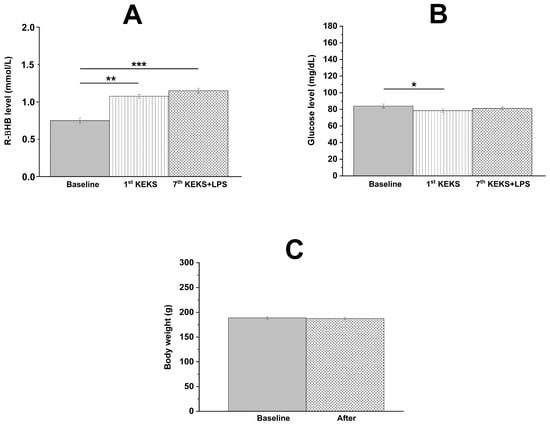
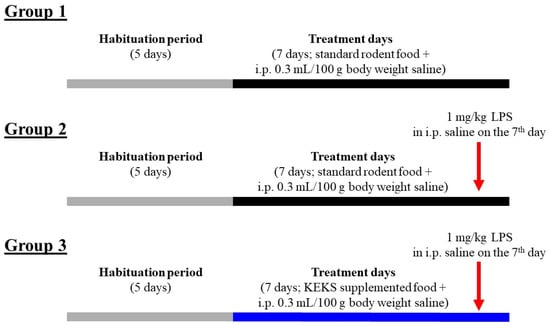
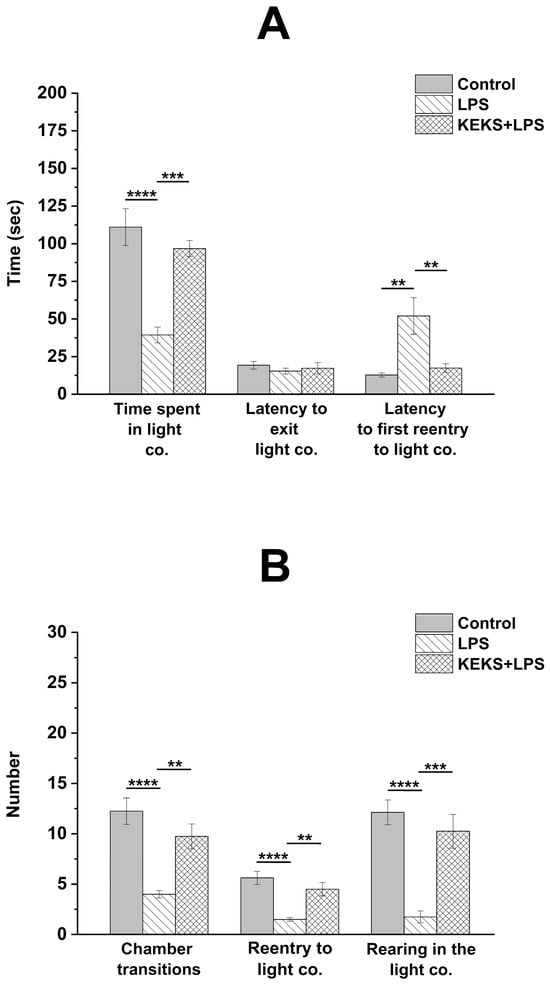
Background/Objectives: Inflammatory processes, including elevated pro-inflammatory cytokines such as interleukin 1β (IL-1β), have been implicated in the pathophysiology of anxiety disorders. The ketone body β-hydroxybutyrate (βHB) was shown to mitigate inflammatory processes induced by lipopolysaccharide (LPS) administration. It was also suggested that exogenous ketone supplements, such as ketone esters (KEs) and ketone salts (KSs), can decrease anxiogenic effects through increased blood ketone levels in the body (ketosis) in preclinical animal models. Methods: Thus, we investigated whether standard rodent food supplemented with KEKS (KEKS food: mix of a KE R/S-1,3-butanediol-acetoacetate diester and a KS Na+- and Ca2+- R/S-βHB salt in 1:1 ratio) for 7 days can alleviate the intraperitoneal (i.p.) 1 mg/kg LPS-generated anxiogenic effect in female Wistar Albino Glaxo/Rijswijk (WAG/Rij) rats. For the evaluation of anxiogenic effects, the light–dark box (LDB) test was used. Results: KEKS food significantly increased the blood R-β-hydroxybutyrate (R-βHB) level and decreased the blood glucose level compared to the baseline. Moreover, the LPS significantly (i) decreased the time spent in the light compartment, the number of chamber transitions, the number of re-entries to the light compartment and the number of rearing in the light compartment, and also (ii) increased the time of latency to the first re-entry to the light compartment compared to control. Nevertheless, KEKS food treatment abolished LPS-generated anxiety-like behavior. Conclusions: The current study demonstrated that a 7-day KEKS-supplemented diet can increase blood R-βHB levels and abolish acute LPS administration-evoked increases in anxiety levels in female WAG/Rij rats. Moreover, our results support the important role of neuroinflammation in pathological processes resulting in anxiety. Thus, these results suggest that exogenous ketone supplement-generated ketosis may be a promising therapeutic tool in the treatment of inflammatory process-mediated diseases, such as anxiety disorders.
Full article
(This article belongs to the Section Pharmacology)
►▼
Show Figures

Figure 1
Open AccessReview
Targeting HMGB1 for Renal Ischemia and Reperfusion Injury: Mechanisms and Therapeutic Strategies
by
Xiao-Hui Chi, Ming-Feng Liao and Ya-Qun Zhou
Pharmaceuticals 2026, 19(9), 1358; https://doi.org/10.3390/ph19091358 - 27 Aug 2026
Abstract
Although the underlying mechanisms of renal IRI have been extensively studied, the corresponding effective treatments are still lacking. HMGB1, an important nuclear factor that is secreted outside cells when experiencing stress conditions, acts as a DAMP and exerts crucial effects on renal IRI.
[...] Read more.
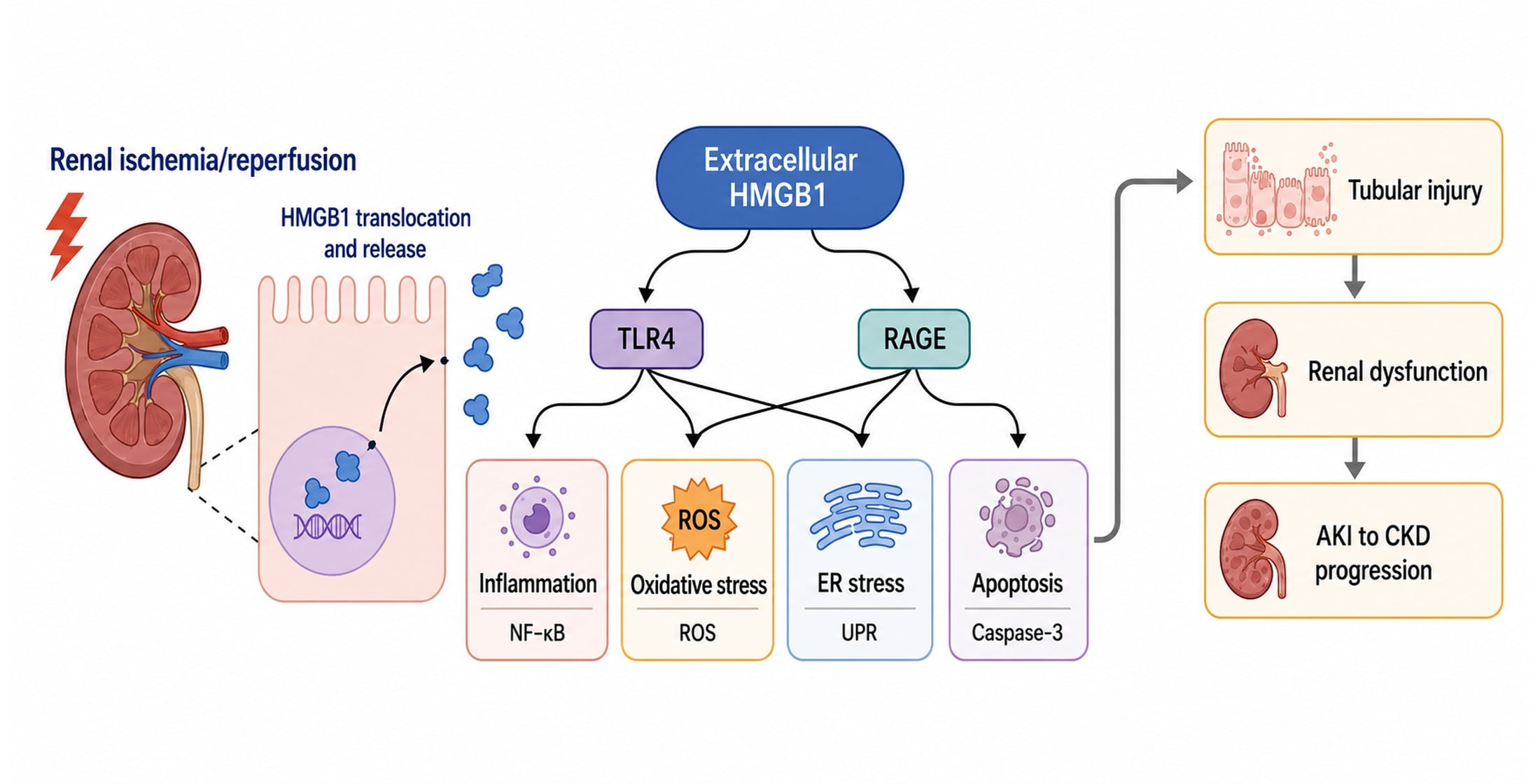
Although the underlying mechanisms of renal IRI have been extensively studied, the corresponding effective treatments are still lacking. HMGB1, an important nuclear factor that is secreted outside cells when experiencing stress conditions, acts as a DAMP and exerts crucial effects on renal IRI. Many studies have suggested that the effect of HMGB1 on kidney damage is mediated mainly through the interaction of HMGB1 with pattern recognition receptors such as TLR4 and RAGE, which then results in the aggravation of local inflammatory response, increased infiltration of leukocytes, and finally renal tubular damage. Preclinical studies using animal models have demonstrated that inhibition of HMGB1 and downstream signal pathways can attenuate renal injury. This review critically evaluates HMGB1 in renal IRI across redox state, subcellular localization, temporal and cell-specific release, receptor usage, integrated stress pathways, autophagy, and regulated cell death. It also compares direct neutralization, inhibition of release or translocation, epigenetic/RNA-based regulation, and receptor-directed strategies. The evidence is predominantly derived from short-term rodent studies, with one large-animal antibody study and no therapeutic human trials. Accordingly, HMGB1 is best regarded as a biologically compelling but clinically unvalidated target whose therapeutic value will depend on redox- and phase-selective inhibition, kidney-directed delivery, and rigorous pharmacokinetic and safety evaluation.
Full article
(This article belongs to the Section Pharmacology)
►▼
Show Figures

Graphical abstract
Open AccessArticle
Pharmaceutical Market Analysis of Topical Semi-Solid Dosage Forms for Skin Disorders in Kazakhstan
by
Artyom Savelyev, Dmitriy Khrustalev, Irina Losseva, Azamat Yedrissov, Anastassiya Khrustaleva, Vladimir Kazantsev, Sofiya Shapovalenko, Marlen Kiikbayev, Polina Rusyaeva and Kristina Perepelitsyna
Pharmaceuticals 2026, 19(9), 1357; https://doi.org/10.3390/ph19091357 - 27 Aug 2026
Abstract
Background: Topical semi-solid dosage forms are crucial for treating inflammatory skin disorders, wounds, burns, and superficial infections. Despite their widespread clinical use, comprehensive pharmaceutical market analyses of registered topical medicines remain limited in Central Asia. The aim of this study was to characterize
[...] Read more.
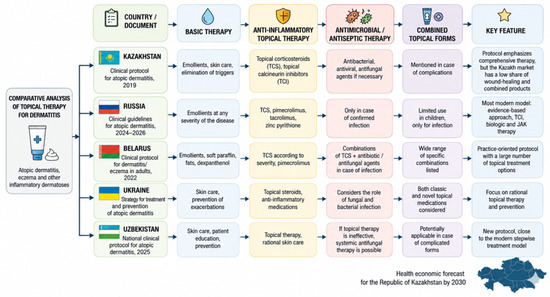
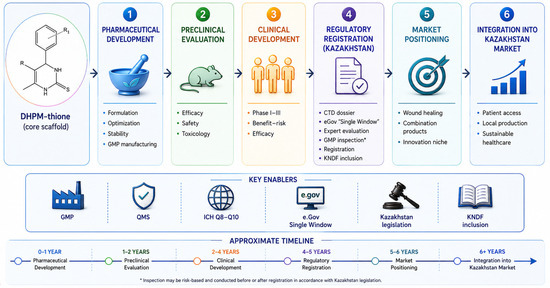
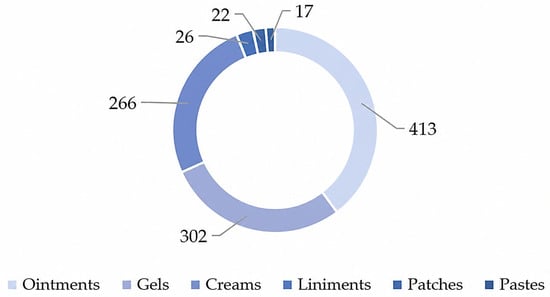
Background: Topical semi-solid dosage forms are crucial for treating inflammatory skin disorders, wounds, burns, and superficial infections. Despite their widespread clinical use, comprehensive pharmaceutical market analyses of registered topical medicines remain limited in Central Asia. The aim of this study was to characterize the pharmaceutical market of topical semi-solid dosage forms registered in the Republic of Kazakhstan, including their dosage-form distribution, pharmacotherapeutic composition, manufacturer structure, and structural diversity of active pharmaceutical ingredients (APIs), with particular attention to heterocyclic compounds. Methods: A cross-sectional descriptive analysis was conducted using the State Register of Medicinal Products of the Republic of Kazakhstan. Registration records of topical semi-solid dosage forms were identified according to predefined inclusion criteria and classified by dosage form, pharmacotherapeutic category, manufacturer, country of origin, and API chemical structure. Descriptive statistical analysis, market concentration indices, and structural classification of heterocyclic compounds were applied. Therapeutic recommendations for dermatitis management from selected CIS countries were reviewed to provide a contextual interpretation of the observed market structure. Results: A total of 1046 registered topical semi-solid dosage forms met the inclusion criteria. Ointments (39.5%), gels (28.9%), and creams (25.4%) accounted for 93.8% of all registered products, indicating a highly concentrated dosage-form structure. Anti-inflammatory agents represented the largest pharmacotherapeutic group, whereas wound-healing and combination products accounted for smaller proportions of the market. Structural classification demonstrated broad representation of established heterocyclic chemical classes, while no registered medicinal products containing dihydropyrimidine-2(1H)-thione (DHPM-thione) derivatives were identified in the registry. Comparison with regional clinical recommendations indicated differences between recommended therapeutic approaches and the distribution of registered pharmacotherapeutic categories. Conclusions: This study provides the first comprehensive descriptive assessment of the registered market of topical semi-solid dosage forms in Kazakhstan. The results establish a reference dataset describing the current pharmaceutical landscape, including dosage forms, therapeutic categories, manufacturers, and API chemical classes. The absence of registered DHPM-thione-containing medicinal products indicates that this chemical class is currently not represented in the national medicines registry. Together with previously published preclinical evidence, this observation supports consideration of DHPM-thione derivatives as a subject for future pharmaceutical research, although the present study does not permit conclusions regarding their clinical effectiveness, market demand, or future commercialization.
Full article
(This article belongs to the Section Pharmacology)
►▼
Show Figures

Figure 1
Open AccessArticle
Comparative Neuropharmacological Effects of Antiseizure Drugs on Cultured Myenteric and Dorsal Root Ganglion Neurons
by
Aleksandr Subbotin, Holger A. Volk, Sebastian Meller, Gemma Mazzuoli-Weber and Kristin Elfers
Pharmaceuticals 2026, 19(9), 1356; https://doi.org/10.3390/ph19091356 - 27 Aug 2026
Abstract
Background/Objectives: Antiseizure drugs (ASDs) are the primary therapeutic approach for epilepsy in small animals. Although ASDs are primarily used to modulate central neuronal excitability, they are commonly administered systemically, most often by the oral route, and may therefore influence neuronal populations outside the
[...] Read more.
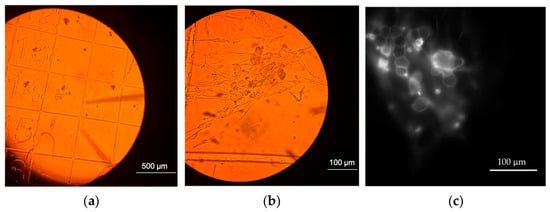
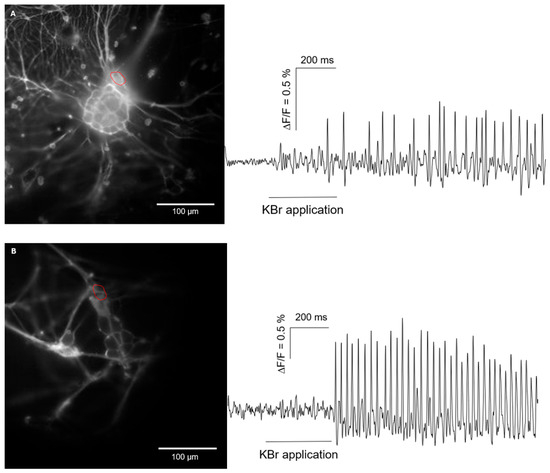
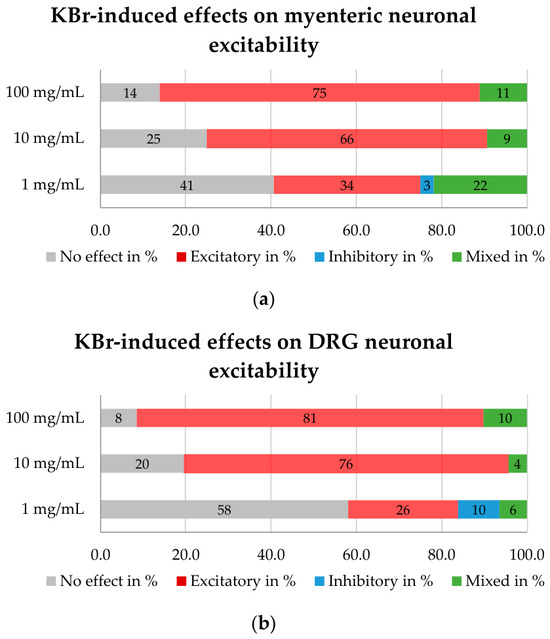
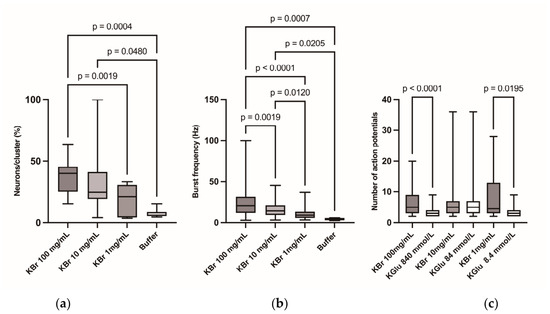
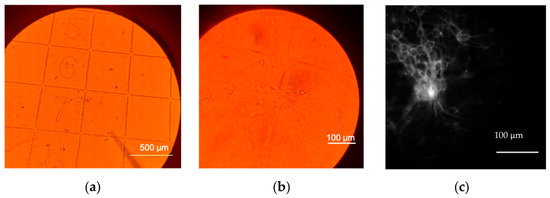
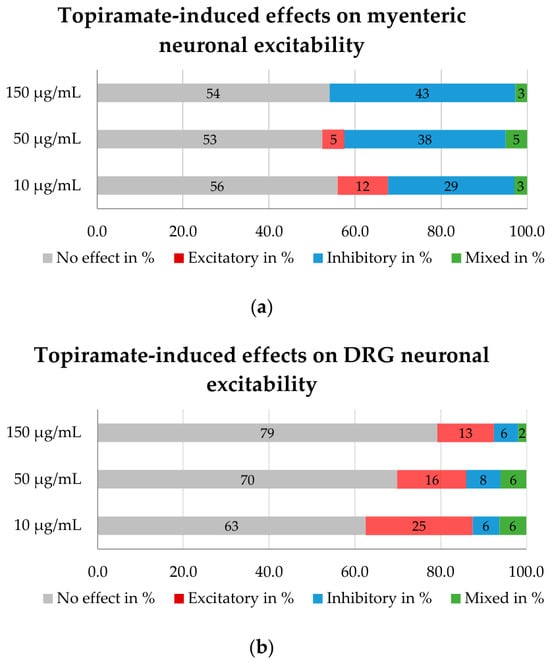
Background/Objectives: Antiseizure drugs (ASDs) are the primary therapeutic approach for epilepsy in small animals. Although ASDs are primarily used to modulate central neuronal excitability, they are commonly administered systemically, most often by the oral route, and may therefore influence neuronal populations outside the central nervous system. Nevertheless, their functional effects on peripheral neuronal populations, including enteric and dorsal root ganglion (DRG) neurons, remain incompletely characterized at a comparative pharmacological level. This study aimed to perform a comparative functional neuropharmacological profiling of commonly used ASDs in primary cultured myenteric and DRG neurons. Methods: Changes in neuronal activity were assessed in primary cultured guinea pig myenteric and DRG neurons using voltage-sensitive dye imaging with Di-8-ANEPPS following direct ASD application under standardized in vitro conditions. Results: ASDs exerted distinct drug- and neuron-type-specific effects on peripheral neuronal excitability. Topiramate induced the most pronounced reduction in neuronal excitability in myenteric neurons, whereas phenobarbital and levetiracetam produced only minor changes compared with buffer control. Potassium bromide induced mainly excitatory effects in both enteric and DRG neurons. Overall, most ASDs predominantly increased neuronal excitability in DRG neurons. Conclusions: These findings demonstrate distinct functional response profiles of ASDs in enteric and sensory neuronal populations. This comparative in vitro approach may provide a basis for future studies investigating peripheral neuronal drug effects and may help relate experimental pharmacological profiling to clinically relevant challenges associated with ASD treatment across different disorders.
Full article
(This article belongs to the Section Pharmacology)
►▼
Show Figures

Figure 1
Open AccessArticle
Physiological Hypoxia and Pharmacological HIF Stabilization Induce Distinct but Overlapping Responses in Retinal Pigment Epithelial Cells
by
Tamás Gáll, Dávid Pethő, Szilárd Póliska, József Balla and György Balla
Pharmaceuticals 2026, 19(9), 1355; https://doi.org/10.3390/ph19091355 - 27 Aug 2026
Abstract
Background/Objectives: Hypoxia is a major contributor to the development of retinal diseases by promoting metabolic adaptation and pathological angiogenesis through hypoxia-inducible factor (HIF) signaling. HIF-prolyl hydroxylase inhibitors (HIF-PHIs), which stabilize HIF under normoxic conditions, are widely used to treat anemia associated with chronic
[...] Read more.
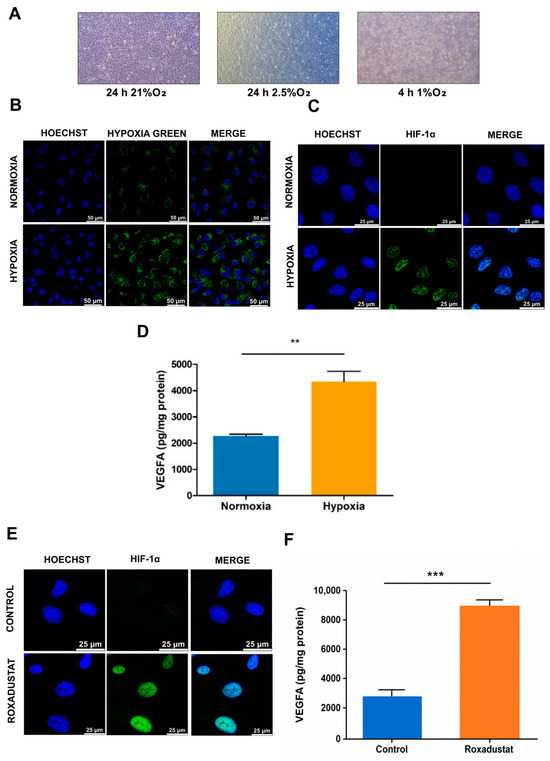
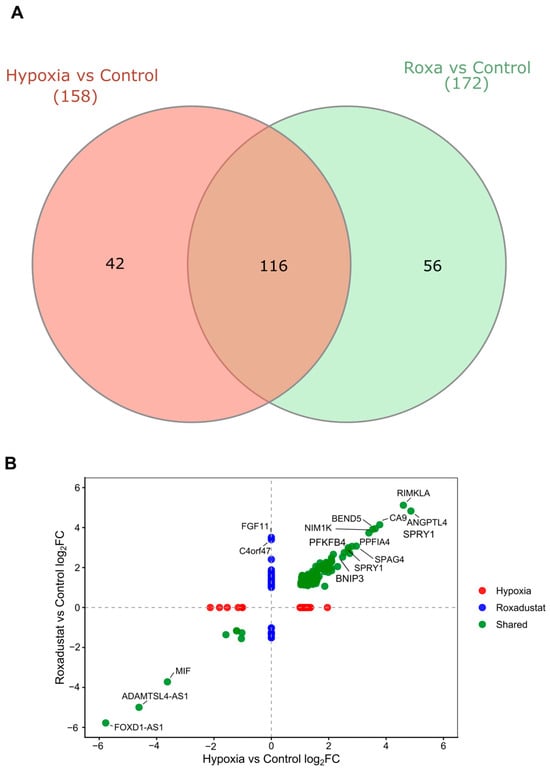
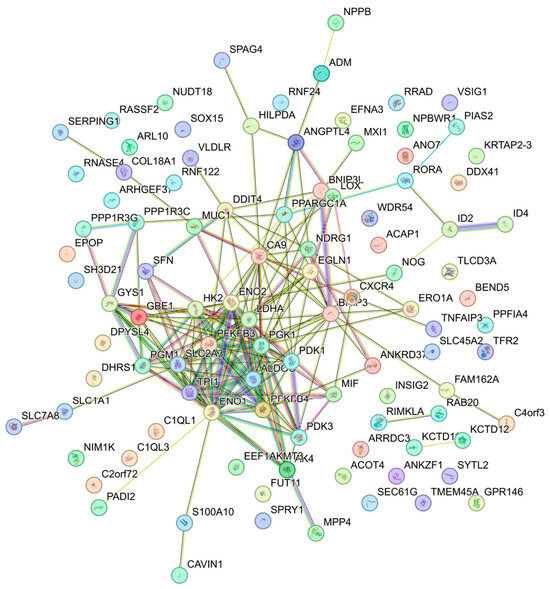
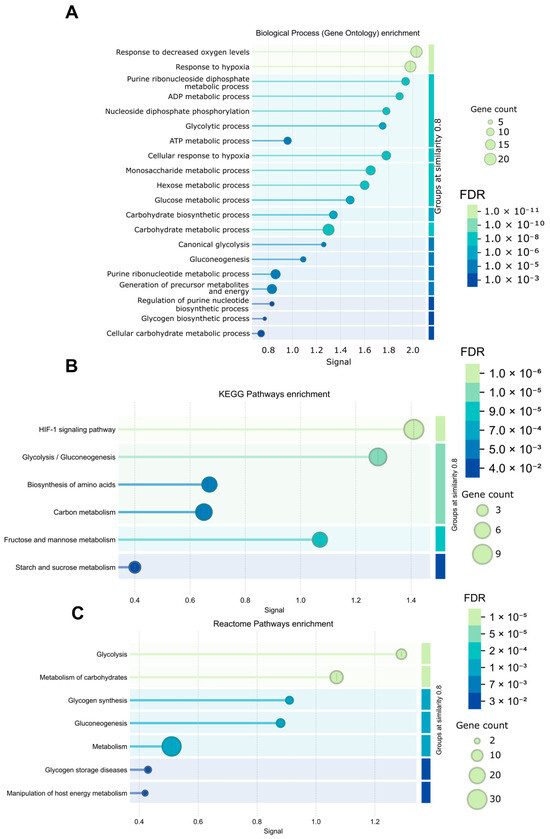
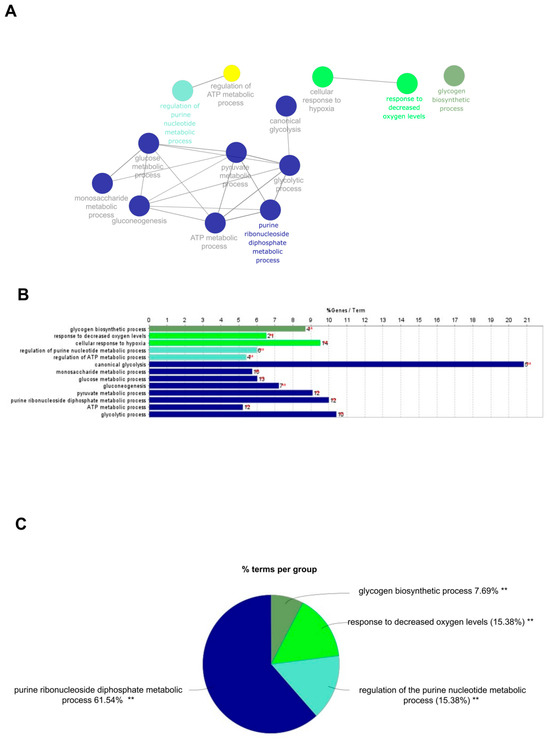
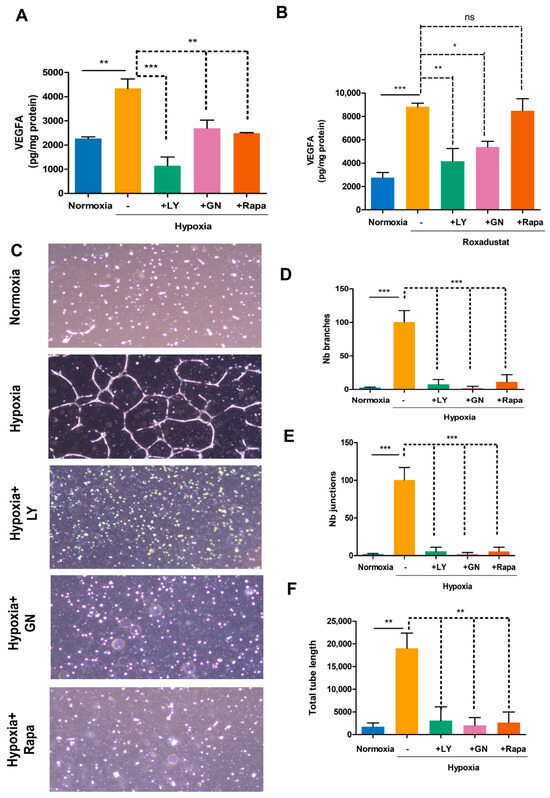
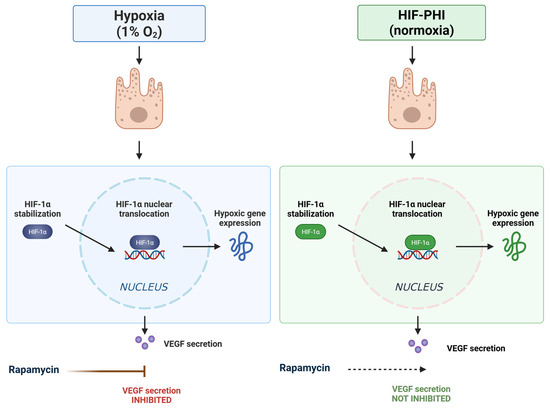
Background/Objectives: Hypoxia is a major contributor to the development of retinal diseases by promoting metabolic adaptation and pathological angiogenesis through hypoxia-inducible factor (HIF) signaling. HIF-prolyl hydroxylase inhibitors (HIF-PHIs), which stabilize HIF under normoxic conditions, are widely used to treat anemia associated with chronic kidney disease. However, it remains unclear whether pharmacological HIF stabilization fully reproduces the cellular responses induced by physiological hypoxia. Methods: In this study, ARPE-19 cells were exposed to either physiological hypoxia or HIF-PHI treatment and analyzed using RNA sequencing, pathway enrichment, and pharmacological inhibition of PI3K/Akt, mTOR, and HIF-related signaling pathways. Results: Both treatments elicited a common transcriptional response marked by the induction of glycolytic and hypoxia-responsive genes together with increased vascular endothelial growth factor a VEGFA expression. Despite these similarities, only a small number of genes differed between the two conditions, suggesting that physiological hypoxia activates additional regulatory mechanisms beyond HIF stabilization alone. Rapamycin inhibited VEGFA production only under physiological hypoxia, further supporting mechanistic differences between the two models. Functionally, conditioned media from hypoxic ARPE-19 cells promoted endothelial tube formation, which was significantly reduced by pathway inhibition. Conclusions: Collectively, these findings show that HIF-PHIs reproduce many, but not all, aspects of the physiological hypoxic response in RPE cells.
Full article
(This article belongs to the Section Pharmacology)
►▼
Show Figures

Graphical abstract
Open AccessArticle
Predicting the Toxicity In Silico of the Aqueous Extract of Chiranthodendron pentadactylon Flowers. Experimental Evaluation In Vivo
by
Oscar Salvador Barrera-Vázquez, Gil Alfonso Magos-Guerrero, Juan Luis Escobar-Ramírez, Rubén San Miguel-Chávez and Maira Huerta-Reyes
Pharmaceuticals 2026, 19(9), 1354; https://doi.org/10.3390/ph19091354 - 26 Aug 2026
Abstract
Chiranthodendron pentadactylon Larreat (“flor de manita”) is traditionally used for gastrointestinal, cardiovascular, and neurological disorders. Objective: This study comprehensively integrated phytochemical characterization, in silico toxicological profiling, an exposure-informed Integrative Toxicity Prediction Model (ITPM), uncertainty analysis, and acute testing of a fresh flower aqueous
[...] Read more.
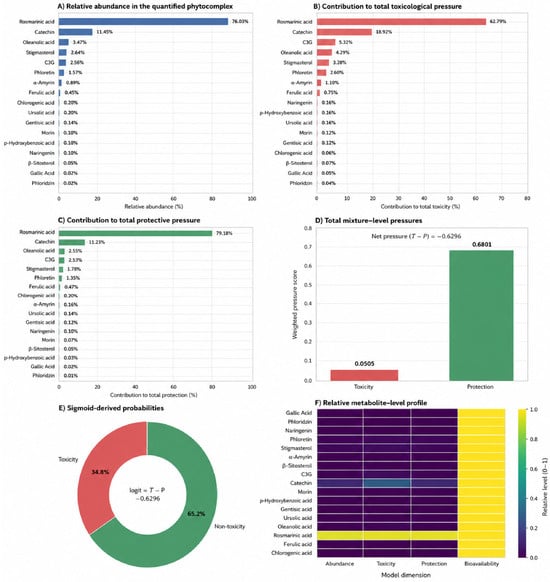
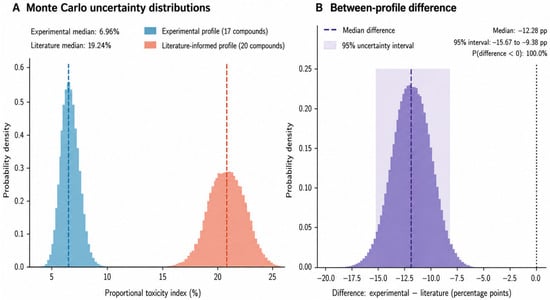
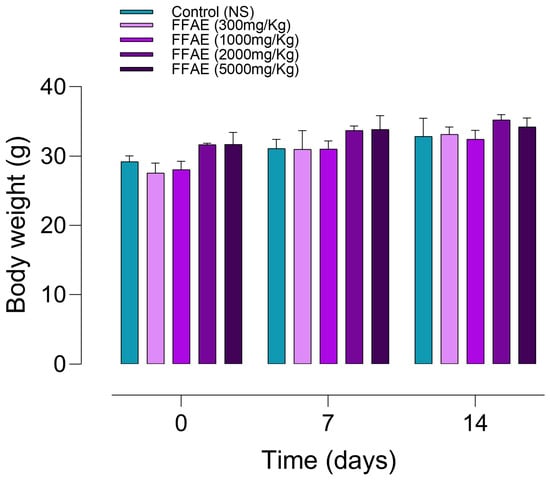
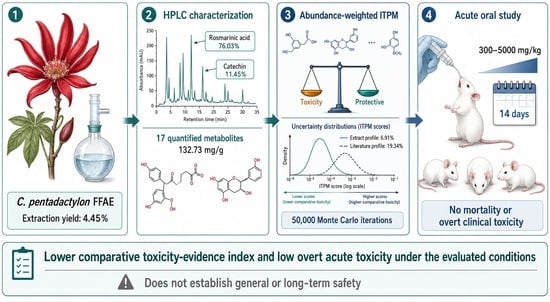
Chiranthodendron pentadactylon Larreat (“flor de manita”) is traditionally used for gastrointestinal, cardiovascular, and neurological disorders. Objective: This study comprehensively integrated phytochemical characterization, in silico toxicological profiling, an exposure-informed Integrative Toxicity Prediction Model (ITPM), uncertainty analysis, and acute testing of a fresh flower aqueous extract (FFAE). Methods: Thirty-six phytochemicals were screened for hepatotoxicity, nephrotoxicity, Ames mutagenicity, carcinogenicity, hERG inhibition, reproductive-effects alerts, and acute oral toxicity. Five organ- or effect-specific endpoints were integrated into an exploratory Toxicological Alert Score (TAS), whereas reproductive alerts and predicted LD50 were reported separately. Seventeen compounds quantified in the FFAE were compared with a 20-compound literature-informed profile through 50,000 Monte Carlo iterations. Male CD-1 mice received a single FFAE dose of 300–5000 mg/kg and were observed for 14 days. Results: Positive predictions occurred for hERG inhibition in 33 compounds (91.7%), hepatotoxicity in 29 (80.6%), nephrotoxicity and carcinogenicity in 28 each (77.8%), and mutagenicity in 21 (58.3%). Six compounds had predicted LD50 values ≤ 1000 mg/kg. The proportional ITPM toxicity-evidence index was 6.91% for the experimental profile and 19.34% for the literature-informed profile. Monte Carlo means were 6.98% (95% uncertainty interval, 5.65–8.44%) and 19.32% (16.76–22.37%), respectively. No mortality, overt clinical signs, or treatment-related body weight differences occurred up to 5000 mg/kg. Conclusions: Compound-level predictions identified priorities for confirmatory testing, while the extract-specific model yielded a lower comparative toxicity-evidence proportion, and the animal study showed low overall acute toxicity under the evaluated conditions. These findings do not establish general or long-term safety, calibrated risk probabilities, or biological neutralization of toxicological liabilities.
Full article
(This article belongs to the Special Issue Advances in Natural Products: Basic, Therapeutic, and Computational Approaches in Chronic and Infectious Diseases)
►▼
Show Figures

Graphical abstract
Open AccessArticle
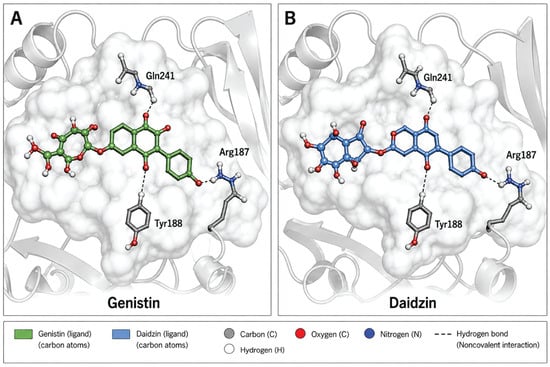
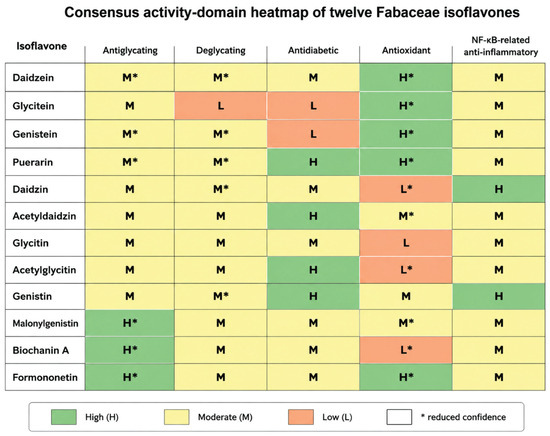
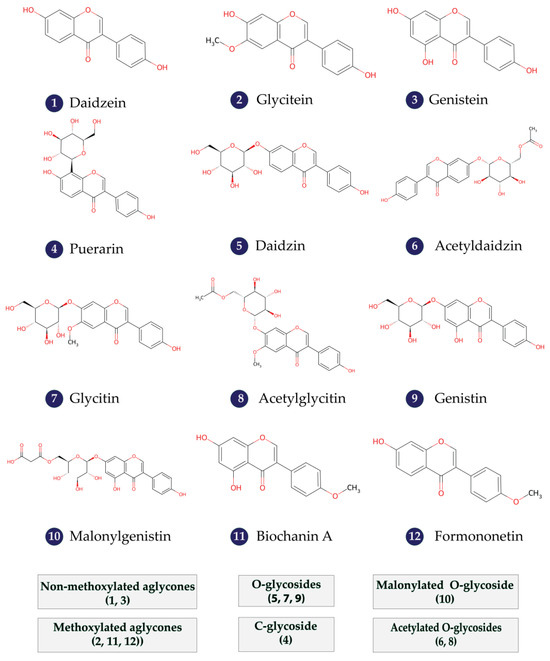
Consensus In Silico Pharmacodynamic Screening of Twelve Fabaceae Isoflavones Targeting Glycation, Oxidative Stress, Antidiabetic Activity, and NF-κB-Related Inflammation
by
Saied A. Aboushanab, Denis A. Oberiukhtin, Irina G. Danilova, Pavel M. Vassiliev, Ksenia V. Sokolova, Kewei Chen, Elena G. Kovaleva, Alicia C. Mondragon, Ekaterina I. Demicheva and Jose M. Miranda
Pharmaceuticals 2026, 19(9), 1353; https://doi.org/10.3390/ph19091353 - 26 Aug 2026
Abstract
Background/Objectives: Type 2 diabetes mellitus (T2DM) is a multifactorial metabolic disorder characterized by chronic hyperglycemia, oxidative stress, protein glycation, low-grade inflammation, and dysregulation of signaling pathways, including those involving nuclear factor kappa B (NF-κB). Isoflavones from Fabaceae species exhibit diverse biological activities and
[...] Read more.
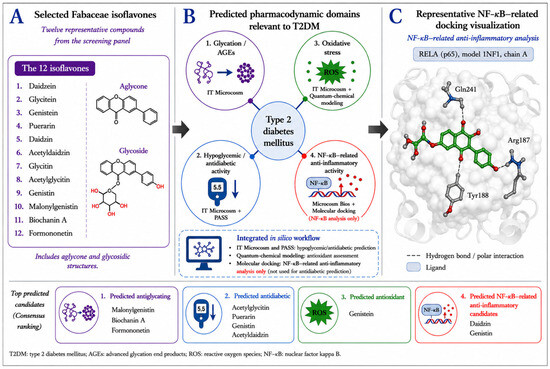
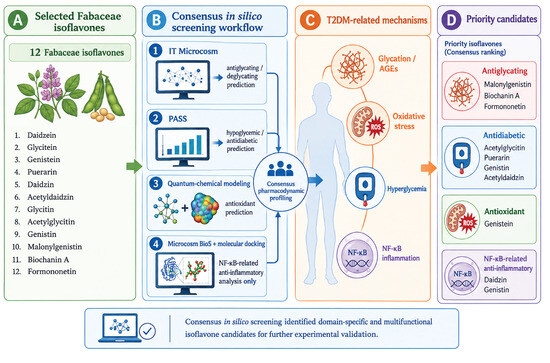
Background/Objectives: Type 2 diabetes mellitus (T2DM) is a multifactorial metabolic disorder characterized by chronic hyperglycemia, oxidative stress, protein glycation, low-grade inflammation, and dysregulation of signaling pathways, including those involving nuclear factor kappa B (NF-κB). Isoflavones from Fabaceae species exhibit diverse biological activities and may represent multifunctional candidates for addressing the interconnected mechanisms underlying T2DM. This study performed a consensus in silico pharmacodynamic screening of twelve representative Fabaceae isoflavones to prioritize compounds with predicted antiglycating, deglycating, antidiabetic, antioxidant, and NF-κB-related anti-inflammatory activities. Methods: Twelve representative Fabaceae isoflavones were evaluated using a multimethod computational workflow. Antiglycating and deglycating activities were predicted using IT Microcosm, antidiabetic and hypoglycemic activities were assessed using Prediction of Activity Spectra for Substances (PASS), antioxidant potential was evaluated using similarity-based prediction and quantum-chemical calculations, and NF-κB-related anti-inflammatory activity was investigated using similarity-based prediction combined with molecular docking. Molecular docking was applied specifically to the NF-κB-related anti-inflammatory analysis and did not contribute to the hypoglycemic/antidiabetic prediction. The individual predictions were integrated using a consensus scoring strategy to prioritize compounds across multiple pharmacodynamic domains. Results: The investigated isoflavones demonstrated moderate but broad predicted multifunctional activities. Malonylgenistin, biochanin A, and formononetin showed the most favorable predicted antiglycating profiles. Genistin, acetyldaidzin, acetylglycitin, and puerarin ranked highest in terms of predicted antidiabetic activity, whereas genistein exhibited the strongest predicted antioxidant profile. Daidzin and genistin received the highest integrated NF-κB-related computational rankings, although these predictions apply to intact glycosides rather than their expected in vivo hydrolysis products. Conclusions: This study presents a consensus computational framework for the comparative prioritization of Fabaceae isoflavones based on their predicted multifunctional pharmacodynamic profiles. The results provide a rational basis for selecting candidate compounds for future biochemical, cell-based, pharmacokinetic, and in vivo investigations, although it is emphasized that the present findings are based exclusively on computational predictions and require experimental validation.
Full article
(This article belongs to the Special Issue Emerging Therapies for Diabetes and Obesity)
►▼
Show Figures

Graphical abstract
Open AccessReview
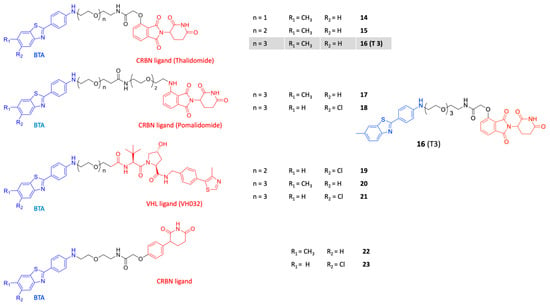
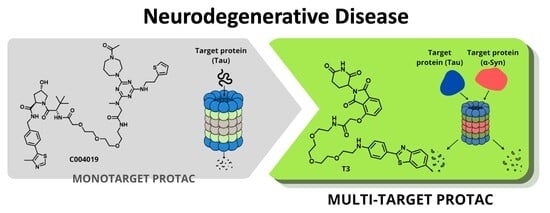
PROTAC-Based Strategies in Neurodegenerative Diseases: Challenges and Perspectives
by
Pasquale Degennaro, Imane Ghafir El Idrissi, Rosa Purgatorio, Annalisa Fanizzi, Mariagrazia Rullo, Leonardo Pisani, Eleonora Macchia, Luisa Torsi, Angela Stefanachi and Francesco Leonetti
Pharmaceuticals 2026, 19(9), 1352; https://doi.org/10.3390/ph19091352 - 26 Aug 2026
Abstract
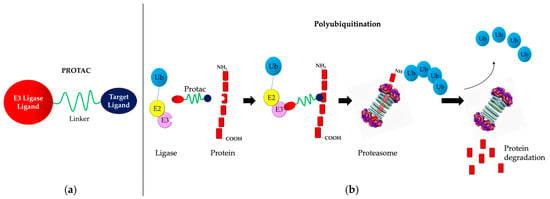
Proteolysis-Targeting Chimeras (PROTACs) are heterobifunctional molecules that induce the selective degradation of a protein of interest by recruiting an E3 ubiquitin ligase, thereby triggering ubiquitination and proteasomal clearance. As part of the broader targeted protein degradation (TPD) paradigm, PROTACs offer a powerful strategy
[...] Read more.
Proteolysis-Targeting Chimeras (PROTACs) are heterobifunctional molecules that induce the selective degradation of a protein of interest by recruiting an E3 ubiquitin ligase, thereby triggering ubiquitination and proteasomal clearance. As part of the broader targeted protein degradation (TPD) paradigm, PROTACs offer a powerful strategy to eliminate pathogenic proteins that are difficult to modulate with traditional occupancy-based inhibitors. However, their clinical translation is often limited by poor aqueous solubility, suboptimal cellular permeability, and off-target effects. Notably, some PROTACs retain potent biological activity despite limited membrane permeability, owing to their catalytic mechanism of action, which allows even a small number of molecules reaching the target site to drive substantial protein degradation and produce important pharmacological effects. Growing evidence supports the application of PROTAC-based approaches in neurodegenerative diseases, where the selective removal of toxic or misfolded proteins is particularly attractive. This review summarizes recent advances in chemical protein degradation strategies for neurodegenerative disorders and highlights potential future perspectives of multifunctional PROTACs for therapeutic development.
Full article
(This article belongs to the Topic Imatinib (Glivec or Gleevec): Commemorative Topic in Honor of Dr Jürg Zimmermann on the Occasion of His 70th Anniversary)
►▼
Show Figures

Graphical abstract
Open AccessArticle
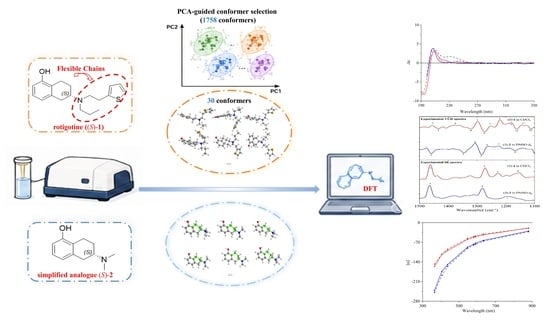
Representative Conformational Sampling for Chiroptical Analysis of the Flexible Dopamine Agonist Rotigotine
by
Yi-Xuan Li, Xiao-Li Zhou, Jing-Wen Xu, Chen Zhao, You-Yang Li, Hai-You Zhao, Liang-Peng Li, Xin-Xin Tan, Yu-Xiang Zhang, Bei-Bei Yang, Li Li and Li-Hui Yin
Pharmaceuticals 2026, 19(9), 1351; https://doi.org/10.3390/ph19091351 - 26 Aug 2026
Abstract
Background/Objectives: Rotigotine is a conformationally flexible chiral dopamine agonist, but its solution-phase chiroptical behavior and conformational heterogeneity have not been systematically assessed. This study characterized its electronic circular dichroism (ECD), optical rotatory dispersion (ORD), and vibrational circular dichroism (VCD) responses and evaluated
[...] Read more.
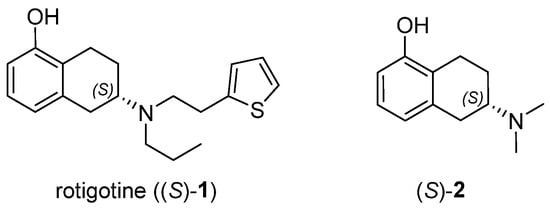
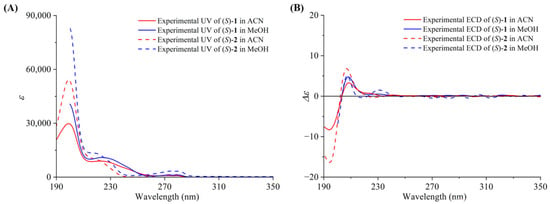
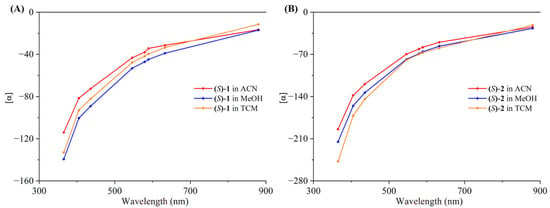
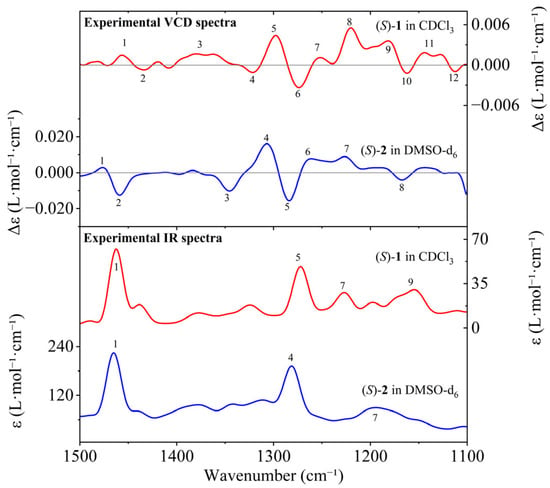
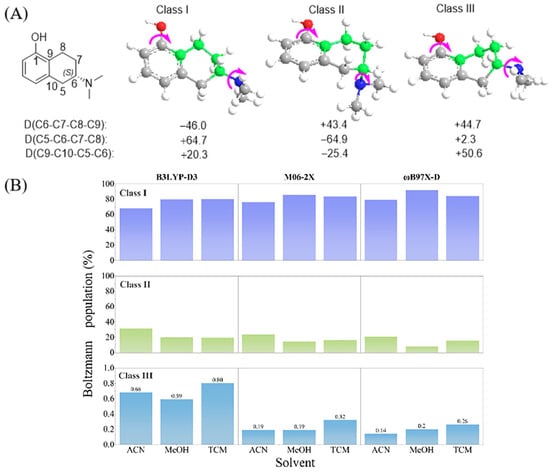
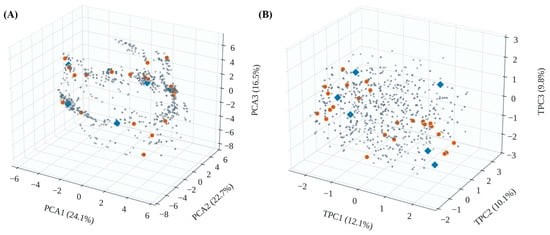
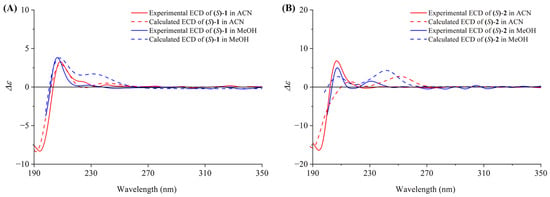
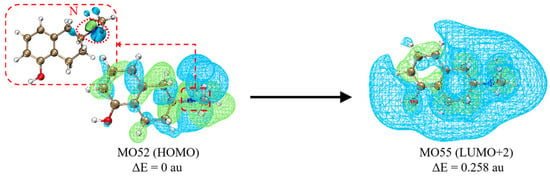
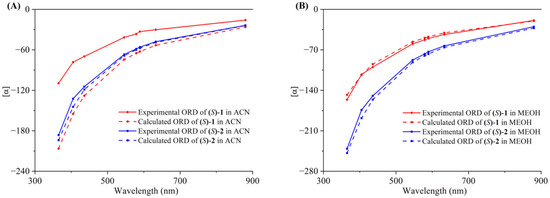
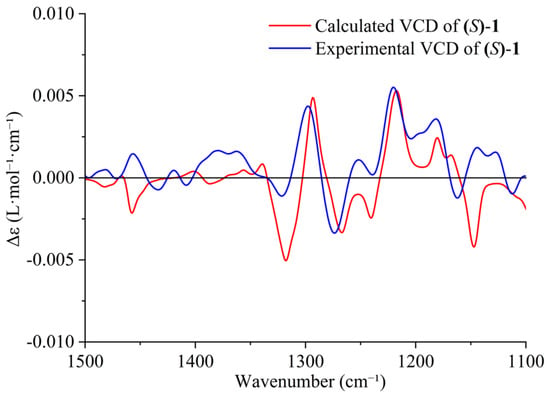
Background/Objectives: Rotigotine is a conformationally flexible chiral dopamine agonist, but its solution-phase chiroptical behavior and conformational heterogeneity have not been systematically assessed. This study characterized its electronic circular dichroism (ECD), optical rotatory dispersion (ORD), and vibrational circular dichroism (VCD) responses and evaluated their consistency with its absolute configuration. Methods: ECD and ORD data were acquired for rotigotine ((S)-1) and its simplified analog (S)-2 in acetonitrile and methanol, and VCD spectra were recorded in appropriate deuterated solvents. Conformational searches, Boltzmann weighting, and density functional theory/time-dependent density functional theory calculations were performed. A principal-component-analysis/torsion (PCA-Tor) workflow selected a compact but structurally representative conformer ensemble for (S)-1. Results: In acetonitrile, (S)-1 exhibited a positive Cotton effect (CE) at 208.5 nm and a negative CE at 194.0 nm. The Boltzmann-weighted ECD spectrum reproduced the intense negative band below 200 nm and the positive band near 210 nm. The calculated VCD spectrum agreed with the signs and positions of the main experimental bands in the 1500–1100 cm−1 region. Experimental ORD curves of both compounds were negative in acetonitrile and methanol. The calculations reproduced the sign and overall trend, although their magnitudes were protocol- and population-sensitive. Ring puckering strongly affected the calculated ECD and ORD data, whereas side-chain flexibility expanded the accessible conformational space. Conclusions: The combined results support the known S configuration of rotigotine and demonstrate the value of representative conformational sampling for flexible chiral pharmaceuticals. This study also defines the practical utility and limitations of simplified molecular models in chiroptical analysis.
Full article
(This article belongs to the Section Medicinal Chemistry)
►▼
Show Figures

Graphical abstract
Open AccessReview
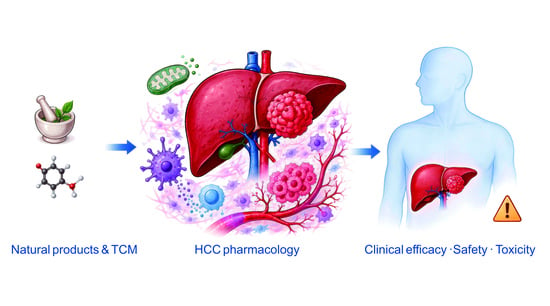
Natural Products and Traditional Chinese Medicine in Hepatocellular Carcinoma: From Pharmacological Mechanisms to Clinical Translation
by
Jingyi Shen, Xiaoya Liu, Xuanyan Yan, Tao Zhang, Xianfang Zhang, Huiquan Gu, Weimin Chen, Zhengwen Wang and Qiang Liu
Pharmaceuticals 2026, 19(9), 1350; https://doi.org/10.3390/ph19091350 - 26 Aug 2026
Abstract
Hepatocellular carcinoma (HCC) remains difficult to control because recurrence, impaired hepatic reserve, and treatment resistance limit durable benefit. Natural products and traditional Chinese medicine (TCM) provide resources that range from drug-lead discovery to adjunctive multicomponent therapy. This review integrates pharmacological and clinical evidence
[...] Read more.
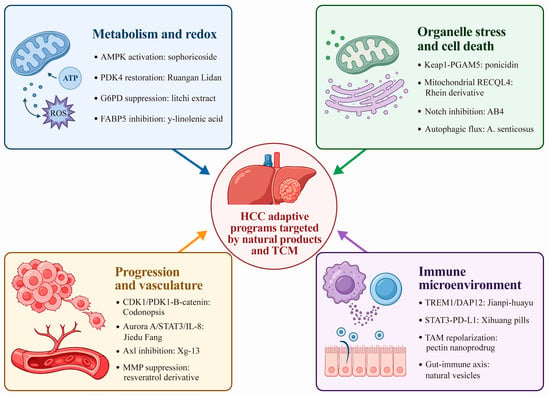
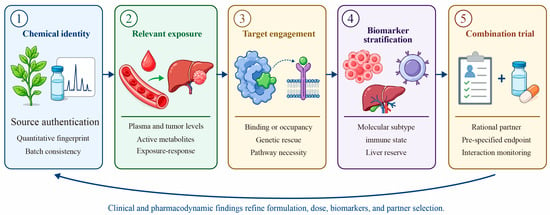
Hepatocellular carcinoma (HCC) remains difficult to control because recurrence, impaired hepatic reserve, and treatment resistance limit durable benefit. Natural products and traditional Chinese medicine (TCM) provide resources that range from drug-lead discovery to adjunctive multicomponent therapy. This review integrates pharmacological and clinical evidence for purified compounds, semisynthetic derivatives, extracts, formulas, and delivery systems. It focuses on metabolic reprogramming and redox homeostasis, stress responses and regulated cell death, tumor cell plasticity and vascular remodeling, and the immune microenvironment and host response. Recent studies have strengthened selected mechanistic claims through chemical probes, functional perturbation, and resistance models. Clinical research has concentrated on recurrence control after surgery or minimally invasive treatment and on combinations with transarterial chemoembolization, targeted agents, and immunotherapy. Randomized trials and prospective cohorts suggest potential benefit in specific settings, although product standardization, external validation, and long-term follow-up remain limited. Major translational barriers include uncertain active constituents, inadequate batch comparability, missing tumor-exposure data, and sparse herb–drug interaction studies. Future development should match target validation, pharmacokinetics, safety assessment, and clinical endpoints to each product class and clarify whether a candidate is best positioned as a drug lead, adjunctive therapy, or supportive intervention.
Full article
(This article belongs to the Section Natural Products)
►▼
Show Figures

Graphical abstract
Open AccessArticle
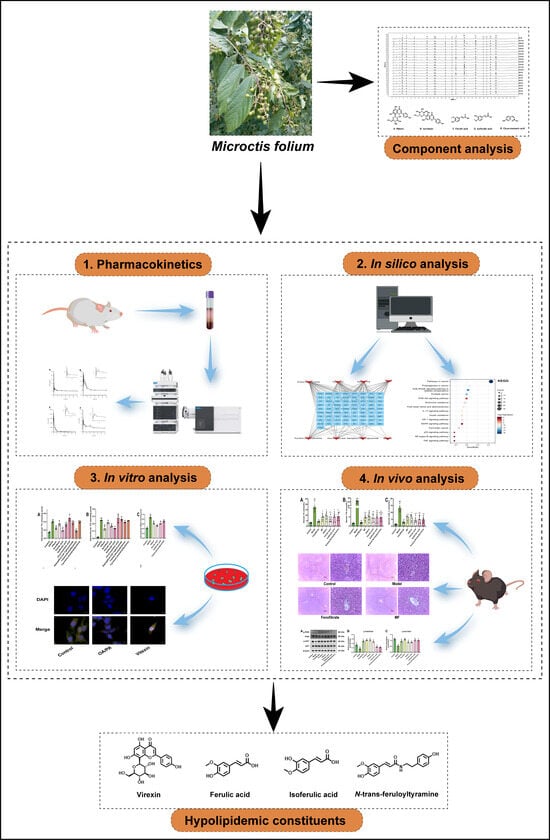
Identification of Hypolipidemic Constituents from Microctis folium Using an Integrated Strategy of Chemical Profiling, Pharmacokinetics, Network Pharmacology and Experimental Validation
by
Zhihao Zeng, Yanchang Liu, Xiaoli Bi, Wanchun Chen, Yunhui Ouyang, Jingnian Zhang, Weitao Chen and Guanlin Xiao
Pharmaceuticals 2026, 19(9), 1349; https://doi.org/10.3390/ph19091349 - 26 Aug 2026
Abstract
Background/Objective: Traditionally derived from the dried leaves of Microcos paniculata L., Microctis folium (M. folium) has been employed to manage various inflammatory and metabolic conditions. Despite its reported hypolipidemic potential, the active constituents contributing to this effect and their molecular
[...] Read more.
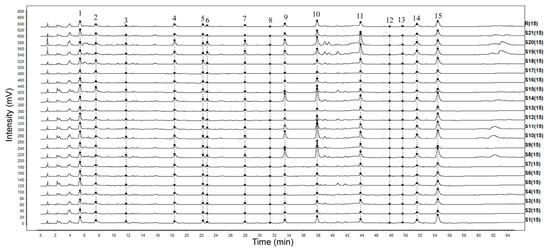
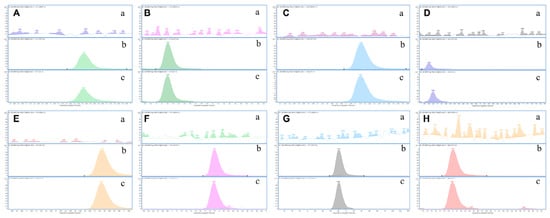
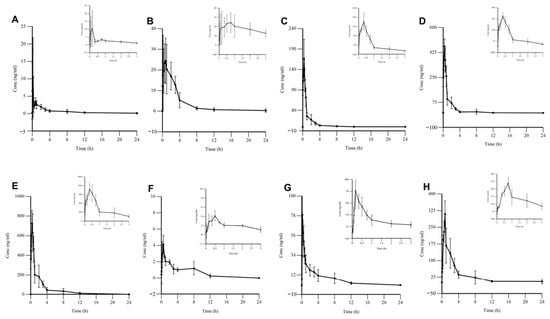
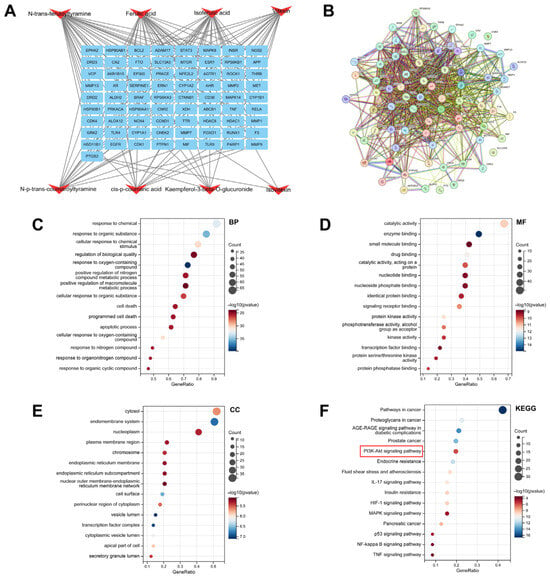
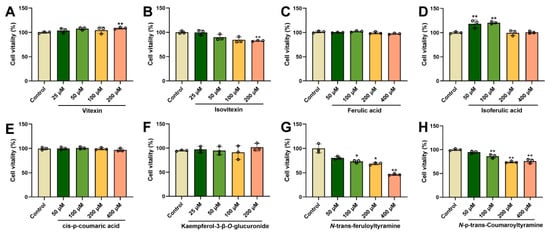
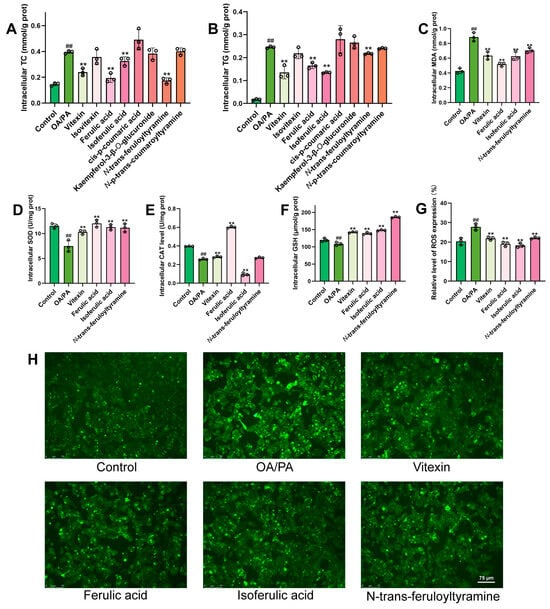
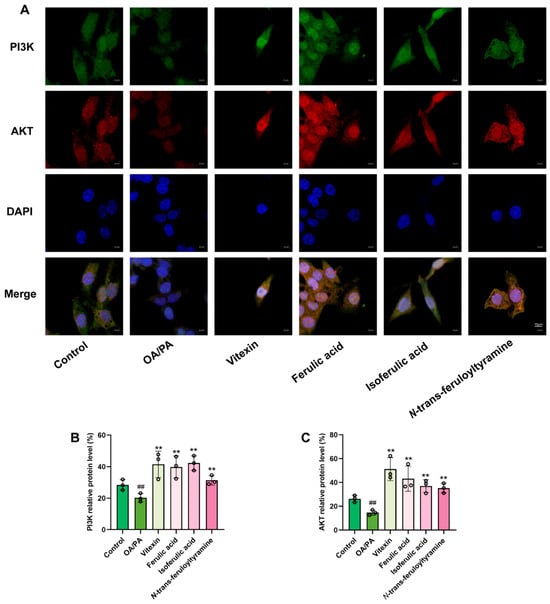
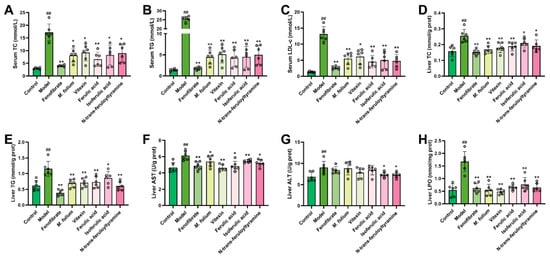
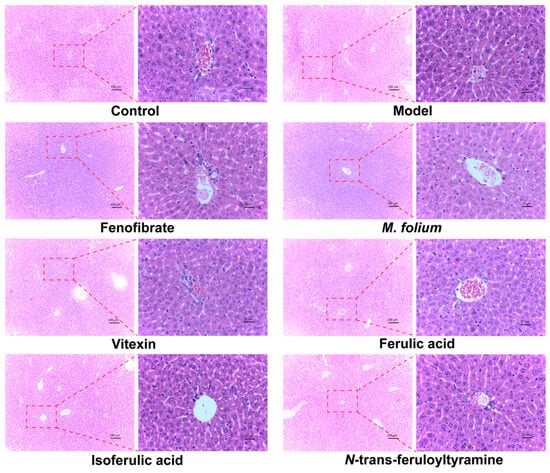
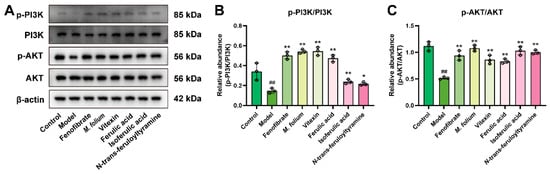
Background/Objective: Traditionally derived from the dried leaves of Microcos paniculata L., Microctis folium (M. folium) has been employed to manage various inflammatory and metabolic conditions. Despite its reported hypolipidemic potential, the active constituents contributing to this effect and their molecular mechanisms of action remain to be determined. Therefore, this study aimed to systematically identify the active hypolipidemic constituents of M. folium and elucidate their mechanisms of action through an integrated strategy combining chemical profiling, pharmacokinetic screening, network pharmacology, and experimental validation. Methods: UPLC fingerprint and UPLC-QQQ-MS/MS were employed to characterize and quantify the chemical constituents of M. folium. Pharmacokinetic analysis was conducted to identify systemically absorbed compounds. Network pharmacology was applied to predict potential targets and signaling pathways. The lipid-lowering effects were subsequently validated in vitro using an oleic acid/palmitic acid (OA/PA)-induced lipid accumulation model in HepG2 cells and in vivo in a Triton WR-1339-induced hyperlipidemia mouse model. Results: UPLC fingerprint analysis identified 15 common peaks among 21 batches of M. folium, with similarity values ranging from 0.885 to 0.990, indicating good chemical consistency. Eighteen representative compounds were quantified, among which flavone C-glycosides and phenolic acids were predominant. Pharmacokinetic results demonstrated that multiple M. folium’s constituents were absorbed into systemic circulation. Network pharmacology analysis identified 73 potential targets related to hyperlipidemia and highlighted the PI3K-Akt signaling pathway as a key regulatory pathway. In vitro experiments showed that M. folium’s compounds significantly reduced intracellular lipid accumulation and oxidative stress in OA/PA-induced HepG2 cells. Furthermore, in vivo studies demonstrated that vitexin, ferulic acid, isoferulic acid, and N-trans-feruloyltyramine significantly reduced serum and hepatic lipid levels, including TC, TG, and LDL-c, alleviated hepatic steatosis, and improved liver injury and oxidative stress markers in Triton WR-1339-induced hyperlipidemic mice. Conclusions: M. folium exerts significant lipid-lowering effects through multi-component and multi-target mechanisms involving regulation of lipid metabolism and oxidative stress, partly mediated by activation of the PI3K-Akt signaling pathway. These findings provide a scientific basis for the development of M. folium’s natural agents for the treatment of hyperlipidemia.
Full article
(This article belongs to the Section Pharmacology)
►▼
Show Figures

Graphical abstract
Open AccessSystematic Review
Efficacy and Safety of Cadonilimab in Digestive System Neoplasms: A Systematic Review and Single-Arm Meta-Analysis
by
Qiuqi Zhuang, Zhitao Yang and Yan Liu
Pharmaceuticals 2026, 19(9), 1348; https://doi.org/10.3390/ph19091348 - 26 Aug 2026
Abstract
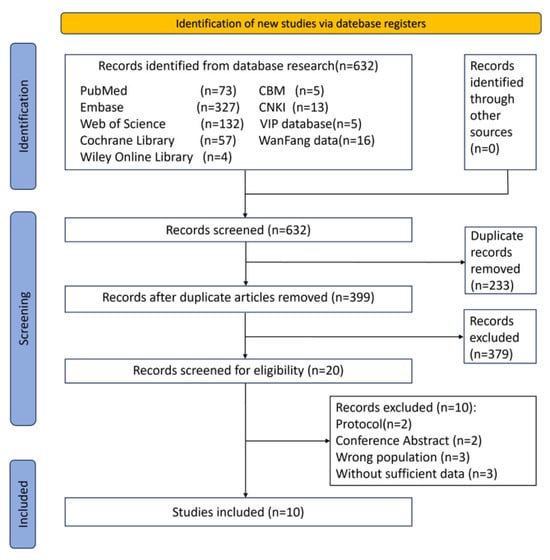
Objective: This study aimed to systematically evaluate the efficacy and safety of cadonilimab in the treatment of digestive system neoplasms. Methods: PubMed, Embase, Cochrane Library, Web of Science, Wiley Online Library, CNKI, Wanfang Data, CBM, and VIP databases were systematically searched to collect
[...] Read more.
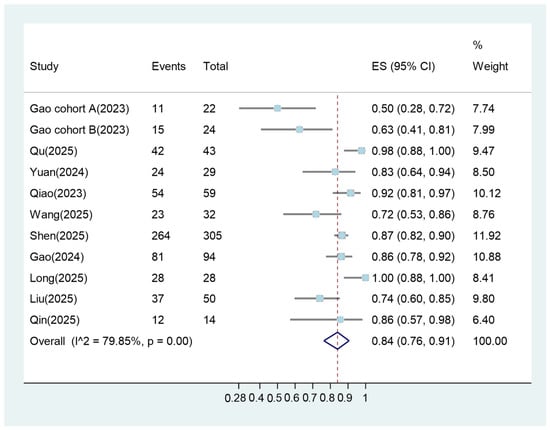
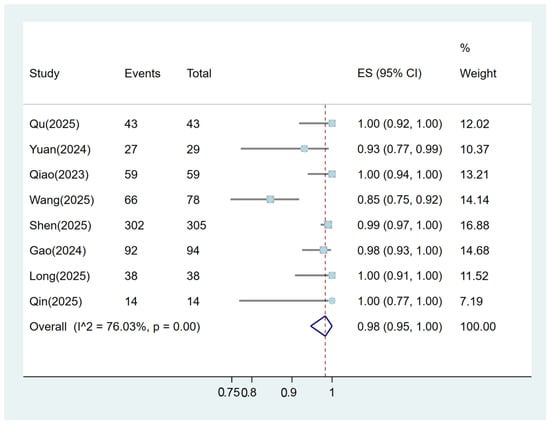
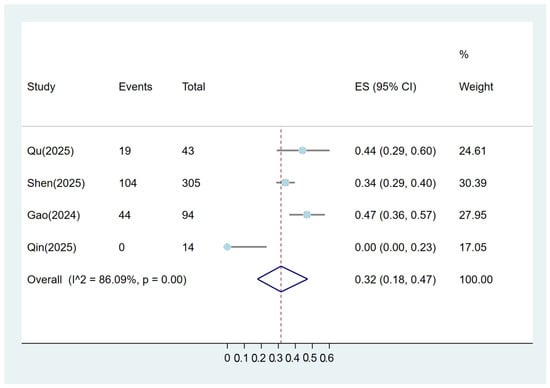
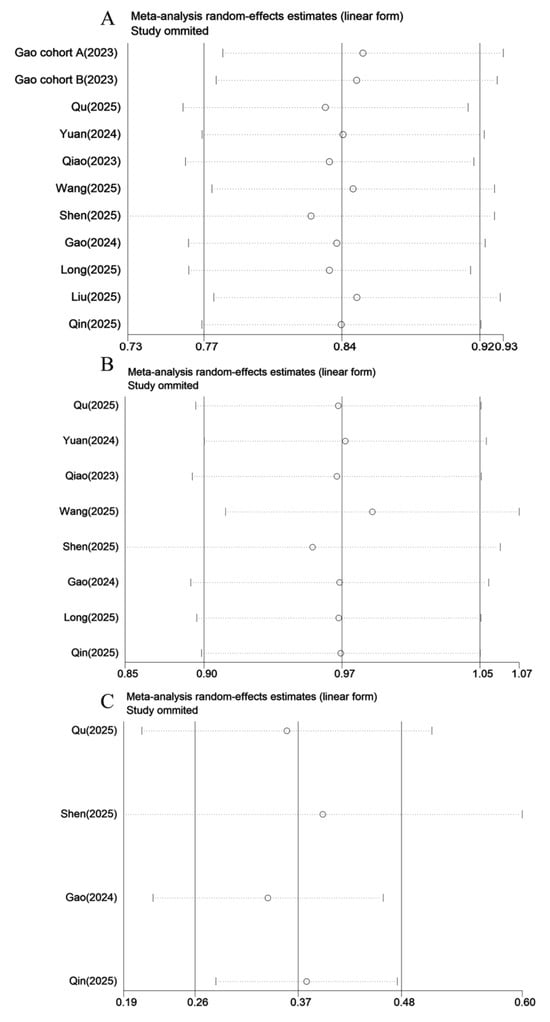
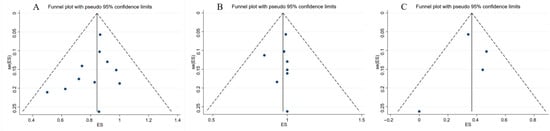
Objective: This study aimed to systematically evaluate the efficacy and safety of cadonilimab in the treatment of digestive system neoplasms. Methods: PubMed, Embase, Cochrane Library, Web of Science, Wiley Online Library, CNKI, Wanfang Data, CBM, and VIP databases were systematically searched to collect randomized controlled trials, non-randomized studies, and real-world studies investigating cadonilimab for the treatment of digestive system neoplasms. The initial search spanned from the inception of the databases to 4 February 2026, with an update search conducted in June 2026. Meta-analysis was performed using Stata 16.0 to systematically assess efficacy and safety outcomes. Results: A total of 10 studies, predominantly single-arm or retrospective, were included in this meta-analysis. Regarding the primary outcomes, because of the clinical heterogeneity across tumor types, pooled estimates should be interpreted as a summary across diverse diseases rather than as a single-tumor estimate. The overall pooled disease control rate (DCR) was 84% (95% CI = 76–91%), with tumor-specific DCRs of 87% in ESCC, 79% in HCC, 88% in G/GEJ adenocarcinoma, and 86% in PDAC. The pooled incidence of any-grade treatment-related adverse events (TRAEs) was 98% (95% CI = 95–100%), and the pooled incidence of any-grade immune-related adverse events (irAEs) was 32% (95% CI = 18–47%). For secondary outcomes: The partial response (PR) rate was 33% (95% CI = 21–46%), and the progressive disease (PD) rate was 11% (95% CI = 5–18%). The pooled incidence of grade ≥ 3 TRAEs was 52% (95% CI = 38–66%), and the pooled incidence of grade ≥ 3 irAEs was 11% (95% CI = 8–16%). However, incomplete reporting of low-frequency AEs across studies likely underestimates the pooled irAE rate. Conclusions: This study suggests that cadonilimab has the potential for antitumor activity in digestive system neoplasms. The observed safety profile was consistent with the known toxicities of immunotherapy, with notably high rates of TRAEs warranting vigilant monitoring. These findings should be considered hypothesis-generating and are insufficient to establish clinical benefit.
Full article
(This article belongs to the Section Pharmacology)
►▼
Show Figures

Figure 1
Open AccessArticle
Formulation Screening and Characterization of PLGA-Based Injectable In Situ Gel Loaded with Progesterone
by
Zhihan Zhu, Yu Liu and Linglin Feng
Pharmaceuticals 2026, 19(9), 1347; https://doi.org/10.3390/ph19091347 - 26 Aug 2026
Abstract
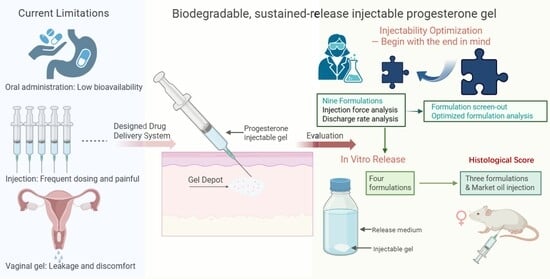
Objective: Conventional progesterone (P4) formulations suffer from low bioavailability, severe local irritation, and poor patient adherence due to P4’s poor aqueous solubility. This work aimed to develop and screen a biodegradable PLGA/NMP (Poly(lactic-co-glycolic acid)/N-methyl-2-pyrrolidone) injectable in situ gel for sustained P4 delivery to
[...] Read more.
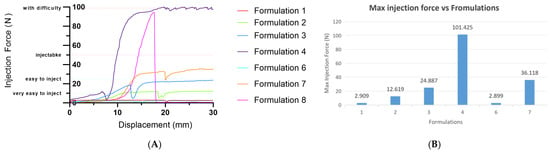
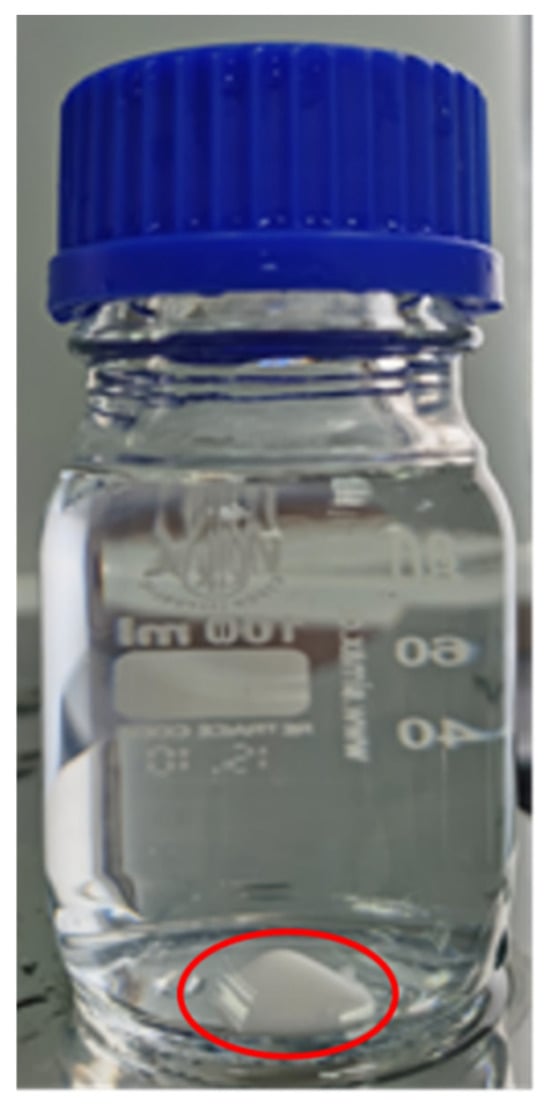
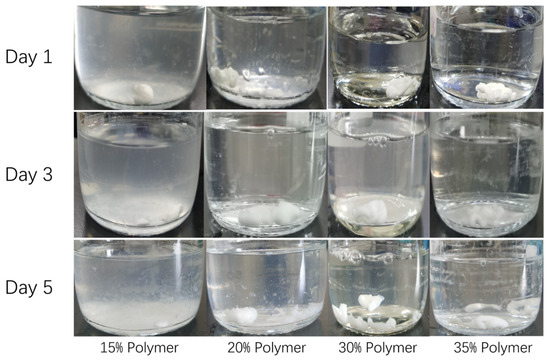
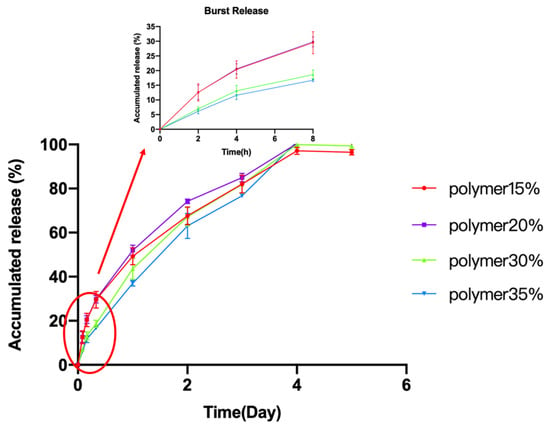
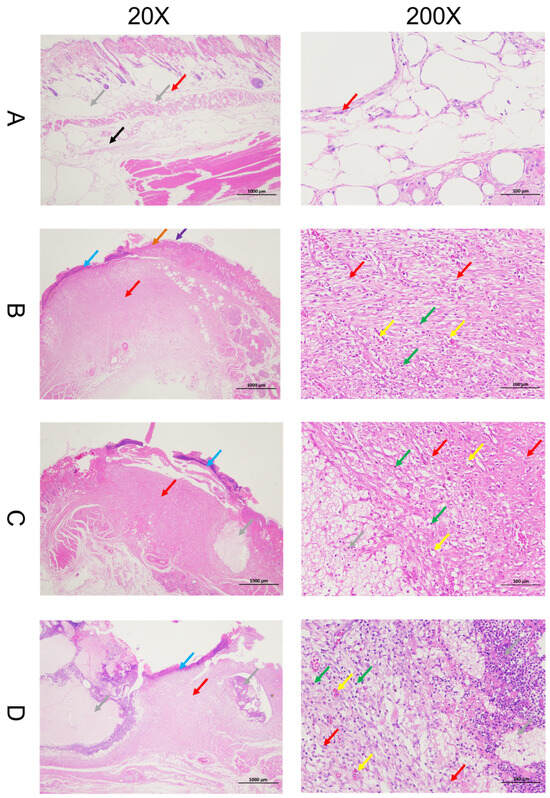
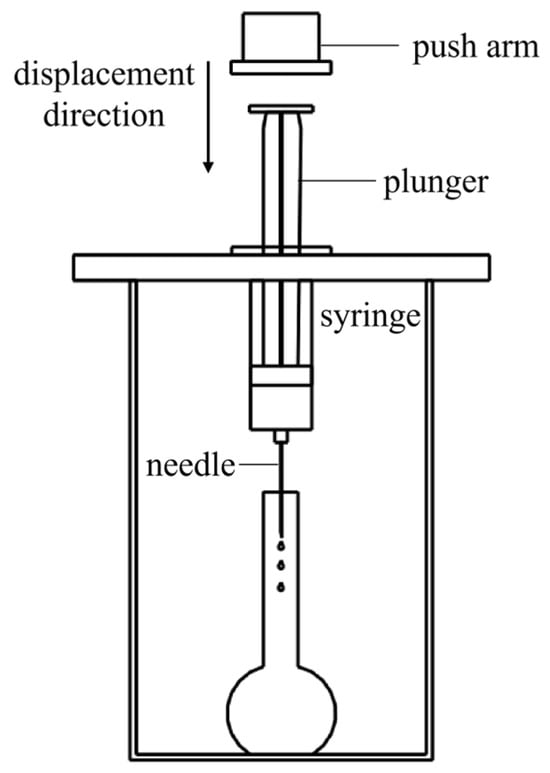
Objective: Conventional progesterone (P4) formulations suffer from low bioavailability, severe local irritation, and poor patient adherence due to P4’s poor aqueous solubility. This work aimed to develop and screen a biodegradable PLGA/NMP (Poly(lactic-co-glycolic acid)/N-methyl-2-pyrrolidone) injectable in situ gel for sustained P4 delivery to overcome these clinical limitations. Significance: Commercial oral, vaginal, and oil-based intramuscular P4 preparations cannot maintain stable long-term drug exposure, and they cause injection-site pain/inflammation. The screened in situ depot system reduces administration frequency and local tissue irritation, supporting convenient luteal phase support and pregnancy maintenance. Methods: Nine formulations with variable P4 loading (10–50% w/w) and PLGA concentration (15–55% w/w) were fabricated. Formulations were screened via three core endpoints: injectability (injection force and discharge rate), in vitro sustained release in 10% Hydroxypropyl-β-cyclodextrin (HP-β-CD)-Phosphate-buffered saline (PBS) sink medium, and 7-day subcutaneous histocompatibility in rats. high-performance liquid chromatography (HPLC) was validated for progesterone quantification; Hematoxylin and eosin (H&E) staining assessed local inflammatory responses. Results: Formulations with progesterone ≤ 30% w/w and PLGA ≤ 35% w/w exhibited acceptable injectability (injection force < 50 N; discharge rate > 79%). Higher PLGA concentrations suppressed initial burst release (16.74% at 8 h for 35% PLGA vs. 29.8% for 20% PLGA). All formulations formed stable ellipsoidal subcutaneous depots and completed progesterone release within 4 days. Histopathology revealed only mild local inflammation (histological score = 1) without severe necrosis, superior to highly irritating oil injections in formulation control groups. Conclusions: The screened PLGA-based progesterone in situ gel resolves critical drawbacks of traditional progesterone dosage forms. This low-irritation, sustained-release injectable platform provides a scalable industrial formulation candidate for long-acting hormone therapy.
Full article
(This article belongs to the Section Pharmaceutical Technology)
►▼
Show Figures

Graphical abstract
Open AccessArticle
Drug Repurposing of Verapamil for Radiation-Induced Enteropathy: Regulation of 5-LOX, Nrf2, and Intestinal Barrier Function
by
Mehmet Fatih Dasiran, Hassen Daghmoura, Ahmet Akbaş, Yavuz Selim Angın, Bakiye Akbaş, Hatice Aygun, Yiğit Uyanıkgil and Oytun Erbas
Pharmaceuticals 2026, 19(9), 1346; https://doi.org/10.3390/ph19091346 - 26 Aug 2026
Abstract
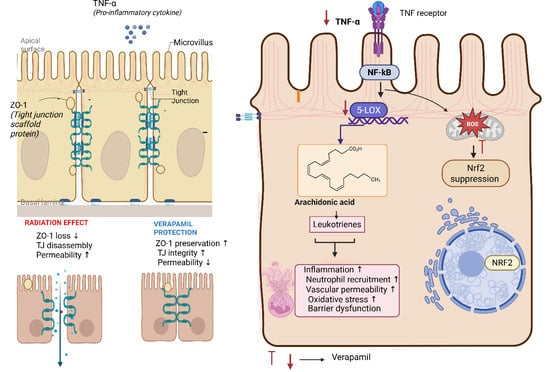
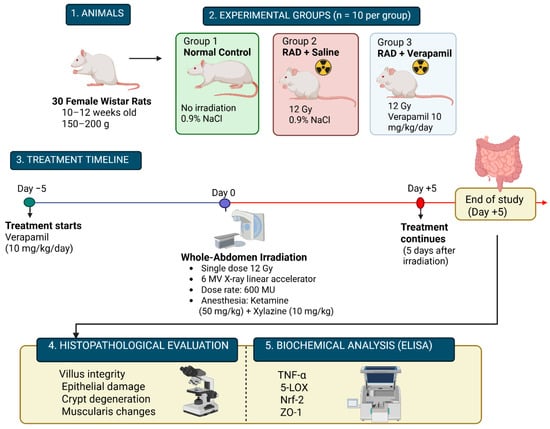
Aim: Radiation-induced intestinal injury is one of the major dose-limiting complications of abdominal radiotherapy and is closely associated with oxidative stress, inflammation, and disruption of epithelial barrier integrity. The present study aimed to investigate the protective effects of verapamil on radiation-induced small-intestinal injury
[...] Read more.
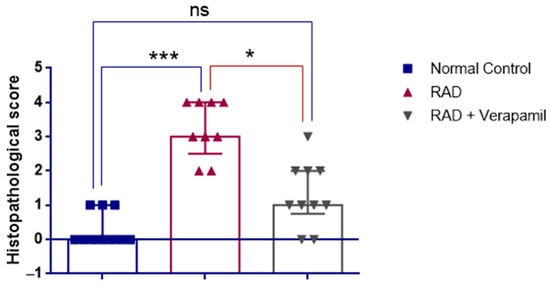
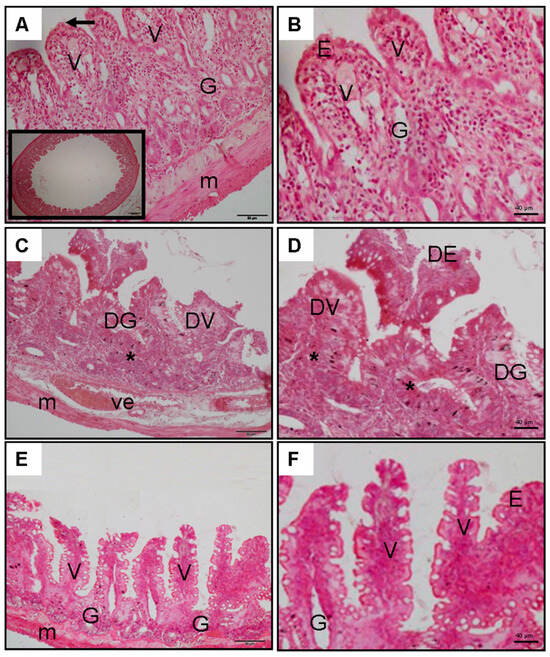
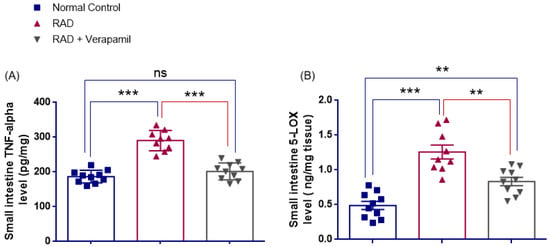
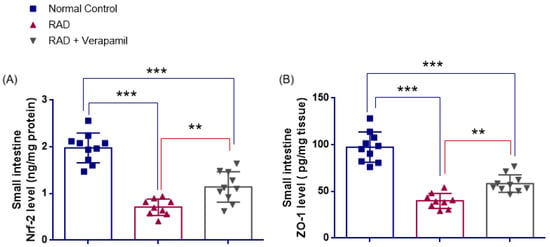
Aim: Radiation-induced intestinal injury is one of the major dose-limiting complications of abdominal radiotherapy and is closely associated with oxidative stress, inflammation, and disruption of epithelial barrier integrity. The present study aimed to investigate the protective effects of verapamil on radiation-induced small-intestinal injury in rats by evaluating histopathological alterations together with tissue levels of TNF-α, 5-LOX, Nrf2, and ZO-1 as markers related to inflammatory, redox-associated, and tight-junction-associated responses. Materials and Methods: Thirty female Wistar albino rats were divided into three groups: Normal Control (n = 10), Radiation + Saline (RAD, n = 10), and Radiation + Verapamil (n = 10). Whole-abdomen irradiation was performed using a single 12 Gy dose delivered by a 6 MV linear accelerator. Verapamil (10 mg/kg/day, s.c.) treatment was started 5 days before irradiation and continued for 5 days afterward. Histopathological injury in jejunal tissues was evaluated using hematoxylin–eosin staining. Tissue levels of TNF-α, 5-LOX, Nrf2, and ZO-1 were measured using ELISA. Results: Whole-abdomen irradiation caused marked histopathological injury characterized by villus disruption, glandular degeneration, and mucosal architectural damage. Irradiation significantly increased small-intestinal TNF-α and 5-LOX levels while decreasing Nrf2 and ZO-1 levels compared with the Normal Control group (p < 0.05). Verapamil treatment significantly attenuated radiation-induced histopathological injury and reduced TNF-α and 5-LOX levels. TNF-α returned to values comparable with the Normal Control group, whereas 5-LOX remained significantly elevated. Verapamil also partially restored Nrf2 and ZO-1 levels compared with the RAD group (p < 0.05), although both remained significantly lower than control levels. Conclusions: Verapamil attenuated radiation-induced small-intestinal injury and was associated with favorable modulation of TNF-α, 5-LOX, Nrf2, and ZO-1 levels. The protective response was partial, with persistent differences in 5-LOX, Nrf2, and ZO-1 compared with controls. These biomarker changes should not be interpreted as direct evidence of functional pathway activation or preservation of intestinal barrier function. Further studies incorporating direct mechanistic and functional assessments are warranted before clinical translation.
Full article
(This article belongs to the Section Pharmacology)
►▼
Show Figures

Graphical abstract
Open AccessArticle
Real-World Bleeding Outcomes Among Hospitalized Patients Receiving Apixaban or Rivaroxaban: A Single-Center Retrospective Cohort Study
by
Cody O’Rear, Alejandro Chapa-Rodriguez, Arminder Singh, Safi Afzal, Roshan Acharya, Madalyn Wickham and Usman Younus
Pharmaceuticals 2026, 19(9), 1345; https://doi.org/10.3390/ph19091345 - 26 Aug 2026
Abstract
Background: Direct oral anticoagulants (DOACs) are widely used among hospitalized patients, yet real-world inpatient bleeding data remains relatively sparse. Most evidence derives from randomized trials enrolling ambulatory, clinically stable patients, or those being treated for a single specific indication such as acute
[...] Read more.
Background: Direct oral anticoagulants (DOACs) are widely used among hospitalized patients, yet real-world inpatient bleeding data remains relatively sparse. Most evidence derives from randomized trials enrolling ambulatory, clinically stable patients, or those being treated for a single specific indication such as acute venous thromboembolism (VTE), which may not reflect the risk profile of acutely ill inpatients with multimorbidity, procedural exposures, and fluctuating renal function. This study describes the incidence and types of bleeding events in a real-world inpatient cohort receiving apixaban or rivaroxaban at a single tertiary care center. Methods: We conducted a single-center, retrospective cohort study of 867 hospital encounters involving apixaban (n = 722, 83.3%) or rivaroxaban (n = 145, 16.7%) between 2019 and 2021. The primary outcome was a non-adjudicated, non-standardized composite of any documented bleeding (gastrointestinal bleeding, hematuria, intracranial hemorrhage, vaginal bleeding, or epistaxis) during the index hospitalization; International Society on Thrombosis and Haemostasis (ISTH) major bleeding or clinically relevant non-major (CRNM) bleeding definitions were not applied. Secondary outcomes included individual bleeding subtypes, hemoglobin drop ≥2 g/dL, transfusion requirement, ICU/CCU admission, vasopressor use, and bleeding-related mortality. All comparisons are unadjusted and descriptive. Between-group comparisons used Fisher’s exact test and the Mann–Whitney U test. Results: Bleeding was documented in 13 encounters (1.5% overall; apixaban 1.39%, rivaroxaban 2.07%); given reliance on clinical documentation rather than systematic adjudication, true incidence may be higher. The composite outcome was driven predominantly by gastrointestinal bleeding (n = 10, 76.9% of events). No hemoglobin drop ≥2 g/dL, transfusion, ICU/CCU admission, vasopressor use, or bleeding-related mortality occurred in either group. No statistically significant between-agent difference was observed (p = 0.47); all comparisons are unadjusted and descriptive. Median length of stay (LOS) differed between drug groups (8.6 vs. 6.2 days; p = 0.006), an exploratory finding confounded by patient class imbalance. Conclusions: In this single-center, retrospective cohort, bleeding was documented in 1.5% of encounters; ascertainment limitations mean true incidence may be higher. Non-adjudicated, non-standardized outcome definitions and the small number of events limit comparability with the literature and preclude definitive inference. The absence of a statistically significant between-agent difference should not be interpreted as evidence of equivalence. These findings are hypothesis-generating and should not be used for comparative inference. Prospective, multicenter studies using ISTH-standardized outcomes, indication-level data, and formal adjudication are needed.
Full article
(This article belongs to the Special Issue Pharmacotherapy of Thromboembolism)
Open AccessFeature PaperArticle
Effects of the Supplementation of N-acetylcysteine on Redox Imbalance, Cytokine Levels, and Perinatal Outcomes in Pregnant Women with Preeclampsia: A Double-Blind, Randomized, Placebo-Controlled Pilot Study
by
Danielle Alice Vieira da Silva, Micaely Cristina dos Santos Tenório, Fabiana Andréa Moura, Nassib Bezerra Bueno, Nathálya da Silva Severino, Alexandra Rodrigues Bezerra, Bianca Gomes de Souza, Marilene Brandão Tenório Fragoso, Tauane Alves Dutra, Orlando Roberto Pimentel de Araújo, Amylly Sanuelly da Paz Martins, Marília Oliveira Fonseca Goulart and Alane Cabral Menezes de Oliveira
Pharmaceuticals 2026, 19(9), 1344; https://doi.org/10.3390/ph19091344 - 25 Aug 2026
Abstract
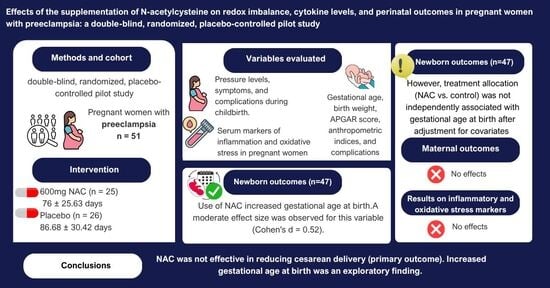
Background/Objectives: This study aimed to evaluate the effects of oral administration of N-acetylcysteine (NAC) in pregnant women with preeclampsia (PE), using serum markers of redox imbalance and cytokine levels and perinatal outcomes. Methods: A double-blind, randomized, placebo-controlled pilot study was
[...] Read more.
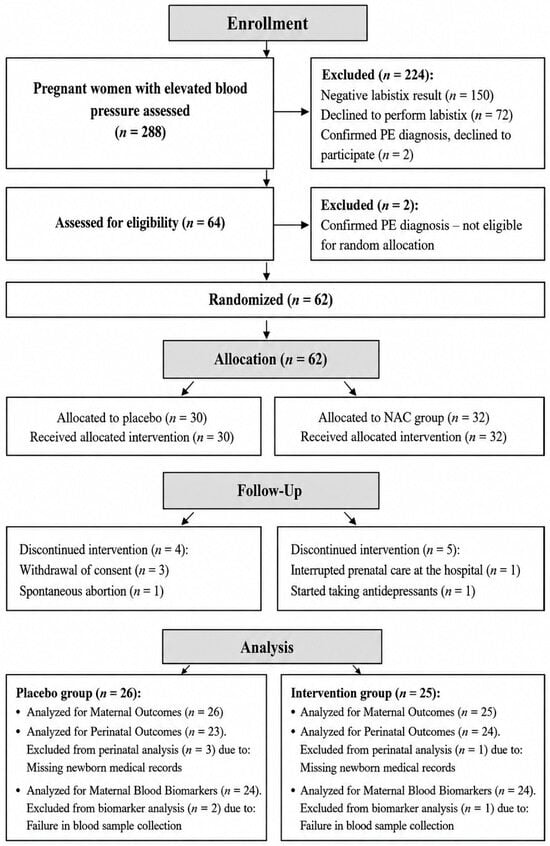
Background/Objectives: This study aimed to evaluate the effects of oral administration of N-acetylcysteine (NAC) in pregnant women with preeclampsia (PE), using serum markers of redox imbalance and cytokine levels and perinatal outcomes. Methods: A double-blind, randomized, placebo-controlled pilot study was carried out from 2021 to 2023. The study was retrospectively registered with REBEC (Brazilian Clinical Trials Registry). After screening, women were randomized into 2 groups according to the type of supplementation: 600 mg of NAC (NAC group) or capsules containing 2% colloidal silicon dioxide and 98% microcrystalline cellulose (placebo group) until delivery. Blood samples were collected to quantify biomarkers of redox imbalance and cytokine levels. Questionnaires containing socioeconomic, clinical, obstetric, and anthropometric data were applied. Results: A total of 51 pregnant women with PE were included (26 in the placebo group and 25 in the NAC group). The use of NAC was associated with a higher gestational age at birth (GA) of the conceptus (placebo group: 37.39 weeks ± 1.96 SD vs. NAC group: 38.45 weeks ± 1.51 SD; p = 0.044). A moderate effect size was observed for this variable (Cohen’s d = 0.52). However, treatment allocation (NAC vs. control) was not independently associated with gestational age at birth after adjustment for covariates (F(1,28) = 0.144; p = 0.707; η2p = 0.005). The adjusted mean difference between groups was 0.92 weeks (95% CI: −0.16 to 2.00). No other significant effects on redox and inflammatory markers were identified using NAC. Conclusions: NAC supplementation did not impact the mode of delivery between the NAC and placebo groups. As a secondary exploratory finding, a possible trend toward prolonged gestational age was observed in the NAC group; however, this result should be interpreted with caution, given the exploratory nature of the analysis, the neutrality of the primary outcome, and the limited sample size.
Full article
(This article belongs to the Section Pharmacology)
►▼
Show Figures

Graphical abstract
Open AccessArticle
Associations of OPRM1, COMT, and ABCB1 Variants with Opioid Analgesic Response in Acute Renal Colic: A Candidate-Gene Study
by
Sıtkı Ün, Ramazan Sabırlı, İbrahim Türkçüer, Gergana Lengerova, Martina Bozhkova, Steliyan Petrov and Aylin Köseler
Pharmaceuticals 2026, 19(9), 1343; https://doi.org/10.3390/ph19091343 - 24 Aug 2026
Abstract
Background: Acute renal colic is a common urological emergency characterized by substantial interindividual variability in analgesic response. Pharmacogenetic variation in OPRM1, COMT, and ABCB1 may contribute to differences in opioid efficacy and pain control. This study primarily evaluated the associations
[...] Read more.
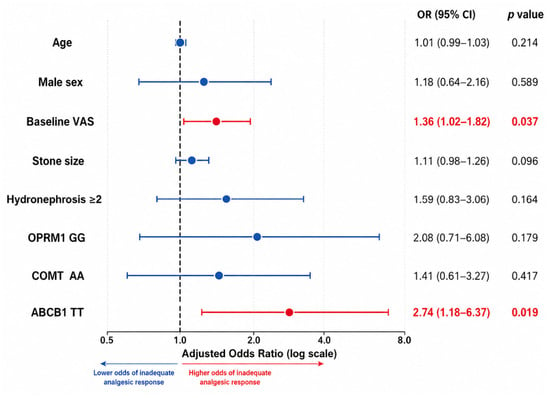
Background: Acute renal colic is a common urological emergency characterized by substantial interindividual variability in analgesic response. Pharmacogenetic variation in OPRM1, COMT, and ABCB1 may contribute to differences in opioid efficacy and pain control. This study primarily evaluated the associations of OPRM1 A118G (rs1799971), COMT Val158Met (rs4680), and ABCB1 C3435T (rs1045642) polymorphisms with opioid analgesic response in patients with acute renal colic. As a secondary exploratory analysis, genotype and allele frequencies were compared between patients and healthy controls. Methods: This prospective case–control study included 150 patients with acute renal colic and 100 healthy controls. Genotyping was performed using TaqMan SNP Genotyping Assays based on real-time polymerase chain reaction. Genotype frequencies were compared between groups using dominant and recessive genetic models, and Hardy–Weinberg equilibrium was assessed. In addition, genotype–phenotype associations were evaluated using pain severity, early analgesic response, initial opioid dose, rescue analgesic requirement, and multivariable logistic regression analyses. Results: In the secondary exploratory case–control analysis, no statistically significant differences in genotype or allele frequencies of OPRM1 rs1799971, COMT rs4680, or ABCB1 rs1045642 were observed between patients with acute renal colic and healthy controls. Within the patient cohort, however, genotype–phenotype analyses identified differences in early analgesic outcomes. Baseline-adjusted 30 min VAS differed according to OPRM1, COMT, and ABCB1 genotype, with the most pronounced difference observed for ABCB1 rs1045642. Patients with the ABCB1 TT genotype had higher adjusted 30 min VAS scores and showed a pattern of greater opioid requirement and more frequent rescue analgesia. In exploratory multivariable analysis, the ABCB1 TT genotype was associated with higher odds of inadequate early analgesic response (adjusted OR = 2.74, 95% CI 1.18–6.37; p = 0.019). Given the limited number of outcome events, this adjusted association should be considered preliminary and hypothesis-generating. Conclusions: No significant differences in the distributions of the polymorphisms investigated were observed between patients with acute renal colic and healthy controls. Within the patient group, ABCB1 genetic variation was associated with early opioid analgesic response, although this finding should be considered preliminary and requires confirmation in larger prospective pharmacogenetic studies before clinical implementation. Any potential future pharmacogenetic application should be considered as an adjunct to established first-line renal–colic management and specifically in patients for whom opioid therapy is clinically indicated.
Full article
(This article belongs to the Section Pharmacology)
►▼
Show Figures

Figure 1
Open AccessBrief Report
Reduction of Microglial Reactivity by Cannabidiol: Preliminary Data Obtained in an Astrocyte–Microglia Co-Culture Model of Inflammation
by
Laura Schönfelder, Shaoning An, Peter Reusch, Pedro M. Faustmann, Timo Jendrik Faustmann and Fatme S. Ismail
Pharmaceuticals 2026, 19(9), 1342; https://doi.org/10.3390/ph19091342 - 24 Aug 2026
Abstract
Background/Objectives: Glia-mediated inflammation contributes to a wide range of central nervous system (CNS) disorders, including epilepsy. Pregabalin (PGB) and cannabidiol (CBD) are CNS-acting drugs prescribed for various neuropsychiatric conditions, especially seizures. This study investigated the effects of PGB and CBD on glial
[...] Read more.
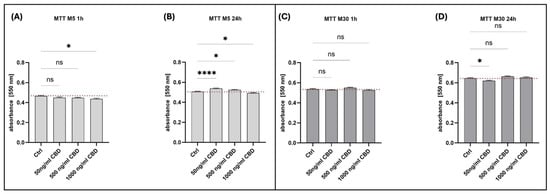
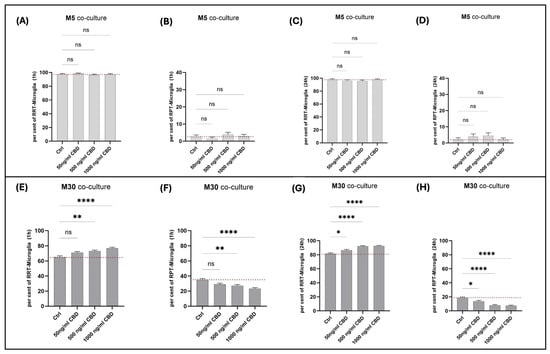
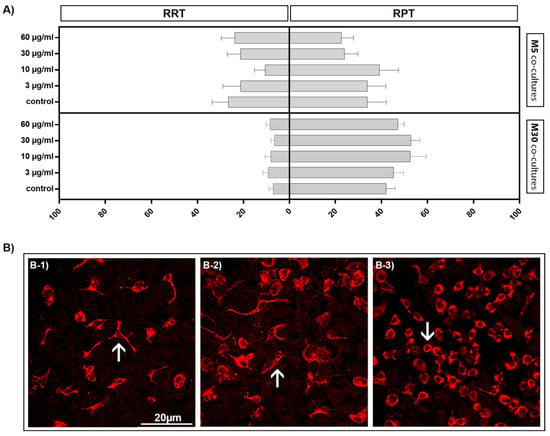
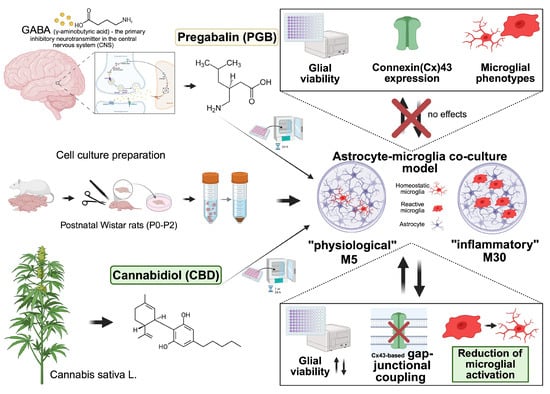
Background/Objectives: Glia-mediated inflammation contributes to a wide range of central nervous system (CNS) disorders, including epilepsy. Pregabalin (PGB) and cannabidiol (CBD) are CNS-acting drugs prescribed for various neuropsychiatric conditions, especially seizures. This study investigated the effects of PGB and CBD on glial properties in an astrocyte–microglia co-culture model of inflammation. Methods: Physiological (M5, containing 5–10% microglia) and pathological inflammatory astrocyte–microglia co-cultures (M30, containing 30–40% microglia) were collected from the postnatal brain hemispheres of Wistar rats (P0-P2) according to an established protocol and treated with different concentrations of PGB (3, 10, 30 and 60 µg/mL) for 24 h or CBD (50, 500 and 1000 ng/mL) for 1 h or 24 h. Metabolic activity was assessed by the MTT assay. Microglial phenotypes and astroglial connexin (Cx)43 expression were detected by immunocytochemistry. Results: In M5 co-cultures, short-term incubation (1 h) with high concentrations (1000 ng/mL) of CBD significantly reduced glial viability (p < 0.05), while no significant changes were observed in M30 co-cultures. After 24 h of incubation, M5 cultures exhibited a significant increase in metabolic activity at 50 ng/mL (p < 0.0001) and 500 ng/mL (p < 0.05), and a reduction at 1000 ng/mL (p < 0.05), suggesting impaired viability at high concentrations under physiological conditions. The distribution of microglial phenotypes in physiological M5 co-cultures incubated with CBD remained unchanged. In M30 co-cultures, CBD incubation for 1 and 24 h significantly reduced microglial activation and promoted a shift from reactive, phagocytic to homeostatic, ramified microglial phenotype (p < 0.05, p < 0.01, p < 0.0001). In contrast, PGB did not affect glial cell viability, microglial phenotypes or Cx43 expression in physiological and inflammatory co-cultures, indicating that the mechanisms of action of PGB probably do not include modulation of glial cells in vitro. Conclusions: The inhibition of microglial reactivity by CBD suggests potential positive effects on the neuroinflammatory component involved in the pathogenesis of CNS disorders such as epilepsy.
Full article
(This article belongs to the Section Pharmacology)
►▼
Show Figures

Figure 1
Open AccessArticle
Harmine Hydrochloride from Peganum harmala L. Targets NFAT1 for Proteasomal Degradation to Suppress Ovarian Cancer Progression
by
Xingli Zhang, Huili Zhu, Chengshu Yu, Shuang Huang and Dongdong Fang
Pharmaceuticals 2026, 19(9), 1341; https://doi.org/10.3390/ph19091341 - 24 Aug 2026
Abstract
Background/Objectives: Ovarian cancer is a prevalent gynecological malignancy with high mortality rates worldwide. Harmine hydrochloride (HMH), a tricyclic β-carboline alkaloid derived from the seeds of the medicinal plant Peganum harmala L., has demonstrated anti-tumor activity. This study investigated the effect of HMH
[...] Read more.
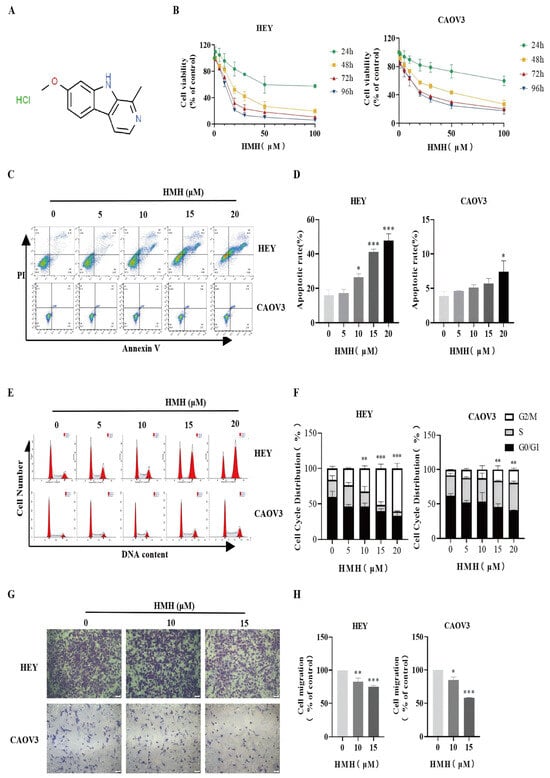
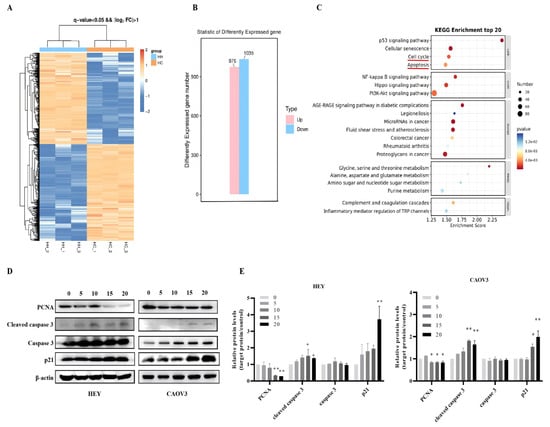
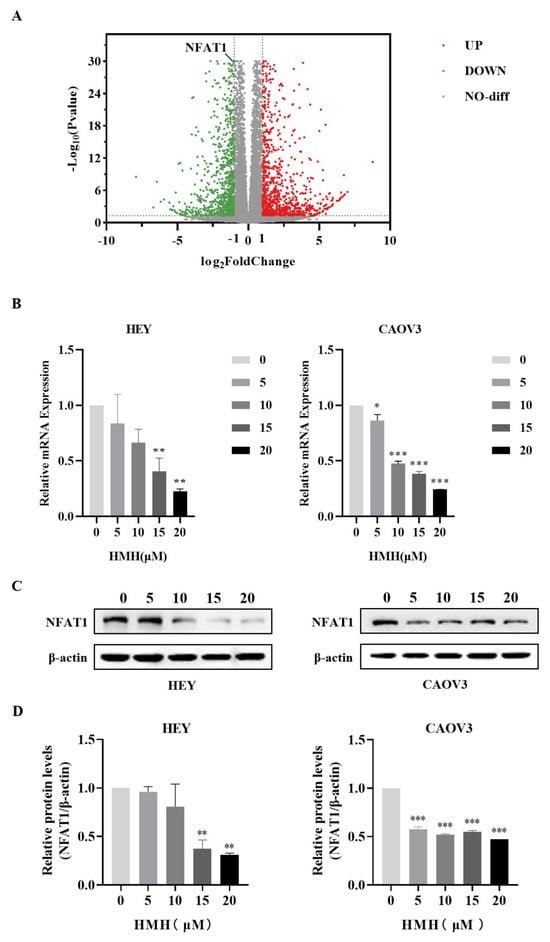
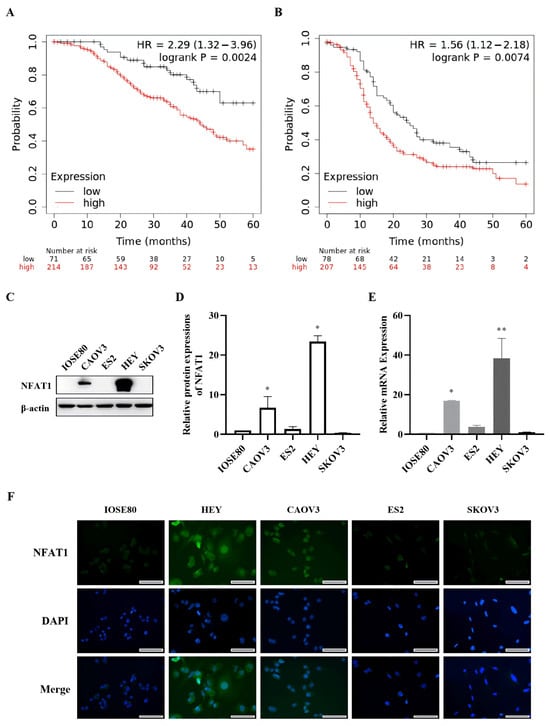
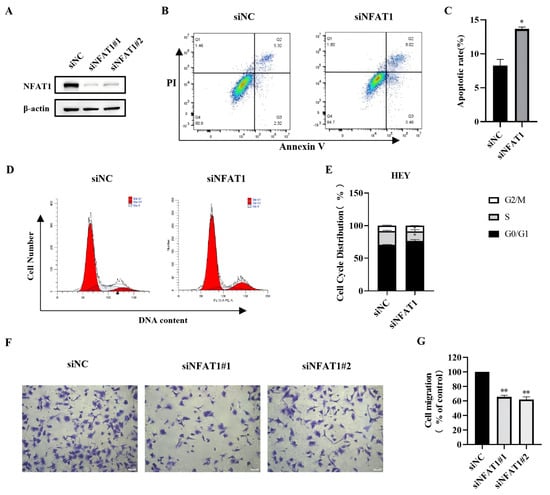
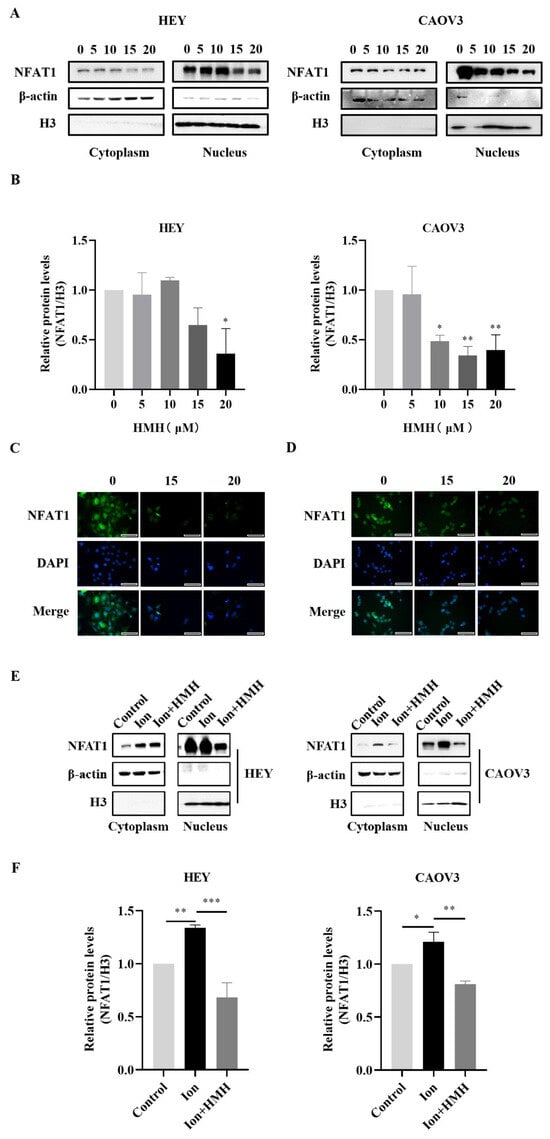
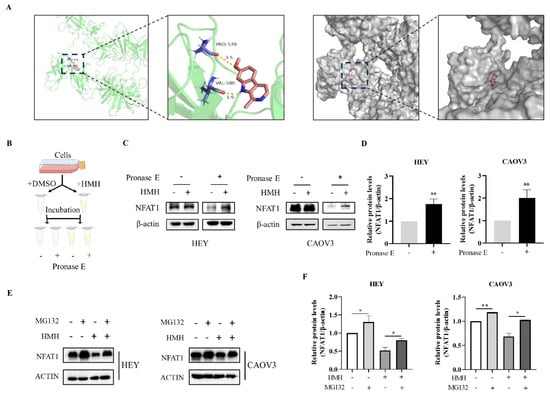
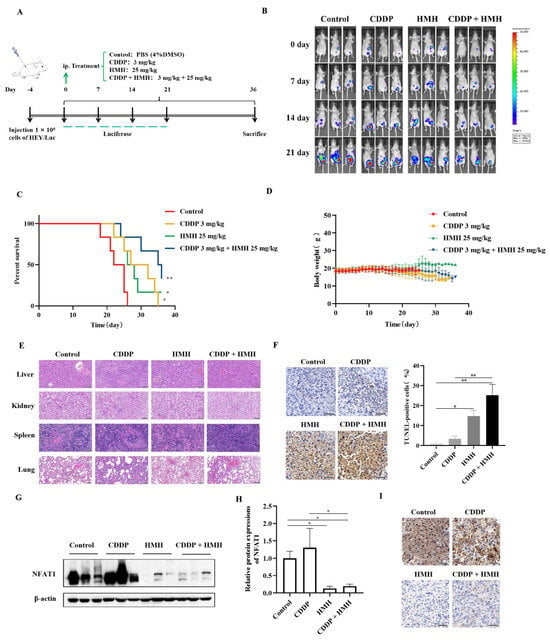
Background/Objectives: Ovarian cancer is a prevalent gynecological malignancy with high mortality rates worldwide. Harmine hydrochloride (HMH), a tricyclic β-carboline alkaloid derived from the seeds of the medicinal plant Peganum harmala L., has demonstrated anti-tumor activity. This study investigated the effect of HMH on ovarian cancer and elucidated its underlying molecular mechanism. Methods: The anti-ovarian cancer effects of HMH were evaluated using the CCK-8 assay, cell cycle and apoptosis analyses, as well as a cell migration assay. The RNA-seq was utilized to explore the mechanisms of HMH. Western blot, qRT-PCR and IF were employed for further validation of the expression levels of relevant molecules. The Kaplan–Meier (KM) curve was conducted to evaluate the possible link between NFAT1 levels and the prognosis of ovarian cancer. The biological functions of NFAT1 were explored through siRNA knockdown experiments. Auto-dock molecular docking and DARTS were used to analyze the direct interaction between HMH and NFAT1. The in vivo efficacy of HMH was examined through bioluminescence imaging of intraperitoneal xenografts established with luciferase-expressing HEY cells. Results: HMH induced apoptosis, arrested the cell cycle, and suppressed migration of HEY and CAOV3 cells. NFAT1 was highly expressed in the nucleus of HEY and CAOV3 cells and promoted ovarian cancer progression. In addition, low NFAT1 expression levels had significantly improved overall survival and progression-free survival. Moreover, HMH reduced NFAT1 expression and reversed Ion-induced NFAT1 levels in ovarian cancer cell nuclei. The molecular docking and DARTS results suggested that HMH binds to NFAT1. Treatment with MG132 effectively blocked HMH-induced NFAT1 downregulation. Furthermore, HMH effectively blocked intraperitoneal xenograft development, and extended the life span of animals bearing HEY/Luc cells, when used alone or in combination with CDDP. Conclusions: The research indicated that HMH exerts anti-ovarian cancer effects, at least in part, by targeting NFAT1. Additionally, our research revealed that NFAT1 promotes ovarian cancer progression, and plays a significant role in HMH’s anti-cancer activity. These results may aid in the development of novel candidates for ovarian cancer and identify a new target for ovarian cancer treatment.
Full article
(This article belongs to the Topic Research on Natural Products of Medical Plants)
►▼
Show Figures

Figure 1
Journal Menu
► ▼ Journal Menu-
- Pharmaceuticals Home
- Aims & Scope
- Editorial Board
- Reviewer Board
- Topical Advisory Panel
- Early Career Editorial Board
- Instructions for Authors
- Special Issues
- Topics
- Sections & Collections
- Article Processing Charge
- Indexing & Archiving
- Editor’s Choice Articles
- Most Cited & Viewed
- Journal Statistics
- Journal History
- Journal Awards
- Society Collaborations
- Conferences
- Editorial Office
Journal Browser
► ▼ Journal BrowserHighly Accessed Articles
Latest Books
E-Mail Alert
News
9 August 2026
Meet Us at The 2nd International Conference on Pharmaceuticals and New Trends in Drug Discovery (ICOPharm-2), 11–14 May 2027, Lisbon, Portugal
20 August 2026
Meet Us at the 17th APS PharmSci International Conference (PharmSci 2026), 7–9 September 2026, Newcastle, UK
Topics
Topic in
Biomolecules, Chemistry, IJMS, Molecules, Pharmaceuticals
Enzymes and Enzyme Inhibitors in Drug Research
Topic Editors: Athina Geronikaki, Cosimo D. Altomare, Maria Stefania SinicropiDeadline: 11 September 2026
Topic in
Bioengineering, Molecules, Pharmaceuticals, Pharmaceutics, Processes, Sci. Pharm.
Complementary Strategies in Drug Delivery: From Particle Engineering to System Optimization
Topic Editors: Barbara R. Conway, Hisham Al-ObaidiDeadline: 30 October 2026
Topic in
Antibiotics, IJMS, Microbiology Research, Pharmaceuticals, Pharmaceutics, Nanomaterials, Microorganisms
Challenges and Future Prospects of Antibacterial Therapy, 2nd Edition
Topic Editors: Kwang-sun Kim, Zehra EdisDeadline: 30 November 2026
Topic in
Applied Microbiology, Microorganisms, Pharmaceuticals, Pharmaceutics, Foods
Probiotics: New Avenues
Topic Editors: Daniela Machado, José Carlos AndradeDeadline: 10 December 2026
Conferences
Special Issues
Special Issue in
Pharmaceuticals
Multitargeted Compounds: A Promising Approach in Medicinal Chemistry—2nd Edition
Guest Editor: Abdallah HamzeDeadline: 28 August 2026
Special Issue in
Pharmaceuticals
Natural Compounds and Extracts Loaded into Advanced Delivery Platforms
Guest Editors: Judyta Cielecka-Piontek, Anna Stasiłowicz-Krzemień, Nunzio DenoraDeadline: 30 August 2026
Special Issue in
Pharmaceuticals
Antioxidant Therapeutics: From Discovery to Clinical Practice
Guest Editors: Alain R. Rodríguez-Orozco, Christian Cortés-RojoDeadline: 31 August 2026
Special Issue in
Pharmaceuticals
Molecular Systems for the Delivery of Drugs and Contrast Agents, 2nd Edition
Guest Editors: Angelo Maspero, Luca Nardo, Marco LampertiDeadline: 31 August 2026
Topical Collections
Topical Collection in
Pharmaceuticals
The Story of Successful Drugs and Recent FDA-Approved Molecules
Collection Editors: Maria Emília De Sousa, Jean Jacques Vanden Eynde, Klaus Kopka, Annie Mayence, Joachim Jose, Guangshun Wang
Topical Collection in
Pharmaceuticals
Therapeutic Agents for Neurological Disorders
Collection Editor: Damian Holsinger
Topical Collection in
Pharmaceuticals
Feature Review Collection in Pharmaceutical Technology
Collection Editor: Serge Mordon
Topical Collection in
Pharmaceuticals
Feature Review Collection in Medicinal Chemistry
Collection Editors: Alessandra Ammazzalorso, Luís M. T. FrijaConference Reports
Pharmaceuticals 2023, 16(3), 432; https://doi.org/10.3390/ph16030432
Pharmaceuticals 2022, 15(4), 388; https://doi.org/10.3390/ph15040388