


-
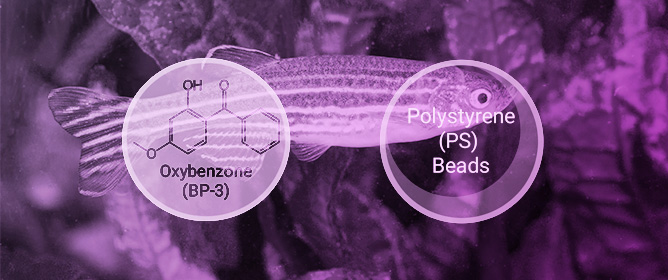
Sorption of Oxybenzone onto Polystyrene Microplastics Influences Bioavailability and Early-Life Development in Zebrafish (Danio rerio) -
Ba–Sr–V as Geogenic and Traffic Tracers in Paediatric Hair from Urban–Industrial Spain, with Co-Located Topsoil Vanadium -
Beyond Blast Injury: Occupational Hygiene, Safety, and Toxicology Considerations for Mixed-Metal and Energetic-Chemical Exposures to Explosive Ordnance Disposal Personnel
Journal Description
Toxics
Toxics
is an international, peer-reviewed, open access journal on all aspects of the toxic chemicals and materials, published monthly online by MDPI.
- Open Access— free for readers, with article processing charges (APC) paid by authors or their institutions.
- High Visibility: indexed within Scopus, SCIE (Web of Science), PubMed, PMC, Embase, CAPlus / SciFinder, AGRIS, and other databases.
- Journal Rank: JCR - Q1 (Toxicology) / CiteScore - Q1 (Chemical Health and Safety)
- Rapid Publication: manuscripts are peer-reviewed and a first decision is provided to authors approximately 17 days after submission; acceptance to publication is undertaken in 2.6 days (median values for papers published in this journal in the first half of 2026).
- Recognition of Reviewers: reviewers who provide timely, thorough peer-review reports receive vouchers entitling them to a discount on the APC of their next publication in any MDPI journal, in appreciation of the work done.
- Journal Cluster of Environmental Science: Sustainability, Land, Clean Technologies, Environments, Nitrogen, Recycling, Urban Science, Safety, Air, Waste, Aerobiology, Toxics, Pollutants, The Journal of Xenobiotics, Journal of Parks, Green and Environmental Remediation.
Impact Factor:
4.9 (2025);
5-Year Impact Factor:
5.3 (2025)
Latest Articles
The Combined Effects of Citric Acid and Ammonium Nitrate on the Phytoremediation of Cd-Phenanthrene Co-Contaminated Soil Using Marigold
Toxics 2026, 14(9), 770; https://doi.org/10.3390/toxics14090770 (registering DOI) - 28 Aug 2026
Abstract
►
Show Figures
Citric acid (CA) and nitrogen (N) fertilizers have been widely applied to enhance phytoremediation of various contaminated soils, yet their combined effects and underlying mechanisms in cadmium (Cd)–polycyclic aromatic hydrocarbon (PAH) co-contaminated systems remain poorly understood. Here, we investigated the combined effects of
[...] Read more.
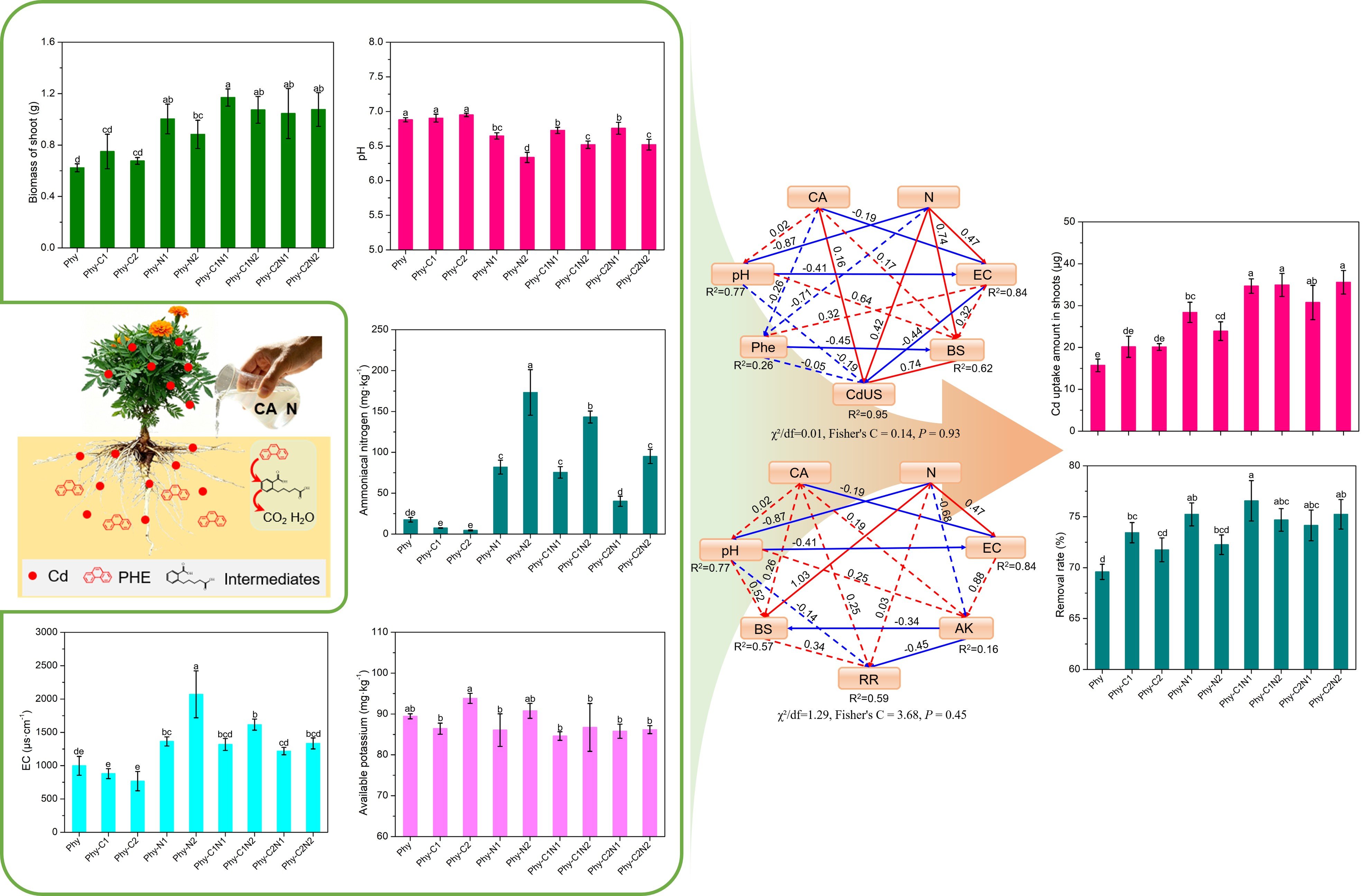
Citric acid (CA) and nitrogen (N) fertilizers have been widely applied to enhance phytoremediation of various contaminated soils, yet their combined effects and underlying mechanisms in cadmium (Cd)–polycyclic aromatic hydrocarbon (PAH) co-contaminated systems remain poorly understood. Here, we investigated the combined effects of CA and ammonium nitrate on the phytoremediation of Cd–phenanthrene (Phe) co-contaminated soil using marigold (Tagetes patula L.), with random forest, mantel tests, and structural equation modeling employed to explore hypothesized pathways and associations. The results demonstrated that combined CA and N application significantly promoted plant growth, Cd uptake, and Phe dissipation. Among the tested treatments, the low-dose combination (1 g CA + 0.1 g N pot−1) increased plant biomass by 88%, enhanced shoot Cd uptake by 121%, and achieved a Phe dissipation rate of 76.56%, representing the optimal remediation strategy. Mechanistically, the synergy between CA and N extends beyond simple growth promotion—N drives biomass production and, independently, facilitates Cd mobilization through rhizosphere acidification, while CA enhances contaminant bioavailability and buffers N-induced salt stress, together maintaining rhizosphere ionic homeostasis for efficient Cd translocation and Phe dissipation. This study provides a mechanistic framework for designing combined amendment strategies to enhance phytoremediation of co-contaminated soils.
Full article
Open AccessArticle
Mercury in Red Knots (Calidris canutus rufa): Inter-Annual and Geographic Variation in Blood Mercury and Associated Toxicological Risk Along the Atlantic Flyway
by
Stephanie Feigin and Joanna Burger
Toxics 2026, 14(9), 769; https://doi.org/10.3390/toxics14090769 (registering DOI) - 28 Aug 2026
Abstract
Shorebird populations are declining sharply, and trace metal contaminants may compound the many migration-related threats they face by affecting feeding, migration, and reproductive success. Despite this risk to the federally threatened Red Knot (Calidris canutus rufa), blood mercury in Red Knots
[...] Read more.
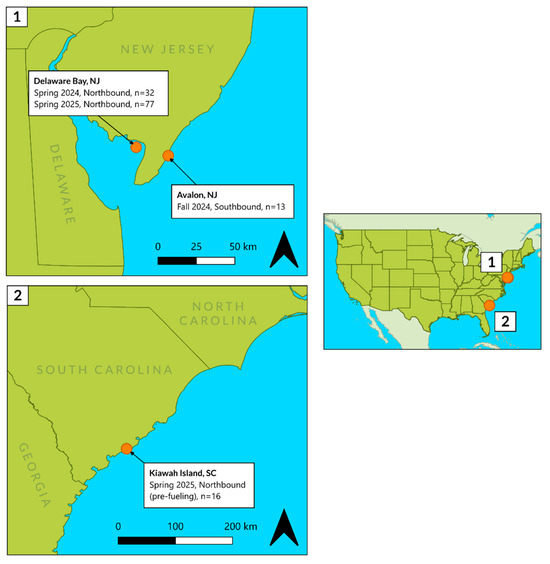
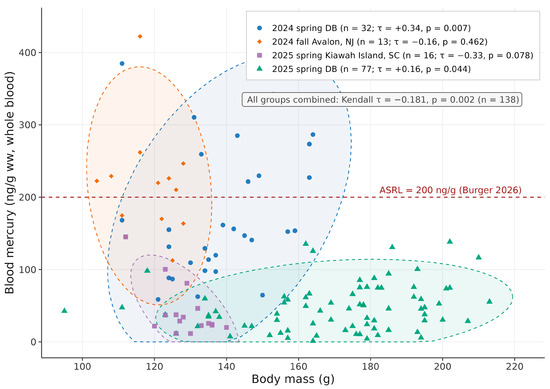
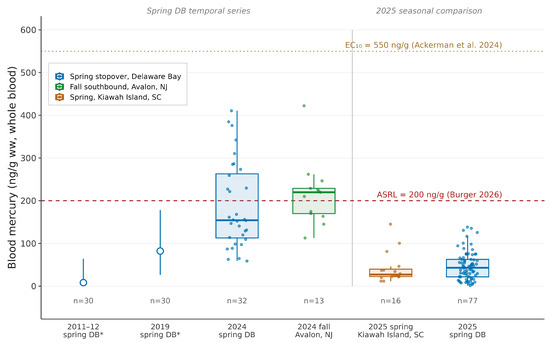
Shorebird populations are declining sharply, and trace metal contaminants may compound the many migration-related threats they face by affecting feeding, migration, and reproductive success. Despite this risk to the federally threatened Red Knot (Calidris canutus rufa), blood mercury in Red Knots has not been examined outside Delaware Bay, and the associated toxicological risk has not been assessed across the annual cycle. We report blood mercury from four cohorts: spring 2024 and spring 2025 at Delaware Bay, fall 2024 at Avalon, New Jersey, and spring 2025 at Kiawah Island, South Carolina. Blood mercury was substantially higher in 2024 than in 2025 across both cohorts. In 2024, 38% of spring Delaware Bay birds and 62% of fall Avalon birds exceeded the 200 ng/g adverse sublethal risk threshold; no birds sampled in 2025 exceeded this level. No biological endpoints were measured, so this risk is inferred from published thresholds. Within single-day Delaware Bay flocks, body mass and mercury were positively related, an association consistent with bioaccumulation. Two cohorts had small samples, and site, season, and migratory stage are confounded in the design. Risk varies markedly among years, and a single sampling event is unlikely to characterize mercury exposure or its associated risk.
Full article
(This article belongs to the Section Ecotoxicology)
►▼
Show Figures

Figure 1
Open AccessArticle
Hair Metal Concentrations in Adults Living in Campania, Italy: A Cross-Sectional Biomonitoring Study in a Mixed Geogenic–Anthropogenic Exposure Setting
by
Rossella Farina, Juri Rimauro, Silvio Del Pizzo, Angelo Riccio and Elena Chianese
Toxics 2026, 14(9), 768; https://doi.org/10.3390/toxics14090768 - 27 Aug 2026
Abstract
Human biomonitoring in environmentally complex regions requires not only matrices that are easy to collect but also careful consideration of external contamination, non-detects, and analytical uncertainty. Inductively coupled plasma mass spectrometry (ICP–MS) was used to measure the concentrations of 24 elements in occipital
[...] Read more.
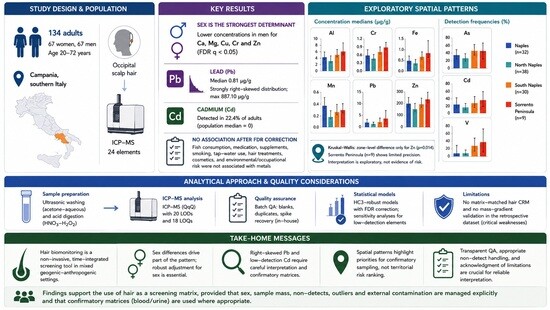
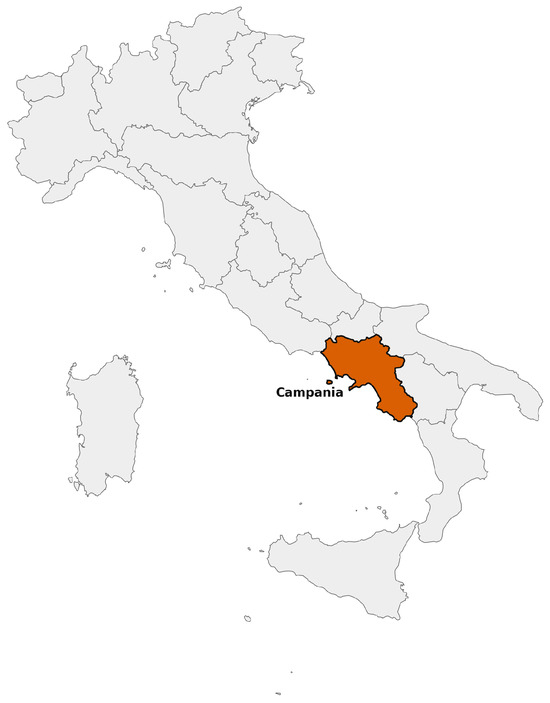
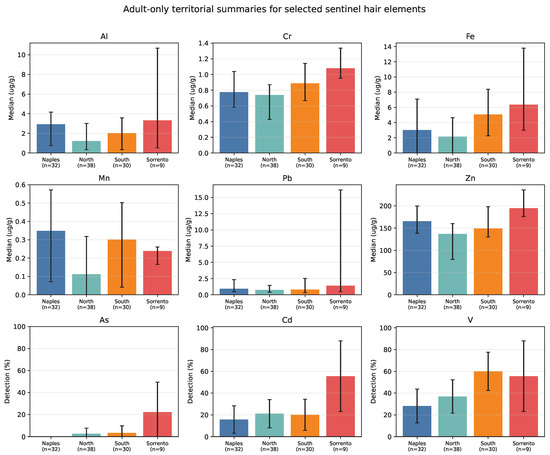
Human biomonitoring in environmentally complex regions requires not only matrices that are easy to collect but also careful consideration of external contamination, non-detects, and analytical uncertainty. Inductively coupled plasma mass spectrometry (ICP–MS) was used to measure the concentrations of 24 elements in occipital scalp-hair samples from 134 adults living in Campania, southern Italy (67 women and 67 men; age range: 20–72 yr). Continuous models were restricted to elements detected in at least 70% of adults and were fitted using HC3 heteroskedasticity-consistent standard errors, with Benjamini–Hochberg correction for the false discovery rate (FDR). Ca, Zn, Mg, K and Cu were the most abundant elements in the hair profile. The most consistent adjusted association was lower concentrations of Ca, Mg, Cu, Cr and Zn in men. Pb showed a strongly right-skewed distribution, whereas Cd was detected in only 22.4% of adults; this low detection frequency did not support a population-level elevation claim. Spatial summaries and clustering were retained for exploratory purposes: Kruskal–Wallis tests indicated a zone-level difference only for Zn, whereas patterns in Pb, Cr, As, Cd, and V were interpreted as priorities for confirmatory sampling rather than as evidence of territorial risk. Sensitivity analyses based on the limit of detection (LOD) supported retaining As and Cd as descriptive outcomes; V associations were not promoted to primary findings because the V detection frequency was below the pre-specified threshold. These findings support the use of hair biomonitoring as a non-invasive screening approach in mixed geogenic–anthropogenic settings, provided that sex, sample mass, non-detects, outliers, and external contamination are considered explicitly and that confirmatory matrices are used where appropriate.
Full article
(This article belongs to the Section Human Toxicology and Epidemiology)
►▼
Show Figures

Graphical abstract
Open AccessArticle
Consumer Risk Characterisation of Potentially Toxic Elements in European Seabass (Dicentrarchus labrax) Marketed in Hungary
by
József Lehel, Keisuke Machida, András Bartha, Péter Palotás, Attila László Nagy, Orsolya Strang and Zsuzsa Farkas
Toxics 2026, 14(9), 767; https://doi.org/10.3390/toxics14090767 - 27 Aug 2026
Abstract
►▼
Show Figures
European seabass (Dicentrarchus labrax) is a widely consumed fish species and may contribute to dietary exposure to potentially toxic elements. This study analysed 40 seabass samples, originating from the Adriatic Sea (Croatia) and purchased at retail in Hungary, for total arsenic
[...] Read more.
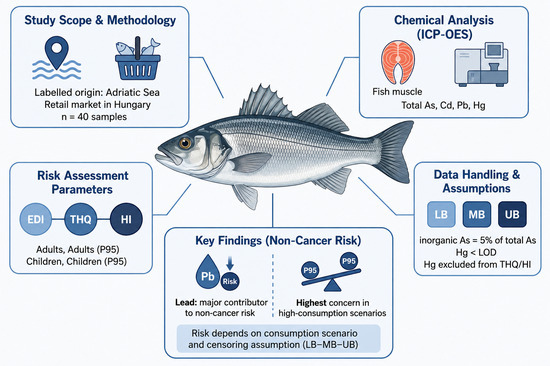
European seabass (Dicentrarchus labrax) is a widely consumed fish species and may contribute to dietary exposure to potentially toxic elements. This study analysed 40 seabass samples, originating from the Adriatic Sea (Croatia) and purchased at retail in Hungary, for total arsenic (As), cadmium (Cd), lead (Pb), and mercury (Hg) concentrations using ICP-OES. Their concentrations in muscle tissue (mg/kg ww) were 1.44 ± 0.90 for total As (detected in 92.5% of samples), 0.06 ± 0.02 for Cd (detected in 35.0% of samples), and 0.25 ± 0.14 for Pb (detected in 27.5% of samples). Inorganic arsenic (iAs) was not measured directly but was conservatively estimated to be 5% of the total arsenic, resulting in an estimated concentration of 0.07 ± 0.05 mg/kg wet weight. All Hg results were below the analytical limit of detection (0.50 mg/kg). When compared with the EU maximum levels (ML), six samples (15%) exceeded the ML for Pb (0.30 mg/kg), thirteen samples (32.5%) exceeded the ML for Cd (0.05 mg/kg), and eight samples (20%) potentially exceeded the ML for iAs (0.1 mg/kg). Consumer risk was evaluated using a screening-level non-cancer risk characterisation framework based on the target hazard quotient (THQ) and hazard index (HI). Results below the LODs were handled using lower-, middle- and upper-bound substitution scenarios. Risk characterisation focused on EU-relevant consumption scenarios, including average adult consumptions, an adult high-consumer (P95) scenario, and child-specific scenarios using age-appropriate body weights. For average adult consumptions, the HI was below one under the lower-bound scenario but exceeded one under the middle- and upper-bound scenarios. However, under high-consumption conditions, lead was identified as the dominant contributor to elevated THQ and HI values, particularly in upper-bound scenarios and for sensitive population groups. These findings indicate that European seabass does not provide definitive evidence of a general population-level health risk; however, screening-level non-cancer concerns were identified under the mean adult middle- and upper-bound scenarios, as well as under high-consumption scenarios, underscoring the importance of continued monitoring and risk-based communication.
Full article

Graphical abstract
Open AccessArticle
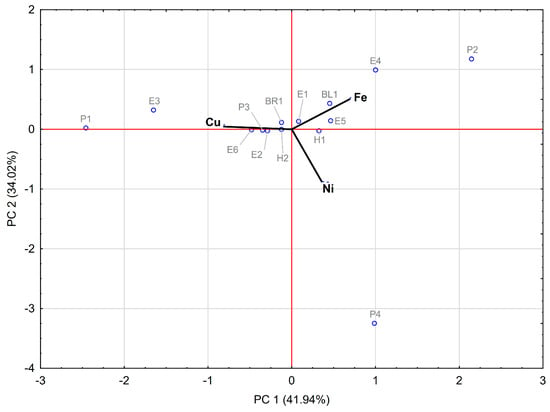
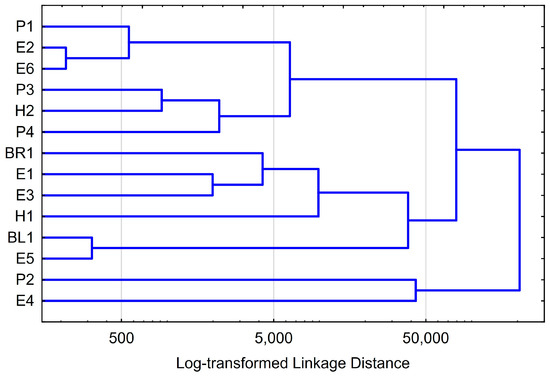
Analysis of Ni, Cu, and Fe in Loose Cosmetic Products: A Preliminary Dermal Exposure and Health Risk Assessment
by
Agnieszka Berdowska, Katarzyna Bandurska, Joanna Kończyk and Iwona Zawierucha
Toxics 2026, 14(9), 766; https://doi.org/10.3390/toxics14090766 - 27 Aug 2026
Abstract
►▼
Show Figures
Loose cosmetic products are widely used in everyday makeup application; however, they may constitute a source of consumer exposure to metals present either intentionally as structural mineral pigments or unintentionally as contaminants derived from raw materials. The aim of this study was to
[...] Read more.
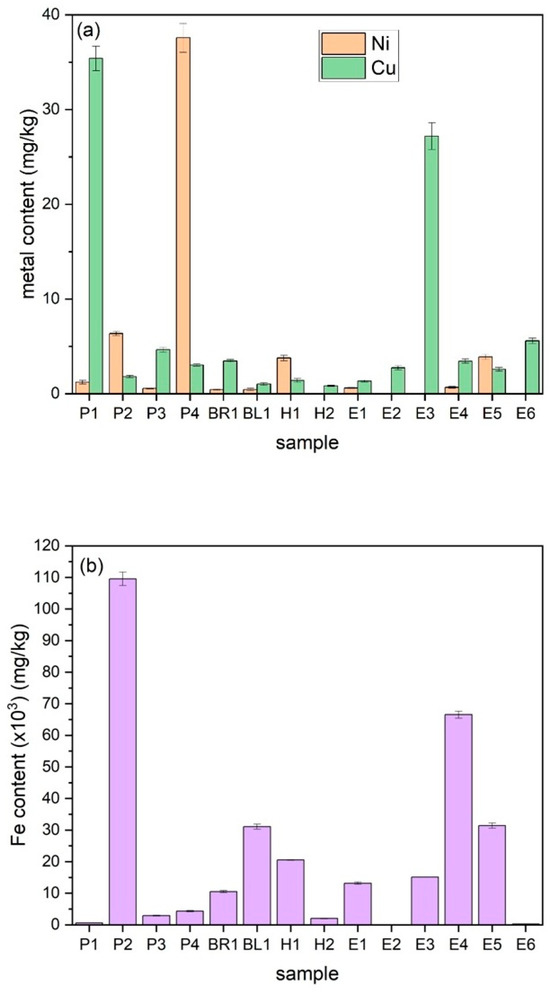
Loose cosmetic products are widely used in everyday makeup application; however, they may constitute a source of consumer exposure to metals present either intentionally as structural mineral pigments or unintentionally as contaminants derived from raw materials. The aim of this study was to quantitatively determine the concentrations of nickel, copper, and iron in loose facial cosmetics (including face powders, contouring products, and eyeshadows) available on the Polish market and to evaluate the potential human health risks. Following validated microwave digestion, the samples were analyzed using microwave plasma–atomic emission spectrometry (MP-AES). Non-carcinogenic and carcinogenic health risks were assessed for dermal exposure by calculating the Hazard Quotient (HQ), Hazard Index (HI), and lifetime cancer risk (LCR). The analyzed metals were detected in the majority of the tested products. Nickel was not detected in four cosmetic samples, whereas its concentration in the remaining products ranged from 0.45 to 37.57 mg/kg. Copper concentrations were between 0.83 and 35.39 mg/kg, while iron concentrations varied from 0.03 × 10³ to 109.56 × 10³ mg/kg. The calculated HQ and HI values (maximum HI = 8.91 × 10⁻⁵) were well below 1, indicating no significant non-carcinogenic health risk. The estimated lifetime cancer risk for nickel was within the safe range (5.63 × 10⁻¹² to 8.28 × 10⁻⁹). Chronic dermal exposure to the analyzed metals is therefore unlikely to pose either systemic toxic or carcinogenic risks to consumers. However, the detected levels of nickel and copper in the samples with the highest concentrations may trigger local allergic reactions in sensitized individuals. These findings highlight the importance of monitoring the purity of mineral raw materials used in cosmetic production.
Full article

Graphical abstract
Open AccessReview
Heavy Metal Pollution in River Sediments: Risk Assessment, Source Apportionment, and Remediation—A Review Focusing on Chinese River Basins
by
Yuheng Tan, Jianqiao Qin, Binyi Tao, Huarong Zhao, Jinhuan Deng, Jiayin Ling, Min Dai and Xi Chen
Toxics 2026, 14(9), 765; https://doi.org/10.3390/toxics14090765 - 27 Aug 2026
Abstract
River sediments act not only as important sinks for heavy metal pollution in watersheds, but also as potential secondary sources under changing environmental conditions. Heavy metals can enter river systems through industrial wastewater discharge, agricultural non-point runoff, urban stormwater and sewage inputs, mining
[...] Read more.
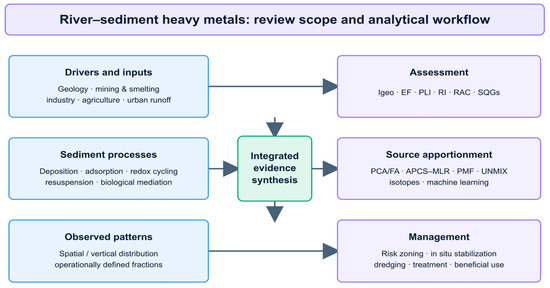
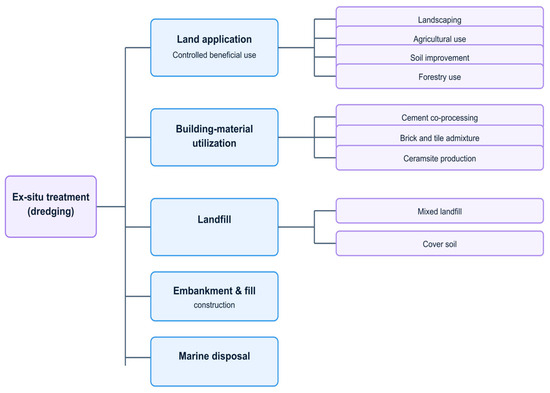
River sediments act not only as important sinks for heavy metal pollution in watersheds, but also as potential secondary sources under changing environmental conditions. Heavy metals can enter river systems through industrial wastewater discharge, agricultural non-point runoff, urban stormwater and sewage inputs, mining and smelting activities, and atmospheric deposition. During adsorption onto suspended particles, sedimentation, and resuspension, metals such as Cd, Pb, Cr, Cu, Zn, Ni, As, and Hg progressively accumulate in sediments. Because heavy metals are persistent, non-degradable, and bioaccumulative, contaminated sediments can record historical watershed pollution while also releasing metals back into overlying water under hydrodynamic disturbance, pH and redox fluctuations, organic matter mineralization, benthic bioturbation, and dredging activities, thereby threatening aquatic ecosystem stability and human health. Using a global methodological framework with particular emphasis on Chinese river basins, this review systematically summarizes key issues in the study of heavy metal pollution in river sediments, including spatial–temporal distribution and operationally defined fractionation, pollution levels and ecological risk assessment, source apportionment, and remediation and management technologies. Current evidence indicates that heavy metal contamination in river sediments exhibits pronounced spatial heterogeneity and watershed-specific characteristics. Its distribution is jointly controlled by geological background, land use patterns, source input intensity, hydrodynamic conditions, sediment particle size composition, and organic matter content. Methodologically, the field has evolved from single total concentration monitoring and exceedance-based evaluation toward integrated assessment systems that combine total concentrations, operationally defined fractionation, bioavailability, ecological risk, health risk, and source contribution. The joint use of BCR sequential extraction, the geoaccumulation index (Igeo), the pollution load index (PLI), the potential ecological risk index (RI), the risk assessment code (RAC), sediment quality guidelines (SQGs), receptor models, isotope tracing, and machine learning has substantially improved pollution identification, risk zoning, and source apportionment. Overall, research on heavy metal pollution in river sediments has shifted from descriptive judgments of whether contamination exists toward mechanistic and management-oriented questions concerning pollution sources, risk evolution, and remediation strategies. However, important gaps remain in compound pollution transformation mechanisms, regional background values and evaluation benchmarks, uncertainty in model parameters, long-term dynamic monitoring, and engineering-scale verification of remediation technologies. Future studies should strengthen multi-media, multi-scale, and long-term monitoring and further integrate fractionation analysis, toxicological effects, source apportionment models, and remediation technologies to provide a scientific basis for watershed ecological security and precision management of contaminated sediments.
Full article
(This article belongs to the Special Issue Biomonitoring of Toxic Elements and Emerging Pollutants)
►▼
Show Figures

Figure 1
Open AccessReview
Application and Mechanisms of Biochar in Anaerobic Digestion: Towards Process Resilience and Waste Valorization
by
Yuan Shi, Yin Luo, Tingting Zhu and Kaijia Zang
Toxics 2026, 14(9), 764; https://doi.org/10.3390/toxics14090764 - 26 Aug 2026
Abstract
►▼
Show Figures
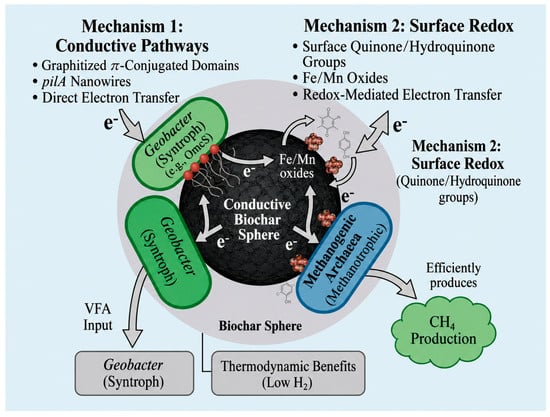
Anaerobic digestion (AD) is widely used for organic waste stabilization and bio-energy recovery, but its performance is often constrained by process instability, slow syntrophic metabolism, and sensitivity to acidification, ammonia, organic overloading, and inhibitory contaminants. Biochar has emerged as a promising strategy to
[...] Read more.
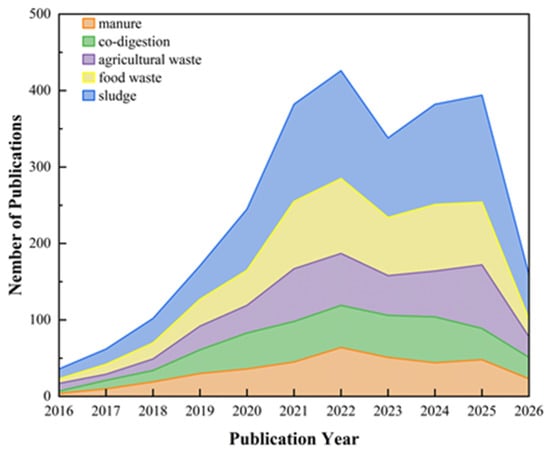
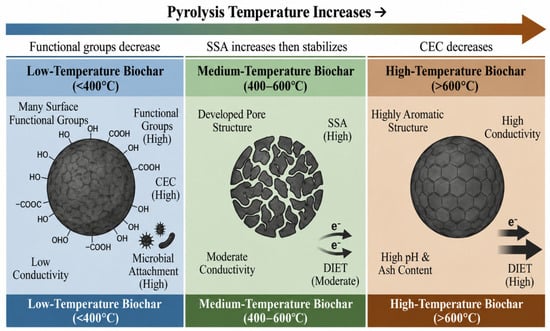
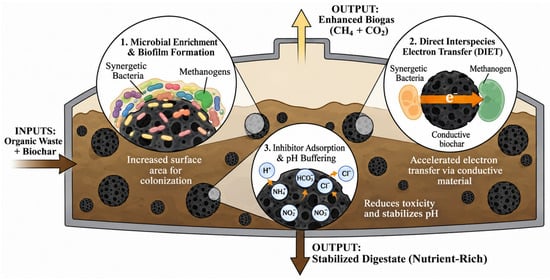
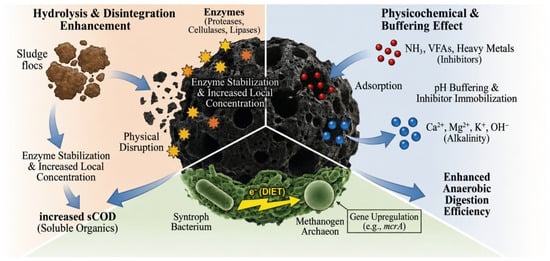
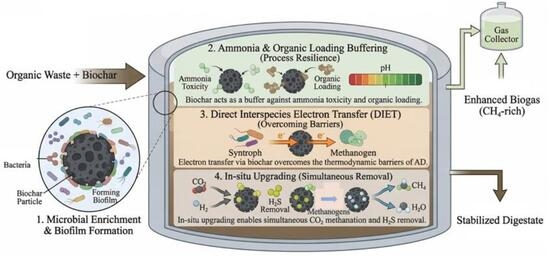
Anaerobic digestion (AD) is widely used for organic waste stabilization and bio-energy recovery, but its performance is often constrained by process instability, slow syntrophic metabolism, and sensitivity to acidification, ammonia, organic overloading, and inhibitory contaminants. Biochar has emerged as a promising strategy to enhance AD, with benefits extending beyond increased methane yield. This review examines how biochar properties, including pore structure, surface functional groups, alkalinity, and electrical conductivity, regulate different AD stages and improve process stability. Biochar provides microbial habitats, buffers pH, adsorbs inhibitors, accelerates volatile fatty acid conversion, and facilitates interspecies electron transfer. The effects of biochar dosage, feedstock type, reactor configuration, and operational conditions on digestion performance and resource recovery are critically evaluated. Broader contributions to organic waste valorization are also discussed. Future research should prioritize tailored biochar design, standardized characterization, long-term validation in continuous reactors, techno-economic analysis, and life-cycle assessment. These efforts are essential for translating laboratory findings into reliable and sustainable applications for organic solid waste treatment and resource recovery.
Full article

Graphical abstract
Open AccessArticle
Determination of 25 Organophosphate Ester Flame Retardants in Soils by Accelerated Solvent Extraction–Ultra-High Performance Liquid Chromatography
by
Ban Cao, Yinjun Shi, Zuguo Hu and Mingli Ye
Toxics 2026, 14(9), 763; https://doi.org/10.3390/toxics14090763 - 26 Aug 2026
Abstract
Organophosphate esters (OPEs) are commonly used flame retardants and plasticizers, which can easily be released into the soil environment and have potential hazards such as neurotoxicity and developmental toxicity. Establishing an efficient and sensitive detection method plays a crucial role in soil pollution
[...] Read more.
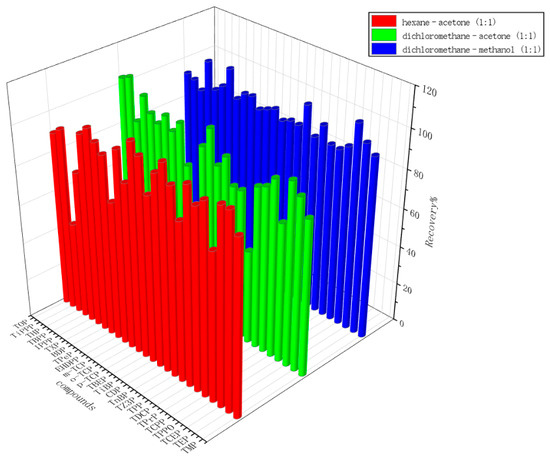
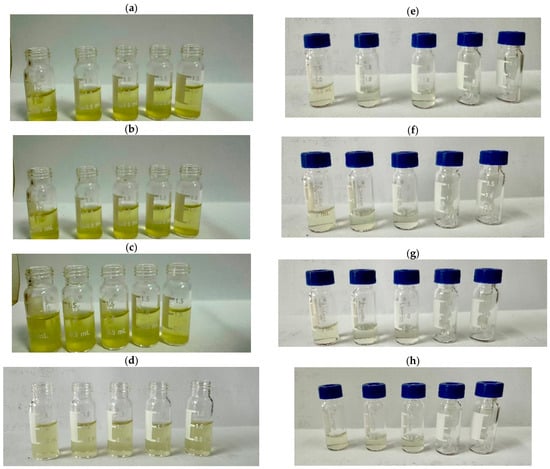
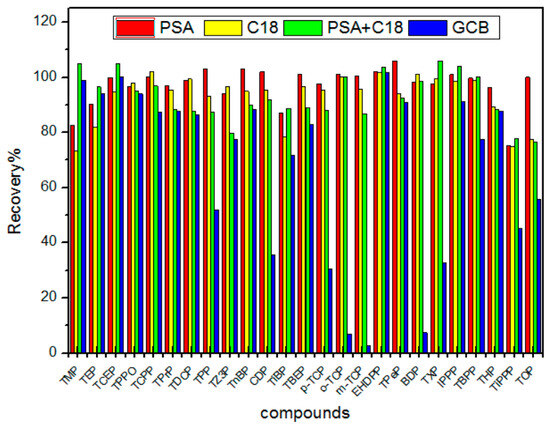
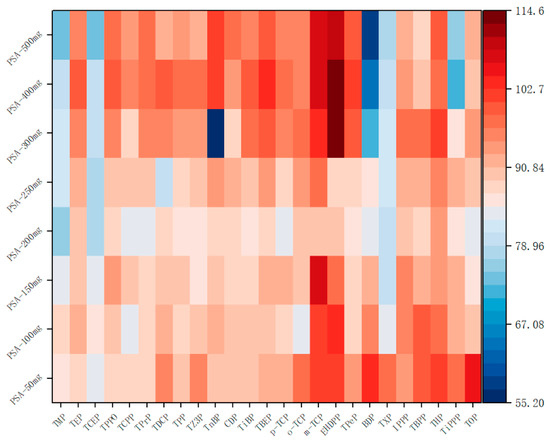
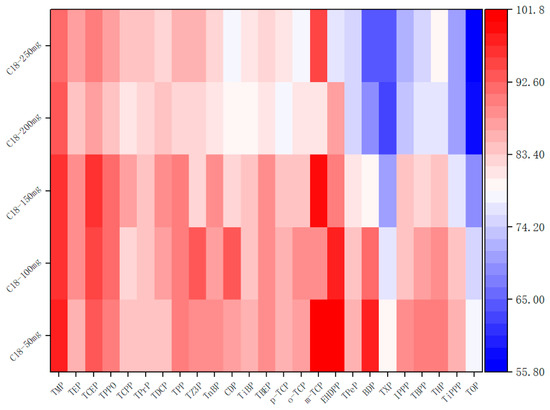
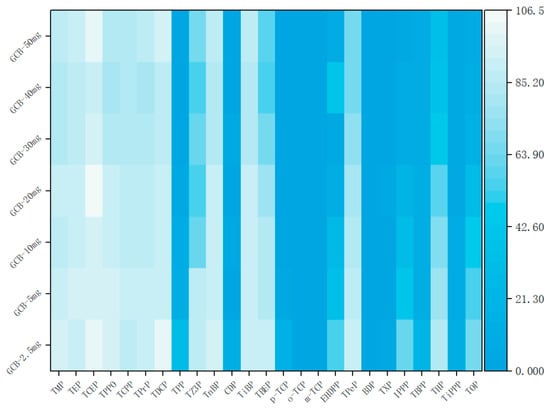
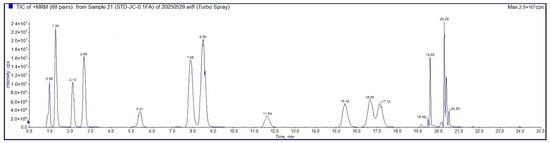
Organophosphate esters (OPEs) are commonly used flame retardants and plasticizers, which can easily be released into the soil environment and have potential hazards such as neurotoxicity and developmental toxicity. Establishing an efficient and sensitive detection method plays a crucial role in soil pollution assessment. Currently, there have been numerous studies on the detection of OPEs in soil using ultrasonic extraction and solid-phase extraction, while relatively few studies have focused on the analysis of multiple OPEs in soil by accelerated solvent extraction combined with d-SPE clean-up and ultra-high performance liquid chromatography–tandem mass spectrometry. The d-SPE purification method eliminates the need for column passage, shortens sample preparation time, and avoids the risk of background contamination from OPEs that may be introduced by SPE. This study developed a liquid chromatography–tandem quadrupole mass spectrometry (LC-MS/MS) method for the determination of 25 OPEs in soil, and systematically optimized the pretreatment and instrumental analysis conditions. Accelerated solvent extraction was used for pretreatment, and dichloromethane–methanol (1:1, V/V) was determined as the optimal extraction solvent. A mixed adsorbent of N-propyl ethylenediamine (PSA) and C18 was selected for dispersive purification, effectively removing matrix interference and improving recovery rates. The mass spectrometry parameters such as collision energy and declustering voltage were optimized, significantly enhancing ion response intensity and detection sensitivity. The method showed good linearity within the concentration range of 1–100 ng/mL, with correlation coefficients all greater than 0.994. The spiked recovery rates ranged from 70.6% to 111% with a relative standard deviation (RSD) of 1.2–11.8%. The precision and accuracy met the requirements for environmental sample analysis. The method was applied to the detection of actual soil samples, and the results were stable and reliable. This method is simple to operate, highly sensitive, and widely applicable, providing reliable technical support for the pollution monitoring, source tracing, and ecological risk assessment of OPEs in soil.
Full article
(This article belongs to the Section Toxicity Reduction and Environmental Remediation)
►▼
Show Figures

Figure 1
Open AccessArticle
Association Between Lifetime Cadmium Intake and Urinary Cadmium Concentration Among Residents of the Jinzu River Basin Following Soil Remediation
by
Yu Fujiwara, Kazuhiro Nogawa, Masaru Sakurai, Yuuka Watanabe, Masao Ishizaki, Yasumitsu Ogra, Yu-ki Tanaka, Hirotaro Iwase, Kayo Tanaka, Teruhiko Kido, Hideaki Nakagawa and Yasushi Suwazono
Toxics 2026, 14(9), 762; https://doi.org/10.3390/toxics14090762 - 26 Aug 2026
Abstract
Cadmium (Cd), a widespread pollutant, is primarily absorbed via diet and smoking. Chronic Cd exposure has been associated with various adverse health effects, including renal tubular and skeletal damage. Urinary Cd concentration accurately reflects cumulative Cd exposure owing to its strong correlation with
[...] Read more.
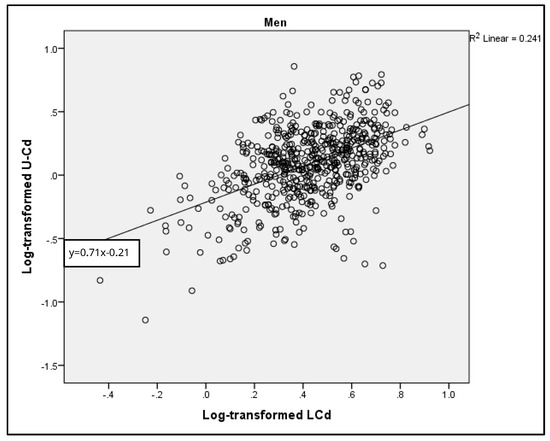
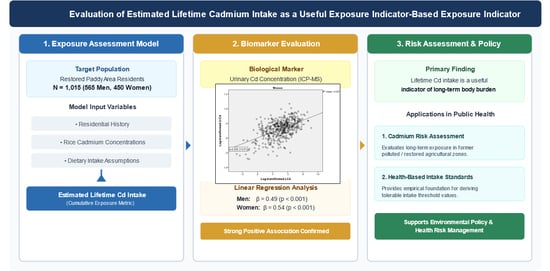
Cadmium (Cd), a widespread pollutant, is primarily absorbed via diet and smoking. Chronic Cd exposure has been associated with various adverse health effects, including renal tubular and skeletal damage. Urinary Cd concentration accurately reflects cumulative Cd exposure owing to its strong correlation with renal cortical Cd levels. This study evaluated the accuracy of estimated lifetime Cd intake by examining its correlation with urinary Cd levels after soil remediation, an aspect unreported even in the Kakehashi River Basin. A total of 565 men and 450 women were included. Lifetime Cd intake (g) was estimated using an established exposure assessment model that incorporated individual residential history, rice Cd concentrations, and dietary assumptions. Urinary Cd concentrations were determined using inductively coupled plasma mass spectrometry. Linear regression analyses were conducted between lifetime cadmium intake and urinary cadmium concentration. The obtained standardized regression coefficients were 0.49 for men and 0.54 for women (both p < 0.001), indicating strong associations. Despite possible exposure misclassification, these findings support the utility of lifetime cadmium intake as a useful surrogate indicator of cumulative cadmium exposure and provide further evidence for its application in risk assessment and the derivation of tolerable cadmium intake values.
Full article
(This article belongs to the Section Human Toxicology and Epidemiology)
►▼
Show Figures

Graphical abstract
Open AccessArticle
Heavy Metal Contamination in Commercial Coffee Products in Saudi Arabia: Prevalence, Carcinogenic and Non-Carcinogenic Risk Assessment, and Implications for Diabetes and Cardiovascular Disease
by
Azizah A. Algreiby, Suzan Makawi, Ahmed H. Bakheit and Abdullah H. Alluhayb
Toxics 2026, 14(9), 761; https://doi.org/10.3390/toxics14090761 - 26 Aug 2026
Abstract
Coffee is deeply embedded in Saudi culture and is among the most consumed beverages worldwide. However, contamination by toxic heavy metals may represent an underrecognized public health concern, particularly in regions already burdened by diabetes mellitus and cardiovascular disease. This study evaluated concentrations
[...] Read more.
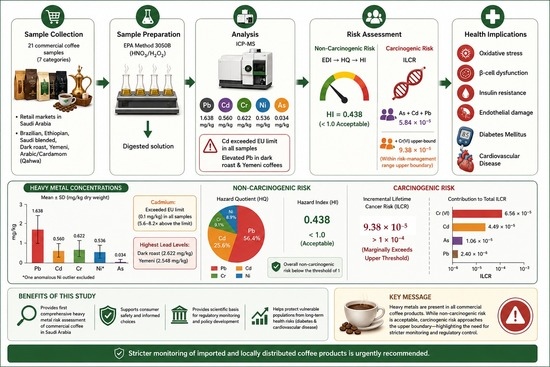
Coffee is deeply embedded in Saudi culture and is among the most consumed beverages worldwide. However, contamination by toxic heavy metals may represent an underrecognized public health concern, particularly in regions already burdened by diabetes mellitus and cardiovascular disease. This study evaluated concentrations of lead (Pb), cadmium (Cd), arsenic (As), chromium (Cr), and nickel (Ni) in 21 commercial coffee samples representing seven product categories marketed in Saudi Arabia. Samples were prepared using EPA Method 3050B acid digestion and analyzed by inductively coupled plasma mass spectrometry (ICP-MS). Health risks were assessed through estimated daily intake (EDI), hazard quotient (HQ), hazard index (HI), and incremental lifetime cancer risk (ILCR) using USEPA exposure parameters and Saudi-specific coffee consumption data. All metals were detected in every sample. Mean concentrations (mg/kg dry weight) were 1.638 for Pb, 0.560 for Cd, 0.622 for Cr, 0.536 for Ni, and 0.034 for As. Cadmium exceeded the European Union maximum limit for roasted coffee in all samples, while elevated Pb levels were observed in dark roast and Yemeni coffees. Although the overall non-carcinogenic risk remained below the accepted threshold (HI = 0.438), the combined ILCR for As, Cd, and Pb was 5.84 × 10⁻⁵. Inclusion of a conservative screening-level chromium contribution, calculated by assuming that all measured total Cr was present as Cr(VI), increased the upper-bound total ILCR to 9.38 × 10⁻⁵. This value remained within, but approached the upper boundary of, the risk-management range applied in this study. These findings highlight the need for strengthened monitoring and regulatory control of coffee products in Saudi Arabia.
Full article
(This article belongs to the Section Agrochemicals and Food Toxicology)
►▼
Show Figures

Graphical abstract
Open AccessCommunication
Hormonal Activity of 3D Bioprinting Materials Using the E-Screen and PALM Bioassays
by
Alicia Olivas-Martinez, Elisa Nygren-Jiménez, Jose Manuel Molina-Molina, Gema Jiménez, Mariana F. Fernández and Juan Antonio Marchal
Toxics 2026, 14(9), 760; https://doi.org/10.3390/toxics14090760 - 26 Aug 2026
Abstract
►▼
Show Figures
Three-dimensional (3D) printing and bioprinting technologies are increasingly used in tissue engineering and in the development of personalized medical devices with tailored biological and mechanical properties. Despite their advantages, these technologies may involve exposure to chemical compounds with uncertain biological effects, including potential
[...] Read more.
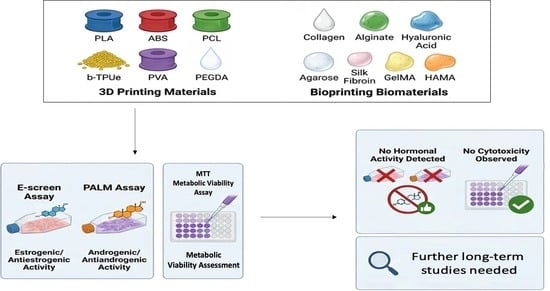
Three-dimensional (3D) printing and bioprinting technologies are increasingly used in tissue engineering and in the development of personalized medical devices with tailored biological and mechanical properties. Despite their advantages, these technologies may involve exposure to chemical compounds with uncertain biological effects, including potential endocrine-disrupting activity. This study aims to evaluate the hormonal activity and cytotoxicity of various materials commonly used for 3D printing technologies, including thermoplastics and synthetic materials (PLA, ABS, PCL, b-TPUe, PVA, PEGDA), and biomaterials (collagen, alginate, hyaluronic acid, agarose, silk fibroin, GelMA, HAMA). Hormonal activity was evaluated using the E-screen assay for estrogenic and anti-estrogenic activity, and the PALM assay for androgenic and anti-androgenic activity. Cytotoxic effects are evaluated by assessing cellular metabolic viability using the MTT assay. No detectable estrogenic, anti-estrogenic, androgenic, or anti-androgenic activity, nor any signs of cytotoxicity, were observed within the experimental conditions analysed. This study represents the first analysis of some specific endocrine-related endpoints of a wide range of 3D printing and bioprinting materials, and should not be interpreted as definitive proof of the complete absence of endocrine activity. Further studies addressing additional toxicological parameters and long-term assessments are required to comprehensively characterize their safety and suitability.
Full article

Graphical abstract
Open AccessArticle
The Release and Transformation of Sb and As Induced by Microorganisms in Antimony Smelting Soil
by
Yan Zheng, Zhihao Wu, Junhuan Wang and Hong Hou
Toxics 2026, 14(9), 759; https://doi.org/10.3390/toxics14090759 - 26 Aug 2026
Abstract
Mining and smelting activities have accelerated the release of antimony (Sb) and arsenic (As) into the environment, resulting in high ecological risks. Microorganisms are considered key drivers of Sb and As cycling. However, their effects on Sb/As transformation in antimony smelting soils remain
[...] Read more.
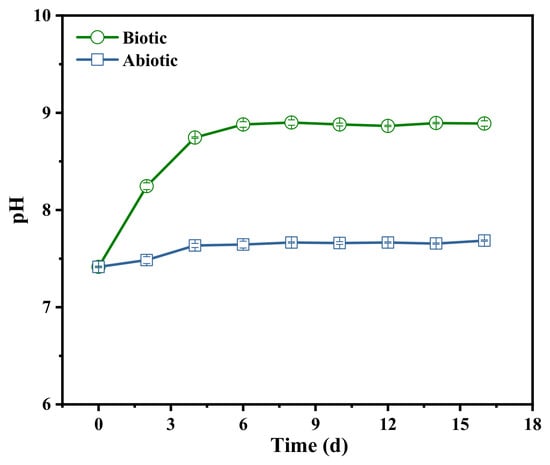
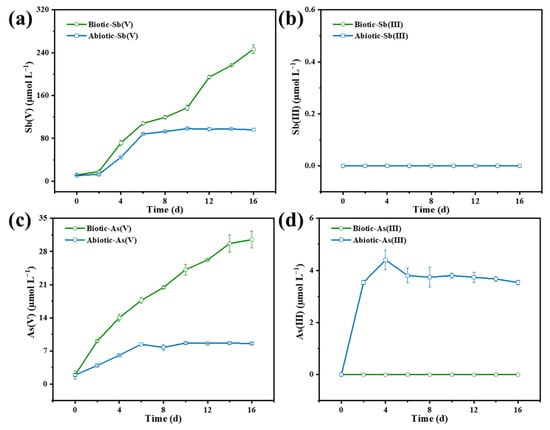
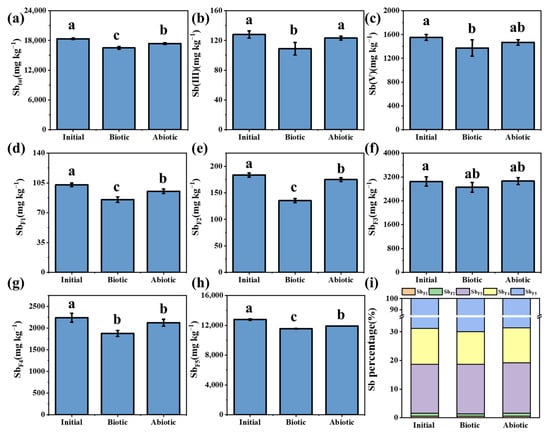
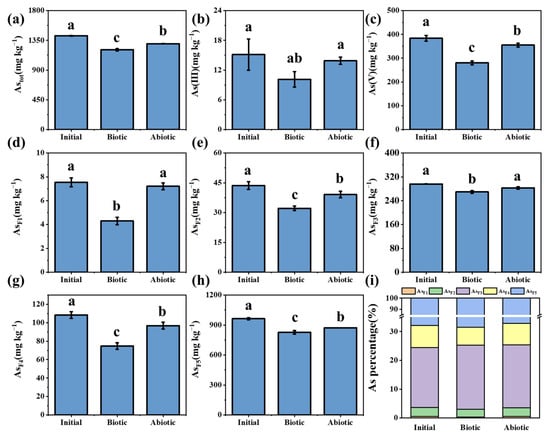
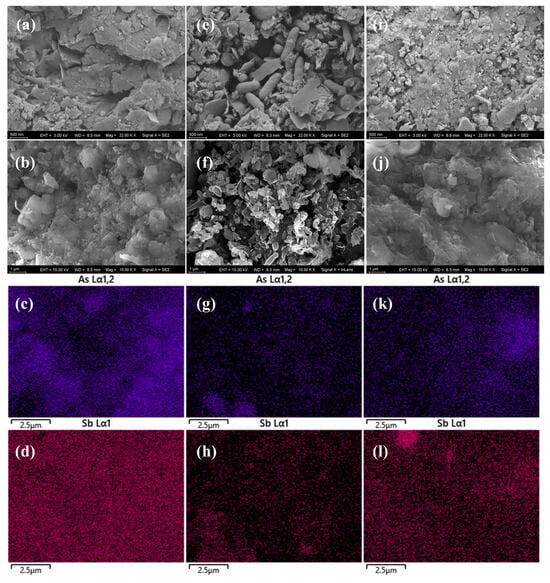
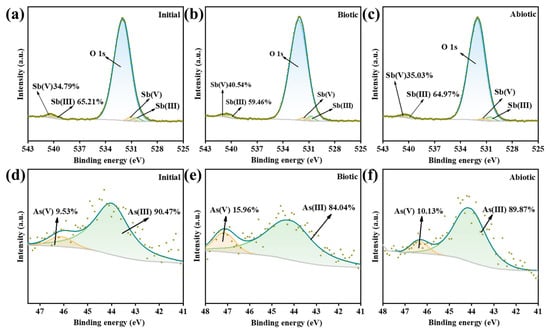
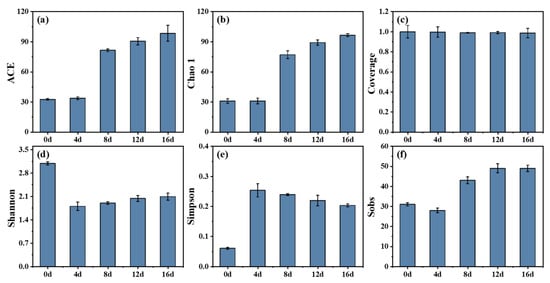
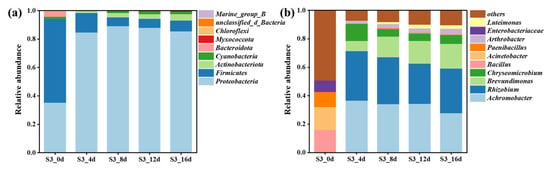
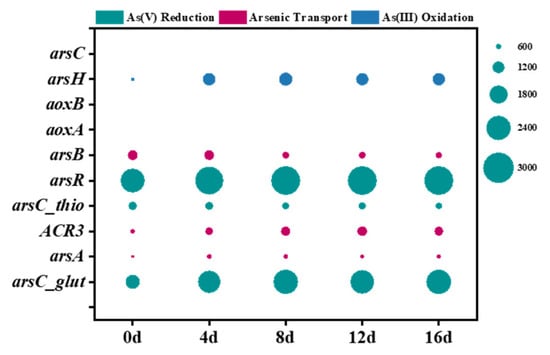
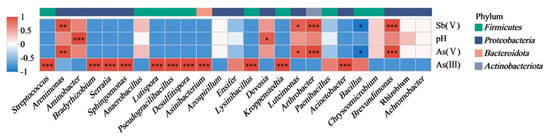
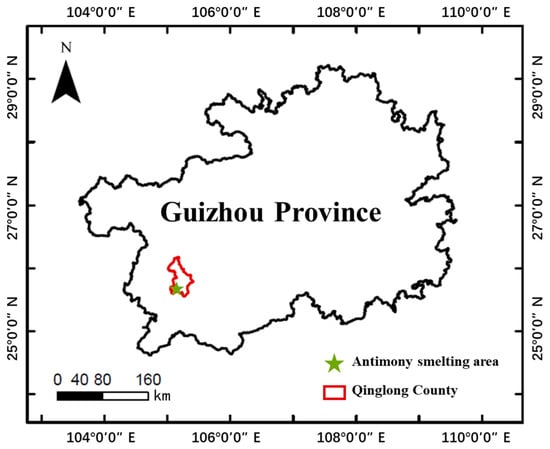
Mining and smelting activities have accelerated the release of antimony (Sb) and arsenic (As) into the environment, resulting in high ecological risks. Microorganisms are considered key drivers of Sb and As cycling. However, their effects on Sb/As transformation in antimony smelting soils remain poorly understood. In this study, an indigenous microbial consortium capable of oxidizing both Sb and As was obtained from antimony smelting soil and used to investigate the interactions between microorganisms and Sb-As co-contaminated soils. The results showed that the functional microbial consortium enhanced Sb and As release from the soil by increasing the system pH from 7.41 to 8.89, thereby promoting the dissolution of solid-phase Sb and As. The concentrations of total dissolved Sb and As reached 246.47 and 30.5 µmol L−1 by day 16, respectively, and the released Sb(III) and As(III) were completely oxidized to Sb(V) and As(V). In the abiotic control, the corresponding concentrations of total dissolved Sb and As were 95.89 and 12.08 µmol L−1, respectively, with an As(III) concentration of 3.54 µmol L−1. Sequential extraction results revealed that microbial activity altered the speciation distribution of Sb and As in soils, decreasing the proportions of easily exchangeable and specifically surface-bound fractions while increasing the residual fractions. X-ray photoelectron spectroscopy (XPS) analysis further showed that, compared with the original soil, the functional microbial consortium increased the proportions of Sb(V) and As(V) in the solid phase from 34.79% to 40.54% and from 9.53% to 15.96%, respectively, suggesting that microbial activity might promote the precipitation of Sb(V) and As(V), thereby facilitating the re-immobilization of a fraction of the released Sb and As. Furthermore, the succession of microbial communities during the interaction process was investigated. The release of Sb and As from soil increased the abundance of microorganisms related to Sb/As metabolism. Spearman correlation analysis suggested that Arenimonas, Luteimonas, Arthrobacter, and Brevundimonas were likely involved in Sb(III)/As(III) oxidation, whereas Devosia and Aminobacter contributed to the elevation of system pH. This study provides insights into the microbial-mediated transformation, migration, and oxidation of Sb and As in soils.
Full article
(This article belongs to the Topic Evaluation and Utilization of Subtropical and Tropical Soil Resources)
►▼
Show Figures

Figure 1
Open AccessArticle
Organophosphate Flame Retardants in Shanghai Indoor Dust: A 2016 Historical Baseline of Seasonal Variability, Microenvironmental Profiles, and Human Exposure
by
Jiajun Chang, Li Li, Binghong Cheng, Zhiliang Zhu, Qinghui Huang, Yanling Qiu and Åke Bergman
Toxics 2026, 14(9), 758; https://doi.org/10.3390/toxics14090758 - 26 Aug 2026
Abstract
►▼
Show Figures
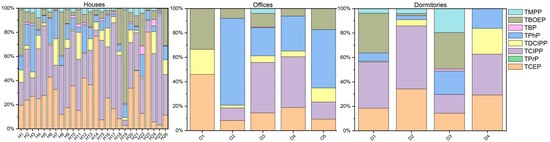
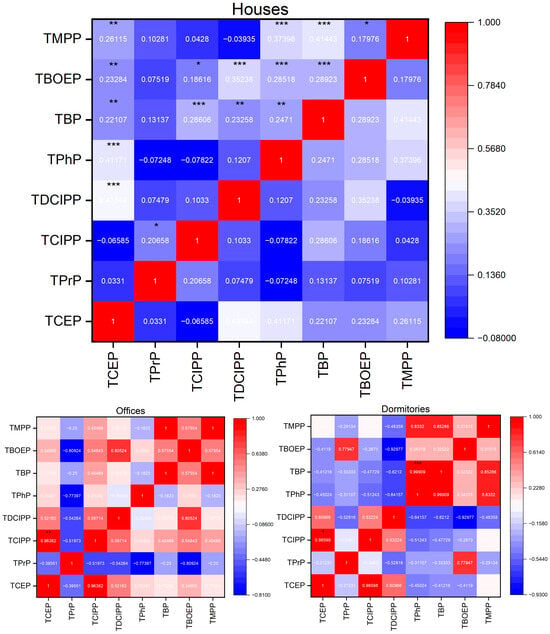
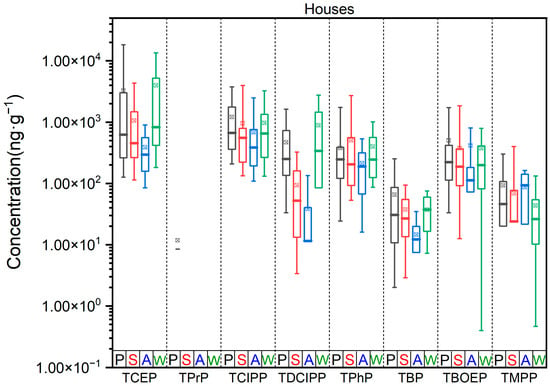
Organophosphate flame retardants (OPFRs) are additive chemicals that migrate from indoor materials and accumulate in settled dust. This study retrospectively characterized eight OPFRs in floor dust collected in Shanghai during 2016 to establish a seasonally resolved historical reference. A total of 136 residential
[...] Read more.
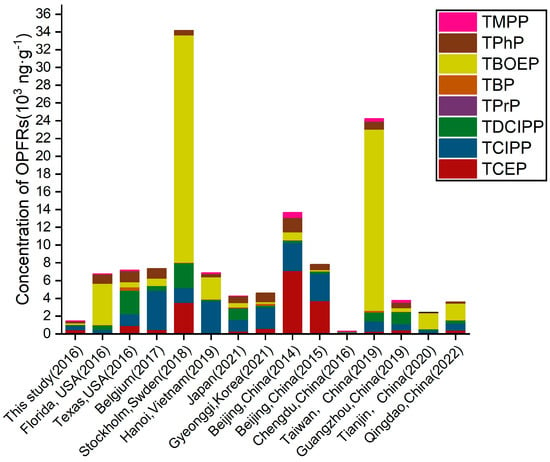
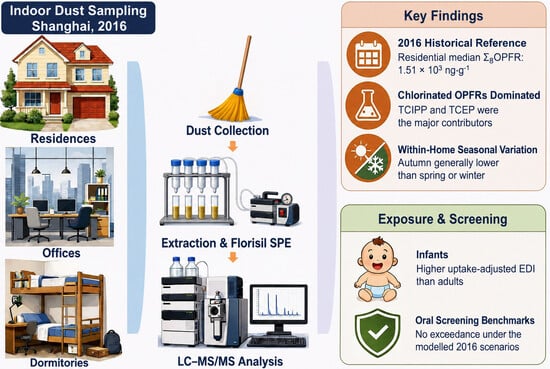
Organophosphate flame retardants (OPFRs) are additive chemicals that migrate from indoor materials and accumulate in settled dust. This study retrospectively characterized eight OPFRs in floor dust collected in Shanghai during 2016 to establish a seasonally resolved historical reference. A total of 136 residential dust samples were obtained from a convenience panel of 26 homes sampled at approximately two-month intervals; five office and four dormitory composite samples were included only for exploratory microenvironmental comparisons. Sampling, extraction, and LC-MS/MS determination were all completed in 2016. OPFRs were detected in all samples. Median (mean) Σ8OPFR concentrations were 1.51 × 10³ (4.35 × 10³), 2.48 × 10³ (3.36 × 10³), and 673 (963) ng·g−1 in residential, office, and dormitory dust, respectively, and chlorinated OPFRs—particularly tris(2-chloroisopropyl) phosphate and tris(2-chloroethyl) phosphate—dominated. Mixed-effects models accounting for repeated sampling confirmed significant season effects for Σ8OPFRs and all frequently detected congeners, with autumn generally lower than spring or winter. Under the mean 2016 concentration scenario, uptake-adjusted total estimated daily intakes were 3.3 ng·kg−1·day−1 for infants and 0.65 ng·kg−1·day−1 for adults. Oral administered-dose screening values did not exceed the selected non-cancer or cancer benchmarks. These measurements do not represent current exposure but provide a historical benchmark for method-matched follow-up monitoring.
Full article

Graphical abstract
Open AccessArticle
Copper Smelting Slag-Derived Fe3O4@Mesoporous Silica for Peroxymonosulfate Activation and Tetracycline Degradation: Performance, Mechanism, and Life Cycle Assessment
by
Changxin Li, Xiaoya Li, Jinyu Yang, Nan Liu, Shanpei Liu, Xianglong Huang and Huaxin Zhang
Toxics 2026, 14(9), 757; https://doi.org/10.3390/toxics14090757 - 26 Aug 2026
Abstract
►▼
Show Figures
Tetracycline (TC) is a widely used antibiotic that is frequently detected in rivers, lakes and wastewater. Because TC is poorly removed by conventional biological treatment, its residues can harm aquatic organisms and promote the spread of antibiotic resistance; efficient and low-cost technologies for
[...] Read more.
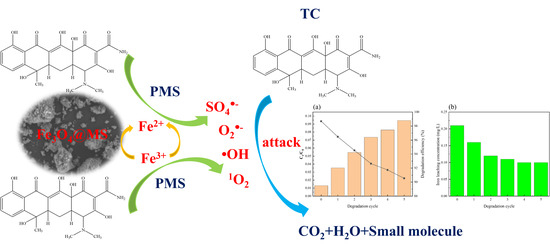
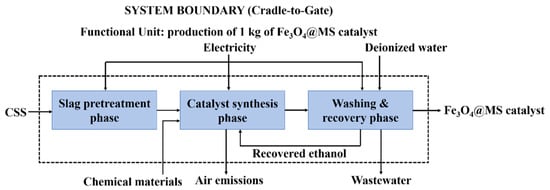
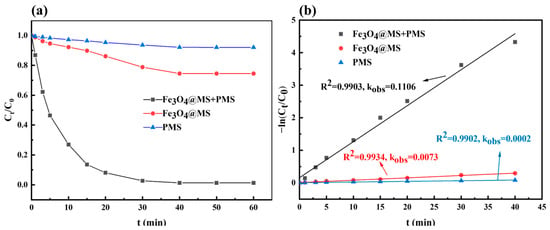
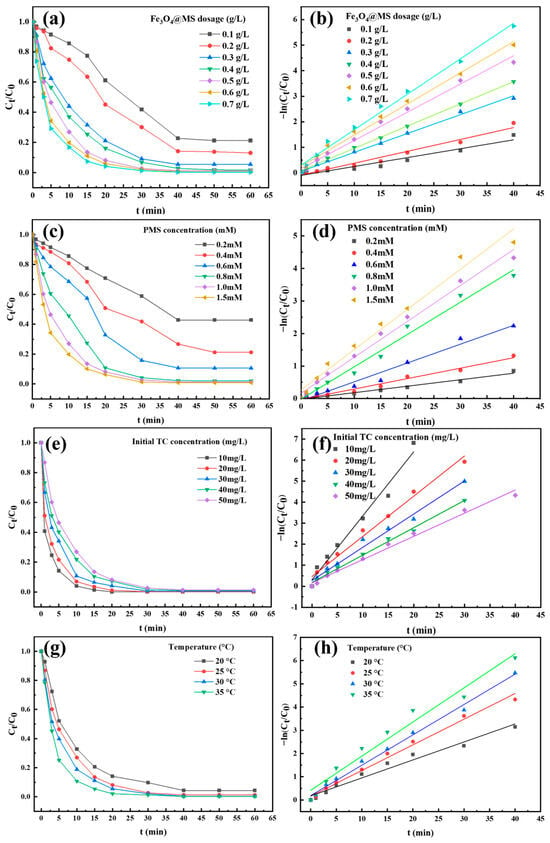
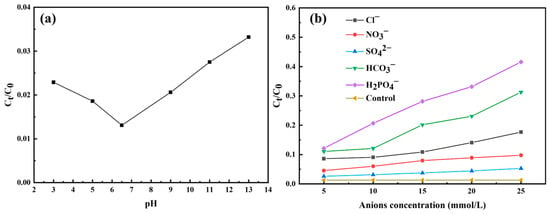
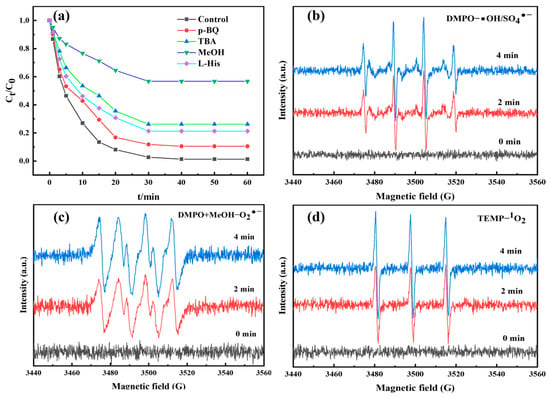
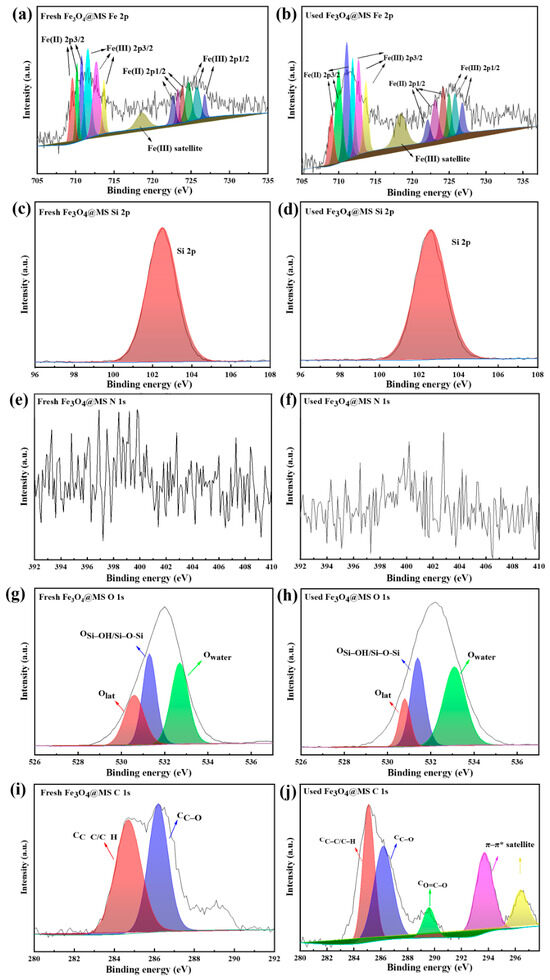
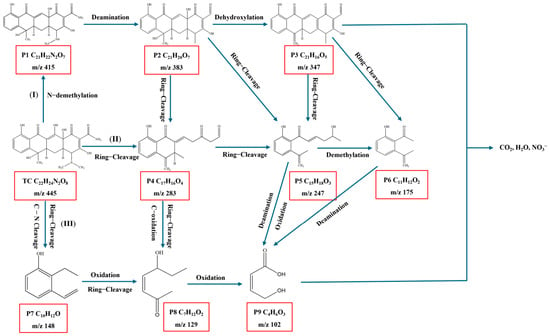
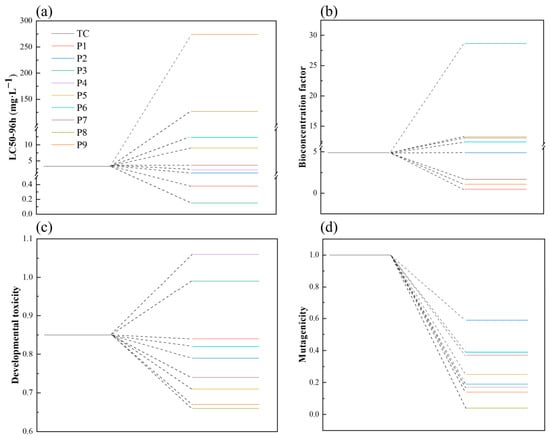
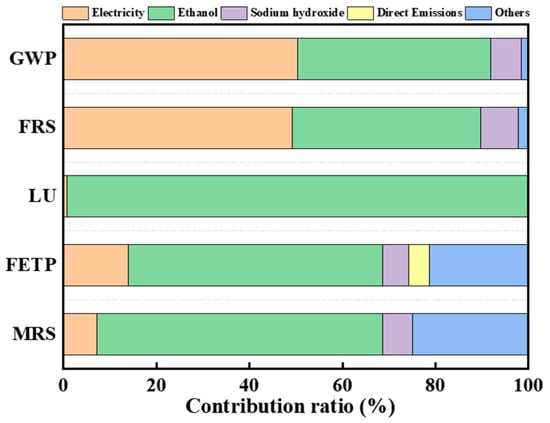
Tetracycline (TC) is a widely used antibiotic that is frequently detected in rivers, lakes and wastewater. Because TC is poorly removed by conventional biological treatment, its residues can harm aquatic organisms and promote the spread of antibiotic resistance; efficient and low-cost technologies for removing TC from water are therefore needed. In this study, copper smelting slag (CSS), an abundant industrial solid waste, was converted into a catalyst composed of Fe3O4 particles loaded on mesoporous silica (denoted Fe3O4@MS) via an alkali fusion–hydrothermal method. The catalyst was used to activate peroxymonosulfate (PMS), forming the Fe3O4@MS/PMS treatment system for the degradation of TC in aqueous solution. The effects of the main operating parameters (catalyst dosage, PMS concentration, initial pH and reaction temperature) on TC degradation were systematically evaluated. Under the optimized conditions (catalyst 0.5 g/L, PMS 1.0 mmol/L, initial pH 6.5, 25 °C), the Fe3O4@MS/PMS system removed 98.70% of 50 mg/L TC within 60 min. Radical quenching experiments and electron paramagnetic resonance (EPR) analysis revealed that TC was degraded through both radical pathways (hydroxyl •OH, sulfate SO4•− and superoxide O2•− radicals) and a non-radical pathway involving singlet oxygen (1O2), with •OH being the dominant reactive species. Nine degradation intermediates were identified by liquid chromatography–mass spectrometry (LC-MS), based on which three degradation pathways were proposed. Toxicity estimation indicated that ring-opening and deamination reactions are the key steps for detoxification. In addition, a life cycle assessment (LCA) across five selected impact categories identified the main environmental burdens associated with catalyst production. Overall, this work demonstrates that CSS-derived Fe3O4@MS is an efficient, low-cost and sustainable catalyst for PMS-based antibiotic removal from water, offering a circular-economy approach that couples solid-waste valorization with clean water production.
Full article

Graphical abstract
Open AccessArticle
Dermal Permeability of Perfluorohexane Sulfonic Acid (PFHxS) and Perfluorohexanoic Acid (PFHxA) in Varying Vehicles and the Effects on Skin Integrity in a Reconstructed Human Epidermis Model
by
Lisa M. Weatherly, Notashia N. Baughman, Callee M. Walsh, Laurel G. Jackson, Ewa Lukomska, Madison P. Cooper, Jason E. Ham and Stacey E. Anderson
Toxics 2026, 14(9), 756; https://doi.org/10.3390/toxics14090756 - 26 Aug 2026
Abstract
Per- and polyfluoroalkyl substances (PFAS) are widespread environmental contaminants associated with adverse health effects, yet dermal exposure remains poorly characterized. This study evaluated the influence of vehicle and chemical structure on dermal absorption and skin barrier integrity using a reconstructed human epidermis model
[...] Read more.
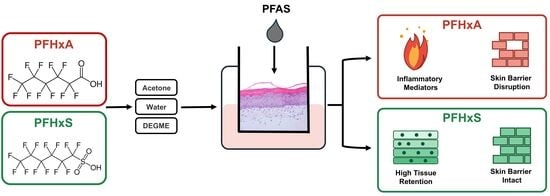
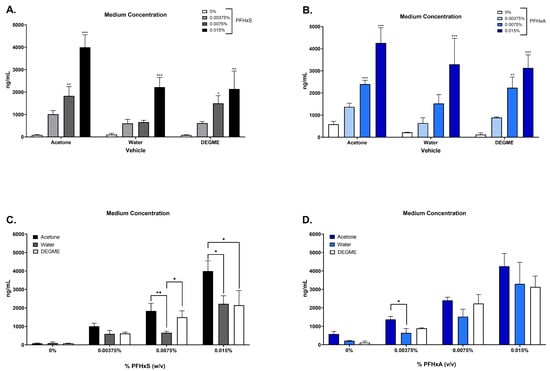
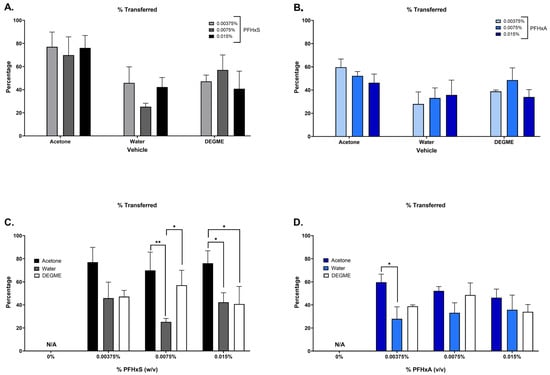
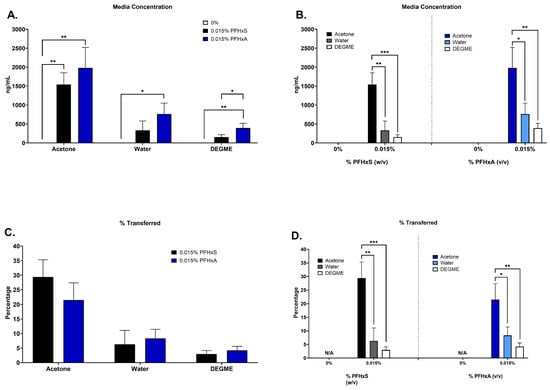
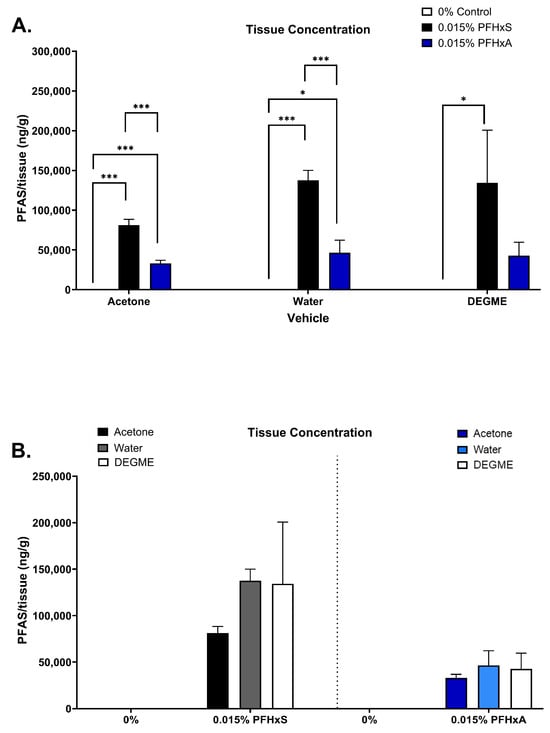
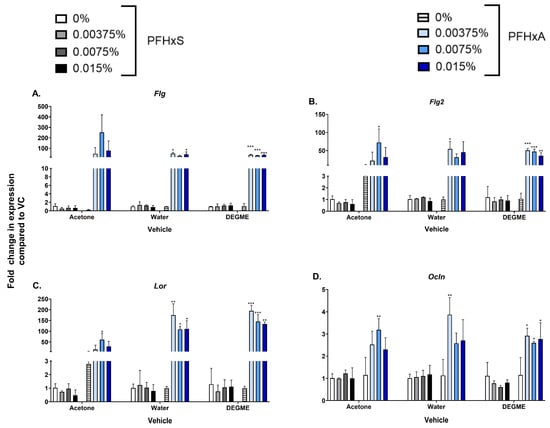
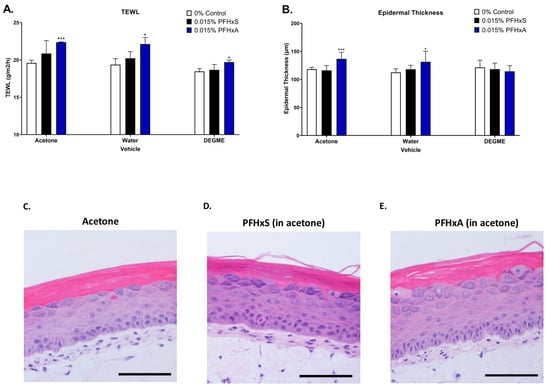
Per- and polyfluoroalkyl substances (PFAS) are widespread environmental contaminants associated with adverse health effects, yet dermal exposure remains poorly characterized. This study evaluated the influence of vehicle and chemical structure on dermal absorption and skin barrier integrity using a reconstructed human epidermis model (EpiDermFT). Two C6 PFAS, perfluorohexane sulfonate (PFHxS) and perfluorohexanoic acid (PFHxA), were applied in three vehicles (acetone, water, and diethylene glycol monobutyl ether [DEGME]) at concentrations of 0–0.015% for 4 or 24 h. PFAS concentrations were quantified in tissue and receptor media, and skin barrier integrity was assessed using histological and immunological endpoints. Increasing exposure resulted in higher concentrations of PFHxS and PFHxA in both tissue and media across all vehicles, indicating dermal penetration and absorption. PFHxS exhibited greater tissue retention but only a few small, isolated changes in cytokine and gene expression and no significant effect on barrier integrity. In contrast, PFHxA induced increased expression of inflammatory mediators and alterations in skin barrier function. These findings indicate a divergence between dermal retention and biological activity. Overall, while the vehicle influenced PFAS transport, biological responses were more strongly associated with functional group. These results suggest that functional group-dependent toxicity is an important determinant of dermal PFAS effects and should be considered when characterizing PFAS dermal hazard and grouping structurally related compounds for assessment.
Full article
(This article belongs to the Special Issue PFAS Toxicology and Metabolism—2nd Edition)
►▼
Show Figures

Graphical abstract
Open AccessArticle
Morpho-Functional Effects of Nonylphenol–Steroid Hormone Co-Exposure on Human Prostate PNT1A Cells
by
Aldo Mileo, Teresa Chianese, Stefania Boccia, Francesca Carrella, Benedetta Sgangarella Valvano, Rosaria Sciarrillo, Luigi Rosati, Lucia Capasso, Antonio De Luca, Anna Capaldo and Maria De Falco
Toxics 2026, 14(9), 755; https://doi.org/10.3390/toxics14090755 - 26 Aug 2026
Abstract
Nonylphenol (NP) is a chemical compound belonging to the class of alkylphenols (APs), known for its widespread environmental distribution and endocrine-disrupting properties. It is commonly used in the production of detergents, pesticides, and plastic materials and, owing to these properties, it can accumulate
[...] Read more.
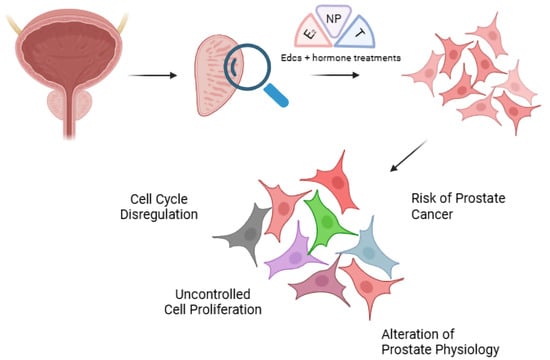
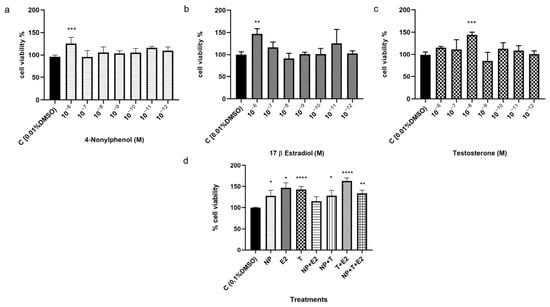
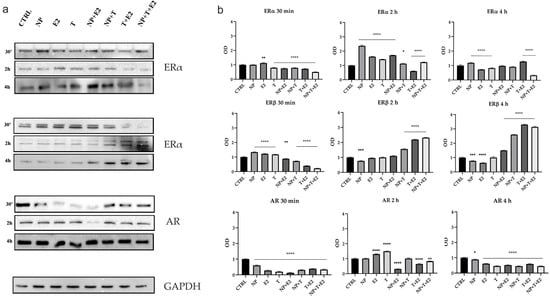
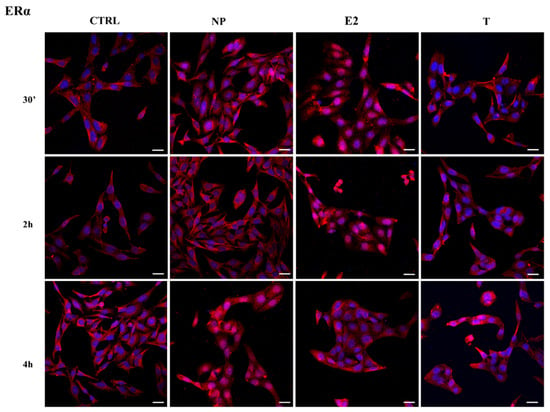
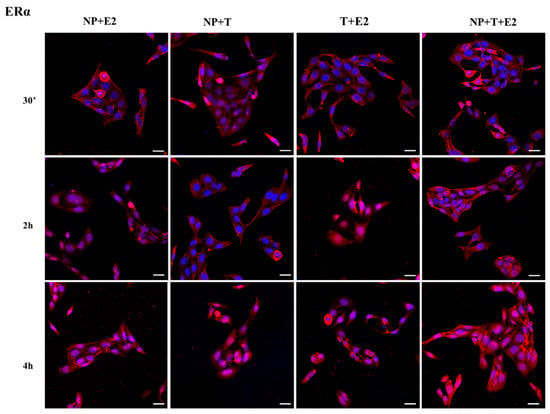
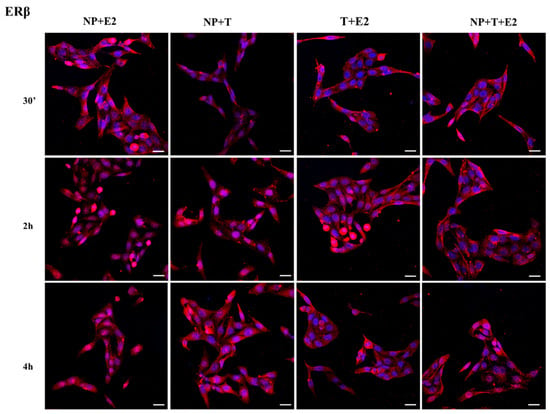
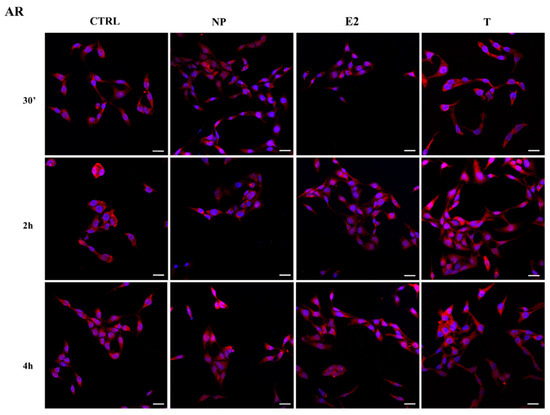
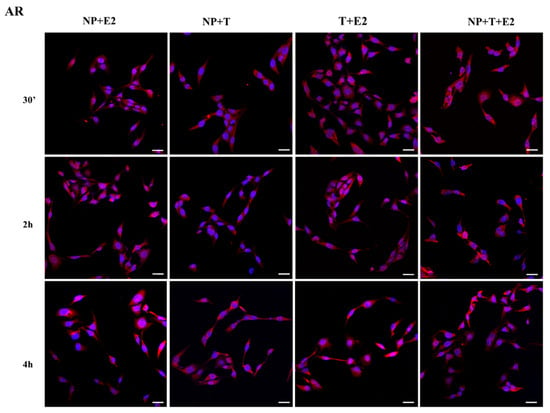
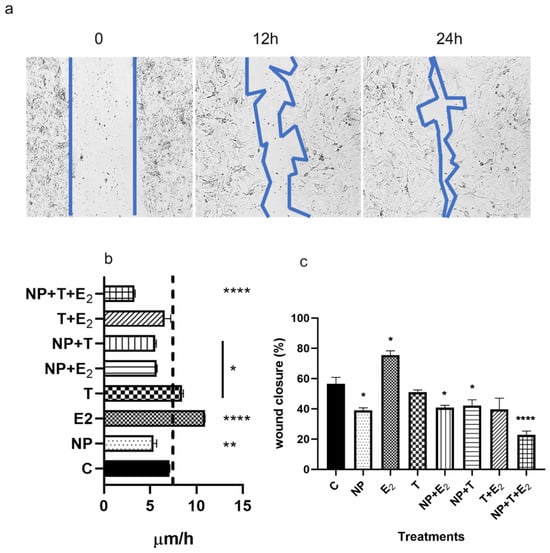
Nonylphenol (NP) is a chemical compound belonging to the class of alkylphenols (APs), known for its widespread environmental distribution and endocrine-disrupting properties. It is commonly used in the production of detergents, pesticides, and plastic materials and, owing to these properties, it can accumulate in both aquatic and terrestrial ecosystems. As a xenoestrogenic compound, NP can bind steroid receptors, including estrogen receptors (ERs), thereby activating ER-dependent pathways. In this work, we investigated the effects of NP alone and in combination with the endogenous hormones 17β-oestradiol (E2) and/or testosterone (T) on a human non-tumoral prostate cell line (PNT1A). Cell viability and migration assays, together with analysis of ER expression and localization, were carried out to assess the xenoestrogenic activity of NP, particularly in the presence of E2 and T. Our results showed that NP retained its endocrine-disrupting features in the mixtures, positively affecting cell viability, except for the NP+E2 mixture, in which cell viability did not significantly differ from control, suggesting an antagonistic interaction between NP and E2. The mixtures also interfered with steroid receptor dynamics, affecting receptor expression and delaying receptor localization and activation kinetics. Moreover, all mixtures negatively affected cell migration compared with treatment with endogenous hormones alone. In conclusion, our results demonstrate that NP retains its xenoestrogenic behavior in mixture, inducing a significant alteration in prostate cell homeostasis.
Full article
(This article belongs to the Special Issue Emerging Contaminants in a Changing World: Implications for Human Health)
►▼
Show Figures

Graphical abstract
Open AccessArticle
Ultraviolet Radiation in the Remediation of Cr(VI)-Contaminated Soil by Corn Stover
by
Yiping Guo, Shihang Ni, Qianqian Zhang, Weigao Zhao, Peng Liu, Yunchao Dai and Hui Wang
Toxics 2026, 14(9), 754; https://doi.org/10.3390/toxics14090754 - 26 Aug 2026
Abstract
►▼
Show Figures
Ultraviolet (UV) radiation was selected in this study to evaluate its assistant remediation effects on Cr-contaminated soil. Various remediation materials, including corn stover (CS), corn stover biochar (CSB), polypyrrole-modified 44 corn stover (PPy-CS), and polypyrrole-modified corn stover biochar (PPy-CSB), were employed to evaluate
[...] Read more.
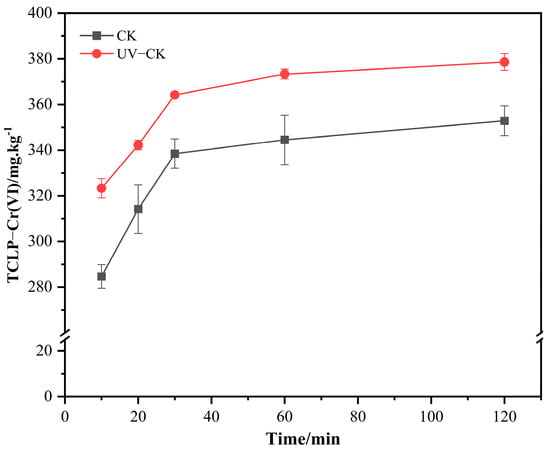
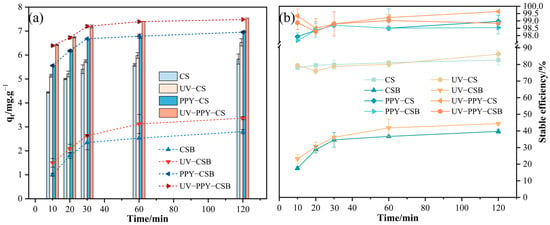
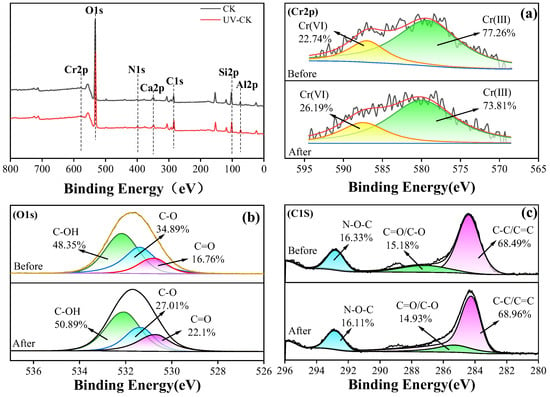
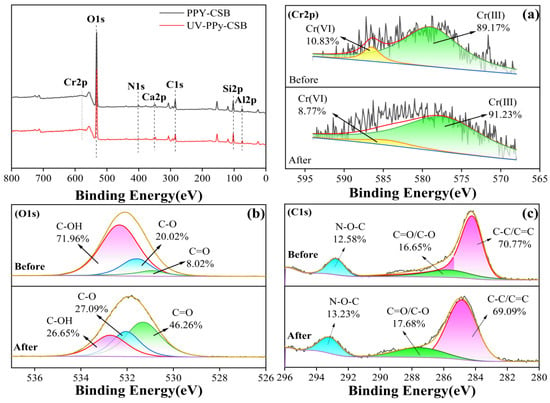
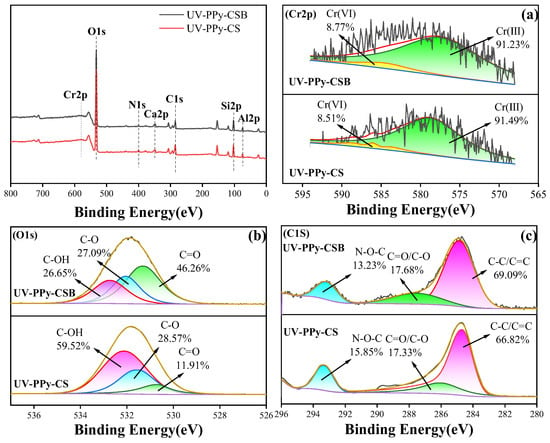
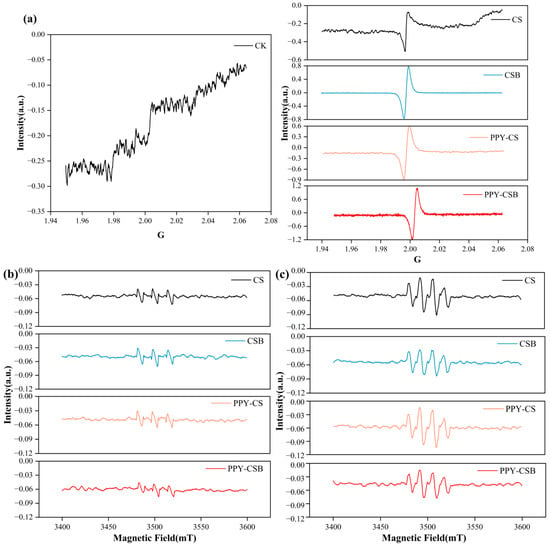
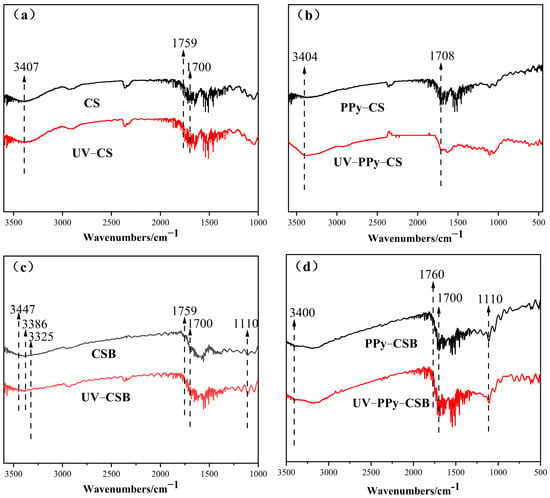
Ultraviolet (UV) radiation was selected in this study to evaluate its assistant remediation effects on Cr-contaminated soil. Various remediation materials, including corn stover (CS), corn stover biochar (CSB), polypyrrole-modified 44 corn stover (PPy-CS), and polypyrrole-modified corn stover biochar (PPy-CSB), were employed to evaluate their synergistic effects with UV radiation. The results showed that UV radiation increased the toxicity characteristic leaching procedure (TCLP) Cr(VI) when no other remediation was added to the contaminated soil. However, when the remediation materials were added, with UV radiation, the contents of TCLP-Cr(VI) decreased, while the contents of Cr(III) increased, and the removal rates of TCLP-Cr(VI) in contaminated soil treated by CSB, PPy-CSB, CS, and PPy-CS were 18.7%, 7.6%, 11.0%, and 8.2% higher than those of the non-irradiated groups, respectively. Notably, the CS group demonstrated superior efficacy in Cr(VI) removal compared with CSB under UV irradiation. Meanwhile, characteristic analysis including electron paramagnetic resonance (EPR), Fourier-transform infrared spectroscopy(FTIR) and X-ray photoelectron spectroscopy(XPS) assisted us in finding reaction mechanisms, which implied that UV irradiation could enhance the content of oxygen free radicals on the material surface and effectively activate the reactions between Cr(VI) and remediation materials. This study verified that UV irradiation could also be a promising tool in the remediation of heavy-metal-contaminated soil.
Full article

Figure 1
Open AccessArticle
Per- and Polyfluoroalkyl Substances (PFAS) in Michigan: A Novel High-Throughput Method with Liquid Chromatography Tandem Mass Spectrometry (LC-MS/MS) Analysis of 39 PFAS Compounds in Human and Bovine Dried Blood Spots (DBS)
by
Jessica M. Morrison, Sarah Y. Lockwood-O’Brien, Chelsea A. Bielicki, Douglas J. Carmack, Julia R. Feeley, Timothy A. Karrer and Matthew J. Geiger
Toxics 2026, 14(9), 753; https://doi.org/10.3390/toxics14090753 - 26 Aug 2026
Abstract
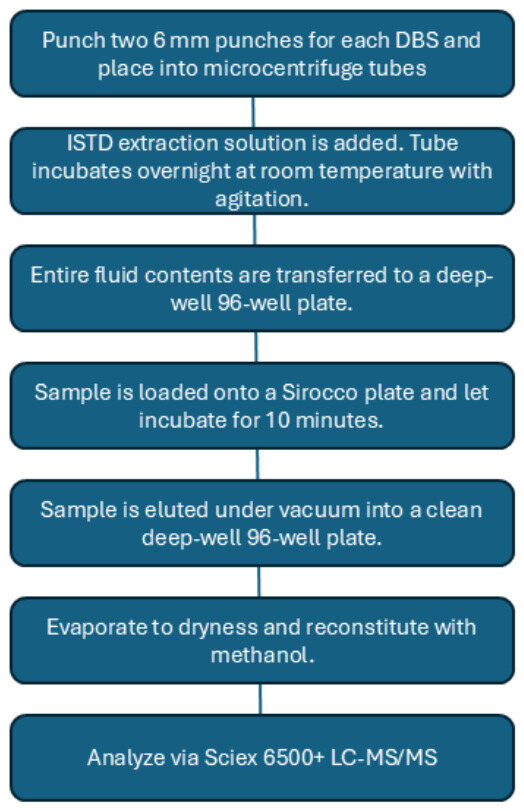
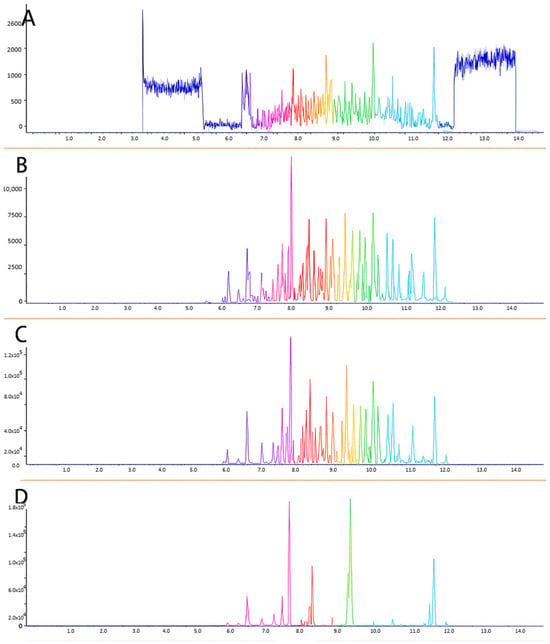
This study presents a novel method for analyzing per- and polyfluoroalkyl substances (PFAS) in dried blood spots (DBS), employing a hybrid solvent-based and matrix-matched calibration curve, minimal sample volume, and high-throughput preparation. This process produces a concentrated, purified sample, which is analyzed using
[...] Read more.
This study presents a novel method for analyzing per- and polyfluoroalkyl substances (PFAS) in dried blood spots (DBS), employing a hybrid solvent-based and matrix-matched calibration curve, minimal sample volume, and high-throughput preparation. This process produces a concentrated, purified sample, which is analyzed using liquid chromatography coupled with tandem mass spectrometry (LC-MS/MS). As part of method validation, key performance metrics such as accuracy, precision, sensitivity, carryover, specificity, interferences, and maximum dilution capability were assessed. The method quantifies 39 PFAS compounds across various classes, achieving limits of detection in the low ng L−1 range, with most analytes having a limit of quantitation below the first calibrator (50 ng L−1). The total method accuracy exceeded 81%, surpassing the performance goal of ≥70%, while method imprecision was below 28%, outperforming the goal of ≤30%. Specificity, as measured by a normalized percent matrix bias, was below 11%, with limited and minimal matrix effects observed. Interference from bile acids was determined to be insignificant at biologically relevant concentrations. Over the past three years, this method has been successfully utilized in biomonitoring studies of Michigan residents, demonstrating its robustness and efficiency.
Full article
(This article belongs to the Special Issue Human Biomonitoring, Exposure Assessment and Quantitative Analysis of PFASs)
►▼
Show Figures

Figure 1
Open AccessArticle
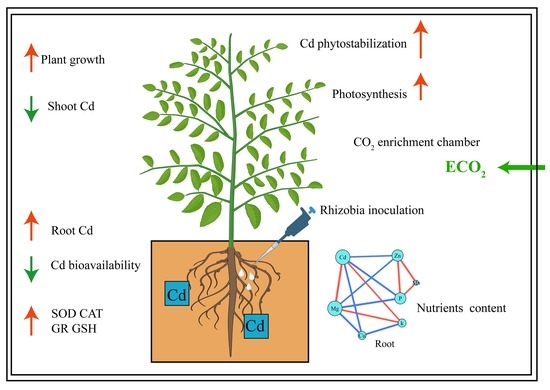
Elevated CO2 Drives Cadmium Phytostabilization in the Robinia pseudoacacia–Rhizobia Symbiosis by Altering Cadmium Bioavailability, Nutrient Uptake and Antioxidant Systems
by
Xun Wang, Ruoshi Wang, Shaoxiong Lin, Ming Ma and Sixi Zhu
Toxics 2026, 14(9), 752; https://doi.org/10.3390/toxics14090752 - 26 Aug 2026
Abstract
Elevated atmospheric carbon dioxide (ECO2) is a key climatic factor influencing the resilience of plant–microbial symbiotic systems against heavy metal contamination. Robinia pseudoacacia–rhizobia symbiosis shows great potential for cadmium (Cd) remediation. However, the mechanism by which ECO2 regulates Cd
[...] Read more.
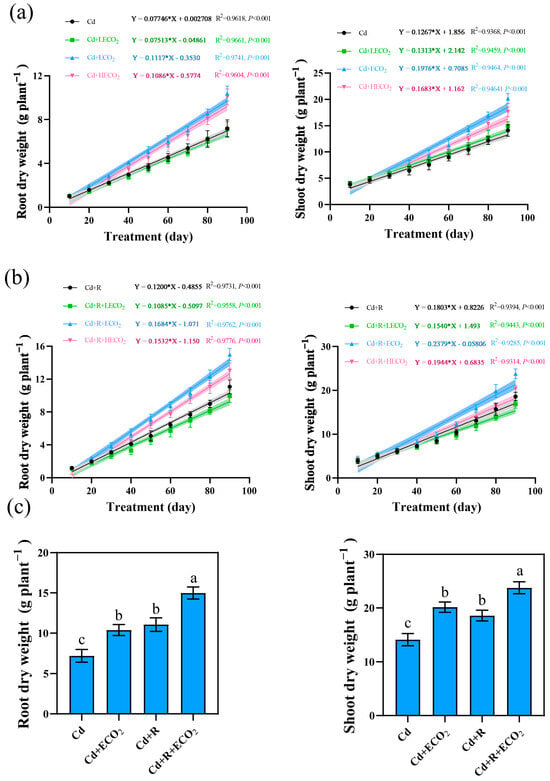
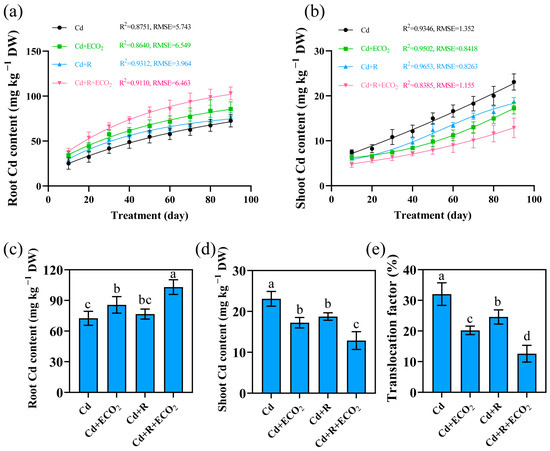
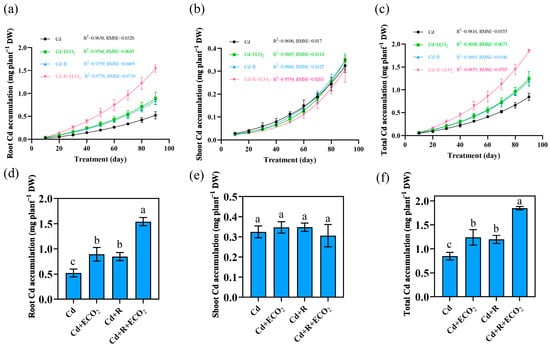
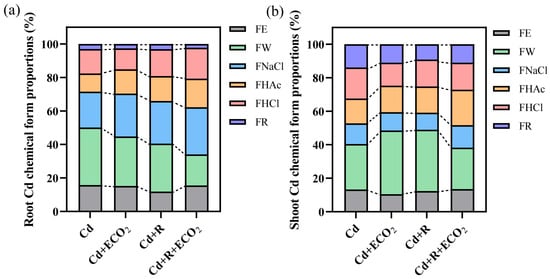
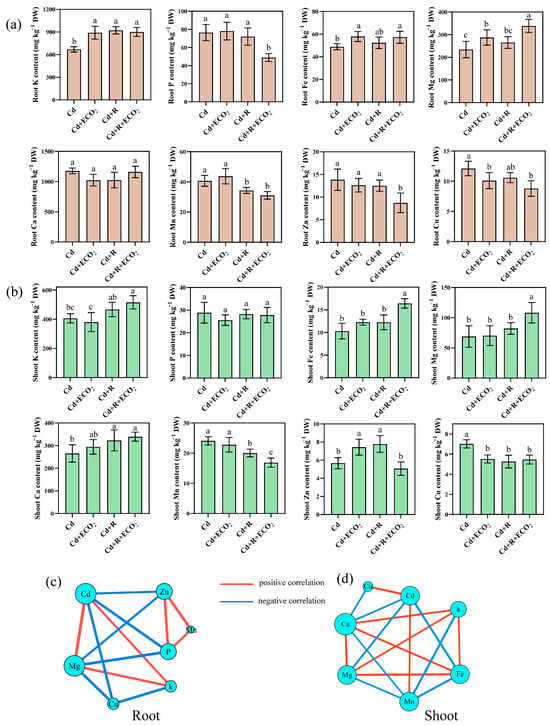
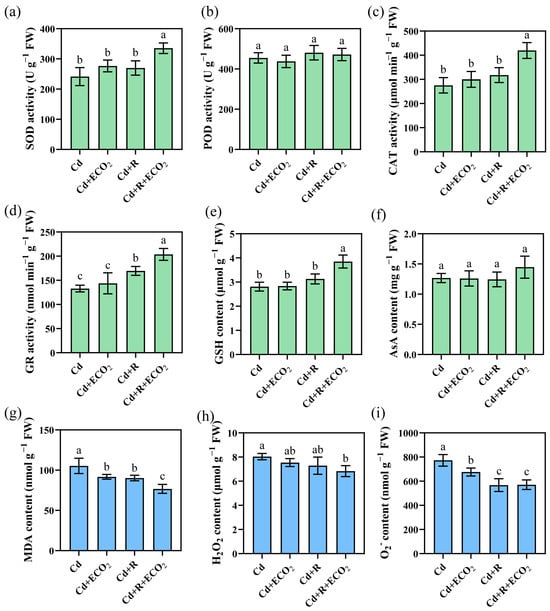
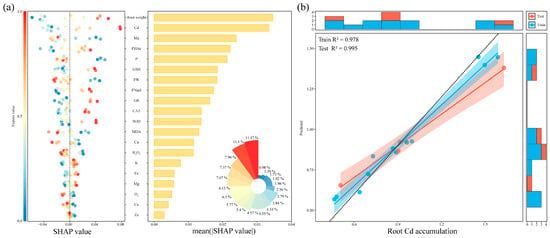
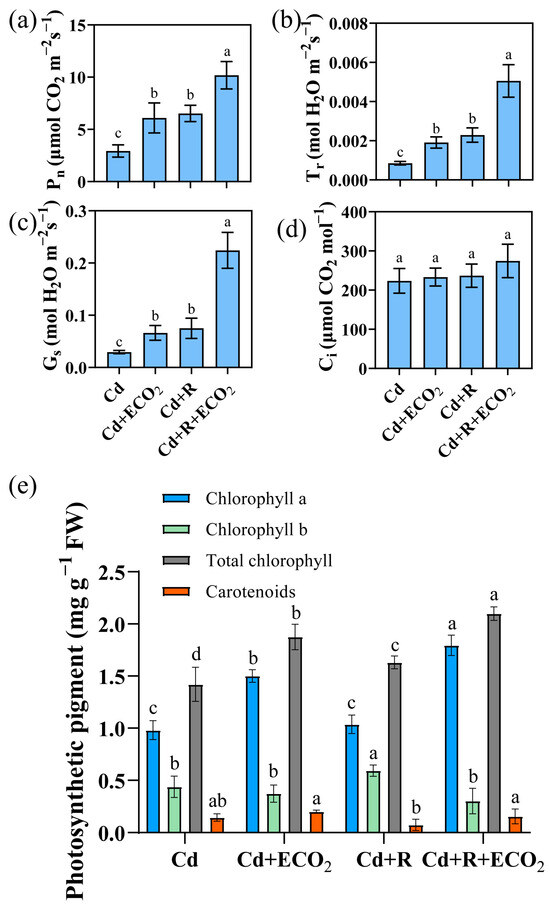
Elevated atmospheric carbon dioxide (ECO2) is a key climatic factor influencing the resilience of plant–microbial symbiotic systems against heavy metal contamination. Robinia pseudoacacia–rhizobia symbiosis shows great potential for cadmium (Cd) remediation. However, the mechanism by which ECO2 regulates Cd phytostabilization in symbiosis remains unclear. This study conducted a 90-day experiment in growth chambers to investigate the effects of ECO2 on the growth, Cd accumulation and chemical forms, as well as nutrient uptake and antioxidant system in Robinia pseudoacacia–rhizobia symbiosis. Results indicated that ECO2 significantly increased plant biomass and photosynthetic efficiency while significantly raising Cd content in roots (34.5%, p < 0.001) and decreasing it in shoots (31.4%, p < 0.001). This resulted in a significant reduction in Cd translocation factor (TF). Meanwhile, ECO2 markedly increased Cd accumulation in roots (81.2%, p < 0.001) and reduced the bioavailability of Cd in the symbiosis. Moreover, ECO2 promoted the content of nutrients and stimulated the antioxidant system. The random forest model indicated that root weight, Cd and Mn contents are the core factors for ECO2-driven Cd phytostabilization. This study demonstrates that ECO2 enhanced Cd phytostabilization by optimizing the resistance of symbiosis to Cd, offering a novel perspective for predicting plant–microbe joint restoration of heavy metal pollution under global climate change scenarios.
Full article
(This article belongs to the Special Issue Plant–Soil–Microbe Interactions: Influences on Heavy Metal Mobility and Bioavailability)
►▼
Show Figures

Graphical abstract
Open AccessArticle
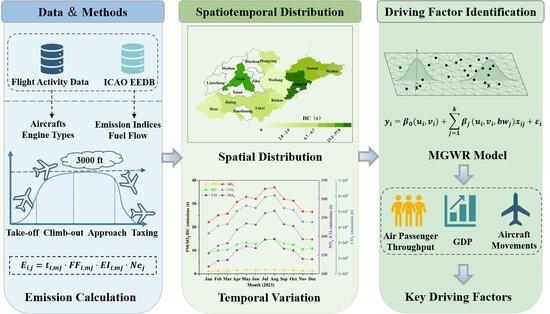
Spatiotemporal Emission Characteristics and Driving Factors of Air Pollutants and CO2 from Aircraft at Airports: A Case Study in China
by
Yapeng Li, Mingwei Zhang, Yinxiao Zhang, Zhongcun Han, Jian Chen, Yuzhe Liu, Runjie Liu, Jiahui Xu, Yueyuan Niu, Wei Hao, Wenlai Ma and Weijun Li
Toxics 2026, 14(9), 751; https://doi.org/10.3390/toxics14090751 - 26 Aug 2026
Abstract
►▼
Show Figures
With the rapid expansion of China’s civil aviation industry, airport aircraft emissions have raised growing environmental concerns, making it imperative to clarify their emission characteristics and driving mechanisms. In this study, 10 major civil aviation airports in Shandong Province, a highly representative airport
[...] Read more.
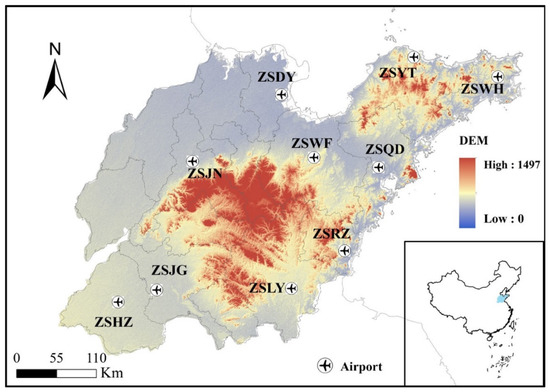
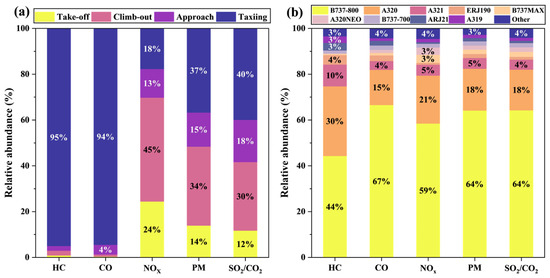
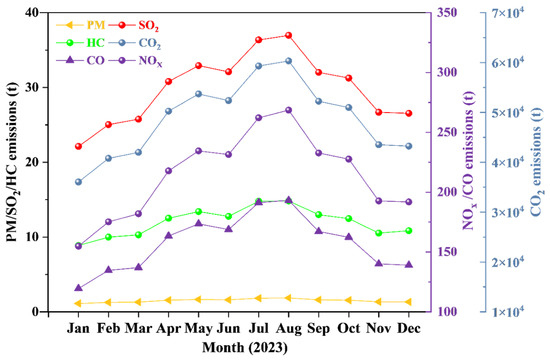
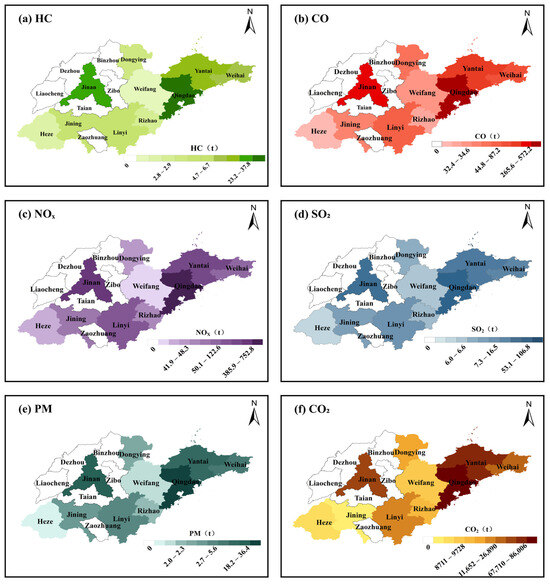
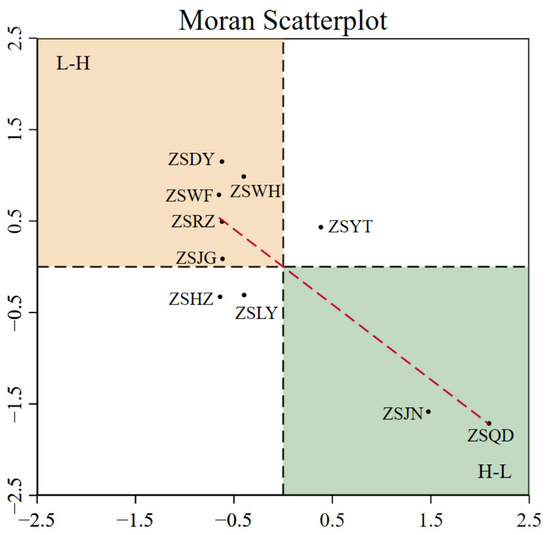
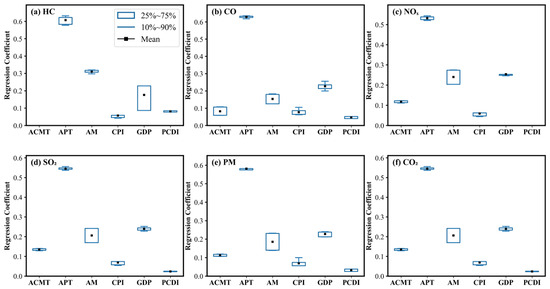
With the rapid expansion of China’s civil aviation industry, airport aircraft emissions have raised growing environmental concerns, making it imperative to clarify their emission characteristics and driving mechanisms. In this study, 10 major civil aviation airports in Shandong Province, a highly representative airport cluster in China, were selected to investigate the characteristics of aviation emissions using actual flight activity data from 2023. Our results show that the total emissions of HC, CO, NOx, SO2, PM, and CO2 from the airport aircraft were 144.6, 1890.4, 2571.8, 358.7, 18.2, and 584,822 tons, respectively, with NOx and CO being the dominant air pollutants. The taxiing phase was identified as the largest contributor to total emissions, and the B737-800 emerged as the largest emission-contributing aircraft type. Moreover, our results reveal that airport aircraft emissions exhibited spatiotemporal heterogeneity. These emissions peaked in July and August, but displayed low levels during wintertime. Spatially, these aviation emissions were predominantly concentrated in eastern Shandong Province, and Qingdao and Jinan cities were the top two contributors, jointly contributing more than 66% of the total emissions. This study further indicates that this spatiotemporal heterogeneity was primarily attributed to air passenger throughput, aircraft movements, and GDP. Our findings can be extended to other provinces in China and provide a scientific basis for the future mitigation of aviation emissions at airports across China.
Full article

Graphical abstract
Journal Menu
► ▼ Journal Menu-
- Toxics Home
- Aims & Scope
- Editorial Board
- Reviewer Board
- Topical Advisory Panel
- Early Career Editorial Board
- Instructions for Authors
- Special Issues
- Topics
- Sections & Collections
- Article Processing Charge
- Indexing & Archiving
- Editor’s Choice Articles
- Most Cited & Viewed
- Journal Statistics
- Journal History
- Journal Awards
- Conferences
- Editorial Office
Journal Browser
► ▼ Journal BrowserHighly Accessed Articles
Latest Books
E-Mail Alert
News
Topics
Topic in
IJERPH, JoX, Toxics, Children, Metabolites, Sustainability
Environmental Exposure and Health Risks for Vulnerable Populations
Topic Editors: Mingyang Wu, Yanling DengDeadline: 31 October 2026
Topic in
JMSE, JoX, Pollutants, Toxics, Water, Environments, Limnological Review
Aquatic Emerging Contaminants and Their Ecotoxicological Consequences, 2nd Edition
Topic Editors: Valerio Matozzo, François Gagné, Stefano MagniDeadline: 30 November 2026
Topic in
Applied Sciences, Toxics, IJERPH, Biology, Cancers, Radiation
Disease Risks from Environmental Radiological Exposure
Topic Editors: Valentina Venuti, Francesco CaridiDeadline: 31 December 2026
Topic in
IJERPH, Microplastics, Polymers, Toxics
Plastic Contamination (Plastamination): An Environmental and Public Health-Related Concern
Topic Editors: Rosaria Meccariello, Antonino Testa, Francesco Cappello, Antonietta SantoroDeadline: 1 January 2027
Conferences
Special Issues
Special Issue in
Toxics
Toxicity of Phthalate Esters (PAEs)
Guest Editor: Zhenxing ChiDeadline: 28 August 2026
Special Issue in
Toxics
Microbial Systems for Enhanced Degradation of Recalcitrant Organic Pollutants
Guest Editor: Xiaoqiang JiaDeadline: 31 August 2026
Special Issue in
Toxics
Persistent Organic Pollutants and Ecotoxicology in the Aquatic Environments
Guest Editors: Leila Soledade Lemos, Rachel Ann Hauser-DavisDeadline: 31 August 2026
Special Issue in
Toxics
Biological Responses to Environmental Stressors: Multilevel Approaches from Cells to Organisms
Guest Editors: Federica Impellitteri, Caterina FaggioDeadline: 31 August 2026
Topical Collections
Topical Collection in
Toxics
Artificial Intelligence and Data Mining for Toxicological Sciences
Collection Editors: Emilio Benfenati, Noel Aquilina