




Journal Description
Animals
Animals
is an international, peer-reviewed, open access journal devoted entirely to animals, including zoology and veterinary sciences, and is published semimonthly online by MDPI. The World Association of Zoos and Aquariums (WAZA), European College of Animal Welfare and Behavioural Medicine (ECAWBM), and Federation of European Laboratory Animal Science Associations (FELASA) are affiliated with Animals and their members receive a discount on the article processing charges.
- Open Access— free for readers, with article processing charges (APC) paid by authors or their institutions.
- High Visibility: indexed within Scopus, SCIE (Web of Science), PubMed, PMC, Embase, PubAg, AGRIS, Animal Science Database, CAB Abstracts, and other databases.
- Journal Rank: JCR - Q1 (Veterinary Sciences) / CiteScore - Q1 (General Veterinary )
- Rapid Publication: manuscripts are peer-reviewed and a first decision is provided to authors approximately 15.7 days after submission; acceptance to publication is undertaken in 2.6 days (median values for papers published in this journal in the first half of 2026).
- Recognition of Reviewers: reviewers who provide timely, thorough peer-review reports receive vouchers entitling them to a discount on the APC of their next publication in any MDPI journal, in appreciation of the work done.
- Companion journals for Animals include: Birds, Ruminants and Zoonotic Diseases.
- Journal Cluster of Animal Science: Animals, Arthropoda, Birds, Dairy, Insects, Journal of Zoological and Botanical Gardens, Pets, Poultry, Ruminants and Veterinary Sciences.
Impact Factor:
3.2 (2025);
5-Year Impact Factor:
3.5 (2025)
Latest Articles
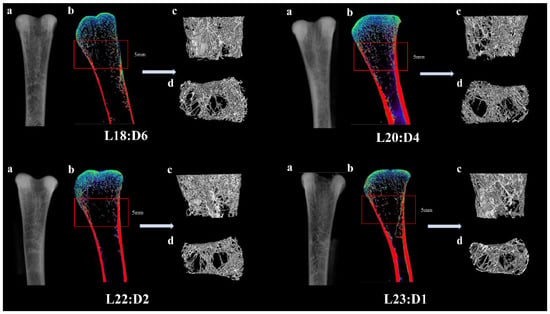
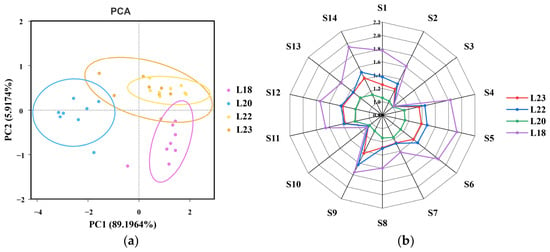
Effects of Photoperiods on Growth Performance, Serum Biochemical Parameters, Slaughter Performance, Skeletal Development, and Meat Quality of Yellow-Feathered Broilers
Animals 2026, 16(14), 2240; https://doi.org/10.3390/ani16142240 (registering DOI) - 19 Jul 2026
Abstract
This experiment aimed to investigate the effects of different lighting cycles on the growth performance, serum biochemical indices, slaughter performance, skeletal development, and meat quality of yellow-feathered broiler chickens. A total of 256 10-day-old Liangfenghua yellow-feathered male broilers were randomly assigned to four
[...] Read more.
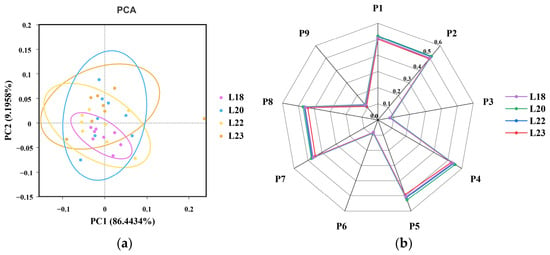
This experiment aimed to investigate the effects of different lighting cycles on the growth performance, serum biochemical indices, slaughter performance, skeletal development, and meat quality of yellow-feathered broiler chickens. A total of 256 10-day-old Liangfenghua yellow-feathered male broilers were randomly assigned to four groups, each with 8 replicates, and each replicate contained 8 chickens. The four lighting cycles used were 18L:6D, 20L:4D, 22L:2D, and 23L:1D (hours of light:dark), and the chickens were fed until 63 days of age. The results indicate that with increasing light exposure duration, the average daily gain and live weight of yellow-feather broilers from 10 to 21 days of age (p = 0.07), the average daily feed intake from 42 to 63 days of age (p < 0.01), as well as the average daily feed intake, daily gain, and feed-to-gain ratio from 1 to 63 days of age (p < 0.05), all showed linear changes. The live weight, daily gain, and feed-to-gain ratio from 42 to 63 days of age exhibited both linear and quadratic variations (p < 0.01). The 22L:2D group achieved the highest live weight and daily gain at 63 days, with the lowest feed-to-gain ratio. Serum glucose levels displayed quadratic variation, while phosphorus levels showed both linear and quadratic changes; the 22L:2D group had the lowest serum glucose and the highest phosphorus levels. The semi-eviscerated rate and the bursa of Fabricius index varied linearly, whereas the leg muscle rate showed quadratic variation. The 20L:4D group had the highest total eviscerated rate, breast muscle rate, and leg muscle rate (p < 0.05), with the lowest Fabricius and thymus indices. The length, width, and volume of the femur and tibia, as well as the tibia bone volume and tissue volume, all changed linearly (p < 0.05). The tibia bone volume fraction exhibited both linear and quadratic changes, with the 18L:6D group showing the highest femur length, width, tibia bone volume, tissue volume, and bone volume fraction. Light exposure significantly affected meat pH, colour, shear force, drip loss, and cooking loss. The crude protein content in the breast muscle showed quadratic variation, while ash and cysteine contents displayed both linear and quadratic changes. The 22L:2D group had the highest crude protein content, pH at 24 h, shear force, and drip loss, but the lowest amino acid and ash contents (p < 0.05). Additionally, there were significant differences in the flavour of the breast muscle under different light cycles. In summary, the photoperiod significantly affects the production performance, skeletal development, meat quality, and flavor of yellow-feathered broilers. The 22L:2D photoperiod yielded the best outcomes in promoting growth, improving feed efficiency, and enhancing meat quality; however, it may adversely affect skeletal development and structural integrity, and caution should be exercised for long-term rearing.
Full article
(This article belongs to the Special Issue Innovations in Sustainable Animal Nutrition: From Feed Evaluation to Precision Feeding)
►
Show Figures
Open AccessArticle
The Effects of Cysteamine Zinc Supplementation on Blood Hormones, Intestinal Flora, and Metabolites in Lactating Mares
by
Fan Yang, Xiaobin Li, Xinkui Yao, Jun Meng and Jianwen Wang
Animals 2026, 16(14), 2239; https://doi.org/10.3390/ani16142239 (registering DOI) - 19 Jul 2026
Abstract
This study aimed to investigate the effects of cysteamine zinc (CS-Zn) supplementation on blood biochemical indices, blood hormones, fecal fermentation, fecal microbial diversity, and blood metabolites in lactating mares. Blood samples were collected via jugular venipuncture, and fecal samples were collected via rectal
[...] Read more.
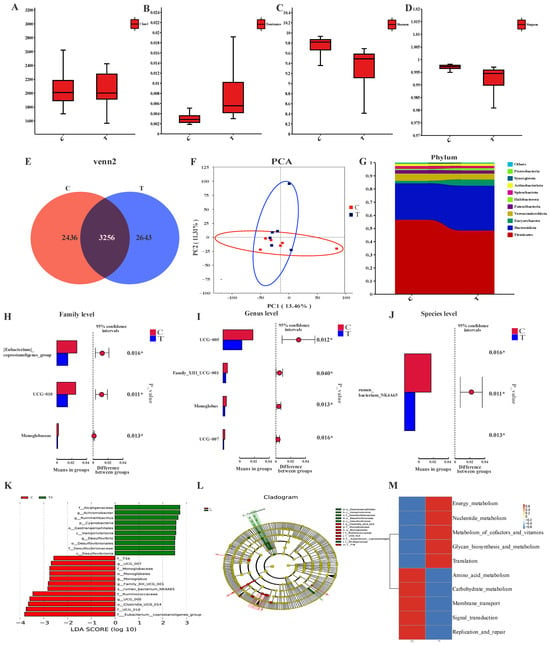
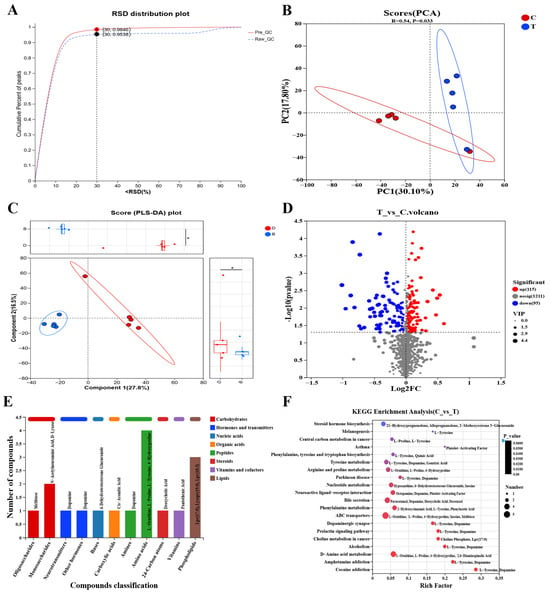
This study aimed to investigate the effects of cysteamine zinc (CS-Zn) supplementation on blood biochemical indices, blood hormones, fecal fermentation, fecal microbial diversity, and blood metabolites in lactating mares. Blood samples were collected via jugular venipuncture, and fecal samples were collected via rectal sampling before morning tethering on days 30, 60, and 90 of the trial. Fecal samples were analyzed for volatile fatty acids (VFAs) and microbial diversity, while changes in blood biochemical indices, blood hormones, and blood non-targeted metabolomics were also analyzed. The results showed that compared with the control group, the test group exhibited significant increases in total protein, globulin, urea, and glucose in the blood (p < 0.05); growth hormone (GH) levels significantly increased, while somatostatin levels significantly decreased (p < 0.05); and concentrations of all VFAs in feces significantly increased (p < 0.05). Simultaneously, CS-Zn supplementation significantly reduced the relative abundance of Family_XIII_UCG-001, Monoglobus, and UCG-007 at the genus level. Metabolomics analysis revealed that differentially expressed metabolites were enriched in pathways such as neuroactive ligand–receptor interaction, phenylalanine, tyrosine and tryptophan biosynthesis, and dopaminergic synapse, with significant upregulation of L-tyrosine and dopamine in the blood. These findings indicate that CS-Zn supplementation, on the one hand, can enhance pathways such as glucose metabolism, tyrosine metabolism, and bile secretion by depleting somatostatin and increasing growth hormone levels, and on the other hand, it can improve energy metabolism in mares by altering intestinal microbiota structure and enhancing fiber fermentation efficiency.
Full article
(This article belongs to the Section Equids)
►▼
Show Figures

Figure 1
Open AccessArticle
Ensemble Niche Modelling Projects Net Suitability Gain and Eastward Range Expansion for the Namaqua Dove (Oena capensis) in Anatolia Under Climate Change
by
Bekir Kabasakal
Animals 2026, 16(14), 2238; https://doi.org/10.3390/ani16142238 (registering DOI) - 19 Jul 2026
Abstract
Climate-driven range shifts are redistributing biodiversity, yet the niche dynamics of Afrotropical and Saharo-Arabian species expanding into the Palearctic remain poorly quantified. The Namaqua Dove (Oena capensis), an arid-zone columbid at the Palearctic margin, was used to assess current and future
[...] Read more.
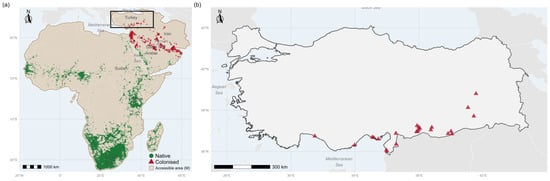
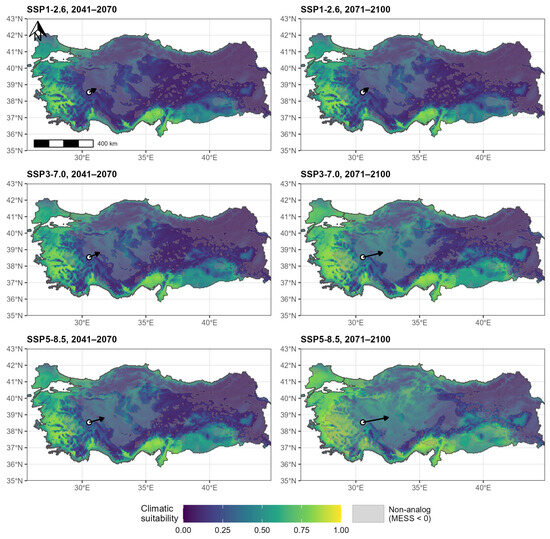
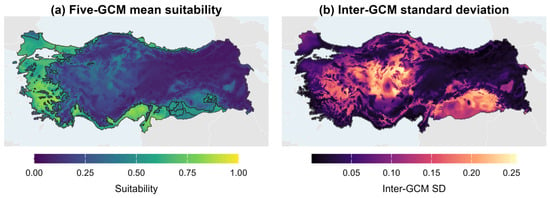
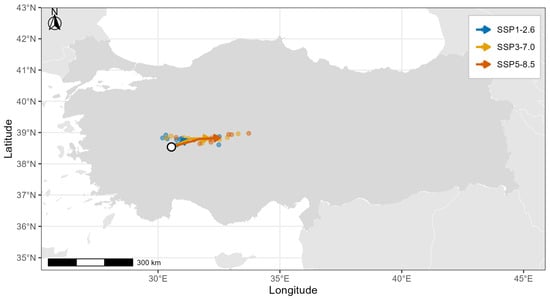
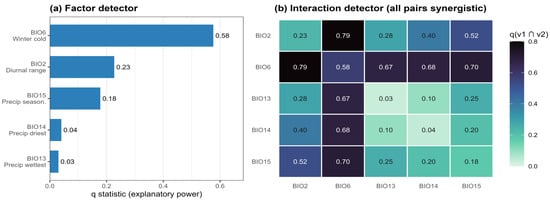
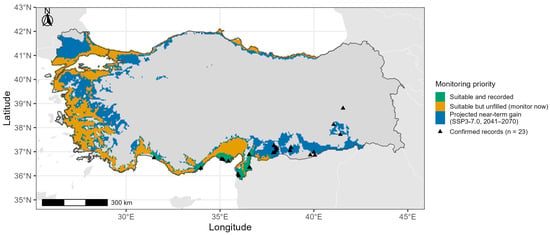
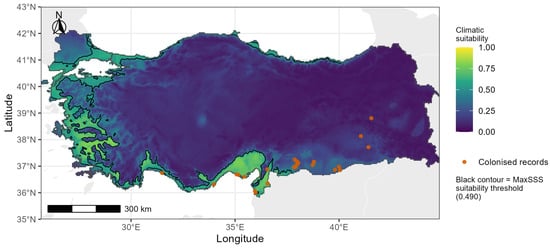
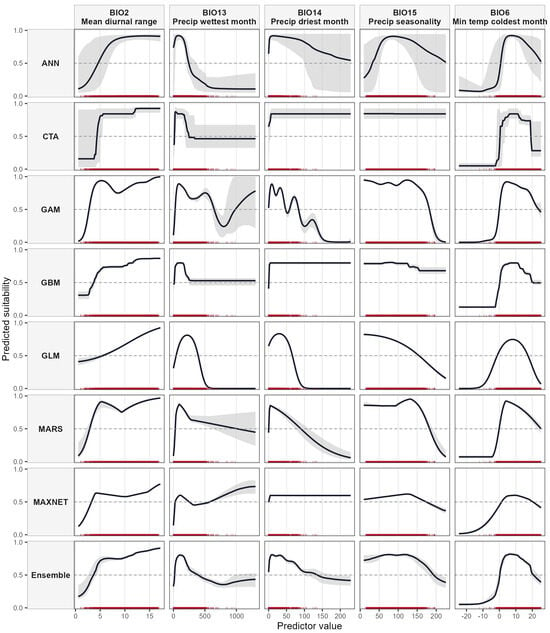
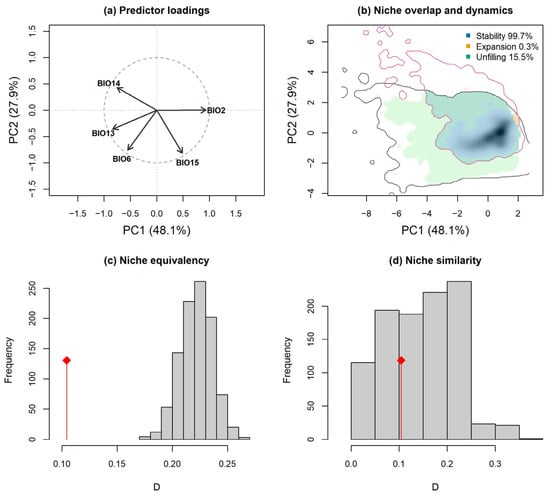
Climate-driven range shifts are redistributing biodiversity, yet the niche dynamics of Afrotropical and Saharo-Arabian species expanding into the Palearctic remain poorly quantified. The Namaqua Dove (Oena capensis), an arid-zone columbid at the Palearctic margin, was used to assess current and future climatic suitability in Türkiye and to compare its colonised and native niches. An ensemble niche model was fitted from occurrence and climate data, evaluated by cross-validation, and projected to 2070 and 2100 under three emission scenarios and five climate models. Suitability was predicted chiefly by precipitation, with low winter temperature as a secondary constraint, and roughly 92,000 km2 is already climatically suitable. In environmental space, the colonised records formed a contained, cool-margin subset of the native niche, indicating partial filling rather than expansion into novel climate. Low niche overlap, non-significant similarity tests, and a failed native-model transfer indicate a non-equilibrium, still-establishing front rather than full niche conservatism. The suitable area increased under every scenario and shifted predominantly eastward, with a north-eastward component, rather than poleward. The eastward pattern reflects the geometry of the suitable climate across Anatolia rather than an intrinsic directional preference. Because most of the projected climate has no present-day analogue, the direction of change is better supported than its magnitude, though both are conditioned by this extrapolation. The projected magnitude is reported as scenario illustration rather than forecast. These results indicate that suitability for O. capensis in Türkiye is shaped jointly by precipitation and winter temperature, with colonisation tracking suitable climate rather than shifting into novel conditions.
Full article
(This article belongs to the Special Issue Multi-Sensor Remote Sensing and Ecological Models for Bird and Wildlife Conservation)
►▼
Show Figures

Figure 1
Open AccessArticle
A Self-Structure-Enhanced Algorithm for Pig Point Cloud Completion
by
Zhankang Xu, Xiangyu Qi, Qifeng Li, Yikai Fan, Simon X. Yang, Zhaoyang Wang and Weihong Ma
Animals 2026, 16(14), 2237; https://doi.org/10.3390/ani16142237 (registering DOI) - 19 Jul 2026
Abstract
Three-dimensional phenotypic data of pigs provide important information for evaluating growth, nutritional status and health, and they are fundamental to precision feeding, performance assessments, genetic selection and intelligent livestock management. However, point clouds acquired in real pig-house environments are frequently incomplete because of
[...] Read more.
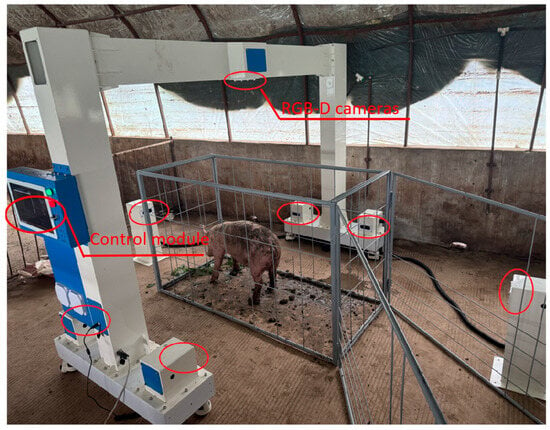
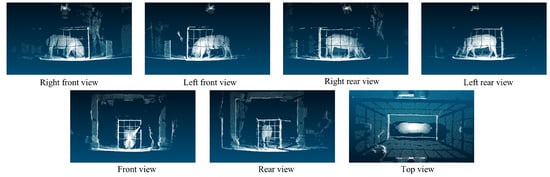
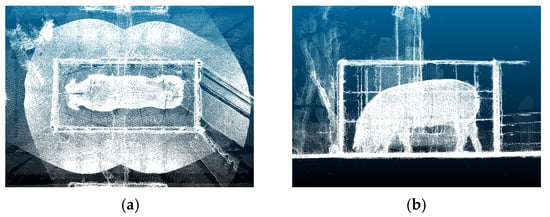
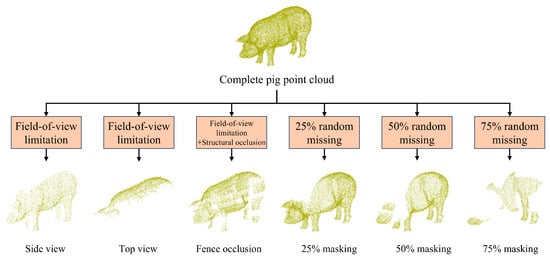
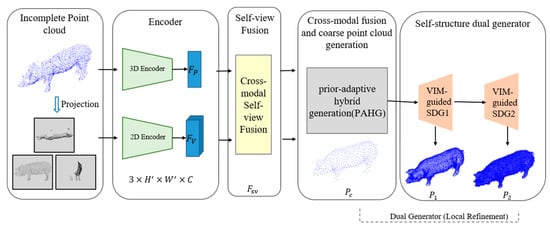
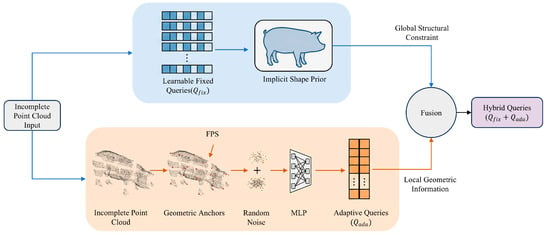
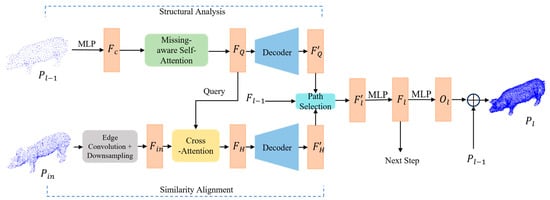
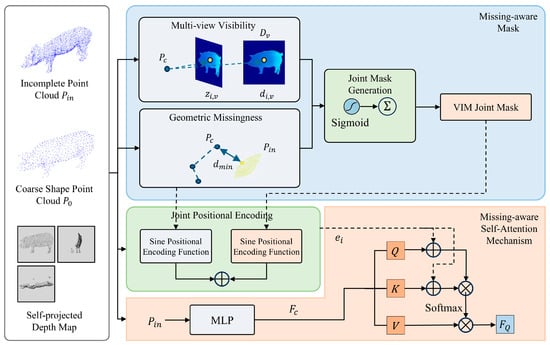
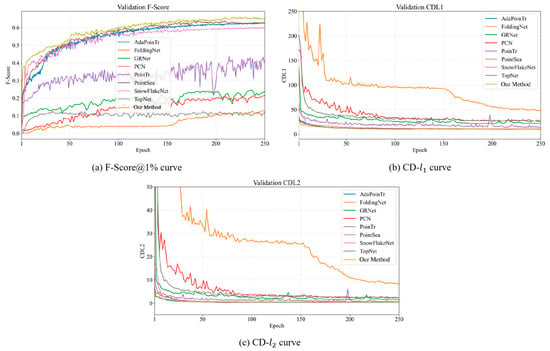
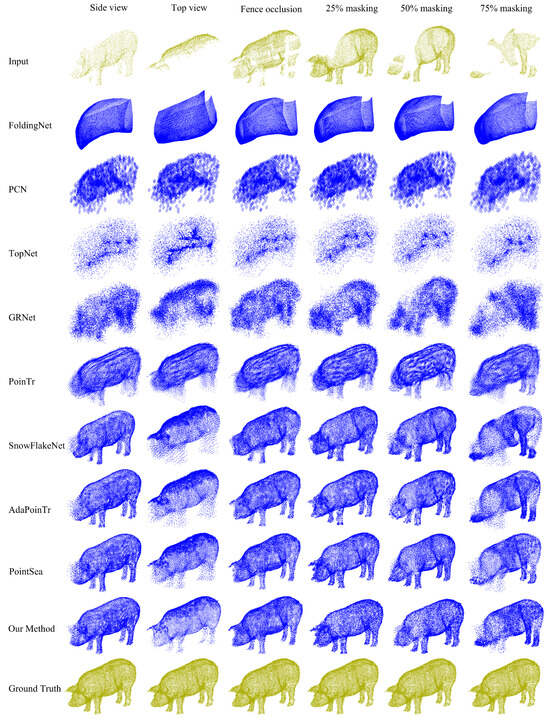
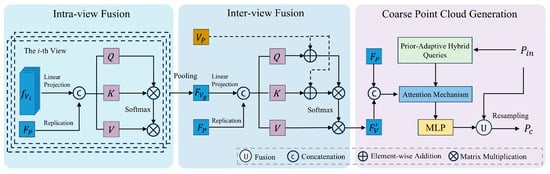
Three-dimensional phenotypic data of pigs provide important information for evaluating growth, nutritional status and health, and they are fundamental to precision feeding, performance assessments, genetic selection and intelligent livestock management. However, point clouds acquired in real pig-house environments are frequently incomplete because of occlusion, limited camera viewpoints, surface reflection, sensor noise, etc. To address local missing structures and geometric discontinuities in pig point clouds, this paper proposes a self-structure-enhanced completion method. The method follows a global-to-local two-stage framework. In the global stage, a self-view fusion network (SVFNet) integrates an incomplete point cloud and its three orthogonal self-projected depth maps to generate a coarse complete shape. In the local stage, a self-structure dual generator (SDG) progressively refines and upsamples the coarse result through a structure analysis and a similarity alignment. To address the physical limitation of distinguishing single-view occlusion from true missingness, this paper proposes a visibility-incompleteness mask (VIM) as the primary contribution, which explicitly models both geometric missingness and multi-view visibility. Furthermore, a prior-adaptive hybrid generation (PAHG) strategy is introduced as a secondary enhancement to combine learnable global shape priors with input-adaptive geometric queries. A dataset containing 1042 complete–incomplete pig point cloud pairs with six typical missing patterns was constructed for model training and evaluation. The proposed method achieved an F-Score@1% of 0.653, a CD-L1 of 9.766, and a CD-L2 of 0.353 on the test set, demonstrating a competitive aggregate performance compared with state-of-the-art completion methods, with trade-offs across different geometric metrics.
Full article
(This article belongs to the Special Issue AI Tools for Sustainable and Efficient Animal Production Systems)
►▼
Show Figures

Figure 1
Open AccessArticle
The Effect of Feeding Strategies Based on Flaxseed and Locally Available Plant-Derived Additives on the Growth Performance, Biochemical and Immune Blood Indices, and Antioxidant Capacity of Pigs in Sustainable Production
by
Małgorzata Świątkiewicz, Magdalena Szyndler-Nędza, Anna Czech, Kinga Szczepanik, Mirosław Tyra and Marek Babicz
Animals 2026, 16(14), 2236; https://doi.org/10.3390/ani16142236 (registering DOI) - 19 Jul 2026
Abstract
The study evaluated the effects of feeding strategies on growth performance, health laboratory biomarkers, and antioxidant protection of slow-growing pigs, fed finisher diets containing alternative protein sources (local and by-product), as an element of sustainable pig production. The study involved 40 fattening pigs
[...] Read more.
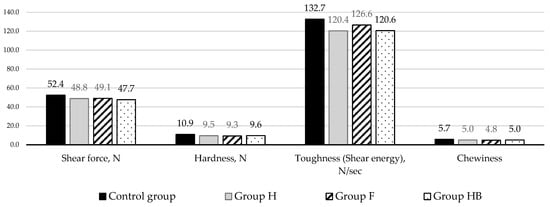
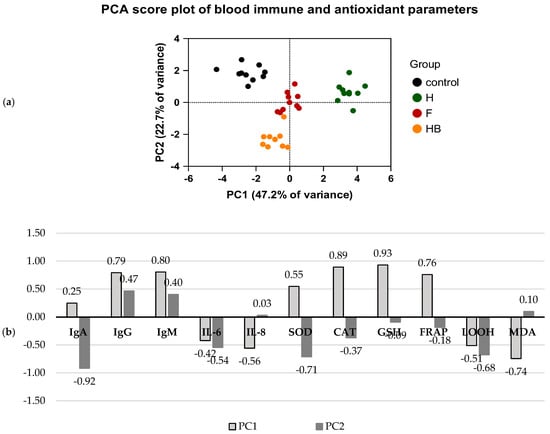
The study evaluated the effects of feeding strategies on growth performance, health laboratory biomarkers, and antioxidant protection of slow-growing pigs, fed finisher diets containing alternative protein sources (local and by-product), as an element of sustainable pig production. The study involved 40 fattening pigs (Pulawska native breed), fed the same grower mixture, while dietary treatment was applied during the finisher phase (90–135 kg BW). The diet in all groups was isoenergetic and isoprotein, but differing in additives. Control pigs—mixture without additives; experimental groups—feed supplemented with 3% flaxseed together with 2% dried herbs (H), or 2% dried fruit (F), or 2% herbs with dried beetroot (HB). The experimental finisher diets did not change the fattening results, carcass, and physico-chemical traits of meat quality. Summarized, the tested feeding strategies can be proposed for the production of native (local) pork with higher PUFA n-3 and dietetic added value combined with the oxidative stability of the meat, with the diet containing flaxseed together with dried herbs proving particularly effective for inhibiting the negative effects of oxidative stress in pigs (higher CAT, SOD, GSH and lower MDA, LOOH observed in blood and meat, p ≤ 0.05), and improving their immune blood indices (higher IgA, IgG, IgM, lysozyme, lower Il6 and Il8, p ≤ 0.05).
Full article
(This article belongs to the Special Issue Feeding Strategies to Optimize Growth and Reduce Waste in Pigs)
►▼
Show Figures

Figure 1
Open AccessArticle
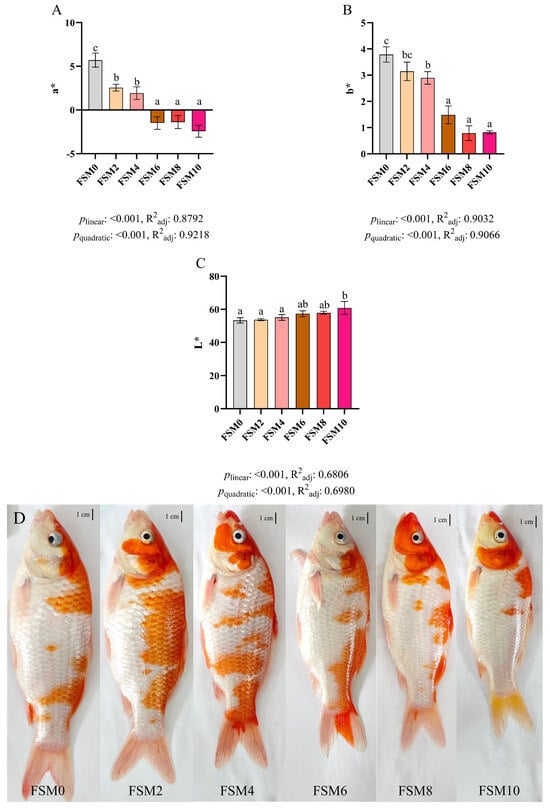
Partial Replacement of Fish Meal with Fish Scale Meal Enhances Body Color Brightness and Iridophore Development in Koi (Cyprinus carpio var. koi)
by
Shengyu Gao, Xiaolong Xu, Tong Ding, Yunxin Cheng, Jiayue Zhang, Huiyi Zheng, Zuoqin Zhou, En Liu, Gaoxiao Xu and Chaofan He
Animals 2026, 16(14), 2235; https://doi.org/10.3390/ani16142235 (registering DOI) - 19 Jul 2026
Abstract
Body color brightness is a key determinant of ornamental value in koi, yet nutritional strategies targeting structural coloration mediated by iridophores remain underexplored. Fish scale meal (FSM), an abundant fishery by-product, contains guanine and collagen, which may contribute to structural coloration and body
[...] Read more.
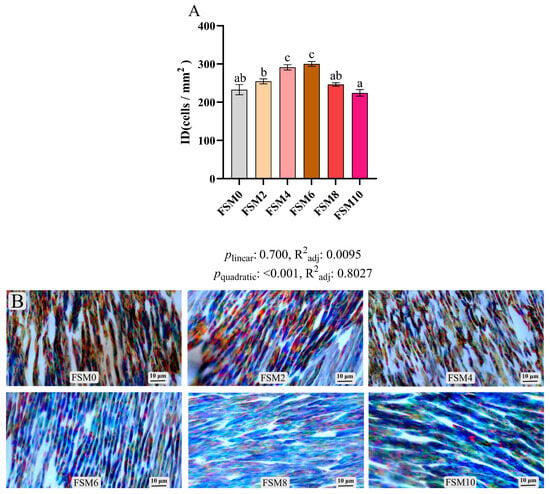
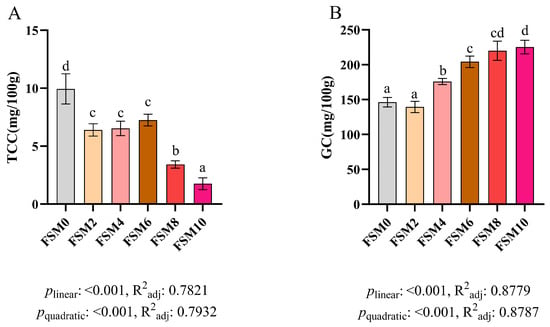
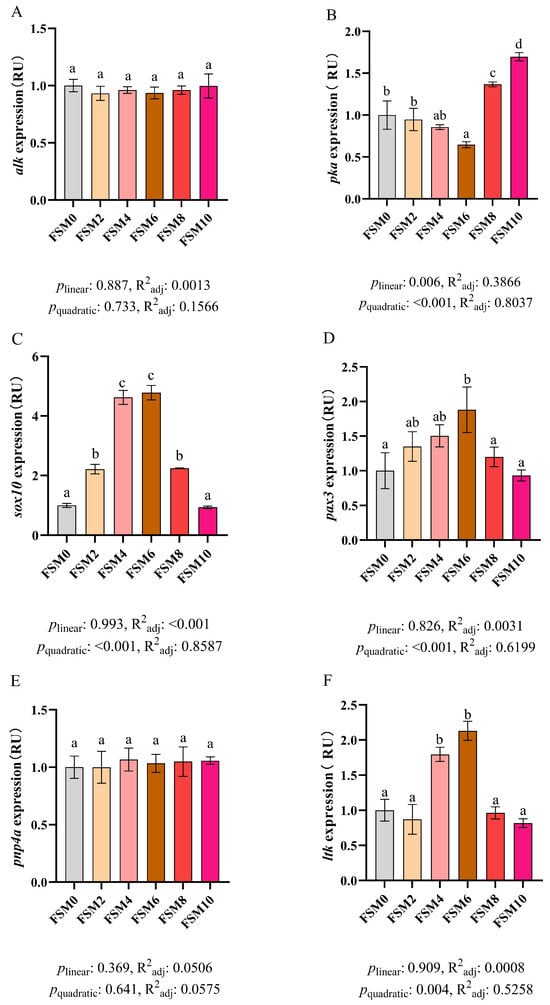
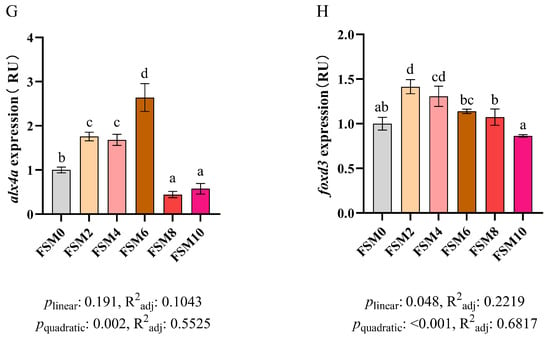
Body color brightness is a key determinant of ornamental value in koi, yet nutritional strategies targeting structural coloration mediated by iridophores remain underexplored. Fish scale meal (FSM), an abundant fishery by-product, contains guanine and collagen, which may contribute to structural coloration and body brightness. This study evaluated the effects of partial replacement of fish meal with FSM on growth performance, body color parameters, pigment accumulation, iridophore density, and iridophore-related gene expression in koi. A total of 384 koi with an initial body weight of 19.02 ± 0.18 g were randomly assigned to six dietary treatments for 8 weeks, with FSM inclusion levels ranging from 0% to 9.55%, corresponding to 0–100% replacement of dietary fish meal. Growth performance, including final body weight, weight gain rate, and specific growth rate, decreased with increasing FSM inclusion. Body lightness (L*) and scale guanine content increased progressively with FSM level and reached their highest values at 9.55% FSM, whereas redness (a*), yellowness (b*), and total carotenoid content showed the opposite trend. Iridophore density was significantly higher in the 3.82–5.73% FSM groups than in the other treatments. The expression of iridophore-related genes, including sox10, pax3, ltk, alx4a, and foxd3, showed non-linear responses and generally reached higher levels at moderate FSM inclusion, whereas pka showed an opposite transcript pattern. Overall, dietary FSM inclusion elicited trait-dependent responses in koi. Low or no FSM inclusion was preferable for maintaining growth, intermediate inclusion was more favorable for iridophore development, whereas higher FSM inclusion enhanced brightness-related traits. These findings suggest that FSM should be used according to the intended production objective, with inclusion levels adjusted for growth maintenance, iridophore-related coloration improvement, or brightness enhancement.
Full article
(This article belongs to the Section Aquatic Animals)
►▼
Show Figures

Figure 1
Open AccessArticle
Archaeozoological Analysis of Bovine Proximal Phalanges from Medieval and Early Modern Wrocław
by
Aleksander Chrószcz, Dominik Poradowski, Joanna Klećkowska-Nawrot, Joanna Wolińska, Kamilla Pawłowska, Krzysztof O. Stegmann, Dominika Kubiak-Nowak, Vedat Onar and Zahide Sena Güneş Kaya
Animals 2026, 16(14), 2234; https://doi.org/10.3390/ani16142234 (registering DOI) - 18 Jul 2026
Abstract
This study focused on an archaeozoological analysis of the morphology and osteometry of bovine proximal phalanges. The examined material consisted of 446 complete specimens recovered from an archeological site in Wrocław, Poland (St. Vitus and St. Catherine Streets and New Market Square). The
[...] Read more.
This study focused on an archaeozoological analysis of the morphology and osteometry of bovine proximal phalanges. The examined material consisted of 446 complete specimens recovered from an archeological site in Wrocław, Poland (St. Vitus and St. Catherine Streets and New Market Square). The assemblage was divided into eight chronological groups spanning the period from the Early Middle Ages to the Modern Era. The archaeozoological investigation included osteometric measurements and an assessment of morphological variation. Observed changes in bone dimensions were interpreted in relation to patterns of animal exploitation, successive stages in the development of proto-urban and urban settlement in Wrocław, and environmental influences. A critical evaluation of the osteometric data demonstrated that the greatest length of the proximal phalanx should not be used as an additional proxy for estimating withers height when complete metapodial bones are absent from an archeological assemblage. Furthermore, computed tomography (CT) analysis revealed the presence of metal alloys within the medullary cavity of several bones, indicating intentional human modification of the material in the past.
Full article
(This article belongs to the Section Cattle)
Open AccessArticle
Immunohistochemical, Immunofluorescent, and Molecular Investigation of Canine Distemper Virus, Nectin 4, and CD150 Receptors in Naturally Infected Dogs with Canine Distemper Virus
by
Hilmi Nuhoğlu and Enver Beytut
Animals 2026, 16(14), 2233; https://doi.org/10.3390/ani16142233 (registering DOI) - 18 Jul 2026
Abstract
Canine distemper virus uses CD150 and Nectin-4 receptors to infect cells. In the central nervous system, astrocytes, the main canine distemper virus target, reportedly lack these receptors, suggesting alternative entry pathways. This study investigated canine distemper virus distribution and receptor usage in naturally
[...] Read more.
Canine distemper virus uses CD150 and Nectin-4 receptors to infect cells. In the central nervous system, astrocytes, the main canine distemper virus target, reportedly lack these receptors, suggesting alternative entry pathways. This study investigated canine distemper virus distribution and receptor usage in naturally infected dogs’ organs and tissues using immunohistochemistry and immunofluorescence. Tissue samples from 34 dogs (including the central nervous system, internal organs, footpads, and planum nasale) were examined for CDV, CD150, Nectin-4, and GFAP; diagnosis was confirmed by immunochromatographic assay and RT-PCR. Thirty-two dogs were canine distemper virus positive. Triple immunofluorescence staining showed epithelial cells were CDV/Nectin-4 positive, lymphocytes and macrophages were CDV/CD150 positive, while astrocytes were CDV-positive but negative for both receptors. Double immunofluorescence for CDV and GFAP in the CNS confirmed astrocyte infection. These findings indicate that CDV enters lymphocytes/macrophages via CD150 and epithelial cells via Nectin-4, whereas astrocytes likely use alternative entry pathways outside the classical receptor framework.
Full article
(This article belongs to the Section Veterinary Clinical Studies)
Open AccessSystematic Review
How Nutritionally Sound Is Commercially Available Vegan Pet Food Relative to Meat-Based Pet Food? A Systematic Review
by
Jenny L. Mace, Billy Nicholles and Andrew Knight
Animals 2026, 16(14), 2232; https://doi.org/10.3390/ani16142232 (registering DOI) - 18 Jul 2026
Abstract
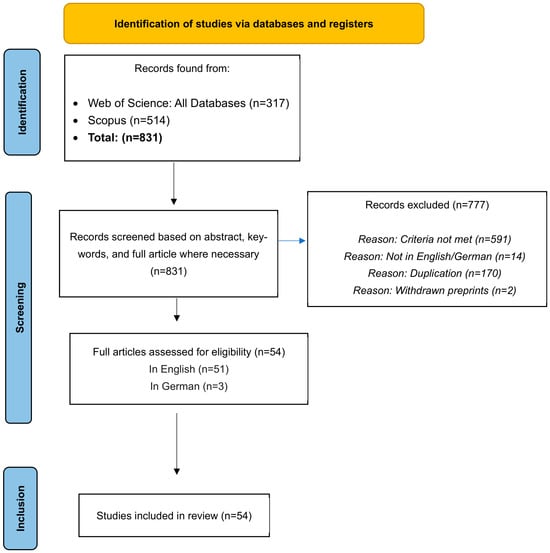
Single studies are often cited to support claims of nutritional soundness or unsoundness regarding vegan or meat-based pet foods when compared to nutritional guidelines from authorities such as the Association of American Feed Control Officials (AAFCO), the European Pet Food Industry Federation (FEDIAF),
[...] Read more.
Single studies are often cited to support claims of nutritional soundness or unsoundness regarding vegan or meat-based pet foods when compared to nutritional guidelines from authorities such as the Association of American Feed Control Officials (AAFCO), the European Pet Food Industry Federation (FEDIAF), and the National Research Council (NRC). However, there is little overarching evidence concerning the nutritional soundness of these different pet food types. Such overarching evidence is increasingly important as alternative vegan or meat-based pet food types become more available, such as insect-based, raw meat, and microbial protein-based pet foods. In this systematic review, 54 relevant studies examining the nutritional soundness of vegan, vegetarian, or meat-based dog or cat foods were descriptively analyzed. Only 10 (18.5%) studies found no nutritional deficiencies or excesses across their sampled pet foods relative to AAFCO, FEDIAF, or NRC guidelines. Numerous nutrient deficiencies and excesses were found across all pet food types. Most commonly, these included deficiencies in calcium, phosphorus, and zinc for both dog and cat food, as well as the amino acid taurine exclusively in cat food. The nutrients found to be most commonly in excess were also calcium and phosphorus, and copper—with the latter breaching not only FEDIAF requirements, but also EU legislative limits. Meat-based, insect-based, veterinary prescription, and vegan pet food types each had particularly at-risk nutrients that pet food companies should be aware of. For instance, vegan pet foods often performed well in terms of their fatty acid profile and selenium levels, but some had deficiencies in certain B vitamins. In contrast, some meat-based pet foods were prone to selenium deficiencies. Generally speaking, aside from such specific nutritional flaws, problems were observed across all pet food types. In fact, dog and cat foods (including wet and dry, growth and adult maintenance) of various types commonly failed to fulfil multiple nutritional requirements. To safeguard dog and cat health and welfare, urgent interventions are warranted to improve the nutritional soundness of many pet foods.
Full article
(This article belongs to the Section Animal Nutrition)
►▼
Show Figures

Figure 1

Open AccessArticle
Effects of Dietary Bamboo Leaf Flavonoids on Egg Quality, Liver Health, and Inflammatory Responses in Aged Laying Hens
by
Xubin Du, Junjun Yuan, Jiawen He and Debing Yu
Animals 2026, 16(14), 2231; https://doi.org/10.3390/ani16142231 (registering DOI) - 18 Jul 2026
Abstract
Bamboo leaf flavonoids (BLFs) possess antioxidant and anti-inflammatory activities; however, their effects in aged laying hens remain unclear. This study investigated the effects of dietary BLF supplementation on production performance, egg quality, and liver health in aged laying hens. The results showed that
[...] Read more.
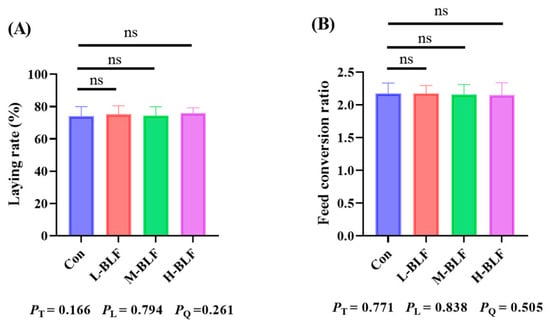
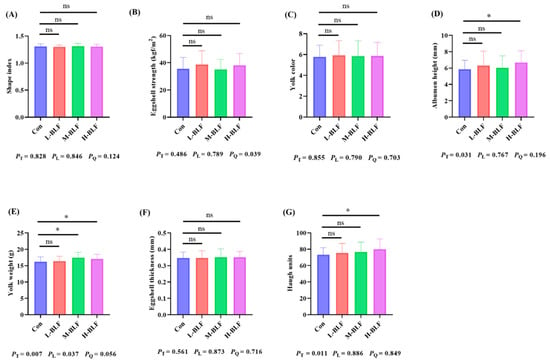
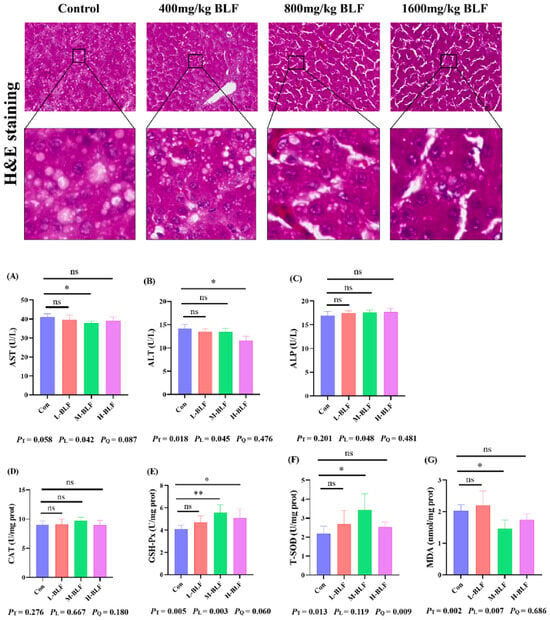
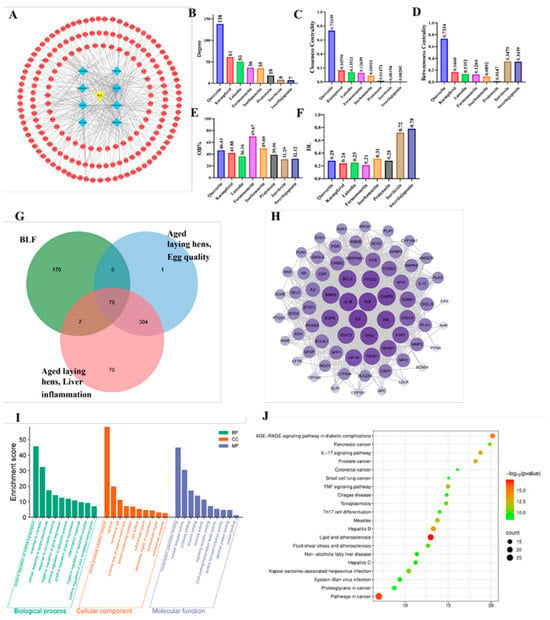
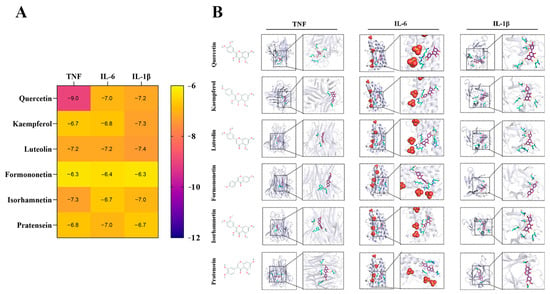
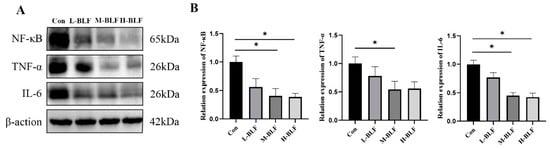
Bamboo leaf flavonoids (BLFs) possess antioxidant and anti-inflammatory activities; however, their effects in aged laying hens remain unclear. This study investigated the effects of dietary BLF supplementation on production performance, egg quality, and liver health in aged laying hens. The results showed that compared with the control group, BLF significantly improved albumen height, yolk weight, and Haugh units. Histological examination showed that aged laying hens exhibited hepatic steatosis and vacuolar degeneration, whereas BLF supplementation alleviated these pathological changes. In addition, serum levels of aspartate aminotransferase (AST) and alanine aminotransferase (ALT) were significantly reduced in hens fed BLF, indicating that liver cell damage had been alleviated. BLF supplementation increased the hepatic glutathione peroxidase (GSH-Px) and total superoxide dismutase (T-SOD) activities while decreasing the malondialdehyde (MDA) levels, suggesting enhanced antioxidant capacity. Network pharmacology analysis identified major flavonoid components (quercetin, kaempferol, and luteolin) and inflammation-related targets, including IL-6, TNF, and IL-1β. Molecular docking analysis demonstrated strong binding affinities between BLF active components and these key inflammatory targets. Consistently, Western blot analysis showed that BLF reduced the expression of NF-κB, IL-6, and TNF-α in the liver. In conclusion, dietary BLF supplementation improved egg quality, enhanced hepatic antioxidant capacity, and alleviated liver inflammation in aged laying hens. These beneficial effects may be associated with the regulation of inflammatory signaling pathways, highlighting the potential of BLF as a functional feed additive.
Full article
(This article belongs to the Special Issue A Paradigm Shift—Advances in Poultry Nutrition and Management, and Alternative Poultry Feed Ingredients Using Novel Feed Processing Methods: Second Edition)
►▼
Show Figures

Figure 1
Open AccessSystematic Review
High Prevalence and Regional Heterogeneity of Canine Ancylostoma spp. in Ecuador: A Systematic Review and Meta-Analysis and Its Potential One Health Implications
by
Rommel Lenin Vinueza, Mateo Mantilla, Jorge Miño, Renato León and Roberto D. Coello-Peralta
Animals 2026, 16(14), 2230; https://doi.org/10.3390/ani16142230 (registering DOI) - 18 Jul 2026
Abstract
Hookworms are zoonotic helminths that cause intestinal diseases in pets and humans, as well as cutaneous larva migrans in the latter; therefore, they are of importance to animal and public health. Stray and domestic dogs play a significant role in the transmission of
[...] Read more.
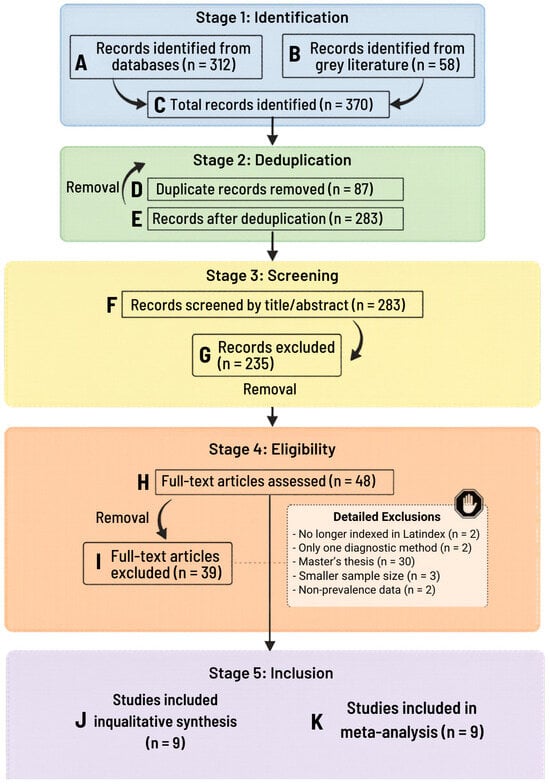
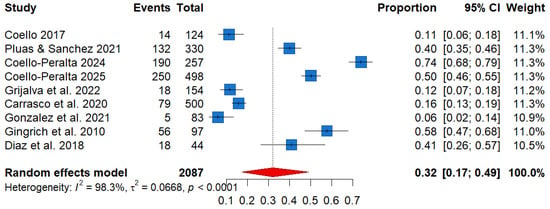
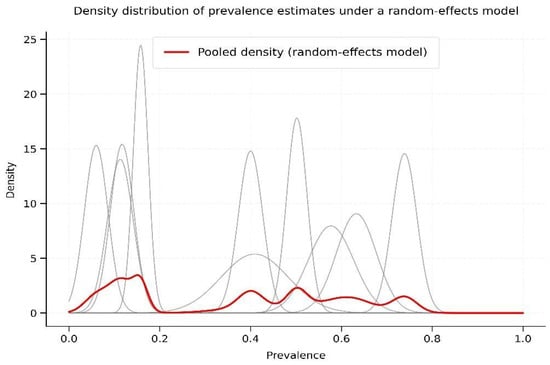
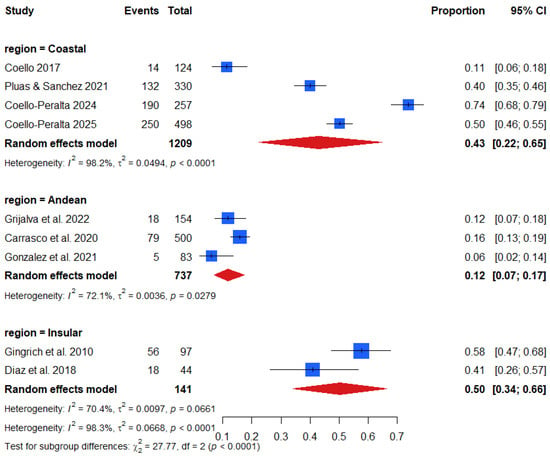
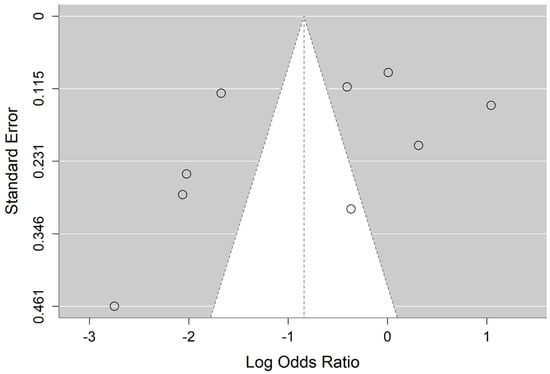
Hookworms are zoonotic helminths that cause intestinal diseases in pets and humans, as well as cutaneous larva migrans in the latter; therefore, they are of importance to animal and public health. Stray and domestic dogs play a significant role in the transmission of hookworm disease. This study examines the prevalence of Ancylostoma spp. infections in dogs in Ecuador through a systematic review and meta-analysis. Although based exclusively on canine data, the findings are discussed in the context of available evidence on zoonotic transmission and potential One Health implications. A total of 370 records were screened, of which 9 studies published between 2010 and 2025 met the PRISMA 2020 inclusion criteria. Using a random-effects model with Freeman–Tukey double arcsine transformation, the pooled prevalence was estimated at 32% (95% CI: 17–49%), with substantial heterogeneity across studies (I2 = 98.3%). Regional analysis revealed significantly higher prevalence in the Insular region (50%) and the Coastal region (43%), compared to the Sierra (Andean region) (12%). These findings indicate marked spatial variability in canine Ancylostoma infections across Ecuador, likely reflecting underlying environmental, epidemiological, and methodological differences. While this study does not directly assess human or environmental data, the observed patterns are consistent with epidemiological conditions that may favor zoonotic transmission. Overall, this study highlights the need for integrated approaches consistent with a One Health perspective, including improved surveillance, veterinary interventions, and further research incorporating human and environmental components to better understand the epidemiology and potential zoonotic implications of hookworm infections.
Full article
(This article belongs to the Topic Advances in Infectious and Parasitic Diseases of Animals)
►▼
Show Figures

Figure 1
Open AccessArticle
Effects of Breeder Age and In Ovo Administration of Vitamin D3 Metabolites on Hatchability, Growth Performance, Bone Quality, and Leg Health in Broilers
by
Zeynep Yardım, İhsan Bülent Helva and Mustafa Akşit
Animals 2026, 16(14), 2229; https://doi.org/10.3390/ani16142229 (registering DOI) - 18 Jul 2026
Abstract
This study evaluated the effects of breeder age (BA) and in ovo (IO) administration of vitamin D3 metabolites on hatchability, body weight, bone traits, and leg health in broiler chickens. A total of 640 eggs obtained from young (YB; 29 wk) and
[...] Read more.
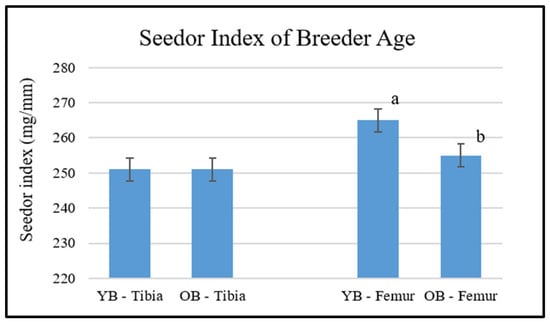
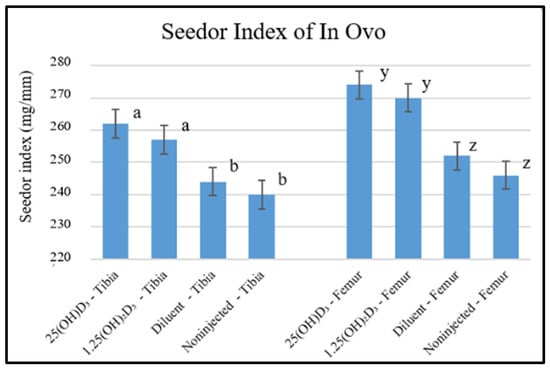
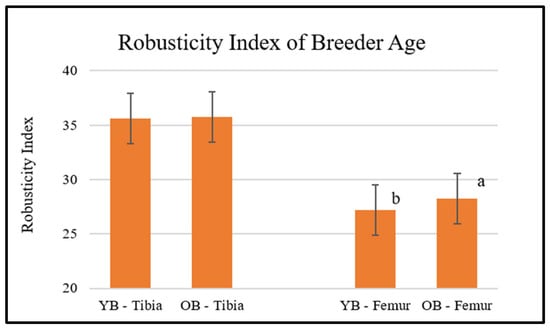
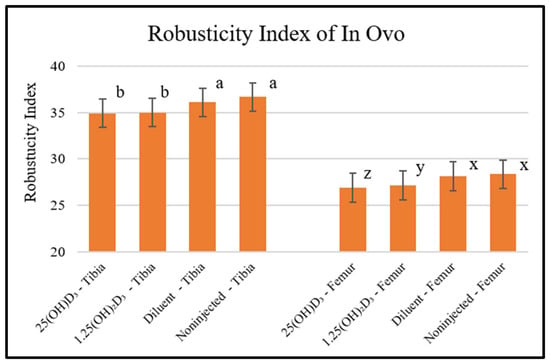
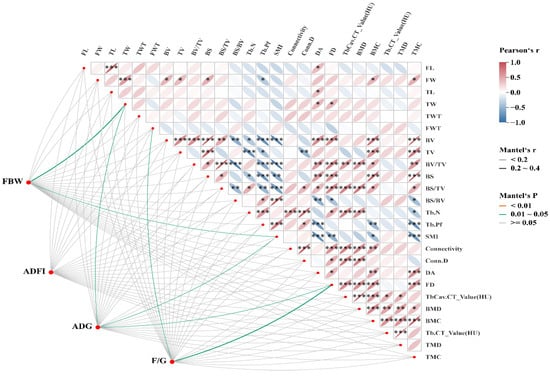
This study evaluated the effects of breeder age (BA) and in ovo (IO) administration of vitamin D3 metabolites on hatchability, body weight, bone traits, and leg health in broiler chickens. A total of 640 eggs obtained from young (YB; 29 wk) and old (OB; 52 wk) Ross 308 broiler breeder flocks were assigned on day 18 of incubation to four treatments: 25(OH)D3, 1,25(OH)2D3, diluent, or non-injected. Chicks were reared under standard conditions until market age. Hatchability was not affected by BA or IO treatments. Birds derived from OBs exhibited greater hatch weight and final body weight than those derived from YBs. At market age, BA effects on bone traits were limited to greater femur length in OB birds. In contrast, IO administration of vitamin D3 metabolites significantly enhanced bone mineralization and mechanical competence, as evidenced by higher tibial Ca, P, and Mg concentrations; increased bone ash content; a higher Seedor index; and greater breaking strength. Treated birds also exhibited shorter, narrower, and heavier long bones, indicating altered bone geometry. Furthermore, the incidence of gait abnormalities and tibial dyschondroplasia was markedly reduced, whereas femoral head necrosis remained unaffected. Among the metabolites evaluated, 25(OH)D3 produced the most consistent improvements in final body weight, bone traits, and leg health. Overall, IO administration of vitamin D3 metabolites, particularly 25(OH)D3, improved bone traits and leg health at market age and may represent a practical strategy to enhance broiler welfare and production performance.
Full article
(This article belongs to the Special Issue Advances in Nutritional Modulation of Skeletal Development in Poultry)
►▼
Show Figures

Figure 1
Open AccessArticle
Comparative Quantitative Profiling of Protein Lactylation Reveals a Dynamic Tissues-Specific Network Associated with Metabolic Specialization in Yaks
by
Zhijuan Wu, Huan Yang, Junyu Chen, Jiabo Wang, Jikun Wang, Ming Zhang and Zhixin Chai
Animals 2026, 16(14), 2228; https://doi.org/10.3390/ani16142228 (registering DOI) - 18 Jul 2026
Abstract
Protein lysine lactylation is an emerging post-translational modification with broad roles in metabolic regulation. The yak (Bos grunniens) has evolved strong metabolic adaptability on the Qinghai–Tibetan Plateau, yet its tissue-specific lactylation patterns remain poorly characterized. Here, we collected liver, muscle, and
[...] Read more.
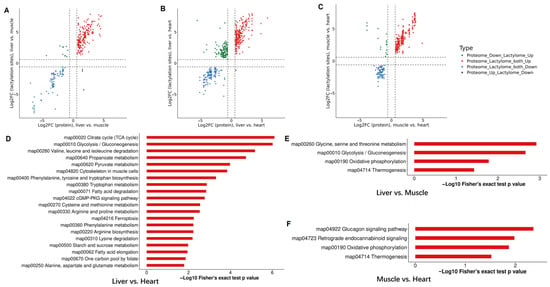
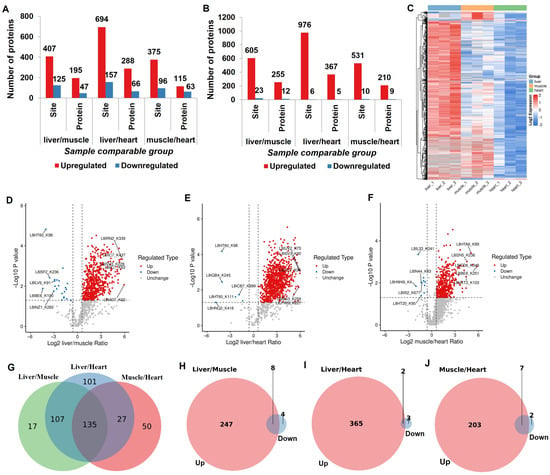
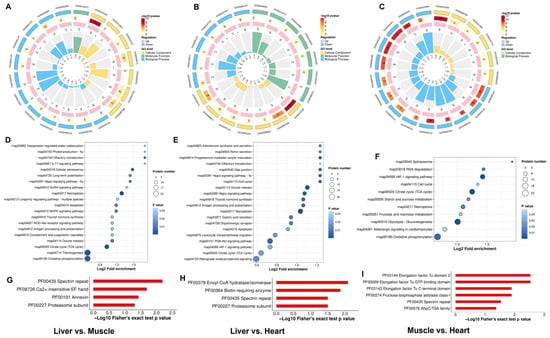
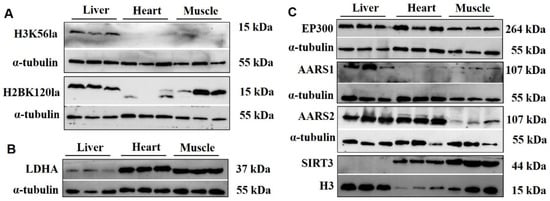
Protein lysine lactylation is an emerging post-translational modification with broad roles in metabolic regulation. The yak (Bos grunniens) has evolved strong metabolic adaptability on the Qinghai–Tibetan Plateau, yet its tissue-specific lactylation patterns remain poorly characterized. Here, we collected liver, muscle, and heart tissues from three adult male yaks (4.5 years; 305–355 kg) and integrated quantitative proteomics with lactylomics to map lactylation profiles across these tissues. After normalizing each lactylation site to its parent protein abundance and applying Benjamini–Hochberg correction, we identified 628, 982, and 541 differentially lactylated sites (|log2FC| ≥ 0.585, adjusted p < 0.05) in liver–muscle, liver–heart, and muscle–heart comparisons, with median fold changes of 4.11, 7.08, and 3.08, corresponding to 267, 372, and 219 proteins, respectively. Subcellular localization showed that approximately 27–30% of these sites were localized to mitochondria. Functional enrichment across these comparisons consistently highlighted pathways such as the TCA cycle (fold enrichment: 1.56–2.38) and HIF-1 signaling (up to 2.69). A total of 135 proteins were common to all three comparisons, some with both up- and downregulated sites within the same tissue pair. Our results reveal decoupling between protein abundance and lactylation levels, tissue-specific lactylation patterns on the same proteins, and expression-independent lactylation of key enzymes (e.g., LDHA, SIRT3). Functional enrichment suggests lactylation serves as a multimodal regulatory mechanism coordinating energy metabolism, protein homeostasis, and electromechanical coupling across tissues. Expression profiling of lactate-metabolizing enzymes and lactylation regulators further supports an organ-specific model of post-translational regulation. Collectively, these findings detail a complex, tissue-specific lactylation network in yaks and provide insights into the metabolic homeostasis essential for high-altitude life.
Full article
(This article belongs to the Section Cattle)
►▼
Show Figures

Figure 1
Open AccessArticle
Analysis of the Genetic Diversity and Genetic Structure of Bamei Pig Population Based on Single-Nucleotide Polymorphism Chip
by
Pengfei Wang, Qiaoli Yang, Zunqiang Yan and Xi Long
Animals 2026, 16(14), 2227; https://doi.org/10.3390/ani16142227 (registering DOI) - 18 Jul 2026
Abstract
This paper assessed the genetic diversity, structure, and distance of Bamei pigs, a traditional Chinese indigenous breed, to conserve their genetic resources and facilitate comprehensive production planning. Using a 50K single-nucleotide polymorphism (SNP) chip, we genotyped 64 individuals from a Bamei pig conservation
[...] Read more.
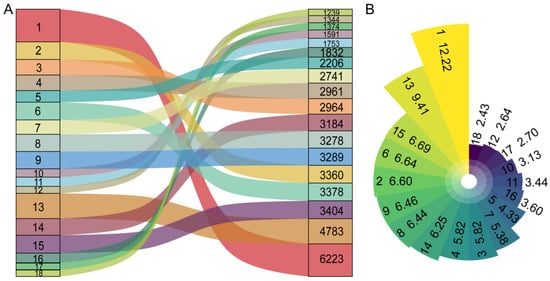
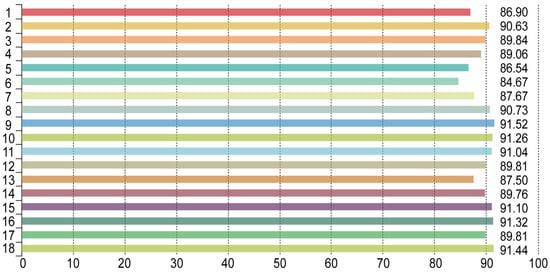
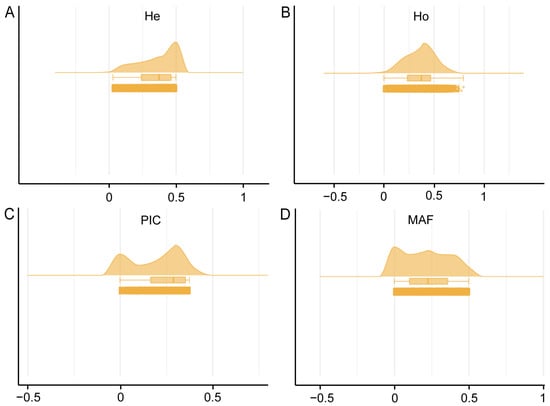
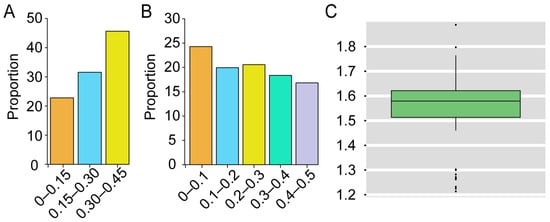
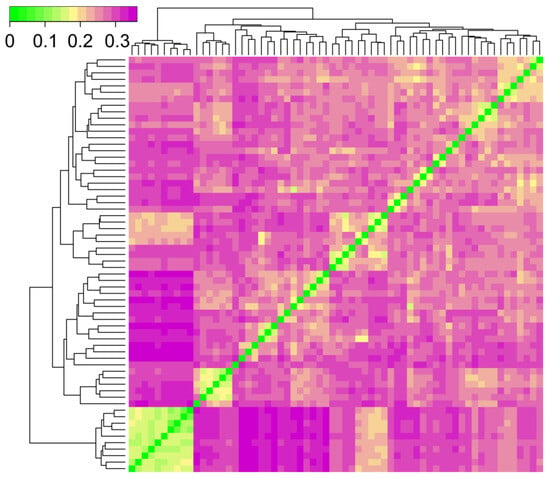
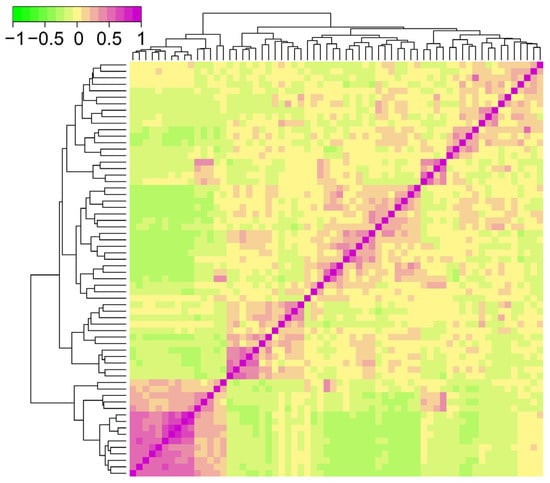
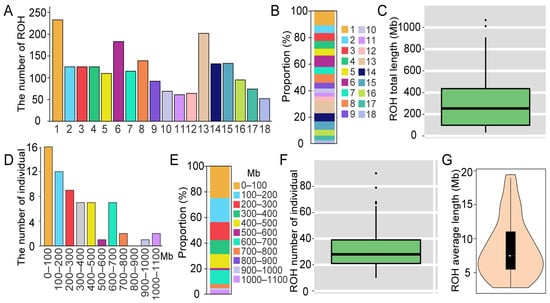
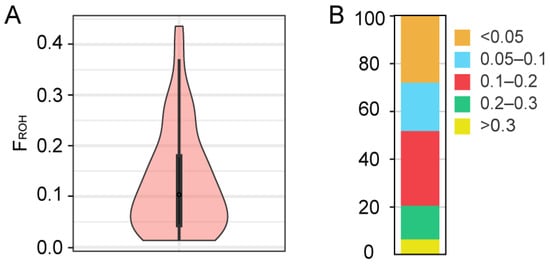
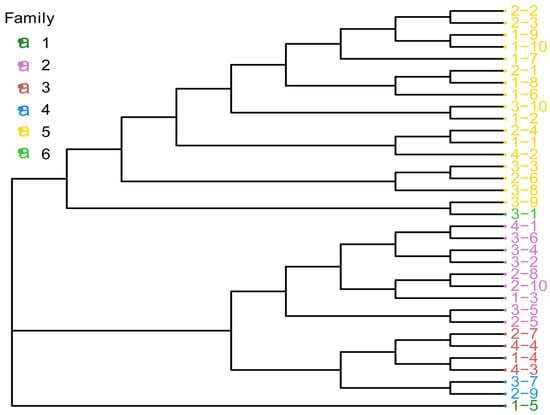
This paper assessed the genetic diversity, structure, and distance of Bamei pigs, a traditional Chinese indigenous breed, to conserve their genetic resources and facilitate comprehensive production planning. Using a 50K single-nucleotide polymorphism (SNP) chip, we genotyped 64 individuals from a Bamei pig conservation farm. Based on these data, we calculated genetic diversity parameters, constructed family structures, and identified runs of homozygosity (ROH) for each individual to obtain corresponding inbreeding coefficients. The results showed that the Bamei pig conservation population had an average genetic distance of 0.2707. The population maintained relatively rich genetic diversity, as indicated by a polymorphic marker proportion of 88.28% and observed (0.351) and expected (0.340) heterozygosity values that were very close. The inbreeding coefficient calculated based on ROH was at a medium level. The average inbreeding coefficient was 0.1302. Substantial inter-individual variation was observed, with some individuals showing relatively high inbreeding coefficients. Kinship analyses further confirmed the presence of close genetic relationships among certain individuals within the population and potential inbreeding risks. Family-structure analysis classified the boars into six families, with an uneven distribution of boars and sows both across and within these families. In order to ensure the continuous protection of the breed, it is urgent to optimize the breeding program. In the process of offspring retention, individuals with distant genetic relationships with boars and sows should be selected as much as possible, the inbreeding coefficient of the population should be gradually reduced, the number of families should be paid attention to, and the proportion and structural balance of each family should be paid attention to.
Full article
(This article belongs to the Section Pigs)
►▼
Show Figures

Figure 1
Open AccessArticle
Preregistration of Preclinical Animal Studies as a Tool for Refinement: A Feasibility Study Comparing the German Animal Study Registry and Preclinicaltrials.eu
by
Lena Kistermann, Maja Strunk, Ivonne Jeanette Knorr, Steven R. Talbot, Lisa Ernst and René H. Tolba
Animals 2026, 16(14), 2226; https://doi.org/10.3390/ani16142226 (registering DOI) - 18 Jul 2026
Abstract
Preregistration of animal studies is increasingly promoted as a methodological Refinement that can reduce bias, prevent unnecessary duplication and ultimately benefit animal welfare. Despite dedicated open registries (i.e., the Animal Study Registry of the German Centre for the Protection of Laboratory Animals (ASR)
[...] Read more.
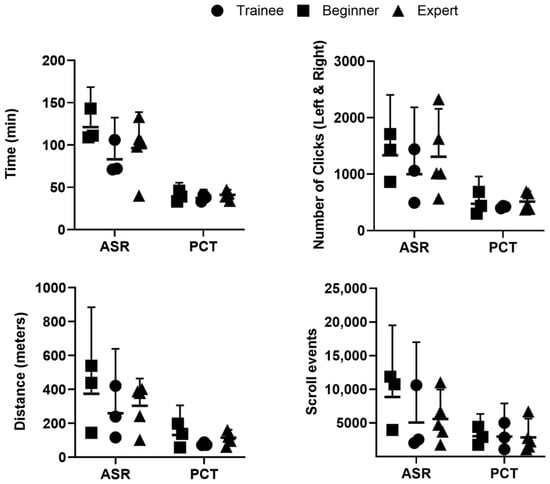
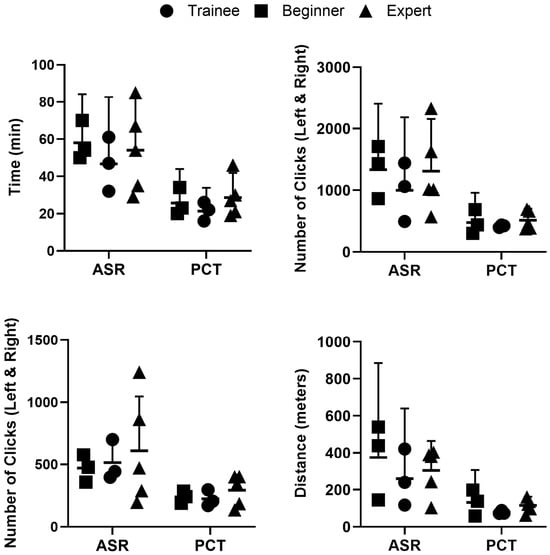
Preregistration of animal studies is increasingly promoted as a methodological Refinement that can reduce bias, prevent unnecessary duplication and ultimately benefit animal welfare. Despite dedicated open registries (i.e., the Animal Study Registry of the German Centre for the Protection of Laboratory Animals (ASR) and preclinicaltrials.eu (PCT)), uptake remains low. The perceived time burden and limited awareness are the most frequently mentioned barriers, although these registries have been available since 2018 and 2019. In this feasibility study, eleven researchers (Beginners n = 3, Trainees n = 3, Experts n = 5) preregistered two preclinical protocols (rat and pig) on each platform, while completion time, mouse clicks, cursor distance, and scroll events were registered. An anonymous survey collected free-text comments. Completion time was substantially longer on ASR than on PCT for both the rat protocol (99.5 ± 29.1 vs. 39.5 ± 4.9 min) and the pig protocol (53.1 ± 17.2 vs. 25.8 ± 8.5 min), with the same direction for the other parameters. All eleven participants preferred PCT, and completion time decreased with practice. Preregistration is technically feasible on either platform. However, structured training and targeted usability improvements could reduce the activation cost and support its role as a Refinement strategy in laboratory animal science.
Full article
(This article belongs to the Special Issue Care and Well-Being of Laboratory Animals: Second Edition)
►▼
Show Figures

Figure 1
Open AccessArticle
The Peridental Structures of Equine Cheek Teeth: An Age-Dependent Anatomical Study of Maxilla and Mandible
by
Sarah Fewson, Matthias Lüpke, Maren Hellige, Hermann Seifert, Astrid Bienert-Zeit and Carsten Staszyk
Animals 2026, 16(14), 2225; https://doi.org/10.3390/ani16142225 (registering DOI) - 18 Jul 2026
Abstract
Sequestration is the most common complication following equine cheek tooth extraction, occurring predominantly in the mandible of younger horses. Extraction-related trauma to the peridental region may impair healing. Despite its clinical relevance, detailed knowledge of peridental anatomy remains limited. This study investigated age-related
[...] Read more.
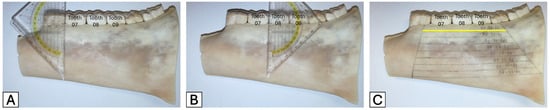
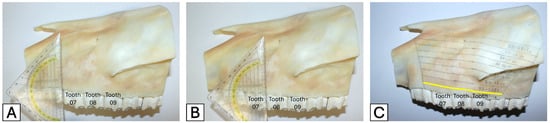
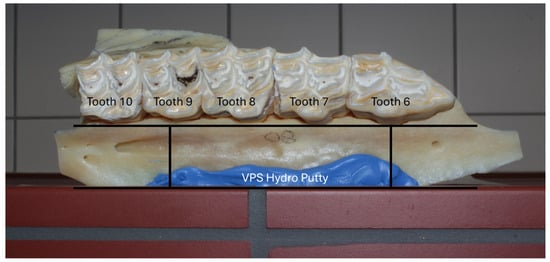
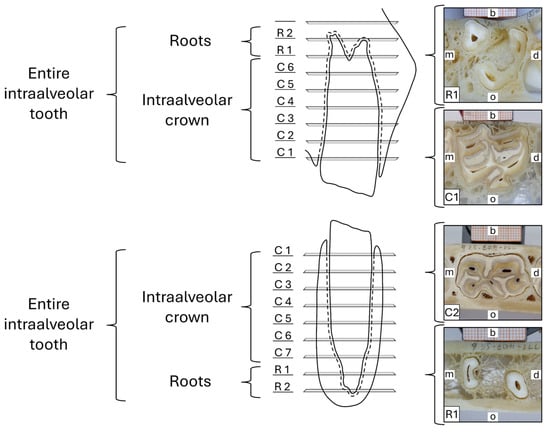
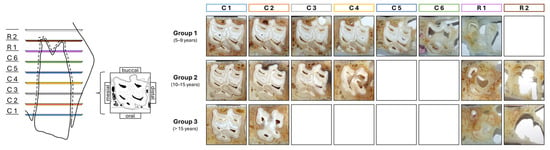
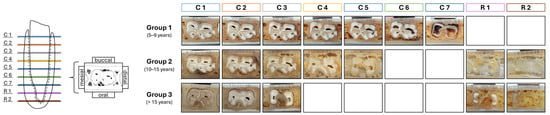
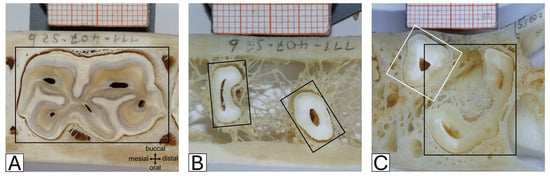
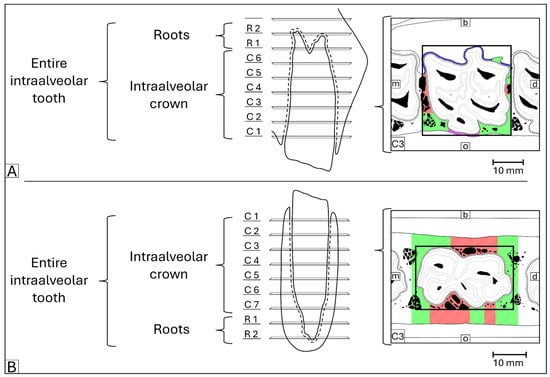
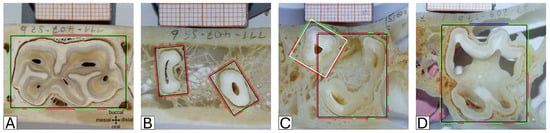
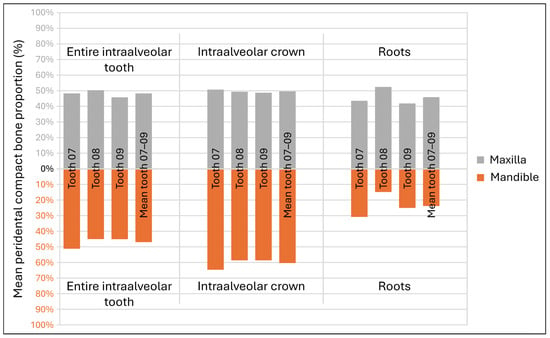
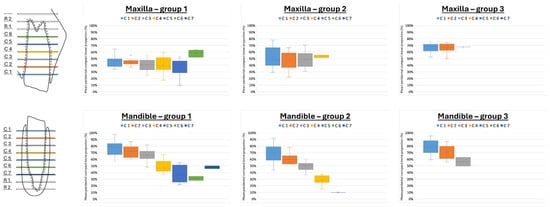
Sequestration is the most common complication following equine cheek tooth extraction, occurring predominantly in the mandible of younger horses. Extraction-related trauma to the peridental region may impair healing. Despite its clinical relevance, detailed knowledge of peridental anatomy remains limited. This study investigated age-related differences in the peridental region of maxillary and mandibular equine cheek teeth 07 to 09. The peridental region of 24 cheek teeth rows from six cadaver heads was sectioned horizontally at approximately 10 mm intervals. Sections were photographed and the proportion of adjacent structures (compact bone, spongy bone, maxillary sinus, nasal cavity) was quantified within a 1 mm zone of the peridental gap. Horses were assigned to three age groups. Maxillary teeth were surrounded by approximately 50% compact bone, while mandibular teeth showed a higher proportion of compact bone occlusally (60.3%) that decreased apically (to 23.7%). The proportion of compact bone generally increased with age. This descriptive anatomical study provides a novel anatomical characterization of the equine peridental region. The higher proportion of compact bone in the mandible suggests reduced bleeding into the empty alveolus. This could impair wound healing and reduce resorption capacity for bone fragments. This may explain the increased risk of sequestration.
Full article
(This article belongs to the Section Equids)
►▼
Show Figures

Figure 1
Open AccessArticle
Combined Application of Probiotic and Phytobiotic Additives Improves Fermentation Quality and Amino Acid Preservation in Tropical Forage Silages
by
Irwan Susanto, Komang G. Wiryawan, Anuraga Jayanegara, Farisha R. Azzahra, Roni Ridwan, Rohmatussolihat, Alwan Farhandhany, Mardiah Rahmadani and Erika B. Laconi
Animals 2026, 16(14), 2224; https://doi.org/10.3390/ani16142224 (registering DOI) - 17 Jul 2026
Abstract
Preserving high-quality forage through silage is essential for continuous livestock production, yet protein degradation during fermentation remains a major challenge. To mitigate this nutrient loss, probiotics and phytobiotics are utilized as protective additives. This study investigated the synergistic application of lactic acid bacteria
[...] Read more.
Preserving high-quality forage through silage is essential for continuous livestock production, yet protein degradation during fermentation remains a major challenge. To mitigate this nutrient loss, probiotics and phytobiotics are utilized as protective additives. This study investigated the synergistic application of lactic acid bacteria (LAB) and plant-derived bioactive compounds as deamination inhibitors to improve the fermentation quality and amino acid profiles of tropical forage silages. The experiment followed a 2 × 4 × 4 completely randomized factorial design with five replications. Factor A tested the inclusion of lactic acid bacteria (LAB) inoculum (Lactiplantibacillus plantarum). Factor B compared different plant extracts as additives (Acacia mangium, Swietenia macrophylla, and cumin essential oil), while Factor C evaluated various forage types (Pennisetum purpureum, Indigofera zollingeriana, Gliricidia sepium, and Stylosanthes guianensis). Statistical analysis revealed that LAB inoculation significantly reduced the pH level, suppressed fungal contamination, and improved physical traits (p < 0.05). Both the additive sources and forage types also exerted strong influences across all measured variables (p < 0.05). The interaction between microbes and plant extracts enhances protein preservation during ensiling. Among all the treatments tested, Indigofera zollingeriana showed the best response. The specific combination of L. plantarum and A. mangium extracts in Indigofera silage produced the best fermentation characteristics and a high ability to retain essential amino acids, particularly histidine, lysine, tryptophan, and valine. Lower NH3-N concentrations and better amino acid preservation in this treatment indicate reduced protein loss due to proteolysis and deamination during fermentation. These findings confirm that the combination of probiotics and certain plant extracts is a highly effective strategy for maintaining the nutritional integrity of tropical forage preserved in silage form.
Full article
(This article belongs to the Special Issue Alternative Feeds for Ruminants: Sustainability and Nutritional Innovation)
Open AccessArticle
Associations Among Piglet Characteristics, Farrowing Kinetics, and Stillbirth Risk in Hyperprolific Sows
by
Chananchida Mueansree, Phubet Satsook, Napatsorn Kamnaray, Nitikan Nikhomjit, Thanakorn Jongprasert, Niratchaporn Faksongsakul, Suppachok Taveekaikun and Nitipong Homwong
Animals 2026, 16(14), 2223; https://doi.org/10.3390/ani16142223 (registering DOI) - 17 Jul 2026
Abstract
Stillbirth remains a major cause of piglet loss in hyperprolific sow herds. This observational study investigated the effects of farrowing kinetics, including birth weight (BW), birth order (BO), and expulsion interval (EI), on stillbirth risk. Data from 117 crossbred sows between Landrace sires
[...] Read more.
Stillbirth remains a major cause of piglet loss in hyperprolific sow herds. This observational study investigated the effects of farrowing kinetics, including birth weight (BW), birth order (BO), and expulsion interval (EI), on stillbirth risk. Data from 117 crossbred sows between Landrace sires and Yorkshire dams and 1726 piglets were analyzed using linear mixed models (LMM) and generalized linear mixed models (GLMM), with sow included as a random effect to account for litter clustering. BW, BO, time of farrowing (TF), and EI were categorized into three (BWG, low, medium, high), four (BOQ, Q1–Q4), four (H1–H4), and seven (≤5, 6–10, 11–15, 16–20, 21–30, 31–45, and >45 min) groups, respectively. BWG were not associated with BO (p = 0.22) nor with EI (p = 0.49). Univariate GLMM analysis showed that stillbirth risk increased across BOQ, with Q4 piglets exhibiting a higher stillbirth rate than Q1 piglets (9.1% vs. 1.6%; p < 0.01), whereas TF and EI groups were not associated with stillbirth risk (p > 0.05). In the multivariable GLMM, lower BW (OR = 0.49 per 0.25 kg increase; p < 0.001), longer cumulative expulsion interval (CEI) (OR = 1.71 per 60 min increase; p < 0.001), and greater within-litter birth weight variation (BWCV; OR = 1.51 per 10% increase; p = 0.077) were associated with an increased risk of stillbirth. In contrast, BOQ, EI group, litter size (LS), and TF were not retained in the final model. Reverse Kaplan–Meier survival analysis demonstrated a progressive ascend in the probability of being stillborn throughout the farrowing process (p < 0.01), with a median stillborn time of 450 min. These findings indicate that prolonged cumulative farrowing duration, rather than individual birth intervals or birth sequence alone, is the primary farrowing-related determinant of stillbirth risk. These findings suggest that reducing CEI, providing timely assistance to late-born piglets and lowering BWCV may help decrease stillbirth losses in hyperprolific sow herds.
Full article
(This article belongs to the Special Issue Strategies to Improve Piglet Survival and Sow Longevity)
Open AccessArticle
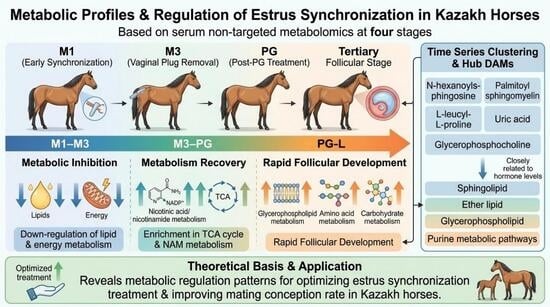
Preliminary Metabolomic Analysis: Serum Metabolomic Dynamics During Estrus Synchronization in Kazakh Mares
by
Jiahao Liu, Jintao Gan, Xinkui Yao, Jianwen Wang, Wanlu Ren, Jun Meng and Yaqi Zeng
Animals 2026, 16(14), 2222; https://doi.org/10.3390/ani16142222 (registering DOI) - 17 Jul 2026
Abstract
This study aimed to analyze the differences in serum metabolomes at different stages of estrus synchronization in Kazakh horses, to characterize dynamic changes in serum metabolites during estrus synchronization, and to screen potential metabolic markers and key regulatory pathways. Four sampling stages (M1:
[...] Read more.
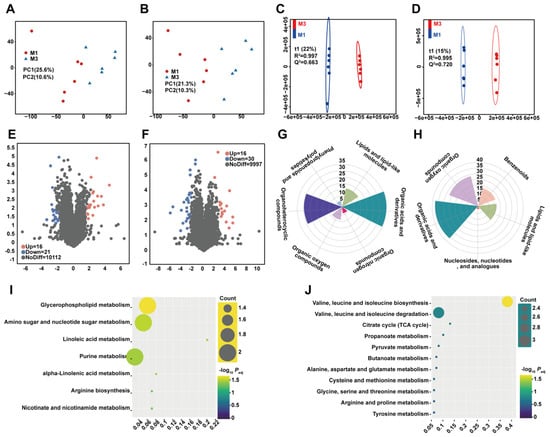
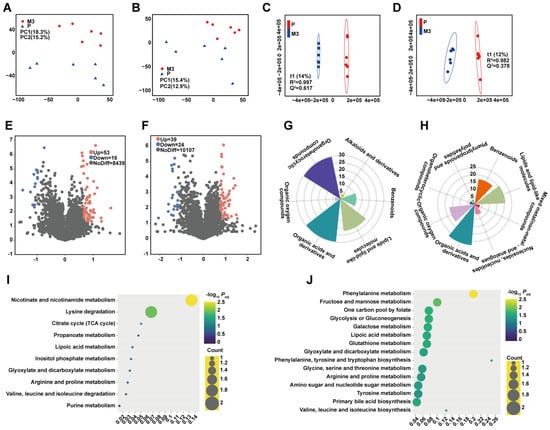
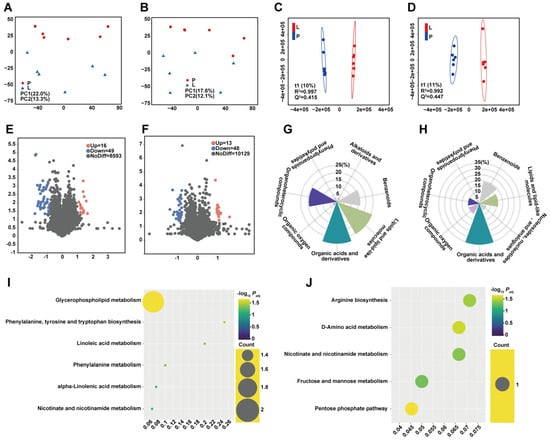
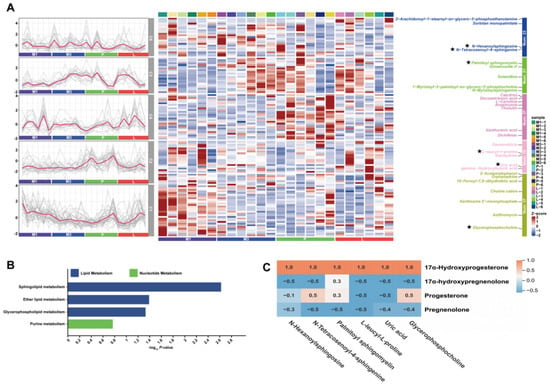
This study aimed to analyze the differences in serum metabolomes at different stages of estrus synchronization in Kazakh horses, to characterize dynamic changes in serum metabolites during estrus synchronization, and to screen potential metabolic markers and key regulatory pathways. Four sampling stages (M1: intravaginal device insertion; M3: device removal, labeled consistently with the pre-experiment timeline; P: 24 h post-PG injection; L: tertiary follicle emergence) were selected. The research results showed that 37 significantly different metabolites (DAMs) were identified in the M1-vs.-M3 positive ion mode, with 16 metabolites significantly upregulated and 21 significantly downregulated. In the M1-vs.-M3 negative ion mode, 47 significantly different metabolites were identified, including 17 upregulated and 30 downregulated. In the M3-vs.-P positive ion mode, 69 significantly different metabolites were identified, with 53 upregulated and 16 downregulated. In the M3-vs.-P negative ion mode, 63 significantly different metabolites were identified, including 39 upregulated and 24 downregulated. In the Pvs-L positive ion mode, 65 significantly different metabolites were identified, with 16 upregulated and 49 downregulated. In the P-vs.-L negative ion mode, 61 significantly different metabolites were identified, including 13 upregulated and 48 downregulated. The significantly different metabolites mainly included lipids and lipid-like molecules, organic heterocyclic compounds, and organic acids and their derivatives. KEGG enrichment analysis showed that the significantly different metabolites in Kazakh horses at different stages were mainly enriched in nicotinic acid and nicotinamide metabolism, amino acid synthesis, and related pathways. This study revealed significant differences in the serum metabolome, and nicotinic acid and nicotinamide metabolism, by generating NAD+ and NADPH, simultaneously supporting energy supply, steroid hormone synthesis, and antioxidant protection, which are the basic metabolic guarantees for the development of follicles from quiescence to growth; amino acid synthesis not only provides protein raw materials for follicular cell proliferation but also participates in the regulation of the follicular microenvironment by synthesizing signaling molecules and antioxidant substances. This study enriched the research on the metabolic regulation of estrus synchronization in equine species, filled the gap in the metabolomics research of estrus synchronization in Kazakh horses, and provided an important theoretical basis and practical reference for optimizing the estrus synchronization treatment plan for Kazakh horses, adjusting the focus of feeding and management at each stage and improving the conception rate.
Full article
(This article belongs to the Section Animal Reproduction)
►▼
Show Figures

Graphical abstract
Open AccessArticle
Noninvasive Two-Phase Foaling Prediction in Thoroughbred Mares Using Thermal Imaging and AI-Based Behavioral Analysis
by
Hisashi Nabenishi, Nagisa Taki, Shoji Nishibayashi and Tomoyuki Ishii
Animals 2026, 16(14), 2221; https://doi.org/10.3390/ani16142221 (registering DOI) - 17 Jul 2026
Abstract
Early and accurate detection of foaling is important for reducing perinatal mortality and labor demands in commercial breeding farms. This study evaluated a fully noninvasive foaling prediction system integrating thermal imaging with artificial intelligence-based behavioral analysis in Thoroughbred mares. A total of 115
[...] Read more.
Early and accurate detection of foaling is important for reducing perinatal mortality and labor demands in commercial breeding farms. This study evaluated a fully noninvasive foaling prediction system integrating thermal imaging with artificial intelligence-based behavioral analysis in Thoroughbred mares. A total of 115 pregnant mares across 13 farms were monitored during the 2024 foaling season. Locomotor activity and body surface temperature relative to ambient temperature were extracted from thermal images, while posture changes and tail-raising behavior were identified from visible-light images using a trained prediction model. Prediction was performed at 5 min intervals using a pretrained neural network model implemented in Python, which generated logistic probabilities based on locomotor activity, body surface temperature, posture change frequency, and tail-raising behavior. Data obtained during the 5 h preceding foaling were analyzed. Locomotor activity and surface temperature significantly increased 70–90 min before foaling (p < 0.05), whereas posture changes and tail-raising behavior markedly increased 25–45 min before foaling. These temporal patterns suggest a biologically interpretable two-phase pre-foaling process derived from sequential changes in behavioral and thermal indicators. The model based on locomotor activity and surface temperature achieved an 80.0% detection rate with a mean lead time of 186 ± 20 min. Incorporating posture changes and tail-raising parameters improved detection to 94.8% and reduced the detection-to-foaling interval to 89 ± 14 min. The system achieved high predictive performance under commercial conditions without requiring invasive or wearable devices.
Full article
(This article belongs to the Special Issue Ovarian, Uterine, and Embryo Dynamics in Horses and Innovative Research Methods in Equine Reproductive Studies and Practice)
Journal Menu
► ▼ Journal Menu-
- Animals Home
- Aims & Scope
- Editorial Board
- Reviewer Board
- Topical Advisory Panel
- Early Career Editorial Board
- Instructions for Authors
- Special Issues
- Topics
- Sections & Collections
- Article Processing Charge
- Indexing & Archiving
- Editor’s Choice Articles
- Most Cited & Viewed
- Journal Statistics
- Journal History
- Journal Awards
- Society Collaborations
- Conferences
- Editorial Office
Journal Browser
► ▼ Journal BrowserHighly Accessed Articles
Latest Books
E-Mail Alert
News
Topics
Topic in
Animals, Biology, Conservation, Diversity, Ecologies, Forests, Land
Conservation at the Crossroads: Forest Ecology, Wildlife Dynamics, and Emerging Challenges for Ecosystem Resilience
Topic Editors: Yiannis G. Zevgolis, Triantaphyllos Akriotis, Anastasia Christopoulou, Panayiotis G. Dimitrakopoulos, Dimitra-Lida Rammou, Dionisios YoulatosDeadline: 31 July 2026
Topic in
Animals, Antioxidants, Fishes, Biology
Immunology and Disease Prevention and Control in Aquatic Animals
Topic Editors: Hongliang Zuo, Jiejie Sun, Linwei YangDeadline: 31 August 2026
Topic in
Animals, Antioxidants, Metabolites, Pets, Veterinary Sciences
Research on Companion Animal Nutrition
Topic Editors: Baichuan Deng, Lian Li, Yun JiDeadline: 26 October 2026
Topic in
Animals, Dairy, Microorganisms, Veterinary Sciences, Metabolites, Life, Parasitologia
The Complexity of Parasites in Animals: Impacts, Innovation, and Interventions
Topic Editors: Kun Li, Rongjun Wang, Ningbo Xia, Md. F. KulyarDeadline: 31 December 2026
Conferences
Special Issues
Special Issue in
Animals
Behavioral and Cognitive Complexity in Great Apes
Guest Editor: Masaki TomonagaDeadline: 20 July 2026
Special Issue in
Animals
Diseases of the Small and Large Intestine, Liver and Pancreas in Small Animals: Second Edition
Guest Editors: Alessio Pierini, Eleonora GoriDeadline: 20 July 2026
Special Issue in
Animals
Environmental Physiology and Health in Animals: Mechanisms, Adaptations and Welfare
Guest Editors: Dan Shen, Chunmei LiDeadline: 31 July 2026
Special Issue in
Animals
Infrared Thermography in Animals
Guest Editor: Cord M. BrundageDeadline: 31 July 2026
Topical Collections
Topical Collection in
Animals
Recent Advances in Wildlife Conservation
Collection Editor: Dimitrios Bakaloudis
Topical Collection in
Animals
Monitoring of Cows: Management and Sustainability
Collection Editors: Patrícia Ferreira Ponciano Ferraz, Matteo Barbari, Tomas Norton