

Journal Description
Journal of Marine Science and Engineering
is an international, peer-reviewed, open access journal on marine science and engineering, published semimonthly online by MDPI. The Australia New Zealand Marine Biotechnology Society (ANZMBS) is affiliated with JMSE and its members receive discounts on the article processing charges.
- Open Access— free for readers, with article processing charges (APC) paid by authors or their institutions.
- High Visibility: indexed with Scopus, SCIE (Web of Science), Ei Compendex, GeoRef, Inspec, AGRIS, and other databases.
- Journal Rank: JCR - Q2 (Oceanography) / CiteScore - Q1 (Ocean Engineering)
- Rapid Publication: manuscripts are peer-reviewed and a first decision is provided to authors approximately 15 days after submission; acceptance to publication is undertaken in 2.6 days (median values for papers published in this journal in the first half of 2026).
- Recognition of Reviewers: reviewers who provide timely, thorough peer-review reports receive vouchers entitling them to a discount on the APC of their next publication in any MDPI journal, in appreciation of the work done.
- Journal Clusters of Water Resources: Water, Journal of Marine Science and Engineering, Hydrology, Resources, Oceans, Limnological Review, Coasts and Hydropower.
Impact Factor:
3.2 (2025);
5-Year Impact Factor:
3.2 (2025)
Latest Articles
Innovative Mooring Line Tension Reduction Technique for FOWTs
J. Mar. Sci. Eng. 2026, 14(16), 1516; https://doi.org/10.3390/jmse14161516 (registering DOI) - 16 Aug 2026
Abstract
The high cost of mooring systems, driven by extreme peak tensions during storm conditions, remains a significant barrier to the commercialization of floating offshore wind turbines (FOWTs). This paper proposes an innovative active tension-regulating joint (TRJ) for FOWT mooring lines. The TRJ consists
[...] Read more.
The high cost of mooring systems, driven by extreme peak tensions during storm conditions, remains a significant barrier to the commercialization of floating offshore wind turbines (FOWTs). This paper proposes an innovative active tension-regulating joint (TRJ) for FOWT mooring lines. The TRJ consists of nested cylinders and an actively controlled accumulator, designed to release additional line length under high tension and to recover it under low tension, thereby reducing extreme dynamic peaks. A finite element scheme is also developed for efficient line dynamics analysis. The TRJ concept is applied to a benchmark IEA 15-MW semi-submersible FOWT in 100 m water depth under 50-year return period environmental conditions. The simulation results demonstrate that the TRJ reduces the maximum mooring line tension by approximately 53% and the maximum suspended line length by over 23%. This active control technique enables the downsizing of mooring components and a significant cost reduction.
Full article
(This article belongs to the Section Ocean Engineering)
Open AccessArticle
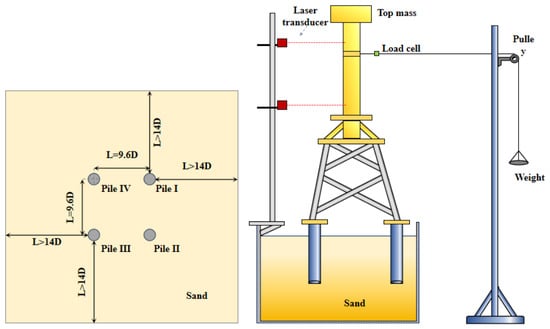
Full-Field Hull Fatigue Mapping Across Environmental Bins for a Semi-Submersible Floating Offshore Wind Turbine
by
Glib Ivanov, Gwo-An Chang, Ding Peng Liu and Kai-Tung Ma
J. Mar. Sci. Eng. 2026, 14(16), 1515; https://doi.org/10.3390/jmse14161515 (registering DOI) - 16 Aug 2026
Abstract
Fatigue assessment of floating offshore wind turbines (FOWTs) remains challenging because fatigue-sensitive regions may occur outside conventional predefined hotspots. This study applies a previously numerically verified full-field fatigue-screening workflow combining Unit Load Response, submodeling, and Virtual Test Rig concepts to the TaidaFloat semi-submersible
[...] Read more.
Fatigue assessment of floating offshore wind turbines (FOWTs) remains challenging because fatigue-sensitive regions may occur outside conventional predefined hotspots. This study applies a previously numerically verified full-field fatigue-screening workflow combining Unit Load Response, submodeling, and Virtual Test Rig concepts to the TaidaFloat semi-submersible FOWT under Taiwan Strait environmental conditions. Reconstructed nodal stress histories are used to map hull fatigue and evaluate occurrence-weighted contributions from 182 environmental bins, including operational and typhoon conditions. The results identify fatigue-sensitive regions not only at conventional column–bracing and column–pontoon connections but also in the upper main column and along the turbine–hull load path. Upper column fatigue is mainly associated with turbine-induced bending, whereas lower column and waterline-adjacent regions are more sensitive to wave-induced global hull bending. Frequently occurring near-rated operational conditions dominate the occurrence-weighted hull fatigue contribution, while selected typhoon conditions produce high short-term damage but limited long-term contributions within the four-year dataset. Approximately 94.6% of hull fatigue damage is captured by 28% of the bins, and a common hull–mooring set captures 97.0% of both contributions using 62% of the bins. These findings support hotspot screening and environmental-bin prioritization rather than detailed or certification-level fatigue life prediction.
Full article
(This article belongs to the Special Issue Analysis of Strength, Fatigue, and Vibration in Marine Structures)
►▼
Show Figures

Figure 1
Open AccessArticle
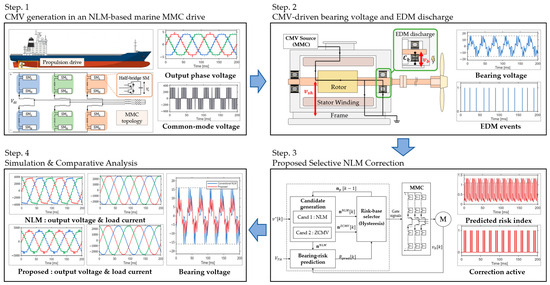
Regulation of Diel Size Spectrum Variation by Dissolved Inorganic Nutrients in Starved Mixotroph Mesodinium rubrum
by
Yi Wu, Wenguang Zhang, Kehan Yi, Xiaogang Xing, Pengbin Wang, Qian Liu and Mengmeng Tong
J. Mar. Sci. Eng. 2026, 14(16), 1514; https://doi.org/10.3390/jmse14161514 (registering DOI) - 16 Aug 2026
Abstract
The obligate mixotroph Mesodinium rubrum significantly impacts coastal ecosystems, yet its population control in oligotrophic waters remains unclear. Integrating field observations from Coast of Sanya (South China Sea) with laboratory nutrient manipulation, we investigated how dissolved inorganic nutrients and prey availability regulate cell
[...] Read more.
The obligate mixotroph Mesodinium rubrum significantly impacts coastal ecosystems, yet its population control in oligotrophic waters remains unclear. Integrating field observations from Coast of Sanya (South China Sea) with laboratory nutrient manipulation, we investigated how dissolved inorganic nutrients and prey availability regulate cell cycle progression, using biovolume as a proxy for cycle transitions. Nutrient starvation arrested cells at the small (newly divided) stage. Inorganic replenishment triggered rapid somatic growth and consistent diel biovolume oscillations, expanding in light and shrinking in darkness. However, without cryptophyte prey, cells failed to progress beyond the medium (actively growing) stage and could not accumulate into the large (pre-division) size class, revealing a decoupled regulatory mechanism. Dissolved inorganic nutrients drive cell size expansion (somatic growth), whereas prey-derived organelles serve as a critical prerequisite for division. Field data confirmed that the virtual absence of cryptophytes in Sanya waters restricts M. rubrum to consistently low levels. Our findings demonstrate that population dynamics of this specialist mixotroph transcend traditional nutrient-driven paradigms, underscoring the irreplaceable role of prey in sustaining photosynthetic metabolism and triggering population expansion in oligotrophic systems.
Full article
(This article belongs to the Section Marine Ecology)
►▼
Show Figures

Figure 1
Open AccessArticle
Reliability-Based Time-Reserve Assessment of Bulk Carrier Accidents Triggered by Solid Bulk Cargo Liquefaction and Dynamic Separation
by
Sergey S. Kubrin, Sergey I. Kondratyev, Evgeniy V. Khekert, Viktor V. Kondratiev, Natalia Nikolaevna Bryukhanova, Vitaliy A. Gladkikh, Boris V. Malozyomov, Nikita V. Martyushev, Roman V. Klyuev and Antonina I. Karlina
J. Mar. Sci. Eng. 2026, 14(16), 1513; https://doi.org/10.3390/jmse14161513 (registering DOI) - 16 Aug 2026
Abstract
Liquefaction and dynamic separation of moisture-sensitive solid bulk cargoes may remain latent for much of a voyage and then manifest as a sustained heel, leaving a comparatively short interval for emergency action. This study develops an exploratory reliability-based analysis of accident chronology using
[...] Read more.
Liquefaction and dynamic separation of moisture-sensitive solid bulk cargoes may remain latent for much of a voyage and then manifest as a sustained heel, leaving a comparatively short interval for emergency action. This study develops an exploratory reliability-based analysis of accident chronology using a source-traceable registry of 35 casualties and incidents. Eighteen cases provided post-heel information suitable for the principal emergency time reserve analysis; the observations comprised exact, approximate, reconstructed, interval-censored, and right-censored times. Descriptive statistics calculated from the selected central values and censoring bounds yielded a mean emergency time reserve TR of 200.99 min, a median of 192.20 min, and a range of 67.50–335.10 min. In likelihood-based fitting that retained censoring, the Weibull model achieved the lowest AIC (212.51) and BIC (215.18), with Kolmogorov–Smirnov D = 0.097 (p = 0.989). The fitted lower-tail quantiles were Q10 = 105.40 min and Q25 = 147.99 min, substantially shorter than the descriptive mean. Robustness was examined using nonparametric estimators, Akaike-weighted model averaging, source-confidence weighting, leave-one-out analysis, and alternative interval assumptions. The contribution is a reproducible framework for converting heterogeneous casualty narratives into uncertainty-qualified lower-tail time-reserve evidence and non-prescriptive bridge–team decision support. The framework is not a physical stability model and cannot replace ship-specific GM/GZ calculations, approved loading and stability information, or the master’s judgement.
Full article
(This article belongs to the Special Issue Reliability and Risk Analysis for Ships and Offshore Structures)
►▼
Show Figures

Figure 1
Open AccessArticle
Deep-Water Seafloor Undulations Related to Bottom Currents: A Case Study from the Shenhu Canyon Area, Northern South China Sea
by
Junjun Zhang, Xishuang Li, Xiaoqing Xu, Lejun Liu and Qingjie Zhou
J. Mar. Sci. Eng. 2026, 14(16), 1512; https://doi.org/10.3390/jmse14161512 (registering DOI) - 16 Aug 2026
Abstract
Bottom currents and their associated sedimentary structures are key agents in shaping deep-sea morphodynamics, among which the genesis of seafloor undulations is still debated, restricting engineering risk assessment and resource development safety. Based on high-resolution multibeam bathymetry, sub-bottom profiles, and near-bottom current observations,
[...] Read more.
Bottom currents and their associated sedimentary structures are key agents in shaping deep-sea morphodynamics, among which the genesis of seafloor undulations is still debated, restricting engineering risk assessment and resource development safety. Based on high-resolution multibeam bathymetry, sub-bottom profiles, and near-bottom current observations, this study analyzes morphological characteristics, internal reflection structures, and near-bottom current dynamic processes of seafloor undulations in the Shenhu canyon area. The results indicate that undulations occur at canyon heads, canyon interfluve, and east side of canyon. The undulations are generally characterized by vertical aggradation, with some sediment waves exhibiting directional crestline migration accompanied by wave merging, indicating the existence of persistent sediment transport processes. Within the canyon, the flow is concentrated and exhibits significant vertical deflection, reflecting the pronounced flow-guiding effect of the confined topography on near-bottom currents, which consequently controls the lateral migration of crestlines on both sides of the canyon and the shaping of seafloor undulations at canyon heads by internal tides. In contrast, in the relatively open canyon interfluve, flow directions are more dispersed, predominantly characterized by weaker currents. These findings contribute to the understanding of deep-water sedimentary dynamic processes and provide a reference for interpreting the genesis of similar deep-water seafloor undulations.
Full article
(This article belongs to the Section Geological Oceanography)
►▼
Show Figures

Figure 1

Open AccessArticle
Automatic LOFAR Line-Spectrum Extraction with Hybrid Dataset Construction and a Continuity-Aware U-Net
by
Zhongdi Liu, Chenmu Li, Bin Zhou, Qiming Ma and Liang Xie
J. Mar. Sci. Eng. 2026, 14(16), 1511; https://doi.org/10.3390/jmse14161511 (registering DOI) - 16 Aug 2026
Abstract
Line-spectrum features in ship-radiated noise are essential for the analysis and recognition of passive sonar targets. Robust automatic extraction from low-frequency analysis and recording (LOFAR) spectrograms remains challenging in underwater acoustic environments owing to strong background fluctuations and interference. Supervised learning-based methods are
[...] Read more.
Line-spectrum features in ship-radiated noise are essential for the analysis and recognition of passive sonar targets. Robust automatic extraction from low-frequency analysis and recording (LOFAR) spectrograms remains challenging in underwater acoustic environments owing to strong background fluctuations and interference. Supervised learning-based methods are further constrained by the limited availability of manually annotated data. This study proposes an automatic LOFAR line-spectrum extraction method that combines hybrid dataset construction with a continuity-aware U-Net (CAU-Net). Simulated and measured samples are integrated into a hybrid training dataset. A pseudo-label generation strategy combining two-pass split-window (TPSW) responses with inter-frame continuity constraints incorporates unlabeled measured samples into training. In addition, a temporal continuity modeling module combines multi-range inter-frame context with local frequency information, improving the extraction of weak components with pronounced energy variations. On an independent test set with known line-spectrum references, CAU-Net achieved an F1 score of and a line-location accuracy (LLA) of over five random seeds. It also maintained the highest F1 and LLA across the tested signal-to-noise ratio (SNR) range. Qualitative results on complete ShipsEar recordings illustrate that CAU-Net provides visually clearer weak narrowband responses while suppressing scattered background and transient-interference responses.
Full article
(This article belongs to the Special Issue Advanced Research in Underwater Acoustic Signal Processing)
Open AccessArticle
Curvature-Coupled Adaptive Vector-Field Integral Line-of-Sight Guidance for Unmanned Surface Vehicle Path Following
by
Rongxia Ma, Bufan Zhou, Mingming Xu, Yunfei Wu, Hang Shi, Yusheng Yang, Xiaohan Guo and Yangmin Xie
J. Mar. Sci. Eng. 2026, 14(16), 1510; https://doi.org/10.3390/jmse14161510 (registering DOI) - 16 Aug 2026
Abstract
Achieving high-accuracy path following remains challenging for an unmanned surface vehicle (USV) in narrow waterways with time-varying curvature and straight–curve transitions; fixed-parameter line-of-sight (LOS) guidance can cause delayed response, overshoot, and steady-state cross-track error. This paper proposes a curvature-coupled adaptive vector-field integral LOS
[...] Read more.
Achieving high-accuracy path following remains challenging for an unmanned surface vehicle (USV) in narrow waterways with time-varying curvature and straight–curve transitions; fixed-parameter line-of-sight (LOS) guidance can cause delayed response, overshoot, and steady-state cross-track error. This paper proposes a curvature-coupled adaptive vector-field integral LOS (AVFILOS) guidance law. It incorporates curvature-adaptive guidance: a lookahead distance regulated by curvature and cross-track error and a field-source radius that contracts with curvature to strengthen centripetal correction in high-curvature regions. A fuzzy adaptive proportional–integral–derivative (PID) controller tracks surge speed and heading. A stability analysis establishes local exponential stability for straight and constant-curvature paths and local ISS with local uniform ultimate boundedness for time-varying curvature under a bounded-rate condition. Across six elliptical and sinusoidal cases, AVFILOS achieved an average root mean square error (RMSE( )) of 0.1325 m, reducing RMSE( ) by 90.6%, 63.6%, and 37.2% compared with LOS, time-varying LOS (TLOS), and vector-field integral LOS (VFILOS), respectively. Its average maximum absolute cross-track error (Max( )) was 0.3478 m, with reductions of 88.2%, 48.2%, and 30.7%. The ablation and sensitivity results indicate that coupled adaptive mechanisms improve curved-path tracking and reduce overshoot. The simulations indicate that AVFILOS is promising for cross-track-error-sensitive USV navigation.
Full article
(This article belongs to the Section Ocean Engineering)
Open AccessArticle
Crashworthiness and Impact Resilience of Offshore Wind Turbines Protected by Honeycomb Sandwich Fenders
by
Kunpeng Liu, Haoda Huang, Wanyong Zhang, Wanfu Zhang and Chun Li
J. Mar. Sci. Eng. 2026, 14(16), 1509; https://doi.org/10.3390/jmse14161509 (registering DOI) - 15 Aug 2026
Abstract
Owing to transportation, installation, grid-connection, and maintenance requirements, nearshore offshore wind farms are often located close to busy shipping routes, substantially increasing the risk of ship–offshore wind turbine (OWT) collisions. To enhance the impact resilience of OWT support structures against ship collisions, a
[...] Read more.
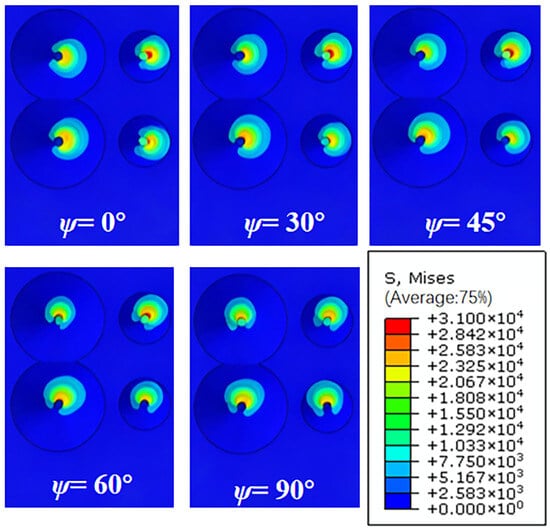
Owing to transportation, installation, grid-connection, and maintenance requirements, nearshore offshore wind farms are often located close to busy shipping routes, substantially increasing the risk of ship–offshore wind turbine (OWT) collisions. To enhance the impact resilience of OWT support structures against ship collisions, a novel honeycomb sandwich fender is proposed for tower protection. Nonlinear transient analyses were performed using ANSYS/LS-DYNA to simulate a 5000 t ship traveling at 2 m/s and colliding with a 4 MW OWT supported by a single-column tripod foundation. The effects of rubber and aluminum foam cores on the crashworthiness and protective performance of the fender were compared. The results show that the rubber core stores collision energy through recoverable large deformation and releases most of the stored energy during unloading, resulting in pronounced energy restitution and prolonged structural excitation. By contrast, the aluminum foam core dissipates 7.5 MJ through cell-wall buckling, progressive crushing, and plastic collapse, corresponding to 75% of the initial kinetic energy of the ship. Compared with the rubber-core fender, the higher initial stiffness of the aluminum foam increases the peak contact force by 23.1%, from 13.0 to 16.0 MN. However, its irreversible energy-dissipation mechanism reduces the maximum tower-top displacement by 40.0%, from 1.25 to 0.75 m, and decreases the residual tower stress after three successive collisions by 25.0%, from 200 to 150 MPa. These results demonstrate that, despite transmitting a higher peak contact force, the aluminum foam fender provides more effective overall protection under the collision conditions considered because of its greater irreversible energy-dissipation capacity.
Full article
(This article belongs to the Special Issue Coupled Dynamics and Resilience of Floating Offshore Renewable Energy Systems)
►▼
Show Figures

Figure 1
Open AccessArticle
Effect of Guide Vane Case on Hydrodynamic Performance and Unsteady Pressure-Pulsation Characteristics of Shaftless Pump-Jet Thruster
by
Taofeng Wang, Sanming Song, Liming Li, Jinxing Yu, Kaizhou Liu, Adam Rushworth and Xisheng Feng
J. Mar. Sci. Eng. 2026, 14(16), 1508; https://doi.org/10.3390/jmse14161508 - 14 Aug 2026
Abstract
Propulsors are essential power units for underwater vehicles and major sources of self-noise, with unsteady pressure pulsations linked to flow-induced noise. To study the impact of guide vane case on the hydrodynamic performance and pressure pulsation of a shaftless pump-jet thruster, six guide
[...] Read more.
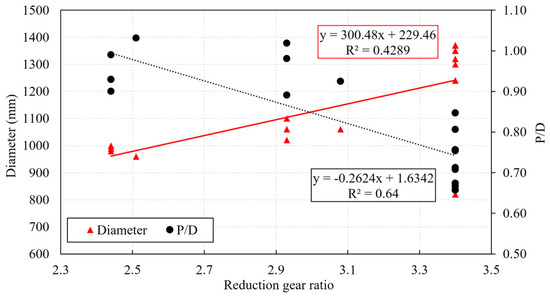
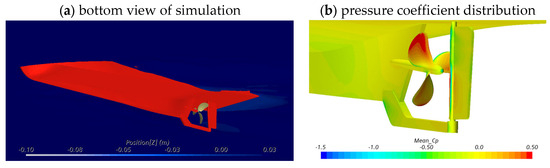
Propulsors are essential power units for underwater vehicles and major sources of self-noise, with unsteady pressure pulsations linked to flow-induced noise. To study the impact of guide vane case on the hydrodynamic performance and pressure pulsation of a shaftless pump-jet thruster, six guide vane configurations were first compared under a reference operating condition of 600 rpm: a vaneless baseline, fixed vertical guide vanes, fixed forward-inclined guide vanes, fixed reverse-inclined guide vanes, co-rotating guide vanes, and counter-rotating guide vanes. Based on this comparison, the vertical-vane and counter-rotating-vane configurations were selected for extended operating-condition analysis under three rotational speeds and three inflow conditions. Transient numerical simulations were conducted using the SST turbulence model. The rotating regions were defined in a rotating reference frame, and the unsteady rotor–stator interaction was resolved using a transient sliding-mesh interface. Results show that the counter-rotating guide vane configuration achieves the highest head and efficiency among the tested cases, with a head of 1.8955 m and efficiency of 0.7306, representing increases of 19.64% and 22.87% over the fixed vertical guide vane case. The fixed forward-inclined guide vane exhibits the strongest thrust fluctuation and pressure pulsation. Pressure-pulsation intensity generally decreases from the impeller rim toward the central axis. Frequency-domain results indicate that most cases are dominated by the blade-passing frequency, whereas the counter-rotating guide vanes show a response nearly twice this frequency.
Full article
(This article belongs to the Topic Advances in Autonomous Vehicles, Automation, and Robotics)
►▼
Show Figures

Figure 1
Open AccessArticle
Effects of Floater Equivalent Stiffness and Damping on the Dynamic Responses of a 22 MW Two-Body Floating Wind Turbine
by
Huaxiao Wu, Sunwei Li, Sheng Zhang, Bin Peng and Weijie Feng
J. Mar. Sci. Eng. 2026, 14(16), 1507; https://doi.org/10.3390/jmse14161507 - 14 Aug 2026
Abstract
The upscaling of floating wind turbines and the lightweight design of floating support structures make floater flexibility increasingly important for the dynamic response and load transfer of two-body floating platforms. This study investigates the influence of upper-floater flexibility on Tsemi, a previously proposed
[...] Read more.
The upscaling of floating wind turbines and the lightweight design of floating support structures make floater flexibility increasingly important for the dynamic response and load transfer of two-body floating platforms. This study investigates the influence of upper-floater flexibility on Tsemi, a previously proposed suspended-ballast two-body floating platform supporting the IEA 22 MW reference wind turbine, using a fully coupled multi-body flexible-joint model. The floater is discretized into multiple rigid bodies connected by damped six-degree-of-freedom joints, which represent equivalent flexibility and local energy dissipation. The model is evaluated through member-level response comparisons, global modal analysis, and nearly rigid limiting-case simulations. Results show that equivalent floater stiffness strongly affects wave-frequency responses. Reducing the stiffness shifts the platform pitch period from 25.6 s to 30.6 s and significantly amplifies structural and tendon loads under extreme environmental conditions. The standard deviations of tower-top acceleration and tower-base bending moment increase by 75.8% and 72.1%, respectively, and the maximum effective tension in the upwave tendon increases from 19.93 MN to 32.50 MN, exceeding the tendon minimum breaking load. For the considered low-stiffness case, equivalent damping reduces this tension to 21.77 MN. These results suggest that neglecting floater flexibility may underestimate tower responses and extreme tendon loads, while equivalent damping can mitigate wave-frequency amplification under low-stiffness conditions.
Full article
(This article belongs to the Section Ocean Engineering)
►▼
Show Figures

Figure 1
Open AccessArticle
Stability-Aware Dynamic Load-Shaping Energy Management Strategy for Improving Diesel Generator Operational Stability in Hybrid Shipboard Power Systems
by
Hyeon-gyo Chae, Jong-su Kim and Chan Roh
J. Mar. Sci. Eng. 2026, 14(16), 1506; https://doi.org/10.3390/jmse14161506 - 14 Aug 2026
Abstract
This study proposes a stability-aware load-shaping energy management system (EMS) for a hybrid electric shipboard power system. The proposed EMS uses the energy storage system (ESS) as a dynamic load-shaping buffer to reduce active diesel-generator (DG) low-load exposure and electrical power fluctuations. A
[...] Read more.
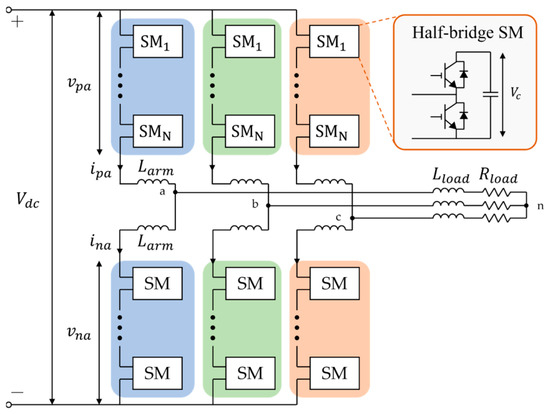
This study proposes a stability-aware load-shaping energy management system (EMS) for a hybrid electric shipboard power system. The proposed EMS uses the energy storage system (ESS) as a dynamic load-shaping buffer to reduce active diesel-generator (DG) low-load exposure and electrical power fluctuations. A supervisory reference-generation procedure integrating low-pass filtering, ESS state-of-charge (SOC) compensation, DG ramp-rate limiting, residual-power calculation, and explicit power and SOC constraints was implemented on a real-time controller. Comparative experiments were conducted on an MW-class platform comprising one active 600 kW DG, a 400 kW/400 kWh ESS, two 450 kW propulsion-load channels, and a 100 kW service-load channel connected to a 750 V DC bus. The second installed DG remained offline during all comparative experiments. Under a common one-hour ship-load profile, the proposed EMS reduced the low-load exposure ratio from 0.1320 to 0.00139, the DG power variance from 3.06 × 10⁴ to 1.37 × 10⁴ kW2, and the mean DG ramp rate from 13.8 to 0.776 kW/s relative to the rule-based EMS. These values correspond to reductions of approximately 98.9%, 55.2%, and 94.4%, respectively. After terminal-SOC correction, the BSFC-map-estimated equivalent fuel consumption decreased from 90.4 to 88.2 kg. Experimental parameter-sensitivity tests demonstrated the trade-offs among DG power smoothing, low-load exposure, SOC regulation, and ESS participation. A supplementary offline Monte Carlo analysis further indicated that the principal comparative benefits were maintained under bounded variations in load magnitude and fluctuation amplitude. The results demonstrate that the proposed EMS improves supervisory DG loading quality while maintaining the ESS within its prescribed power and SOC limits.
Full article
(This article belongs to the Special Issue Advances in High-Efficiency Marine Propulsion Systems)
►▼
Show Figures

Figure 1

Open AccessArticle
Pressure and Permeability Evolution near Hydrate Exploitation Well During Constant-Rate Water Flooding: An Experimental Study
by
Yuning Liu, Yunkai Ji, Qiang Fu, Zhenyu Zhu, Zihao Wang, Gaowei Hu, Qiang Chen, Yongchao Zhang, Qingtao Bu and Yizhao Wan
J. Mar. Sci. Eng. 2026, 14(16), 1505; https://doi.org/10.3390/jmse14161505 - 14 Aug 2026
Abstract
Dynamic damage to the seepage characteristics of the near-well zone during natural gas hydrate exploitation is a key factor limiting production stability. There is still a lack of systematic understanding of the microscopic mechanisms underlying fine-particle migration and blockage in the near-well zone.
[...] Read more.
Dynamic damage to the seepage characteristics of the near-well zone during natural gas hydrate exploitation is a key factor limiting production stability. There is still a lack of systematic understanding of the microscopic mechanisms underlying fine-particle migration and blockage in the near-well zone. In this study, a long sand-packed column was segmentally packed with clayey-silt sediments from the South China Sea and quartz sand to simulate the near-well reservoir and the packed layer, respectively. Long-term seepage processes in the near-well zone were simulated using water flow experiments at constant flow velocities. By combining pressure distribution monitoring with particle-size analysis, the spatiotemporal evolution of seepage characteristics in the near-well zone is revealed from both macroscopic and microscopic perspectives. Results indicate that under long-term displacement, the reservoir permeability near the injection end increased from 0.0149 mD to 0.0159 mD; the reservoir permeability near the packed layer exhibits the greatest decline, dropping from 0.0089 mD to 0.0065 mD. Combined with the particle-size analysis of the packer layer, the boundary between the reservoir and the packed layer is identified as the critical site for permeability damage in the near-well zone. Radial flow inversion shows that a reduction in wellbore radius leads to an increase in reservoir pressure, with the increase being greater the farther from wellbore. A decrease in the permeability of packed layer causes an increase in reservoir pressure, but the magnitude of the increase is consistent across different locations. It provides a theoretical basis for the optimized design of production wells.
Full article
(This article belongs to the Special Issue Advanced Studies of Hydrate-Bearing Marine Sediments)
►▼
Show Figures

Figure 1
Open AccessArticle
A Meteo-Hydrological Fusion Index for Composite Marine Environmental Risk Assessment: Methodology and Application to Mokpo Coastal Waters
by
Ahra Kim, Yeonju Jeong and Namkyun Im
J. Mar. Sci. Eng. 2026, 14(16), 1504; https://doi.org/10.3390/jmse14161504 - 14 Aug 2026
Abstract
With the growing interest in Maritime Autonomous Surface Ships (MASS), numerous risk-assessment models have been proposed for route planning and hazard avoidance during navigation. Existing models, however, generally share two limitations. First, many assess risk from information such as vessel traffic and therefore
[...] Read more.
With the growing interest in Maritime Autonomous Surface Ships (MASS), numerous risk-assessment models have been proposed for route planning and hazard avoidance during navigation. Existing models, however, generally share two limitations. First, many assess risk from information such as vessel traffic and therefore do not adequately reflect the marine weather and sea state itself. Second, they often consider only one or two factors, such as wave height or wind, and even when several factors are merged into a single value, it is difficult to trace back why the result is dangerous. To overcome these limitations, this study proposes a Meteo-Hydrological Fusion Index (MHFI) that combines five environmental factors—wave height, swell period, current, wind, and visibility—into a single risk value. Each factor is first mapped to a 0–4 risk score, and the three highest scores at a given location are then combined by a weighted sum. This summarizes composite risk in a single value while preserving the ranking of the factors that produced it, so the result remains traceable. Applying the index to the coastal waters of Mokpo, we confirmed that the dominant factor behind a given risk grade varies with time and location, and that a rapid, area-wide rise in risk over a short period can be captured by a single indicator. We further show how risk varies along the main fairway and how the index can be overlaid on a display panel. These results indicate that the MHFI could serve as a decision-support layer in an S-100-based digital navigation environment.
Full article
(This article belongs to the Section Ocean Engineering)
►▼
Show Figures

Figure 1

Open AccessArticle
Physics-Aware Diffusion Synthesis for Robust Underwater Object Detection
by
Wenxin Xiao, Xiaowei Zhou and Junyu Dong
J. Mar. Sci. Eng. 2026, 14(16), 1503; https://doi.org/10.3390/jmse14161503 - 13 Aug 2026
Abstract
Underwater object detection remains challenging in adverse aquatic environments, where severe image degradation caused by turbidity, light scattering, color attenuation, and low illumination substantially reduces detection reliability. Although real-world underwater datasets are essential, their limited scale and environmental diversity make it difficult to
[...] Read more.
Underwater object detection remains challenging in adverse aquatic environments, where severe image degradation caused by turbidity, light scattering, color attenuation, and low illumination substantially reduces detection reliability. Although real-world underwater datasets are essential, their limited scale and environmental diversity make it difficult to cover the wide range of degraded conditions encountered in practice. To improve detection robustness without collecting additional annotations, we propose physics-aware diffusion synthesis (PADS), a framework that uses a small set of labeled real images to synthesize diverse physically plausible degraded underwater samples. PADS couples a ControlNet-conditioned latent diffusion generator with a physics-based underwater image-formation model inspired by Jaffe–McGlamery and Akkaynak optics. Semantic masks are first employed to preserve object layout during generation. Meanwhile, water-optics parameters are incorporated through cross-attention to guide the degradation process. In addition, the physical model enforces a color and attenuation consistency loss during training and serves as an SDEdit-style latent prior during synthesis. To further improve localization under degradation, especially for small objects, we introduce a training-only scale-aware focaler–NWD (SA-FNWD) bounding-box loss, which emphasizes normalized Wasserstein distance for small boxes while retaining IoU-based regression for larger objects. Experiments on the MOUD dataset demonstrate that detectors trained with PADS-synthesized data achieve substantially stronger robustness under severe degradation. At the harshest turbidity level, PADS retains 59.3% of clean accuracy compared with 14.9% for the copy–paste-based synthesis method and 14.1% for the pix2pix-based synthesis method. SA-FNWD further improves mAP@0.5:0.95 across degradation severities. These results show that physics-grounded diffusion synthesis provides the main robustness gain, while SA-FNWD offers a complementary small-object localization improvement with no inference overhead.
Full article
(This article belongs to the Special Issue Object Detection and Coordinated Control of Marine Robots)
►▼
Show Figures

Figure 1
Open AccessArticle
Operational Levers for Port Resilience to Tropical Cyclones
by
Yingchao Gou, Jingbo Yin, Xiangyu Wang and Chengwei Zhang
J. Mar. Sci. Eng. 2026, 14(16), 1502; https://doi.org/10.3390/jmse14161502 - 13 Aug 2026
Abstract
Tropical cyclones reduce port capacity and leave heterogeneous congestion. Yet empirical measurements of port resilience are rarely connected to operational strategy evaluation on the same observed event baseline. This study develops a dual-layer framework that measures event-level operational resilience under prevailing practice and
[...] Read more.
Tropical cyclones reduce port capacity and leave heterogeneous congestion. Yet empirical measurements of port resilience are rarely connected to operational strategy evaluation on the same observed event baseline. This study develops a dual-layer framework that measures event-level operational resilience under prevailing practice and estimates modelled marginal improvements from three operational levers. Aggregate baseline measures calibrate multi-server queues for 28 ports without event-period tuning, and discrete-event simulation replays 178 port-event trajectories. The calibrated representation places heterogeneous ports on a common queueing scale. Measured states are benchmarked against a dynamic four-hour business-as-usual (BAU) baseline that retains normal temporal variation. During exposure, median service-capacity loss reaches 0.627, and sustained operational-capacity restoration is confirmed after a median 44 h. Service-focused recovery (SES), coordinated recovery (CRS), and two-stage proactive–reactive response (TPRS) are compared after matching costs within each event. CRS gives the largest mean reduction in cumulative queue burden under the base-case cost coefficients and ranks first in 113 of 128 cost-sensitivity scenarios. SES leads when capacity coordination becomes sufficiently expensive, while TPRS becomes more competitive under prolonged, high-loss exposure. The framework supports strategy assessment according to event state, operational feasibility, and implementation cost.
Full article
(This article belongs to the Section Marine Hazards)
►▼
Show Figures

Figure 1
Open AccessArticle
ODARRL: Obstacle- and Disturbance-Aware End-to-End Residual Reinforcement Learning for Underwater Robot Trajectory Tracking with Obstacle Avoidance
by
Linghan Meng, Zebin Huang, Qingfeng Yao, Yunxiu Zhang and Qifeng Zhang
J. Mar. Sci. Eng. 2026, 14(16), 1501; https://doi.org/10.3390/jmse14161501 - 13 Aug 2026
Abstract
ROVs are essential for marine exploration and underwater operations, yet conventional teleoperation relies heavily on skilled human operators, and many autonomous methods stop at high-level planning rather than low-level actuation, limiting robustness in disturbed and cluttered environments. This paper proposes ODARRL, an obstacle-
[...] Read more.
ROVs are essential for marine exploration and underwater operations, yet conventional teleoperation relies heavily on skilled human operators, and many autonomous methods stop at high-level planning rather than low-level actuation, limiting robustness in disturbed and cluttered environments. This paper proposes ODARRL, an obstacle- and disturbance-aware sensor-to-thruster (ST) end-to-end residual reinforcement learning framework for safe trajectory execution of underwater robots. Using a three-stage curriculum, ODARRL first acquires a basic policy from MPC demonstrations in a static obstacle-free environment, then improves disturbance-robust tracking under random currents, and finally extends to scenarios involving both currents and obstacles. A Dual-Horizon Attention Disturbance Encoder is further designed to capture current-related features from long- and short-term histories, which are fused with robot states and reference information as the input to the ST end-to-end policy. Experiments in Marine Gym with BlueROV2 Heavy demonstrate that ODARRL achieves more stable and robust trajectory tracking under random currents, reducing the mean total tracking error by 69.3%, 31.9%, 45.8%, 73.0% and 25.8% relative to the MPC-imitation policy, PPO, SAC, A2C and VNRS-SAC, respectively. With obstacles introduced, curriculum-initialized policies also exhibit higher path progress and more stable task completion during obstacle-avoidance training.
Full article
(This article belongs to the Special Issue Advanced Modeling and Intelligent Control of Marine Vehicles)
►▼
Show Figures

Figure 1

Open AccessArticle
Numerical Investigation of Unsteady Airloads for a Helicopter Hovering over a Ship Flight Deck
by
Chenyang Ma, Yibin Wang and Ning Zhao
J. Mar. Sci. Eng. 2026, 14(16), 1500; https://doi.org/10.3390/jmse14161500 - 13 Aug 2026
Abstract
A CFD-based constrained three-component aerodynamic-trim procedure is implemented to investigate the load balance and coupled flowfield response of a simplified shipborne helicopter hovering over a flight deck. During the unsteady CFD calculation, the collective and cyclic pitch controls are updated according to the
[...] Read more.
A CFD-based constrained three-component aerodynamic-trim procedure is implemented to investigate the load balance and coupled flowfield response of a simplified shipborne helicopter hovering over a flight deck. During the unsteady CFD calculation, the collective and cyclic pitch controls are updated according to the period-averaged vertical force and the rolling and pitching moments of the helicopter center of gravity. A pre-trim initialization is introduced before the formal-trim process to avoid large pitch corrections from the initial fixed-pitch state. Under a 20 m/s headwind, the initial fixed-pitch case shows a vertical-force deficit and extra rolling and pitching moments. After dynamic trim, the pitch controls converge to , , and . Over the final one-revolution interval of approximately t = 31.74–32.00 s, the period-averaged loads are , , and . Additional +30° and −30° oblique-wind calculations confirm convergence toward the prescribed three-component load targets under asymmetric inflow conditions. The instantaneous flowfield comparisons suggest local responses in the rotor-inflow and fuselage-pressure regions after trim. Frequency-domain analysis identifies a dominant blade-passing-frequency component together with additional low-frequency content characteristic of the coupled rotor–ship aerodynamic response.
Full article
(This article belongs to the Special Issue Advanced Studies in Ship Fluid Mechanics)
►▼
Show Figures

Figure 1
Open AccessArticle
Risk-Aware Local Path Planning with Kinematic Constraints for Small Vessel Navigation in Coastal Waters Using an Integral Image-Based Obstacle Density Field
by
Chan-sub Lee and Joo-sung Kim
J. Mar. Sci. Eng. 2026, 14(16), 1499; https://doi.org/10.3390/jmse14161499 - 13 Aug 2026
Abstract
Safe navigation in coastal waters remains a persistent challenge for conventional grid-based path planning methods, which prioritize shortest-distance optimization while neglecting spatial risk distribution and kinematic trackability. This study proposes a local path planning framework that integrates an integral image-based risk field with
[...] Read more.
Safe navigation in coastal waters remains a persistent challenge for conventional grid-based path planning methods, which prioritize shortest-distance optimization while neglecting spatial risk distribution and kinematic trackability. This study proposes a local path planning framework that integrates an integral image-based risk field with kinematic constraints for small vessel navigation in high-resolution coastal environments. The proposed method evaluates local obstacle density through an area-based spatial risk model and employs an integral image structure to reduce risk computation complexity from O(W2) to O(1). A 16-direction node expansion strategy incorporating kinematic filtering and cubic B-spline smoothing was applied to improve maneuvering feasibility and trajectory continuity. Simulation results across two topologically distinct coastal environments, Mokpo–Sinan and Myeongnyang Strait, demonstrated that the proposed framework increased the minimum clearance distance from 20 m to 238.32 m and the average clearance distance from 884.2 m to 1038.3 m relative to the conventional A* algorithm, and consistently outperformed a static buffer-based baseline. The 16-direction search reduced the maximum course change angle by up to 39% and the average course change angle by up to 55% relative to the 8-direction configuration across both environments while maintaining practical computational efficiency. Kinematic feasibility was further verified through curvature-based analysis of the final smoothed trajectories, confirming that the minimum turning radius consistently exceeded the vessel’s theoretical minimum turning radius across all tested configurations. The results demonstrate that the proposed framework can generate risk-aware and kinematically feasible navigation routes using coastline-based occupancy information alone, suggesting potential applicability to coastal autonomous navigation in environments with limited bathymetric data.
Full article
(This article belongs to the Special Issue Autonomous Ships: Control Systems and Intelligent Navigation)
►▼
Show Figures

Figure 1
Open AccessArticle
Depositional and Diagenetic Controls on Eyelid–Eyeball Limestones in the Middle Permian Maokou Formation, Sichuan Basin
by
Zhipeng Chen, Penghui Xie, Lei Chen, Sheng Fu, Gaocheng Wang, Liwei Jiang and Chen Zou
J. Mar. Sci. Eng. 2026, 14(16), 1498; https://doi.org/10.3390/jmse14161498 - 13 Aug 2026
Abstract
The Mao-1 Member of the Middle Permian Maokou Formation in the Yongchuan area contains distinctive eyelid–eyeball limestones developed in an outer-ramp to intraplatform-basin transitional setting. The two components alternate as mud-rich laminae and carbonate-rich nodules or layers. Eyelid limestone contains 10–45% micritic carbonate
[...] Read more.
The Mao-1 Member of the Middle Permian Maokou Formation in the Yongchuan area contains distinctive eyelid–eyeball limestones developed in an outer-ramp to intraplatform-basin transitional setting. The two components alternate as mud-rich laminae and carbonate-rich nodules or layers. Eyelid limestone contains 10–45% micritic carbonate mud and a mean total-grain content of 69.11%, whereas eyeball limestone contains <10% carbonate mud and 30.89% total grains. In the exploratory geochemical subset (five samples per facies), eyelid limestone has higher mean V, Mn, Fe, and Ba contents, but only Ba differs significantly between facies (Welch p = 0.036; exact Mann–Whitney p = 0.032). Bulk-rock rare-earth-element data are PAAS-normalized and used descriptively because concentrations are low and neither weak-acid leaching nor detrital correction was performed. The observations support a preferred interpretation involving primary depositional differentiation followed by localized early diagenesis, differential compaction, and pressure solution. Relative sea-level change may have modulated the alternation, but the available data do not resolve a unique cyclic driver. Core-scale pore data demonstrate facies-dependent heterogeneity rather than field-scale deliverability.
Full article
(This article belongs to the Topic Reservoir Genesis and Quality Evolution in Hydrocarbon Systems)
►▼
Show Figures

Figure 1
Open AccessArticle
Comparison of Numerical and Tank Testing Results of a Mechanical Compliance Device Using Novel Mooring Test Setup
by
Cillian Frawley, Syed Ahmad Hasan, Danny Golden and Tom Doyle
J. Mar. Sci. Eng. 2026, 14(16), 1497; https://doi.org/10.3390/jmse14161497 - 13 Aug 2026
Abstract
Floating Offshore Wind (FOW) enables offshore wind deployment in deeper waters not suitable for bottom-fixed turbines, unlocking new areas for renewable energy generation. Most major cost contributors to FOW have clear pathways for cost reduction however mooring systems are the exception due to
[...] Read more.
Floating Offshore Wind (FOW) enables offshore wind deployment in deeper waters not suitable for bottom-fixed turbines, unlocking new areas for renewable energy generation. Most major cost contributors to FOW have clear pathways for cost reduction however mooring systems are the exception due to the pre-existing market maturity. Solutions to lower mooring costs include Mechanical Compliance Devices (MCDs) aimed at reducing the high peak and snatch loads in mooring lines and thus driving down the capital, operations and maintenance costs. In this paper, a comparison of a physical tank testing campaign and corresponding numerical analysis, for an MCD is described and analysed. The objective of the testing campaign was to validate the component-only tank results with the modelling of an MCD, namely Dublin Offshore’s Load Reduction Device (LRD) using a multi-body dynamics (MBD) approach. The paper presents analysis of the experimental testing and numerical modelling and compares the results with the validated Load–Extension Curve (LEC). Experimental testing was carried out at 1:38.5 scale using bespoke mooring test apparatus at Lír, Ireland’s National Ocean Test Facility. The results of testing are presented for all of the MCD model scales tested and compared with the modelled LEC. The correlation between the experimental and numerical data and with the LEC, characterised by Pearson Correlation Coefficient (R) in the range of 0.952 to 0.999, demonstrates the ability to model the LRD using the MBD approach.
Full article
(This article belongs to the Special Issue Optimal Design and Maintenance of Offshore Wind Farms)
►▼
Show Figures

Figure 1
Journal Menu
► ▼ Journal Menu-
- JMSE Home
- Aims & Scope
- Editorial Board
- Reviewer Board
- Topical Advisory Panel
- Early Career Editorial Board
- Instructions for Authors
- Special Issues
- Topics
- Sections
- Article Processing Charge
- Indexing & Archiving
- Editor’s Choice Articles
- Most Cited & Viewed
- Journal Statistics
- Journal History
- Journal Awards
- Society Collaborations
- Conferences
- Editorial Office
Journal Browser
► ▼ Journal BrowserHighly Accessed Articles
Latest Books
E-Mail Alert
News
16 March 2026
Meet Us Virtually at the 2nd International Online Conference on Marine Science and Engineering, 23–25 November 2026
10 August 2026
Advancing Academic Publishing with MDPI: Gold-Tier Sponsorship of the University of Alberta’s Faculty of Engineering Graduate Research Symposium (FEGRS) and Academic Publishing Workshop, 18 August 2026
Topics
Topic in
Coasts, Energies, JMSE, Sustainability, Future Transportation
Maritime Transportation in the Blue Economy and Green Shipping Technology
Topic Editors: Chungkuk Jin, Junghwan Choi, Won-Ju Lee, Hokeun KangDeadline: 15 September 2026
Topic in
Applied Sciences, Energies, JMSE, Processes, Resources, Gases
Exploitation and Underground Storage of Oil and Gas
Topic Editors: Jianjun Liu, Rui Song, Liuke Huang, Yao Wang, Mingyang Wu, Gang HuiDeadline: 30 September 2026
Topic in
Applied Sciences, Buildings, Designs, Infrastructures, JMSE
Resilient Civil Infrastructure, 2nd Edition
Topic Editors: De-Cheng Feng, Ji-Gang Xu, Xu-Yang CaoDeadline: 31 October 2026
Topic in
Applied Sciences, Electronics, JMSE, Signals, Telecom, Sensors
Advances in Underwater Signal Processing and Communication: Challenges, Innovations, and Applications
Topic Editors: Jaehak Chung, Hojun Lee, Yongcheol KimDeadline: 30 November 2026
Conferences
Special Issues
Special Issue in
JMSE
Advanced Design and Analysis of Floating Offshore Systems
Guest Editors: Wei Huang, Yushun Lian, Gang Ma, Binbin Li, Dongsheng QiaoDeadline: 20 August 2026
Special Issue in
JMSE
Seagrass Conservation Blue Carbon and Restoration
Guest Editor: Valentina CostaDeadline: 20 August 2026
Special Issue in
JMSE
Sustainable Marine Aquaculture and Fishery
Guest Editor: Gulnihal OzbayDeadline: 20 August 2026
Special Issue in
JMSE
Coastal Disaster Assessment and Response—2nd Edition
Guest Editor: Deniz Velioglu SogutDeadline: 20 August 2026