





-
Current and Emerging Therapeutic Strategies for the Treatment of Duchenne Muscular Dystrophy -
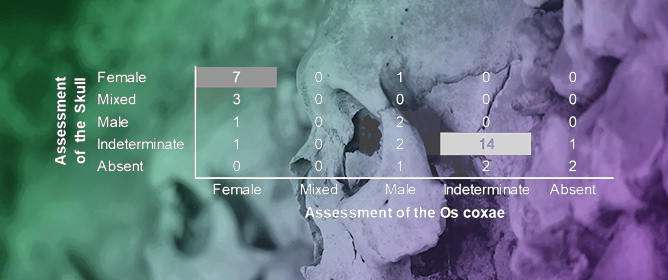
When Bones Blur the Lines: Ancient DNA Validation of Morphological Sex Estimation Traits and the Challenges of Population-Specific Dimorphism -
From Longevity Genetics to Precision Interventions: Integrating Nutrigenomics and Epigenetic Mechanisms of Ageing -
Clinical Applications of Liquid Biopsy in Colorectal Cancer: A Focus on Registered Clinical Trials -
Pharmacogenetic Analysis of Variants in IL-6 Signaling and Response to Modern Therapeutic Approaches in Greek Patients with Atopic Dermatitis
Journal Description
Genes
Genes
is a peer-reviewed, open access journal of genetics and genomics published monthly online by MDPI. The Spanish Society for Nitrogen Fixation (SEFIN) is affiliated with Genes and its members receive discounts on the article processing charges.
- Open Access— free for readers, with article processing charges (APC) paid by authors or their institutions.
- High Visibility: indexed within Scopus, SCIE (Web of Science), PubMed, MEDLINE, PMC, Embase, PubAg, and other databases.
- Journal Rank: JCR - Q2 (Genetics and Heredity) / CiteScore - Q2 (Genetics (clinical))
- Rapid Publication: manuscripts are peer-reviewed and a first decision is provided to authors approximately 13.3 days after submission; acceptance to publication is undertaken in 3.7 days (median values for papers published in this journal in the first half of 2026).
- Recognition of Reviewers: Reviewers who provide timely, thorough peer-review reports receive vouchers entitling them to a discount on the APC of their next publication in any MDPI journal, in appreciation of the work done.
Impact Factor:
3.1 (2025);
5-Year Impact Factor:
3.3 (2025)
Latest Articles
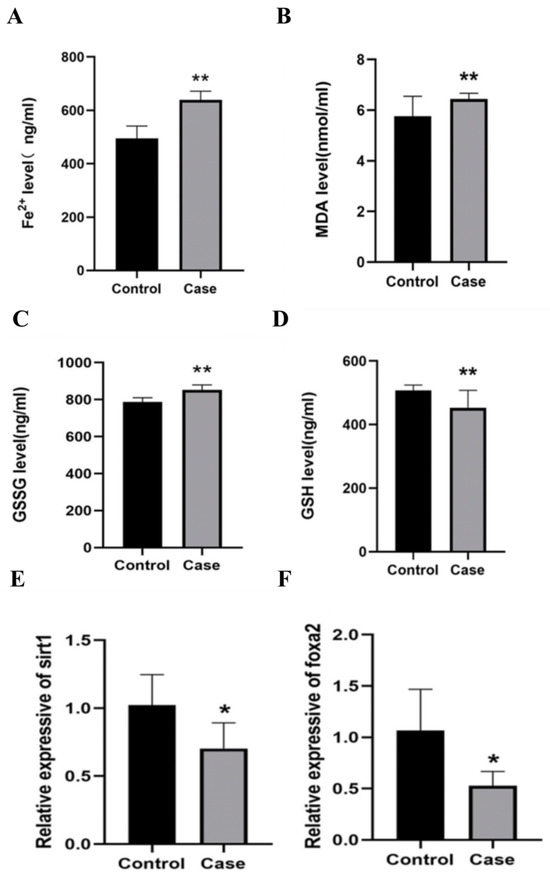
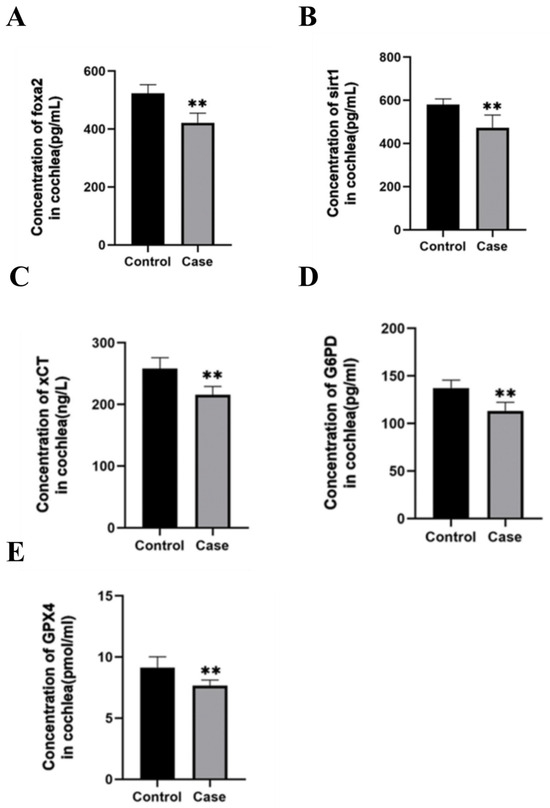
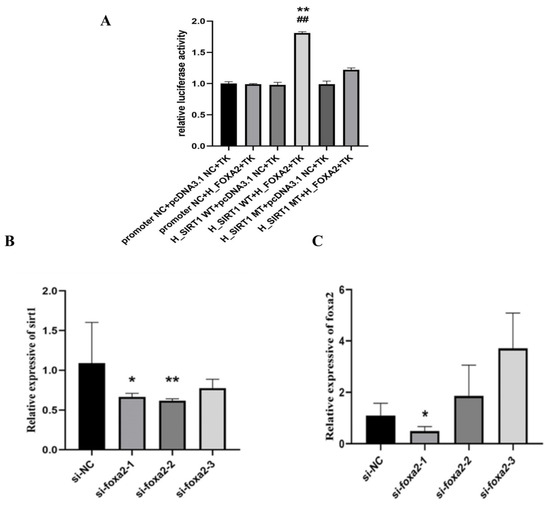
FOXA2 Transcriptionally Activates SIRT1 to Inhibit Cochlear Ferroptosis in Noise-Induced Hearing Loss
Genes 2026, 17(8), 953; https://doi.org/10.3390/genes17080953 (registering DOI) - 14 Aug 2026
Abstract
Background: Noise-induced hearing loss (NIHL) is a pervasive occupational health challenge, yet the individual susceptibility mechanisms remain unclear. Ferroptosis, an iron-dependent form of programmed cell death, has been implicated in cochlear hair cell damage. This study aims to elucidate the regulatory role of
[...] Read more.
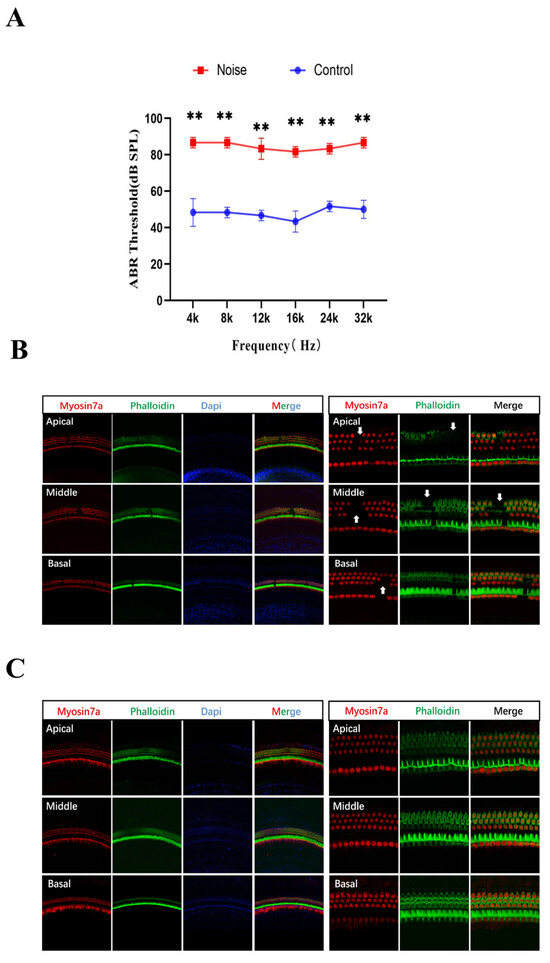
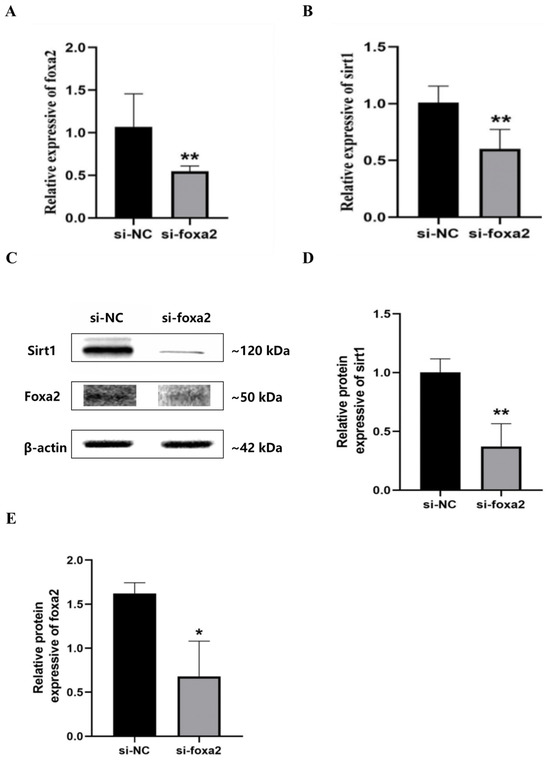
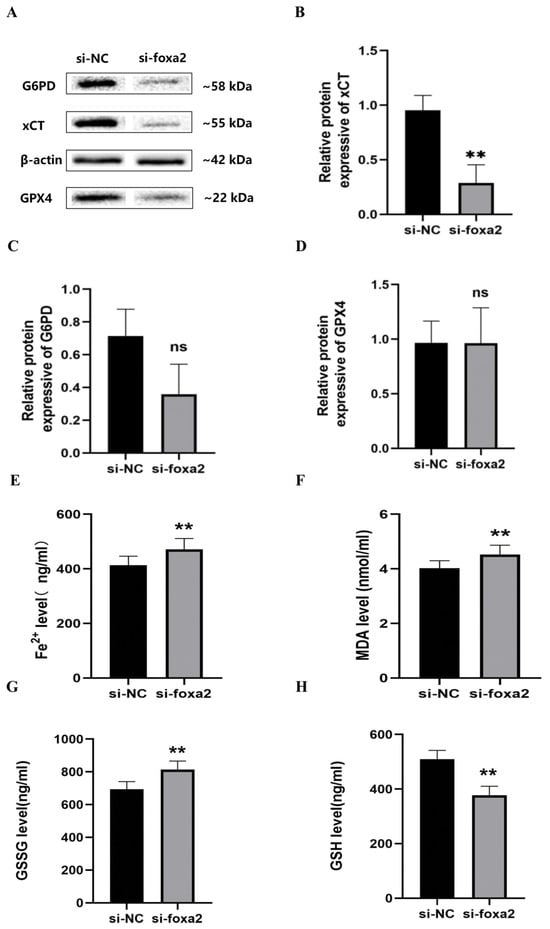
Background: Noise-induced hearing loss (NIHL) is a pervasive occupational health challenge, yet the individual susceptibility mechanisms remain unclear. Ferroptosis, an iron-dependent form of programmed cell death, has been implicated in cochlear hair cell damage. This study aims to elucidate the regulatory role of the transcription factor FOXA2 and the deacetylase SIRT1 in ferroptosis and to investigate the association between SIRT1 genetic polymorphisms and NIHL susceptibility in occupational populations. Methods: We employed a multi-level study design combining epidemiological investigation, animal models, and cellular experiments. First, a case–control study was conducted involving 1314 noise-exposed workers (639 cases vs. 675 controls) from a chemical fiber enterprise in Jiangsu Province to analyze the association between SIRT1 single nucleotide polymorphisms (SNPs) and NIHL risk. Second, a C57BL/6J mouse model exposed to 120 dB white noise was established to assess cochlear morphology and protein expression. Third, in HEI-OC1 cochlear hair cells, we performed siRNA-mediated knockdown of Foxa2 and dual-luciferase reporter assays to verify the transcriptional regulation of SIRT1 and its downstream effects on the ferroptosis pathway. Results: Population analysis revealed that the SIRT1 rs12778366 C allele was significantly associated with increased NIHL risk (OR = 1.386, 95% CI: 1.084–1.772, p = 0.009), and this association remained significant after adjustment (p = 0.041). Stratified analysis further revealed a significant gene–environment interaction in workers with >15 years of noise exposure (OR = 2.126, 95% CI: 1.401–3.226, p < 0.001). In vivo, noise exposure led to significant downregulation of Sirt1 and Foxa2 in cochlear tissues, accompanied by elevated ferroptosis markers (Fe2+, MDA) and depleted antioxidant defenses (GSH, xCT, and GPX4). Mechanistically, we demonstrate that FOXA2 transcriptionally activates SIRT1 by binding to its promoter. Knockdown of FOXA2 in vitro suppressed SIRT1 expression, suppressed xCT, a key component of the System Xc−/GPX4 antioxidant axis, and promoted ferroptosis-related cellular changes. Conclusions: This study identifies a novel protective axis where FOXA2 prevents noise-induced ferroptosis in cochlear hair cells by transcriptionally upregulating SIRT1 and maintaining xCT-mediated antioxidant defense. Furthermore, the SIRT1 rs12778366 polymorphism is identified as a candidate variant warranting further investigation in independent cohorts before clinical translation.
Full article
(This article belongs to the Section Toxicogenomics)
►
Show Figures
Open AccessArticle
Rare-ID: Genomic Diagnosis in Symptomatic Neonates and Young Infants with Complex Clinical Phenotypes: A Descriptive Cohort Study
by
Yannis L. Loukas, Katherine Anagnostopoulou, Georgia Thodi, Maria Spanou, Christos Gavalas, Elina Molou, Stefania Antonopoulou, Antigoni Poulopoulou, Yannis Dotsikas, Maria Alvanou, Konstantinos Tegopoulos, Roser Pons, Konstantinos Tziouvas, Georgios Vartzelis, Eleni Skouteli, Eirini Loukatou, Antonia Charitou, Konstantinos Douros, Soultana Siahanidou, Melpomene Giorgi, Artemis Stephanede, Maria Angeli, Maria Nikolaidou, Eleftheria Kokkinou, Ioanna Kouri, Vasiliki Koute, Eleni Frysira and Argirios Dinopoulosadd
Show full author list
remove
Hide full author list
Genes 2026, 17(8), 952; https://doi.org/10.3390/genes17080952 (registering DOI) - 14 Aug 2026
Abstract
Background/Objectives: Genomic sequencing can shorten the diagnostic pathway for selected symptomatic neonates and young infants, but evidence from such cohorts should not be extrapolated to population newborn screening. This study describes molecular findings and potential clinical implications in 25 unrelated patients younger than
[...] Read more.
Background/Objectives: Genomic sequencing can shorten the diagnostic pathway for selected symptomatic neonates and young infants, but evidence from such cohorts should not be extrapolated to population newborn screening. This study describes molecular findings and potential clinical implications in 25 unrelated patients younger than 6 months at referral with heterogeneous, predominantly neurological phenotypes and no established molecular diagnosis. Methods: The first 17 patients underwent whole-exome sequencing (WES), and the subsequent 8 underwent whole-genome sequencing (WGS) under sequential laboratory protocols; allocation was not randomized, and the study was not designed to compare platforms. Results: Pathogenic or likely pathogenic findings providing a definitive or likely molecular diagnosis were identified in 7/25 patients (28.0%; 95% confidence interval [CI], 14.3–47.6), including sequence variants, one 20q13.33 deletion, and mosaic trisomy 9. An additional RANBP2 variant was interpreted as a susceptibility-associated finding in a patient with infection-related encephalitis, yielding clinically relevant findings in 8/25 patients (32.0%; 95% CI, 17.2–51.6). Three definitive diagnoses involved disorders with established disease-specific management considerations; however, patient-level treatment changes, turnaround times, and outcomes were not systematically assessed. Conclusions: These findings support the diagnostic value of genomic testing in selected symptomatic neonates and young infants, while the small, heterogeneous cohort, sequential non-equivalent workflows, and incomplete outcome data preclude conclusions about comparative WES/WGS performance or population newborn screening.
Full article
(This article belongs to the Section Genetic Diagnosis)
Open AccessArticle
HFE p.S65C (rs1800730) in Europe: A Geographic Study
by
James C. Barton, J. Clayborn Barton and Ronald T. Acton
Genes 2026, 17(8), 951; https://doi.org/10.3390/genes17080951 (registering DOI) - 14 Aug 2026
Abstract
Background: HFE (homeostatic iron regulator) p.S65C (rs1800730) is associated with European ancestry, although there is no comprehensive geographic study of p.S65C in Europe. Methods: We tabulated published p.S65C genotypes in European population/control cohorts, depicted allele frequency ranges in a map, and computed correlations
[...] Read more.
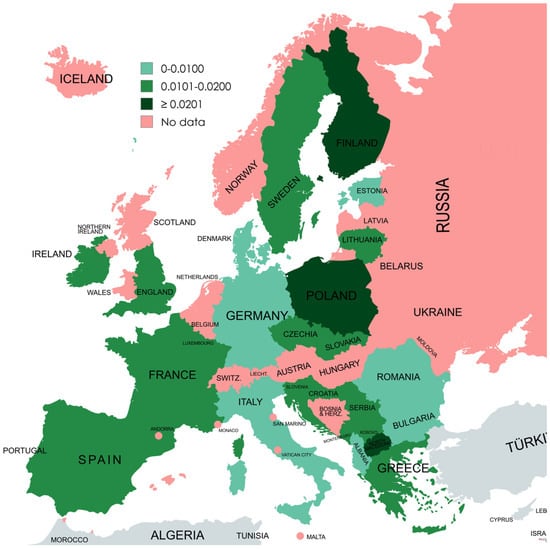
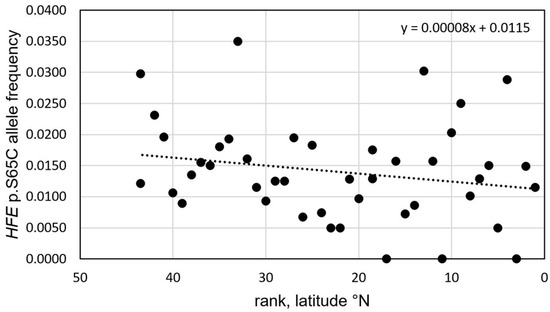
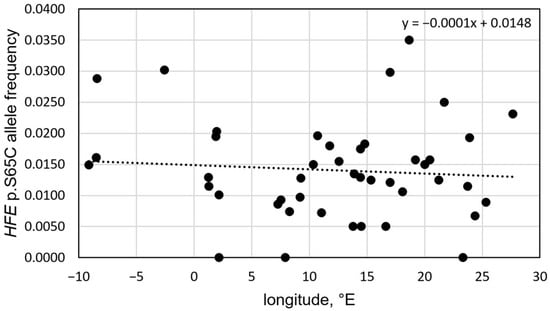
Background: HFE (homeostatic iron regulator) p.S65C (rs1800730) is associated with European ancestry, although there is no comprehensive geographic study of p.S65C in Europe. Methods: We tabulated published p.S65C genotypes in European population/control cohorts, depicted allele frequency ranges in a map, and computed correlations of p.S65C allele frequencies with latitudes and longitudes of cohort recruitment sites. Results: We identified 44 cohorts from 24 of the 44 countries of Europe. These 24 countries comprise ~62.9% of Europe’s population. There were 233,528 subjects, including 38 HFE p.S65C homozygotes (~1 in 6145 subjects) and 4347 p.S65C heterozygotes (~1 in 54 subjects). Genotypes in 42 cohorts (95.5%) were consistent with Hardy–Weinberg equilibrium. The median allele frequency was 0.0129 (range 0–0.0350). p.S65C was not reported in Bulgaria, although the allele frequency in non-Bulgarian cohorts did not differ significantly (0/200 vs. 4423/462,432, respectively; p = 0.2728). Allele frequency ranges (means) were 0–0.0100 (0.0087), 0.0101–0.0200 (0.0146), and ≥0.0201 (0.0253) in 7, 14, and 3 respective aggregate country cohorts (p < 0.0001, all mean comparisons). The seven countries with low-range frequencies extend from north to south (Estonia to Italy). The three countries with high-range frequencies are east of ~14.1° E (western-most border of Poland). Correlations of allele frequencies with latitudes and longitudes in 44 cohorts were not significant (p = 0.1745 and 0.6031, respectively). Conclusions: We conclude that the median HFE p.S65C allele frequency in Europe is 0.0129, allele frequencies differ between some countries, and there is no linear north-to-south or west-to-east allele frequency gradient.
Full article
(This article belongs to the Special Issue Feature Papers in the Population and Evolutionary Genetics and Genomics Field 2026)
►▼
Show Figures

Figure 1
Open AccessArticle
De Novo ZNF292 Variants Cause Neurodevelopmental Disorder with Short Stature: A Clinical Case Series of Eight Individuals
by
Yaping Shen, Rongrong Pan, Chen Liu, Jing Zheng and Xin Yang
Genes 2026, 17(8), 950; https://doi.org/10.3390/genes17080950 - 13 Aug 2026
Abstract
Background: Pathogenic variants in ZNF292 cause intellectual disability type 64 (MIM#619188), characterized by intellectual impairment ranging from mild to severe, speech delay, and autism spectrum disorder. However, reports of ZNF292-related neurodevelopmental disorders remain scarce, and most published studies are based on
[...] Read more.
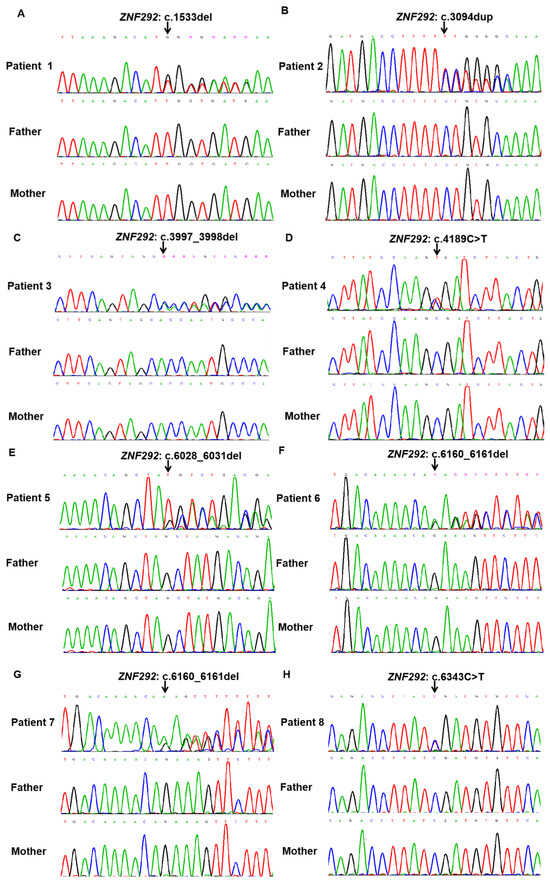
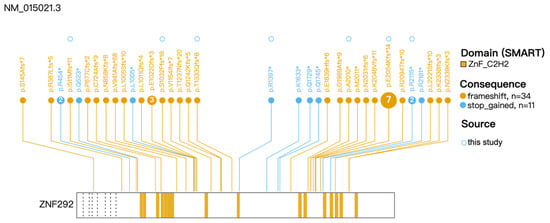
Background: Pathogenic variants in ZNF292 cause intellectual disability type 64 (MIM#619188), characterized by intellectual impairment ranging from mild to severe, speech delay, and autism spectrum disorder. However, reports of ZNF292-related neurodevelopmental disorders remain scarce, and most published studies are based on multi-center cohorts. Methods: We performed whole-exome sequencing in eight unrelated individuals presenting with unexplained neurodevelopmental disorders, including global developmental delay and/or intellectual disability. Detailed clinical characterization, neuroimaging, and developmental assessments were conducted. Results: Seven de novo variants in ZNF292 were identified, including two nonsense and five frameshift variants, namely, c.4189C>T (p.Arg1397Ter), c.6343C>T (p.Arg2115Ter), c.1533del (p.Ile511Metfs*11), c.3094dup (p.Ser1032Phefs*18), c.3997_3998del (p.Thr1333Glnfs*8), c.6028_6031del (p.Ala2010Ter) and c.6160_6161del (p.Glu2054Lysfs*14). Among these, c.1533del (p.Ile511Metfs11), c.3094dup (p.Ser1032Phefs18) and c.3997_3998del (p.Thr1333Glnfs*8) are reported here for the first time. All variants were classified as pathogenic. All individuals exhibited global developmental delay, intellectual disability, and short stature. The majority presented with language impairment, motor delays, autism spectrum features, and dysmorphic facial features, while brain magnetic resonance imaging revealed nonspecific abnormalities such as ventriculomegaly. Conclusions: This study contributes additional cases to the expanding phenotypic and mutational spectrum of ZNF292-related neurodevelopmental disorder. Growth retardation was observed in all eight individuals, but given the limitations of a single-center referral cohort, this observation should be interpreted with caution and requires validation in larger studies.
Full article
(This article belongs to the Section Human Genomics and Genetic Diseases)
►▼
Show Figures

Figure 1
Open AccessArticle
Comparative Mitogenomics of Four Anomala Species and a Phylogenetic Reassessment of Scarabaeidae
by
Guang Zeng, Jing Yin, Jianrong Huang, Xianyi Wang and Songxian Yan
Genes 2026, 17(8), 949; https://doi.org/10.3390/genes17080949 - 13 Aug 2026
Abstract
Background: The genus Anomala is exceptionally species-rich and includes many species recognized as major agricultural and forest pests. Nevertheless, the taxonomic status of certain species remains contentious, and the phylogenetic relationships within the genus are still poorly resolved and in need of
[...] Read more.
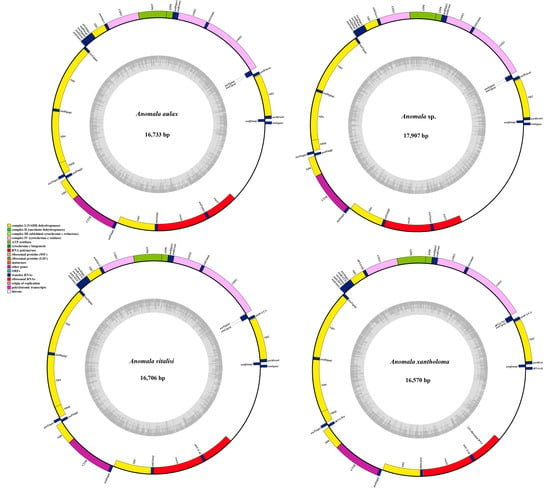
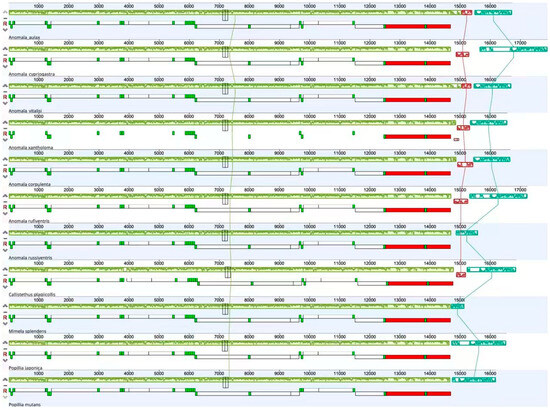
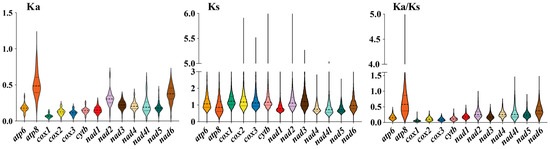
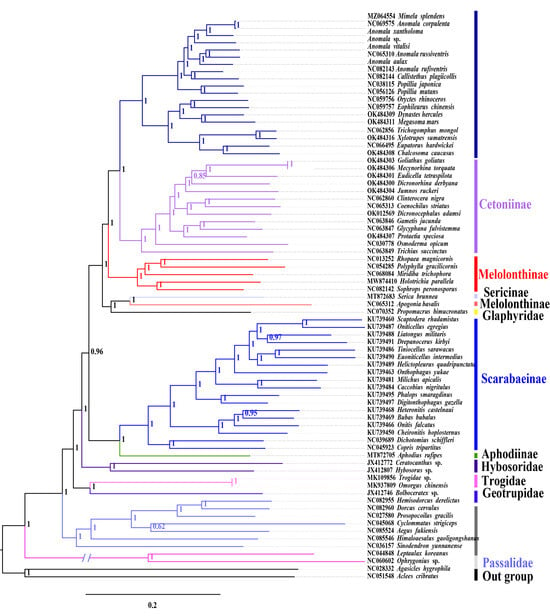
Background: The genus Anomala is exceptionally species-rich and includes many species recognized as major agricultural and forest pests. Nevertheless, the taxonomic status of certain species remains contentious, and the phylogenetic relationships within the genus are still poorly resolved and in need of further investigation. Objectives: To better elucidate the evolutionary relationships among these insects, we assembled the complete mitochondrial genomes (mitogenomes) of four Anomala species—A. aulax, Anomala sp., A. vitalisi, and A. xantholoma. Multiple molecular datasets were integrated to reconstruct the phylogenetic framework of Scarabaeidae. Methods: Wild adult specimens of four Anomala species were collected. After total DNA extraction, complete mitogenomes were assembled and annotated for comparative analysis of core genomic traits. Multiple datasets were applied to construct phylogenetic trees via maximum likelihood and Bayesian inference, so as to evaluate the evolutionary characteristics of each taxon. Results: Our analyses reveal that the mitogenomes of Anomala species exhibit a conserved architecture, characterized by similarities in genome size, AT nucleotide bias, and gene order, suggesting a high degree of evolutionary stability within the genus. The resulting phylogenetic trees robustly support the monophyly of the following families: Passalidae, Lucanidae, Geotrupidae, Trogidae, Hybosoridae, and Glaphyridae. Additionally, the phylogenetic findings revealed the paraphyly of both Scarabaeidae and Anomala, and further suggested that Melolonthinae is likely a paraphyletic group. Conclusions: This study enriches the currently available mitogenomic data and provides a preliminary foundation for understanding the phylogeny, resource conservation, and genetic diversity of Anomala.
Full article
(This article belongs to the Section Animal Genetics and Genomics)
►▼
Show Figures

Figure 1

Open AccessArticle
An Efferocytosis-Associated Gene Signature for Identifying At-Risk MASH: Transcriptomic and Exploratory Plasma Biomarker Assessment
by
Jingjing Jiang, Xianhua Mao, Weiqian Lou, Weiwei Lou, Ziqiang Li, Xinrong Zhang, Qing Xie and Rongtao Lai
Genes 2026, 17(8), 948; https://doi.org/10.3390/genes17080948 - 13 Aug 2026
Abstract
Background/Objectives: At-risk metabolic dysfunction-associated steatohepatitis (MASH) is associated with increased risks of cirrhosis, hepatocellular carcinoma, and liver-related mortality. Because impaired efferocytosis contributes to persistent hepatic inflammation and fibrotic remodeling in MASH, we investigated whether efferocytosis-associated molecular signatures could identify at-risk MASH. Methods
[...] Read more.
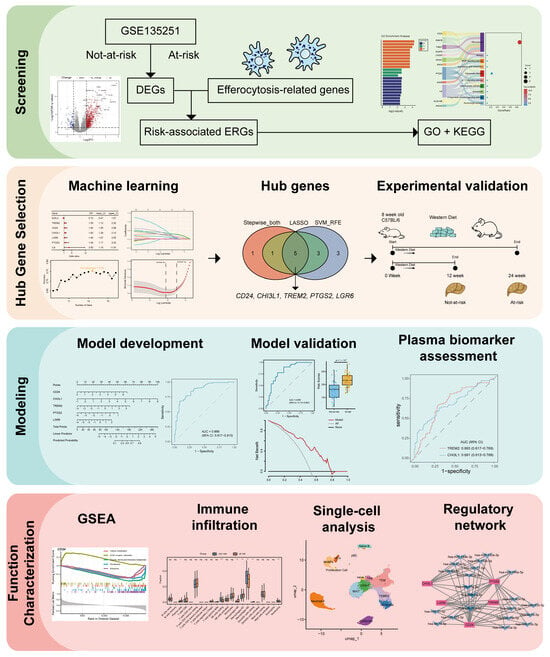
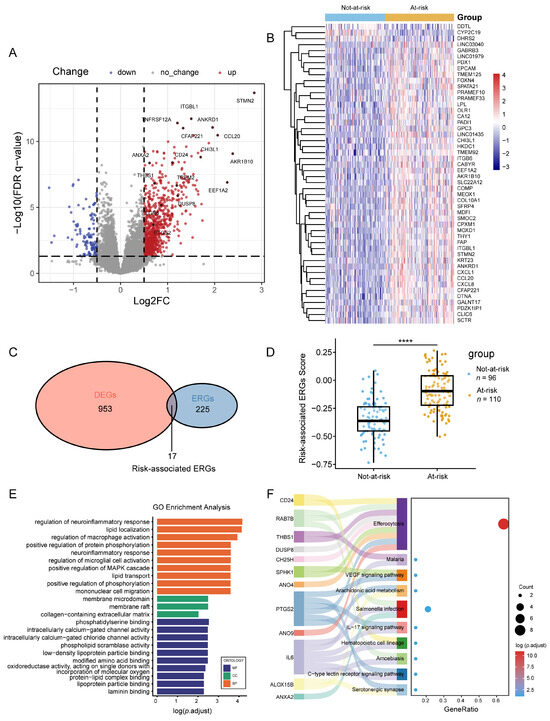
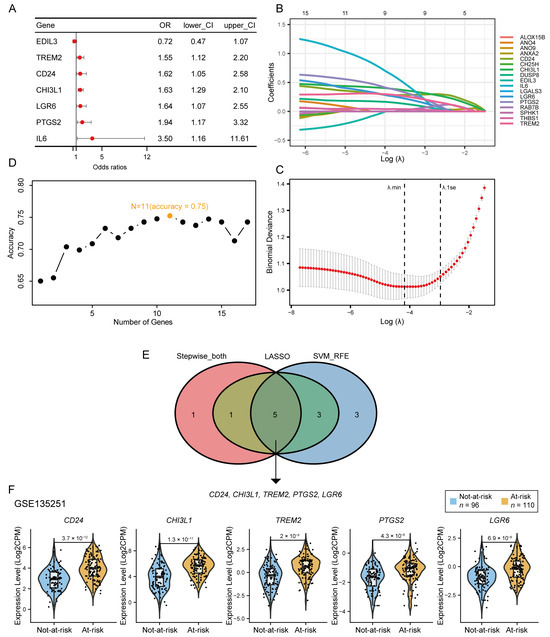
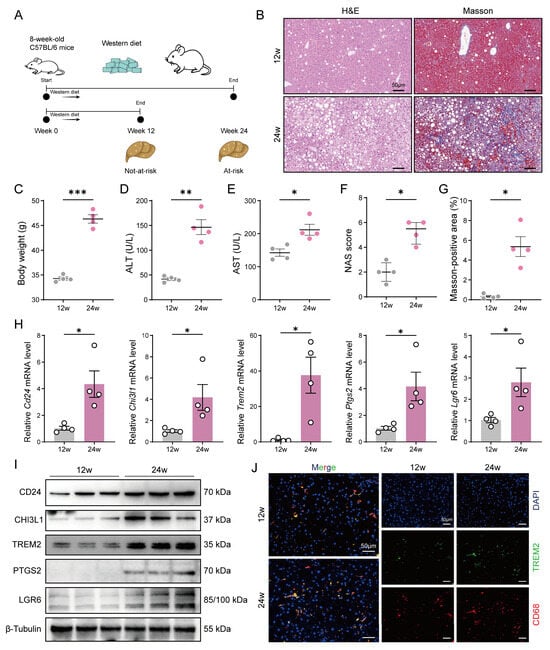
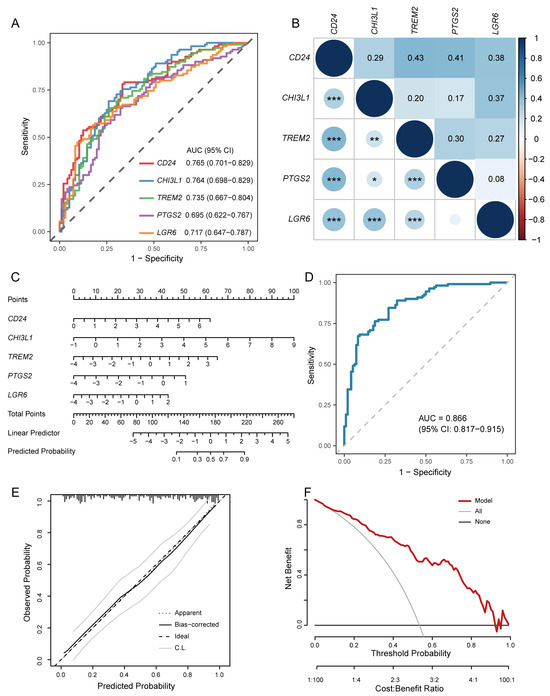
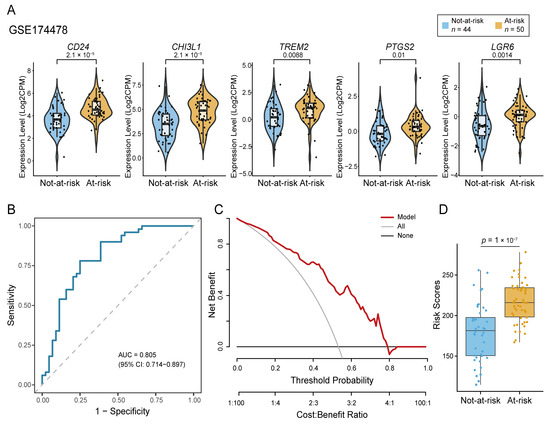
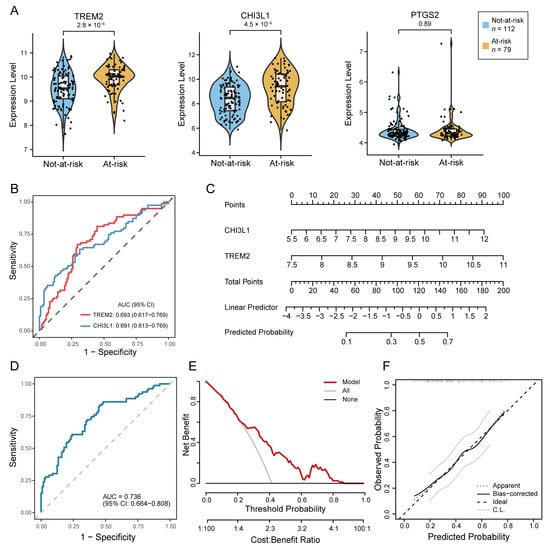
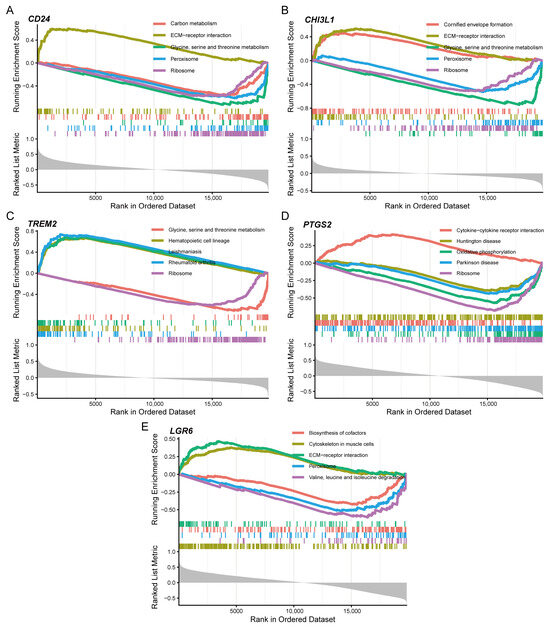
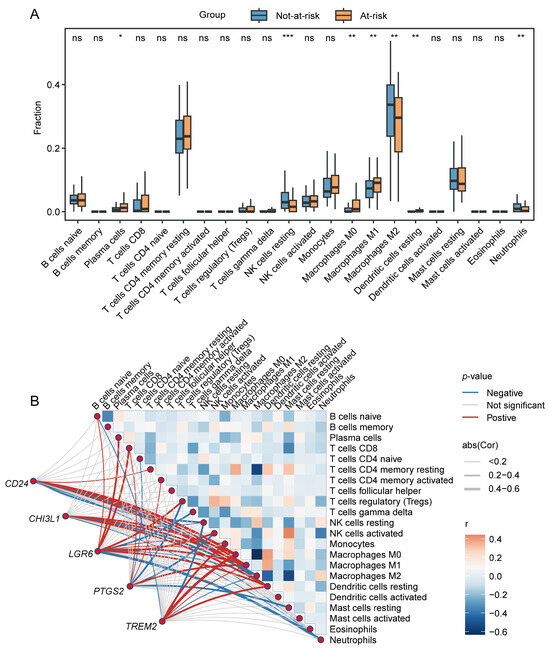
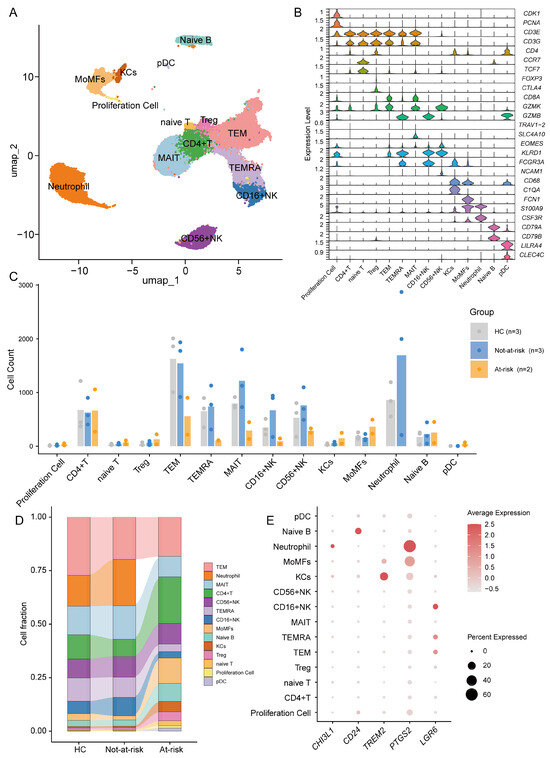
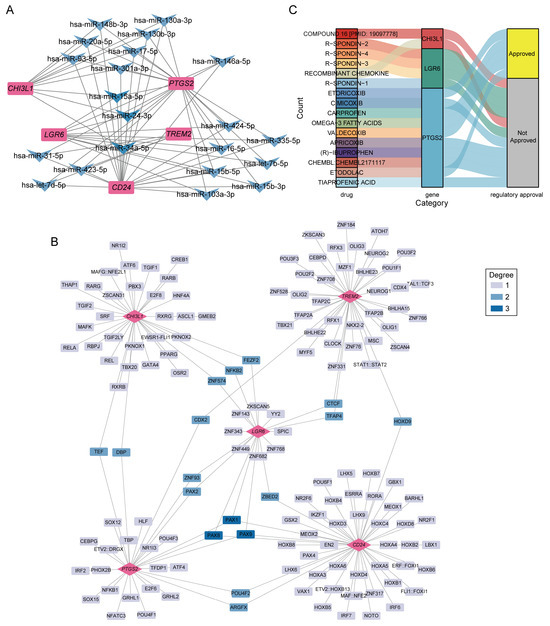
Background/Objectives: At-risk metabolic dysfunction-associated steatohepatitis (MASH) is associated with increased risks of cirrhosis, hepatocellular carcinoma, and liver-related mortality. Because impaired efferocytosis contributes to persistent hepatic inflammation and fibrotic remodeling in MASH, we investigated whether efferocytosis-associated molecular signatures could identify at-risk MASH. Methods: Bulk RNA-sequencing datasets from Gene Expression Omnibus (GSE135251 and GSE174478) were analyzed to identify differentially expressed efferocytosis-related genes and characterize associated pathways and immune infiltration patterns. Machine learning-based feature selection was used to identify hub genes, which were incorporated into a transcriptomic nomogram. Experimental validation involved reverse transcription-quantitative polymerase chain reaction (RT-qPCR) and Western blotting of liver tissues from a Western diet-induced murine metabolic dysfunction-associated steatotic liver disease (MASLD) model. Plasma proteomic data were analyzed to explore the discriminatory performance of hub gene products. Results: A total of 17 efferocytosis-related genes (ERGs) associated with at-risk MASH were identified and enriched in pathways related to efferocytosis, inflammation, and immune regulation. Five hub genes, CD24, CHI3L1, TREM2, PTGS2, and LGR6, were shared by all three feature-selection approaches and significantly upregulated in at-risk MASH. A transcriptomic nomogram yielded area under the curve (AUC) values of 0.866 and 0.805 in the training and external cohorts, respectively. In the murine MASLD model, all five hub genes showed increased mRNA and protein expression in advanced disease. Exploratory plasma proteomic analysis identified elevated circulating TREM2 and CHI3L1 levels in at-risk MASH, and a simplified plasma-based model achieved an AUC of 0.736. Conclusions: This study identified a five-gene efferocytosis-associated signature and developed models for identifying at-risk MASH, suggesting that these genes warrant further evaluation as candidate biomarkers.
Full article
(This article belongs to the Section Bioinformatics)
►▼
Show Figures

Figure 1
Open AccessReview
Mechanisms and Advances in Plant Lipid Regulatory Responses Under Biotic and Abiotic Stress
by
Xiaohui Pan, Qiufei Wu and Lixia Zhou
Genes 2026, 17(8), 947; https://doi.org/10.3390/genes17080947 - 13 Aug 2026
Abstract
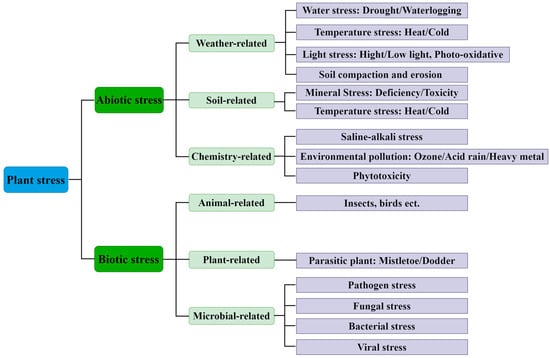
Biotic stresses (pest feeding, pathogenic fungal/bacterial/viral infection) and diverse abiotic stresses (extreme temperature, drought, waterlogging, saline–alkali soil, heavy metal pollution, nutrient deficiency, UV-B, ozone) severely restrict crop growth and global agricultural yield. Lipids act as core membrane structural constituents and vital secondary signaling
[...] Read more.
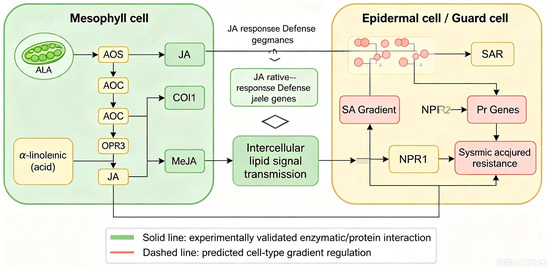
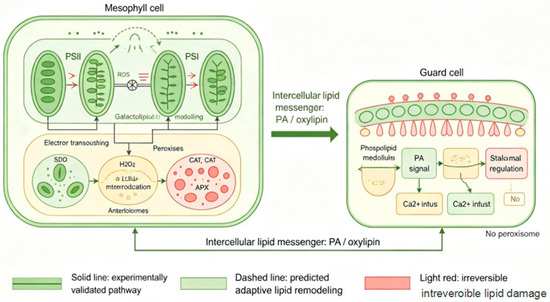
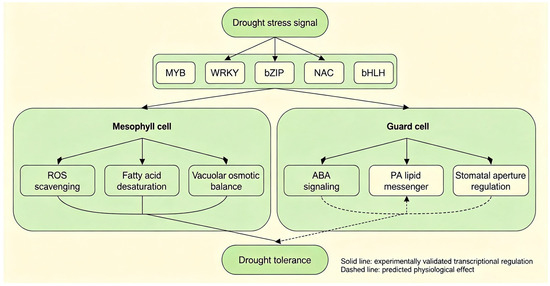
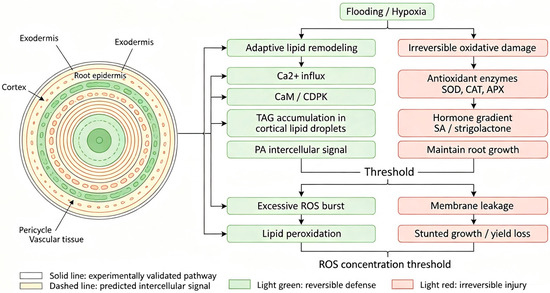
Biotic stresses (pest feeding, pathogenic fungal/bacterial/viral infection) and diverse abiotic stresses (extreme temperature, drought, waterlogging, saline–alkali soil, heavy metal pollution, nutrient deficiency, UV-B, ozone) severely restrict crop growth and global agricultural yield. Lipids act as core membrane structural constituents and vital secondary signaling messengers, executing multi-layered adaptive balancing functions during cell-type interactive stress acclimation, rather than uniform whole-plant lipid responses. They sustain membrane structural integrity across distinct cell populations, serve as synthetic precursors of bioactive signaling molecules, and trigger cascaded transcriptional and metabolic reprogramming upon environmental stimuli to rebalance physiological status among different cell types. This review systematically summarizes cell-type interactive lipid-mediated plant defense and acclimation balance mechanisms across biotic and abiotic stress contexts. We elaborate the biological functions of fatty acids, phospholipids, galactolipids, sphingolipids and their derivatives (jasmonate, salicylic acid, phosphatidic acid, oxylipin) in stress signal transduction and antioxidant defense and strictly distinguish two categories of lipid changes under all stress types: active adaptive lipid remodeling and passive stress-induced lipid oxidative damage. Key contents include stress-triggered cell-type-specific membrane lipid remodeling, the hierarchical transcriptional regulatory network mediated by WRI1, LEC1, PHR, MADS and other transcription factors governing oil metabolism, as well as crosstalk between lipid metabolism and compartmentalized reactive oxygen species (reactive oxygen species (ROS)) signaling. We further compare conserved lipid-regulatory modules and species-specific divergent responses across model plants and economic oilseed crops, integrating state-of-the-art targeted/untargeted lipidomics, single-cell spatial lipidomics and multi-omics joint breeding strategies to improve multi-stress tolerance in oilseed crops. By consolidating global research progress up to 2025, including the two latest 2026 cross-species meta-analysis reviews, this review provides systematic theoretical support and operable multi-level technical frameworks for genetic engineering targeting conserved lipid pathways to breed stress-resilient high-oil crop germplasm, and highlights reliable lipid stress biomarker screening as a promising translational research direction.
Full article
(This article belongs to the Section Plant Genetics and Genomics)
►▼
Show Figures

Figure 1

Open AccessArticle
Study-Aware Meta-Analysis Reveals a Recurrent Proteostasis Program and Context-Dependent Gene-Level Responses in Bovine Heat-Stress Transcriptomes
by
Xiaotong Zhao, Hua Chang, Quanpeng Zhang, Zhuoyu Zhao, Sihui He, Zongyan Lu and Xun Xiang
Genes 2026, 17(8), 946; https://doi.org/10.3390/genes17080946 - 13 Aug 2026
Abstract
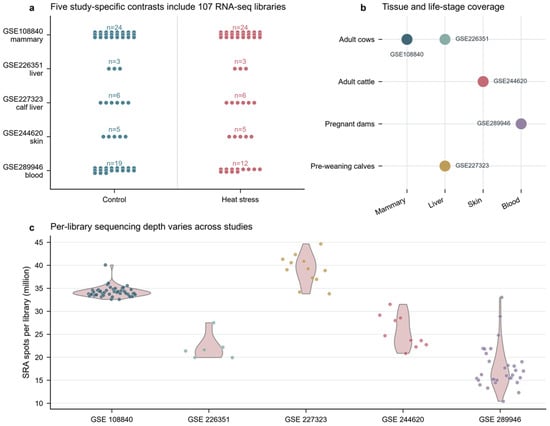
Background/Objectives: Bovine heat-stress RNA-seq studies differ in tissue, age, physiological state, and exposure design. We asked which responses recur across these contexts and which depend on the evidence base. Methods: We reprocessed 107 libraries from five in vivo Bos taurus studies
[...] Read more.
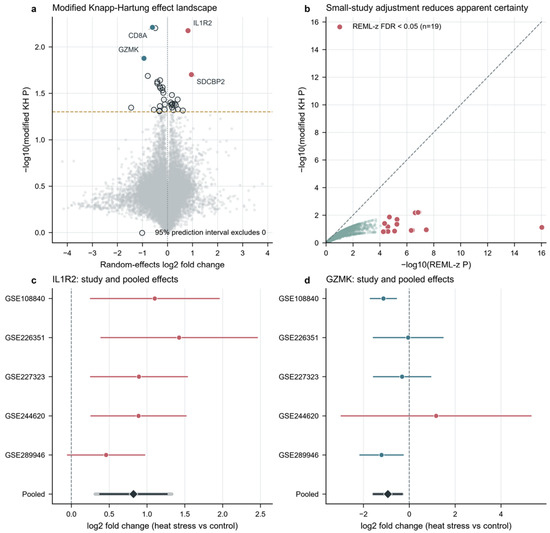
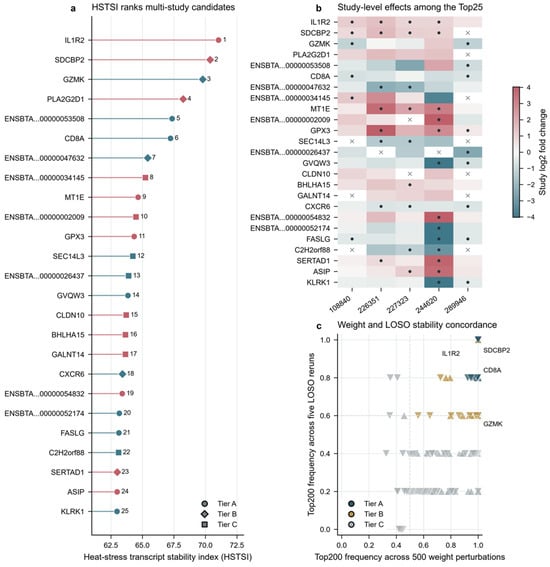
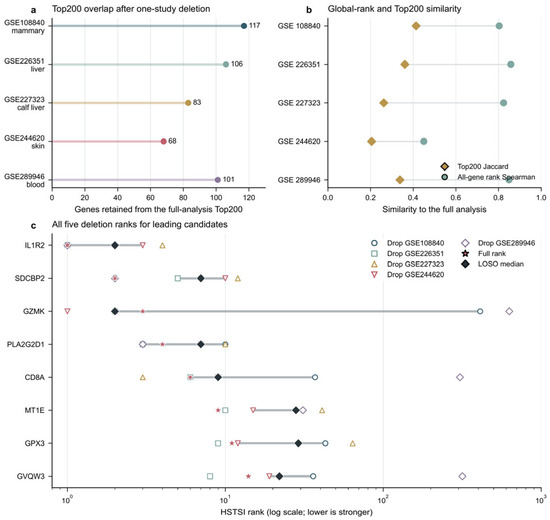
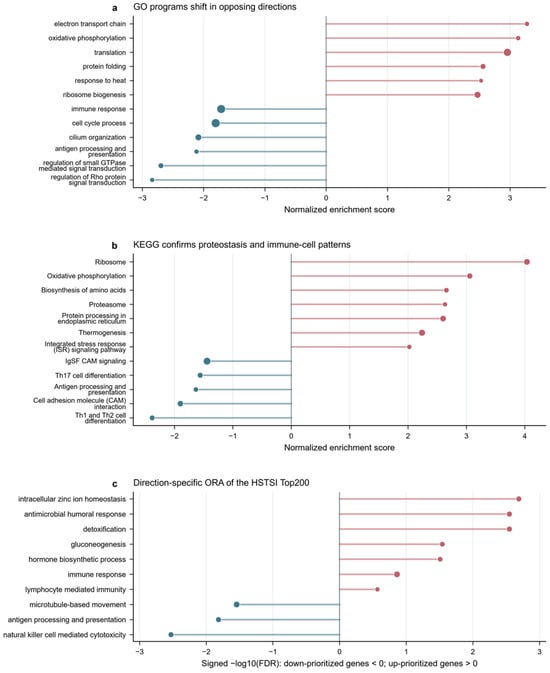
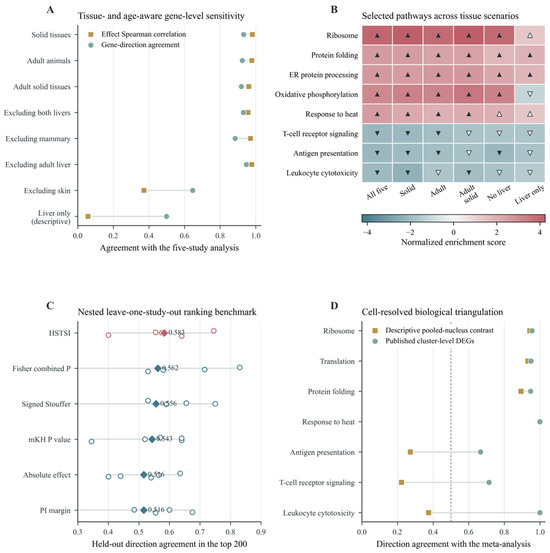
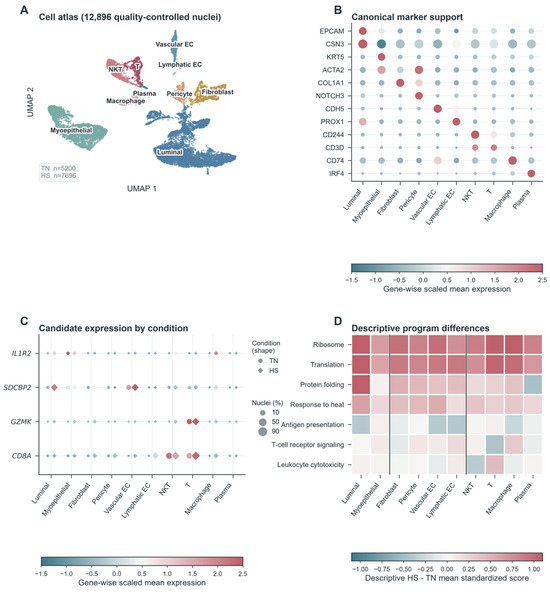
Background/Objectives: Bovine heat-stress RNA-seq studies differ in tissue, age, physiological state, and exposure design. We asked which responses recur across these contexts and which depend on the evidence base. Methods: We reprocessed 107 libraries from five in vivo Bos taurus studies and synthesized within-study heat-minus-control log2 fold changes using restricted maximum-likelihood random-effects models with modified Knapp–Hartung inference. Eight tissue- and age-aware scenarios tested the cross-context estimate. A six-component heat-stress transcriptomic stability index (HSTSI) was benchmarked against five simpler rankings, and an independent mammary single-nucleus dataset provided cell-resolved comparison. Results: Of 266 FDR-significant pathways, 259 retained direction across all five study deletions and 21 remained significant in every deletion. Translation, ribosome, protein folding, endoplasmic-reticulum processing, proteasome, and heat-response programs formed the most recurrent axis. Four principal sensitivity scenarios retained 0.920–0.932 gene-direction agreement and 0.957–0.981 effect-rank correlation with the five-study analysis. In the single-nucleus dataset, leading-edge genes from the principal proteostasis programs showed 89.4–100% pooled-nucleus direction agreement and 94.7–100% agreement among published cluster-level differentially expressed genes. HSTSI had the highest mean top-200 held-out direction agreement (0.583 versus 0.516–0.562), with variation among folds. None of 16,756 genes met a modified Knapp–Hartung FDR below 0.10. IL1R2 and SDCBP2 were externally concordant, whereas GZMK and CD8A were context-dependent. Conclusions: A coordinated proteostasis program was the most transferable heat-stress signal. Energy remodeling, immune-associated bulk signals, and individual genes showed greater context dependence and define priorities for tissue-matched follow-up.
Full article
(This article belongs to the Section Animal Genetics and Genomics)
►▼
Show Figures

Figure 1

Open AccessArticle
MicroRNA Signature in Plasma-Derived Extracellular Vesicles in Frontotemporal Dementia
by
Evelyne Minucchi, Francesca Dragoni, Rosalinda Di Gerlando, Gaia Pavanello, Matteo Cotta Ramusino, Alfredo Costa and Stella Gagliardi
Genes 2026, 17(8), 945; https://doi.org/10.3390/genes17080945 - 13 Aug 2026
Abstract
Background: Frontotemporal dementia (FTD) is a neurodegenerative disease that shares numerous clinical features with other forms of dementia. In this context, non-coding RNAs, specifically microRNAs (miRNAs), represent a promising tool for differential diagnosis. Since these miRNAs can be isolated from circulating extracellular vesicles
[...] Read more.
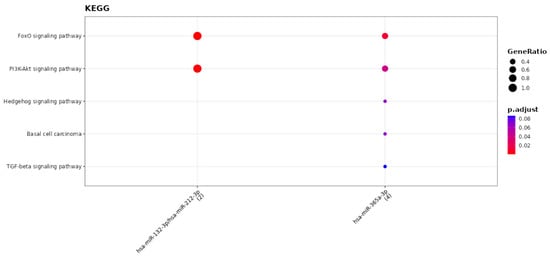
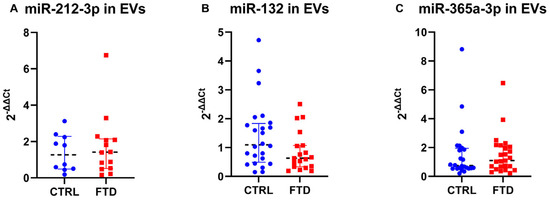
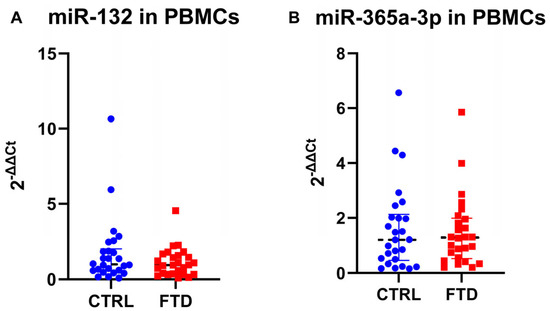
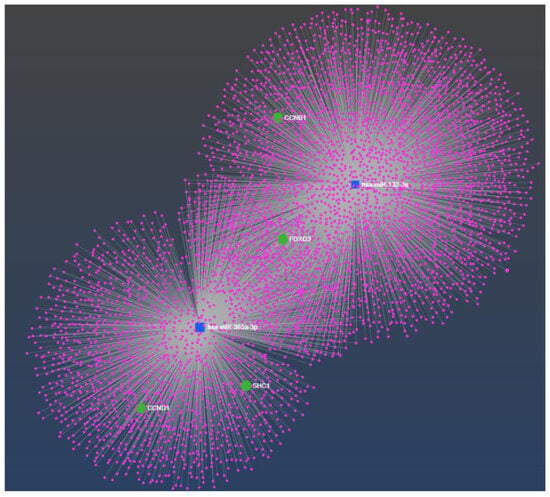
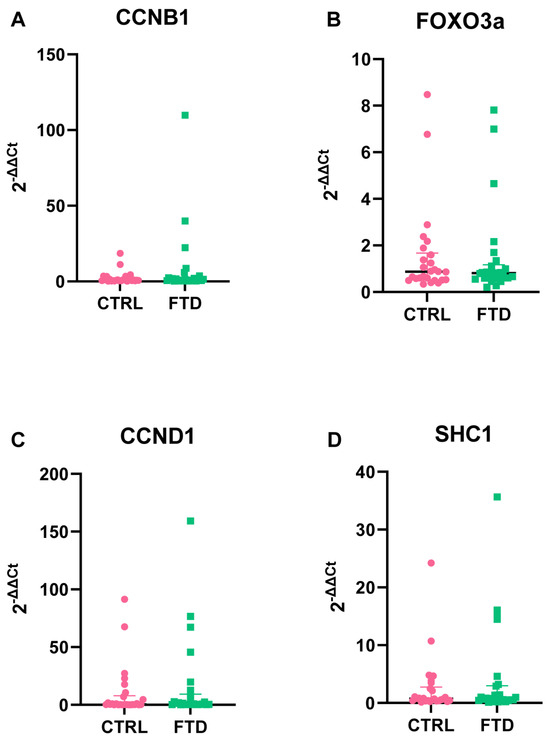
Background: Frontotemporal dementia (FTD) is a neurodegenerative disease that shares numerous clinical features with other forms of dementia. In this context, non-coding RNAs, specifically microRNAs (miRNAs), represent a promising tool for differential diagnosis. Since these miRNAs can be isolated from circulating extracellular vesicles (EVs) in peripheral blood, they provide a direct insight into FTD-specific molecular processes. Consequently, while EV-contained miRNAs hold potential as disease-specific biomarkers, investigating their relative target genes can help elucidate their precise functional roles. Aim: This work aimed to identify a specific miRNA signature to better characterize FTD pathology. Methods: Building on a previous Next-Generation Sequencing (NGS) analysis, three candidate miRNAs were selected for validation in both EVs and peripheral blood mononuclear cells (PBMCs) of FTD patients. Subsequently, the predicted target genes of two of these miRNAs were validated in PBMCs to assess their expression levels. Results: Our findings revealed that miR-365a-3p and miR-212 were significantly down-regulated in FTD. Conclusions: Together with their target genes, these miRNAs are involved in cell cycle and apoptotic pathways, suggesting a potential role in the pathological mechanisms of the disease.
Full article
(This article belongs to the Special Issue Genomic and Transcriptomic Advances in Amyotrophic Lateral Sclerosis (ALS) and Motor Neuron Diseases (MND))
►▼
Show Figures

Figure 1

Open AccessArticle
Transcriptomic Markers of Immunosenescence in Cynomolgus Macaques: A Pilot Study
by
Viktoria M. Petrova, Dmitry V. Bulgin, Elena Yu. Radomskaya, Vsevolod A. Shevelov, Darya S. Zhukova, Olga. P. Chzhu, Andrey D. Manakhov, Alexander V. Popov and Stanislav A. Rybtsov
Genes 2026, 17(8), 944; https://doi.org/10.3390/genes17080944 - 13 Aug 2026
Abstract
Background: One of the key hallmarks of aging is the age-related decline in immune system function, accompanied by a chronic low-grade inflammation, or “inflammaging”. Simultaneously, a reduced capacity of immune cells to recognize and eliminate pathogens, along with immune exhaustion, is also defined
[...] Read more.
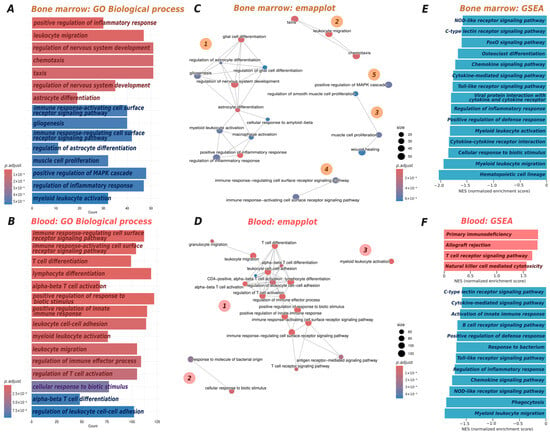
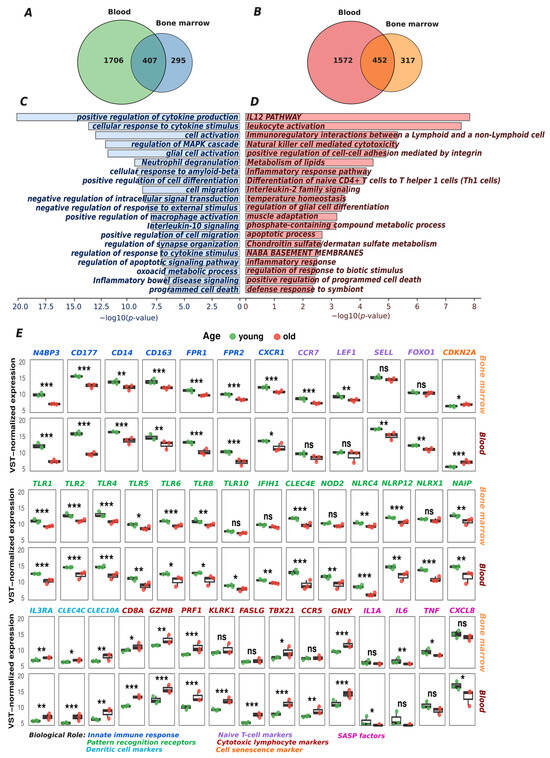
Background: One of the key hallmarks of aging is the age-related decline in immune system function, accompanied by a chronic low-grade inflammation, or “inflammaging”. Simultaneously, a reduced capacity of immune cells to recognize and eliminate pathogens, along with immune exhaustion, is also defined as a sign of aging. Cynomolgus macaques (Macaca fascicularis) belong to a group of non-human primates evolutionarily close to humans and are often used for preclinical research. Methods: In this study, we performed mRNA sequencing of bone marrow and peripheral blood samples from young (5 years old) and old (over 19–21 years old) cynomolgus macaques to identify key markers of immunosenescence. Results: Although an increase in p16 expression was detected, we did not observe the increase in the senescence-associated secretory phenotype (SASP) cytokines reported in previous studies. Instead, we observed a transcriptional profile characterized by increased lymphocyte cytotoxic activity combined with a decrease in proinflammatory signaling, reduced markers of myeloid cells, and lowered sensitivity to pathogen-associated patterns. Similar changes were detected in both blood and bone marrow: decreased expression of naive T-cell markers (CCR7, LEF1, SELL, and FOXO1), reduced markers of the myeloid lineage—neutrophils and monocytes (CD177, CD14, CD163, FPR1, FPR2, and CXCR1)—and downregulation of genes belonging to different pattern-recognition receptor families (TLR1, TLR2, TLR4, TLR5, TLR6, TLR8, TLR10, IFIH1, CLEC4E, NOD2, NLRC4, NLRP12, NLRX1, and NAIP). In contrast, the group of old animals showed increased expression of markers associated with terminally differentiated cytotoxic lymphocytes (CD8+ T cells and NK cells): GZMB, PRF1, KLRK1, FASLG, TBX21, CCR5, and GNLY. Conclusions: Our findings offer new perspectives on the molecular mechanisms of age-associated immune dysregulation in non-human primates, serving as a baseline for selecting key candidate genes in subsequent functional investigations.
Full article
(This article belongs to the Section Animal Genetics and Genomics)
►▼
Show Figures

Figure 1
Open AccessArticle
Cytogenetic Characterization of the Yak (Bos grunniens) Prometaphase Chromosomes and Comparison with Cattle (Bos taurus)
by
Alfredo Pauciullo, Davide Nicodemo, Neyrouz Letaief, Halina Černohorská, Svatava Kubičková, Miluše Vozdová, Pietro Parma, Leopoldo Iannuzzi and Gianfranco Cosenza
Genes 2026, 17(8), 943; https://doi.org/10.3390/genes17080943 - 13 Aug 2026
Abstract
Background/Objectives: The domestic yak (Bos grunniens) is a livestock species of major relevance in high-altitude environments and an important model for studying adaptation and reproductive isolation within Bovini. Despite its close phylogenetic relationship with cattle (Bos taurus), yak
[...] Read more.
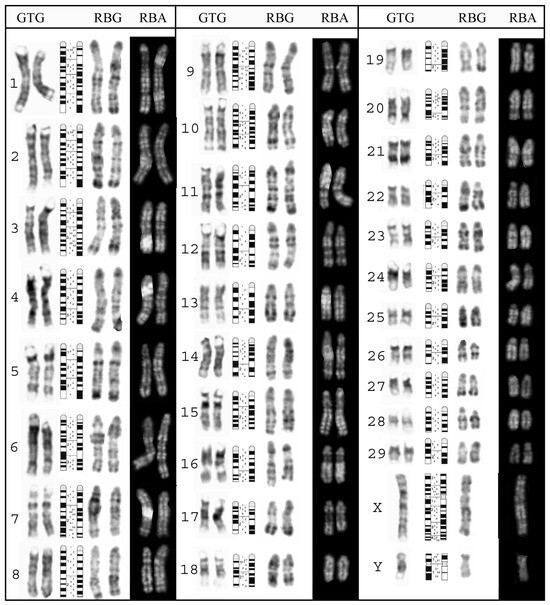
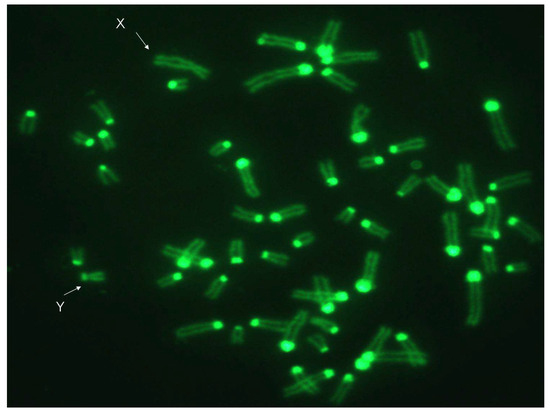
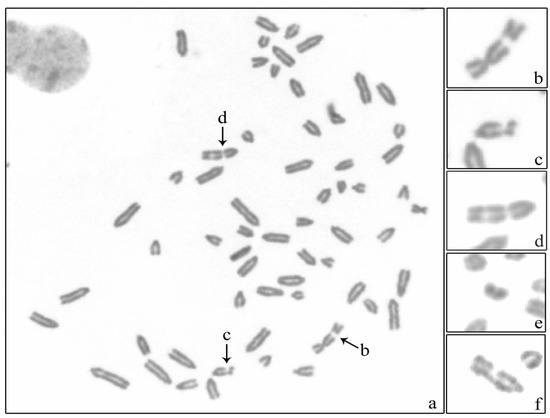
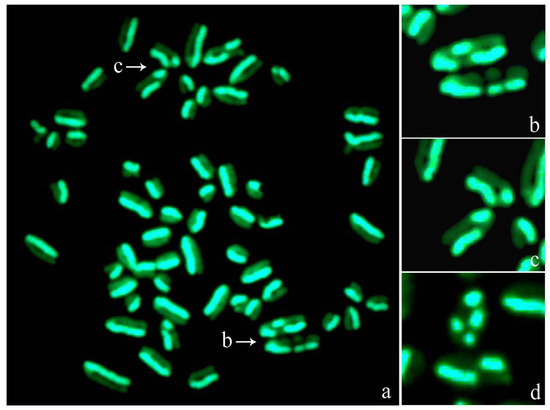
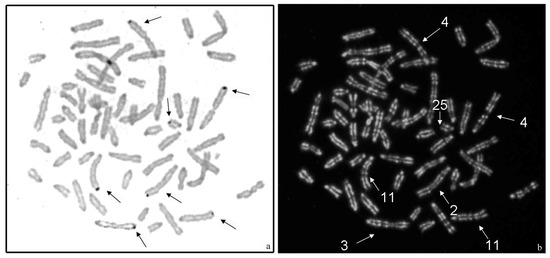
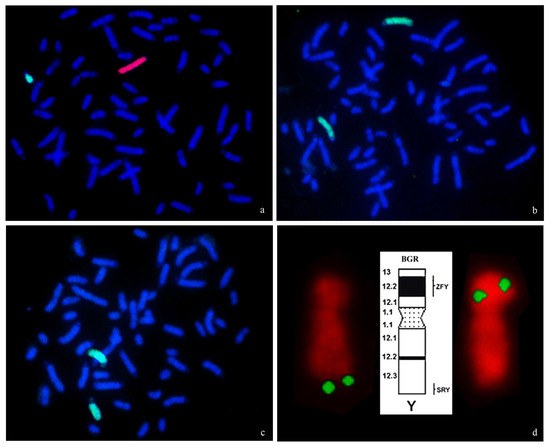
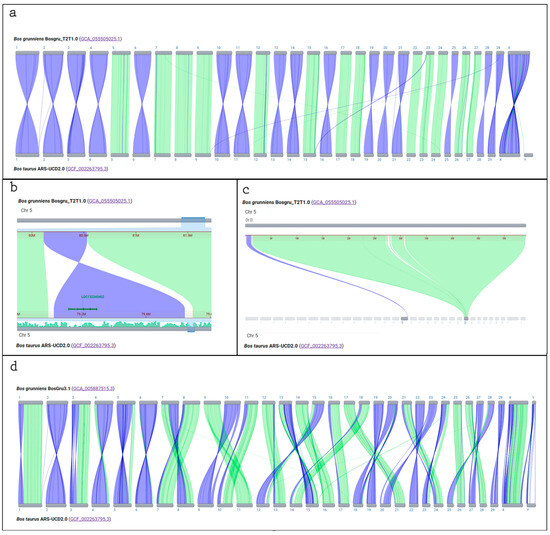
Background/Objectives: The domestic yak (Bos grunniens) is a livestock species of major relevance in high-altitude environments and an important model for studying adaptation and reproductive isolation within Bovini. Despite its close phylogenetic relationship with cattle (Bos taurus), yak × cattle hybrids show a marked sex-biased fertility pattern, with fertile females and generally sterile F1 males, suggesting that subtle chromosomal or genomic differences may underlie post-zygotic reproductive barriers. In this study, we performed a cytogenetic characterization of eight adult yak bulls imported and reared in Central Italy using conventional and molecular cytogenetic approaches. Results: GTG-, RBG-, RBA- and CBA-banding confirmed the yak diploid number as 2n = 60 and the fundamental number as NF = 62, with banding patterns highly comparable to the standardized cattle karyotype. CBA-banding showed an X chromosome lacking evident constitutive heterochromatin and a Y chromosome with distal C-positive blocks. Chromosome instability was low, with 3.75% abnormal metaphases, mainly represented by chromatid and iso-chromatid breaks, while the mean sister chromatid exchange (SCE) rate was 5.19 ± 2.14 per cell. Sequential Ag-NOR/RBA staining localized nucleolar organizer regions (NORs) at the telomeres of autosomes 2, 3, 4, 11 and 25, as in cattle. Zoo-FISH using bovine chromosome paints for X, Y, 5 and 15 showed complete hybridization to the corresponding yak chromosomes, and BAC-FISH mapped the Y-linked ZFY and SRY genes to positions homologous to those reported in cattle. A comparative bioinformatics analysis of available yak genome assemblies confirmed the overall genome-wide correspondence with cattle, while revealing chromosome orientation issues and small local inconsistencies that may be relevant for comparative mapping and probe design. Conclusions: Overall, at the resolution tested, these findings support broad macrostructural conservation of yak and cattle karyotypes and provide cytogenetic reference data for yak populations reared outside of their traditional range. The persistence of F1 male sterility despite this large-scale chromosomal conservation suggests that fine-scale sex chromosome differences, particularly involving pseudoautosomal regions, recombination boundaries, or heterochromatin organization, may deserve targeted investigation.
Full article
(This article belongs to the Special Issue Livestock Germplasm Resources, Genetics, and Breeding)
►▼
Show Figures

Figure 1

Open AccessArticle
Genetic Findings in Seven Cochlear Implanted Patients with Severe-to-Profound Hearing Loss
by
Rieke Ollermann, Fei Song, Marta Owczarek-Lipska, Amilcar Perez-Riverol, Gregor Dombrowsky, Andreas Radeloff and John Neidhardt
Genes 2026, 17(8), 942; https://doi.org/10.3390/genes17080942 - 12 Aug 2026
Abstract
Background/Objectives: Hearing loss is one of the most prevalent sensory disorders in humans, with genetic factors accounting for approximately 60% of cases. Cochlear implantation is an effective intervention for individuals with severe-to-profound hearing loss. However, substantial variability in postoperative auditory performance persists, complicating
[...] Read more.
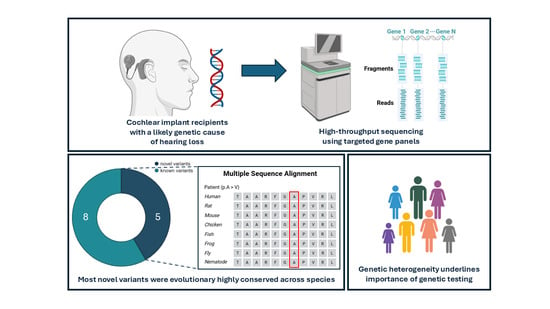
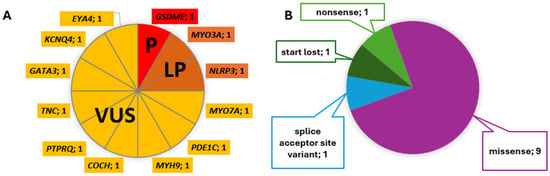
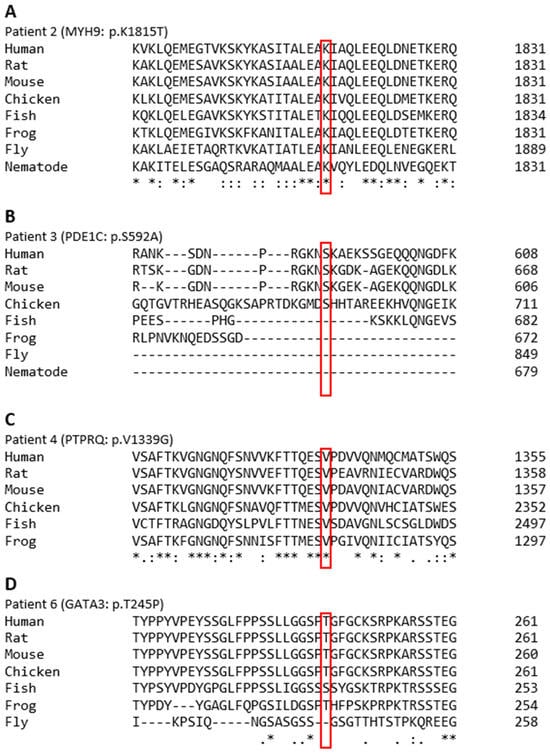
Background/Objectives: Hearing loss is one of the most prevalent sensory disorders in humans, with genetic factors accounting for approximately 60% of cases. Cochlear implantation is an effective intervention for individuals with severe-to-profound hearing loss. However, substantial variability in postoperative auditory performance persists, complicating the prediction of individual outcomes. This study investigated the genetic findings associated with hearing loss in a cohort of seven affected adults with cochlear implants (CIs). Methods: A total of seven patients with severe-to-profound hearing loss underwent genetic testing. Two of them were part of diagnostic screening, and five of them were part of research genetic analyses. Results: High-throughput genomic DNA sequencing identified twelve variants across multiple genes, including four new sequence variants. Based on ACMG/AMP criteria, integrating computational predictions, population frequency data, ClinVar annotations, and in silico pathogenicity assessments, the identified variants were classified as pathogenic variants, likely pathogenic variants, and variants of uncertain significance (VUS). We detected one pathogenic variant, two likely pathogenic variants and nine variants of uncertain significance (VUS). Novel variants were further analyzed using multiple sequence alignment to assess evolutionary conservation. Conclusions: The identification of four novel variants within the analyzed patients underscores the genetic heterogeneity of hearing loss and the importance of genetic analyses for improving the understanding of its molecular basis. Further functional and clinical studies are required to determine the pathogenicity of these variants and their potential clinical relevance.
Full article
(This article belongs to the Special Issue Advances in Genomics and Epigenetics of Hearing Loss)
►▼
Show Figures

Graphical abstract
Open AccessArticle
Gene Variations in RNA Modification Pathway Linked to Poor Survival After Gastric Cancer Surgery
by
Kağan Gökçe and Mehrdad Sheikhvatan
Genes 2026, 17(8), 941; https://doi.org/10.3390/genes17080941 - 12 Aug 2026
Abstract
Background/Objectives: N6-methyladenosine (m6A) RNA modification is a major epitranscriptomic regulator of mRNA stability and translation. Genetic variants in the m6A pathway may influence gastric cancer progression, but their prognostic significance after curative gastrectomy remains uncertain. Methods: This retrospective study included 226 patients with
[...] Read more.
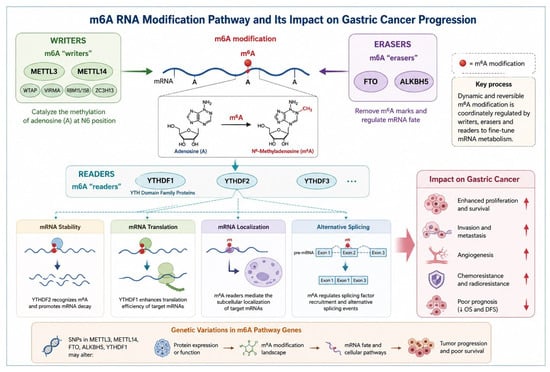
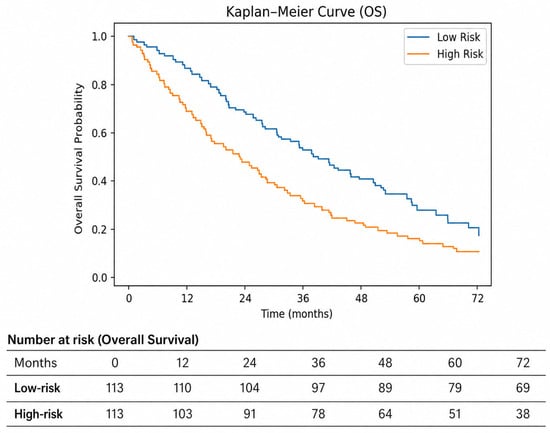
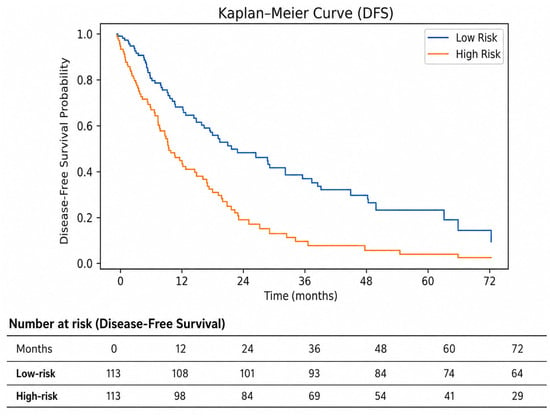
Background/Objectives: N6-methyladenosine (m6A) RNA modification is a major epitranscriptomic regulator of mRNA stability and translation. Genetic variants in the m6A pathway may influence gastric cancer progression, but their prognostic significance after curative gastrectomy remains uncertain. Methods: This retrospective study included 226 patients with gastric adenocarcinoma who underwent curative gastrectomy. Single nucleotide polymorphisms in five m6A-related genes (METTL3, METTL14, FTO, ALKBH5, and YTHDF1) were genotyped. Overall survival (OS) and disease-free survival (DFS) were analyzed using Kaplan–Meier and log-rank tests. Multivariable Cox regression was performed after adjustment for age, sex, tumor stage, lymph node status, and adjuvant therapy. Results: During a median follow-up of 38 months, 78 patients (34.5%) died and 92 (40.7%) experienced recurrence. High-risk m6A genotypes were associated with significantly poorer survival. The 5-year OS was 68.2% in the low-risk group versus 41.5% in the high-risk group (p < 0.001), while 5-year DFS was 61.4% versus 36.8% (p < 0.001). High-risk genotypes independently predicted worse OS (HR 1.87, 95% CI 1.28–2.74; p = 0.001) and DFS (HR 1.94, 95% CI 1.36–2.78; p < 0.001). Patients with the highest genetic risk scores had the poorest outcomes, particularly those with stage III–IV disease. Conclusion: Genetic variants in the m6A RNA modification pathway are independently associated with poorer survival after curative gastrectomy and may serve as prognostic biomarkers for risk stratification and personalized management in gastric cancer.
Full article
(This article belongs to the Section Genetic Diagnosis)
►▼
Show Figures

Figure 1
Open AccessReview
The Trajectory of Gene Discovery in Retinitis Pigmentosa
by
Anthony X. J. Wong, Zachary Chua, Jing Guo, Hwee Goon Tay, Zhen Xun Wang, Mathieu Quinodoz, Tien-En Tan, Carlo Rivolta and Beau J. Fenner
Genes 2026, 17(8), 940; https://doi.org/10.3390/genes17080940 - 12 Aug 2026
Abstract
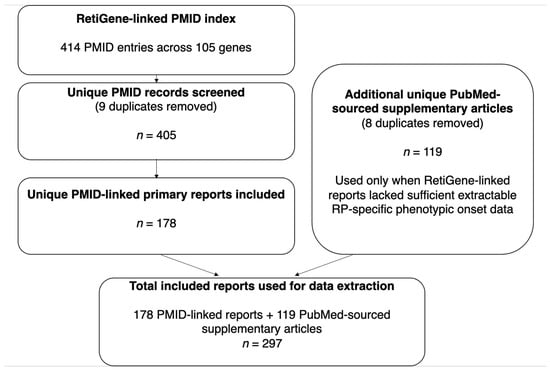
Background: To assess how historical patterns in retinitis pigmentosa (RP) gene inheritance, functional category, and phenotypic onset may inform the remaining unsolved RP discovery space. Methods: We manually reviewed PubMed-indexed primary reports in the RetiGene database, supplemented with PubMed-indexed human studies where necessary
[...] Read more.
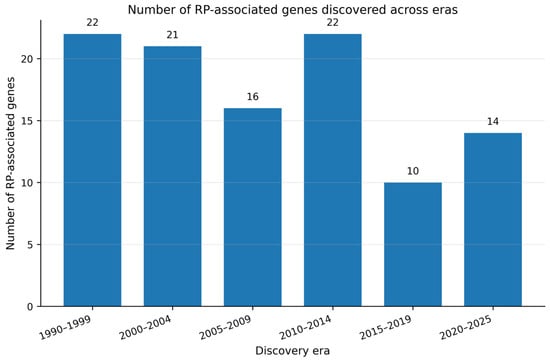
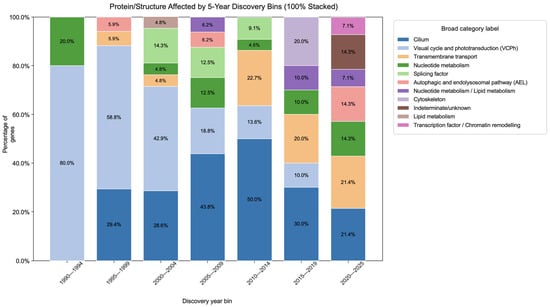
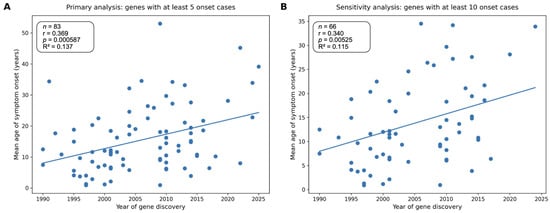
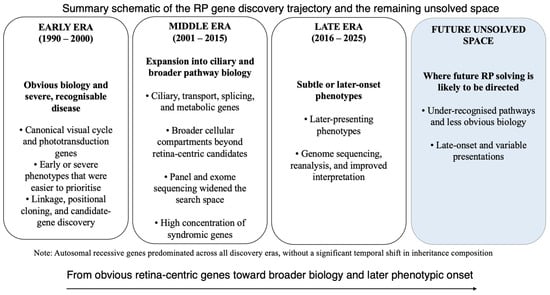
Background: To assess how historical patterns in retinitis pigmentosa (RP) gene inheritance, functional category, and phenotypic onset may inform the remaining unsolved RP discovery space. Methods: We manually reviewed PubMed-indexed primary reports in the RetiGene database, supplemented with PubMed-indexed human studies where necessary to improve extractable phenotype data. Gene-level variables extracted included age of symptom onset, inheritance pattern, functional category and syndromic association. Gene-level associations between earliest year of RP gene discovery and mean age of symptom onset were assessed, alongside temporal analyses for functional category, inheritance, and syndromic patterns. Results: Later year of gene discovery was associated with later mean age of symptom onset, both in the primary analysis restricted to genes with at least 5 extractable onset cases (n = 83, p < 0.001) and in a stricter sensitivity analysis restricted to genes with at least 10 onset cases (n = 66, p = 0.00525). Year of discovery differed significantly across functional categories (p < 0.001). No significant temporal association was observed for AR versus non-AR inheritance or syndromic status. Conclusions: This hypothesis-generating analysis suggests that observed patterns likely reflect a combination of biological detectability, study design, and publication dynamics rather than intrinsic gene–phenotype relationships alone; within this context, future RP-solving efforts may benefit from greater attention to less obvious biological pathways (such as ciliary, transport, and metabolic categories), along with later-presenting or less conspicuous phenotypes.
Full article
(This article belongs to the Special Issue Advances in Ophthalmic Genetics)
►▼
Show Figures

Figure 1

Open AccessArticle
Genetic Evidence for Causal Effects of Domain-Specific Physical Activity and Sedentary Behavior on Osteoporosis and Inflammatory Arthritis: A Bidirectional Mendelian Randomization Study
by
Tianyu Sun, Feiyao Zhang, Chang Liu and Junhao Huang
Genes 2026, 17(8), 939; https://doi.org/10.3390/genes17080939 - 12 Aug 2026
Abstract
Objective: Genetic factors contribute to physical activity (PA) and sedentary behavior (SB), two complex behavioral traits. They may be associated with musculoskeletal and inflammatory diseases. However, the relationships of domain-specific PA and SB traits with osteoporosis (OS), psoriatic arthritis (PsA), and rheumatoid arthritis
[...] Read more.
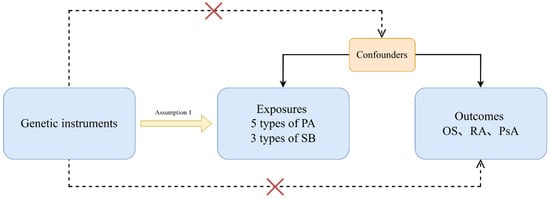
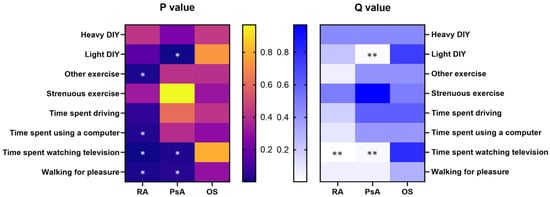
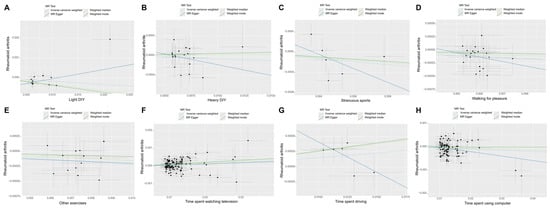
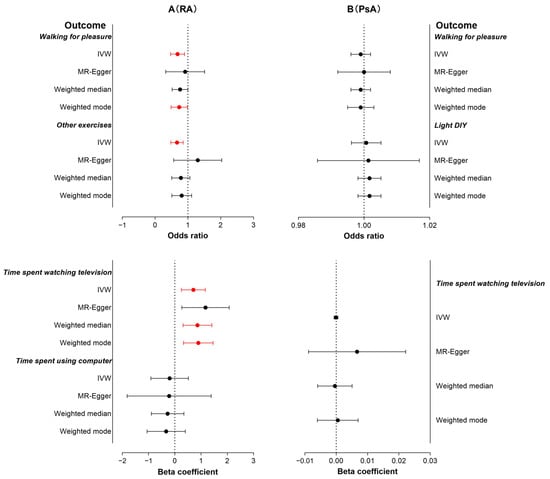
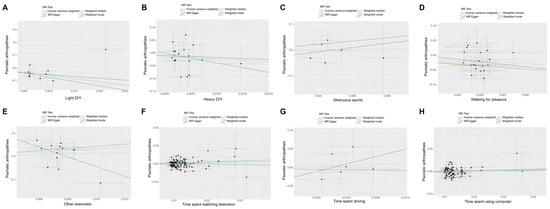
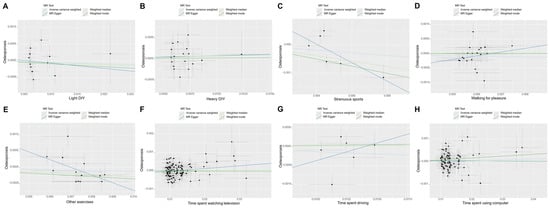
Objective: Genetic factors contribute to physical activity (PA) and sedentary behavior (SB), two complex behavioral traits. They may be associated with musculoskeletal and inflammatory diseases. However, the relationships of domain-specific PA and SB traits with osteoporosis (OS), psoriatic arthritis (PsA), and rheumatoid arthritis (RA) remain unclear. A two-sample Mendelian randomization (MR) analysis assessed potential bidirectional associations between these behavioral traits and the three diseases. Methods: GWAS summary statistics were used to examine five domain-specific PA traits, three SB traits, and OS, RA, and PsA. Primary causal estimates were obtained using the inverse-variance weighted (IVW) method. Complementary analyses used MR-Egger regression, the weighted median method, and the weighted mode method. Sensitivity analyses were performed using Cochran’s Q test, the MR-Egger intercept test, MR-PRESSO, and leave-one-out analysis. Multiple testing was addressed using false discovery rate (FDR) correction. Results: In the forward MR analyses, genetically predicted liability to Light DIY was associated with lower odds of PsA after FDR correction (OR = 0.006, 95% CI = 0.0002–0.236, FDR-adjusted p = 0.018). Genetically predicted longer television viewing was linked to increased odds of PsA (OR = 2.205, 95% CI = 1.089–4.463, FDR-adjusted p = 0.028) and RA (OR = 1.006, 95% CI = 1.002–1.010, FDR-adjusted p = 0.004). Walking for pleasure showed a nominal inverse association with PsA, and computer use showed a nominal inverse association with RA. Neither association remained significant after FDR correction. No evidence of associations with the broad self-reported OS diagnosis was observed. Reverse MR analyses showed lower odds of Walking for pleasure (OR = 0.662, 95% CI = 0.484–0.906, FDR-adjusted p = 0.013) and Other exercises (OR = 0.651, 95% CI = 0.490–0.864, FDR-adjusted p = 0.006) for genetic liability to RA. RA liability was also associated with longer television viewing time (β = 0.708, 95% CI = 0.251–1.165, FDR-adjusted p = 0.006). No reverse associations were observed for PsA. Conclusions: This bidirectional MR study identified several potential genetically predicted associations of domain-specific PA and SB traits with PsA and RA. The findings for television viewing and RA may suggest a potential bidirectional association. However, the results should be considered hypothesis-generating. These findings require independent replication and further validation before causal or clinical conclusions can be drawn.
Full article
(This article belongs to the Special Issue Genetics and Genomics in Physical Activity, Sports and Injury)
►▼
Show Figures

Figure 1

Open AccessArticle
Integrated Transcriptomic and Machine-Learning Analyses Identify Shared Na+ Overload-Related Gene Signatures in Inflammatory Bowel Disease and Ankylosing Spondylitis
by
Luojin Wu, Chenghao Ou, Xuan Liu, Miaohan Yan, Jinghan Guan, Xinfeng Wang, Liming Mao, Qiuyun Xu and Zhaoxiu Liu
Genes 2026, 17(8), 938; https://doi.org/10.3390/genes17080938 - 11 Aug 2026
Abstract
Background: Ankylosing Spondylitis (AS) and inflammatory bowel disease (IBD) exhibit substantial pathophysiological overlap, including dysregulated innate immunity, barrier dysfunction, and Th17-mediated inflammation. However, whether Na+ overload-related genes (NRGs) exhibit shared transcriptional alterations in IBD and AS remains unclear. This study aimed
[...] Read more.
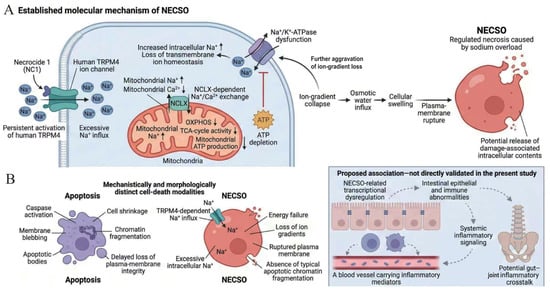
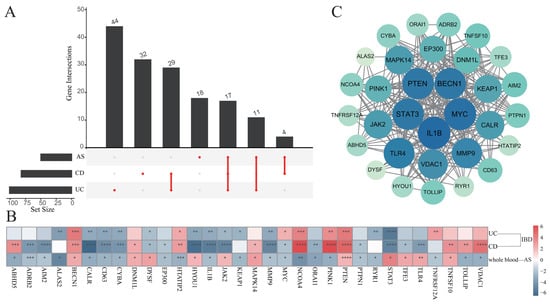
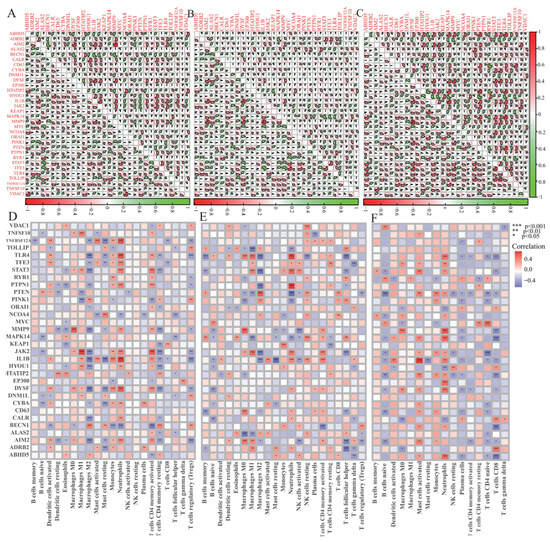
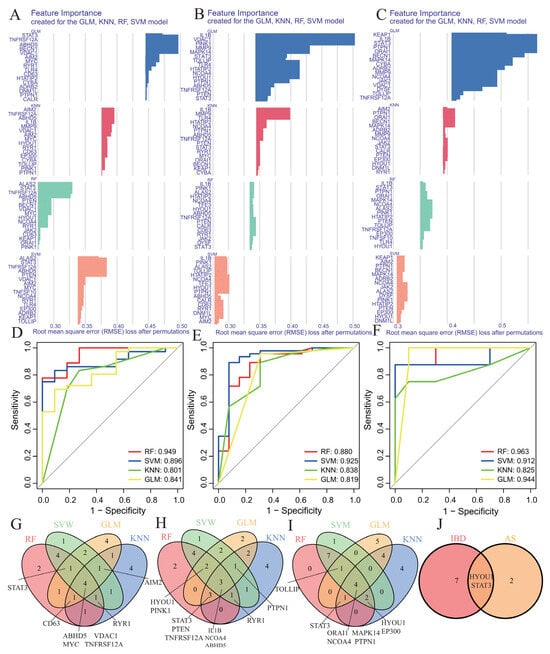
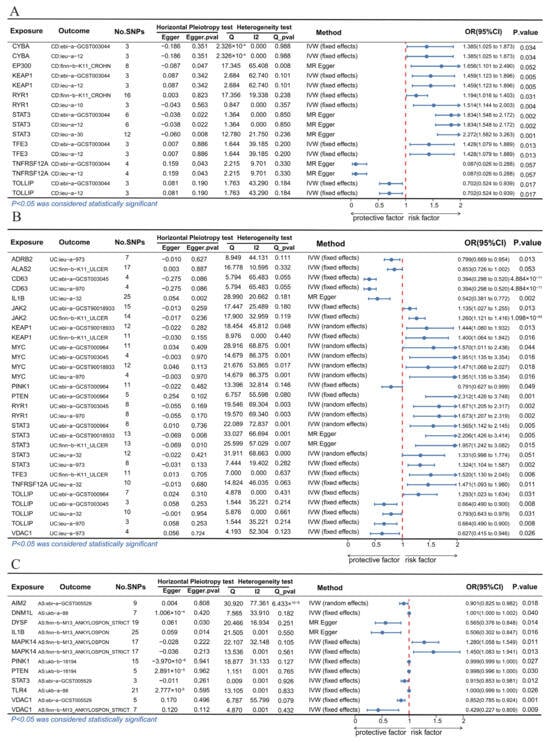
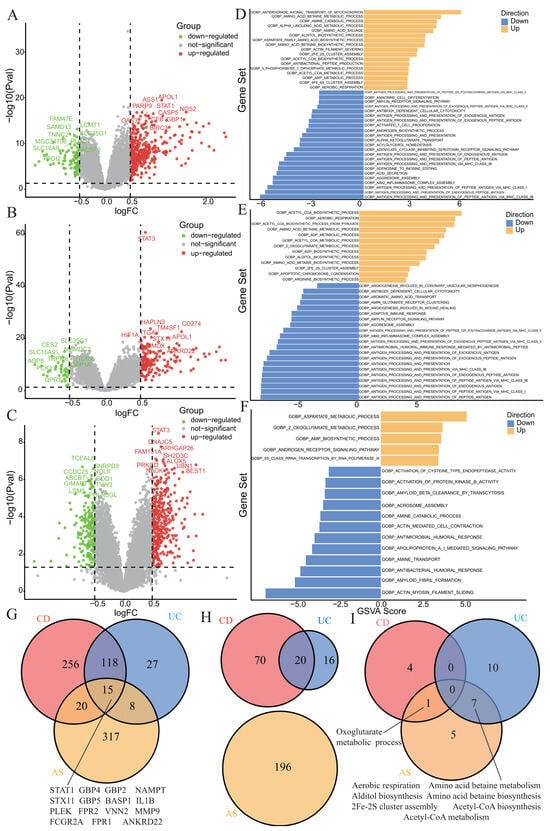
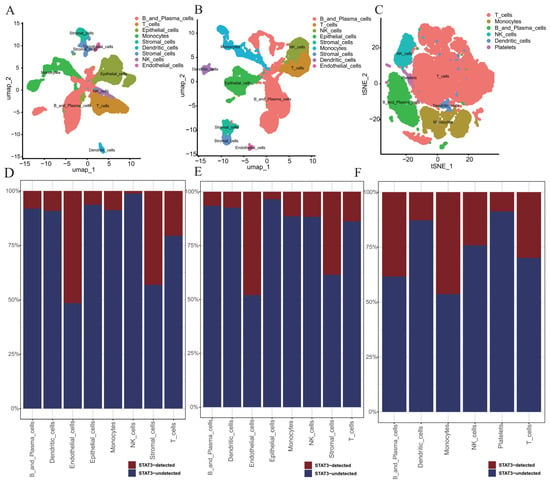
Background: Ankylosing Spondylitis (AS) and inflammatory bowel disease (IBD) exhibit substantial pathophysiological overlap, including dysregulated innate immunity, barrier dysfunction, and Th17-mediated inflammation. However, whether Na+ overload-related genes (NRGs) exhibit shared transcriptional alterations in IBD and AS remains unclear. This study aimed to characterize the expression patterns of NRGs across IBD and AS and to identify candidate genes associated with both diseases. Methods: Differential expression analysis was performed to identify differentially expressed NRGs (DE-NRGs) in diseased tissues relative to normal tissues. Shared DE-NRGs between IBD and AS were screened and defined as common differentially expressed NRGs (Co-DE-NRGs). We then analyzed the correlations of these Co-DE-NRGs and explored their relationships with immune cell infiltration in target tissues. Four machine learning algorithms were applied to screen key NRGs associated with both IBD and AS. Potential therapeutic agents targeting these core biomarkers were predicted using drug–gene interaction databases, and molecular docking was conducted for further validation. Results: A total of 32 shared Co-DE-NRGs were identified for IBD and AS, with nine key regulatory NRGs recognized: CALR, CD63, CYBA, DYSF, HYOU1, IL1B, JAK1, MMP9, and STAT3. Exploratory MR analysis identified disease-specific associations between genetically predicted expression of NRGs and CD, UC, and AS. Genetically predicted STAT3 expression showed positive associations with CD and UC but an inverse association with AS and therefore did not represent a consistent risk factor across the three diseases. Furthermore, transcriptome-based drug-response analysis identified four candidate agents shared between AS and at least one IBD dataset: ciclosporin, BCL-LZH-4, BRD-K79669418, and CID-5951923. Exploratory molecular docking generated STAT3 binding poses for BCL-LZH-4 and CID-5951923, with DOCK Grid Scores of −35.321896 and −28.361128, respectively. CID-5951923 was selected for representative visualization of its predicted interaction with STAT3. Single-cell RNA-sequencing analysis identified tissue- and cell-type-specific STAT3 mRNA expression patterns in the analyzed IBD colonic and AS peripheral-blood datasets, with monocytes representing a major cell population exhibiting detected STAT3 expression in the AS dataset. Conclusions: These findings identify shared NRG-related transcriptional alterations in IBD and AS, with STAT3 emerging as a candidate gene associated with both diseases. Further experimental studies are required to determine whether these alterations reflect the involvement of NECSO and to evaluate their potential diagnostic or therapeutic relevance.
Full article
(This article belongs to the Special Issue Genetic and Genomic Analysis of Inflammatory Bowel Disease)
►▼
Show Figures

Figure 1
Open AccessCase Report
A Clinical Genetics-Driven Dual Diagnosis of Prader–Willi Syndrome Due to Mosaic Maternal UPD(15) and NOTCH3-Related CADASIL
by
Francesco Maria Bogliardi, Pino D’Ambrosio, Giorgia Quattromini, Giordana Di Mario, Maria Grazia Pomponi, Luca Miele, Edoardo Vergani, Giuseppe Zampino, Antonio Liguori, Marcella Zollino and Antonino Crinò
Genes 2026, 17(8), 937; https://doi.org/10.3390/genes17080937 - 11 Aug 2026
Abstract
Maternal uniparental disomy of chromosome 15 [UPD(15)mat] and imprinting defects account for about 30% of cases of Prader–Willi syndrome (PWS). Mosaic UPD(15)mat is rare and may escape routine testing. We describe a 45-year-old male patient in whom persistent clinical suspicion of PWS was
[...] Read more.
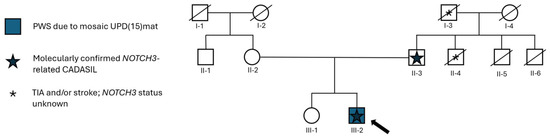
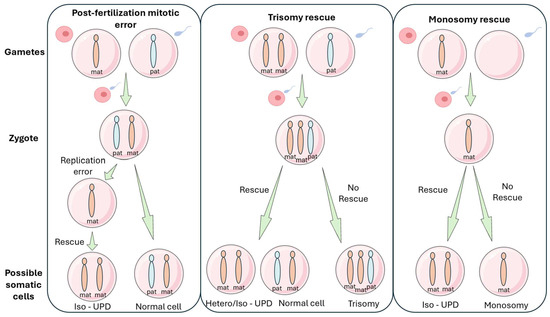
Maternal uniparental disomy of chromosome 15 [UPD(15)mat] and imprinting defects account for about 30% of cases of Prader–Willi syndrome (PWS). Mosaic UPD(15)mat is rare and may escape routine testing. We describe a 45-year-old male patient in whom persistent clinical suspicion of PWS was not genetically confirmed by repeated methylation-based analyses. Clinical manifestations included neonatal hypotonia with low birth weight, early hyperphagia, severe obesity, short stature, growth hormone deficiency, type 2 diabetes mellitus, dyslipidemia, and MASLD/MASH with compensated cirrhosis. He presented with very mild neurodevelopmental impairment. Following the detection of proteinuria and microalbuminuria from age 22 years, focal segmental glomerulosclerosis was diagnosed upon renal biopsy. A family history of cerebrovascular events was recorded. Combined SNP-array and MS-MLPA analyses across tissues established a diagnosis of PWS due to mosaic UPD(15)mat. The mosaic fraction, estimated by SNP-array, was approximately 10% in peripheral blood and 40% in buccal cells; MS-MLPA detected abnormal methylation only in buccal cells, explaining the previous negative blood-based results. Exome sequencing identified the paternally inherited pathogenic NOTCH3 variant NM_000435.2:c.3016C>T, p.(Arg1006Cys). Subsequent brain MRI showed chronic vascular-type leukoencephalopathy consistent with CADASIL, despite the absence of overt ischemic events in the proband. Collectively, these investigations established a dual molecular diagnosis of PWS due to mosaic UPD(15)mat and NOTCH3-related CADASIL. This report highlights the pivotal role of clinical genetics in assessing the precise diagnosis in rare diseases. With respect to PWS, it demonstrates that mosaicism can lead to a missed diagnosis when the genetic investigation is limited to peripheral blood. In addition, following the diagnosis of CADASIL, and based on the available evidence linking NOTCH3 to renal physiology and disease, we discuss whether NOTCH3-related renal microangiopathy may have contributed to the renal phenotype. However, given the patient’s multiple renal risk factors, FSGS was considered most likely multifactorial, and a causal association with CADASIL cannot be established from this single case.
Full article
(This article belongs to the Special Issue Rare Genetic Disorders: Molecular Diagnosis, Pathogenesis Insights and Precision Medicine Treatment)
►▼
Show Figures

Figure 1
Open AccessArticle
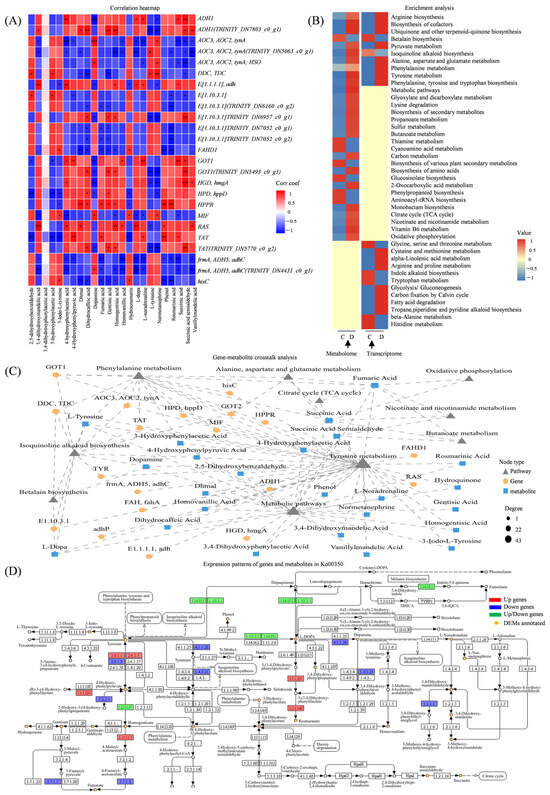
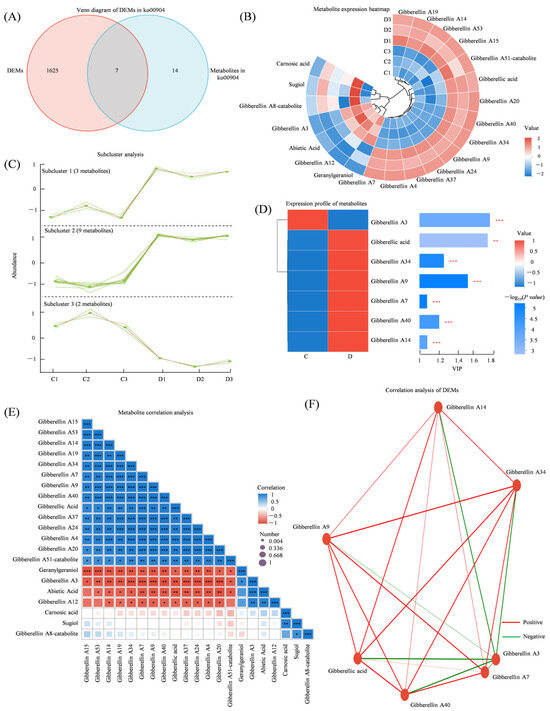
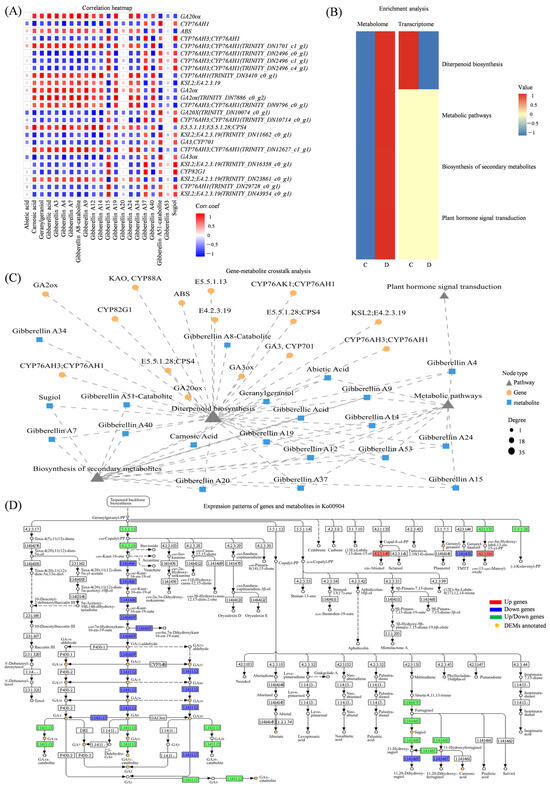
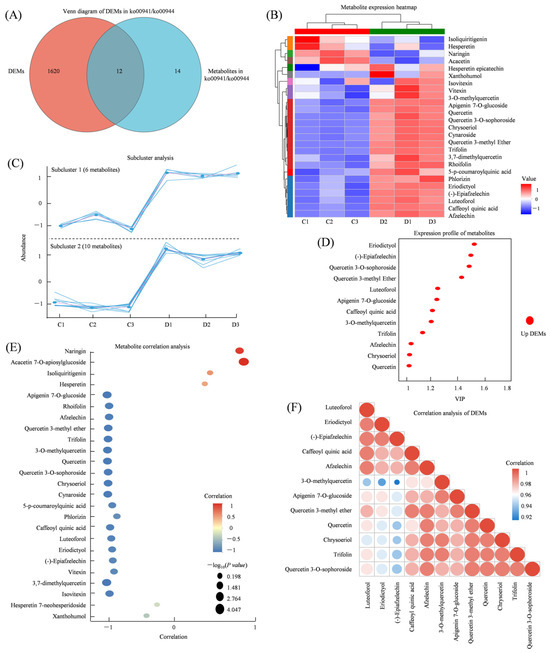
Integrated Transcriptomic and Metabolomic Analyses Uncover the Molecular Mechanisms Underlying Drought Tolerance in Isodon suzhouensis
by
Fawang Liu and Lei Pan
Genes 2026, 17(8), 936; https://doi.org/10.3390/genes17080936 - 11 Aug 2026
Abstract
Background/Objectives: This study aims to reveal the physiological and molecular regulatory mechanisms of the genuine medicinal herb I. suzhouensis K. F. Zhai, Z. B. Han & S. B. Zhou (Wangzaozi) of Anhui province in response to drought stress, and clarify the regulatory patterns
[...] Read more.
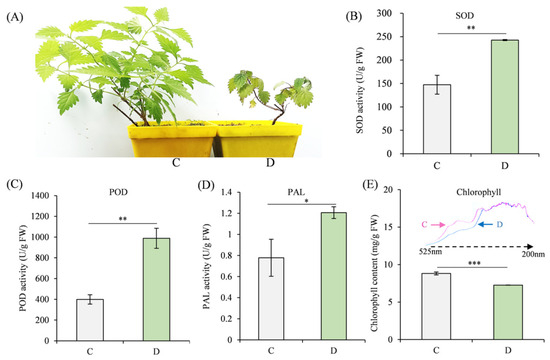
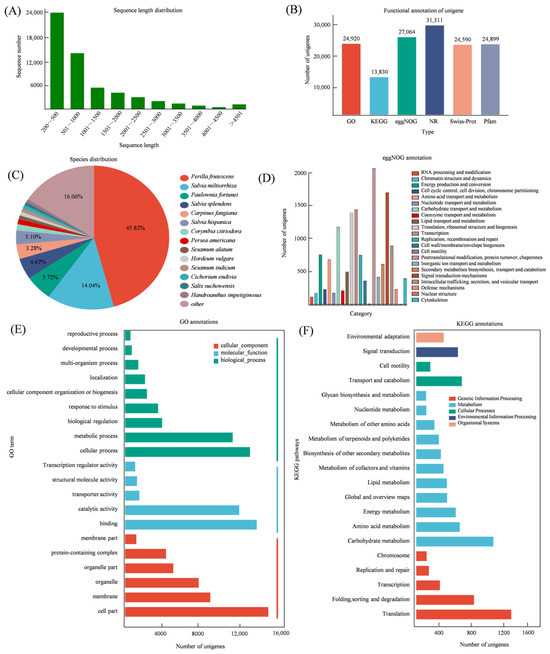
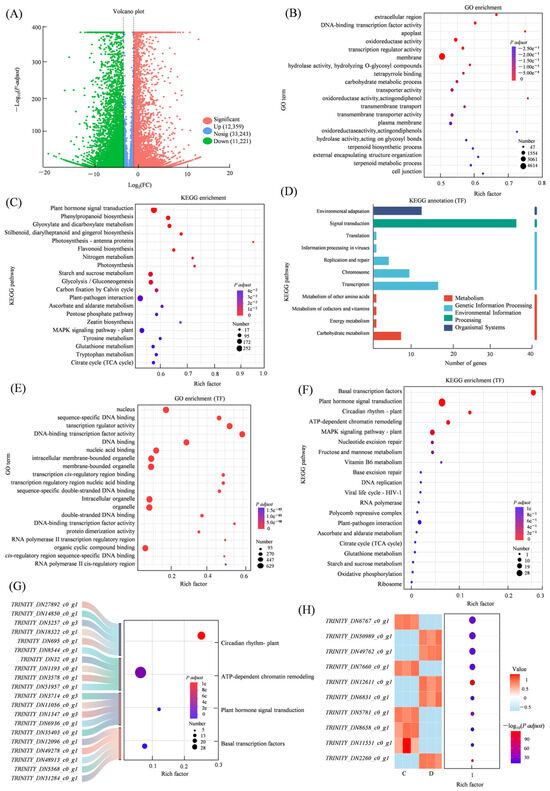
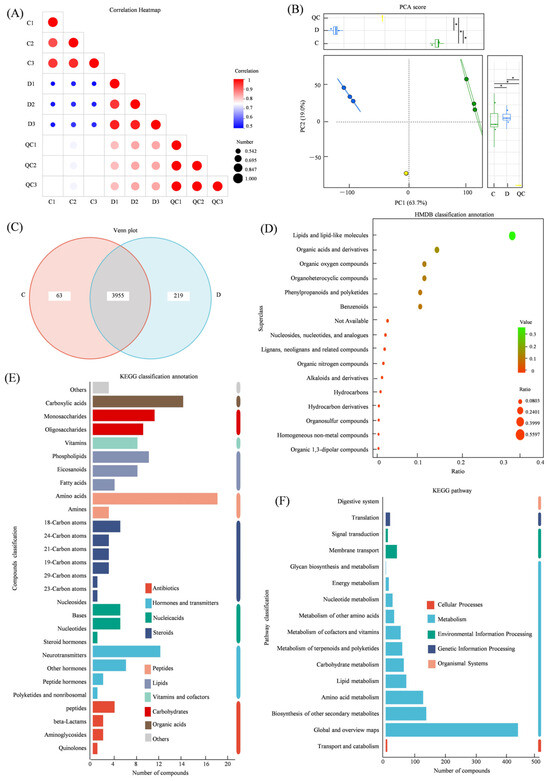
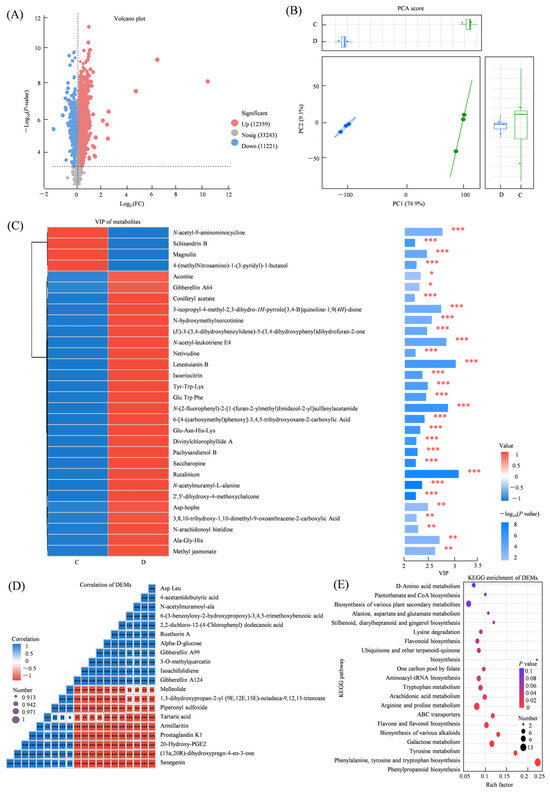
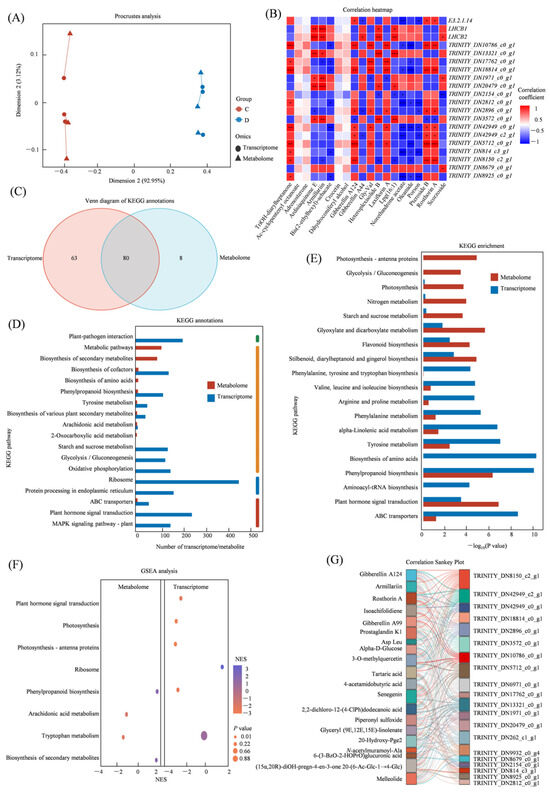
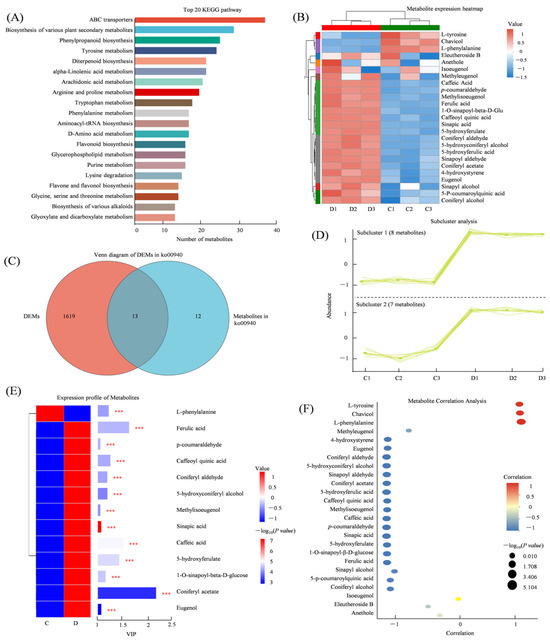
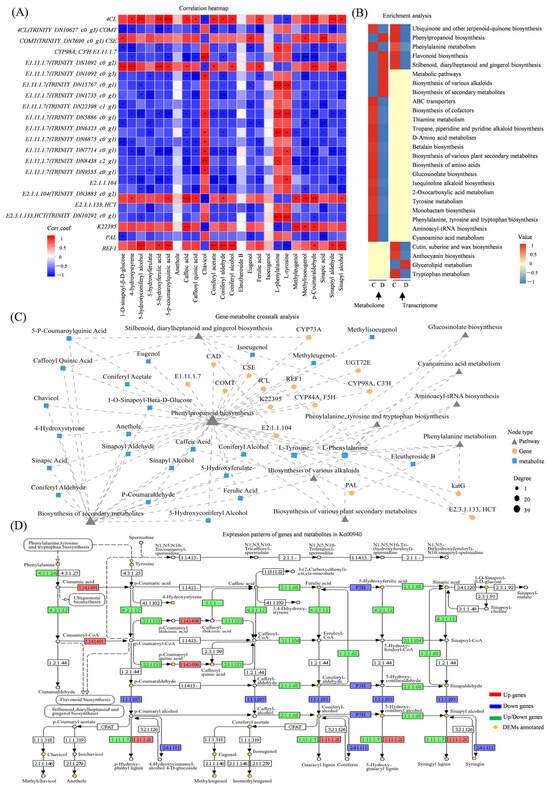
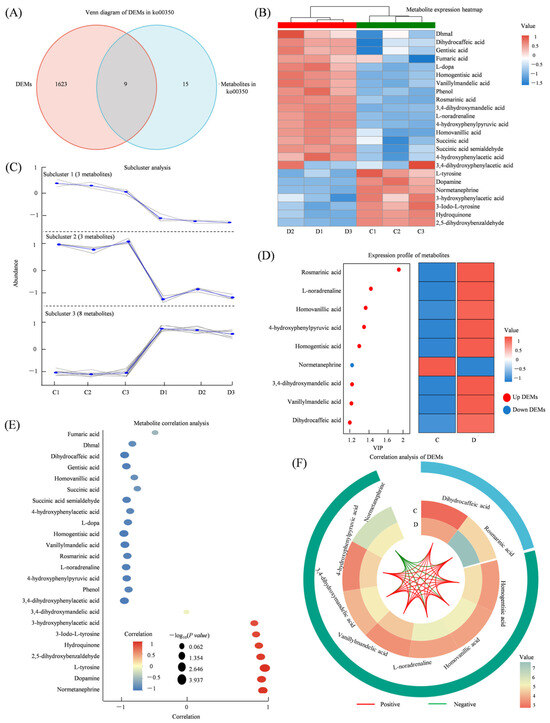
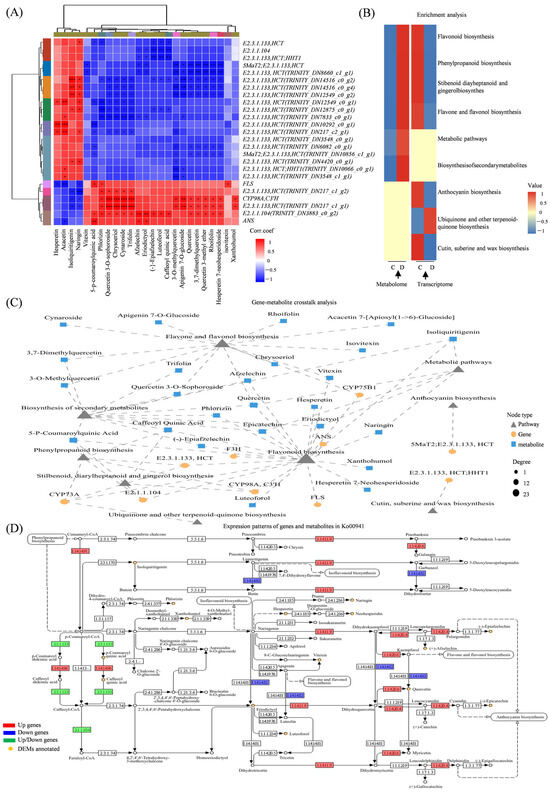
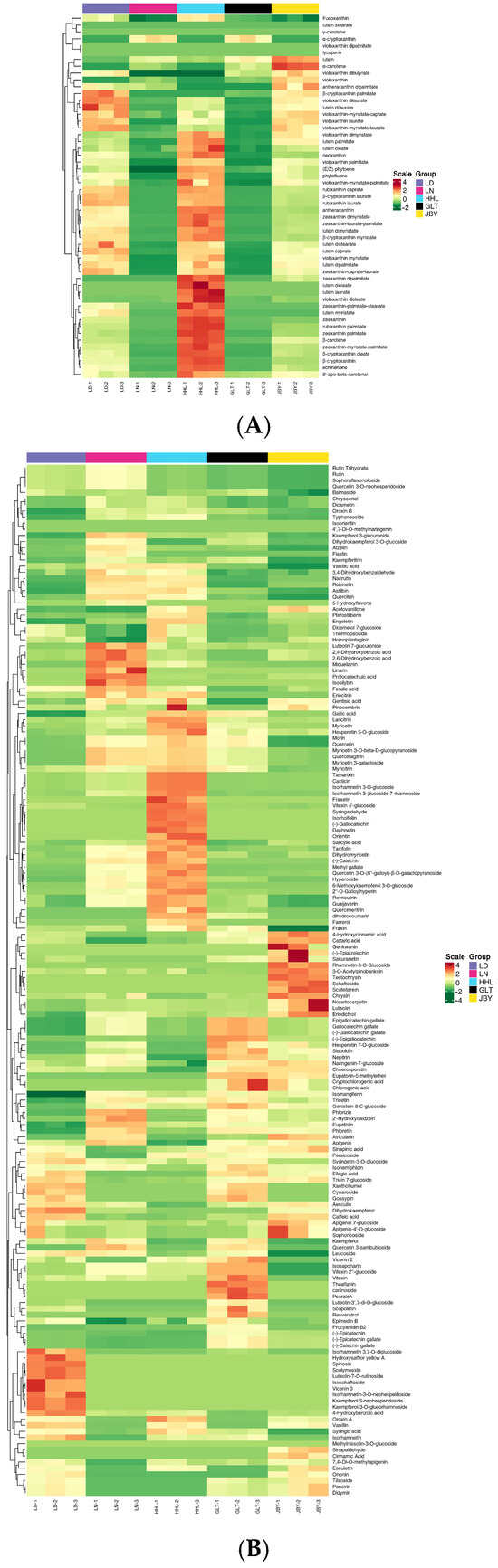
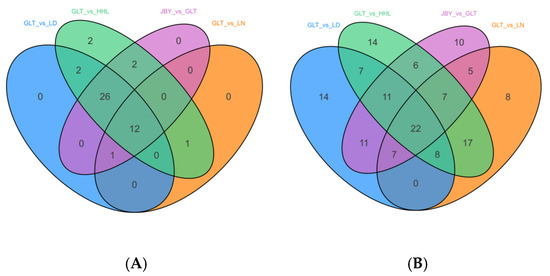
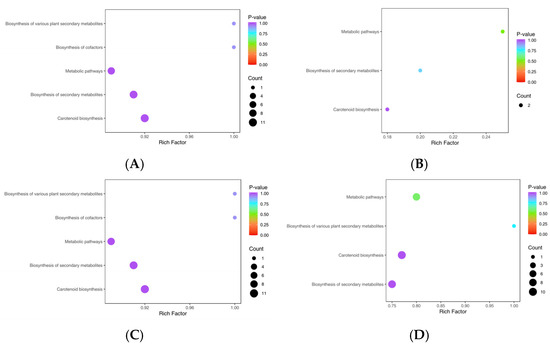
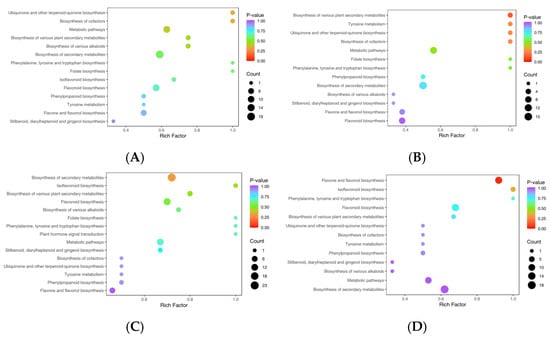
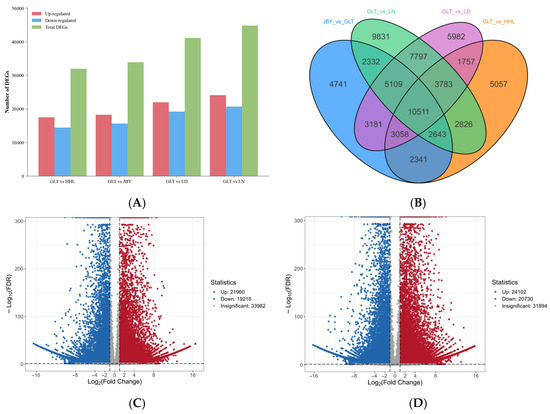
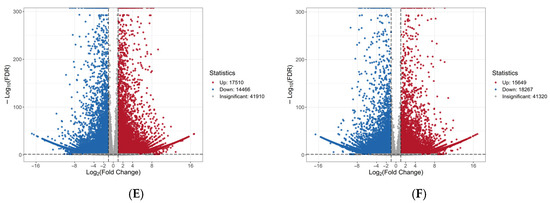
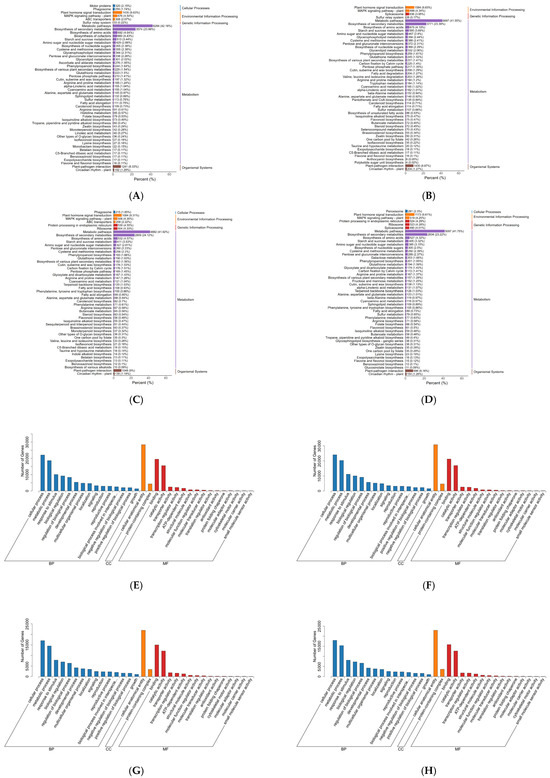
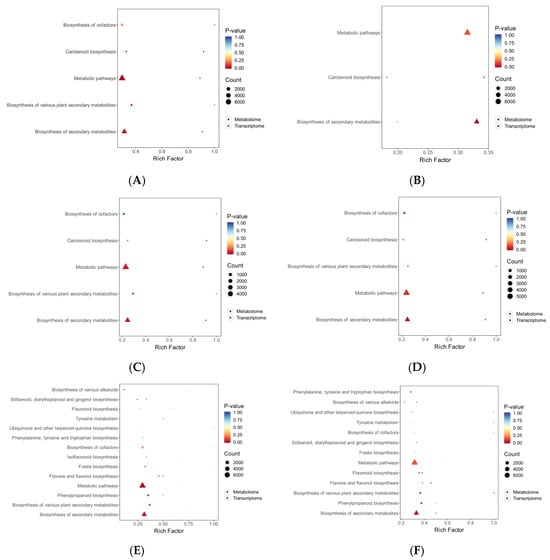
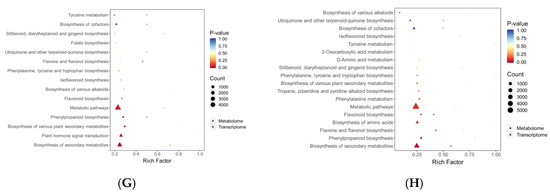
Background/Objectives: This study aims to reveal the physiological and molecular regulatory mechanisms of the genuine medicinal herb I. suzhouensis K. F. Zhai, Z. B. Han & S. B. Zhou (Wangzaozi) of Anhui province in response to drought stress, and clarify the regulatory patterns of drought adversity on the accumulation of its medicinal active ingredients. Methods: Mild natural drought treatment was applied to I. suzhouensis. Combined with Illumina high-throughput transcriptome sequencing and HPLC-MS/MS targeted metabolomics detection, this study jointly deciphered the dynamic changes in gene expression and metabolite accumulation of I. suzhouensis under drought. Key drought-responsive metabolic pathways, core regulatory genes and marker metabolites were screened. Results: A total of 56,823 high-quality unigenes were obtained via transcriptome sequencing, among which 23,580 differentially expressed genes (DEGs) were identified. Functional enrichment analysis revealed that DEGs were predominantly enriched in pathways, including plant hormone signal transduction, phenylpropanoid biosynthesis, flavonoid biosynthesis and photosynthesis. A total of 4171 metabolites were qualitatively and quantitatively characterized via metabolomics, and 1632 differentially expressed metabolites (DEMs) were screened, mainly enriched in phenylpropanoid biosynthesis, tyrosine metabolism, flavone and flavonol biosynthesis pathways. Physiological measurements of antioxidant indices demonstrated that the activities of SOD and POD increased by approximately 2-fold, while PAL activity rose by 1.55-fold, and chlorophyll content decreased significantly. Multi-omics joint analysis indicated that mild drought stress modulates the expression of genes involved in phenylpropanoid, flavonoid and diterpenoid biosynthetic pathways, alters antioxidant enzyme activities, and coordinately regulates the formation of drought tolerance and the accumulation of bioactive compounds in I. suzhouensis. Conclusions: This study systematically elucidates the drought response mechanism of I. suzhouensis cultivated in northern Anhui province. It provides theoretical evidence and candidate core responsive gene resources for standardized cultivation of I. suzhouensis and precise regulation of medicinal quality in drought-prone production areas.
Full article
(This article belongs to the Special Issue Advances in Genetics and Genomics of Medical Plants)
►▼
Show Figures

Figure 1
Open AccessFeature PaperArticle
Does the AMPD1 C34T Polymorphism Influence Physical Performance in Elite Athletes?
by
Daniel R. Martin, Georgina K. Stebbings, Shane M. Heffernan, Robert M. Erskine, Mark Antrobus, Jon Brazier, Sarah Lockey, Alex L. Jackson, Stephen Day, Liam Kilduff, Mark Bennett, Stuart M. Raleigh, Tom Cullen, Malcolm Collins, Yannis Pitsiladis, Peter Callus, Adam J. Herbert and Alun G. Williams
Genes 2026, 17(8), 935; https://doi.org/10.3390/genes17080935 - 11 Aug 2026
Abstract
Background/Objectives: Adenosine monophosphate deaminase deficiency has been implicated in impaired exercise capacity. We examined whether the AMPD1 C34T (rs17602729) genotype was associated with athlete status and performance in distance runners (DRs) and rugby union (RU) athletes. Methods: Participants included 621 elite
[...] Read more.
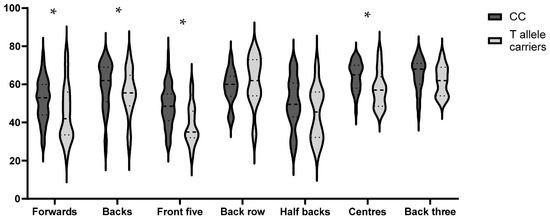
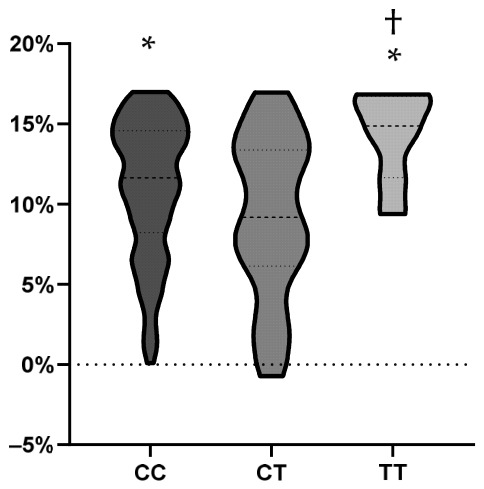
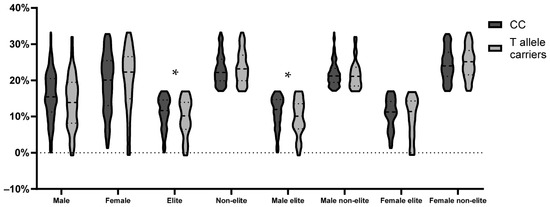
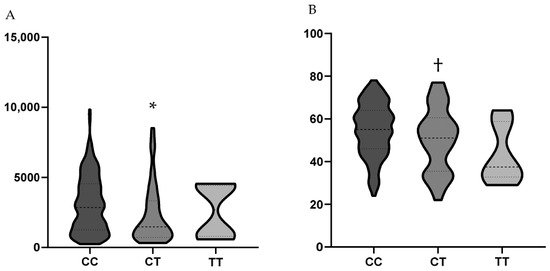
Background/Objectives: Adenosine monophosphate deaminase deficiency has been implicated in impaired exercise capacity. We examined whether the AMPD1 C34T (rs17602729) genotype was associated with athlete status and performance in distance runners (DRs) and rugby union (RU) athletes. Methods: Participants included 621 elite male RU athletes, 666 elite/sub-elite male and female DRs, and 1029 male and female non-athletes (NA), all of European ancestry. Genotyping was performed using real-time PCR with TaqMan reagents. Genotype and allele frequencies were compared using χ2 tests, while performance data were analysed using Kruskal–Wallis H, Mann–Whitney U, one-way ANOVA, and t-tests, with Benjamini–Hochberg correction applied for multiple comparisons. Results: Genotype and allele frequencies did not differ between athletes and NA or between athlete groups. In all DRs, run times did not differ between genotypes, although participants with the CT genotype in the elite and elite male subgroups were up to 5% faster than CC and TT homozygotes. In RU, participants with the CC genotype played 13% longer per appearance than those with the CT genotype, while forwards and front five participants with the CC genotype played 13% and 26% longer per appearance than T-allele carriers, respectively. Front five T-allele carriers made 75% more clean breaks than the front five with the CC genotype despite playing for a shorter time, although this finding should be interpreted cautiously. Conclusions: In summary, while the AMPD1 C34T genotype was not associated with athlete status, the CC genotype was associated with greater RU playing time per appearance in forwards, and the CT genotype was associated with superior performance in elite DRs.
Full article
(This article belongs to the Special Issue Genetics and Genomics in Physical Activity, Sports and Injury)
►▼
Show Figures

Figure 1
Open AccessArticle
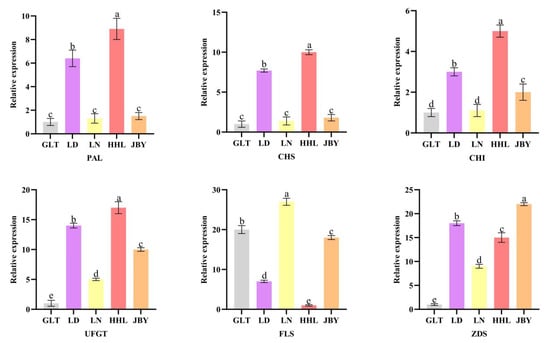
Pathway Crosstalk and Metabolic Relay in the Phenylpropanoid–Carotenoid Axis Orchestrate Petal Coloration in Kalanchoe blossfeldiana
by
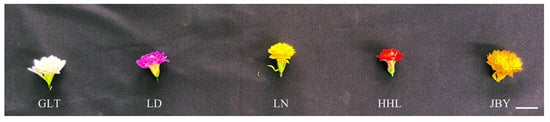
Mei Zhang, Siyang Duan, Ji Zhang, Riwen Fei, Xiuting Zhao, Changbo Ji and Li Liu
Genes 2026, 17(8), 934; https://doi.org/10.3390/genes17080934 - 11 Aug 2026
Abstract
Background: Flower color is a primary determinant of ornamental value in flowering plants. Although the biosynthetic pathways of major petal pigments have been extensively documented, the systems-level mechanisms coordinating color diversification across multiple cultivars of Kalanchoe blossfeldiana remain less understood. This study aimed
[...] Read more.
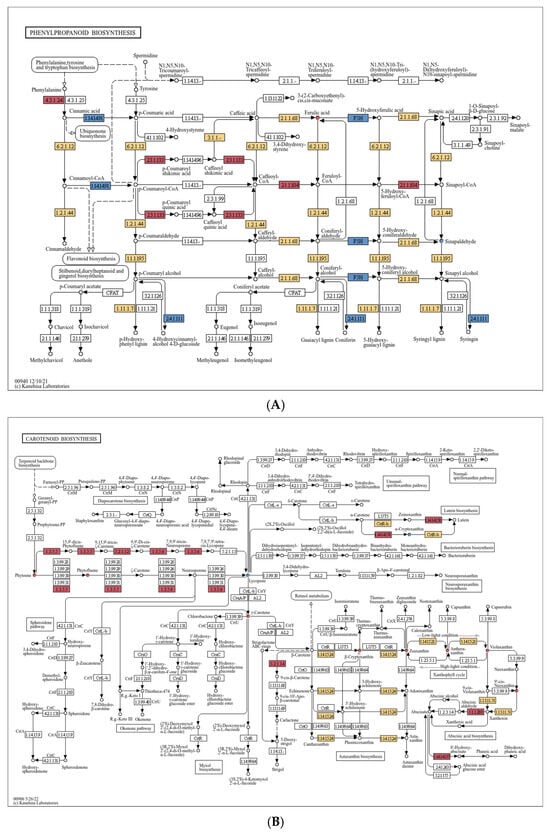
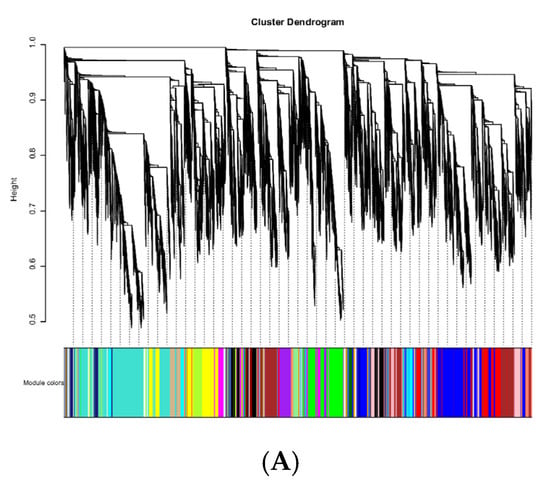
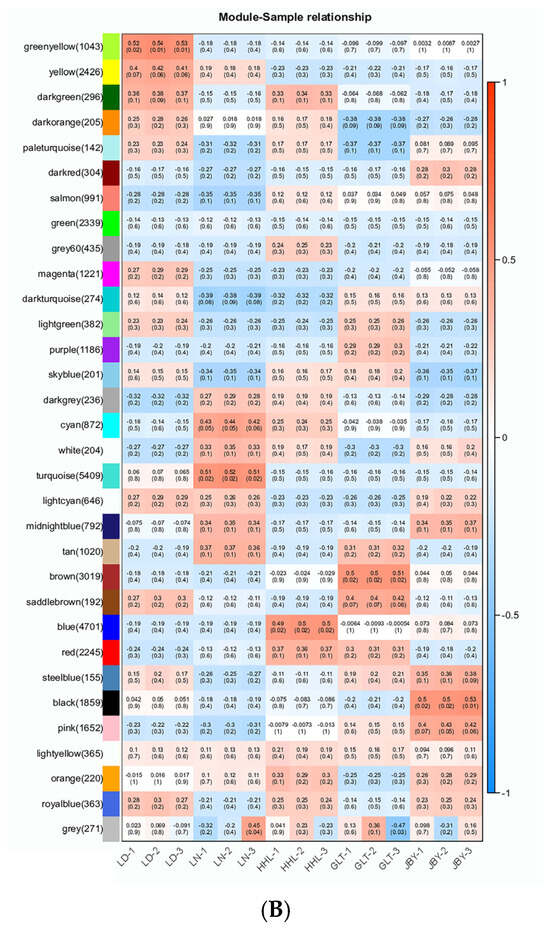
Background: Flower color is a primary determinant of ornamental value in flowering plants. Although the biosynthetic pathways of major petal pigments have been extensively documented, the systems-level mechanisms coordinating color diversification across multiple cultivars of Kalanchoe blossfeldiana remain less understood. This study aimed to establish a comparative metabolomic and transcriptomic framework to elucidate these mechanisms. Methods: Petal tissues were collected from five cultivars with white, yellow, orange, red, and purple–red flowers at the full-bloom stage. Metabolomics was performed for flavonoids and carotenoids using UPLC-MS/MS, and transcriptome sequencing was conducted via Illumina NovaSeq 6000. Integrative analysis of metabolome and transcriptome data, together with weighted gene co-expression network analysis, was employed to identify key metabolites, differentially expressed genes, and associated regulatory networks. Quantitative PCR was used to validate the expression patterns of key structural genes. Results: Petal color variation was shaped by coordinated flux partitioning between flavonoid and carotenoid networks rather than by isolated activation of single pathways. A metabolic relay pattern was observed in the phenylpropanoid–flavonoid axis, wherein shared upstream activation fed divergent downstream branches that directed accumulation toward distinct anthocyanin or flavonol profiles. Notably, yellow pigmentation relied more heavily on flavonoid flux than on carotenoid accumulation, and orange coloration arose from the synergistic co-accumulation of multiple pigment classes. Transcriptional module analysis identified gene networks associated with specific color phenotypes. Conclusions: These findings provide a systems-level understanding of pathway crosstalk in flower color formation and offer candidate targets for molecular breeding in K. blossfeldiana and related ornamental plants.
Full article
(This article belongs to the Special Issue Genetic Dissection and Molecular Mechanisms of Plant Metabolic Pathways)
►▼
Show Figures

Figure 1
Journal Menu
► ▼ Journal Menu-
- Genes Home
- Aims & Scope
- Editorial Board
- Reviewer Board
- Topical Advisory Panel
- Instructions for Authors
- Special Issues
- Topics
- Sections & Collections
- Article Processing Charge
- Indexing & Archiving
- Editor’s Choice Articles
- Most Cited & Viewed
- Journal Statistics
- Journal History
- Journal Awards
- Society Collaborations
- Conferences
- Editorial Office
Journal Browser
► ▼ Journal BrowserHighly Accessed Articles
Latest Books
E-Mail Alert
News
Topics
Topic in
Biomedicines, Future Pharmacology, Pharmacy, IJMS, Biomolecules, Genes
Prospects of Multi-Target Agonists in Metabolic and Epigenetic Medicine
Topic Editors: Riham Abouleisa, Yanming LiDeadline: 30 November 2026
Topic in
Biomedicines, Metabolites, Proteomes, Genes, J
Multi-Omics in Precision Medicine
Topic Editors: Michele Costanzo, Armando CeveniniDeadline: 31 December 2026
Topic in
Cancers, Cells, Diseases, Genes, IJMS, ncRNA, Sci
Alternative Splicing in RNA Metabolism, Tissue Homeostasis and Human Disease: From Mechanisms to Therapeutics and Clinical Applications
Topic Editors: Christos K. Kontos, Dongyu JiaDeadline: 15 January 2027
Topic in
Agriculture, Agronomy, Crops, Genes, Plants, DNA
Vegetable Breeding, Genetics and Genomics, 2nd Volume
Topic Editors: Padma Nimmakayala, Georgia Ntatsi, Umesh K. Reddy, Yan R. TomasonDeadline: 5 February 2027
Conferences
Special Issues
Special Issue in
Genes
Buffalo Genetics and Genomics
Guest Editors: Qingyou Liu, Laiba ShafiqueDeadline: 15 August 2026
Special Issue in
Genes
Unraveling the Genetic Tapestry of Human Populations: New Insights from Population Genetics and Identification in Anthropology
Guest Editor: Lovorka Barać LaucDeadline: 15 August 2026
Special Issue in
Genes
Genomic and Molecular Determinants of HPV-Related Reproductive Health
Guest Editors: Nektaria Zagorianakou, Efthalia MoustakliDeadline: 15 August 2026
Special Issue in
Genes
Genetics and Genomics in Wildlife Health and Conservation Research
Guest Editors: Arne Ludwig, Zuogang PengDeadline: 15 August 2026
Topical Collections
Topical Collection in
Genes
Study on Genotypes and Phenotypes of Pediatric Clinical Rare Diseases
Collection Editors: Livia Garavelli, Stefano Giuseppe Caraffi
Topical Collection in
Genes
Feature Papers: 'Plant Genetics and Genomics' Section
Collection Editors: Bin Yu, Roberto Tuberosa, Jacqueline Batley
Topical Collection in
Genes
Genetics and Genomics of Rare Disorders
Collection Editors: Stefania Zampatti, Emiliano Giardina