

-
From Cellular Radiosensitivity to Precision Radiotherapy: Integrating Functional Assays, Genomics, and Clinical Modeling -
Head-to-Head Comparison of [68Ga]Ga-PSMA-11 PET Interpreted with Non-Contrast CT Versus Excretory-Phase CT Urography in Biochemical Recurrence of Prostate Cancer -
Advances in Immune Checkpoint Inhibitors for Cancer Treatment
Journal Description
Cancers
Cancers
is a peer-reviewed, open access journal of oncology published semimonthly online. The North-East German Society for Gynecological Oncology (NOGGO), Irish Association for Cancer Research (IACR), Spanish Association for Cancer Research (ASEICA), Biomedical Research Centre (CIBM), British Neuro-Oncology Society (BNOS) and more are affiliated with Cancers and their members receive a discount on the article processing charges.
- Open Access— free for readers, with article processing charges (APC) paid by authors or their institutions.
- High Visibility: indexed within Scopus, SCIE (Web of Science), PubMed, PMC, Embase, CAPlus / SciFinder, and other databases.
- Journal Rank: JCR - Q2 (Oncology) / CiteScore - Q1 (Oncology)
- Rapid Publication: manuscripts are peer-reviewed and a first decision is provided to authors approximately 17.5 days after submission; acceptance to publication is undertaken in 2.7 days (median values for papers published in this journal in the first half of 2026).
- Recognition of Reviewers: Reviewers whose reports are timely and of high quality receive an APC discount voucher for a future publication in an MDPI journal. Become a reviewer.
- Sections: published in 17 topical sections.
- Companion journals for Cancers include: BCRC, Radiation and Onco.
- Journal Clusters of Oncology: Cancers, Current Oncology, Onco and Targets.
Impact Factor:
4.8 (2025);
5-Year Impact Factor:
5.1 (2025)
Latest Articles
Lipidomic Profiling Reveals Stage-Associated Triglyceride Accumulation in Macrophages in a Mouse Model of Ovarian Cancer
Cancers 2026, 18(18), 2959; https://doi.org/10.3390/cancers18182959 (registering DOI) - 14 Sep 2026
Abstract
Background/Objectives: Tumor-associated macrophages (TAMs) are critical mediators for immunosuppressive ovarian tumor microenvironments. However, the lipid metabolic features of macrophages at different stages of ovarian tumor development remain poorly understood. Methods: Here, we performed LC-MS-based lipidomic profiling of CD11b+/F4/80+
[...] Read more.
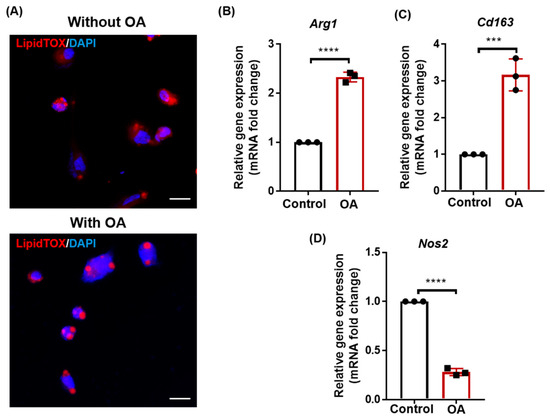
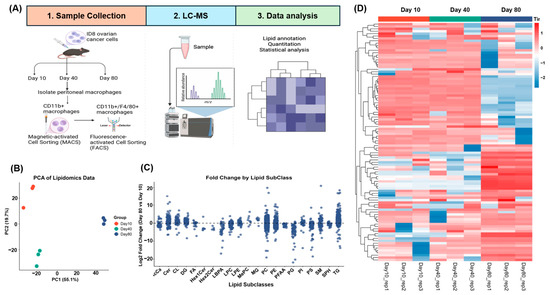
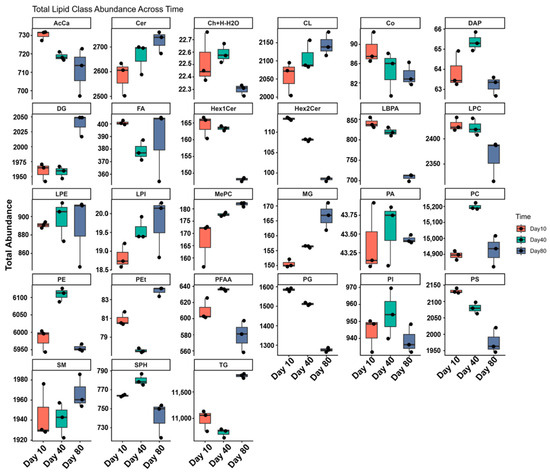
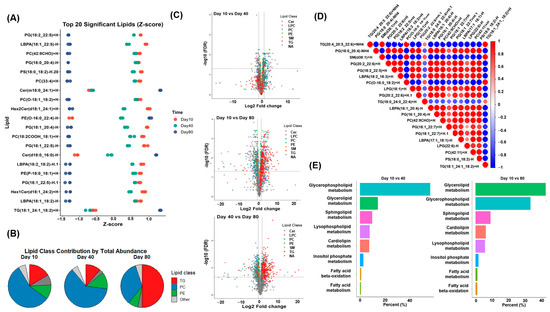
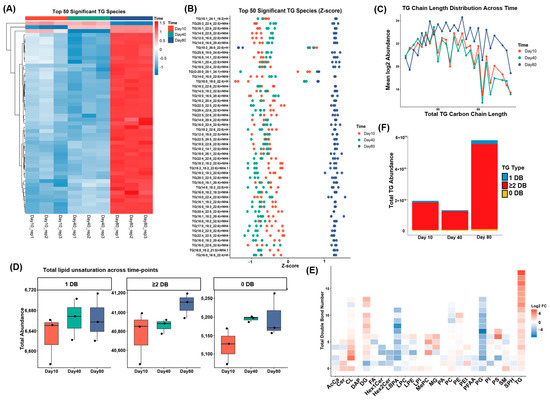
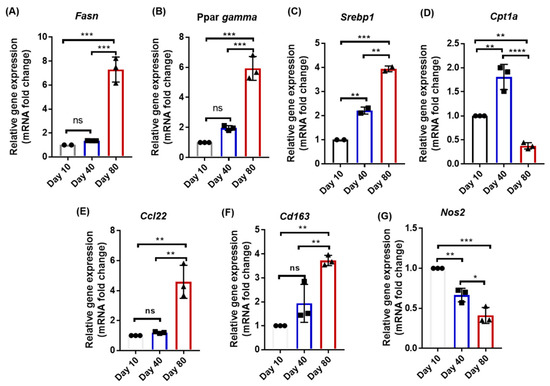
Background/Objectives: Tumor-associated macrophages (TAMs) are critical mediators for immunosuppressive ovarian tumor microenvironments. However, the lipid metabolic features of macrophages at different stages of ovarian tumor development remain poorly understood. Methods: Here, we performed LC-MS-based lipidomic profiling of CD11b+/F4/80+ macrophages isolated from ID8 tumor-bearing C57/BL6 mice at Days 10, 40, and 80 following tumor cell inoculation. Results: Principal component analysis and hierarchical clustering revealed stage-associated differences in macrophage lipid profiles. Phosphatidylethanolamine (PE), phosphatidylserine (PS), and lysophosphatidylcholine (LPC) were relatively more abundant at earlier time points, whereas triglyceride (TG) species were more abundant in macrophages isolated at Day 80. Detailed analysis revealed an increased abundance of TG species with greater total numbers of double bonds at Day 80. Pathway analysis identified enrichment of glycerolipid metabolism at Day 80. Consistent with these lipidomic findings, macrophages at Day 80 exhibited increased expression of lipogenic regulators, including Fasn, Pparg, and Srebp1, together with a gene expression profile associated with a pro-tumoral macrophage state. Supplementation of oleic acid to macrophages increased expression of selected genes associated with this macrophage state, supporting a potential relationship between altered lipid metabolism and macrophage gene expression changes. Conclusions: These findings identify stage-associated TG accumulation and alterations in macrophage lipid metabolism and provide a basis for future studies to determine whether macrophage lipid metabolism contributes to a pro-tumoral macrophage state.
Full article
(This article belongs to the Special Issue Tumor Microenvironment in Ovarian Cancer Progression, Dissemination, Recurrence: Biology and Therapeutic Opportunities)
►
Show Figures
Open AccessArticle
The Prognostic Significance of Dynamic Monitoring of Minimal Residual Disease Status in Patients with Multiple Myeloma: A Real-World Study
by
Xiaotong Zhang, Xiaozhe Li, Junru Liu, Beihui Huang, Jingli Gu, Meilan Chen, Lifen Kuang and Juan Li
Cancers 2026, 18(18), 2958; https://doi.org/10.3390/cancers18182958 (registering DOI) - 13 Sep 2026
Abstract
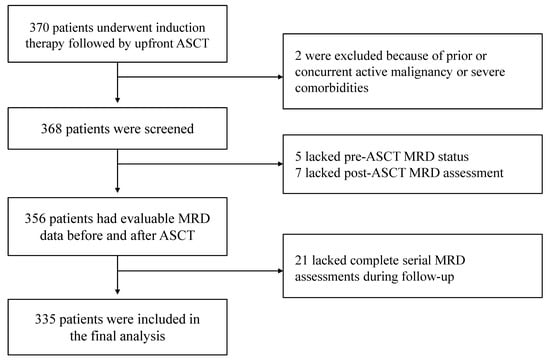
Background: Minimal residual disease (MRD) is an established prognostic factor in multiple myeloma (MM), but the significance of dynamic MRD changes before and after autologous stem cell transplantation (ASCT) remains unclear. Methods: We retrospectively analysed 335 newly diagnosed MM patients who underwent upfront
[...] Read more.
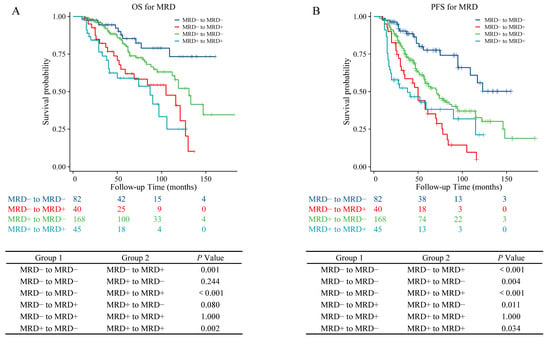
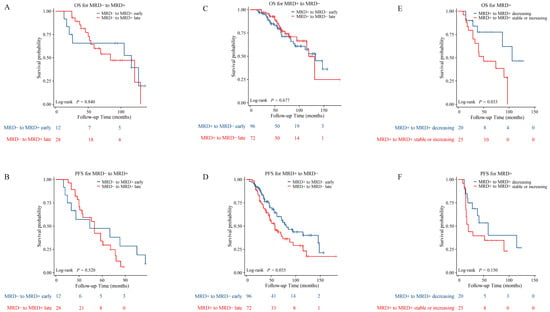
Background: Minimal residual disease (MRD) is an established prognostic factor in multiple myeloma (MM), but the significance of dynamic MRD changes before and after autologous stem cell transplantation (ASCT) remains unclear. Methods: We retrospectively analysed 335 newly diagnosed MM patients who underwent upfront ASCT. Overall survival (OS) and progression-free survival (PFS) were estimated using the Kaplan–Meier method and compared using the log-rank test. Cox proportional hazards models were used to estimate hazard ratios (HRs) and 95% confidence interval (CI), adjusting for clinical risk factors. Results: Patients were classified as having persistent MRD negativity (n = 82, 24.5%), MRD− to MRD+ conversion (n = 40, 11.9%), MRD+ to MRD− conversion (n = 168, 50.1%), or persistent MRD positivity (n = 45, 13.4%). Median OS was not reached: 105, 131, and 87 months for the groups (p < 0.001); and PFS was not reached: 50, 71, and 38 months (p < 0.001). In multivariable analysis, persistent MRD positivity (HR, 4.762; 95% CI, 2.151–10.546; p < 0.001) and MRD− to MRD+ conversion (HR, 3.925; 95% CI, 1.791–8.598; p < 0.001) were associated with increased mortality risk compared with persistent MRD negativity, whereas MRD+ to MRD− conversion showed a borderline-significant increase (HR, 1.973; 95% CI, 0.963–4.046; p = 0.063). In addition, similar patterns were observed for PFS. In subgroup analyses, late MRD+ to MRD− conversion was associated with inferior PFS (HR, 1.857; 95% CI, 1.136–3.034; p = 0.014), whereas MRD− to MRD+ conversion showed no differences in OS or PFS (all p > 0.05). Among persistent MRD-positive patients, stable or increasing MRD pattern predicted worse outcomes (HR, 4.397; 95% CI, 1.190–16.240; p = 0.026). Conclusions: Longitudinal MRD trajectories provided independent prognostic information beyond static MRD assessment in MM. Subgroup analyses further suggest that dynamic MRD assessment might help refine risk stratification after ASCT.
Full article
(This article belongs to the Section Cancer Causes, Screening and Diagnosis)
►▼
Show Figures

Figure 1
Open AccessReview
Advances in Minimally Invasive Surgery for Biliary Tract Cancer from the Viewpoint of Liver Surgery: A Task-Based Framework for Disease-Specific Procedures
by
Zenichi Morise, Hiroyuki Kato, Akihiko Horiguchi and Hidetoshi Katsuno
Cancers 2026, 18(18), 2957; https://doi.org/10.3390/cancers18182957 (registering DOI) - 13 Sep 2026
Abstract
Biliary tract cancer (BTC) surgery often requires more than organ resection, and the role of minimally invasive surgery (MIS) cannot be adequately interpreted by disease subtype alone because operative complexity varies substantially within each subtype. This narrative review evaluates recent evidence for laparoscopic
[...] Read more.
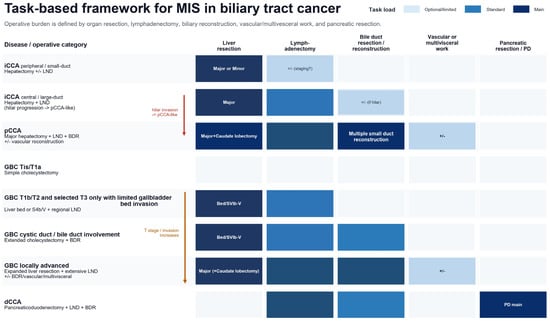
Biliary tract cancer (BTC) surgery often requires more than organ resection, and the role of minimally invasive surgery (MIS) cannot be adequately interpreted by disease subtype alone because operative complexity varies substantially within each subtype. This narrative review evaluates recent evidence for laparoscopic and robotic surgery in BTC from a task-based perspective, focusing on liver resection, lymphadenectomy, bile duct resection and reconstruction, vascular or multivisceral procedures, and pancreatic resection. Peripheral intrahepatic cholangiocarcinoma, which is often of the small-duct type, represents the most established field for minimally invasive liver resection, although lymphadenectomy remains inconsistent. Central intrahepatic cholangiocarcinoma, which is often of the large-duct type, should be considered separately because increasing hilar involvement may require systematic lymphadenectomy and bile duct resection and reconstruction, making the operation more similar to that for perihilar cholangiocarcinoma. Perihilar cholangiocarcinoma remains the highest-task-load frontier of BTC-MIS, typically requiring major liver resection with caudate lobectomy, bile duct resection, lymphadenectomy, and reconstruction of multiple small bile ducts. Current evidence is derived predominantly from retrospective studies of highly selected patients treated at expert centers. Gallbladder cancer should be stratified into Tis/T1a disease, T1b/T2 and selected T3 disease suitable for standard extended cholecystectomy, bile duct-involved disease, and locally advanced disease. Distal cholangiocarcinoma should be evaluated within the evidence base for minimally invasive pancreaticoduodenectomy rather than liver surgery. Overall, current evidence most strongly supports MIS for selected patients with peripheral intrahepatic cholangiocarcinoma and for standard extended cholecystectomy in selected patients with gallbladder cancer. Minimally invasive pancreaticoduodenectomy may also be considered for selected patients with distal cholangiocarcinoma in experienced centers. Central intrahepatic cholangiocarcinoma, perihilar cholangiocarcinoma, bile duct-involved gallbladder cancer, and locally advanced gallbladder cancer require cautious patient selection, standardized reporting, and prospective multicenter validation.
Full article
(This article belongs to the Special Issue Advances in Surgery of Liver Cancer)
►▼
Show Figures

Figure 1
Open AccessReview
Cutaneous T Cell Lymphoma: Targeting the Survival Network in Mycosis Fungoides and Sézary Syndrome
by
Philipp Heumann, Simon Mehler, Sara Martina Steinmann, Jan P. Nicolay, Martina Müller and Karsten Gülow
Cancers 2026, 18(18), 2956; https://doi.org/10.3390/cancers18182956 (registering DOI) - 13 Sep 2026
Abstract
Cutaneous T cell lymphoma (CTCL) comprises a heterogeneous group of skin-homing T cell malignancies, with mycosis fungoides (MF) and Sézary Syndrome representing the most frequent and clinically relevant entities. Their clinical behavior differs substantially: MF often follows an indolent course over years, whereas
[...] Read more.
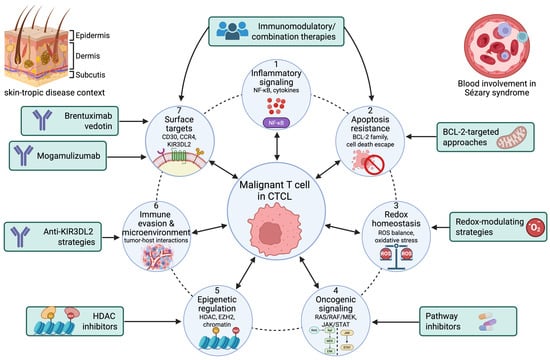
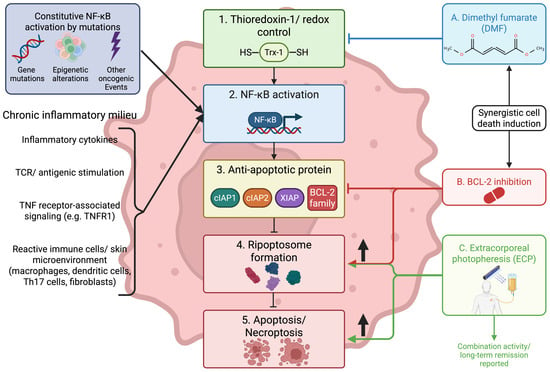
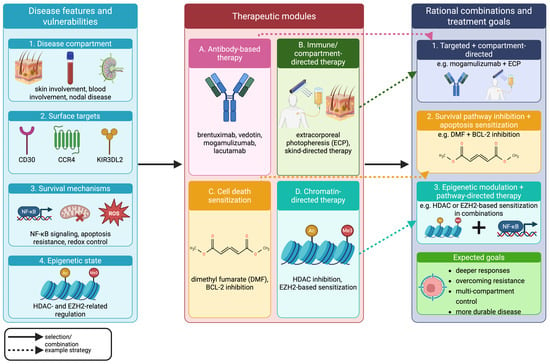
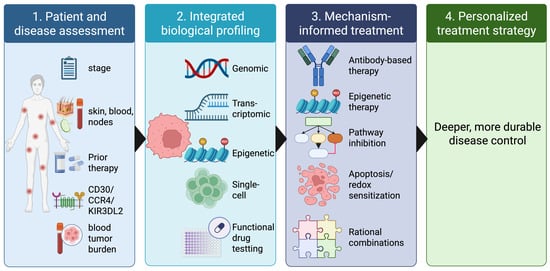
Cutaneous T cell lymphoma (CTCL) comprises a heterogeneous group of skin-homing T cell malignancies, with mycosis fungoides (MF) and Sézary Syndrome representing the most frequent and clinically relevant entities. Their clinical behavior differs substantially: MF often follows an indolent course over years, whereas Sézary Syndrome is a distinct clinicopathological entity that is typically characterized by erythroderma, a high burden of circulating malignant T cells and frequent lymph node involvement. Early-stage MF can often be controlled with skin-directed therapies, but advanced, relapsed or refractory CTCL remains therapeutically challenging. Established treatments are selected primarily according to disease stage, disease compartment and surface-target expression, whereas most pathway-directed, redox-modulating and apoptosis-sensitizing approaches remain investigational. Increasing evidence indicates that malignant T cells are maintained by an interconnected survival network rather than by a single dominant oncogenic pathway. This network includes constitutive inflammatory signaling, nuclear factor kappa B (NF-κB) activation, apoptosis resistance, altered redox homeostasis, mitochondrial and metabolic adaptation, rat sarcoma viral oncogene homolog (RAS)/rapidly accelerated fibrosarcoma (RAF)/mitogen-activated protein kinase kinase (MEK) signaling and epigenetic regulation. These mechanisms cooperate to promote malignant T cell survival, therapy resistance, and disease progression, but they also create opportunities for targeted therapeutic intervention. Particular emphasis is placed on redox-regulated cell death, nuclear factor kappa B (NF-κB)-dependent survival, B-cell lymphoma 2 (BCL-2) family proteins, RAS pathway alterations, epigenetic sensitization and mechanism-informed treatment strategies. Integrating clinicopathological staging with molecular profiling and functional vulnerability screens may support more rational combination therapies and improve patient stratification in CTCL.
Full article
(This article belongs to the Special Issue Cutaneous Lymphomas: Present and Future)
►▼
Show Figures

Figure 1

Open AccessReview
Microsatellite Instability and Mismatch Repair Subclonality in Human Cancers: Biologic Basis, Diagnostic Pitfalls, and Therapeutic Implications with a Focus on Colorectal Cancer
by
Alena A. Hasenburg, Bradley G. Somer, Sebastian Stintzing and Axel Grothey
Cancers 2026, 18(18), 2955; https://doi.org/10.3390/cancers18182955 (registering DOI) - 13 Sep 2026
Abstract
Microsatellite instability-high (MSI-H) and deficient mismatch repair (dMMR) define a molecular subtype of colorectal cancer (CRC) and predict benefit from immune checkpoint inhibition. Clinically, MSI/MMR assessment may yield discordant results across assays, anatomic sites, or time points. A challenging scenario occurs when tissue
[...] Read more.
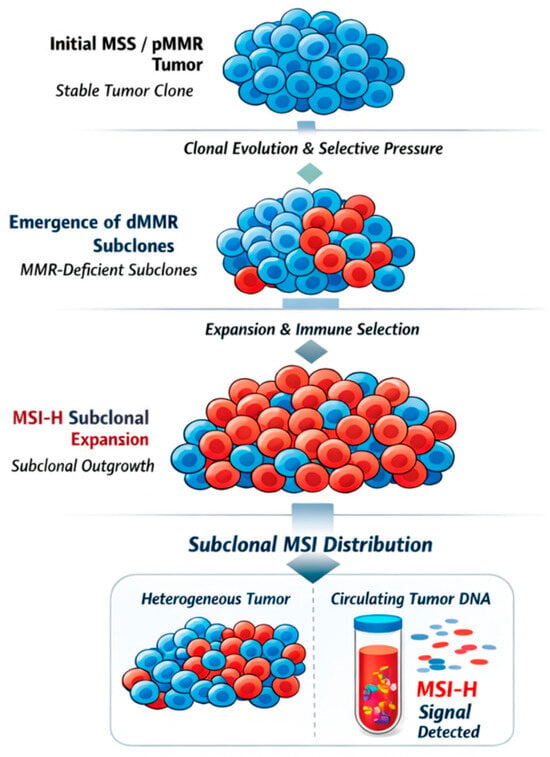
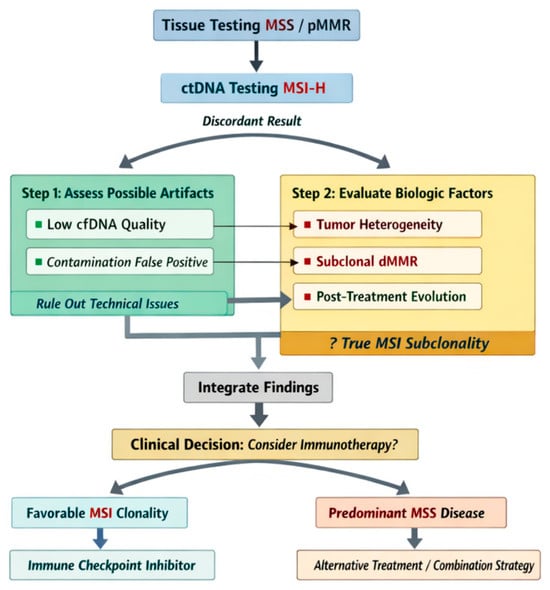
Microsatellite instability-high (MSI-H) and deficient mismatch repair (dMMR) define a molecular subtype of colorectal cancer (CRC) and predict benefit from immune checkpoint inhibition. Clinically, MSI/MMR assessment may yield discordant results across assays, anatomic sites, or time points. A challenging scenario occurs when tissue analysis identifies microsatellite-stable (MSS) or mismatch repair-proficient (pMMR) CRC, whereas circulating tumor DNA (ctDNA) analysis indicates MSI-H. This review evaluates evidence for MSI/MMR heterogeneity and subclonality in CRC. We reviewed literature on spatial, temporal and subclonal MSI/MMR heterogeneity across human cancers, focusing on CRC. Explanations for tissue–plasma and tissue–tissue discordance, including assay limitations, sampling bias, lesions misattribution, biological evolution, and treatment-related selection, were assessed. Although discordance more commonly reflects assay limitations, sampling bias, or profiling of different lesions, increasing evidence supports genuine biological heterogeneity. Distinct tumor regions may show retained MMR protein expression in one area and regional loss with MSI in another. Noncanonical MMR defects, epigenetic heterogeneity, post-treatment evolution, adaptive mutator-state, and immune selection may also generate dynamic or subclonal instability. Therapeutic relevance may depend not simply on MSI detection, but on whether the unstable clone is sufficiently dominant to generate broadly shared neoantigens across the disease burden. MSI/MMR discordance requires careful interpretation and should not automatically be considered as true biological heterogeneity. Nevertheless, genuine subclonality occurs in CRC and other cancers and may affect responsiveness to immune checkpoint inhibition. Integrated tissue, plasma, spatial and longitudinal analyses may improve treatment decisions and biomarker development.
Full article
(This article belongs to the Collection Targeting Solid Tumors)
►▼
Show Figures

Figure A1
Open AccessArticle
Prospective Evaluation of Three-Fraction SBRT with 4D Transperineal Ultrasound Intrafraction Motion Monitoring for Localized Prostate Cancer
by
Ilenia Manno, Matteo Mombelli, Valeria Faccenda, Sara Saufi, Giulia Rossano, Lorenzo De Sanctis, Federica Ferrario, Denis Panizza and Stefano Arcangeli
Cancers 2026, 18(18), 2954; https://doi.org/10.3390/cancers18182954 (registering DOI) - 13 Sep 2026
Abstract
Background/Objectives: We aimed to prospectively evaluate the safety, patient-reported quality of life (QoL), and early oncological outcomes of a three-fraction SBRT regimen with real-time transperineal ultrasound guidance in localized prostate cancer. Methods: This prospective single-centre study enrolled patients with localized prostate
[...] Read more.
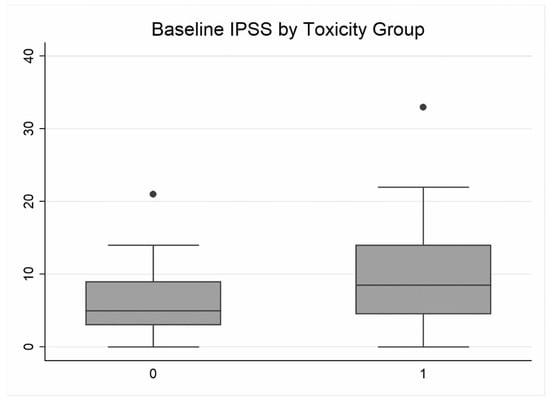
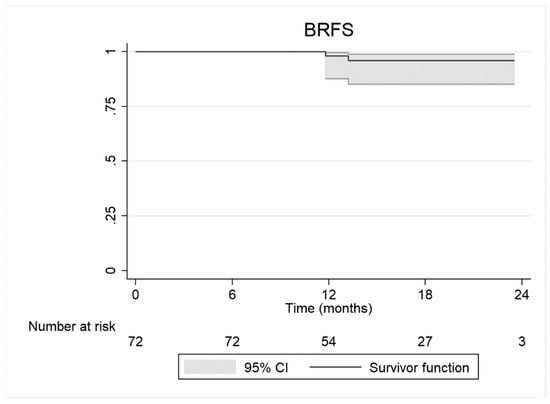
Background/Objectives: We aimed to prospectively evaluate the safety, patient-reported quality of life (QoL), and early oncological outcomes of a three-fraction SBRT regimen with real-time transperineal ultrasound guidance in localized prostate cancer. Methods: This prospective single-centre study enrolled patients with localized prostate cancer of all risk groups treated with SBRT (30 Gy in three fractions) between November 2023 and October 2025. Treatment was delivered using VMAT with CBCT-based setup verification and continuous real-time transperineal ultrasound for intrafraction motion monitoring. The primary endpoint was the incidence of acute and late grade ≥ 2 genitourinary (GU) and gastrointestinal (GI) adverse events (AEs) according to CTCAE v5.0. Secondary endpoints included patient-reported QoL (IPSS, EPIC-CP, IIEF-5), biochemical recurrence-free survival (BRFS), PSA kinetics, and factors associated with treatment-related AEs. Results: Seventy-two patients (median age, 78 years; range, 56–87) were enrolled, with a median follow-up of 16 months (range, 6–27). Acute grade ≥ 2 GU and GI AEs occurred in 34.7% and 8.3% of patients, respectively; late grade ≥ 2 GU and GI AEs occurred in 13.9% and 4.2%. One acute and one late grade 3 GU event were observed, with no grade 4–5 AEs. Although several QoL scores changed significantly over time, none exceeded the threshold for clinically meaningful deterioration. Higher baseline IPSS was associated with acute grade ≥ 2 GU Aes (aOR = 1.12, 95% CI: 1.00–1.26; p = 0.045). Median PSA declined from 7.90 to 0.44 ng/mL, and estimated BRFS was 98.2% at 12 months and 96.1% at 24 months. Conclusions: Three-fraction SBRT with real-time transperineal ultrasound guidance was feasible, with severe urinary and bowel AEs remaining uncommon, and associated with preserved clinically meaningful QoL, and encouraging preliminary biochemical control in patients with localized prostate cancer across all risk groups. This regimen may represent a practical intermediate strategy between conventional five-fraction SBRT and ultra-short fractionation, warranting longer follow-up and comparative prospective evaluation.
Full article
(This article belongs to the Special Issue Multimodality Imaging for More Precise Radiotherapy (2nd Edition))
►▼
Show Figures

Figure 1
Open AccessReview
Multimodal Artificial Intelligence in Lung Cancer: From Data Integration to Precision Oncology
by
Turja Chakrabarti, Anthony G. Mansour, Xiwei Wu, Javier Arias-Romero, Isa Mambetsariev, Natalie Chang, Stephanie Delos Santos, Tamara Mirzapoiazova, Jeremy Fricke, Jae Kim, Michelle Afkhami, Chandana Lall, Ajaz M. Khan, Amanda Reyes, Matthew Lee, Debora S. Bruno, Colton Ladbury, Arya Amini and Ravi Salgia
Cancers 2026, 18(18), 2953; https://doi.org/10.3390/cancers18182953 (registering DOI) - 13 Sep 2026
Abstract
Lung cancer remains the leading cause of cancer-related death globally, despite significant advances in diagnosis and treatment. Single biomarker approaches used clinically, such as programmed death ligand-1 (PD-L1) expression levels, have limited capacity for predicting treatment response. Multimodal data analysis using artificial intelligence
[...] Read more.
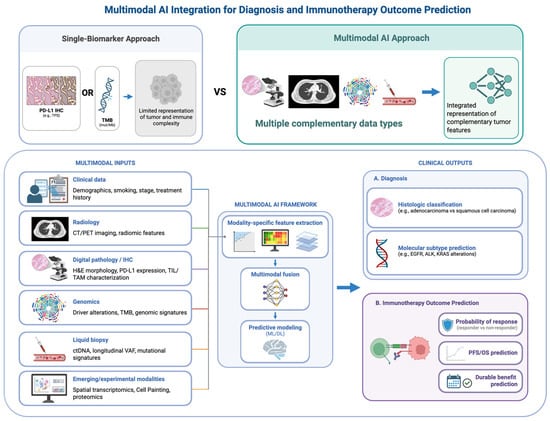
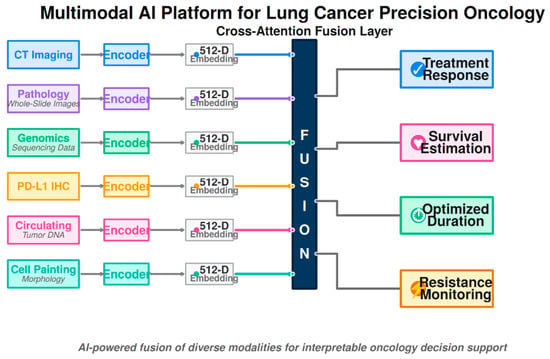
Lung cancer remains the leading cause of cancer-related death globally, despite significant advances in diagnosis and treatment. Single biomarker approaches used clinically, such as programmed death ligand-1 (PD-L1) expression levels, have limited capacity for predicting treatment response. Multimodal data analysis using artificial intelligence (AI) offers an innovative scope to integrate diverse data sources—including radiologic imaging, digital pathology, genomics, immunohistochemistry, and Cell Painting morphology—to improve clinical predictions. This review aims to examine multimodal AI applications across the lung cancer treatment landscape related to such data sources. We analyze technical architectures spanning convolutional neural networks for imaging, vision transformers for pathology, and graph neural networks for genomics. We discuss how integrating and learning from heterogeneous data sources requires cross-attention fusion mechanisms. We further analyze critical studies demonstrating that multimodal AI clinical applications achieve superior predictive performance compared to unimodal biomarker methods. Multimodal AI models can augment clinicians in treatment selection, longitudinal monitoring using circulating tumor DNA (ctDNA), and variant interpretation through morphological profiling. We propose developing a multimodal AI model to optimize precision oncology for lung cancer.
Full article
(This article belongs to the Special Issue Artificial Intelligence and Machine Learning in Lung Cancer)
►▼
Show Figures

Figure 1

Open AccessArticle
The Role of Circulating Extracellular DNA in Patients with Bladder Cancer: Clinical Associations and Exploratory Links with Heart Rate Variability
by
Patrik Palacka, Hana Kováčová, Iveta Mikolášková, Magda Suchánková, Mária Paulovičová, Beáta Rondziková, Boris Kollárik, Peter Celec and Ľuba Hunáková
Cancers 2026, 18(18), 2952; https://doi.org/10.3390/cancers18182952 (registering DOI) - 12 Sep 2026
Abstract
Background: Extracellular DNA (extracellular DNA) is a promising biomarker for tumor burden and systemic inflammation. However, its clinical significance in urothelial carcinoma remains unclear. This study evaluated plasma extracellular DNA (nuclear and mitochondrial fractions) and DNase activity in patients with bladder cancer (BC)
[...] Read more.
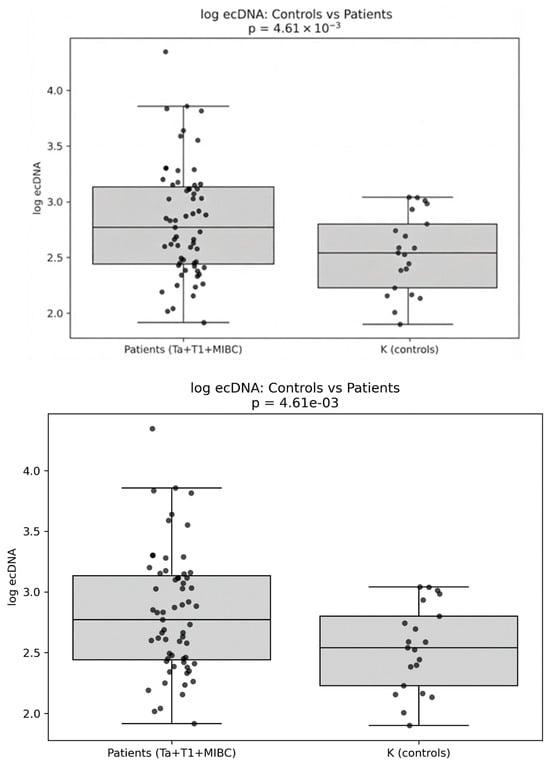
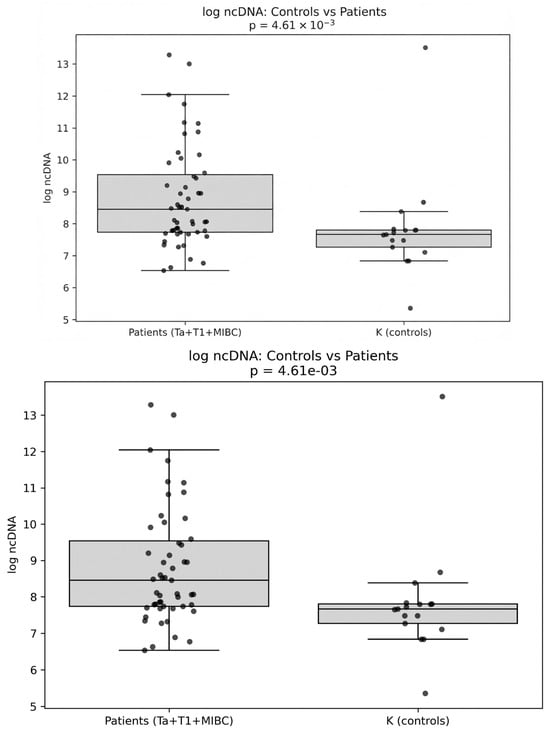
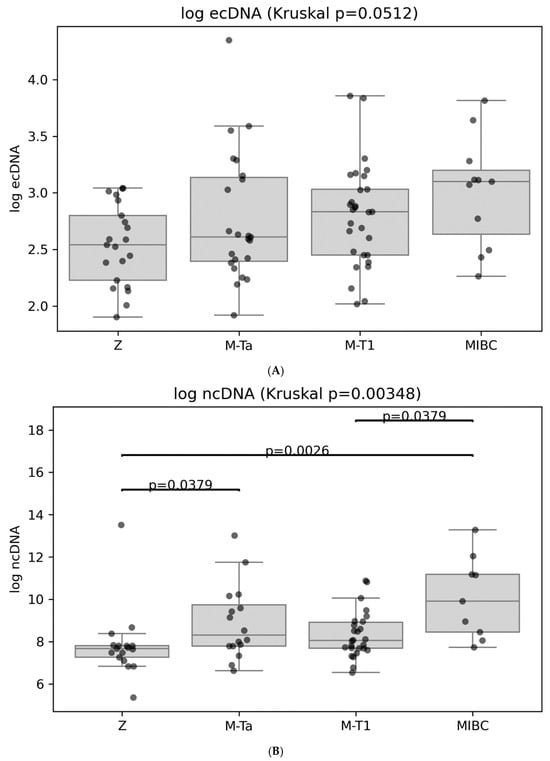
Background: Extracellular DNA (extracellular DNA) is a promising biomarker for tumor burden and systemic inflammation. However, its clinical significance in urothelial carcinoma remains unclear. This study evaluated plasma extracellular DNA (nuclear and mitochondrial fractions) and DNase activity in patients with bladder cancer (BC) in comparison to healthy controls, and explored their associations with tumor stage, survival, and heart rate variability (HRV) as a non-invasive marker of autonomic regulation. Methods: We prospectively analyzed 84 subjects: 63 patients with urothelial carcinoma (52 non-muscle-invasive [NMIBC]; 11 muscle-invasive [MIBC]) and 21 healthy controls. Plasma extracellular DNA was quantified fluorometrically, while ncDNA and mtDNA fractions were assessed via quantitative real-time PCR. DNase activity was determined using the single radial enzyme diffusion assay. Clinical associations were evaluated through group comparisons, multivariable logistic regression, survival analysis, and correlation with HRV parameters. Results: Patients with BC exhibited slightly but significantly higher extracellular DNA compared to healthy controls (by 9%); ncDNA showed a similar trend. Regarding disease progression, ncDNA demonstrated a stronger association with tumor stage than total extracellular DNA, with the highest concentrations observed in patients with MIBC. In multivariable logistic regression models adjusted for age, BMI, sex, smoking, and alcohol consumption, extracellular DNA remained independently associated with BC status (OR 5.99, 95% CI 1.43–25.12, p = 0.015). Log-transformed ncDNA was also associated with BC status, although the model was constrained by missing data. No significant differences in overall survival were observed when stratified by cutoff values of extracellular DNA, ncDNA, mtDNA, or DNase activity. Notably, while extracellular DNA correlated significantly with several HRV parameters in healthy individuals (after FDR correction), this physiological coupling was absent in patients with BC. Conclusions: Circulating extracellular DNA and ncDNA are independently associated with BC, with ncDNA showing a stronger correlation with tumor stage. While prognostic value regarding survival was not confirmed in this cohort, the absence of extracellular DNA–HRV correlations in patients, despite significant associations in healthy controls, suggests the loss of physiological coupling between circulating DNA and autonomic regulation. Further longitudinal studies are needed to validate the clinical utility and biological interpretation of these markers.
Full article
(This article belongs to the Special Issue Circulating Tumour DNA and Liquid Biopsy in Oncology)
►▼
Show Figures

Figure 1
Open AccessArticle
Self-Reported Late Effects, Information Needs, and Preferences for Long-Term Follow-Up Care Among Survivors of Childhood Cancer: A Nationwide Survivor-Led Survey from Germany
by
Jette Luedersen, Bjoern Hessing, Marie Alfes, Franziska E. Marquard and Eva-Maria Wild
Cancers 2026, 18(18), 2951; https://doi.org/10.3390/cancers18182951 (registering DOI) - 12 Sep 2026
Abstract
Background: Rising survival rates have created a growing population of childhood cancer survivors (CCSs) who have an increased risk of late effects and require long-term follow-up (LTFU) care. Existing services are often fragmented and may not reflect survivors’ priorities; optimizing such care
[...] Read more.
Background: Rising survival rates have created a growing population of childhood cancer survivors (CCSs) who have an increased risk of late effects and require long-term follow-up (LTFU) care. Existing services are often fragmented and may not reflect survivors’ priorities; optimizing such care requires understanding not only the self-reported burden of late effects and their impact on daily lives but also survivors’ information status and their preferences for future care. Methods: Survivor Deutschland e.V. conducted a nationwide cross-sectional online survey assessing the current late effects, daily-life impairments, subjective information statuses, current follow-up structures, and preferences for future LTFU care. A total of 339 CCSs were included, covering all childhood cancer entities, most frequently leukemia (30.7%), central nervous system tumors (18.3%), and lymphoma (16.5%). Data were analyzed descriptively and supplemented by paired non-parametric analyses. Results: Overall, 74.3% (252/339) reported at least one late effect. Self-rated limitations in daily life had a median of five (Q1–Q3 3–7) on a 1–10 scale, which increased with the number of reported late effects. The most frequently affected domains were endocrine (36.3%, n = 123), fertility (33.6%), psychological (30.4%, n = 103), neurocognitive (26.0%, n = 88), and orthopedic (24.8%, n = 84) problems. A majority (69.3%, n = 235) knew that late effects existed yet felt insufficiently informed, and 4.4% only learned of these through the survey. Among 172 survivors in adult follow-up care, only 26.8% (46/172) reported access to structured, specialized LTFU care, whereas 56.4% (97/172) preferred this model. Survivors rated the importance of LTFU care highly (median 9/10) but rated satisfaction with their current care as much lower (median 3/10). The most valued components were the coverage of follow-up costs, sufficient consultation time, a dedicated contact person, and clear communication of results. Psychological support was a notable gap (5.8%, 10/172 current access vs. 17.9% 31/172 preferred), and 84.1% were willing to travel up to two hours or more for high-quality care. Conclusions: German CCSs report a high late-effect burden, meaningful impairment of their daily lives, a pronounced information gap, and substantial unmet care needs. These patient-centered findings support structured, risk-adapted LTFU with proactive information, integrated psychological support, and sustainable financing at specialized LTFU centers.
Full article
(This article belongs to the Special Issue Survivorship Following Childhood, Adolescent, and Young Adult Cancer)
►▼
Show Figures

Figure 1
Open AccessReview
Mechanisms of Resistance to MEK Inhibitors (RAS–MAPK Pathway) in Malignant Peripheral Nerve Sheath Tumors and Their Precursor Lesions (Plexiform Neurofibromas) Associated with Neurofibromatosis Type 1
by
Sergey I. Sologov, Diana Sologova, Denis Dubinin, George Anikin, Nana Bekhorashvili, Maria Rayisyan, Elena Krylova, Milada Yarkova, Ekaterina M. Grigorevskikh, Elena Smolyarchuk and Susanna Sologova
Cancers 2026, 18(18), 2950; https://doi.org/10.3390/cancers18182950 - 11 Sep 2026
Abstract
Background/Objectives: MEK inhibitors (selumetinib, mirdametinib) are the only approved class of targeted therapy for neurofibromatosis type 1 (NF1)-associated plexiform neurofibroma (PN), producing partial responses in a substantial proportion of patients (up to 63.6% in adults; objective response rate 19.7% versus 5.4% with placebo
[...] Read more.
Background/Objectives: MEK inhibitors (selumetinib, mirdametinib) are the only approved class of targeted therapy for neurofibromatosis type 1 (NF1)-associated plexiform neurofibroma (PN), producing partial responses in a substantial proportion of patients (up to 63.6% in adults; objective response rate 19.7% versus 5.4% with placebo in the KOMET trial). Responses, however, are rarely complete or durable, and in malignant peripheral nerve sheath tumor (MPNST) single-agent MEK inhibition is clinically ineffective. Mechanisms of escape from MEK inhibition in these tumors remain poorly characterized and are reported in the literature as isolated primary studies without an integrative analysis. The aim of this review was to systematize both the established molecular mechanisms of resistance to MEK inhibitors in PN and MPNST and the biologically plausible candidate mechanisms extrapolated from other RAS-driven malignancies. Methods: This is a narrative review. A structured search was performed in PubMed, PubMed Central, NCBI Bookshelf, and Scopus, supplemented by clinical practice guidelines and regulatory documents; it covered publications up to 31 May 2026 and was updated in August 2026. Ninety-six sources are cited, and their composition by publication type is reported; record counts at the intermediate screening steps were not maintained, and no PRISMA flow diagram is presented. Results: Mechanisms were classified within a convergent framework into six categories: reactivation of MAPK signaling within the cascade; parallel (bypass) reactivation through receptor tyrosine kinases and adjacent inputs; epigenetic and transcriptional rewiring; cell survival programs; the tumor microenvironment and immune evasion; and intratumoural heterogeneity. Each mechanism was then graded along two independent axes—the strength of evidence that it confers resistance in PN or MPNST (E1–E3) and its therapeutic tractability (T1–T3)—and annotated with the entity and model constituting its evidence source. Conclusions: Resistance to MEK inhibition in PN and MPNST is convergent rather than mechanism-unique. The principal limitation of the field is the near-absence of clinical resistance data from patients progressing on MEK inhibitors; prospective molecular monitoring, rational combination trials, and mechanism-stratifying biomarkers are the priorities.
Full article
(This article belongs to the Special Issue Molecular Mechanisms of Resistance to Cancer Therapies)
►▼
Show Figures

Figure 1
Open AccessReview
Non-Pharmacological Treatments for Oral Carcinogenesis: From Oral Lichen Planus to Oral Squamous Cell Carcinoma
by
Federica Re, Francesco Scilla, Mauro Labanca, Domenico Russo, Gioele Gioco, Gaia Favero and Rita Rezzani
Cancers 2026, 18(18), 2949; https://doi.org/10.3390/cancers18182949 - 11 Sep 2026
Abstract
Oral lichen planus (OLP) is a chronic, immune-mediated inflammatory disorder of the oral mucosa recognized as an oral potentially malignant disorder, with a pooled malignant transformation rate of approximately 1–1.4% that is highest in atrophic-erosive and tongue lesions. Its most feared outcome, oral
[...] Read more.
Oral lichen planus (OLP) is a chronic, immune-mediated inflammatory disorder of the oral mucosa recognized as an oral potentially malignant disorder, with a pooled malignant transformation rate of approximately 1–1.4% that is highest in atrophic-erosive and tongue lesions. Its most feared outcome, oral squamous cell carcinoma (OSCC), remains associated with a 5-year survival below 50% and a substantial clinical, functional, and economic burden. Because conventional management, like topical corticosteroids for OLP and surgery with or without radiotherapy for OSCC, entails cumulative toxicity and limited long-term efficacy, non-pharmacological strategies are attracting growing interest. This narrative review critically appraises the available evidence across the OLP-to-OSCC continuum, examining high-power ablative lasers, low-level laser therapy/photobiomodulation, photodynamic therapy, nutraceutical and phytotherapeutic agents (including melatonin, curcumin, aloe vera, coconut, zinc, and vitamin D), cryotherapy, ozone therapy, probiotics, and psychological interventions, alongside supportive measures in OSCC such as oral hygiene management, photobiomodulation for treatment-related toxicity, and post-treatment rehabilitation. Evidence is strongest and most consistent for photobiomodulation in OLP, whereas most other modalities remain promising but limited by small samples, heterogeneous protocols, and scarce placebo-controlled data. A multidisciplinary, evidence-graded approach is essential to optimize early detection, disease control, and quality of life.
Full article
(This article belongs to the Special Issue Systematic Reviews and Meta-Analyses in Cancer Research: The Therapeutic Potential of Phytochemicals and Bioactive Compounds with Defined Mechanisms and Safety Profiles)
►▼
Show Figures

Graphical abstract
Open AccessArticle
Deep Learning-Based Multi-Cancer Analysis for Predicting Disease-Free Survival Across Multiple Cancer Types
by
Siteng Chen, Encheng Zhang, Fukang Sun, Feng Gao, Da Huang, Dawei Wang, Rong Na, Liren Jiang and Ning Zhang
Cancers 2026, 18(18), 2948; https://doi.org/10.3390/cancers18182948 - 11 Sep 2026
Abstract
Background: Artificial intelligence-derived parameters hold substantial promise as indicators for tumor prognosis prediction and treatment guidance. However, existing studies have not sufficiently addressed the application of these parameters across different cancer types. Methods: We employed a deep learning algorithm to conduct
[...] Read more.
Background: Artificial intelligence-derived parameters hold substantial promise as indicators for tumor prognosis prediction and treatment guidance. However, existing studies have not sufficiently addressed the application of these parameters across different cancer types. Methods: We employed a deep learning algorithm to conduct a multi-cancer analysis for disease-free survival (MC-DFS) prediction using 8856 cases with associated whole-slide images and clinical data. The training cohort consisted of 7392 cases from the TCGA set (24 cancer types), and the independent external validation cohort comprised 1464 cases from the CPTAC and General Hospital sets (9 cancer types). A nomogram prediction signature for disease-free survival (NOMO) was developed by integrating the MC-DFS, tumor stage, and patient age. The prognostic model’s performance was validated in an independent cohort. Results: In the training and validation cohorts, the MC-DFS model achieved area under the curve (AUC) values of 0.750 and 0.682, respectively. It effectively differentiated patients with poorer disease-free survival, with hazard ratios of 4.823 (95% CI: 4.343–5.356, p < 0.0001) in the training cohort and 2.092 (95% CI: 1.472–2.971, p < 0.0001) in the validation cohort. Each cancer subtype’s analysis confirmed the model’s robust performance. Additionally, using nomogram analysis, we developed a multi-model prediction signature for disease-free survival across multiple cancer types based on MC-DFS and the clinicopathologic features in the training cohort. This enhanced model offers more precise risk stratification for stage I malignancies and complements the existing tumor staging systems by identifying high-risk patients. Conclusions: The newly developed MC-DFS shows marked improvements in prognostic predictions across multiple cancer types. With further validations across multiple centers, this nomogram prediction system could become a valuable practical tool for managing various cancers.
Full article
(This article belongs to the Section Cancer Epidemiology and Prevention)
►▼
Show Figures

Figure 1

Open AccessReview
Beyond pCR Prediction: Subtype-Specific Artificial Intelligence for Treatment Tailoring in Breast Cancer Neoadjuvant Therapy
by
Junwen Zhou, Beibei Xi, Kehuan Yan and Linying Chen
Cancers 2026, 18(18), 2947; https://doi.org/10.3390/cancers18182947 - 11 Sep 2026
Abstract
Neoadjuvant therapy for breast cancer is planned by subtype: pathologic complete response (pCR) differs in frequency, meaning, and surrogate validity across HR+/HER2−, HER2+, and triple-negative breast cancer (TNBC). This review examines whether current evidence supports using artificial intelligence (AI) to move beyond predicting
[...] Read more.
Neoadjuvant therapy for breast cancer is planned by subtype: pathologic complete response (pCR) differs in frequency, meaning, and surrogate validity across HR+/HER2−, HER2+, and triple-negative breast cancer (TNBC). This review examines whether current evidence supports using artificial intelligence (AI) to move beyond predicting response under a fixed regimen to guiding systemic treatment tailoring. Here, tailoring means model-guided drug omission, switching, escalation, or de-escalation for an individual patient. We appraised 102 full-text studies of AI-based response prediction (2020–2026), organized by subtype and clinical decision, and graded each on an author-defined five-level clinical-readiness ladder (L1–L5) measuring validation and translational maturity rather than accuracy. Risk of bias was assessed with PROBAST and reporting against TRIPOD+AI. Readiness clustered low: 43 studies reached internal validation only (L1), 53 temporal or geographic external validation (L2), and 6 prospective observational validation (L3); none reached workflow integration (L4) or interventional evidence (L5). Most carried high overall risk of bias (89/102); external validation appeared in 52 (51%), fully reported decision-curve analysis in 44 (43%), and calibration in 19 (19%). Strategy comparison and individualized-treatment-effect analyses were essentially absent. Subtype-specific AI currently predicts response under fixed regimens with moderate-to-good discrimination; the evidence does not yet support changing an individual patient’s systemic treatment.
Full article
(This article belongs to the Special Issue Tailoring Neoadjuvant Strategies for Breast Cancer Subtypes)
►▼
Show Figures

Figure 1

Open AccessArticle
Heterogeneity in Clinicopathological and PD-L1 Expression Profiles Across Mismatch Repair Protein Deficiency Patterns in Endometrial Carcinoma
by
Yunyun Xiao, Hao Yu, Danyu Huang, Shijia Liu, Yaping Wang, Ran Ren, Hanfu Hu, Shuoyan Wang, Haoyu Yu, Yi Li and Lu Han
Cancers 2026, 18(18), 2946; https://doi.org/10.3390/cancers18182946 - 11 Sep 2026
Abstract
Objectives: This study aimed to investigate the relationships among mismatch repair (MMR) protein status, clinicopathological characteristics, and Programmed Death-Ligand 1 (PD-L1) expression in endometrial cancer, focusing specifically on heterogeneity within MMR-deficient (MMRd) tumors defined by distinct protein loss patterns. Methods: This
[...] Read more.
Objectives: This study aimed to investigate the relationships among mismatch repair (MMR) protein status, clinicopathological characteristics, and Programmed Death-Ligand 1 (PD-L1) expression in endometrial cancer, focusing specifically on heterogeneity within MMR-deficient (MMRd) tumors defined by distinct protein loss patterns. Methods: This retrospective study enrolled 675 patients with surgically confirmed endometrial cancer at a tertiary medical group between January 2017 and June 2025. Patients were stratified according to specific MMR protein loss patterns. Clinicopathological parameters, the International Federation of Gynecology and Obstetrics (FIGO) stage, and PD-L1 combined positive score were compared across groups. Results: The cohort comprised 502 MMR-proficient (MMRp) and 173 MMR-deficient (MMRd) patients. Based on their specific MMR protein loss patterns, the MMRd cases were further stratified into three subgroups: MutLαcomplex loss (MLH1 ± PMS2, n = 105), MutSαcomplex loss (MSH2 ± MSH6, n = 60), and combined MutSα/MutLαcomplex loss (n = 8). Compared with MMRp tumors, MMRd tumors exhibited significantly lower BMI, higher tumor grade, more frequent lymphovascular space invasion, and elevated PD-L1 expression. Moreover, the 2023 FIGO staging system demonstrated superior performance in capturing the locally aggressive features of MMRd tumors relative to the 2009 edition. Within the MMRd cohort, the overall difference in combined positive score reached nominal significance (p = 0.049) but did not survive FDR correction (q = 0.290). Nevertheless, at the 1% and 5% cutoffs, MutLα-deficient tumors consistently showed higher PD-L1 positivity than MutSα-deficient tumors, with both associations remaining significant after FDR adjustment (q = 0.046 for both). Further subgroup analysis within the MutLα loss pathway revealed that isolated MLH1 loss was associated with a lower rate of CPS ≥ 1% (85.7%) compared with isolated PMS2 loss (91.3%) and combined MLH1/PMS2 loss (89.3%), in contrast. No significant heterogeneity in PD-L1 expression was observed across the MutSα-deficient subgroups. Conclusions: MMRd endometrial cancer heterogeneity is primarily driven by MutSα and MutLα deficiency. MutSα loss associates with higher PD-L1 expression, suggesting a favorable immune profile warranting further study. Isolated MLH1 loss correlates with the lowest PD-L1 and aggressive features. These findings refine biological understanding and provide a hypothesis-generating rationale for biomarker-guided stratification in immunotherapy.
Full article
(This article belongs to the Section Cancer Immunology and Immunotherapy)
►▼
Show Figures

Figure 1

Open AccessArticle
Association of Receipt of Human Papillomavirus Vaccination and Personal History of Cancer Diagnosis in the United States: A Cross-Sectional Study Using NHIS Data
by
Manali Desai, Shreela V. Sharma, Joël Fokom Domgue, Robert Yu, Wenyaw Chan, Charles Darkoh and Sanjay Shete
Cancers 2026, 18(18), 2945; https://doi.org/10.3390/cancers18182945 - 11 Sep 2026
Abstract
Background: Cancer survivors are at increased risk for developing subsequent cancers, including HPV-associated cancers, compared to the general population. However, evidence regarding the receipt of HPV vaccination and cancer diagnosis status is limited. Methods: We analyzed 2019 and 2022 National Health
[...] Read more.
Background: Cancer survivors are at increased risk for developing subsequent cancers, including HPV-associated cancers, compared to the general population. However, evidence regarding the receipt of HPV vaccination and cancer diagnosis status is limited. Methods: We analyzed 2019 and 2022 National Health Interview Survey data, focusing on adults aged 18–45 years who were eligible for HPV vaccination. We performed descriptive statistics and evaluated associations using survey-weighted bivariable and multivariable logistic regression to assess the association between a personal history of any cancer diagnosis and receipt of HPV vaccination, adjusting for sociodemographic and behavioral factors. Results: Among 20,917 participants (mean [SD] age (years): 31.41 [13.58]), 489 (2.0%) were cancer survivors; 99 (19.3%) received HPV vaccination. Among 20,423 adults without a cancer diagnosis, 5317 (27.8%) had received HPV vaccination. Five participants had missing data on cancer history. Cancer survivors had significantly lower odds of HPV vaccination compared to adults without a personal cancer history (Adjusted Odds Ratio [aOR]: 0.67, 95% CI: 0.52–0.87, p = 0.003). Living in non-metro areas (aOR: 0.77, 95% CI: 0.66–0.89, p < 0.001), smokers [current (aOR: 0.82, 95% CI: 0.71–0.94, p = 0.005), and former (aOR: 0.75, 95% CI: 0.67–0.84, p < 0.001)], non-US-born (aOR: 0.54, 95% CI: 0.47–0.61, p < 0.001), uninsured (aOR: 0.60, 95% CI: 0.52–0.69, p < 0.001) had significantly lower odds of receiving HPV vaccination. Those who were 18–26 years (aOR: 5.49, 95% CI: 4.73–6.37, p < 0.001), non-Hispanic others (aOR: 1.40, 95% CI: 1.11–1.75, p = 0.004), females (aOR: 3.18, 95% CI: 2.84–3.56, p < 0.001), higher education [some college/bachelor’s education (aOR: 1.57, 95% CI: 1.41–1.74, p < 0.001), and graduate degree/professional scholar (aOR: 1.91, 95% CI: 1.65–2.22, p < 0.001)], living in rented housing (aOR: 1.18, 95% CI: 1.08–1.29, p < 0.001) had significantly higher odds of receiving HPV vaccination. Conclusions: HPV vaccination uptake is low among cancer survivors. Targeted interventions such as strong oncologists’ recommendations, patient reminders, and care coordination between oncology and primary care professionals are needed to increase HPV vaccination uptake in this population.
Full article
(This article belongs to the Section Cancer Epidemiology and Prevention)
►▼
Show Figures

Figure 1

Open AccessArticle
Prognostic Impact of Visceral Pleural Invasion in Node-Negative Non-Small Cell Lung Cancer with Tumors ≤ 3 cm
by
Ezgi Gürel Akan, Pınar Akın Kabalak, Suna Kavurgacı, Tuba İnal Cengiz, Funda Demirağ, Hakan Nomenoğlu, Hasan İbiş and Ülkü Yılmaz
Cancers 2026, 18(18), 2944; https://doi.org/10.3390/cancers18182944 - 11 Sep 2026
Abstract
Background and Objectives: Visceral pleural invasion (VPI) up-classifies non-small cell lung cancer (NSCLC) tumors measuring ≤3 cm from T1 to T2; however, whether this stage migration translates into worse survival in pathologically node-negative disease remains uncertain. This study evaluated the prognostic impact
[...] Read more.
Background and Objectives: Visceral pleural invasion (VPI) up-classifies non-small cell lung cancer (NSCLC) tumors measuring ≤3 cm from T1 to T2; however, whether this stage migration translates into worse survival in pathologically node-negative disease remains uncertain. This study evaluated the prognostic impact of VPI on overall survival (OS) and progression-free survival (PFS) in this selected population. Materials and Methods: This retrospective single-center cohort study included patients who underwent surgical resection for pathologically node-negative NSCLC with tumors ≤ 3 cm between 2015 and 2021. In the primary analysis, patients with PL0 were compared with those with PL1–PL2, whereas PL3 cases were excluded from the primary comparison and evaluated only in exploratory analyses. Survival outcomes were assessed using Kaplan–Meier analysis and univariable and multivariable Cox regression models. Results: A total of 241 patients were included in the overall cohort (PL0, n = 179; PL1, n = 48; PL2, n = 9; PL3, n = 5). After exclusion of PL3 from the primary analysis, 236 patients remained, including 179 with PL0 and 57 with PL1–PL2. During follow-up, 58 deaths and 81 PFS events occurred in the primary analytic cohort. Kaplan–Meier analysis showed no significant differences between PL0 and PL1–PL2 in OS (log-rank p = 0.655) or PFS (log-rank p = 0.904). In multivariable analysis, VPI was not independently associated with OS (HR 0.785, 95% CI 0.389–1.582; p = 0.498) or PFS (HR 0.908, 95% CI 0.507–1.624; p = 0.744). Increasing age was independently associated with worse OS and PFS, whereas male sex and pneumonectomy were independently associated with worse OS. Conclusions: In surgically treated patients with pathologically node-negative NSCLC and tumors ≤ 3 cm, VPI defined as PL1–PL2 was not independently associated with OS or PFS. These findings suggest that the prognostic implications of VPI-driven up-classification may be context-dependent and should be interpreted together with other clinicopathological factors.
Full article
(This article belongs to the Special Issue Clinical Pathology of Lung Cancer (2nd Edition))
►▼
Show Figures

Figure 1
Open AccessArticle
Real-World Analysis of Olanzapine and Functional Outcomes in Outpatient Cancer Rehabilitation
by
Ioanna Karras, Kayla Beck, Addison Barber, Kathryn Abplanalp and Ishan Roy
Cancers 2026, 18(18), 2943; https://doi.org/10.3390/cancers18182943 - 11 Sep 2026
Abstract
Background/Objectives: Cachexia is a multifactorial muscle wasting syndrome driven by inflammation, causing increased catabolism and decreased food intake. Using appetite stimulation as part of multidisciplinary rehabilitation for cachexia is an emerging strategy. Olanzapine was originally developed as an atypical antipsychotic and has
[...] Read more.
Background/Objectives: Cachexia is a multifactorial muscle wasting syndrome driven by inflammation, causing increased catabolism and decreased food intake. Using appetite stimulation as part of multidisciplinary rehabilitation for cachexia is an emerging strategy. Olanzapine was originally developed as an atypical antipsychotic and has since emerged in rehabilitative strategies in patients with brain injury and chemotherapy-induced nausea. In 2023, the American Society of Clinical Oncology (ASCO) issued a rapid recommendation for the use of low-dose (2.5–5 mg) olanzapine to improve appetite and weight in adults with advanced cancer cachexia, based on novel evidence of increased appetite and weight gain. Methods: We retrospectively evaluated the impact of olanzapine on a real-world cohort of 45 patients with appetite concerns undergoing cancer-related rehabilitation. Patients were retrospectively evaluated for changes in body composition metrics and physical therapy (PT) related outcomes. Results: While treatment groups were well matched at baseline, there were no statistical differences between group outcomes, including weight gain, contrary to findings in other populations. However, fatigue was a significant predictor of PT goal completion across the cohort (p = 0.017), highlighting the need for future studies to investigate this relationship more deeply. Conclusions: These results indicate that the effects of olanzapine may vary between different clinical populations and suggest that further investigation into adjuvant therapies remains critical for optimizing care for cancer patients with anorexia.
Full article
(This article belongs to the Special Issue Nutritional Strategies Across the Cancer Continuum: Prevention, Therapeutic Intervention, Support, and Survivorship)
►▼
Show Figures

Figure 1
Open AccessArticle
The Expression of Wound-Healing-Related Histochemical and Immunohistochemical Stains at the Time of Salvage Isolated Neck Dissection—An Exploratory Study
by
Roel Henneman, Joyce Sanders, Ingrid Hofland, Olga Hamming-Vrieze, Alfons J. M. Balm and Erienne de Cuba
Cancers 2026, 18(18), 2942; https://doi.org/10.3390/cancers18182942 - 11 Sep 2026
Abstract
Introduction: Salvage surgery is known for an increased surgical complication rate. However, currently available patient, tumor and therapy factors are not reliable enough to predict surgical site complications (SSCs). This exploratory study tests skin acquired by neck dissection for several histochemical and immunohistochemical
[...] Read more.
Introduction: Salvage surgery is known for an increased surgical complication rate. However, currently available patient, tumor and therapy factors are not reliable enough to predict surgical site complications (SSCs). This exploratory study tests skin acquired by neck dissection for several histochemical and immunohistochemical stains to explore tissue changes related to wound healing. Patients and methods: From an existing database of 232 isolated neck dissections (NDs), 17 patients who underwent skin resection during ND were included—5 who underwent primary procedures and 12 who underwent salvage procedures. Skin specimens were tested for ten histochemical and immunohistochemical stains, with emphasis on the stages of wound healing: inflammation, proliferation and remodeling. Results: Three stains (CD-68, α-SMA, and Vimentin) showed significantly different expression between the primary surgical and salvage groups (respectively. p = 0.013, p = 0.044 and p = 0.015), without a clear pattern of decreased or increased expression. None of the ten stains showed a significant difference related to SSCs. Conclusions: The three significantly different staining patterns found in this exploratory study can all be linked to macrophage and (myo-)fibroblast transitions, possibly representing an imbalance of macrophage/stroma interplay. Future studies focusing on the role of macrophages in wound healing after salvage surgery are necessary.
Full article
(This article belongs to the Special Issue Feature Papers in Section “Methods and Technologies Development” in 2026)
Open AccessArticle
Real-World Outcomes After Sublobar Resection for Small Node-Negative Lung Adenocarcinoma: SEER Benchmarking and a Clinicopathological Analysis
by
Yuhao Jing, Zhenbao Zhou, Miao Li, Guangzhi Sun, Xin Wang, Kai Wang, Yifan Zhao, Songxiang Li, Xiaoteng Jia, Han Zhang, Yuhang Wang and Xin Li
Cancers 2026, 18(18), 2941; https://doi.org/10.3390/cancers18182941 - 10 Sep 2026
Abstract
Background: Randomized trials support sublobar resection for selected small peripheral lung cancers, but real-world outcomes may vary by procedure type, nodal assessment, and pathological risk. Methods: We performed a two-stage real-world analysis. Stage 1 included 22,864 patients with lung adenocarcinoma ≤3 cm from
[...] Read more.
Background: Randomized trials support sublobar resection for selected small peripheral lung cancers, but real-world outcomes may vary by procedure type, nodal assessment, and pathological risk. Methods: We performed a two-stage real-world analysis. Stage 1 included 22,864 patients with lung adenocarcinoma ≤3 cm from a node-assessed N0M0 SEER cohort. Stage 2 included 872 patients with node-negative lung adenocarcinoma from a multi-institutional, single-center-dominant clinicopathological cohort. The primary endpoint was disease-free survival (DFS). Results: In SEER, sublobar resection was associated with higher all-cause mortality (HR 1.31, 95% CI 1.23–1.38) and lung cancer-specific death (HR 1.38, 95% CI 1.27–1.51). Procedure-specific estimates were smaller for segmentectomy than for wedge resection and were attenuated after adjustment for examined lymph-node count. In the clinicopathological cohort, the primary postoperative model showed a higher DFS hazard with sublobar resection (HR 1.75, 95% CI 1.08–2.83), with a similar estimate after overlap weighting (HR 1.75, 95% CI 1.08–2.85). However, the association was not statistically clear after propensity-score matching (HR 1.41, 95% CI 0.76–2.63), 60-month restriction (HR 1.09, 95% CI 0.58–2.03), or restriction to a comparable-follow-up cohort (HR 1.57, 95% CI 0.88–2.78). The proportional-hazards assumption for DFS was violated, and late estimates were based on sparse risk sets and were unstable. The recurrence association was predominantly locoregional, and increasing Core-HRPF burden was associated with progressively worse prognosis. Conclusions: Real-world sublobar resection is a heterogeneous exposure. Observed outcome associations varied by procedure type, nodal assessment, analytical specification, and follow-up horizon and should not be interpreted as evidence that sublobar resection is intrinsically inferior to lobectomy.
Full article
(This article belongs to the Special Issue Advances in Cancer Survival Analysis)
►▼
Show Figures

Figure 1
Open AccessReview
Bridging the Precancerous Gap in Colorectal Cancer Through AI-Enhanced Liquid Biopsy, Endoscopy, and Digital Pathology
by
Georgios Saridakis, Dimitrios Mavroudis and John Souglakos
Cancers 2026, 18(18), 2940; https://doi.org/10.3390/cancers18182940 - 10 Sep 2026
Abstract
Colorectal cancer remains a leading cause of cancer-related mortality despite a prolonged and preventable precancerous phase. This review examines how artificial intelligence and emerging biomarkers may narrow the persistent gap between detecting established cancer and identifying advanced precursor lesions. Blood-based assays integrating cell-free
[...] Read more.
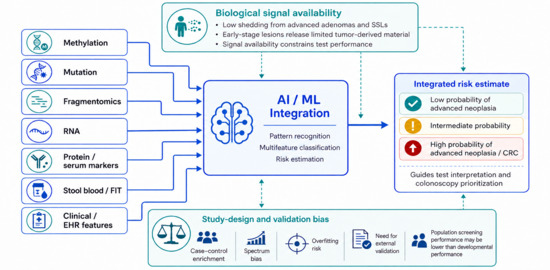
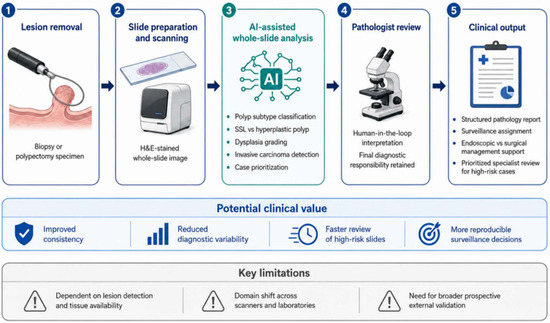
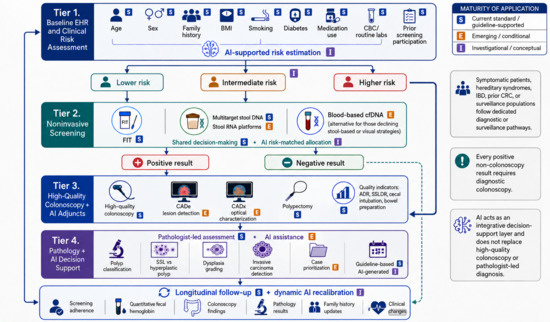
Colorectal cancer remains a leading cause of cancer-related mortality despite a prolonged and preventable precancerous phase. This review examines how artificial intelligence and emerging biomarkers may narrow the persistent gap between detecting established cancer and identifying advanced precursor lesions. Blood-based assays integrating cell-free DNA methylation, mutations, fragmentomic patterns, and other analytes achieve encouraging sensitivity for invasive colorectal cancer but remain substantially less sensitive for advanced adenomas and sessile serrated lesions, particularly in prospective average-risk populations. Machine-learning methods can integrate complementary molecular signals, although many models remain limited by case–control designs, spectrum bias, and inadequate external validation. Computer-aided detection increases adenoma detection and reduces miss rates, but benefits for advanced neoplasia, serrated lesions, colorectal cancer incidence, and mortality remain uncertain. AI-augmented digital pathology may improve polyp classification, dysplasia grading, invasive carcinoma recognition, and case prioritization after lesion removal. The greatest clinical value of these technologies is likely to arise from coordinated use within a multimodal, risk-adapted pathway that expands screening participation, prioritizes colonoscopy for individuals at greatest risk, and preserves high-quality colonoscopy and polypectomy as the central preventive intervention.
Full article
(This article belongs to the Special Issue Next-Generation Biomarkers and AI-Enhanced Digital Pathology Alliance: Revolutionizing Therapeutic Strategies and Prognostic Assessment in Colorectal Cancer)
►▼
Show Figures

Figure 1
Journal Menu
► ▼ Journal Menu-
- Cancers Home
- Aims & Scope
- Editorial Board
- Reviewer Board
- Topical Advisory Panel
- Early Career Editorial Board
- Instructions for Authors
- Special Issues
- Topics
- Sections & Collections
- Article Processing Charge
- Indexing & Archiving
- Editor’s Choice Articles
- Most Cited & Viewed
- Journal Statistics
- Journal History
- Journal Awards
- Society Collaborations
- Conferences
- Editorial Office
Journal Browser
► ▼ Journal BrowserHighly Accessed Articles
Latest Books
E-Mail Alert
News
Topics
Topic in
BioMedInformatics, Cancers, Hemato, Hematology Reports
Myeloma and Leukemia—Challenges and Current Treatment Options: 2nd Edition
Topic Editors: Giovanni Martinelli, Claudio CerchioneDeadline: 18 September 2026
Topic in
Cancers, Current Oncology, Diseases, Onco
Genomic Signature of Ocular Tumors
Topic Editors: Bita Esmaeli, Natalie WolkowDeadline: 20 October 2026
Topic in
BioMed, Cancers, Diagnostics, JCM, J. Imaging
Machine Learning and Deep Learning in Medical Imaging
Topic Editors: Rafał Obuchowicz, Michał Strzelecki, Adam Piórkowski, Karolina NurzynskaDeadline: 31 October 2026
Topic in
Cancers, Diagnostics, Diseases, IJMS, JPM
Advances in Genetics and Precision Medicine in Human Diseases: 2nd Edition
Topic Editors: Shun-Fa Yang, Shih-Chi SuDeadline: 14 November 2026
Conferences
Special Issues
Special Issue in
Cancers
First-Line Therapy in Thoracic Oncology
Guest Editors: Antonio D'Andrilli, Giulio MauriziDeadline: 15 September 2026
Special Issue in
Cancers
Breast Cancer: Immune Response, Immune Microenvironment, and Immunotherapy
Guest Editors: Ravindra Deshpande, Ann RichmondDeadline: 15 September 2026
Special Issue in
Cancers
Advances in Interventional Oncologic Therapies
Guest Editors: Edward W. Lee, Dong Il GwonDeadline: 15 September 2026
Special Issue in
Cancers
Advances in Artificial Intelligence Methodologies and Applications in Cancer
Guest Editors: Jennifer G. Le-Rademacher, Nicholas LarsonDeadline: 15 September 2026
Topical Collections
Topical Collection in
Cancers
Regulatory and Non-Coding RNAs in Cancer Epigenetic Mechanisms
Topical Collection in
Cancers
Factors Regulating Cancer Cell Growth, Migration, Invasion, and Apoptosis
Collection Editors: Masahide Takahashi, Atsushi Enomoto
Topical Collection in
Cancers
Recent Advances in Pancreatic Ductal Adenocarcinoma
Collection Editors: Sumit Sahni, Anubhav Mittal, Jaswinder Samra