







-
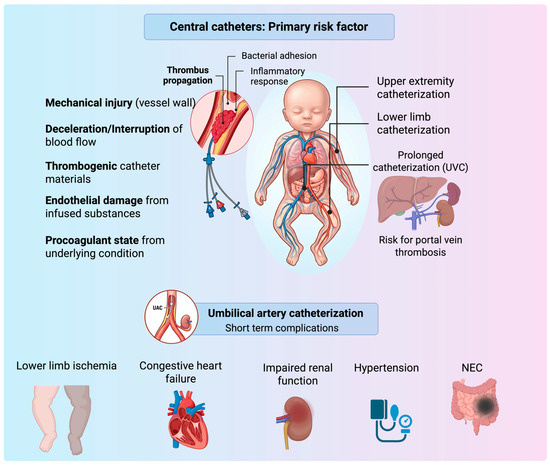
Central Venous Pressure Revisited: Physiology, Pitfalls, Misconceptions, and Modern Clinical Interpretation in Critical Care -
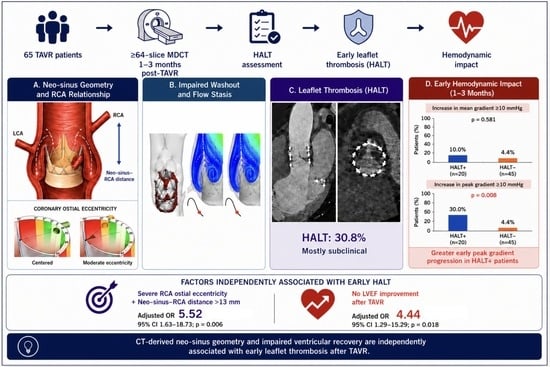
Current Trends and Future Challenges in Transcatheter Aortic Valve Implantation (TAVI): A Narrative Review -
Novel Combination Scalp Therapy for Androgenetic Alopecia: A Preliminary Retrospective Case Series with an Illustrative Four-Year Case -
A Sensorimotor Framework for the Neurorehabilitation of Oculomotor Dysfunction in Parkinson’s Disease -
The History of the Precordial Early Repolarization and Sudden Death Syndrome, Lately Named Brugada Syndrome
Journal Description
Journal of Clinical Medicine
is an international, peer-reviewed, open access journal of clinical medicine, published semimonthly online by MDPI. The International Bone Research Association (IBRA), Spanish Society of Hematology and Hemotherapy (SEHH), Japan Association for Clinical Engineers (JACE), European Independent Foundation in Angiology/ Vascular Medicine (VAS) and others are all affiliated with JCM, and their members receive a discount on article processing charges.
- Open Access— free for readers, with article processing charges (APC) paid by authors or their institutions.
- High Visibility: indexed within Scopus, SCIE (Web of Science), PubMed, PMC, Embase, CAPlus / SciFinder, and other databases.
- Journal Rank: JCR - Q1 (Medicine, General and Internal) / CiteScore - Q1 (General Medicine)
- Rapid Publication: manuscripts are peer-reviewed and a first decision is provided to authors approximately 16.6 days after submission; acceptance to publication is undertaken in 2.8 days (median values for papers published in this journal in the first half of 2026).
- Recognition of Reviewers: reviewers who provide timely, thorough peer-review reports receive vouchers entitling them to a discount on the APC of their next publication in any MDPI journal, in appreciation of the work done.
- Companion journals for JCM include: Epidemiologia, Transplantology, Uro, Sinusitis, Rheumato, Journal of Clinical & Translational Ophthalmology, Journal of Vascular Diseases, Osteology, Complications, Therapeutics, Sclerosis, Pharmacoepidemiology, Journal of CardioRenal Medicine, Rare Diseases and Therapeutics and Journal of Respiration.
- Journal Clusters of Hematology: Hemato, Hematology Reports, Thalassemia Reports and Journal of Clinical Medicine.
Impact Factor:
3.3 (2025);
5-Year Impact Factor:
3.5 (2025)
Latest Articles
A Review of Peripheral Vascular Intervention Technologies
J. Clin. Med. 2026, 15(16), 6199; https://doi.org/10.3390/jcm15166199 (registering DOI) - 11 Aug 2026
Abstract
Background/Objectives: Chronic limb-threatening ischemia (CLTI) is the end stage of peripheral arterial disease (PAD) and leads to severe morbidity and mortality. With an increase in diabetes mellitus (DM) and an aging population, tibial artery CLTI is becoming more prevalent. Conventional endovascular devices
[...] Read more.
Background/Objectives: Chronic limb-threatening ischemia (CLTI) is the end stage of peripheral arterial disease (PAD) and leads to severe morbidity and mortality. With an increase in diabetes mellitus (DM) and an aging population, tibial artery CLTI is becoming more prevalent. Conventional endovascular devices are often limited by both length and size, highlighting the need for improved endovascular microcatheters. Methods: Here we provide a narrative review of CLTI in tibial disease and current treatment options, highlighting current endovascular techniques, the mechanics and challenges of current catheters, and call attention to the need for novel micro-steerable catheters. Results: Although PAD endovascular treatments have advanced over the past several decades, active tip steering for tibial and intrahospital microcatheters remains limited and without prospective clinical outcome data despite broader advances in peripheral endovascular therapy and catheter tip steering for larger vessels. Challenges in developing steerable microcatheters include the geometry and mechanics of the catheter’s tip on a microscale (50 µm–900 µm). Micro-fabrication methods have shown early promise in creating intricate microstructures; however, challenges remain in precise fabrication and assembly. Further research and development of novel microcatheters for the treatment of tibial disease is needed, as larger steerable catheters have been shown to improve patient outcomes with decreased procedure time, fluoroscopy time, required contrast, and procedural complications. Conclusions: The refinement of steerable micro catheters in tibial vessel intervention would expand current endovascular treatment and diagnostic capabilities, likely improving patient outcomes.
Full article
(This article belongs to the Special Issue Advances in Peripheral Vascular Disease: Diagnosis, Management and Surgical Interventions)
►
Show Figures
Open AccessBrief Report
Treatment Efficiency Following Pediatric Tibial Lengthening Using Monolateral External Fixation: The Role of Surgical Planning and Postoperative Complications
by
Manuel A. Rodríguez-Cigala, Daniela Velázquez-Aréstegui, Silvestre Fuentes-Figueroa and Carlos A. Guzmán-Martín
J. Clin. Med. 2026, 15(16), 6198; https://doi.org/10.3390/jcm15166198 (registering DOI) - 11 Aug 2026
Abstract
Background: Pediatric tibial lengthening requires prolonged treatment and may be complicated by adverse events that affect both achievement of the planned correction and biological treatment efficiency. Evidence regarding these complementary dimensions in children treated with monolateral external fixation remains limited. Methods: We conducted
[...] Read more.
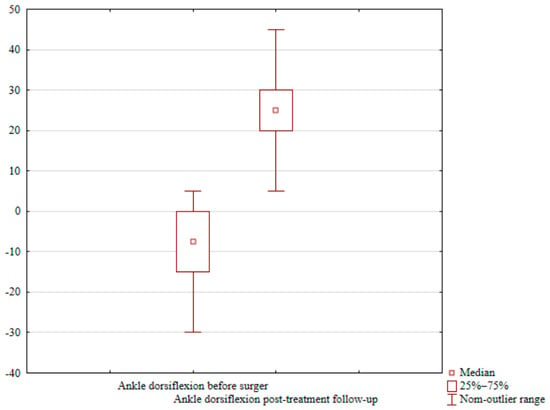
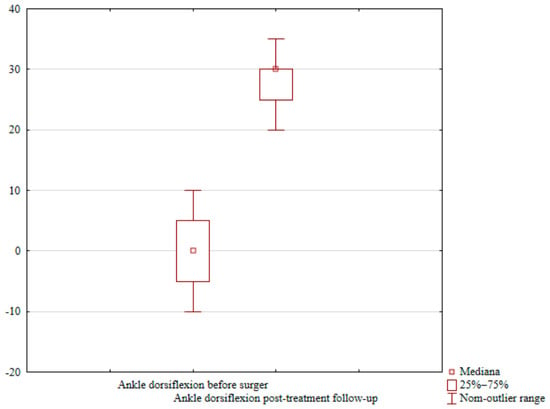
Background: Pediatric tibial lengthening requires prolonged treatment and may be complicated by adverse events that affect both achievement of the planned correction and biological treatment efficiency. Evidence regarding these complementary dimensions in children treated with monolateral external fixation remains limited. Methods: We conducted a retrospective cohort study of pediatric patients who underwent tibial lengthening with a monolateral external fixator between June 2018 and June 2023 at a tertiary pediatric orthopedic center. Planned and achieved lengthening, treatment duration, distraction, maturation, and healing indices, and postoperative complications were evaluated. Complications were analyzed according to overall occurrence, cumulative burden, and pin-site severity. Associations were explored using nonparametric comparisons, Spearman correlations, logistic regression, and robust linear regression. Results: Thirty-nine patients were included; the median age was 14 years (interquartile range [IQR], 11–16), and 69.2% were male. Median distraction, maturation, and healing indices were 0.60 mm/day (IQR, 0.46–0.78), 4.48 days/mm (IQR, 3.03–6.50), and 6.29 days/mm (IQR, 4.90–9.00), respectively. Patients who failed to achieve the planned correction had greater planned lengthening targets. After adjustment for overall complication status, each additional millimeter of planned lengthening was associated with approximately 7% higher odds of failure to achieve the planned goal (odds ratio, 1.07; 95% confidence interval, 1.01–1.16; p = 0.046). Postoperative complications were associated with longer distraction and healing periods and higher healing indices. In robust models adjusted for achieved lengthening, any complication was associated with an approximately 41% higher healing index (p = 0.010), while each increase in pin-site severity was associated with an approximately 22% higher healing index (p = 0.009). Increasing complication burden showed a progressive pattern of prolonged healing. Conclusions: Pediatric tibial lengthening outcomes may be understood through two complementary dimensions. Greater planned lengthening was associated with a lower probability of fully achieving the intended correction, whereas postoperative complications primarily affected treatment efficiency and duration. Careful planning and early complication control may therefore represent complementary strategies for reducing treatment burden.
Full article
(This article belongs to the Section Orthopedics)
►▼
Show Figures

Figure 1
Open AccessFeature PaperArticle
Lipoprotein(a) Levels and Embolic Stroke of Undetermined Source in Patients with Patent Foramen Ovale
by
Johannes Bernhard, Johanna Ebner, Lukas Galli, Bea Goessinger, Harald Gabriel, Lore Schrutka, Patrick Haider, Christian Hengstenberg, Konstantin A. Krychtiuk, Stefan Greisenegger and Walter S. Speidl
J. Clin. Med. 2026, 15(16), 6197; https://doi.org/10.3390/jcm15166197 - 10 Aug 2026
Abstract
Background: Elevated levels of lipoprotein(a) [Lp(a)] are an independent risk factor for the development of atherosclerotic cardiovascular disease (ASCVD). However, there is only limited data investigating the role of elevated Lp(a) levels in patients with patent foramen ovale (PFO)-associated embolic stroke of
[...] Read more.
Background: Elevated levels of lipoprotein(a) [Lp(a)] are an independent risk factor for the development of atherosclerotic cardiovascular disease (ASCVD). However, there is only limited data investigating the role of elevated Lp(a) levels in patients with patent foramen ovale (PFO)-associated embolic stroke of undetermined source (ESUS). Methods: We included 266 patients with PFO-associated ESUS who underwent percutaneous PFO closure and had Lp(a) measurements available. These patients were matched according to age, sex and previously documented statin treatment to 947 hospital controls without stroke. Results: Median age was 51 years (IQR 43–59) and 40% were female. Median Lp(a) levels were higher in cases (24 IQR 12–88 nmol/L) than in controls (21 IQR 7–75 nmol/L; p = 0.003). This association appeared more pronounced in men than in women. In males, patients with Lp(a) in the second tertile had an odds ratio (OR) of 1.64 (95% CI, 1.03–2.62) and patients with Lp(a) in the third tertile had an odds ratio of 2.18 (95% CI 1.38–3.44) independent of age, statin use, HbA1c and eGFR. In contrast, in females the second (OR 2.08 [95% CI 1.22–3.54]) but not the third tertile (OR 0.88 [95% CI 0.49–1.59]) of Lp(a) was associated with case status. Conclusions: In this retrospective matched case–control study, higher Lp(a) concentrations were associated with case status in a selected cohort of patients with PFO-associated ESUS, particularly in men. These findings should be considered hypothesis-generating and require confirmation in prospective studies with more representative comparison cohorts.
Full article
(This article belongs to the Section Clinical Neurology)
►▼
Show Figures

Figure 1
Open AccessReview
The Role of Neurofilaments in Diagnosis and Monitoring of Amyotrophic Lateral Sclerosis
by
Anwen Davies, Andrew Bentley and Andras Bikov
J. Clin. Med. 2026, 15(16), 6196; https://doi.org/10.3390/jcm15166196 - 10 Aug 2026
Abstract
Background: Amyotrophic lateral sclerosis (ALS), the most common type of motor neurone disease (MND), is a devastating diagnosis that often leads to mortality within 2–5 years of symptom onset. Respiratory failure and aspiration pneumonia both associated with respiratory muscle weakness are the
[...] Read more.
Background: Amyotrophic lateral sclerosis (ALS), the most common type of motor neurone disease (MND), is a devastating diagnosis that often leads to mortality within 2–5 years of symptom onset. Respiratory failure and aspiration pneumonia both associated with respiratory muscle weakness are the most common causes of death. Difficult to diagnose and devastating in its prognosis, much research has aimed to identify a reliable biomarker to diagnose ALS, prognosticate and improve enrolment into clinical trials to further research efforts. Over the last few decades, neurofilaments (NFs) have emerged as promising biomarkers, especially neurofilament light chain (NFL) and phosphorylated neurofilament heavy chain (pNFH). This review aims to summarise the current evidence for use of NFs as biomarkers in ALS. Current Evidence: Higher levels of NFL and pNFH are measured in CSF than in serum, and levels in CSF and serum are correlated. High CSF NFL, serum NFL and CSF pNFH levels could differentiate patients with ALS from healthy controls, other neurological disease, neurodegenerative controls (without MND), other MND subtypes and ALS disease mimics; however, studies reported a high degree of heterogeneity irrespective of which media or NFs have been used. The number of studies examining NFs to predict respiratory failure in patients with ALS is low. Conclusions and Future Directions: Despite numerous studies consistently reporting higher NF levels in ALS compared to various controls, their clinical value is limited due to high heterogeneity of the results and inconsistencies in proving its prognostic value. Further understanding the relationship between NF levels and respiratory failure is paramount to improve the quality of life of patients with ALS and increase survival.
Full article
(This article belongs to the Special Issue Innovative Approaches to the Challenges of Neurodegenerative Disease)
Open AccessSystematic Review
Home Versus Clinic Blood Pressure Monitoring in Women with Hypertensive Disorders of Pregnancy: A Systematic Review and Meta-Analysis
by
Jolene Zhuo Lin Ng, Angela Makris and Renuka Shanmugalingam
J. Clin. Med. 2026, 15(16), 6195; https://doi.org/10.3390/jcm15166195 - 10 Aug 2026
Abstract
Background/Objectives: Home blood pressure monitoring (HBPM) is increasingly used in pregnancy, but evidence regarding its safety and clinical utility in women with hypertensive disorders of pregnancy (HDPs) remains limited. We aimed to compare maternal and fetal outcomes and healthcare use with HBPM
[...] Read more.
Background/Objectives: Home blood pressure monitoring (HBPM) is increasingly used in pregnancy, but evidence regarding its safety and clinical utility in women with hypertensive disorders of pregnancy (HDPs) remains limited. We aimed to compare maternal and fetal outcomes and healthcare use with HBPM versus clinic-based blood pressure monitoring. Methods: Cochrane, MEDLINE, Embase and PubMed were searched for randomized controlled trials published from January 1970 to December 2022; this review was undertaken to inform guideline development of hypertension in pregnancy in Australia and New Zealand. Two reviewers independently screened studies, extracted data and assessed risk of bias using RoB. Outcomes reported by at least two clinically comparable trials were pooled and heterogeneity was summarized using I2. Outcomes reported by a single trial are presented as individual study estimates and were not meta-analyzed. Certainty of evidence was assessed using GRADE. Results: Four randomized trials involving 3533 participants were included. HBPM was not associated with a statistically significant difference in preeclampsia, adverse maternal composite outcomes, severe hypertension (≥160/110 mmHg), emergency delivery for hypertension, stillbirth, small-for-gestational-age birth or neonatal mortality. A single trial also found no statistically significant difference in preterm birth before 34 weeks. Serious fetal outcomes were uncommon and confidence intervals were wide. In one pilot trial, HBPM was associated with fewer antenatal visits and a longer duration of blood pressure monitoring. Conclusions: In structured care pathways with clinician oversight and predefined escalation protocols, HBPM was not associated with evidence of increased maternal or fetal risk and may be a useful adjunct to standard antenatal care. The small number of United Kingdom trials, sparse serious events and limited evidence in established or severe preeclampsia preclude conclusions of equivalence or definitive safety.
Full article
(This article belongs to the Section Cardiovascular Medicine)
Open AccessArticle
Comparison of Materno-Neonatal Outcomes Between Cook Balloon and Prostaglandin Methods in Labor Induction Among Pregnancies Complicated by Fetal Growth Restriction: A Retrospective Cohort Study from France
by
Phuc Nhon Nguyen, Anna Ramos and Henri Marret
J. Clin. Med. 2026, 15(16), 6194; https://doi.org/10.3390/jcm15166194 (registering DOI) - 10 Aug 2026
Abstract
Background: To evaluate whether the methods of induction of labor (IOL) used for pregnancies complicated with fetal growth restriction (FGR) have different impacts on materno-fetal outcomes. Methods: This was a single-center, retrospective cohort study conducted over a one-year period, from January
[...] Read more.
Background: To evaluate whether the methods of induction of labor (IOL) used for pregnancies complicated with fetal growth restriction (FGR) have different impacts on materno-fetal outcomes. Methods: This was a single-center, retrospective cohort study conducted over a one-year period, from January 2024 to December 2024, in the maternity ward of the Orléans University Hospital, France. The clinical data related to maternal–fetal characteristics and IOL outcomes were recorded. The results were comparable between the Cook® balloon and Prostaglandin groups. Results: A total of 47 patients met the inclusion criteria; 27 cases underwent the Cook® balloon and 20 cases received prostaglandin for IOL. There were no substantial differences between Cook balloon and prostaglandin on maternal–fetal characteristics and outcome of IOL. However, the duration of latent labor-delivery phase and duration of onset of labor induction and delivery were longer in the Cook® balloon group compared with the prostaglandin group (30.05 ± 10.81 versus 22.29 ± 11.94 (hours) and 7.33 ± 3.96 versus 3.74 ± 4.77 (hours), respectively, p < 0.05). The success rate according to criterion 1 (Bishop score greater than 7 after IOL) was approximately 60% (28/47 cases). However, if using criterion 2 (success by vaginal birth), after the application of two or three methods of cervical ripening with amniotomy ± use of oxytocin, the success rate increased by more than 20%, up to 80.85% (38/47 cases). Conclusions: IOL with Cook® balloon and prostaglandin may both be acceptable methods for pregnancies complicated by FGR. In addition, IOL did not differ in terms of materno-neonatal outcomes between two groups. However, the duration time from IOL to delivery and the duration from latent phase of labor to delivery were longer in the Cook® balloon group compared with the prostaglandin group.
Full article
(This article belongs to the Section Obstetrics & Gynecology)
►▼
Show Figures

Figure 1

Open AccessArticle
Impact of Preoperative Waiting Time on Intraoperative Blood Transfusion in Older Patients with Hip Fracture: A Retrospective Cohort Study
by
Neng-Jun Wang, Wei-Song Zhang, Lin Liu and Bin-Fei Zhang
J. Clin. Med. 2026, 15(16), 6193; https://doi.org/10.3390/jcm15166193 (registering DOI) - 10 Aug 2026
Abstract
Objective: To explore the associations of preoperative waiting time with the incidence of intraoperative blood transfusion and transfusion volume among older patients with hip fracture, to inform perioperative blood management and optimize surgical timing. Methods: Older patients aged ≥65 years who underwent hip
[...] Read more.
Objective: To explore the associations of preoperative waiting time with the incidence of intraoperative blood transfusion and transfusion volume among older patients with hip fracture, to inform perioperative blood management and optimize surgical timing. Methods: Older patients aged ≥65 years who underwent hip fracture surgery at a tertiary trauma center in Northwest China between 1 January 2015 and 30 September 2019 were included. The primary exposure variable was preoperative waiting time. The outcome indicators included intraoperative transfusion status and total transfusion volume. Logistic regression was used for binary transfusion outcomes, and general linear regression was applied for continuous transfusion volume. Multivariate regression models were established to adjust for confounders after univariate screening, and stratified analyses were performed to explore population heterogeneity. Results: A total of 2836 eligible patients were included in this study. The mean age of all participants was 79.52 ± 6.68 years, including 2100 cases of intertrochanteric fracture and 736 cases of femoral neck fracture. Intraoperative blood transfusion was administered in 1415 patients (49.9%). Fully adjusted analyses revealed that each one-day increase in preoperative waiting time was associated with a 6% higher odds of intraoperative transfusion (odds ratio [OR] = 1.06, 95% confidence interval [CI]: 1.02–1.10, p = 0.0007) and a 0.03-unit increase in transfusion volume (β = 0.03, 95%CI: 0.02–0.05, p < 0.0001). However, no independent association was observed for massive transfusion. The associations were generally consistent across strata despite apparent numerical differences (p for interaction tests > 0.05). Conclusions: Among older patients undergoing hip fracture surgery, longer waiting time was associated with higher transfusion risk. These findings highlight the critical importance of optimizing perioperative pathways to minimize surgical delays. Because residual confounding and inability to distinguish medical from administrative delay remain important limitations, these findings should be interpreted as an association rather than proof that surgical delay causes increased transfusion requirements.
Full article
(This article belongs to the Special Issue Hip Fracture and Surgery: Clinical Updates and Challenges: 2nd Edition)
►▼
Show Figures

Figure 1
Open AccessArticle
Circulating PDIA4, MMP-2, MMP-9, and Claudin-2 in Vitamin D-Deficient Patients with Brain Tumors: An Exploratory Clinical Pilot Study
by
Bartłomiej Gromadzki, Michał Wiciński, Zygmunt Siedlecki, Rafał Porzych and Igor Pisarski
J. Clin. Med. 2026, 15(16), 6192; https://doi.org/10.3390/jcm15166192 - 10 Aug 2026
Abstract
Background/Objectives: Extracellular matrix remodeling, cellular stress responses, and blood–brain/blood–tumor barrier-related alterations are important processes involved in brain tumor biology. This exploratory cross-sectional pilot study evaluated circulating circulating protein disulfide isomerase A4 (PDIA4), matrix metalloproteinase-2 (MMP-2), matrix metalloproteinase-9 (MMP-9), and claudin-2 (CLDN2) concentrations in
[...] Read more.
Background/Objectives: Extracellular matrix remodeling, cellular stress responses, and blood–brain/blood–tumor barrier-related alterations are important processes involved in brain tumor biology. This exploratory cross-sectional pilot study evaluated circulating circulating protein disulfide isomerase A4 (PDIA4), matrix metalloproteinase-2 (MMP-2), matrix metalloproteinase-9 (MMP-9), and claudin-2 (CLDN2) concentrations in vitamin D-deficient patients with different brain tumor entities and aimed to provide preliminary effect-size estimates for future studies. Methods: A total of 62 vitamin D-deficient participants were included, comprising patients with glioblastoma (GBM; n = 15), brain metastases (n = 20), and meningioma (n = 8) and surgical controls with degenerative spine disease (n = 19). Serum biomarker concentrations were measured using enzyme-linked immunosorbent assays. Global between-group effect sizes were estimated using η2, while exploratory pairwise comparisons and associations with tumor size were assessed using non-parametric methods. Effect-size estimates were prioritized, with p-values reported to provide complementary inferential context. Results: The largest global between-group effect-sizes were observed for CLDN2 (η2 = 0.35) and MMP-2 (η2 = 0.22), whereas the estimated effects were small for MMP-9 (η2 = 0.05) and negligible for PDIA4 (η2 = 0.00). Exploratory pairwise comparisons indicated lower serum MMP-2 concentrations in patients with GBM than in surgical controls and lower CLDN2 concentrations in patients with GBM and brain metastases than in controls. Positive exploratory associations were observed between tumor size and PDIA4 concentration in the GBM group (Spearman’s rho = 0.56; 95% CI: 0.02–0.90) and between tumor size and MMP-2 concentration in patients with brain metastases (rho = 0.46; 95% CI: 0.01–0.90). Conclusions: These preliminary effect-size estimates, together with the exploratory correlations with tumor size, may inform biomarker selection and sample-size planning in future prospective studies. The findings should not be interpreted as robust diagnostic or prognostic evidence and require validation in larger, independent, and well-controlled cohorts.
Full article
(This article belongs to the Section Oncology)
►▼
Show Figures

Figure 1
Open AccessReview
The Mechano-Genomic Frontier: Orchestrating Nuclear Deformation for Craniomaxillofacial Bone Regeneration
by
Caris M. Smith, Shawn A. Hallett and Jeremie O. Piña
J. Clin. Med. 2026, 15(16), 6191; https://doi.org/10.3390/jcm15166191 - 10 Aug 2026
Abstract
The paradigm of craniomaxillofacial (CMF) reconstruction is shifting from traditional bone grafting and biochemical adjuncts toward a nucleomechanical framework that leverages the cell nucleus as a mechanosensitive organelle. By utilizing computer-aided design and computer-aided manufacturing (CAD/CAM)-derived scaffolds with 10 µm micropillar arrays and
[...] Read more.
The paradigm of craniomaxillofacial (CMF) reconstruction is shifting from traditional bone grafting and biochemical adjuncts toward a nucleomechanical framework that leverages the cell nucleus as a mechanosensitive organelle. By utilizing computer-aided design and computer-aided manufacturing (CAD/CAM)-derived scaffolds with 10 µm micropillar arrays and specific interfacial stiffness (25–40 kPa), surgeons can physically manipulate the Linker of Nucleoskeleton and Cytoskeleton (LINC) complex to achieve a nuclear aspect ratio above 2.5. This structural deformation mechanically expands nuclear pores to trigger cytoskeletal and molecular responses, such as Yes-associated protein (YAP) and transcriptional coactivator with PDZ-binding motif (TAZ) translocation. Resultantly, this physical tension pulls open chromatin fibers to activate master osteogenic regulators like RUNX2, effectively bypassing the risks and limitations associated with supraphysiologic growth factor delivery (e.g., rhBMP-2). Clinically, translating these principles involves moving away from absolute rigid internal fixation toward advanced resorbable biomaterials that permit controlled micro-motions (100–200 µm) under functional masticatory loads. This review provides a structured synthesis of the field, outlining deterministic topographic criteria, clinical boundary conditions, and the potential strategies needed to overcome age-related mechanosensory blockades. Ultimately, we establish a multidisciplinary framework that bridges precision bioengineering with native oral and maxillofacial surgical realities to drive living, biophysically mediated bone repair.
Full article
(This article belongs to the Special Issue Maxillofacial Surgery in the Modern Era: Surgical Advances and Clinical Innovation)
►▼
Show Figures

Figure 1

Open AccessArticle
Haptic-Extended Flange Intrascleral Fixation for Single-Piece Acrylic Intraocular Lenses
by
Ayako Eno, Kuo-Chung Chang and Tetsuro Oshika
J. Clin. Med. 2026, 15(16), 6190; https://doi.org/10.3390/jcm15166190 - 10 Aug 2026
Abstract
Background/Objective: Whereas conventional flanged intrascleral fixation is limited to 3-piece intraocular lenses (IOLs), we developed and evaluated a novel haptic-extended flange technique for single-piece acrylic IOLs, including presbyopia-correcting and toric lenses. Methods: In this technique, a 6-0 polypropylene suture is secured
[...] Read more.
Background/Objective: Whereas conventional flanged intrascleral fixation is limited to 3-piece intraocular lenses (IOLs), we developed and evaluated a novel haptic-extended flange technique for single-piece acrylic IOLs, including presbyopia-correcting and toric lenses. Methods: In this technique, a 6-0 polypropylene suture is secured along the lateral aspect of the single-piece IOL haptic to extend its length, followed by intrascleral flange fixation. Uncorrected visual acuity (UCVA) from far to near, corrected distance visual acuity (CDVA), and refraction were evaluated at 1 month postoperatively. IOL tilt and decentration were assessed using anterior segment optical coherence tomography. Results: This study included a consecutive series of 10 eyes of 10 patients (mean age: 58.3 ± 16.2 years), comprising 5 eyes with multifocal IOL, 2 eyes with multifocal toric IOL, 2 eyes with enhanced monofocal IOL, and 1 eye with monofocal IOL. All IOLs were securely fixed; the mean IOL tilt was 5.74 ± 2.93° and the mean decentration was 0.35 ± 0.19 mm. All eyes achieved CDVA of 20/20 or better, and all eyes with multifocal IOLs achieved UCVA at 40 cm of 20/25 or better. No early postoperative complications attributable to the surgical procedure were observed. In a case associated with atopic dermatitis, retinal detachment occurred 4 months after surgery. Conclusions: In this preliminary case series, haptic-extended flange fixation enabled early stabilization of selected single-piece acrylic IOLs with favorable short-term visual and anatomic outcomes. Larger studies with longer follow-up are needed to confirm long-term safety, durability and comparative effectiveness.
Full article
(This article belongs to the Section Ophthalmology)
►▼
Show Figures

Figure 1

Open AccessSystematic Review
The Impact of a Horse Kick: A Systematic Review of Horse-Related Maxillofacial Trauma
by
Luigi Angelo Vaira, Hareem Qadeer, Sebastiano Stellino, Jerome R. Lechien, Antonino Maniaci, Fabio Maglitto, Giuseppe Consorti, Giulio Cirignaco, Łukasz Woźniak, Carlos Navarro-Cuéllar, Bożena Antonowicz, Jan Borys, Giovanni Salzano and Giacomo De Riu
J. Clin. Med. 2026, 15(16), 6189; https://doi.org/10.3390/jcm15166189 - 10 Aug 2026
Abstract
Objectives: To systematically review the evidence on horse-related maxillofacial trauma, with emphasis on horse-kick injuries, anatomical patterns, associated injuries, management, outcomes, and prevention. Methods: This systematic review followed the PRISMA 2020 statement. PubMed/MEDLINE, Scopus, Web of Science, and the Cochrane Library
[...] Read more.
Objectives: To systematically review the evidence on horse-related maxillofacial trauma, with emphasis on horse-kick injuries, anatomical patterns, associated injuries, management, outcomes, and prevention. Methods: This systematic review followed the PRISMA 2020 statement. PubMed/MEDLINE, Scopus, Web of Science, and the Cochrane Library were searched for original clinical studies reporting facial, craniofacial, orbital, dental, or maxillofacial injuries related to horse-associated activities. Data were extracted on study characteristics, demographics, mechanism, mounted/unmounted status, anatomical site, associated injuries, treatment, complications, outcomes, mortality, and protective equipment. Due to substantial heterogeneity in study design, denominators, and outcome reporting, a structured narrative synthesis was performed without formal meta-analysis. Results: Twenty-eight original clinical studies were included. Maxillofacial-specific series consistently identified horse kicks as a major mechanism, especially among unmounted individuals. Injuries most frequently involved the midface, orbit, zygomaticomaxillary complex, mandible, nasal region, and dentoalveolar structures. Severe presentations included optic nerve avulsion, orbitocranial penetrating trauma, naso-orbito-ethmoid and frontal sinus fractures, airway compromise, intracranial injury, and multisystem trauma. Management ranged from conservative treatment to operative fixation, orbital reconstruction, soft tissue repair, advanced airway management, and multidisciplinary care. Helmet use was often absent or poorly documented, particularly during unmounted activities. Conclusions: Horse kicks represent a distinct localized high-energy mechanism of maxillofacial trauma. Prevention should extend beyond riding and include facial protection, protective eyewear, and safety protocols for ground-based horse handling.
Full article
(This article belongs to the Section Dentistry, Oral Surgery and Oral Medicine)
►▼
Show Figures

Figure 1
Open AccessCase Report
Heart-Rate-Dependent Right-to-Left Shunting Through a Patent Foramen Ovale in Severe Right Ventricular Dysfunction: A Case Report
by
Qianfeng Xiao, Xin Wei, Ying Xu and Si Wang
J. Clin. Med. 2026, 15(16), 6188; https://doi.org/10.3390/jcm15166188 - 10 Aug 2026
Abstract
Background: Right-to-left shunting through a patent foramen ovale (PFO) is an underrecognized yet potentially reversible cause of refractory hypoxemia, particularly in patients with right ventricular dysfunction. This case report describes heart-rate-dependent right-to-left shunting through a PFO causing refractory hypoxemia in a patient with
[...] Read more.
Background: Right-to-left shunting through a patent foramen ovale (PFO) is an underrecognized yet potentially reversible cause of refractory hypoxemia, particularly in patients with right ventricular dysfunction. This case report describes heart-rate-dependent right-to-left shunting through a PFO causing refractory hypoxemia in a patient with inflammatory cardiomyopathy and severe right ventricular dysfunction, presumably arising from biventricular output mismatch. Case Presentation: We report the case of a 41-year-old male with inflammatory cardiomyopathy and a recently implanted single-chamber pacemaker (VVI mode, lower rate limit 50 bpm), admitted for decompensated heart failure. After initial clinical improvement with guideline-directed therapy, the patient’s intrinsic heart rate declined, and ventricular pacing at 50 bpm became the dominant rhythm. He subsequently developed refractory hypoxemia unresponsive to mechanical ventilation. Systematic hemodynamic assessment was performed using transthoracic echocardiography and thoracic electrical bioimpedance (TEB) monitoring at different pacing rates. Results: Echocardiographic evaluation revealed dynamic interatrial shunting through a PFO with the following characteristics: left-to-right at a pacing rate of 80 bpm and right-to-left at 50 bpm. Hemodynamic and echocardiographic data suggested that bradycardia induced biventricular output mismatch—left ventricular outflow tract velocity–time integral (VTI) increased by approximately 38% (from 17.5 cm to 24.1 cm), whereas right ventricular outflow tract VTI increased by only approximately 4% (13.3 cm vs. 13.8 cm). This mismatch likely resulted in relative elevation of right atrial pressure, thereby driving right-to-left shunting through the PFO. Increasing the pacing rate to 80 bpm reversed the shunt direction, normalized oxygenation, and facilitated successful extubation. Conclusions: This case suggests that in patients with severe right ventricular dysfunction, bradycardia may induce biventricular output mismatch with substantially greater left than right ventricular stroke volume augmentation, and presumably relative elevation of right atrial pressure, potentially leading to dynamic right-to-left shunting through a PFO. For such patients with unexplained hypoxemia, the possibility of dynamic PFO shunting should be considered. Appropriately increasing the pacing rate may help restore biventricular output matching, reverse shunt direction, and improve oxygenation; individualized heart rate management strategies warrant clinical consideration.
Full article
(This article belongs to the Section Cardiology)
►▼
Show Figures

Figure 1
Open AccessArticle
Preoperative Thrombocytopenia Increases In-Hospital Burden but Not Postoperative Adverse Events After Total Knee Arthroplasty
by
Jisu Park, Moon Jong Chang, Minji Han, Jung-Wee Park, Tae Woo Kim, Young-Kyun Lee, Chong Bum Chang and Seung-Baik Kang
J. Clin. Med. 2026, 15(16), 6187; https://doi.org/10.3390/jcm15166187 - 10 Aug 2026
Abstract
Background/Objectives: Thrombocytopenia increases bleeding tendency and may complicate perioperative management in total knee arthroplasty (TKA), yet data on both in-hospital burden and post-discharge adverse events are limited. This study evaluated the association between preoperative platelet count and outcomes after primary TKA. Methods
[...] Read more.
Background/Objectives: Thrombocytopenia increases bleeding tendency and may complicate perioperative management in total knee arthroplasty (TKA), yet data on both in-hospital burden and post-discharge adverse events are limited. This study evaluated the association between preoperative platelet count and outcomes after primary TKA. Methods: In total, 3474 primary TKAs performed for osteoarthritis at a single institution (2008–2023) were retrospectively reviewed. Patients were classified as Normal, Mild, Moderate, or Severe by preoperative platelet count; the Severe group (N = 6) was excluded from comparative analyses and reported descriptively. Inverse probability of treatment weighting (IPTW) balanced baseline covariates. In-hospital outcomes were red blood cell (RBC) transfusion, intensive care unit (ICU) admission, and length of stay; follow-up outcomes were 30-day readmission, 1-year periprosthetic joint infection (PJI), and 1-year mortality. Results: After IPTW, the RBC transfusion rate rose with lower platelet count (Normal, 14.0%; Mild, 27.0%; Moderate, 32.5%; p < 0.001), and transfusion volume peaked in the Moderate group. ICU admission was more frequent (Moderate, 6.0%; Normal, 0.7%; Mild, 0.4%; p = 0.002), and length of stay increased with severity (p = 0.008). Readmission, 1-year PJI, and mortality were comparable across groups. In multivariable analysis, moderate thrombocytopenia was independently associated with RBC transfusion (adjusted odds ratio [aOR], 3.26; 95% confidence interval [CI], 1.51–6.59; p < 0.001) and ICU admission (aOR, 5.46; 95% CI, 1.37–17.41; p = 0.008), but not PJI or mortality. Conclusions: Preoperative thrombocytopenia—particularly in the mild-to-moderate range evaluated in this study—increased perioperative burden after TKA, with higher RBC transfusion and ICU utilization, but was not associated with a significant increase in major postoperative adverse events during 1-year follow-up. Even if not causally responsible, a low preoperative platelet count is a routinely available marker that may flag patients requiring closer perioperative attention. As the associated burden appears largely limited to the hospitalization period, such attentive in-hospital management may allow these patients to achieve favorable outcomes.
Full article
(This article belongs to the Special Issue Rebuilding the Knee: From Repair to Replacement and Recovery)
Open AccessArticle
Pediatric Maxillary Strut Anatomy: A CT-Based Analysis of Morphometry, Shape, and Pneumatization
by
Burak Bahadır, Nur Hürsoy, Fatma Betül Saylak, Eda Aslanbaba Bahadır and Orhan Beger
J. Clin. Med. 2026, 15(16), 6186; https://doi.org/10.3390/jcm15166186 - 10 Aug 2026
Abstract
Objective: To characterize age- and sex-related differences in maxillary strut (MS) morphometry, shape, and pneumatization in children using computed tomography (CT). Methods: Cranial CT examinations from 180 children aged 1–18 years were retrospectively evaluated. After one participant with a rudimentary unilateral MS was
[...] Read more.
Objective: To characterize age- and sex-related differences in maxillary strut (MS) morphometry, shape, and pneumatization in children using computed tomography (CT). Methods: Cranial CT examinations from 180 children aged 1–18 years were retrospectively evaluated. After one participant with a rudimentary unilateral MS was excluded, the primary bilateral complete-case analyses included 179 children and 358 MSs (179 right and 179 left). The anteroposterior diameter (MS-AP), area (MS-A), and mediolateral diameter (MS-ML) were measured bilaterally. Each side was classified as trapezoidal or hourglass-shaped, yielding bilateral trapezoidal, bilateral hourglass-shaped, or asymmetric participant-level patterns. Results: All morphometric parameters were higher in males than in females (MS-AP and MS-ML, p < 0.001; MS-A, p = 0.008), with no significant right–left differences. All parameters differed across chronological age strata and age groups (all p < 0.001). Age-by-sex interactions were significant for MS-AP (p < 0.001) and MS-A (p = 0.001), but not for MS-ML (p = 0.257). Bilateral trapezoidal, bilateral hourglass-shaped, and asymmetric patterns occurred in 40.8%, 30.2%, and 29.1% of participants, respectively. Shape pattern was associated with sex (p = 0.003), but not with age group (p = 0.359), and the right–left shape distributions did not differ significantly (p = 0.070). Pneumatization was unilateral in 4 out of 179 participants (2.2%; exact 95% confidence interval: 0.6–5.6%). Conclusions: Pediatric MS dimensions vary with age and sex, while shape shows a sex-related distribution and pneumatization is uncommon. These CT-based findings provide baseline anatomical data on pediatric MS development and may inform future radiological and surgical research.
Full article
(This article belongs to the Section Otolaryngology)
►▼
Show Figures

Figure 1
Open AccessArticle
Optimizing Recovery in Head and Neck Surgery: Factors Influencing Drainage and Early Discharge
by
Ming-Hsun Wen, Tzu-Ang Chen, Tzu-Han Li, Wei-Chen Hung, Ping-Chia Cheng, Chih-Ming Chang, Wu-Chia Lo, Po-Wen Cheng, Po-Hsuan Wu and Li-Jen Liao
J. Clin. Med. 2026, 15(16), 6185; https://doi.org/10.3390/jcm15166185 - 10 Aug 2026
Abstract
Background: Postoperative bleeding and prolonged drainage after head and neck surgery may delay drainage tube removal and hospital discharge, increasing complication risk and resource utilization. Optimizing intra and postoperative hemostasis is essential to facilitate early recovery and support enhanced recovery after surgery (ERAS)
[...] Read more.
Background: Postoperative bleeding and prolonged drainage after head and neck surgery may delay drainage tube removal and hospital discharge, increasing complication risk and resource utilization. Optimizing intra and postoperative hemostasis is essential to facilitate early recovery and support enhanced recovery after surgery (ERAS) pathways. This study aimed to identify factors associated with postoperative drainage and length of hospital stay, with particular focus on energy-based device and fibrin sealant use. Methods: Adult patients who underwent neck surgery under general anesthesia with inpatient admission at a tertiary medical center between January 2024 and December 2025 were retrospectively analyzed. Surgical procedures included thyroidectomy (n = 99), parotidectomy (n = 43), submandibular gland excision (n = 25), neck dissection (n = 27) and other procedures (n = 22). Clinical variables, surgical factors, use of energy-based device, hemostatic agents, postoperative drainage volume, and length of hospital stay were collected. Logistic regression analysis was performed to evaluate predictors of early discharge (defined as discharge on postoperative day 1). Results: A total of 216 patients were included. Surgical procedure type was strongly associated with operative duration, postoperative day 1 drainage volume, and length of hospital stay. Neck dissection and total thyroidectomy were associated with increased drainage and prolonged hospitalization. The use of fibrin sealants was independently associated with lower postoperative drainage volume, shorter hospital stay, and a significantly higher likelihood of early discharge (adjusted odds ratio: 4.43, 95% CI 1.92–10.23, p < 0.001). Energy-based device use and patient-controlled analgesia were not associated with early discharge. Conclusions: Incorporating fibrin sealant into perioperative management may facilitate safer and earlier discharge, improve patient turnover, and optimize resource utilization within ERAS-based care pathways.
Full article
(This article belongs to the Section Otolaryngology)
Open AccessEditorial
New Insights into Infectious Skin and Mucosal Diseases: Translating Epidemiological Shifts into Tailored Clinical Practice
by
Giulia Ciccarese, Francesco Drago, Gloria Hoxhallari, Domenico Bonamonte, Aurora De Marco, Alexandre Raphael Meduri, Rossana Spadavecchia, Paolo Romita, Francesca Ambrogio and Caterina Foti
J. Clin. Med. 2026, 15(16), 6184; https://doi.org/10.3390/jcm15166184 - 10 Aug 2026
Abstract
Dermatological practice frequently encounters infections of the skin and mucous membranes, ranging from primary viral and bacterial infections to the reactivation of latent viral pathogens [...]
Full article
(This article belongs to the Special Issue New Insights into Infectious Skin and Mucosal Diseases)
Open AccessArticle
Off-Label Medication Use in a Serbian Neonatal Intensive Care Unit: A Single-Center Retrospective Cohort Study
by
Nikola Martić, Jovana Jančić, Slobodan Spasojević, Nemanja Martić, Aleksandar Rašković, Marko Krstić and Milica Paut Kusturica
J. Clin. Med. 2026, 15(16), 6183; https://doi.org/10.3390/jcm15166183 - 10 Aug 2026
Abstract
Background/Objectives: The main objective of this study was to describe the prevalence and prescribing patterns of off-label and unlicensed medication use in a tertiary neonatal intensive care unit in Serbia and to evaluate differences according to gestational age. Methods: This retrospective single-center cohort
[...] Read more.
Background/Objectives: The main objective of this study was to describe the prevalence and prescribing patterns of off-label and unlicensed medication use in a tertiary neonatal intensive care unit in Serbia and to evaluate differences according to gestational age. Methods: This retrospective single-center cohort study included 257 neonates hospitalized in a tertiary neonatal intensive care unit between January and December 2023. Medication prescriptions were classified as off-label or unlicensed according to the approved Summary of Product Characteristics in Serbia. Clinical and prescribing data were analyzed descriptively, with predefined patient-level outcomes compared across gestational-age groups using non-parametric analyses. Results: A total of 1919 distinct medication prescription records were identified, of which 1642/1919 (85.6%) were classified as off-label and 27/1919 (1.4%) as unlicensed. At the patient level, 252/257 neonates (98.1%) were exposed to at least one off-label medication, whereas 26/257 (10.1%) were exposed to at least one unlicensed medication. Anti-infectives for systemic use accounted for the largest therapeutic-class prescription count. Off-label prescribing was primarily related to age and dosing recommendations. Medication utilization varied across gestational age groups; however, extremely preterm neonates also had substantially longer hospitalizations, and the observed differences should therefore be interpreted as unadjusted prescribing patterns rather than an independent effect of gestational age. Conclusions: Off-label prescribing was highly prevalent in this Serbian tertiary neonatal intensive care unit, whereas patient exposure to unlicensed medications was relatively uncommon. The observed differences across gestational age groups should be interpreted in the context of differences in hospitalization duration and clinical complexity. These findings characterize prescribing patterns and regulatory gaps in neonatal pharmacotherapy and identify areas requiring further neonatal-specific clinical research.
Full article
(This article belongs to the Special Issue Clinical Advances in Pediatric Critical Care Medicine)
►▼
Show Figures

Figure 1
Open AccessSystematic Review
Age-Specific Efficacy of Platelet-Rich Plasma in Tonsillectomy: A Systematic Review and Meta-Analysis
by
Ji-Sun Kim, Gulnaz Stybayeva and Se Hwan Hwang
J. Clin. Med. 2026, 15(16), 6182; https://doi.org/10.3390/jcm15166182 - 10 Aug 2026
Abstract
Background/Objectives: The objective of this study was to evaluate age-specific effects of intraoperative platelet-rich plasma (PRP) administration on postoperative pain, wound healing, and bleeding after tonsillectomy. Methods: PubMed, Embase, Scopus, Google Scholar, and Cochrane databases were searched from inception to October
[...] Read more.
Background/Objectives: The objective of this study was to evaluate age-specific effects of intraoperative platelet-rich plasma (PRP) administration on postoperative pain, wound healing, and bleeding after tonsillectomy. Methods: PubMed, Embase, Scopus, Google Scholar, and Cochrane databases were searched from inception to October 2025. Randomized controlled trials comparing intraoperative PRP with placebo or no treatment in patients undergoing tonsillectomy were included. Data on postoperative pain, wound healing, and bleeding were extracted and analyzed using standardized mean differences (SMDs) and odds ratios (ORs) with 95% confidence intervals (CIs). Subgroup analyses were performed by age (adults versus children) and by postoperative day. Results: Nine randomized controlled trials comprising 442 participants were included. In adults, PRP significantly reduced postoperative pain (SMD = −1.26 [−1.70 to −0.81]) and improved wound healing (SMD = −1.43 [−2.65 to −0.22]). The analgesic effect was greatest during the early recovery period (postoperative days 0–5) and diminished thereafter. There were no significant differences in primary postoperative bleeding (OR = 0.49 [0.04 to 5.61]) or secondary postoperative bleeding (OR = 0.23 [0.02 to 2.16]) between the PRP and control groups. In children, PRP did not significantly affect pain or bleeding outcomes. Conclusions: Intraoperative PRP may reduce early postoperative pain and may promote mucosal recovery in adults. However, its clinical efficacy in children remains unclear. Further well-designed, age-stratified trials are warranted to clarify the role of PRP in enhancing postoperative recovery.
Full article
(This article belongs to the Special Issue Innovations in ENT Surgical Procedures)
►▼
Show Figures

Figure 1

Open AccessReview
Recalibrating Risk: A Call for South Asian-Focused Heart Failure Prediction Models
by
Nandini Nair, Dongping Du, Aiswarya J. Pillai, Swarna Mahesh, Mrudula R. Munagala, Howard J. Eisen and Balakrishnan Mahesh
J. Clin. Med. 2026, 15(16), 6181; https://doi.org/10.3390/jcm15166181 - 10 Aug 2026
Abstract
Background: Heart failure (HF) represents the final common pathway of diverse cardiovascular disorders, including coronary artery disease, primary myocardial pathology, and abnormalities of cardiac conduction. These conditions arise from an interplay of genetic, environmental, and psychosocial influences, making it essential to understand
[...] Read more.
Background: Heart failure (HF) represents the final common pathway of diverse cardiovascular disorders, including coronary artery disease, primary myocardial pathology, and abnormalities of cardiac conduction. These conditions arise from an interplay of genetic, environmental, and psychosocial influences, making it essential to understand these determinants to improve risk prediction and prevention. Multiple biological pathways of inflammation, fibrosis, coagulation, oxidative stress, lipid dysregulation, endothelial dysfunction, and metabolic disturbances are shaped by inherited susceptibility and modifiable exposures. Together, these mechanisms drive HF development and progression, though their relative contributions vary across populations. Methods: PubMed and Google Scholar were searched for clinical, biomedical, and interdisciplinary studies published between 1 January 2000, and 31 December 2025. Keywords included “Asian,” “adult,” “India,” “heart failure,” “risk assessment,” “prognosis,” and “predictive value.” Studies were included if they focused on South Asian Indian adults, with priority given to original research, systematic reviews, and meta-analyses. Pediatric studies and those centered on other ethnic groups were excluded. Results: Among South Asian Indians, cardiovascular disease burden remains disproportionately high compared with Western populations. Unique genetic architecture, environmental exposures, and sociocultural factors appear to contribute to earlier onset and more aggressive disease. Identifying population-specific genetic variants, clarifying psychosocial influences, and addressing environmental risks may help reduce these disparities. Conclusions: This qualitative review highlights key gaps in current knowledge. A deeper understanding of these determinants could refine HF risk stratification, guide targeted prevention strategies, and reduce the growing cardiovascular burden in South Asian Indians. There is an urgent need for South Asian specific HF risk prediction models.
Full article
(This article belongs to the Special Issue Risk Prediction in Mechanical Circulatory Support (MCS) and Cardiac Transplantation)
►▼
Show Figures

Figure 1
Open AccessArticle
Clinicopathological Characteristics of Colorectal Neoplasia in Adults Younger than 50 Years: A Real-World Single-Center Study
by
Selcuk Candan, Okan Kati, Oguz Kagan Bakkaloglu, Tugce Eskazan, Ali İbrahim Hatemi, Ahmet Merih Dobrucalı and Billur Canbakan
J. Clin. Med. 2026, 15(16), 6180; https://doi.org/10.3390/jcm15166180 - 10 Aug 2026
Abstract
Background: Colorectal neoplasia in adults younger than 50 years has attracted increasing clinical attention because of the rising incidence of early-onset colorectal cancer. However, the clinicopathological characteristics of colorectal lesions detected in younger adults remain incompletely described. This study aimed to characterize the
[...] Read more.
Background: Colorectal neoplasia in adults younger than 50 years has attracted increasing clinical attention because of the rising incidence of early-onset colorectal cancer. However, the clinicopathological characteristics of colorectal lesions detected in younger adults remain incompletely described. This study aimed to characterize the clinical, anatomical, and histopathological features of colorectal neoplasia in adults younger than 50 years undergoing colonoscopy. Methods: This retrospective single-center study included adults aged 18–49 years who underwent complete colonoscopy between January 2018 and December 2023. After exclusion of individuals with normal colonoscopy findings, 152 patients with at least one colorectal lesion were included. Lesions were classified as benign, advanced, or malignant according to established histopathological criteria. Demographic, endoscopic, and pathological characteristics were analyzed and compared across lesion categories. Results: Among 152 patients, 83 (54.6%) had benign lesions, 64 (42.1%) had advanced neoplasia, and 5 (3.3%) had malignant lesions. Advanced lesions were observed predominantly in individuals aged 40–49 years. Most lesions were detected in symptomatic patients undergoing clinically indicated colonoscopy. Histopathological evaluation demonstrated a higher frequency of villous/tubulovillous adenomas, sessile serrated lesions, and high-grade dysplasia among advanced lesions. Larger lesion size was strongly associated with advanced pathological features (p < 0.001). In multivariable analysis, patients aged 30–39 years had significantly lower odds of advanced or malignant neoplasia than those aged 40–49 years, whereas no independent associations were observed for sex, smoking status, alcohol use, family history of colorectal cancer, or lesion location. Conclusions: In this selected cohort of adults younger than 50 years with detected colorectal lesions undergoing clinically indicated colonoscopy, advanced neoplasia represented a substantial proportion of cases. These findings should not be extrapolated to the general population of adults younger than 50 years or to screening cohorts.
Full article
(This article belongs to the Section Gastroenterology & Hepatopancreatobiliary Medicine)
►▼
Show Figures

Figure 1
Journal Menu
► ▼ Journal Menu-
- JCM Home
- Aims & Scope
- Editorial Board
- Reviewer Board
- Topical Advisory Panel
- Instructions for Authors
- Special Issues
- Topics
- Sections & Collections
- Article Processing Charge
- Indexing & Archiving
- Editor’s Choice Articles
- Most Cited & Viewed
- Journal Statistics
- Journal History
- Journal Awards
- Society Collaborations
- Conferences
- Editorial Office
Journal Browser
► ▼ Journal BrowserHighly Accessed Articles
Latest Books
E-Mail Alert
News
Topics
Topic in
Cancers, Diagnostics, Gastrointestinal Disorders, JCM, Current Oncology
Metastatic Colorectal Cancer: From Laboratory to Clinical Studies, 2nd Edition
Topic Editors: Ioannis Ntanasis-Stathopoulos, Diamantis I. TsilimigrasDeadline: 20 August 2026
Topic in
Cells, Immuno, IJMS, JCM, Allergies, Dermato
Skin Barrier Function and Immune Mediators as Key Therapeutic Targets of Main Inflammatory Diseases
Topic Editors: Marco Manfredini, Carlo PincelliDeadline: 31 August 2026
Topic in
Biomedicines, Clinics and Practice, Diagnostics, JCM, Rheumato
Rheumatic Disorder: From Basic Science to Clinical Practice—2nd Edition
Topic Editors: Andreina Manfredi, Caterina Vacchi, Giulia CassoneDeadline: 20 September 2026
Topic in
JCM, Pharmaceuticals, Pharmaceutics, Pharmacy, Healthcare
Optimization of Drug Utilization and Medication Adherence
Topic Editors: Enrica Menditto, Sara Mucherino, Ignacio Aznar-LouDeadline: 30 October 2026
Conferences
Special Issues
Special Issue in
JCM
Cutaneous Head and Neck Melanoma: Advances in Diagnosis and Management
Guest Editors: Shirin Bajaj, Ata MoshiriDeadline: 13 August 2026
Special Issue in
JCM
Advances in Musculoskeletal Rehabilitation and Functional Movement
Guest Editor: Sanghee ParkDeadline: 13 August 2026
Special Issue in
JCM
New Insights in Neonatal Intensive Care
Guest Editors: Benjamim Ficial, Leonardo Gottin, Martina CiarciàDeadline: 14 August 2026
Special Issue in
JCM
Hypertension and Cardiovascular Disease: Clinical Updates and Perspectives: 2nd Edition
Guest Editors: Valeria Visco, Nicola VirtuosoDeadline: 15 August 2026
Topical Collections
Topical Collection in
JCM
Pediatric and Adolescent Gynecology
Collection Editor: Panagiotis Christopoulos