Journal Menu
► ▼ Journal Menu-
- Water Home
- Aims & Scope
- Editorial Board
- Reviewer Board
- Topical Advisory Panel
- Early Career Editorial Board
- Instructions for Authors
- Special Issues
- Topics
- Sections
- Article Processing Charge
- Indexing & Archiving
- Editor’s Choice Articles
- Most Cited & Viewed
- Journal Statistics
- Journal History
- Journal Awards
- Society Collaborations
- Conferences
- Editorial Office
Journal Browser
► ▼ Journal BrowserNeed Help?
Announcements
25 September 2026
Water | Issue Cover Articles Published in the First Half of 2026
The following articles were selected as cover articles of Water (ISSN 2073-4441) in the first half of 2026. These papers cover multiple areas within the journal’s scope, and we hope they will provide useful insights and references for researchers in related fields.
|
|
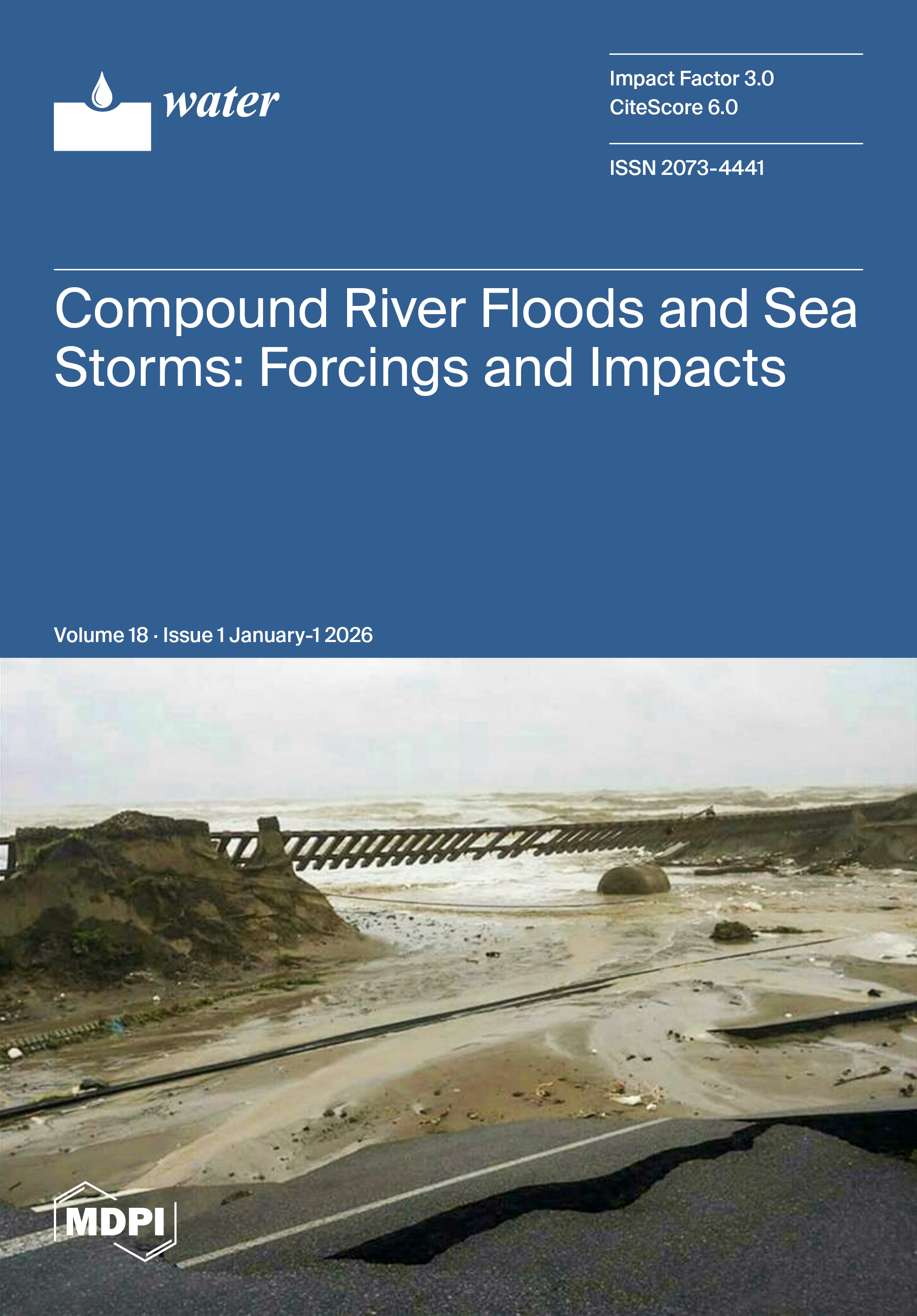
1. “Compound River Floods and Sea Storms: Forcings and Impacts” Cover story: Coastal areas are strategically significant from ecological, anthropic, and economic perspectives, but they are also susceptible to forces that cause inundations. Multiple forcings occurring in close succession in both space and time amplify the effects of a single force, forming a compound event. One example is an atmospheric disturbance that extends from the sea to the mainland, causing a sea storm and a river flood due to heavy rainfall, such as that which occurred in 2015 in Calabria, Southern Italy. This paper focuses on compound river floods and sea storms generated by atmospheric disturbances regardless of their exceptional or nontypical typology. The analysis includes their forcings, correlation, and effects, and is carried out in Calabria, which is an interesting case study due to its peculiarities, which favor the formation of compound events and increase their risk. |
|
|
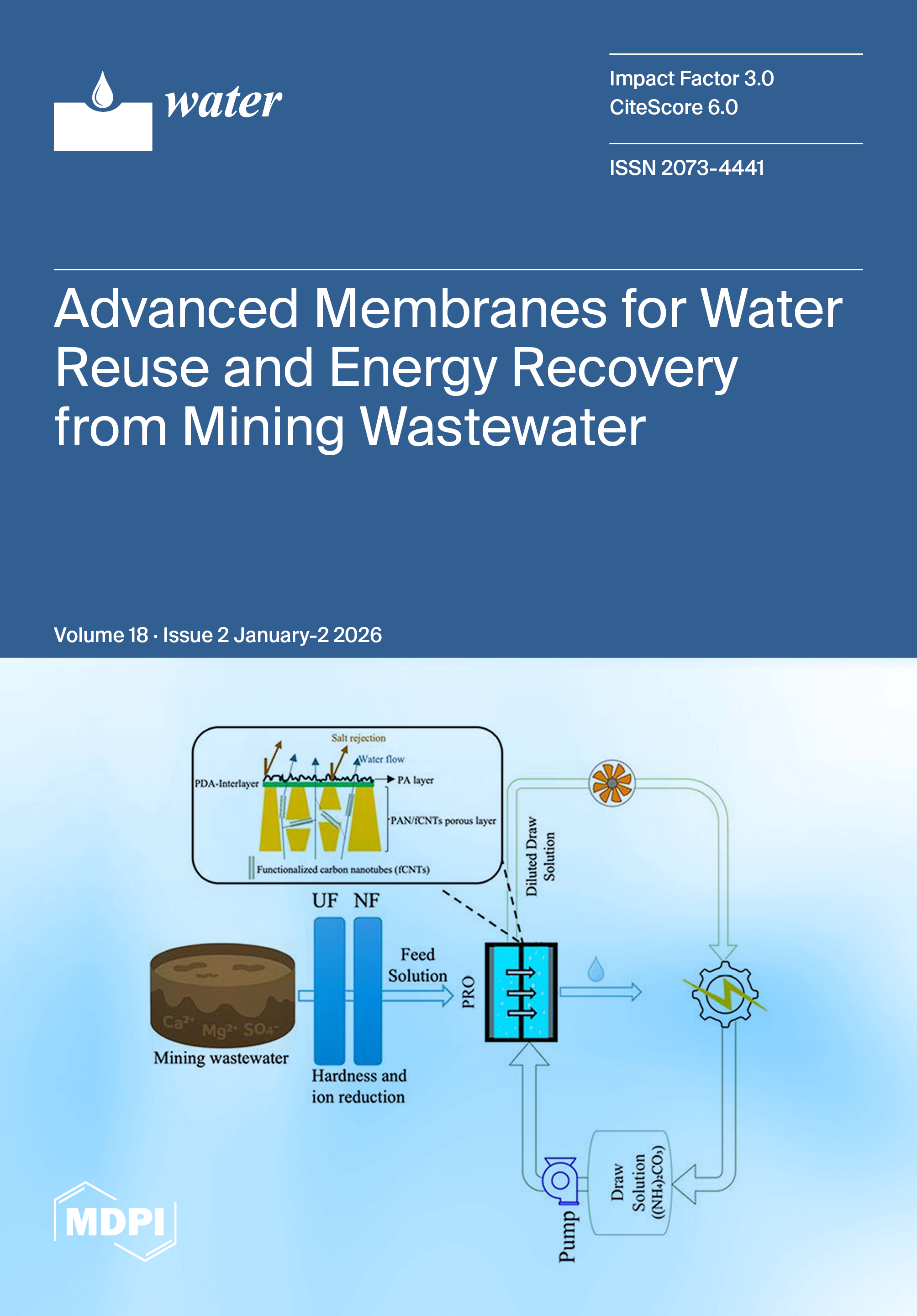
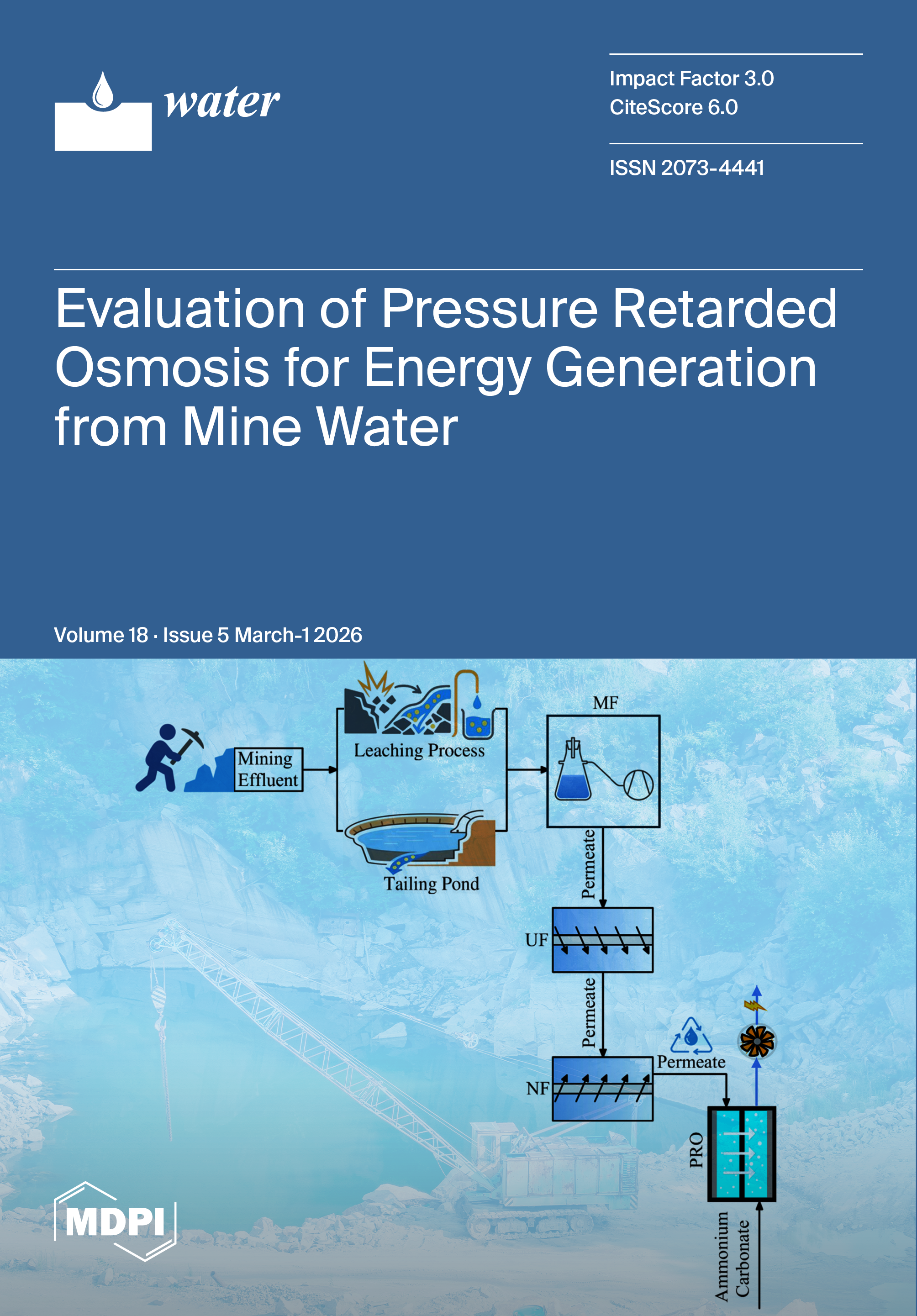
2. “Enhancing Osmotic Power Generation and Water Conservation with High-Performance Thin-Film Nanocomposite Membranes for the Mining Industry” Cover story: This cover highlights the development of a high-performance thin-film nanocomposite (TFN) membrane for pressure-retarded osmosis (PRO) using treated real gold mining wastewater. By incorporating functionalized carbon nanotubes (fCNTs) into the support layer and applying polydopamine (PDA) surface coating, the membrane exhibits enhanced hydrophilicity, water flux, and power density, enabling stable PRO operation following ultrafiltration (UF) and nanofiltration (NF) pretreatment. The results underline the potential of advanced membrane design to support sustainable water management and clean energy recovery in mining operations. |
|
|
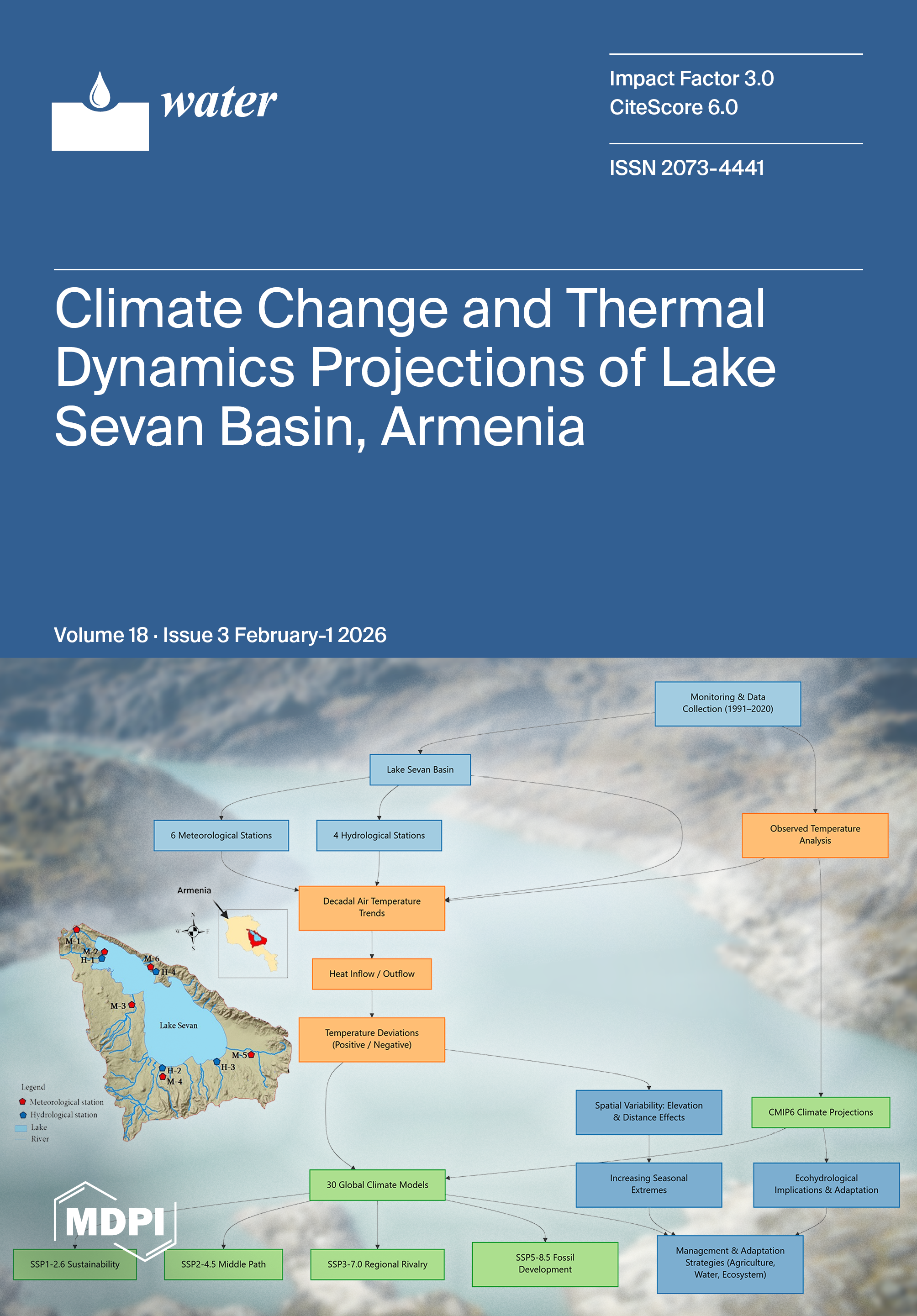
3. “Climate Change and Thermal Dynamics of the Lake Sevan Basin (Armenia): Observational Insights and Future Projections” Cover story: The Sevan basin is a large intermontane region bordered by the Geghama, Vardenis, Pambak, Areguni, Sevan, and Zangezur mountain ranges. Over half of the basin lies within the 2000–2600 m altitude zone. Its high altitude strongly influences the climatic conditions of Lake Sevan. Analyzing air temperature variability is crucial for predicting seasonal changes in water temperature, ice cover, and lake stratification. The continental climate and mountainous topography further amplify Armenia's vulnerability to climate change. The unique topography of Lake Sevan, along with its large surface area and high altitude, creates microclimatic zones where temperatures can vary substantially, which is essential for developing effective climate adaptation strategies and for gaining valuable insights into how climate change is reshaping seasonal cycles. |
|
|
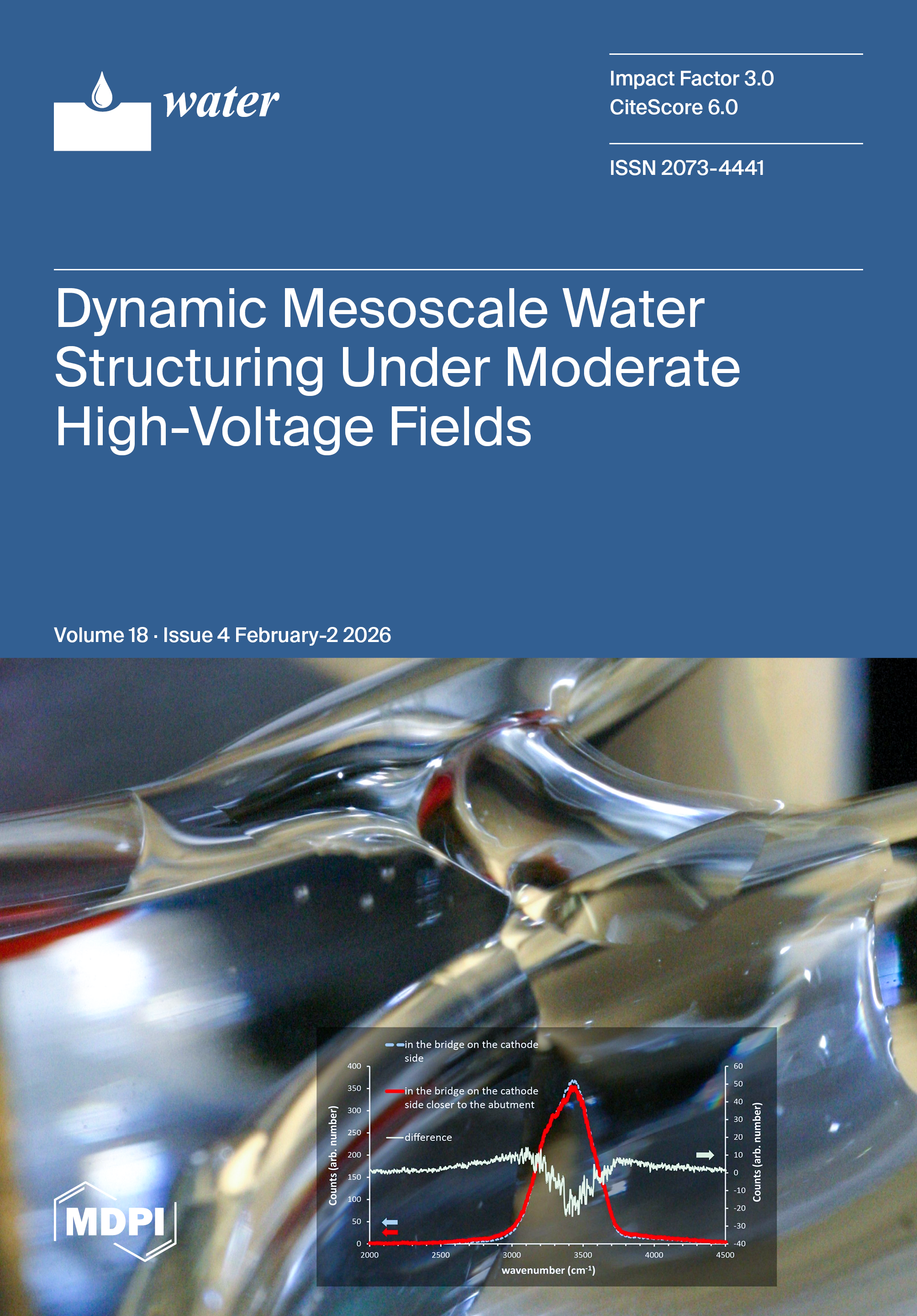
4. “Dynamic Structuring of Water at Mesoscopic Length Scales in the Presence of Moderate High-Voltage Fields” Cover story: The observation of Raman sidebands of the vibrational states in water in electrohydrodynamic water bridges can be satisfactorily explained by the presence of dynamically ordered mesoscopic water domains forming under moderate high-voltage fields. These physicochemical signatures demonstrate that electrically stressed water can exhibit collective behaviour distinct from bulk water, with potential relevance for interfacial processes and water-treatment technologies. |
|
|
5. “Evaluation of Pressure Retarded Osmosis for Energy Generation from Mine Water” Cover story: This study examines the application of mining effluents as feed solutions in pressure-retarded osmosis for energy generation and the prospect of water recycling or safe discharge to the environment. The physiochemical properties of the effluents indicated significant potential for fouling and scaling, which necessitated appropriate pretreatments. It was shown that pretreatments were highly effective in refining the quality of effluents, with a significant removal efficiency of above 90% for ions and heavy metals using nanofiltration. This led to fouling mitigation, higher and more stable power densities of 13 W/m2 and 18.6 W/m2, and potential water reuse or safe environmental discharge. The outcomes of this study are applicable in the mining sector with the potential for water and energy recoveries to contribute to more sustainable mining operations. |
|
|
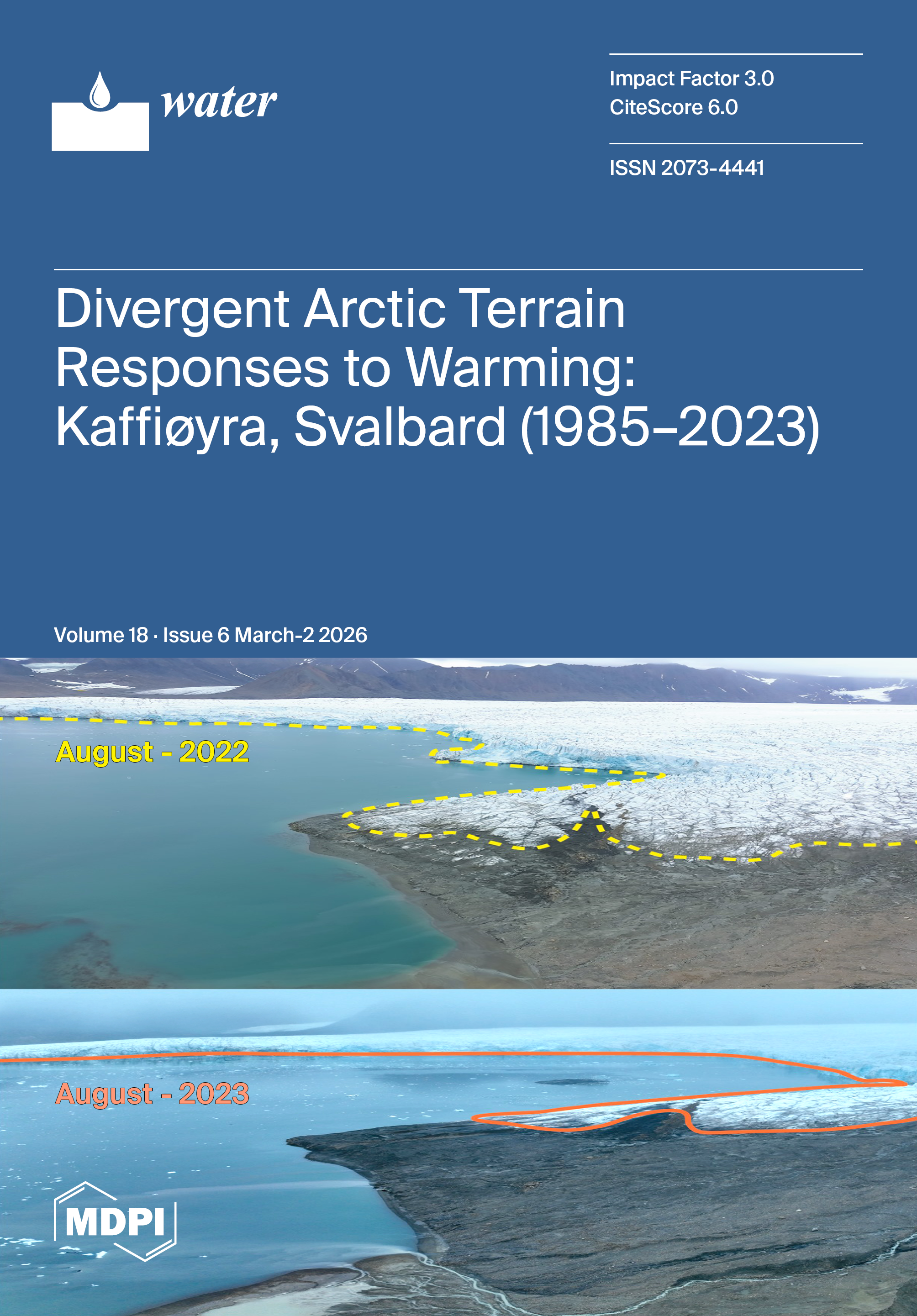
6. “Divergent Terrain Responses to Arctic Warming: A Multi-Decadal Analysis in Kaffiøyra, Svalbard (1985–2023)” Cover story: This study quantifies the spatial–temporal variability of glaciers, shorelines, and outwash plains in Kaffiøyra, Svalbard, over four decades using cross-evaluated Landsat and Sentinel-2 imagery. Results reveal systematic retreat across all eight glaciers, with tidewater glaciers experiencing substantially greater terminus area loss compared to land-terminating glaciers. Shoreline erosion was most pronounced on shores exposed to southwesterly summer waves, while significant accretion occurred near the tidewater glacier terminus. Outwash changes remained insignificant despite substantial glacier retreat, indicating that these systems respond to different controls. A moderate negative correlation between glacier terminus area and summer temperatures enabled a simple diagnostic projection model, where locally extrapolated data proved more accurate than downscaled climate scenarios. |
|
|
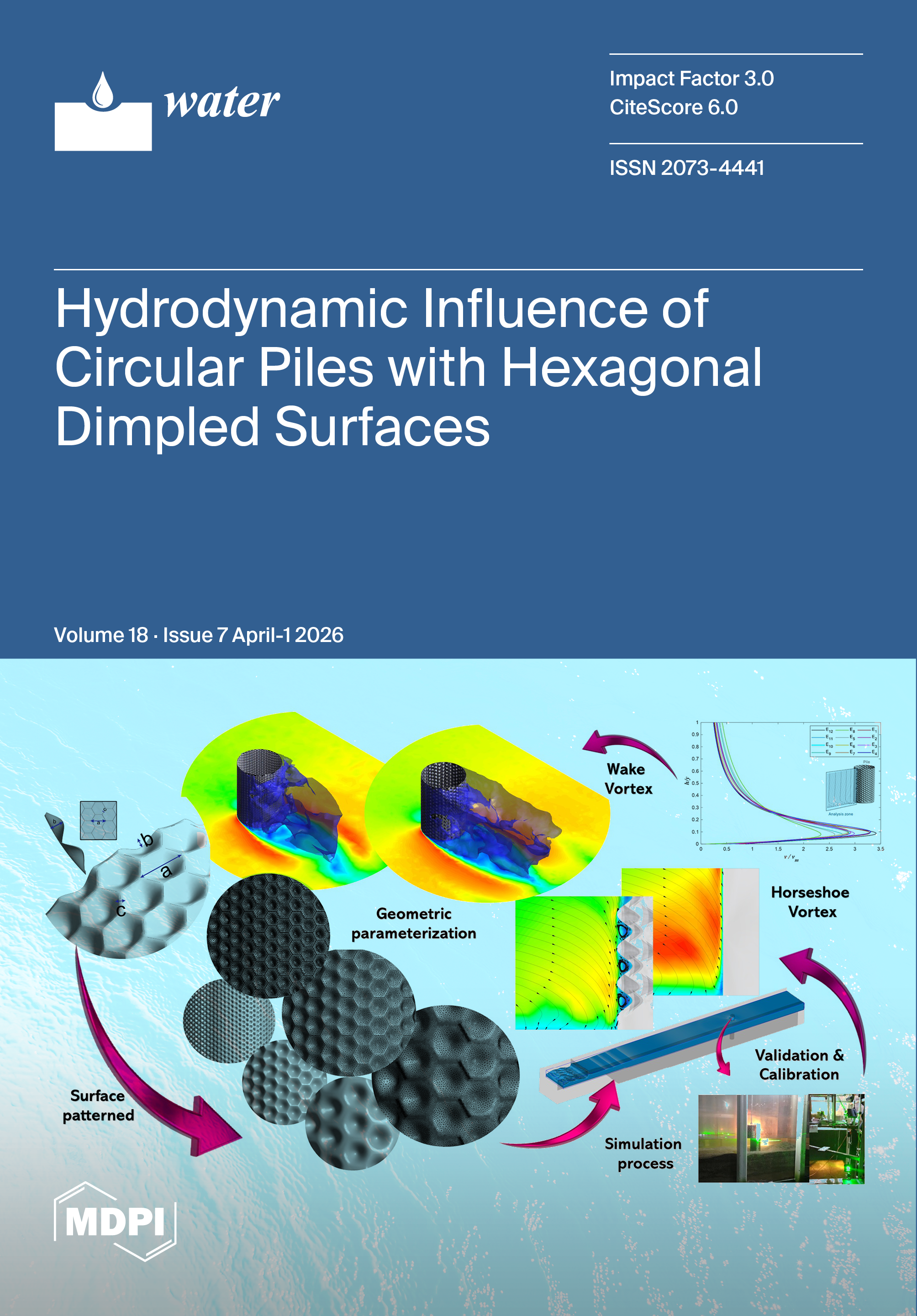
7. “Hydrodynamic Influence of Circular Piles with a Surface Patterned with Hexagonal Dimples” Cover story: Surface dimple patterns emerge as a powerful strategy for controlling turbulent flow–structure interaction. This study demonstrates how hexagonal dimples on circular piles reshape vortex dynamics in free-surface flow, enhancing energy dissipation and weakening dominant coherent structures. The numerical modeling, validated against PIV measurements, proves essential for accurately capturing the complex flow features and reinforcing the reliability of the results. High-resolution LES reveals a significant reduction in vertical (downward) velocity, as well as a marked attenuation of both horseshoe and wake vortices. These findings establish a new paradigm for passive scour mitigation and improved hydraulic stability. |
|
|
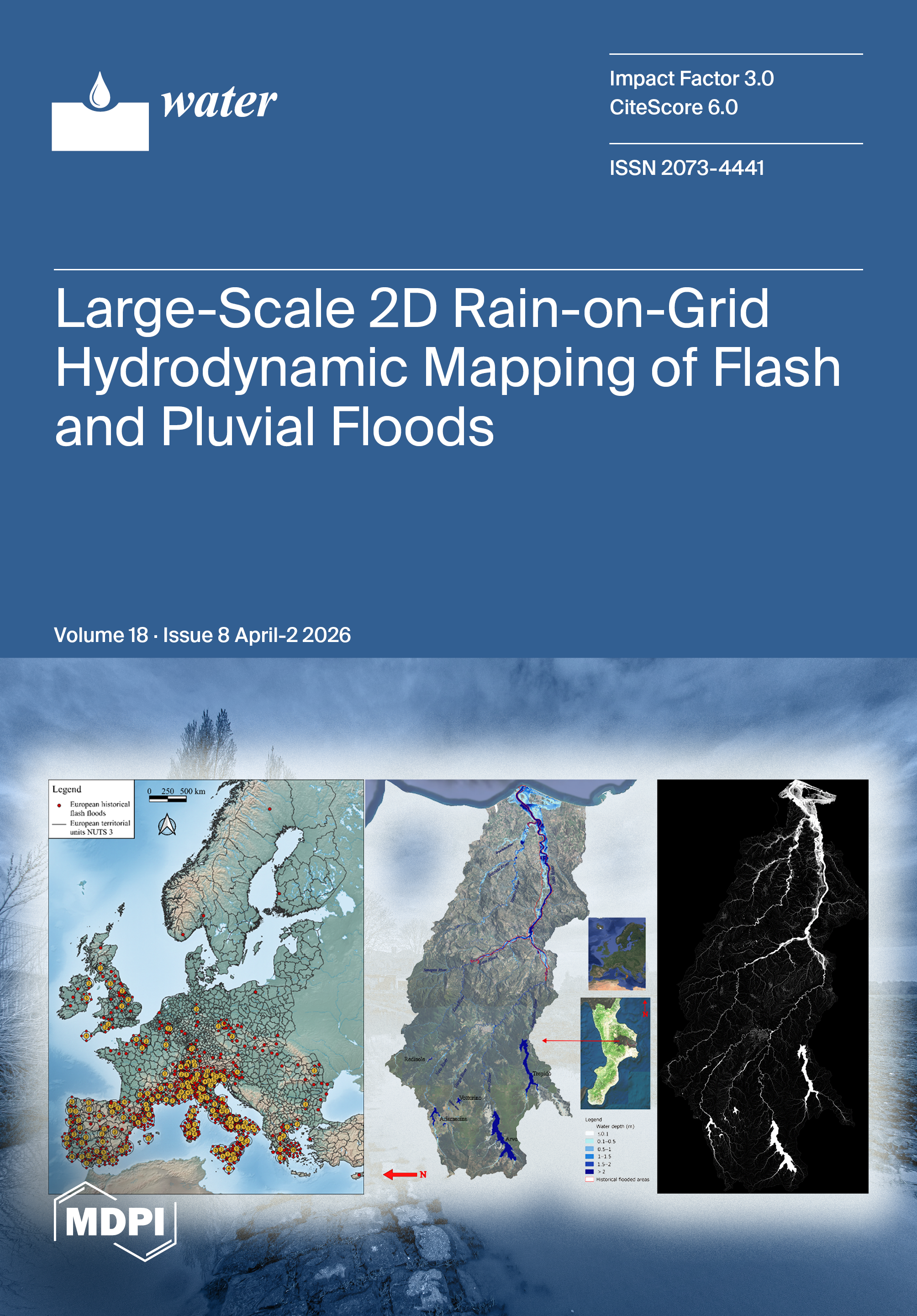
8. “Large-Scale 2D Rain-on-Grid Hydrodynamic Mapping of Flash and Pluvial Floods with Network-Consistent Return Periods” Cover story: This study presents the authors’ experience in the application of a fully hydrodynamic model over an entire territory, with direct rainfall input (rain-on-grid approach). This way of conducting flood risk analyses provides hydraulic engineering with an advancement in diagnostics similar to the progress that occurred in medicine with the transition from radiography to contrast-enhanced computed tomography. With radiography, the investigation is focused on a specific point where a symptom is already present. Conversely, a full-body contrast-enhanced scan is a much more powerful tool, detecting all parts of the body, including those where risk hotspots remain asymptomatic. In the rain-on-grid approach, the contrast medium is stormwater. The numerical simulation of all possible stormwater paths generates a comprehensive image of the entire territory. |
|
|
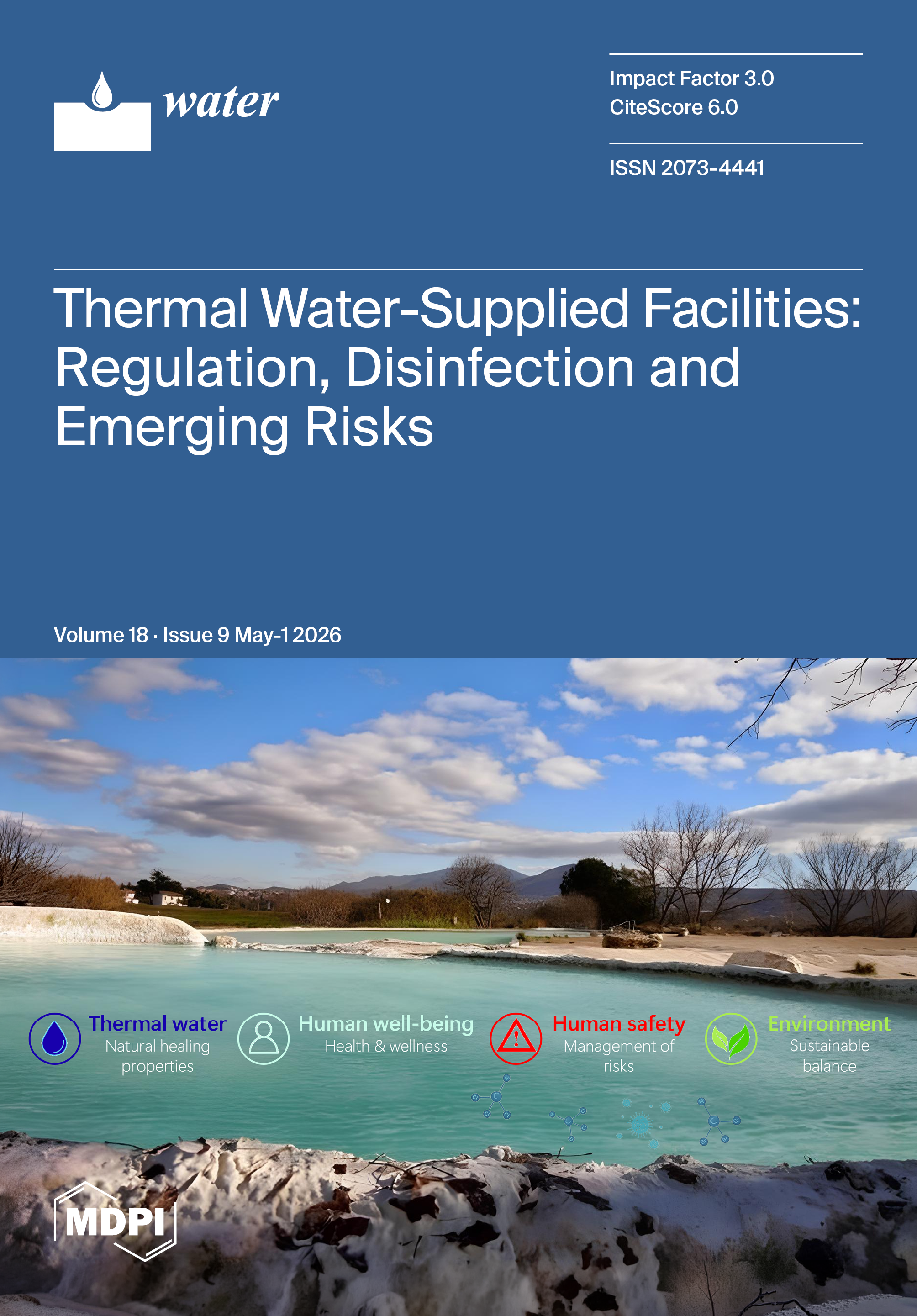
9. “Thermal Water-Supplied Swimming Pools: A Scoping Review of Regulatory Frameworks, Disinfection Challenges, and Emerging Contaminants” Cover story: Thermal water-supplied swimming pools represent a unique interface between natural resources, human health, and environmental sustainability. Managed under diverse regulatory approaches, they reflect a trade-off between preserving therapeutic properties and ensuring microbiological safety. Despite their recognized benefits, these environments may pose microbiological and chemical risks. This review highlights key challenges related to disinfection, emerging contaminants, and antimicrobial resistance, emphasizing the need for a One Health perspective and harmonized, risk-based monitoring strategies. |
|
|
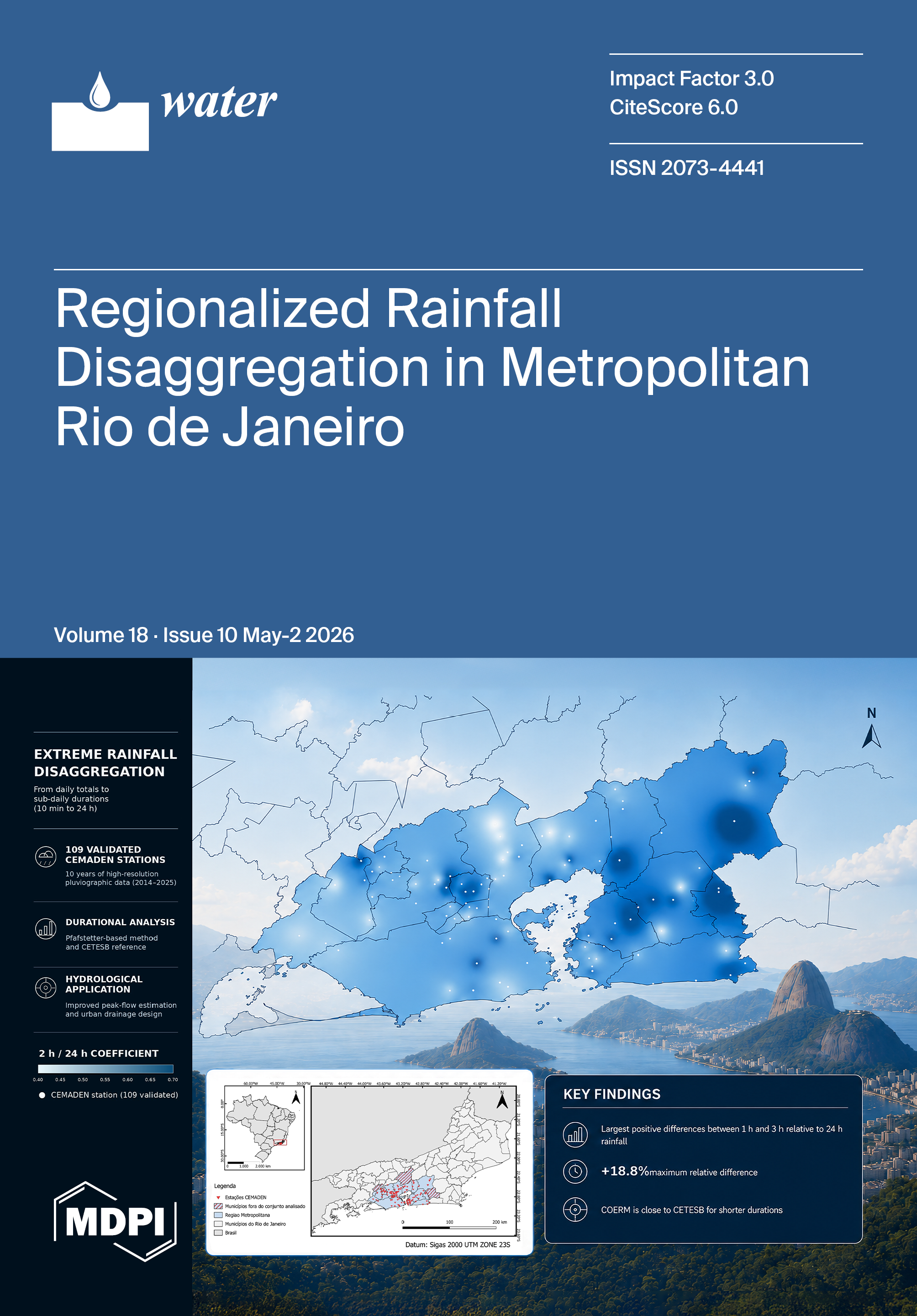
10. “Regionalized Rainfall Disaggregation Coefficients for the Rio de Janeiro Metropolitan Region, Brazil” Cover story: This study presents regionalized rainfall disaggregation coefficients for the Rio de Janeiro Metropolitan Region, Brazil, using high-resolution rainfall data from 109 validated CEMADEN automatic rain gauges. The methodology combines extreme-event extraction, partial-duration series analysis, and a calibrated Pfafstetter-based formulation to estimate representative sub-daily rainfall relationships. The results highlight important differences in the 1 h to 3 h duration range relative to the 24 h rainfall, contributing to improved hydrological design, urban drainage studies, and peak-flow estimation in densely urbanized areas. |
|
|
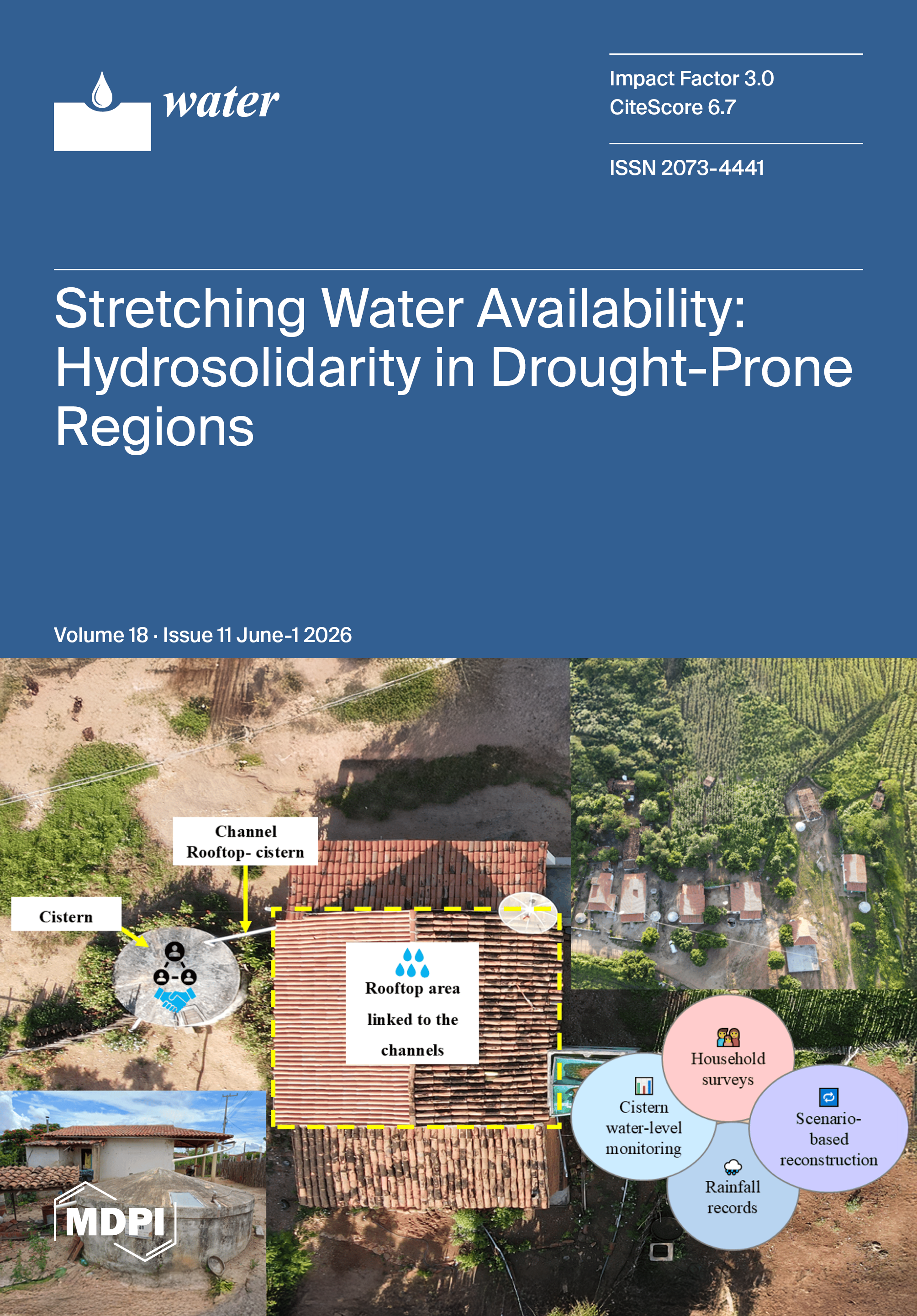
11. “Stretching Water Availability: Hydrosolidarity in Drought-Prone Regions” Cover story: The Forquilha Valley, located in the semiarid Northeast of Brazil, faces recurrent droughts and chronic challenges in securing water for rural households. Over the past two decades, rainwater-harvesting cisterns have become a central strategy for improving water access. Yet these cisterns do not operate as isolated household infrastructures. Drawing on monitored water-level data, household surveys, and rainfall records, this study reveals that neighbors frequently share stored water, creating networks of hydrosolidarity that extend water availability during dry periods. While rainfall capture area largely determines cistern reliability, social cooperation plays a crucial role in sustaining access to water. By highlighting the interplay between infrastructure and collective action, this research offers new socio-hydrological insights into community resilience in drought-prone regions. |
|
|
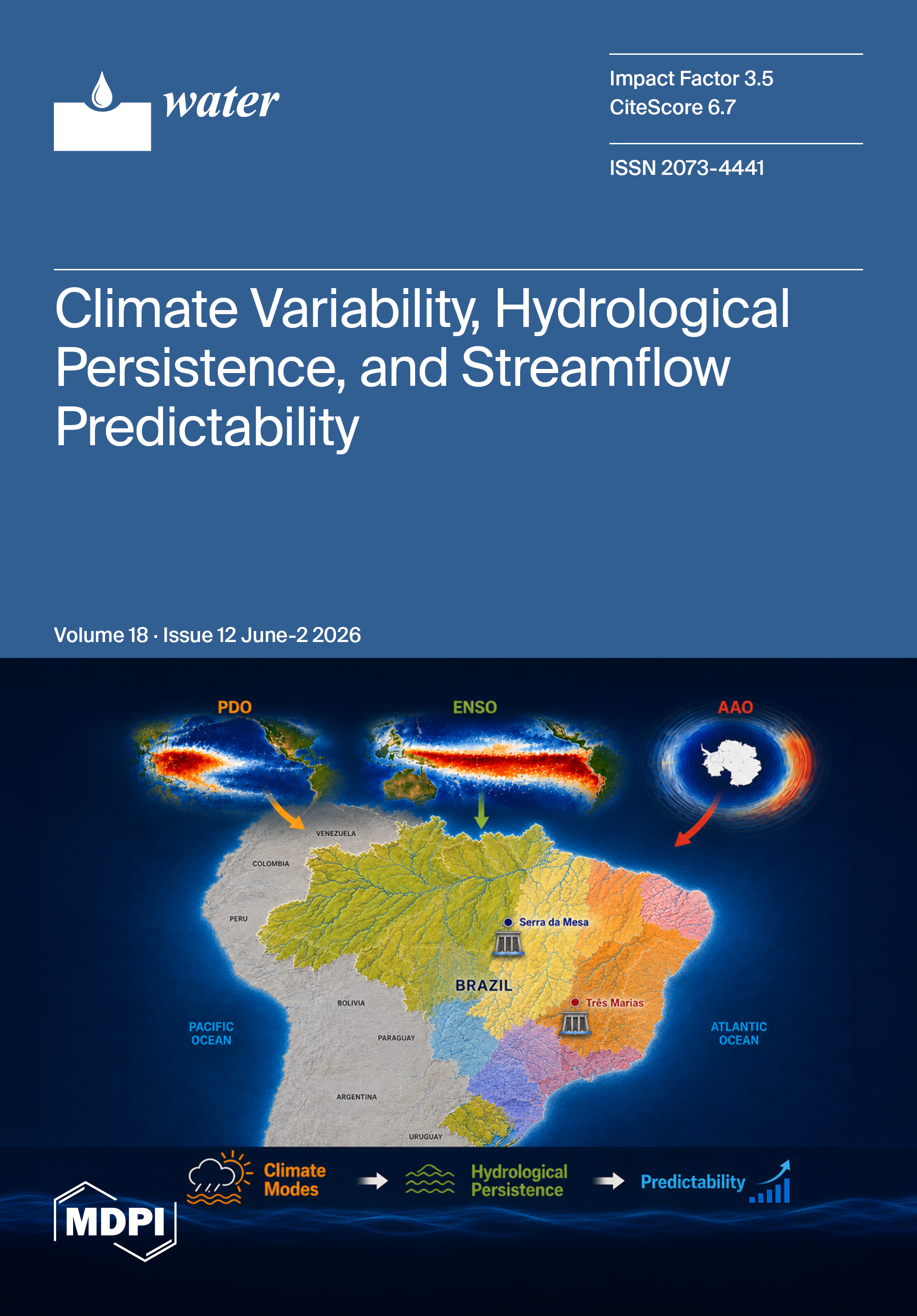
12. “Data-Driven Detection of Climate–Streamflow Dependencies and Multi-Year Hydrological Persistence in Brazilian Reservoir Systems” Cover story: This study investigates how large-scale climate variability influences streamflow dynamics and hydrological persistence in two major Brazilian reservoirs, Serra da Mesa and Três Marias. Using climate indices, temporal filtering, statistical analyses, and forecasting experiments, this research reveals persistent low-frequency climate–streamflow relationships and contrasting hydrological response timescales between the two basins. The cover image summarizes the study framework, highlighting the reservoirs, the climate modes analyzed, and the low-frequency hydrological signals associated with streamflow persistence and predictability. |