Journal Description
Tomography
Tomography
is an international, peer-reviewed open access journal on imaging technologies published monthly online by MDPI (from Volume 7, Issue 1 - 2021).
- Open Access— free for readers, with article processing charges (APC) paid by authors or their institutions.
- High Visibility: indexed within Scopus, SCIE (Web of Science), PubMed, MEDLINE, PMC, and other databases.
- Journal Rank: JCR - Q2 (Radiology, Nuclear Medicine and Medical Imaging)
- Rapid Publication: manuscripts are peer-reviewed and a first decision is provided to authors approximately 26.3 days after submission; acceptance to publication is undertaken in 4.1 days (median values for papers published in this journal in the second half of 2025).
- Recognition of Reviewers: APC discount vouchers, optional signed peer review, and reviewer names published annually in the journal.
Impact Factor:
2.2 (2024);
5-Year Impact Factor:
2.2 (2024)
Latest Articles
Clinical Evaluation Before MRI Referral: Frequency and Association with Diagnostic Yield
Tomography 2026, 12(6), 82; https://doi.org/10.3390/tomography12060082 (registering DOI) - 1 Jun 2026
Abstract
►
Show Figures
Purpose: To evaluate how often history taking and physical examination are omitted before MRI referral and whether their omission is associated with clinical reasoning quality and MRI diagnostic yield. Materials and Methods: In this prospective study, adults undergoing MRI at a tertiary academic
[...] Read more.
Purpose: To evaluate how often history taking and physical examination are omitted before MRI referral and whether their omission is associated with clinical reasoning quality and MRI diagnostic yield. Materials and Methods: In this prospective study, adults undergoing MRI at a tertiary academic hospital were surveyed before imaging to determine whether the referring clinician had taken their history and performed a physical examination. Multivariable regression was used to assess determinants of omission and associations with clinical reasoning quality (defined as agreement between the suspected diagnosis and MRI findings) and MRI positivity (defined as findings relevant to the indication). Results: Among 275 patients (median age 61 years; 50.0% male), history taking was omitted in 18.2% of cases and physical examination was omitted in 70.9%. History taking was less likely during surveillance than during new/first visits (odds ratio (OR) 0.140, p < 0.001) and more likely when MRI was requested by residents rather than medical specialists (OR 4.645, p = 0.018). Physical examination was more likely when MRI was requested by residents (OR 3.174, p = 0.007) or nurse specialists/physician assistants (OR 3.145, p = 0.033), and less likely during follow-up visits (OR 0.183, p < 0.001) and surveillance visits (OR 0.061, p < 0.001). Omission of physical examination was not associated with clinical reasoning quality (p = 0.370). Neither omission of history taking nor omission of physical examination was associated with MRI positivity (p = 0.430 and p = 0.286, respectively). Conclusions: History taking and physical examination were often omitted before MRI referral. Although no statistically significant association was observed between omission of bedside assessment and clinical reasoning quality or MRI positivity, reduced bedside assessment may limit the clinical context informing referral and interpretation.
Full article
Open AccessArticle
Analysis of Myocardial Textures in Relation to Nicotine Abuse Using Radiomics in Cardiac PCCT
by
Felix Waßmer, Rouven Bauer, Stefan O. Schoenberg, Alexander Hertel and Isabelle Ayx
Tomography 2026, 12(6), 81; https://doi.org/10.3390/tomography12060081 (registering DOI) - 1 Jun 2026
Abstract
Background/Objectives: Photon-counting computed tomography (PCCT) combined with radiomics enables advanced myocardial tissue characterization beyond conventional imaging. This study investigated whether myocardial radiomic features derived from PCCT are associated with nicotine status in patients without coronary artery disease. Methods: In this retrospective,
[...] Read more.
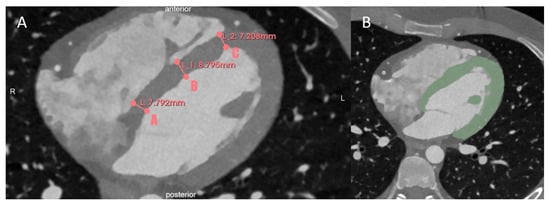
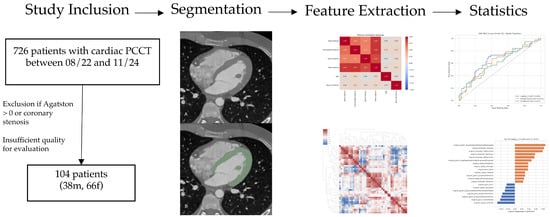
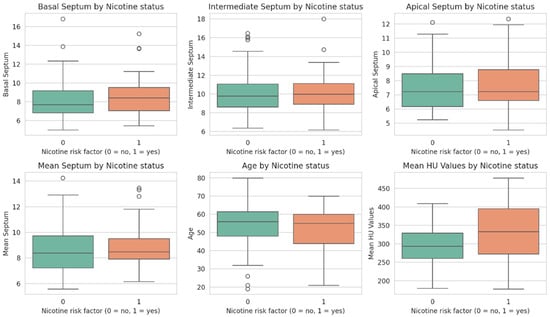
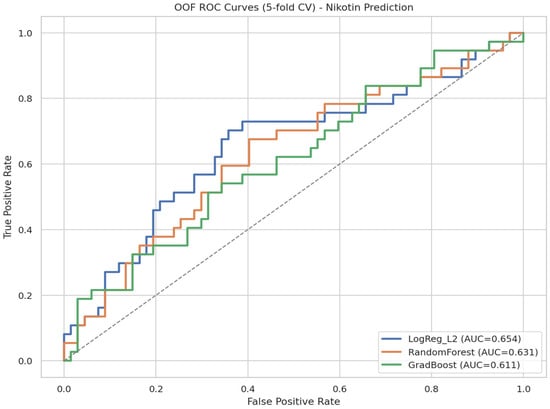
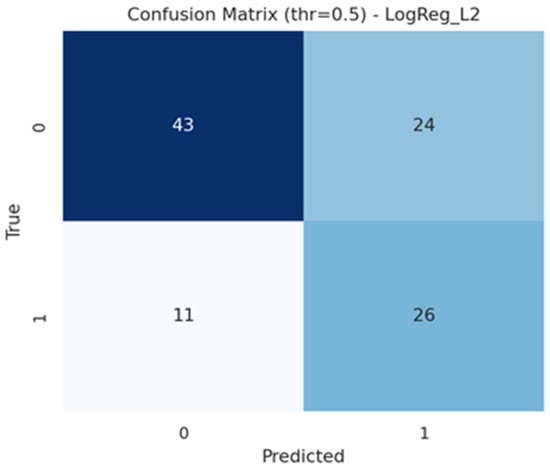
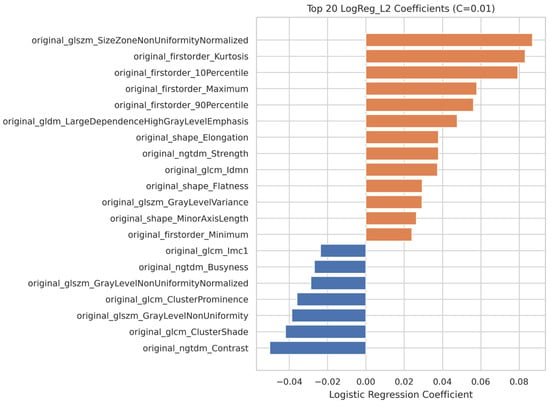
Background/Objectives: Photon-counting computed tomography (PCCT) combined with radiomics enables advanced myocardial tissue characterization beyond conventional imaging. This study investigated whether myocardial radiomic features derived from PCCT are associated with nicotine status in patients without coronary artery disease. Methods: In this retrospective, single-center study, 104 patients (38 men, 66 women; median age 54 years) without coronary calcification (Agatston score = 0) underwent cardiac PCCT. Myocardial septal thickness was measured at three points during the 65–70% cardiac phase. Myocardial tissue was manually segmented, and 105 radiomic features were extracted. After correlation-based feature reduction, 45 independent features were used for analysis. Patients were categorized based on nicotine status. Machine learning models, including logistic regression, random forest, and gradient boosting, were trained and evaluated using stratified five-fold cross-validation. Model performance was assessed using the area under the receiver operating characteristic curve (ROC-AUC) and additional classification metrics. Results: No significant differences in myocardial septal thickness were observed between smokers and non-smokers (p > 0.05). However, radiomic features enabled moderate discrimination between smokers and non-smokers. Logistic regression with L2 regularization achieved the best performance (ROC-AUC 0.66, balanced accuracy 0.67), outperforming random forest and gradient boosting models. The most relevant radiomic features primarily comprised higher-order texture and shape-based parameters associated with spatial gray-level heterogeneity and subtle variations in myocardial tissue architecture. Conclusions: PCCT-based radiomics may capture subtle myocardial imaging signatures associated with smoking status, even in the absence of structural changes detectable by conventional metrics. These findings highlight the potential of cardiac radiomics as a non-invasive imaging biomarker for early cardiovascular risk assessment and support its integration into advanced cardiac imaging workflows. Future multicenter studies with larger cohorts, external validation, and multimodal correlation are warranted to improve robustness and facilitate clinical translation.
Full article
(This article belongs to the Section Cardiovascular Imaging)
►▼
Show Figures

Figure 1
Open AccessArticle
TASC-SwinMT: Task-Adaptive Synergistic Cross-Task Swin Multi-Task Framework for CT and MRI Image Interpolation and Segmentation
by
Yujia Sun, Yingying Yang and Nan Bao
Tomography 2026, 12(6), 80; https://doi.org/10.3390/tomography12060080 (registering DOI) - 30 May 2026
Abstract
Background: Computed Tomography(CT) and Magnetic Resonance Imaging(MRI) interpolation and segmentation are critical for clinical diagnosis, anatomical quantification and personalized treatment. Most existing methods perform these two tasks separately, leading to computational redundancy and insufficient mining of shared spatial features. This study aims to
[...] Read more.
Background: Computed Tomography(CT) and Magnetic Resonance Imaging(MRI) interpolation and segmentation are critical for clinical diagnosis, anatomical quantification and personalized treatment. Most existing methods perform these two tasks separately, leading to computational redundancy and insufficient mining of shared spatial features. This study aims to construct an integrated multi-task learning framework for the synchronous processing of medical image interpolation and segmentation. Methods: We propose a unified multi-task framework named TASC-SwinMT for joint interpolation and multi-frame segmentation of CT and MRI images. It employs a shared SwinUNet encoder to extract general spatial features, matched with two task-specific decoders for frame prediction and mask generation. Three functional modules are designed for cross-task synergistic learning, and a dynamic multi-task loss function is used to balance objective optimization. Experiments are performed on Medical Segmentation Decathlon Task02_Heart and Task06_Lung datasets. Results: Our method outperforms baseline models and ablation variants in both tasks with outstanding accuracy and significantly reduced computational overhead. It exhibits superior performance in lesion boundary depiction, small object segmentation and inter-slice consistency, and anatomical prior constraints with frequency-domain modeling further enhance prediction quality. Conclusions: The cross-task feature sharing and joint optimization strategy are validated effective. The proposed TASC-SwinMT framework has favorable stability and generalization ability, providing a reliable solution for clinical medical image analysis.
Full article
(This article belongs to the Special Issue Cutting-Edge Applications: Artificial Intelligence and Deep Learning Revolutionizing CT and MRI)
Open AccessArticle
Ultrasonographic Assessment of Hepatic Capsular Thickness in Fitz–Hugh–Curtis Syndrome: Correlation with Computed Tomography
by
Ye Jun Park, Eun Ju Yoon, Jun Hyung Hong, Eai Hong Hwang, Tae-Hoon Kim, Seong-Jung Kim, Soo-Min Heo, Hyun Chul Kim, Sang Gook Song and Jin Woong Kim
Tomography 2026, 12(6), 79; https://doi.org/10.3390/tomography12060079 - 27 May 2026
Abstract
Objectives: To investigate whether hepatic capsular thickness (HCT) measured on ultrasonography (US) is associated with HCT measured on arterial-phase computed tomography (CT), and to evaluate the potential discriminative performance of US-measured HCT in women with Fitz–Hugh–Curtis syndrome (FHCS). Methods: In this retrospective dual-center
[...] Read more.
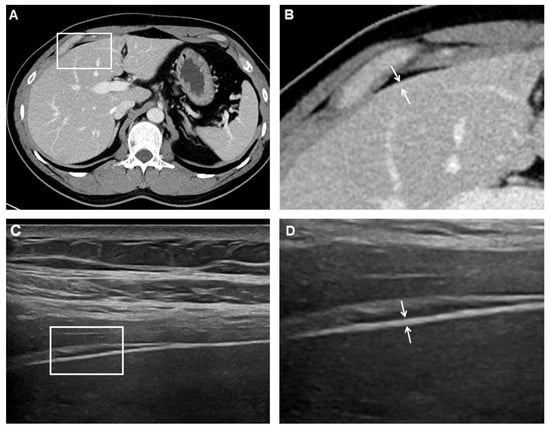
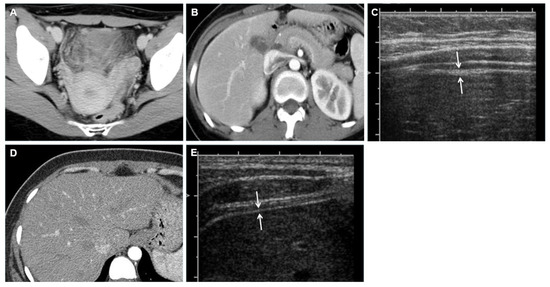
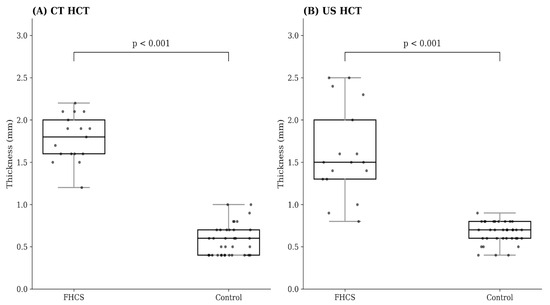
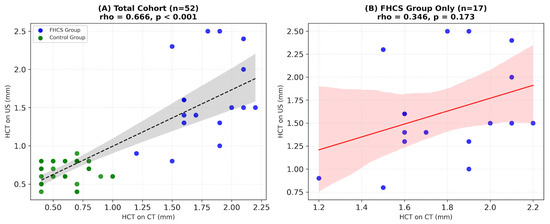
Objectives: To investigate whether hepatic capsular thickness (HCT) measured on ultrasonography (US) is associated with HCT measured on arterial-phase computed tomography (CT), and to evaluate the potential discriminative performance of US-measured HCT in women with Fitz–Hugh–Curtis syndrome (FHCS). Methods: In this retrospective dual-center case–control study, 17 women with clinically diagnosed FHCS who underwent both arterial-phase CT and abdominal US within a 3-day interval were included. Thirty-five healthy women served as controls. HCT was measured on CT and US by two abdominal radiologists blinded to clinical information. HCT values were compared between groups, the association between CT and US measurements was assessed, interobserver agreement was evaluated using the intraclass correlation coefficient (ICC), and receiver operating characteristic analysis was performed to explore candidate cutoff values for discriminating FHCS from controls. Results: Median HCT on CT was significantly greater in the FHCS group than in the control group [1.80 mm (IQR, 1.60–2.00) vs. 0.60 mm (IQR, 0.40–0.70); U = 595.0, p < 0.001]. Median HCT on US was also significantly greater in the FHCS group than in the control group [1.50 mm (IQR, 1.30–2.00) vs. 0.70 mm (IQR, 0.60–0.80); U = 589.0, p < 0.001]. CT- and US-based HCT measurements showed a significant positive correlation (rho = 0.66, p < 0.001). Interobserver agreement for HCT measurement was good in the overall cohort (ICC, 0.804; 95% confidence interval [CI], 0.66–0.89). In exploratory receiver operating characteristic (ROC) analysis, the candidate cutoff values were 1.1 mm for CT and 0.85 mm for US. These ROC-derived metrics should be interpreted as exploratory estimates from an idealized case–control setting rather than as real-world diagnostic performance. Conclusions: US-measured HCT was significantly increased in women with clinically diagnosed FHCS and showed a significant positive correlation of moderate strength with CT-measured HCT. These findings suggest that US-based HCT assessment may provide supportive imaging information in patients with suspected FHCS. Further validation in larger cohorts, particularly in clinically relevant control populations, is warranted.
Full article
(This article belongs to the Section Abdominal Imaging)
►▼
Show Figures

Figure 1
Open AccessArticle
Biophysical Diffusion MRI Models Better Identify White Matter Tracts in Edema
by
Isaac E. Prentiss, Sasha Hakhu, Jennapher Lingo VanGilder, Parvathy Hareesh, Andrew Hooyman, Jason Yalim, Justin Hines, Gabe LaFond, Edward Ofori, Leslie C. Baxter, Yuxiang Zhou, Leland S. Hu, Kurt G. Schilling and Scott C. Beeman
Tomography 2026, 12(6), 78; https://doi.org/10.3390/tomography12060078 - 25 May 2026
Abstract
Background/Objectives: White matter (WM) tract detection is critical in the presurgical planning of tumor resection. However, standard-of-care imaging techniques including T1-weighted, T2-weighted, and Diffusion Tensor Imaging (DTI) often fail to identify WM tracts within edematous regions. In T1
[...] Read more.
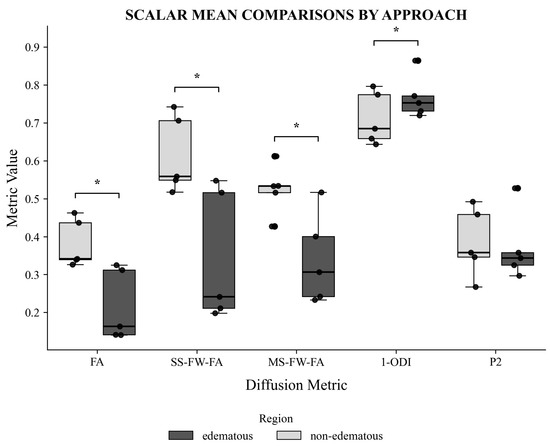
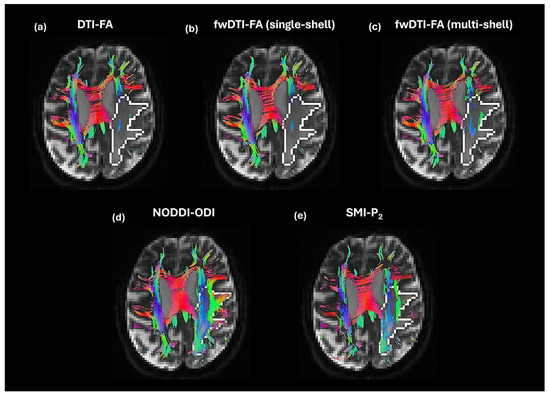
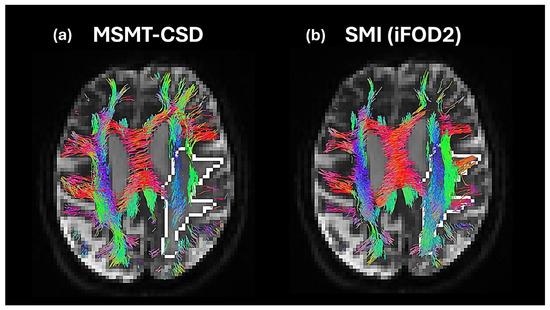
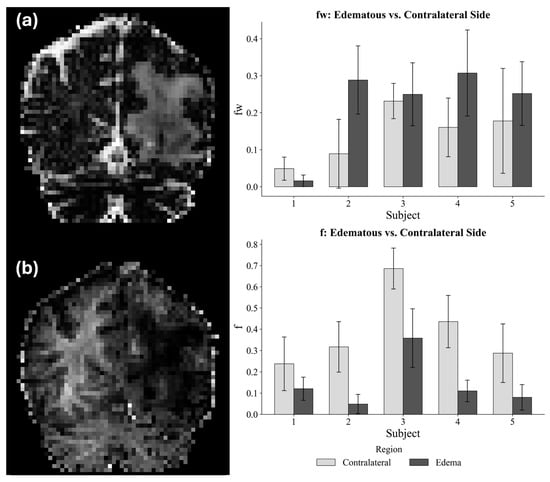
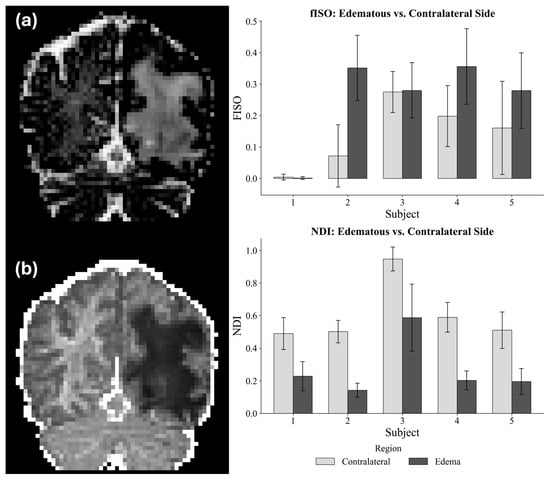
Background/Objectives: White matter (WM) tract detection is critical in the presurgical planning of tumor resection. However, standard-of-care imaging techniques including T1-weighted, T2-weighted, and Diffusion Tensor Imaging (DTI) often fail to identify WM tracts within edematous regions. In T1/T2-weighted imaging, edema increases extracellular water and reduces tissue contrast, and in diffusion-weighted imaging, edema elevates isotropic diffusion, reducing sensitivity to anisotropic diffusion along WM tracts. Advanced biophysical diffusion modeling techniques such as Neurite Orientation Dispersion and Density Imaging (NODDI) and the Standard Model (SM) address this limitation by compartmentalizing the diffusion signal into free-water, intra-neurite, and extra-neurite contributions. Here, we test if biophysical multi-compartment models can robustly identify WM tracts and recover tractography streamlines within edematous regions. Methods: In this study, we use multi-shell diffusion-weighted MRI data obtained from patients with meningiomas—a pathology allowing for isolation of the effects of edema without the confounding effects of tumor cell invasion. We compared FA from standard and free-water-corrected DTI, the orientation dispersion index (ODI) from NODDI, and P2 (a scalar descriptor of fiber orientation coherence) from the SM fODF in edematous and unaffected contralateral WM regions. As a proof of concept, we visually evaluated the tractography performance across models. Results: Our results show that (1 − ODI) and P2 values in edema remained close to within-subject contralateral measurements, contrasting with substantial reductions in FA and FW-FA. (1 − ODI) showed a small but statistically significant increase in edema (~8%, p = 0.02), while P2 was unchanged. Conclusions: These results highlight the potential of biophysical diffusion models for preoperative mapping in edema.
Full article
(This article belongs to the Special Issue Imaging in Cancer Diagnosis)
►▼
Show Figures

Figure 1
Open AccessArticle
MRI-Related Claustrophobia: Patient-Reported Experience and Associated Factors in a Makkah Region Cohort
by
Shrooq T. Aldahery, Lubna A. Bushara, Rana A. Alasami, Mona H. Alqurashi, Rahaf O. Alqurayqiri, Sahar E. Behilak, Faten S. Kandil, Khalid M. Alshamrani, Walaa M. Alsharif, Awadia Gareeballah, Fahad H. Alhazmi and Mohammed S. Almatrafi
Tomography 2026, 12(6), 77; https://doi.org/10.3390/tomography12060077 - 25 May 2026
Abstract
►▼
Show Figures
Purpose: This study aimed to assess MRI-related claustrophobia severity and patient-reported experiences among Saudi patients to examine their associations with selected demographic variables. Methodology: A cross-sectional study was conducted using a structured questionnaire administered to 200 Saudi patients who had previously
[...] Read more.
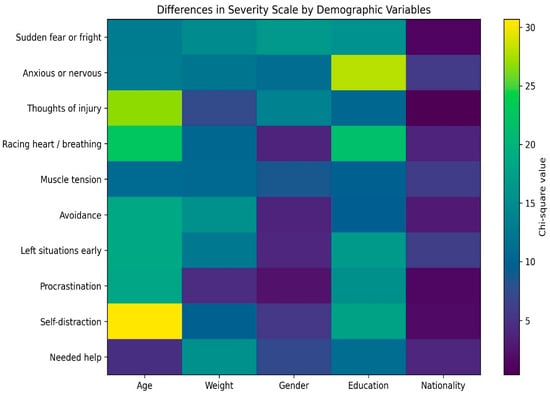
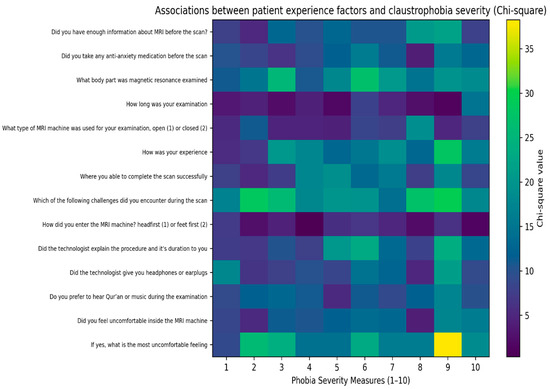
Purpose: This study aimed to assess MRI-related claustrophobia severity and patient-reported experiences among Saudi patients to examine their associations with selected demographic variables. Methodology: A cross-sectional study was conducted using a structured questionnaire administered to 200 Saudi patients who had previously undergone MRI examinations. The questionnaire comprised five sections covering demographic data, phobia severity and patient-reported experiences before, during and after MRI examinations. Statistical analysis was performed using SPSS statistical package (IBM SPSS Statistics version 26, IBM Corp., Armonk, NY, USA), applying chi-square tests to examine associations between demographic variables and questionnaire responses. Results: A significant majority of participants, 76.5%, reported a positive MRI experience, whereas only 6.5% reported a negative experience. Shortness of breath during the MRI examination was the most frequently reported source of discomfort (75%). Significant associations were identified between demographic characteristics and phobia severity. Age and gender were significantly correlated with sudden fear responses, while educational level was strongly associated with receiving adequate pre-scan information and overall examination experience. Conclusions: Despite the high percentage of positive experiences, a notable proportion of participants reported anxiety-related distress during MRI examinations. The observed associations between demographic variables and claustrophobia-related responses suggest the potential value of patient-centred approaches, particularly improved pre-scan education, to improve the MRI-related patient experience and reduce anxiety-related distress.
Full article

Figure 1
Open AccessArticle
DenseViT-OCT: A Hybrid CNN-Transformer Architecture with Multi-Scale Dense Feature Aggregation for Automated Epiretinal Membrane Severity Classification
by
Elif Yusufoğlu, Salih Taha Alperen Özçelik, Orhan Atila, Numan Halit Guldemir and Abdulkadir Sengur
Tomography 2026, 12(6), 76; https://doi.org/10.3390/tomography12060076 - 22 May 2026
Abstract
Background/Objectives: Epiretinal membrane (ERM) is a common vitreoretinal disorder characterized by fibrocellular proliferation on the inner retinal surface, often leading to progressive visual impairment. Accurate grading of ERM severity using optical coherence tomography (OCT) is critical for treatment planning and surgical decision-making; however,
[...] Read more.
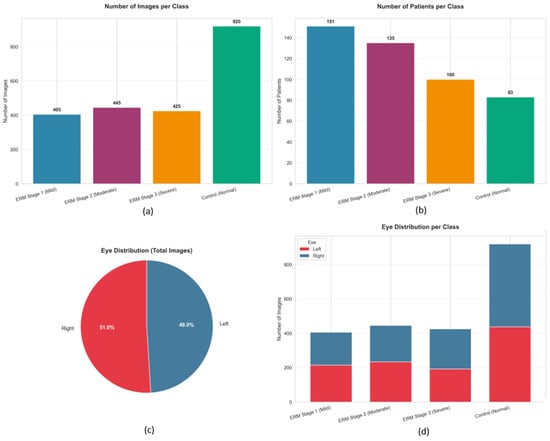
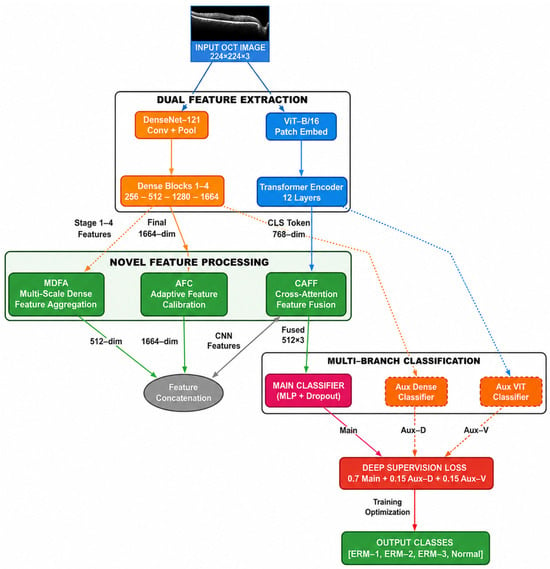
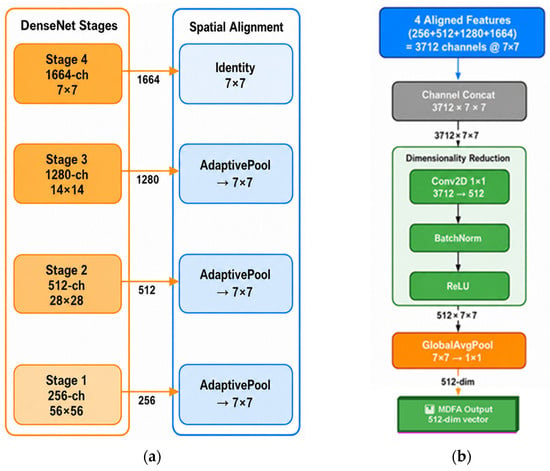
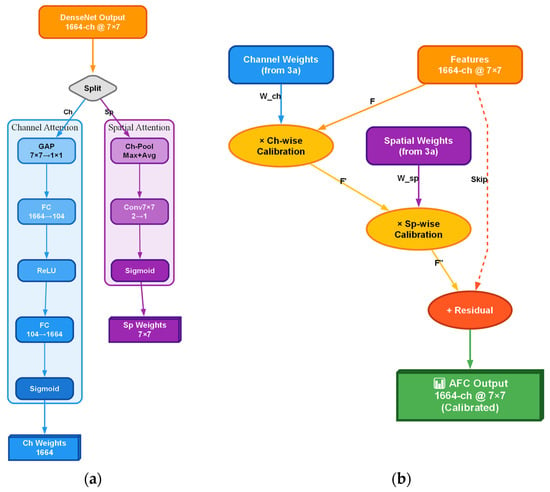
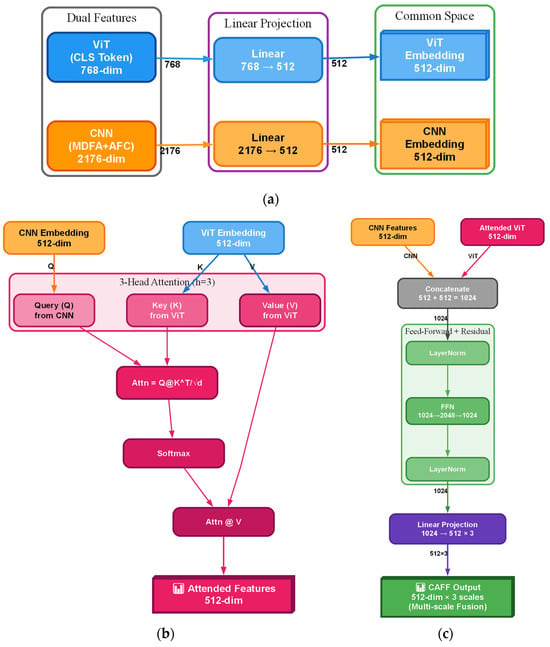
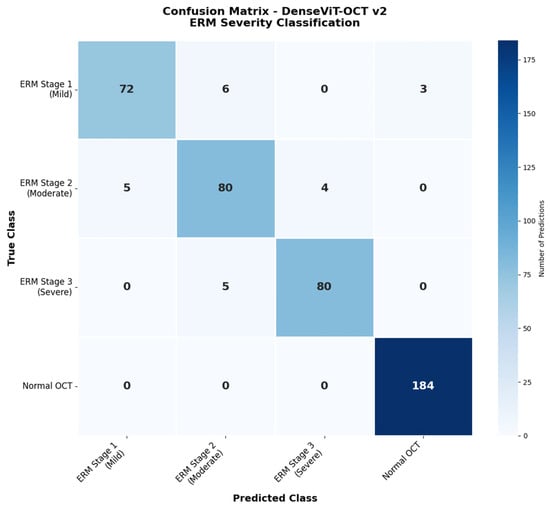
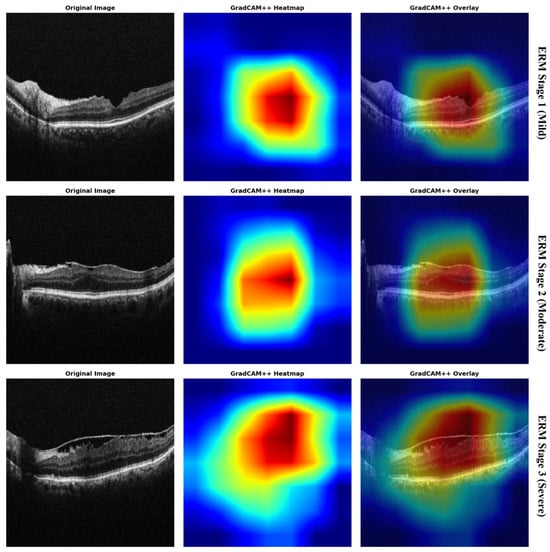
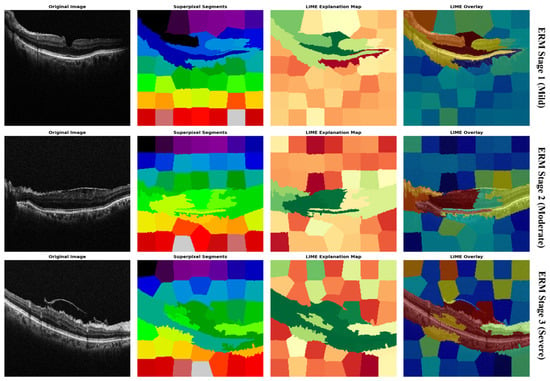
Background/Objectives: Epiretinal membrane (ERM) is a common vitreoretinal disorder characterized by fibrocellular proliferation on the inner retinal surface, often leading to progressive visual impairment. Accurate grading of ERM severity using optical coherence tomography (OCT) is critical for treatment planning and surgical decision-making; however, manual grading is labor-intensive and subjective. This study aims to develop an automated and reliable deep learning-based method for ERM severity classification. Methods: We propose DenseViT-OCT, a hybrid deep learning model that integrates dense convolutional neural networks (CNN) and vision transformers (ViT). The model introduces three key modules: Multi-Scale Dense Feature Aggregation (MDFA) for capturing hierarchical features across multiple spatial scales, Adaptive Feature Calibration (AFC) for enhancing feature discrimination through channel and spatial attention, and Cross-Attention Feature Fusion (CAFF) for enabling bidirectional interaction between convolutional and transformer representations. The model was trained and evaluated on 2195 OCT B-scan images obtained from 397 patients. Results: DenseViT-OCT achieved an overall accuracy of 94.76% on the internal four-class test set, outperforming 19 benchmark models, including ConvNeXt, EfficientNet, ViT, and Swin Transformers. The model demonstrated balanced performance with a macro-averaged precision of 93.76%, recall of 93.22%, F1-score of 93.47%, Cohen’s kappa of 92.62%, and macro-Area Under the Curve (AUC) of 98.95%. Ablation experiments confirmed the contribution of the proposed MDFA, AFC, CAFF, and deep supervision components, with the full model consistently outperforming reduced variants and standalone DenseNet121 and ViT-B/16 backbones. In repeated experiments across five random seeds, DenseViT-OCT also achieved the best mean accuracy (0.9399 ± 0.0052). External validation on the public multicenter OCTDL dataset, performed as binary ERM-versus-normal classification because of label availability, yielded 90.76% accuracy and 97.61% AUC, indicating promising generalization beyond the development cohort. Conclusions: DenseViT-OCT provides a robust framework for automated ERM severity classification from OCT B-scans. The combination of local CNN features, global transformer context, and dedicated fusion modules improves classification performance and yields clinically meaningful error patterns. Although further stage-wise multicenter validation, volumetric OCT analysis, and prospective clinical assessment are required, the proposed method shows promise as a research-oriented decision-support framework for B-scan-level ERM assessment.
Full article
(This article belongs to the Special Issue Medical Image Analysis in CT Imaging)
►▼
Show Figures

Figure 1
Open AccessArticle
Myocardial T2 Star (T2*) in a Large Healthy Population: Correction Factors for a Segmental Approach Using Commercially Available Software in the Current MRI Era
by
Amalia Lupi, Sebastiano Gambato, Ambra Checchetto, Stefania Zinato, Sophie Mavrogeni, Filippo Crimì, Marco Castellaro, Emilio Quaia and Alessia Pepe
Tomography 2026, 12(5), 75; https://doi.org/10.3390/tomography12050075 - 21 May 2026
Abstract
Purpose: Myocardial iron overload has been demonstrated to have a heterogeneous distribution. A segmental T2* CMR approach, with correction factors applied to account for artifacts, has been demonstrated to be feasible and has permitted a reduction in cardiac morbidity and mortality, by
[...] Read more.
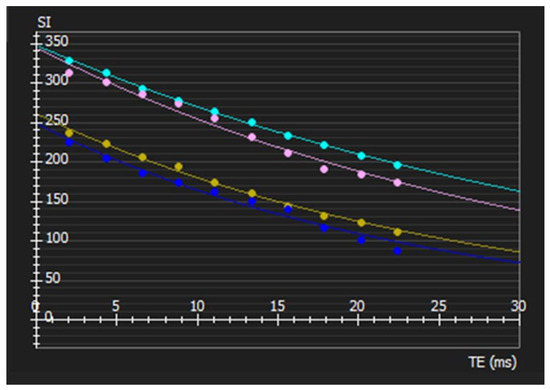
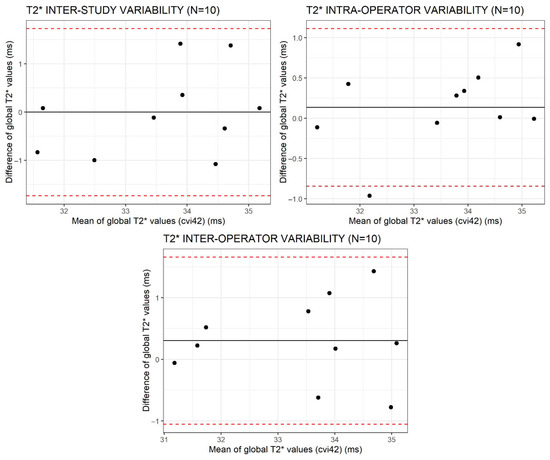
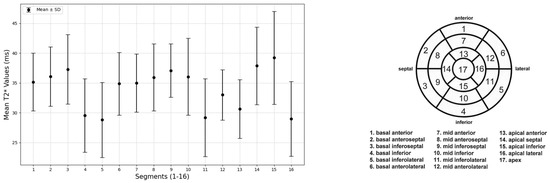
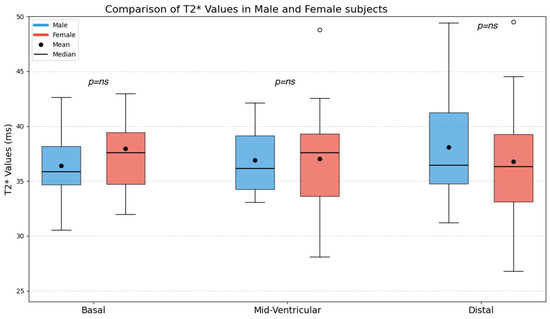
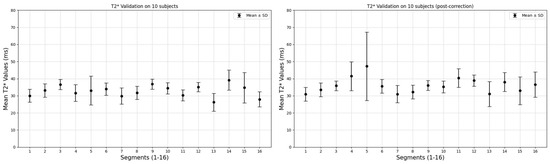
Purpose: Myocardial iron overload has been demonstrated to have a heterogeneous distribution. A segmental T2* CMR approach, with correction factors applied to account for artifacts, has been demonstrated to be feasible and has permitted a reduction in cardiac morbidity and mortality, by better capturing the heterogeneous distribution of myocardial iron overload. To the best of our knowledge, commercially available software does not provide a segmental T2* technique. Our aims were to prospectively examine a large population of healthy volunteers, stratified by sex and age, using the Black Blood MEGE T2* mapping technique, to obtain normative values of the myocardium, to assess their relationship with physiological variables, and to fix correction factors for a segmental approach by using a commercially available software. Methods: Fifty healthy subjects (M:F = 1:1, 20–69 years) underwent CMR without a contrast agent. Segmental T2* values were obtained using cvi42 software; global values were the mean. Inter-study, and intra- and inter-operator reproducibility were assessed to confirm the stability of the acquired data. The association of T2* values with physiological characteristics, and myocardial wall thickness were assessed. The fluctuation of all segments versus the mid-septum was calculated to obtain a correction factor for each segment for the software used. Regional T2* differences were examined. A p-value <0.05 was considered statistically significant. Results: Twenty-five males and females, five for each decade (mean age 43 ± 13.8 years), were included. The native T2* values in all subjects averaged at 34.03 ± 6.65 ms (range 29.9–37.9 ms). Reproducibility analyses showed good correlations between the various datasets (ICC > 0.80). A weakly negative correlation was observed between age and T2* (p = 0.04). Segmental correction factors were developed and found to be significantly different from correction factors developed by non-commercially available software on non-state-of-the-art technology for sequences and scanners. Conclusions: Age-specific normative values and higher normal cut-off values than the conservative 20 ms are recommended to avoid systematic biases in the identification of pathological findings. Moreover, the correction factors developed by using the most reproducible Black Blood MEGE sequences and a commercially available software on a scanner of the current era could be a significant step toward spreading a more sensitive T2* segmental approach in the clinical arena worldwide.
Full article
(This article belongs to the Section Cardiovascular Imaging)
►▼
Show Figures

Figure 1
Open AccessArticle
Bidirectional Perceptual Multimodal Interaction Network Based on Contrastive Learning for Breast Cancer pCR Prediction
by
Jingjing Feng, Zongli Jiang and Jinli Zhang
Tomography 2026, 12(5), 74; https://doi.org/10.3390/tomography12050074 - 19 May 2026
Abstract
►▼
Show Figures
Background/Objectives: Early and accurate prediction of pathological complete response (pCR) after neoadjuvant chemotherapy (NAC) is vital for personalized breast cancer treatment. However, existing deep learning methods are hampered by tumor heterogeneity and semantic misalignment between high-dimensional dynamic contrast-enhanced magnetic resonance imaging (DCE-MRI) and
[...] Read more.
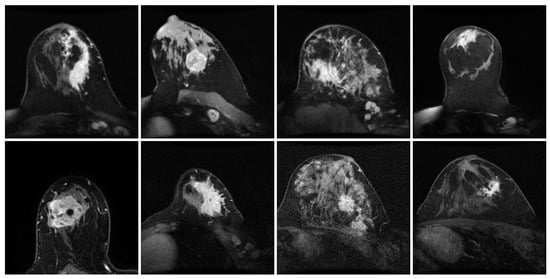
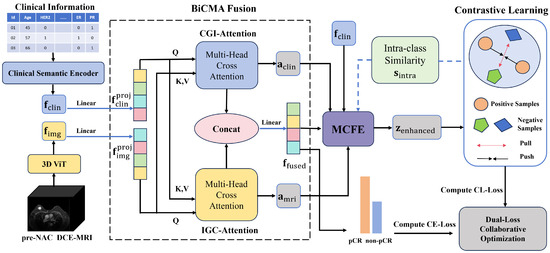
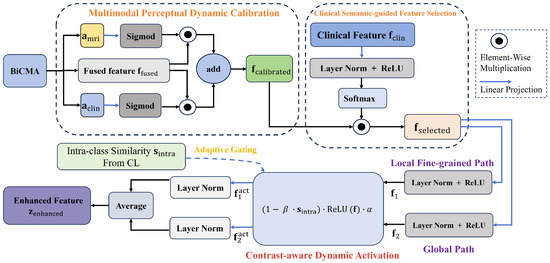
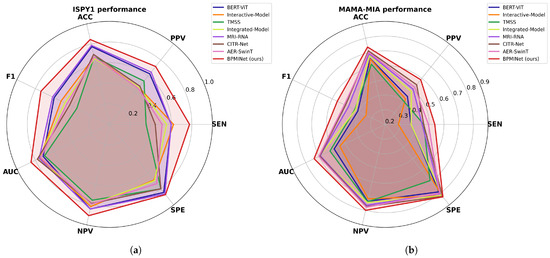
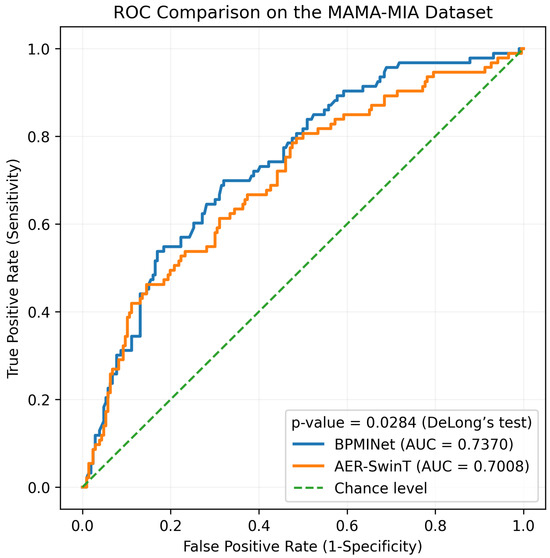
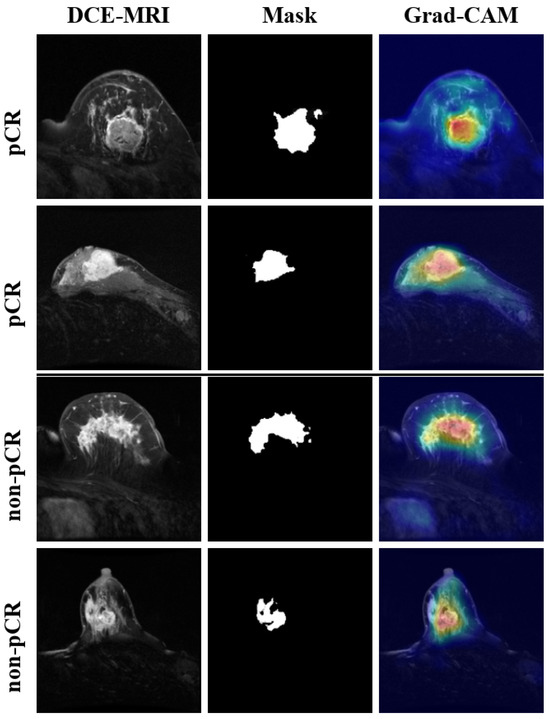
Background/Objectives: Early and accurate prediction of pathological complete response (pCR) after neoadjuvant chemotherapy (NAC) is vital for personalized breast cancer treatment. However, existing deep learning methods are hampered by tumor heterogeneity and semantic misalignment between high-dimensional dynamic contrast-enhanced magnetic resonance imaging (DCE-MRI) and low-dimensional clinical data, which limits pCR prediction performance and generalization. This study addresses these challenges via a novel multimodal network. Methods: We propose a Bidirectional Perceptual Multimodal Interaction Network (BPMINet) based on contrastive learning. BPMINet integrates pre-NAC DCE-MRI and clinical information through three core components: (1) we propose a bidirectional cross-modal attention (BiCMA) fusion mechanism to resolve semantic misalignment and facilitate effective multimodal feature fusion; (2) we design a multimodal contrast-aware feature enhancement (MCFE) module as a key component tightly integrated into the pCR-oriented contrastive learning framework, which serves to boost discriminative power for pCR prediction and improve generalization performance on hard-to-classify samples; (3) we adopt a dual-loss strategy to enable the collaborative optimization of discriminative feature representation and pCR prediction performance. Results: On two publicly available multicenter datasets, BPMINet outperformed all comparative methods across seven evaluation metrics: specifically, it surpassed the top-performing baseline by 5.17% in AUC and 5.24% in accuracy on the MAMA-MIA dataset. More notably, it achieved substantially larger gains of 11.72% in AUC and 7.38% in accuracy on the ISPY1 dataset. Conclusions: BPMINet achieves optimal pCR prediction performance, confirming its superiority and strong generalization ability for multimodal breast cancer pCR prediction.
Full article

Figure 1
Open AccessArticle
Radial Peripapillary Capillary Density Involved in Nasal Optic Disc Thinning and Visual Field Abnormalities Using Optical Coherence Tomography Angiography
by
Miki Yoshimura, Yuki Hashimoto, Yuko Kodama, Aris Hatanaka, Ryusei Yakushiji, Shiho Ikeda, Nazuna Inoue, Maho Wakabayashi, Ichika Kawazu and Takeshi Yoshitomi
Tomography 2026, 12(5), 73; https://doi.org/10.3390/tomography12050073 - 15 May 2026
Abstract
►▼
Show Figures
Objectives: This study investigated whether visual field abnormalities are present in eyes with suspected nasal optic disc hypoplasia (NOH) by using fundus photography and optical coherence tomography (OCT). Methods: NOH was diagnosed using the following criteria: (1) small optic disc, (2) nasal optic
[...] Read more.
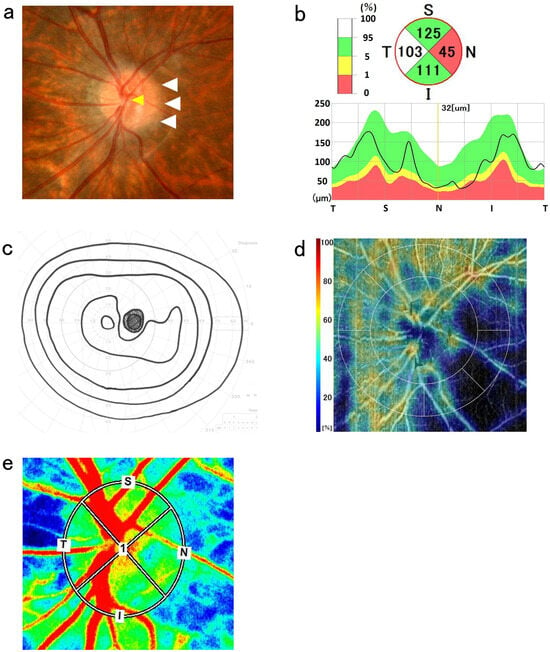
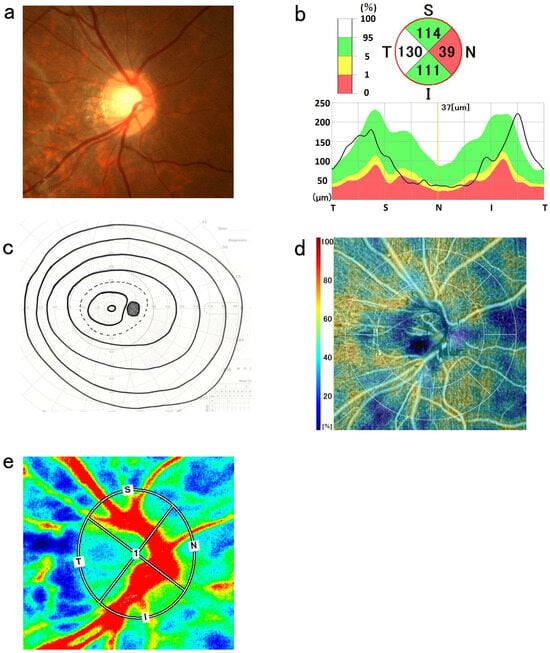
Objectives: This study investigated whether visual field abnormalities are present in eyes with suspected nasal optic disc hypoplasia (NOH) by using fundus photography and optical coherence tomography (OCT). Methods: NOH was diagnosed using the following criteria: (1) small optic disc, (2) nasal optic disc pallor or optic disc margin irregularity, (3) wedge-shaped temporal visual field defects extending from Mariotte’s blind spot, and (4) reduced nasal circumpapillary retinal nerve fiber layer (cpRNFL) thickness. Eyes fulfilling criteria 1, 2, and 4 without visual field abnormalities were classified as pseudo-NOH (pNOH), whereas eyes without visual field or cpRNFL abnormalities were considered normal. Nasal cpRNFL thickness was measured using OCT, radial peripapillary capillary (RPC) density was assessed using OCT angiography (OCTA), visual field testing was performed, and optic disc blood flow velocity was evaluated using the mean blur rate (MBR) and laser speckle flowgraphy (LSFG). Results: Seven eyes with NOH, 13 eyes with pNOH, and 24 normal right eyes were included. Nasal cpRNFL thickness and MBR were significantly reduced in both the NOH and pNOH groups compared with the normal group, with no significant difference between the NOH and pNOH groups. Nasal RPC density was significantly lower in the NOH group than in both the pNOH and normal groups, and no significant difference was observed between the pNOH and normal groups. Conclusions: Even when NOH was suspected from fundus, LSFG, and OCT C-scan findings, visual field abnormalities were not consistently present. Differences in RPC density measured using OCTA may have contributed to this variability. This study examined whether suspected nasal optic disc hypoplasia (NOH) is always associated with visual field defects. Using fundus imaging, OCT, OCT angiography, and laser speckle flowgraphy, we compared eyes with NOH, pseudo-NOH, and normal eyes. Although structural changes such as reduced nasal nerve fiber layer thickness and decreased blood flow were observed in both NOH and pseudo-NOH, visual field abnormalities were not consistently present. Notably, reduced radial peripapillary capillary density was specific to NOH, suggesting that vascular differences may explain variability in visual function. These findings highlight the importance of multimodal imaging in NOH evaluation.
Full article

Figure 1
Open AccessArticle
Quantitative CT-Derived Volumetric Bone Mineral Density Threshold for Predicting Cage Subsidence After Oblique Lumbar Interbody Fusion
by
Ji-Le Jiang, Teng-Hui Ge, Zhong-Ning Xu, Jing-Ye Wu and Yu-Qing Sun
Tomography 2026, 12(5), 72; https://doi.org/10.3390/tomography12050072 - 14 May 2026
Abstract
Background: Cage subsidence (CS) is among the main complications after oblique lumbar interbody fusion (OLIF) and may lead to the failure of indirect decompression. Accurate preoperative bone quality assessment is critical for risk stratification, yet the optimal imaging modality and diagnostic threshold remain
[...] Read more.
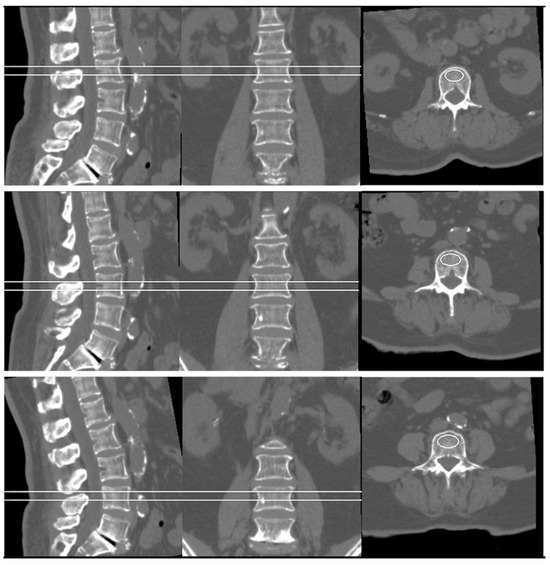
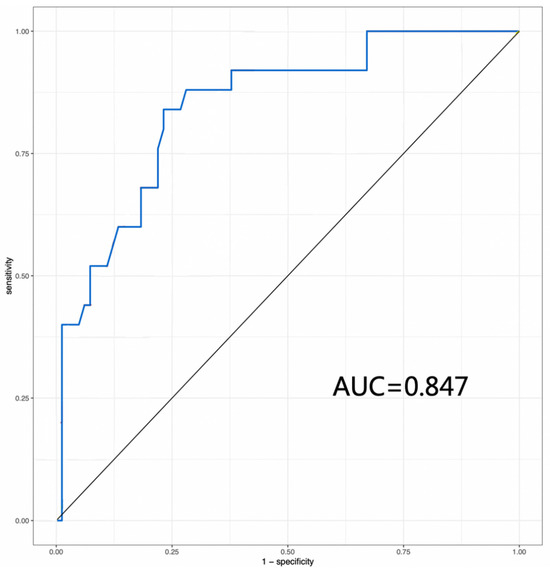
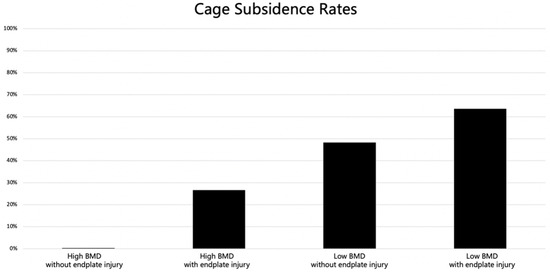
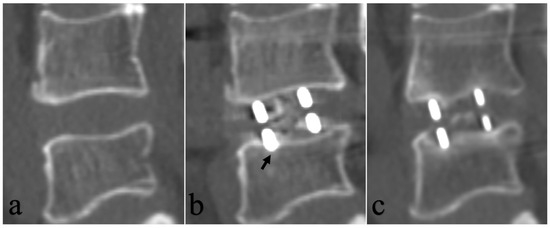
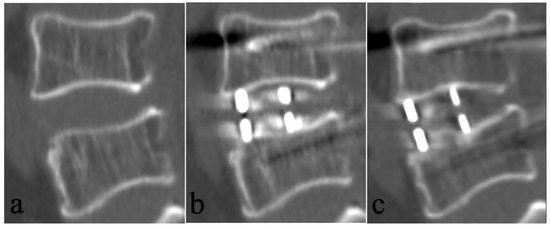
Background: Cage subsidence (CS) is among the main complications after oblique lumbar interbody fusion (OLIF) and may lead to the failure of indirect decompression. Accurate preoperative bone quality assessment is critical for risk stratification, yet the optimal imaging modality and diagnostic threshold remain unclear. Objectives: This study aimed to determine a quantitative computed tomography (QCT)-derived volumetric bone mineral density (vBMD) threshold for predicting CS after OLIF with posterior fixation. Methods: Patients undergoing OLIF with posterior fixation between July 2017 and March 2020 were retrospectively enrolled. Preoperative vBMD was measured using QCT as the average L2–L4 trabecular volumetric BMD. CS was defined as a loss of more than 2 mm of disk height on sagittal midline CT views between 3 days postoperatively and the last follow-up. Clinical and radiographic parameters including gender, age, body mass index, vBMD, number of operative levels, cage dimensions, disk height, segmental lordosis, intraoperative endplate injury, and fusion status were analyzed. Results: 86 patients (107 operative levels) with a mean follow-up of 20.6 months were included; 25 levels (23.4%) developed CS. Multivariate logistic regression identified vBMD (p < 0.001; OR 0.947; 95% CI 0.923–0.972) and intraoperative endplate injury (p = 0.031; OR 3.640; 95% CI 1.125–11.776) as independent risk factors. The area under the receiver operating characteristic curve (AUC) for vBMD was 0.847 (95% CI, 0.762–0.932), with an optimal threshold of 83.0 mg/cm3 (sensitivity 84.0%, specificity 76.8%). This threshold closely aligns with the American College of Radiology QCT criterion for osteoporosis (80 mg/cm3); however, given that it was derived from a single-center retrospective cohort, external validation in multi-center studies is warranted before broad clinical adoption. Fusion rates differed significantly between CS and non-CS groups (84.0% vs. 96.3%, p = 0.029). Conclusions: QCT-derived vBMD provides a phantom-calibrated, protocol-standardized metric for preoperative risk stratification of cage subsidence after OLIF.
Full article
(This article belongs to the Special Issue Orthopaedic Radiology: Establishing Radiologic Measurements as Diagnostic Tools and Criteria for Treatment)
►▼
Show Figures

Figure 1
Open AccessArticle
Tensor-Valued Diffusion MRI for Microstructural Assessment During Stereotactic Radiotherapy of Brain Metastases: A Feasibility Study
by
Minna Lerner, Patrik Brynolfsson, Filip Szczepankiewicz, Joakim Medin, Pia C. Sundgren, Lars E. Olsson and Sara Alkner
Tomography 2026, 12(5), 71; https://doi.org/10.3390/tomography12050071 - 13 May 2026
Abstract
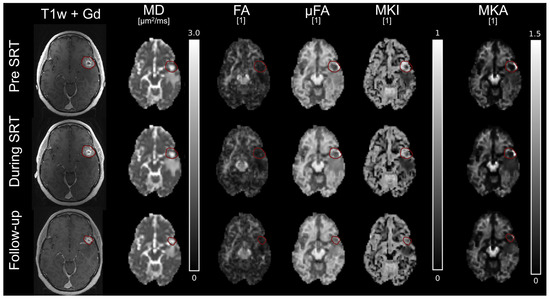
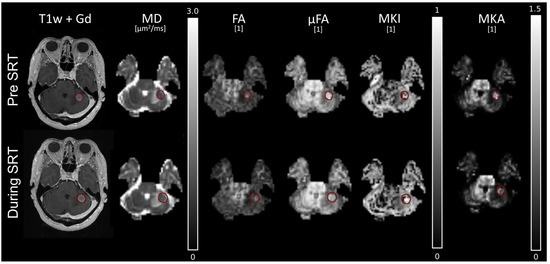
Objectives: Early identification of treatment response in brain metastases remains clinically challenging. This study explores tensor-valued diffusion MRI (dMRI), specifically q-space trajectory imaging (QTI), as a novel source of early imaging biomarkers during stereotactic radiotherapy (SRT). Methods: Twenty-six patients with brain metastases were
[...] Read more.
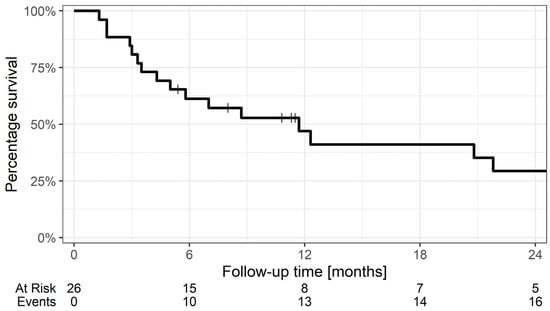
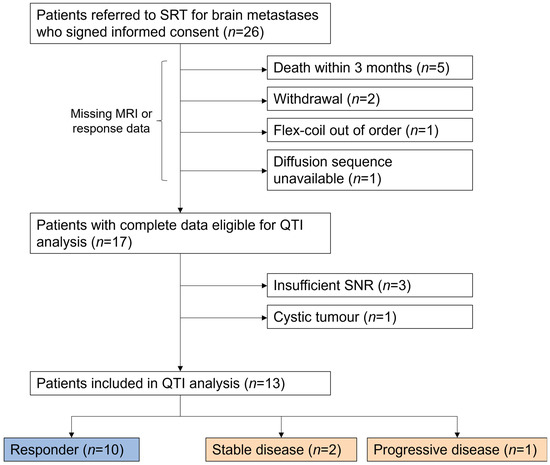
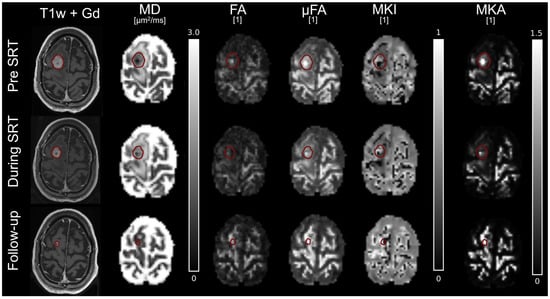
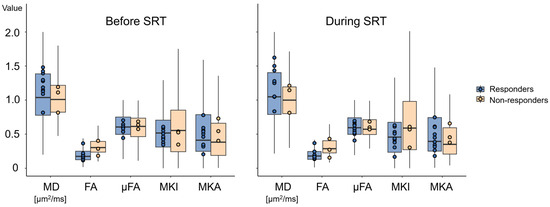
Objectives: Early identification of treatment response in brain metastases remains clinically challenging. This study explores tensor-valued diffusion MRI (dMRI), specifically q-space trajectory imaging (QTI), as a novel source of early imaging biomarkers during stereotactic radiotherapy (SRT). Methods: Twenty-six patients with brain metastases were enrolled; thirteen met quality and completeness criteria for QTI analysis (10 responders, three non-responders). MRI was acquired at four time points: before SRT, before final SRT fraction, and at 3 and 6 months post-SRT. QTI-derived metrics included mean diffusivity (MD), fractional anisotropy (FA), microscopic FA (µFA), and isotropic (MKI) and anisotropic (MKA) diffusional variance. Parameter values within the tumour volume were compared pre- and during SRT and correlated with treatment response from standard MRI follow-up. Overall survival was assessed using Kaplan–Meier analysis. Results: Median survival was 12 months. QTI analysis was feasible with visible changes in the tumour tissue parameter maps over time. Statistically significant differences (p < 0.05) were found between responders and non-responders in FA before treatment. MKI in responders was significantly lower (p < 0.05) during SRT than before. Conclusions: This study presents a first exploration of QTI-derived parameters in a cohort of patients with brain metastases. We demonstrate feasibility and a scalable workflow, supporting further investigation in larger cohorts and in patients with larger or more stable lesions.
Full article
(This article belongs to the Special Issue Progress in the Use of Advanced Imaging for Radiation Oncology)
►▼
Show Figures

Figure 1
Open AccessArticle
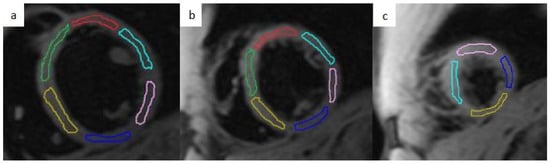
Association Between Regional Cardiac Radiation Dose and Magnetic Resonance Imaging Myocardial Contractility Parameters: A Prospective Pilot Study
by
El-Sayed H. Ibrahim, Slade Klawikowski, Lindsay Puckett, Elizabeth Gore, Dayeong An, Jakub Bychowski, Antonio Sosa, Gerard Walls and Carmen Bergom
Tomography 2026, 12(5), 70; https://doi.org/10.3390/tomography12050070 - 12 May 2026
Abstract
Background/Objectives: Magnetic resonance imaging (MRI) provides a non-invasive means for a comprehensive assessment of the effect of radiation therapy (RT) on heart function. This study aims to determine RT induced cardiotoxicity in thoracic cancer patients using cardiac MRI. Methods: Cardiac MRI was performed
[...] Read more.
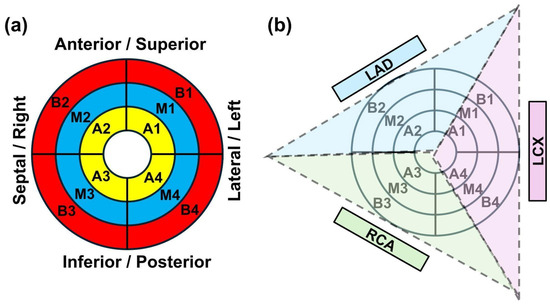
Background/Objectives: Magnetic resonance imaging (MRI) provides a non-invasive means for a comprehensive assessment of the effect of radiation therapy (RT) on heart function. This study aims to determine RT induced cardiotoxicity in thoracic cancer patients using cardiac MRI. Methods: Cardiac MRI was performed at baseline and at six months post-treatment in patients undergoing standard-of-care RT for lung or esophageal cancers at a single institution. Parameters included regional myocardial strain in the longitudinal, circumferential, and radial directions as well as myocardium T1, T2, and extracellular-volume (ECV) maps. Cardiac segmental doses were extracted from the RT planning scans. The relationship between changes in segmental MRI parameters at six months and segmental heart RT dose were investigated. Results: Twelve patients underwent baseline MRI and four completed the follow-up MRI. Five of the segmental strain parameters showed notable changes between baseline and six-month follow-up. Increased doses in the heart base and apex were associated with moderate-to-large and mild deteriorations, respectively, in strain for all regions. Increased doses in the mid-ventricular regions were associated with improved strain in all regions. The segmental analysis revealed that myocardial regions nurtured by the left coronary artery are more negatively affected by radiation compared to those nurtured by the right coronary artery. Conclusions: Alterations in regional tissue and strain parameters on MRI vary according to local myocardial RT dose, suggesting there may be heterogeneity of radiation sensitivity for the heart substructures and regions. Changes in segmental strain parameters may reflect post-RT cardiac remodeling, but larger confirmatory studies are required.
Full article
(This article belongs to the Section Cardiovascular Imaging)
►▼
Show Figures

Figure 1
Open AccessReview
Beyond Angiography: Cardiac CT for Planning Complex PCI in Calcified Coronary Lesions
by
Kenji Sadamatsu, Kazumasa Kurogi, Yasuhiro Nakano and Takashi Kajiya
Tomography 2026, 12(5), 69; https://doi.org/10.3390/tomography12050069 - 12 May 2026
Abstract
Coronary artery calcification, present in 20–30% of percutaneous coronary interventions (PCI), significantly impairs procedural success. Conventional angiography detects calcification in fewer than half of affected cases, while intravascular imaging—though precise—requires lesion crossability that cannot be guaranteed in up to 20% of severely calcified
[...] Read more.
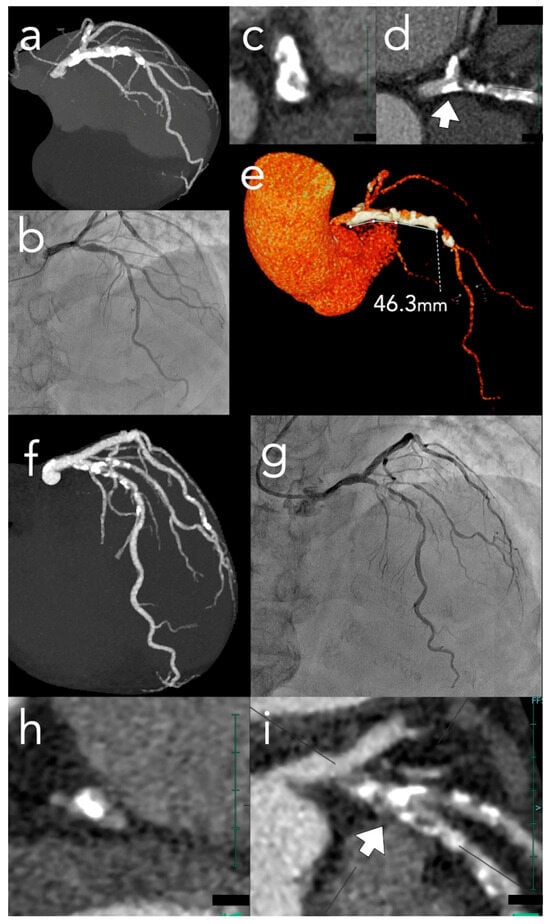
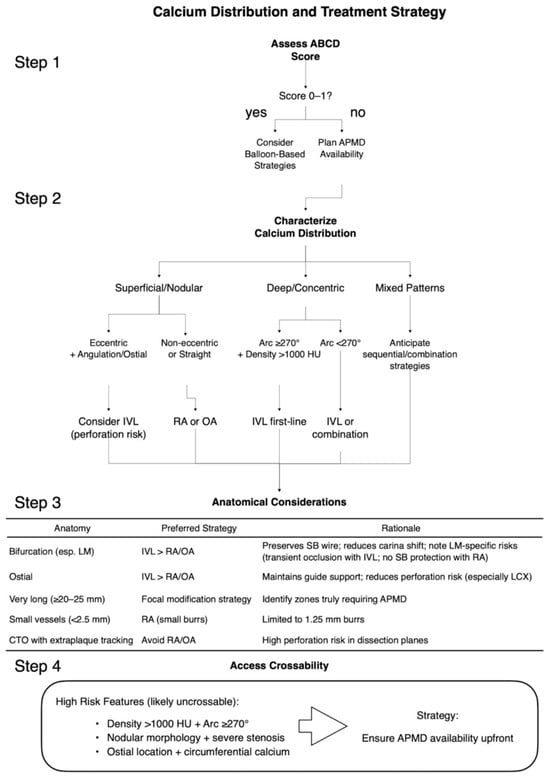
Coronary artery calcification, present in 20–30% of percutaneous coronary interventions (PCI), significantly impairs procedural success. Conventional angiography detects calcification in fewer than half of affected cases, while intravascular imaging—though precise—requires lesion crossability that cannot be guaranteed in up to 20% of severely calcified lesions. Cardiac CT (CCT) addresses both constraints by providing comprehensive, three-dimensional calcium characterization before the procedure begins, independent of wire crossability. This review details how specific CCT-derived parameters translate into procedural decisions. Calcium arc, depth, density, and longitudinal distribution each carry distinct implications for device selection: superficial high-density calcium favors atherectomy, while deep concentric patterns are better addressed by intravascular lithotripsy. Validated scoring systems—including the ABCD score—enable objective pre-procedural risk stratification. For chronic total occlusions, bifurcation lesions, ostial stenoses, and very long calcified segments, CCT provides lesion-specific information that supports stepwise strategy selection, equipment preparation, and anticipation of combined modification approaches. Importantly, CCT also identifies anatomical configurations—such as left main bifurcations or tortuous calcified segments—where specific device-related risks warrant particular caution. CCT and intravascular imaging serve complementary roles: CCT defines the strategic framework before the procedure, while intravascular imaging guides real-time execution and optimization. Limitations include operator-dependent interpretation, the absence of standardized protocols for translating calcium morphology into device selection, and the need to validate established Hounsfield unit thresholds in emerging photon-counting CT systems. Prospective randomized evidence comparing CCT-guided and intravascular imaging-guided strategies remains limited but is anticipated from ongoing trials.
Full article
(This article belongs to the Special Issue Celebrate the 10th Anniversary of Tomography)
►▼
Show Figures

Figure 1
Open AccessArticle
Differentiation of Adrenal Adenomas from Non-Adenomatous Lesions: Diagnostic Value of Unenhanced Spectral CT
by
Tommasa Catania, Grazia Morabito, Simone Barbera, Massimo Venturini, Federico Fontana, Eduardo Maccarrone, Grazia Maria Arillotta, Velio Ascenti, Silvio Mazziotti, Thomas Joseph Vogl, Giovanni Foti, Tommaso D’Angelo and Giorgio Ascenti
Tomography 2026, 12(5), 68; https://doi.org/10.3390/tomography12050068 - 12 May 2026
Abstract
►▼
Show Figures
Background: Differentiating adrenal adenomas from non-adenomatous lesions remains a critical challenge in the management of adrenal incidentalomas. Conventional unenhanced CT relies on attenuation thresholds of 10 HU and 20 HU, which present trade-offs between sensitivity and specificity. Objectives: To evaluate the diagnostic performance
[...] Read more.
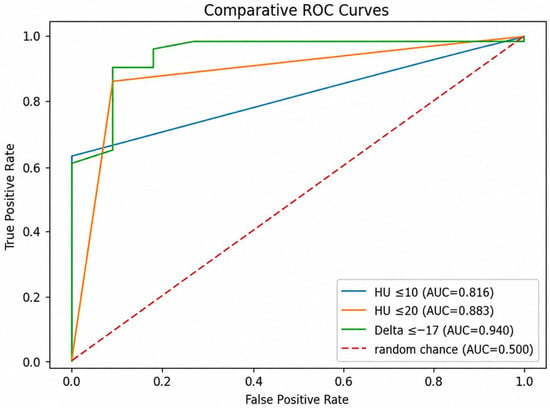
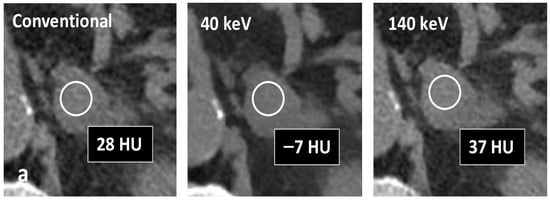
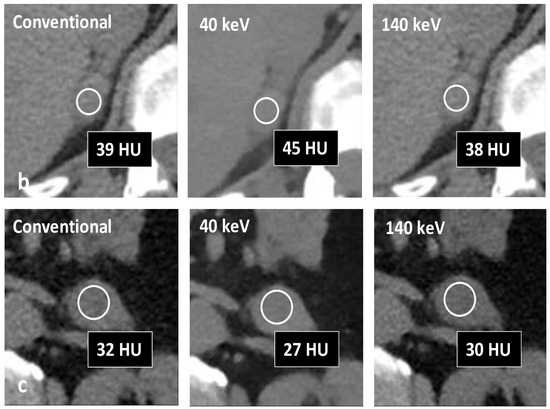
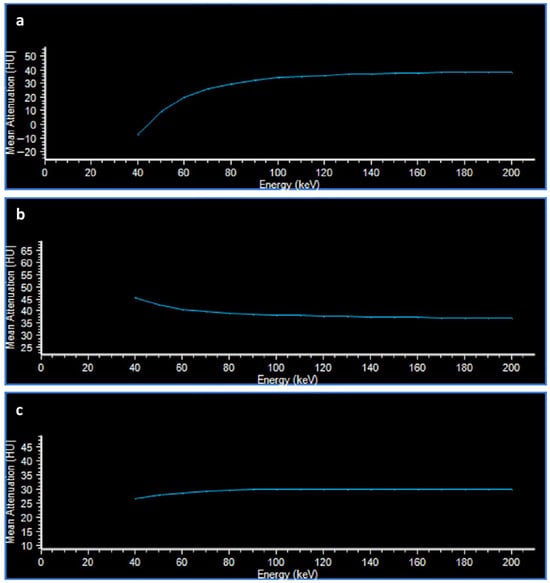
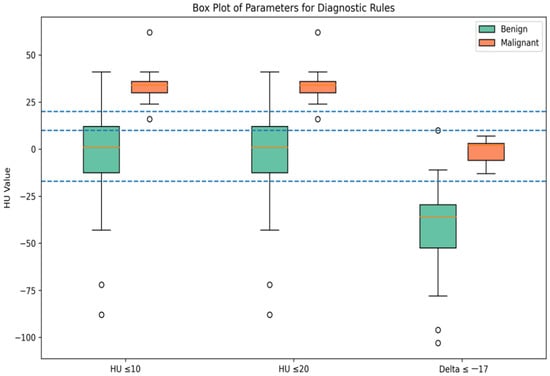
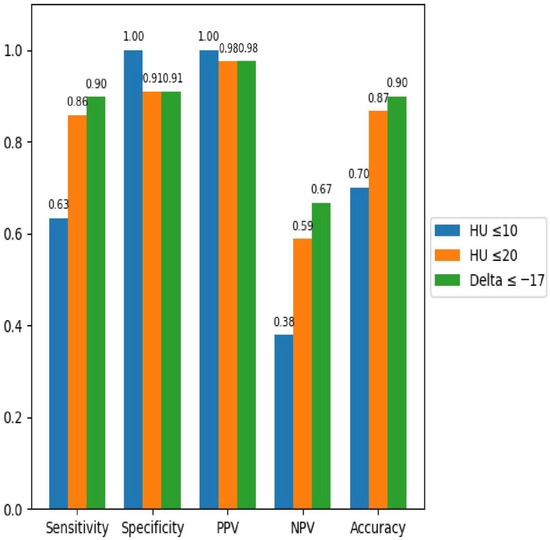
Background: Differentiating adrenal adenomas from non-adenomatous lesions remains a critical challenge in the management of adrenal incidentalomas. Conventional unenhanced CT relies on attenuation thresholds of 10 HU and 20 HU, which present trade-offs between sensitivity and specificity. Objectives: To evaluate the diagnostic performance of unenhanced Spectral CT using the attenuation difference between 40 keV and 140 keV virtual monoenergetic images for differentiating adrenal adenomas from non-adenomatous lesions. Methods: In this retrospective single-center study, 60 patients with adrenal lesions who underwent unenhanced dual-energy CT were included. Mean attenuation values were measured on conventional images and on virtual monoenergetic images at 40 keV and 140 keV. The spectral attenuation difference (Δ40–140 keV) was calculated. ROC analysis was performed to determine the optimal threshold and diagnostic performance. Additional analyses included DeLong comparison of correlated ROC curves and bootstrap resampling to estimate 95% confidence intervals for the area under the curve. Results: Forty-nine lesions were adenomas and eleven were non-adenomatous. The optimal threshold for Δ40–140 keV was −17 HU. When evaluated as a continuous variable, Δ40–140 keV yielded an area under the curve of 0.940 (95% confidence interval: 0.851–1.000), compared with 0.939 (95% confidence interval: 0.870–0.992) for conventional unenhanced attenuation. DeLong comparison showed no statistically significant difference between the two curves (p = 0.980). Diagnostic performance was as follows: HU ≤ 10 (AUC 0.816, diagnostic accuracy 0.70), HU ≤ 20 (AUC 0.883, diagnostic accuracy 0.87), and Δ40–140 keV ≤ −17 HU (AUC 0.940, diagnostic accuracy 0.90). The spectral attenuation difference demonstrated the highest overall diagnostic accuracy. Conclusions: Unenhanced Spectral CT using Δ40–140 keV improves discrimination between adrenal adenomas and non-adenomatous lesions compared with conventional attenuation thresholds. This technique may reduce indeterminate findings and limit the need for additional imaging.
Full article

Figure 1
Open AccessArticle
Computed Tomography Versus Pathologic Tumor Size in Resected Lung Tumors: High Correlation, Limited Agreement, and the Impact of Ground-Glass Opacity
by
Omer Yavuz, Reyhan Ertan, Muhammet Kertmen and Mehlika Iscan
Tomography 2026, 12(5), 67; https://doi.org/10.3390/tomography12050067 - 11 May 2026
Abstract
Background: Computed tomography (CT) is routinely used to estimate tumor size before lung resection, whereas pathologic examination provides the reference tissue-based measurement after surgery. This study aimed to compare CT-derived and pathologic tumor size and to evaluate correlation, agreement, proportional bias, clinically defined
[...] Read more.
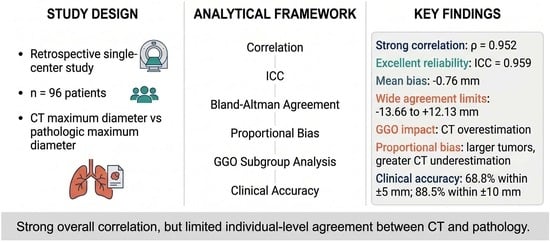
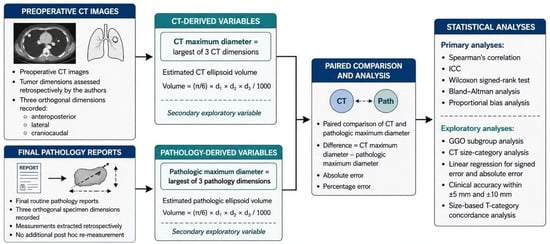
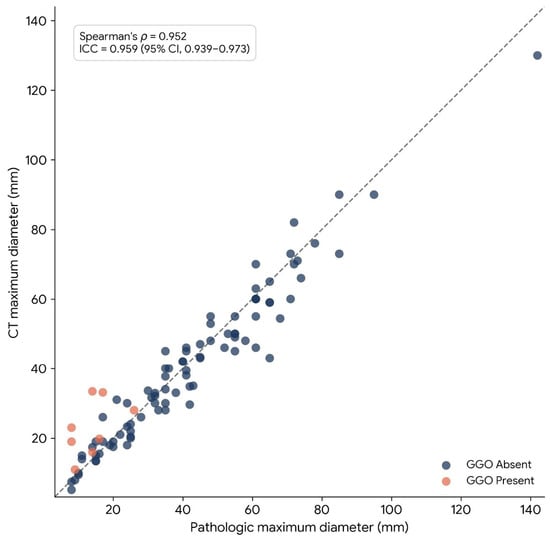
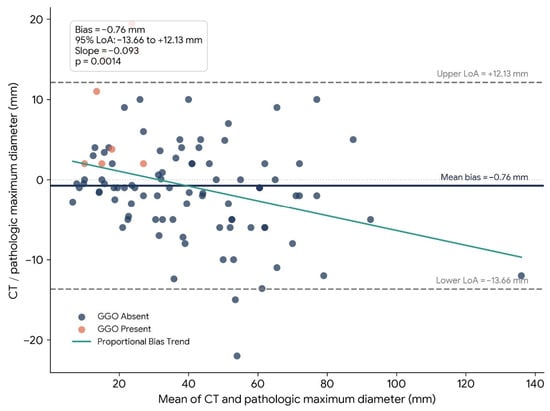
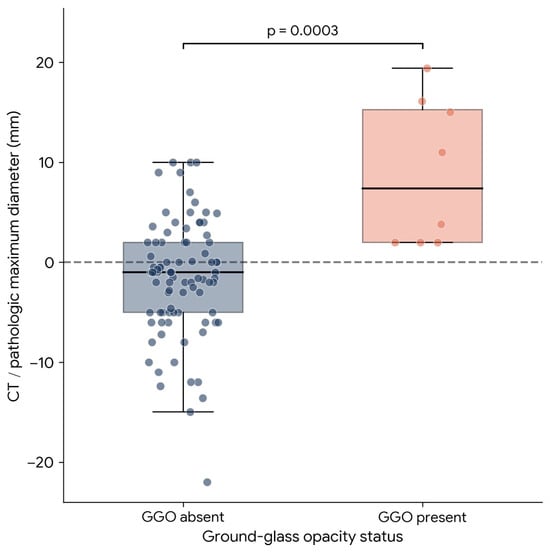
Background: Computed tomography (CT) is routinely used to estimate tumor size before lung resection, whereas pathologic examination provides the reference tissue-based measurement after surgery. This study aimed to compare CT-derived and pathologic tumor size and to evaluate correlation, agreement, proportional bias, clinically defined accuracy, and size-based T-category concordance, with particular attention to the effect of ground-glass opacity (GGO). Methods: This retrospective single-center study included 96 patients who underwent lung resection between January 2023 and December 2025 and had complete preoperative CT and pathologic tumor measurements. Maximum tumor diameter was defined as the largest of three orthogonal measurements for each modality. Correlation was assessed using Spearman’s rank correlation coefficient, reliability using the intraclass correlation coefficient (ICC), and agreement using Bland–Altman analysis. Proportional bias was evaluated by regression of the paired difference on the paired mean. Subgroup, size category, regression and size-based T-category concordance analyses were also performed. Results: CT and pathologic maximum diameters showed strong correlation (Spearman’s ρ = 0.952, p < 0.0001) and excellent reliability (ICC = 0.959, 95% CI, 0.939–0.973). The paired comparison was not statistically significant (p = 0.175), and the mean bias was −0.76 mm. However, the 95% limits of agreement ranged from −13.66 mm to +12.13 mm. Significant proportional bias was observed, with increasing CT underestimation as tumor size increased (slope = −0.093, p = 0.0014). In tumors with GGO, CT pathology differences shifted toward overestimation (+8.91 ± 7.30 mm vs. −1.64 ± 5.80 mm without GGO; p = 0.0003). Accuracy within ±5 mm and ±10 mm was 68.8% and 88.5%, respectively, but was lower in the GGO subgroup. CT-derived and pathology-derived size-based T-categories were concordant in 60 patients (62.5%), while pathology-based upstaging occurred in 23 patients (24.0%) and pathology-based downstaging in 13 patients (13.5%). Conclusions: CT-based tumor size showed strong overall correlation with pathologic measurements, but agreement at the individual patient level was more limited than correlation metrics alone would suggest. GGO and tumor size appeared to be important modifiers of measurement performance; however, the GGO-related findings should be interpreted cautiously because of the small subgroup size. These findings support cautious interpretation of CT-derived whole-lesion diameter, particularly in subsolid tumors and larger lesions.
Full article
(This article belongs to the Special Issue Imaging in Cancer Diagnosis)
►▼
Show Figures

Graphical abstract
Open AccessReview
Fluoroscopy-Guided Motion Management in Particle Therapy: Evolution, Challenges, and AI-Enabled Opportunities
by
Feifei Li, Keith M. Furutani and Chris J. Beltran
Tomography 2026, 12(5), 66; https://doi.org/10.3390/tomography12050066 - 9 May 2026
Abstract
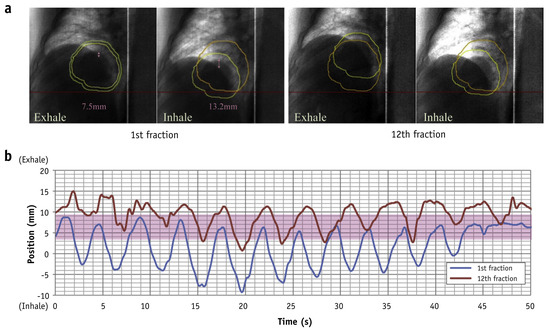
The sharp dose gradients that underpin the dosimetric advantage of particle therapy over photon therapy can be undermined by the interplay effects due to intra-fraction motion in modern pencil beam scanning systems. Fluoroscopy-Guided Particle Therapy (FGPT) offers a promising path to improved motion
[...] Read more.
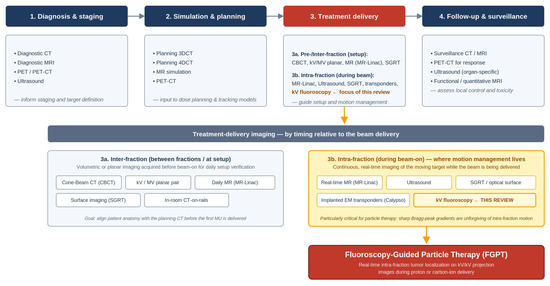
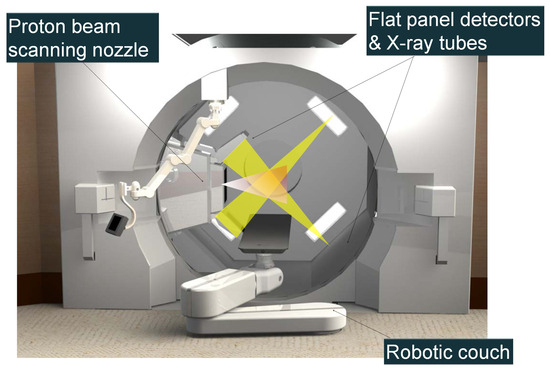
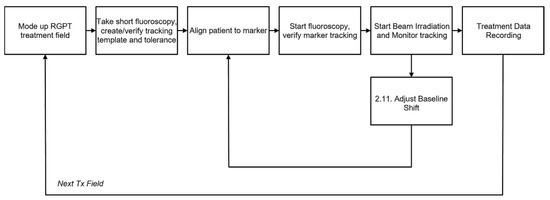
The sharp dose gradients that underpin the dosimetric advantage of particle therapy over photon therapy can be undermined by the interplay effects due to intra-fraction motion in modern pencil beam scanning systems. Fluoroscopy-Guided Particle Therapy (FGPT) offers a promising path to improved motion management through real-time tracking of tumors or surrogate signals. The advent of flat-panel detector (FPD)-based technology has enabled tighter integration of fluoroscopy/fluorography into treatment units and accelerated clinical adoption and research, with commercial systems such as Hitachi’s Real-time Gated Particle Therapy (RGPT) now available. However, the need for implanted fiducial markers, with the associated invasiveness and risk of complications, limits the utility of RGPT to a few anatomic sites in selected patients. The full potential of FGPT, therefore, depends on reliable marker-less tumor tracking, which remains challenging because soft-tissue targets are obscured by overlapping anatomy along the X-ray path, leading to reduced reliability of traditional image-registration algorithms in the projection domain. Recent advances in deep learning and AI-driven image registration have renewed hope for overcoming these barriers, enabling real-time marker-less tracking for particle therapy. This review outlines the evolution of fluoroscopy technology from image intensifier (II) to FPD-based systems, summarizes historical and recent vendor-supported FGPT strategies, and surveys emerging AI-based algorithms in the literature. A general review of machine learning-based image registration is provided, challenges in generalizability and interpretability are highlighted, and potential paths toward reliable, clinically deployable FGPT are discussed.
Full article
(This article belongs to the Special Issue Progress in the Use of Advanced Imaging for Radiation Oncology)
►▼
Show Figures

Figure 1
Open AccessSystematic Review
Quantitative Consistency of Amide Proton Transfer-Weighted MRI for Brain Tumor Differentiation: Systematic Review of Clinical Evidence
by
Julius Juhyun Chung, Tianwen Ma, Phaethon Philbrook, Toby Zhou, Adam Ezra Goldman-Yassen and Phillip Zhe Sun
Tomography 2026, 12(5), 65; https://doi.org/10.3390/tomography12050065 - 6 May 2026
Abstract
Background/Objectives: Accurate grading of brain gliomas is important, and amide proton transfer-weighted (APTw) MRI shows promise for non-invasive tumor differentiation. This study aimed to perform a comprehensive review and meta-analyses to demonstrate heterogeneity in both the diagnostic accuracy and quantitative consistency of APTw
[...] Read more.
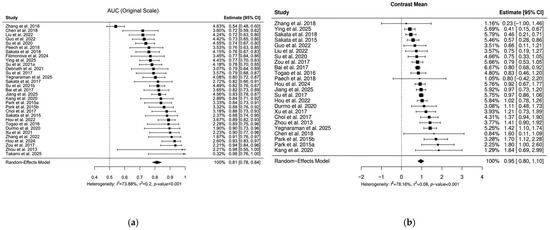
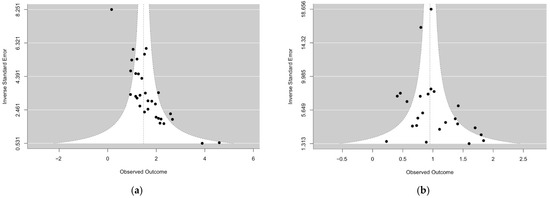
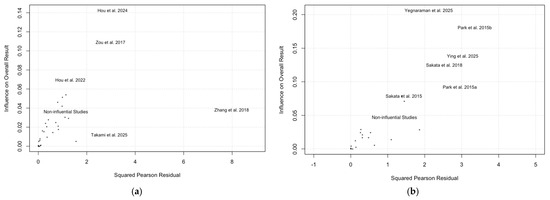
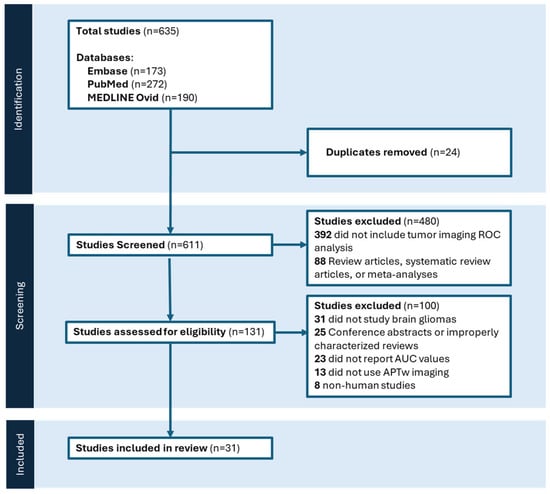
Background/Objectives: Accurate grading of brain gliomas is important, and amide proton transfer-weighted (APTw) MRI shows promise for non-invasive tumor differentiation. This study aimed to perform a comprehensive review and meta-analyses to demonstrate heterogeneity in both the diagnostic accuracy and quantitative consistency of APTw MRI in distinguishing high-grade gliomas (HGGs) from low-grade gliomas (LGGs), highlight issues with reporting standards and identify sources of heterogeneity through meta-regression. Methods: A systematic literature search was conducted between 1 January 2013 and 18 January 2026, following PRISMA guidelines. Peer-reviewed articles in English reporting diagnostic accuracy/contrast values of APTw MRI and study parameters were included. Principal component analysis (PCA) was used to extract the principal components (PCs) of the chemical exchange saturation transfer (CEST) contrast mechanism. Random-effects meta-analyses and univariate meta-regression models using individual CEST parameters and three PCs were performed. Forest plots with pooled estimates were generated. Leave-one-out meta-analysis (LOOMA) and complete case analysis were performed to examine the effects of outliers and missing data, respectively. Results: A total of 31 studies were included. Meta-analyses of the AUC and mean difference demonstrated significant heterogeneity across the studies (I2 = 73.9% & 78.2%, p < 0.001). The mean difference was moderated by one SD within the mean of the readout PC (p = 0.034) and the total PC (p = 0.02). The heterogeneity for the AUC and group mean difference was not substantially reduced by moderating nor LOOMA. The results of the meta-regression using all the data were similar to those using only data with no missing parameters. Conclusions: While APTw MRI shows promise for non-invasively distinguishing glioma grades, substantial heterogeneity in the study parameters limits generalizability. To improve consistency and comparability across studies, full reports of imaging parameters and standardization of APTw protocols are essential.
Full article
(This article belongs to the Special Issue Celebrate the 10th Anniversary of Tomography)
►▼
Show Figures

Figure 1
Open AccessSystematic Review
Conditional Diffusion Models for CT Image Synthesis from CBCT: A Systematic Review
by
Alzahra Altalib, Chunhui Li and Alessandro Perelli
Tomography 2026, 12(5), 64; https://doi.org/10.3390/tomography12050064 - 6 May 2026
Cited by 1
Abstract
Background: Cone Beam Computed Tomography (CBCT) is widely used in image-guided radiotherapy because it provides on-board volumetric imaging at relatively low doses, but its clinical utility for synthetic CT (sCT) generation remains limited by noise, scatter, artifacts, and reduced Hounsfield Unit (HU) fidelity.
[...] Read more.
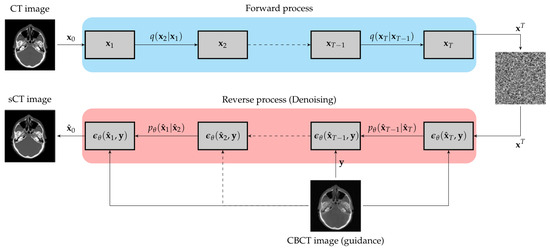
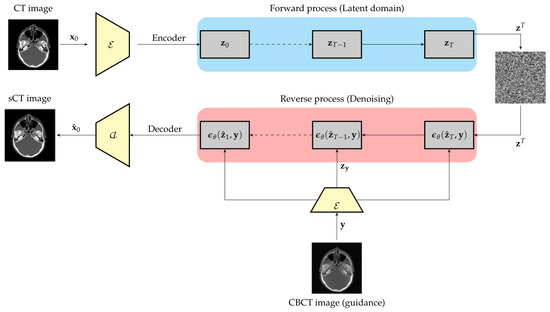
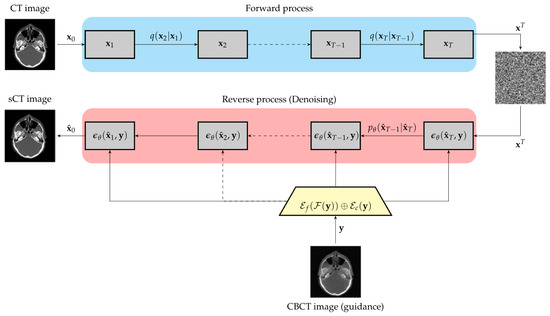
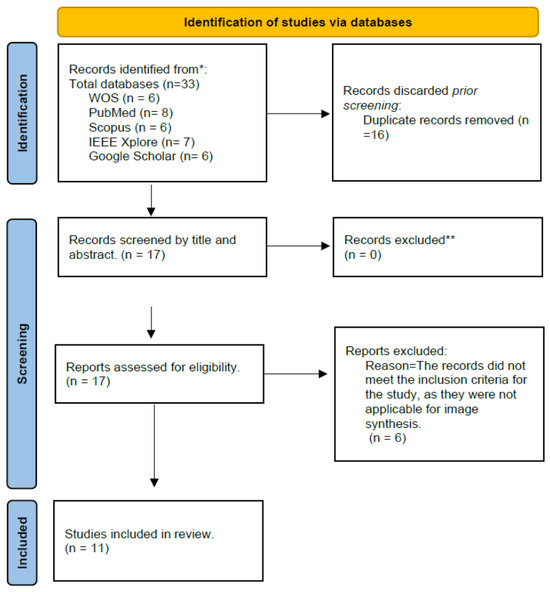
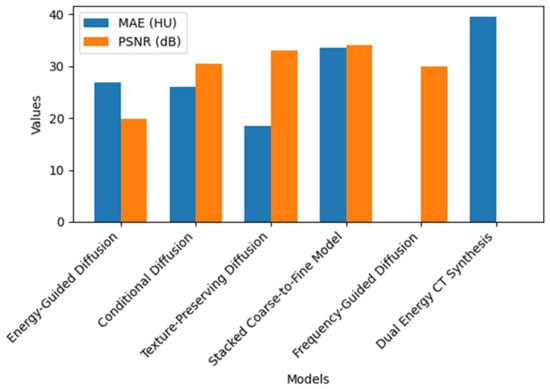
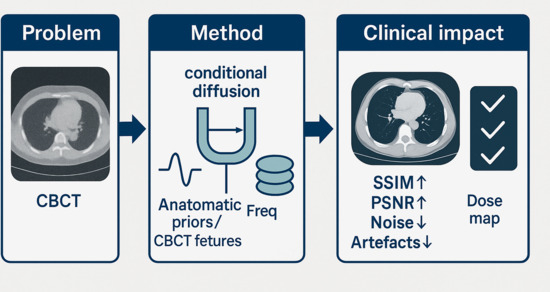
Background: Cone Beam Computed Tomography (CBCT) is widely used in image-guided radiotherapy because it provides on-board volumetric imaging at relatively low doses, but its clinical utility for synthetic CT (sCT) generation remains limited by noise, scatter, artifacts, and reduced Hounsfield Unit (HU) fidelity. Conditional diffusion models (CDMs) have recently emerged as a promising alternative to earlier deep learning approaches because their iterative denoising process may better preserve anatomical structure and model uncertainty. Objective: This systematic review evaluates the use of conditional diffusion models for CBCT-to-CT synthesis, with particular attention to architectural strategies, reported quantitative outcomes, and potential clinical relevance. A systematic search was conducted in PubMed, Web of Science, Scopus, IEEE Xplore, and Google Scholar for studies published between 2013 and 2024. Eleven studies met the eligibility criteria and were analyzed to address three questions: (1) Which conditional diffusion strategies have been used? (2) What outcomes have been reported? and (3) What clinical implications have been discussed? Results: Across the included studies, CDMs frequently showed promising image quality performance, especially when incorporating anatomical priors, spatial-frequency guidance, hierarchical refinement, or latent representations. However, the evidence base remains small and highly heterogeneous with respect to anatomy, dimensionality, supervision strategy, and evaluation metrics, limiting the strength of direct comparative claims. The reviewed literature suggests that conditional diffusion models are a promising direction for CBCT-to-CT synthesis, but stronger dose-aware validation, standardized reporting, and broader multicenter evaluation are still needed before routine clinical deployment. This review has been registered with the International Prospective Register of Systematic Reviews (PROSPERO), under registration number CRD42024619240.
Full article
(This article belongs to the Special Issue Celebrate the 10th Anniversary of Tomography)
►▼
Show Figures

Graphical abstract
Open AccessReview
Advances and Challenges in Pharmacokinetic Modeling for PET Imaging: Compartment Models, Input Functions, and Quantitative Techniques
by
James Hao Wang, Meltem Uyanik, Xue Li, Weijie Chen, Zhijin He, Caitlin Randell and Alan McMillan
Tomography 2026, 12(5), 63; https://doi.org/10.3390/tomography12050063 - 28 Apr 2026
Abstract
►▼
Show Figures
Pharmacokinetic modeling in Positron Emission Tomography (PET) imaging has become a cornerstone in cancer research, offering insights into tumor development and progression. These models facilitate the quantification of radiotracer distribution and metabolism, enabling precise measurement of physiological parameters essential for cancer diagnosis, staging,
[...] Read more.
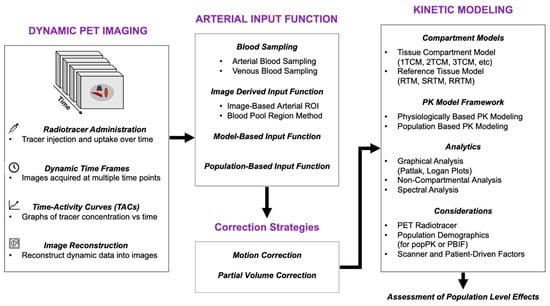
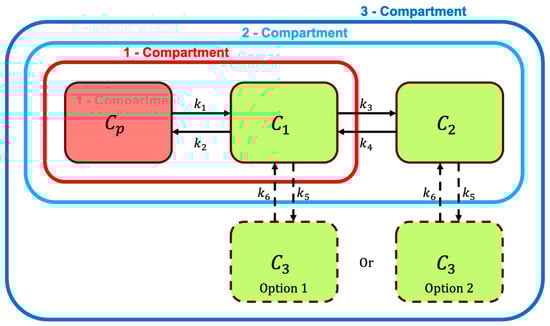
Pharmacokinetic modeling in Positron Emission Tomography (PET) imaging has become a cornerstone in cancer research, offering insights into tumor development and progression. These models facilitate the quantification of radiotracer distribution and metabolism, enabling precise measurement of physiological parameters essential for cancer diagnosis, staging, and treatment monitoring. However, accurate pharmacokinetic modeling depends on reliable input function acquisition and partial volume correction techniques to minimize biases in quantitative PET metrics. This review provides a comprehensive overview of current methodologies and advancements in pharmacokinetic modeling for PET oncology imaging. We discuss techniques for acquiring input functions, including arterial, venous, and image-derived input functions (IDIFs), along with population-based input functions (PBIFs). Their strengths, limitations, and clinical applications are critically evaluated. Additionally, we examine quantitative methods such as partial volume correction (PVC) that mitigate the spatial resolution limitations of PET, improving radiotracer quantification in small or heterogeneous tumors. Furthermore, we explore advanced kinetic modeling techniques, including compartmental models, graphical approaches, and data-driven methods, highlighting recent innovations such as machine learning and Bayesian modeling. Key areas for future research in PET pharmacokinetic modeling include integrating hybrid imaging modalities, developing robust patient-specific input functions, and leveraging machine learning to streamline modeling processes. These advancements aim to enhance the precision and clinical utility of PET imaging in oncology, leading to more personalized cancer treatment strategies.
Full article

Figure 1
Journal Menu
► ▼ Journal Menu-
- Tomography Home
- Aims & Scope
- Editorial Board
- Reviewer Board
- Topical Advisory Panel
- Instructions for Authors
- Special Issues
- Topics
- Sections
- Article Processing Charge
- Indexing & Archiving
- Editor’s Choice Articles
- Most Cited & Viewed
- Journal Statistics
- Journal History
- Journal Awards
- Conferences
- Editorial Office
Journal Browser
► ▼ Journal BrowserHighly Accessed Articles
Latest Books
E-Mail Alert
News
Topics
Topic in
Cancers, Radiation, Tomography, Physics, QuBS
Innovations in Physics and Radiobiology Studies of Particle Therapy
Topic Editors: Yidong Yang, Francesco Giuseppe Cordoni, Fada GuanDeadline: 31 August 2026
Topic in
Anatomia, Biomedicines, IJMS, Medicina, Tomography
Human Anatomy and Pathophysiology, 3rd Edition
Topic Editors: Francesco Cappello, Mugurel Constantin RusuDeadline: 31 March 2027
Conferences
Special Issues
Special Issue in
Tomography
Medical Image Analysis in CT Imaging
Guest Editor: Martin PichotkaDeadline: 31 August 2026
Special Issue in
Tomography
Advances in Low-Dose Tomography
Guest Editor: Tony SvahnDeadline: 21 October 2026
Special Issue in
Tomography
Imaging in Vascular Interventional Radiology
Guest Editors: Mohammad Ghasemi Rad, David Leon, Mohadese AhmadzadeDeadline: 31 December 2026
Special Issue in
Tomography
Orthopaedic Radiology: Establishing Radiologic Measurements as Diagnostic Tools and Criteria for Treatment
Guest Editor: Olumide A. DanisaDeadline: 31 December 2026