

Journal Description
Systems
Systems
is an international, peer-reviewed, open-access journal that publishes original research on systems theory, systems methodologies and systems practice monthly. The journal encompasses a wide range of fields, including systems engineering, management, business and organisational systems, and information and data systems. It focuses on complex social-technical system issues, offering a comprehensive platform for the exchange of ideas and insights in this field. Systems is committed to publishing high-quality research that addresses systemic, holistic, systems-based issues. Submissions may be research papers or review articles. Systems is interested in studies that include people, processes and technology. Papers on complex mathematical modelling without an obvious link to systems are not suitable for publication. The International Society for the Systems Sciences (ISSS) has an affiliation with Systems and its members receive a discount on the article processing charges.
- Open Access— free for readers, with article processing charges (APC) paid by authors or their institutions.
- High Visibility: indexed within Scopus, SSCI (Web of Science), Ei Compendex, dblp, and other databases.
- Journal Rank: JCR - Q1 (Social Sciences, Interdisciplinary) / CiteScore - Q2 (Modeling and Simulation)
- Rapid Publication: manuscripts are peer-reviewed and a first decision is provided to authors approximately 20.1 days after submission; acceptance to publication is undertaken in 2.7 days (median values for papers published in this journal in the second half of 2025).
- Recognition of Reviewers: reviewers who provide timely, thorough peer-review reports receive vouchers entitling them to a discount on the APC of their next publication in any MDPI journal, in appreciation of the work done.
Impact Factor:
3.1 (2024);
5-Year Impact Factor:
3.1 (2024)
Latest Articles
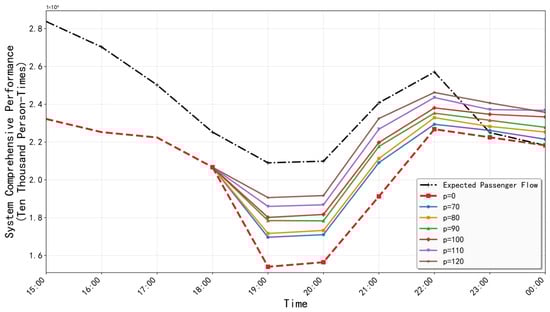
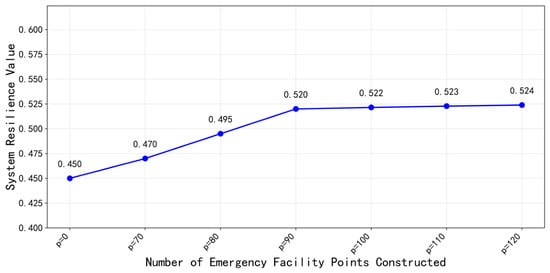
Multi-Objective Emergency Facility Locations Considering Point-Flow Integration Under Rainstorm Environments
Systems 2026, 14(5), 454; https://doi.org/10.3390/systems14050454 (registering DOI) - 22 Apr 2026
Abstract
Urban transportation systems are facing increasingly severe threats from extreme weather events such as rainstorms, which can trigger cascading failures and lead to regional traffic paralysis. The strategic location of emergency facilities to enhance system resilience has emerged as a critical proactive prevention
[...] Read more.
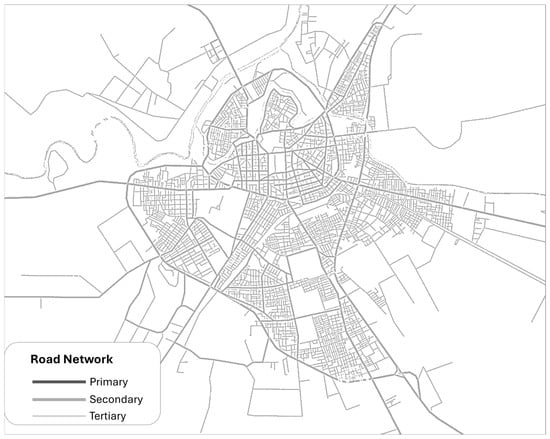
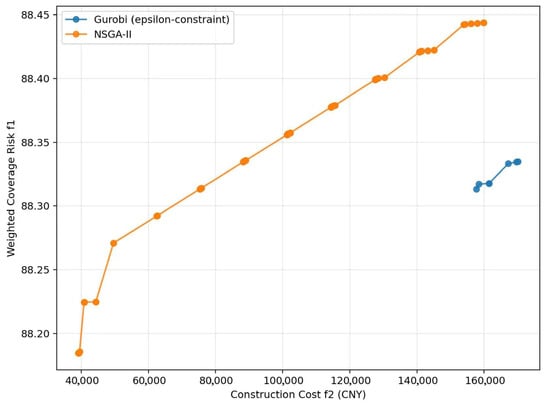
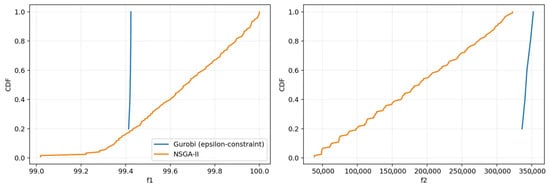
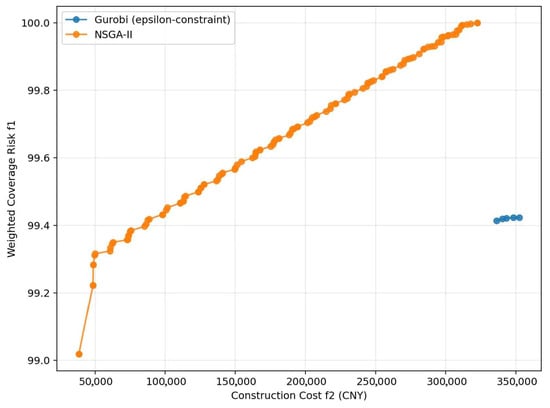
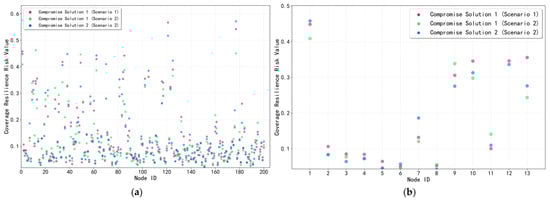
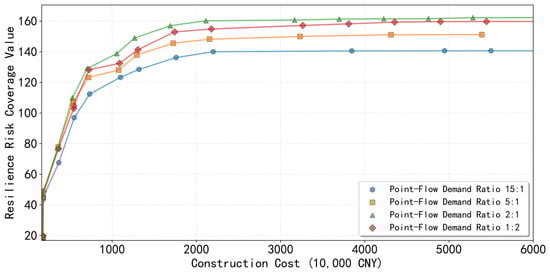
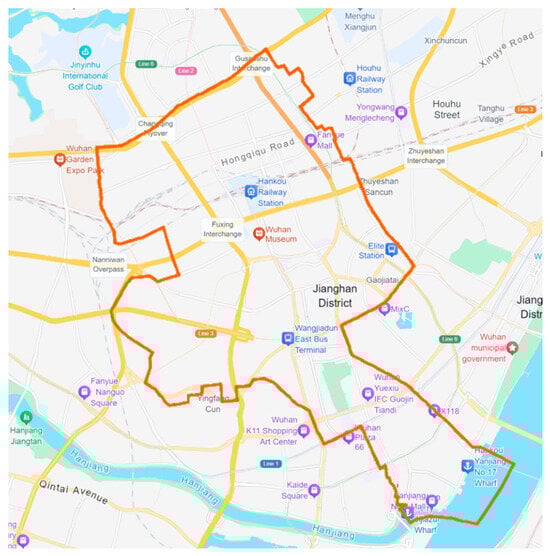
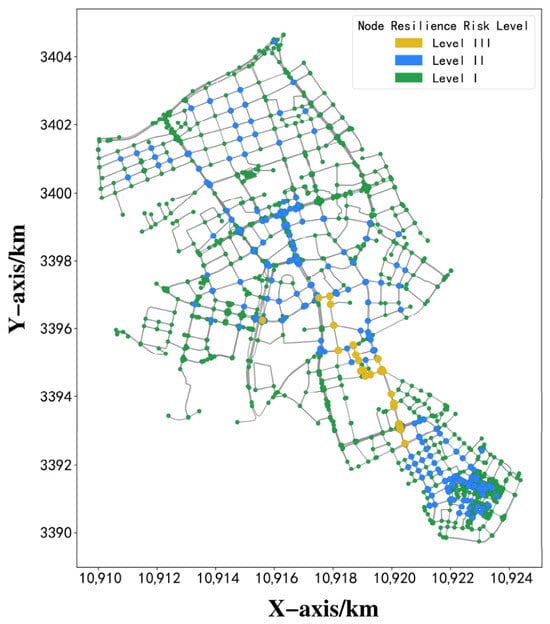
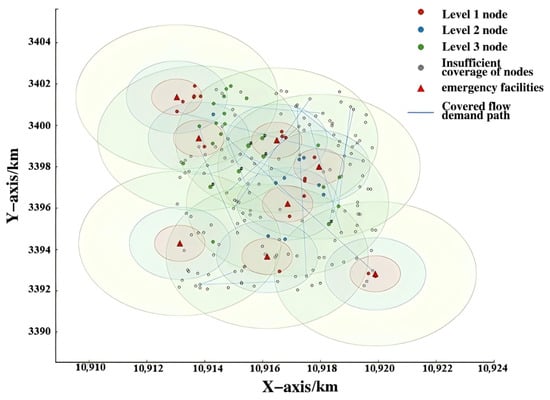
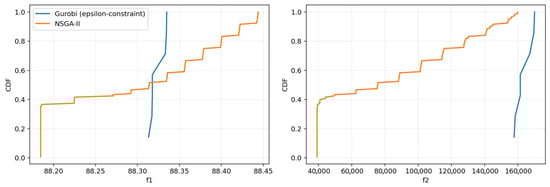
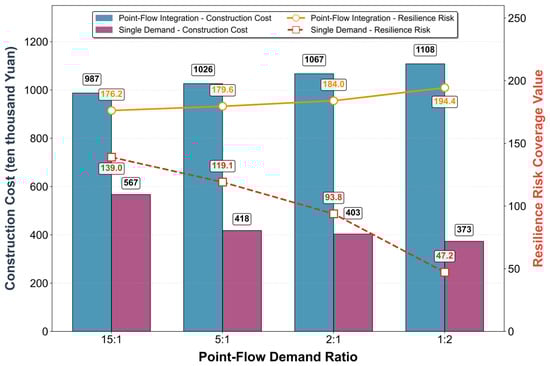
Urban transportation systems are facing increasingly severe threats from extreme weather events such as rainstorms, which can trigger cascading failures and lead to regional traffic paralysis. The strategic location of emergency facilities to enhance system resilience has emerged as a critical proactive prevention strategy. This study proposes a multi-objective hierarchical coverage location model that integrates point and flow demands to improve the resilience of urban road traffic systems under rainstorm conditions. First, the resilience risk levels of road nodes were quantified using an entropy-weighted TOPSIS method that combines topological attributes, traffic flow performance, and indirect propagation intensity. Second, a flow-capturing mechanism was introduced to address the dynamic rescue demands of stranded vehicles in motion, enabling the pre-positioning of “safe havens” along critical travel routes. The model balances two objectives: maximizing the resilience risk value of the covered demands and minimizing facility construction costs. A case study was conducted in Jianghan District, Wuhan, a flood-prone area, and the NSGA-II algorithm was employed to solve the multi-objective optimization problem. The results demonstrate that the proposed model significantly outperforms traditional single-demand location models in terms of coverage effectiveness and cost efficiency, achieving improvements in resilience risk coverage of up to 311.6% and cost reductions of up to 63.6%. This study provides a systems science perspective for pre-disaster emergency resource allocation, shifting the paradigm from infrastructure-centric protection to human-centered rescue.
Full article
(This article belongs to the Special Issue Decision-Making and Policy Strategies for Sustainable Transportation Systems)
►
Show Figures
Open AccessArticle
Digital Twin-Enabled Business Innovation Within and Beyond the Firm: A Systematic Literature Review and Innovation Typology
by
Neil G. Jacobson, Irina Saur-Amaral, Ciro Martins and Delfim F. M. Torres
Systems 2026, 14(4), 453; https://doi.org/10.3390/systems14040453 - 21 Apr 2026
Abstract
Digital twins (DTs) enable innovation across industries. While business discourse promotes DTs as catalysts for new business models, the academic literature lacks a cohesive understanding of how DTs enable different types of business innovation and what distinguishes cross-organizational innovation from firm-level innovation. This
[...] Read more.
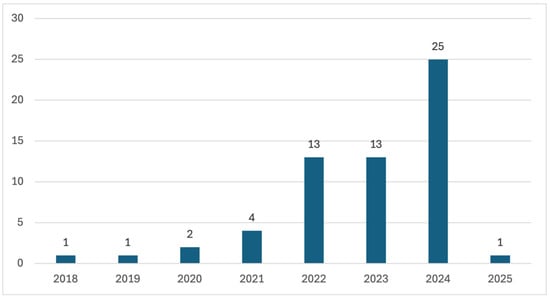
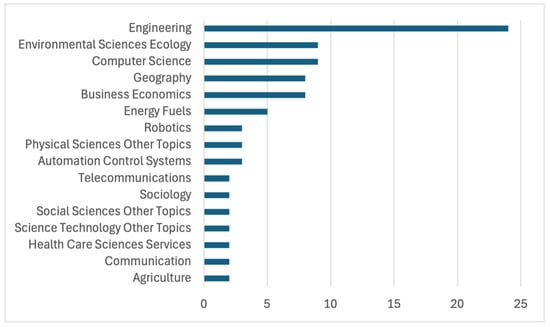
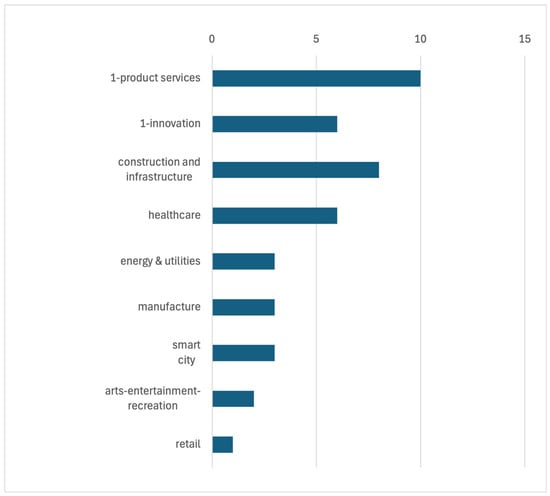
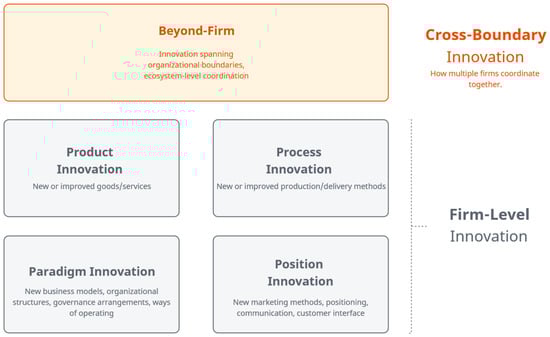
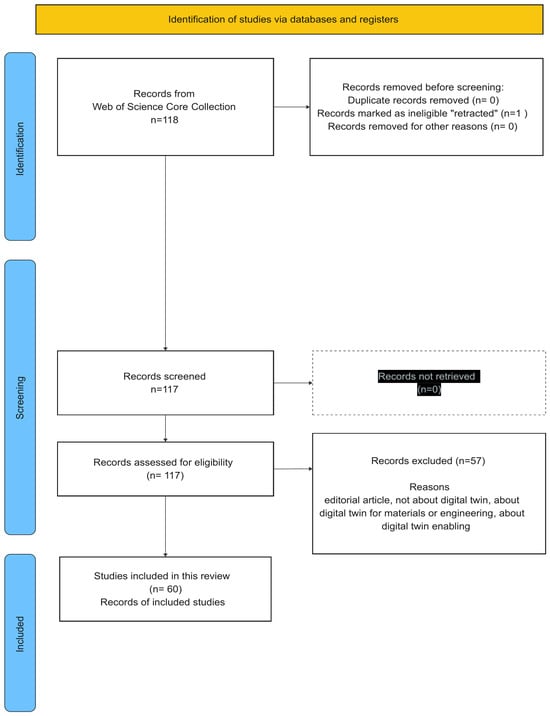
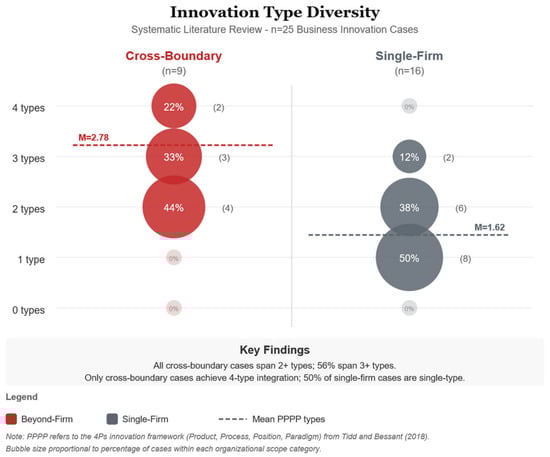
Digital twins (DTs) enable innovation across industries. While business discourse promotes DTs as catalysts for new business models, the academic literature lacks a cohesive understanding of how DTs enable different types of business innovation and what distinguishes cross-organizational innovation from firm-level innovation. This paper conducts a systematic literature review of 60 articles, analyzing 25 business innovation cases through a typology derived from established frameworks extended to address cross-organizational innovation. Process innovation appeared in nearly all the cases (24 of 25), confirming DTs’ fundamental role as operational technology. Product innovation manifests in two patterns: the twin as offering and the twin enabling offerings. paradigm innovation appeared in over half of cases, taking context-specific forms including business model transformation, governance mechanisms, and organizational restructuring. Beyond-firm innovation clusters in healthcare, smart cities, sustainability transitions, and energy systems where cross-organizational coordination is required. Beyond-firm cases consistently co-occur with paradigm innovation and exhibit higher innovation type diversity than single-firm cases, suggesting that cross-boundary coordination requires accompanying organizational restructuring. The study contributes a Digital Twin Innovation Typology extending established frameworks to capture innovation no single firm can achieve alone. Practical implications address how domain context shapes innovation potential and coordination mechanisms required for beyond-firm innovation.
Full article
(This article belongs to the Section Systems Theory and Methodology)
►▼
Show Figures

Figure 1
Open AccessArticle
Research on the Path of Green Innovation Efficiency Driven by Digital Transformation in Energy-Intensive Enterprises Based on System Dynamics
by
Gaopeng Jiang, Jiaxi Wu, Peng Li, Taoze Han and Xiaolu Du
Systems 2026, 14(4), 452; https://doi.org/10.3390/systems14040452 - 21 Apr 2026
Abstract
►▼
Show Figures
Under the dual carbon goals, green innovation acts as a key driver for the transformation and upgrading of China’s energy-intensive enterprises, and stands as an inevitable choice to propel China’s shift from a major energy-consuming nation to a powerful scientific and technological nation.
[...] Read more.
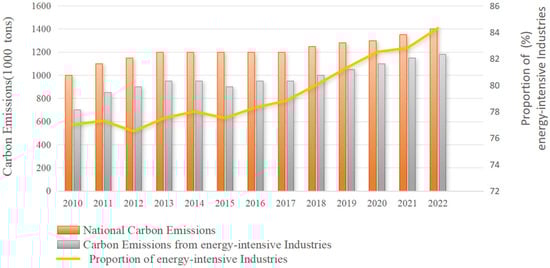
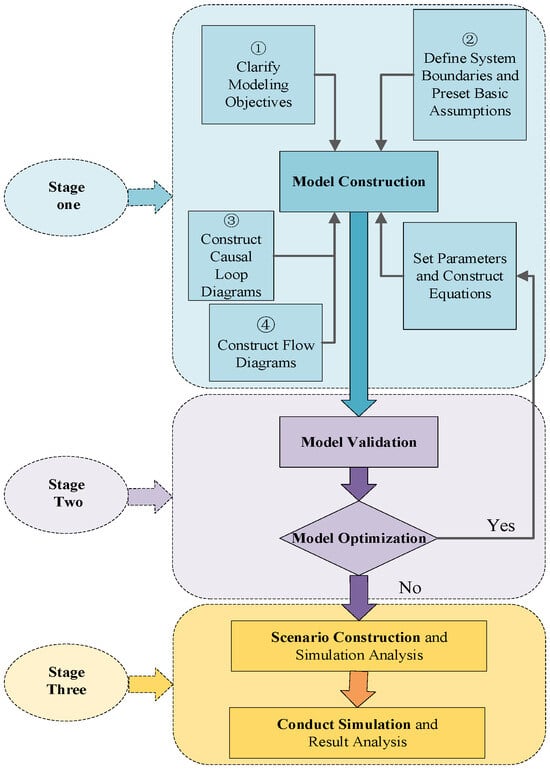
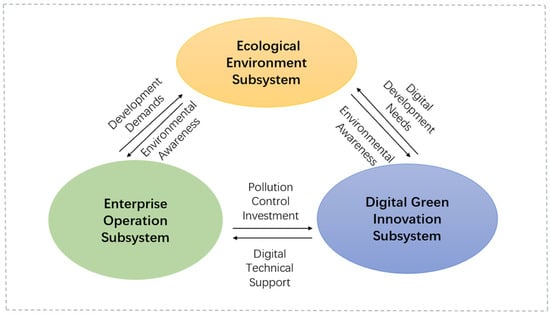
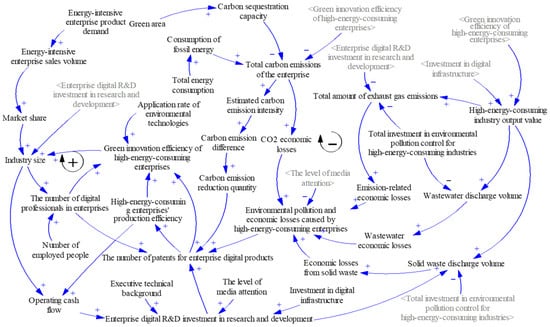
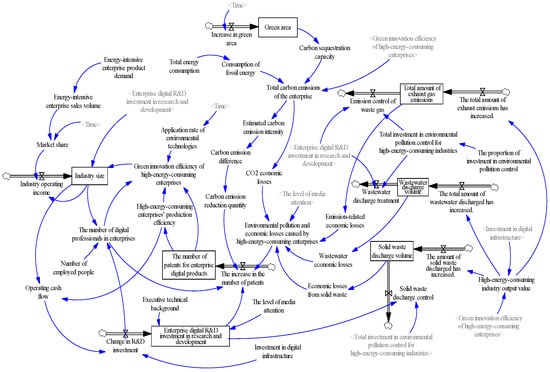
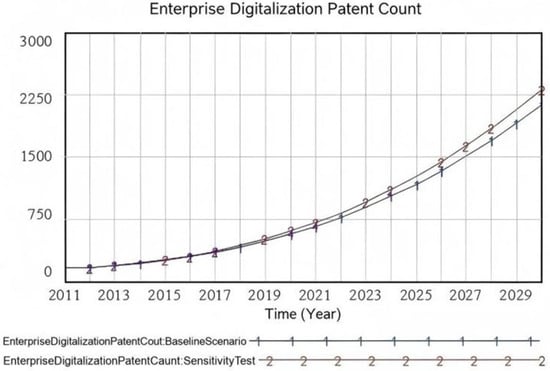
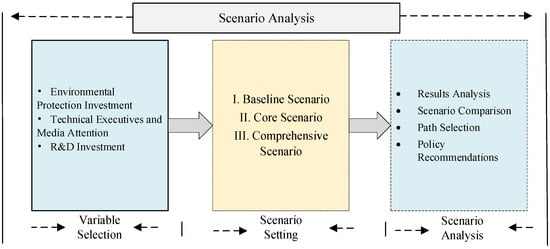
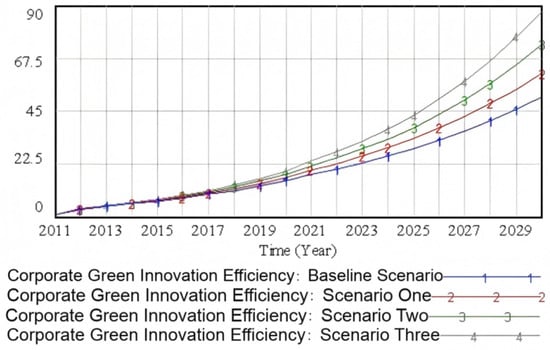
Under the dual carbon goals, green innovation acts as a key driver for the transformation and upgrading of China’s energy-intensive enterprises, and stands as an inevitable choice to propel China’s shift from a major energy-consuming nation to a powerful scientific and technological nation. To explore the driving mechanism of digital transformation on the green innovation efficiency of energy-intensive enterprises, this paper takes such enterprises from 2011 to 2022 as the research subject, designs three distinct scenarios (environmental protection, enterprise innovation and scientific research innovation), simulates heterogeneous development paths, and forecasts trends to 2030. The results show that green innovation efficiency rises steadily across all scenarios, with the strongest improvement under the scientific research scenario. By 2030, efficiency under this scenario is expected to reach 1.77 times that of the baseline scenario, while the other two scenarios also perform significantly better. These findings confirm the positive role of multi-dimensional policy interventions in strengthening digital-enabled green innovation efficiency. Accordingly, practical recommendations are put forward regarding how digital transformation can effectively drive the improvement of green innovation efficiency of energy-intensive enterprises from the aspects of policy formulation, enterprise management and innovation investment.
Full article

Figure 1
Open AccessArticle
The Impact of Artificial Intelligence Systems and Tools on Education: Comparative Social Media Analytics of Computing Versus Business Students
by
Lili Yan, Hongren Wang, Zerong Xie, Dickson K. W. Chiu, Samuel Ping-Man Choi, Kevin K. W. Ho and Ruwen Tian
Systems 2026, 14(4), 451; https://doi.org/10.3390/systems14040451 - 21 Apr 2026
Abstract
Artificial intelligence (AI) systems and tools are increasingly reshaping educational practices. This study examines perspectives shared in student-focused online communities on AI’s impact on education, comparing those of computer science (CS) and business students through an analysis of Reddit posts. Using natural language
[...] Read more.
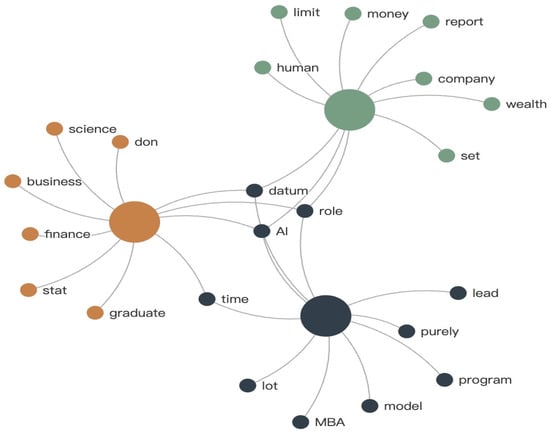
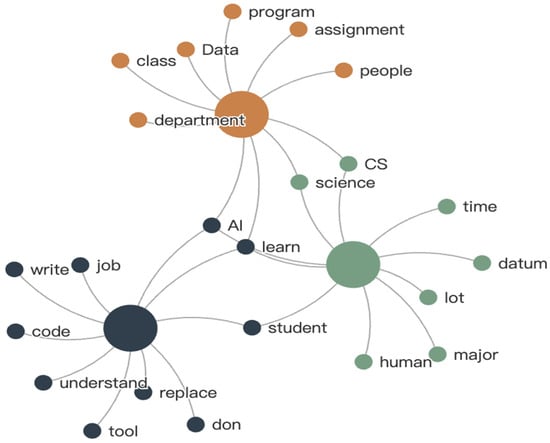
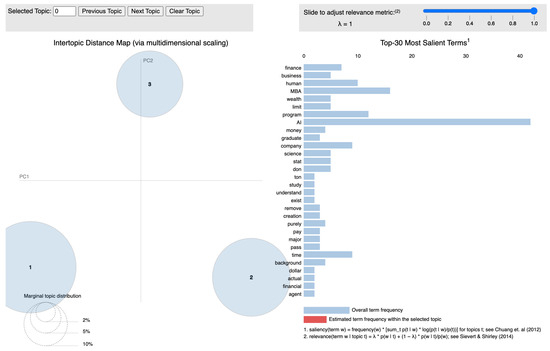
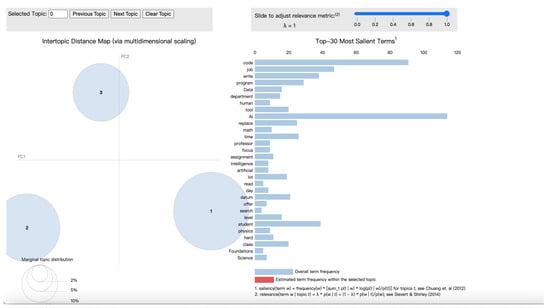
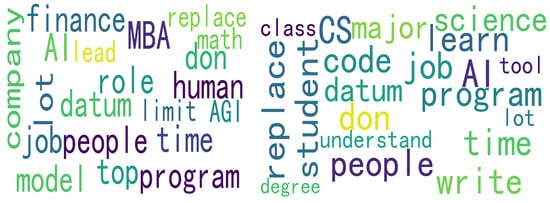
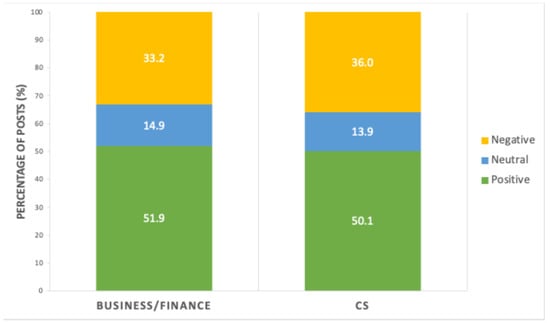
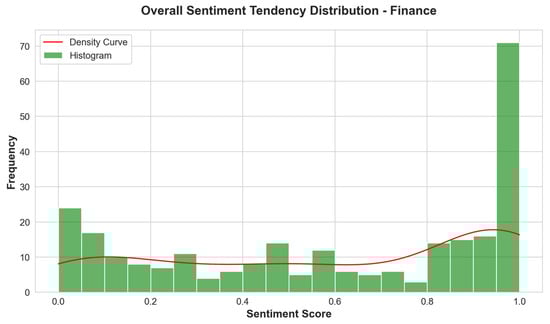
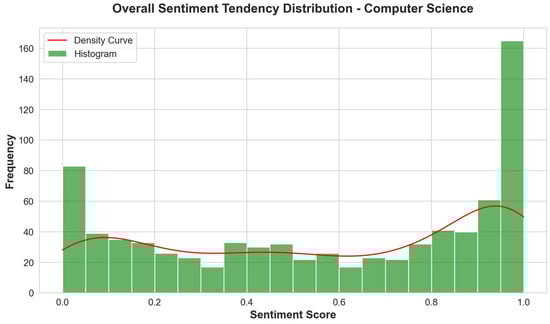
Artificial intelligence (AI) systems and tools are increasingly reshaping educational practices. This study examines perspectives shared in student-focused online communities on AI’s impact on education, comparing those of computer science (CS) and business students through an analysis of Reddit posts. Using natural language processing (NLP), sentiment analysis, and Latent Dirichlet Allocation (LDA) topic modeling, we analyzed 1108 posts collected from six subreddits. Results reveal distinct thematic focuses: CS students emphasize technical aspects, including programming efficiency, coding assistance, and concerns about job displacement, while business students focus on decision-making enhancement, financial analysis applications, and operational efficiency. Sentiment analysis indicates that the Business/Finance-oriented corpus is slightly more positive than the CS-oriented corpus (51.9% vs. 50.1% positive). The CS-oriented corpus also contains a higher proportion of negative posts (36.0% vs. 33.2%). These differences reflect discipline-specific epistemological frameworks shaping AI perception. The findings provide educators with guidelines for developing tailored AI integration strategies that address discipline-specific concerns and opportunities. This study contributes to understanding how academic background influences perceptions of AI in education, offering insights for curriculum design and policy development.
Full article
(This article belongs to the Special Issue Digitalization and Artificial Intelligence in Educational Systems: Challenges and Opportunities)
►▼
Show Figures

Figure 1

Open AccessArticle
Dynamic Region Planning and Profit-Adaptive Collaborative Search Strategies for Multi-Robot Systems
by
Zeyu Xu, Kai Xue, Ping Wang and Decheng Kong
Systems 2026, 14(4), 450; https://doi.org/10.3390/systems14040450 - 20 Apr 2026
Abstract
Multi-Robot Systems (MRS) demand optimal spatial resource configuration to ensure systemic efficiency in mission-critical applications. Conventional paradigms rely on rigid coverage-first principles, prioritizing exhaustive spatial scanning over rapid target discovery, thereby compromising systemic responsiveness. To bridge this gap, this study proposes the Attraction
[...] Read more.
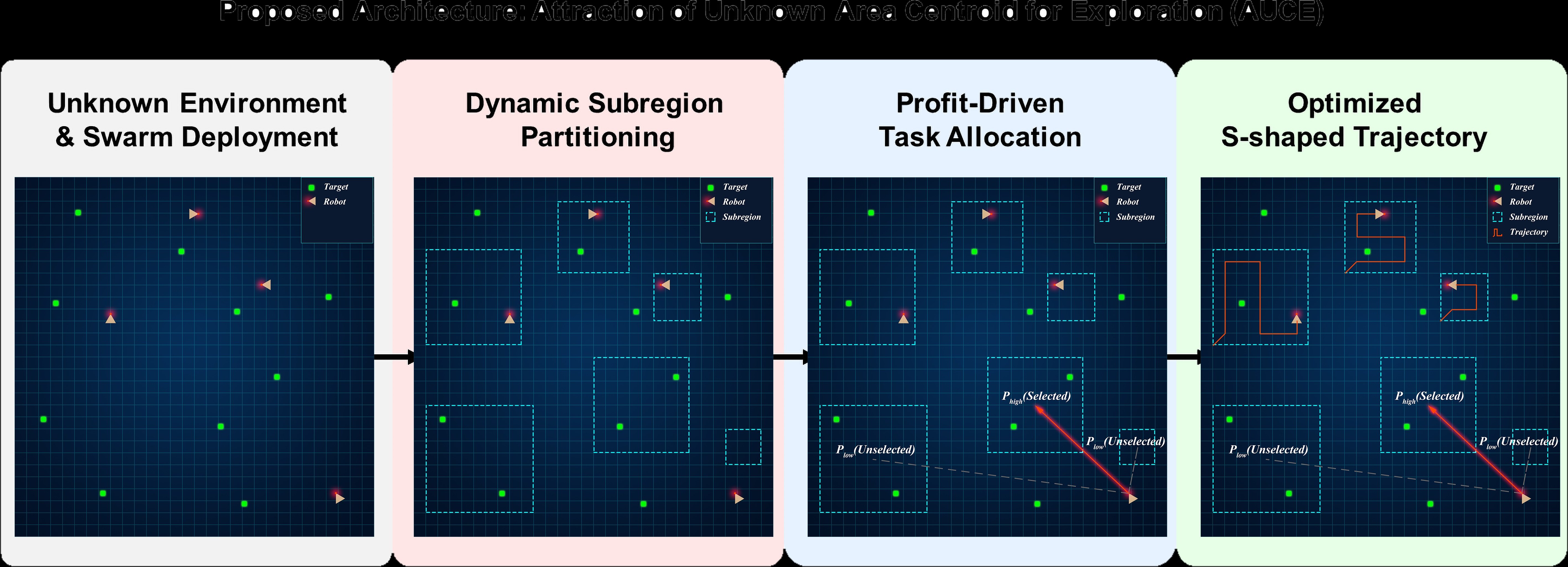
Multi-Robot Systems (MRS) demand optimal spatial resource configuration to ensure systemic efficiency in mission-critical applications. Conventional paradigms rely on rigid coverage-first principles, prioritizing exhaustive spatial scanning over rapid target discovery, thereby compromising systemic responsiveness. To bridge this gap, this study proposes the Attraction of Unknown area Centroid for Exploration (AUCE) architecture, a centralized framework designed to simultaneously optimize global exploration efficiency and early-stage target discovery rates. The control framework incorporates a dynamic region planning strategy that adaptively modulates the systemic search focus based on the specific field of view of autonomous agents, alongside an optimized S-shaped trajectory pattern to establish a rigorous balance between localized path simplicity and global coverage. A versatile profit function synthesizing constant and time-varying coefficient strategies explicitly regulates the systemic trade-off between accelerated early-stage target discovery and global path cost minimization. Quantitative simulations demonstrate that AUCE significantly outperforms established methods by mitigating redundant path costs and generating a distinct front-loading effect to accelerate target localization. Subsequent evaluations confirm the framework’s computational scalability in expanded swarms and its systemic adaptability when navigating static obstacles.
Full article
(This article belongs to the Section Systems Theory and Methodology)
►▼
Show Figures

Graphical abstract
Open AccessArticle
Optimizing Post-Earthquake Relief with Combined Ground and Air Routing: ε-Constraint and NSGAII-Nearest Neighbor Approaches
by
Sogol Mousavi, Mohammadreza Taghizadeh-Yazdi and Seyed Mojtaba Sajadi
Systems 2026, 14(4), 449; https://doi.org/10.3390/systems14040449 - 20 Apr 2026
Abstract
In the wake of an earthquake, severe infrastructure disruption and limited access to affected areas pose serious challenges to the relief process. Therefore, developing efficient models for vehicle allocation and routing plays a crucial role in reducing response time and improving operational efficiency.
[...] Read more.
In the wake of an earthquake, severe infrastructure disruption and limited access to affected areas pose serious challenges to the relief process. Therefore, developing efficient models for vehicle allocation and routing plays a crucial role in reducing response time and improving operational efficiency. In this study, a multi-objective routing model is proposed for a hybrid ground–air transportation system, where trucks are responsible for covering accessible areas and drones are deployed to serve inaccessible locations. The model’s objectives include reducing service time, distance travel, total cost, and fuel consumption. To solve the model, the ε-constraint (epsilon-constraint) approach is used for small-scale problems, and a heuristic approach combining the Non-Dominated Sorting Genetic Algorithm II (NSGA-II) and the nearest neighbors concept is used for large-scale problems. The computational results show that the proposed hybrid system can reduce response time and significantly improve cost and fuel consumption compared to the ground fleet-only scenario through the optimal assignment of routes and drone missions. The proposed hybrid model resulted in a reduction of approximately 15% in total cost, 12% in service time, and nearly 10% in fuel consumption compared to using the ground fleet alone. These findings demonstrate the effectiveness and efficiency of the proposed framework in post-crisis relief operations.
Full article
(This article belongs to the Special Issue Simulation and Digital Twins in Humanitarian Supply Chain Management)
Open AccessArticle
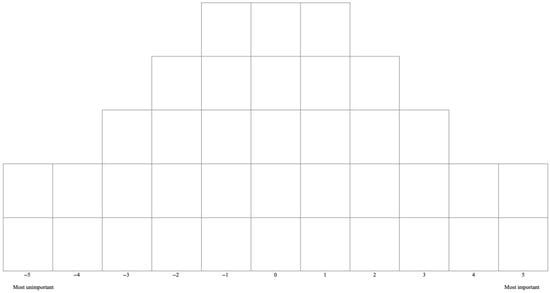
Leadership Readiness as Multidimensional Concept: Exploring Distinct Logics of System-Level Change Toward PBL Through Q Methodology
by
Xiangyun Du, Zhiying Nian, Juebei Chen and Aida Guerra
Systems 2026, 14(4), 448; https://doi.org/10.3390/systems14040448 - 20 Apr 2026
Abstract
Sustainable pedagogical reform requires more than teacher preparedness; it depends on how school leaders interpret and coordinate the conditions that enable change. This focus is particularly critical in contexts where Problem-Based Learning (PBL) is introduced within predominantly traditional, exam-oriented pedagogical environments, requiring careful
[...] Read more.
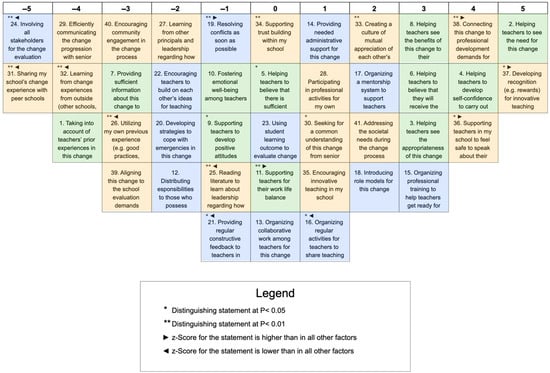
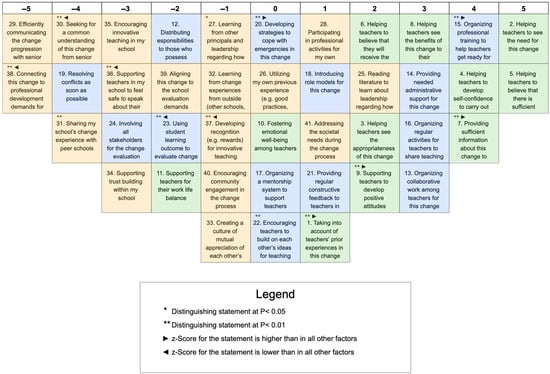
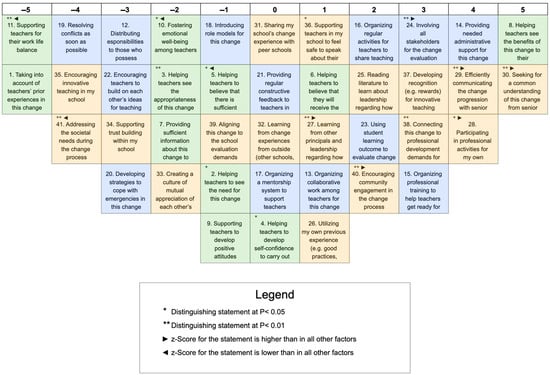
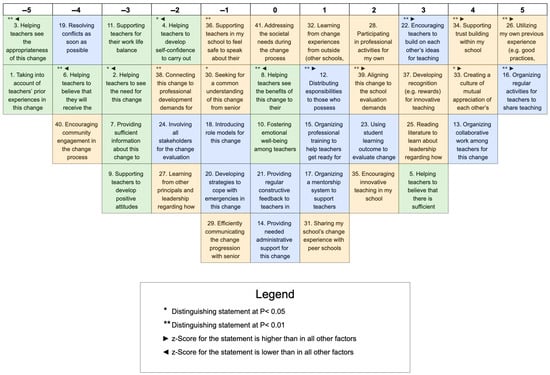
Sustainable pedagogical reform requires more than teacher preparedness; it depends on how school leaders interpret and coordinate the conditions that enable change. This focus is particularly critical in contexts where Problem-Based Learning (PBL) is introduced within predominantly traditional, exam-oriented pedagogical environments, requiring careful consideration of leadership’s perception of system-level readiness to support such shifts. This study investigates how Chinese K–12 school leaders conceptualize readiness for institution-wide implementation of PBL. Using Q methodology with 42 school leaders, four distinct leadership logics were identified: leadership-mediated cultural readiness through recognition, belief-driven pedagogical practice, externally anchored system-level readiness, and experientially grounded cultural readiness. These viewpoints reveal different ways leaders prioritize cultural alignment, belief formation, structural coordination, and experiential learning when organizing reform conditions. Despite these differences, participants showed several areas of shared positioning, particularly around coordination, expertise-based responsibility distribution, evaluation alignment, and adaptive responses to reform conditions. The findings extend change readiness research beyond teacher-focused perspectives by demonstrating how leaders interpret readiness as a multidimensional and system-level phenomenon. By illuminating distinct leadership logics for coordinating reform within centralized governance contexts, this study highlights the importance of aligning beliefs, professional relationships, institutional structures, and student learning improvement goals to support sustainable pedagogical transformation.
Full article
(This article belongs to the Special Issue Navigating Educational Leadership Through Systems Approaches)
►▼
Show Figures

Figure 1
Open AccessArticle
Layered Control Architectures for AI Safety: A Cybersecurity-Oriented Systems Framework
by
Young B. Choi, Paul C. Hong and Young Soo Park
Systems 2026, 14(4), 447; https://doi.org/10.3390/systems14040447 - 20 Apr 2026
Abstract
As artificial intelligence (AI) systems become increasingly autonomous, scalable, and embedded in critical digital infrastructure, AI safety has emerged as a significant consideration for cybersecurity, system reliability, and institutional trust. Advances in large language models and agentic systems expand the threat surface to
[...] Read more.
As artificial intelligence (AI) systems become increasingly autonomous, scalable, and embedded in critical digital infrastructure, AI safety has emerged as a significant consideration for cybersecurity, system reliability, and institutional trust. Advances in large language models and agentic systems expand the threat surface to include misalignment, large-scale misuse, opaque decision-making, and cross-border risk propagation, while existing debates remain fragmented across technical, ethical, and geopolitical domains. This paper conducts a structured comparative analysis of AI safety perspectives from ten influential thinkers, examining them across five dimensions and reframing their insights through a cybersecurity lens spanning national governance, industry standards, and firm-level design. Building on this synthesis, the study proposes a layered control architecture that organizes technical safeguards, governance mechanisms, and human oversight into a defense-in-depth structure. The framework is conceptual and theory-building, intended to clarify system-level security reasoning and support future empirical refinement across diverse institutional contexts.
Full article
(This article belongs to the Special Issue Intelligent Optimization and Business Analytics for Supply Chain and Logistics Management in the Age of Industry 4.0)
Open AccessArticle
Tram or Bus? A Stated-Preference Analysis of Road User Mode Choice in Larissa, Greece
by
Athanasios Theofilatos, Apostolos Ziakopoulos, Apostolos Anagnostopoulos, Georgios Georgiadis, Ioannis Politis and Nikolaos Eliou
Systems 2026, 14(4), 446; https://doi.org/10.3390/systems14040446 - 20 Apr 2026
Abstract
Under growing urbanization and environmental challenges, sustainable urban mobility has become a critical priority for cities worldwide. Public Transport (PT) systems play a central role in reducing car dependency, lowering emissions, increasing network capacity, and promoting more equitable and efficient access to urban
[...] Read more.
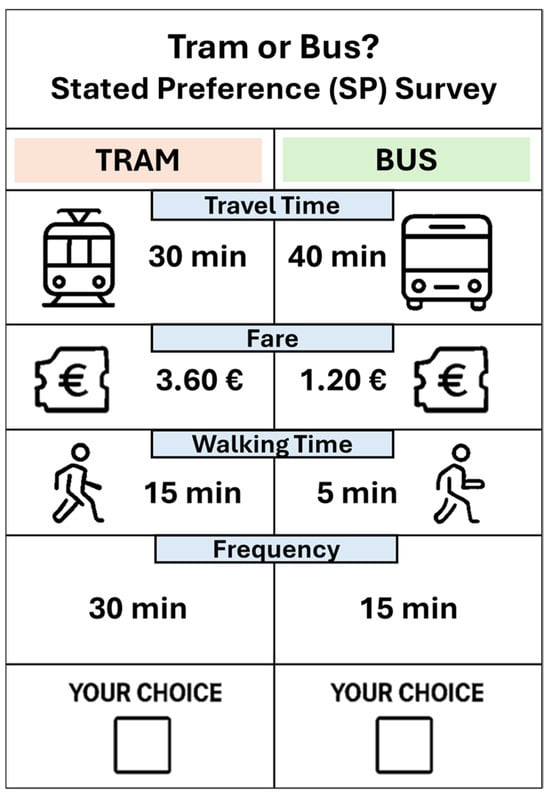
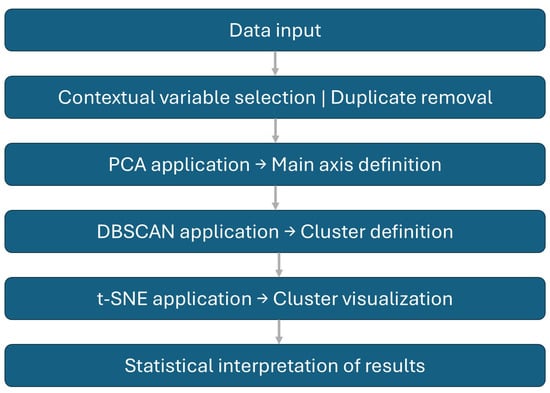
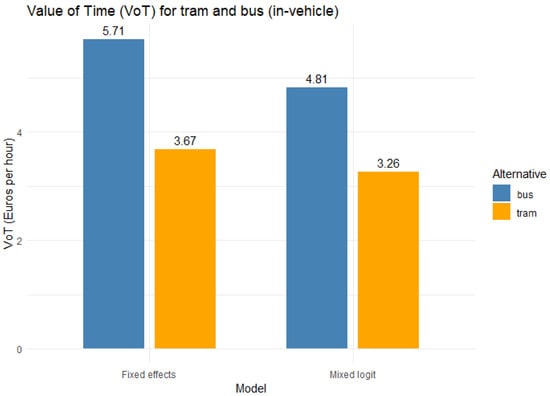
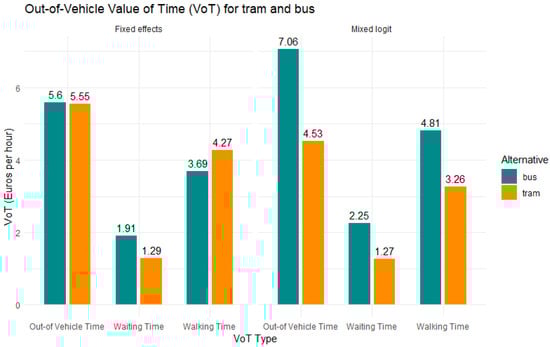
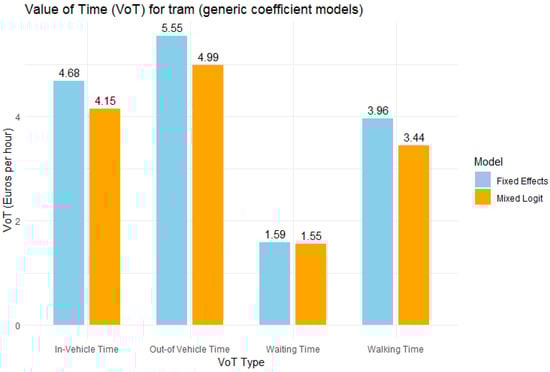
Under growing urbanization and environmental challenges, sustainable urban mobility has become a critical priority for cities worldwide. Public Transport (PT) systems play a central role in reducing car dependency, lowering emissions, increasing network capacity, and promoting more equitable and efficient access to urban spaces for all users. Hence, the present paper aims to investigate PT preferences in the city of Larissa, Greece. Larissa is a medium-sized city currently serviced only by buses, and is currently focusing on the potential introduction of a new tram system to operate in parallel with existing bus services. To this end, a SP survey was designed and implemented, resulting in 972 observations that were collected for further statistical analysis. Survey results show a slight preference for trams over buses, with 54.63% selecting the tram and 45.37% favoring the buses. Moreover, a context-based segmentation pipeline was established using PCA, DBSCAN and t-SNE algorithms, aiding the visualization of existing clusters for transport choice approaches. Afterwards, a series of mixed logit models was applied, and statistically significant variables influencing mode choice were determined. The study also examines Value of Time (VoT) metrics and finds that respondents assign lower VoTs to trams than to buses, especially in out-of-vehicle segments of the journey, such as waiting and walking, and therefore consider trams as more pleasant and less burdensome. The findings also indicate that passengers place a high value on the quality of infrastructure related to access and waiting times, underlining the need to improve the overall user experience beyond the vehicle itself. In summary, the present research offers valuable insights into how the introduction of a tram system could possibly reshape PT usage patterns when compared with the legacy existing bus services.
Full article
(This article belongs to the Special Issue Sustainable Urban Transport Systems)
►▼
Show Figures

Figure 1
Open AccessArticle
Influences of the Different Organizational Performances on Application and Effects of Lean: Case of Serbian Food Companies
by
Dejan Kovačević, Sanja Stanisavljev, Milan Nikolić, Dragan Ćoćkalo, Mihalj Bakator, Stefan Ugrinov and Luka Djordjević
Systems 2026, 14(4), 445; https://doi.org/10.3390/systems14040445 - 20 Apr 2026
Abstract
This study examines the influences of various organizational performance factors on the application of Lean tools and the effects of Lean methodology implementation. Although Lean management has been widely studied, empirical evidence on the combined influence of internal organizational capabilities and external environmental
[...] Read more.
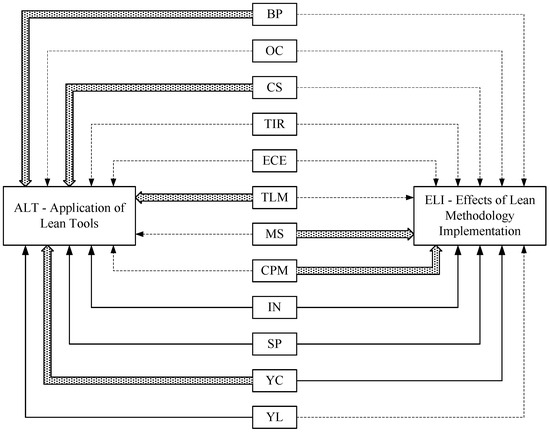
This study examines the influences of various organizational performance factors on the application of Lean tools and the effects of Lean methodology implementation. Although Lean management has been widely studied, empirical evidence on the combined influence of internal organizational capabilities and external environmental pressures on Lean adoption and outcomes in transition economies remains limited. In particular, the relative importance of internal resources and competitive pressures in shaping Lean implementation results has not been sufficiently explored. Therefore, this study aims to analyze how different organizational and environmental factors influence both the application of Lean tools and the effects of Lean methodology implementation. The independent variables considered include: business performance, organizational culture, company size, technical infrastructure and resources, education and competence of employees, training for Lean methodology, management support, competitive pressure and motivation to reduce costs, degree of innovation in the company, the role of the Lean concept in strategic planning, years of company existence, and years of Lean tool implementation. The research was conducted among food industry companies in Serbia, and a total of 183 valid questionnaires were collected. The results indicate that the application of Lean tools is most strongly influenced by training for Lean methodology, followed by business performance and company size. In contrast, the effects of Lean methodology implementation are primarily affected by competitive pressure and motivation to reduce costs, as well as management support. Furthermore, the analysis shows that Lean application and Lean outcomes function as two distinct dimensions: companies may apply Lean tools without achieving significant effects if managerial support or competitive pressure is insufficient. Conversely, firms with strong competitive drivers and committed management achieve noticeably higher performance improvements even with moderate levels of Lean tool adoption. Overall, the findings suggest that the application of Lean tools largely depends on the company’s internal resources, such as employee knowledge and training, business strength, and scale of operations, while the success and outcomes of Lean implementation are more strongly driven by external competitive pressures and the degree of managerial understanding and support. By distinguishing between the determinants of Lean tool adoption and the determinants of Lean implementation outcomes, this study contributes to a clearer understanding of Lean effectiveness in the context of transition economies.
Full article
(This article belongs to the Section Systems Practice in Social Science)
►▼
Show Figures

Figure 1
Open AccessArticle
An Immune-Inspired Dynamic Regulation Framework for Supply Chain Viability
by
Andrés Polo, Daniel Morillo-Torres and John Willmer Escobar
Systems 2026, 14(4), 444; https://doi.org/10.3390/systems14040444 - 19 Apr 2026
Abstract
Evidence from recent large-scale disruptions indicates that efficiency-centered supply chain designs struggle to sustain operation under persistent and systemic uncertainty. This study introduces the Response and Adaptive Immune-Inspired Supply Chain Immune System (RAIE–SCIS), a continuous-time dynamic framework that extends existing viability and resilience
[...] Read more.
Evidence from recent large-scale disruptions indicates that efficiency-centered supply chain designs struggle to sustain operation under persistent and systemic uncertainty. This study introduces the Response and Adaptive Immune-Inspired Supply Chain Immune System (RAIE–SCIS), a continuous-time dynamic framework that extends existing viability and resilience approaches by explicitly modeling inter-temporal adaptation and operational memory within a control-theoretic structure. The framework represents supply chains as multi-layer control systems where structural protection, adaptive regulation, and memory mechanisms jointly shape system response over time. Viability is assessed using time-dependent indicators, including performance trajectories, recovery time, and an adaptation-based viability index. The model is applied to a carbon capture, utilization, and storage (CCUS) supply chain under heterogeneous disruption scenarios. Results show that immune-enabled configurations increase minimum performance levels by 15–30% and reduce recovery times by up to 25% compared to non-adaptive configurations. These improvements are not uniform across scenarios and depend on disturbance structure and recurrence. The analysis reveals that adaptive regulation introduces a trade-off between recovery speed and variability, while memory mechanisms shape recovery dynamics under recurrent disruptions—effects not captured by static or purely reactive models. Their effects become more pronounced when disturbances accumulate or propagate.
Full article
(This article belongs to the Special Issue Modeling and Managing Complex Supply Chain Systems: Resilience, Sustainability, and Innovation in Operations)
Open AccessArticle
A Privacy-Preserving Federated Learning Framework for Web User Behavior over Fog Infrastructure
by
Abdulrahman K. Alnaim and Khalied M. Albarrak
Systems 2026, 14(4), 442; https://doi.org/10.3390/systems14040442 - 19 Apr 2026
Abstract
Understanding user behavior on the web is considered essential for personalization, recommendation, and anomaly detection. Centralized analytics approaches raise significant privacy risks and regulatory concerns, particularly when large volumes of interaction data are collected in the cloud. Federated learning offers a decentralized alternative
[...] Read more.
Understanding user behavior on the web is considered essential for personalization, recommendation, and anomaly detection. Centralized analytics approaches raise significant privacy risks and regulatory concerns, particularly when large volumes of interaction data are collected in the cloud. Federated learning offers a decentralized alternative but faces challenges in handling heterogeneous, Non-Independently and Identically Distributed (non-IID) web interaction data. This paper presents FogLearn-Web, a fog computing-based federated learning framework for privacy-preserving web user behavior analytics. The architecture employs hierarchical aggregation in which browser-embedded models train locally, fog nodes perform behavior-aware regional aggregation, and the cloud maintains a global model with formal differential privacy guarantees. A key contribution is the behavioral sketch, a compact representation of local interaction distributions that enables attention-weighted federated averaging without exposing raw data. Experiments on benchmark and real-world datasets show that FogLearn-Web achieves within 2.3% of centralized accuracy while reducing data transmission by 89% and improving convergence under non-IID settings by 34% over standard FedAvg.
Full article
(This article belongs to the Special Issue Data Analytics for Social, Economic and Environmental Issues)
Open AccessReview
A Structured Review of Agent-Based Modelling Applications in Sustainable Tourism Management: An Agent–Land–Context Perspective
by
Aoyun Li and Zhichao Xue
Systems 2026, 14(4), 443; https://doi.org/10.3390/systems14040443 - 18 Apr 2026
Abstract
Understanding the sustainable management of the complex adaptive tourism systems requires an integrated research approach that combines environmental processes with stakeholder behaviors. Agent-based modelling (ABM) has emerged as a pivotal tool for decoding the resilience, adaptability, and sustainability of tourism systems. However, the
[...] Read more.
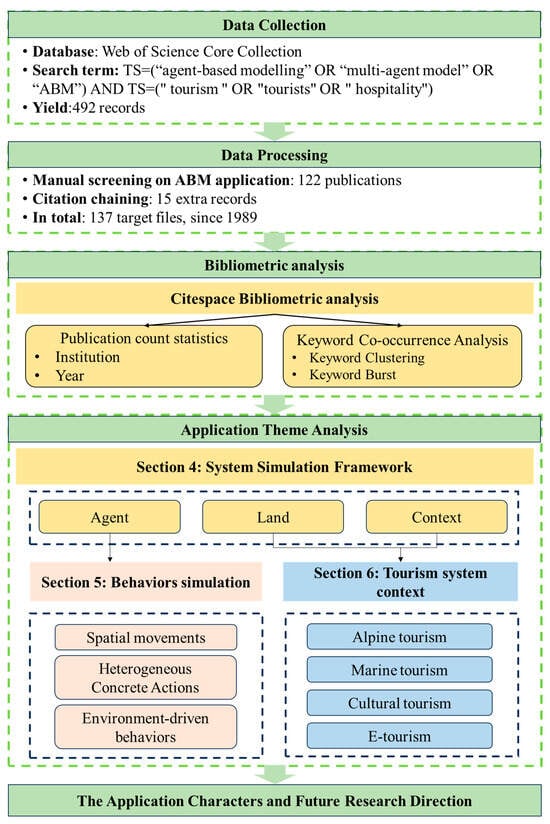
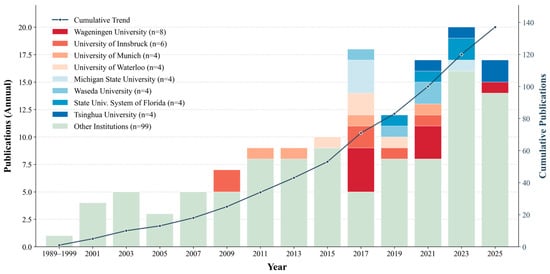
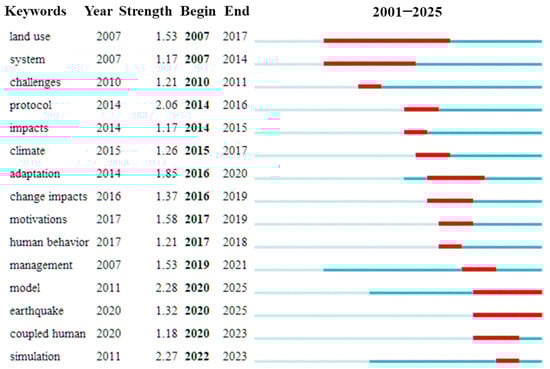
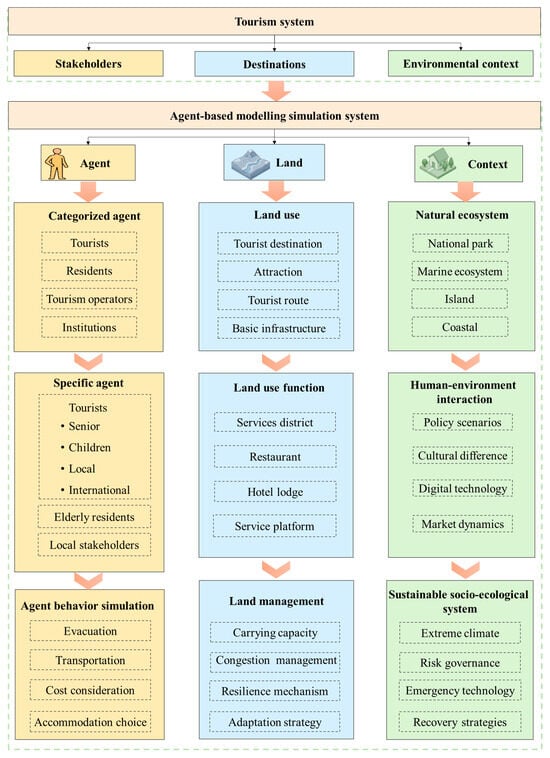
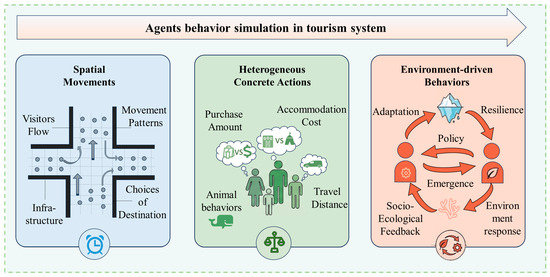
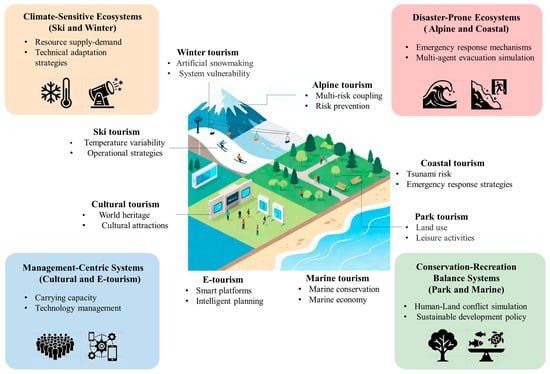
Understanding the sustainable management of the complex adaptive tourism systems requires an integrated research approach that combines environmental processes with stakeholder behaviors. Agent-based modelling (ABM) has emerged as a pivotal tool for decoding the resilience, adaptability, and sustainability of tourism systems. However, the current application landscape, methodological limitations, and future research directions of ABM remain insufficiently synthesized, thereby constraining its full potential in advancing sustainable tourism management. This study examines 137 publications on the application of ABM in tourism research between 1989 and 2025, aiming to clarify the application characteristics and evolutionary trajectories. The results show the following: (1) ABM applications in tourism have become increasingly comprehensive and refined, evolving from simplistic simulations based on simplex agents and static spatial representations toward integrated models incorporating heterogeneous agents, fine-grained spatial environments, and multiple contextual factors. (2) Behavioral modeling has progressed from basic human–space interactions to complex, co-evolutionary dynamics among human, social, and ecological systems. (3) ABM applications exhibit context specificity: climate-sensitive scenarios emphasize resource dynamics and adaptation strategies; disaster-prone contexts focus on multi-agent responses and emergency management; conservation-oriented systems support sustainable policy development; and management-centric scenarios prioritize technological innovation and macro-level regulation. Future research should prioritize refining agent interactions through dynamic social network integration, incorporating cross-scale and long-distance system linkages, and strengthening the connection between theoretical modeling and real-world applications. This study would provide a comprehensive knowledge base for advancing the innovative application of ABM in sustainable tourism research and contribute to strengthening resilience, adaptive governance, and long-term sustainability within complex tourism systems.
Full article
(This article belongs to the Section Complex Systems and Cybernetics)
►▼
Show Figures

Figure 1
Open AccessArticle
Perceiving Digital Citizen Participation: A Comparative Socio-Technical Systems Analysis of Government Officials in South Korea and Indonesia
by
Seunghwan Myeong
Systems 2026, 14(4), 441; https://doi.org/10.3390/systems14040441 - 17 Apr 2026
Abstract
Studies of digital participation often draw citizen-level conclusions from surveys completed by public officials. This study addresses that theory–measurement mismatch by treating officials’ perceptions of citizen participation as the substantive outcome of interest and by explaining how digital leadership (DL) and digital technology
[...] Read more.
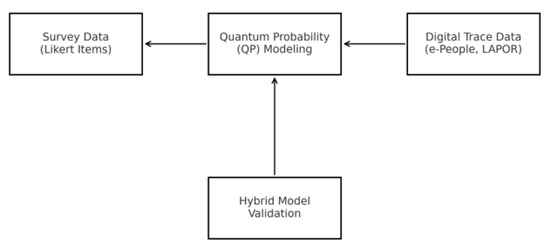
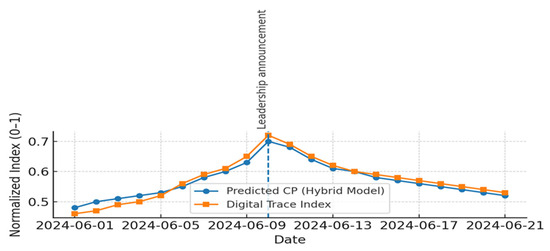
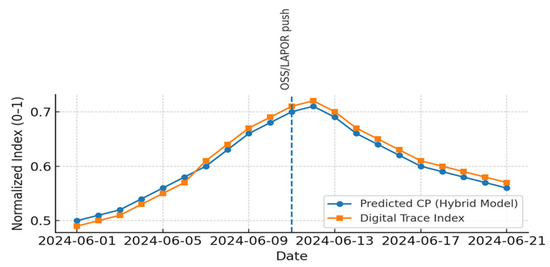
Studies of digital participation often draw citizen-level conclusions from surveys completed by public officials. This study addresses that theory–measurement mismatch by treating officials’ perceptions of citizen participation as the substantive outcome of interest and by explaining how digital leadership (DL) and digital technology use (TU) shape those perceptions across contrasting governance systems. Using survey responses from 377 officials in South Korea and Indonesia, the study develops a comparative socio-technical institutional cueing framework. It employs a sequential hybrid design that combines regression analysis, supplementary quantum probability (QP) modeling of order effects, and contextual digital-trace evidence from national participation platforms. The regression results suggest that DL is more strongly associated with perceived citizen participation in South Korea, whereas TU is more strongly associated with the same perception in Indonesia. Supplementary QP simulations indicate that cue sequencing matters: leadership-first framing produces more stable modeled judgments in Korea, while technology-first framing yields sharper but less durable modeled assessments in Indonesia. The trace series is not treated as direct citizen-level validation; instead, they provide contextual support for interpreting how different socio-technical architectures may shape administrative judgments. The paper contributes by aligning theory with measurement, specifying how institutional context conditions the salience of DL and TU, and demonstrating a bounded, multi-method design for studying context-sensitive administrative perceptions.
Full article
(This article belongs to the Special Issue Beyond One-Size-Fits-All Approaches: Digital Maturity Models Across Industries, Countries, and Organizational Systems)
►▼
Show Figures

Figure 1
Open AccessArticle
How Does Digital Leadership Activate International New Venture Performance in Cross-Border E-Commerce?
by
Rui Yi, Tao Tan, Yuezhou Zhang and Yili Cao
Systems 2026, 14(4), 440; https://doi.org/10.3390/systems14040440 - 17 Apr 2026
Abstract
In recent years, cross-border e-commerce and digital trade activities in transition economy countries and regions have continued to grow. Based on resource orchestration theory and empowerment theory, this paper examines the influence mechanism of digital leadership on international entrepreneurial performance and investigates the
[...] Read more.
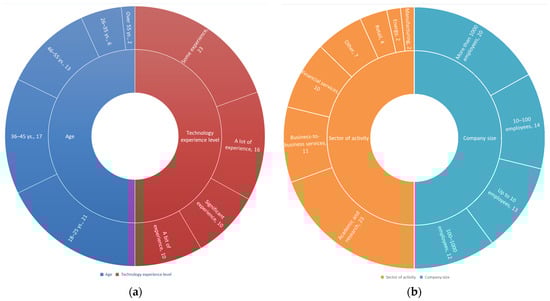
In recent years, cross-border e-commerce and digital trade activities in transition economy countries and regions have continued to grow. Based on resource orchestration theory and empowerment theory, this paper examines the influence mechanism of digital leadership on international entrepreneurial performance and investigates the moderating effect of platform support. Analyzing survey data from 227 Chinese cross-border e-commerce enterprises using structural equation modeling (SEM) and fuzzy-set qualitative comparative analysis (fsQCA), the study finds that: (1) Digital leadership positively influences the international entrepreneurial performance of cross-border e-commerce enterprises through the mediating roles of brand management capability and product innovation capability; (2) Platform support plays a positive moderating role in the relationship between brand management capability and international entrepreneurial performance in cross-border e-commerce; (3) Platform support moderates the mediating effect of brand management capability in the relationship between digital leadership and international entrepreneurial performance of cross-border e-commerce enterprises; (4) Based on fsQCA analysis, two antecedent configurations for achieving high international entrepreneurial performance in cross-border e-commerce are identified. These findings hold significant theoretical implications for research on cross-border digital platforms and international new ventures, while also providing robust empirical support for enterprises seeking to achieve international entrepreneurial success through the implementation of digital strategies.
Full article
(This article belongs to the Special Issue Advancing Open Innovation in the Age of AI and Digital Transformation)
Open AccessArticle
Efficiency and Effectiveness of Artificial Intelligence Integration in the Business Environment
by
Mircea-Constantin Șcheau, Liviu-Marian Matac, Paul-Tiberius Coman, Gabriel Niță, Alina-Iuliana Tăbîrcă, Daniel Danilov, Larisa Găbudeanu and Valentin Radu
Systems 2026, 14(4), 439; https://doi.org/10.3390/systems14040439 - 17 Apr 2026
Abstract
The growing integration of AI in business systems has intensified the need for empirical evidence on how organizational capability, governance orientation, and performance-related expectations shape AI adoption. This study examines how AI integration is perceived in terms of efficiency and effectiveness in relation
[...] Read more.
The growing integration of AI in business systems has intensified the need for empirical evidence on how organizational capability, governance orientation, and performance-related expectations shape AI adoption. This study examines how AI integration is perceived in terms of efficiency and effectiveness in relation to governance considerations and analyses the extent to which technological competence influences implementation intention. A quantitative research design was employed based on a structured questionnaire administered online to 248 respondents from diverse organizational contexts in Romania between September and December 2025, using a non-probabilistic sampling approach. The data collection procedure followed a voluntary participation approach, and the analysis includes descriptive statistics, reliability analysis, ANOVA, correlation analysis, and multiple regression. The findings indicate that AI is primarily associated with operational performance benefits, while governance-related perceptions play a contextual rather than a direct role in shaping implementation intention. Technological competence and resource adequacy emerge as the main factors associated with AI adoption, whereas favorable attitudes toward AI do not independently predict implementation decisions. The study contributes to the literature by introducing the Capability–Governance–Performance (CGP) framework as an integrative analytical perspective that explains how internal capabilities, governance considerations, and performance expectations jointly shape AI implementation intentions. It also provides empirical evidence from a transition-to-economic context, contributing to a more integrated understanding of AI adoption.
Full article
(This article belongs to the Special Issue Advancing Open Innovation in the Age of AI and Digital Transformation)
►▼
Show Figures

Figure 1
Open AccessArticle
Research on the Influencing Factors of Digital Intelligence-Empowered Urban Emergency Management Capability Based on Hybrid Decision Modeling
by
Fangming Cheng, Di Wang, Chang Su, Nannan Zhao, Jun Wang and Hu Wen
Systems 2026, 14(4), 438; https://doi.org/10.3390/systems14040438 - 16 Apr 2026
Abstract
►▼
Show Figures
The deep integration of digital and intelligent technologies is reshaping urban disaster emergency management capabilities; however, improvements in their effectiveness are constrained by complex, multidimensional factors. Identifying the key driving factors and their mechanisms is of great significance for enhancing urban disaster emergency
[...] Read more.
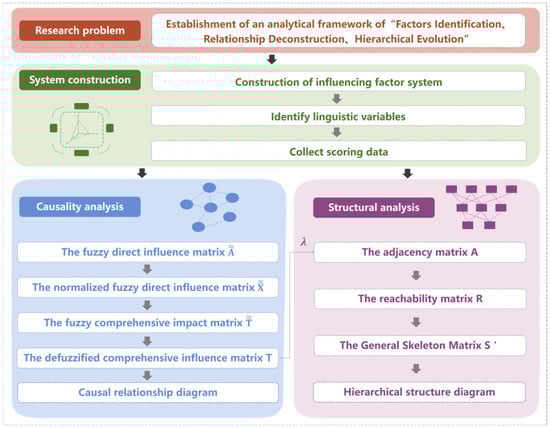
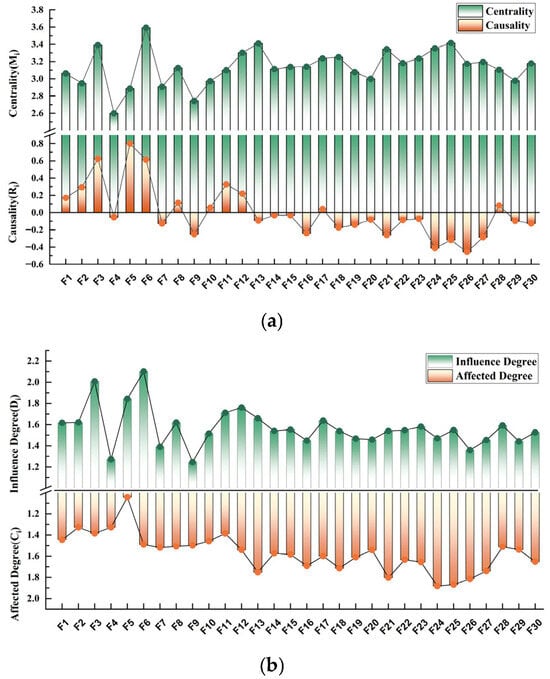
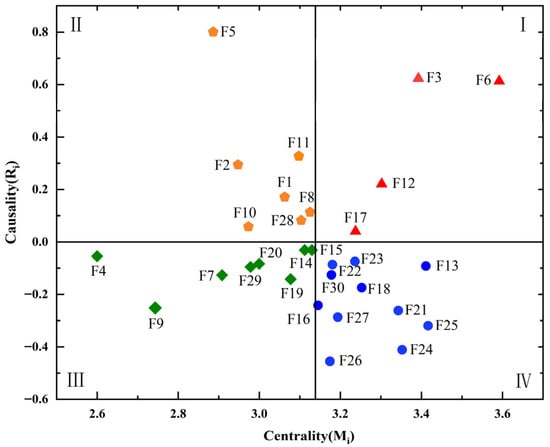
The deep integration of digital and intelligent technologies is reshaping urban disaster emergency management capabilities; however, improvements in their effectiveness are constrained by complex, multidimensional factors. Identifying the key driving factors and their mechanisms is of great significance for enhancing urban disaster emergency response capabilities. Based on literature analysis and expert consultation, this paper constructs a framework of factors influencing the digital and intelligent empowerment of urban emergency management capabilities. By employing the IT2FS-DEMATEL-AISM multi-criteria hybrid decision-making method, an analytical framework comprising factor identification, relationship decomposition, and hierarchical evolution is established. The study found that 15 key factors, including the soundness of emergency management systems and the level of smart platform development, exert a significant influence on urban emergency management capabilities through direct or indirect mechanisms. Meanwhile, the institutional framework for emergency management serves as a deep-seated driving force, systematically promoting the deep integration of emergency management operations with digital and intelligent technologies. This, in turn, enhances the operational effectiveness of urban disaster emergency response and comprehensively strengthens the city’s overall disaster emergency management capabilities.
Full article

Figure 1
Open AccessArticle
Tripartite Evolutionary Game and Simulation Analysis of Stakeholder Strategy Implementation in Metro-Based Freight Systems Considering Low-Carbon Benefits
by
Xiuyue Sun, Shujie Liu, Lingxiang Wei, Tian Li, Jun Huang, Ying Chen, Hong Yuan and Jianchang Huang
Systems 2026, 14(4), 437; https://doi.org/10.3390/systems14040437 - 16 Apr 2026
Abstract
Against the backdrop of low-carbon transportation and urban logistics transformation, metro-based freight is regarded as an important pathway for emission reduction. This paper constructs a tripartite evolutionary game model involving the government, logistics enterprises, and metro operators, and analyzes multi-agent strategy evolution and
[...] Read more.
Against the backdrop of low-carbon transportation and urban logistics transformation, metro-based freight is regarded as an important pathway for emission reduction. This paper constructs a tripartite evolutionary game model involving the government, logistics enterprises, and metro operators, and analyzes multi-agent strategy evolution and the influence of key parameters using replicator dynamics equations and numerical simulation. The results show that well-designed subsidies and penalties can effectively promote a stable state characterized by “active government intervention, active response from logistics enterprises, and low-carbon integrated passenger and freight transportation by metro operators”. Reducing the cost of transformation can improve evolutionary efficiency, while excessively high subsidies may weaken the government’s willingness to intervene. This study provides insights for optimizing low-carbon transportation policies and supporting the development of metro-based freight systems.
Full article
Open AccessArticle
Regulation-Driven Symmetry Evolution and Adaptive Stability in Complex Business Systems
by
Yu-Min Wei
Systems 2026, 14(4), 436; https://doi.org/10.3390/systems14040436 - 16 Apr 2026
Abstract
Business development unfolds within complex adaptive environments marked by nonlinear interaction, structural asymmetry, and recurrent instability. Sustained performance under such conditions requires regulatory structures that preserve coherence while enabling structural transformation. This study advances symmetry evolution as a systems principle that explains the
[...] Read more.
Business development unfolds within complex adaptive environments marked by nonlinear interaction, structural asymmetry, and recurrent instability. Sustained performance under such conditions requires regulatory structures that preserve coherence while enabling structural transformation. This study advances symmetry evolution as a systems principle that explains the emergence of balance through interaction among decision bias, structural symmetry, and regulatory intensity. An evolutionary regulation framework represents this interaction as a closed-loop dynamic that drives coevolution of regulation and symmetry through recursive feedback. Stability emerges as a property of proportional coupling rather than correction of deviations. Multi-modal simulations representing turbulent decision landscapes demonstrate formation of bounded oscillatory equilibrium under perturbation while preserving exploratory capacity, with a mean recovery interval of 1.01 iterations, compared with 9.56 under fixed regulatory intensity and 47.29 under exogenous adjustment, indicating a substantial reduction in recovery time. Coordinated evolution of regulatory gain and structural symmetry sustains adaptive stability without suppressing innovation dynamics. The study establishes a systemic foundation for resilience and endogenous governance in complex business systems and reframes decision optimization as structural adaptation within evolving regulatory architectures.
Full article
(This article belongs to the Special Issue Computational Methods for Complex Systems: Modeling, Optimization, and Decision Support Across Domains)
Open AccessArticle
Assessment of Human Settlement Suitability and Structural Resilience in the Shenyang Metropolitan Area from the Perspective of Spatial Networks
by
He Liu, Dunyi Guan and Jun Yang
Systems 2026, 14(4), 435; https://doi.org/10.3390/systems14040435 - 16 Apr 2026
Abstract
A systematic assessment of the human settlement suitability (HSS) and its structural resilience in metropolitan areas, from a spatial network perspective, is essential for understanding the spatial organization and evolutionary mechanisms of regional human settlement systems. It also supports the high-quality development of
[...] Read more.
A systematic assessment of the human settlement suitability (HSS) and its structural resilience in metropolitan areas, from a spatial network perspective, is essential for understanding the spatial organization and evolutionary mechanisms of regional human settlement systems. It also supports the high-quality development of metropolitan areas. This study considers the Shenyang Metropolitan Area as the research object and constructs a comprehensive evaluation model of HSS from two dimensions: natural environmental suitability (NES) and human environmental suitability (HES). This study systematically analyzes the spatial distribution pattern of HSS, characteristics of its spatial association network, and its structural resilience, by integrating a modified gravity model, social network analysis (SNA), and structural resilience measurement methods. The results indicate that NES exhibits a high-west to low-east gradient, with high-value areas primarily located in peripheral regions with better ecological conditions. HES reveals a pronounced core–periphery structure, with high suitability concentrated in core cities and their adjacent suburban areas. Under the combined influence of NES and HES, the HSS forms a layered differentiation pattern dominated by core cities. The spatial association network of HSS has an overall low density and displays the coexistence of a core–periphery structure and proximity dependence, in which the HES network demonstrates strong cross-node transmission capacity, while the NES network is significantly constrained by geographical proximity. The structural resilience of the network is characterized by a moderate hierarchy, predominantly homophilic matching, limited transmission efficiency, and pronounced spatial differentiation in aggregation, indicating an overall pattern of highly connected cores with low aggregation and moderately or weakly connected nodes with high aggregation. The findings provide a scientific basis for optimizing the human settlements and enhancing regional resilience governance in metropolitan areas, while offering a novel analytical perspective for research on human settlement systems.
Full article
(This article belongs to the Topic Sustainable Development and Coordinated Governance of Urban and Rural Areas Under the Guidance of Ecological Wisdom—2nd Edition)
Highly Accessed Articles
Latest Books
E-Mail Alert
News
Topics
Topic in
AI, Applied Sciences, Systems, JTAER, Healthcare
Data Science and Intelligent Management
Topic Editors: Dongxiao Gu, Jiantong Zhang, Jia LiDeadline: 30 April 2026
Topic in
Actuators, Algorithms, BDCC, Future Internet, JMMP, Machines, Robotics, Systems
Smart Product Design and Manufacturing on Industrial Internet
Topic Editors: Pingyu Jiang, Jihong Liu, Ying Liu, Jihong YanDeadline: 30 June 2026
Topic in
Economies, Systems, Urban Science
Sustainability Efforts and Importance of Change Management, 2nd Edition
Topic Editors: Throstur Olaf Sigurjonsson, José Manuel Ruano de la FuenteDeadline: 23 July 2026
Topic in
Applied Sciences, Buildings, CivilEng, Infrastructures, Safety, Systems
Advancing Construction Safety and Health: Innovations and Strategies
Topic Editors: Hadi Sarvari, David J. Edwards, Timothy Olawumi, Frank GhansahDeadline: 15 August 2026
Special Issues
Special Issue in
Systems
Cognitive and Practical Perspectives on Resilience, Organization and Entangled Systems
Guest Editor: Rasmus Gahrn-AndersenDeadline: 30 April 2026
Special Issue in
Systems
Systems Approach to the Safety Aspects of Sustainable Transport Systems
Guest Editors: Mohammad Rajabalinejad, Nils RosmullerDeadline: 30 April 2026
Special Issue in
Systems
Generative AI Transformation in Education: Current Issues and Challenges
Guest Editors: Gila Kurtz, Antonella PoceDeadline: 30 April 2026
Special Issue in
Systems
Decision-Making and Simulation Applications in Intelligent Transportation Systems
Guest Editors: Jiří Křupka, Roman HruskaDeadline: 30 April 2026
Topical Collections
Topical Collection in
Systems
Collected papers from ISSS
Collection Editors: Javier Calvo-Amodio, David Rousseau