Blockchain Technology
Share This Topical Collection
Editor
 Prof. Dr. Cheolho Yoon
Prof. Dr. Cheolho Yoon
E-Mail
Website
Guest Editor
Department of Business Administration, Mokpo National University, Muan-gun, Jeonnam 58554, Republic of Korea
Interests: technology acceptance and diffusion; electronic commerce; enterprise information systems; information ethics; big data analysis
Special Issues, Collections and Topics in MDPI journals
Topical Collection Information
Dear Colleagues,
Blockchain technology, which was initially used as a base technology for an initial virtual currency, has recently been used in various fields due to the security, stability, and scalability of the technology. Blockchain technology, based on the distributed ledger technology, has recently expanded its application to public services, health care, distribution, and administrative/political sectors beyond simply applying to the financial sector by including functions such as smart contracts and decentralized identifiers (DIDs). In the near future, blockchain technology is expected to completely replace the structure of the information system of companies based on databases with distributed ledger technology.
Although blockchain technology is actively discussed in the industry and is expected to be the core technology of the future that will change the foundation of the enterprise information systems, there is a lack of academic efforts to theoretically establish the use of blockchain technology. Therefore, this Special Issue aims to establish a theoretical framework for the use of the blockchain technology and contribute to the revitalization of the use of the blockchain technology by discovering success stories and empirical studies of the use of the blockchain technology in various areas. To this end, we are looking for papers on the use of blockchain technology in various fields as follows.
Topics
Topics of interest include but are not limited to:
- Empirical analysis research on the use and adoption of blockchain technology
- Case studies on the implementation of information systems using blockchain technology
- Financial sector: banking, securities, insurance, etc.
- Public sector: public services, public welfare, etc.
- Logistics and distribution sector: general trade, agri-food distribution, marine logistics, etc.
- Enterprise information system sector: business process redesign, data management, etc.
- Medical/healthcare field
- The new business model based on blockchain technology
- Regulatory and legal issues related to the use of blockchain technology, etc.
Prof. Cheolho Yoon
Guest Editor
Manuscript Submission Information
Manuscripts should be submitted online at www.mdpi.com by registering and logging in to this website. Once you are registered, click here to go to the submission form. All submissions that pass pre-check are peer-reviewed. Accepted papers will be published continuously in the journal (as soon as accepted) and will be listed together on the collection website. Research articles, review articles as well as short communications are invited. For planned papers, a title and short abstract (about 250 words) can be sent to the Editorial Office for assessment.
Submitted manuscripts should not have been published previously, nor be under consideration for publication elsewhere (except conference proceedings papers). All manuscripts are thoroughly refereed through a single-blind peer-review process. A guide for authors and other relevant information for submission of manuscripts is available on the Instructions for Authors page. Sustainability is an international peer-reviewed open access semimonthly journal published by MDPI.
Please visit the Instructions for Authors page before submitting a manuscript.
The Article Processing Charge (APC) for publication in this open access journal is 2400 CHF (Swiss Francs).
Submitted papers should be well formatted and use good English. Authors may use MDPI's
English editing service prior to publication or during author revisions.
Keywords
- blockchain technology
- technology adoption
- distributed ledger technology
- smart contract
- decentralized identifiers
Published Papers (22 papers)
Open AccessArticle
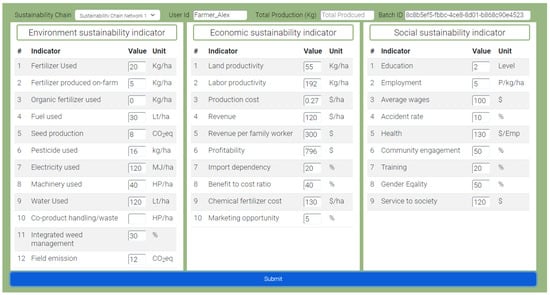
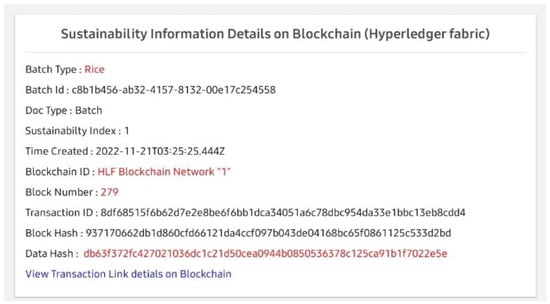
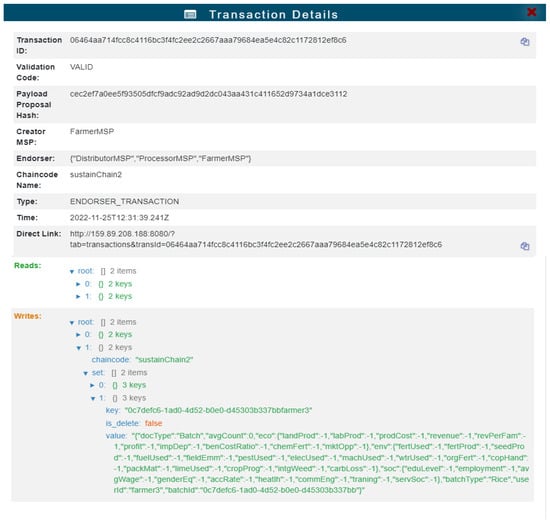
Enhancing Sustainability in Food Supply Chain: A Blockchain-Based Sustainability Information Management and Reporting System
by
Anulipt Chandan, Vidyasagar Potdar and Michele John
Cited by 1 | Viewed by 2317
Abstract
Global concern over the sustainability impacts of food products has grown considerably in recent years, driven by heightened awareness of environmental issues and the rising demand for sustainably produced foods. In response, industries are increasingly offering sustainable product options and utilizing ecolabels to
[...] Read more.
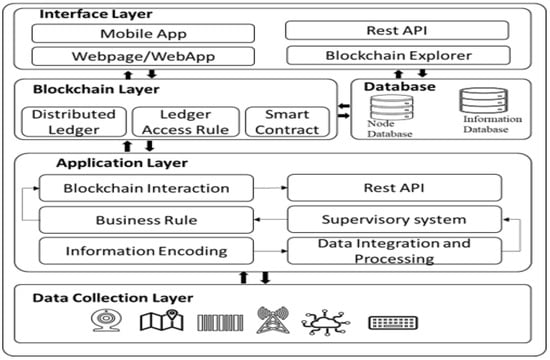
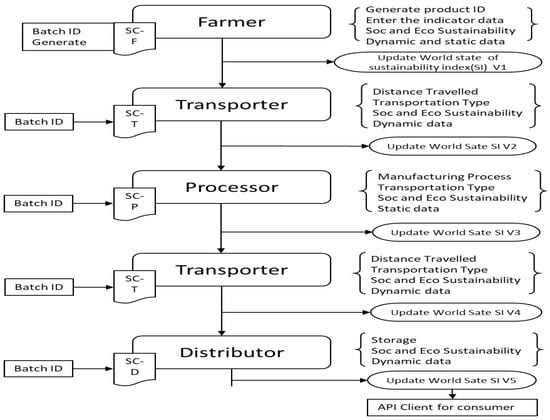
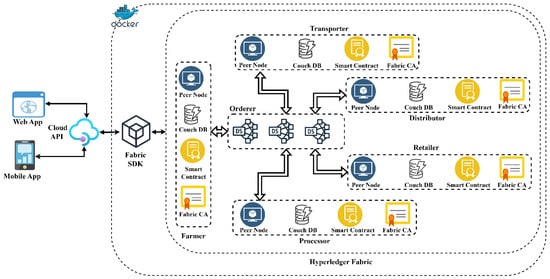
Global concern over the sustainability impacts of food products has grown considerably in recent years, driven by heightened awareness of environmental issues and the rising demand for sustainably produced foods. In response, industries are increasingly offering sustainable product options and utilizing ecolabels to communicate environmental and social impacts. While product labelling has become one of the most widely adopted tools for conveying sustainability information, existing ecolabeling approaches often face challenges of trust, transparency, and consistency. Current ecolabels are typically issued by supply-chain stakeholders or independent third-party certifiers; however, limitations in accountability and verification hinder consumer confidence. To address these challenges, this study proposes a Blockchain-based Sustainability Information Management and Reporting (BSIMR) model that integrates blockchain technology with sustainability indicators. The framework is designed to provide a standardized, transparent, and reliable approach for managing and verifying sustainability claims across food supply chains. By enhancing traceability, accountability, and consistency in sustainability auditing, the BSIMR model aims to empower consumers with trustworthy information and support industries in meeting sustainability commitments. The feasibility and applicability of the proposed framework are demonstrated through a proof-of-concept case study on sustainability information management in the rice supply chain.
Full article
►▼
Show Figures
Open AccessReview
A Comprehensive Study of Blockchain Technology and Its Role in Promoting Sustainability and Circularity across Large-Scale Industry
by
Zaheer Abbas and Seunghwan Myeong
Cited by 20 | Viewed by 9592
Abstract
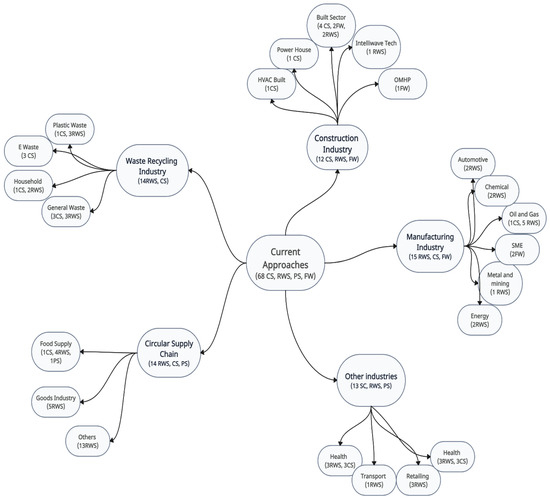
Blockchain technology has evolved as an innovative strategy that substantially transformed industries by offering a variety of applications across multiple domains including manufacturing, construction, supply chain, food, health, energy, transport and retailing industry. By offering a decentralized ledger that enables the source-tracking of
[...] Read more.
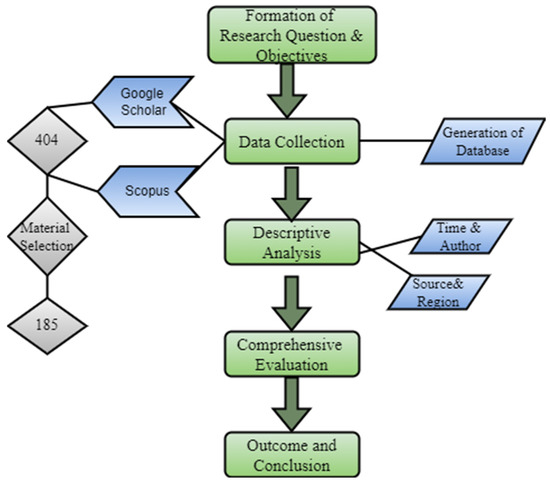
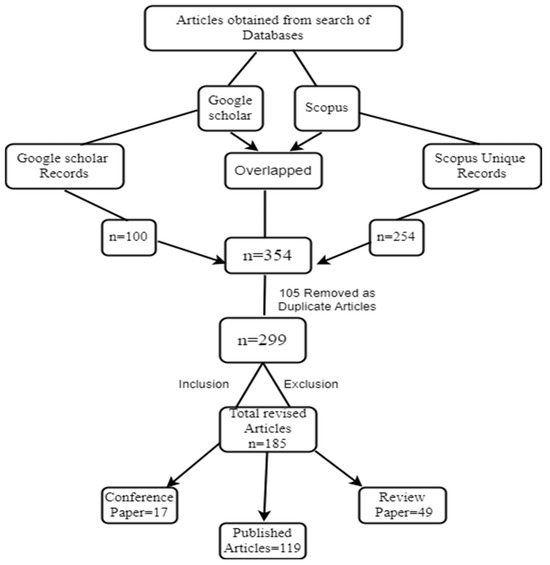
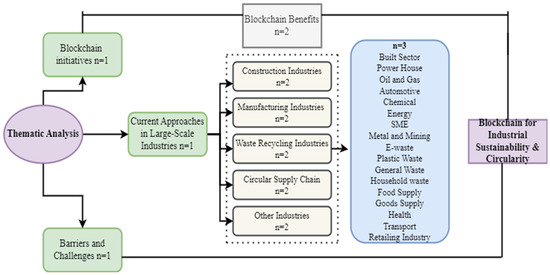
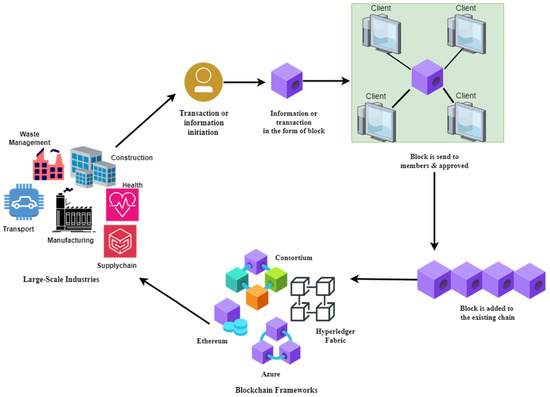
Blockchain technology has evolved as an innovative strategy that substantially transformed industries by offering a variety of applications across multiple domains including manufacturing, construction, supply chain, food, health, energy, transport and retailing industry. By offering a decentralized ledger that enables the source-tracking of materials and goods, blockchain enables a quick, safe, and open information platform. Blockchain is emerging around the globe in industries but limited studies have comprehensively examined its practical implementation toward industrial sustainability and circularity. This paper aimed to provide a comprehensive and thoughtful discussion of blockchain demand, literature gaps in blockchain implementation, type of blockchain platforms in large-scale industries and their contribution toward sustainability by utilizing the systematic literature review methodology. The descriptive analysis of 185 selected articles by thematic analysis provides an overview of the emergence of blockchain over the years and its practical implications in large-scale industries. The novelty of the paper is the in-depth discussion of the major industries of the various sectors that are utilizing different blockchain frameworks, especially P2P, in order to achieve sustainability and circularity in economy. Furthermore, the challenges and barriers that hinder blockchain adoption have also been evaluated.
Full article
►▼
Show Figures
Open AccessArticle
Cost Efficiency Evaluation of an On-Chain, Decentralized Ride-Sharing Platform
by
Georg Aschauer, Erik Sonnleitner and Marc Kurz
Cited by 4 | Viewed by 3616
Abstract
Traditional taxi providers are slowly losing their clients to online taxi providers, which are becoming increasingly popular. These companies typically provide a commercial, centralized platform in order to provide these services. The concept of centralization gives those providers significant power over their users,
[...] Read more.
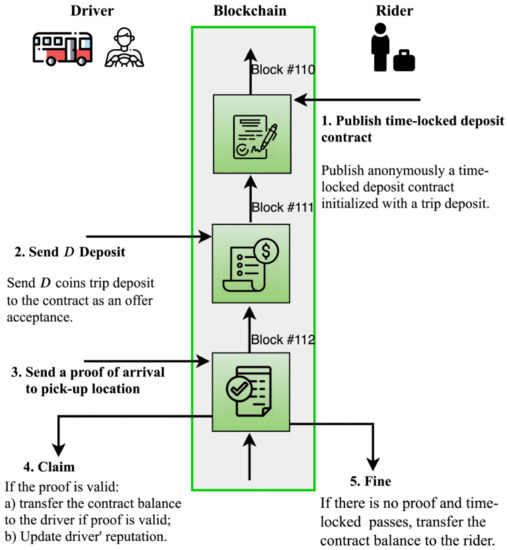
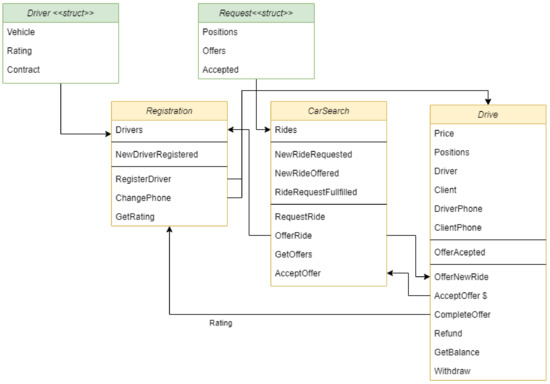
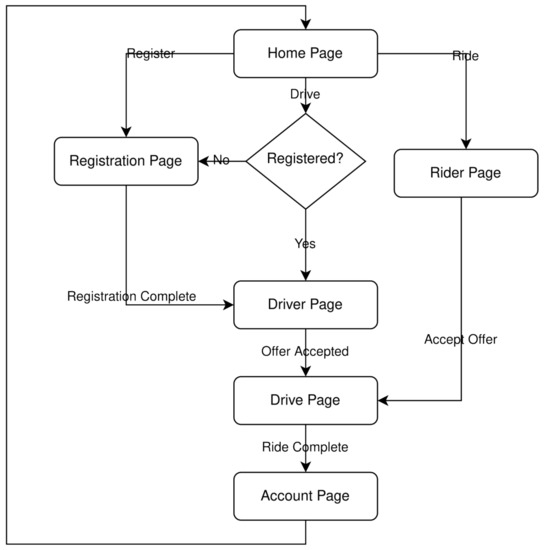
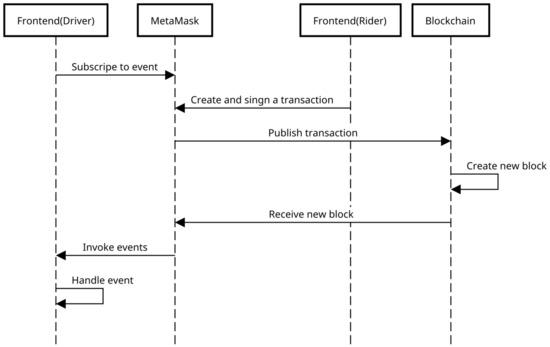
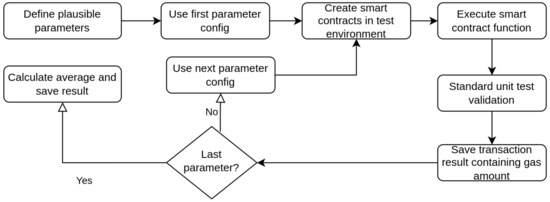
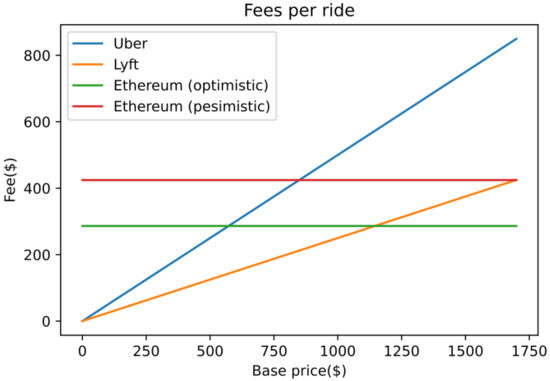
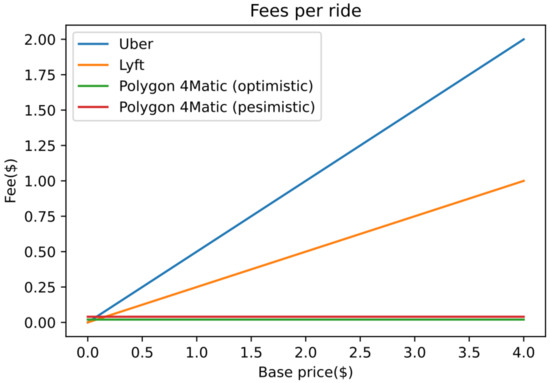
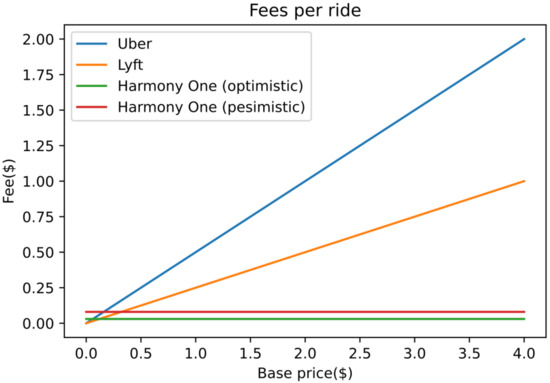
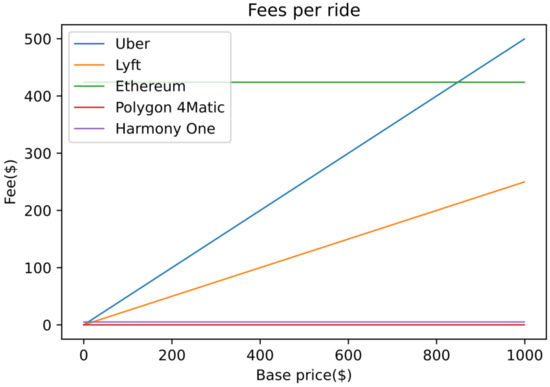
Traditional taxi providers are slowly losing their clients to online taxi providers, which are becoming increasingly popular. These companies typically provide a commercial, centralized platform in order to provide these services. The concept of centralization gives those providers significant power over their users, such as demanding and changing fees and collecting data over provided services. We aim to discuss how a decentralized approach using blockchains can solve those problems. A ride-sharing platform with the most essential functionality is implemented using a decentralized application based on smart contracts, which are, in turn, deployed on different blockchains. Various effects with respect to implementing and providing a decentralized ride-sharing service are taken in to account, especially regarding the effective cost for users. The fees of the developed platform heavily depend on which blockchain it is deployed on. Blockchains may compete in term of cost with traditional ride-sharing platforms, but choosing a suitable blockchain for the application is essential. Furthermore, the prototype shows that the time it takes for a transaction to be manifested into a block and subsequently confirmed is multiple times longer than a traditional web service response. These new problems require a new approach to implementing those requests that do not negatively affect the user experience.
Full article
►▼
Show Figures
Open AccessArticle
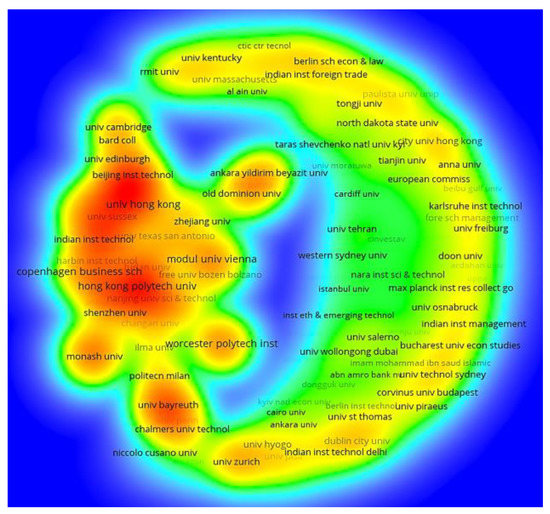
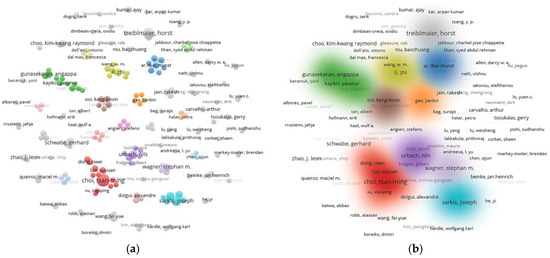
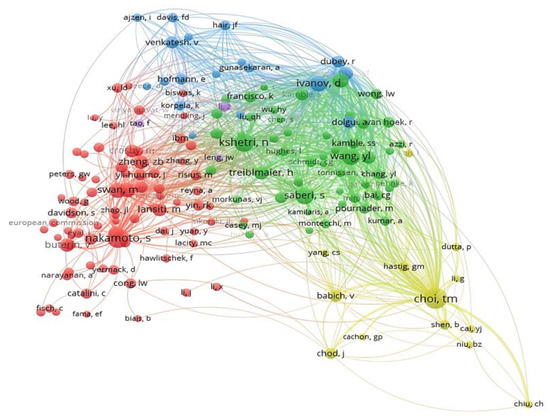
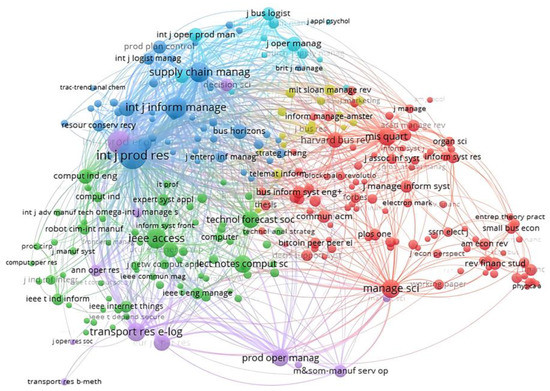
Adoption and Applications of Blockchain Technology in Marketing: A Retrospective Overview and Bibliometric Analysis
by
Mohammad Wasiq, Abu Bashar, Syed Akmal, Mustafa Raza Rabbani, Mohd Afzal Saifi, Nishad Nawaz and Youssef Tarek Nasef
Cited by 46 | Viewed by 10758
Abstract
Blockchain technology has disrupted the traditional approaches of marketing and introduced altogether contemporary marketing frameworks using its unique capabilities of decentralization, security and transparency. In recent times, this technology has attracted both academicians and practitioners to study the underlying processes and opportunities of
[...] Read more.
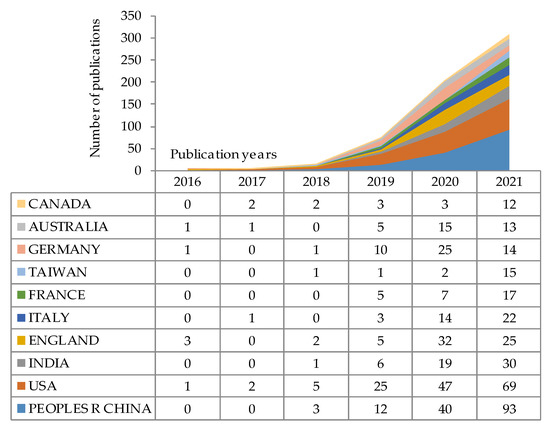
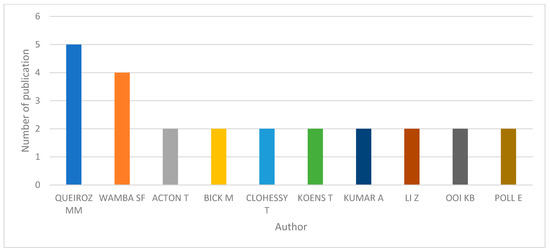
Blockchain technology has disrupted the traditional approaches of marketing and introduced altogether contemporary marketing frameworks using its unique capabilities of decentralization, security and transparency. In recent times, this technology has attracted both academicians and practitioners to study the underlying processes and opportunities of the application of blockchain technology in marketing. Although there is an increasing deliberation in researching the use of blockchain in marketing, there exists an intermittent gap in holistic overview of the current trends and future boundaries. This article is an attempt to present a comprehensive current state and prospects of expansion in the research of the application of blockchain technology in marketing using state of the art bibliometric review analysis. The bibliometric analysis using 161 articles from Scopus database revealed the influential aspects of research such as prolific authors, influential documents, countries, affiliations, sources and keywords. Moreover, emerging research streams about the application of blockchain is identified and enumerated using network synthesis and visualization of co-citation, and keywords co-occurrence networks. These findings pave the ways for future research expansion. The results shows that the research on applications of blockchain technology has been maturing over time. However, the research streams reveal that blockchain based marketing framework is still in its infancy stage.
Full article
►▼
Show Figures
Open AccessReview
Blockchain, Data Protection and P2P Energy Trading: A Review on Legal and Economic Challenges
by
Alessandra Chiarini and Lorenzo Compagnucci
Cited by 24 | Viewed by 7458
Abstract
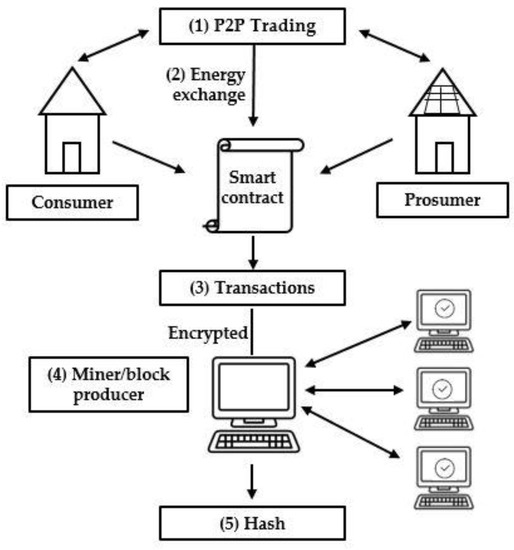
Blockchain technology (BCT) enables the automated execution of smart contracts in peer-to-peer (P2P) energy trading. BCT-based P2P platforms allow the sharing, exchange and trade of energy among consumers or prosumers as peers, fostering the decarbonization, decentralization and digitalization of the energy industry. On
[...] Read more.
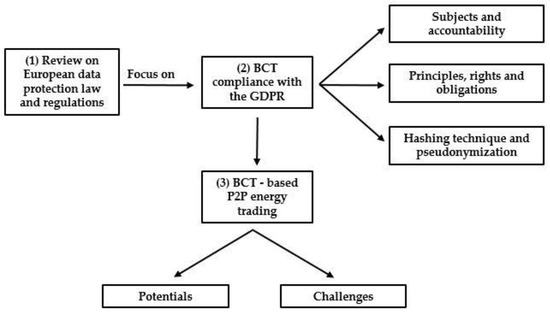
Blockchain technology (BCT) enables the automated execution of smart contracts in peer-to-peer (P2P) energy trading. BCT-based P2P platforms allow the sharing, exchange and trade of energy among consumers or prosumers as peers, fostering the decarbonization, decentralization and digitalization of the energy industry. On the other hand, BCT-based P2P energy trading relies on the collection, storage and processing of a large amount of user data, posing interdisciplinary challenges, including user anonymity, privacy, the governance of BCT systems and the role of energy market players. First, this paper seeks to review the state of the art of European data protection law and regulations by focusing on BCT compliance with the General Data Protection Regulation (GDPR) of 2018. Second, it explores both the potentials and the challenges of BCT-based P2P energy trading from a legal–economic perspective. To do so, the paper adopts an interdisciplinary approach which intertwines both law and economics, by reviewing the recent literature on BCT and P2P energy trading. Findings have revealed that the deployment of BCT-based P2P energy trading is still in its pilot stage because of technology immaturity, data protection uncertainty, incomplete disintermediation and the lack of both user awareness and collaboration among market players. Drawing on the review, the paper also proposes a selection of solutions to foster the implementation of BCT-based P2P energy trading.
Full article
►▼
Show Figures
Open AccessArticle
Knowledge Mapping Visualization Analysis of Research on Blockchain in Management and Economics
by
Yunfei Yang, Guifei Qu, Lianlian Hua and Lifeng Wu
Cited by 10 | Viewed by 3934
Abstract
As an emerging technology enabling economic, social, and environmental sustainability, blockchain has drawn considerable attention from the academic community in management and economics. It is essential to clarify this field’s research status, hotspots, and evolution trends. This study took 642 pieces of literature
[...] Read more.
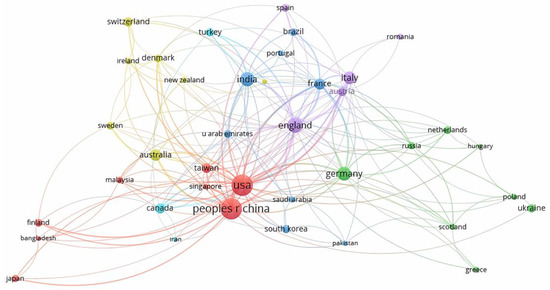
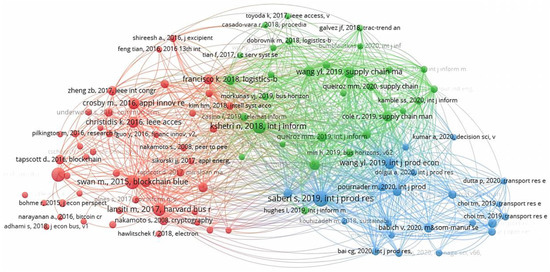
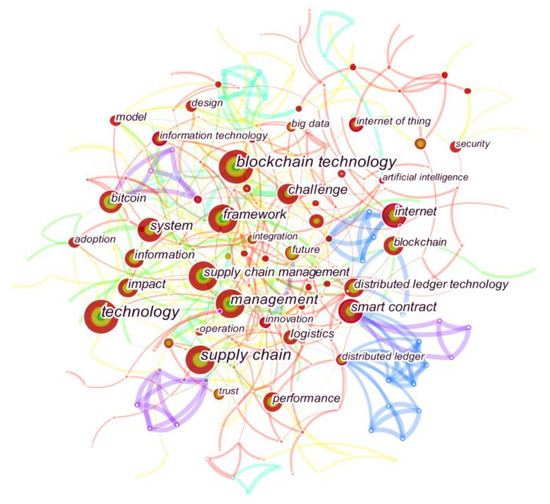
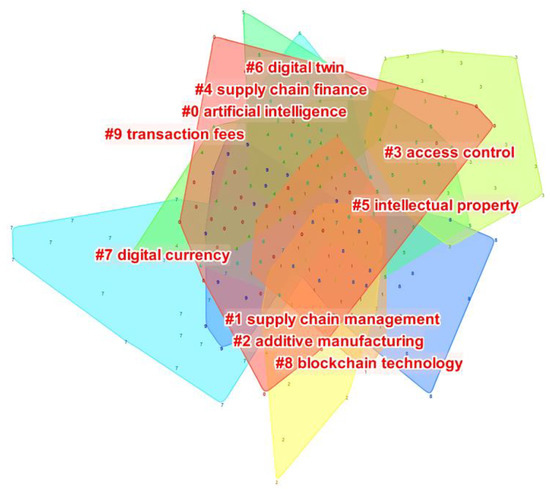
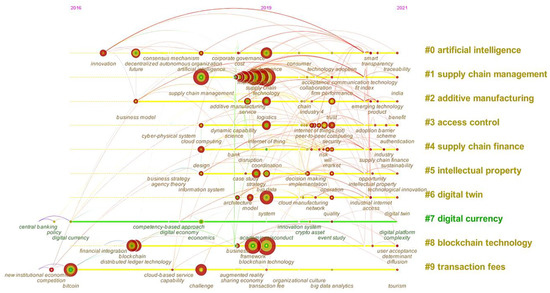
As an emerging technology enabling economic, social, and environmental sustainability, blockchain has drawn considerable attention from the academic community in management and economics. It is essential to clarify this field’s research status, hotspots, and evolution trends. This study took 642 pieces of literature on blockchain in management and economics from the Web of Science (WoS) as data sources. It combined the bibliometric knowledge mapping visualization and statistical analysis methods to conduct a systematic analysis. It is found that the United States and China are the primary core strengths, and highly influential research organizations and authors have emerged in this field. The research of blockchain in management and economics has the property of being interdisciplinary. Research hotspots are mainly distributed in the combination and application of blockchain technology and emerging technologies and the research on blockchain in supply chain management (SCM), supply chain finance, intellectual property, digital currency, and transaction costs. The evolution trends of research hotspots show a rule of overlapping commonness and individuality. This study systematically revealed the overall research development situation on blockchain in management and economics to provide some reference and inspiration for relevant researchers.
Full article
►▼
Show Figures
Open AccessArticle
A Privacy-Preserving KYC-Compliant Identity Scheme for Accounts on All Public Blockchains
by
Nigang Sun, Yuanyi Zhang and Yining Liu
Cited by 21 | Viewed by 6969
Abstract
Cryptocurrencies have the potential to enable socioeconomic growth throughout the world by offering easier access to capital and financial services. However, many virtual asset service providers (VASPs) that offer cryptocurrency services lack identity management and can be accessed anonymously, which has led to
[...] Read more.
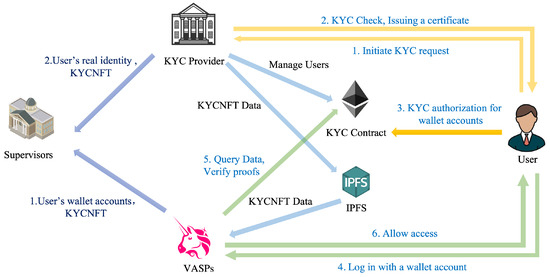
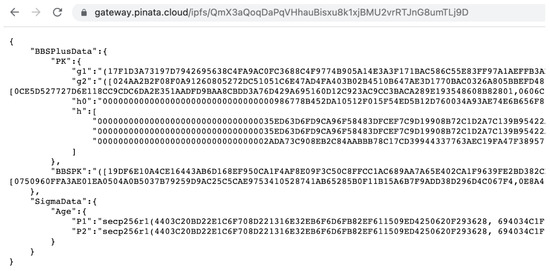
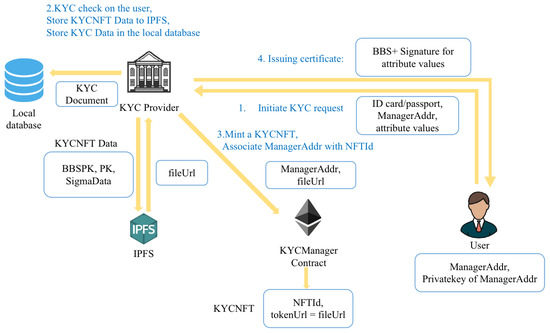
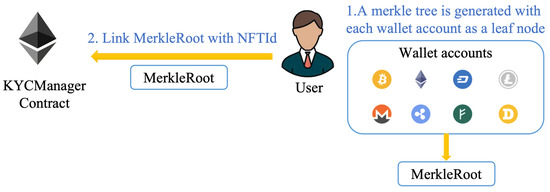
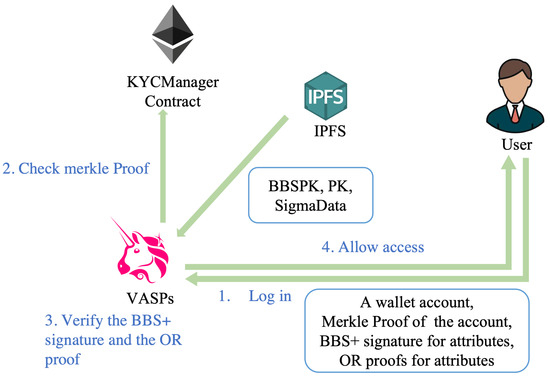
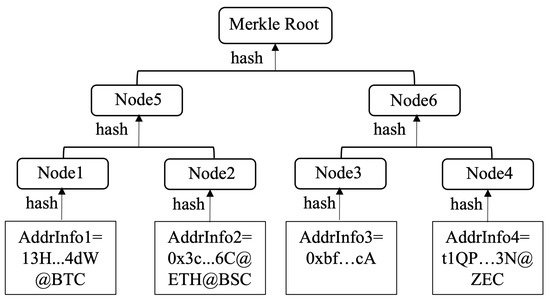
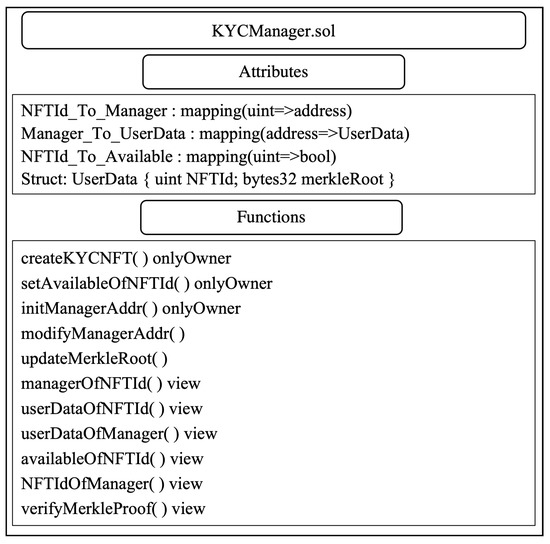
Cryptocurrencies have the potential to enable socioeconomic growth throughout the world by offering easier access to capital and financial services. However, many virtual asset service providers (VASPs) that offer cryptocurrency services lack identity management and can be accessed anonymously, which has led to their services being exploited by criminal activities such as money laundering and illegal foreign exchange. Such crimes have a negative impact on socioeconomic sustainability. Building identity systems on blockchains can help VASPs improve their identity management to combat cryptocurrency-based crimes so VASPs can better serve the social economy and achieve their sustainability goals. However, existing solutions have privacy problems because the identity provider can associate users’ identities with their wallet accounts. In addition, there is currently no solution that can support all public blockchains unconditionally, as current solutions can only support EVM-compliant blockchains or require additional work to support new blockchains. This article proposes a KYC (know your customer)-compliant identity scheme based on Ethereum using Merkle trees and smart contracts. The identity and wallet accounts are linked by the user rather than the KYC provider so, in general, no one but the user knows the association between the wallet accounts and the identity, which protects privacy. For suspicious accounts, supervisors can trace their identities and thus achieve supervision. In addition, the scheme supports identifying accounts on all public blockchains by using Merkle trees and smart contracts to bind accounts on multiple blockchains to one identity and no extra work is required. Moreover, the scheme supports users to prove that their attributes meet the requirements of VASPs by adopting the BBS+ signature and the Sigma protocol.
Full article
►▼
Show Figures
Open AccessArticle
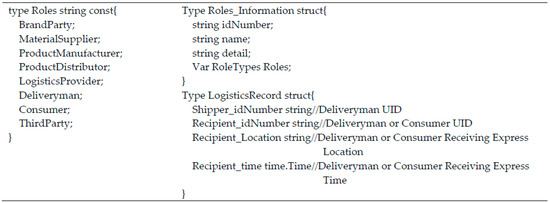
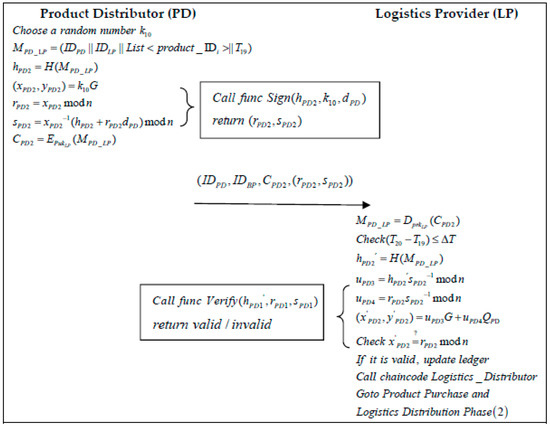
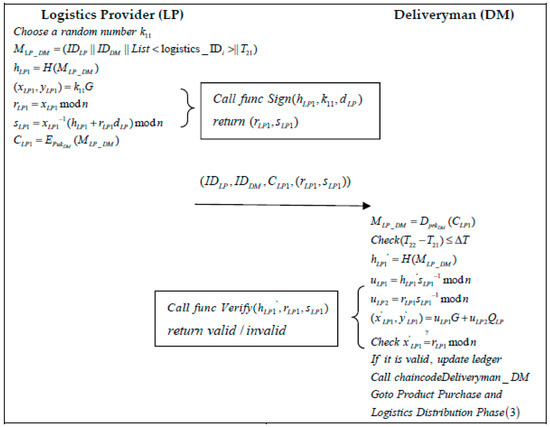
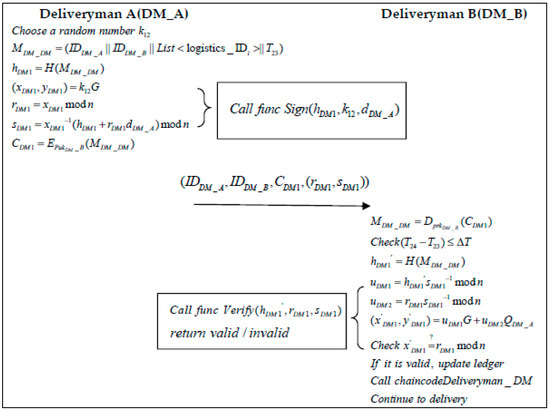
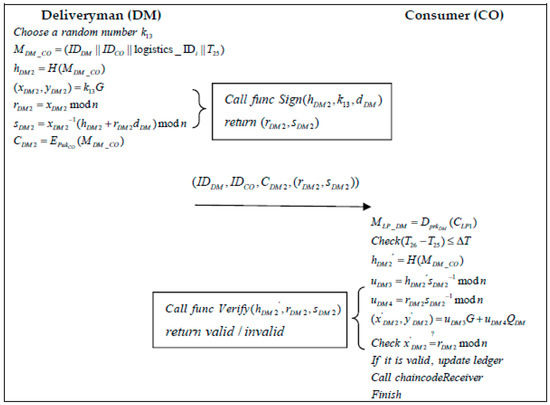
Blockchain-Based Anti-Counterfeiting Management System for Traceable Luxury Products
by
Chin-Ling Chen, Long-Hui Guo, Ming Zhou, Woei-Jiunn Tsaur, Hongyu Sun, Wanbing Zhan, Yong-Yuan Deng and Chun-Ta Li
Cited by 30 | Viewed by 9468
Abstract
In recent years, counterfeit luxury products have become a major concern for consumers worldwide. The reason for the proliferation of counterfeit products is that the manufacturing and distribution process is not transparent to consumers and this information can be easily falsified or altered
[...] Read more.
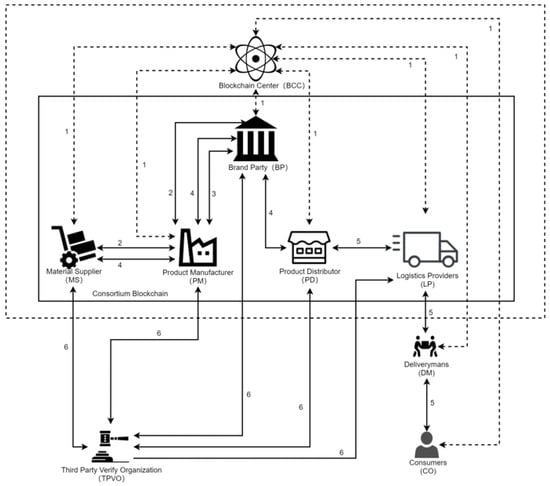
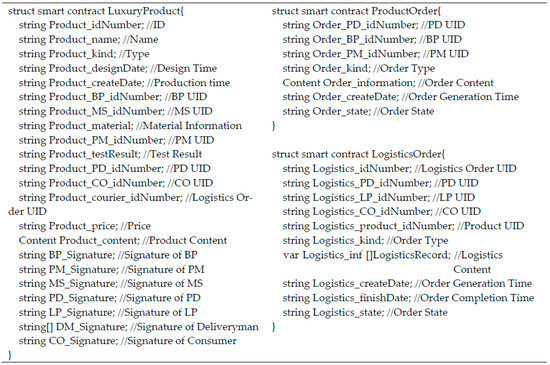
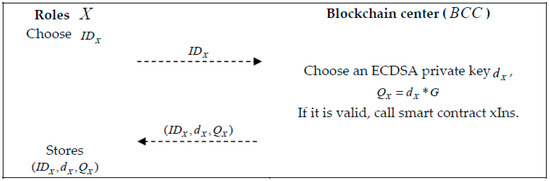
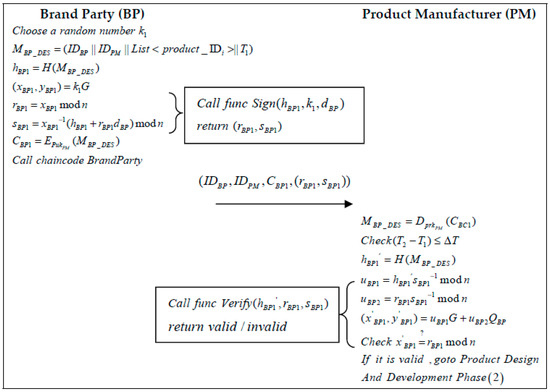
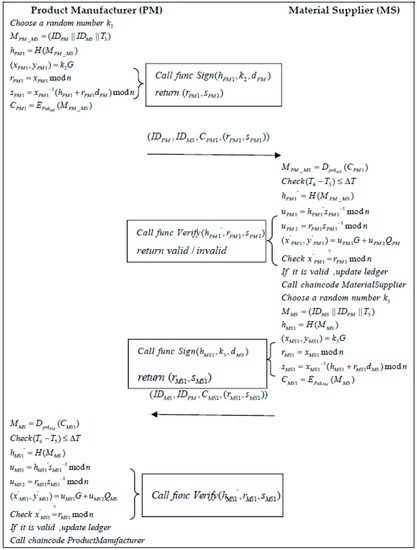
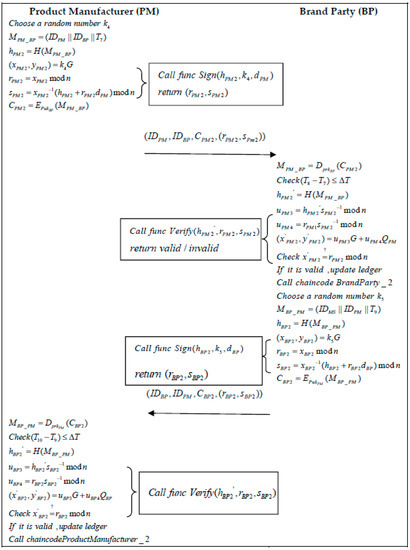
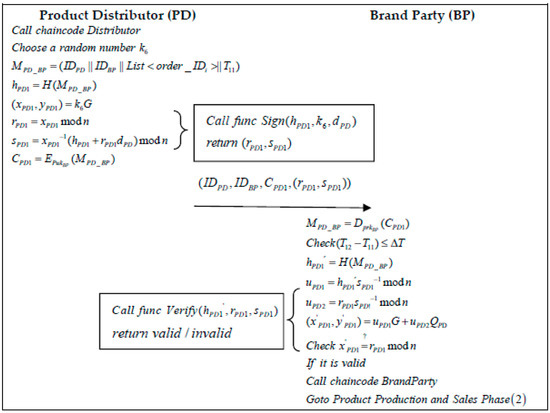
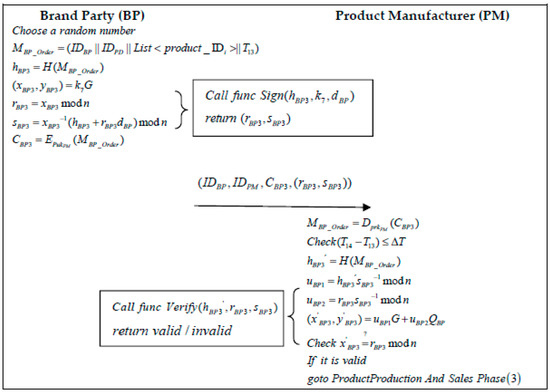
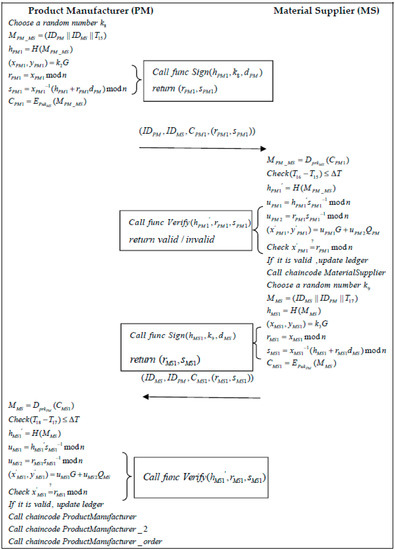
In recent years, counterfeit luxury products have become a major concern for consumers worldwide. The reason for the proliferation of counterfeit products is that the manufacturing and distribution process is not transparent to consumers and this information can be easily falsified or altered by others. To solve this problem, this paper proposes the development of a management system using blockchain and smart contract technology to solve the problems of data forgery and data tampering, while tracking the information related to luxury products and ensuring the accuracy and authenticity of the relevant data, to achieve the purpose of luxury product anti-counterfeiting. When using Hyperledger Fabric to deploy the blockchain and execute smart contracts, all information related to the production and logistics process of luxury goods will be uploaded to the blockchain. No human intervention is required to create a complete, traceable, tamper-proof, and trusted repository. Compared to previous work, this paper combines blockchain technology with specific processes in the supply chain, employing a variety of security methods to secure the communication process. Moreover, our proposed solution is more flexible in transmission, with more secure protocols also making data harder to tamper with and falsify, thereby solving the problem of forgery and tracking of luxury products.
Full article
►▼
Show Figures
Open AccessArticle
Factors Affecting Organisations’ Adoption Behaviour toward Blockchain-Based Distributed Identity Management: The Sustainability of Self-Sovereign Identity in Organisations
by
Sarah Mulombo Mulaji and Sumarie Roodt
Cited by 12 | Viewed by 3930
Abstract
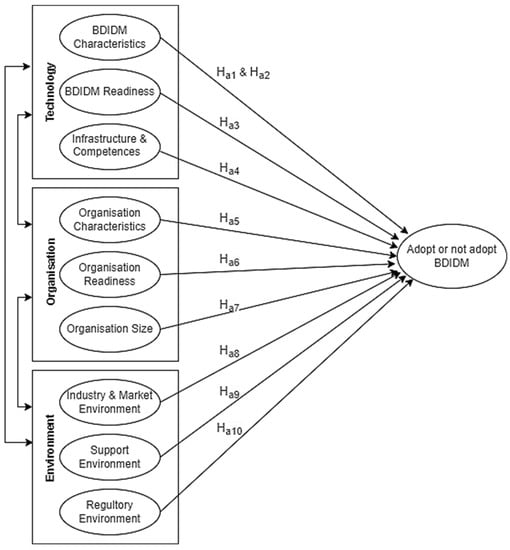
Blockchain-based Distributed Identity Management (BDIDM) can enhance sustainable identification and authentication of users on organisations’ digital systems. But there is not a clear consensus on how organisations perceive the value proposition of such technology, nor what might affect their adoption behaviour toward it.
[...] Read more.
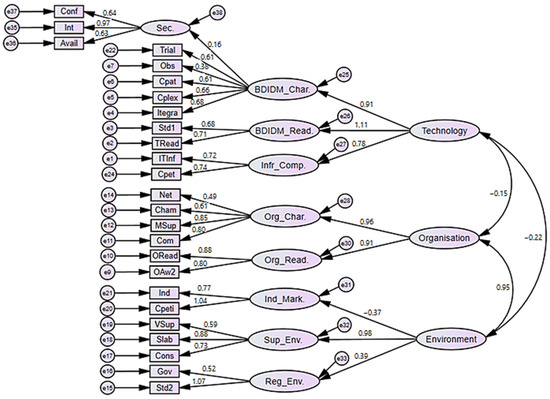
Blockchain-based Distributed Identity Management (BDIDM) can enhance sustainable identification and authentication of users on organisations’ digital systems. But there is not a clear consensus on how organisations perceive the value proposition of such technology, nor what might affect their adoption behaviour toward it. This research explains how technological, organisational and environmental (TOE) factors affect organisations’ adoption behaviour toward BDIDM. This study aims to determine the most critical factors affecting the behaviour while assessing the effectiveness and appropriateness of the model involved, i.e., TOE-BDIDM. Online questionnaires are used to survey 111 information and cybersecurity practitioners within South African organisations. The analysis combines binary logistic regression modelling, Structural Equation Modelling of the measurement model, and chi-squared tests. The results suggest TOE factors positively or negatively affect adoption behaviour. The behaviour is significantly affected by technology characteristics, i.e., BDIDM’s disruptive nature, and is associated with Blockchain type. Indeed, the majority of participants intended to recommend BDIDM to their organisations yet paradoxically preferred private-permissioned blockchain the most, revealing resistance to decentralised and privacy-preserving BDIDM models like Self-Sovereign Identity (SSI). The latter might be utopian or unsustainable for organisations. TOE-BDIDM was found relatively appropriate and effective but arguably ‘incomplete’ for explaining the adoption of disruptive technologies like SSI in organisations. TOE should extend to TOEU by including the User factors.
Full article
►▼
Show Figures
Open AccessReview
Blockchain-Based Land Management for Sustainable Development
by
Ivana Racetin, Jelena Kilić Pamuković, Mladen Zrinjski and Marina Peko
Cited by 23 | Viewed by 9084
Abstract
In recent years, many papers have been published on the topics of the blockchain (BC) and blockchain technology (BCT). Some papers put BCT in the context of land registries (LRs), land cadastres (LCs), land registration, land administration (LA) and land management (LM) and
[...] Read more.
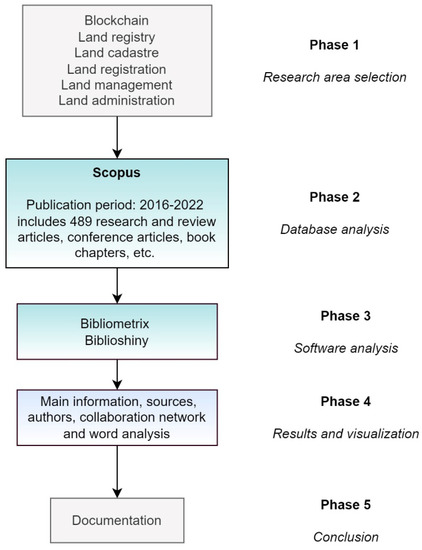
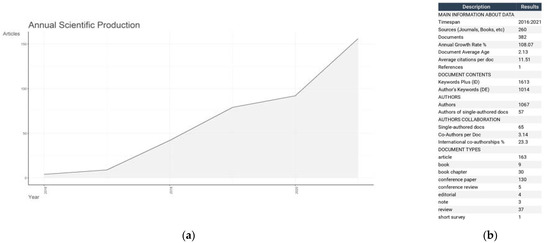
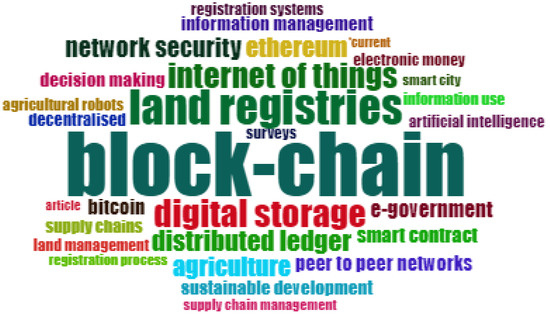
In recent years, many papers have been published on the topics of the blockchain (BC) and blockchain technology (BCT). Some papers put BCT in the context of land registries (LRs), land cadastres (LCs), land registration, land administration (LA) and land management (LM) and its implementation benefits. Some eight years later, from its beginnings in 2014, the question of the future of the proposed concept and whether it has one, has been raised. The Scopus database was analysed using bibliometric analysis methodology and Rstudio software with the Bibliometrix R-package and the Shiny package environment. Based on this research, significant interest and growth in the topic was found in both technical and land-governance directions. Different approaches to the topic have been established in the global north and global south. From today’s perspective, the future of BCT in both worlds is guaranteed.
Full article
►▼
Show Figures
Open AccessReview
Leveraging Blockchain Technology in Supply Chain Sustainability: A Provenance Perspective
by
Lewis A. Njualem
Cited by 19 | Viewed by 9838
Abstract
Technological advancements in the past few decades have played a critical role in enhancing supply chain management from varied dimensions. While advancements in information technology have significantly improved various facets of the supply chain, supply chain visibility still lags in tracking and tracing
[...] Read more.
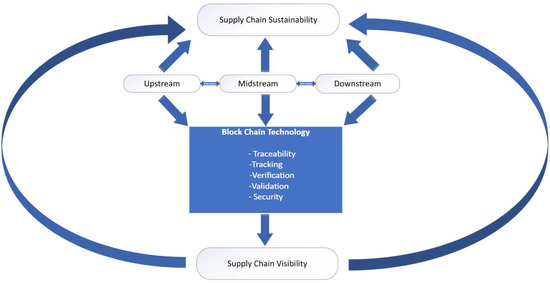
Technological advancements in the past few decades have played a critical role in enhancing supply chain management from varied dimensions. While advancements in information technology have significantly improved various facets of the supply chain, supply chain visibility still lags in tracking and tracing capabilities. The disruptive and emergent blockchain technology (BCT) presents enormous potential to address issues of supply chain sustainability. This paper seeks to evaluate the proximity of BCT to resolve provenance issues throughout the supply chain. The research considers the immaturity of BCT alongside limited success stories in supply chain management. It uses a content analysis methodology to examine recent literature about using BCT in supply chain sustainability and provenance. A conceptual model for using BCT to create an enabled, visible, and sustainable supply chain is provided to frame the investigation. Findings reveal that the benefits of BCT have mostly been conceptually demonstrated in the sustainable supply chain literature, but with few practical applications. Moreover, technically driven challenges including scalability and control are still prevalent. It reaffirms the fact that participants within a blockchain enabled supply chain network must be at the same level of knowledge regarding the technology and its functionality. The study also indicates evidence of a growing research interest in the niche, which will eventually bring about solutions to address ongoing challenges faced by BCT in its integration into supply chain management. These findings contribute to the literature about improving the security and utility of supply chain sustainability and provenance by using BCT.
Full article
►▼
Show Figures
Open AccessArticle
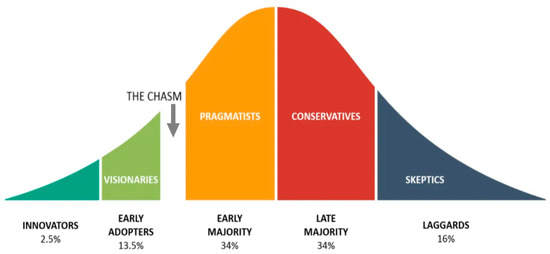
Items and Constructs of Blockchain Adoption in Software Development Industry: Experts Perspective
by
Ammar AL-Ashmori, P. D. D. Dominic and Narinderjit Singh Sawaran Singh
Cited by 13 | Viewed by 4431
Abstract
The use of Blockchain is becoming a matter of increasing importance, yet the software development industry has not given Blockchain adoption enough consideration. As a result of their inability to modify their software process within the project life cycle, many software development companies
[...] Read more.
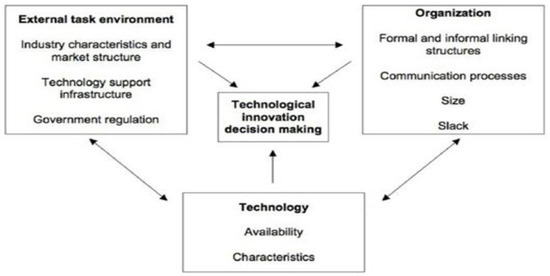
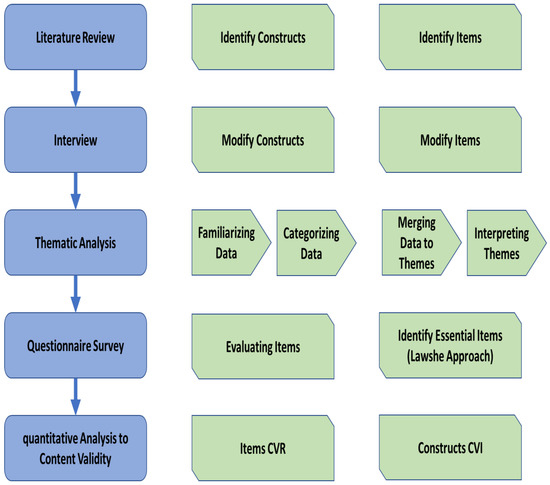
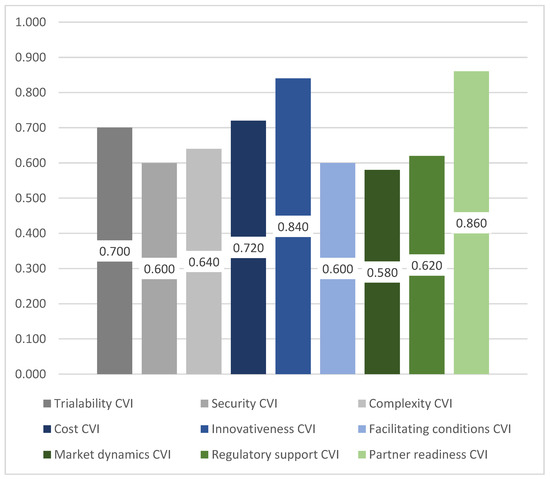
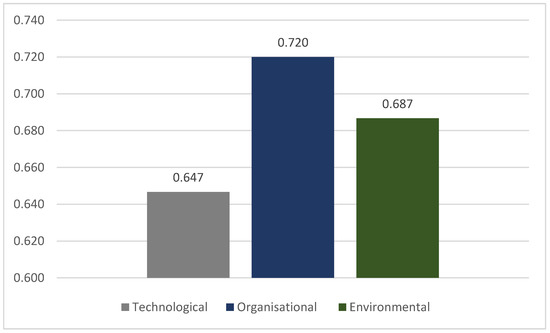
The use of Blockchain is becoming a matter of increasing importance, yet the software development industry has not given Blockchain adoption enough consideration. As a result of their inability to modify their software process within the project life cycle, many software development companies struggle to [adopt Blockchain technology. This is because Blockchain Oriented Software (BOS) and its projects have distinctive characteristics that are distinct from traditional software and projects. The constructs and their items to adopt Blockchain in Software development industry have not been identified or investigated. This study aimed to identify technological, organizational, and environmental constructs and their items to adopt Blockchain. Utilizing a quantitative validation approach, 10 interviews and 25 assessment questionnaires were analyzed. The results reveal the identified technological, organizational, and environmental constructs and their items to adopt Blockchain. Experts unanimously agreed with Content Validity Ratio (
CVR) results. According to most evaluation questionnaire forms and interview transcripts, the top technological construct was “Trialability” and the top organizational construct was “Cost” while the top environmental construct was “Market Dynamics.” All other constructs and their items were applicable, as indicated by most evaluation questionnaire forms and interview transcripts. This research gives a comprehensive list of technological, organizational, and environmental constructs and their items that demand the attention of Blockchain adoption researchers and industry players in the software development sector.
Full article
►▼
Show Figures
Open AccessArticle
Exploratory Research on the Use of Blockchain Technology in Recruitment
by
Nermin Kişi
Cited by 38 | Viewed by 10014
Abstract
In recent years, human resource (HR) professionals have struggled with problems such as reduced efficiency, increased cost, fraud risks, and time-consuming procedures in the process of finding and hiring the right talent for companies. Blockchain technology has emerged as a powerful tool to
[...] Read more.
In recent years, human resource (HR) professionals have struggled with problems such as reduced efficiency, increased cost, fraud risks, and time-consuming procedures in the process of finding and hiring the right talent for companies. Blockchain technology has emerged as a powerful tool to solve these problems and transform the recruitment process. The aim of this study is to investigate the opportunities, challenges, possible solutions, and prospects for blockchain technology adoption in recruitment. In order to achieve this aim, exploratory research has been conducted through a combination of a comprehensive literature review and a structured interview with experts in the field of human resource management (HRM) and blockchain. Thematic analysis has been used to analyze qualitative data. The findings reveal that blockchain-based recruitment systems enhance the recruitment processes by offering opportunities such as increasing the speed and reliability of the transactions and reducing costs and routine workload. Thus, it provides a sustainable competitive advantage to the companies. However, these systems have some technological, organizational, and environmental challenges that can be addressed in the long term. In the future, it is expected that the use of blockchain technology in recruitment processes will be a gradual process and will change the role of recruiters.
Full article
Open AccessArticle
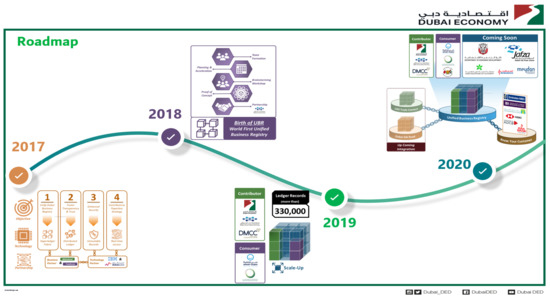
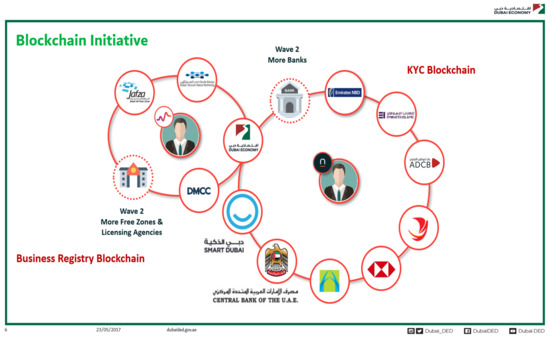
Blockchain for Governments: The Case of the Dubai Government
by
Shafaq Khan, Mohammed Shael, Munir Majdalawieh, Nishara Nizamuddin and Mathew Nicho
Cited by 52 | Viewed by 22612
Abstract
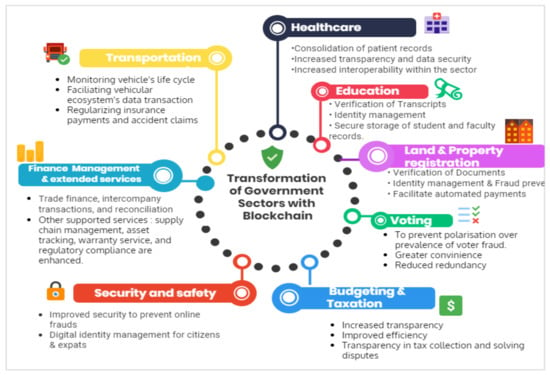
Blockchain technology is an innovative technology with the potential of transforming cities by augmenting the building of resilient societies and enabling the emergence of more transparent and accountable governments. To understand the capabilities of blockchain, as well as its impact on the public
[...] Read more.
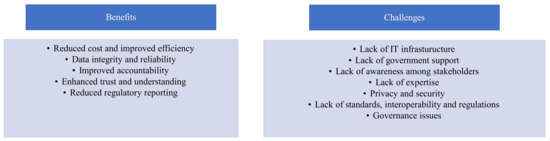
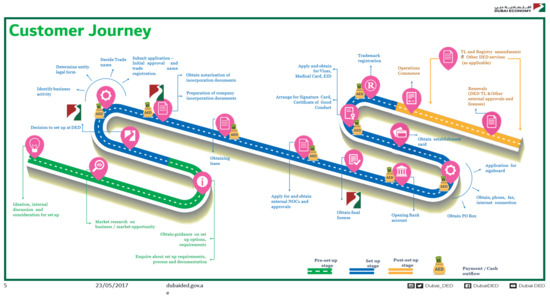
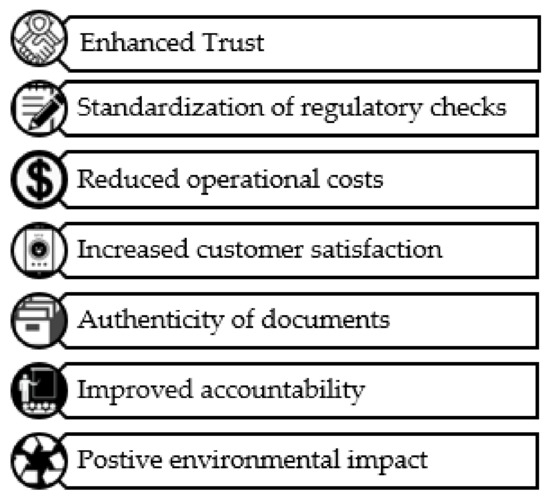
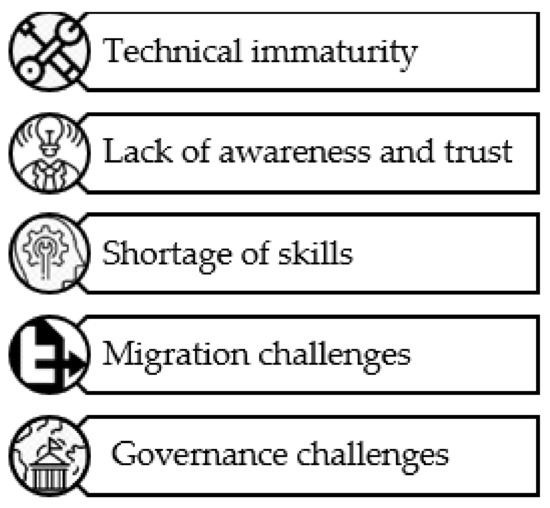
Blockchain technology is an innovative technology with the potential of transforming cities by augmenting the building of resilient societies and enabling the emergence of more transparent and accountable governments. To understand the capabilities of blockchain, as well as its impact on the public sector, this study conducted a review of blockchain technology and its implementations by various governments around the globe. E-government evolution is analyzed, based on empirical evidence from a Dubai government entity in the United Arab Emirates (UAE), which has utilized blockchain technology for developing end-user services, relevant to the public sector. Benefits achieved and challenges to overcome in such blockchain-based pilot deployments are discussed. The findings of this study offer new insights for practitioners involved in bringing in innovations for the benefit of society, using blockchain technology. Furthermore, it provides insights into policy actions to be developed to address the future challenges and to improve already existing e-government policies. The results of this research will benefit all blockchain-based pilot deployments by providing guidance and knowledge on this immature yet developing technology.
Full article
►▼
Show Figures
Open AccessArticle
A Fair Method for Distributing Collective Assets in the Stellar Blockchain Financial Network
by
Kiarash Shamsi, Mohammad Javad Shayegan, Mueen Uddin and Chin-Ling Chen
Cited by 2 | Viewed by 3292
Abstract
One of the most popular platforms in token-based banking is the flexible Stellar platform. The wide range of Stellar’s features allows companies to use it in modern cryptocurrency and token-based banking. This network charges a fee for each transaction. A percentage of the
[...] Read more.
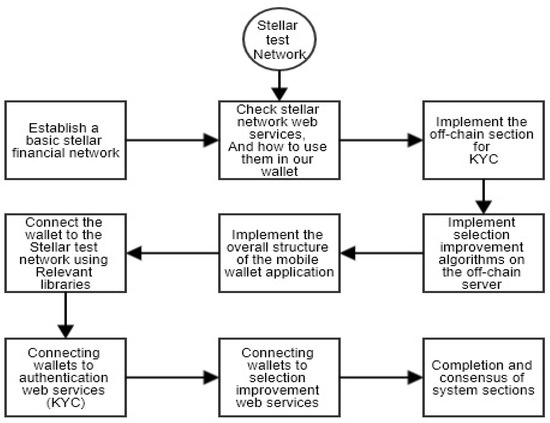
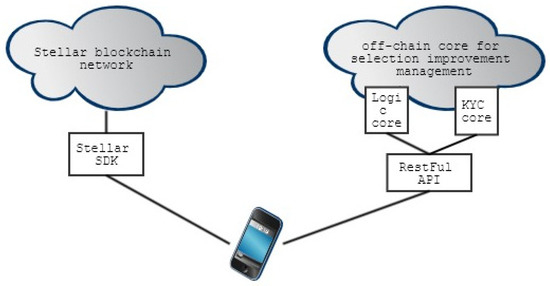
One of the most popular platforms in token-based banking is the flexible Stellar platform. The wide range of Stellar’s features allows companies to use it in modern cryptocurrency and token-based banking. This network charges a fee for each transaction. A percentage of the net amount is generated as the inflation rate of the network due to the increased number of tokens. These fees and inflationary amounts are aggregated into a general account and ultimately distributed among the network members on a collective-vote basis. In this mechanism, network users select an account as the destination to which they wish to transfer assets using their user interface, generally a wallet. This account could be the account of charities that need this help. The target distribution network is then determined based on the voting results of all members. One of the challenges in this network is the targeted and fair distribution of these funds between accounts. In this paper, the first step is a complete infrastructure of a Stellar financial network that will consist of three network-based segments of the core network, an off-chain server, and a wallet interface. In the second step, a context-aware recommendation system is implemented to solve the targeted management of payroll account selection. The results of this study concerning the importance of the targeted division of collective assets show a context-aware recommendation system as a solution to improve the process of Stellar users’ participation in the voting process.
Full article
►▼
Show Figures
Open AccessEditor’s ChoiceReview
Classifications of Sustainable Factors in Blockchain Adoption: A Literature Review and Bibliometric Analysis
by
Ammar AL-Ashmori, Shuib Bin Basri, P. D. D. Dominic, Luiz Fernando Capretz, Amgad Muneer, Abdullateef Oluwagbemiga Balogun, Abdul Rehman Gilal and Rao Faizan Ali
Cited by 46 | Viewed by 7323
Abstract
Blockchain is a cutting-edge technology that is transforming and reshaping many industries. Hence, the adoption of Blockchain is becoming an increasingly significant topic. The number of publications discussing the potential of Blockchain adoption has been expanding significantly. In addition, not enough attention has
[...] Read more.
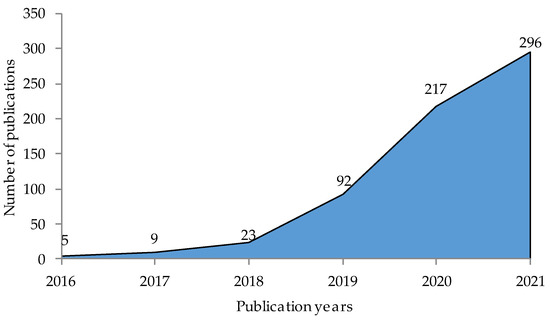
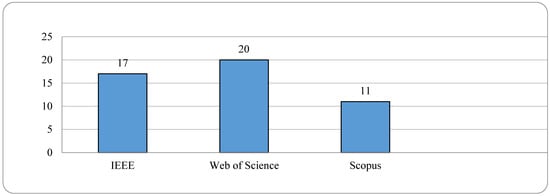
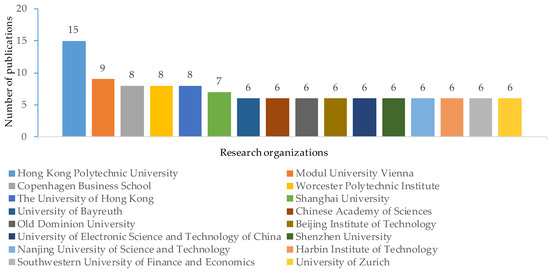
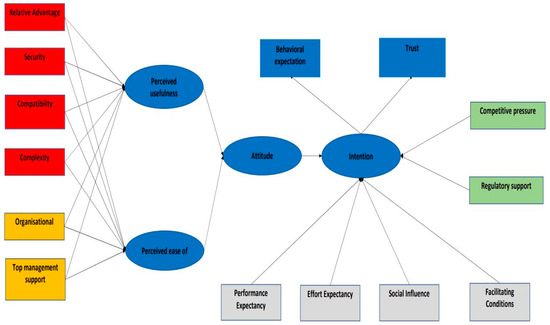
Blockchain is a cutting-edge technology that is transforming and reshaping many industries. Hence, the adoption of Blockchain is becoming an increasingly significant topic. The number of publications discussing the potential of Blockchain adoption has been expanding significantly. In addition, not enough attention has been given to Blockchain adoption in the software development industry. As a result, a systematic overview to investigate the research trends in this area is needed. This study uses a Scientometric analysis and critical review to examine the evolution of Blockchain adoption research on the Web of Science Principal Collection. In addition, a systematic literature review (SLR) was conducted to identify gaps in Blockchain adoption research and the top reasons for adopting Blockchain with the intention of proposing a sustainable adoption framework. This study extends the body of knowledge by discussing the most influential countries, authors, organizations, publication themes, and most cited publications on Blockchain adoption research. Additionally, this study identifies the 30 relevant studies from the Web of Science and Scopus, including their industries, countries, methods, and respondent sample size, and the top 18 adoption factors among them. Consequently, this study proposes a suitable Blockchain adoption framework based on these top 18 factors. Finally, this study’s aim and unique contribution is to serve as an initial launching point for upcoming Blockchain adoption in software development industry research.
Full article
►▼
Show Figures
Open AccessArticle
Going beyond Cryptocurrencies: The Social Representation of Blockchain
by
Luiz Antonio Joia and Juliana Aparecida Pinto Vieira
Cited by 9 | Viewed by 4043
Abstract
This study investigates the social representation of Blockchain from the perspective of professionals in Brazil, herein considered as a proxy for emerging markets, and then compares the results found with the existing academic literature on the concept of Blockchain. To do that, the
[...] Read more.
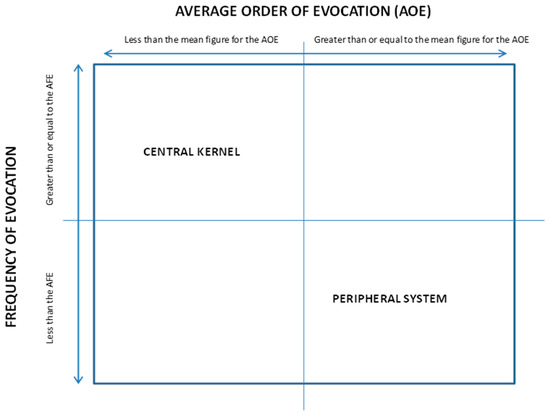
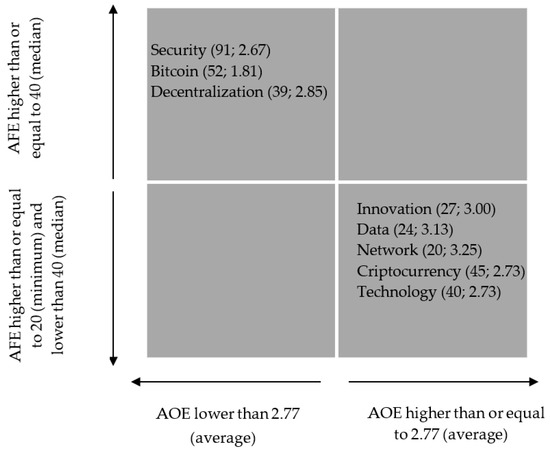
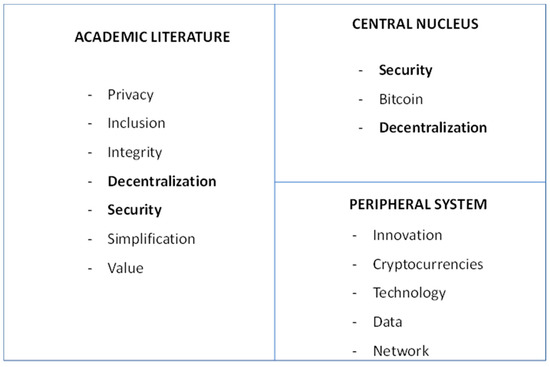
This study investigates the social representation of Blockchain from the perspective of professionals in Brazil, herein considered as a proxy for emerging markets, and then compares the results found with the existing academic literature on the concept of Blockchain. To do that, the social representation theory was applied, operationalized through the words evocation technique. Security, bitcoin and decentralization were the categories located in the central nucleus of the social representation of Blockchain, while innovation, data, network, cryptocurrency, and technology were the categories located in the peripheral system. Based on the results obtained, there was a perceived strong association of Blockchain with bitcoin, one of its applications, and a dissonance between the existing academic literature and the perception of Brazilian professionals about the concept of Blockchain, as the latter is a privilege of the technical and operational issues of Blockchain to the detriment of its strategic potential. This dissonance can cause Blockchain initiatives to have results below expectations. Finally, Brazilian professionals did not realize the potential for inclusion of Blockchain in an emerging market such as Brazil and did not notice the need and relevance of a specific legal governance for Blockchain, an issue also forgotten by academia.
Full article
►▼
Show Figures
Open AccessReview
Blockchain: Future of e-Governance in Smart Cities
by
Abhirup Khanna, Anushree Sah, Vadim Bolshev, Michal Jasinski, Alexander Vinogradov, Zbigniew Leonowicz and Marek Jasiński
Cited by 57 | Viewed by 12965
Abstract
In recent times, Blockchain has emerged as a transformational technology with the ability to disrupt and evolve multiple domains. As a decentralized, immutable distributed ledger, Blockchain technology is one of the most recent entrants to the comprehensive ideology of Smart Cities. The rise
[...] Read more.
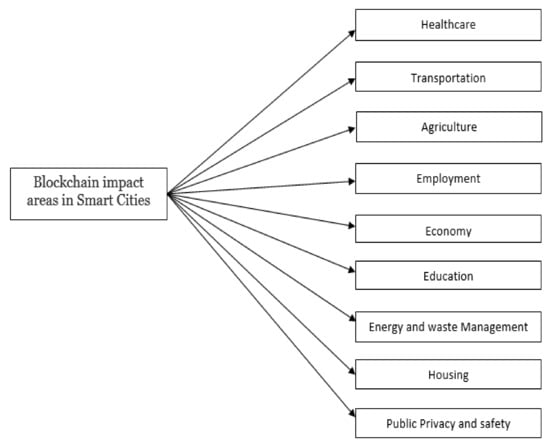
In recent times, Blockchain has emerged as a transformational technology with the ability to disrupt and evolve multiple domains. As a decentralized, immutable distributed ledger, Blockchain technology is one of the most recent entrants to the comprehensive ideology of Smart Cities. The rise of urbanization and increased citizen participation have led to various technology integrations in our present-day cities. For cities to become smart, we need standard frameworks and procedures for integrating technology, citizens and governments. In this paper, we explore the potential of Blockchain technology as an enabler for e-governance in smart cities. We examine the daily challenges of citizens and compare them with the benefits being offered by Blockchain integration. On the basis of a comprehensive literature review, we identified four key areas of e-governance wherein Blockchain can provide monumental advantages. In the context of Blockchain integration for e-governance, the paper presents a survey of prominent published works discussing various urban applications.
Full article
►▼
Show Figures
Open AccessReview
Toward Blockchain Technology in the Energy Environment
by
Yahia Baashar, Gamal Alkawsi, Ammar Ahmed Alkahtani, Wahidah Hashim, Rina Azlin Razali and Sieh Kiong Tiong
Cited by 34 | Viewed by 6470
Abstract
Energy management and exchange have increasingly shifted from concentrated to hierarchical modes. Numerous issues have arisen in the decentralized energy sector, including the storage of customer data and the need to ensure data integrity, fairness, and accountability in the transaction phase. The problem
[...] Read more.
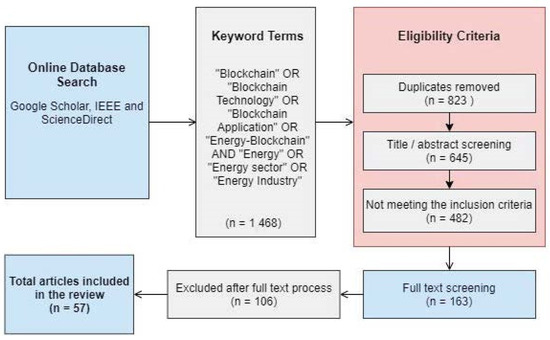
Energy management and exchange have increasingly shifted from concentrated to hierarchical modes. Numerous issues have arisen in the decentralized energy sector, including the storage of customer data and the need to ensure data integrity, fairness, and accountability in the transaction phase. The problem is that in the field of the innovative technology of blockchain and its applications, with the energy sector still in the developmental stages, there is still a need for more research to understand the full capacity of the technology in the field. The main aim of this work was to investigate the state of the current research of blockchain technologies as well as their application within the field of energy. This work also set out to identify certain research gaps and provide a set of recommendations for future directions. Among these research gaps is the application of blockchain in decentralized storage, the integration of blockchain with artificial intelligence, and security and privacy concerns, which have not received much attention despite their importance. An analysis of fifty-seven carefully reviewed studies revealed that the emerging blockchain which provides privacy-protection technologies in cryptography and other areas that can be integrated to address users’ privacy concerns is another aspect that needs further investigation. Grid operations, economies, and customers will all learn from blockchain technology as it provides disintermediation, confidentiality, and tamper-proof transfers. Moreover, it provides innovative ways for customers and small solar generators to participate more actively in the electricity sector and to benefit from their properties. Blockchains are a rapidly evolving field of research and growth. A study of this emerging technology is necessary to increase comprehension, to educate the body of expertise on blockchains, and to realize its potential. This study recommends that future work investigates the potential application of blockchain in the energy sector as well as the challenges that face its implementation from the perspective of policy makers. This future approach will enable researchers to direct their focus to the case studies approach, which will facilitate and ease the application of blockchain technology.
Full article
►▼
Show Figures
Open AccessArticle
The Quality Control System of Green Composite Wind Turbine Blade Supply Chain Based on Blockchain Technology
by
Hang Yu, Senlai Zhu and Jie Yang
Cited by 10 | Viewed by 3962
Abstract
Nowadays, blockchain technology is expected to promote the quality control of traditional industry due to its traceability, transparency and non-tampering characteristics. Although blockchain could offer the traditional industry new energy, there are still some predictable difficulties in the early stage of its application,
[...] Read more.
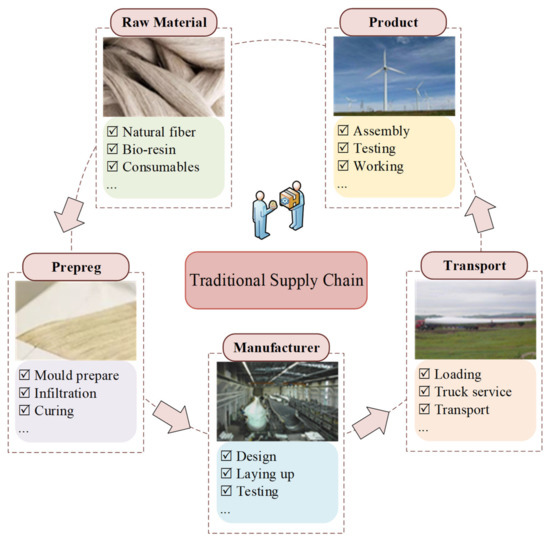
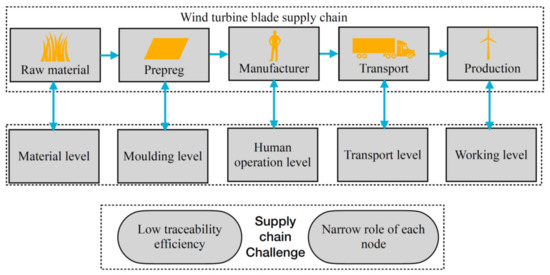
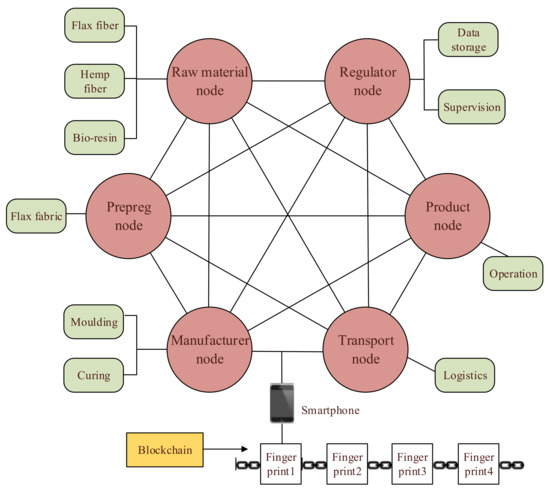
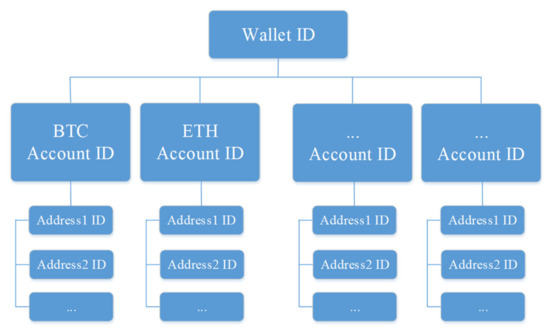
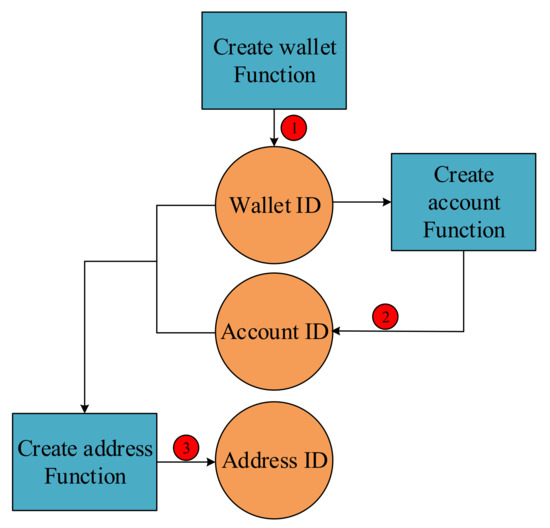
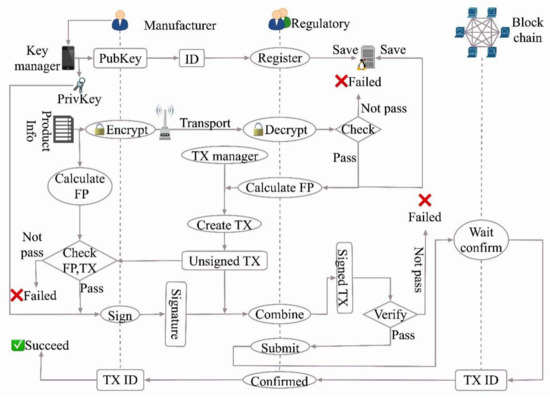
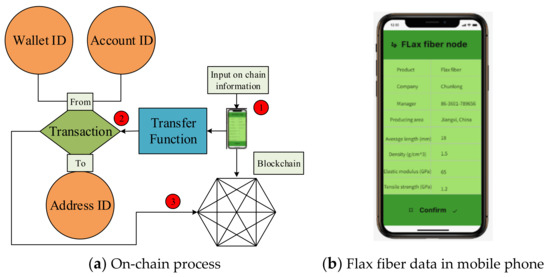
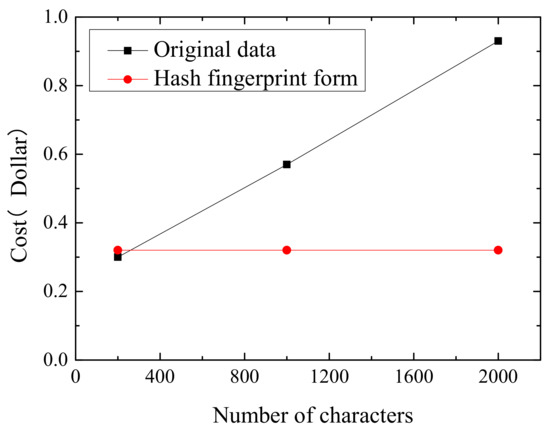
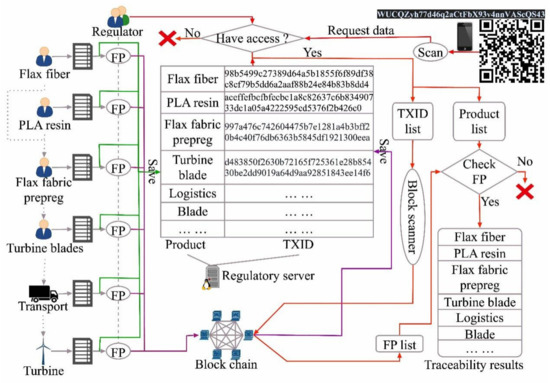
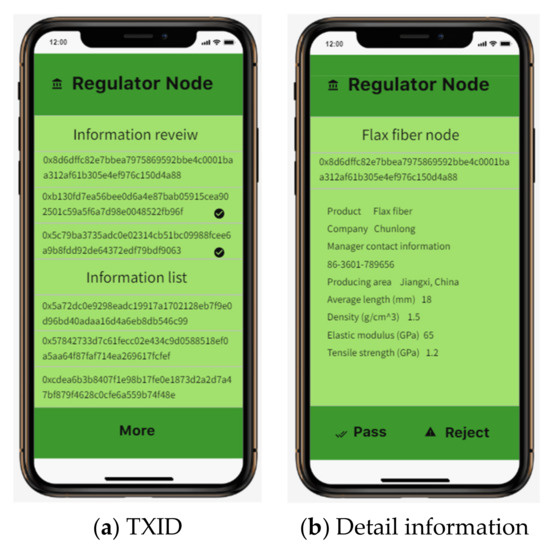
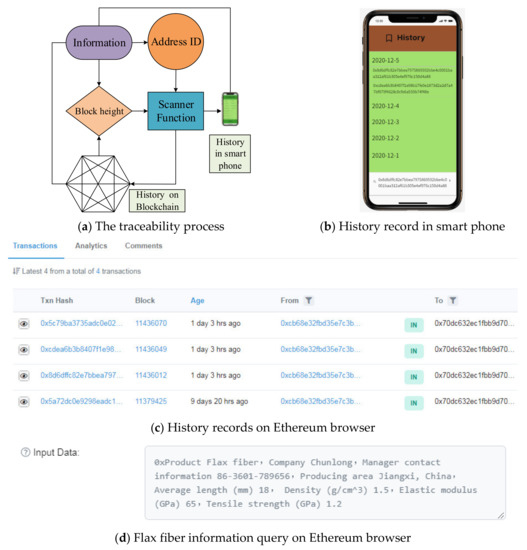
Nowadays, blockchain technology is expected to promote the quality control of traditional industry due to its traceability, transparency and non-tampering characteristics. Although blockchain could offer the traditional industry new energy, there are still some predictable difficulties in the early stage of its application, such as the structure of the blockchain-based system, the role of regulators in the system and high transaction fee by block packing. In this paper, we establish a pioneering quality control system for the green composite wind turbine blade supply chain based on blockchain technology. Firstly, the framework of this system is proposed to ensure that the quality of the product could not only be examined and verified by regulator, but also be monitored by other related nodes. Next, we develop a new way to store the data by hash fingerprint and the cost of transaction fees is significantly reduced in the case of a large amount of data. Then, the information on-chain method is developed to realize the data traceability of each node. At last, the tests of this system are carried out to prove its validity, the satisfactory results are obtained and information supervision and sharing role of the regulators are discussed.
Full article
►▼
Show Figures
Open AccessArticle
The Sustainable Development of Financial Topic Detection and Trend Prediction by Data Mining
by
Yunmei Liu, Shuai Zhang, Min Chen, Yenchun Wu and Zhengxian Chen
Cited by 51 | Viewed by 5694
Abstract
Blockchain technology is the most cutting-edge technology in the field of financial technology, which has attracted extensive attention from governments, financial institutions and investors of various countries. Blockchain and finance, as an interdisciplinary, cross-technology and cross-field topic, has certain limitations in both theory
[...] Read more.
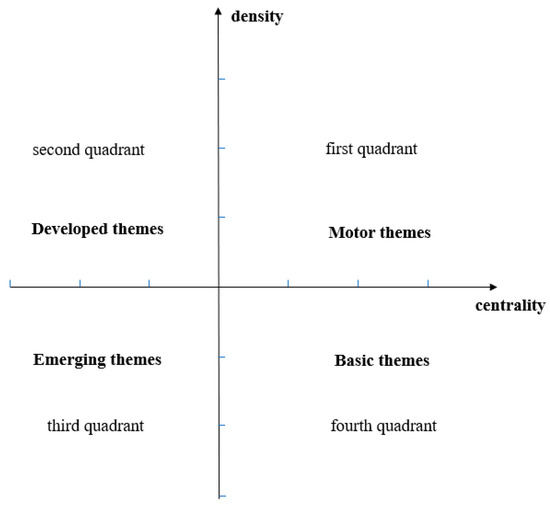
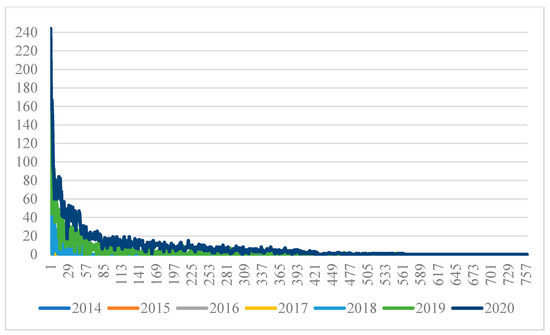
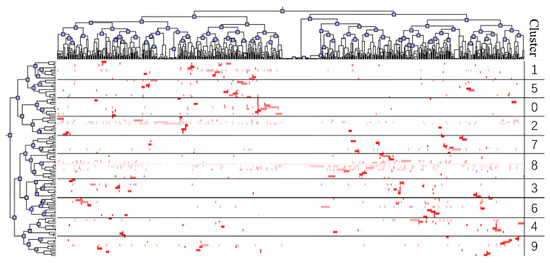
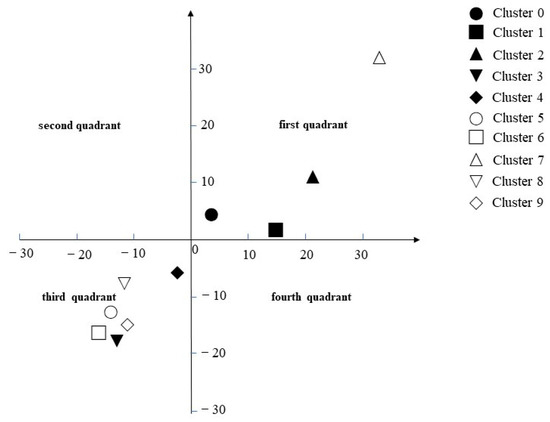
Blockchain technology is the most cutting-edge technology in the field of financial technology, which has attracted extensive attention from governments, financial institutions and investors of various countries. Blockchain and finance, as an interdisciplinary, cross-technology and cross-field topic, has certain limitations in both theory and application. Based on the bibliometrics data of Web of Science, this paper conducts data mining on 759 papers related to blockchain technology in the financial field by means of co-word analysis, bi-clustering algorithm and strategic coordinate analysis, so as to explore hot topics in this field and predict the future development trend. The experimental results found ten research topics in the field of blockchain combined with finance, including blockchain crowdfunding, Fintech, encryption currency, consensus mechanism, the Internet of Things, digital financial, medical insurance, supply chain finance, intelligent contract and financial innovation. Among them, blockchain crowdfunding, Fintech, encryption currency and supply chain finance are the key research directions in this research field. Finally, this paper also analyzes the opportunities and risks of blockchain development in the financial field and puts forward targeted suggestions for the government and financial institutions.
Full article
►▼
Show Figures
Open AccessArticle
Critical Dimensions of Blockchain Technology Implementation in the Healthcare Industry: An Integrated Systems Management Approach
by
Satyabrata Aich, Sushanta Tripathy, Moon-Il Joo and Hee-Cheol Kim
Cited by 10 | Viewed by 4901
Abstract
In the digital era, almost every system is connected to a digital platform to enhance efficiency. Although life is thus improved, security issues remain important, especially in the healthcare sector. The privacy and security of healthcare records is paramount; data leakage is socially
[...] Read more.
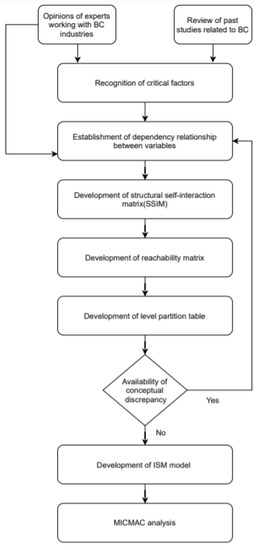
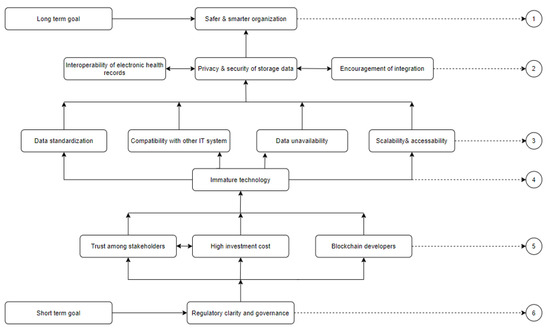
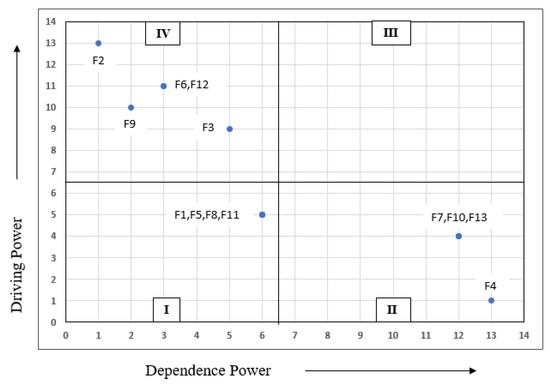
In the digital era, almost every system is connected to a digital platform to enhance efficiency. Although life is thus improved, security issues remain important, especially in the healthcare sector. The privacy and security of healthcare records is paramount; data leakage is socially unacceptable. Therefore, technology that protects data but does not compromise efficiency is essential. Blockchain technology has gained increasing attention as it ensures transparency, trust, privacy, and security. However, the critical factors affecting efficiency require further study. Here, we define the critical factors that affect blockchain implementation in the healthcare industry. We extracted such factors from the literature and from experts, then used interpretive structural modeling to define the interrelationships among these factors and classify them according to driving and dependence forces. This identified key drivers of the desired objectives. Regulatory clarity and governance (F2), immature technology (F3), high investment cost (F6), blockchain developers (F9), and trust among stakeholders (F12) are key factors to consider when seeking to implement blockchain technology in healthcare. Our analysis will allow managers to understand the requirements for successful implementation.
Full article
►▼
Show Figures