
Special Issue "Agricultural Economics and Sustainable Food Consumption"

A special issue of Sustainability (ISSN 2071-1050). This special issue belongs to the section "Sustainable Food".

Deadline for manuscript submissions: 31 October 2021.

Special Issue Editor

Prof. Dr. Rosa Maria Fanelli
E-Mail Website
Guest Editor
Department of Economics, University of Molise, 86100 Campobasso, Italy
Interests: agritourism sector; agri-food sector; food waste; consumer behavior; impact of agriculture on natural resources; rural development

Special Issue Information

Dear Colleagues,

Agricultural economics can be defined as “the application of the social science of economics to the field of agriculture.” However, given the multifunctional role covered by agriculture, the fields of study covered by researchers actually encompass several topics, such as food and consumer economics, production and farm management economics, and development economics. In the last few years, another important topic has caught on: the sustainability of the food system. This thematic requires a thorough understanding of the relationships between food consumption behaviors, processing and distribution activities, and agricultural production practices. Consumers, in fact, may have a role in the sustainability of the food system by altering their food choices in terms of dietary shifts, of choice among similar products with different sustainability-related attributes, and towards food waste reduction. Furthermore, the importance attached by consumers to sustainability issues plays a key role in the attempt of pursuing Sustainable Development Goals as it may represent a key driver for the development of policy oriented toward this purpose. This Special Issue aims to study consumer attitudes and preferences towards food products and the health and sustainability of the food system. Many authors have highlighted that the food choice is determined by a wide variety of factors such as availability, accessibility, beliefs, perceived barriers, perceived benefits and taste preferences. Understanding of these determinants in relation to sustainable foods and eating patterns is instrumental for marketers, product developers and those working in public health to increase the uptake of sustainable foods and sustainable eating patterns by a significant part of consumers.

The studies of this Special Issue are expected to address:

- sustainable food systems

- sustainable food consumption

- consumer attitudes

- food choice behaviors

- sustainable utilization and management of food waste

In the light of the above, I invite you to submit proposals in form of research, articles, case studies, and best practices.

Prof. Dr. Rosa Maria Fanelli
Guest Editor

Manuscript Submission Information

Manuscripts should be submitted online at www.mdpi.com by registering and logging in to this website. Once you are registered, click here to go to the submission form. Manuscripts can be submitted until the deadline. All papers will be peer-reviewed. Accepted papers will be published continuously in the journal (as soon as accepted) and will be listed together on the special issue website. Research articles, review articles as well as short communications are invited. For planned papers, a title and short abstract (about 100 words) can be sent to the Editorial Office for announcement on this website.

Submitted manuscripts should not have been published previously, nor be under consideration for publication elsewhere (except conference proceedings papers). All manuscripts are thoroughly refereed through a single-blind peer-review process. A guide for authors and other relevant information for submission of manuscripts is available on the Instructions for Authors page. Sustainability is an international peer-reviewed open access semimonthly journal published by MDPI.

Please visit the Instructions for Authors page before submitting a manuscript. The Article Processing Charge (APC) for publication in this open access journal is 1900 CHF (Swiss Francs). Submitted papers should be well formatted and use good English. Authors may use MDPI's English editing service prior to publication or during author revisions.

Keywords

  • sustainable food production
  • sustainable food consumption
  • agricultural production practices
  • consumer attitudes
  • sustainable food waste management

Published Papers (4 papers)

Order results
Result details
Select all
Export citation of selected articles as:

Research

Article
The Effects of Tunnel Technology on Crop Productivity and Livelihood of Smallholder Farmers in Nepal
Sustainability 2021, 13(14), 7935; https://doi.org/10.3390/su13147935 - 16 Jul 2021
Viewed by 748
Abstract
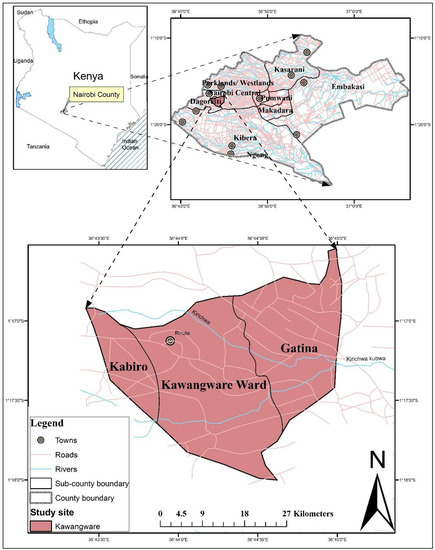
Technologies-based production practices are critical for agricultural growth and sustainable development in low-income countries like Nepal. In the last few years, tunnel house has been increasingly promoted as tools to enhance smallholder farmers’ livelihood and tackle climate adversaries. However, little is known about [...] Read more.
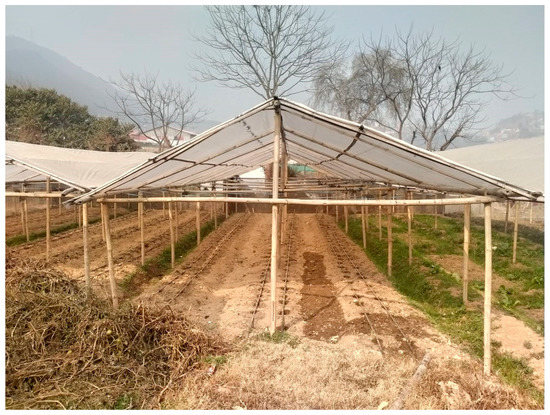
Technologies-based production practices are critical for agricultural growth and sustainable development in low-income countries like Nepal. In the last few years, tunnel house has been increasingly promoted as tools to enhance smallholder farmers’ livelihood and tackle climate adversaries. However, little is known about what factor determines its adoption and whether it helps smallholders adapt to climate change and experience better livelihood. We address these gaps using the cross-sectional survey data collected from 62 adopters and 92 non-adopters in three municipalities of Bagmati Province. We employed descriptive analysis and probit model and found out that age, farm size, and ethnicity strongly influence the technology adoption amongst smallholder farmers. Additionally, treatment model and ordinary least square (OLS) regression were utilized to examine tunnel technology’s effect. Our study shows that tunnel significantly increases production by 32 tons/year/hectare and protects crops from climate change effects such as heavy rainfall and temperature change. Likewise, tunnel technology increases the net crop income by $1700/year/hectare. However, the economic benefit is not substantial compared to technology’s adoption cost as adopters incur enormous costs of $12,000/year/hectare on equipment, labor and resources. These results suggest policymakers should concentrate on reducing the technology’s cost, which could be achieved through subsidies, financial support, or price control mechanisms. Ensuring technology’s affordability can contribute to smallholder farmers’ sustainable livelihood in Nepal and countries with similar contexts. Full article
(This article belongs to the Special Issue Agricultural Economics and Sustainable Food Consumption)
Show Figures

Figure 1
Article
Credit Constraint and Rural Household Welfare in the Mezam Division of the North-West Region of Cameroon
Sustainability 2021, 13(11), 5964; https://doi.org/10.3390/su13115964 - 25 May 2021
Viewed by 457
Abstract
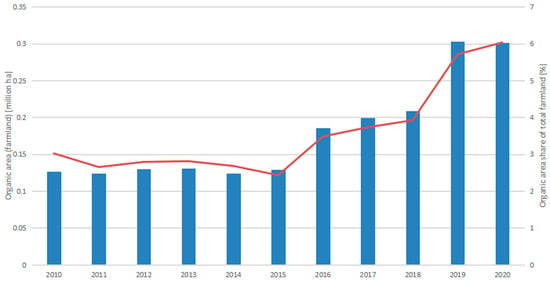
The purpose of this study is to examine the effect of the rural household’s head and household characteristics on credit accessibility. This study also seeks to investigate how credit constraint affects rural household welfare in the Mezam division of the North-West region of [...] Read more.
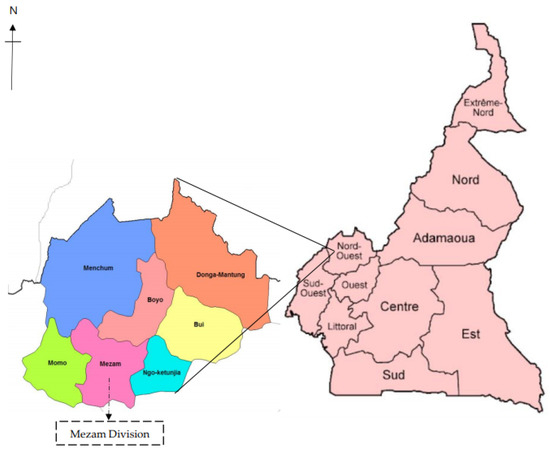
The purpose of this study is to examine the effect of the rural household’s head and household characteristics on credit accessibility. This study also seeks to investigate how credit constraint affects rural household welfare in the Mezam division of the North-West region of Cameroon. Using data from a household survey questionnaire, we found that 36.88% of the households were credit-constrained, while 63.13% were unconstrained. A probit regression model was used to examine the determinants of households’ credit access, while an endogenous switching regression model was used to analyze the impact of credit constraint on household welfare. The results from the probit regression model indicate the importance of the farmer’s or trader’s organization membership, occupation, and savings to the household’s likelihood of being credit-constrained. On the other hand, a prediction from the endogenous switching regression model confirms that households with access to credit have a better standard of welfare than a constrained household. From the results, it is necessary for the government to subsidize microfinance institutions, so that they can take on the risk of offering credit to rural households. Full article
(This article belongs to the Special Issue Agricultural Economics and Sustainable Food Consumption)
Show Figures

Figure 1
Article
Ecosystem-Based Food Production: Consumers′ Preferred Practices and Willingness to Buy and Pay
Sustainability 2021, 13(8), 4542; https://doi.org/10.3390/su13084542 - 19 Apr 2021
Viewed by 506
Abstract
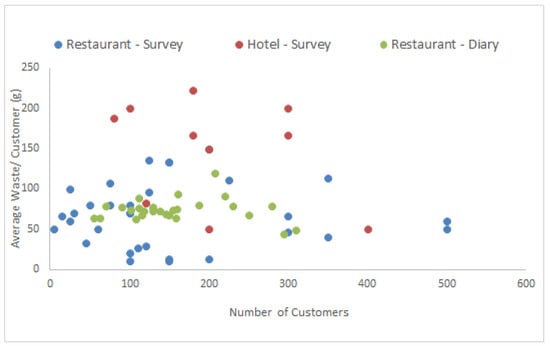
Ecosystem-based agricultural practices that utilize ecosystem processes aim to either reduce the negative externalities of agricultural production or increase the production of ecosystem services other than food provision. We examined consumer interest in buying and paying for food produced using ecosystem-based agricultural practices. [...] Read more.
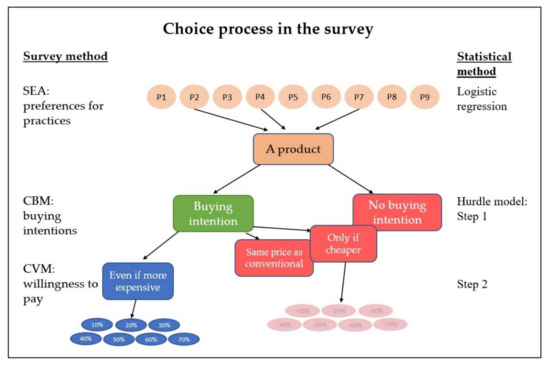
Ecosystem-based agricultural practices that utilize ecosystem processes aim to either reduce the negative externalities of agricultural production or increase the production of ecosystem services other than food provision. We examined consumer interest in buying and paying for food produced using ecosystem-based agricultural practices. According to the results, the most preferred practices were the more efficient use of livestock manure, the use of nitrogen-fixing crops, biological pest control, and the addition of soil carbon. Having these practices as an attribute of a food product increased the interest in buying the product for 43% of consumers. Their median willingness to pay (WTP) was 20% higher than for conventional products. Using socioeconomic and attitudinal variables, a hurdle model revealed the characteristics of a consumer segment interested in ecosystem-based agricultural practices. Full article
(This article belongs to the Special Issue Agricultural Economics and Sustainable Food Consumption)
Show Figures

Figure 1
Article
Modelling Attitude towards Consumption of Vegan Products
Sustainability 2021, 13(1), 9; https://doi.org/10.3390/su13010009 - 22 Dec 2020
Cited by 1 | Viewed by 1939
Abstract
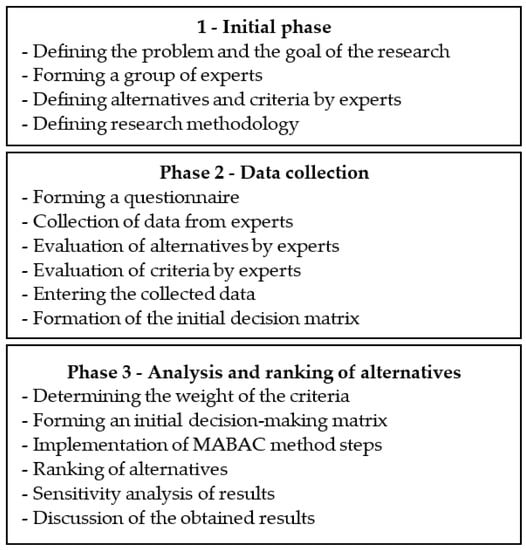
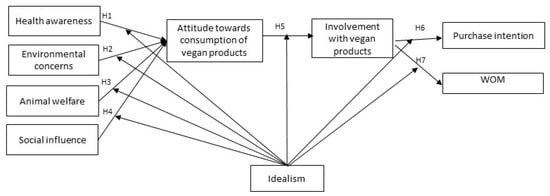
This study proposes to understand the impact of personal (health awareness and social influence) and moral (environmental concerns and animal welfare) antecedents on attitudes towards veganism and their effects on engagement with vegan products, along with their impact on purchase intention and word [...] Read more.
This study proposes to understand the impact of personal (health awareness and social influence) and moral (environmental concerns and animal welfare) antecedents on attitudes towards veganism and their effects on engagement with vegan products, along with their impact on purchase intention and word of mouth. Idealism is presented as a moderator of these proposed relationships. The study uses a structured questionnaire to gather data from two cross-sectional samples of 224 Portuguese and 356 Brazilian vegans collected from Facebook groups of vegans. Structural equation modelling is used to test the seven proposed hypotheses and the moderation effects. This research compares the influence of personal and moral determinants on veganism using idealism as a specific context to investigate their relationships, comparing Brazilian and Portuguese respondents and the effects of national cultures. Results show that attitudes towards veganism do not depend on personal causes, but rather on moral concerns. Motivations to reduce animal consumption, protect nature, and respect animal life seem to be guided by ethical principles. Full article
(This article belongs to the Special Issue Agricultural Economics and Sustainable Food Consumption)
Show Figures

Figure 1
Back to TopTop