Special Issue "Business Performance and Socio-environmental Sustainability"

A special issue of Sustainability (ISSN 2071-1050). This special issue belongs to the section "Economic and Business Aspects of Sustainability".

Deadline for manuscript submissions: 31 August 2022.

Special Issue Editors

Prof. Dr. Izabela Jonek-Kowalska
E-Mail Website
Guest Editor
Department of Economics and Computer Science, Faculty of Organization and Management, Silesian University of Technology, 41-809 Zabrze, Poland
Interests: risk and value management in the enterprise; finances in the private and public sectors; sustainable smart cities; industry economics
Special Issues and Collections in MDPI journals
Prof. Dr. Lilla Knop
E-Mail Website
Guest Editor
Department of Management and Logistics, Faculty of Organization and Management, Silesian University of Technology, 41-809 Zabrze, Poland
Interests: strategic management; clusters; business models; Industry 4.0; smart specialisations

Special Issue Information

Dear colleagues,

Nowadays, sustainability is the basic condition for the survival and development of every organization and economy. Striving to achieve it in practice is a difficult and complex task, due to the different goals and aspirations of individual organizations and their stakeholders. In recent years, the literature on the subject has given much attention and space to social and environmental aspects of sustainability, apart from economic and business issues. Meanwhile, it must not be forgotten that economic and business goals are the primary premise for starting business activity that drives the development of individual regions and economies. Without their implementation, improving the quality of life of the present and future generations—which constitutes the key idea of ​​sustainable development—is not and will not be possible.

Bearing in mind the above circumstances, the editors of this publication invite the authors to take up the economic and business issues of sustainability and join the search for answers to the following research problems:

  1. What place do economics and business hold in sustainable development?
  2. How do organizations reconcile economic and business goals with ecological and social goals?
  3. How are business models changing in relation to the challenges of sustainable development?
  4. How do modern concepts of managing organizations, business networks, or regions affect the achievement of sustainable development goals?
  5. How do collaborative networks support sustainable development?
  6. What is the importance of smart specializations in sustainable development?
  7. How does the support of local and self-government authorities affect the achievement of sustainable development goals?
  8. How do organizations finance expenses related to the implementation and fulfillment of the principles of sustainable development?
  9. How does sustainability affect the financial performance and value of the organization?
  10. How does the transformation of homo economicus into homo sociologicus proceed?
  11. How do crisis situations affect the sustainable development of organizations and regions?

In the ongoing discussion on the economic and business aspects of sustainability, we want to include all economic entities operating in both the private and public sectors. Therefore, the subjective scope of considerations includes:

  • Enterprises;
  • Nonprofit organizations;
  • Cities, villages, regions, economies;
  • Clusters, collaborative networks;
  • Self-government authorities and organizations;
  • Local and regional communities.

The presented research and considerations will allow for a multifaceted analysis of the controversial problem of reconciling economic and business priorities with social and environmental ones. In this way, the topic concerning the harmonization of all aspects of sustainable development and the adaptation of organizations, societies, and economies to the assumptions related to such development will be supplemented and developed. Knowledge about economic, financial, and business barriers, needs, and results of the pursuit of sustainability will also be acquired, which will not only enable the presentation of an unusual methodological and research approach but also provide practical information and recommendations that can be used in making and improving decisions regarding directions and activities for implementing the idea of sustainability.

Prof. Dr. Izabela Jonek-Kowalska
Prof. Dr. Lilla Knop
Guest Editors

Manuscript Submission Information

Manuscripts should be submitted online at www.mdpi.com by registering and logging in to this website. Once you are registered, click here to go to the submission form. Manuscripts can be submitted until the deadline. All papers will be peer-reviewed. Accepted papers will be published continuously in the journal (as soon as accepted) and will be listed together on the special issue website. Research articles, review articles as well as short communications are invited. For planned papers, a title and short abstract (about 100 words) can be sent to the Editorial Office for announcement on this website.

Submitted manuscripts should not have been published previously, nor be under consideration for publication elsewhere (except conference proceedings papers). All manuscripts are thoroughly refereed through a single-blind peer-review process. A guide for authors and other relevant information for submission of manuscripts is available on the Instructions for Authors page. Sustainability is an international peer-reviewed open access semimonthly journal published by MDPI.

Please visit the Instructions for Authors page before submitting a manuscript. The Article Processing Charge (APC) for publication in this open access journal is 1900 CHF (Swiss Francs). Submitted papers should be well formatted and use good English. Authors may use MDPI's English editing service prior to publication or during author revisions.

Keywords

  • business models in sustainable development
  • collaborative networks and sustainable development
  • smart specializations and sustainable development of organizations and regions
  • crisis situations and sustainable development
  • new concepts of management in the sustainable development of the organization
  • financing of sustainable development
  • economic effects and benefits of sustainable development
  • the role of economics in creating sustainability
  • marginalization versus prioritization of economic goals in the organization
  • homo economicus and homo sociologicus

Published Papers (3 papers)

Order results
Result details
Select all
Export citation of selected articles as:

Research

Article
Trends in Corporate Social Responsibility Reporting. The Case of Chinese Listed Companies
Sustainability 2021, 13(15), 8640; https://doi.org/10.3390/su13158640 - 03 Aug 2021
Viewed by 365
Abstract
Compared with Western developed countries, corporate social responsibility (CSR) implementation in China started relatively late, but so far, its development has been going on for more than ten years. Therefore, the development process of CSR reporting as a vital tool to reflect the [...] Read more.
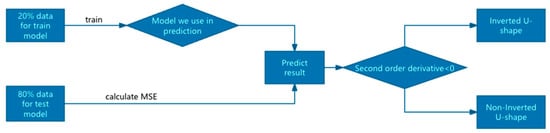
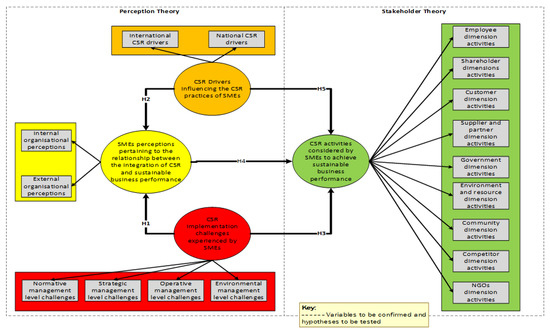
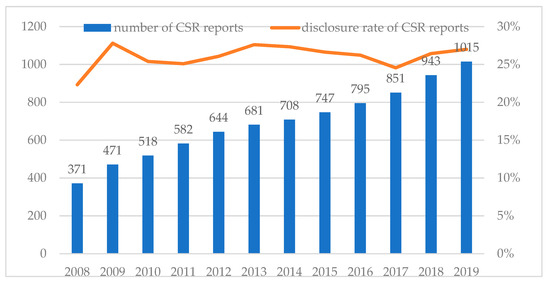
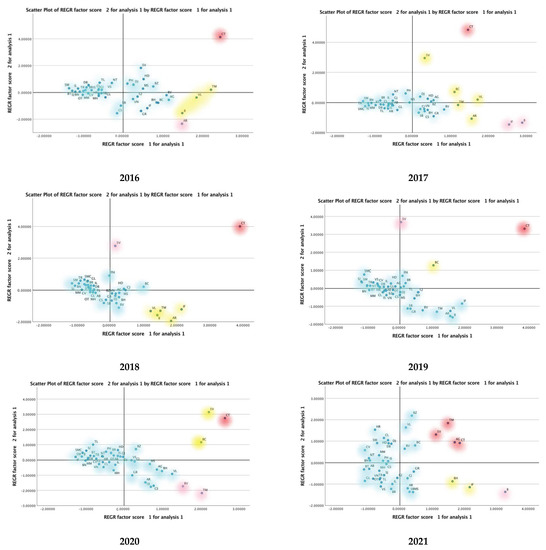
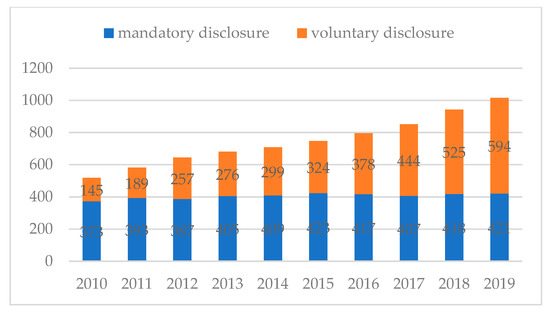
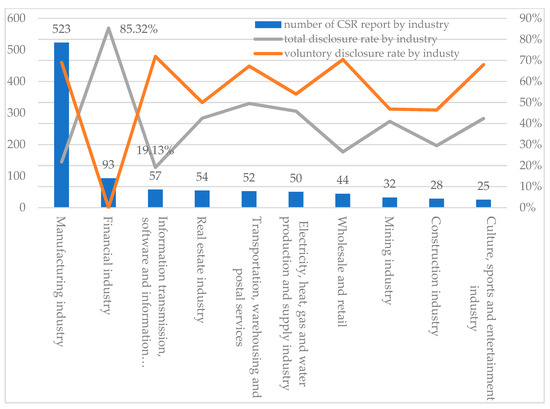
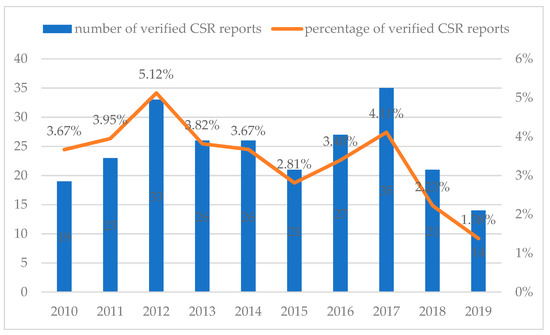
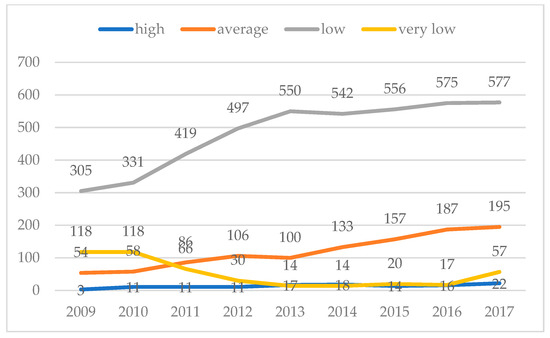
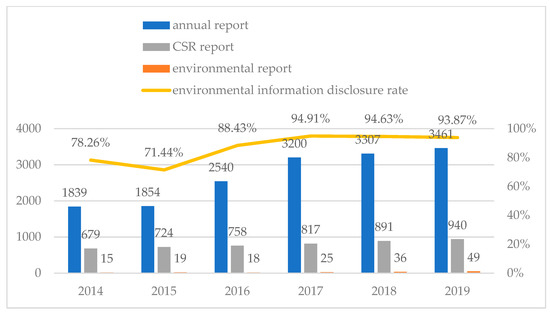
Compared with Western developed countries, corporate social responsibility (CSR) implementation in China started relatively late, but so far, its development has been going on for more than ten years. Therefore, the development process of CSR reporting as a vital tool to reflect the CSR related information of Chinese listed companies is worth studying. It has been asserted in a large amount of literature that the government of a country has an important influence on the development of CSR reporting. Thus, in this paper, we aim to study the trends in CSR reporting practices of Chinese listed companies through statistical analysis methods and then consider the role of the government in it. The results show that the number of CSR reports issued by Chinese listed companies has increased year by year; notably, the number of voluntary CSR disclosure and environmental information disclosure has increased significantly. However, the overall disclosure rate of CSR reports is low and shows no upward trend, the published CSR reports lack third-party certification, and the information disclosure level of most CSR reports is concentrated at a relatively low level. The findings provide some useful references for the future development of Chinese CSR related laws, regulations, and guidelines. Full article
(This article belongs to the Special Issue Business Performance and Socio-environmental Sustainability)
Show Figures

Figure 1

Article
The Impact of B Corp Certification on Growth
Sustainability 2021, 13(13), 7191; https://doi.org/10.3390/su13137191 - 26 Jun 2021
Cited by 1 | Viewed by 467
Abstract
We empirically test whether B Corp certification affects the short- and medium-term growth rates of sustainable enterprises. These businesses are growing in popularity and prevalence but, due to their hybrid nature, often suffer from external credibility issues and competing internal logics. Because of [...] Read more.
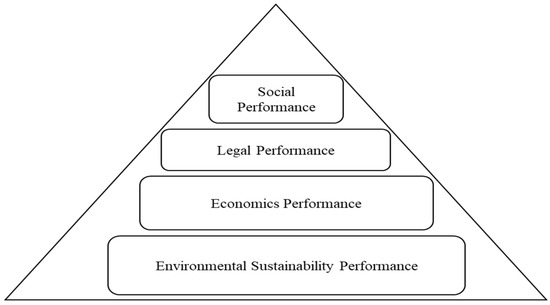
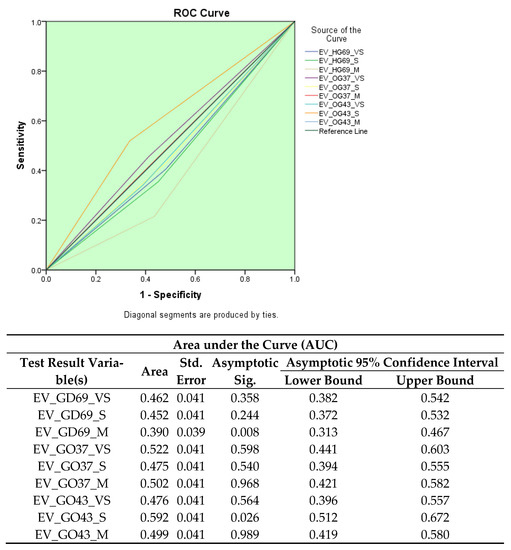
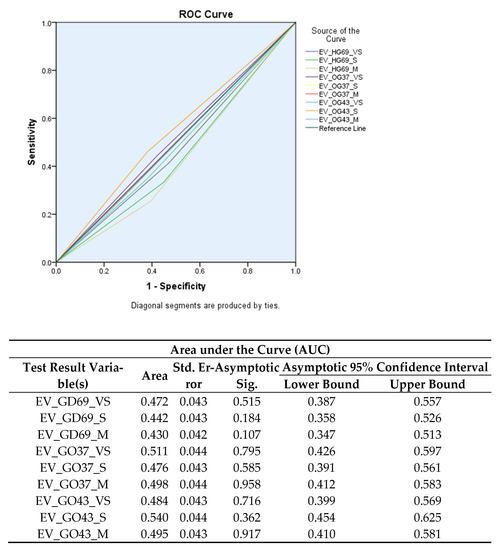
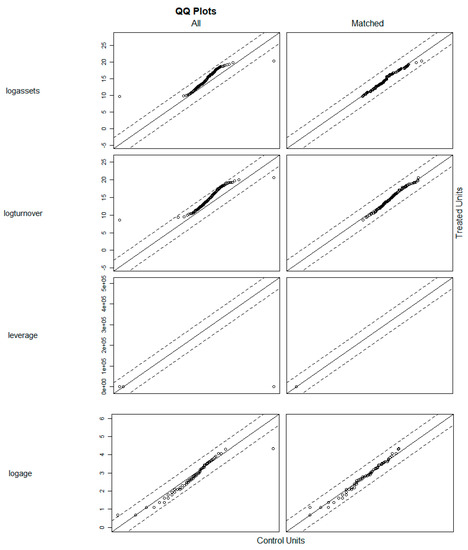
We empirically test whether B Corp certification affects the short- and medium-term growth rates of sustainable enterprises. These businesses are growing in popularity and prevalence but, due to their hybrid nature, often suffer from external credibility issues and competing internal logics. Because of the rigorous and time-involving audit procedure, B Corp certification potentially sends a credible signal about the sustainable nature of the enterprise to its stakeholders. In addition, the B Corp label could help to straighten out internal tensions and align the company towards its dual purpose. Hence, B Corp certification could contribute to company success. We observe 129 firms that were certified between 2013 and 2018 over a period between six years prior and five years post-certification. Using propensity score matching, we identify 129 non-certified matching companies. On this sample, we conduct a difference-in-differences panel regression analysis to investigate the effect of certification. Our dataset allows us to study how the effects of B Corp certification evolve over time, which was previously untested. Our study documents a positive effect of B Corp certification on turnover growth and also that this effect increases with the time since certification, implying that certification requires some time for its full effect to become apparent. Full article
(This article belongs to the Special Issue Business Performance and Socio-environmental Sustainability)
Show Figures

Figure 1

Article
Sustainable Development of the Energy Sector in a Country Deficient in Mineral Resources: The Case of the Republic of Moldova
Sustainability 2021, 13(6), 3261; https://doi.org/10.3390/su13063261 - 16 Mar 2021
Cited by 1 | Viewed by 497
Abstract
The energy sector is an essential element in an economy’s infrastructure, so a deficit of national mineral resources makes the energy sector dependent on imports of raw materials, which in turn can negatively affect a country’s energy security. The sustainable development of the [...] Read more.
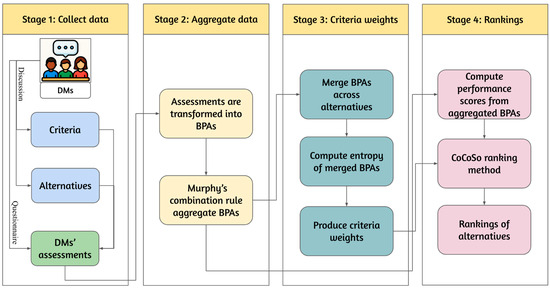
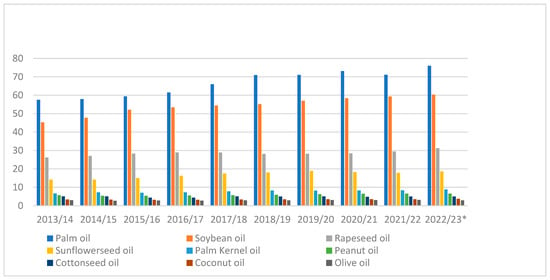
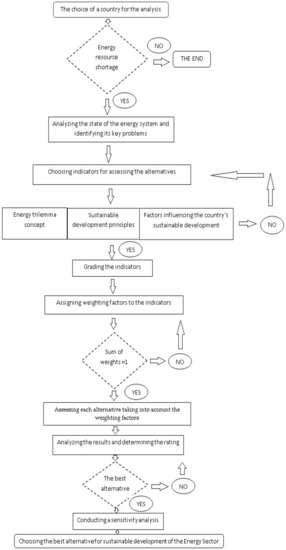
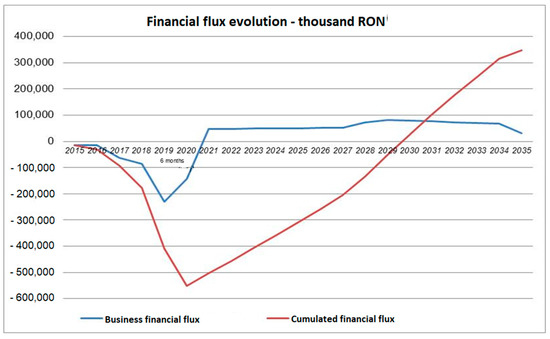
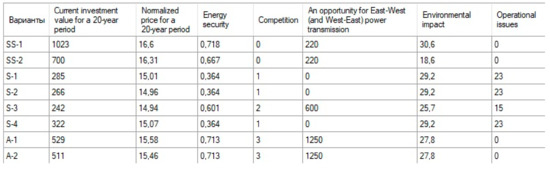
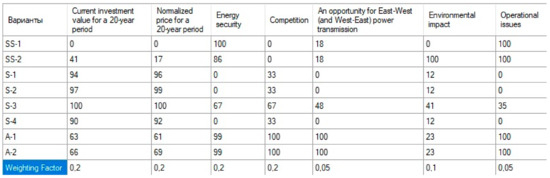
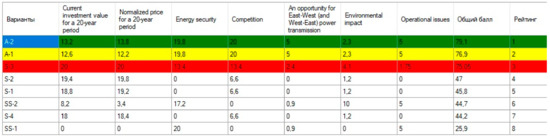
The energy sector is an essential element in an economy’s infrastructure, so a deficit of national mineral resources makes the energy sector dependent on imports of raw materials, which in turn can negatively affect a country’s energy security. The sustainable development of the energy sector for countries with transitioning economies should be based on the energy trilemma. Four principles are proposed: diversification of energy resources and energy generation sources, ensuring energy efficiency, ensuring energy affordability, and green energy production. Based on a comparative analysis of the economic and energy indicators (for the years 2014 to 2019) of European countries that are not members of the European Union, the situation in the energy sector of the Republic of Moldova is classified as critical and its fundamental issues are identified (107th place in the World Energy Trilemma Index). The main objectives of the study are: (1) To analyze energy and economic efficiency as well as the conditions for and problems of the functioning of the energy sector in countries with transition economies (using non-European Union countries as an example); (2) To present a substantiation of the directions for development of the energy sector in countries with transition economies that lack energy resources (using the Republic of Moldova as an example), taking into account the identified factors and principles of sustainable development; (3) To develop an economic and mathematical model for assessing the directions for the development of the energy sector in countries with transition economies using multiple-criteria decision analysis (MCDA). Decision-making methods can be used to select strategic development alternatives, particularly in the energy sector. MCDA has several advantages and uses in the following situations: comparing several alternatives; identifying the most preferable and unacceptable alternatives; comparing alternatives based on several (sometimes conflicting) criteria; looking for a compromise in a situation where different stakeholders have conflicting goals or values. A methodology including a system of 7 indicators and an economic and mathematical model for assessing development paths for the energy sector in countries with transition economies were developed that are based on multiple-criteria decision analysis. An algorithm and a computer program were developed to carry out MCDA and select the best development path for the energy sector of the Republic of Moldova. The article presents a rationale for choosing the best option regarding the development of the energy sector of the Republic of Moldova, which is a country with a deficit of its own energy resources. Full article
(This article belongs to the Special Issue Business Performance and Socio-environmental Sustainability)
Show Figures

Figure 1

Back to TopTop