Special Issue "Impact of COVID-19 on the Environment, Energy and Economics"

A special issue of Sustainability (ISSN 2071-1050). This special issue belongs to the section "Environmental Sustainability and Applications".

Deadline for manuscript submissions: 30 August 2022.

Special Issue Editor

Dr. Samuel Asumadu-Sarkodie
E-Mail Website
Guest Editor
Nord University Business School, Nord University, 8049 Bodø, Norway
Interests: energy economics; climate change; environmental sustainability; environmental economics; health economics and renewable energy
Special Issues and Collections in MDPI journals

Special Issue Information

Dear Colleagues,

The COVID-19 (Novel Coronavirus—Sars-Cov-2) pandemic has been declared a global pandemic by the World Health Organization due to its devastating impact on humanity. The institution of lockdown across countries is reported to have hampered several facets of life, ranging from waste management to economic development, energy consumption, and the environment. Thus, prompt discussions from the scientific community would be helpful in the fight against the virus. In line with the SDGs and the ongoing COVID-19 pandemic, we invite papers on the following topics:

1) Chemicals—waste management—water and sanitation and COVID-19;

2) COVID-19 and the environment: transmission via surfaces, air, water, soil—detection of COVID-19 virus—the impact of environmental factors on transmission, survival, and infectivity such as wetness, dryness, temperature, relative humidity, sunlight, and air pollution (particulates, bioaerosol);

3) COVID-19 and oceans and blue economy—biodiversity and wildlife;

4) COVID-19 and economic growth, green recovery/greening economies;

5) Effective containment and preventive options and strategies for present and future spread, i.e., face masks, hand wash, disinfection technologies in public places and healthcare facilities;

6) Forecasting short- and long-term impact of the COVID-19 pandemic owing to current intervention and preventive measures.

Dr. Samuel Asumadu-Sarkodie
Guest Editor

References

  1. Sarkodie, S. A., & Owusu, P. A. (2020). Impact of meteorological factors on COVID-19 pandemic: Evidence from top 20 countries with confirmed cases. Environmental Research, 110101.
  2. Sarkodie, S. A., & Owusu, P. A. (2020). Investigating the cases of novel coronavirus disease (COVID-19) in China using dynamic statistical techniques. Heliyon, e03747.
  3. Sarkodie, S. A., & Owusu, P. A. (2020). Impact of COVID-19 pandemic on waste management. Environment, development and sustainability, 1-10.
  4. Sarkodie, S. A., & Owusu, P. A. (2020). Global assessment of environment, health and economic impact of the novel coronavirus (COVID-19). Environment, Development and Sustainability, 1-11.

Manuscript Submission Information

Manuscripts should be submitted online at www.mdpi.com by registering and logging in to this website. Once you are registered, click here to go to the submission form. Manuscripts can be submitted until the deadline. All papers will be peer-reviewed. Accepted papers will be published continuously in the journal (as soon as accepted) and will be listed together on the special issue website. Research articles, review articles as well as short communications are invited. For planned papers, a title and short abstract (about 100 words) can be sent to the Editorial Office for announcement on this website.

Submitted manuscripts should not have been published previously, nor be under consideration for publication elsewhere (except conference proceedings papers). All manuscripts are thoroughly refereed through a single-blind peer-review process. A guide for authors and other relevant information for submission of manuscripts is available on the Instructions for Authors page. Sustainability is an international peer-reviewed open access semimonthly journal published by MDPI.

Please visit the Instructions for Authors page before submitting a manuscript. The Article Processing Charge (APC) for publication in this open access journal is 1900 CHF (Swiss Francs). Submitted papers should be well formatted and use good English. Authors may use MDPI's English editing service prior to publication or during author revisions.

Keywords

  • transmission modes of COVID-19
  • detection of COVID-19
  • COVID-19 and waste management
  • COVID-19 and weather
  • COVID-19 and temperature
  • COVID-19 and economics
  • COVID-19 and finance
  • COVID-19 and environment
  • COVID-19 and air pollution

Published Papers (4 papers)

Order results
Result details
Select all
Export citation of selected articles as:

Research

Article
Impact of COVID-19 Social Distancing Policies on Traffic Congestion, Mobility, and NO2 Pollution
Sustainability 2021, 13(13), 7275; https://doi.org/10.3390/su13137275 - 29 Jun 2021
Cited by 1 | Viewed by 373
Abstract
Lockdowns implemented during the COVID-19 pandemic were utilized to evaluate the associations between “social distancing policies” (SDPs), traffic congestion, mobility, and NO2 air pollution. Spatiotemporal linear mixed models were used on city-day data from 22 US cities to estimate the associations between [...] Read more.
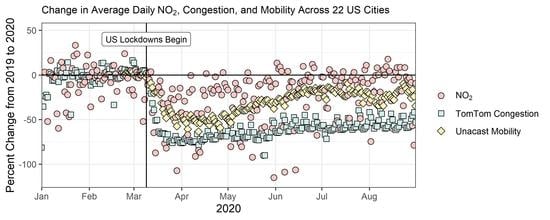
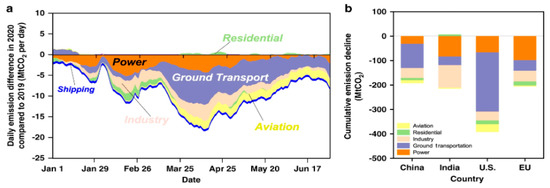
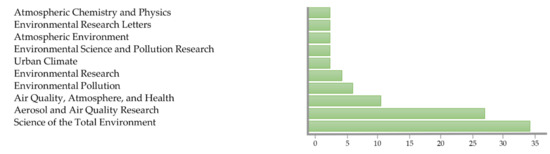
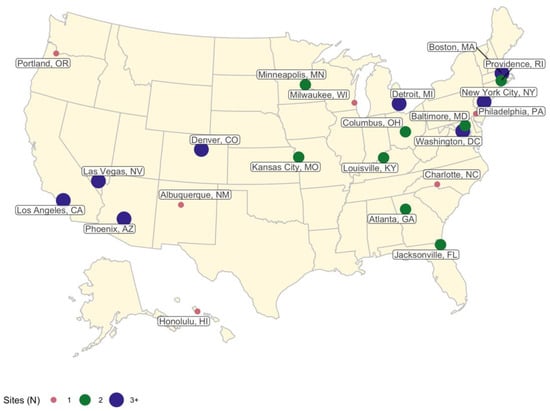
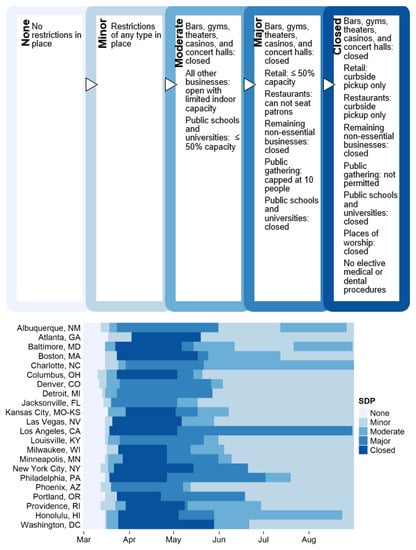
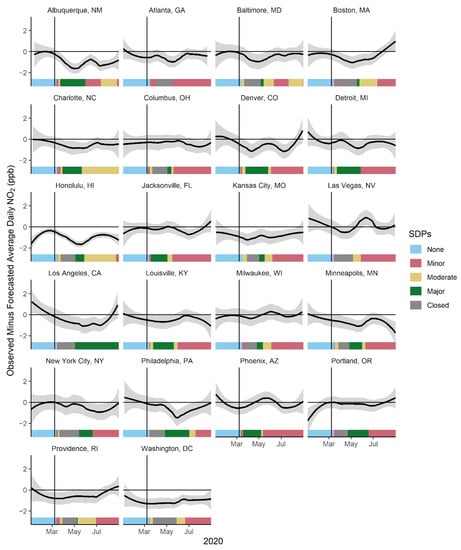
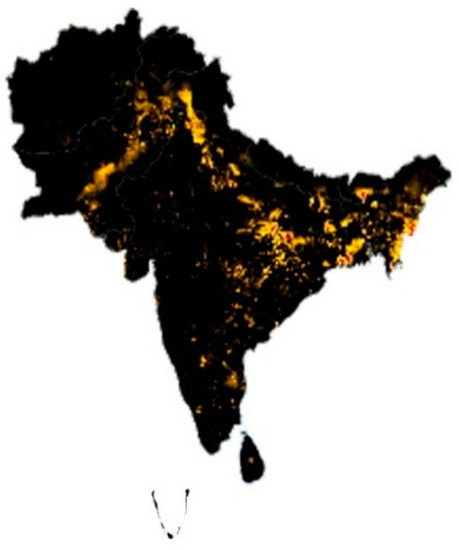
Lockdowns implemented during the COVID-19 pandemic were utilized to evaluate the associations between “social distancing policies” (SDPs), traffic congestion, mobility, and NO2 air pollution. Spatiotemporal linear mixed models were used on city-day data from 22 US cities to estimate the associations between SDPs, traffic congestion and mobility. Autoregressive integrated moving average models with Fourier terms were then used on historical data to forecast expected 2020 NO2. Time series models were subsequently employed to measure how much reductions in local traffic congestion were associated with lower-than-forecasted 2020 NO2. Finally, the equity of NO2 pollution was assessed with community-level sociodemographics. When cities’ most stringent SDPs were implemented, they observed a 23.47 (95% CI: 18.82–28.12) percent reduction in average daily congestion and a 13.48 (95% CI: 10.36–16.59) percent decrease in average daily mobility compared to unrestricted days. For each standard deviation (8.38%) reduction in local daily congestion, average daily NO2 decreased by 1.37 (95% CI: 1.24–1.51) parts per billion relative to its forecasted value. Citizenship, education, and race were associated with elevated absolute NO2 pollution levels but were not detectibly associated with reductions in 2020 NO2 relative to its forecasted value. This illustrates the immediate behavioral and environmental impacts of local SDPs during the COVID-19 pandemic. Full article
(This article belongs to the Special Issue Impact of COVID-19 on the Environment, Energy and Economics)
Show Figures

Graphical abstract

Article
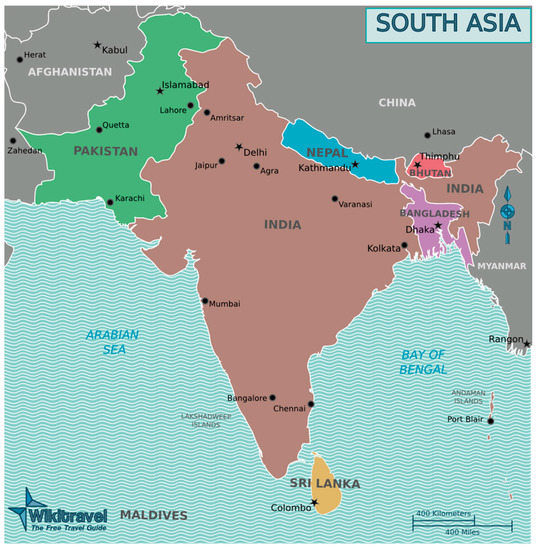
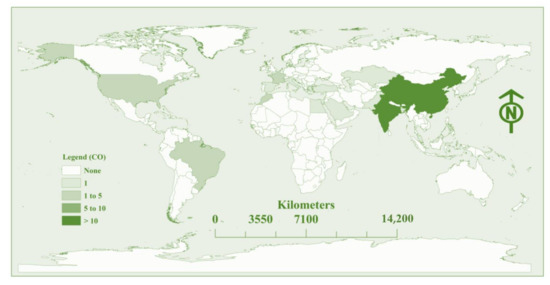
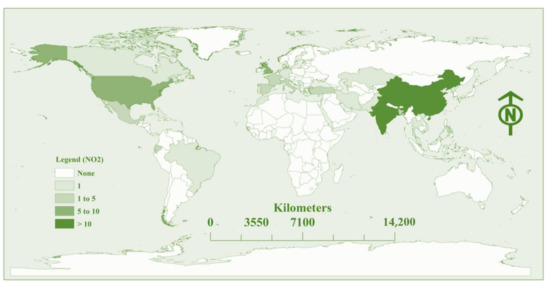
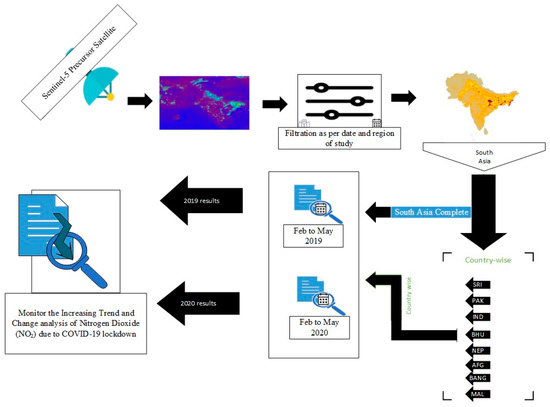
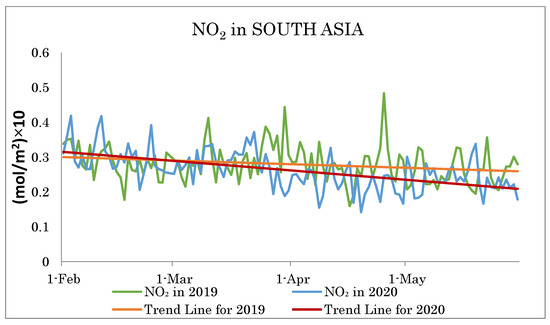
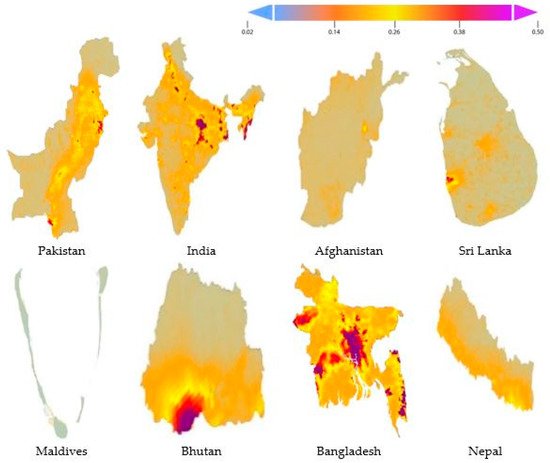
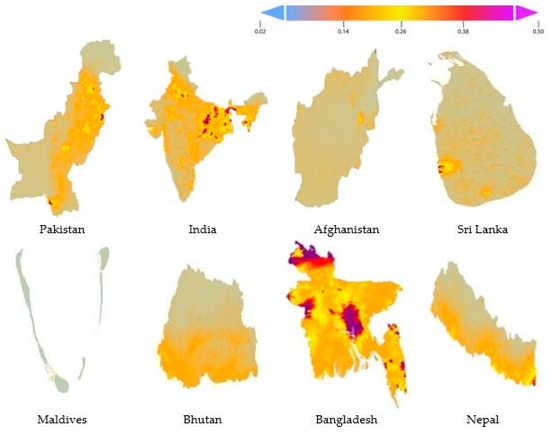
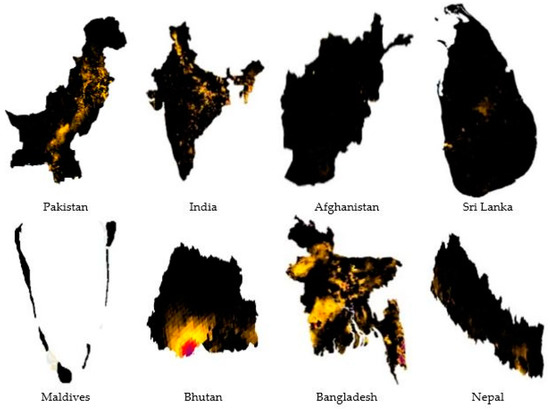
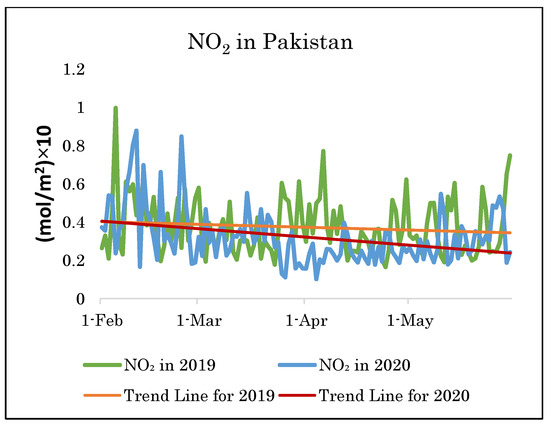
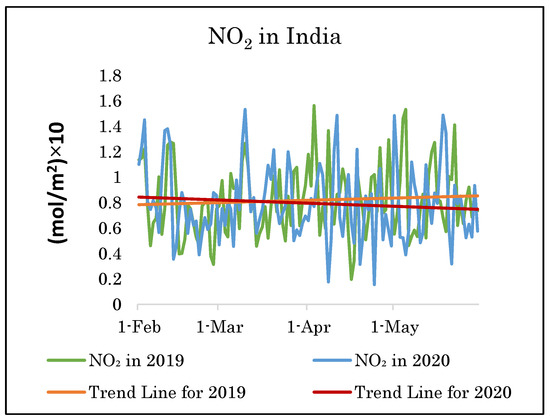
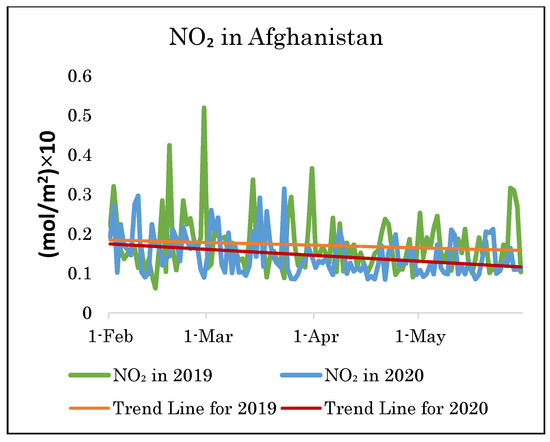
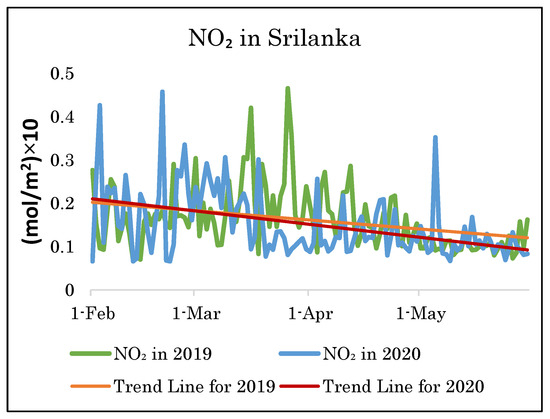
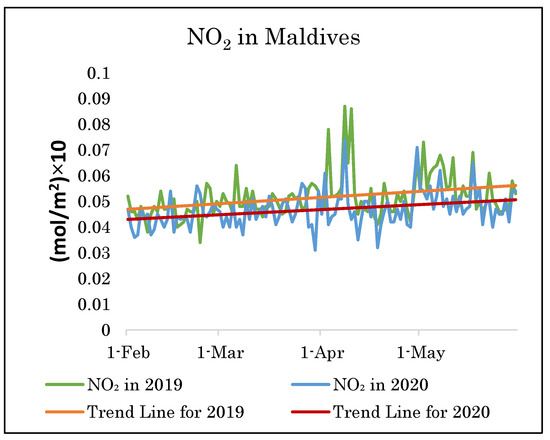
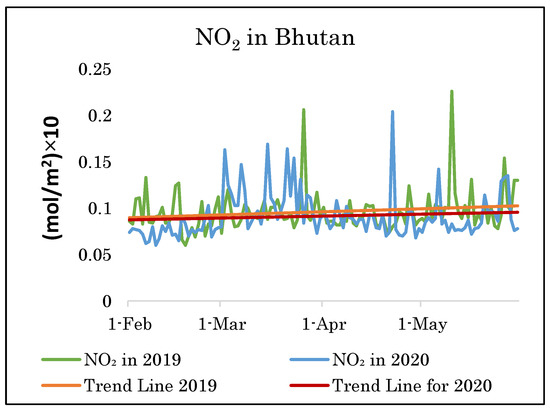
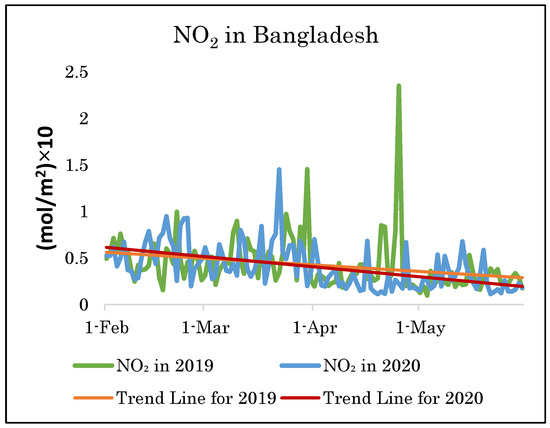
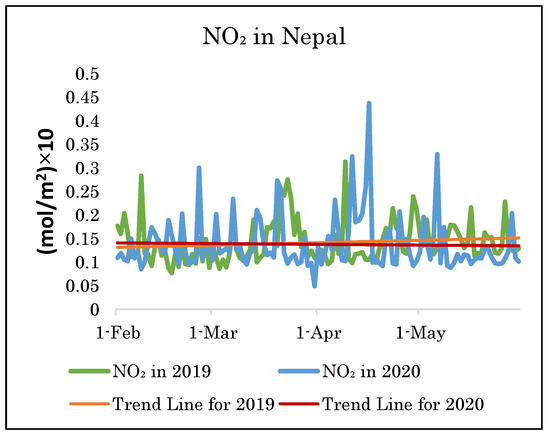
Monitoring the Impact of COVID-19 Lockdown on the Production of Nitrogen Dioxide (NO2) Pollutants Using Satellite Imagery: A Case Study of South Asia
Sustainability 2021, 13(13), 7184; https://doi.org/10.3390/su13137184 - 26 Jun 2021
Viewed by 514
Abstract
Among the numerous anthropogenic pollutants, nitrogen dioxide (NO2) is one of the leading contaminants mainly released by burning fossil fuels in industrial and transport sectors. This study evaluates the impact of COVID-19 lockdown on the growing trend of NO2 emissions [...] Read more.
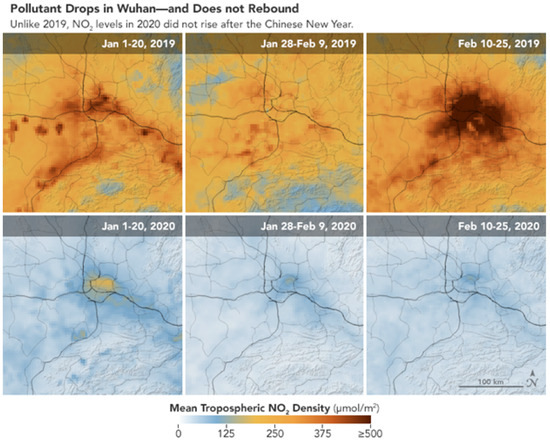
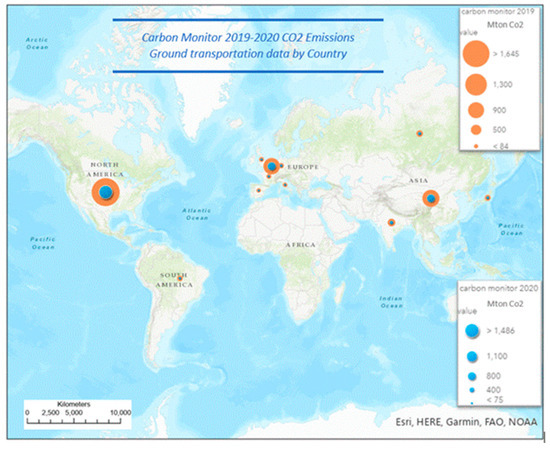
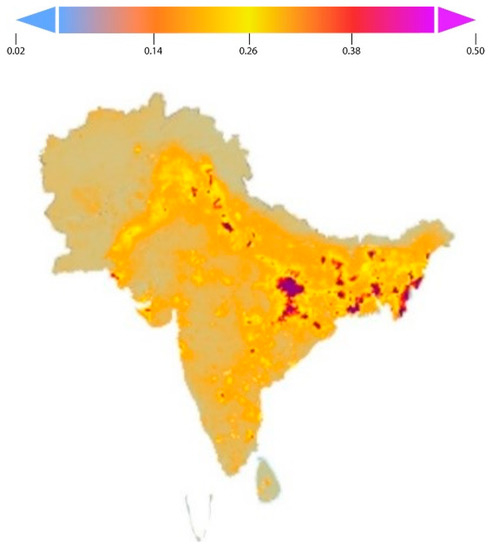
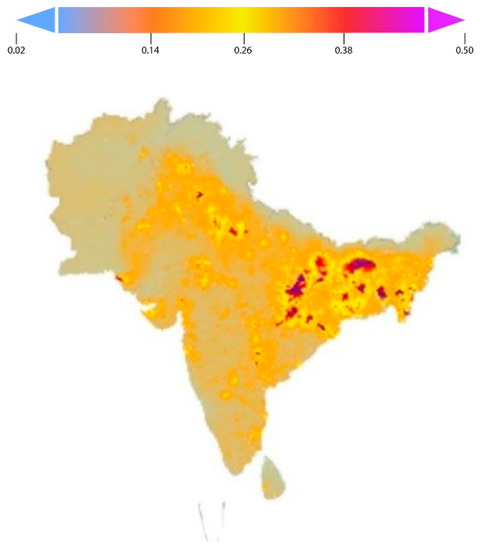
Among the numerous anthropogenic pollutants, nitrogen dioxide (NO2) is one of the leading contaminants mainly released by burning fossil fuels in industrial and transport sectors. This study evaluates the impact of COVID-19 lockdown on the growing trend of NO2 emissions in South Asia. Satellite imagery data of Sentinel-5 Precursor with Tropomi instrument was employed in this study. The analysis was performed using time series data from February–May 2019 and February–May 2020. The time frame from February–May 2020 was further divided into two sub-time-frames, i.e., from 1 February–20 March (pre-lockdown) and from 21 March–May 2020 (lockdown). Results show the concentration of NO2 pollutants over the region declined by 6.41% from February–May 2019 to February–May 2020. Interestingly, an increasing trend of NO2 concentration by 6.58% occurred during the pre-lockdown phase in 2020 (1 February–20 March) compared to 2019 (February–May). However, the concentration of NO2 pollutants reduced considerably by 21.10% during the lockdown phase (21 March–10 May) compared to the pre-lockdown phase in 2020. Furthermore, the country-specific detailed analysis demonstrates the significant impact of COVID-19-attributed lockdown on NO2 concentration in South Asia. Full article
(This article belongs to the Special Issue Impact of COVID-19 on the Environment, Energy and Economics)
Show Figures

Figure 1
Article
Rapid Adaptation and Remote Delivery of Undergraduate Research Training during the COVID-19 Pandemic
Sustainability 2021, 13(11), 6133; https://doi.org/10.3390/su13116133 - 29 May 2021
Viewed by 802
Abstract
When COVID-19 caused worldwide cancellations of summer research immersion programs in 2020, Mayo Clinic rallied to create an alternate virtual experience called Summer Foundations in Research (SFIR). SFIR was designed not only to ensure the continuance of science pathways training for undergraduate scientists [...] Read more.
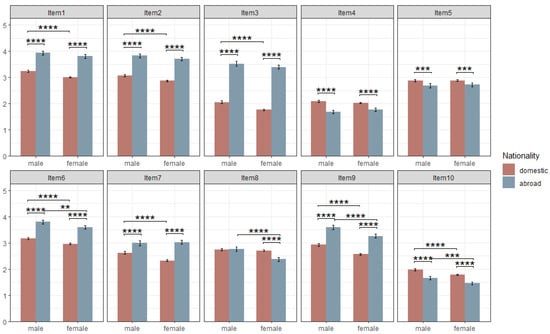
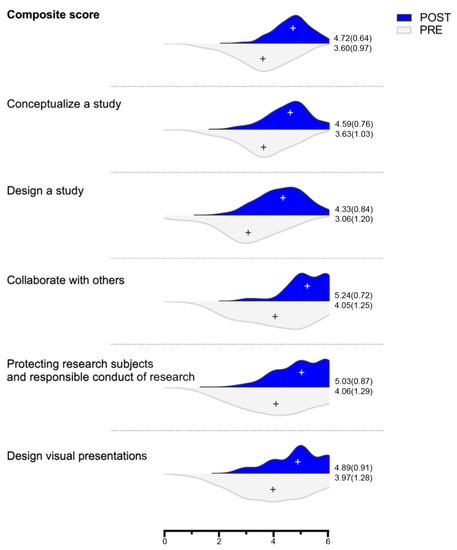
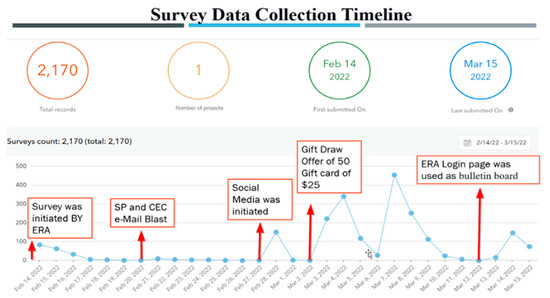
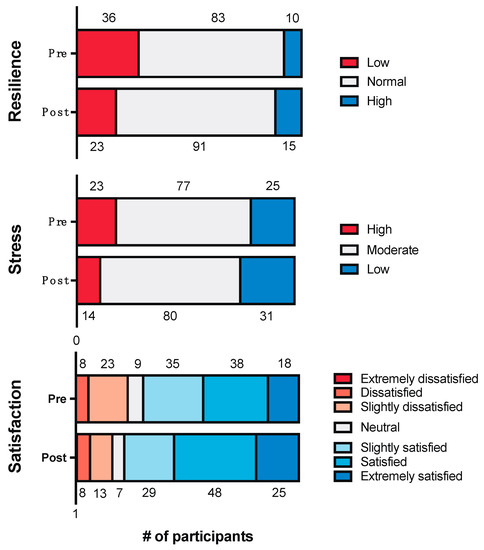
When COVID-19 caused worldwide cancellations of summer research immersion programs in 2020, Mayo Clinic rallied to create an alternate virtual experience called Summer Foundations in Research (SFIR). SFIR was designed not only to ensure the continuance of science pathways training for undergraduate scientists but also to support undergraduate mental wellbeing, given the known pandemic stressors. A total of 170 participants took part in the program and were surveyed pre-post for outcomes in biomedical research career knowledge, biomedical research career interest, research skills confidence, and three dimensions of mental wellbeing. Knowledge of and interest in careers involving biomedical research rose significantly following participation in SFIR. The participants’ mean research skills confidence also rose between 0.08 and 1.32 points on a 7-point scale across 12 items from the Clinical Research Appraisal Inventory. Success in science pathways support was accompanied by positive shifts in participant mental wellbeing. Measurable decreases in stress (Perceived Stress Scale, p < 0.0001) accompanied gains in resilience (Brief Resilience Scale, p < 0.0001) and life satisfaction (Satisfaction with Life Scale, p = 0.0005). Collectively, the data suggest that core objectives of traditional in-person summer research programming can be accomplished virtually and that these programs can simultaneously impact student wellbeing. This theoretical framework is particularly salient during COVID-19, but the increased accessibility of virtual programs such as SFIR can continue to bolster science education pathways long after the pandemic is gone. Full article
(This article belongs to the Special Issue Impact of COVID-19 on the Environment, Energy and Economics)
Show Figures

Figure 1
Article
Multidimensional Conditions of the First Wave of the COVID-19 Epidemic in the Trans-Industrial Region. An Example of the Silesian Voivodeship in Poland
Sustainability 2021, 13(8), 4109; https://doi.org/10.3390/su13084109 - 07 Apr 2021
Cited by 1 | Viewed by 525
Abstract
The successive phases of the global COVID-19 pandemic show some differences from the first wave in 2020. The most important of these is some experience in responding to its spread and in applying vaccines. However, new, more aggressive variants of COVID-19 mean that [...] Read more.
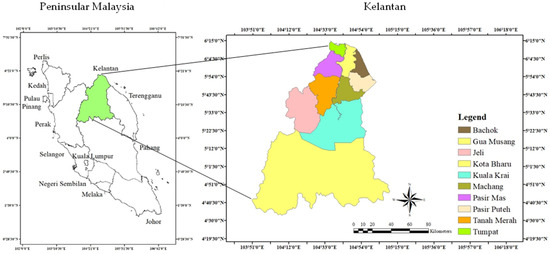
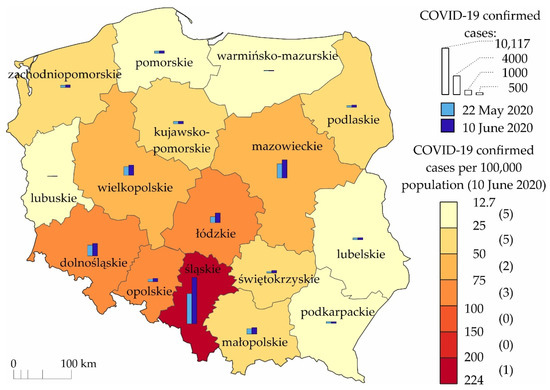
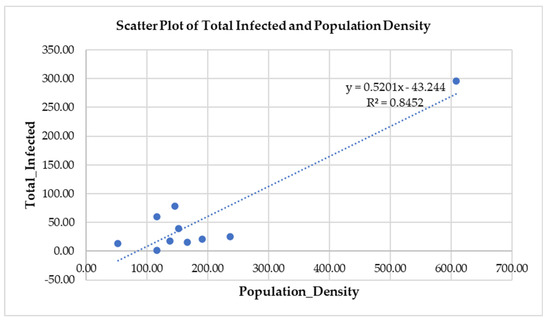
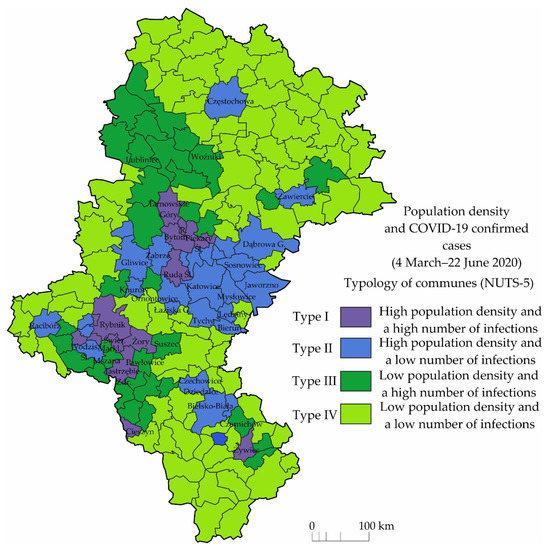
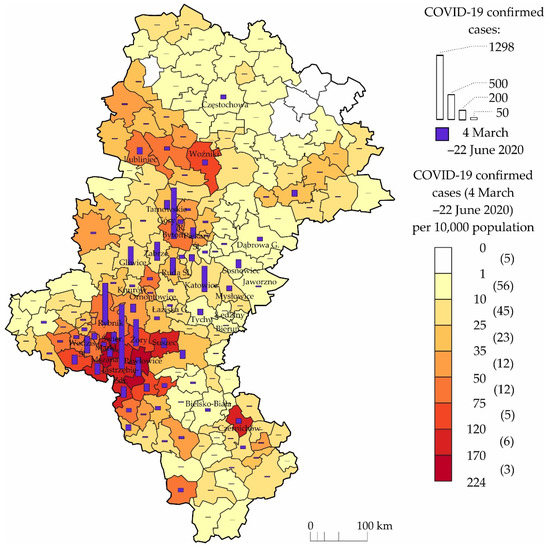
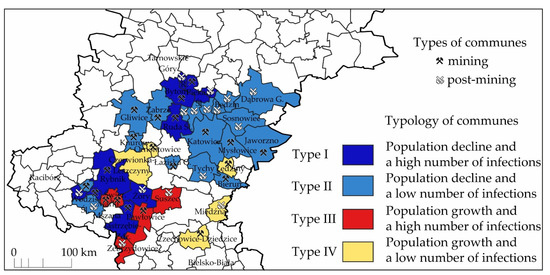
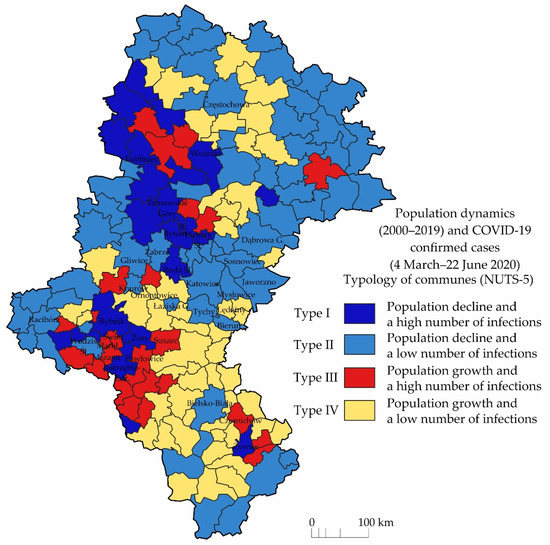
The successive phases of the global COVID-19 pandemic show some differences from the first wave in 2020. The most important of these is some experience in responding to its spread and in applying vaccines. However, new, more aggressive variants of COVID-19 mean that the pandemic is often taking on the nature of the one experienced by societies a year ago. So, the knowledge about the first wave of the COVID-19 pandemic is still up-to-date—significantly where the essential determinants of its spread have not changed. The article presents the Silesian Voivodeship case in Southern Poland, distinguished by different geographical conditions compared to the entire country. The authors showed the relationship between the spread of the COVID-19 epidemic and the characteristic attributes of the analysed area (post-)mining functions or urban shrinkage. The article conducted a dependence study using the Pearson correlation coefficient and the signs table method. In turn, the authors used thematic cartography to present the results of the analysis. It turned out that two attributes, namely (post-)mining and urban shrinkage, are essential in spreading the epidemic with the region analysed. This conclusion may be essential in implementing national and regional policies related to reducing the COVID-19 pandemic. However, a limitation in the scope of the presented applications is the fact that mining regions, such as the Silesian (Śląskie) Voivodeship, are currently less numerous in the world than, for example, those that develop based on services. Full article
(This article belongs to the Special Issue Impact of COVID-19 on the Environment, Energy and Economics)
Show Figures

Figure 1
Back to TopTop