Journal Description
Sexes
Sexes
is an international, peer-reviewed, open access journal on the interdisciplinary study of sexuality, with broad coverage of issues related to sexual health and behavior, published quarterly online by MDPI.
- Open Access— free for readers, with article processing charges (APC) paid by authors or their institutions.
- High Visibility: indexed within ESCI (Web of Science), EBSCO, and other databases.
- Rapid Publication: manuscripts are peer-reviewed and a first decision is provided to authors approximately 43.1 days after submission; acceptance to publication is undertaken in 6.1 days (median values for papers published in this journal in the second half of 2025).
- Recognition of Reviewers: APC discount vouchers, optional signed peer review, and reviewer names published annually in the journal.
- MDPI’s Journal Cluster of Social Studies: Challenges-Journal of Planetary Health, Disabilities, Genealogy, Laws, Sexes, Social Sciences and Societies.
Impact Factor:
0.9 (2024);
5-Year Impact Factor:
1.0 (2024)
Latest Articles
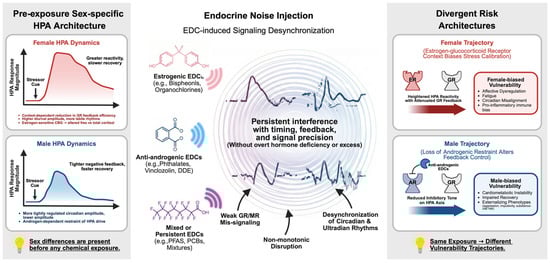
Endocrine Noise: Sex-Specific Disruption of Hypothalamic–Pituitary–Adrenal (HPA) Axis by Endocrine-Disrupting Chemicals
Sexes 2026, 7(2), 22; https://doi.org/10.3390/sexes7020022 - 23 Apr 2026
Abstract
►
Show Figures
Environmental chemicals are rarely considered stressors in the way that psychological or physical stressors are. Yet many endocrine-disrupting chemicals (EDCs) interact with the body’s core stress response system. This review examines how EDCs alter hypothalamic–pituitary–adrenal (HPA) regulation and how biological sex influences those
[...] Read more.
Environmental chemicals are rarely considered stressors in the way that psychological or physical stressors are. Yet many endocrine-disrupting chemicals (EDCs) interact with the body’s core stress response system. This review examines how EDCs alter hypothalamic–pituitary–adrenal (HPA) regulation and how biological sex influences those responses. Drawing on human epidemiological data and experimental models, we describe how EDC exposure affects cortisol dynamics, feedback sensitivity, and adrenal signaling, with a particular focus on sex-dependent outcomes. We propose the concept of endocrine noise to describe how low-dose, often mixed EDC exposures introduce persistent interference into hormone signaling without necessarily causing overt endocrine deficiency or excess. In this framework, EDCs act as chronic, low-grade stressors that reset the timing, feedback precision, and rhythmic organization of the HPA axis rather than as isolated reproductive toxicants. We argue that EDCs should be understood as chronic, context-dependent stress modifiers that reshape sex-specific “risk architectures” for affective, metabolic, and immune disorders. Recognizing sex-specific HPA architecture and endocrine noise has immediate implications for study design and regulation, including the need for sex-stratified analyses, circadian-sensitive sampling of cortisol, and risk assessments that consider how the same exposure can push female and male stress systems in divergent directions.
Full article
Open AccessArticle
Sexual Cognitive Schemas Mediate the Relationship Between Personality and Sexual Function
by
Zsuzsanna Kövi, Veronika Mészáros, Zsuzsanna Mirnics, Nahathai Wongpakaran, Tinakon Wongpakaran and Krisztina Hevesi
Sexes 2026, 7(2), 21; https://doi.org/10.3390/sexes7020021 - 22 Apr 2026
Abstract
Sexual cognitive schemas are central cognitive representations of sexual aspects of self that shape the interpretation of sexual experiences and may contribute to individual differences in sexual functioning. The present study aimed to validate the Questionnaire of Cognitive Schema Activation in Sexual Context
[...] Read more.
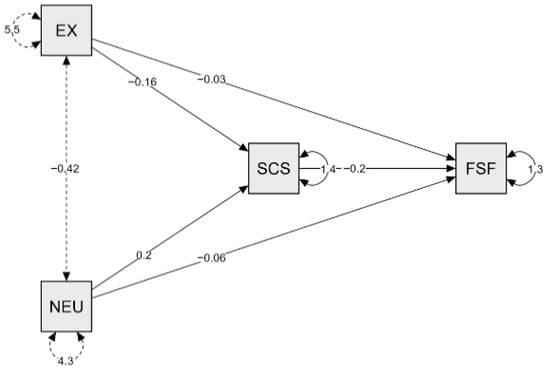
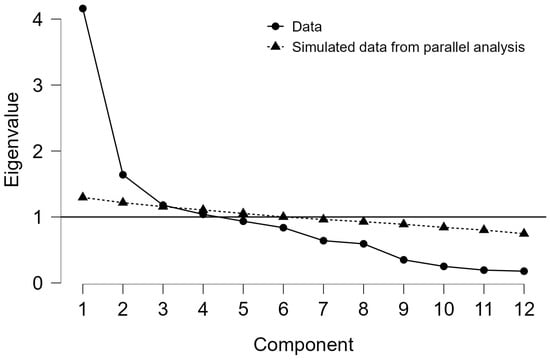
Sexual cognitive schemas are central cognitive representations of sexual aspects of self that shape the interpretation of sexual experiences and may contribute to individual differences in sexual functioning. The present study aimed to validate the Questionnaire of Cognitive Schema Activation in Sexual Context (QCSASC) in a Hungarian sample and to examine whether sexual cognitive schemas mediate the relationship between personality traits and sexual functioning. A total of 256 university students (202 females) completed the QCSASC and the Zuckerman–Kuhlman–Aluja Personality Questionnaire. Moreover, the Female Sexual Function Index was administered. The factor structure was examined using exploratory and confirmatory factor analyses, and associations among personality, schemas, and sexual function were tested using correlational, regression, and mediation analyses. Results supported a five-factor structure of the Hungarian QCSASC, identifying Helplessness, Incompetence, Rejection, Unattractiveness, and Unlovability schemas, all showing good internal consistency. Sexual cognitive schemas were positively related to Neuroticism and negatively to Extraversion. Female sexual function was related to the Incompetence schema. Personality traits showed no direct link with female sexual functioning; however, through the sexual cognitive schema, there was a significant indirect link between personality (Extraversion, Neuroticism) and female sexual functioning. These findings suggest that sexual cognitive schemas can represent a pathway between personality traits and sexual functioning.
Full article
(This article belongs to the Special Issue 2nd Edition: Exclusive Papers Collection of the Editorial Board of Sexes)
►▼
Show Figures

Figure 1
Open AccessArticle
Development and Psychometric Validation of the Attitudes Toward Contraceptive Use Scale (ACUS) in University Students
by
María Fernández-Martínez, Sebastián Sanz-Martos, Cristina Fernández-Martínez, Ganna Ovsyeyenko and Carmen Álvarez-Nieto
Sexes 2026, 7(2), 20; https://doi.org/10.3390/sexes7020020 - 14 Apr 2026
Abstract
►▼
Show Figures
Adolescence and youth are key stages for acquiring responsible sexual behaviour. Previous research has focused on measuring knowledge; however, in order to achieve the goal of developing safe sexual behaviour, it is necessary to complement this with measures of attitudes, for which there
[...] Read more.
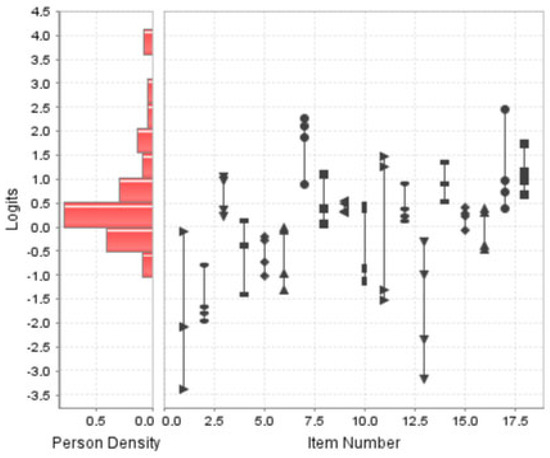
Adolescence and youth are key stages for acquiring responsible sexual behaviour. Previous research has focused on measuring knowledge; however, in order to achieve the goal of developing safe sexual behaviour, it is necessary to complement this with measures of attitudes, for which there is currently a lack of valid and reliable measurement tools specifically focused on attitudes toward contraceptive use. The objective of this research is to develop and psychometrically validate the Attitudes Toward Contraceptive Use Scale (ACUS) in university students. A cross-sectional correlational validation study was designed using Item Response Theory. The sample consisted of 411 nursing students aged between 18 and 25 years. The final version of the scale, comprising 12 items, was evaluated using the Rasch Rating Scale Model (Andrich model), and its reliability was assessed in terms of internal consistency and temporal stability. The Rasch model showed an excellent overall fit, high item reliability (0.989), adequate person reliability (0.81), and good temporal stability (ICC = 0.796). The ACUS is a valid and reliable instrument for assessing attitudes toward contraception among university students. It can be used to identify less favourable attitudinal profiles toward contraceptive use and subsequently guide educational interventions.
Full article

Figure 1

Open AccessReview
New Directions for Sexual Consent in a Digitized World: A Narrative Review
by
Rebecca Fisico, Margaret C. McKinnon and Heather Moulden
Sexes 2026, 7(2), 19; https://doi.org/10.3390/sexes7020019 - 31 Mar 2026
Abstract
Sexual interactions are complex human exchanges that are further complicated in the digital domain. This is because the introduction of technology to sexual interactions has prompted change in not only sexual activity but also communication pertaining to consent. Challenges have emerged in defining,
[...] Read more.
Sexual interactions are complex human exchanges that are further complicated in the digital domain. This is because the introduction of technology to sexual interactions has prompted change in not only sexual activity but also communication pertaining to consent. Challenges have emerged in defining, interpreting, and communicating sexual consent within a digital context. Accordingly, it is critical to understand how sexual consent is understood and communicated within digital contexts. Herein, the literature concerning digital sexual consent was reviewed and critically analyzed. This narrative review describes digital sexual consent practices, as well as critically analyzes the literature pertaining to sexual consent to identify similarities and differences between in-person and digital consent practices. It is suggested that digital sexual consent should be viewed as a subset of sexual consent rather than a separate sexual consent practice. Future directions pertaining to research and application are discussed.
Full article
(This article belongs to the Section Sexual Behavior and Attitudes)
Open AccessArticle
Self-Reported Aspects of Vulvodynia Assessed Through the Administration of an Online Questionnaire
by
Cristina Rizzo, Antonella Verrone, Sofia Galeazzi, Lidia Morgante and Giuseppe Morgante
Sexes 2026, 7(2), 18; https://doi.org/10.3390/sexes7020018 - 30 Mar 2026
Abstract
Vulvodynia is a chronic gynecological condition characterized by unexplained vulvar pain, which may significantly impact every aspect of women’s quality of life, encompassing physical, psychological, and social well-being. Due to its heterogeneous clinical presentation and associated comorbidities, vulvodynia is often misdiagnosed and/or not
[...] Read more.
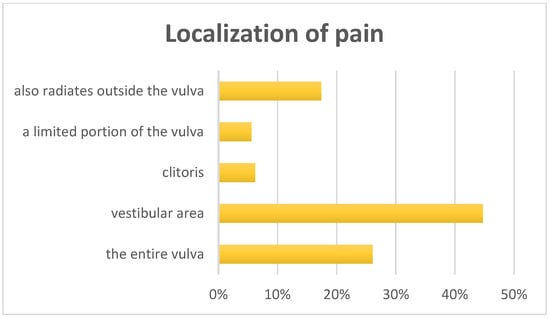
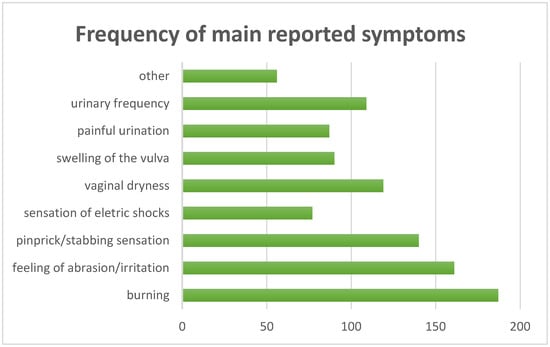
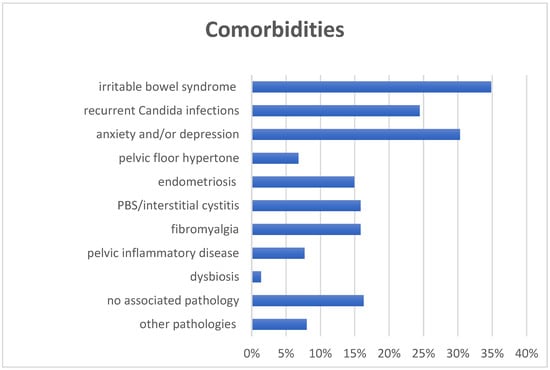
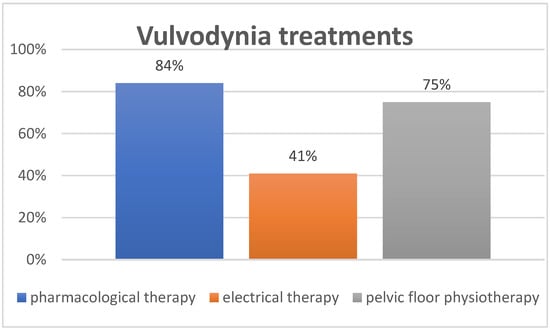
Vulvodynia is a chronic gynecological condition characterized by unexplained vulvar pain, which may significantly impact every aspect of women’s quality of life, encompassing physical, psychological, and social well-being. Due to its heterogeneous clinical presentation and associated comorbidities, vulvodynia is often misdiagnosed and/or not adequately treated. This descriptive observational study was conducted using an anonymous questionnaire, which was distributed through social media channels and included 29 questions (25 multiple-choice and four open-ended questions) and aimed to investigate participants’ most frequent symptoms, comorbidities, impact on quality of life, and treatment efficacy and costs. Analyzing a total of 221 answers, we found that burning (85%) and abrasion/irritation sensation (73%) are the most common symptoms, and they are most frequently localized in the vestibular area, while irritable bowel syndrome (35%) is the most common comorbidity. A significant negative effect on individual functioning was confirmed, also due to a noticeable diagnostic delay (4.5 years on average) and treatments’ prohibitive costs potentially impairing participants’ compliance. Our study provides valuable insights into self-reported aspects of women affected by vulvodynia, raising healthcare professionals’ awareness of this issue. Better knowledge of peculiar aspects of vulvodynia may help improve its diagnosis and promote a more personalized and efficient therapeutic approach.
Full article
(This article belongs to the Special Issue 2nd Edition: Exclusive Papers Collection of the Editorial Board of Sexes)
►▼
Show Figures

Figure 1
Open AccessArticle
Let’s Write About It: Rethinking Sexual Consent Through Therapeutic Writing with Women in Chile
by
Anita Tobar-Henríquez, Bárbara Berger-Correa, Sofía Monsalves and Ernesto Guerra
Sexes 2026, 7(2), 17; https://doi.org/10.3390/sexes7020017 - 26 Mar 2026
Abstract
As high rates of sexual violence worldwide have increasingly been met with educational initiatives promoting sexual consent as a core preventive strategy, it becomes crucial to understand how consent is actually conceptualized in specific sociocultural contexts. This study examines how a group of
[...] Read more.
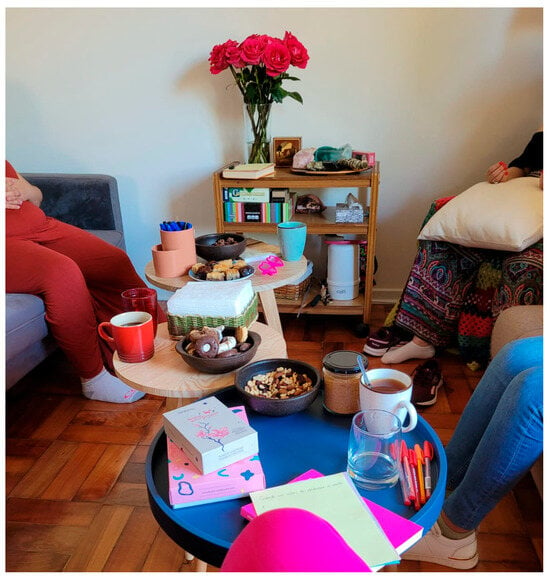
As high rates of sexual violence worldwide have increasingly been met with educational initiatives promoting sexual consent as a core preventive strategy, it becomes crucial to understand how consent is actually conceptualized in specific sociocultural contexts. This study examines how a group of adult women in Chile conceptualize sexual consent and how their understandings align with, expand or diverge from the definition promoted by the World Association for Sexual Health (WAS), a widely adopted international framework. Using a therapeutic writing methodology designed to support emotional safety and reflective depth, 34 women completed a collective writing workshop. For this paper, the main writing exercise was analyzed through thematic analysis. Results show three overarching themes: sexual consent as a self-directed and desire-aligned experience; the intricacies of giving in to sexual encounters as shaped by social expectations, emotional pressures, and relational considerations; and the tensions when differentiating consent from giving in, a distinction experienced as meaningful yet fluid and learned over time. Together, these findings reveal that our participants’ conceptualizations of sexual consent extend beyond normative international models, highlighting the need for attuned consent frameworks and educational approaches designed to prevent sexual violence.
Full article
(This article belongs to the Section Sexual Behavior and Attitudes)
►▼
Show Figures

Figure 1
Open AccessArticle
Blurred Lines: Exploring Bisexual Identity in the Face of Invalidation in a Spanish-Speaking Sample
by
Alejandro Kepp Termini and Marta Evelia Aparicio-García
Sexes 2026, 7(2), 16; https://doi.org/10.3390/sexes7020016 - 26 Mar 2026
Abstract
(1) Background: This article explores the qualitative dimensions of bisexual identity through the lived experiences of bisexual individuals. (2) Methods: Drawing on an online questionnaire completed by 226 participants from a Spanish-speaking sample, the study uses a grounded theory-based analysis of participant narratives.
[...] Read more.
(1) Background: This article explores the qualitative dimensions of bisexual identity through the lived experiences of bisexual individuals. (2) Methods: Drawing on an online questionnaire completed by 226 participants from a Spanish-speaking sample, the study uses a grounded theory-based analysis of participant narratives. (3) Results: The analysis identifies key components of bisexual identity, such as self-recognition, fluidity, and community belonging, as well as recurrent experiences of invalidation, promiscuity stereotypes, and intracommunity discrimination. The findings highlight the processes by which participants navigate and define their bisexuality, emphasizing the interaction between personal introspection, contact with audiovisual media, societal perceptions, and external validation in identity formation. (4) Conclusions: These results provide a nuanced exploration of how bisexual identities are constructed amid persistent challenges of invalidation, erasure, and limited community recognition.
Full article
(This article belongs to the Section Sexual Diversity: Orientation, Gender, Identity, and Attraction)
Open AccessArticle
A Reversed Orgasm Gap? Gender Differences in Orgasm Frequency During Heterosexual Partner Sex
by
Piet Van Tuijl
Sexes 2026, 7(1), 15; https://doi.org/10.3390/sexes7010015 - 17 Mar 2026
Abstract
Large-scale surveys consistently show there is an orgasm gap in heterosexual partner sex of 20% to 36%—with more women not experiencing orgasm during heterosexual partner sex than men. In two Dutch/Flemish general population convenience samples (N = 1028; 756 women (73.5%), 271 men
[...] Read more.
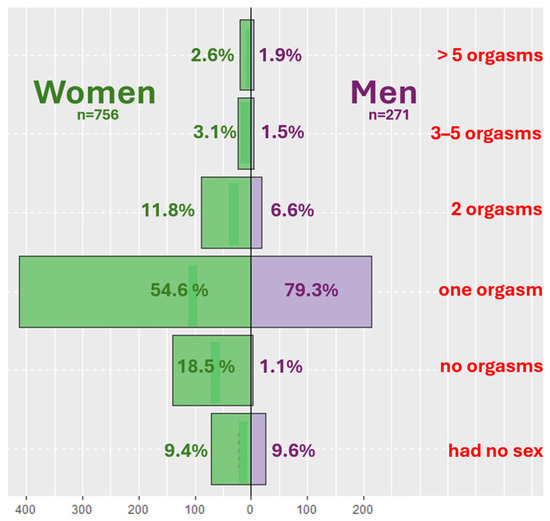
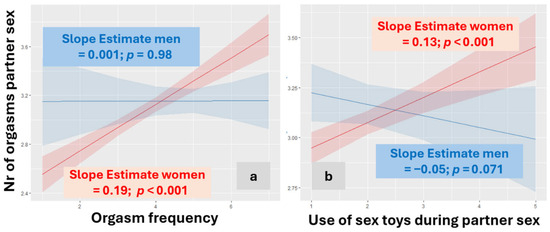
Large-scale surveys consistently show there is an orgasm gap in heterosexual partner sex of 20% to 36%—with more women not experiencing orgasm during heterosexual partner sex than men. In two Dutch/Flemish general population convenience samples (N = 1028; 756 women (73.5%), 271 men (26.4%), 1 non-binary (0.1%); Mage = 34.8 years; SDage = 12.7 years) of exclusively and almost exclusively heterosexual respondents, 140 women (20.4%) and 3 men (1.2%) who had sex in the last six months did not regularly experience orgasm during partner sex—representing an orgasm gap of 19.2% (p < 0.001). Women who did regularly experience orgasm during partner sex did more often than men experience orgasm more than once (24.2% of women versus 11.2% of men, a 13% difference; p < 0.001). MANOVA followed by post hoc ANOVAs were used to investigate group differences. Women who did not experience orgasm showed higher levels of sexual distress and sexual inhibition, and lower levels of sexual satisfaction and self-esteem than women who did experience orgasm. Also, higher levels of depressive symptoms and social anxiety were reported by the women not experiencing orgasm during partner sex. The strongest predictor of the number of orgasms during one sex session was the number of orgasms the partner presumably experienced. The current study confirmed the existence of a heterosexual gap, whilst results of this large-scale study also suggest a “reversed” orgasm gap: more women than men experience orgasm more than once during a heterosexual partner sex session.
Full article
(This article belongs to the Section Sexual and Reproductive Health, Sexual Medicine, and Psychosocial Remediation)
►▼
Show Figures

Figure 1
Open AccessArticle
Swiping for Support: The Role of Social Networking Applications in Sexual Health Outreach Among Queer and Trans Communities
by
Taylor Smith, Adam Davies, Justin Brass and Shoshanah Jacobs
Sexes 2026, 7(1), 14; https://doi.org/10.3390/sexes7010014 - 12 Mar 2026
Abstract
This study integrates recent literature with qualitative data from sexual-health outreach workers in the Greater Toronto Area to examine how outreach is delivered to gay, bisexual, transgender, and queer (GBTQ+) men who have sex with men (MSM) in virtual social settings, including social
[...] Read more.
This study integrates recent literature with qualitative data from sexual-health outreach workers in the Greater Toronto Area to examine how outreach is delivered to gay, bisexual, transgender, and queer (GBTQ+) men who have sex with men (MSM) in virtual social settings, including social networking applications. Using a symbolic-interactionist framework and reflexive thematic analysis, the study identifies persistent challenges that shape GBTQ+ and MSM users’ engagement with sexual-health services, such as stigma, privacy concerns, and platform-level constraints. Findings highlight mismatches between current outreach practices and community needs in app-based environments and point to opportunities to strengthen the relevance, accessibility, and trustworthiness of digital sexual-health initiatives. The analysis offers practical recommendations for improving service design and delivery in online queer spaces and outlines priorities for future research focused on outreach effectiveness, equity, and user safety.
Full article
Open AccessArticle
Parental Communication on Sexual and Reproductive Health in Côte d’Ivoire: An Interpretive Description Study in the Haut-Sassandra Region
by
Titilayo Tatiana Agbadje, Marlyse Mbakop Nguebou, Loukou Gilbert Konan, Mariame Koné, Abdoulaye Anne, Jean Ramdé, Souleymane Diabaté and Maman Joyce Dogba
Sexes 2026, 7(1), 13; https://doi.org/10.3390/sexes7010013 - 6 Mar 2026
Abstract
In Côte d’Ivoire, parent–child communication (PCC) about sexual and reproductive health (SRH) is often hindered by cultural and social norms. We aimed to explore parental communication on sexual and reproductive health in the Haut-Sassandra region, Côte d’Ivoire. We used an interpretive description approach.
[...] Read more.
In Côte d’Ivoire, parent–child communication (PCC) about sexual and reproductive health (SRH) is often hindered by cultural and social norms. We aimed to explore parental communication on sexual and reproductive health in the Haut-Sassandra region, Côte d’Ivoire. We used an interpretive description approach. Participants were parents (mothers and fathers), recruited through purposive sampling. Data were collected through individual interviews. We performed a thematic analysis. Overall, 63 parents participated in the study. The mean age of parents was 41.2. Sexuality remains a taboo subject. Sociocultural factors that hinder PCC are tradition, the need for intergenerational respect, and the fear of incitement. Reasons that explain the gap between intention and actual practice are the young age of the child, low parental self-efficacy, child gender, shame and intergenerational respect. Parents who communicate address the following topics: relationships (e.g., stay away from boys); values, rights, culture and sexuality (e.g., don’t date someone else’s husband); skills for health and well-being (e.g., sex has advantages and disadvantages); the human body and development (e.g., menstruation management); sexuality and sexual behaviour (e.g., practice abstinence); and sexual and reproductive health (e.g., protect oneself against disease). This study highlights the need to support parents in their educational role.
Full article
(This article belongs to the Section Sexual and Reproductive Health, Sexual Medicine, and Psychosocial Remediation)
►▼
Show Figures

Figure 1
Open AccessArticle
Authoritarian Aggression: A Unique Predictor of Attitudes to Sex- and Gender-Based Crime
by
Blake A. Kozlowski, Ashlyn S. Olson, Alizay R. Naqvi, Alexis S. Amos and Andrew S. Franks
Sexes 2026, 7(1), 12; https://doi.org/10.3390/sexes7010012 - 24 Feb 2026
Abstract
A recently developed nonpartisan authoritarian aggression scale (NAAS) has a robust nomological network that includes attitudes toward women and LGBTQ+ individuals. The current research was meant to further validate the scale by demonstrating its ability to predict unique variance in attitudes relating to
[...] Read more.
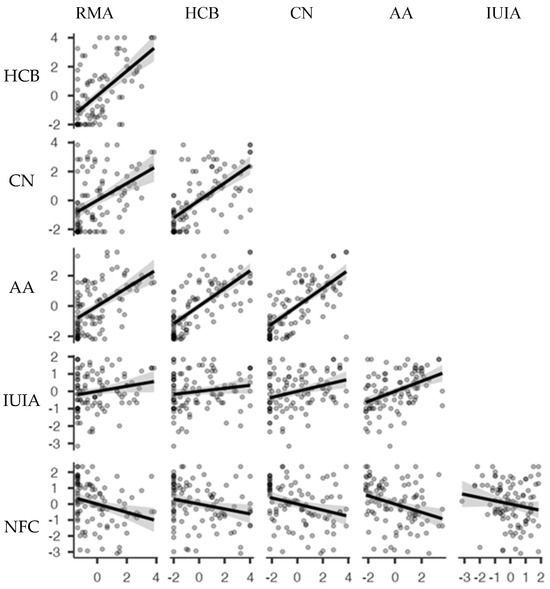
A recently developed nonpartisan authoritarian aggression scale (NAAS) has a robust nomological network that includes attitudes toward women and LGBTQ+ individuals. The current research was meant to further validate the scale by demonstrating its ability to predict unique variance in attitudes relating to sex crimes (i.e., rape myth acceptance) and anti-transgender hate crimes when controlling for potentially relevant cognitive (i.e., need for cognition, intolerance of uncertainty) and cultural (i.e., Christian nationalism) variables. A sample of 100 U.S. participants was recruited from Prolific and completed an online survey via Qualtrics. A series of correlation analyses showed that the NAAS was significantly related to all of the other predictor variables as well as both the sex and hate crime outcomes at the bivariate level, adding to the nomological network of the NAAS. Multiple regression analyses showed that the combination of predictors explained significant variance in both outcomes and that the NAAS was the only predictor to explain unique variance in both sex crime and anti-transgender hate crime attitudes. The results imply that authoritarian aggression poses a danger for women, transgender individuals, and victims of sex crimes and hate crimes more broadly. Future research should examine ways of attenuating authoritarian aggression in individuals and communities to protect those who are vulnerable due to their sex, sexual orientation, or gender identity.
Full article
(This article belongs to the Section Sexual Behavior and Attitudes)
►▼
Show Figures

Figure 1
Open AccessArticle
Sexuality, Intimacy, and Loneliness in Later Life: How Older Single and Widowed Black Women Seek Support Beyond Family
by
Margaret Salisu
Sexes 2026, 7(1), 11; https://doi.org/10.3390/sexes7010011 - 15 Feb 2026
Abstract
Loneliness poses a significant risk to the physical and mental well-being of older individuals, making it a pressing public health concern. Particularly for minority groups like elderly single and widowed Black women, the consequences of loneliness can be even more pronounced. To gain
[...] Read more.
Loneliness poses a significant risk to the physical and mental well-being of older individuals, making it a pressing public health concern. Particularly for minority groups like elderly single and widowed Black women, the consequences of loneliness can be even more pronounced. To gain deeper insights into the experiences of loneliness and coping strategies used by these women, a qualitative phenomenological research study was conducted, involving interviews with fourteen such individuals. The study revealed four main themes: lonelier with age; looking beyond the family for intimacy; family responses to loneliness; and coping with loneliness. Irrespective of living arrangements, all participants acknowledged experiencing varying degrees of loneliness. Despite having extensive social networks, many struggled with feelings of loneliness, alienation, and a lack of emotional closeness and connection. Consequently, these findings emphasize the importance of addressing loneliness in elderly single and widowed Black women, considering the intersectionality of race, gender, and mental health when assessing the risk of loneliness. Practical and policy implications suggest that professionals and physicians working with this group actively screen for loneliness and develop interventions and psychological support to help these women navigate their feelings of isolation.
Full article
(This article belongs to the Section Gender Studies)
Open AccessReview
Male Hormonal Contraceptives in Comprehensive Family Planning: Policy and Implementation Pathways to Advance Equity in Reproductive Rights
by
Piedad Gómez-Torres, Amber Mallery, Sergio Galarreta-Aperte, Germano Vera Cruz and Ana Carmen Lucha-López
Sexes 2026, 7(1), 10; https://doi.org/10.3390/sexes7010010 - 13 Feb 2026
Abstract
Male contraceptive options remain largely limited to condoms and vasectomy, while family planning services and monitoring indicators often prioritize women, contributing to inequities in contraceptive responsibility. This review examines how future male hormonal contraceptives (MHCs) could support more equitable, rights-based family planning, and
[...] Read more.
Male contraceptive options remain largely limited to condoms and vasectomy, while family planning services and monitoring indicators often prioritize women, contributing to inequities in contraceptive responsibility. This review examines how future male hormonal contraceptives (MHCs) could support more equitable, rights-based family planning, and what policy and implementation pathways are needed for responsible integration. We conducted a narrative synthesis of peer-reviewed studies and policy/advocacy guidance on male engagement in family planning and on MHC development (searches in PubMed/Scopus/Google Scholar and key organizational sources; 2000–May 2025), focusing on acceptability, service-delivery readiness, governance, and potential system impacts. Evidence indicates substantial interest in MHCs among men and women in hypothetical studies and trials, but highlights persistent barriers: gender norms, limited routine sex-disaggregated data on men’s participation, provider and service constraints, and insufficient public/private investment. Model-based analyses suggest that novel, reversible male methods could avert unintended pregnancies (with larger effects in settings with lower baseline contraceptive uptake) and that preventing unintended pregnancies can yield cost savings to health systems. Ethical discussions increasingly emphasize a dyadic perspective on risk and decision-making, alongside safeguards for autonomy and rights. We conclude that coordinated policy action—linking regulation, financing, service delivery, communication, and monitoring—is needed to expand couple-focused counselling, reduce stereotyping in care, strengthen indicators, and accelerate implementation pathways for MHCs while safeguarding women’s options and agency.
Full article
(This article belongs to the Section Sexual and Reproductive Health, Sexual Medicine, and Psychosocial Remediation)
Open AccessArticle
Body Image, Sexuality and Coping in Women Surviving Breast Cancer: A Phenomenological Qualitative Study
by
Jose Juarez-Gómez and Pablo A. Cantero-Garlito
Sexes 2026, 7(1), 9; https://doi.org/10.3390/sexes7010009 - 12 Feb 2026
Abstract
Breast cancer entails profound physical, emotional, and relational changes that persist beyond biomedical treatment and may substantially affect women’s body image, sexuality, and engagement in daily occupations. This descriptive phenomenological qualitative study examined the lived experiences of eight Spanish breast cancer survivors through
[...] Read more.
Breast cancer entails profound physical, emotional, and relational changes that persist beyond biomedical treatment and may substantially affect women’s body image, sexuality, and engagement in daily occupations. This descriptive phenomenological qualitative study examined the lived experiences of eight Spanish breast cancer survivors through in-depth semi-structured interviews conducted after completion of oncological treatment. Transcripts were analyzed using discourse analysis with iterative interpretation. Three interrelated findings were identified: (1) bodily changes linked to mastectomy and adjuvant therapies disrupted continuity with the previously known body, eliciting estrangement, vulnerability, and grief for the former bodily self; (2) sexuality emerged as a particularly vulnerable domain, shaped by diminished desire, vaginal dryness and pain, shame, altered self-perception, and the need to renegotiate intimacy within the couple; and (3) coping and meaning-making were strengthened by psychological support, efforts to emotionally protect family members, and, notably, peer support and helping other women as key sources of resilience. These findings highlight the need for integrated, culturally sensitive, person-centered survivorship care that explicitly addresses sexuality, body image, and emotional well-being. Occupational therapy may contribute by supporting embodied identity reconstruction, participation in meaningful occupations, and the reconfiguration of intimacy after breast cancer.
Full article
(This article belongs to the Section Sexual Behavior and Attitudes)
Open AccessArticle
Sex Education and Sexual Knowledge, Attitudes, and Behavior Among Florida College Students: Exploring the Impact of Curriculum Theme
by
Amber Whitmer, Tiffany Chenneville, Joseph Marshall, Elham Azamian Jazi and Ananda Myers
Sexes 2026, 7(1), 8; https://doi.org/10.3390/sexes7010008 - 5 Feb 2026
Abstract
Despite widespread support for comprehensive sex education (CSE), abstinence-focused education is the legally mandated standard in Florida public schools. Using a cross-sectional survey design, this study examined the relationship between sex education content and sexual knowledge, attitudes, and behaviors among 117 college students
[...] Read more.
Despite widespread support for comprehensive sex education (CSE), abstinence-focused education is the legally mandated standard in Florida public schools. Using a cross-sectional survey design, this study examined the relationship between sex education content and sexual knowledge, attitudes, and behaviors among 117 college students aged 18 to 25 attending predominantly one large Florida public university. Participants completed an anonymous online survey assessing demographics, sex education history, HIV/STI knowledge, sexual attitudes, and condom use. Contrary to expectations and some prior findings, there were no significant differences in HIV/STI knowledge, sexual attitudes, or condom use between students who reported receiving predominantly abstinence-only education (AOE) and those who reported receiving predominantly CSE. While challenging assumptions about the long-term effectiveness of CSE compared to AOE, the data suggest, in part, that the CSE label may be secondary to local implementation, personal experiences, and broader sociopolitical context, in influencing outcomes. Given Florida’s restrictive sex education and reproductive health policies, findings highlight the urgent need for more nuanced, context-sensitive research. Findings also emphasize the importance of evaluating not only the stated content but also the delivery, quality, and accessibility of sex education programs to better support youth sexual health.
Full article
(This article belongs to the Section Sexual and Reproductive Health, Sexual Medicine, and Psychosocial Remediation)
Open AccessArticle
Disclosure as an Unsafe Practice: A Qualitative Exploration of How Stigma and Discrimination Shape Healthcare Engagement and Receipt of Quality Care for Sex Workers in Victoria, Australia
by
P. G. Macioti, Jennifer Power, Ryan DeVeau, Miranda Millen, Casey McGlasson, Bee Charika and Adam Bourne
Sexes 2026, 7(1), 7; https://doi.org/10.3390/sexes7010007 - 5 Feb 2026
Abstract
Based on a qualitative health needs assessment with 31 diverse sex workers and 17 key stakeholders (including two mental health practitioners) in Victoria, Australia, this article adds to the emerging literature on stigma, sex work, and mental health. It does so by focusing
[...] Read more.
Based on a qualitative health needs assessment with 31 diverse sex workers and 17 key stakeholders (including two mental health practitioners) in Victoria, Australia, this article adds to the emerging literature on stigma, sex work, and mental health. It does so by focusing on one element that plays a key role in determining sex workers’ experience of mental health support: whether they would disclose their sex work to a practitioner, why so, and what happens as a result. Our study finds that experiences and fears of being stigmatised by health practitioners when disclosing may prevent some sex workers from seeking professional mental health support in the first place and lead others to silence it or obfuscate; thus, potentially complicating access to safe and affirming mental healthcare. The value and role of disclosure is analysed in context by acknowledging the agency and ability of sex workers to understand, or take action in response to, their own mental health needs. Peer-to-peer support and solidarity are identified as key to sex workers’ mental well-being. Criminal restrictions on sex work are found to negatively impact sex workers’ access to mental healthcare. The findings from this study support ongoing efforts aimed at the full decriminalisation of sex work in order to improve sex workers’ access to high-quality mental health support, should they seek it, as well as the implementation of sensitivity training for mainstream mental health providers and the creation of reliable and accessible referral lists of sex worker-friendly mental healthcare providers.
Full article
Open AccessArticle
Intimate Economics: Power, Gender, Sexuality, and Heteropatriarchy, in Delhi, India, 2011–2015
by
Emme Edmunds
Sexes 2026, 7(1), 6; https://doi.org/10.3390/sexes7010006 - 2 Feb 2026
Abstract
Taboos differentially reinforce socially constructed gender and sexual hierarchies that affect the experiences of all people—women, men, queer, heterosexual, and transgender people. In Delhi, India, institutions of heteropatriarchy, buttressed by colonial history, reproduce and naturalize limits to the agency and economic autonomy of
[...] Read more.
Taboos differentially reinforce socially constructed gender and sexual hierarchies that affect the experiences of all people—women, men, queer, heterosexual, and transgender people. In Delhi, India, institutions of heteropatriarchy, buttressed by colonial history, reproduce and naturalize limits to the agency and economic autonomy of women and queer people. These intimate economics influence and are influenced by people making decisions regarding relationships and have broad repercussions in society. How do individuals and groups simultaneously question, remake, and enlarge gendered categories and experiences? Interviews with middle-class people are discussed in the context of scholarship that considers the social, political, and historical contexts of the region. Interview responses are triangulated with ethnographic participation in Delhi-based events that examine and confront aspects of heteropatriarchal regulation of people regarding categories of gender and sexual expression. Themes emerge regarding how people create and access knowledge, economic autonomy, relationships, and family formation. The conclusion discusses ways in which the erosion of taboos reveals changing roles and identities and how these changes affect the hierarchal gender binary, producing social tensions and paradoxes.
Full article
(This article belongs to the Section Gender Studies)
Open AccessArticle
Attitudes of Secondary School Students Towards Homosexuality and HIV/AIDS in Slovenia
by
Tina Kogovšek, Roman Kuhar and Alenka Švab
Sexes 2026, 7(1), 5; https://doi.org/10.3390/sexes7010005 - 30 Jan 2026
Abstract
This study provides valuable insights into the factors influencing attitudes towards homosexuality and people living with Human Immunodeficiency Virus (HIV) among Slovenian high school students. The analysis identifies gender, school type, and religious affiliation as significant predictors of these attitudes. Consistent with previous
[...] Read more.
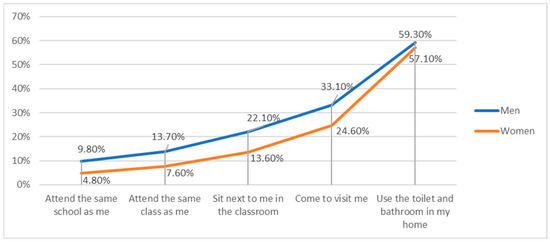
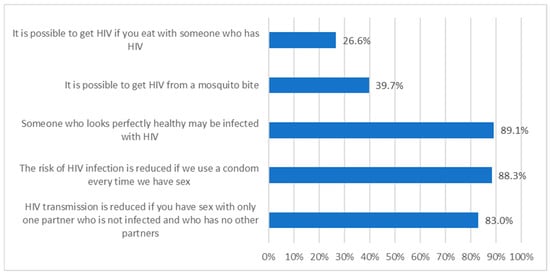
This study provides valuable insights into the factors influencing attitudes towards homosexuality and people living with Human Immunodeficiency Virus (HIV) among Slovenian high school students. The analysis identifies gender, school type, and religious affiliation as significant predictors of these attitudes. Consistent with previous research, gender differences emerge, with male students displaying more negative attitudes towards homosexuality compared to their female counterparts. This discrepancy is particularly pronounced among students attending vocational schools, aligning with existing data on attitudes towards sexuality. Sociological theories predicting social changes in intimacy, with women at the forefront, contribute to understanding this gender disparity.
Full article
(This article belongs to the Section Sexual Behavior and Attitudes)
►▼
Show Figures

Figure 1
Open AccessArticle
Sexuality in the Elderly in Chile
by
Jhonny Acevedo Ayala, Constanza Bartolucci Konga, Francisca Molero Rodríguez, Marcelo Vásquez León and Eliana Espinoza Alarcón
Sexes 2026, 7(1), 4; https://doi.org/10.3390/sexes7010004 - 29 Jan 2026
Abstract
Population aging is a reality in Chile that affects the course of life, quality of life, and sexuality of older adults. The objective of this study is to identify the dimensions, characteristics, and underlying contents of sexuality in older adults participating in community-based
[...] Read more.
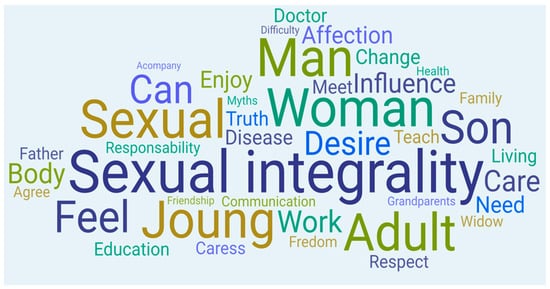
Population aging is a reality in Chile that affects the course of life, quality of life, and sexuality of older adults. The objective of this study is to identify the dimensions, characteristics, and underlying contents of sexuality in older adults participating in community-based organizations in Chile. A qualitative study was conducted using grounded theory, based on ten focus groups with N of 85 participants aged 60 and over. Groups of women, men, and mixed groups were organized in the northern, central, and south-central zones of the country. The data were entered and analyzed using MAXQDA 2023 software. The results identified 10 dimensions and 42 sub-dimensions related to the sexuality of older adults. A structural educational deficit in the subject was identified, characterized by a lack of training for health care personnel and care gaps at the primary health care level, among other issues. It is concluded that sexuality in older adults is an emerging issue and a human right subject to social discrimination, with limitations to its full experience which must be studied and addressed to improve sexuality as part of changes in quality of life.
Full article
(This article belongs to the Section Sexual Behavior and Attitudes)
►▼
Show Figures

Figure 1
Open AccessArticle
Childhood Sexual Trauma Severity Measurement: Redundancy in the Effects of Trauma Duration and Developmental Timing on Adverse Adult Outcomes
by
Ashley C. Schuyler, Joseph A. Catania, Jesse A. Canchola and M. Margaret Dolcini
Sexes 2026, 7(1), 3; https://doi.org/10.3390/sexes7010003 - 22 Jan 2026
Abstract
Research suggests that the impact of childhood sexual trauma (CST) on adult well-being varies in relation to characteristics of CST experiences (e.g., age of onset and duration/frequency) that influence the degree of trauma severity. Yet there remains a need for a CST severity
[...] Read more.
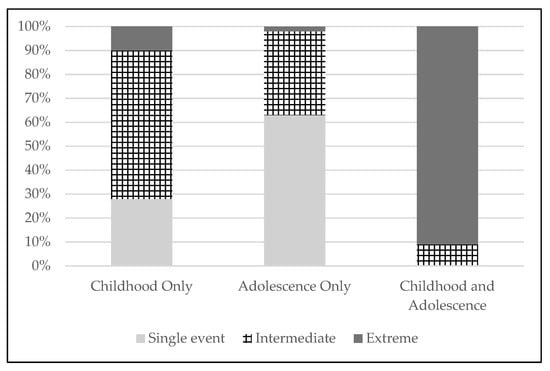
Research suggests that the impact of childhood sexual trauma (CST) on adult well-being varies in relation to characteristics of CST experiences (e.g., age of onset and duration/frequency) that influence the degree of trauma severity. Yet there remains a need for a CST severity measure that consistently delineates survivors with an elevated risk of adverse adult outcomes (AAOs) and accounts for correlations between severity characteristics. We compared two theory-based, categorical proxy measures of CST severity (duration and developmental timing) in their relationship with three AAOs, among a national probability sample of U.S. adult CST survivors (N = 568). We found a strong relationship between CST duration and developmental timing (p < 0.001), and redundancy in their impact on AAOs (i.e., no meaningful difference in how well they predicted AAOs). Participants with more chronic CST (≥4 years duration or occurring across childhood and adolescence) were twice as likely to report AAOs as other participants. Findings support the importance of assessing trauma chronicity in research and practice, to focus prevention and intervention strategies on CST survivors with the greatest long-term health risk. A categorical CST duration measure offers a theory-based assessment strategy that accounts for both the temporal and developmental effects of trauma severity on health outcomes.
Full article
(This article belongs to the Section Sexual and Reproductive Health, Sexual Medicine, and Psychosocial Remediation)
►▼
Show Figures

Graphical abstract
Highly Accessed Articles
Latest Books
E-Mail Alert
News
Topics
Topic in
IJERPH, Behavioral Sciences, Sexes, Social Sciences, Psychology International
Social, Structural and Behavioral Interventions for HIV Prevention
Topic Editors: Greg Rebchook, Susan Kegeles, Sophia Zamudio-HaasDeadline: 30 June 2026
Conferences
Special Issues
Special Issue in
Sexes
2nd Edition: Exclusive Papers Collection of the Editorial Board of Sexes
Guest Editors: David L. Rowland, Charmaine Borg, Ion MotofeiDeadline: 30 June 2026
Special Issue in
Sexes
Adolescent Sexual and Reproductive Health
Guest Editor: Thelma BegleyDeadline: 31 December 2026