

- 4.1Impact Factor
- 8.6CiteScore
- 25 daysTime to First Decision
Unmanned Aerial Vehicle (UAV) and Satellite Synergy for Assessment and Monitoring Biodiversity
This special issue belongs to the section “Biogeosciences Remote Sensing“.
Special Issue Information
Dear Colleagues,
Several decades ago, it became evident that biodiversity in the world is declining at an unprecedented rate. Global biodiversity loss has drawn attention to the relationship between biodiversity and ecosystem services. Biodiversity plays a vital role in maintaining ecosystem stability, seriously impacts human health and societies, and provides diverse production and living necessities. Although traditional approaches to measuring biodiversity provide valuable information, with recent advances in remote sensing (RS), the characterization of biodiversity over a large area can be performed systematically, repeatedly, spatially exhaustively, timely, cost-effectively, and accurately.
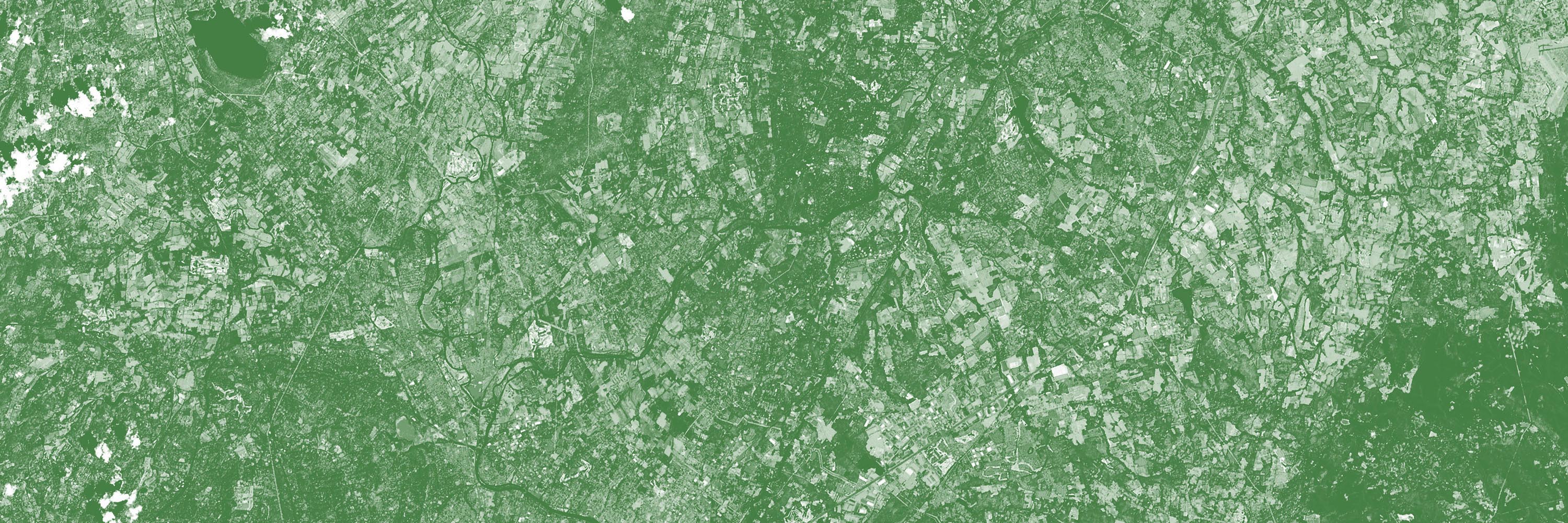
Periodic repeats of satellite-based RS are incredibly useful for monitoring change and providing valuable input to conservation management, assessments, and international agreements. This Special Issue, “Unmanned Aerial Vehicle (UAV) and Satellite Synergy for Assessment and Monitoring Biodiversity”, provides a baseline set of information about using RS for monitoring biodiversity in terrestrial, marine, and freshwater realms. A brief overview of how RS can be used for biodiversity and conservation applications, emphasizing to promote knowledge and adopt effective strategies to maintain diversity. Satellite- and airborne-based remote sensing applications with regular repeat cycles provide global coverage, local and regional scales under a variety range of biotic or abiotic drivers in ecosystems with daily view of the entire Earth.
All studies relevant to using satellite and UAV data processing (optical or radar) addressing biodiversity monitoring at different spatial and temporal scales, describing what is required for monitoring biodiversity by remote sensing, recent methodological innovations to achieve biodiversity monitoring, and success stories in applying various techniques for monitoring biodiversity are welcome. All types of original research (including review papers, proof-of-concept manuscripts, validation exercises, and application-oriented contributions) will be considered.
Dr. Azade Deljouei
Dr. Hormoz Sohrabi
Dr. Parth Sarathi Roy
Guest Editors
Manuscript Submission Information
Manuscripts should be submitted online at www.mdpi.com by registering and logging in to this website. Once you are registered, click here to go to the submission form. Manuscripts can be submitted until the deadline. All submissions that pass pre-check are peer-reviewed. Accepted papers will be published continuously in the journal (as soon as accepted) and will be listed together on the special issue website. Research articles, review articles as well as short communications are invited. For planned papers, a title and short abstract (about 250 words) can be sent to the Editorial Office for assessment.
Submitted manuscripts should not have been published previously, nor be under consideration for publication elsewhere (except conference proceedings papers). All manuscripts are thoroughly refereed through a single-blind peer-review process. A guide for authors and other relevant information for submission of manuscripts is available on the Instructions for Authors page. Remote Sensing is an international peer-reviewed open access semimonthly journal published by MDPI.
Please visit the Instructions for Authors page before submitting a manuscript. The Article Processing Charge (APC) for publication in this open access journal is 2700 CHF (Swiss Francs). Submitted papers should be well formatted and use good English. Authors may use MDPI's English editing service prior to publication or during author revisions.
Keywords
- biodiversity
- species distribution modeling
- ecological modeling
- ecosystem monitoring
- remote sensing
- sensors
- spatial resolution
- ecoinformatics
- land use change
- landscape fragmentation
Benefits of Publishing in a Special Issue
- Ease of navigation: Grouping papers by topic helps scholars navigate broad scope journals more efficiently.
- Greater discoverability: Special Issues support the reach and impact of scientific research. Articles in Special Issues are more discoverable and cited more frequently.
- Expansion of research network: Special Issues facilitate connections among authors, fostering scientific collaborations.
- External promotion: Articles in Special Issues are often promoted through the journal's social media, increasing their visibility.
- e-Book format: Special Issues with more than 10 articles can be published as dedicated e-books, ensuring wide and rapid dissemination.
Published Papers
Get Alerted
Add your email address to receive forthcoming issues of this journal.


