

- 1.1Impact Factor
- Indexed inScopus
- 24 daysTime to First Decision
Medication-Related Osteonecrosis of the Jaw (MRONJ): Current Practice, New Tools and Future Trends
Special Issue Information
Dear Colleagues,
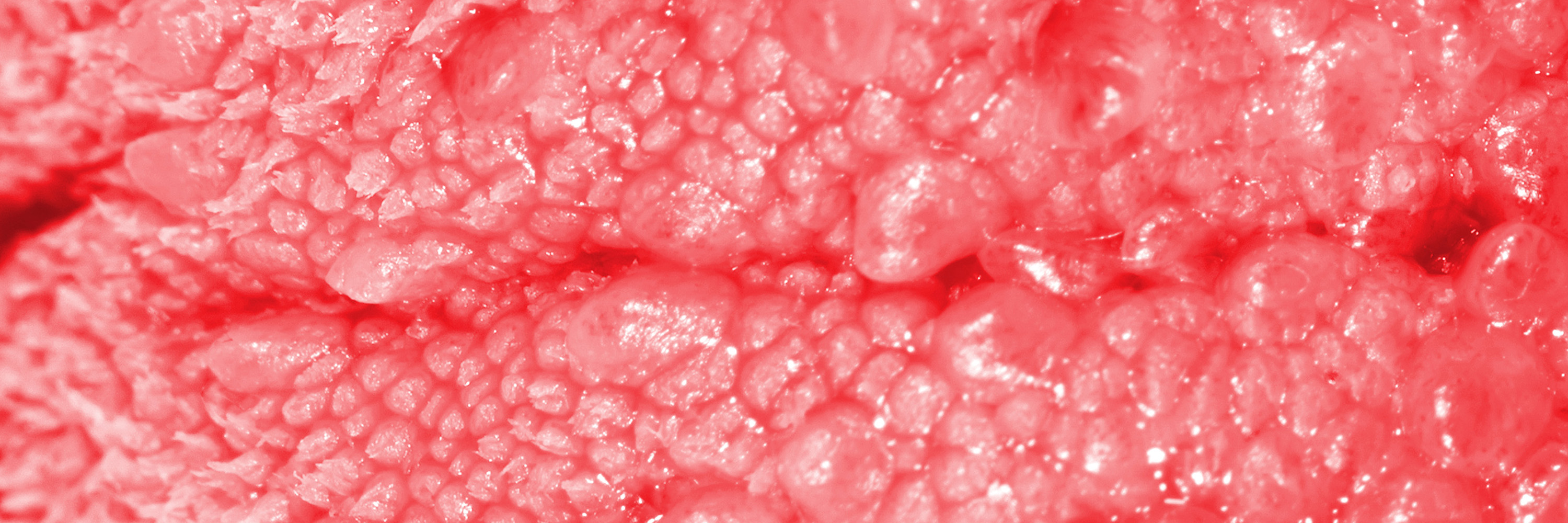
Medication-related osteonecrosis of the Jaw (MRONJ) is an adverse drug reaction described as the progressive destruction and death of bone that affects the mandible and maxilla of patients exposed to the treatment with medications known to increase the risk of disease, in the absence of a previous radiation treatment.
Osteonecrosis of the jaw has been described for the first time more than 15 years ago; since that time, thousands of paper have been published on the topic, showing the progress of research in this area. What we know is that MRONJ may lead to a reduced quality of life due to jaw bone infections, chronic pain, tooth loss, impaired function, and disfigurement. However, despite significant advancement in our comprehension of the disease, there remain several controversial issues.
Indeed, one of the most recurrent question is “Which is the correct treatment strategy for patients affected by MRONJ?”
Simultaneously, surgical techniques have advanced considerably and several new tools have been proposed, such as lasers or piezoelectric devices. Additionally, team-based multidisciplinary patient management has been applied in MRONJ prevention and treatment, improving patient outcomes beyond traditional operative strategies.
This Topical Collection is focused on, but not limited to, advances and innovations in MRONJ treatment highlighting novel surgical approaches or devices and outcomes of clinical management protocols.
We invite you to submit high-quality original research articles or reviews that provide new findings on MRONJ extending the current state of knowledge. All manuscripts will be peer-reviewed by experts in the field.
Prof. Dr. Giacomo Oteri
Prof. Dr. Umberto Romeo
Dr. Rodolfo Mauceri
Prof. Dr. Alberto Bedogni
Dr. Vittorio Fusco
Collection Editors
Manuscript Submission Information
Manuscripts should be submitted online at www.mdpi.com by registering and logging in to this website. Once you are registered, click here to go to the submission form. Manuscripts can be submitted until the deadline. All submissions that pass pre-check are peer-reviewed. Accepted papers will be published continuously in the journal (as soon as accepted) and will be listed together on the special issue website. Research articles, review articles as well as short communications are invited. For planned papers, a title and short abstract (about 250 words) can be sent to the Editorial Office for assessment.
Submitted manuscripts should not have been published previously, nor be under consideration for publication elsewhere (except conference proceedings papers). All manuscripts are thoroughly refereed through a single-blind peer-review process. A guide for authors and other relevant information for submission of manuscripts is available on the Instructions for Authors page. Oral is an international peer-reviewed open access quarterly journal published by MDPI.
Please visit the Instructions for Authors page before submitting a manuscript. The Article Processing Charge (APC) for publication in this open access journal is 1200 CHF (Swiss Francs). Submitted papers should be well formatted and use good English. Authors may use MDPI's English editing service prior to publication or during author revisions.
Keywords
- osteonecrosis of the jaw
- medication-related osteonecrosis of the jaw
- antiresorptive agents
- antiangiogenic agents
- oral surgical procedures
- oral health
- oral prevention
- public health dentistry
- laser therapy
- piezosurgery
- autologous platelet concentrates
Benefits of Publishing in a Special Issue
- Ease of navigation: Grouping papers by topic helps scholars navigate broad scope journals more efficiently.
- Greater discoverability: Special Issues support the reach and impact of scientific research. Articles in Special Issues are more discoverable and cited more frequently.
- Expansion of research network: Special Issues facilitate connections among authors, fostering scientific collaborations.
- External promotion: Articles in Special Issues are often promoted through the journal's social media, increasing their visibility.
- e-Book format: Special Issues with more than 10 articles can be published as dedicated e-books, ensuring wide and rapid dissemination.
Published Papers
Get Alerted
Add your email address to receive forthcoming issues of this journal.


