You are currently on the new version of our website. Access the old version .
  • 19 days
    Time to First Decision

All Articles (124)

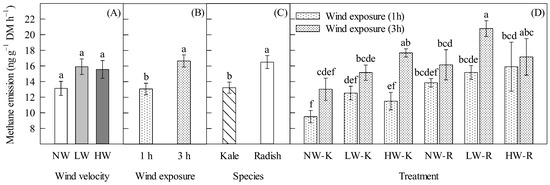
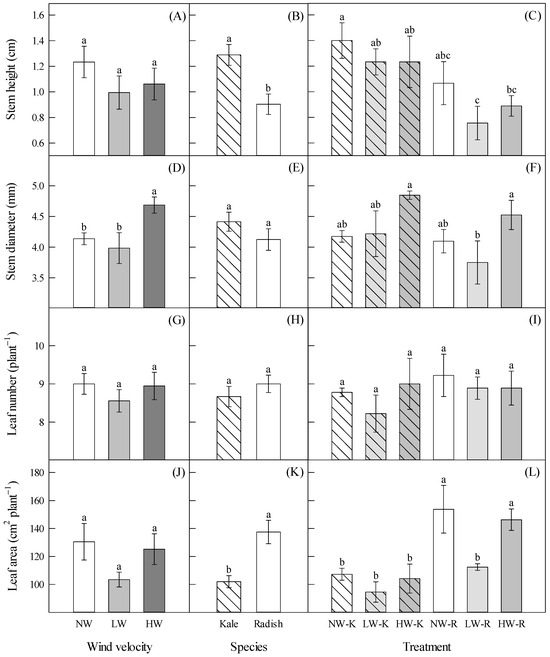
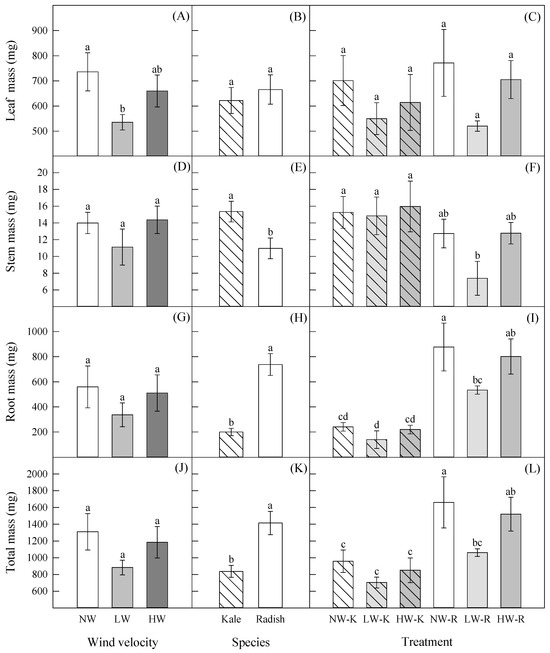
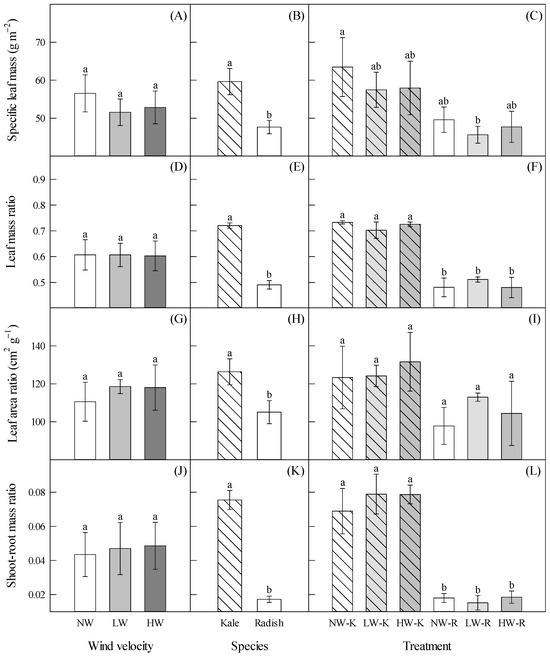
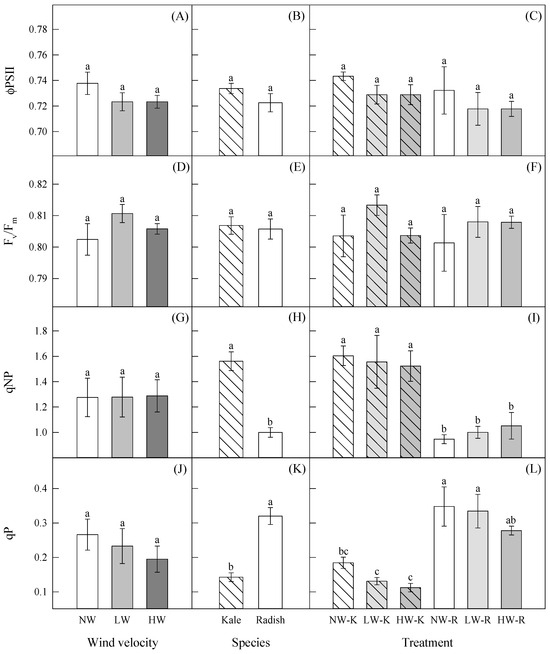
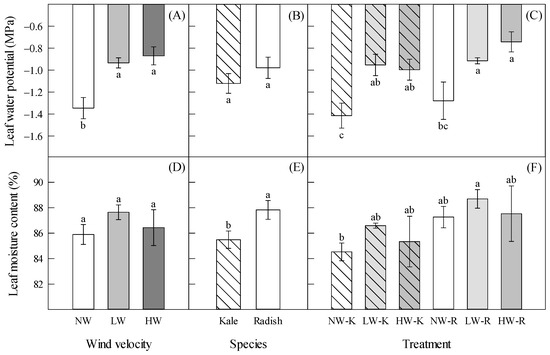
Aerobically produced methane (CH4) from plants is influenced by several environmental factors, but wind velocity has yet to be investigated for its potential role in plant-derived CH4 emissions. We tested three wind velocities (0, 6, and 12 km h−1) on a wind-susceptible, Raphanus sativus (radish), and a wind-tolerant, Brassica oleracea var. sabellica (kale) plant species to investigate the effects of wind on plant-derived CH4, and to compare how varying tolerances to wind affect CH4 emissions. We found that wind exposure resulted in a decrease in leaf surface area, root and total dry mass, and an increase in leaf water potential for radish plants, while kale plants were affected minimally by wind. Radish plants emitted more CH4 than kale plants, although the effect of wind velocity on CH4 emissions and several of the measured traits was insignificant. Our study revealed that short-term exposure to lower wind velocities is generally insufficient to induce significant changes in plant growth and functioning. However, we showed that radish plants were more stressed by exposure to wind compared to kale plants, as indicated by lower plant growth and higher CH4 emissions.
1 January 2026

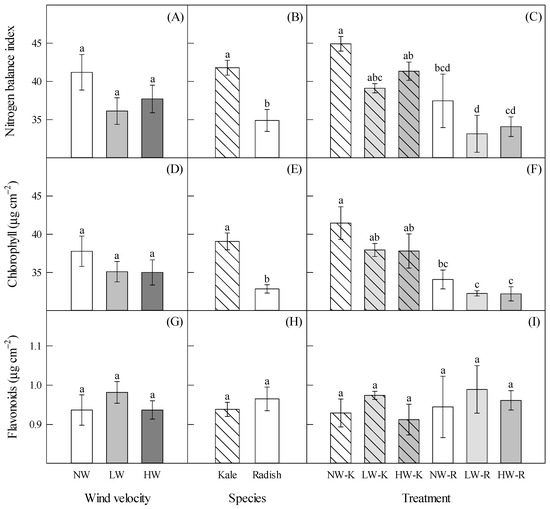
Aerobically produced methane emissions of thirty-day-old Brassica oleracea var. sabellica (K, kale) and Raphanus sativus (R, radish). (A) Wind velocity, (B) wind exposure, (C) species, and (D) treatment. Plants were grown under a temperature regime of 22/18 °C (16 h light/8 h dark) and a light intensity of 300 μmol photons m−2 s−1, and exposed to wind velocities (NW, no wind; LW, lower wind: 6 km h−1; or HW, higher wind: 12 km h−1) for one hour or three hours for ten days, after twenty days of initial growth under control conditions. Data are means ± SEM of three replicated experiments. Bars surmounted by different letters within each panel are significantly different (Fisher’s LSD test, p < 0.05).

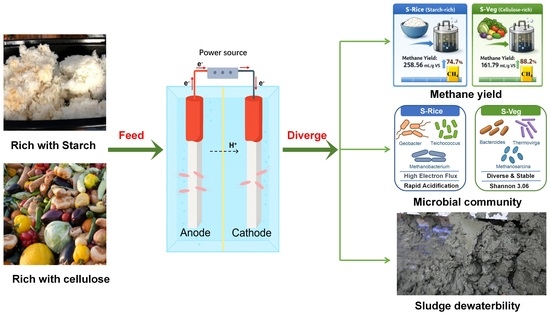
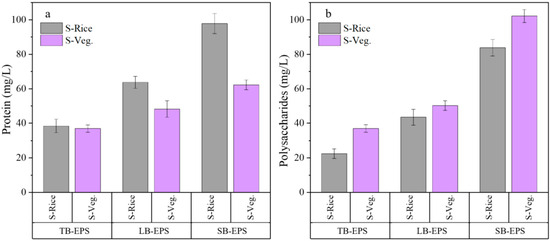
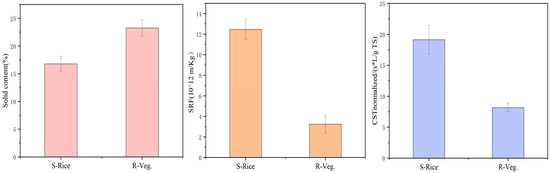
The compositional heterogeneity of food waste greatly influences its bioconversion in microbial electrolysis cell (MEC)-assisted anaerobic digestion (AD), but the underlying mechanism remains unclear. Therefore, this study assessed two typical food wastes, i.e., starch-rich rice and cellulose-rich vegetables, on methane production, microbial constituents, and digestate dewaterability in single-chamber MECs. The results demonstrated that, while the rice-fed MEC (258.56 mL/g VS) achieved a higher methane yield compared to the vegetable-fed MEC (161.79 mL/g VS), the latter achieved higher methane purity. Temporal profiles of volatile fatty acids (VFAs) revealed rapid acidification and consumption in rice-fed systems, whereas vegetable-fed MEC exhibited delayed degradation. Additionally, the substrate type greatly influenced digestate dewaterability, since digestate from the vegetable-fed MEC exhibited lower specific resistance to filtration (3.25 × 10¹² m/kg vs. 12.46 × 10¹² m/kg) and capillary suction time (8.16 s·L/g vs. 19.14 s·L/g) compared to that from the rice-fed MEC. This improvement was likely attributed to high polysaccharides in extracellular polymeric substances (EPS) and cellulose’s structural properties, which promoted the formation of a porous, less compressible sludge cake that facilitated sludge dewaterability. Microbial community analysis revealed a substrate-driven specialization, as the rice-fed MECs enriched exoelectrogens (e.g., Geobacter, Trichococcus) and hydrogenotrophic methanogens (i.e., Methanobacterium), while the vegetables enriched Bacteroides and Methanosarcina. Collectively, these results suggest substrate composition profoundly influences methane yield, metabolic pathways, microbial ecology, and digestate properties in MEC-assisted AD. This work provides key insights into the role of feedstock characteristics in shaping MEC-assisted AD systems.

25 December 2025

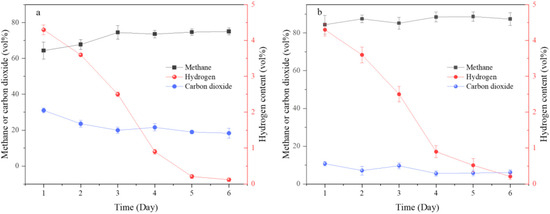
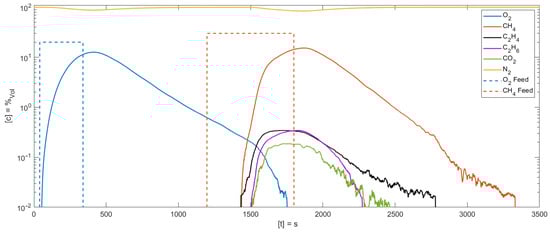
Gas constituents in MEC fed with rice (a) and vegetables (b).

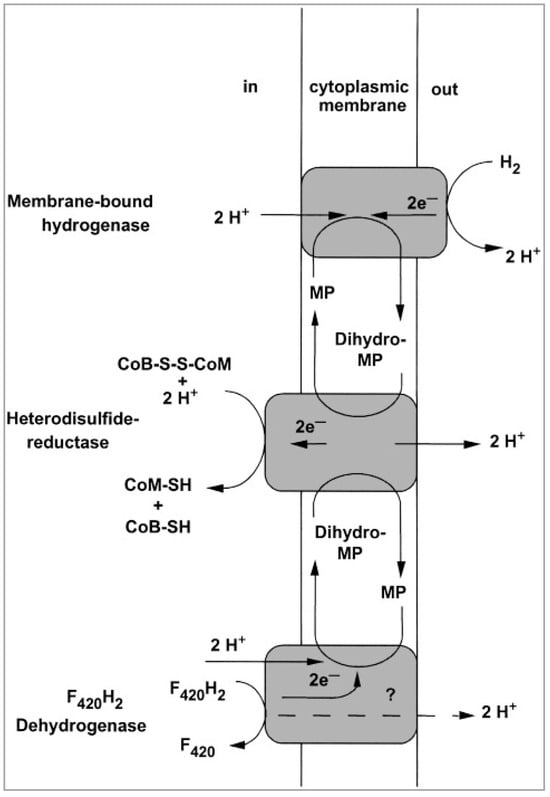
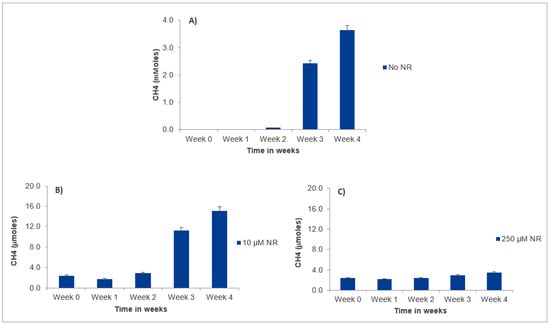
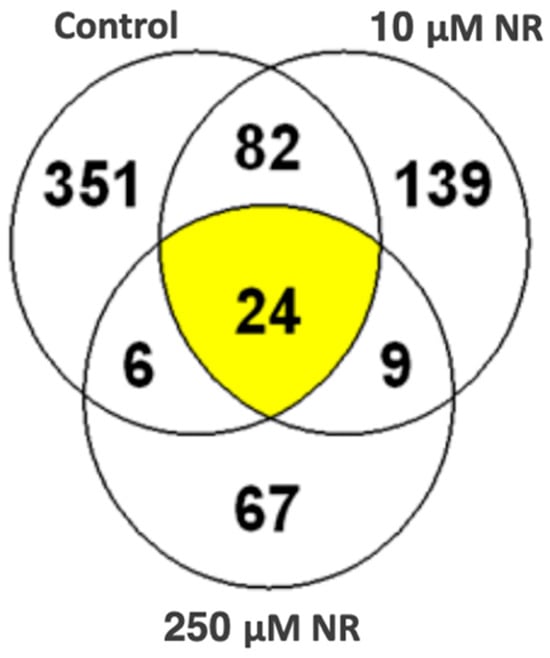
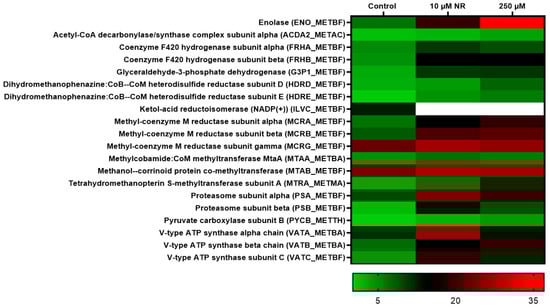
Neutral red (NR) is a phenazine dye that has been implicated in electron transfer processes in methanogenic archaea. NR has been previously observed to enhance methane production but its effects on Methanosarcina barkeri are unknown. This study aimed to investigate the effects of NR on M. barkeri DSM-804. M. barkeri cultures were grown in the presence of 10 and 250 µM NR for four weeks, and proteomic analysis was performed using liquid chromatography-tandem mass spectrometry (LC-MS/MS). The results showed that methane production was significantly reduced in the presence of NR, at lower concentrations of both 10 and 250 µM NR treatments, compared to the control. Proteomic analysis revealed the downregulation of proteins related to substrate metabolism and methanogenesis, such as the heterodisulfide reductase subunits D (HDRD_METBF) and E (HDRE_METBF), suggesting that NR hindered essential metabolic processes. Proteomic analysis also revealed that M. barkeri lacked methanophenazine in its membrane, which is a component essential for electron transport via neutral red (NR) that supports enhanced growth and methane production. Further research is needed to explore the role of methanophenazine and understand the mechanisms underlying NR’s effects of NR on methanogenesis in M. barkeri.

19 December 2025

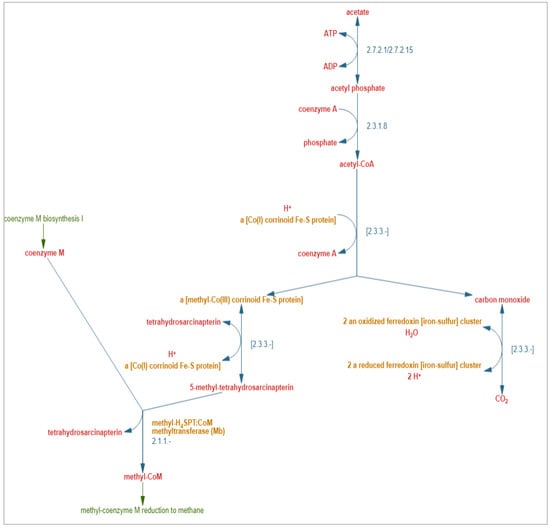
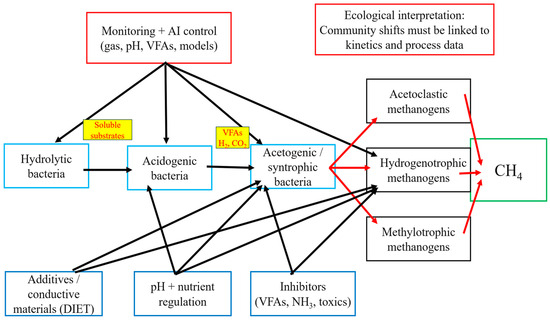
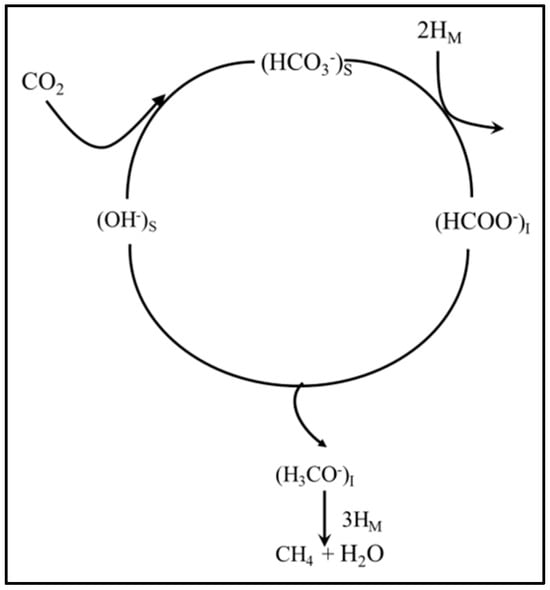
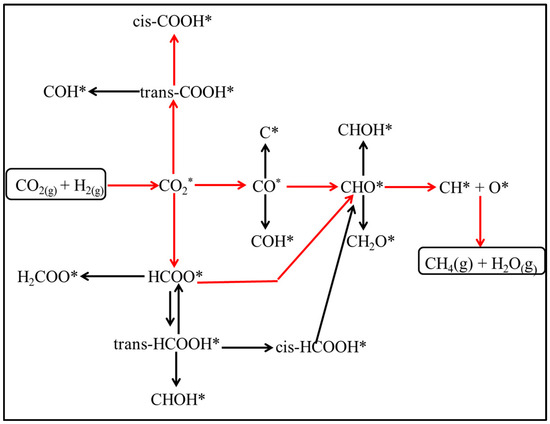
Adapted from MetaCyc Pathway: acetoclastic methanogenesis. The numbers such as 2.7.2.1, 2.7.2.15, 2.3.1.8, 2.3.3.-, 2.1.1.-, 2.3.3.- are EC numbers assigned by the International Union of Biochemistry and Molecular Biology (IUBMB). EC 2.7.2.1/2.7.2.15—Acetate kinase; EC 2.3.1.8—Phosphotransacetylase; EC 2.3.3.-—Acetyl-CoA decarbonylase/synthase; EC2.1.1.-—Methyl-H4SPT:CoM methyltransferase (Mtr); EC 1.2.7.- (shown as 2.3.3.- in MetaCyc shorthand—Carbon monoxide dehydrogenase.

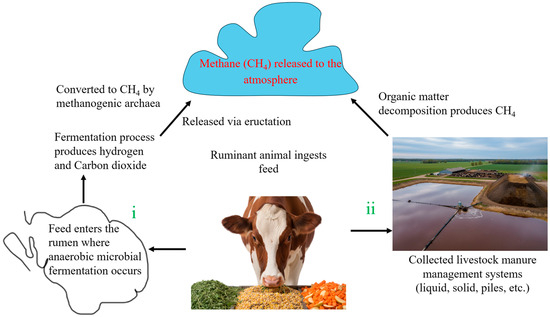
Agriculture is a significant contributor to greenhouse gas (GHG) emissions, with enteric methane (EntCH4) from cattle production being a major source. In Zambia, cattle play a critical role in rural livelihoods and food security, yet the contribution of cattle production systems to national GHG emissions remains poorly quantified. This study used the Intergovernmental Panel on Climate Change (IPCC) Tier 2 method to estimate EntCH4 from Zambia’s cattle population from 1994 to 2022. The Tier 2 method provides a more accurate estimate than the Tier 1 method by incorporating country-specific data on cattle population demographics, husbandry, and feeding practices. The results show significant variations in EntCH4 over time, driven by changes in cattle population dynamics and production practices. This study underscored the importance of transitioning from the generalized Tier 1 to the Tier 2 method to capture the unique characteristics of Zambia’s cattle production systems. The present findings provide critical insights for developing targeted mitigation strategies that will support Zambia’s ongoing efforts to address climate change while promoting sustainable livestock production.

15 December 2025

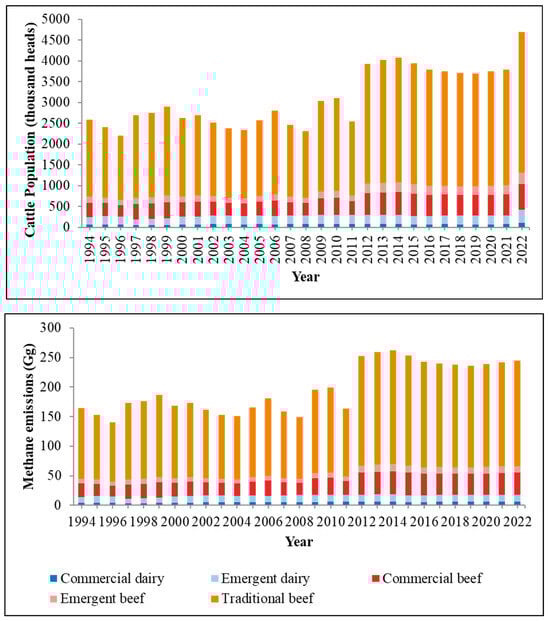
Cattle population and methane emissions from enteric fermentation for various cattle production systems in Zambia for the period 1994–2022.

News & Conferences

Issues

Open for Submission

Editor's Choice

Get Alerted

Add your email address to receive forthcoming issues of this journal.

XFacebookLinkedIn
Methane - ISSN 2674-0389