The New Era of Digital Marketing
Share This Topical Collection
Editors
 Dr. Sweety Sadhukhan
Dr. Sweety Sadhukhan
E-Mail
Website
Guest Editor
Department of Commerce, Kishore Bharati Bhagini Nivedita College, Kolkata 700060, India
Interests: e-commerce; communication; marketing; women’s empowerment; human resources; stress; corporate governance; business and management
Special Issues, Collections and Topics in MDPI journals
Topical Collection Information
Dear Colleagues,
Recently, technology has changed the business strategies of business leaders, especially when it comes to their marketing strategies. We are in the era of digital technologies where customers are inclined to online marketing besides offline marketing systems. Marketers found new ways of understanding and connecting with customers online. Massive use of smart phones is the biggest advantage for the marketer. Digital marketing services are not only limited to e-commerce apps and websites, but they expand to social media platforms like Facebook, Twitter, Instagram, and so on. New media/social media plays a vital role apart from traditional mean of marketing.
Our endeavor is meant to encourage all professionals, academicians, industrialists, and other people surrounding us to act as consultants with their views and opinions about digital marketing. The aim of the book is to raise awareness about the future of digital marketing leading to a sustainable and profitable future.
Both original research and review articles with the objective of improving problems in the implementation of digital technology and social and environmental issues are encouraged.
Potential topics include but are not limited to the following:
- Issues and challenges of online marketing
- Role of social media
- Viral marketing
- Evolution of digital marketing
- Role and importance of digital marketing in socio-economic development
- Challenges and solution of digital marketing
- Internet marketing
- Future of digital marketing
- Online green marketing strategies
- Women and social marketing
- Mathematical modeling on offline and online marketing and its comparison
- Inventory control through offline and online (double channel)
- Supply chain management
Dr. Shib Sankar Sana
Dr. Sweety Sadhukhan
Guest Editors
Manuscript Submission Information
Manuscripts should be submitted online at www.mdpi.com by registering and logging in to this website. Once you are registered, click here to go to the submission form. All submissions that pass pre-check are peer-reviewed. Accepted papers will be published continuously in the journal (as soon as accepted) and will be listed together on the collection website. Research articles, review articles as well as short communications are invited. For planned papers, a title and short abstract (about 250 words) can be sent to the Editorial Office for assessment.
Submitted manuscripts should not have been published previously, nor be under consideration for publication elsewhere (except conference proceedings papers). All manuscripts are thoroughly refereed through a single-blind peer-review process. A guide for authors and other relevant information for submission of manuscripts is available on the Instructions for Authors page. Journal of Theoretical and Applied Electronic Commerce Research is an international peer-reviewed open access monthly journal published by MDPI.
Please visit the Instructions for Authors page before submitting a manuscript.
The Article Processing Charge (APC) for publication in this open access journal is 1400 CHF (Swiss Francs).
Submitted papers should be well formatted and use good English. Authors may use MDPI's
English editing service prior to publication or during author revisions.
Keywords
- digital marketing
- digital transformation
- value creation processes
- sustainable and profitable future
- social media
- marketing strategy
Published Papers (18 papers)
Open AccessArticle
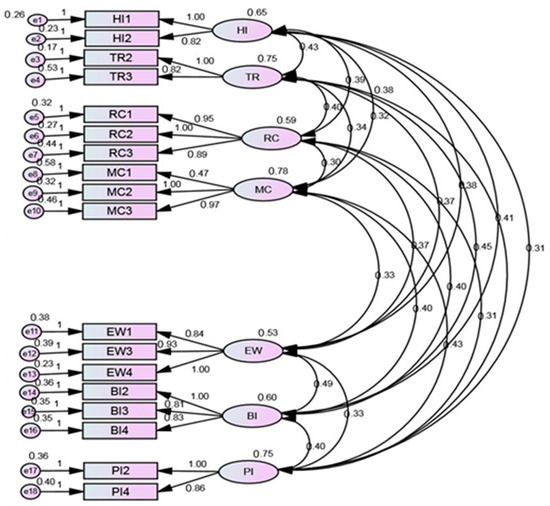
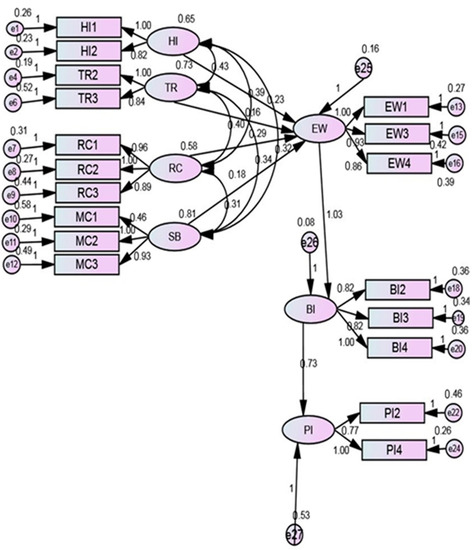
Perceived Value, Consumer Engagement, and Purchase Intention in Virtual Influencer Marketing: The Role of Source Credibility and Generational Cohort
by
Ningyan Cao, Normalisa Md Isa, Selvan Perumal and Chuanmei Chen
Cited by 8 | Viewed by 22852
Abstract
As virtual influencers gain popularity, understanding the factors driving consumer responses is essential. However, limited research explores how perceived value (informativeness, entertainment, novelty, and incentives) and consumer engagement influence purchase intention. Perceived value is a key predictor of consumer behavior, while consumer engagement
[...] Read more.
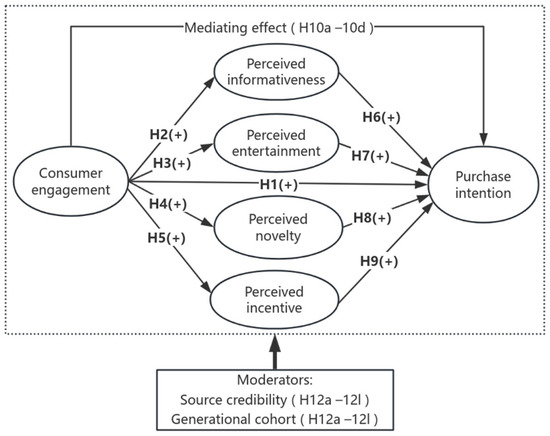
As virtual influencers gain popularity, understanding the factors driving consumer responses is essential. However, limited research explores how perceived value (informativeness, entertainment, novelty, and incentives) and consumer engagement influence purchase intention. Perceived value is a key predictor of consumer behavior, while consumer engagement enhances perceived value and marketing effectiveness. Additionally, the moderating roles of source credibility and generational cohort remain underexplored. This study examines these relationships through a survey of 331 Chinese Generation Y and Z consumers, analyzed using structural equation modeling (SEM). The results show that informativeness, entertainment, and incentives positively influence purchase intention, while novelty has a negative effect. Consumer engagement drives purchase intention and enhances perceived value. Source credibility and generational cohort moderate these effects. When source credibility is low, novelty reduces purchase intention, while incentives increase it. High source credibility makes consumer engagement more influential. Informativeness enhances purchase intention among Generation Y, whereas Generation Z is more influenced by consumer engagement. This study extends research on advertising value and consumer engagement, offering insights for brands optimizing virtual influencer marketing strategies across different consumer segments.
Full article
►▼
Show Figures
Open AccessArticle
How Do Virtual Influencers Affect Consumer Brand Evangelism in the Metaverse? The Effects of Virtual Influencers’ Marketing Efforts, Perceived Coolness, and Anthropomorphism
by
Maja Gulan, Yuanyue Feng, Gustave Florentin Nkoulou Mvondo and Ben Niu
Cited by 10 | Viewed by 8286
Abstract
Modern commercial organizations have started to embrace the metaverse platform as a new channel for marketing their products and services. As prominent brand representatives, virtual influencers are responsible for strengthening consumer–brand connections in the metaverse. However, the ways in which virtual influencers contribute
[...] Read more.
Modern commercial organizations have started to embrace the metaverse platform as a new channel for marketing their products and services. As prominent brand representatives, virtual influencers are responsible for strengthening consumer–brand connections in the metaverse. However, the ways in which virtual influencers contribute to consumers’ brand fidelity and evangelistic behaviors remain unknown. To address this gap, this work explores the essential factors that impact consumers’ intention to trust virtual influencers in the metaverse, purchase the products that they promote, and engage in brand evangelistic behaviors. Specifically, a new framework is developed that integrates metaverse virtual influencers’ marketing efforts, perceived coolness, anthropomorphism, brand evangelism, and brand fidelity into a comprehensive conceptual research model. Survey results obtained from 713 respondents in the US demonstrate that marketing efforts, perceived coolness, and anthropomorphism positively influence brand evangelism. The findings also indicate that consumers’ brand fidelity encourages brand evangelism and mediates the relationship between virtual influencers’ features, marketing efforts, and consumers’ brand evangelistic behavior. This study’s significance lies in its focus on the evolving marketing dynamics in the metaverse. It considers how virtual influencers’ features and marketing efforts impact consumers’ brand-related attitudes and behaviors in the metaverse, offering valuable insights for the advancement of metaverse marketing research and practice.
Full article
►▼
Show Figures
Open AccessArticle
Investigation of Web-Based Eye-Tracking System Performance under Different Lighting Conditions for Neuromarketing
by
Doğuş Yüksel
Cited by 18 | Viewed by 4911
Abstract
The increasing popularity of neuromarketing has led to the emergence of various measurement methods, such as webcam-based eye-tracking technology. Webcam-based eye-tracking technology is noteworthy not only for its use in laboratories but also for its ability to be applied to participants online in
[...] Read more.
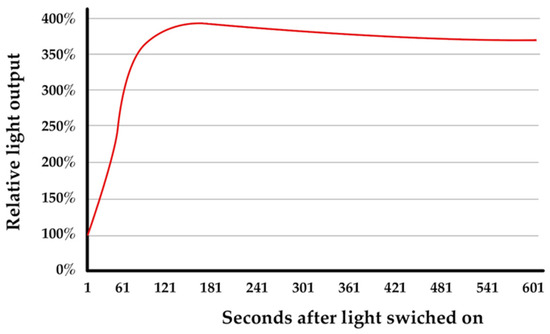
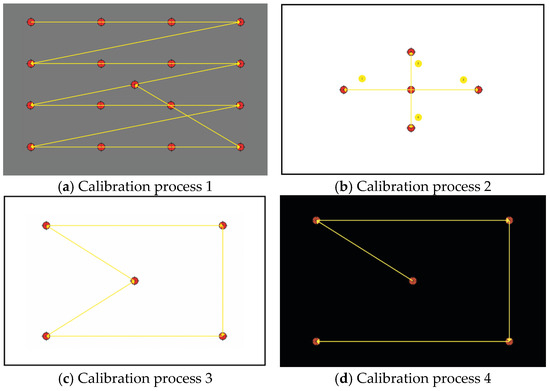
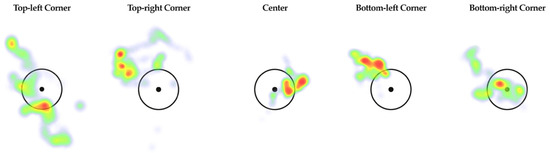
The increasing popularity of neuromarketing has led to the emergence of various measurement methods, such as webcam-based eye-tracking technology. Webcam-based eye-tracking technology is noteworthy not only for its use in laboratories but also for its ability to be applied to participants online in their natural environments through a link. However, the complexity of e-commerce interfaces necessitates high performance in eye-tracking methods. This complexity and the applicability of webcam-based eye-tracking technology in various environments have raised research questions about how its performance changes depending on the type and location of lighting. To answer these questions, experiments were conducted with 30 users in two different experimental environments illuminated by artificial and natural methods, with the lighting from the left, right, and front. Participants were asked to focus on targets located in specially prepared graphics for the experiment. In the heatmaps obtained in the eye-tracking tests, the distance and angular difference between the focal point and the target point were measured using the polar coordinate system. The findings indicate that measurements taken with lighting coming from the center were more efficient in both natural and artificial lighting types and measurements taken under natural lighting performed 24% better than artificial ones. Web camera-based eye-tracking technology is a promising method. However, detailed statistical analyses have demonstrated that for complex interfaces like e-commerce, the position and type of lighting are crucial parameters.
Full article
►▼
Show Figures
Open AccessArticle
How Streamers Foster Consumer Stickiness in Live Streaming Sales
by
Yongbing Jiao, Emine Sarigöllü, Liguo Lou and Baotao Huang
Cited by 24 | Viewed by 6685
Abstract
Streamers play a critical role in fostering consumer stickiness in live streaming sales. Thus, it is necessary to make clear the mechanism of how streamers influence consumer stickiness. Based upon the theories of social support, social identification and consumer stickiness, this study investigates
[...] Read more.
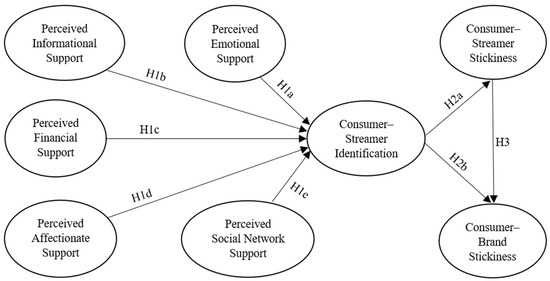
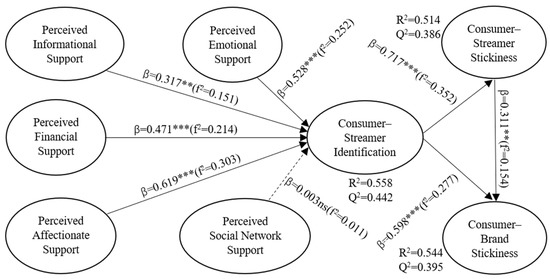
Streamers play a critical role in fostering consumer stickiness in live streaming sales. Thus, it is necessary to make clear the mechanism of how streamers influence consumer stickiness. Based upon the theories of social support, social identification and consumer stickiness, this study investigates the effects of consumers’ perceived emotional support, informational support, financial support, affectionate support and social network support from streamers on consumer–streamer identification, which in turn affects consumer–streamer stickiness and consumer–brand stickiness in live streaming sales settings. Based on the structural equation modeling analysis of 280 online questionnaires, using the software of Smart PLS 3.0, the results demonstrate that perceived emotional support, perceived informational support, perceived financial support and perceived affectionate support enhance consumer–streamer identification, thereby enhancing consumer–streamer stickiness and consumer–brand stickiness, and thus, consumer–streamer stickiness also enhances consumer–brand stickiness. This study not only extends the theories of live streaming sales, but also provides practical implications for enterprises’ improving consumer–streamer stickiness and consumer–brand stickiness in live streaming sales.
Full article
►▼
Show Figures
Open AccessArticle
International Dynamic Marketing Capabilities of Emerging-Market Small Business on E-Commerce
by
Kihyon Kim and Gyoogun Lim
Cited by 26 | Viewed by 10011
Abstract
For better export marketing strategies (EMS), companies mobilize their internal resources, which are managerial commitment, firm experience, and product uniqueness. However, Small businesses with constrained resources cannot be well explained with this view. So, more research on how small businesses come up with
[...] Read more.
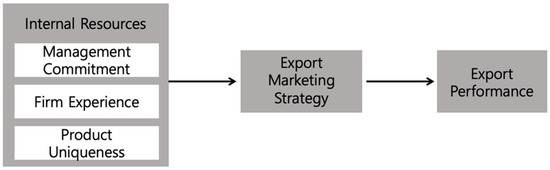
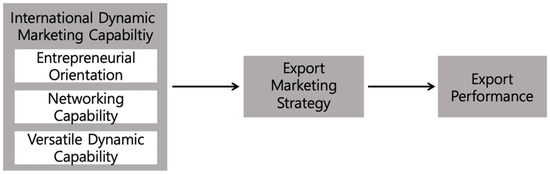
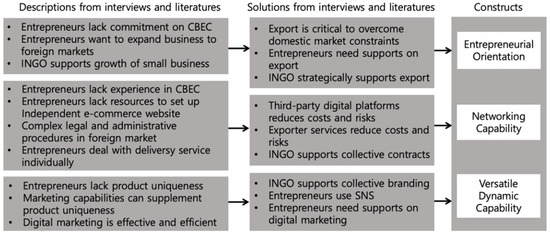
For better export marketing strategies (EMS), companies mobilize their internal resources, which are managerial commitment, firm experience, and product uniqueness. However, Small businesses with constrained resources cannot be well explained with this view. So, more research on how small businesses come up with EMS has been called for. To explain how resource-restricted firms rely heavily on entrepreneurs, this study adopted the concept of dynamic managerial capabilities (DMCs) and resource versatility to better explain small business exports. We analyzed small businesses in Mongolia with qualitative research methods, including interviews with entrepreneurs and support organizations, site visits, and group discussions. We suggest international dynamic marketing capabilities (IDMCs), which are entrepreneurial orientation, networking capability, and versatile dynamic capability for small businesses. Theoretical and managerial implications are discussed.
Full article
►▼
Show Figures
Open AccessArticle
Impact of Online Consumer Reviews on Amazon Books Sales: Empirical Evidence from India
by
Kulwinder Kaur and Tejinderpal Singh
Cited by 23 | Viewed by 11517
Abstract
This study aims to assess the effect of online reviews on online book sales performance in the Indian context. A sales rank was used as a proxy measure for sales. The total sample size was 2028 books from the ‘bestseller’ and ‘recent’ book
[...] Read more.
This study aims to assess the effect of online reviews on online book sales performance in the Indian context. A sales rank was used as a proxy measure for sales. The total sample size was 2028 books from the ‘bestseller’ and ‘recent’ book categories on Amazon.in. Cross-sectional analysis and difference-in-difference analysis approaches were adopted for data analysis. The results revealed that online reviews shared by the Indian consumers impact books sales, as the consumers prefer to analyze the books on the basis of available online reviews before making their purchase decision. Overall, the results indicated that reviews had a positive impact on the sales in both book categories.
Full article
Open AccessReview
Defining the Phygital Marketing Advantage
by
Matt Johnson and Rob Barlow
Cited by 59 | Viewed by 19205
Abstract
Interest in the application of phygital marketing to retail commerce has increased in recent years. Implicit in this excitement is the notion that physical experiences provide unique value above and beyond what can be offered via digital means, and therefore that combining the
[...] Read more.
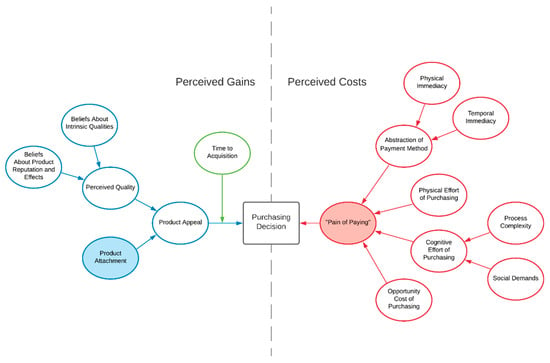
Interest in the application of phygital marketing to retail commerce has increased in recent years. Implicit in this excitement is the notion that physical experiences provide unique value above and beyond what can be offered via digital means, and therefore that combining the two can galvanize sales. However, the specific sources of this marketing potential remain undertheorized and the factors determining the appropriateness of such implementations remain unclear. Based on an extensive review of relevant literatures, we begin by considering a particularly important potential source of phygital marketing’s power. Specifically, we bring together findings from consumer psychology and neuroscience to provide a mechanistic account explaining how the combination of reduced “pain of payment”, facilitated by digital purchasing technologies, and the product attachment generated by real or simulated product experiences prior to purchase holds the potential to increase sales. We then propose a more general theoretical framework grounded on a review of primary and secondary research findings from consumer psychology and consumer neuroscience to explain the potential power of phygital marketing experiences, account for their unique value, and provide a platform for future research. The paper equips both academics and practitioners with a better and more scientific understanding of the practical dimensions of phygital commerce and lays a foundation for future enquiry.
Full article
►▼
Show Figures
Open AccessArticle
Methodical Aspects of MCDM Based E-Commerce Recommender System
by
Aleksandra Bączkiewicz, Bartłomiej Kizielewicz, Andrii Shekhovtsov, Jarosław Wątróbski and Wojciech Sałabun
Cited by 91 | Viewed by 11132
Abstract
The aim of this paper is to present the use of an innovative approach based on MCDM methods as the main component of a consumer Decision Support System (DSS) by recommending the most suitable products among a given set of alternatives. This system
[...] Read more.
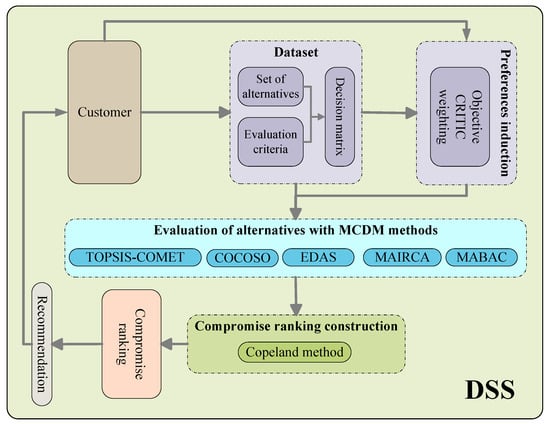
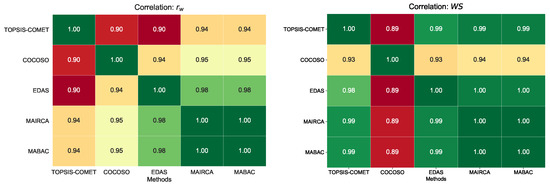
The aim of this paper is to present the use of an innovative approach based on MCDM methods as the main component of a consumer Decision Support System (DSS) by recommending the most suitable products among a given set of alternatives. This system provides a reliable recommendation to the consumer in the form of a compromise ranking constructed from the five MCDM methods: the hybrid approach TOPSIS-COMET, COCOSO, EDAS, MAIRCA, and MABAC. Each of the methods used contributes significantly to the final compromise ranking built with the Copeland strategy. Chosen MCDM methods were combined with the objective CRITIC weighting method, and their performance was presented on the illustrative example of choosing the most suitable mobile phone. A sensitivity analysis involving the
and
correlation coefficients was performed to determine the match between the compromise ranking of the candidates and the rankings provided by each MCDM method. Sensitivity analysis demonstrated that all investigated compromise candidate rankings show high convergence with the rankings provided by the particular MCDM methods. Thus, the performed study proved that the proposed approach shows high potential to be successfully used as a central component of DSS for recommending the most suitable product. Such DSS could be a universal and future-proof solution for e-commerce sites and websites, providing advanced product comparison capabilities in delivering a recommendation to the user as a final ranking of alternatives.
Full article
►▼
Show Figures
Open AccessArticle
Research on Influencing Factors of Service Interactive Experience of Digital Gas Station—The Case from China
by
Fang Li and Younghwan Pan
Cited by 7 | Viewed by 7773
Abstract
A series of digital marketing transformations have been carried out at Chinese gas stations. From the perspective of user experience, the article discovers the problems in the digital service system of gas stations. Through semi-structured interviews, we collect consumers’ actual usage of digital
[...] Read more.
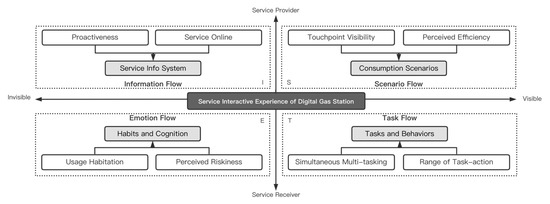
A series of digital marketing transformations have been carried out at Chinese gas stations. From the perspective of user experience, the article discovers the problems in the digital service system of gas stations. Through semi-structured interviews, we collect consumers’ actual usage of digital equipment and service systems. The research adopts grounded theory to encode qualitative data. The behavioral state and psychological needs of consumers in the driving situation are analyzed. The study clarifies the influence of consumer behavior status, service context process, key task difficulty, and service information visualization on service experience. The discovery of service problems in turn help to further optimize the digital service system. The constructed SITE model clarifies the key factors of user experience in the gas station scenario. The research findings can provide a theoretical reference and practical guidance for gas station business owners, managers, and designers.
Full article
►▼
Show Figures
Open AccessArticle
How Does Value Co-Creation Behavior Affect Destination Loyalty? A Role Switching Perspective
by
Feng Xu, Juan Tan, Lijun Lu, Shuaishuai Li and Lingui Qin
Cited by 26 | Viewed by 9713
Abstract
The concept of value co-creation brings about changes in tourists’ roles from value receivers to producers. Most existing studies take value co-creation behavior as a single dimension, ignoring the role switching of tourists. Starting from the precise constitution of value co-creation behavior, this
[...] Read more.
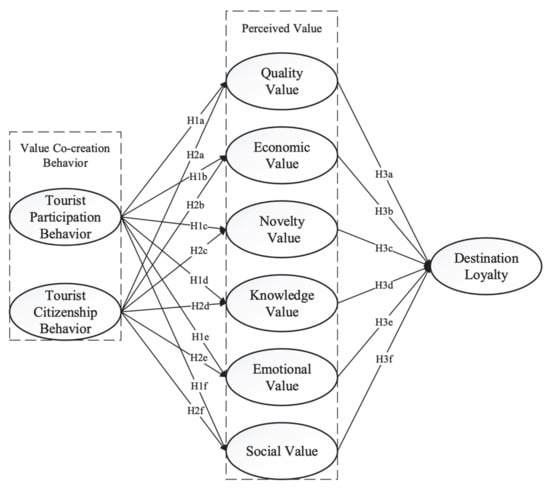
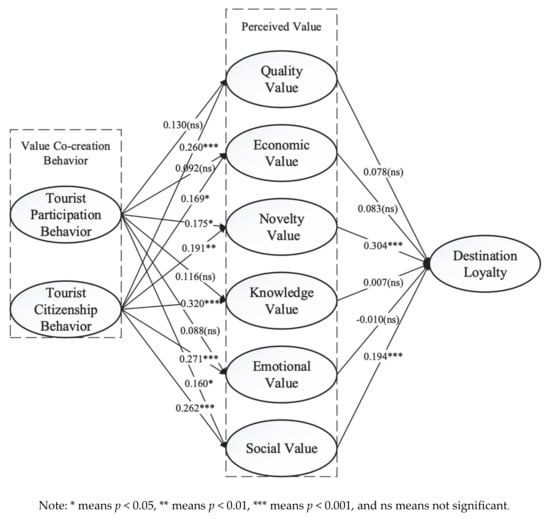
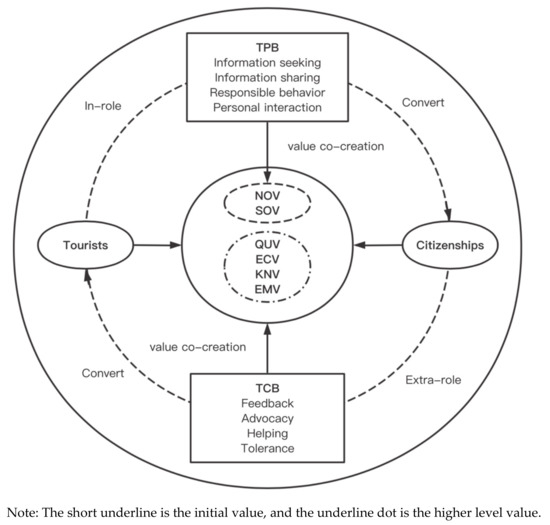
The concept of value co-creation brings about changes in tourists’ roles from value receivers to producers. Most existing studies take value co-creation behavior as a single dimension, ignoring the role switching of tourists. Starting from the precise constitution of value co-creation behavior, this paper, utilizing the method of structural equation modeling (SEM), discusses the mechanism of the effects of tourist participation behavior and citizenship behavior on destination loyalty through each sub-dimension of perceived value. The results showed the following: (1) The participation behavior (in-role) and citizenship behavior (extra-role) of tourists affect different value dimensions. (2) The value co-created by tourists presents a hierarchical state from the primary to the higher level. Among the types of value, novelty and social value belong to the primary level while quality, economic, knowledge, and emotional value belong to the higher level. (3) Destination loyalty is driven not only by tourist behavior (in-role) but also by citizenship behavior (extra-role). Based on the perspective of role switching, this paper establishes the theoretical framework of role switching in the era of value co-creation and proposes some strategic suggestions for marketing transformation.
Full article
►▼
Show Figures
Open AccessArticle
Pricing of Complementary Products in Online Purchasing under Return Policy
by
Ata Allah Taleizadeh, Shima Rezvan Beydokhti, Leopoldo Eduardo Cárdenas-Barrón and Somayeh Najafi-Ghobadi
Cited by 18 | Viewed by 6533
Abstract
In online purchasing, customers may return products due to dissatisfaction with the quality of the product, and receive a refund based on the return policy, which is determined by online distributors. Online distributors can offer generous policies to attract more customers, but at
[...] Read more.
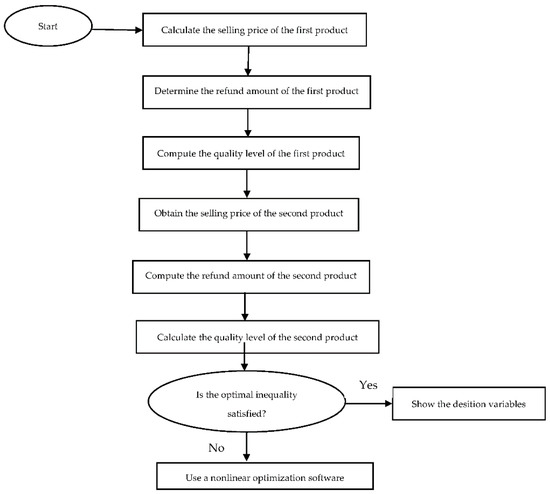
In online purchasing, customers may return products due to dissatisfaction with the quality of the product, and receive a refund based on the return policy, which is determined by online distributors. Online distributors can offer generous policies to attract more customers, but at the cost of reducing total profits. In this paper, the effect of the pricing and quality of complementary products (products sold together with other items) in online selling under the return policy is investigated. For this purpose, a mathematical model is developed to obtain optimal values for selling price, refund amount, and quality of products. Based on analytical results, a solution algorithm is proposed to solve the numerical examples and perform sensitivity analysis. Findings reveal that, while increasing the sensitivity of demand with respect to the refund amount, the price, quality, and refund on returned products should be increased. In addition, the online distributor should increase the quality of products when customers are more sensitive to the quality of products. Among other results, the selling price is shown to be negatively affected by demand elasticity with respect to price. In this situation, the online distributor should reduce the quality level and the refund amount for returned products to avoid a sharp decline in profit. In addition, when the quality cost is high, the price and quality should be decreased and the refund amount unchanged.
Full article
►▼
Show Figures
Open AccessReview
Trends and Future Research in Electronic Marketing: A Bibliometric Analysis of Twenty Years
by
Peng Gao, Fanchen Meng, Mário Nuno Mata, José Moleiro Martins, Shahid Iqbal, Anabela Batista Correia, Rui Miguel Dantas, Abdul Waheed, João Xavier Rita and Muhammad Farrukh
Cited by 81 | Viewed by 11266
Abstract
Electronic marketing (eM) is a flourishing phenomenon that is gaining intense concern because of a significant impact on organizational performance. Over the past few decades, the relevance of eM has been observed in numerous fields (e.g., consumers, organizational strategy, advertisement, and overall philosophy
[...] Read more.
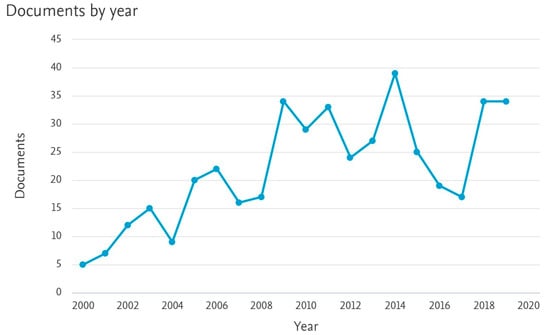
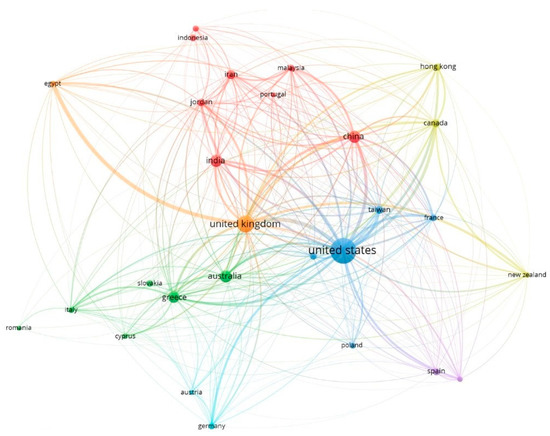
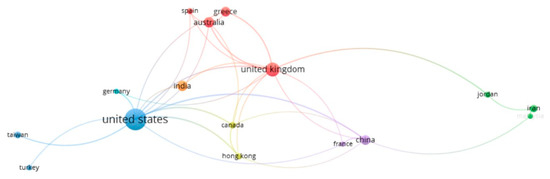
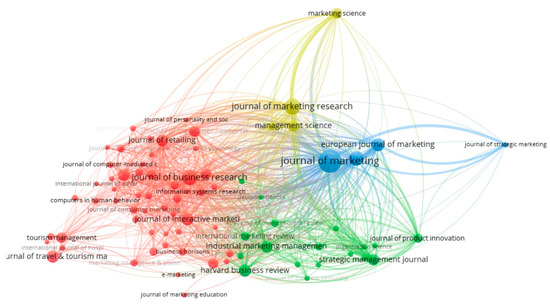
Electronic marketing (eM) is a flourishing phenomenon that is gaining intense concern because of a significant impact on organizational performance. Over the past few decades, the relevance of eM has been observed in numerous fields (e.g., consumers, organizational strategy, advertisement, and overall philosophy of management to understand the insights globally). To effectively maneuver the field, all stakeholders, particularly academicians and practitioners, must comprehend the current position of the eM theory and practices for dynamic utilization. A systematic bibliometric analysis can serve this issue by providing a holistic view of the publication trend and its trajectory in terms of various themes, including citations and publication metrics. This study analyzes the bibliometric data from 2000 to 2019 to reveal the most productive countries, universities, authors, journals, and prolific publications in electronic marketing. To this end, VOS viewer software was used to visualize the mapping based on co-citation, bibliographic coupling (BC), and co-occurrence (CC). The primary addition of this research is to provide an overview of eM tendencies and paths that may help researchers know the tendencies and future research directions worldwide.
Full article
►▼
Show Figures
Open AccessArticle
eWOM in C2C Platforms: Combining IAM and Customer Satisfaction to Examine the Impact on Purchase Intention
by
Salvador Bueno and M. Dolores Gallego
Cited by 39 | Viewed by 12085
Abstract
This study is focused on communications that come from consumer-to-consumer (C2C) ecommerce relationships. This topic is directly associated with the electronic word-of-mouth (eWOM) phenomenon. eWOM is related to the set of positive or negative opinions made by potential, actual, or former customers about
[...] Read more.
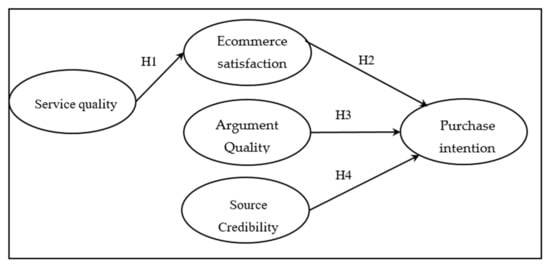
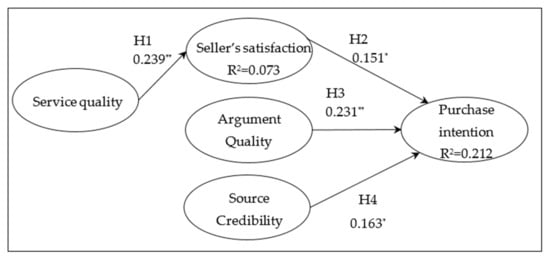
This study is focused on communications that come from consumer-to-consumer (C2C) ecommerce relationships. This topic is directly associated with the electronic word-of-mouth (eWOM) phenomenon. eWOM is related to the set of positive or negative opinions made by potential, actual, or former customers about a seller. The present study proposes a structural equation modeling with partial least squares (PLS-SEM) research model to analyze consumers’ opinions impact on attitude toward purchasing. This model is based on the Information Adoption Model (IAM) in combination with an ecommerce satisfaction perspective, comprising five constructs: (1) service quality, (2) ecommerce satisfaction, (3) argument quality, (4) source credibility and (5) purchase intention. The model was tested by applying the Smart Partial Least Squares (SmartPLS) software for which 116 effective data from customers of the Taobao C2C platform were used. The findings reveal that all of the defined relationships were supported, confirming the positive impact of all the proposed constructs on the purchase intention. In this respect, the findings suggest that C2C platforms should strengthen the analyzed connections to grow the business and to promote transactions. Finally, implications and limitations related to the explanatory capacity and the sample are identified.
Full article
►▼
Show Figures
Open AccessArticle
The Influence of Situational Constraints on Consumers’ Evaluation and Use of Online Reviews: A Heuristic-Systematic Model Perspective
by
Jieun Lee and Ilyoo Barry Hong
Cited by 23 | Viewed by 9855
Abstract
Online reviews help consumers make informed product choices by serving as a valuable source of information for a buying decision. However, consumer’s situational constraints such as time pressure or purchase uncertainty negatively impact the way in which buyers evaluate and use online reviews,
[...] Read more.
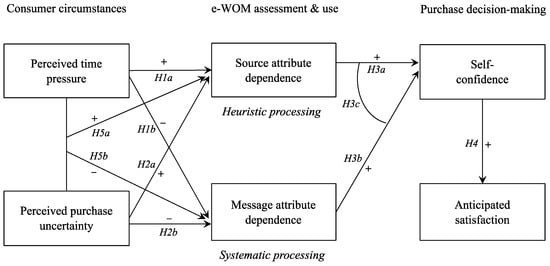
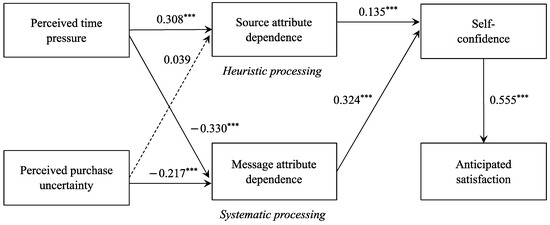
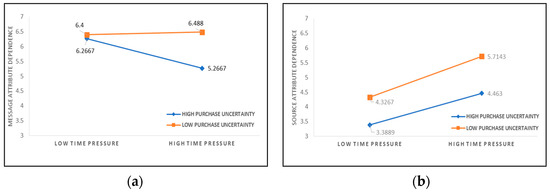
Online reviews help consumers make informed product choices by serving as a valuable source of information for a buying decision. However, consumer’s situational constraints such as time pressure or purchase uncertainty negatively impact the way in which buyers evaluate and use online reviews, reducing their effectiveness. This study examines the influence of situational constraints, namely perceived time pressure and purchase uncertainty, on consumers’ evaluation and use of online reviews for information search. This empirical study used an online survey to collect data from 560 Amazon Mechanical Turk users. Findings indicate that both perceived time pressure and perceived purchase uncertainty are positively associated with heuristic processing of online reviews but negatively associated with systematic processing of online reviews. Moreover, while both heuristic and systematic information processing increased buyers’ self-confidence in their purchase decisions, systematic processing led to greater buyer self-confidence than did heuristic processing. This study concludes with a discussion of practical and academic implications, as well as future research directions.
Full article
►▼
Show Figures
Open AccessArticle
The Role of TQMk in Increasing the Effectiveness of E-Marketing within the Jordanian Telecommunication Sector
by
Mohammad Fahmi Al-Zyoud, Lu’ay Al-Mu’ani, Malek Alsoud and Anas Alsoud
Cited by 9 | Viewed by 4678
Abstract
The current study focused on examining the role of TQMk (Total Quality Marketing) in increasing the effectiveness of e-marketing within Jordanian telecommunication sector; TQMk included variables of service quality, market orientation and the customer-focused approach. A quantitative approach was adopted through utilizing a
[...] Read more.
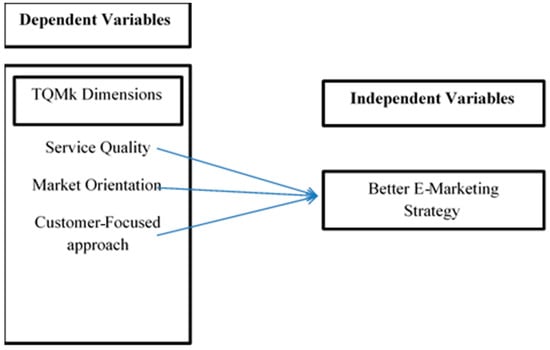
The current study focused on examining the role of TQMk (Total Quality Marketing) in increasing the effectiveness of e-marketing within Jordanian telecommunication sector; TQMk included variables of service quality, market orientation and the customer-focused approach. A quantitative approach was adopted through utilizing a questionnaire, which was distributed to 18 marketing and project managers within Jordanian telecommunication organizations (Zain, Umniah and Orange). Results of the study indicated that TQMk can have an influence in increasing the effectiveness and efficiency of e-marketing solutions within the organization and mainly within the social marketing and electronic marketing departments, through developing the variable of the customer-focused approach, which has the deepest influence on e-marketing approach’s effectiveness; it was followed by an influence of service quality, and the least influential factor was market orientation. The study recommended focusing on clients within the targeted markets through different aspects, including price, new products acceptance, customer behavior and purchase decision motivators.
Full article
►▼
Show Figures
Open AccessArticle
The Relationship of CSR Communication on Social Media with Consumer Purchase Intention and Brand Admiration
by
Shuchi Gupta, Nishad Nawaz, Adel Abdulmhsen Alfalah, Rana Tahir Naveed, Saqib Muneer and Naveed Ahmad
Cited by 100 | Viewed by 21710
Abstract
With the advent of the Internet and other digital technologies, contemporary businesses from all sectors are using social media for communication with consumers to engage them meaningfully with a brand. However, the use of social media for corporate social responsibility (CSR) communication is
[...] Read more.
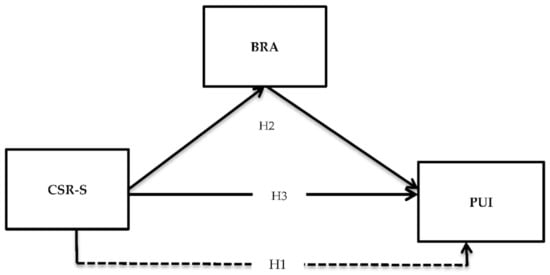
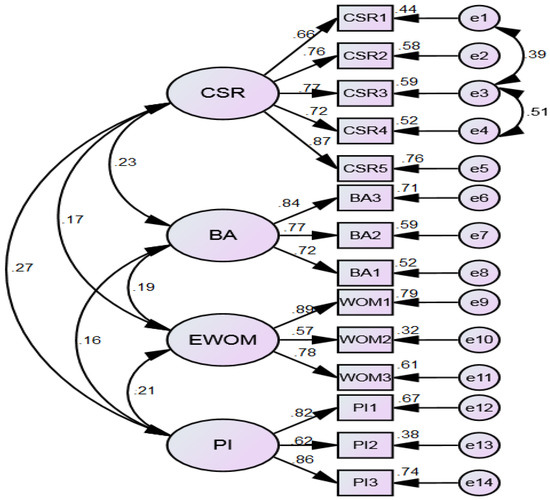
With the advent of the Internet and other digital technologies, contemporary businesses from all sectors are using social media for communication with consumers to engage them meaningfully with a brand. However, the use of social media for corporate social responsibility (CSR) communication is relatively new to the existing literature. Likewise, the impact of CSR communication through social media (CSR-S) on consumer emotions and behavior is, to date, underexplored. To address this, the present research aims to test the relationship of CSR-S on brand admiration and consumer purchase intention. The study proposes a direct relationship between CSR-S and purchase intention with a mediating effect of brand admiration. The data were collected from the banking consumers of Pakistan through a self-administered questionnaire. The authors distributed 800 questionnaires and received 463 questionnaires useful for data analysis, so the present research study response rate was around 59%. The data were analyzed using the structural equation modeling (SEM) technique in AMOS. The results revealed that CSR-S is positively related to purchase intention (
β = 0.233). The results further showed that brand admiration partially mediates this relationship (
β = 0.079). The survey respondents confirmed that their bank’s CSR communication helps enhance their purchase likelihood and their feelings of admiration for their bank. These findings will help policymakers at banking institutions better understand the importance of CSR communication on different social media platforms to achieve consumer-related outcomes.
Full article
►▼
Show Figures
Open AccessArticle
The Relationship between CSR Communication on Social Media, Purchase Intention, and E-WOM in the Banking Sector of an Emerging Economy
by
Guping Cheng, Jacob Cherian, Muhammad Safdar Sial, Grzegorz Mentel, Peng Wan, Susana Álvarez-Otero and Usama Saleem
Cited by 92 | Viewed by 18393
Abstract
Modern businesses in the present digital age are facing different challenges for survival and growth due to the stiff competitive environment that prevails almost in every sector. Technology, especially digital technology, has changed the way of doing business around the globe. Marketers need
[...] Read more.
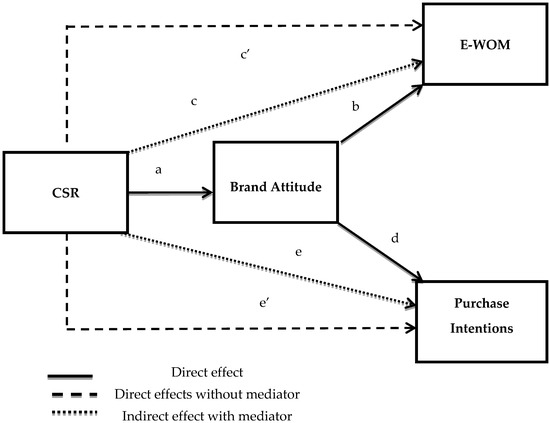
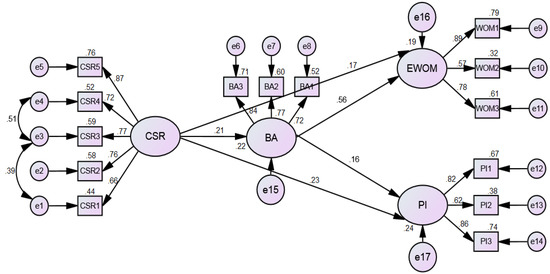
Modern businesses in the present digital age are facing different challenges for survival and growth due to the stiff competitive environment that prevails almost in every sector. Technology, especially digital technology, has changed the way of doing business around the globe. Marketers need to develop new strategies by incorporating the element of digital technology to overrun their competitors, as conventional competitive strategies will not produce extraordinaryresults. The rise of social media, in this regard, is a game-changer in the context of marketing as it provides a strategic touchpoint to the marketers to involve the customers with a brand. Prior research has largely ignored the relationship between corporate social responsibility (CSR) practices of a brand and positive customer experiences. Hence the present study aims to test the relationship of customer-related CSR activities on social media on behavioral consequences of customers, such as their purchase likelihood and electronic word of mouth (E-WOM). The data were collected from the banking customers of a developing economy and were analyzed through structural equation modeling in AMOS software. The results revealed that customer-related CSR activitieson social mediainfluence customer behavioral outcomes like E-WOM and purchase intentions. The result also revealed that brand attitude mediates the relationship between customer-related CSR, E-WOM, and purchase intentions. The findings of the present study can help policymakers to understand the importance of CSRpractices from the perspective of marketing, which is largely ignored by contemporary CSR researchers.
Full article
►▼
Show Figures
Open AccessArticle
Creating Electronic Word of Mouth Credibility through Social Networking Sites and Determining Its Impact on Brand Image and Online Purchase Intentions in India
by
Mohd Shuaib Siddiqui, Urooj Ahmad Siddiqui, Mohammed Arshad Khan, Ibrahim Ghazi Alkandi, Anoop Krishna Saxena and Jaziba Haroon Siddiqui
Cited by 105 | Viewed by 24454
Abstract
The aim of this study is to identify the factors affecting the credibility of electronic word-of-mouth (eWOM) stimulation through Social Networking Sites (SNSs) through an empirical model providing both theoretical understandings and practical implications. The proposed framework explicates the consumer’s use of SNSs
[...] Read more.
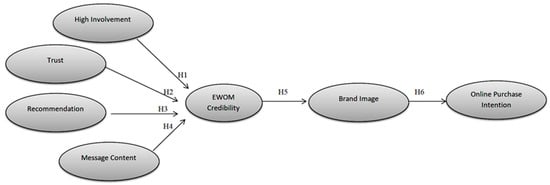
The aim of this study is to identify the factors affecting the credibility of electronic word-of-mouth (eWOM) stimulation through Social Networking Sites (SNSs) through an empirical model providing both theoretical understandings and practical implications. The proposed framework explicates the consumer’s use of SNSs as a tool for information sharing and its effect on brand image and online purchase intentions. The consumer survey was done through a structured questionnaire developed in accordance with the literature. Data was collected from 256 respondents, using both offline and online modes from 4 different cities of India. Structural Equation Modeling was employed to estimate the proposed model and determine the antecedents of consumer eWOM credibility and in turn its effect on brand image leading to consumer purchase intentions. The results show SNS activities play a significant role in creating eWOM credibility, which leads to shaping the brand image and purchase intentions. The findings would help companies to create a positive brand image to enhance their purchase intentions through eWOM aroused via SNSs.
Full article
►▼
Show Figures