-
A Prototypical Fuzzy Similarity-Based Classification Framework for Ultrasonic Defect Detection in Concrete -
Hybrid Smart Energy Community and Machine Learning Approaches for the AI Era in Energy Transition -
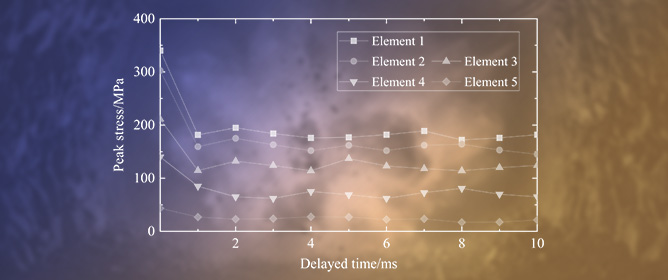
Study on the Characteristics and Parameter Optimization of Wedge Cut Delayed Blasting in a Tunnel -
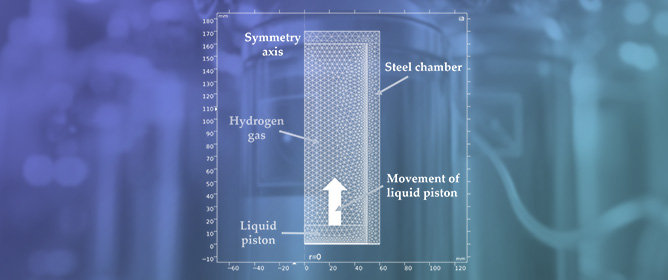
Analysis of Chamber Wall Thickness Influence on Liquid Piston Compressor Efficiency
Journal Description
Eng
Eng
is an international, peer-reviewed, open access journal on all areas of engineering, published monthly online by MDPI.
- Open Access— free for readers, with article processing charges (APC) paid by authors or their institutions.
- High Visibility: indexed within ESCI (Web of Science), Scopus, Ei Compendex, EBSCO and other databases.
- Journal Rank: JCR - Q2 (Engineering, Multidisciplinary) / CiteScore - Q2 (Engineering (miscellaneous))
- Rapid Publication: manuscripts are peer-reviewed and a first decision is provided to authors approximately 18 days after submission; acceptance to publication is undertaken in 4.5 days (median values for papers published in this journal in the second half of 2025).
- Recognition of Reviewers: APC discount vouchers, optional signed peer review, and reviewer names published annually in the journal.
Impact Factor:
2.4 (2024);
5-Year Impact Factor:
2.4 (2024)
Latest Articles
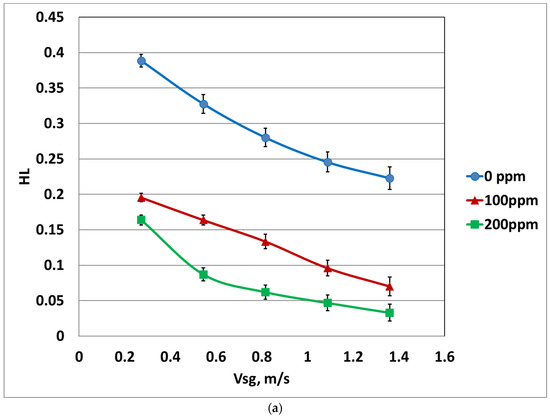
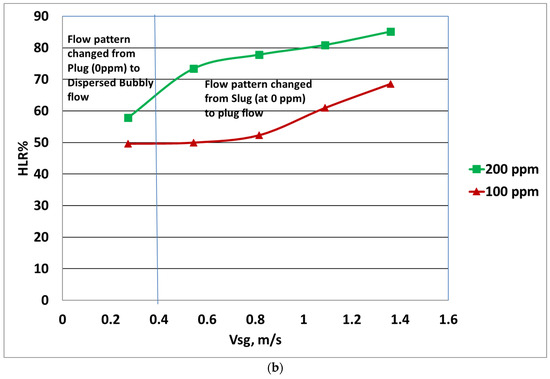
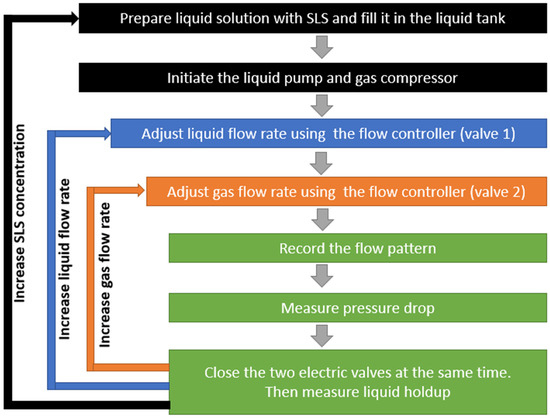
Experimental Insights into the Mechanisms of Drag Reduction and Flow Stabilisation in Horizontal Gas–Liquid Pipeline Flow Using Sodium Lauryl Sulphate
Eng 2026, 7(5), 220; https://doi.org/10.3390/eng7050220 - 5 May 2026
Abstract
The use of surfactants as drag-reducing agents (DRAs) has received significant attention in oil–gas transportation due to their ability to enhance liquid drainage efficiency and reduce operational costs. This work experimentally examines the performance of an anionic sodium lauryl sulphate (SLS) surfactant as
[...] Read more.
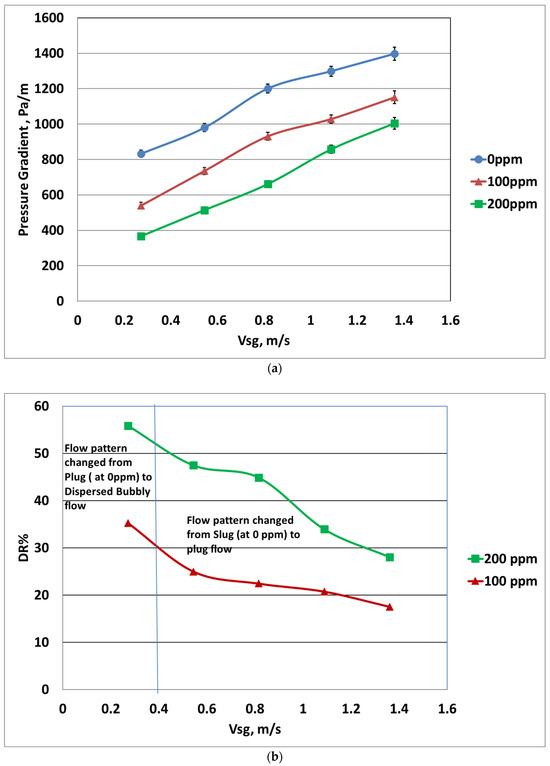
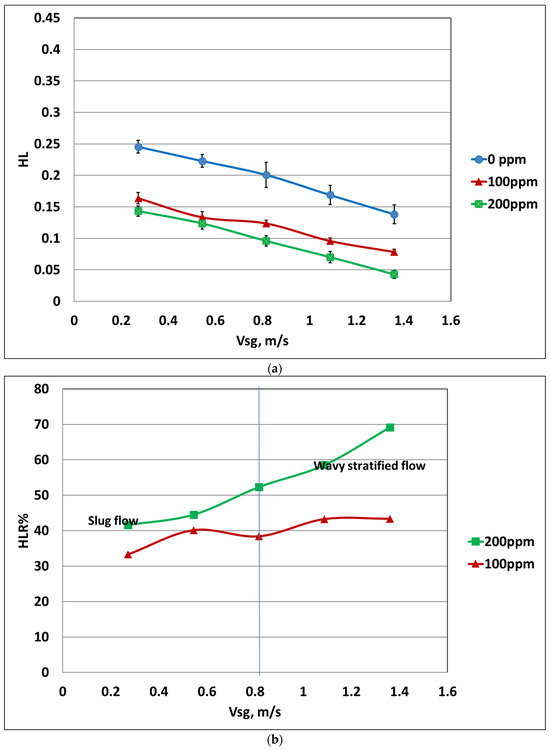
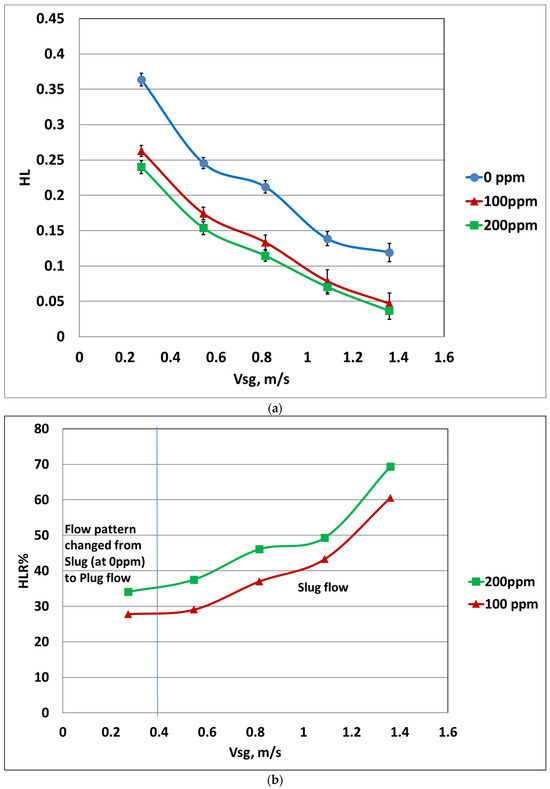
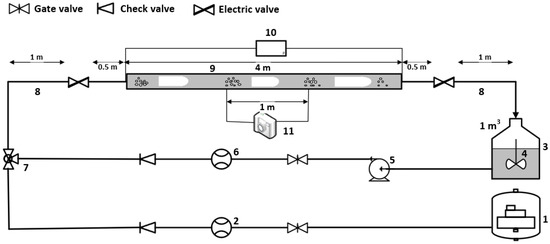
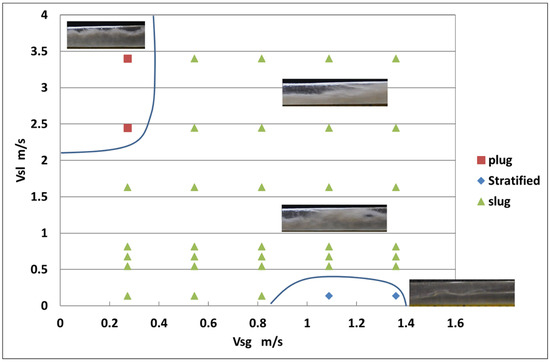
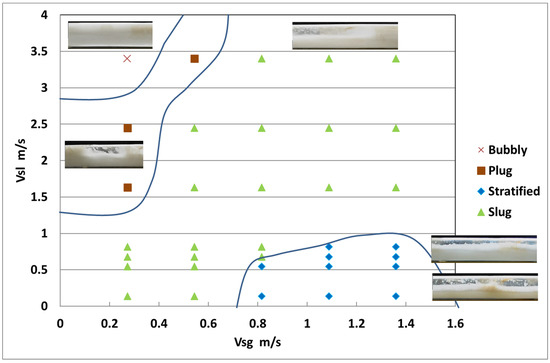
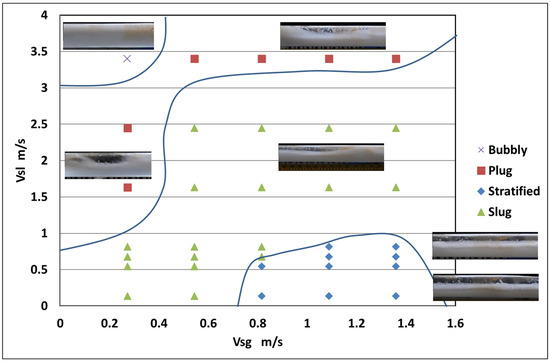
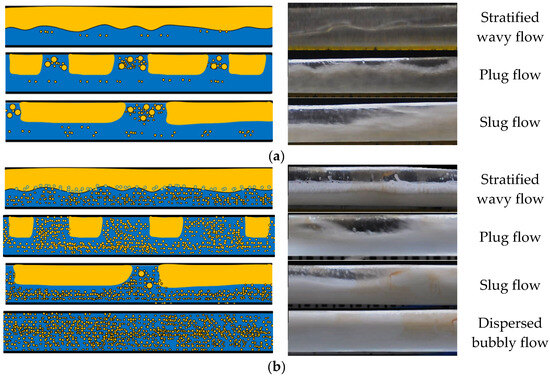
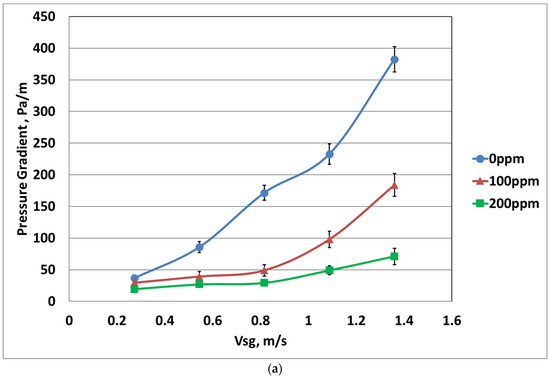
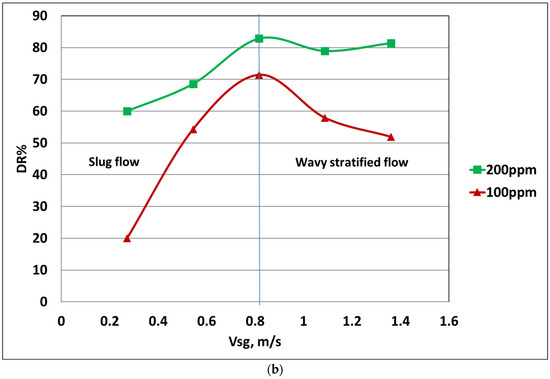
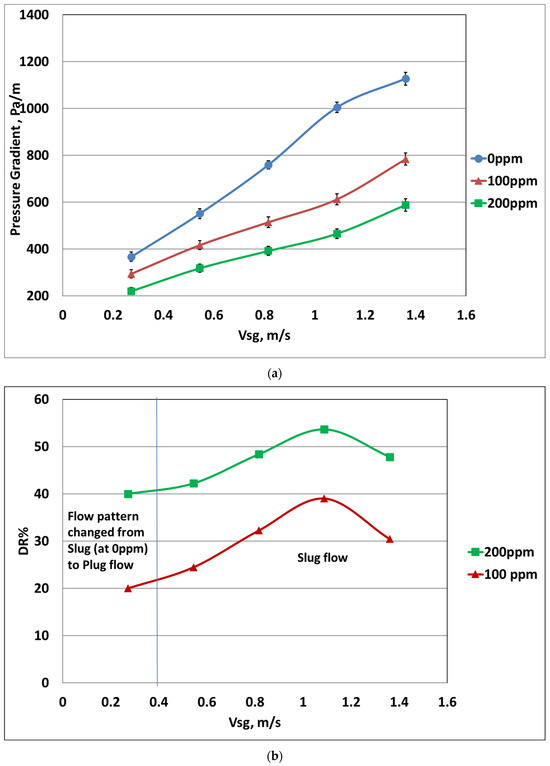
The use of surfactants as drag-reducing agents (DRAs) has received significant attention in oil–gas transportation due to their ability to enhance liquid drainage efficiency and reduce operational costs. This work experimentally examines the performance of an anionic sodium lauryl sulphate (SLS) surfactant as a DRA in horizontal two-phase flow through experimental studies focusing on three key aspects, (1) changes in flow patterns, (2) drag reduction (DR%), and (3) liquid holdup reduction (HLR%), with the aim of identifying optimal SLS concentrations for achieving stable and efficient multiphase pipeline flow. The results illustrate that adding SLS shifts the slug flow toward more stable stratified wavy and plug flow patterns, as well as a newly emerging bubbly flow pattern. This in turn significantly decreases the pressure gradient (PG), achieving a maximum DR% of 71% and 83% at 100 and 200 ppm, respectively. In addition, as the SLS concentration increases, the liquid draining efficiency increases, achieving maximum holdup reductions of 69% and 85% at 100 and 200 ppm, respectively.
Full article
(This article belongs to the Section Chemical, Civil and Environmental Engineering)
►
Show Figures
Open AccessArticle
Mine-to-Crusher Optimization: Focusing on Rock Fragmentation and Energy Efficiency
by
Jian Xu, Shahab Hosseini, Masoud Monjezi, Biao He, Danial Jahed Armaghani and Manoj Khandelwal
Eng 2026, 7(5), 219; https://doi.org/10.3390/eng7050219 - 4 May 2026
Abstract
The optimization of blasting patterns involves the strategic adjustment of blast design parameters with the goal of achieving optimal fragmentation, thereby minimizing operational costs in mining and mitigating associated environmental impacts. The objective is to concurrently minimize operating costs from the mine to
[...] Read more.
The optimization of blasting patterns involves the strategic adjustment of blast design parameters with the goal of achieving optimal fragmentation, thereby minimizing operational costs in mining and mitigating associated environmental impacts. The objective is to concurrently minimize operating costs from the mine to the crusher and address the repercussions of blasting, encompassing fly-rock and back-break. To fulfill the study’s objectives, a multi-variable regression model was developed to depict total costs spanning drilling to crushing. Beyond cost considerations, multilayer perception neural networks were implemented to predict blast-induced back-break and fly-rock. The main novelty of this work is the unified integration of cost prediction and MLPNN-based consequence prediction within a multi-objective GOA to deliver Pareto-optimal blast designs that explicitly quantify trade-offs between mine-to-crusher costs and blast-induced fly-rock/back-break. The precision of estimations for both back-break and fly-rock reached an average coefficient of determination of 99% across training, testing, and validation datasets. Subsequently, the Grasshopper Optimization Algorithm is used to determine the optimal blast design while adhering to practical constraints. The results of the optimization model yielded a Pareto set of solutions, allowing the mining operation management team to select any solution based on their strategic preferences. Notably, the blast pattern with the lowest cost exhibited relatively high fly-rock and back-break, while opting for a pattern with minimal fly-rock and back-break resulted in a 20.13% increase in costs compared to the minimum cost blast design.
Full article
(This article belongs to the Special Issue Artificial Intelligence for Engineering Applications, 2nd Edition)
Open AccessArticle
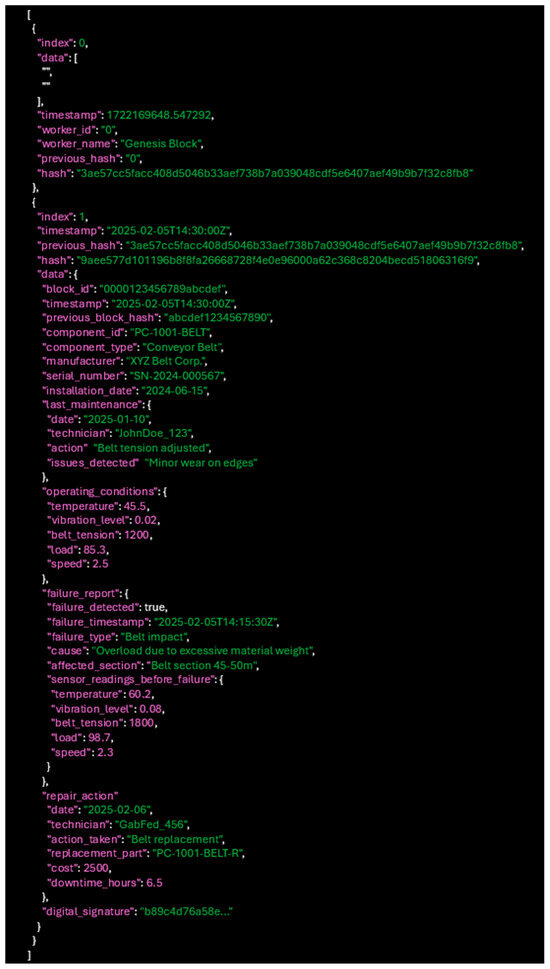
Blockchain-Based Framework for Data Validation and Traceability in Conveyor Belt Failure Analysis
by
Gabriel Fedorko, Vieroslav Molnár, Jana Fabianová, Nikoleta Mikušová and Martin Kostovčík
Eng 2026, 7(5), 218; https://doi.org/10.3390/eng7050218 - 3 May 2026
Abstract
►▼
Show Figures
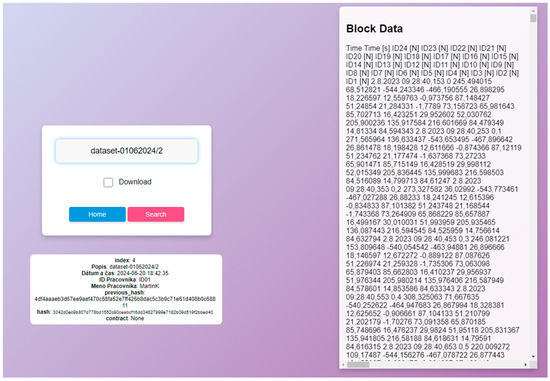
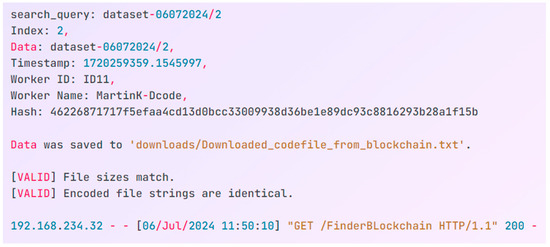
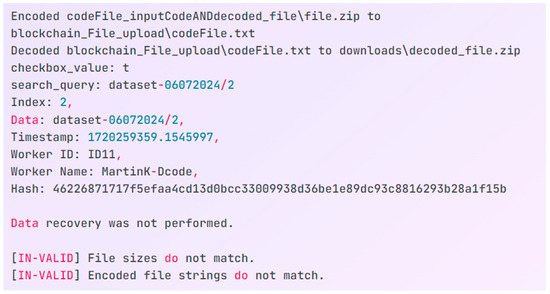
Blockchain is a distributed database technology that enables immutable, verifiable data recording, properties that are useful for failure analysis processes requiring high data integrity and traceability. In conveyor belt failure analysis, there is a growing need for reliable management of experimentally obtained data,
[...] Read more.
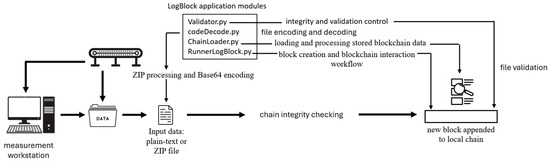
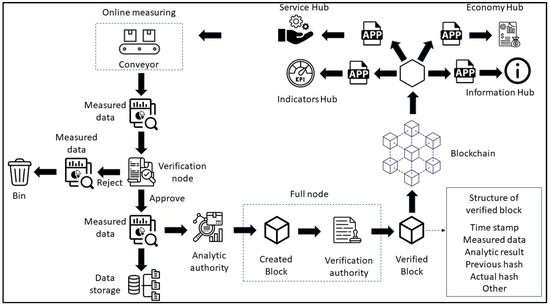
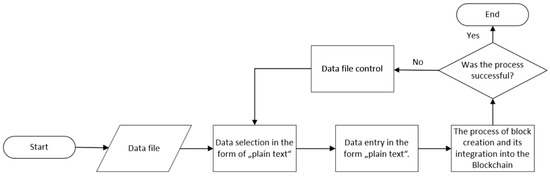
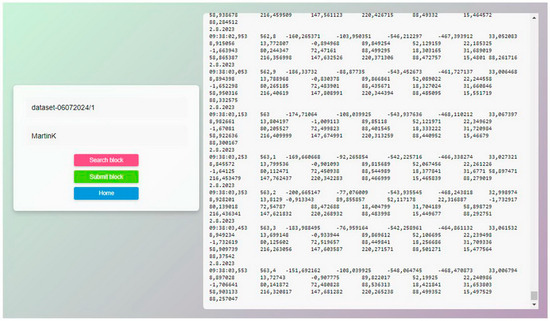
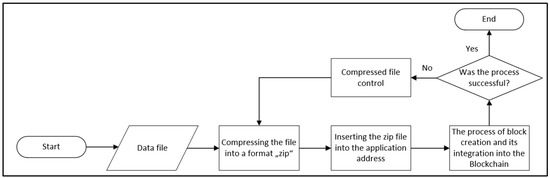
Blockchain is a distributed database technology that enables immutable, verifiable data recording, properties that are useful for failure analysis processes requiring high data integrity and traceability. In conveyor belt failure analysis, there is a growing need for reliable management of experimentally obtained data, especially for long-term monitoring of operating and failure states. The presented article focuses on customizing the blockchain architecture to support recording and validating experimental data used in the failure analysis of rubber-textile conveyor belts in pipe conveyors. The proposed methodology integrates a private blockchain system as a layer for storing and validating raw measured data obtained during experiments. The system meets technical accuracy requirements and is defined as a private blockchain with a permissioned system, which uses the Proof of Authority consensus algorithm and is characterized by centrally managed administration. The prototype of the “LogBlock” application demonstrates the storage and validation of data in the form of plain text and compressed (.zip) files, providing robust protection against unauthorized data modifications, auditability, and resistance to unauthorized interference, while being adapted to the specific requirements of the analyzed technical system. Experimental results indicate the feasibility of the proposed blockchain system in storing, validating, and managing raw measurement data, processed data, metadata, and related source files throughout the failure analysis process. The achieved results confirm the system’s ability to identify unauthorized data modifications and ensure their traceability after entering the system. The implemented solution confirms the suitability of using blockchain as a support tool for technically oriented failure analysis applications of conveyor systems.
Full article

Figure 1
Open AccessArticle
Enhanced Puzzle Optimization Algorithmfor Complex Engineering Design Problems
by
Hasan Kanaker, Essam Alhroob, Hammoudeh Alamri, Maher Abuhamdeh and Samar Al-Saqqa
Eng 2026, 7(5), 217; https://doi.org/10.3390/eng7050217 - 3 May 2026
Abstract
This paper introduced the Enhanced Puzzle Optimization Algorithm (EPOA), a hybrid metaheuristic that augmented the original Puzzle Optimization Algorithm (POA) with uniform crossover, random-resetting mutation, and explicit elitism. The contribution does not lie in inventing these operators individually, since they are classical search
[...] Read more.
This paper introduced the Enhanced Puzzle Optimization Algorithm (EPOA), a hybrid metaheuristic that augmented the original Puzzle Optimization Algorithm (POA) with uniform crossover, random-resetting mutation, and explicit elitism. The contribution does not lie in inventing these operators individually, since they are classical search components, but in integrating them into POA’s two-phase search dynamics to address premature convergence, diversity loss, and best-solution preservation in a targeted manner. This paper formalized EPOA’s update rules, provided pseudocode and flow diagrams, and enforced bound handling for box-constrained problems. Comprehensive tests on the CEC2022 single-objective benchmark suite (F1–F12) showed that EPOA attained rank 1 on 11 of 12 functions and rank 3 on the remaining case, with large error reductions relative to baseline POA (e.g., on F1, the mean error dropped from 62.836 to 0.004; on F6, the mean error dropped from 2370.962 to 7.239). The method was further evaluated on six classical constrained engineering design problems (welded beam, tension/compression spring, speed reducer, pressure vessel, three-bar truss, and cantilever beam). Statistical indicators such as the mean and standard deviation were used to assess robustness. The results showed that EPOA delivered a strong exploration–exploitation balance and robust solution quality across rugged landscapes and real-world constraints.
Full article
(This article belongs to the Special Issue Interdisciplinary Insights in Engineering Research 2026)
Open AccessReview
Bridge Health Identification in the Era of Intelligent Infrastructure: A Modal- and AI-Centric Perspective
by
Hasan Mostafaei, Yasaman Anisi, Hadi Bahmani and Mahdi Ghamami
Eng 2026, 7(5), 216; https://doi.org/10.3390/eng7050216 - 3 May 2026
Abstract
This paper presents a comprehensive review of bridge health identification (BHI) within the emerging paradigm of intelligent infrastructure, with a particular focus on modal analysis and artificial intelligence (AI)-driven methodologies. Aging bridge networks, increasing traffic demands, and environmental stressors have significantly accelerated structural
[...] Read more.
This paper presents a comprehensive review of bridge health identification (BHI) within the emerging paradigm of intelligent infrastructure, with a particular focus on modal analysis and artificial intelligence (AI)-driven methodologies. Aging bridge networks, increasing traffic demands, and environmental stressors have significantly accelerated structural deterioration, necessitating advanced monitoring and diagnostic frameworks. Modal parameters, including natural frequencies, mode shapes, and damping ratios, are widely recognized as reliable indicators of structural condition and form the foundation of vibration-based BHI. This study systematically reviews operational modal analysis (OMA) techniques, including frequency-domain, time-domain, and hybrid approaches, highlighting their capabilities and limitations under real-world conditions. Furthermore, the integration of AI and machine learning (ML) methods, ranging from supervised and unsupervised learning to deep learning (DL) and reinforcement learning (RL), is critically examined in the context of data-driven damage detection, feature extraction, and predictive maintenance. Special attention is given to Automated Operational Modal Analysis (AOMA), where recent advances in FDD- and SSI-based frameworks have enabled scalable and user-independent modal identification. Despite significant progress, key challenges remain, including environmental variability, data scarcity, lack of interpretability, and deployment constraints. Finally, the paper identifies major research gaps and outlines future directions toward physics-informed AI, multi-modal data fusion, uncertainty-aware decision-making, and digital twin integration. The study provides a unified perspective bridging structural dynamics and intelligent data-driven approaches, contributing to the development of next-generation smart bridge monitoring systems.
Full article
(This article belongs to the Special Issue Artificial Intelligence for Engineering Applications, 2nd Edition)
Open AccessArticle
Optimization of Injection-Production Volumes in Underground Gas Storage Based on Improved Non-Dominated Sorting Genetic Algorithm II
by
Xufeng Yang, Fayang Jin, Yu Fu and Chao Chen
Eng 2026, 7(5), 215; https://doi.org/10.3390/eng7050215 - 1 May 2026
Abstract
As critical infrastructure for seasonal natural gas peak-shaving, the operation of underground gas storage (UGS) must consider multiple factors including risk, economics, efficiency, and technology. Traditional UGS operation schemes are heavily dependent on subjective experience and lack intelligent methods to fully leverage historical
[...] Read more.
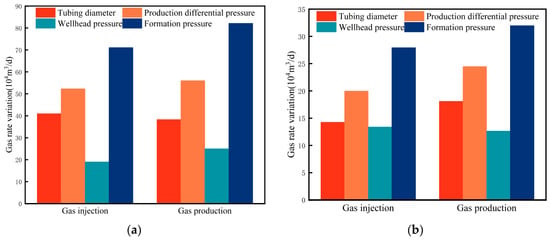
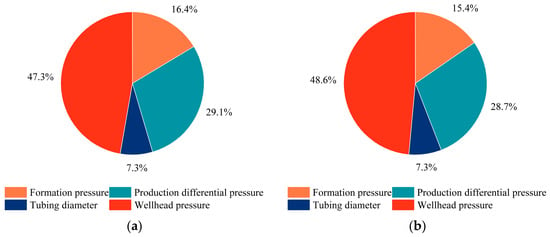
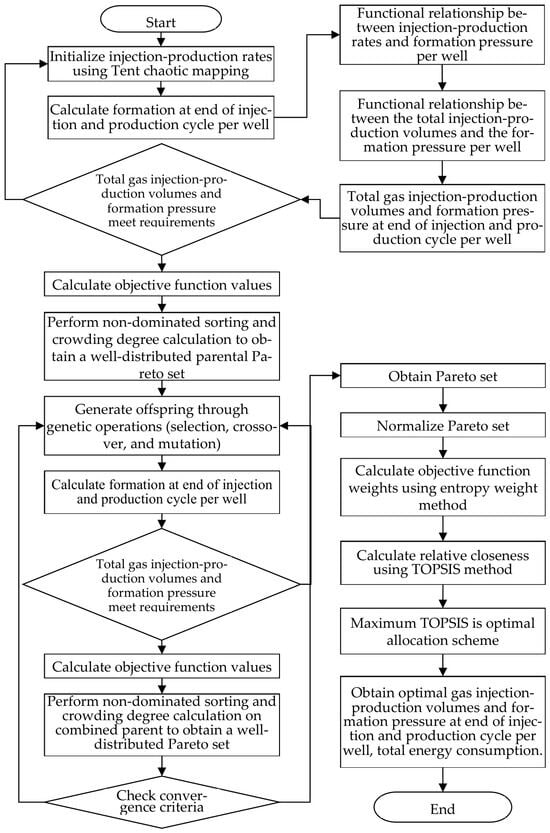
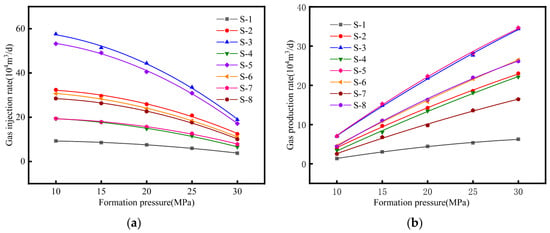
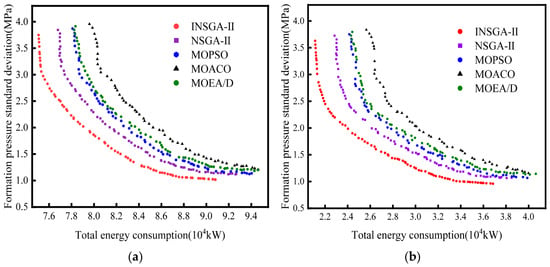
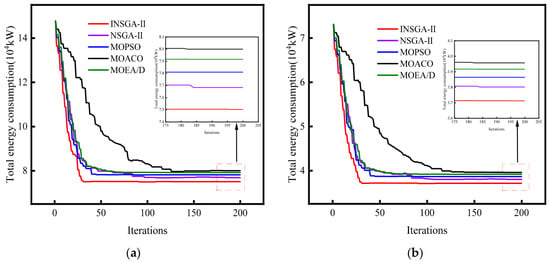
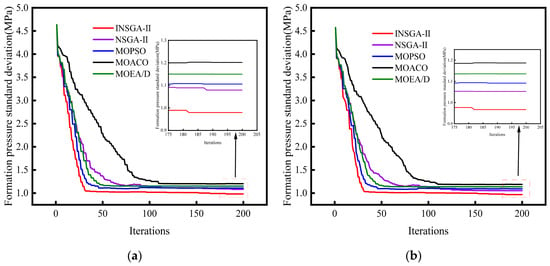
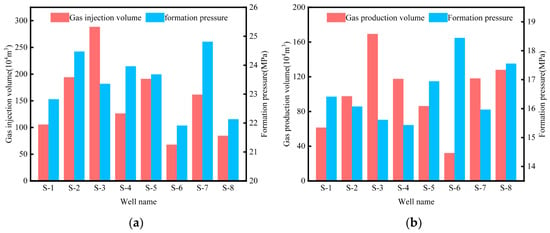
As critical infrastructure for seasonal natural gas peak-shaving, the operation of underground gas storage (UGS) must consider multiple factors including risk, economics, efficiency, and technology. Traditional UGS operation schemes are heavily dependent on subjective experience and lack intelligent methods to fully leverage historical data. This shortcoming leads to higher risks and increased compressor energy consumption. Taking S UGS as an example, the sensitivity factors of injection-production capacity are analyzed based on geological development and multi-cycle injection-production operation data. With injection-production rates as a decision variable and while considering safety and economic factors, objective functions and constraints are defined from the formation, wellbore, and surface. The proposed injection and production cycles are both 15 days, and the total injection and production volumes are 1200 × 104 m3 and 800 × 104 m3. An optimization model was constructed using the INSGA-Ⅱ and TOPSIS to determine the optimal gas injection-production volume allocation scheme. Compared with the initial scheme, the optimal injection-production volume allocation scheme reduces compressor energy consumption by 49.19% and 49.80% and formation pressure standard deviation by 78.88% and 77.21%, respectively. This effectively lowers injection-production energy consumption while improving safety, thereby ensuring the long-term safe and efficient operation of UGS.
Full article
(This article belongs to the Section Chemical, Civil and Environmental Engineering)
►▼
Show Figures

Figure 1

Open AccessSystematic Review
Rheological Modeling in Recycled Polyolefin Systems: A Systematic Review of Model Classification, Applicability, and Limitations for Eco-Composite Design
by
Genaro Spíndola-Barrón, Juvenal Rodríguez-Resendiz and Eric Leonardo Huerta-Manzanilla
Eng 2026, 7(5), 214; https://doi.org/10.3390/eng7050214 - 1 May 2026
Abstract
The application of rheological modeling in polyolefin-based systems has gained increasing attention in the context of sustainable materials and circular economy strategies. In particular, the use of recycled polyolefins reinforced with lignocellulosic fillers presents significant opportunities, but also introduces challenges associated with structural
[...] Read more.
The application of rheological modeling in polyolefin-based systems has gained increasing attention in the context of sustainable materials and circular economy strategies. In particular, the use of recycled polyolefins reinforced with lignocellulosic fillers presents significant opportunities, but also introduces challenges associated with structural heterogeneity, degradation, and variability in processing behavior. Despite rheology’s central role in linking structure, processing, and properties, its use as a predictive tool in recycled systems remains insufficiently systematized. This work presents a systematic review conducted according to PRISMA guidelines to analyze the use of rheological models in polyolefin-based systems, with particular emphasis on their applicability to recycled materials and composite formulations. We analyze 50 studies using a structured data extraction protocol. The results show that rheological modeling approaches can be organized into a hierarchical framework ranging from indirect flow parameters and generalized Newtonian fluid models to viscoelastic, structural, multiscale, and hybrid approaches. However, these approaches are not evenly distributed across system types. Advanced models are predominantly applied to compositionally controlled systems, whereas recycled and post-consumer polyolefins are mainly addressed using simplified models or experimental characterization. The analysis further indicates that rheology is primarily used for data fitting and process simulation, with limited application as a predictive tool for material formulation. Quantitative trends reported in the literature indicate that filler incorporation typically increases viscosity by approximately 20–200%, depending on filler content, dispersion quality, and interfacial interactions. However, variability in experimental conditions and material heterogeneity significantly limits cross-study comparability. From a mechanistic perspective, the main limitation lies not in the availability of rheological models but in their adaptability to heterogeneous systems characterized by variable composition, degradation, and limited experimental accessibility. This review identifies a gap between the development of rheological models and their application in recycled polyolefin systems. Future progress on eco-composite design will require further development of integrative approaches that balance physical insight, predictive capability, and experimental feasibility. In this context, rheology should be repositioned from a post-characterization technique to a central tool for the design and optimization of sustainable polymer composites. From an applied perspective, these findings support the use of rheological parameters as practical indicators for guiding formulation strategies and optimizing processing conditions in recycled polyolefin-based materials.
Full article
(This article belongs to the Section Chemical, Civil and Environmental Engineering)
Open AccessArticle
Evaluation Method of Water Absorption Profile Based on Temperature Profile of Water Injection Well
by
Zhang Tao, Yang Wei, Wang Kun, Zheng Yuhui and Chen Peng
Eng 2026, 7(5), 213; https://doi.org/10.3390/eng7050213 - 1 May 2026
Abstract
Distributed fiber optic temperature sensing (DTS) monitoring technology is increasingly widely applied in oil reservoir water injection development. However, existing DTS interpretation methods for layered water injection processes have insufficiently considered the effects of multilayer injection and reservoir damage. To address this issue,
[...] Read more.
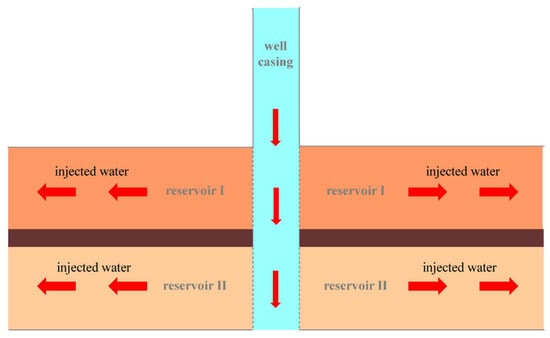
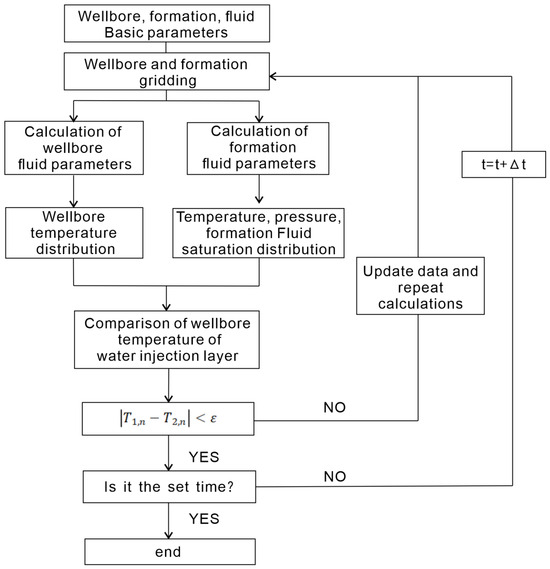
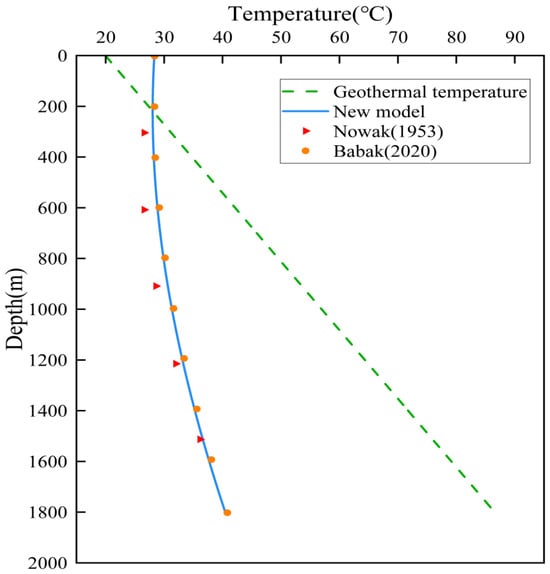
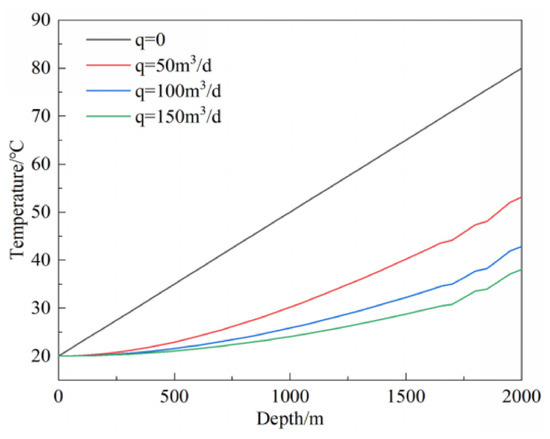
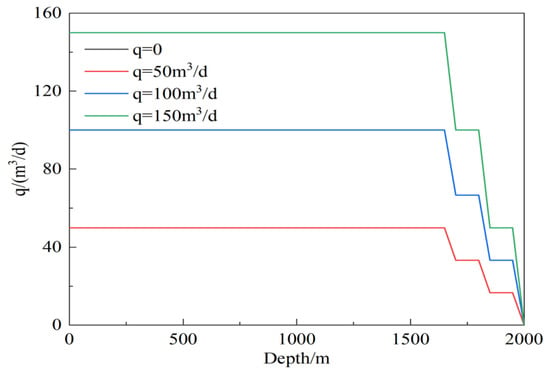
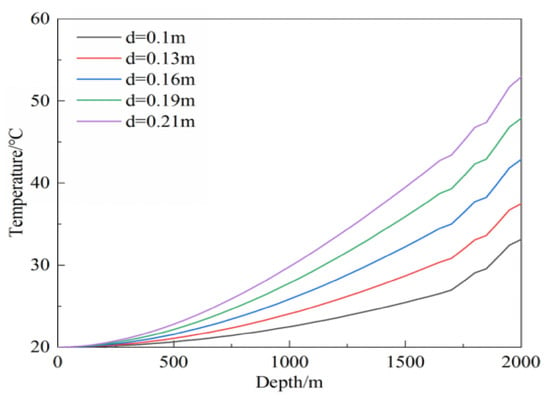
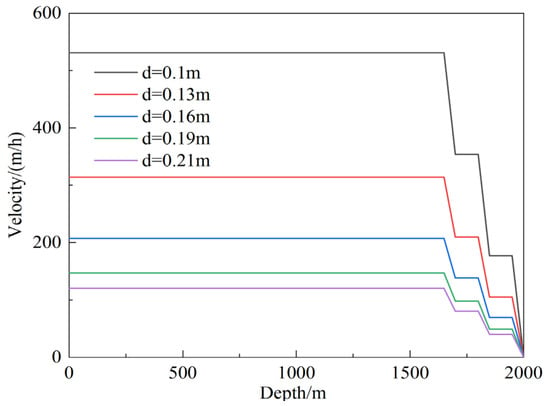
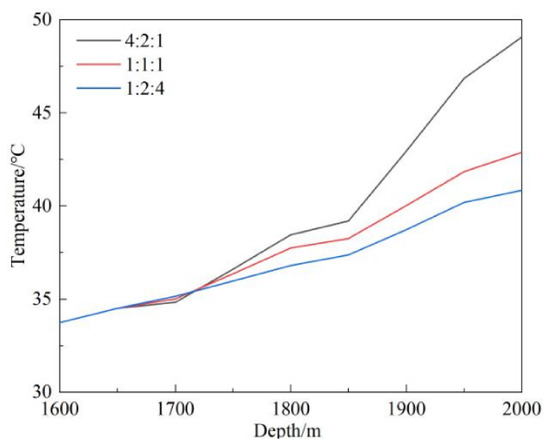
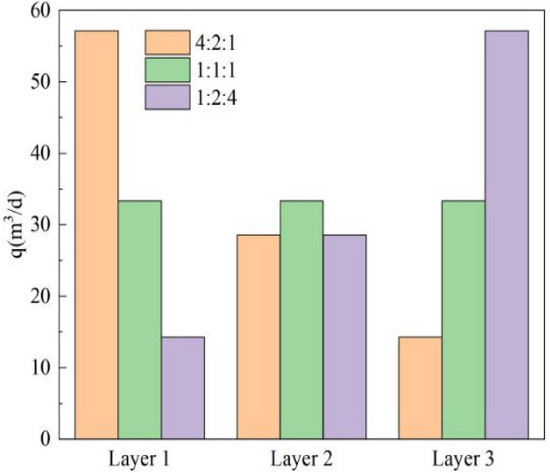
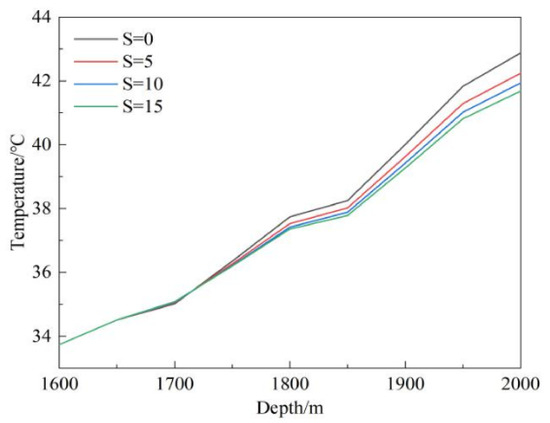
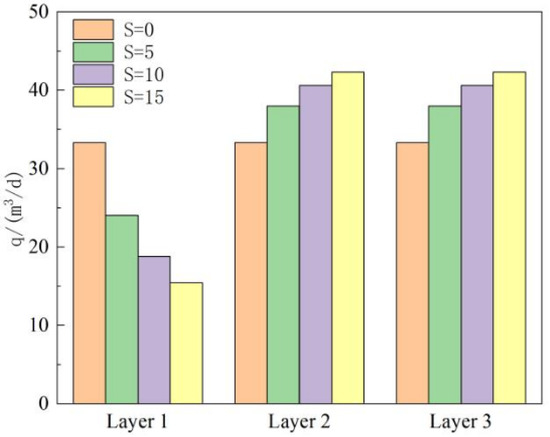
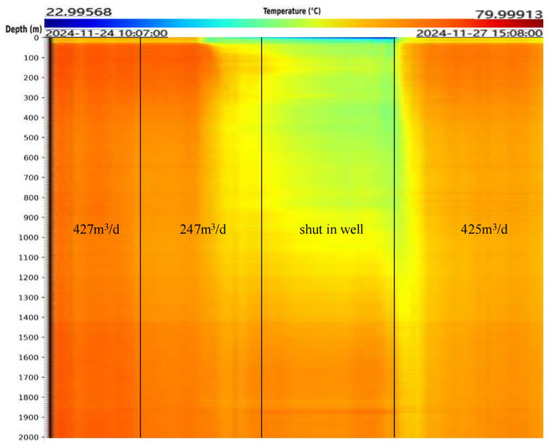
Distributed fiber optic temperature sensing (DTS) monitoring technology is increasingly widely applied in oil reservoir water injection development. However, existing DTS interpretation methods for layered water injection processes have insufficiently considered the effects of multilayer injection and reservoir damage. To address this issue, this paper takes into account interlayer heterogeneity and reservoir damage and, based on the laws of conservation of mass and energy, comprehensively incorporates the effects of friction, the Joule–Thomson effect, thermal convection, and thermal expansion. By coupling wellbore pipe flow with formation seepage, a temperature profile prediction model for multilayer water absorption under steady-state water injection conditions is established. Comparative validation against classical models such as those by Babak and Nowak demonstrates that the proposed model achieves high computational accuracy. Using this model, the influence patterns of injection rate, tubing diameter, formation coefficient, and skin factor on wellbore temperature distribution are systematically analyzed: a higher injection rate leads to a smaller temperature rise in the injected water; a larger tubing diameter results in a greater temperature rise; the formation coefficient affects the temperature profile by regulating interlayer water absorption distribution, while reservoir damage (skin factor) has a relatively limited direct impact on the temperature profile. The model is applied to interpret DTS field data from Well A, and the water absorption rate of each sublayer is quantitatively obtained: the main water absorbing intervals are 1878.7–1897.5 m and 1919.5–1950.6 m, with water absorption accounting for 30.57% and 24.28% of the total injection rate, respectively, while the remaining intervals exhibit secondary water absorption. These interpretation results are in good agreement with earlier oxygen activation tests. This study provides a theoretical basis and analytical method for applying distributed fiber optic temperature measurement technology to monitor water absorption profiles in multilayer injection wells.
Full article
(This article belongs to the Section Chemical, Civil and Environmental Engineering)
►▼
Show Figures

Figure 1

Open AccessArticle
Factor Analysis and Mechanism Revelation of Reservoir Conditions and Driving Fluids Affecting Geothermal Energy Extraction
by
Fuling Wang, Hongqi Cao, Chenyi Tang, Chengzhe Lu, Yixin Zhang, Rui Deng and Yandong Yang
Eng 2026, 7(5), 212; https://doi.org/10.3390/eng7050212 - 1 May 2026
Abstract
Introduction: Efficient geothermal energy extraction has the potential to significantly alleviate the shortage of fossil energy, but low extraction efficiency and an insufficiently understood extraction mechanism remain key bottlenecks hindering its large-scale deployment. Method: This study develops a fluid–solid coupled numerical model based
[...] Read more.
Introduction: Efficient geothermal energy extraction has the potential to significantly alleviate the shortage of fossil energy, but low extraction efficiency and an insufficiently understood extraction mechanism remain key bottlenecks hindering its large-scale deployment. Method: This study develops a fluid–solid coupled numerical model based on the intrinsic physical properties of geological reservoirs to systematically analyze the energy extraction characteristics of geothermal systems. Simultaneously, the effects of key geological factors on fluid flow behavior within geothermal reservoirs are investigated. Furthermore, molecular dynamics simulations are employed to elucidate the microscopic mechanisms by which driving fluids facilitate geothermal energy extraction. Results: The results demonstrate that the thermo-hydraulic–mechanical (THM) numerical model was validated through a comparison with benchmark data reported in previous studies, exhibiting a high degree of agreement with geothermal extraction performance. The model further confirms that heat transport in the geothermal reservoir is characterized by a pronounced “tongue-in” isotherm pattern during the extraction process. Discussion: Lower initial temperatures of the driving fluid lead to more rapid geothermal energy extraction compared with higher initial temperatures, and the “tongue-in” phenomenon becomes increasingly pronounced as the initial injection temperature decreases. Moreover, increased injection pressure significantly enhances geothermal energy extraction efficiency; however, reduced pressure differentials markedly suppress the development of the “tongue-in” pattern and decrease reservoir permeability. In addition, water used as a heat-driving fluid achieves higher thermal extraction efficiency than water, while simultaneously exerting a stronger moderating effect on the permeability evolution of geothermal reservoirs. Conclusions: The simulation results obtained from the thermo-hydraulic-mechanical (THM) numerical model provide fundamental data to support the efficient development of geothermal reservoirs, while the associated analyses offer valuable insights into the selection of appropriate driving fluids for reservoirs with distinct geological characteristics.
Full article
(This article belongs to the Special Issue Advances in GeoEnergy Engineering: Innovations in Sustainable Energy Resources and Unconventional Reservoirs)
Open AccessSystematic Review
Rare Earth Elements in the Energy Transition: A Review of the Demand-Sustainability-Risk Nexus and Future Perspectives
by
Victor Osvaldo Vega-Muratalla, Luis Fernando Lira-Barragán, César Ramírez-Márquez, Mahmoud M. El-Halwagi and José María Ponce-Ortega
Eng 2026, 7(5), 211; https://doi.org/10.3390/eng7050211 - 1 May 2026
Abstract
The global transition toward renewable energy and decarbonization is intrinsically linked to the management of critical materials. Rare Earth Elements (REEs) are no exception, as they play a strategic role at the center of climate goals. Therefore, this review provides a comprehensive assessment
[...] Read more.
The global transition toward renewable energy and decarbonization is intrinsically linked to the management of critical materials. Rare Earth Elements (REEs) are no exception, as they play a strategic role at the center of climate goals. Therefore, this review provides a comprehensive assessment of the REE landscape, explicitly addressing the proposed Demand-Sustainability-Risk Nexus (DSR-Nexus), which integrates technological demand, environmental sustainability, and geopolitical supply risks. A systematic review based on PRISMA methodology was conducted to analyze scientific contributions published between 2015 and 2026, revealing a significant research imbalance. By 2025, while 87% of works focus on resource availability, production, and recycling, only 1.4% address the global supply chain and its geopolitical implications. Key findings highlight that China’s dominance in mining, processing, and refining capacities, accounting for 69.5%, 92%, and 94%, respectively, creates structural vulnerabilities for future environmental goals. In contrast, emerging producers such as Malaysia and the United States are expected to contribute 9% and 8% of refining capacity, respectively. Furthermore, this review discusses environmental trade-offs, including high energy intensity, water consumption, and radioactive byproducts. It also examines mitigation strategies, such as recycling, urban mining, and material substitution. Ultimately, achieving a resilient energy transition requires expanding supply, strengthening circular strategies, and international cooperation.
Full article
(This article belongs to the Section Chemical, Civil and Environmental Engineering)
Open AccessArticle
A Prescriptive Maintenance Framework for Textile Machinery Enabled by Hybrid Machine Learning and Multi-Objective Optimization
by
Celso Sanga, Vladimir Prado, Piero Sanga, Alejandra Sanga and Nelson Chambi
Eng 2026, 7(5), 210; https://doi.org/10.3390/eng7050210 - 1 May 2026
Abstract
The textile industry faces machinery maintenance challenges due to reactive practices, lack of real-time monitoring, and absent integrated management systems, resulting in unplanned downtime, elevated costs, and quality variability. This study addresses these limitations by proposing a hybrid predictive–prescriptive framework integrating XGBoost 3.2.0
[...] Read more.
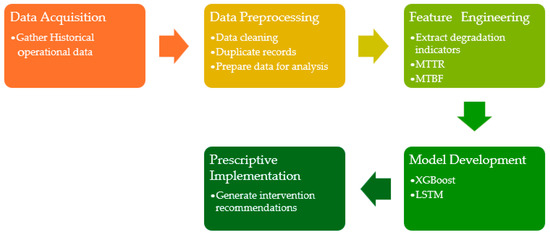
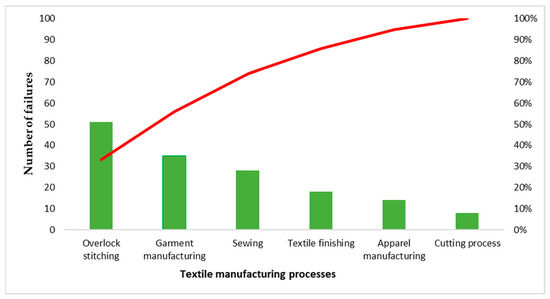
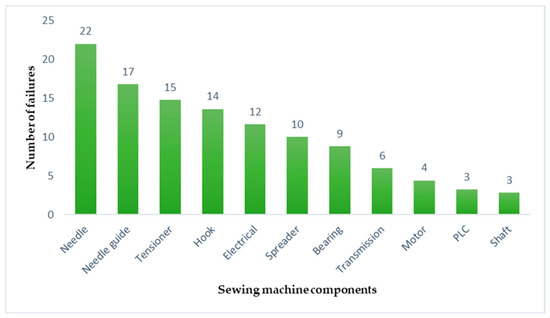
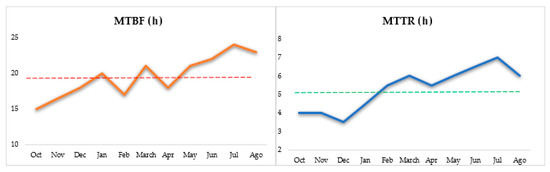
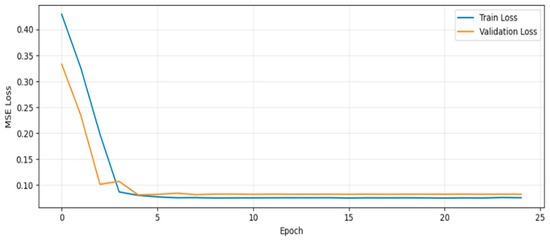
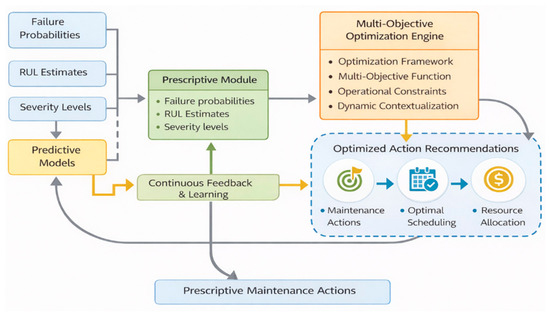
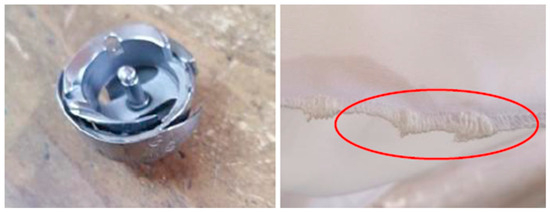
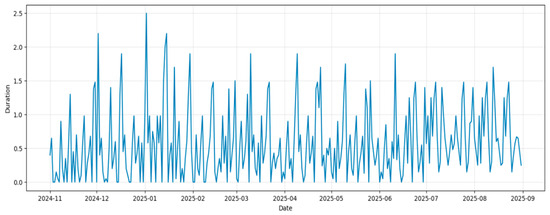
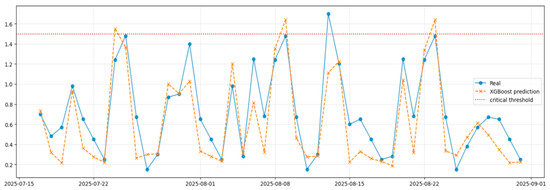
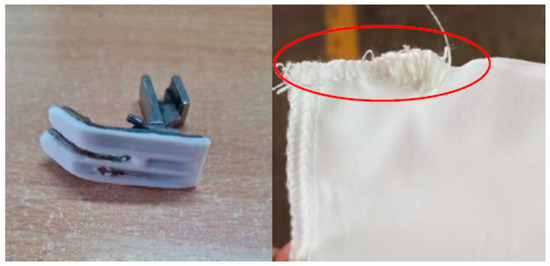
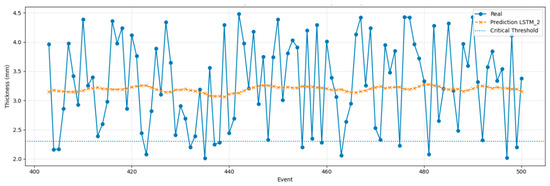
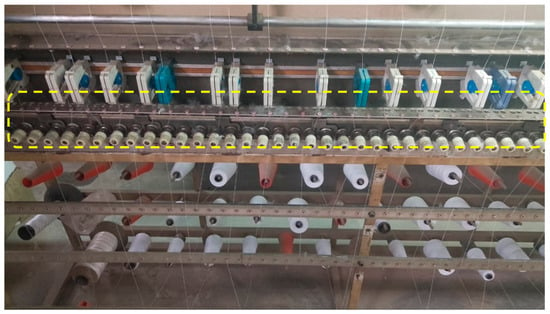
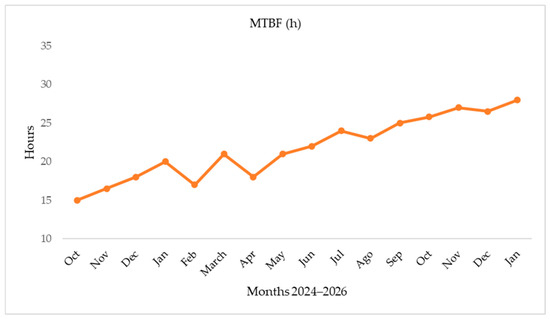
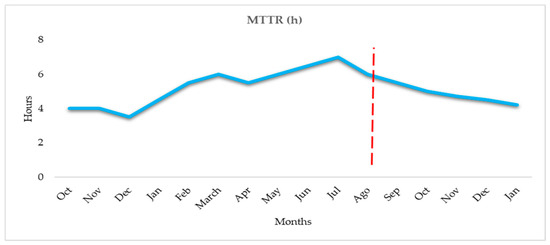
The textile industry faces machinery maintenance challenges due to reactive practices, lack of real-time monitoring, and absent integrated management systems, resulting in unplanned downtime, elevated costs, and quality variability. This study addresses these limitations by proposing a hybrid predictive–prescriptive framework integrating XGBoost 3.2.0 and LSTM models with a multi-objective optimization engine to generate data-driven maintenance recommendations. The framework was validated on four critical components, needles, hooks, needle guides, and thread tensioners, using operational data from a textile plant (November 2024–January 2026). Plant-wide Mean Time Between Failures increased by 38% (15–21 to 24–28 h), while Mean Time To Repair decreased by 15% (5.31 to 4.6 h). These improvements yielded 5.5% lower maintenance costs, 9% less fabric waste, and reduced cost per operating hour from $25 to $23.5. The prescriptive module transformed imperfect predictions into robust decisions by evaluating interventions against production constraints, spare parts availability, and risk criteria. Beyond quantitative gains, the framework enabled sustainable practices including data-driven spare parts policies and condition-based inspections. This work demonstrates that integrating prediction with prescription effectively overcomes structural maintenance challenges in textile manufacturing, providing a replicable methodology for broader industrial adoption.
Full article
(This article belongs to the Special Issue Artificial Intelligence for Engineering Applications, 2nd Edition)
►▼
Show Figures

Figure 1
Open AccessArticle
Study on Foundation Constraint Modeling of a Sea-Crossing Cable-Stayed Bridge Under Combined Wind–Wave Actions
by
Liuhang Chen, Bo Zhang and Daocheng Zhou
Eng 2026, 7(5), 209; https://doi.org/10.3390/eng7050209 - 1 May 2026
Abstract
Foundation constraints are commonly defined according to the deformation characteristics of the supporting system; however, structural deformation is also strongly affected by external loads. Compared with inland bridges, sea-crossing bridges experience much larger horizontal loads under combined wind–wave actions, and whether foundations in
[...] Read more.
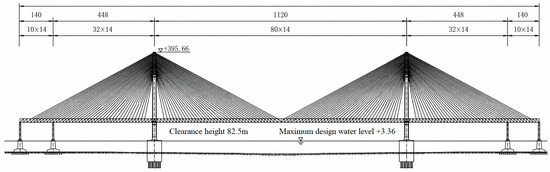
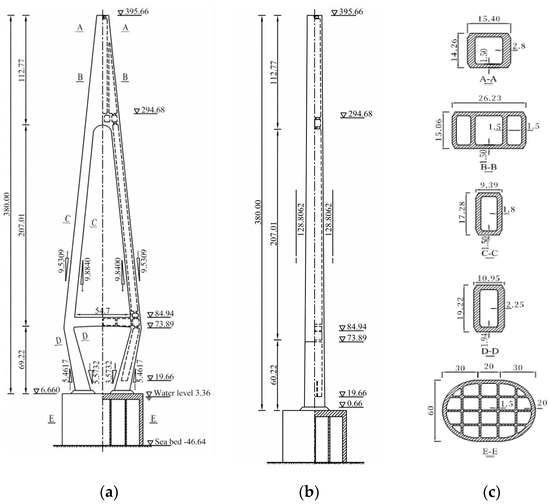
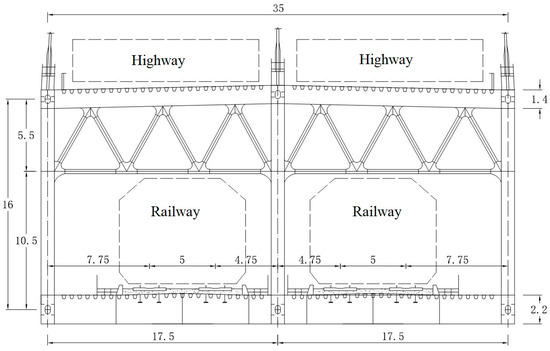
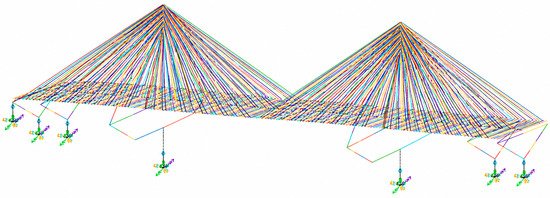
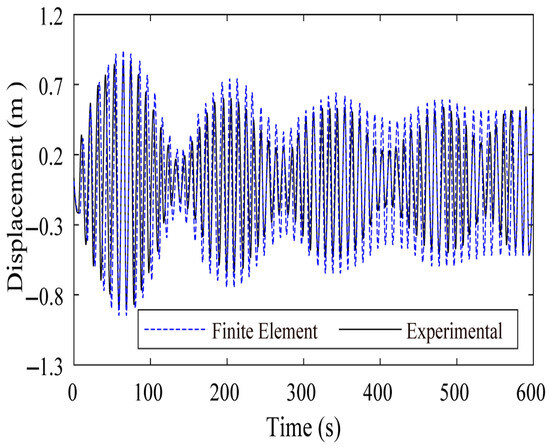
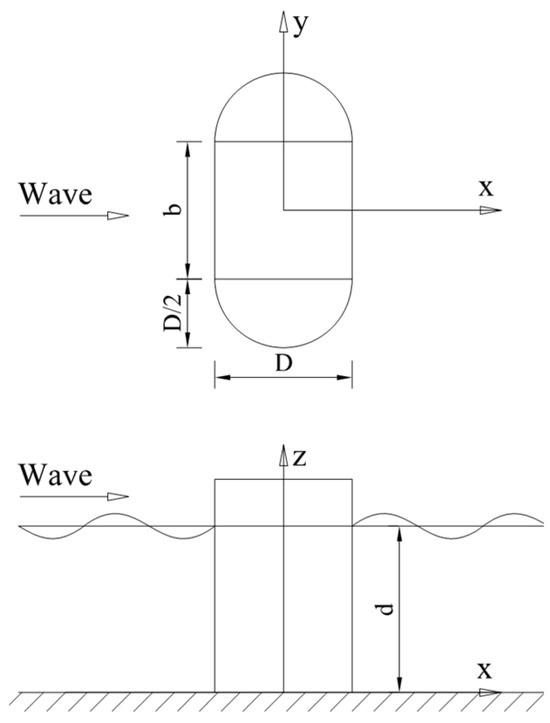
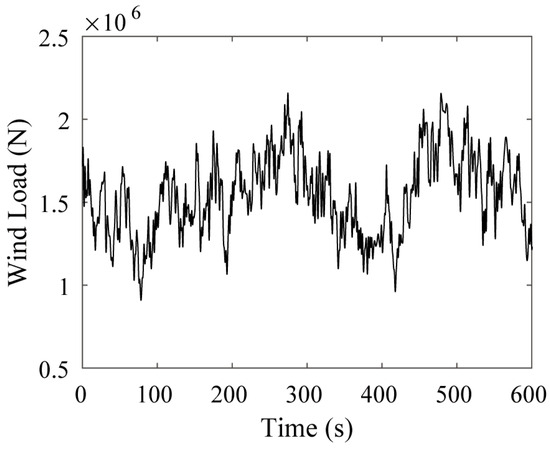
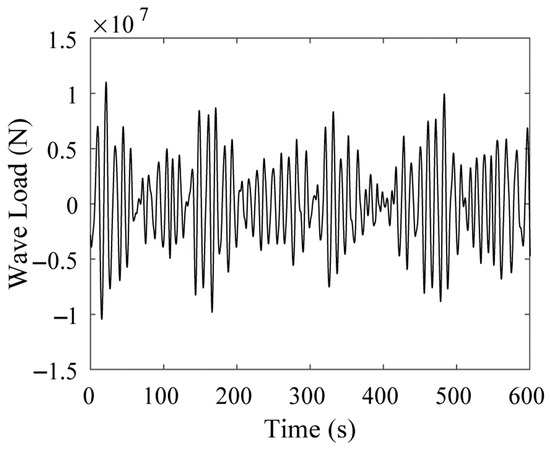
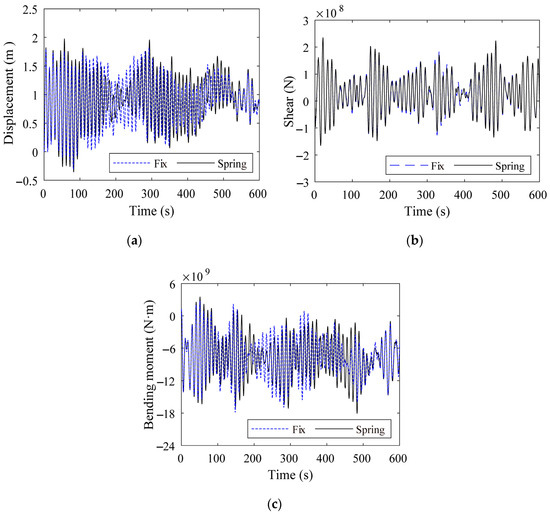
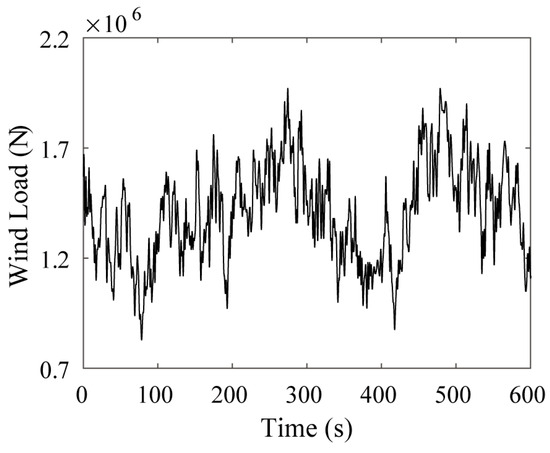
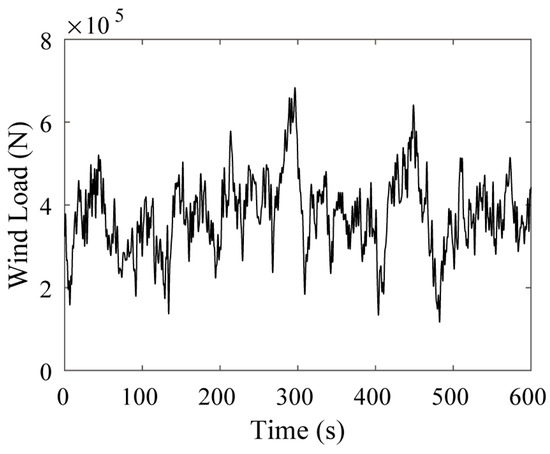
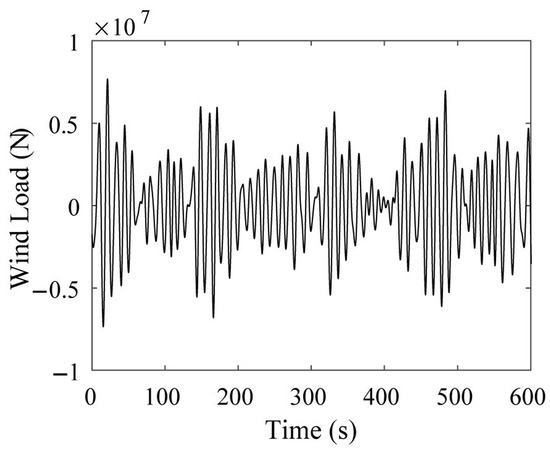
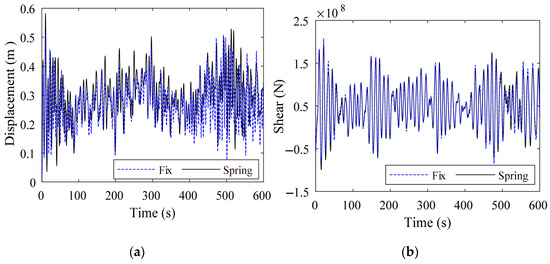
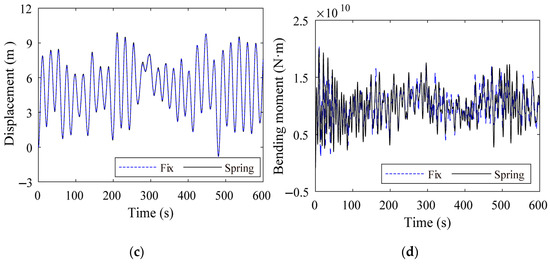
Foundation constraints are commonly defined according to the deformation characteristics of the supporting system; however, structural deformation is also strongly affected by external loads. Compared with inland bridges, sea-crossing bridges experience much larger horizontal loads under combined wind–wave actions, and whether foundations in hard-soil conditions can be simplified as rigidly fixed still requires verification. In this study, the m-method is used to determine the equivalent spring stiffness of each soil layer from soil parameters, and a spring-based soil–foundation interaction model is established. This spring-based model is taken as the reference to evaluate the applicability of the rigidly fixed foundation assumption. Using the Qiongzhou Strait highway–railway combined cable-stayed bridge as the engineering background, both rigidly fixed and spring-based foundation models are developed to simulate foundation constraints. The dynamic responses of a single bridge tower and of the entire bridge system under combined wind–wave loading are computed. The influences of foundation constraints on tower-top displacement, foundation reaction forces, and bending moments are investigated. The maximum discrepancy between the two approaches reaches 7.83%, providing a rational basis for selecting foundation constraint conditions in dynamic analysis and design of sea-crossing bridges.
Full article
(This article belongs to the Special Issue Fluid-Structure Interaction in Civil Engineering)
►▼
Show Figures

Figure 1
Open AccessReview
Aqueous Zinc-Ion Batteries: Progress, Challenges, and Pathways Towards Greener Energy Storage
by
Dhanushree Shivaraj, Greeshma Jayan, Subashree Murugesan, Nithya Chandrasekaran, Sampath Gayathri, Jong Hun Han and Paulraj Arunkumar
Eng 2026, 7(5), 208; https://doi.org/10.3390/eng7050208 - 1 May 2026
Abstract
►▼
Show Figures
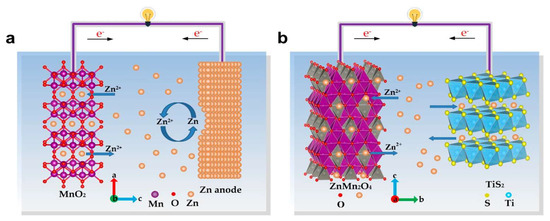
Spurred by the rapid expansion of renewable and clean energy technologies, secondary batteries have become indispensable to modern energy systems. At the same time, growing demand for safer and more environmentally friendly energy-storage solutions has accelerated interest in zinc-ion batteries (ZIBs), which offer
[...] Read more.
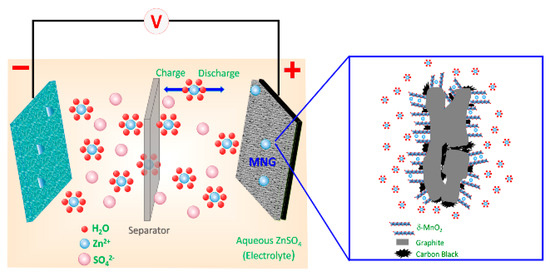
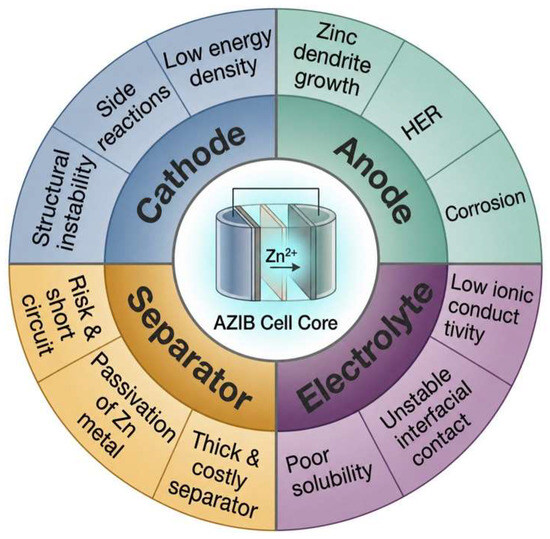
Spurred by the rapid expansion of renewable and clean energy technologies, secondary batteries have become indispensable to modern energy systems. At the same time, growing demand for safer and more environmentally friendly energy-storage solutions has accelerated interest in zinc-ion batteries (ZIBs), which offer attractive advantages over lithium-ion batteries, including high theoretical capacity, intrinsic safety, and natural abundance. This review summarizes recent progress in aqueous ZIBs, with particular focus on highly reversible Zn anode, electrolyte optimization, and the development of advanced cathode materials. In addition, emerging methods designed to address the key limitations of aqueous ZIB systems are discussed. Finally, this review provides perspectives on future research directions and design principles that may guide the development of next-generation aqueous ZIBs.
Full article

Figure 1
Open AccessArticle
On the Effect of Damping Modeling in Mixed Reinforced Concrete-Structural Steel Buildings Subjected to Seismic Motions
by
Paraskevi K. Askouni and George A. Papagiannopoulos
Eng 2026, 7(5), 207; https://doi.org/10.3390/eng7050207 - 29 Apr 2026
Abstract
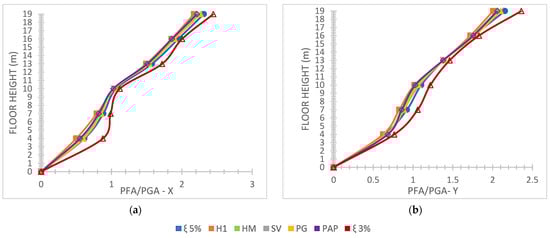
Damping modeling significantly influences the numerical seismic response of buildings, something that, despite being repeatedly emphasized in earthquake engineering research, is still overlooked even by seismic codes. It is a fact that, for simplification and ease of application, modern seismic design provisions assume
[...] Read more.
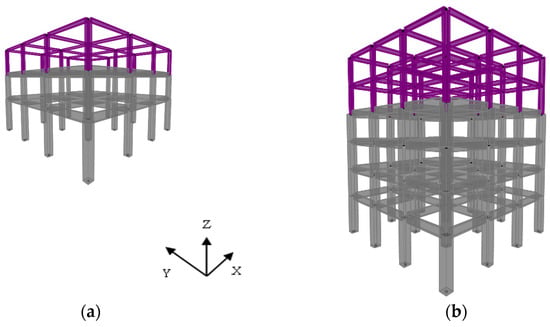
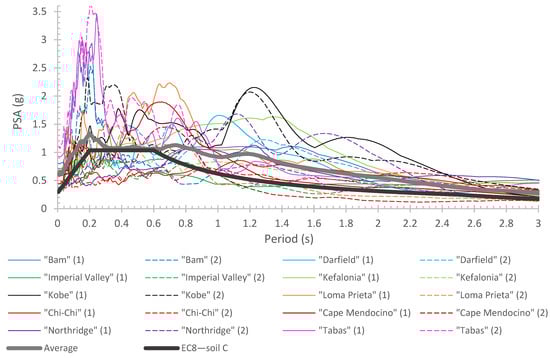
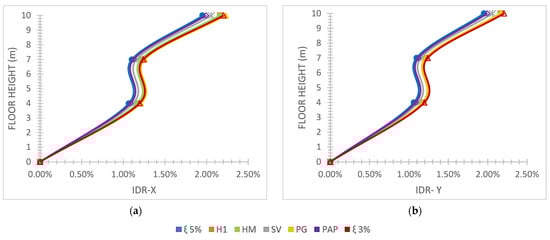
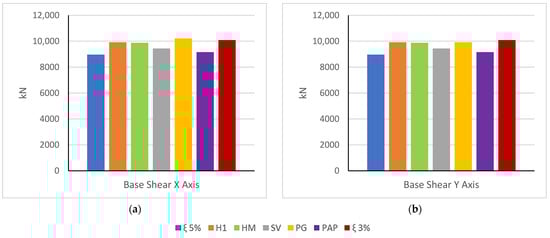
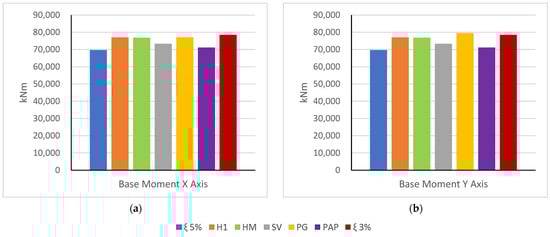
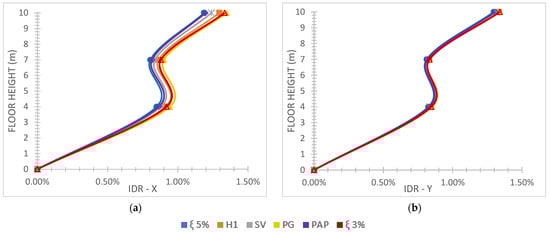
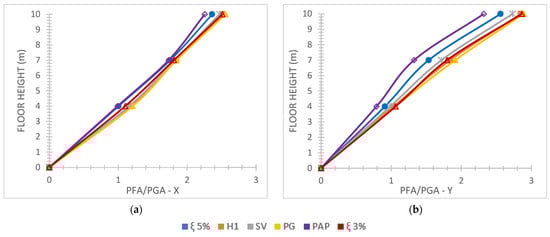
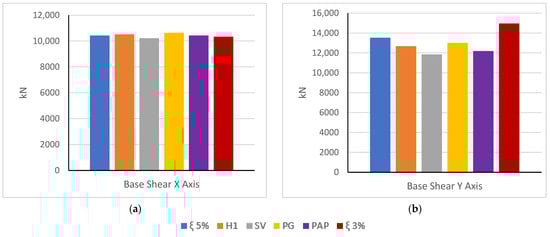
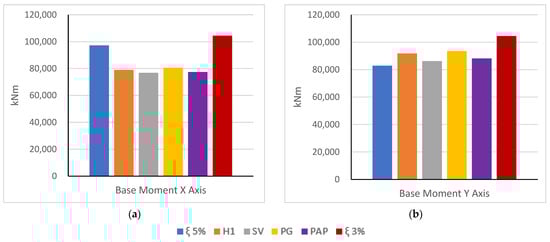
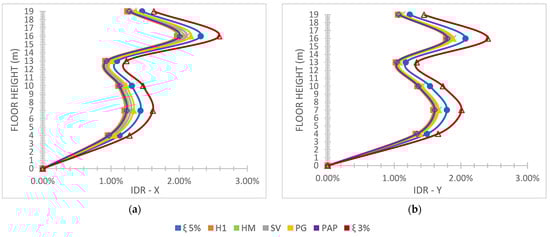
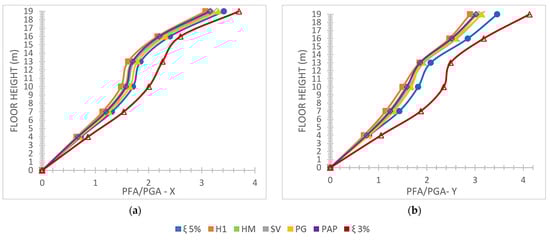
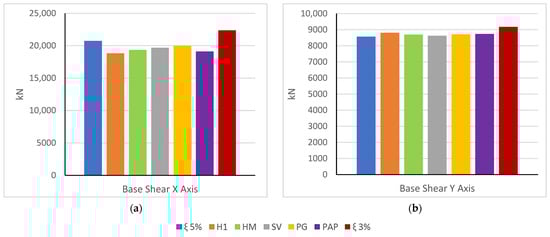
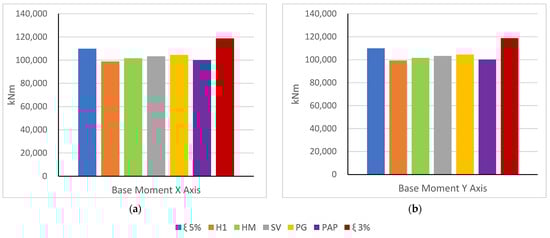
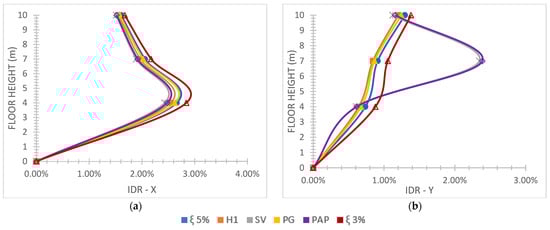
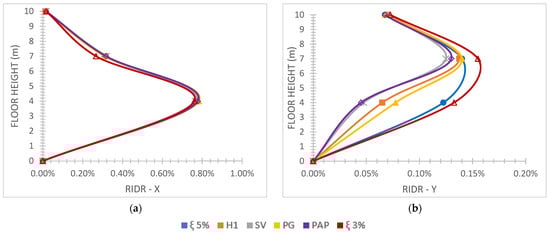
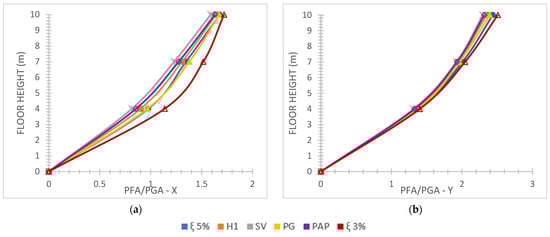
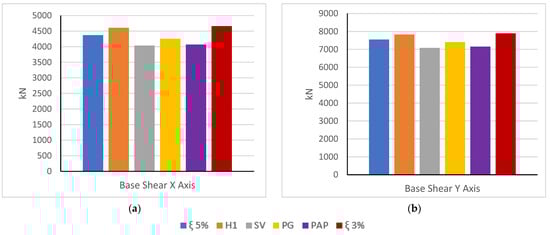
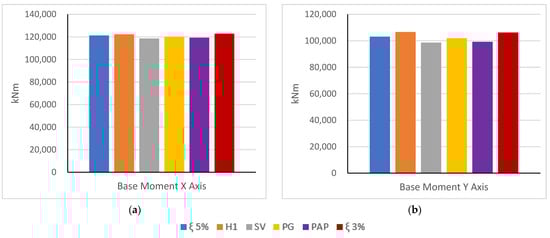
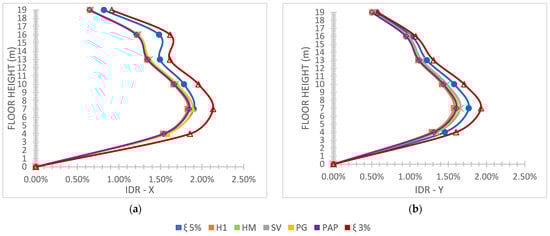
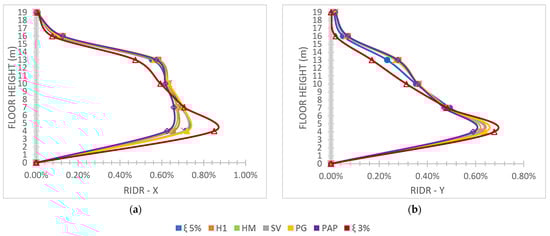
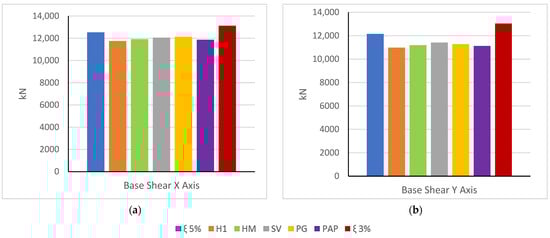
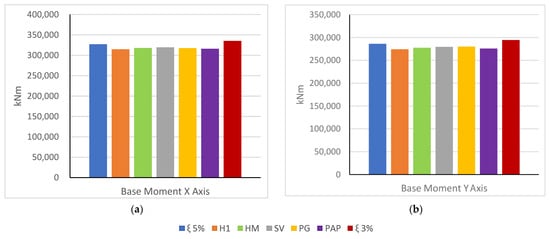
Damping modeling significantly influences the numerical seismic response of buildings, something that, despite being repeatedly emphasized in earthquake engineering research, is still overlooked even by seismic codes. It is a fact that, for simplification and ease of application, modern seismic design provisions assume damping for buildings entirely composed of a single material, e.g., reinforced concrete or structural steel. The current codes offer no guidance on damping assumptions for so-called mixed buildings comprising a lower part (stories) of reinforced concrete and an upper part (stories) of structural steel. Despite the growing use of mixed reinforced concrete-structural steel buildings, damping modeling of their seismic response remains almost unexplored. This study aims to contribute to this field by investigating the effect of different damping models on the elastic and inelastic seismic response of realistic three-dimensional mixed buildings. Modal response spectrum and time-history analyses served for this purpose. Key seismic response parameters, including interstory drift ratios, floor accelerations, and base shear demands, are extracted and systematically compared for the examined damping models. The results highlight the sensitivity of computed seismic demands to the assumed damping model. Guidance on selecting a damping model for the seismic analysis of mixed reinforced concrete-structural steel buildings is provided.
Full article
(This article belongs to the Section Chemical, Civil and Environmental Engineering)
►▼
Show Figures

Figure 1
Open AccessArticle
Coupling 3D CFD of Air Knife Jets with an Analytical Model for Coating Thickness Prediction and Operating Window Definition in Hot-Dip Galvanizing
by
Hao Liu, Lisong Zhu, Muyuan Zhou, Daiyan Zhao, Di Pan, Haibo Xie, Jian Han, Hongwei Cao, Li Sun, Hongqiang Liu, Xi Wu, Tieling Zhang and Zhengyi Jiang
Eng 2026, 7(5), 206; https://doi.org/10.3390/eng7050206 - 29 Apr 2026
Abstract
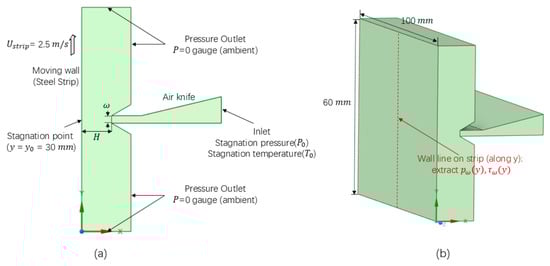
A coupled modeling framework is developed to predict coating thickness after air knife wiping in hot-dip galvanizing. A 3D large eddy simulation (LES) using the WALE sub-grid scale (SGS) model is performed to resolve the jet impingement on the moving strip. Time-averaged wall
[...] Read more.
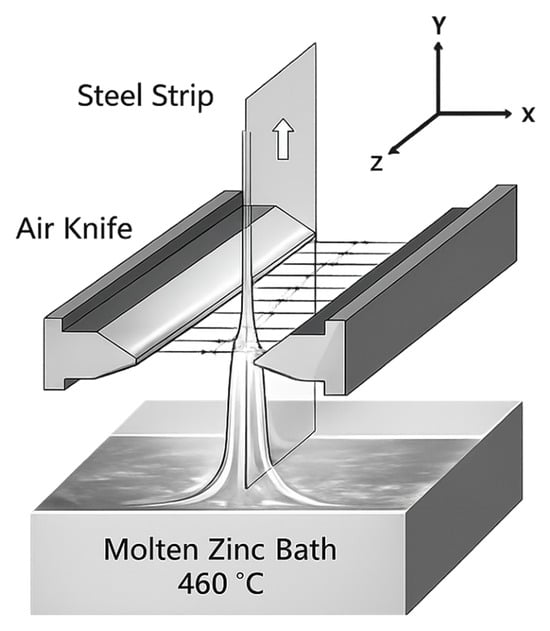
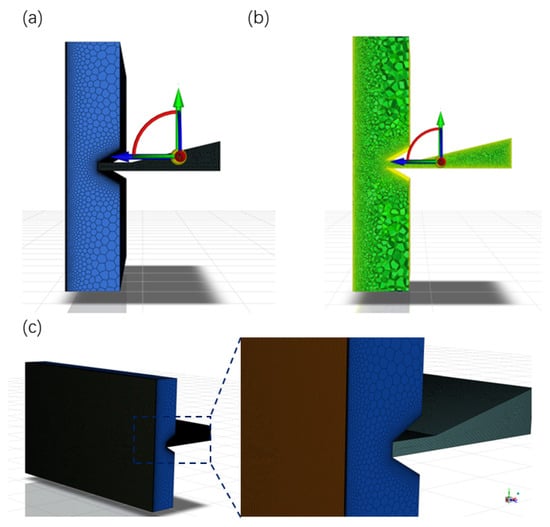
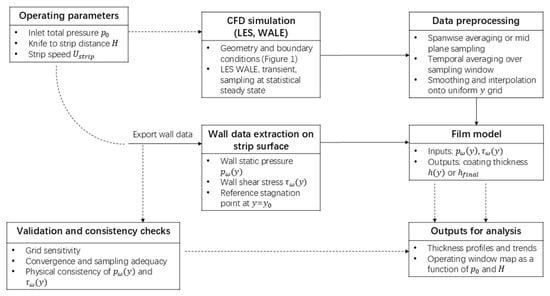
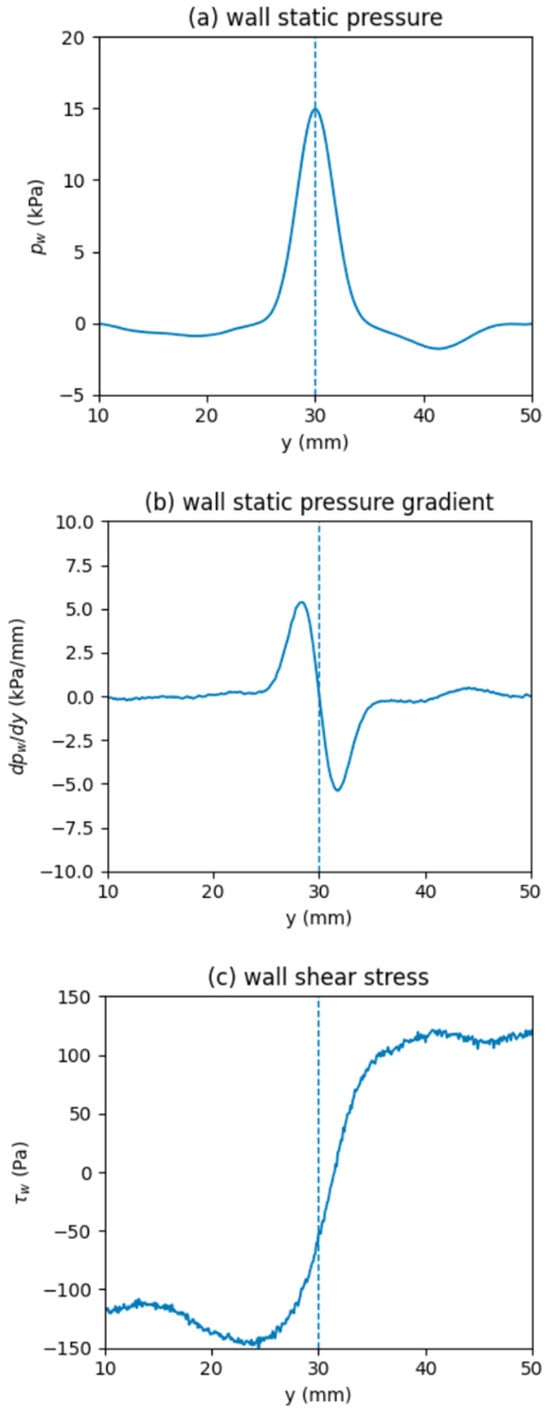
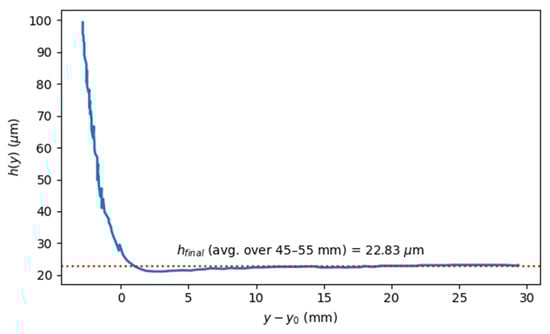
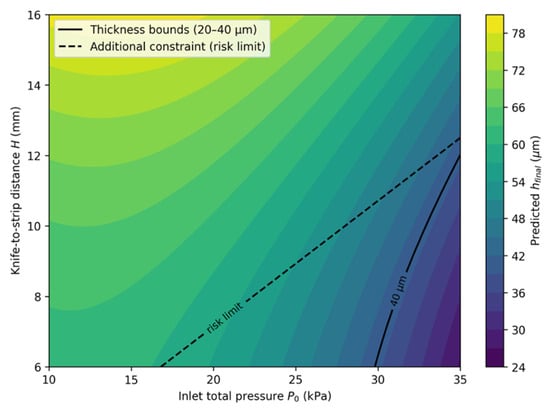
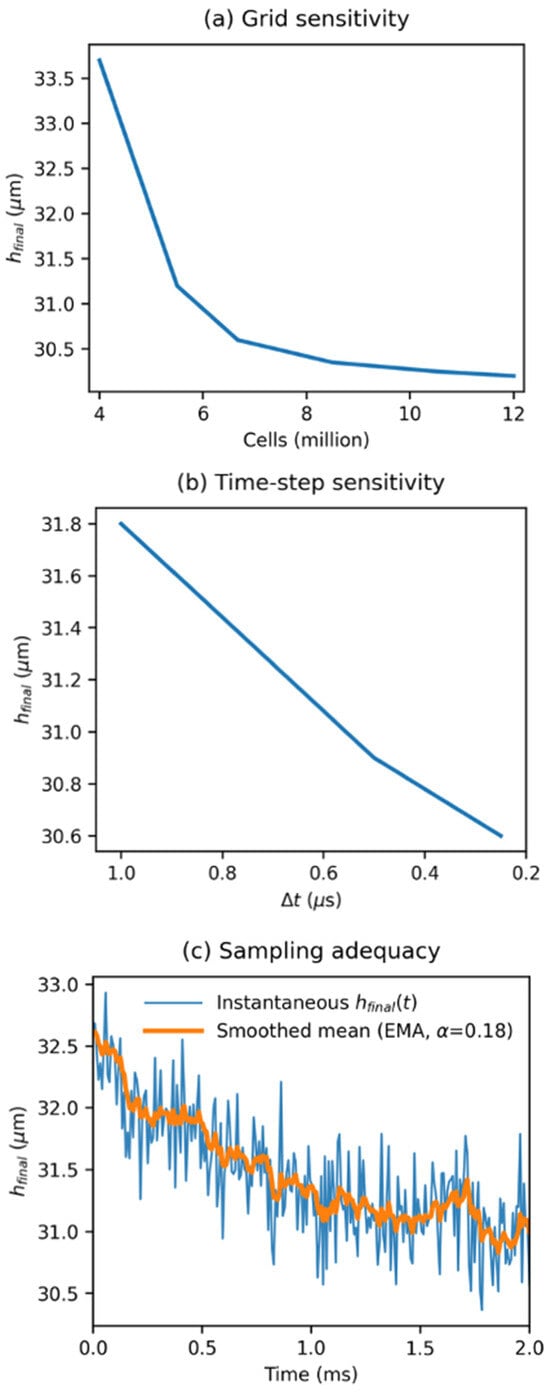
A coupled modeling framework is developed to predict coating thickness after air knife wiping in hot-dip galvanizing. A 3D large eddy simulation (LES) using the WALE sub-grid scale (SGS) model is performed to resolve the jet impingement on the moving strip. Time-averaged wall static pressure and wall shear stress along the strip direction are extracted and used as driving inputs for a thin film model. Starting from the continuity and momentum equations, a lubrication-type formulation is derived, leading to a local cubic equation for film thickness that accounts for both pressure gradient and gravity. A coupling workflow is established to preprocess the LES wall signals and compute the final coating thickness . Parametric sweeps of inlet total pressure and the knife-to-strip distance are employed to construct operating window maps. The predicted trends show that increasing or decreasing intensifies wall loading and reduces , while the operating window boundary is governed by the balance between the gas-induced shears. Representative results, including peak wall loading and thickness ranges, are reported for industrially relevant operating conditions.
Full article
(This article belongs to the Section Materials Engineering)
►▼
Show Figures

Figure 1
Open AccessFeature PaperArticle
GANSU: A GPU-Native Quantum Chemistry Framework for Efficient Hartree–Fock and Post-HF Calculations
by
Yasuaki Ito, Satoki Tsuji, Koji Nakano and Akihiko Kasagi
Eng 2026, 7(5), 205; https://doi.org/10.3390/eng7050205 - 28 Apr 2026
Abstract
GPU-accelerated quantum chemistry programs can dramatically reduce the time required for electronic structure calculations, yet most existing implementations either retrofit GPU kernels onto legacy CPU codebases or optimize individual kernels without addressing workflow-level integration overhead. We present GANSU (GPU Accelerated Numerical Simulation Utility),
[...] Read more.
GPU-accelerated quantum chemistry programs can dramatically reduce the time required for electronic structure calculations, yet most existing implementations either retrofit GPU kernels onto legacy CPU codebases or optimize individual kernels without addressing workflow-level integration overhead. We present GANSU (GPU Accelerated Numerical Simulation Utility), an open-source quantum chemistry framework written entirely in CUDA/C++ that integrates GPU-accelerated kernels for electron repulsion integrals, Fock matrix construction, and post-Hartree–Fock (post-HF) methods into a unified, GPU-resident execution pipeline. The key design principle is to eliminate host–device data transfers between computational stages by keeping all intermediate data, including density matrices, integral buffers, and Fock matrix replicas, on the GPU throughout the self-consistent field (SCF) iteration, combined with runtime-selectable integral strategies (stored ERI, resolution-of-the-identity, and Direct-SCF) that adapt to system size and available memory. On an NVIDIA H200 GPU, GANSU achieves end-to-end speedups of up to over PySCF for SCF, for MP2 on molecules with up to 470 basis functions, and for FCI, while outperforming GPU4PySCF by up to for FCI, across a range of molecular systems with up to 650 basis functions. The framework further provides analytical energy gradients and geometry optimization with nine algorithms, all operating within the same GPU-resident data flow. These results demonstrate that workflow-aware kernel integration, not just kernel-level optimization, is essential for realizing the full potential of GPU acceleration in scientific computing. GANSU is publicly available under the BSD-3-Clause license.
Full article
(This article belongs to the Special Issue Interdisciplinary Insights in Engineering Research 2026)
Open AccessArticle
AI-Powered Computer Vision for Ergonomic Risk Assessment and Musculoskeletal Symptom Prevalence in Industrial Metal Polishing Operators
by
Joel Alves, Tânia M. Lima and Pedro D. Gaspar
Eng 2026, 7(5), 204; https://doi.org/10.3390/eng7050204 - 28 Apr 2026
Abstract
►▼
Show Figures
Manufacturing polishing tasks involve repetitive movements and sustained postures that increase exposure to work-related musculoskeletal disorders (WRMSDs). This study presents an intersectoral validation of the ergonomic assessment methodology applied to industrial metal polishing operators that considered sociodemographic, anthropometric, and health variables. This study
[...] Read more.
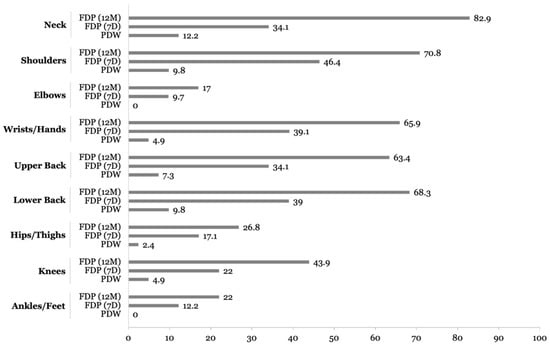
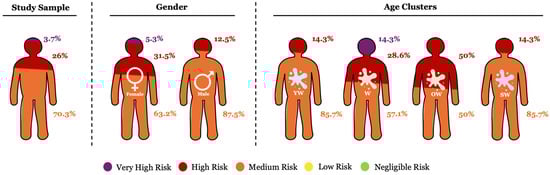
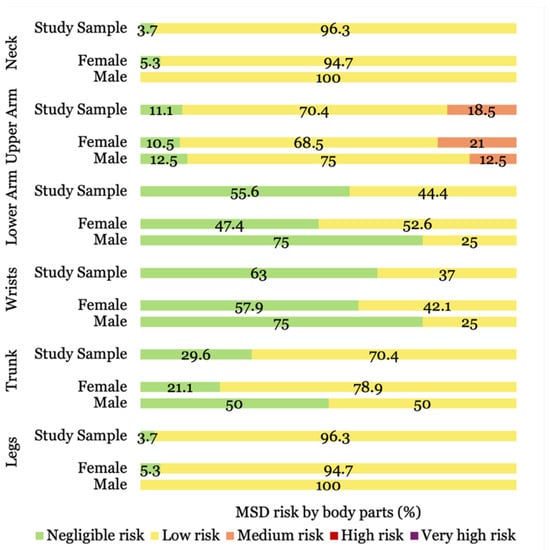
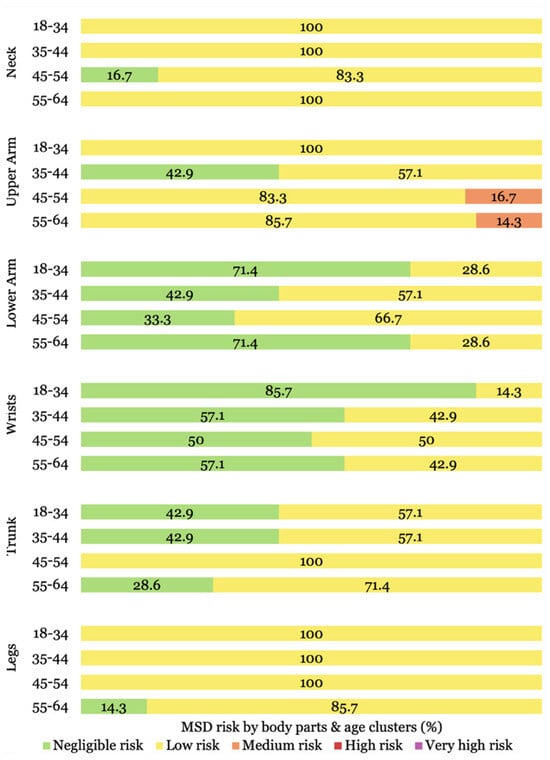
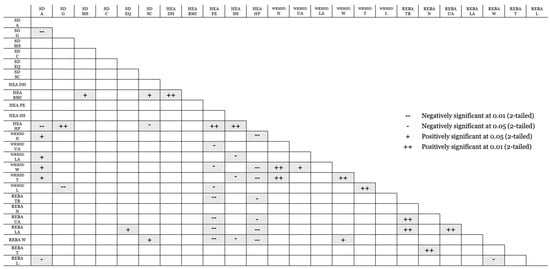
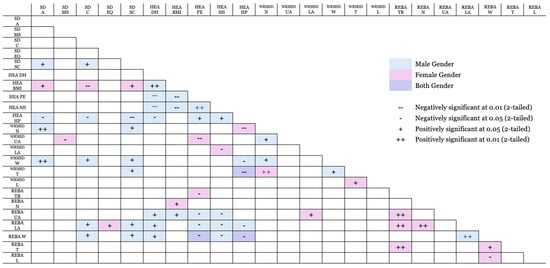
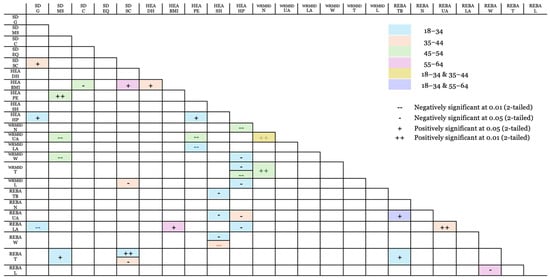
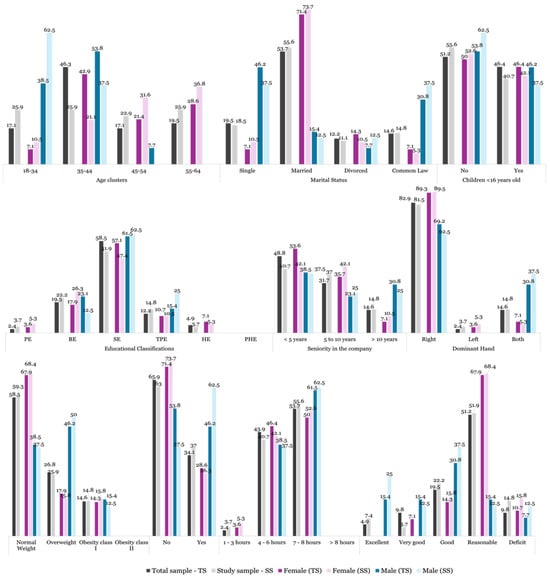
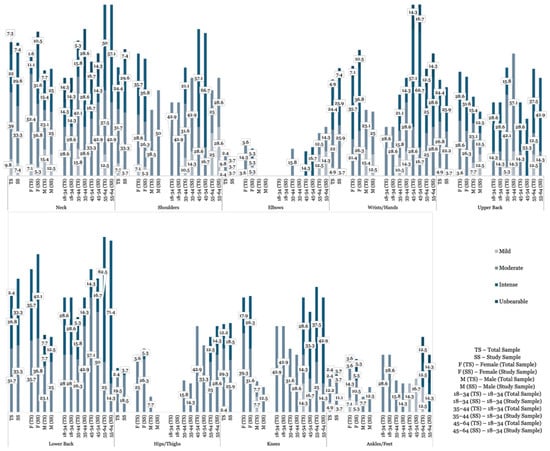
Manufacturing polishing tasks involve repetitive movements and sustained postures that increase exposure to work-related musculoskeletal disorders (WRMSDs). This study presents an intersectoral validation of the ergonomic assessment methodology applied to industrial metal polishing operators that considered sociodemographic, anthropometric, and health variables. This study surveyed 41 workers using the Nordic Musculoskeletal Questionnaire and assessed a subsample of 27 workers using the REBA method through AI-based computer vision. Symptom prevalence was highest in the neck (82.9%), shoulders (70.8%), lower back (68.3%), and wrists/hands (65.9%). Using a computer-vision AI-based tool to analyse posture, the REBA method identified moderate (70.3%), high (26.0%) and very high (3.7%) WRMSD risks for the upper arms, neck, and trunk, respectively, with women showing greater susceptibility. Spearman correlation analysis revealed significant associations between age, gender, health perception, and musculoskeletal risks. The findings confirm the ergonomic assessment method’s applicability and reliability for ergonomic risk assessment in industrial polishing tasks, emphasising the need for targeted interventions adapted to gender and age profiles to mitigate occupational hazards. The results support a non-intrusive assessment approach suitable for industrial deployment and for prioritising targeted, worker-stratified ergonomic interventions.
Full article

Figure 1
Open AccessArticle
An Instrumented Earth–Air Heat Exchanger with Embedded Electronic Monitoring for Real-Time Passive Cooling Applications
by
Abdelaaziz Yagour, Brahim Ydir, Iulia Antohe, Ahmed Wifaya, Ahmed Aharoune and Radouane Leghrib
Eng 2026, 7(5), 203; https://doi.org/10.3390/eng7050203 (registering DOI) - 28 Apr 2026
Abstract
The Earth–Air Heat Exchanger (EAHE), also referred to as an air–soil heat exchanger, represents an effective passive cooling technology that exploits the thermal inertia of the ground. This study presents a combined experimental and analytical investigation of an EAHE system installed at the
[...] Read more.
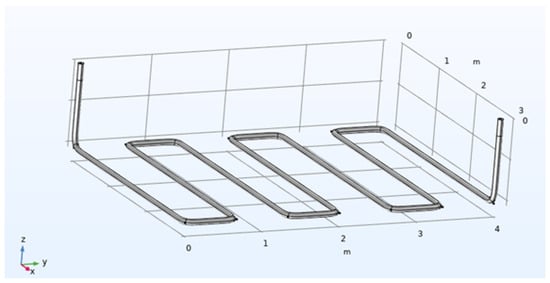
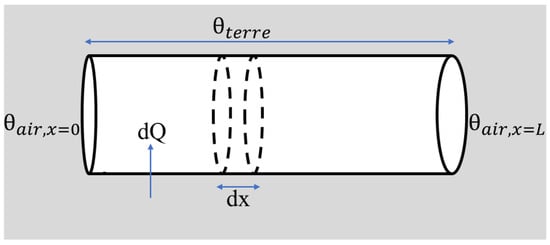
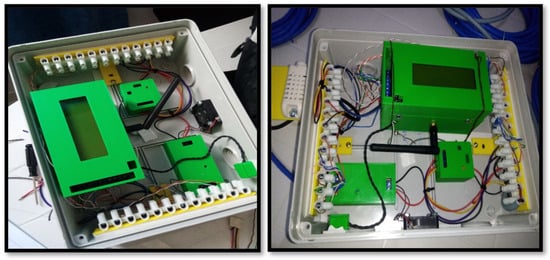
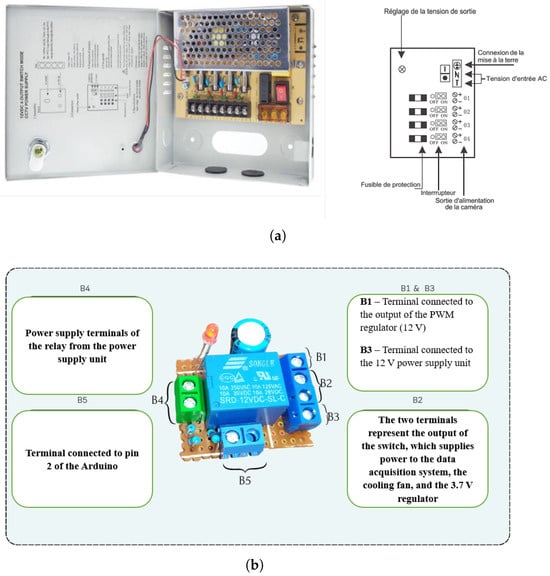
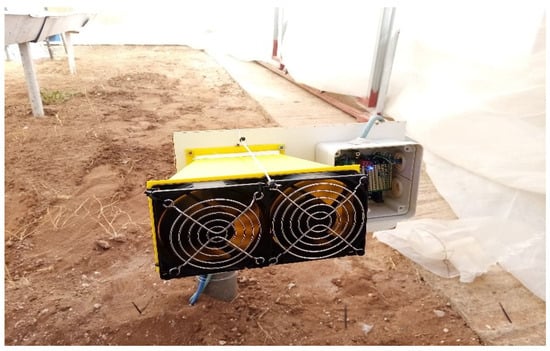
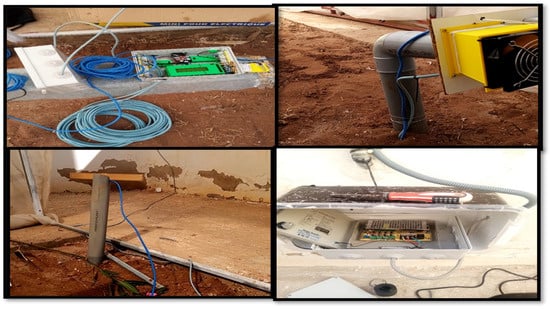
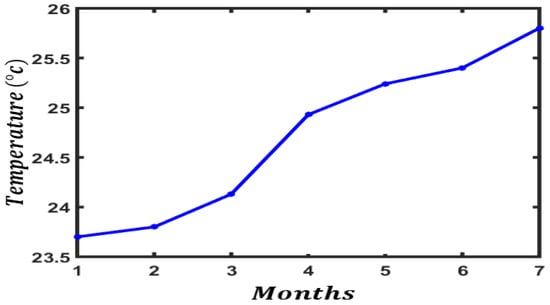
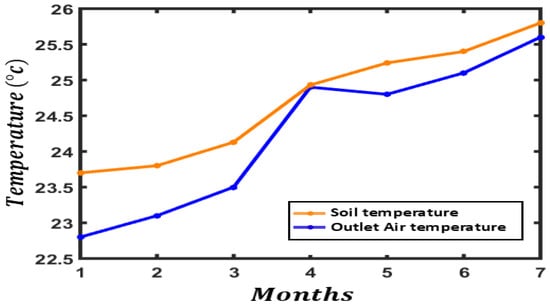
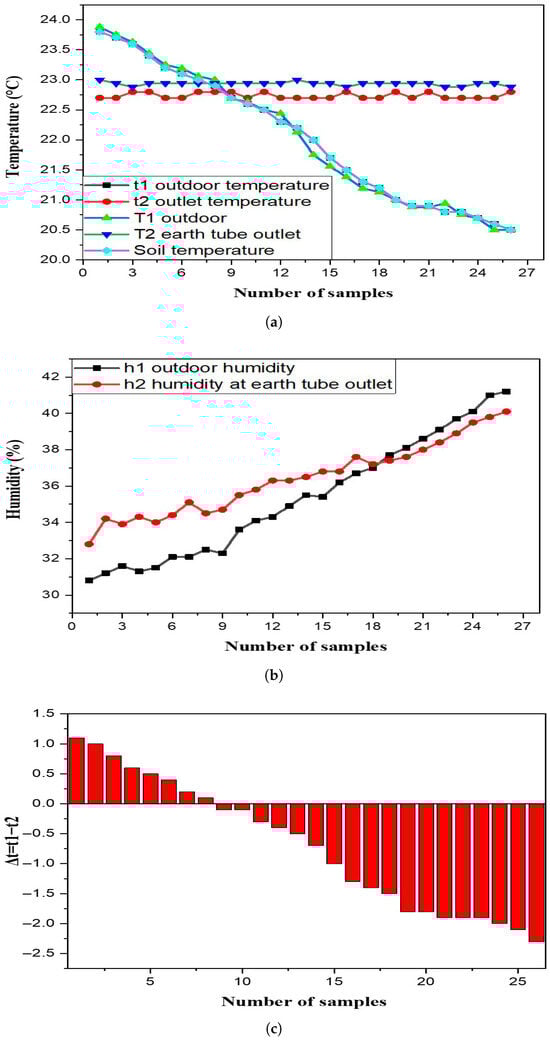
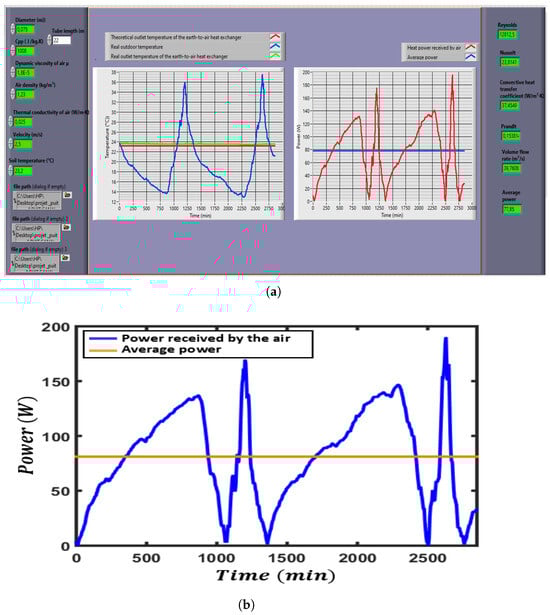
The Earth–Air Heat Exchanger (EAHE), also referred to as an air–soil heat exchanger, represents an effective passive cooling technology that exploits the thermal inertia of the ground. This study presents a combined experimental and analytical investigation of an EAHE system installed at the Faculty of Sciences of Agadir (Morocco). A steady-state analytical model based on convective heat transfer between the airflow within a buried duct and the surrounding soil is developed to describe the axial evolution of air temperature along the exchanger. The model is formulated under a sensible heat transfer framework, where the influence of humidity is accounted for through its effect on the thermophysical properties of moist air, while latent heat transfer and condensation phenomena are neglected. An instrumented experimental setup was implemented to perform continuous measurements of air temperature and relative humidity over a seven-month monitoring period. The experimental results indicate that the outlet air temperature remains stabilized within the range of 23.5–23.8 °C, despite significant variations in ambient temperature (13–38 °C). A parametric analysis is conducted to assess the influence of duct diameter, airflow velocity, and humidity through its effect on moist air properties on the thermal performance of the system. The close agreement between experimental observations and analytical predictions demonstrates the validity and predictive capability of the proposed model. These findings highlight the potential of EAHE systems as an effective passive cooling solution for greenhouse applications in semi-arid climatic conditions.
Full article
(This article belongs to the Section Chemical, Civil and Environmental Engineering)
►▼
Show Figures

Figure 1
Open AccessArticle
Qualitative Analysis of Signaling Networks Using Petri Nets and Invariant Computation
by
Rza Bashirov
Eng 2026, 7(5), 202; https://doi.org/10.3390/eng7050202 - 27 Apr 2026
Abstract
Qualitative analysis of biochemical reaction systems reveals fundamental system-level properties that are independent of precise kinetic parameters, often context-dependent, or experimentally inaccessible. By focusing on structural and topological features—such as conservation relations, feedback loops, and pathway interconnections—qualitative analysis identifies invariant behaviors, robustness mechanisms,
[...] Read more.
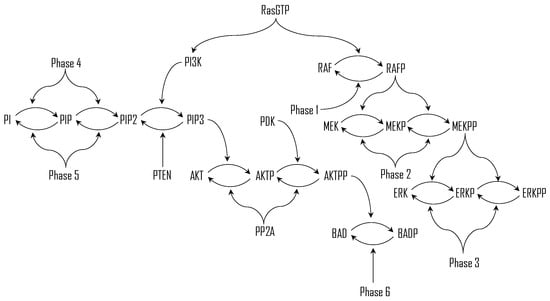
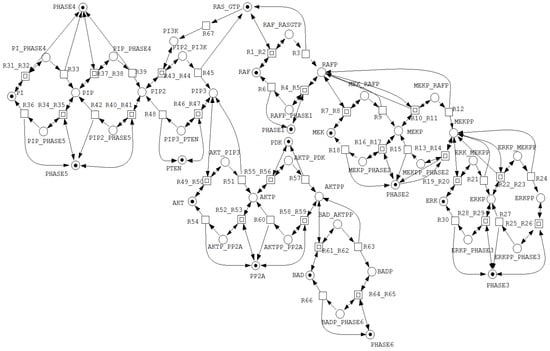
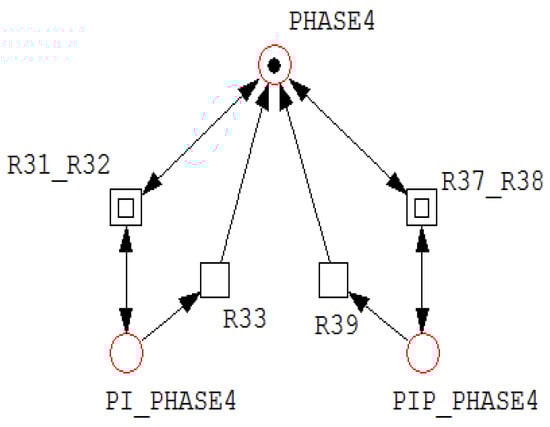
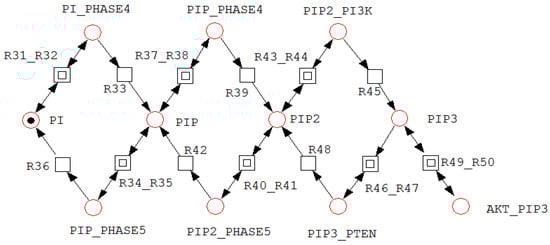
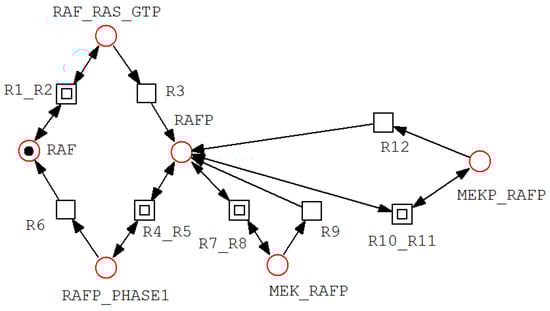
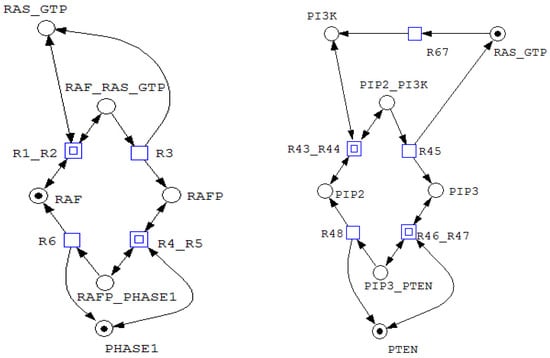
Qualitative analysis of biochemical reaction systems reveals fundamental system-level properties that are independent of precise kinetic parameters, often context-dependent, or experimentally inaccessible. By focusing on structural and topological features—such as conservation relations, feedback loops, and pathway interconnections—qualitative analysis identifies invariant behaviors, robustness mechanisms, and potential failure modes inherent to the signaling network. In this study, we use Petri nets as a formal modeling framework to conduct qualitative analysis of the integrated MAPK and PI3K/Akt signaling network. By exploiting structural properties including place invariants, transition invariants, and siphons, the analysis establishes a direct correspondence between the Petri net structure and biologically meaningful conservation laws, signaling modules, and characteristic dynamic behaviors. The results demonstrate that the proposed model is structurally consistent, biologically plausible, and modular. Minimal semi-positive place invariants confirm mass conservation, indicating that proteins and enzymes circulate within closed molecular pools. Minimal semi-positive transition invariants identify canonical kinase–phosphatase cycles underlying sustained and reversible signaling. Hierarchical decomposition reveals a modular organization reducible to reusable enzymatic motifs, reflecting biological reuse across cascades and supporting scalability. Additionally, the identification of sixteen siphons that are also traps highlights persistent subsystems that ensure continuous regulator availability, confirming the robustness and dynamic sustainability of the integrated network.
Full article
(This article belongs to the Special Issue Interdisciplinary Insights in Engineering Research 2026)
►▼
Show Figures

Figure 1
Open AccessArticle
Evaluating Regulatory Frameworks’ Impact on Sustainable Building Construction Project Delivery Using AMOS-SEM
by
Chijioke Emmanuel Emere and Olusegun Aanuoluwapo Oguntona
Eng 2026, 7(5), 201; https://doi.org/10.3390/eng7050201 - 27 Apr 2026
Abstract
The increasing emphasis on sustainable construction has positioned regulatory frameworks as critical drivers of sustainable building construction project delivery (SBCPD), particularly in developing countries such as South Africa. However, the effectiveness of different regulatory instruments remains insufficiently understood. This study investigates the influence
[...] Read more.
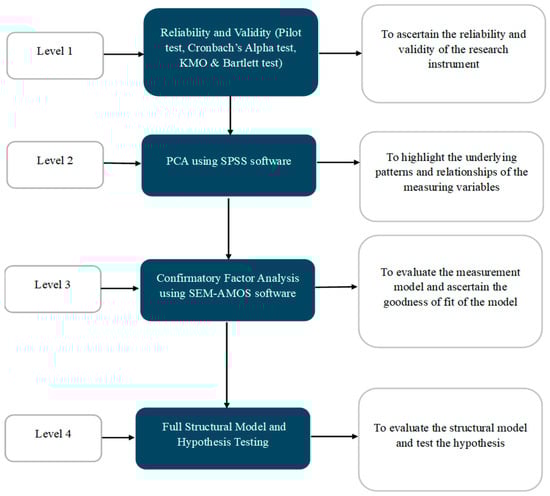
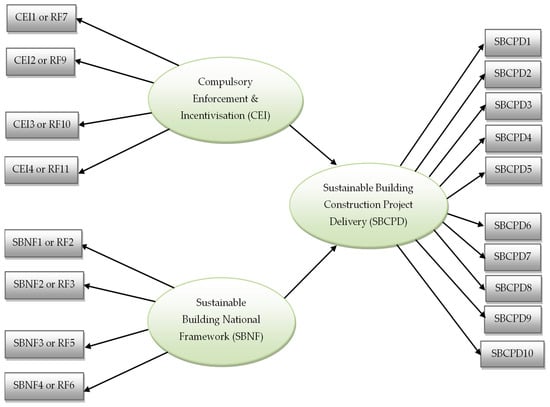
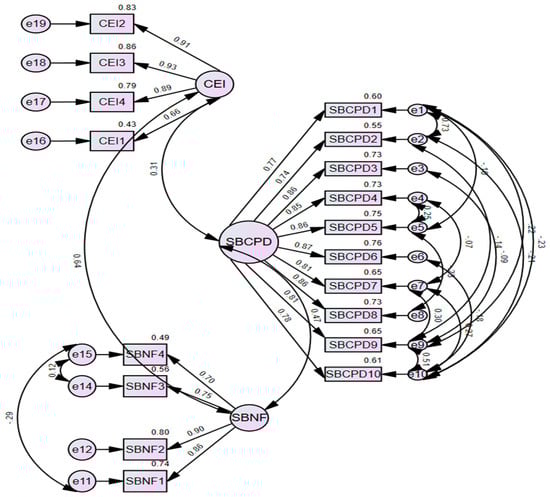
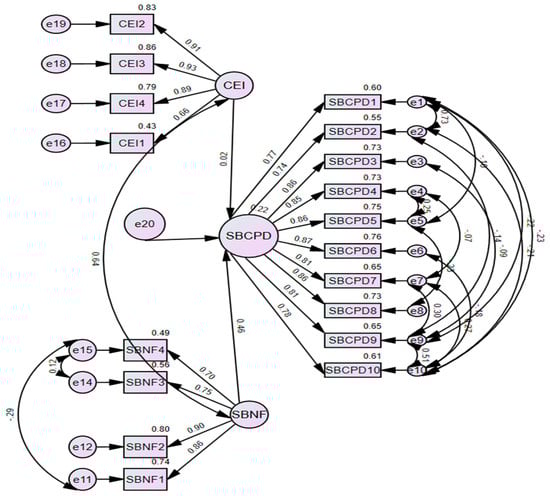
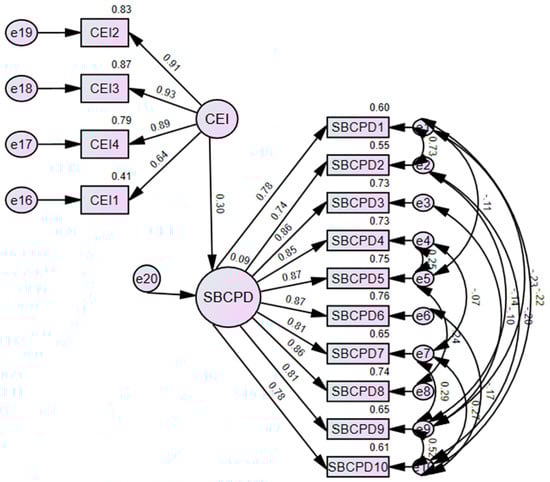
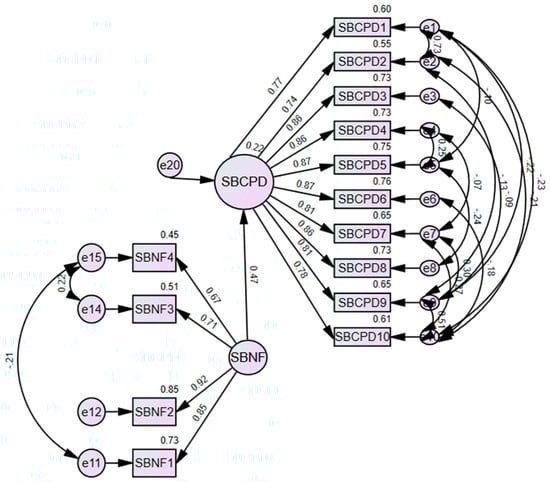
The increasing emphasis on sustainable construction has positioned regulatory frameworks as critical drivers of sustainable building construction project delivery (SBCPD), particularly in developing countries such as South Africa. However, the effectiveness of different regulatory instruments remains insufficiently understood. This study investigates the influence of regulatory factors on SBCPD by examining two key constructs: Compulsory Enforcement and Incentivisation (CEI) and the Sustainable Building National Framework (SBNF). A quantitative research design was adopted, and data were analysed using Principal Component Analysis (PCA), Confirmatory Factor Analysis (CFA), and Structural Equation Modelling (SEM) to assess the relationships between regulatory mechanisms and project delivery outcomes. The findings reveal that CEI does not exhibit a statistically significant influence on SBCPD when modelled as a combined construct, despite showing significance when tested independently. This suggests that aggregating compulsory and voluntary regulatory instruments may weaken their explanatory power due to underlying interaction effects. In contrast, SBNF demonstrates a strong and statistically significant positive influence on SBCPD, highlighting the critical role of government-led policies, institutional frameworks, and certification systems in shaping sustainable construction practices. The study contributes to theory by advancing our understanding of regulatory hybridity and the role of institutional drivers in sustainable construction. In practice, the findings underscore the need for coherent, well-articulated policy frameworks, strengthened enforcement capacity, and strategic alignment between voluntary and mandatory instruments. The study concludes that government-led frameworks remain the primary catalyst for sustainable construction delivery in developing economies. These insights provide valuable guidance for policymakers and industry stakeholders seeking to enhance sustainability performance in the built environment.
Full article
(This article belongs to the Section Chemical, Civil and Environmental Engineering)
►▼
Show Figures

Figure 1
Highly Accessed Articles
Latest Books
E-Mail Alert
News
Topics
Topic in
Batteries, Electronics, Energies, Eng, Smart Cities, Vehicles, Solar
Electric Vehicles Smart Charging: Strategies, Technologies, and Challenges
Topic Editors: Tao Chen, Hongxun Hui, Qianzhi Zhang, Zhao YuanDeadline: 31 May 2026
Topic in
Diagnostics, Electronics, Eng, Micro, Micromachines
Micro-Nanoelectronic Systems for Diagnosis and Therapies
Topic Editors: Wubin Bai, Jiho ShinDeadline: 30 June 2026
Topic in
Drones, Electronics, Eng, JMSE, Robotics, Sensors, Vehicles
Advanced Technologies and Applications for Unmanned Systems
Topic Editors: Jinchao Chen, Chao Chen, Yingjie ZhangDeadline: 31 July 2026
Topic in
Applied Sciences, Energies, Geosciences, Geotechnics, Minerals, Eng
Support Theory and Technology of Geotechnical Engineering, 2nd Edition
Topic Editors: Qi Wang, Bei Jiang, Xuezhen Wu, Hongke GaoDeadline: 30 September 2026
Conferences
Special Issues
Special Issue in
Eng
Hybrid and Scalable Nanofabrication Methods for Low-Dimensional Materials
Guest Editors: Dongxue Chen, Kai XuDeadline: 31 May 2026
Special Issue in
Eng
Emerging Technologies for the Treatment and Reduction of Pollutants in Industrial Processes
Guest Editor: Antonio Gil BravoDeadline: 30 June 2026
Special Issue in
Eng
Innovations in Self-Compacting and Polymer Concrete Research
Guest Editors: Muhammad Tahir Lakhiar, Yutao GuoDeadline: 30 June 2026
Special Issue in
Eng
Supply Chain Engineering
Guest Editors: Asela K. Kulatunga, M. Vijaya ManupatiDeadline: 1 July 2026