
Encyclopedia of Digital Society, Industry 5.0 and Smart City

Editors


E-Mail Website
Collection Editor
Department of Sociology, Faculty of Social Sciences and Humanities, University of the Azores, 9500-321 Ponta Delgada, Portugal
Interests: sociology; teaching sociology; sociology of education; organisations; organisational culture; research; scientific communication; psycho-sociology of educational organisations; digital society; digital literacy and society 5.0
Special Issues, Collections and Topics in MDPI journals

E-Mail Website
Collection Editor

Topical Collection Information

Dear Colleagues,

Digital shapes, with increasing relevance and intensity, represent the most varied dimensions of human action; their consequent influence on the social and natural context that surrounds them also makes them a potentially relevant instrument in informing an increasingly sustainable society. They also raise profound challenges with the possibility of reproducing old inequalities and producing new ones at various levels (micro-, meso-, and macrosocial levels). 

Encyclopedia of Digital Society, Industry 5.0 and Smart City intends to be an undeniable reference for collecting an entry collection covering diverse digital society and smart city fields, namely topics relating to the importance, relevance, and/or challenges raised by the digital dimension in the various contexts of activity, regardless of the scientific perspective adopted in an inter-, multi-, or transdisciplinary vision.

Dr. Sandro Serpa
Dr. Stylianos Mystakidis
Collection Editors

Manuscript Submission Information

Manuscripts should be submitted online at www.mdpi.com by registering and logging in to this website. Once you are registered, click here to go to the submission form. Manuscripts can be submitted until the deadline. All submissions that pass pre-check are peer-reviewed. Accepted papers will be published continuously in the journal (as soon as accepted) and will be listed together on the Topical Collection website. Review articles and Entry papers are invited. For planned papers, a title and short abstract (about 250 words) can be sent to the Editorial Office for assessment.

Submitted manuscripts should not have been published previously, nor be under consideration for publication elsewhere (except conference proceedings papers). All manuscripts are thoroughly refereed through a single-blind peer-review process. A guide for authors and other relevant information for submission of manuscripts is available on the Instructions for Authors page. Encyclopedia is an international peer-reviewed open access monthly journal published by MDPI.

Please visit the Instructions for Authors page before submitting a manuscript. The Article Processing Charge (APC) for publication in this open access journal is 1200 CHF (Swiss Francs). Submitted papers should be well formatted and use good English. Authors may use MDPI's English editing service prior to publication or during author revisions.

Keywords

  • digital
  • digital society
  • smart society
  • smart city
  • smart industry
  • digital literacy
  • science and digital
  • smart factory
  • Industry 5.0

Published Papers (9 papers)

2026

Jump to: 2025, 2024, 2023

14 pages, 1274 KB  
Entry
Digital Twin for Sustainable Social Housing: Integrating BIM and MMC Towards Industry 5.0
by Chathuri Widanage and Ki Pyung Kim
Encyclopedia 2026, 6(2), 30; https://doi.org/10.3390/encyclopedia6020030 - 26 Jan 2026
Viewed by 156
Definition
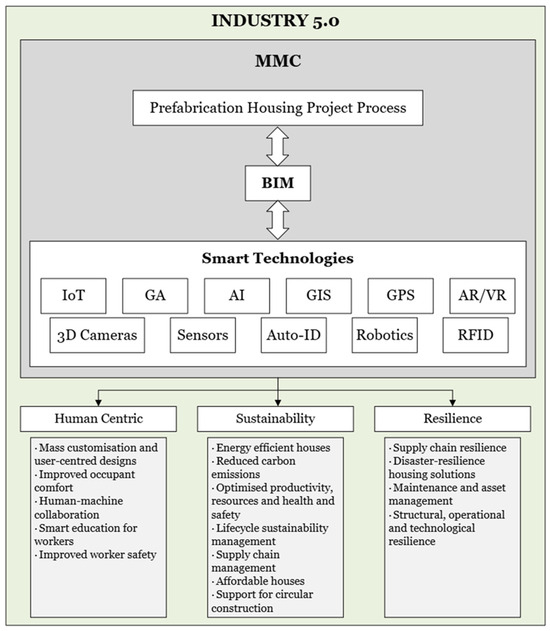
MMC has been globally recognised as a promising solution for the current global social housing crisis, although persistent challenges remain in relation to limited early-stage design coordination and chronic design inconsistencies, which often cause costly post-design modifications. In response, digital twinning enabled through [...] Read more.
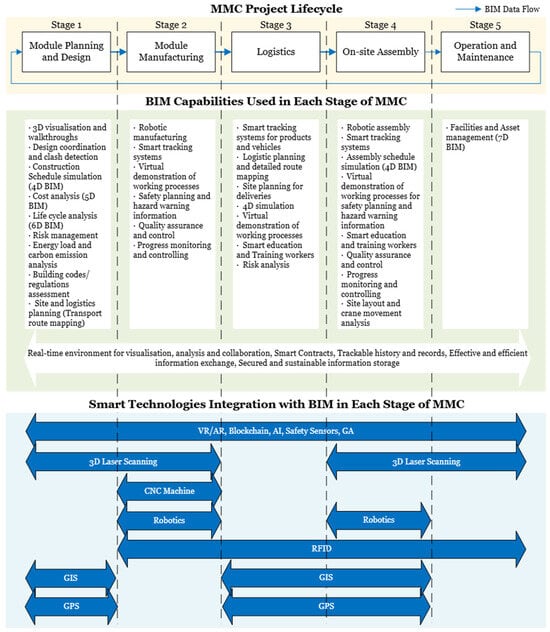
MMC has been globally recognised as a promising solution for the current global social housing crisis, although persistent challenges remain in relation to limited early-stage design coordination and chronic design inconsistencies, which often cause costly post-design modifications. In response, digital twinning enabled through BIM has emerged as a compelling approach to tackle these challenges. BIM serves a transformative role in advancing sustainable social housing supply by integrating BIM with advanced smart technologies such as AR/VR, IoT, AI, and robotics. Nevertheless, significant constraints continue to impede a wide adoption of BIM due to technical capacity, organisational readiness, knowledge dissemination, and legal frameworks that support embracing BIM and associated smart technologies. Moreover, a notable knowledge gap persists in the application of BIM-enabled digital twinning across the entire project lifecycle of MMC projects, which may be addressed through the integration of Industry 5.0 principles with BIM, emphasising human-centricity, resilience, and sustainability as foundational pillars for future innovation. Full article
Show Figures

Figure 1
18 pages, 722 KB  
Entry
Smart Mobility and Last-Mile Rail Integration
by Wil Martens
Encyclopedia 2026, 6(1), 26; https://doi.org/10.3390/encyclopedia6010026 - 20 Jan 2026
Viewed by 228
Definition
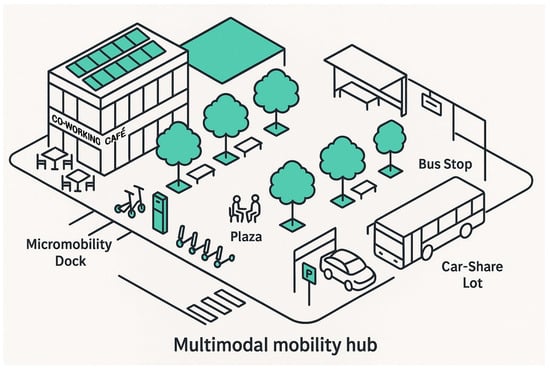
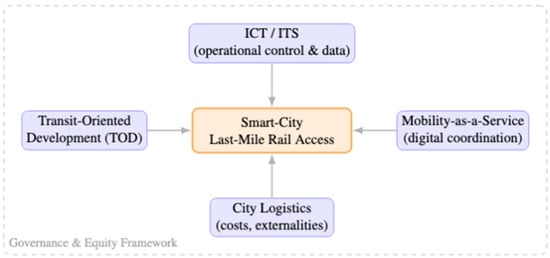
Smart-city last-mile rail access, referred to in this entry simply as last-mile access, captures how travelers connect to and from rail stations during the first or last leg of a journey. It encompasses both the design of multimodal connections and the experience of [...] Read more.
Smart-city last-mile rail access, referred to in this entry simply as last-mile access, captures how travelers connect to and from rail stations during the first or last leg of a journey. It encompasses both the design of multimodal connections and the experience of accessibility that results from them. On the supply side, last-mile access involves the coordination of walking, cycling, micromobility, and feeder transit with rail services, supported by digital systems that unify planning, ticketing, and payment. On the demand side, it reflects how efficiently and equitably travelers can reach stations within these coordinated networks. Together, these physical and institutional dimensions extend the functional reach of rail, reduce transfer barriers, and reinforce its role as the backbone of sustainable urban mobility. As cities strive to reduce car dependency while promoting inclusivity and accessibility, last-mile access has become a key indicator of how infrastructure, technology, and governance intersect to deliver more equitable transportation systems. Full article
Show Figures

Figure 1
2025

Jump to: 2026, 2024, 2023

13 pages, 447 KB  
Entry
Data Cooperatives and Their Impact on GovTech as a Regional Development Approach for Digital Transformation at a Local Level
by Christian Schachtner and Nadine Baumann
Encyclopedia 2026, 6(1), 3; https://doi.org/10.3390/encyclopedia6010003 - 23 Dec 2025
Viewed by 402
Definition
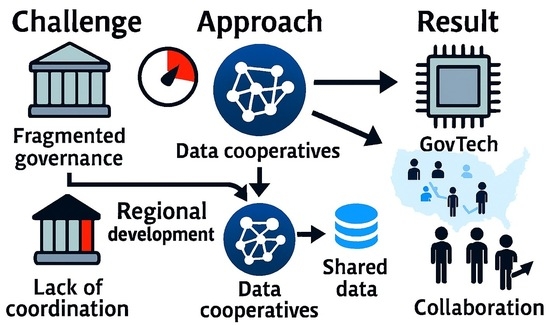
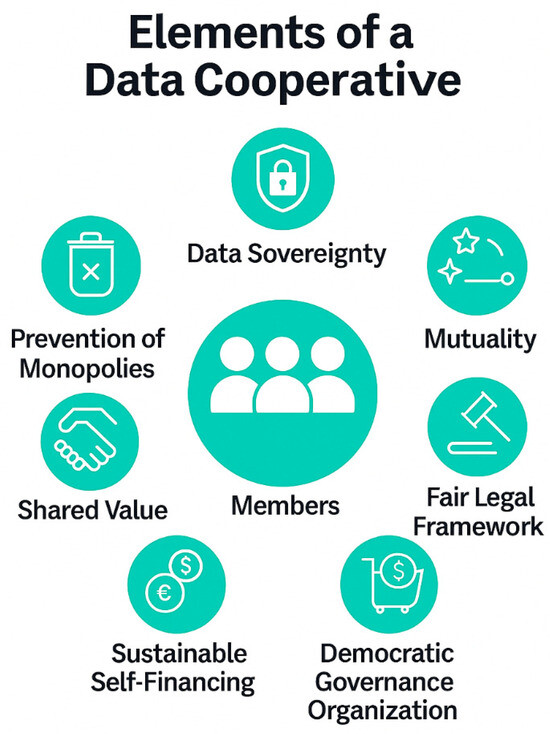
A data cooperative is a legally organized cooperative whose purpose is the collective collection, management, and use of data collected by its members. In contrast to other data pools, it can act as a democratic self-governing organization in which each member has a [...] Read more.
A data cooperative is a legally organized cooperative whose purpose is the collective collection, management, and use of data collected by its members. In contrast to other data pools, it can act as a democratic self-governing organization in which each member has a say in how data is collected, shared, and analyzed. The members retain control over the data they contribute. They collectively benefit from the resulting data services, for example, through new insights, innovative services, or economic advantages. As a forward-looking model, the data cooperative enables smaller players to access reliable data infrastructure and data resources that would otherwise remain inaccessible. It promotes data sovereignty and strengthens trust in data-driven cooperation. Here, the definition of data derives from the field of business informatics, which gives a scientifically sound typology of data, systematized on several levels. The following elaboration offers conceptual clarification and presentation of central data types. Depending on the context and processing purpose, their classification is essential for business informatics, as they form the raw material for information systems and business processes. Data cooperatives are gaining in importance as a cooperative form of organization enabling democratic co-determination, community benefit, and equal access to data for regional actors. Full article
Show Figures

Graphical abstract

15 pages, 1686 KB  
Entry
Metaverse City: Conceptual Views and Formation Factors Towards the Digital Society
by Giovana Goretti Feijó Almeida
Encyclopedia 2025, 5(2), 62; https://doi.org/10.3390/encyclopedia5020062 - 7 May 2025
Cited by 2 | Viewed by 2583
Definition
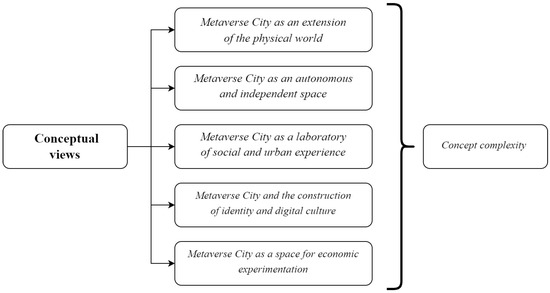
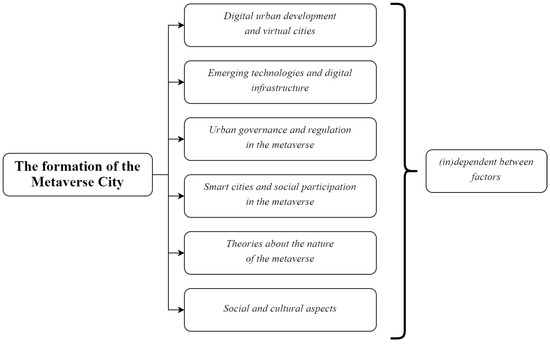
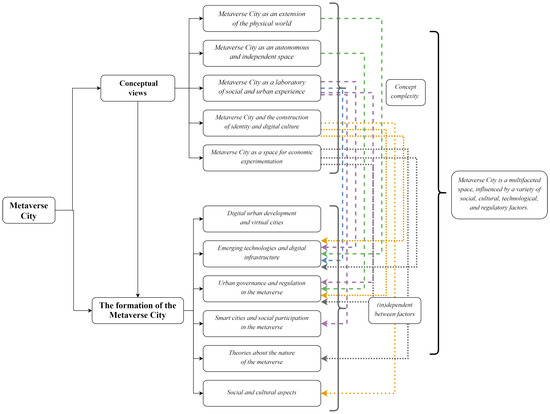
The “metaverse city” is defined as an immersive, interactive, and experiential digital environment that replicates or reinvents elements of physical cities, inserting them into an alternative reality. This concept involves transposing the urban, social, and cultural aspects of real cities into the metaverse, [...] Read more.
The “metaverse city” is defined as an immersive, interactive, and experiential digital environment that replicates or reinvents elements of physical cities, inserting them into an alternative reality. This concept involves transposing the urban, social, and cultural aspects of real cities into the metaverse, thus creating new ways of interacting with and experiencing urban space. Thus, it is not necessarily a digital replica of a physical city; however, it is invariably distinguished by its immersive nature, offering users a sensory and interactive experience. This concept goes beyond the mere digital replication of a city, evolving into a multifaceted space that integrates urban, social, cultural, and technological elements. It is shaped by digital interactions mediated by social actors (users), whose relationships in the metaverse are influenced by the power dynamics occurring in the virtual environment, much like in physical cities. The metaverse city is not merely an extension of the physical city; rather, it is a digital construct that enables alternative ways of living and relating to urban space. Consequently, it is a dynamic and ever-evolving construct, contingent on the active engagement of multiple social actors and their interactions for its consolidation. without the strategic involvement of diverse social actors, the identity and practices that characterize this contemporary urban entity—made possible by emerging technologies—risk losing their viability. Full article
Show Figures

Figure 1
20 pages, 327 KB  
Review
Generative AI and Large Language Models in Industry 5.0: Shaping Smarter Sustainable Cities
by Giulio Salierno, Letizia Leonardi and Giacomo Cabri
Encyclopedia 2025, 5(1), 30; https://doi.org/10.3390/encyclopedia5010030 - 21 Feb 2025
Cited by 12 | Viewed by 5485
Abstract
This review paper examines how Generative AI (GAI) and Large Language Models (LLMs) can transform smart cities in the Industry 5.0 era. Through selected case studies and portions of the literature, we analyze these technologies’ impact on industrial processes and urban management. The [...] Read more.
This review paper examines how Generative AI (GAI) and Large Language Models (LLMs) can transform smart cities in the Industry 5.0 era. Through selected case studies and portions of the literature, we analyze these technologies’ impact on industrial processes and urban management. The paper targets GAI as an enabler for industrial optimization and predictive maintenance, underlining how domain experts can work with LLMs to improve municipal services and citizen communication, while addressing the practical and ethical challenges in deploying these technologies. We also highlight promising trends, as reflected in real-world case studies ranging from factories to city-wide test-beds and identify pitfalls to avoid. Widespread adoption of GAI still faces challenges that include infrastructure and lack of specialized knowledge as a limitation of proper implementation. While LLMs enable new services for citizens in smart cities, they also expose certain privacy issues, which we aim to investigate in this study. Finally, as a way forward, the paper suggests future research directions covering new ethical AI frameworks and long-term studies on societal impacts. Our paper is a starting point for industrial pioneers and urban developers to navigate the complexity of GAI and LLM integration, balancing the demands of technological innovation on one hand and ethical responsibility on the other. Full article
Show Figures

Figure 1
2024

Jump to: 2026, 2025, 2023

15 pages, 1105 KB  
Systematic Review
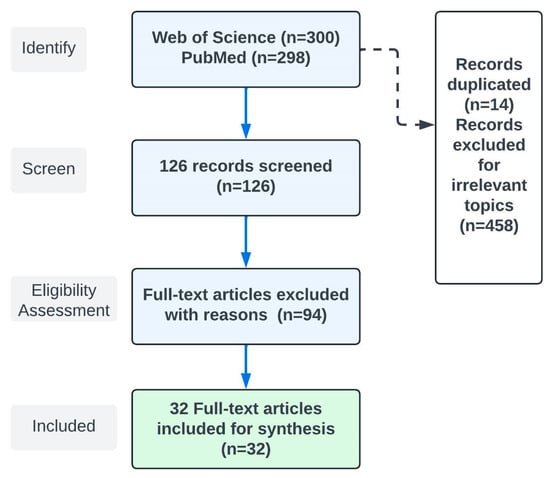
Healthy Aging in Place with the Aid of Smart Technologies: A Systematic Review
by Ming Hu, Soojin Han, Siavash Ghorbany and Kai Zhang
Encyclopedia 2024, 4(4), 1918-1932; https://doi.org/10.3390/encyclopedia4040125 - 19 Dec 2024
Cited by 11 | Viewed by 10332
Abstract
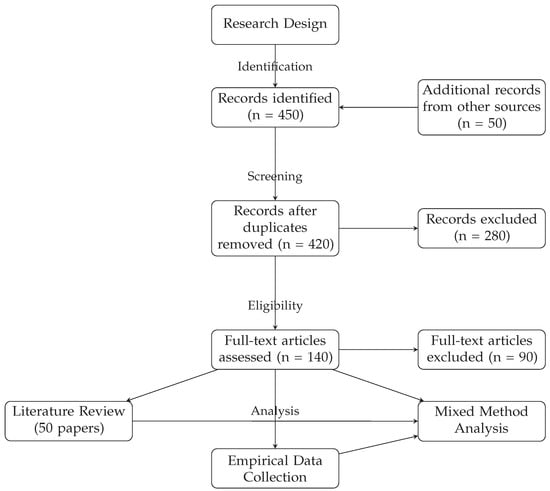
This study evaluates the current scope of smart technology applications that support aging in place and identifies potential avenues for future research. The global demographic shift towards an aging population has intensified interest in technologies that enable older adults to maintain independence and [...] Read more.
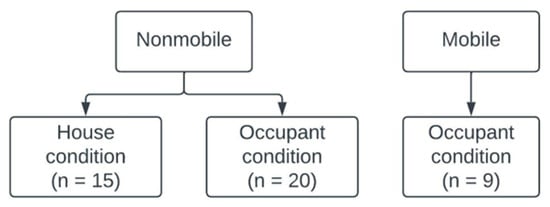
This study evaluates the current scope of smart technology applications that support aging in place and identifies potential avenues for future research. The global demographic shift towards an aging population has intensified interest in technologies that enable older adults to maintain independence and quality of life within their homes. We conducted a systematic review of the scientific literature from Web of Science, PubMed, and ProQuest, identifying 44 smart technologies across 32 publications. These technologies were classified into three categories: nonmobile technologies for individual monitoring, nonmobile technologies for home environment monitoring, and wearable technologies for health and activity tracking. Notably, the research in this area has grown significantly since 2018; yet, notable gaps persist, particularly within the traditional disciplines related to aging and in the use of quantitative methodologies. This emerging field presents substantial opportunities for interdisciplinary research and methodological advancement, highlighting the need for well-developed research strategies to support the effective integration of smart technology in aging in place. Full article
Show Figures

Figure 1
10 pages, 216 KB  
Entry
Social Aspects of Smart Urban Mobility
by Łukasz Brzeziński
Encyclopedia 2024, 4(2), 864-873; https://doi.org/10.3390/encyclopedia4020055 - 21 May 2024
Cited by 5 | Viewed by 3980
Definition
There is a growing interest in sustainable urban transport solutions in cities around the world. These changes, known as “smart urban mobility”, aim to reduce the negative effects of transport on the natural environment and enhance the standard of living for urban dwellers. [...] Read more.
There is a growing interest in sustainable urban transport solutions in cities around the world. These changes, known as “smart urban mobility”, aim to reduce the negative effects of transport on the natural environment and enhance the standard of living for urban dwellers. It should be noted that in addition to this transformation’s technological aspects, modifying the city’s structure and architecture also has a social dimension. The transformation of urban mobility has a significant impact on social relations. Introducing new modes of transport, such as city bikes and electric scooters, creates new ways of moving around the city and can impact social interactions. This can increase social integration and a community’s sense of belonging. At the same time, it is necessary to consider the differences between social groups to ensure equal access to the benefits of these changes in addition to deeper social elements, such as changing the habits and expectations of residents and adapting solutions to the specific needs of each city. This paper aims to look at the social aspects of smart urban mobility, including the impact of these changes on the lives and relationships of city residents. Full article
15 pages, 4276 KB  
Entry
Behavior Mapping and Its Application in Smart Social Spaces
by Kate Bishop, Nancy Marshall, Homa Rahmat, Susan Thompson, Christine Steinmetz-Weiss, Linda Corkery, Christian Tietz and Miles Park
Encyclopedia 2024, 4(1), 171-185; https://doi.org/10.3390/encyclopedia4010015 - 29 Jan 2024
Cited by 5 | Viewed by 9940
Definition
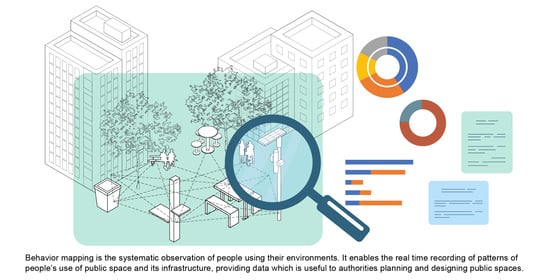
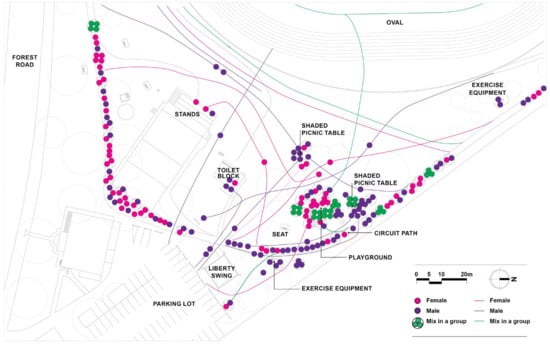
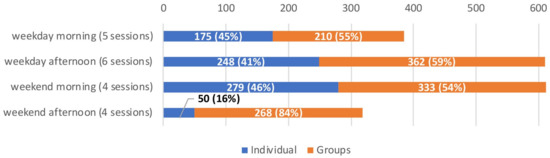
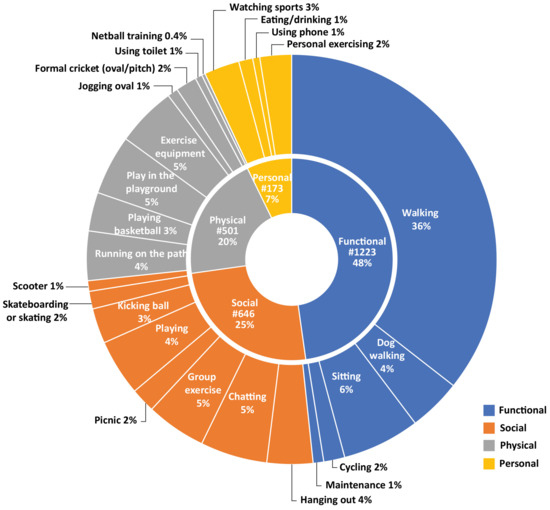
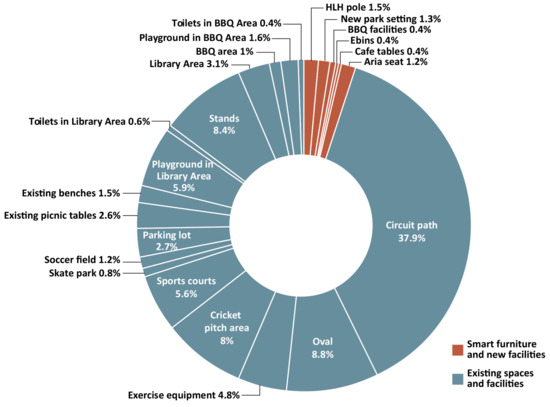
Behavior mapping is the systematic observation of people using their environments. The Smart Social Spaces research project, recently completed in Sydney, Australia, is used as a vehicle to illustrate the usefulness of this method for understanding the relationships between people and public spaces [...] Read more.
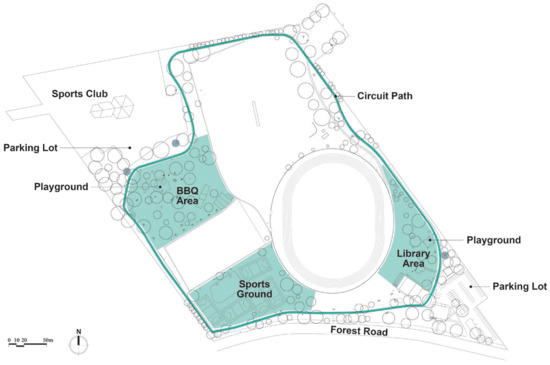
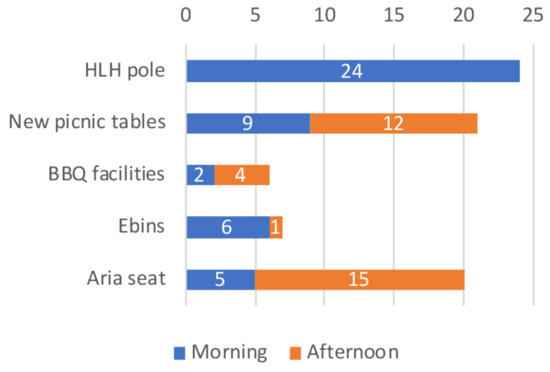
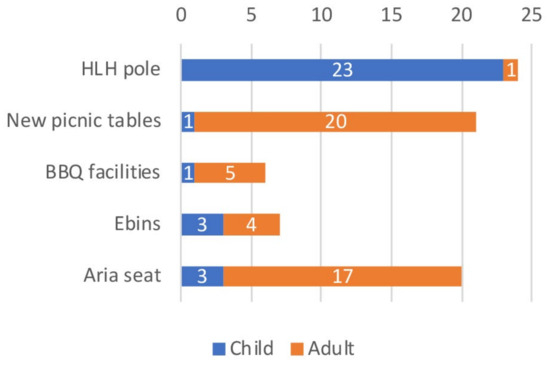
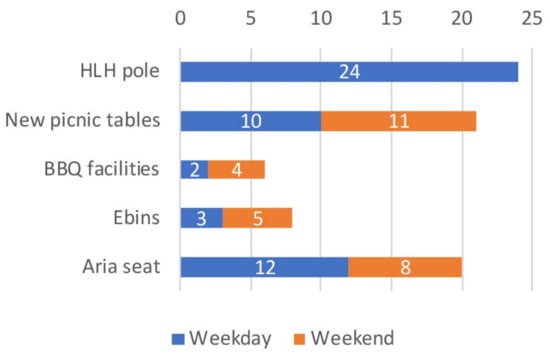
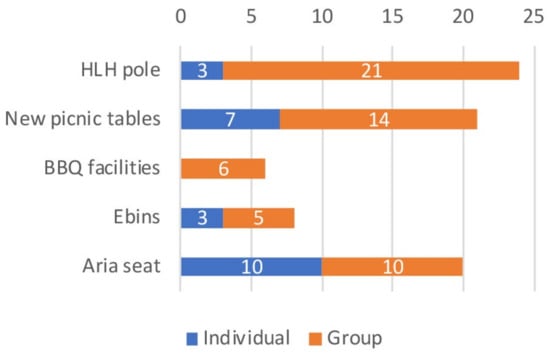
Behavior mapping is the systematic observation of people using their environments. The Smart Social Spaces research project, recently completed in Sydney, Australia, is used as a vehicle to illustrate the usefulness of this method for understanding the relationships between people and public spaces in cities. Behavior mapping was the central method used to establish what impact the inclusion of smart technology and street furniture had on people’s use of two public spaces. Using this method, it is possible to record real-time patterns of people’s use of public space, enabling local authorities to better support the social use of public space and the management of its infrastructure. Full article
Show Figures

Graphical abstract

2023

Jump to: 2026, 2025, 2024

16 pages, 5888 KB  
Entry
The Metaverse in Industry 5.0: A Human-Centric Approach towards Personalized Value Creation
by Dimitris Mourtzis
Encyclopedia 2023, 3(3), 1105-1120; https://doi.org/10.3390/encyclopedia3030080 - 4 Sep 2023
Cited by 44 | Viewed by 9447
Definition
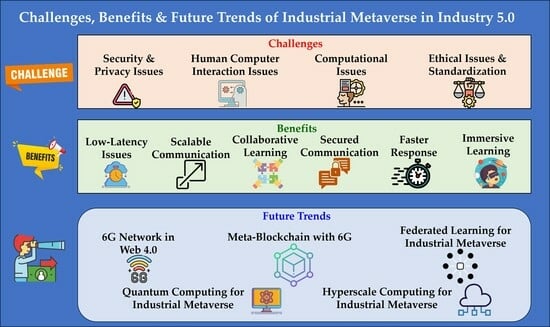
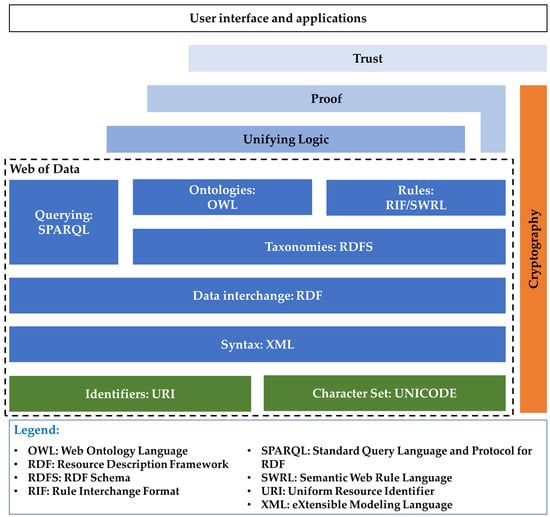
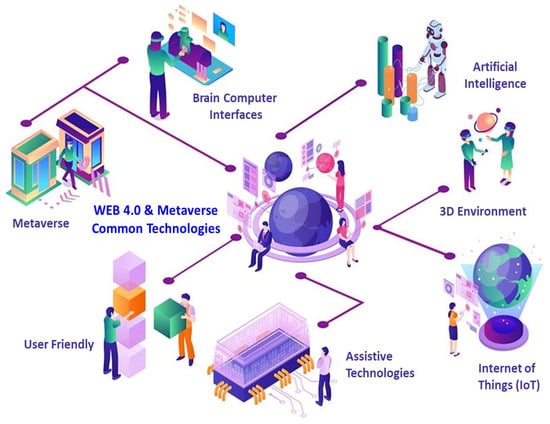
In the context of Industry 5.0, the concept of the Metaverse aligns with the vision of Web 4.0, representing a digital ecosystem where individuals and organizations collaborate in a human-centric approach to create personalized value. This virtual universe connects multiple interconnected worlds, enabling [...] Read more.
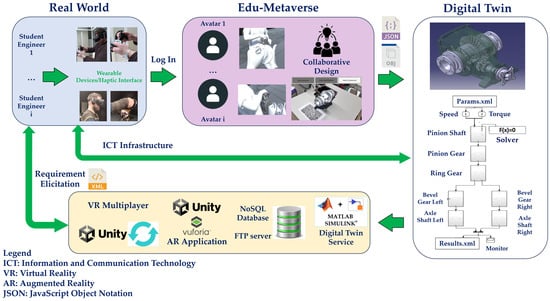
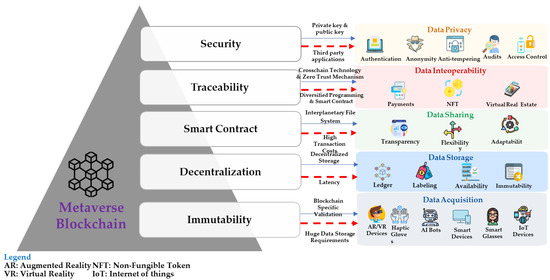
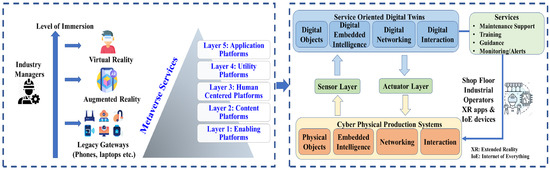
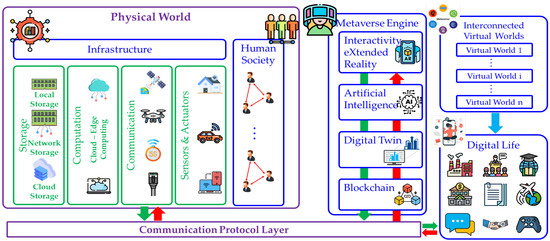
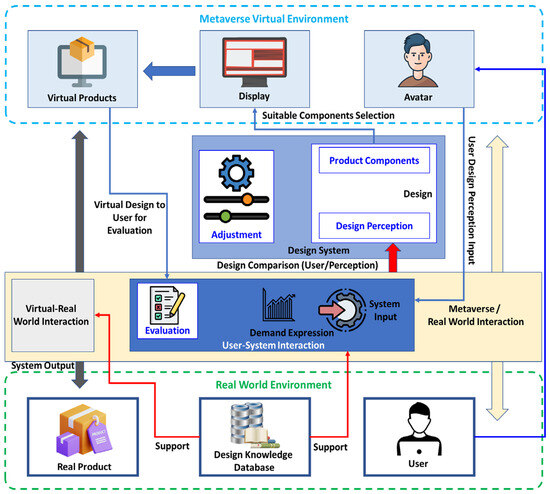
In the context of Industry 5.0, the concept of the Metaverse aligns with the vision of Web 4.0, representing a digital ecosystem where individuals and organizations collaborate in a human-centric approach to create personalized value. This virtual universe connects multiple interconnected worlds, enabling real-time interactions between users and computer-generated environments. By integrating technologies like artificial intelligence (AI), virtual reality (VR), and the Internet of Things (IoT), the Metaverse within Industry 5.0 aims to foster innovation and enhance productivity, efficiency, and overall well-being through tailored and value-driven solutions. Therefore, this entry explores the concept of the Metaverse in the context of Industry 5.0, highlighting its definition, evolution, advantages, and disadvantages. It also discusses the pillars of technological advancement, challenges, and opportunities, including its integration into manufacturing. The entry concludes with a proposal for a conceptual framework for integrating the human-centric Metaverse into manufacturing. Full article
Show Figures

Graphical abstract

Back to TopTop