Stem Cells and Bioengineering for Brain Repair
Share This Topical Collection
Editor
 Dr. Afsaneh Gaillard
Dr. Afsaneh Gaillard
E-Mail
Website
Collection Editor
Laboratory of Experimental and Clinical Neurosciences, INSERM U-1084, University of Poitiers, CEDEX 9, 86073 Poitiers, France
Interests: cell transplantation; stem cells; biomaterials; iPSC; cortical trauma; Parkinson’s disease; motor behavior; optogenetics
Topical Collection Information
Dear Colleagues,
Despite its well-known plasticity, the adult injured brain displays a poor ability to self-repair, whether by generating new cells or long-range connections. Cell transplantation offers a viable treatment strategy for various brain disorders by providing new cells to replace those lost through injury or disease. While significant progress has been made in recent years, the translation of experimental strategies to clinical practice is still limited.
Biomaterials are receiving increased attention in tissue engineering because of their unique and appealing biological properties such as biocompatibility and biodegradability. The combination of cells with biomaterial scaffolds is currently in development and could be a promising approach to enhancing graft survival and functional recovery.
The aim of this Topical Collection is to provide an overview of the current research efforts for the development of therapeutic strategies based on the combination of biomaterial scaffolds, 3D printing, and neurons derived from human embryonic stem cells or induced pluripotent stem cells, to repair neural circuits in the central nervous system after injury.
Dr. Afsaneh Gaillard
Collection Editor
Manuscript Submission Information
Manuscripts should be submitted online at www.mdpi.com by registering and logging in to this website. Once you are registered, click here to go to the submission form. All submissions that pass pre-check are peer-reviewed. Accepted papers will be published continuously in the journal (as soon as accepted) and will be listed together on the collection website. Research articles, review articles as well as communications are invited. For planned papers, a title and short abstract (about 250 words) can be sent to the Editorial Office for assessment.
Submitted manuscripts should not have been published previously, nor be under consideration for publication elsewhere (except conference proceedings papers). All manuscripts are thoroughly refereed through a single-anonymized peer-review process. A guide for authors and other relevant information for submission of manuscripts is available on the Instructions for Authors page. Cells is an international peer-reviewed open access semimonthly journal published by MDPI.
Please visit the Instructions for Authors page before submitting a manuscript.
The Article Processing Charge (APC) for publication in this open access journal is 2700 CHF (Swiss Francs).
Submitted papers should be well formatted and use good English. Authors may use MDPI's
English editing service prior to publication or during author revisions.
Keywords
- stem cells
- induced pluripotent stem cells
- brain disorders
- biomaterials
- 3D printing
- tissue engineering
- brain repair
Published Papers (3 papers)
2022
Open AccessArticle
Potential Variables for Improved Reproducibility of Neuronal Cell Grafts at Stroke Sites
by
Joanna Krzyspiak, Kamran Khodakhah and Jean M. Hébert
Cited by 1 | Viewed by 2831
Abstract
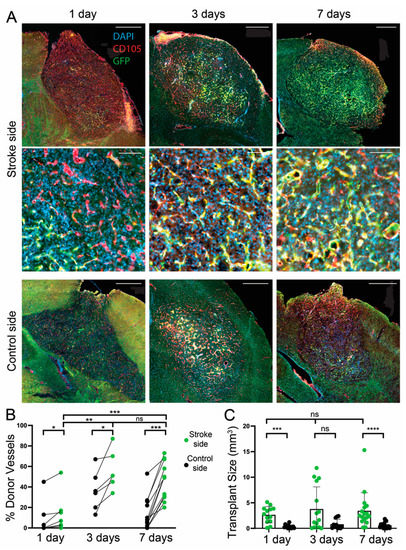
Interest is growing in using cell replacements to repair the damage caused by an ischemic stroke. Yet, the usefulness of cell transplants can be limited by the variability observed in their successful engraftment. For example, we recently showed that, although the inclusion of
[...] Read more.
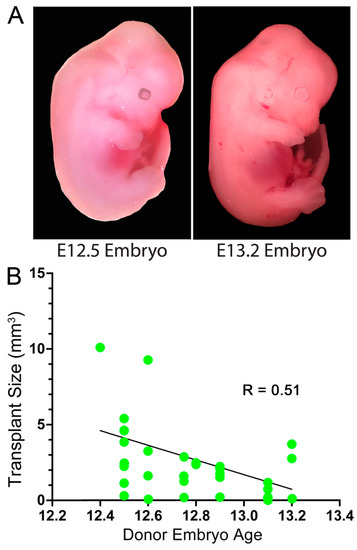
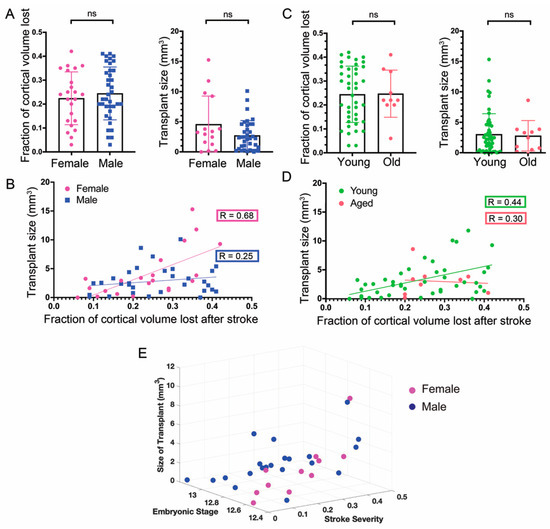
Interest is growing in using cell replacements to repair the damage caused by an ischemic stroke. Yet, the usefulness of cell transplants can be limited by the variability observed in their successful engraftment. For example, we recently showed that, although the inclusion of donor-derived vascular cells was necessary for the formation of large grafts (up to 15 mm
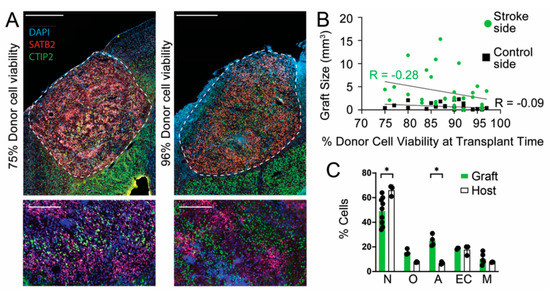
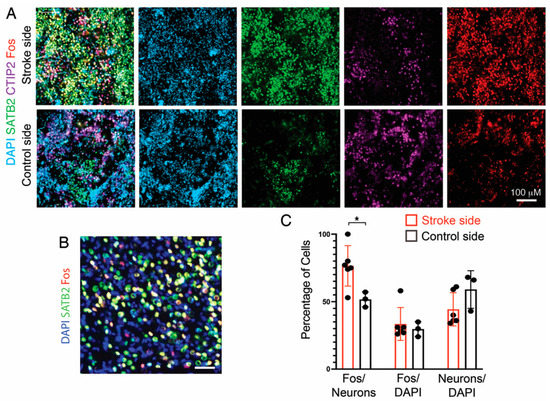
3) at stroke sites in mice, the size of the grafts overall remained highly variable. Such variability can be due to differences in the cells used for transplantation or the host environment. Here, as possible factors affecting engraftment, we test host sex, host age, the extent of ischemic damage, time of transplant after ischemia, minor differences in donor cell maturity, and cell viability at the time of transplantation. We find that graft size at stroke sites correlates with the size of ischemic damage, host sex (females having graft sizes that correlate with damage), donor cell maturity, and host age, but not with the time of transplant after stroke. A general linear model revealed that graft size is best predicted by stroke severity combined with donor cell maturity. These findings can serve as a guide to improving the reproducibility of cell-based repair therapies.
Full article
►▼
Show Figures
Open AccessArticle
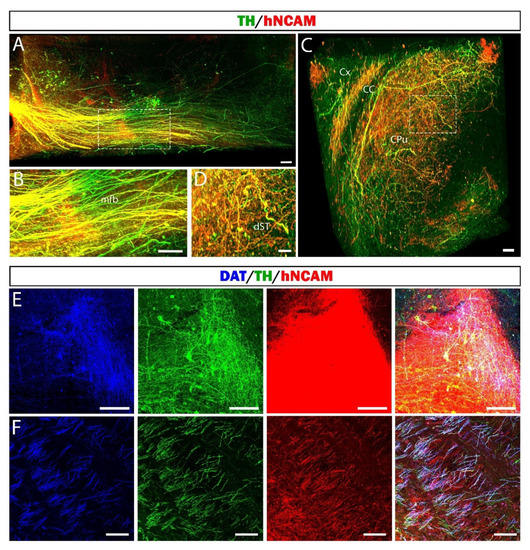
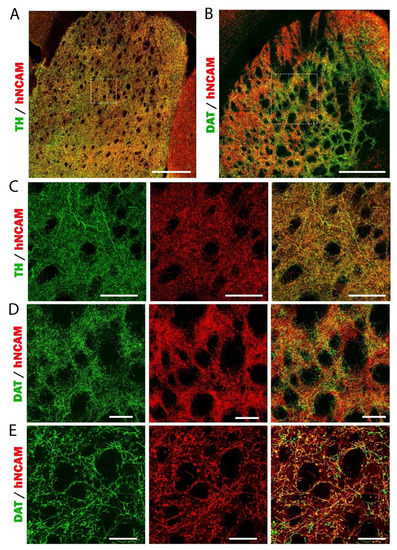
Long-Term Evaluation of Intranigral Transplantation of Human iPSC-Derived Dopamine Neurons in a Parkinson’s Disease Mouse Model
by
Sébastien Brot, Nabila Pyrenina Thamrin, Marie-Laure Bonnet, Maureen Francheteau, Maëlig Patrigeon, Laure Belnoue and Afsaneh Gaillard
Cited by 27 | Viewed by 7893
Abstract
Parkinson’s disease (PD) is a neurodegenerative disorder associated with loss of dopaminergic (DA) neurons in the substantia nigra pars compacta (SNpc). One strategy for treating PD is transplantation of DA neuroblasts. Significant advances have been made in generating midbrain DA neurons from human
[...] Read more.
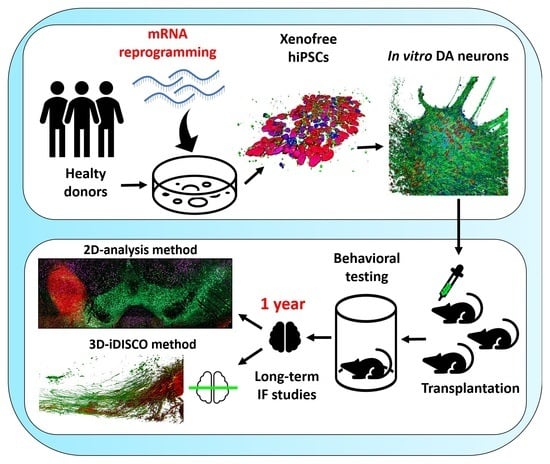
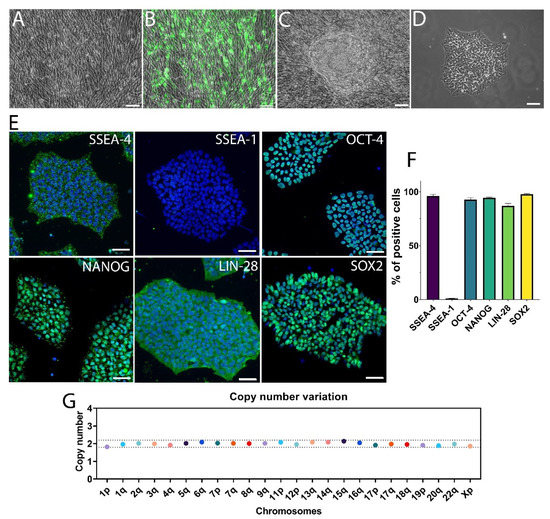
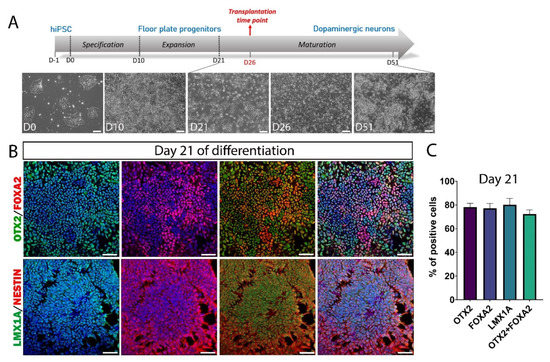
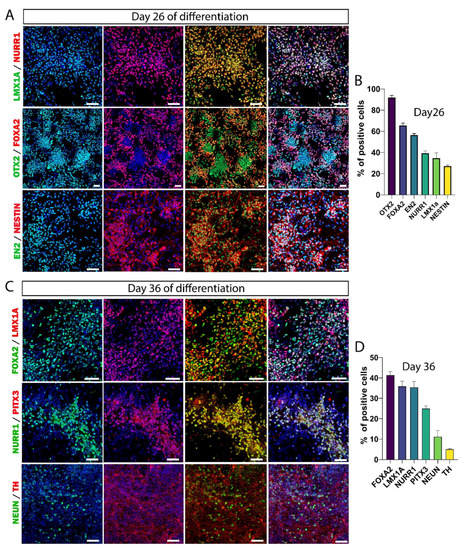
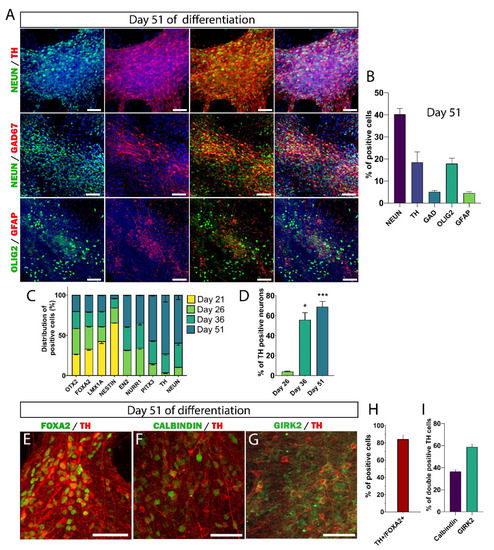
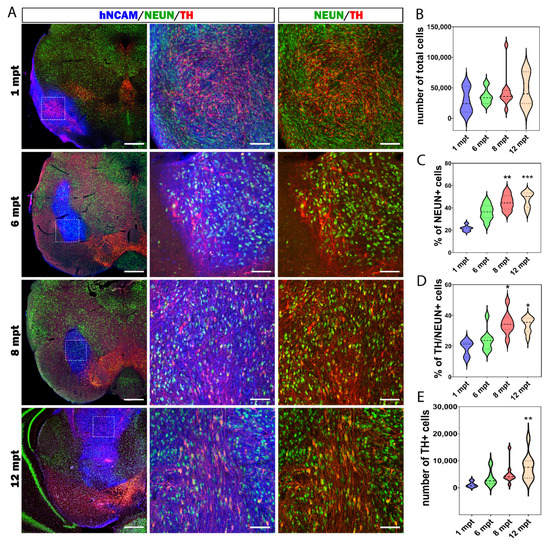
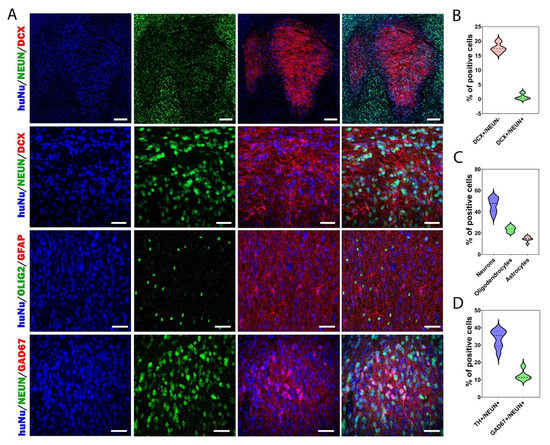
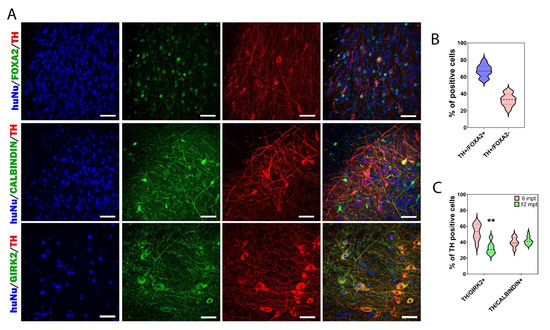
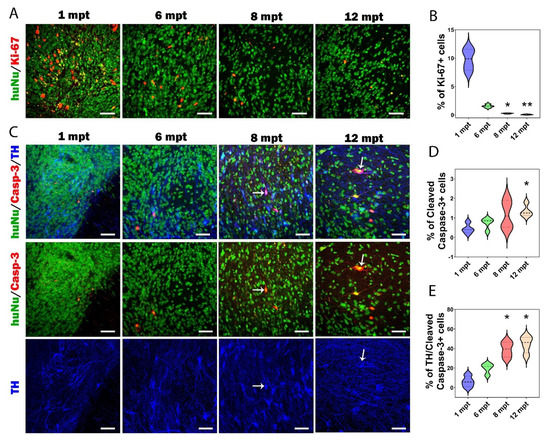
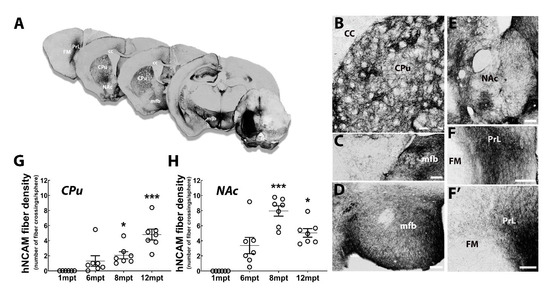
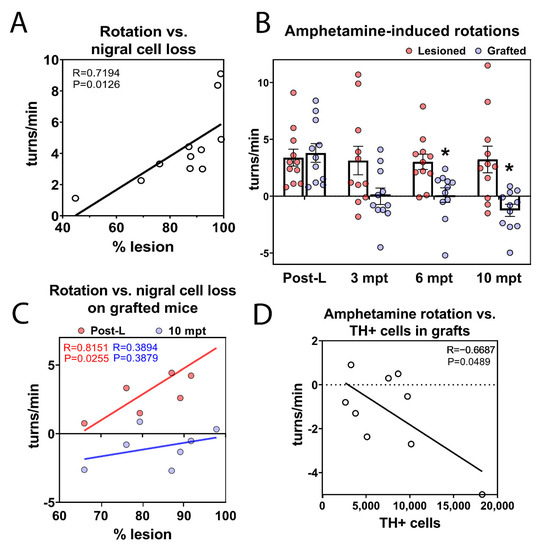
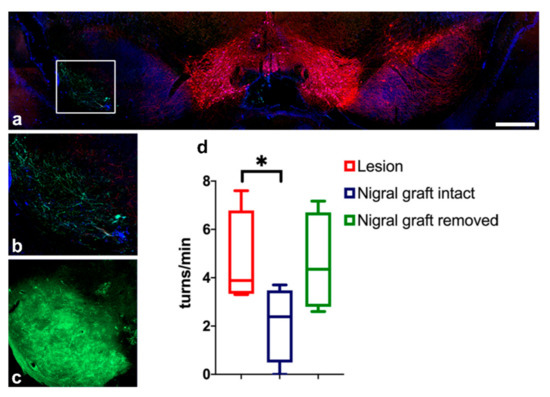
Parkinson’s disease (PD) is a neurodegenerative disorder associated with loss of dopaminergic (DA) neurons in the substantia nigra pars compacta (SNpc). One strategy for treating PD is transplantation of DA neuroblasts. Significant advances have been made in generating midbrain DA neurons from human pluripotent stem cells. Before these cells can be routinely used in clinical trials, extensive preclinical safety studies are required. One of the main issues to be addressed is the long-term therapeutic effectiveness of these cells. In most transplantation studies using human cells, the maturation of DA neurons has been analyzed over a relatively short period not exceeding 6 months. In present study, we generated midbrain DA neurons from human induced pluripotent stem cells (hiPSCs) and grafted these neurons into the SNpc in an animal model of PD. Graft survival and maturation were analyzed from 1 to 12 months post-transplantation (mpt). We observed long-term survival and functionality of the grafted neurons. However, at 12 mpt, we observed a decrease in the proportion of SNpc DA neuron subtype compared with that at 6 mpt. In addition, at 12 mpt, grafts still contained immature neurons. Our results suggest that longer-term evaluation of the maturation of neurons derived from human stem cells is mandatory for the safe application of cell therapy for PD.
Full article
►▼
Show Figures
Open AccessArticle
Better Outcomes with Intranigral versus Intrastriatal Cell Transplantation: Relevance for Parkinson’s Disease
by
Marine Droguerre, Sébastien Brot, Clément Vitrac, Marianne Benoit-Marand, Laure Belnoue, Maelig Patrigeon, Anaïs Lainé, Emile Béré, Mohamed Jaber and Afsaneh Gaillard
Cited by 8 | Viewed by 5303
Abstract
Intrastriatal embryonic ventral mesencephalon grafts have been shown to integrate, survive, and reinnervate the host striatum in clinical settings and in animal models of Parkinson’s disease. However, this ectopic location does not restore the physiological loops of the nigrostriatal pathway and promotes only
[...] Read more.
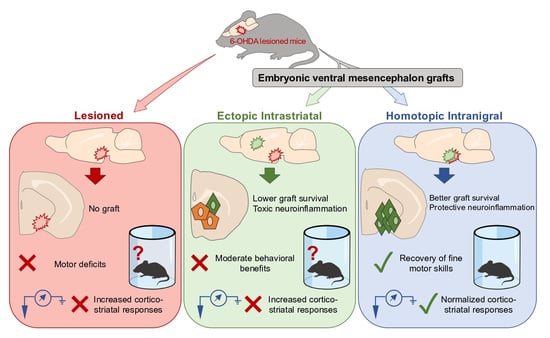
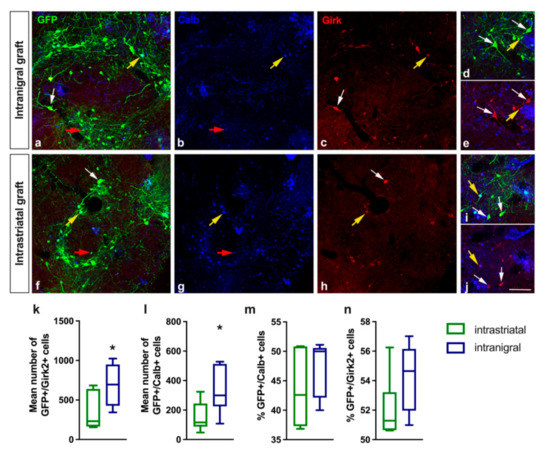
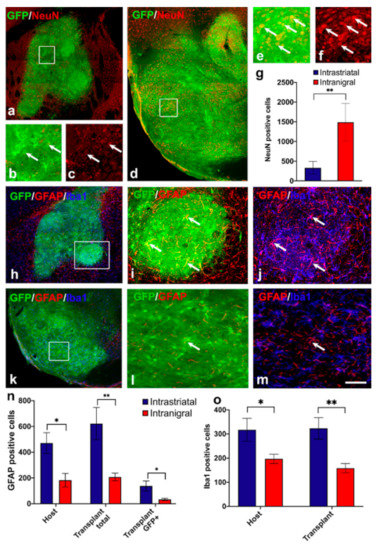
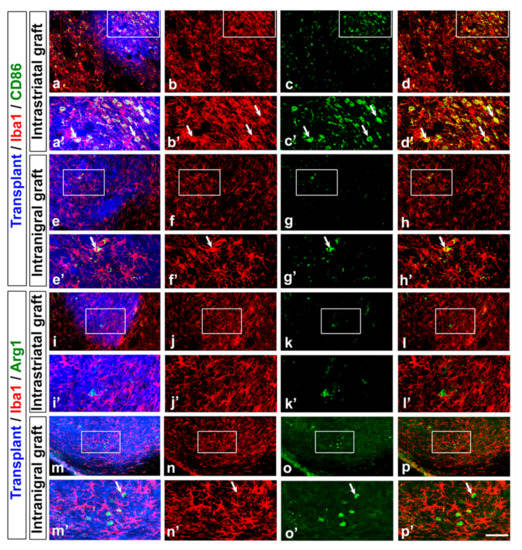
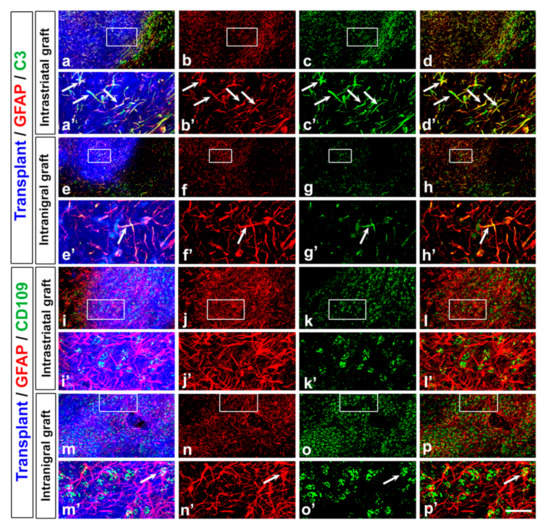
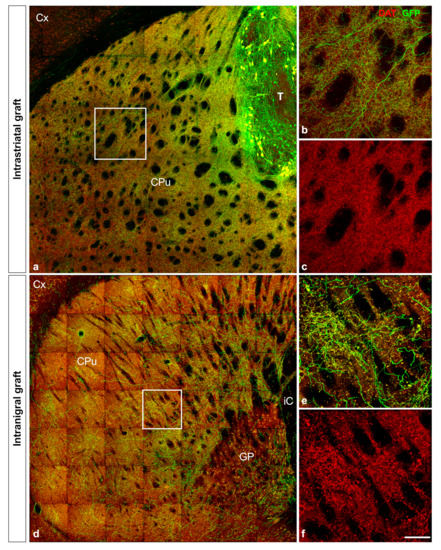
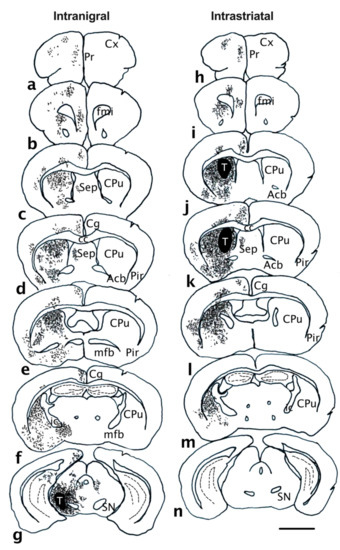
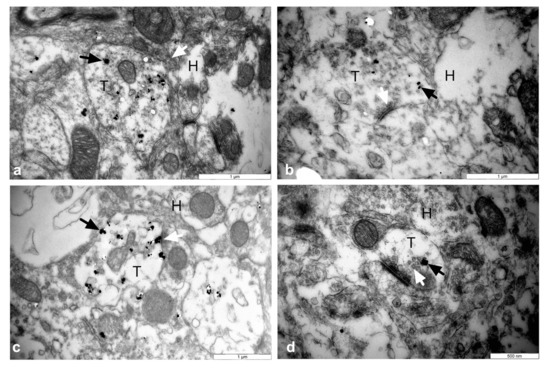
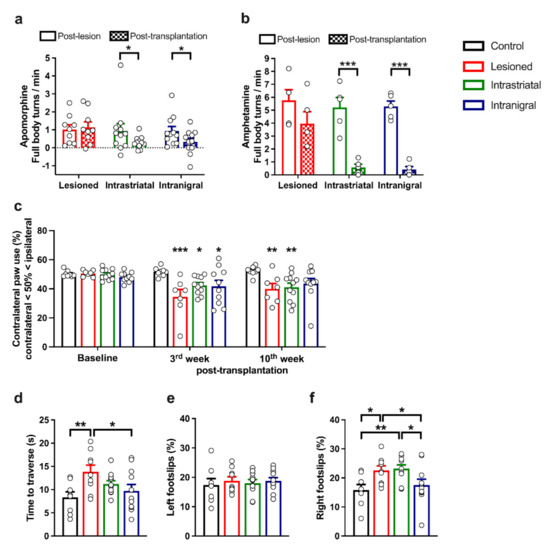
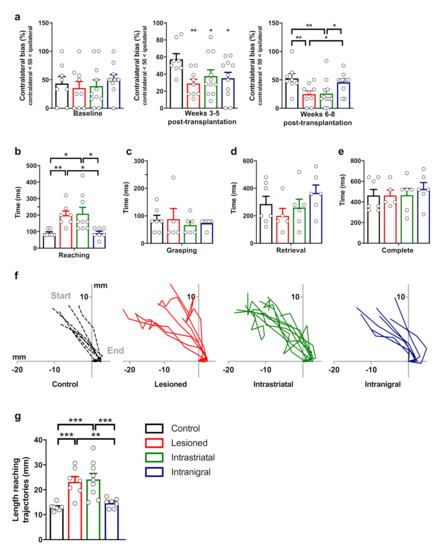
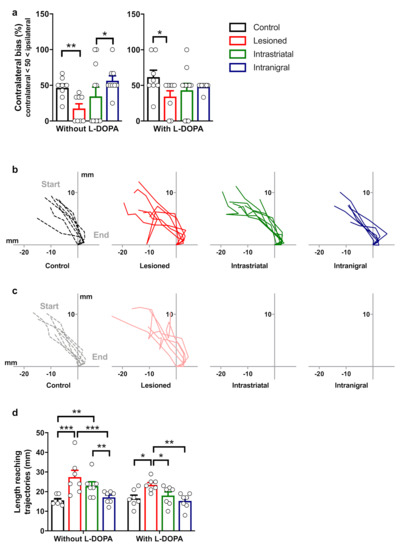
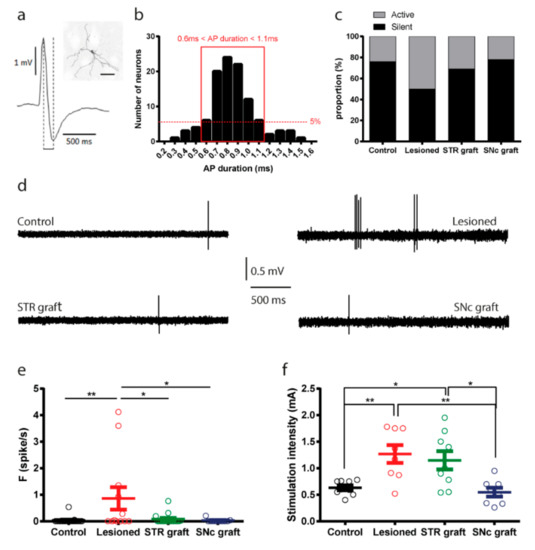
Intrastriatal embryonic ventral mesencephalon grafts have been shown to integrate, survive, and reinnervate the host striatum in clinical settings and in animal models of Parkinson’s disease. However, this ectopic location does not restore the physiological loops of the nigrostriatal pathway and promotes only moderate behavioral benefits. Here, we performed a direct comparison of the potential benefits of intranigral versus intrastriatal grafts in animal models of Parkinson’s disease. We report that intranigral grafts promoted better survival of dopaminergic neurons and that only intranigral grafts induced recovery of fine motor skills and normalized cortico-striatal responses. The increase in the number of toxic activated glial cells in host tissue surrounding the intrastriatal graft, as well as within the graft, may be one of the causes of the increased cell death observed in the intrastriatal graft. Homotopic localization of the graft and the subsequent physiological cell rewiring of the basal ganglia may be a key factor in successful and beneficial cell transplantation procedures.
Full article
►▼
Show Figures