You are currently viewing a new version of our website. To view the old version click .

Catalytic Conversion and Utilization of Carbon-Based Energy

This special issue belongs to the section “Catalytic Materials“.

Special Issue Information

Dear Colleagues,

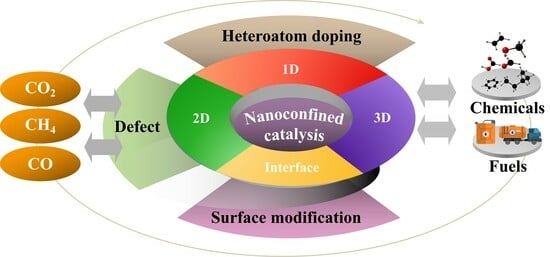
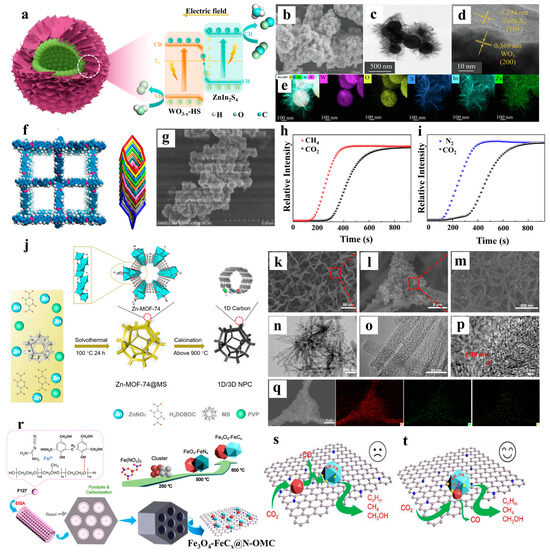
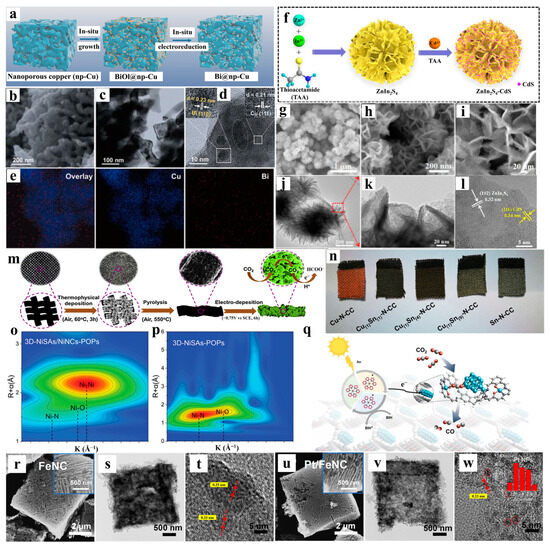
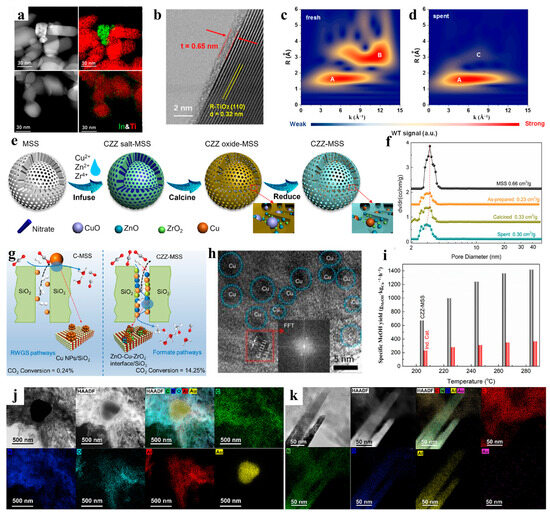
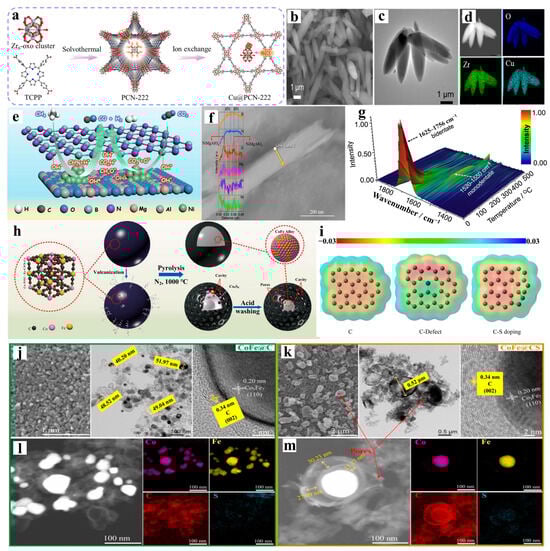
Currently, energy consumption and environmental pollution are becoming increasingly serious, posing severe challenges to the global energy structure and environmental protection. The carbon dioxide emissions generated during the utilization of carbon-based energy sources exacerbate the greenhouse effect and have a profound impact on the global climate. Therefore, the development of efficient and low-pollution new energy conversion technologies, especially catalytic conversion technologies for carbon-based energy, has become a current research hotspot and focus. Research related to the catalytic conversion of carbon-based energy not only involves traditional thermal catalysis, but also covers emerging technologies such as photocatalysis and electrocatalysis. These technologies provide important pathways for achieving sustainable development and carbon neutrality goals by optimizing catalytic processes, improving energy conversion efficiency, and reducing pollutant emissions.

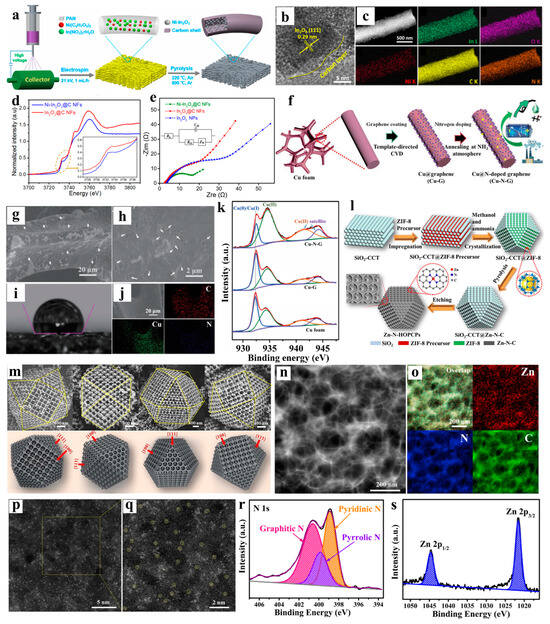
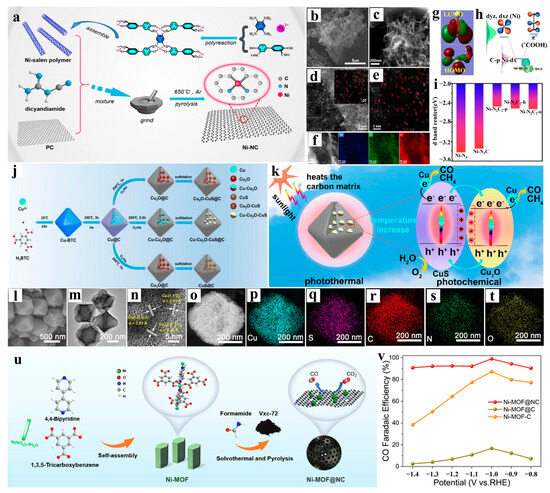
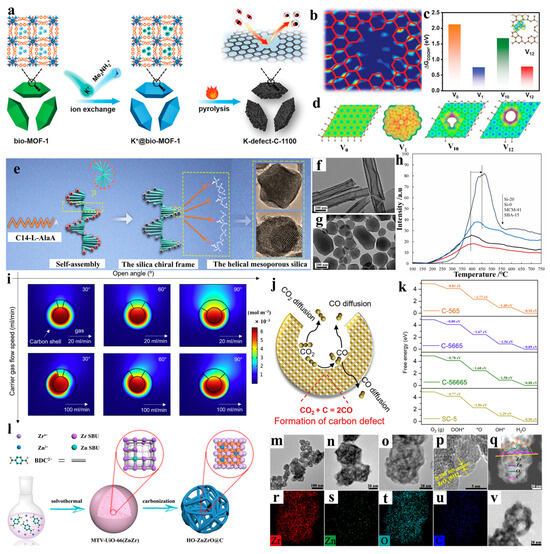
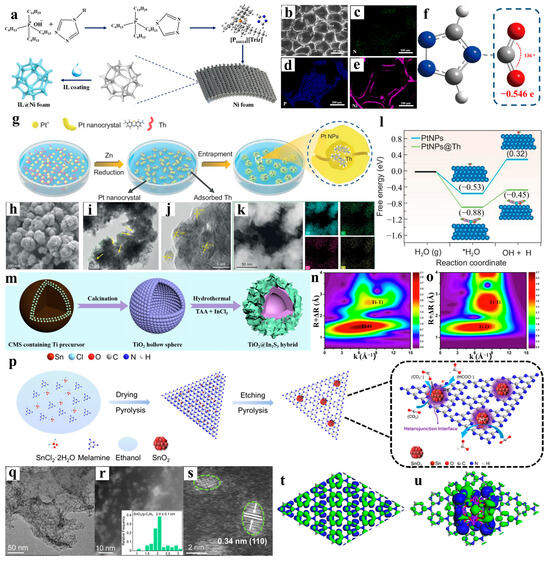
In recent years, significant progress has been made in the field of carbon-based energy catalytic conversion. Through interdisciplinary collaboration and integration, researchers have proposed many new concepts, developed new methods, and created new materials, promoting innovation in catalytic processes. This topical collection focuses on the structure and surface interface characteristics of catalysts, as well as the influence and regulation of external environments on the electronic states of catalyst surfaces. It focuses on the catalytic activation of C-H and C-O bonds and C-C coupling reactions related to the efficient conversion of small molecules. Meanwhile, this topical collection also covers the in situ high-resolution characterization and establishment of new theoretical methods, providing a basis for the rational design of catalyst active centers at the molecular and atomic levels in the future.

If you would like to submit papers to this Topic Collection or have any questions, please contact the in-house editor, Ms. Rita Lin (rita.lin@mdpi.com).

Dr. Jian Qi
Collection Editor

Manuscript Submission Information

Manuscripts should be submitted online at www.mdpi.com by registering and logging in to this website. Once you are registered, click here to go to the submission form. Manuscripts can be submitted until the deadline. All submissions that pass pre-check are peer-reviewed. Accepted papers will be published continuously in the journal (as soon as accepted) and will be listed together on the special issue website. Research articles, review articles as well as short communications are invited. For planned papers, a title and short abstract (about 250 words) can be sent to the Editorial Office for assessment.

Submitted manuscripts should not have been published previously, nor be under consideration for publication elsewhere (except conference proceedings papers). All manuscripts are thoroughly refereed through a single-blind peer-review process. A guide for authors and other relevant information for submission of manuscripts is available on the Instructions for Authors page. Catalysts is an international peer-reviewed open access monthly journal published by MDPI.

Please visit the Instructions for Authors page before submitting a manuscript. The Article Processing Charge (APC) for publication in this open access journal is 2200 CHF (Swiss Francs). Submitted papers should be well formatted and use good English. Authors may use MDPI's English editing service prior to publication or during author revisions.

Keywords

  • carbon-based energy
  • catalytic conversion and utilization
  • catalyst structure design
  • reaction mechanism
  • energy utilization efficiency
  • environmental pollution
  • in situ characterization
  • hydrogenation reaction
  • oxidation reaction
  • dehydrogenation reaction
  • cracking reaction
  • coupling reaction
  • photocatalysis
  • electrocatalysis
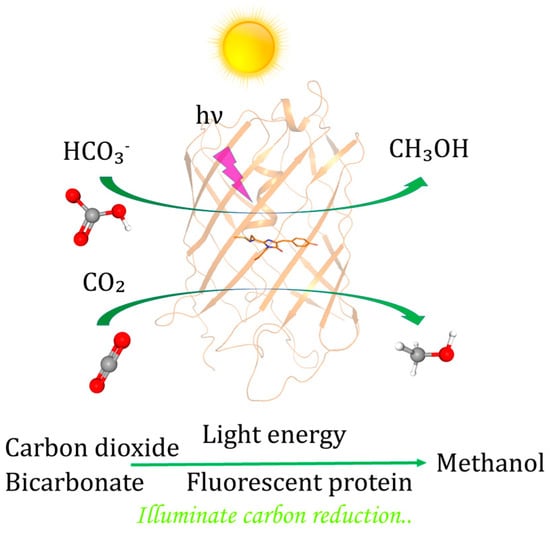
Graphical abstract

Benefits of Publishing in a Special Issue

  • Ease of navigation: Grouping papers by topic helps scholars navigate broad scope journals more efficiently.
  • Greater discoverability: Special Issues support the reach and impact of scientific research. Articles in Special Issues are more discoverable and cited more frequently.
  • Expansion of research network: Special Issues facilitate connections among authors, fostering scientific collaborations.
  • External promotion: Articles in Special Issues are often promoted through the journal's social media, increasing their visibility.
  • e-Book format: Special Issues with more than 10 articles can be published as dedicated e-books, ensuring wide and rapid dissemination.

Published Papers

Get Alerted

Add your email address to receive forthcoming issues of this journal.

XFacebookLinkedIn
Catalysts - ISSN 2073-4344