




Journal Menu
► ▼ Journal Menu-
- Bioengineering Home
- Aims & Scope
- Editorial Board
- Reviewer Board
- Topical Advisory Panel
- Instructions for Authors
- Special Issues
- Topics
- Sections & Collections
- Article Processing Charge
- Indexing & Archiving
- Editor’s Choice Articles
- Most Cited & Viewed
- Journal Statistics
- Journal History
- Journal Awards
- Conferences
- Editorial Office
Journal Browser
► ▼ Journal BrowserNeed Help?
Announcements
27 June 2023
Bioengineering | A Commemorative Issue in Honor of Professor Alexander Friedenstein’s Outstanding Achievements
We are proud to announce a Special Issue of Bioengineering (ISSN: 2306-5354) “A Tribute to Professor Alexander Friedenstein and His Outstanding Achievements in the Area of Stromal Stem Cells”, devoted to the pioneering work of Professor Alexander Friedenstein and his ground-breaking discoveries in stromal stem cells. Prof. Friedenstein is rightly credited with the discovery of mesenchymal stem cells (MSCs), having defined them as stroma-resident cells that fulfill the main criteria attributed to stem cells, making them highly important in the field of regenerative medicine. Single-cell-derived clones of stromal progenitors have been shown to have an intrinsic ability to form bone, cartilage, and connective tissues in vivo, paving the way for a range of cell therapies and tissue engineering developments.
As we approach the centenary of Professor Friedenstein’s birth in 2024, we pay tribute to his outstanding achievements in this field through a Special Issue edited by Dr. Elena A. Jones, Dr. Dimitrios Kouroupis, and Dr. Rodrigo Somoza. The Issue will include original research articles and reviews that celebrate his legacy, exploring issues such as how we can best isolate and culture MSCs, enhance their desired functions, and control their differentiation or trophic activity through their microenvironment. We also consider the benefits and limitations of MSCs versus MSC-derived extracellular vesicles for therapeutics, and how we can effectively isolate MSCs-derived extracellular vesicles and reinforce their therapeutic signatures.
Professor Alexander Friedenstein’s groundbreaking work on stromal stem cells has opened up new frontiers in regenerative medicine and continues to inspire research into new applications in the field.
We invite submissions that celebrate his incredible legacy and honor his memory. You can click here to go to the submission form.
14 June 2023
Meet Us at the 2023 Chinese Biophysics Congress, 19–23 July 2023, Changsha, China

Conference: 2023 Chinese Biophysics Congress
Date: 19–23 July 2023
Place: Changsha, China
MDPI will be attending the 2023 Chinese Biophysics Congress, which will be held from 19 to 23 July 2023 in Changsha, China.
The Chinese Biophysics Congress is the largest and most developed academic event in the field of biophysics in China. Prof. Tao Xu, the chairman of the Chinese Society of Biophysics, will be the chair of the organizing committee. The main theme is Biophysics and Human Health, focusing on the latest research progress and development trend of biophysics and related research fields.
The following MDPI journals will be represented:
- IJMS;
- Biophysica;
- Biomedicines;
- Physics;
- CIMB;
- Bioengineering;
- Biomolecules.
Please do not hesitate to reach out (ijms@mdpi.com) if you plan on attending this conference. Our delegates look forward to meeting you in person and answering any questions that you might have. For more information about the conference, please visit the following website: https://www.bsc.org.cn/2023/.
25 May 2023
Bioengineering | Hot Papers in 3D Bioprinting
Three-dimensional bioprinting is an evolving technology that is used for biomedical research and healthcare. It involves the creation of three-dimensional structures using living cells and biomaterials with the help of a bio-printer. Three-dimensional bioprinting can be used to create complex living tissue structures, such as organs, bones, and skin, which can be used for transplantation and other clinical applications. This technology has become popular in recent years, as it offers a promising solution to organ shortages and could help improve patients’ outcomes. In this context, we are pleased to feature some recently published papers on 3D bioprinting in Bioengineering (ISSN: 2306-5354), which provide valuable insights into this exciting field.
1. “3D Printed Nanocellulose Scaffolds as a Cancer Cell Culture Model System”
by Jennifer Rosendahl, Andreas Svanström, Mattias Berglin, Sarunas Petronis, Yalda Bogestål, Patrik Stenlund, Simon Standoft, Anders Ståhlberg, Göran Landberg, Gary Chinga-Carrasco et al.
Bioengineering 2021, 8(7), 97; https://doi.org/10.3390/bioengineering8070097
Available online: https://www.mdpi.com/2306-5354/8/7/97
2. “Bioprinting Scaffolds for Vascular Tissues and Tissue Vascularization”
by Peter Viktor Hauser, Hsiao-Min Chang, Masaki Nishikawa, Hiroshi Kimura, Norimoto Yanagawa, and Morgan Hamon
Bioengineering 2021, 8(11), 178; https://doi.org/10.3390/bioengineering8110178
Available online: https://www.mdpi.com/2306-5354/8/11/178
3. “Biofabrication Strategies for Musculoskeletal Disorders: Evolution towards Clinical Applications”
by Saman Naghieh, Gabriella Lindberg, Maryam Tamaddon and Chaozong Liu
Bioengineering 2021, 8(9), 123; https://doi.org/10.3390/bioengineering8090123
Available online: https://www.mdpi.com/2306-5354/8/9/123
4. “Recapitulating the Angiogenic Switch in a Hydrogel-Based 3D In Vitro Tumor-Stroma Model”
by Claudia Kuehlbach, Sabine Hensler, and Margareta M. Mueller
Bioengineering 2021, 8(11), 186; https://doi.org/10.3390/bioengineering8110186
Available online: https://www.mdpi.com/2306-5354/8/11/186
5. “Natural Biomaterials and Their Use as Bioinks for Printing Tissues”
by Claire Benwood, Josie Chrenek, Rebecca L. Kirsch, Nadia Z. Masri, Hannah Richards, Kyra Teetzen and Stephanie M. Willerth
Bioengineering 2021, 8(2), 27; https://doi.org/10.3390/bioengineering8020027
Available online: https://www.mdpi.com/2306-5354/8/2/27
6. “Protein-Based 3D Biofabrication of Biomaterials”
by Mahta Mirzaei, Oseweuba Valentine Okoro, Lei Nie, Denise Freitas Siqueira Petri and Amin Shavandi
Bioengineering 2021, 8(4), 48; https://doi.org/10.3390/bioengineering8040048
Available online: https://www.mdpi.com/2306-5354/8/4/48
7. “The Importance of Mimicking Dermal-Epidermal Junction for Skin Tissue Engineering: A Review”
by Mina Aleemardani, Michael Zivojin Trikić, Nicola Helen Green and Frederik Claeyssens
Bioengineering 2021, 8(11), 148; https://doi.org/10.3390/bioengineering8110148
Available online: https://www.mdpi.com/2306-5354/8/11/148
8. “Advantages of Additive Manufacturing for Biomedical Applications of Polyhydroxyalkanoates”
by Alberto Giubilini, Federica Bondioli, Massimo Messori, Gustav Nyström and Gilberto Siqueira
Bioengineering 2021, 8(2), 29; https://doi.org/10.3390/bioengineering8020029
Available online: https://www.mdpi.com/2306-5354/8/2/29
9. “3D Printing of Thermoresponsive Hydrogel Laden with an Antimicrobial Agent towards Wound Healing Applications”
by Martyna Nizioł, Justyna Paleczny, Adam Junka, Amin Shavandi, Anna Dawiec-Liśniewska and Daria Podstawczyk
Bioengineering 2021, 8(6), 79; https://doi.org/10.3390/bioengineering8060079
Available online: https://www.mdpi.com/2306-5354/8/6/79
10. “Translational Application of 3D Bioprinting for Cartilage Tissue Engineering”
by Sophie McGivern, Halima Boutouil, Ghayadah Al-Kharusi, Suzanne Little, Nicholas J. Dunne and Tanya J. Levingstone
Bioengineering 2021, 8(10), 144; https://doi.org/10.3390/bioengineering8100144
Available online: https://www.mdpi.com/2306-5354/8/10/144
18 May 2023
Bioengineering Webinar | Bioengineered Systems: Implants and Devices for Orthopaedic Applications, Held on 20 April 2023
On 20 April 2023, MDPI hosted a webinar for a Special Issue titled “Bioengineered Systems: Implants and Devices for Orthopaedic Applications”. The webinar featured the Special Issue’s Guest Editors, Dr. David E. Anderson, Dr. Madhu S. Dhar and Dr. Dustin L. Crouch. All speakers were from the University of Tennessee, Knoxville, USA, and this multidisciplinary team represented expertise in implant interfaces, regenerative medicine, tissue engineering and biomedical engineering. The Guest Editors/Speakers discussed how technological advances in orthopaedic research are accelerating in multiple areas, including endoprosthetics, tissue regeneration, and biotherapies.
Thank you for attending and we also wish to thank the Bioengineering team and MDPI for organizing and hosting this webinar.
You can watch the recorded webinar at the following link: https://youtu.be/wtoXrPe5fzc.
Please note that this webinar is associated with a Special Issue in the Bioengineering (ISSN: 2306-5354) journal: “Bioengineered Systems: Implants and Devices for Orthopaedic Applications”. The deadline is 31 May 2023.
Webinar Chair and Keynote Speakers:
- Dr. David E. Anderson, College of Veterinary Medicine, University of Tennessee, Knoxville, TN, USA;
- Dr. Madhu S. Dhar, Department of Large Animal Clinical Sciences, College of Veterinary Medicine, University of Tennessee, Knoxville, TN, USA;
- Dr. Dustin L. Crouch, Department of Mechanical, Aerospace & Biomedical Engineering, College of Engineering, University of Tennessee, Knoxville, TN, USA.
12 April 2023
Bioengineering Webinar | Bioengineered Systems: Implants and Devices for Orthopaedic Applications, 20 April 2023

We look forward to providing this exciting webinar related to our Bioengineering (ISSN: 2306-5354) Special Issue, "Bioengineered Systems: Implants and Devices for Orthopaedic Applications". The topic is broad and highly interdisciplinary, so it should be of interest to many, both researchers and practitioners. There has been and much progress and innovation in this area, with the promise to improve healthcare for a wide range of orthopaedic and other clinical problems.
The Guest Editors of this Special Issue invite you to participate in this webinar. Following the presentations, there will be a question-and-answer session. We look forward to a lively and interactive exchange of ideas.
We hope to see you soon!
Date: 20 April 2023 at 2:00 p.m. CEST | 8:00 a.m. EDT | 8:00 p.m. CST Asia
Webinar ID: 852 1064 4327
Register now for free!

Program
|
Speaker/Presentation |
Time in CEST |
|
Dr. David E. Anderson (Chair) |
2:00–2:05 p.m. |
|
Dr. David E. Anderson |
2:05–2:20 p.m. |
|
Dr. Madhu S. Dhar |
2:20–2:35 p.m. |
|
Dr. Dustin L. Crouch |
2:35–2:50 p.m. |
|
Q&A |
2:50–3:05 p.m. |
|
Dr. David E. Anderson (Chair) |
3:05–3:15 p.m. |
After registering, you will receive a confirmation email containing information on how to join the webinar. Registrations with academic institutional email addresses will be prioritized.
Unable to attend? Register anyway and we will let you know when the recording is available to watch.
Webinar Chair and Keynote Speakers:
- Dr. David E. Anderson, College of Veterinary Medicine, University of Tennessee, Knoxville, TN, USA
- Dr. Madhu S. Dhar, Department of Large Animal Clinical Sciences, College of Veterinary Medicine, University of Tennessee, Knoxville, TN, USA
- Dr. Dustin L. Crouch, Department of Mechanical, Aerospace & Biomedical Engineering, College of Engineering, University of Tennessee, Knoxville, TN, USA
Relevant Special Issue:
Bioengineered Systems: Implants and Devices for Orthopaedic Applications
Guest Editors: Dr. David Edgar Anderson, Dr. Madhu S. Dhar and Dr. Dustin Crouch
Deadline for manuscript submissions: 31 May 2023
Relevant feature papers:
“Role of Implantable Drug Delivery Devices with Dual Platform Capabilities in the Prevention and Treatment of Bacterial Osteomyelitis”
Bioengineering 2022, 9(2), 65; doi:10.3390/bioengineering9020065
“Effects on Tissue Integration of Collagen Scaffolds Used for Local Delivery of Gentamicin in a Rat Mandible Defect Model”
Bioengineering 2022, 9(7), 275; doi:10.3390/bioengineering9070275
“Feasibility of Implanting a Foot–Ankle Endoprosthesis within Skin in a Rabbit Model of Transtibial Amputation”
Bioengineering 2022, 9(8), 348; doi:10.3390/bioengineering9080348
11 April 2023
Bioengineering | High-Quality Special Issues

The Special Issues below have been selected as high-quality Special Issues for 2022 by the Editorial Office of Bioengineering (ISSN: 2306-5354). We hope that they provide insights and references for scholars in related fields.
1. “Convergence of Science and Engineering: A Promising Window toward Improving the Public Health”
Edited by Ali Zarrabi
Webpage: https://www.mdpi.com/journal/bioengineering/special_issues/convergence_sci_eng
Viewed by 16,316 | Cited by 16
2. “Feature Papers in Nanotechnology Applications in Bioengineering”
Edited by Gou-Jen Wang
Webpage: https://www.mdpi.com/journal/bioengineering/special_issues/Nanotechnology_Application_Bioengineering
Viewed by 13121 | Cited by 8
3. “Artificial Intelligence Based Computer-Aided Diagnosis”
Edited by Jijiang Yang and Jianqiang Li
Webpage: https://www.mdpi.com/journal/bioengineering/special_issues/AI_computer_aided_diagnosis
Viewed by 14195 | Cited by 26
4. “Recent Advances of Medical Devices”
Edited by Robert M. DiBlasi and Crescenzio Gallo
Webpage: https://www.mdpi.com/journal/bioengineering/special_issues/Medical_Devices_bioengineering
Viewed by 13650 | Cited by 12
5. “Bioprinting of Tissue-Engineered Scaffolds: Design Strategies & Printability of Smart Biomaterials”
Edited by Chaozong Liu, Saman Naghieh and Gabriella Lindberg
Webpage: https://www.mdpi.com/journal/bioengineering/special_issues/tissue-engineered_scaffolds
Viewed by 19194 | Cited by 45
If you are an active researcher in the field and are passionate about participating in editorial work, please do not hesitate to contact the Bioengineering Editorial Office (bioengineering@mdpi.com)
31 March 2023
Interview with Prof. Dr. Tri Indah Winarni—Author of Papers Published in Bioengineering
We had the pleasure of speaking with Prof. Dr. Tri Indah Winarni, author of two papers published in Bioengineering (ISSN: 2306-5354). We discussed the recent research trends in the field, and her personal career development.
Prof. Dr. Tri Indah Winarni's articles published in Bioengineering:
- “Effect of Short-Term Deep-Pressure Portable Seat on Behavioral and Biological Stress in Children with Autism Spectrum Disorders: A Pilot Study”
- “Physiological Effect of Deep Pressure in Reducing Anxiety of Children with ASD during Traveling: A Public Transportation Setting”
The following is an interview with Prof. Dr. Tri Indah Winarni:
1. Congratulations on your published papers. Can you provide a background about yourself and what your research areas are?
I am a Professor at Universitas Diponegoro from the Department of Anatomy, Faculty of Medicine. My research area is autism spectrum disorders, including fragile X syndrome, and five years ago we established the Undip Biomechanical Engineering Research Center (UBM-RC). Since then, we have explored more research areas to establish deep pressure therapy to help with anxiety.
2. What are the current cutting-edge research topics in your field of interest?
Providing handy and effective deep pressure therapy for children with autism spectrum disorders.
3. What made you decide to publish an article in Bioengineering?
Bioengineering is a reputable journal, more open for researchers worldwide, giving the chance to publish important findings. The publishing experience was nice, helpful, with thorough peer review, and fast (sometimes too fast, but it is good for students). Moreover, the Open Access model helps to increase the citation rate. The Open Access model is great, but also not for students, because it was very expensive to publish a paper.
4. What do you hope that readers will get from your papers?
They will get appropriate information for their research and scientific contributions, and it is also useful for patients/parents, who can get more updated information.
We are thankful for Prof. Dr. Tri Indah Winarni's time and support for the Bioengineering journal.
Prof. Dr. Tri Indah Winarni's contact information:
Email: triwinarni@lecturer.undip.ac.id
13 March 2023
Interview with Rodolfo Reda—Author of a Published Paper in Bioengineering
We had the pleasure of speaking with Rodolfo Reda, one of the authors of the published paper “An Update on Nickel–Titanium Rotary Instruments in Endodontics: Mechanical Characteristics, Testing and Future Perspective—An Overview” in Bioengineering (ISSN: 2306-5354). We discussed the recent research trends in the field and his personal career development.
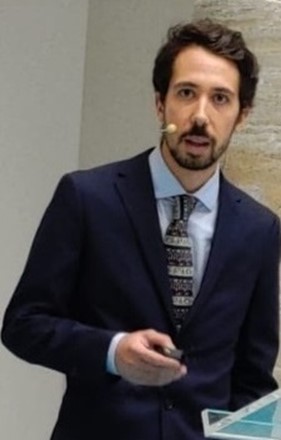
Name: Rodolfo Reda
Email: rodolfo.reda@uniroma1.it
Article title: “An Update on Nickel–Titanium Rotary Instruments in Endodontics: Mechanical Characteristics, Testing and Future Perspective—An Overview”
1. Congratulations on your published paper. Can you please provide background about yourself and what your research areas are?
Thanks for the opportunity. I am a DDS and currently a Ph.D. student at Sapienza University of Rome, Italy, where I graduated. I concentrated my research activity on Ni-Ti alloys and the characteristics of Ni-Ti rotary files used in endodontics. I approached the world of stem cell studies in the laboratory, studying their reactions as a function of the different reagents to which they were subjected. Subsequently, my passion for biochemical and molecular alterations led me to analyze the tissue conditions around dental implants to determine how they affect the implant-supported prostheses features.
2. What are the current cutting-edge research topics in your field of interest?
I believe that the challenge for the future is to reduce the invasiveness of our clinical procedures. To do this, it is necessary to fully understand the biochemical/molecular alterations that lead to the predisposing conditions of the disease or its initial stages in order to be able to prevent it or at least cure it in advance.
3. What made you decide to publish an article in Bioengineering? Why did you choose Bioengineering?
The rapid growth that the journal has had is a symptom of the great attention from the editors. In fact, I can confirm this considering the number of articles they have published and the success they have achieved. I chose this journal because it was the most suitable for the type of article I intended to submit.
4. How was your experience publishing with Bioengineering?
Very simple and quick. The journal’s management is effective, allowing it to reduce the time between the various phases of the peer-review—it is a system that works well.
5. Was it important to you that the journal is Open Access?
I believe that scientific culture should be as freely accessible as possible. The possibility of Open Access publishing favors the dissemination of scientific knowledge.
6. How do you think Open Access impacts authors?
Some are frightened away by the costs of managing such a system. However, it should not be intimidating because it is possible for them to achieve excellent results, often with important help from the journal when they exploit an excellent article or study.
7. What do you hope that readers will get from your paper?
Curiosity. I believe that the most important thing a scientific article can achieve is to stimulate the reader’s curiosity, enticing other clinicians to research in this same area, perhaps with a few more new ideas.
We are thankful for Rodolfo Reda's time and support for Bioengineering
13 March 2023
Interview with Dr. Anthony Atala—Editorial Board Member of Bioengineering
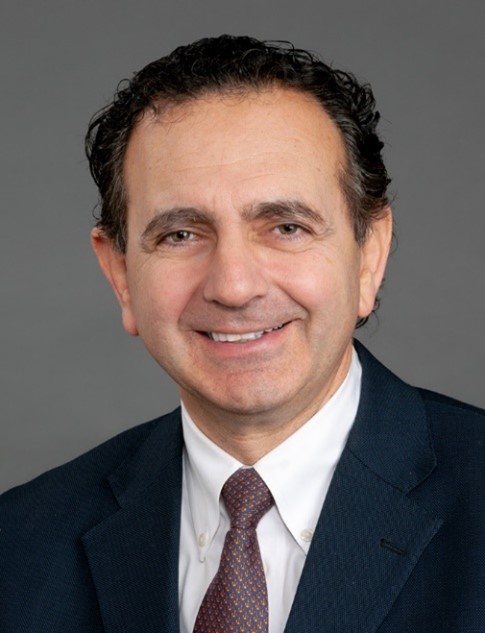
We had the pleasure of speaking with Dr. Anthony Atala, Editorial Board Member of Bioengineering (ISSN: 2306-5354), to discuss the recent trends in the field and his personal career developments.
Anthony Atala, M.D., is the G. Link Professor and Director of the Wake Forest Institute for Regenerative Medicine and the W. Boyce Professor and Chair of the Department of Urology at Wake Forest University, USA. His work focuses on growing human cells, tissues, and organs. Sixteen technological applications developed in Dr. Atala's laboratory have been employed clinically in human patients.
Dr. Atala was elected to the Institute of Medicine of the National Academies of Sciences (now the National Academy of Medicine), to the National Academy of Inventors as a Charter Fellow, and to the American Institute for Medical and Biological Engineering. Dr. Atala is a recipient of the US Congress funded Christopher Columbus Foundation Award, bestowed on a living American who is currently pursuing a discovery that will significantly affect society; the World Technology Award in Health and Medicine, for achieving significant and lasting progress; the Edison Science/Medical Award; the Fast Company World Changing Ideas Award; the R&D Innovator of the Year Award; the Smithsonian Ingenuity Award; and the 2022 Jacobson Innovation Award of the American College of Surgeons for his pioneering work in regenerative medicine.
Dr. Atala’s work was listed twice in Time Magazine’s top ten medical breakthroughs of the year, and as one of five discoveries that will change the future of organ transplantation. In 2019, Dr. Atala’s work was ranked by the Project Management Institute as one of the top ten most impactful biotech projects of the past 50 years. Dr. Atala was named by Scientific American as one of the world’s most influential people in biotechnology, by U.S. News & World Report as one of fourteen pioneers of medical progress in the 21st century, by Life Sciences Intellectual Property Review as one of fifty key influencers in the life sciences intellectual property arena, and by Nature Biotechnology as one of the top ten translational researchers in the world.
Dr. Atala has led or served on several national professional and government committees, including the National Institutes of Health work group on Cells and Developmental Biology, the National Institutes of Health Bioengineering Consortium, and the National Cancer Institute’s Advisory Board. He was a Founder of the Tissue Engineering Society, the Regenerative Medicine Society, the Regenerative Medicine Foundation, the Alliance for Regenerative Medicine, the Regenerative Medicine Development Organization, the Regenerative Medicine Manufacturing Society, and the Regenerative Medicine Manufacturing Consortium.
Dr. Atala works with several journals in a variety of capacities, including as Editor-in-Chief of Stem Cells Translational Medicine, Therapeutic Advances in Urology, and BioPrinting. He is the editor of 25 books, has published more than 800 journal articles, and has applied for or received over 250 national and international patents.
We hope you enjoy the interview.
1. What are your research areas?
Our work focuses on growing human cells, tissues, and organs for human transplantation. We are working on developing replacement organs and tissues, as well as healing cell therapies, for more than 40 different areas of the body. Projects range from blood vessels and kidneys to cell therapies for lung disease and hemophilia. We are pursuing multiple strategies, including 3D printing, to move our projects forward to meet our ultimate goal—making patients better. We are also working extensively in using regenerative medicine approaches for body-on-a-chip systems for drug development and microphysological modeling.
2. What are the latest developments in your research field?
To envision the next transformational steps for the field, we can look at current technologies for the 3D printing of cartilage, bone and skin constructs which can serve as benchmarks for progress. As we understand the factors that have contributed to their success, and as we anticipate advances overall in the bioprinting of materials and cells, current limitations can hopefully be overcome in the short term. The continued development of materials for 3D printing, cell sourcing, tissue structure and biomechanical properties, should have a significant impact on moving the field forward.
3. Can you briefly share your career development story? For example, what cases have influenced you the most?
As I initially pursued medicine, I never even considered research. In fact, I had to be talked into doing a research fellowship after I finished my medical training. Yet once I started on that path, I realized I didn’t want to turn back. Research has been an important part of my career and life ever since. The Wake Forest Institute for Regenerative Medicine research teams are driven by its mission—to improve patients’ lives through regenerative medicine. The goal is to create replacement tissues and organs for patients. It is estimated that every 30 seconds, a patient dies from a disease that could be treated with tissue replacement. There are simply not enough donor tissues and organs to meet the demand. Regenerative medicine offers the hope of engineering replacement organs in the lab to help solve this shortage. Because these organs would be made with a patient’s own cells, there would be no issues with rejection.
4. Do you have any advice you would like to share with young students and early career researchers?
I think it’s important not to put limitations on yourself and your thinking. My advice is always to be receptive to new opportunities and change and to seek advice and input from people who can help when you have a decision to make that can change your life’s trajectory.
5. What do you think of the development of Open Access in publishing?
I am generally in favor of Open Access. Both the scientific community and the general public benefit when publications are widely available. Another consideration is of course financial. Publication fees are often used as an alternative to reader charges, and that can have downsides; for example, bias against less well-funded researchers.
We are thankful for Dr. Atala's time and for his continued support of Bioengineering.
Dr. Anthony Atala’s contact information:
Email: aatala@wakehealth.edu
13 March 2023
Interview with Prof. Dr. Ali Zarrabi—Editorial Board Member of Bioengineering
We had the pleasure of speaking with Prof. Dr. Ali Zarrabi, an Editorial Board Member of Bioengineering (ISSN: 2306-5354), to discuss the recent research trends in the field and his personal career developments. We hope you enjoy the interview.
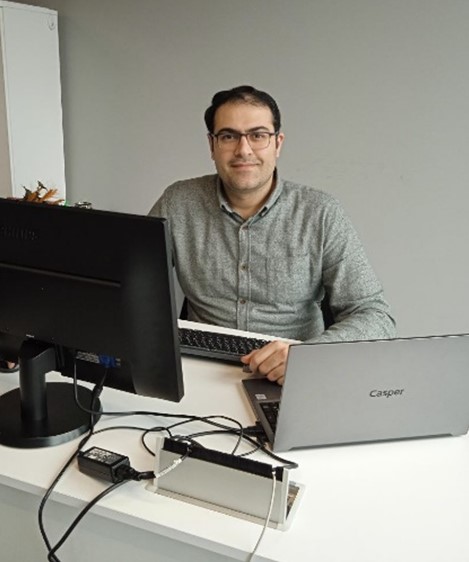
1. What are your research areas?
My research area is translational nano-bioengineering. It is a multi-disciplinary research field with the mission of performing cutting-edge fundamental and applied research, rooted firmly in nano- and bio-engineering, leading to the development of novel diagnostic/treatment methods for a range of diseases and conditions. Translation is the process of turning laboratory studies into results that directly benefit the health of individuals and the public. It will cover the entire range of basic science and pre-clinical discoveries in diagnostics and therapeutics.
2. What are the latest developments in your research field?
We have developed several bioengineered nano-composites for drug delivery, disease/biomarker diagnosis, tissue engineering (repair or replacement), and wound healing applications. In my research group, the young researchers will be given the opportunity to conduct collaborative research with other groups of highly diverse backgrounds and expertise. Our research spans many areas, including cancer, aging, pharmacology and toxicology, drug delivery, infection, and nutrition.
3. Can you briefly share your career development story? For example, what cases have influenced you the most?
Having seen the influence of interdisciplinary research on the health of society, I decided to become a part of this success story, even with a tiny contribution. I have continuously tried hard in the hopes of conquering the peak and planning for the next.
4. Do you have any valuable suggestions that you would like to share with young students and early career researchers?
Young students should not be discouraged if they do not reach their desired results immediately. They must keep going and try hard to find the way to go.
About the early career researchers, do not underestimate the following:
1. Group work;
2. The miracle of working with undergraduates.
The current student generation has numerous unmet capabilities that you could discover.
5. What do you think of the development of Open Access in publishing?
In my opinion, it is more than necessary to make the results of research available to the public. Especially now that the science development rate is higher than at any time in history, we should keep our findings open to contribute to universal development. Otherwise, our findings will be out of date soon after we publish them in a non-open manner.
We are thankful for Prof. Dr. Zarrabi's time and support of Bioengineering.
Prof. Dr. Zarrabi's contact information:
Email: alizarrabi@gmail.com
