




Journal Menu
► ▼ Journal Menu-
- Bioengineering Home
- Aims & Scope
- Editorial Board
- Reviewer Board
- Topical Advisory Panel
- Instructions for Authors
- Special Issues
- Topics
- Sections & Collections
- Article Processing Charge
- Indexing & Archiving
- Editor’s Choice Articles
- Most Cited & Viewed
- Journal Statistics
- Journal History
- Journal Awards
- Conferences
- Editorial Office
Journal Browser
► ▼ Journal BrowserNeed Help?
Announcements
9 January 2023
Welcoming New Section Editors-in-Chief of Bioengineering
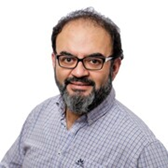
We are pleased to announce that Dr. Gary Chinga Carrasco, Dr. Andrea Cataldo, Prof. Dr. Franz Konstantin Fuss, and Dr. Elena A. Jones have been appointed respective Section Editors-in-Chief of the Sections “Nanotechnology Applications in Bioengineering”, “Biomedical Engineering and Biomaterials”, “Biosignal Processing”, and “Regenerative Engineering” in Bioengineering (ISSN: 2306-5354). We look forward to their contribution to the continued success of the journal.
|
|
Name: Dr. Gary Chinga Carrasco |
|
|
Name: Dr. Andrea Cataldo |
|
|
Name: Prof. Dr. Franz Konstantin Fuss |
|
|
Name: Dr. Elena A. Jones |


For more detailed information, please visit the following link: https://www.mdpi.com/journal/bioengineering/sections.
Bioengineering Editorial Office
22 December 2022
Special Issue Mentor Program
We are pleased to announce the launch of a new initiative—the MDPI Special Issue Mentor Program.
This program will enable early career researchers (who must hold a Ph.D. in a related field) to experience editing a Special Issue in MDPI journals, under the mentorship of our experienced Editorial Board Members or other experienced scientists. The mentor program will provide an excellent opportunity for early career scientists to gain editorial experience, and to cultivate their ability to edit scientific research.
The mentee’s responsibilities include:
- Proposing a Special Issue title and assisting the mentor in preparing a summary (around 200–400 words) and 3–10 keywords describing the background, importance, and goal of the Issue;
- Writing a brief promotion plan for the Special Issue;
- Preparing a list of scholars who may be interested in the Issue and personally e-mailing invitations on behalf of Guest Editors;
- Writing an editorial for the online Special Issue together with the mentor.
The mentor’s responsibilities include:
- Conducting a final check before the Special Issue is published online;
- Performing editorial control of the Special Issue and quality control of the publications, both of which must be carried out in a timely manner;
- Providing suggestions to younger scholars if they have any doubts or concerns regarding submissions;
- Organizing video calls with young scholars and the Editorial Office regularly to discuss problems and improvement suggestions for the Special Issue;
- Making and submitting decisions regarding submissions with the assistance of mentees.
Certificates and awards:
After the Special Issue closes, the Editorial Office will provide official certificates for all the mentors and early career researchers.
If you are interested in this opportunity, please send your Special Issue proposal to the Editorial Office of a journal you choose, and we will discuss the process (i.e., mentor collaboration, Special Issue topic feasibility analysis, etc.) in further detail. The full list of MDPI journals is as follows: https://www.mdpi.com/about/journals.
In addition to the new Special Issue Mentor Program, we will continue to welcome all Special Issue proposals focusing on hot research topics.
22 December 2022
Interview with Dr. Ngan F. Huang—Editorial Board Member of Bioengineering
|
|
Name: Dr. Ngan F. Huang Email: ngantina@stanford.edu Editorial Board Member of Bioengineering |
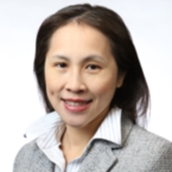
We had the pleasure of speaking with Dr. Ngan F. Huang, Editorial Board Member of Bioengineering (ISSN: 2306-5354), to discuss the recent research trends in the field and her personal career developments. We hope you enjoy the interview.
Dr. Ngan F. Huang is an Associate Professor in the Department of Cardiothoracic Surgery and Courtesy Associate Professor of Chemical Engineering at Stanford University. She holds a co-terminous appointment as Principal Investigator at the VA Palo Alto Health Care System. Dr. Huang completed her BS in chemical engineering at the Massachusetts Institute of Technology, followed by a Ph.D. in bioengineering at the University of California Berkeley and the University of California San Francisco Joint Program in bioengineering. Prior to joining the faculty, she was a postdoctoral scholar in cardiovascular medicine at Stanford University. Her laboratory investigates the interactions between stem cells and the extracellular matrix microenvironment for engineering tissues to treat cardiovascular and musculoskeletal diseases.
Dr. Huang has authored over 90 publications and patents in journals such as Nat Med, PNAS, and Nano Lett. Her research is funded by the NIH, the NSF, the Department of Defense, the Department of Veteran Affairs, and the American Heart Association.
The following is an interview with Dr. Ngan F. Huang:
1. What are your research areas?
My laboratory aims to understand the biochemical and mechanical interactions between extracellular matrix (ECM) proteins and stem cells that regulate cardiovascular differentiation, survival, and angiogenesis, with the goal of translating these basic insights to the design of biological therapies to treat cardiovascular disease and muscle injuries. Ongoing projects include ECM-mediated effects on the endothelial-to-mesenchymal transition, spatially patterned nanofibrillar collagen scaffolds with induced pluripotent stem-cell-derived endothelial cells for the treatment of peripheral arterial disease, scaffold-mediated delivery of therapeutic smooth muscle cells for treatment of abdominal aortic aneurysm, and engineered muscle for the treatment of volumetric muscle loss.
2. What are the latest developments in your research field?
With recent technological advancements, there is a general push towards the use of multi-omics approaches to better understand the pathological progression of cardiovascular diseases, as well as the use of multi-omics to reveal fundamental insights into the effects of experimental therapies. I anticipate that spatial transcriptomics, spatial proteomics, single-cell RNA sequencing, and epigenomics will become widely adopted tools for researchers.
3. Can you briefly share your career development story? For example, what cases have influenced you the most?
My research career began as a high school student, when I had the experience to perform research as a summer intern. This experience motivated me to pursue a graduate degree in research. Along the way, I was fortunate to have been mentored by many influential mentors who took an interest in advancing my career. For this reason, I am grateful and have sought to do the same for my own trainees.
4. Do you have any valuable suggestions you would like to share with young students and early career researchers?
Resilience. Successful researchers do not always have smooth career development. My advice is to not be discouraged by setbacks, but to keep inching forward with resilience.
5. What do you think of the development of Open Access in publishing?
Open Access allows for the widest dissemination of findings to the global community. Overall, I think it is a good idea that moves research advances forward.
We are thankful for Dr. Huang's time and support of Bioengineering.
22 December 2022
Interview with Prof. Dr. Christoph Herwig—Editorial Board Member of Bioengineering
|
|
Name: Prof. Dr. Christoph Herwig Email: christoph.herwig@tuwien.c.at Editorial Board Member of Bioengineering |
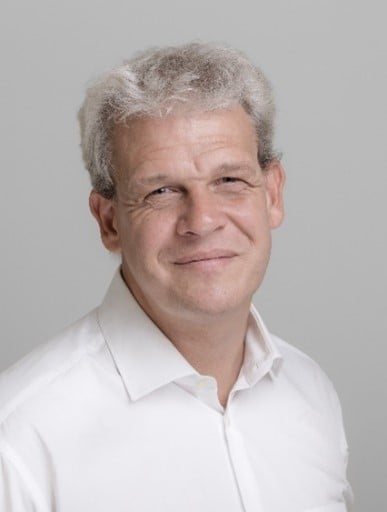
Prof. Dr. Christoph Herwig, a bioprocess engineer from RWTH Aachen, worked in industry in the design and commissioning of large chemical facilities prior to beginning his interdisciplinary Ph.D. studies at EPFL, Switzerland in bioprocess identification. Subsequently, he positioned himself at the interface between bioprocess development and facility design in the biopharmaceutical industry. Since 2008, he has been a full professor in biochemical engineering at the Vienna University of Technology. His research area of focus includes the development of data science methods for the integrated and efficient bioprocess development of PAT and QbD principles for biopharmaceuticals. In 2013, he founded the company Exputec, which is now part of Körber Pharma, pioneering data science software solutions for the biopharma life cycle.
The following is a short interview with Prof. Dr. Christoph Herwig:
1. What are your research areas?
Methods for efficient and scalable bioprocess development.
2. What are the latest developments in your research field?
Digital twins integrated into real-time solutions for optimized control solutions and continuous biomanufacturing.
3. Can you briefly share your career development story? For example, what cases have influenced you the most?
I have seen the biopharmaceutical industry change during my industrial career. I have also seen many decisions made around empiricism and manufacturing outcomes based on hope rather than on prediction. This is what I wanted to change from the basis: providing robust, transferable and sound scientific methods.
4. Do you have any valuable suggestions you would like to share with young students and early career researchers?
Have affinity for data. Believe that you don’t always need more experiments and data, but take time and use advanced data science methods to turn data into knowledge. Base your decisions on knowledge, and establish knowledge management in your organization.
5. What do you think of the development of open access in publishing?
It is crucial and a basis for the transparent sharing of knowledge between organizations across the world.
We are thankful for Prof. Dr. Herwig's time and support of Bioengineering.
22 December 2022
Interview with Dr. Danièle Noël—Editorial Board Member of Bioengineering
|
|
Name: Dr. Danièle Noël |
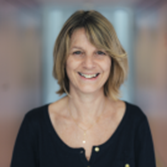
We had the pleasure of speaking with Dr. Danièle Noël, Editorial Board Member of Bioengineering (ISSN: 2306-5354), to discuss the recent research trends in the field and her personal career development. We hope you enjoy the interview.
Dr. Danièle Noël is currently Research Director at Inserm at the Institute for Regenerative Medicine and Biotherapies (IRMB) in Montpellier. She received her Ph.D. in health biology from Bordeaux University in 1992. She completed a postdoctoral fellowship at the Institute of Molecular Genetics in Montpellier in the field of recombinant retrovirology and gene therapy (1992–1999). She then moved to IRMB to work in cell therapy and became a professor in 2011. She is currently leading the group, “Organoids, Mesenchymal stromal cells and Extracellular vesicles for osteoarticular diseases therapies”, which includes 11 staff members. Her main interests are the biology of mesenchymal stromal cells and their application in the treatment of osteoarticular diseases and systemic sclerosis.
Her main focuses are:
- The identification of molecular mechanisms regulating the therapeutic effect of mesenchymal stromal cells and the role of extracellular vesicles (EVs);
- The optimization of cells and EV-based therapeutic approaches for regenerative medicine in rheumatic and autoimmune diseases;
- The optimization of cartilage tissue engineering approaches and joint organoid generation using a combination of molecular factors, scaffolds and 3D bioprinting.
She has authored more than 180 publications (h-index: 64; citations: 16310) and is currently a partner in three European programs.
The following is a short interview with Dr. Danièle Noël:
1. What are your research areas?
Mesenchymal stromal cells; extracellular vesicles; osteo-articular diseases; and therapies.
2. What are the latest developments in your research field?
Extracellular vesicles from mesenchymal stromal cells for the development of new acellular therapies in various therapeutic applications.
3. Can you briefly share your career development story? For example, what cases have influenced you the most?
I have held an academic position at the French National Institute for Health since 2007, where I integrated a laboratory as a senior researcher and, since 2011, I have become a research director leading a research group of more than 12 people.
4. Do you have any valuable suggestions you would like to share with young students and early career researchers?
Keep motivated to develop your own research projects and lead a research group.
5. What do you think of the development of Open Access in publishing?
I think it is a great opportunity to share your research results to a very large community. I totally agree with Open Access for research.
We are thankful for Dr. Noël's time and support of Bioengineering.
22 December 2022
Interview with Prof. Dr. Reeta Rani Singhania—Editorial Board Member of Bioengineering
|
|
Name: Prof. Dr. Reeta Rani Singhania |
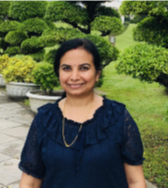
We had the pleasure of speaking with Prof. Dr. Reeta Rani Singhania, an Editorial Board Member of Bioengineering (ISSN: 2306-5354), to discuss the recent research trends in the field and her personal career developments. We hope you enjoy the interview.
1. What are your research areas?
My main research expertise is in the areas of microbial and enzyme technology, with the main focus on the development of bioprocesses and bioproducts. I have worked extensively on the production of cellulase and beta-glucosidase for biofuel applications. I have also worked on a major integrated project, with the final aim of producing biohydrogen by utilizing agro-wastes. My current work at NKUST in Kaohsiung, Taiwan, is on the “Bioprocess development for biomass valorization”. In this direction, we have been working on oligosaccharides for prebiotic application and bioethanol production, using locally available abundant biomass. Hydrothermal pretreatment and controlled enzymatic hydrolysis have been explored for this purpose. We have also explored bacterial bioprocesses for nanocellulose production, which has immense applications in various fields and we have explored its potential for heavy metal removal. Overall, in one word, I can summarize my area of research as biorefinery.
2. What are the latest developments in your research field?
Biorefinery is moving quickly, and we have succeeded in developing enzymes for biomass saccharification at high-solid loading with higher efficiencies, which has provided us with several patents and the technology is in the matured stage. Now, I am more focused on understanding biomass deconstruction via hydrothermal pretreatment. Research in this field has resulted in our understanding of how biomass can be deconstructed into each component and the multiple ways of producing cascades of products out of it. Various biomass feedstocks, including lignocellulosic biomass, macroalgae, and microalgae, have been employed to produce various products, including platform chemicals, along with oligosaccharides and bioethanol.
3. Can you briefly share your career development story? For example, what cases have influenced you the most?
I started my career in 2002 as a lecturer at a university (GGV in Bilaspur, India) and shortly switched to research at the CSIR Institute in India, National Institute for Interdisciplinary Science and Technology, Trivandrum, as a project assistant in the group of Professor Ashok Pandey, the leading biotechnologist in India now, where I studied for my doctoral degree with Dr. Rajeev Sukumaran and thereafter, my real research journey started, as I was granted an opportunity to showcase my independent research capabilities at various institutes and in the industry. I moved to France to work at Institute Pascal at Clermont Ferrand and thereafter moved back to India with a prestigious fellowship (“DBT-Energy Bioscience Overseas Fellowship”) to work at the Center for Advanced Bioenergy Research, DBT Center (Indian Oil Corporation Ltd, R & D, Faridabad, India). I think that in the initial stages of my career, I was influenced by biomass conversion using enzymes, which we were producing ourselves in the laboratory. For me, it was amazing to observe how leaves and twigs were converted into ethanol. I realized that in this way, the carbon footprint can be reduced; moreover, lignocellulosic biomass is the most ubiquitous and abundant raw material available that can benefit mankind; hence, technology can be used in the absence or depletion of petro-refinery products. I can see the potential for translational research and laboratory work to be scaled up to an industrial level to see the light of commercialization.
I dedicated my energy to improving my knowledge to a higher standard, so that I could be a well-equipped professional researcher and a teacher.
4. Do you have any valuable suggestions that you would like to share with young students and early career researchers?
I think the best advice I received from my mentors that I can share with young students is to keep learning and to never stop learning because there is always something new to learn to improve your skills and understanding of concepts. There are no alternatives to sincerity and dedication and these are essential in order to succeed in your field. One must also have patience.
5. What do you think of the development of Open Access in publishing?
The concept of Open Access in publishing has opened a new door for students, researchers, and scientists to have easy access to research in their respective areas of interest and expertise to explore innovative ways to understand and perform their research work. I think it is an interesting way to publish research work that is relevant both now and in the future.
We are thankful for Prof. Dr. Singhania's time and support for Bioengineering.
22 December 2022
Interview with Dr. Martin Koller—Editorial Board Member of Bioengineering
|
|
Name: Dr. Martin Koller |

Dr. Martin Koller was awarded his Ph.D. degree by Graz University of Technology, Austria, for his thesis on polyhydroxyalkanoate (PHA) production from dairy surplus streams. This work was carried out as part of the EU-FP5 financed project, WHEYPOL (“Dairy industry waste as source for sustainable polymeric material production”), and was supervised by Gerhart Braunegg, one of the most eminent PHA pioneers. As a senior researcher, he worked on biomediated PHA production, encompassing the development of continuous and discontinuous fermentation processes and novel downstream processing techniques for sustainable PHA recovery. His research focused on cost-efficient PHA production from surplus materials using bacteria and haloarchaea and, to a minor extent, on the development of PHA for biomedical use.
Moreover, Dr. Martin Koller coordinated the EU-FP7 project ANIMPOL (“Biotechnological conversion of carbon containing wastes for eco-efficient production of high added value products”), which, in close cooperation between academia and industry, investigated the conversion of the animal processing industry´s waste streams toward structurally diversified PHA and follow-up products. In addition to PHA exploration, he was also active in microalgal research and in the biotechnological production of various marketable compounds from renewables using yeasts, chlorophyte, bacteria, archaea, fungi, and lactobacilli.
He currently holds more than 90 Web of Science listed articles in high-ranked scientific journals (h-index 40), has authored more than 20 chapters in scientific books, edited eight scientific books and seven journal Special Issues on PHA, delivered plenty of invited and plenary lectures at scientific conferences, and continues to support the editorial teams of several distinguished journals.
Now, Dr. Martin Koller is active as a research and project manager for the Institute of Chemistry at the University of Graz as a member of the university´s Research Management and Service unit. He is also a lecturer at the FH Joanneum (University of Applied Sciences, Graz) and an external supervisor for PHA-related projects.
The following is a short interview with Dr. Martin Koller:
- What are your research areas?
Microbial biopolyesters.
- What are the latest developments in your research field?
Biopolyester production from ethically clear resources (waste materials); novel fermentation regimes; new, robust production strains (Next Generation Industrial Biotechnology).
- Do you have any valuable suggestions you would like to share with young students and early career researchers?
Stay curious!
- What do you think of the development of Open Access in publishing?
Personally, I am fully committed to Open Access publishing; however, in my opinion, fees are often too high, also for not exceptionally high-ranked journals.
We are thankful for Dr. Martin Koller’s time and his support for Bioengineering.
14 December 2022
"Thanks a Million!" – One Million Articles Published in MDPI Journals
MDPI has just become the first open access (OA) publisher to reach the milestone of one million articles published. That is one million articles freely available to all, to circulate and build upon! We are proud to share this special moment with the global scientific community.
This landmark has been reached thanks to the immeasurable support of more than 600,000 expert reviewers, 66,000 editorial board members and 6700 hard-working colleagues across MDPI’s global offices.
Within more than 25 years of publishing, our journals received 2.1 million manuscripts and generated 4.6 million peer review reports to get to one million papers published.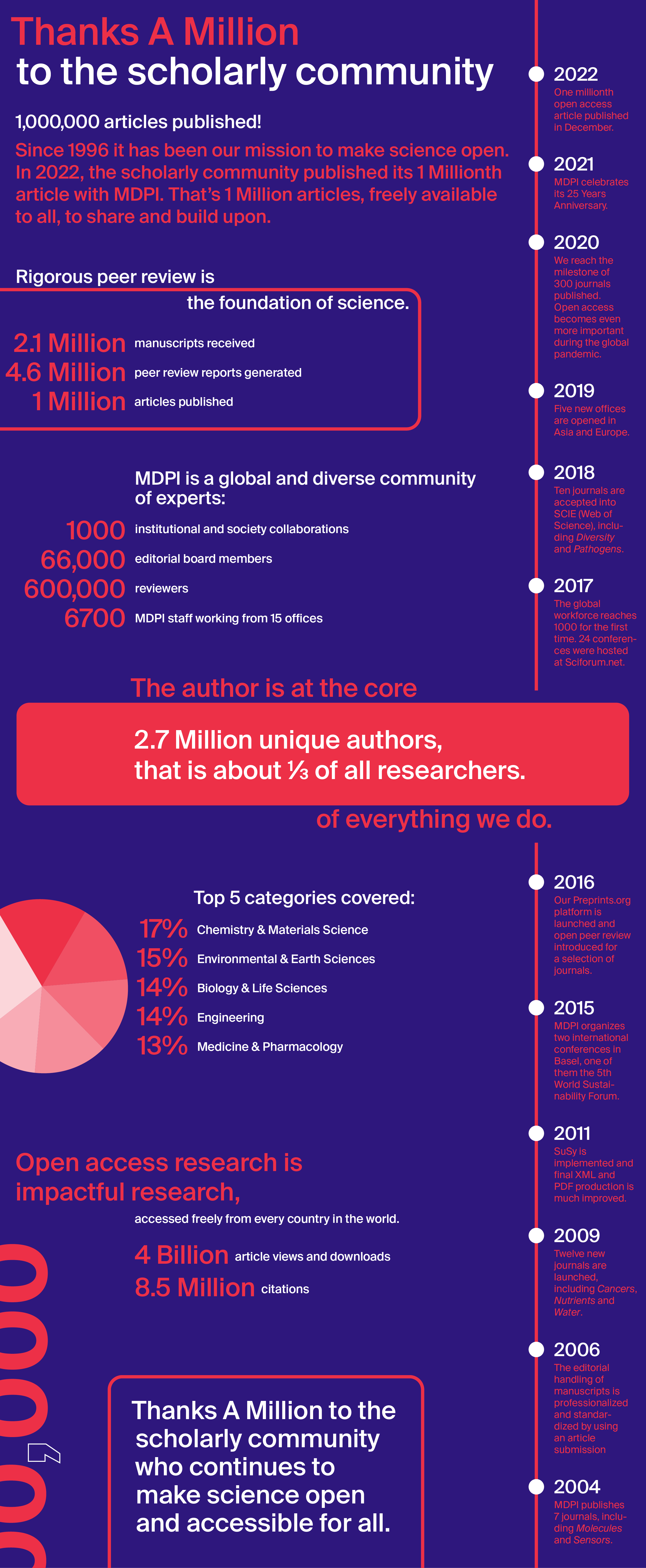
Reaching the milestone of one million articles published reinforces our mission to remove any existing barriers and to make scientific research accessible to all. Since its inception, MDPI’s goal has been to create reliable processes to make science open. This is a path towards facilitating the dissemination of novel insights in scientific communities.
Regular feedback from authors and reviewers shows that our service is greatly appreciated and needed. At the same time, the feedback helps us identify areas for further improvement.
As it stands, a significant share of published research findings remain closed access. More than half of the content published with the most well-known legacy publishers stays behind a paywall, and that is not including articles published in hybrid OA journals, or made available months or years after publication.
A new policy announced by the US administration in August 2022 requires that, as of January 2026, all US federally funded research be made freely and immediately available after publication. While the new policy does not mandate articles be published under an open access license, it is aligned with the open access movement in removing all barriers to research. Similarly, some of the most advanced research institutions in the world intend to have all funded research articles published in open access by 2025.
MDPI is proud to be the leading agent of the transition to open access.
"Thanks a Million" to all the contributors!
9 December 2022
Interview with Prof. Dr. Bin Zheng—Editorial Board Member of Bioengineering
|
|
Name: Prof. Dr. Bin Zheng Email: bin.zheng-1@ou.edu Role: Editorial Board Member of Bioengineering |
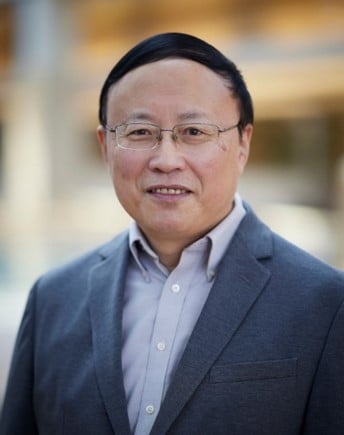
Prof. Dr. Zheng works as a Professor at the School of Electrical and Computer Engineering, University of Oklahoma, Norman, USA. We hope you enjoy the interview.
- What are your research areas?
Medical imaging informatics, computer-aided diagnosis of medical images, machine learning and artificial intelligence.
- What are the latest developments in your research field?
In the last several years, my medical imaging research laboratory in the School of Electrical and Computer Engineering, the University of Oklahoma, has been working on several research projects that aim to identify new quantitative imaging (QI) markers and develop novel machine learning (ML)-based prediction models. These research efforts include using the QI features computed from: (1) digital mammograms to predict short-term breast cancer risk and classify between malignant and benign lesions; (2) dynamic-contrast-enhanced breast magnetic resonance images (DCE-MRI) to predict the response of breast cancer patients to neoadjuvant chemotherapy; (3) lung computed tomography (CT) images to predict the risk of cancer recurrence in early stage non-small-cell lung cancer patients after surgery; (4) abdominal CT images to predict the 6-month progression-free survival (PFS) of ovarian cancer patients undergoing clinical trials for testing new chemotherapy drugs; (5) abdominal CT images to predict the metastasis status of gastric cancer patients; and (6) brain CT and/or MR images to predict the prognosis of aneurysmal subarachnoid hemorrhage and acute ischemic stroke patients or detect/assess residual brain tumor tissue after surgery. In our studies, we have also applied and tested many new deep-learning-based artificial intelligence (AI) models combined with interactive graphical user interface (GUI) tools to facilitate our research work effort and support physician scientists in conducting translational clinical studies or research projects.
- Can you briefly share your career development story? For example, what cases have influenced you the most?
I was originally educated and trained as an Optical Engineer in my undergraduate and graduate studies to develop and apply optimal or laser-based imaging technology and systems in engineering. After I received my Ph.D. from the Department of Electrical Engineering, University of Delaware, I accepted a postdoc training position in the Medical Imaging Research Division, Department of Radiology, University of Pittsburgh. I worked on a research task that aimed to modify optical imaging components in a new investigative computed radiology (CR) system for breast cancer imaging. After completing this task, the director of Medical Imaging Research Division, Dr. David Gur, introduced and encouraged me to enter a completely new research field of developing computer-aided detection (CAD) schemes of mammograms. I accepted this challenge and started to develop a new CAD scheme based on my master’s thesis work on applying optical theodolites to perform topographic measurement. I published my first CAD research paper entitled “Computerized detection of masses in digitized mammograms using single image segmentation and a multi-layer topographic feature analysis” (Academic Radiology 1995; 2:959–966). Since then, I have been working in the CAD research field for more than 28 years and gradually expanded my CAD research from breast cancer detection to much broader topics and different types of cancer (i.e., breast, lung, ovarian, gastro, leukemia) and strokes, including the prediction of disease risk, the classification of lesion types, and improvement in treatment efficacy. Thus, based on my unique career development experience, I always believe in and promote interdisciplinary research to use and apply complementary knowledge and skills from different fields, which can help generate more novel research ideas and approaches.
- Do you have any valuable suggestions you would like to share with young students and early career researchers?
I am lucky to have had an outstanding mentor, Dr. David Gur, in my early academic career development. Dr. Gur provided me important guidance and great support that encouraged me to try new research ideas, identify research topics with higher translational impact, propose novel study hypotheses, learn lessons from failures, and improve my skills in writing research papers and proposals. Thus, to develop a successful research career, I always provide advice or suggestions to my students that one should have passion and dedication to the research work, keep trying from the failures, and gradually broaden their research vision by absorbing and fusing the knowledge and skills learned from multidisciplinary fields.
- What do you think of the development of Open Access in publishing?
I agree that Open Access publishing provides an excellent platform to effectively promote and exchange new research ideas. It can help disseminate new research methods and results in more broad research communities in multidisciplinary fields.
We are thankful for Dr. Zheng's time and his support for Bioengineering.
8 December 2022
MDPI Sustainability Foundation: New Look and Nominations for the 2023 Sustainability Awards Now Open
We are pleased to announce that the website of the MDPI Sustainability Foundation has been revamped! For the past couple of months, our UX UI team and front-end developers have been working hard to launch the website in time for the opening of the Sustainability Awards nominations.
The website is not the only thing that has had a remodeling. Indeed, the format of the Emerging Sustainability Leader Award (ESLA) has been updated. ESLA is now a competition open to individual researchers or start-ups founded by researchers under the age of 35. Nominee applications will go through 2 rounds of selection until the final 3 are decided. The finalists will then be invited to give pitch presentations during the Award Ceremony to win either first place (10,000 USD) or runner-up (2 x 5000 USD).
The World Sustainability Award, on the other hand, remains the same: a total prize money of 100,000 USD is up for grabs by senior individual researchers or groups of researchers from the international research community.
Nominations for both the World Sustainability Award and the Emerging Sustainability Leader award are now open! Check out our new website for more information on how to nominate.
