


Special Issue "The Weaned Pig: Nutrition and Management"

A special issue of Animals (ISSN 2076-2615). This special issue belongs to the section "Pigs".

Deadline for manuscript submissions: 30 November 2021.

Special Issue Editor

Dr. Lin Xi
E-Mail Website
Guest Editor
Department of Animal Science, NC State University, Raleigh, NC, USA
Interests: lipids; stress; fatty acid oxidation; milk fat utilization; epigenetic; intestinal development and health; neonatal piglets

Special Issue Information

Dear Colleagues,

Optimal nutrition and management in the weaning age have a major influence on pigs’ performance in the later stages of production for both growing and breeding herds. This area is considered to contain a large space for potential economic benefits. Therefore, it has attracted prominent attention by producers, feed manufacturers, managers, and researchers in the last few decades due to the reduction of weaning ages from 6–8 weeks to 3–4 weeks. With increased interest in food safety, animal welfare, environmental protection, and product quality worldwide, not only nutrition and management but animal behavior and health; physical, microbiological, and psychological environments; and feed components, especially pre- and probiotics as immune promoters have been stressed greatly. Continuing to make progress in research concerning conditions in the weaning age is critically important for efficient, healthy, and safe swine production.

The scope of this Special Issue is to present current studies and reviews in all areas related to the weaning process, such as development and growth of weaned pigs, nutritional requirements and management during pre- and post-weaning, behavioral changes and stress adaptations around weaning, the regulation of digestion and absorption, and the modulation of intestinal integrity, microflora, and immunity.

Dr. Lin Xi
Guest Editor

Manuscript Submission Information

Manuscripts should be submitted online at www.mdpi.com by registering and logging in to this website. Once you are registered, click here to go to the submission form. Manuscripts can be submitted until the deadline. All papers will be peer-reviewed. Accepted papers will be published continuously in the journal (as soon as accepted) and will be listed together on the special issue website. Research articles, review articles as well as short communications are invited. For planned papers, a title and short abstract (about 100 words) can be sent to the Editorial Office for announcement on this website.

Submitted manuscripts should not have been published previously, nor be under consideration for publication elsewhere (except conference proceedings papers). All manuscripts are thoroughly refereed through a single-blind peer-review process. A guide for authors and other relevant information for submission of manuscripts is available on the Instructions for Authors page. Animals is an international peer-reviewed open access monthly journal published by MDPI.

Please visit the Instructions for Authors page before submitting a manuscript. The Article Processing Charge (APC) for publication in this open access journal is 1800 CHF (Swiss Francs). Submitted papers should be well formatted and use good English. Authors may use MDPI's English editing service prior to publication or during author revisions.

Keywords

  • weaned pig
  • nutrition
  • management
  • growth and development
  • intestinal health

Published Papers (9 papers)

Order results
Result details
Select all
Export citation of selected articles as:

Research

Jump to: Review

Article
Effects of Weaning Age at 21 and 28 Days on Growth Performance, Intestinal Morphology and Redox Status in Piglets
Animals 2021, 11(8), 2169; https://doi.org/10.3390/ani11082169 - 22 Jul 2021
Viewed by 747
Abstract
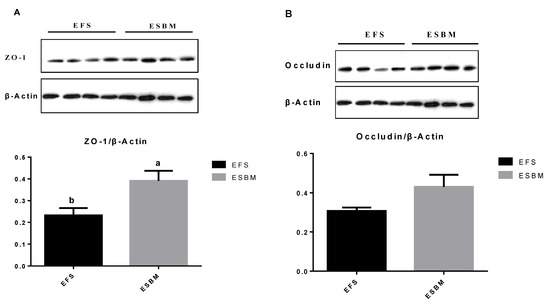
The study objective was to assess effects of different weaning ages on growth performance, intestinal morphology and redox status in Duroc × Landrace × Large White piglets (n = 96) fed diets without antibiotic growth promoters. Piglets were selected from 24 litters based [...] Read more.
The study objective was to assess effects of different weaning ages on growth performance, intestinal morphology and redox status in Duroc × Landrace × Large White piglets (n = 96) fed diets without antibiotic growth promoters. Piglets were selected from 24 litters based on similar body weight at 14 d of age. All piglets were allocated to two groups in a completely random design with six replicates and eight pigs per replicate (four barrows and four gilts), which were weaned at 21 (n = 48; BW = 6.87 ± 0.33 kg) and 28 (n = 48; BW = 8.49 ± 0.41 kg) days of age. After weaning, pigs were fed a corn–soybean meal-based diet. Average daily gain (ADG), average daily feed intake (ADFI), feed conversion (F:G), diarrhea incidence, gastrointestinal pH, intestinal morphology and redox status were determined. Pigs weaned at 28 d displayed increased ADG from d 8 to 14 (p < 0.01) compared with pigs weaned at 21 d. Pigs weaned at 28 d had a higher ADFI from d 0 to 7 (p < 0.01), d 8 to 14 (p < 0.01), d 15 to 28 (p < 0.05) and during the entire experimental period (p < 0.01) compared with pigs weaned at 21 d. Pigs weaned at 21 d had an improved F:G from d 15 to 28 (p < 0.05) compared with pigs weaned at 28 d. Pigs weaned at 28 d had decreased diarrhea incidence from d 8 to 14 (p < 0.01) and the entire experimental period (p < 0.01) compared with pigs weaned at 21 d. On d 28, the pH of the stomach contents in pigs weaned at 21 d was significantly higher compared with pigs weaned at 28 d (p < 0.01). On d 14, the morphology of the duodenum, jejunum and ileum in pigs weaned at 28 d was improved compared with pigs weaned at 21 d. During the experiment period, the antioxidant abilities of pigs weaned at 28 d of the heart, liver, kidney, intestinal and serum were better than pigs weaned at 21 d. In conclusion, intestinal morphology, pH of the stomach and antioxidant status of pigs weaned at 28 d were better than pigs weaned at 21 d. These factors supported better growth performance and decreased diarrhea incidence. Full article
(This article belongs to the Special Issue The Weaned Pig: Nutrition and Management)
Article
Supplemental Effects of Functional Oils on the Modulation of Mucosa-Associated Microbiota, Intestinal Health, and Growth Performance of Nursery Pigs
Animals 2021, 11(6), 1591; https://doi.org/10.3390/ani11061591 - 28 May 2021
Cited by 1 | Viewed by 1358
Abstract
This study aimed to investigate the effects of functional oils on modulation of mucosa-associated microbiota, intestinal health, and growth performance of nursery pigs. Forty newly weaned pigs (20 barrows and 20 gilts) with 7.0 ± 0.5 kg body weight (BW) were housed individually [...] Read more.
This study aimed to investigate the effects of functional oils on modulation of mucosa-associated microbiota, intestinal health, and growth performance of nursery pigs. Forty newly weaned pigs (20 barrows and 20 gilts) with 7.0 ± 0.5 kg body weight (BW) were housed individually and randomly allotted in a randomized complete block design with sex and initial BW as blocks. The dietary treatments were a basal diet with increasing levels (0.00, 0.50, 0.75, 1.00, and 1.50 g/kg feed) of functional oils (a blend of castor oil and cashew nutshell liquid; Oligo Basics USA LLC, Cary, NC) fed to pigs for 34 days divided in two phases (P1 for 13 days and P2 for 21 days). Growth performance was analyzed weekly. On day 34, all pigs were euthanized to collect jejunal mucosa for analyzing the mucosa-associated microbiota and intestinal health, and ileal digesta for analyzing apparent ileal digestibility. Data were analyzed using SAS 9.4. Supplementation of functional oils did not affect the overall growth performance. Increasing supplementation of functional oils reduced (p < 0.05) the relative abundance of Helicobacteraceae, whereas it increased (p < 0.05) Lactobacillus kitasatonis. Supplementation of functional oils tended (p = 0.064) to decrease protein carbonyl and increase the villus height (p = 0.098) and crypt depth (p = 0.070). In conclusion, supplementation of functional oils enhanced intestinal health of nursery pigs by increasing beneficial and reducing harmful bacteria, potentially reducing oxidative stress and enhancing intestinal morphology, without affecting overall growth performance of pigs. Supplementation of functional oils at 0.75–1.50 g/kg feed was the most beneficial to the jejunal mucosa-associated microbiota and intestinal integrity of nursery pigs. Full article
(This article belongs to the Special Issue The Weaned Pig: Nutrition and Management)
Article
Impact of Supplementary Microbial Additives Producing Antimicrobial Substances and Digestive Enzymes on Growth Performance, Blood Metabolites, and Fecal Microflora of Weaning Pigs
Animals 2021, 11(5), 1217; https://doi.org/10.3390/ani11051217 - 23 Apr 2021
Cited by 1 | Viewed by 465
Abstract
The present study investigated the effects of microbial additives producing antimicrobial and digestive-enzyme activities on the growth performance, blood metabolites, and fecal microflora of weaning pigs from 21 to 42 d of age. A total of 144 weaning pigs (1:1 ratio of gilt [...] Read more.
The present study investigated the effects of microbial additives producing antimicrobial and digestive-enzyme activities on the growth performance, blood metabolites, and fecal microflora of weaning pigs from 21 to 42 d of age. A total of 144 weaning pigs (1:1 ratio of gilt and boar; 21 d of age; 7.40 ± 0.53 kg of average body weight) were randomly distributed into four supplementary levels of microbial additive (0 vs. 0.5 vs. 1.0 vs. 1.5% of fresh weight) with three pens of replication, consisting of 12 weaning pigs per pen. All weaning pigs were maintained with the same basal diet for 21 d. Blood and feces were subsampled at day 21. Feed efficiency tended to increase linearly (p = 0.069) with an increasing supplementation level. Insulin, insulin-like growth factor 1, and blood glucose presented a quadratic effect (p < 0.05) with an increasing supplementation level, and these blood metabolites were highest at the 1% supplementation level. Immunoglobulin G in blood increased linearly by (p < 0.05) increasing the supplementation level. Salmonella and Escherichia coli in feces were decreased linearly by (p < 0.05) increasing the supplementation level. In conclusion, supplementation of microbial additive at 1.0% improved the feed efficiency, blood metabolites, and fecal microflora of weaning pigs. Full article
(This article belongs to the Special Issue The Weaned Pig: Nutrition and Management)
Article
Dietary Tryptophan Levels Impact Growth Performance and Intestinal Microbial Ecology in Weaned Piglets via Tryptophan Metabolites and Intestinal Antimicrobial Peptides
Animals 2021, 11(3), 817; https://doi.org/10.3390/ani11030817 - 14 Mar 2021
Viewed by 633
Abstract
Tryptophan (Trp) plays an important role in piglet growth. However, the effect of dietary Trp on microbial flora is still poorly understood. A total of 40 28-d weaned piglets were allocated to four groups with 10 barrows per group and one pig per [...] Read more.
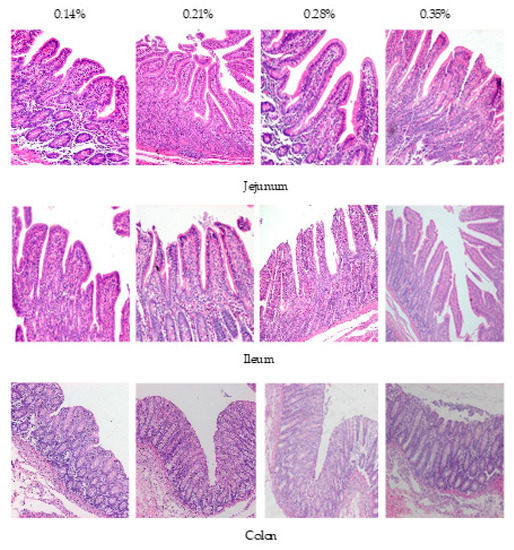
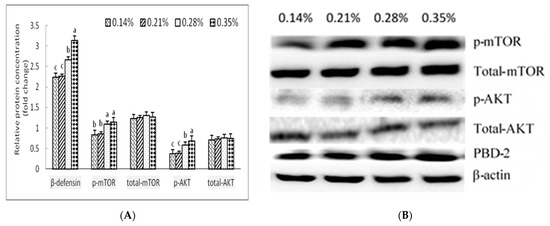
Tryptophan (Trp) plays an important role in piglet growth. However, the effect of dietary Trp on microbial flora is still poorly understood. A total of 40 28-d weaned piglets were allocated to four groups with 10 barrows per group and one pig per replicate. Piglets were fed a corn and soybean meal-based diet with 0.14%, 0.21%, 0.28%, or 0.35% Trp for four weeks. Five piglets from each diet group were euthanized, and blood and tissue samples were collected. The average daily body weight gain, average daily feed intake, feed conversion ratio, spleen index, pancreas index, longissimus dorsi muscle index, plasma insulin, 5-hydroxytryptamine, kynurenine, and Trp concentrations of weaned piglets increased in a dose-dependent manner (p < 0.05). Compared with the 0.14% Trp diet, the adequate-Trp diets (0.21%, 0.28%, or 0.35%) down-regulated the relative abundances of 12 genera including Turicibacter, Prevotella, Mitsuokella, Anaerovibrio, Megasphaera, Succinivibrio, Sutterella, Desulfovibrio, and Methanobrevibacter (p < 0.05); up-regulated the abundances of Ruminococcaceae, Lactobacillus, and Muribaculaceae in the colon (p < 0.05); and augmented the mRNA level and concentration of porcine β-defensin 2 in the small intestinal mucosa (p < 0.05). Moreover, Trp-adequate diets increased the abundances of Trp hydroxylase, indoleamine 2,3-dioxygenase, porcine β-defensin 2, phosphorylated mammalian target of rapamycin, and phosphorylated protein kinase B in the small intestinal mucosa (p < 0.05). We noted that a corn and soybean meal-based diet with 0.35% Trp may be a nutritional strategy to improve growth performance, intestinal mucosal barrier integrity, and intestinal microbial ecology in weaned piglets. Full article
(This article belongs to the Special Issue The Weaned Pig: Nutrition and Management)
Show Figures

Figure 1
Article
Effects of Protein Restriction and Subsequent Realimentation on Body Composition, Gut Microbiota and Metabolite Profiles in Weaned Piglets
Animals 2021, 11(3), 686; https://doi.org/10.3390/ani11030686 - 04 Mar 2021
Cited by 2 | Viewed by 558
Abstract
The objective of this study was to evaluate the effects of protein restriction and subsequent protein realimentation on the body composition, gut microbiota and metabolite profiles of piglets. Fifty weaned piglets were randomly assigned to two treatments: a normal protein (NP) group (20% [...] Read more.
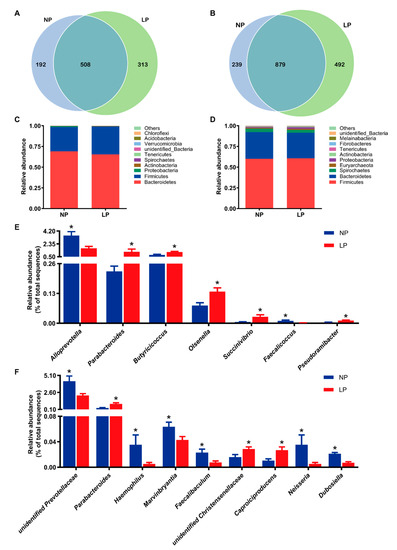
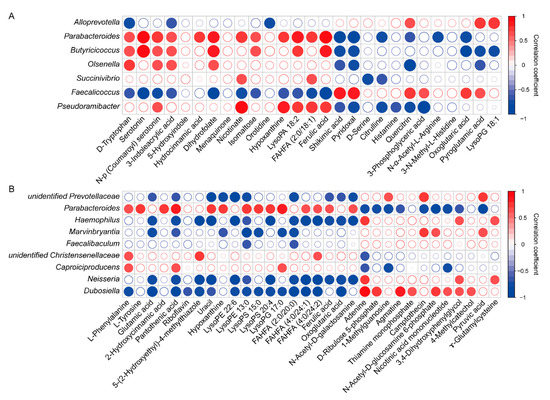
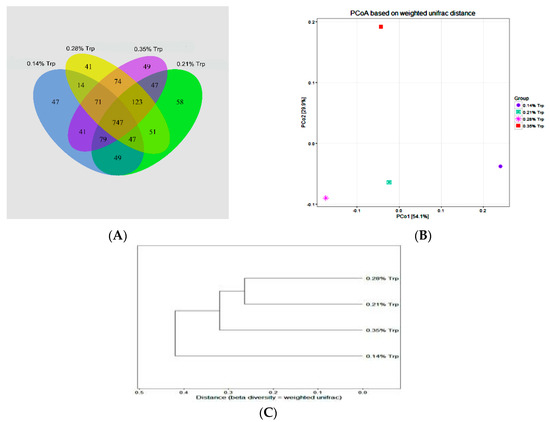
The objective of this study was to evaluate the effects of protein restriction and subsequent protein realimentation on the body composition, gut microbiota and metabolite profiles of piglets. Fifty weaned piglets were randomly assigned to two treatments: a normal protein (NP) group (20% crude protein (CP)) or a low protein (LP) group (16% CP) with five animals per pen and five pens per group. Treatment diets were fed for 14 d during the protein restriction phase, and then all pigs were fed the same nursery diets with a normal CP level (19% CP) during the protein realimentation phase until they reached an average target body weight (BW) of 25 ± 0.15 kg. At day 14 and the end of the experiment, one piglet close to the average BW of each pen was slaughtered to determine body composition, microbial composition and microbial metabolites. Results showed that there was no difference (p > 0.05) in the experimental days to reach target BW between the LP and NP groups. The average daily gain (ADG) and gain:feed ratio (G:F) during the protein restriction phase as well as BW at day 14, were significantly decreased (p < 0.05) in the LP group compared with the NP group. However, there were no significant differences (p > 0.05) during the protein realimentation phase and the overall experiment. Similarly, piglets in the LP group showed a significantly decreased body protein content (p < 0.05) at day 14, but not (p > 0.05) at the end of the experiment. The relative abundance of Parabacteroides, Butyricicoccus, Olsenella, Succinivibrio and Pseudoramibacter were significantly increased (p < 0.05), while the relative abundance of Alloprevotella and Faecalicoccus were significantly decreased (p < 0.05) in the LP group at day 14. At the end of the experiment, the piglets in the LP group showed a higher (p < 0.05) colonic relative abundances of Parabacteroides, unidentified Christensenellaceae and Caproiciproducens, and a lower (p < 0.05) relative abundance of unidentified Prevotellaceae, Haemophilus, Marvinbryantia, Faecalibaculum, Neisseria and Dubosiella than those in the NP group. Metabolomics analyses indicated that tryptophan metabolism and vitamin metabolism were enriched in the LP group at day 14, and glycerophospholipid metabolism and fatty acid esters of hydroxy fatty acid metabolism were enriched at the end of the experiment. Moreover, Spearman’s correlation analysis demonstrated that the microbial composition was highly correlated with changes in colonic metabolites. Collectively, these results indicated that protein restriction and subsequent realimentation lead to compensatory growth and compensatory protein deposition in piglets and contribute to animal intestinal health by altering the gut microbiota and its metabolites. Full article
(This article belongs to the Special Issue The Weaned Pig: Nutrition and Management)
Show Figures

Figure 1
Article
Effects of Dietary Supplementation of Humic Acid Sodium and Zinc Oxide on Growth Performance, Immune Status and Antioxidant Capacity of Weaned Piglets
Animals 2020, 10(11), 2104; https://doi.org/10.3390/ani10112104 - 13 Nov 2020
Cited by 3 | Viewed by 613
Abstract
At present, the widespread use of high-dose zinc oxide and antibiotics to prevent post-weaning diarrhea (PWD) in piglets has caused serious environmental problems. To solve this problem, we studied the effect of HNa as a substitute for zinc oxide (ZnO) and antibiotics on [...] Read more.
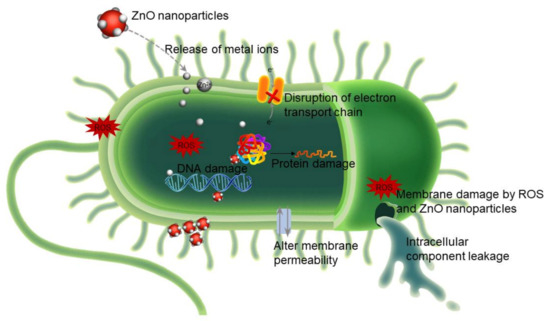
At present, the widespread use of high-dose zinc oxide and antibiotics to prevent post-weaning diarrhea (PWD) in piglets has caused serious environmental problems. To solve this problem, we studied the effect of HNa as a substitute for zinc oxide (ZnO) and antibiotics on the growth performance, immune status, and antioxidant capacity of piglets. Seventy-two weaned piglets (body weight = 7.42 ± 0.85 kg, 26-d-old) were distributed in a randomized 2 × 3 factorial design (two sexes and three treatments) with six replicates of four piglets each. The three treatments were the control diet (basic diet), HNa diet (basic diet + 2000 mg/kg sodium humate), and ZoA group (basic diet + 1600 mg/kg zinc oxide + 1000 mg/kg oxytetracycline calcium). ANOVA and Chi-square tests were applied to compare the means (p < 0.05) between treatments. The results showed that body weight at 16 and 30 d and the average daily gain of piglets fed with HNa or ZoA were significantly higher (p < 0.05) than the control group. Supplementing HNa or ZoA significantly increased (p < 0.05) the level of immunoglobulin M and G, and reduced (p < 0.05) the concentration of inflammatory factors such as tumor necrosis factor-alpha (TNF-α), interleukins IL-6 and IL-1β, myeloperoxidase (MPO), and diamine oxidase (DAO). Furthermore, dietary HNa or ZnO significantly reduced (p < 0.05) the level of total antioxidant capacity (T-AOC) and malondialdehyde (MDA) compared with the control group. ZoA treatment showed an upward trend of IgA level and a downward trend of the concentration of lipopolysaccharide (LPS) and catalase (CAT). Overall, the study demonstrated that the addition of HNa in the diet partially replaced antibiotics and ZnO to improve the growth performance, immune function, and antioxidant capacity of weaned piglets, and maintained a good preventive effect on piglet diarrhea. Full article
(This article belongs to the Special Issue The Weaned Pig: Nutrition and Management)
Article
Effects of Dietary Supplementation of Garlic and Oregano Essential Oil on Biomarkers of Oxidative Status, Stress and Inflammation in Postweaning Piglets
Animals 2020, 10(11), 2093; https://doi.org/10.3390/ani10112093 - 11 Nov 2020
Viewed by 903
Abstract
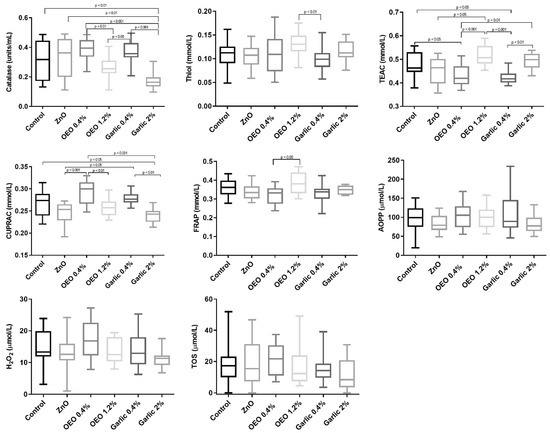
The effects of two different concentrations of micro capsuled oregano essential oil (OEO) and purple garlic powder on biomarkers of oxidative status, stress, and inflammation, as well as on average daily gain (ADG) and feed conversion ratio (FCR), were evaluated in piglets during [...] Read more.
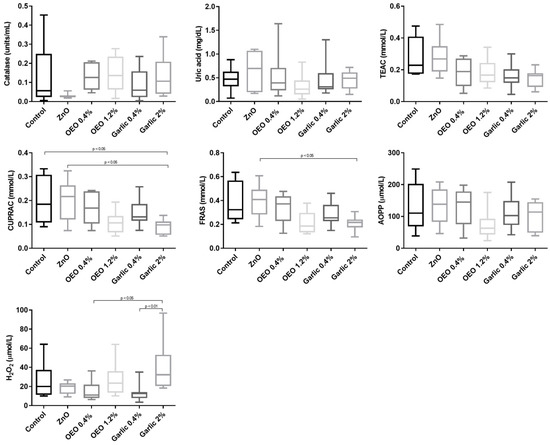
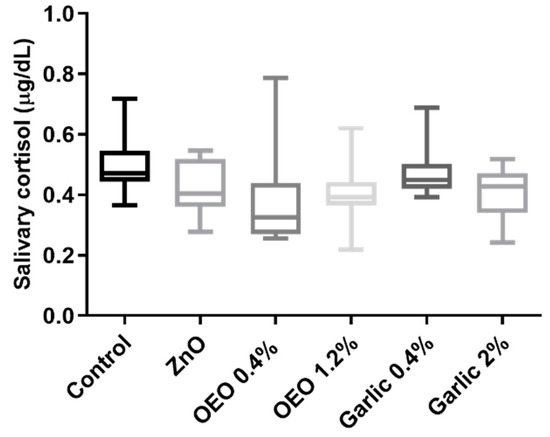
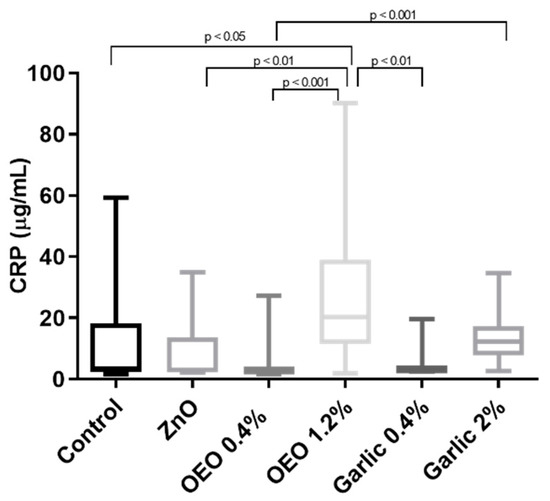
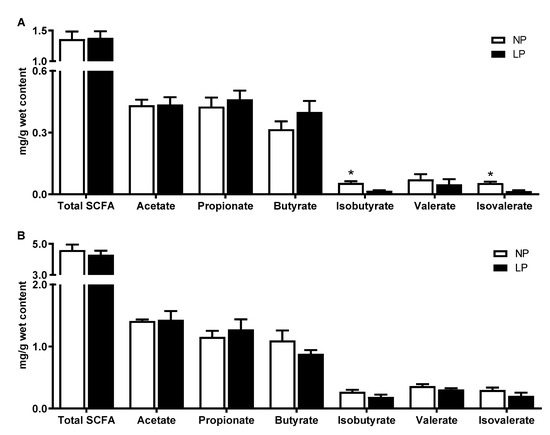
The effects of two different concentrations of micro capsuled oregano essential oil (OEO) and purple garlic powder on biomarkers of oxidative status, stress, and inflammation, as well as on average daily gain (ADG) and feed conversion ratio (FCR), were evaluated in piglets during the postweaning period. The trial was carried out with 300 crossbred pigs of 21 days of age fed with different concentrations of OEO and purple garlic powder and ZnO. Saliva and serum samples were taken to evaluate a panel of biomarkers of oxidative status, stress, and inflammation. OEO and garlic powder at 0.4% did not produce significant changes in C-reactive protein (CRP) and cortisol and yielded higher levels of the antioxidant biomarker CUPRAC in serum than higher doses (p < 0.01); they yielded a better ADG than the control and ZnO diets. OEO and garlic powder at higher concentrations than 0.4% showed higher concentrations of CRP (p < 0.05). Overall, doses of OEO and garlic powder at 0.4% did not lead to inflammation, stress, or negative changes in oxidative biomarkers in piglets during the postweaning period and gave better productive performance than the control and ZnO diets. High doses of OEO and garlic powder were ineffective and could negatively affect the animals. Therefore, our results highlight the importance of the dose used when OEO or garlic are supplemented to piglets. Full article
(This article belongs to the Special Issue The Weaned Pig: Nutrition and Management)
Show Figures

Figure 1
Review

Jump to: Research

Review
Weaning Induced Gut Dysfunction and Nutritional Interventions in Nursery Pigs: A Partial Review
Animals 2021, 11(5), 1279; https://doi.org/10.3390/ani11051279 - 29 Apr 2021
Viewed by 478
Abstract
Weaning is one of the most stressful events in the life of a pig. Unsuccessful weaning often leads to intestinal and immune system dysfunctions, resulting in poor growth performance as well as increased morbidity and mortality. The gut microbiota community is a complex [...] Read more.
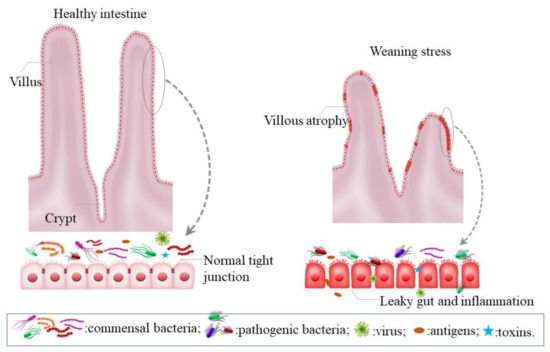
Weaning is one of the most stressful events in the life of a pig. Unsuccessful weaning often leads to intestinal and immune system dysfunctions, resulting in poor growth performance as well as increased morbidity and mortality. The gut microbiota community is a complex ecosystem and is considered an “organ,” producing various metabolites with many beneficial functions. In this review, we briefly introduce weaning-associated gut microbiota dysbiosis. Then, we explain the importance of maintaining a balanced gut microbiota. Finally, we discuss dietary supplements and their abilities to restore intestinal balance and improve the growth performance of weaning pigs. Full article
(This article belongs to the Special Issue The Weaned Pig: Nutrition and Management)
Show Figures

Figure 1
Review
Invited Review: Maintain or Improve Piglet Gut Health around Weanling: The Fundamental Effects of Dietary Amino Acids
Animals 2021, 11(4), 1110; https://doi.org/10.3390/ani11041110 - 13 Apr 2021
Cited by 1 | Viewed by 562
Abstract
Gut health has significant implications for swine nutrient utilization and overall health. The basic gut morphology and its luminal microbiota play determinant roles for maintaining gut health and functions. Amino acids (AA), a group of essential nutrients for pigs, are not only obligatory [...] Read more.
Gut health has significant implications for swine nutrient utilization and overall health. The basic gut morphology and its luminal microbiota play determinant roles for maintaining gut health and functions. Amino acids (AA), a group of essential nutrients for pigs, are not only obligatory for maintaining gut mucosal mass and integrity, but also for supporting the growth of luminal microbiota. This review summarized the up-to-date knowledge concerning the effects of dietary AA supplementation on the gut health of weanling piglets. For instance, threonine, arginine, glutamine, methionine and cysteine are beneficial to gut mucosal immunity and barrier function. Glutamine, arginine, threonine, methionine and cysteine can also assist with relieving the post-weaning stress of young piglets by improving gut immunological functions, antioxidant capacity, and/or anti-inflammatory ability. Glutamine, glutamate, glycine and cysteine can assist to reconstruct the gut structure after its damage and reverse its dysfunction. Furthermore, methionine, lysine, threonine, and glutamate play key roles in affecting bacteria growth in the lumen. Overall, the previous studies with different AA showed both similar and different effects on the gut health, but how to take advantages of all these effects for field application is not clear. It is uncertain whether these AA effects are synergetic or antagonistic. The interactions between the effects of non-nutrient feed additives and the fundamental effects of AA warrant further investigation. Considering the global push to minimize the antibiotics and ZnO usage in swine production, a primary effort at present may be made to explore the specific effects of individual AA, and then the concert effects of multiple AA, on the profile and functions of gut microbiota in young pigs. Full article
(This article belongs to the Special Issue The Weaned Pig: Nutrition and Management)
Back to TopTop