
Effects of Protein Restriction and Subsequent Realimentation on Body Composition, Gut Microbiota and Metabolite Profiles in Weaned Piglets
by
 , ,
, ,
Lei Hou
1, 
Li Wang
2,*,
Yueqin Qiu
2,
YunXia Xiong
2,
Hao Xiao
2,
Hongbo Yi
2,
Xiaolu Wen
2,
Zeling Lin
2,
Zhikang Wang
2,
Xuefen Yang
2 and
Zongyong Jiang
1,2,* 
1
Institute of Animal Nutrition, Northeast Agricultural University, Harbin 150030, China
2
Institute of Animal Science, Guangdong Academy of Agricultural Sciences, State Key Laboratory of Livestock and Poultry Breeding, Ministry of Agriculture Key Laboratory of Animal Nutrition and Feed Science in South China, Guangdong Provincial Key Laboratory of Animal Breeding and Nutrition, Maoming Branch, Guangdong Laboratory for Lingnan Modern Agriculture, Guangzhou 510640, China
*
Authors to whom correspondence should be addressed.
Animals 2021, 11(3), 686; https://doi.org/10.3390/ani11030686
Submission received: 3 January 2021
/
Revised: 21 February 2021
/
Accepted: 27 February 2021
/
Published: 4 March 2021
(This article belongs to the Collection The Weaned Pig: Nutrition and Management)
Simple Summary
Protein restriction strategies are often used in weaned piglets to reduce the incidence of intestinal disorders that are sensitive to dietary protein supply, but may lead to a decline in production performance. Subsequent protein realimentation can alleviate the detrimental effects of reduced dietary protein on growth. However, the effects of protein realimentation on the body composition, gut microbiota and metabolite profiles of piglets are poorly understood. The present study, combining comparative slaughter methods, microbiome and metabolome analyses, demonstrated that protein restriction and subsequent realimentation lead to compensatory growth and compensatory protein deposition in piglets, and contribute to animal intestinal health by altering the gut microbiota and metabolite profiles.
Abstract
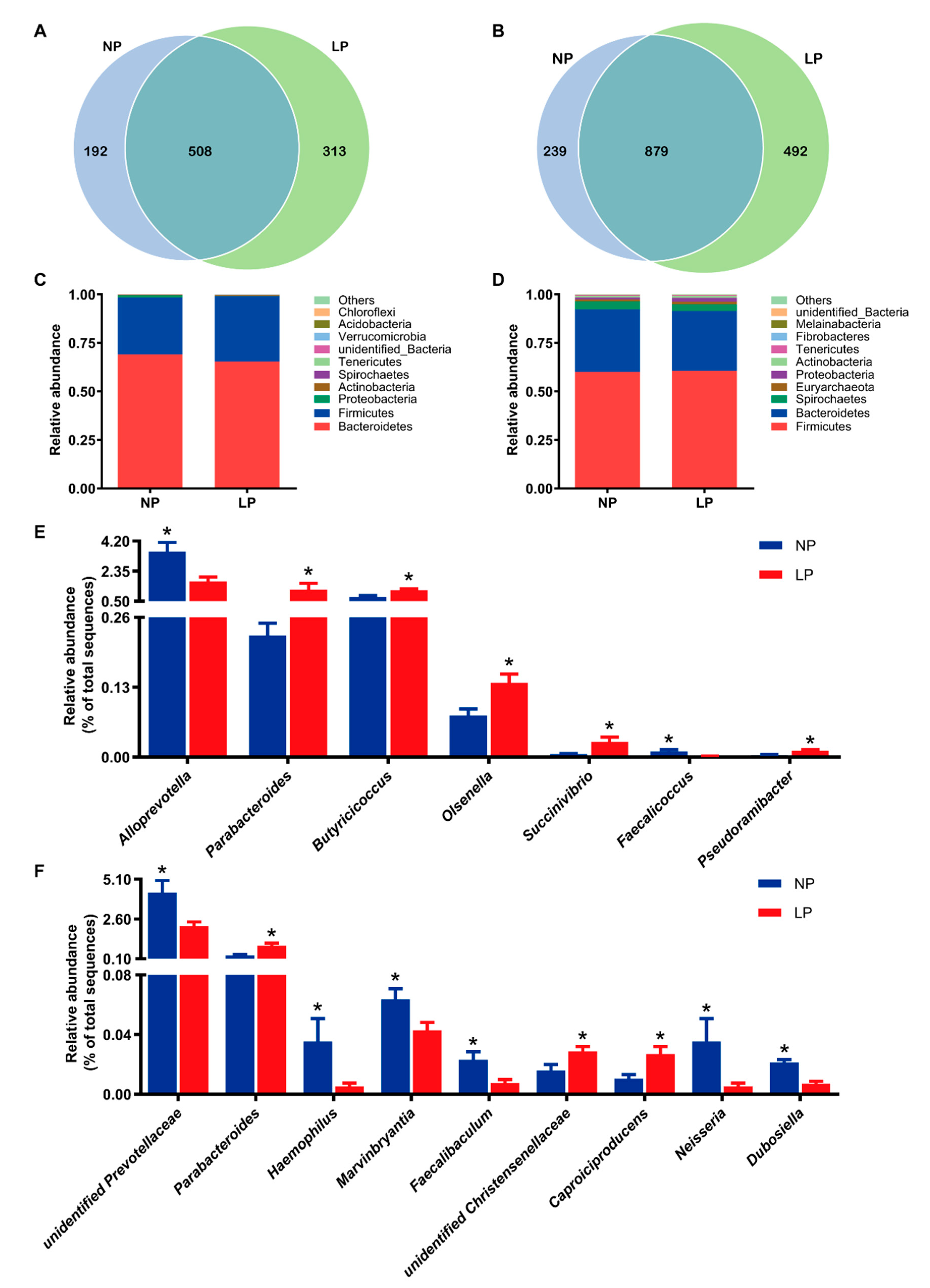
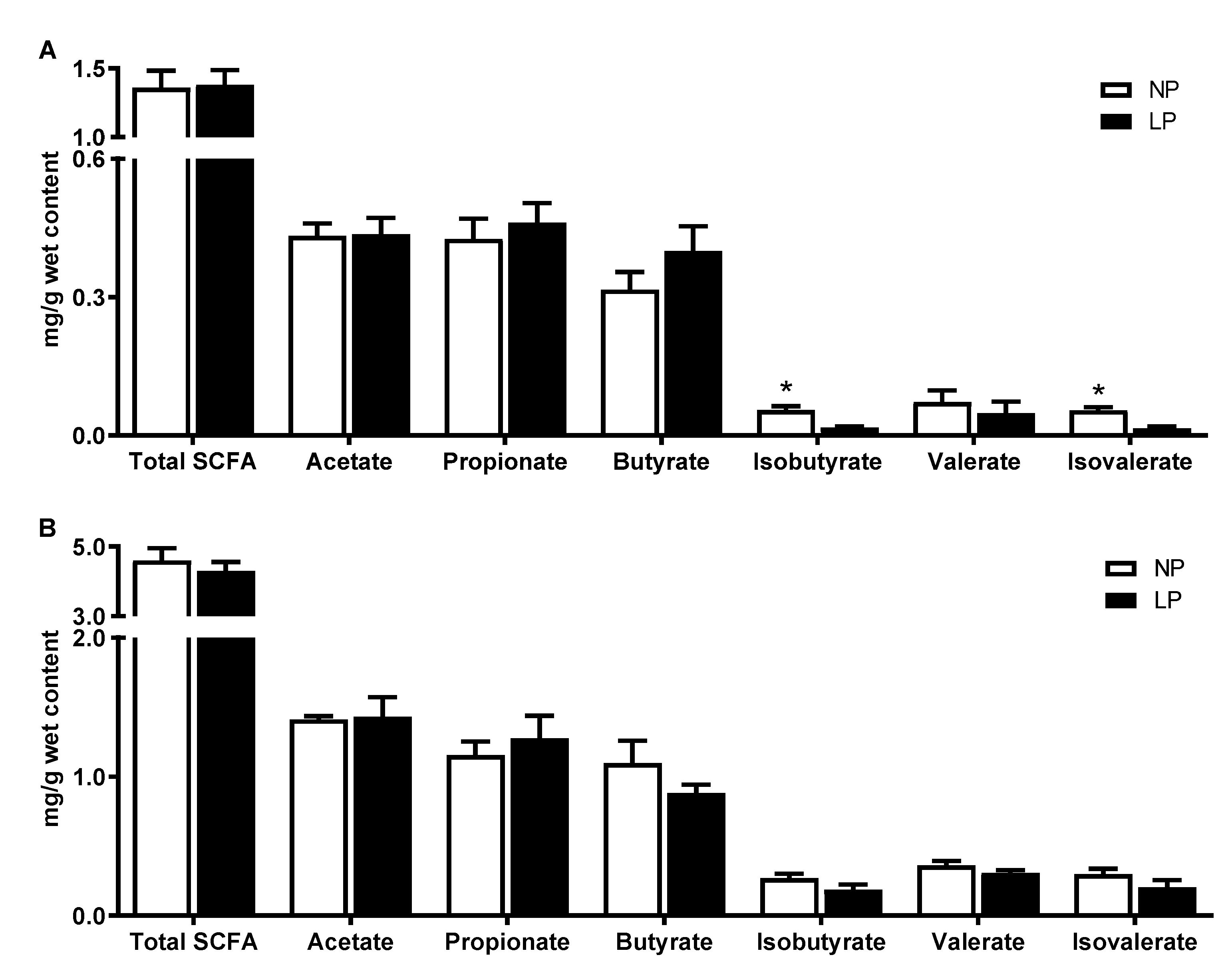
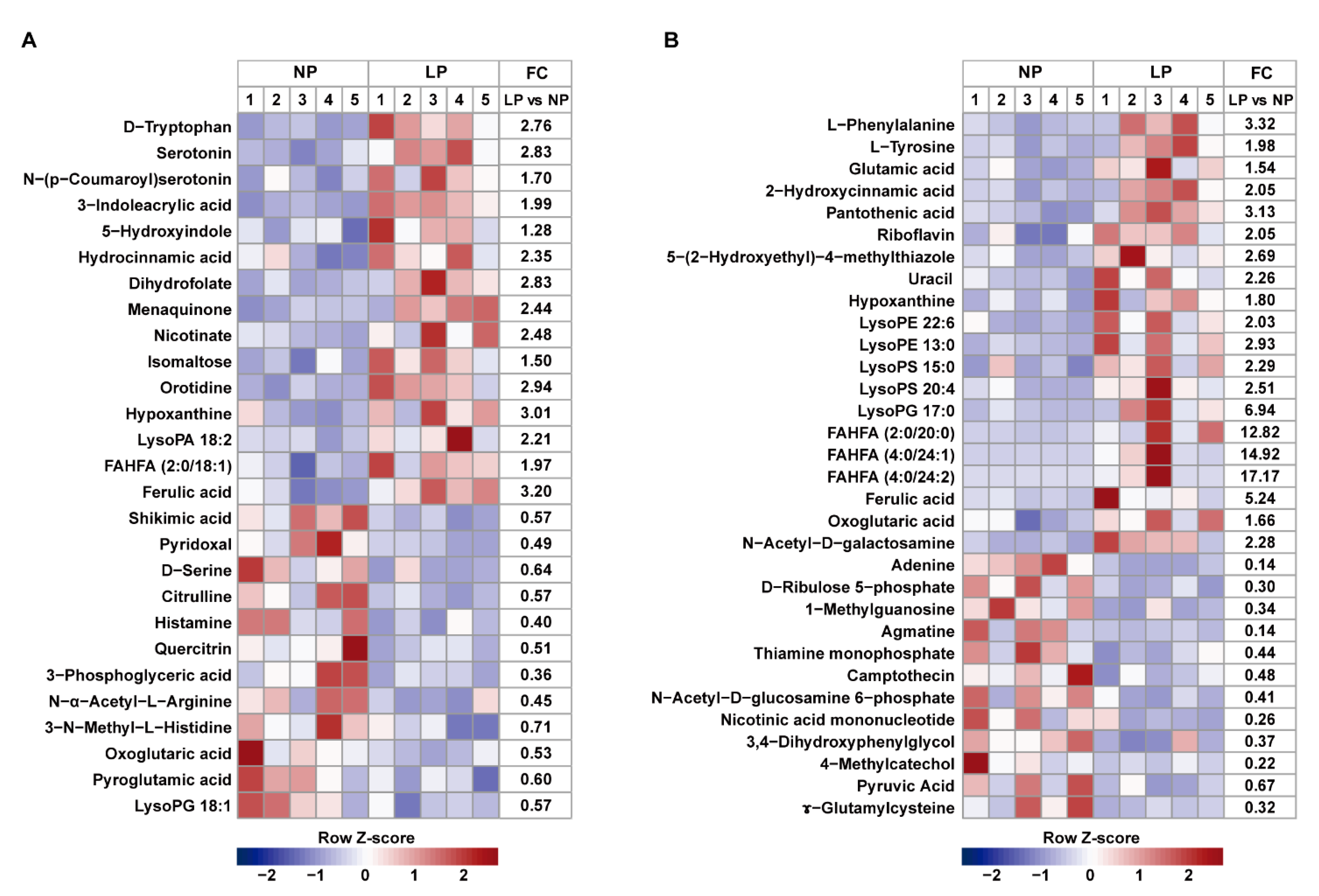
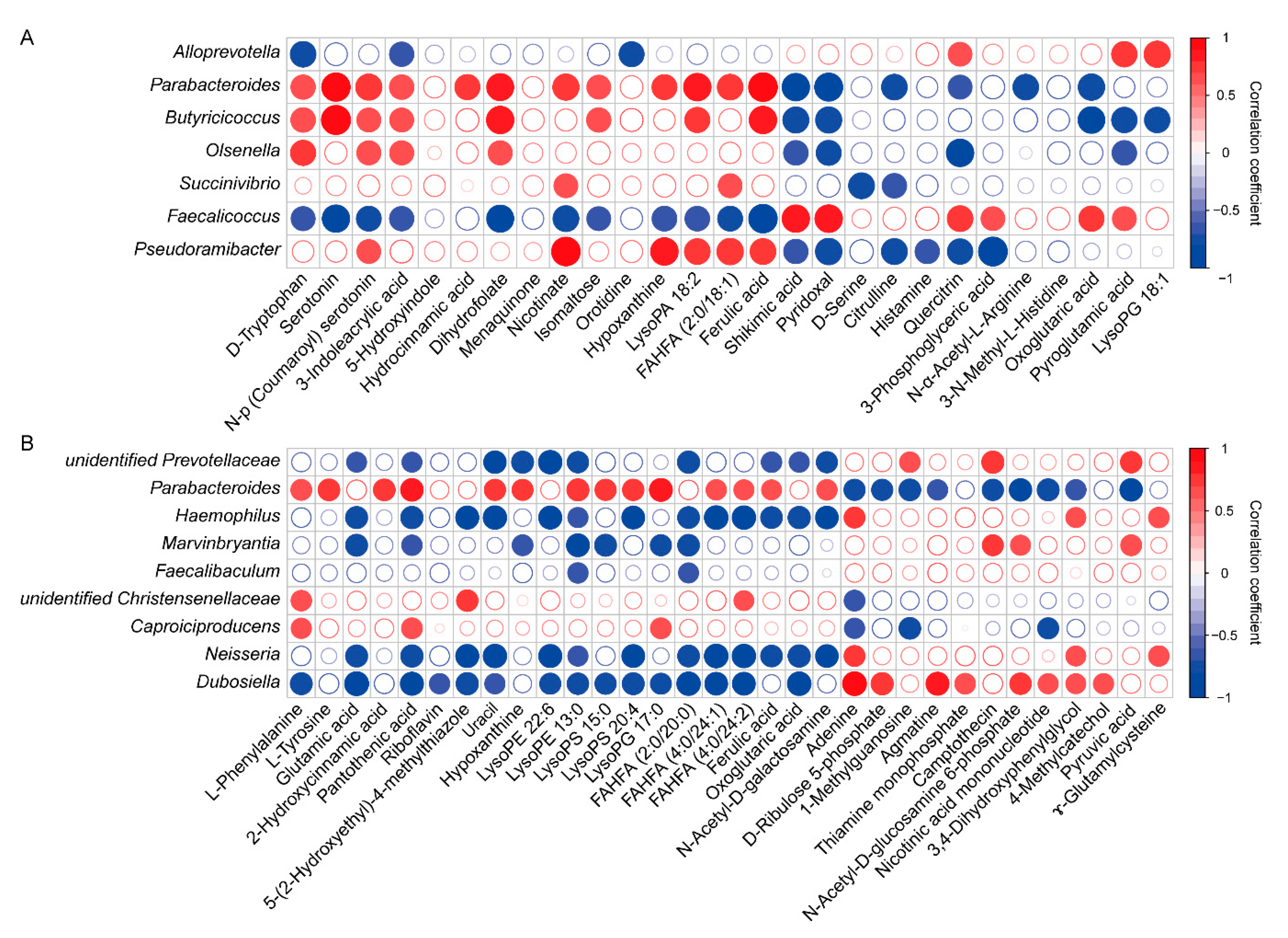
The objective of this study was to evaluate the effects of protein restriction and subsequent protein realimentation on the body composition, gut microbiota and metabolite profiles of piglets. Fifty weaned piglets were randomly assigned to two treatments: a normal protein (NP) group (20% crude protein (CP)) or a low protein (LP) group (16% CP) with five animals per pen and five pens per group. Treatment diets were fed for 14 d during the protein restriction phase, and then all pigs were fed the same nursery diets with a normal CP level (19% CP) during the protein realimentation phase until they reached an average target body weight (BW) of 25 ± 0.15 kg. At day 14 and the end of the experiment, one piglet close to the average BW of each pen was slaughtered to determine body composition, microbial composition and microbial metabolites. Results showed that there was no difference (p > 0.05) in the experimental days to reach target BW between the LP and NP groups. The average daily gain (ADG) and gain:feed ratio (G:F) during the protein restriction phase as well as BW at day 14, were significantly decreased (p < 0.05) in the LP group compared with the NP group. However, there were no significant differences (p > 0.05) during the protein realimentation phase and the overall experiment. Similarly, piglets in the LP group showed a significantly decreased body protein content (p < 0.05) at day 14, but not (p > 0.05) at the end of the experiment. The relative abundance of Parabacteroides, Butyricicoccus, Olsenella, Succinivibrio and Pseudoramibacter were significantly increased (p < 0.05), while the relative abundance of Alloprevotella and Faecalicoccus were significantly decreased (p < 0.05) in the LP group at day 14. At the end of the experiment, the piglets in the LP group showed a higher (p < 0.05) colonic relative abundances of Parabacteroides, unidentified Christensenellaceae and Caproiciproducens, and a lower (p < 0.05) relative abundance of unidentified Prevotellaceae, Haemophilus, Marvinbryantia, Faecalibaculum, Neisseria and Dubosiella than those in the NP group. Metabolomics analyses indicated that tryptophan metabolism and vitamin metabolism were enriched in the LP group at day 14, and glycerophospholipid metabolism and fatty acid esters of hydroxy fatty acid metabolism were enriched at the end of the experiment. Moreover, Spearman’s correlation analysis demonstrated that the microbial composition was highly correlated with changes in colonic metabolites. Collectively, these results indicated that protein restriction and subsequent realimentation lead to compensatory growth and compensatory protein deposition in piglets and contribute to animal intestinal health by altering the gut microbiota and its metabolites.
Keywords:
body composition; metabolite; microbiota; protein restriction; realimentation; piglet