Journal Description
Challenges — Journal of Planetary Health
Challenges
— Journal of Planetary Health is a transdisciplinary, peer-reviewed, open access journal focused on planetary health and the interconnected Grand Challenges affecting human wellbeing and flourishing of all life on Earth. Published quarterly online by MDPI, it accelerates cross-sectoral solutions for sustainable, just, and regenerative futures by integrating insights from the natural, social and health sciences, and the humanities. The journal welcomes contributions that address the social, economic, political, and spiritual dimensions of global challenges, as well as biophysical threats to planetary boundaries. The Nova Network is affiliated with Challenges — Journal of Planetary Health, and the journal supports the global agenda of the Planetary Health Alliance (PHA).
- Open Access— free for readers, with article processing charges (APC) paid by authors or their institutions.
- High Visibility: indexed within RePEc, Gale, EBSCO, ProQuest, and other databases.
- Rapid Publication: manuscripts are peer-reviewed and a first decision is provided to authors approximately 26.9 days after submission; acceptance to publication is undertaken in 5.5 days (median values for papers published in this journal in the second half of 2025).
- Recognition of Reviewers: reviewers who provide timely, thorough peer-review reports receive vouchers entitling them to a discount on the APC of their next publication in any MDPI journal, in appreciation of the work done.
- MDPI’s Journal Cluster of Social Studies: Challenges-Journal of Planetary Health, Disabilities, Genealogy, Laws, Sexes, Social Sciences and Societies.
Latest Articles
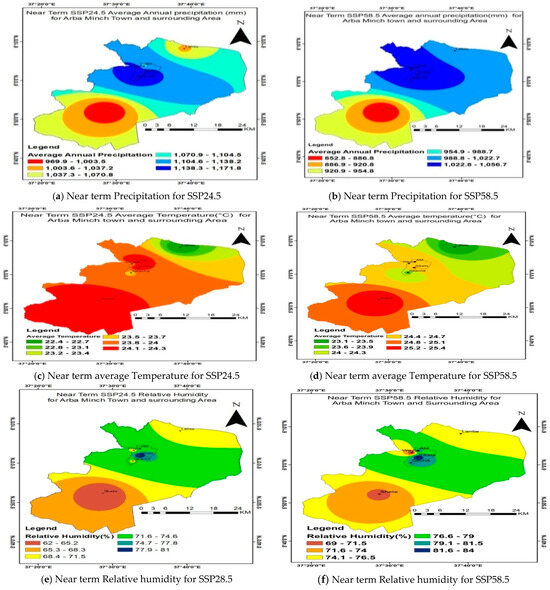
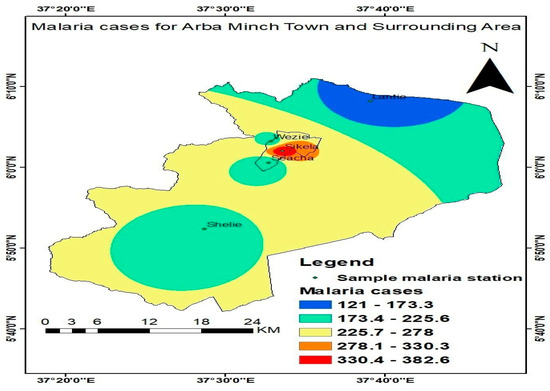
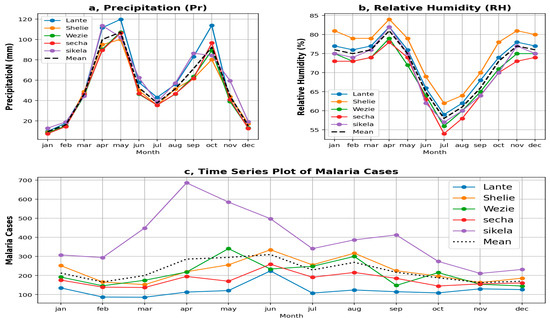
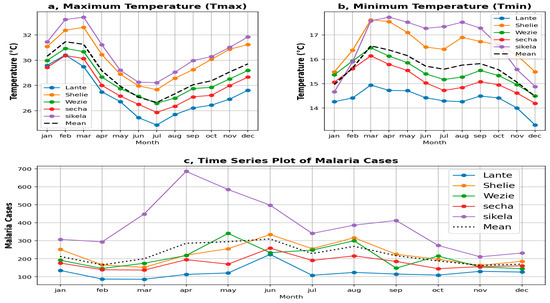
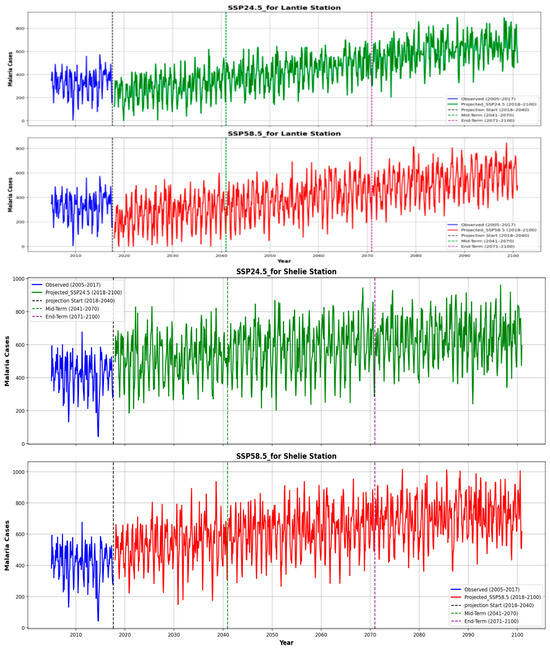
Modeling the Impacts of Climate Change on Malaria Distribution in Ethiopia: The Case of Arba Minch Town and Surrounding Areas
Challenges 2026, 17(2), 15; https://doi.org/10.3390/challe17020015 - 7 May 2026
Abstract
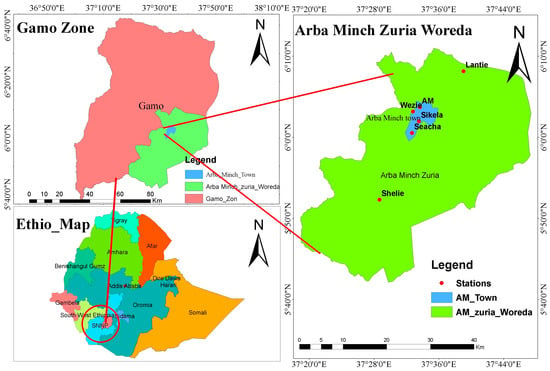
This study presents the relationship between climate variables and malaria outbreaks and forecasts the future malaria incidence in Arba Minch Town and its surrounding areas. High-resolution gridded climate data (~4 km × 4 km) covering the period 1981 to 2020 was obtained from
[...] Read more.
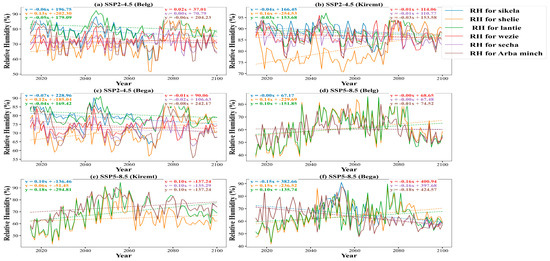
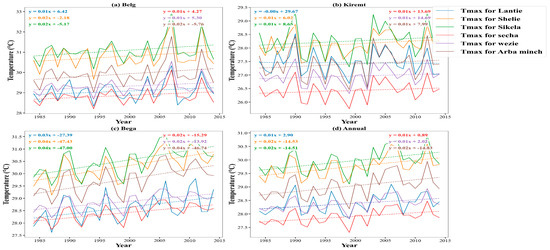
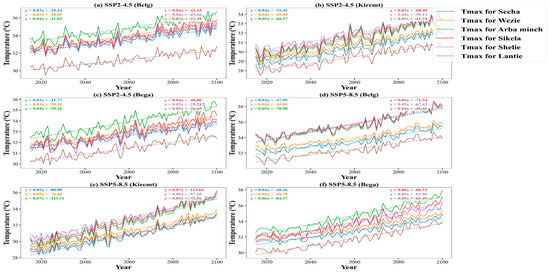
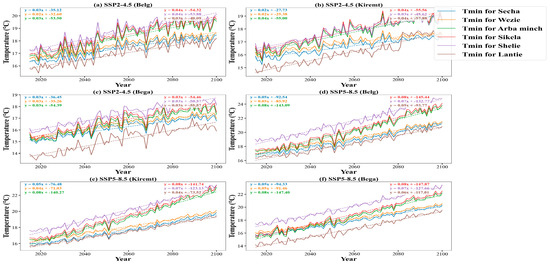
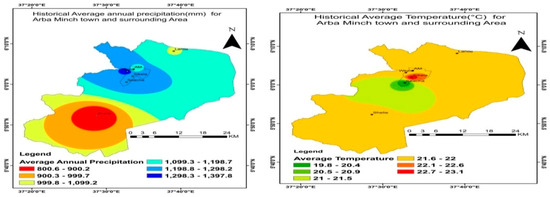
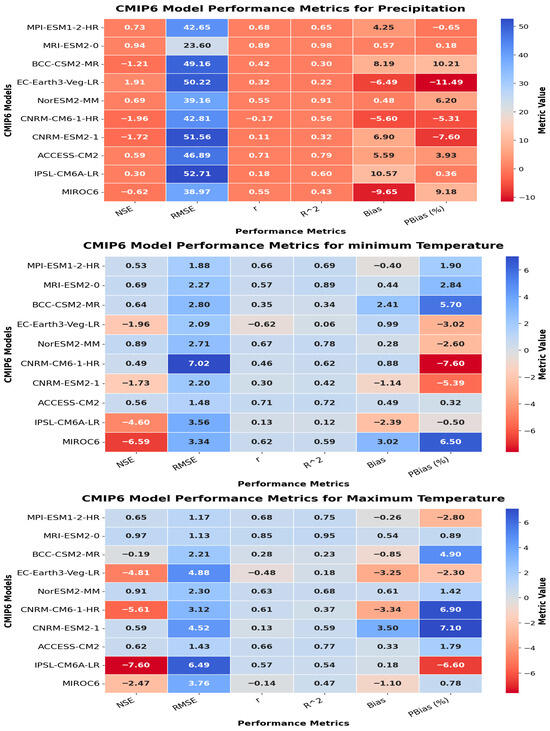
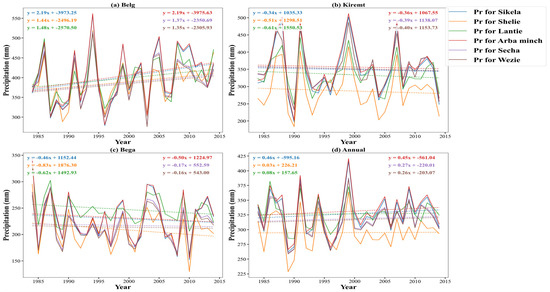
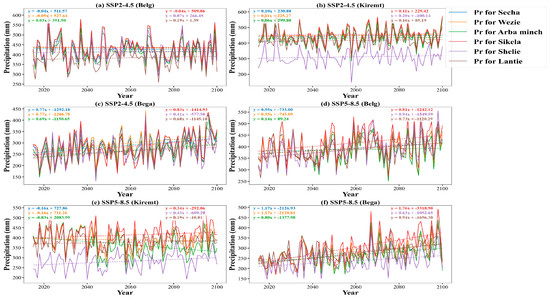
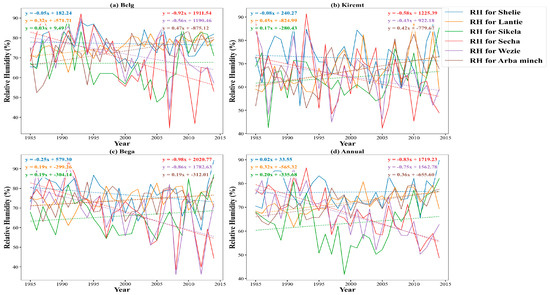
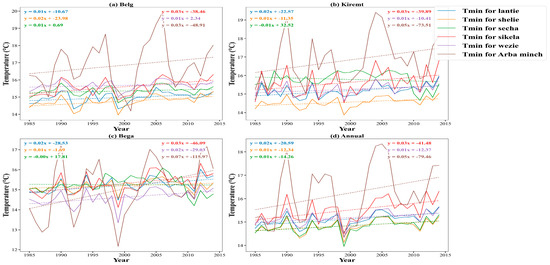
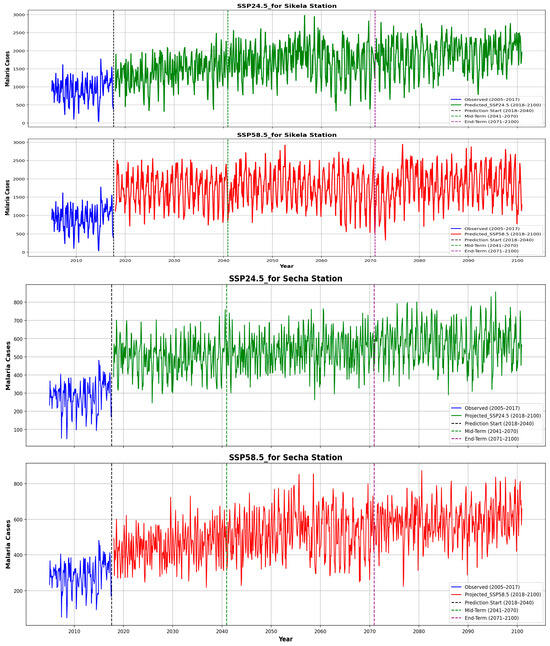
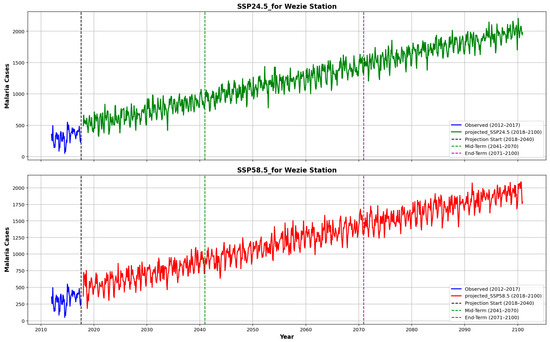
This study presents the relationship between climate variables and malaria outbreaks and forecasts the future malaria incidence in Arba Minch Town and its surrounding areas. High-resolution gridded climate data (~4 km × 4 km) covering the period 1981 to 2020 was obtained from the Ethiopian Meteorological Institute. Additionally, Coupled Model Intercomparison Project Phase 6 (CMIP6) model simulations under two shared socioeconomic pathways (SSP2-4.5 and SSP5-8.5) were used to analyze future climate patterns. Malaria case data were obtained from local health centers located in Arba Minch town and surrounding woredas. Malaria projections were simulated using the Seasonal Autoregressive Integrated Moving Average (SARIMAX) model. Climate projections indicate a significant rise in mean temperature by the end of 21st century, increasing by 2.9 °C under SSP2-4.5 and 3.48 °C under SSP5-8.5. Average monthly rainfall during the baseline period (70.53 mm) is expected to increase to 94.18 mm and 86.09 mm under the SSP2-4.5 and SSP5-8.5 scenarios, respectively. Malaria case distribution during the baseline period (2005–2017) ranged from 79 to 552 cases per month, while future projections suggest that cases will increase by approximately 600 in the near-term and up to more than 1000 cases by the end of the century. The SARIMAX model effectively captured seasonal variations and short-term fluctuations demonstrating a strong forecasting performance. The model generally indicated that wetter conditions and moderate temperatures will favor mosquito breeding and intensify malaria transmission.
Full article
(This article belongs to the Special Issue Climate Change and Migration: Navigating Intersecting Crises)
►
Show Figures
Open AccessArticle
Beyond «Climate Refugees»: Rethinking International Protection for Environmentally Displaced Persons
by
Sara Caselles Rodríguez
Challenges 2026, 17(2), 14; https://doi.org/10.3390/challe17020014 - 30 Apr 2026
Abstract
Climate change and environmental degradation are increasingly recognized as major drivers of human mobility, operating through both sudden-onset disasters and slow-onset processes such as sea-level rise, desertification and resource scarcity. Although estimates vary widely, projections suggest that millions of people may become displaced
[...] Read more.
Climate change and environmental degradation are increasingly recognized as major drivers of human mobility, operating through both sudden-onset disasters and slow-onset processes such as sea-level rise, desertification and resource scarcity. Although estimates vary widely, projections suggest that millions of people may become displaced by 2050 because of climate change, predominantly within their own countries but also across international borders. This article examines the emerging phenomenon of “environmental migration” against the backdrop of international refugee law and broader human rights frameworks. It first maps the diverse environmental scenarios that trigger displacement before analyzing the existing international legal landscape. Particular attention is paid to the contested terminology surrounding “climate refugees”, “environmental migrants” and “environmentally displaced persons” and to the protection gaps that arise from current categorizations. This article argues that, while existing norms on human rights, disaster risk reduction and internal displacement offer partial safeguards, they do not provide coherent legal status or systematic protection for people displaced across borders by climate-related harms. It concludes that climate-related displacement should be addressed through a combination of evolving human rights-based climate litigation, enhanced use of existing instruments and the progressive elaboration of specific normative frameworks.
Full article
(This article belongs to the Special Issue Climate Change and Migration: Navigating Intersecting Crises)
Open AccessViewpoint
Climate-Resilient Infrastructure as a Public Good: Welfare, Risk, and Climate-Smart Growth
by
Manish Vaidya and Soumya Bhowmick
Challenges 2026, 17(2), 13; https://doi.org/10.3390/challe17020013 - 27 Apr 2026
Abstract
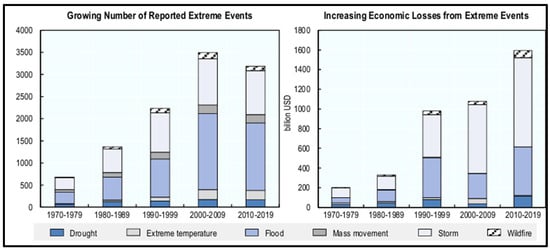
Climate change has emerged as a defining global crisis, with the frequency and intensity of climate-induced disasters rising sharply and imposing disproportionate costs on developing economies and small island states. This article examines the role of climate-resilient infrastructure as a central pillar of
[...] Read more.
Climate change has emerged as a defining global crisis, with the frequency and intensity of climate-induced disasters rising sharply and imposing disproportionate costs on developing economies and small island states. This article examines the role of climate-resilient infrastructure as a central pillar of climate-smart growth, integrating mitigation, adaptation, and long-term development objectives. It situates climate-resilient infrastructure within a planetary health setting, emphasizing the interdependence between human well-being, ecological systems, and infrastructure resilience. Climate-resilient infrastructure, not merely seen as an engineering solution but as a public good that generates significant positive externalities, reduces systemic macroeconomic risk and delivers welfare gains that exceed private financial returns. It discusses the cross-country heterogeneities in resilience outcomes, driven by differences in geographic exposure, economic capacity, institutional quality, and political economy constraints. Building on this, the study advances a welfare-based approach to infrastructure prioritization that incorporates service disruptions, distributional impacts, and fiscal risk, rather than asset values alone. It further outlines policy and financing strategies to bridge the gap between social and private returns, including public investment, concessional finance, blended instruments, and nature-based solutions. By embedding infrastructure within a planetary health lens, the paper argues that resilient systems are critical not only for safeguarding lives and livelihoods, but also for sustaining ecological stability, reducing health risks, and enabling inclusive, sustainable, and climate-smart economic growth.
Full article
(This article belongs to the Section Climate Change, Air, Water, and Planetary Systems)
►▼
Show Figures

Figure 1

Open AccessReview
Bearing Witness to the Anthropocene: A Contemplative Interbeing Framework for Planetary Health and Nursing Ethics
by
Roberta Daiho Rōfū Lavin and Bhawana Kafle
Challenges 2026, 17(2), 12; https://doi.org/10.3390/challe17020012 - 7 Apr 2026
Abstract
While spirituality and contemplative practices are increasingly invoked in response to environmental crisis, the specific mechanisms by which they may mediate professional ethical action remain underdeveloped. This is particularly evident regarding nuclear harm, an existential planetary threat often siloed from health scholarship. This
[...] Read more.
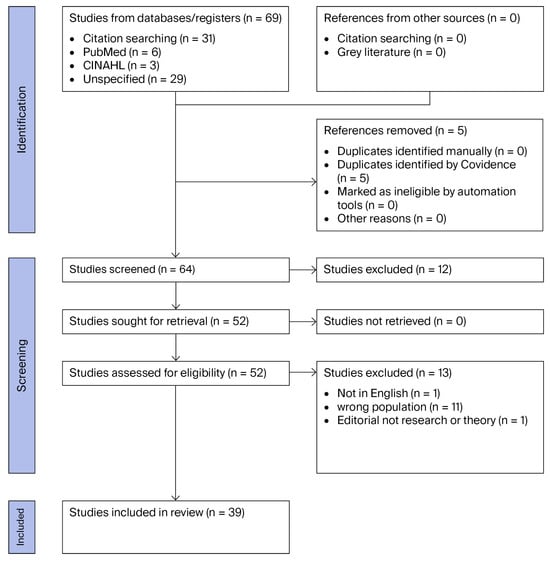
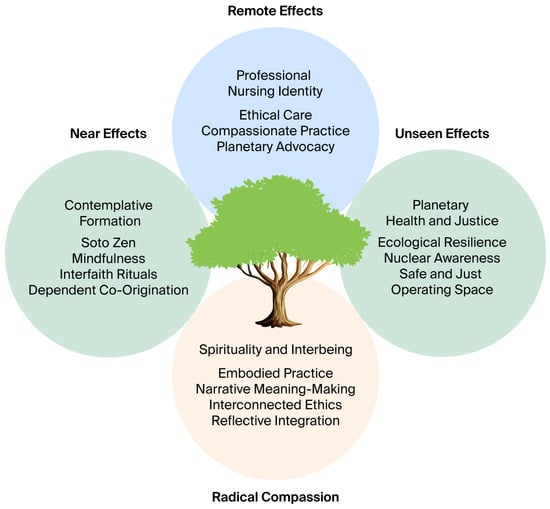
While spirituality and contemplative practices are increasingly invoked in response to environmental crisis, the specific mechanisms by which they may mediate professional ethical action remain underdeveloped. This is particularly evident regarding nuclear harm, an existential planetary threat often siloed from health scholarship. This paper investigates the mediating mechanism of contemplative formation as the analytical link between spiritual ethics and planetary health. By centering this link, we demonstrate how professional nursing identity can be restructured to address existential threats like nuclear harm, which are currently under-integrated in health scholarship. We employed a convergent, integrative design combining a scoping review of the literature published in 2015–2025 with a contemplative autoethnography. The scoping review (n = 39) maps the scholarly evidence of spiritual–ecological constructs, while the autoethnography provides a situated, analytical account of the first author’s professional and spiritual formation. Integration was achieved through a four-step thematic synthesis that explicitly identifies where first-person lived experience and third-person scholarly evidence converge to illuminate the process of ethical integration. Four convergent themes describe the pathways linking contemplative practice to planetary health: (1) embodied practice (somatic resilience); (2) narrative meaning-making (transforming grief into purpose); (3) interconnected ethics (reframing remote harms as proximate responsibilities); and (4) reflective integration (the reflexive weaving of clinical and spiritual identities). The findings reveal that while contemplative traditions offer robust resources for systems thinking and equity, nuclear harm and nursing perspectives remain significantly under-integrated in the current planetary health literature. Contemplative formation functions as the mediating mechanism that turns planetary threats into sustained professional advocacy. The Interbeing Planetary Health Framework provides a pragmatic guide for nursing ethics under existential risks.
Full article
(This article belongs to the Special Issue Nurturing Connected Consciousness in the Anthropocene: Addressing Calls for Cultural and Spiritual Transformation as a Path to Personal, Collective, and Planetary Health)
►▼
Show Figures

Figure 1
Open AccessArticle
Quantifying Food Waste Produced in Dormitories: A Case Study from a University in New York, USA
by
Susan M. Kilgore, Kathryn E. Krasinski, Morenike A. Olushola-Oni, Chani Lieu, Chelsea Javier, Jose Perdomo Baca and Brei Snyder
Challenges 2026, 17(1), 11; https://doi.org/10.3390/challe17010011 - 18 Mar 2026
Abstract
Food waste is an issue that affects human and environmental health around the planet. At colleges and universities, food waste poses a serious concern, as its impact can be compared to that of mini-cities or large corporations. Identifying an institution’s capacity to reduce
[...] Read more.
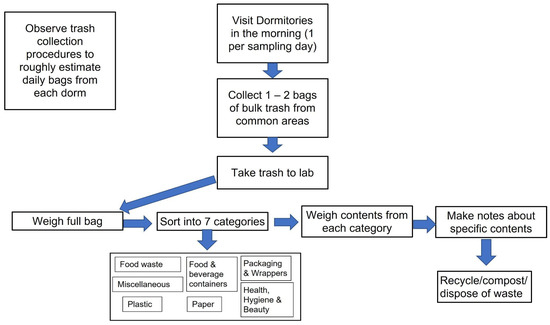
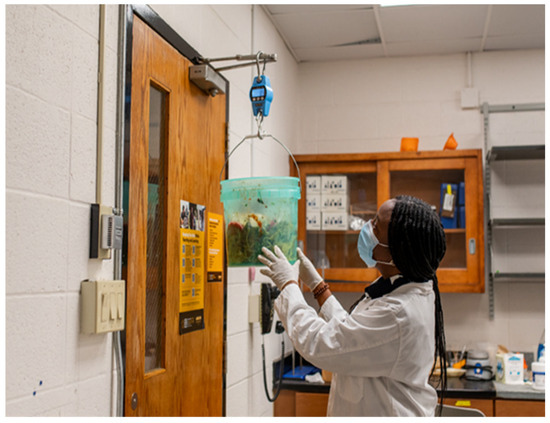
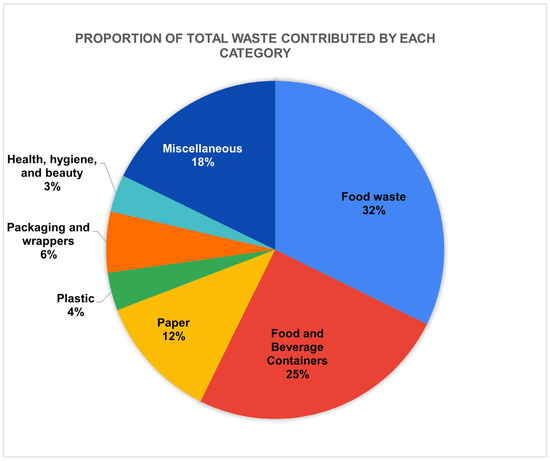
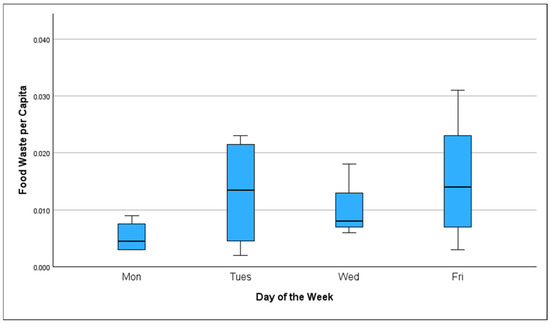
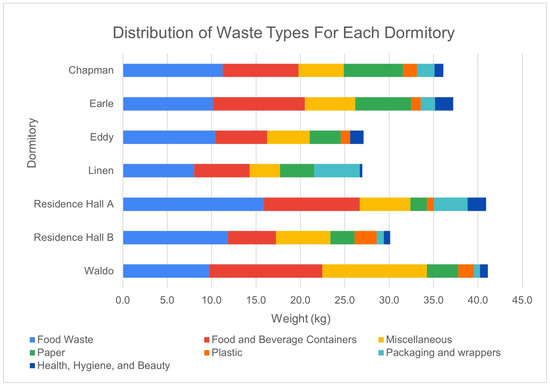
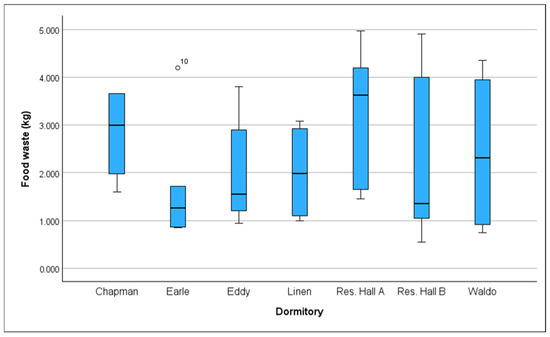
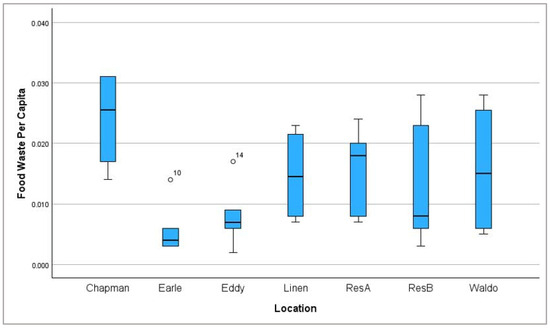
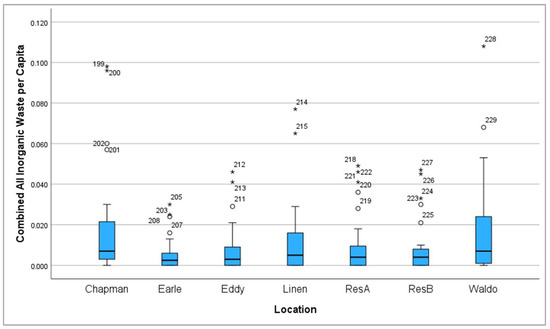
Food waste is an issue that affects human and environmental health around the planet. At colleges and universities, food waste poses a serious concern, as its impact can be compared to that of mini-cities or large corporations. Identifying an institution’s capacity to reduce and redistribute food waste is critical to decreasing its carbon footprint and maintaining sustainability. Understanding the nature of waste produced at a university’s buildings is the first step in establishing effective waste management plans; however, campus cafeterias, being the primary source of food waste, are typically the focus. Limited research emphasis has been placed on assessing food waste generated in campus dormitories. This project tests the hypothesis that food waste generated from dormitories at the main campus of Adelphi University, a private liberal arts institution in New York, is a significant component of waste. To analyze post-consumer trash disposal patterns, garbology methods were utilized. Trash collected at dormitories between 2022 and 2024 was sorted and weighed. This mixed-methods analysis included student interviews of waste perceptions. Food waste was the primary waste type generated in the halls, followed by food and beverage packaging, including containers, napkins, and utensils. In particular, food waste comprised 32% of sampled dormitory waste. Interview results integrated with these quantitative results demonstrated student perceptions of food led to food waste, such as perceived level of cooking, portion sizes, and home context. These results suggest that any efforts to improve campus sustainability through management of food waste–such as composting or anaerobic digestion–must encompass dormitories as well as cafeterias. As the world’s population continues to rise at a rapid pace, primarily in metropolitan areas, the volume of waste generated by this growth must be managed to address planetary health.
Full article
(This article belongs to the Section Food Solutions for Health and Sustainability)
►▼
Show Figures

Figure 1
Open AccessEssay
Our Common Home: Embracing Spiritual Tenets Within a Novel Integrative Environmental Health Promotion Framework to Advance People, Place, and Planetary (3P) Health
by
Molly M. Scanlon
Challenges 2026, 17(1), 10; https://doi.org/10.3390/challe17010010 - 28 Feb 2026
Abstract
This essay poses a novel integrative environmental health promotion (EHP) framework inclusive of spiritual tenets to increase interdisciplinary science as well as public engagement for improved people, place, and planetary (3P) health outcomes. Environmental public health professionals have typically relied upon quantitative scientific
[...] Read more.
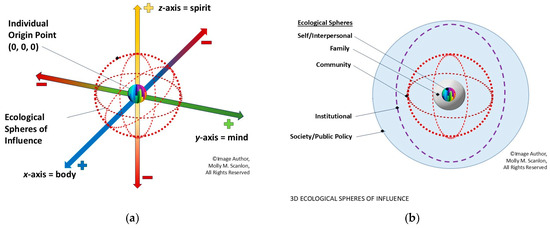
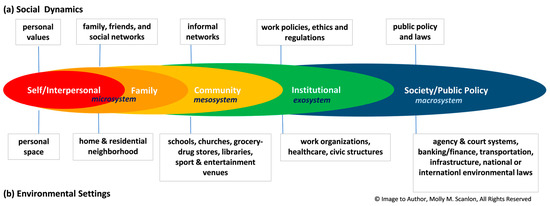
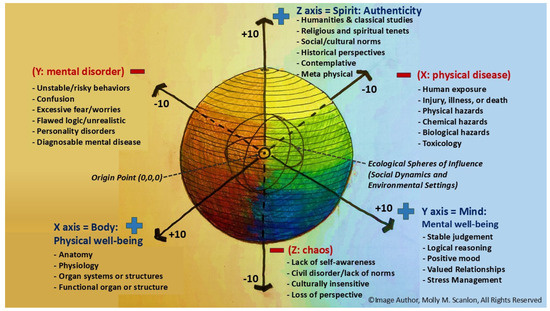
This essay poses a novel integrative environmental health promotion (EHP) framework inclusive of spiritual tenets to increase interdisciplinary science as well as public engagement for improved people, place, and planetary (3P) health outcomes. Environmental public health professionals have typically relied upon quantitative scientific evidence related to negative human health outcomes from toxic exposures. Environmental health lags behind more progressive mixed-methods research frameworks leveraging health promotion and 3P health initiatives. This essay argues for a novel integrative EHP framework to encourage more mixed-methods research based on merging an integrative health (body-mind-spirit) perspective and the public health ecological model. Using a three-dimensional Cartesian Coordinate System, the author developed a visual integrative EHP framework with the future ability to record, interpret, and report data with units of measure in three dimensions rather than the traditional x- and y-axis variable relationships. The long-term goal is to engage researchers, study participants, and the general public in exploring new 3P health research and outcomes inclusive of the spiritual axis to leverage more scientific evidence for the care and nurturing of our common home as a basic tenet of civil society.
Full article
(This article belongs to the Special Issue Nurturing Connected Consciousness in the Anthropocene: Addressing Calls for Cultural and Spiritual Transformation as a Path to Personal, Collective, and Planetary Health)
►▼
Show Figures

Figure 1
Open AccessEssay
Grassroots-Led Democratized Plastic Governance as a Pathway to Advancing Planetary Health
by
Ahmed Tiamiyu and Jubril Gbolahan Adigun
Challenges 2026, 17(1), 9; https://doi.org/10.3390/challe17010009 - 26 Feb 2026
Abstract
Plastic pollution constitutes a critical planetary health challenge, undermining the integrity of Earth systems while generating cascading harms to human health, livelihoods, and social equity particularly in low- and middle-income countries. Conventional top-down regulatory and technological responses have proven insufficient to address the
[...] Read more.
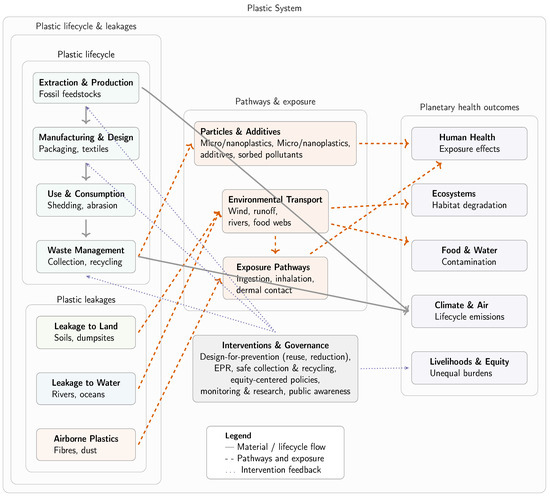
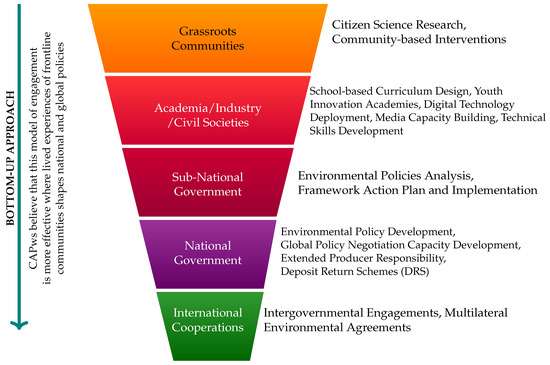
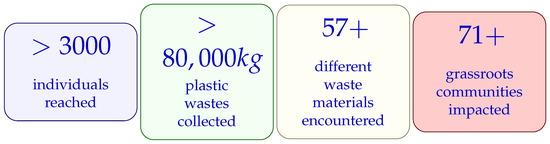
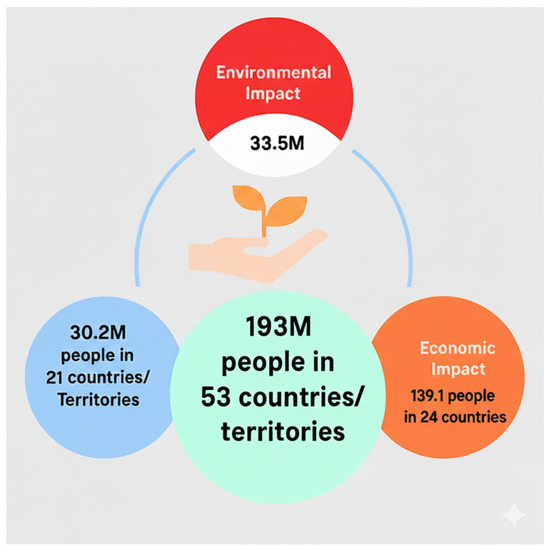
Plastic pollution constitutes a critical planetary health challenge, undermining the integrity of Earth systems while generating cascading harms to human health, livelihoods, and social equity particularly in low- and middle-income countries. Conventional top-down regulatory and technological responses have proven insufficient to address the complexity of plastic pollution, often excluding those most affected from decision-making and solution design. This paper examines how democratizing plastic governance through grassroots leadership can advance planetary health by simultaneously protecting ecosystems, improving human well-being, and strengthening socio-ecological resilience. Drawing on empirical evidence from the #RestorationX10000 initiative led by Community Action Against Plastic Waste (CAPws), this paper documents implementation processes and outcomes achieved between 2021 and 2025 across 71 impacted communities in 21 countries spanning Africa, Asia-Pacific, and Latin America. The initiative was designed to empower 10,000 youths and women as community leaders, practitioners, and advocates by equipping them with leadership, technical, and policy engagement skills to drive systemic change in plastic governance and circular economy practice. Using a transdisciplinary, community-based action research approach aligned with planetary health principles, the initiative integrates capacity building, citizen science, circular economy interventions (collection, sorting, repair, reuse, repurposing, and recycling), and policy advocacy. Quantitative and qualitative evidence demonstrates that grassroots-led interventions can simultaneously reduce plastic leakage, create decent green livelihoods, and strengthen environmental governance. We argue that inclusive, community-centered plastic governance is not only an environmental intervention but a planetary health strategy, offering policy-relevant insights for national plastic action plans, extended producer responsibility frameworks, and global negotiations toward a legally binding instrument on plastic pollution.
Full article
(This article belongs to the Special Issue Planetary Health: Urgency and Agency for Systems Change. Including Submissions Associated with the 2025 Planetary Health Annual Meeting (PHAM2025))
►▼
Show Figures

Figure 1
Open AccessArticle
Planetary Health and Educational System Resilience: Lessons from COVID-19 Disruptions to Special Education Evaluation Systems
by
Marie Gomez Goff
Challenges 2026, 17(1), 8; https://doi.org/10.3390/challe17010008 - 5 Feb 2026
Abstract
Early pandemic disruptions exposed critical vulnerabilities in special education systems, particularly in referral and evaluation processes governed by the Individuals with Disabilities Education Act (IDEA). This convergent mixed-methods study examined how 86 educational diagnosticians across Louisiana experienced and responded to these disruptions. Quantitative
[...] Read more.
Early pandemic disruptions exposed critical vulnerabilities in special education systems, particularly in referral and evaluation processes governed by the Individuals with Disabilities Education Act (IDEA). This convergent mixed-methods study examined how 86 educational diagnosticians across Louisiana experienced and responded to these disruptions. Quantitative results showed a 38% decline in referrals during school closures followed by a 62% rebound, prolonged evaluation timelines, and notable increases in emotional/behavioral disabilities, other health impairments, and specific learning disabilities. Qualitative findings elaborated on these patterns, revealing challenges related to assessment validity, communication barriers, workload strain, and professional learning needs. Interpreted through systems theory and planetary health frameworks, the findings position special education evaluation systems as critical social infrastructure that links educational continuity, equity, and population well-being. Strengthening diagnostic capacity, digital infrastructure, and crisis-responsive practices is therefore essential not only for IDEA compliance, but for advancing planetary health goals related to resilience, justice, and sustainable human development.
Full article
Open AccessReview
Mitigating Greenhouse Gas Emissions Through Sustainable Animal-Source Food Production
by
Sadhana Ojha, Rishav Kumar, Meena Goswami, Vikas Pathak, Kritima Kapoor and Mukesh Gangwar
Challenges 2026, 17(1), 7; https://doi.org/10.3390/challe17010007 - 2 Feb 2026
Abstract
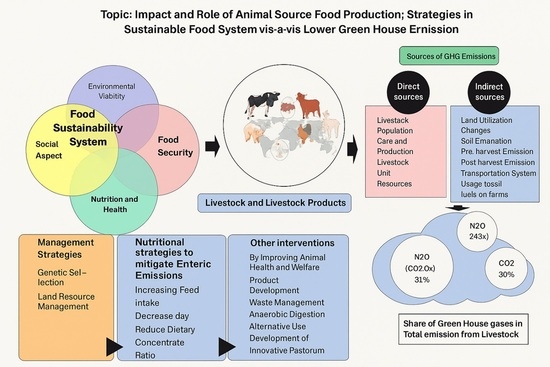
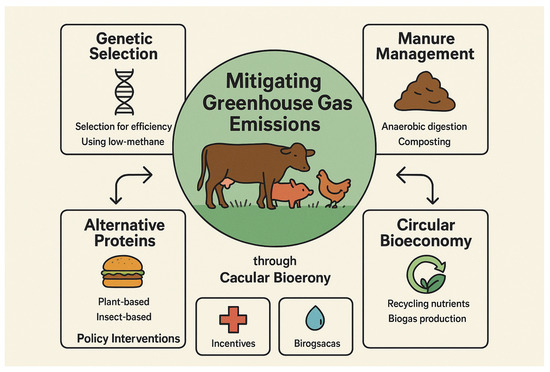
Livestock contributes to economic stability and food security by providing income, employment, and nutrient-dense animal-source foods, particularly in low- and middle-income regions. However, the sector is also a major source of anthropogenic greenhouse gas emissions, primarily methane, nitrous oxide, and carbon dioxide, raising
[...] Read more.
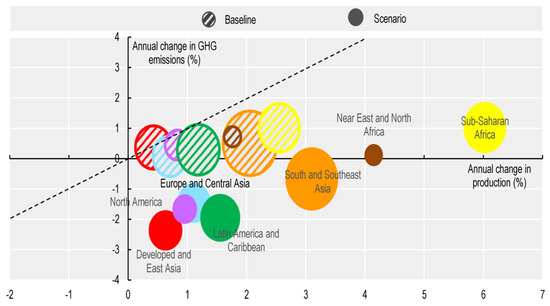
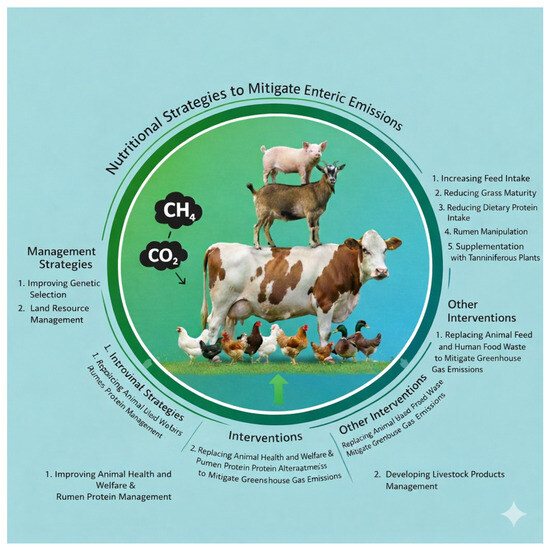
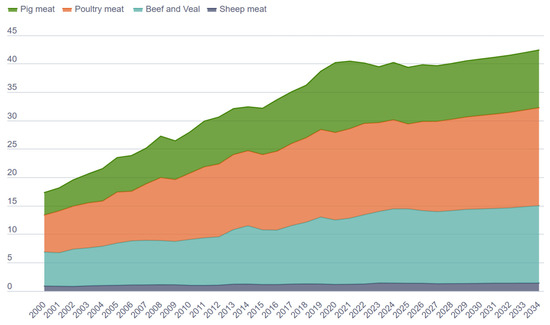
Livestock contributes to economic stability and food security by providing income, employment, and nutrient-dense animal-source foods, particularly in low- and middle-income regions. However, the sector is also a major source of anthropogenic greenhouse gas emissions, primarily methane, nitrous oxide, and carbon dioxide, raising growing environmental and public health concerns. This review synthesizes current evidence on strategies to mitigate greenhouse gas emissions from livestock systems while safeguarding productivity, food security, and human health. Emphasis is placed on the need to balance supply-side mitigation measures with demand-side interventions to avoid unintended nutritional and socio-economic consequences. Key supply-side approaches discussed include genetic improvement, optimized feeding strategies, manure and land resource management, and system-level efficiency gains. Demand-side strategies include food loss and waste reduction, shifts toward sustainable dietary patterns, and the development of alternative protein sources. Central to this review is the integration of these approaches within a planetary health framework, highlighting the interconnectedness of environmental sustainability, human and animal health, and socio-economic resilience. The review underscores that mitigation policies should be context-specific, equity-focused, and health-centered to ensure that climate goals are met without compromising access to affordable, nutritious foods. Collectively, the evidence indicates that coordinated policy action across production, consumption, and health systems is essential for achieving sustainable animal-source food production with reduced climate impact.
Full article
(This article belongs to the Section Food Solutions for Health and Sustainability)
►▼
Show Figures

Graphical abstract
Open AccessPerspective
Embodied Neuroplasticity: Exploring Biological and Molecular Pathways of Inner Development for Planetary Health
by
Karen B. Kirkness
Challenges 2026, 17(1), 6; https://doi.org/10.3390/challe17010006 - 30 Jan 2026
Abstract
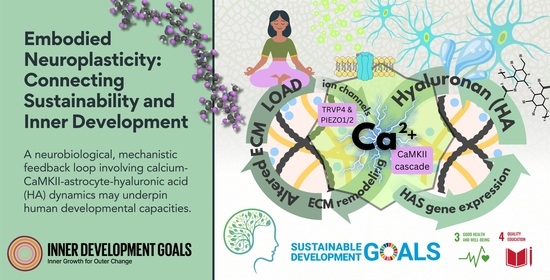
Understanding how inner development capacities are embodied at biological levels remains an underexplored dimension of planetary health research. The aim of this viewpoint is to provide transdisciplinary integration across neuroscience, cell biology, education, and social systems toward addressing planetary health challenges. Despite growing
[...] Read more.
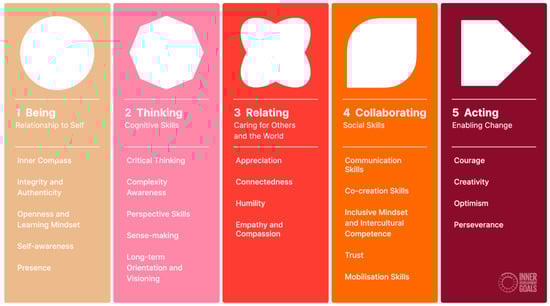
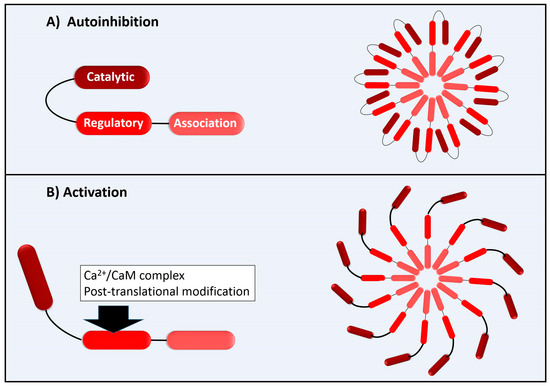
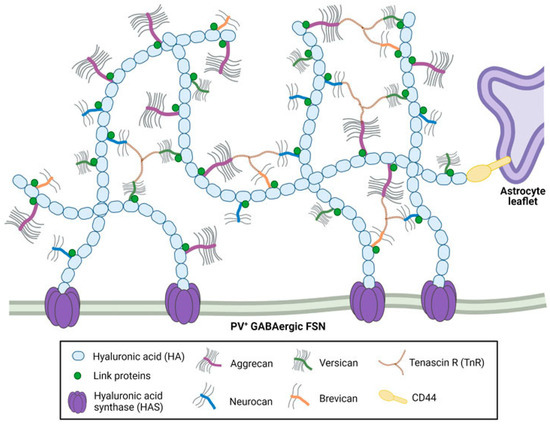
Understanding how inner development capacities are embodied at biological levels remains an underexplored dimension of planetary health research. The aim of this viewpoint is to provide transdisciplinary integration across neuroscience, cell biology, education, and social systems toward addressing planetary health challenges. Despite growing recognition of the Inner Development Goals (IDG) framework as complementary to the UN Sustainable Development Goals, the biophysical dynamics underlying personal and collective transformation remain largely unexplored. This viewpoint presents key molecular pathways that may underpin the Embodied Neuroplastic Resilience Model (ENRM) via calcium signaling and hyaluronan (the CHA axis). This viewpoint explores educational and therapeutic implications while simultaneously illuminating how socioeconomic inequalities constrain access to neuroplasticity-supporting practices. Four key conclusions emerge: (1) The CHA axis provides a compelling mechanistic framework for understanding how bodily experiences can reshape neural circuits through calcium signaling and hyaluronic acid matrix dynamics; (2) Mapping molecular mechanisms to complex human inner development capacities remains provisional, requiring further interdisciplinary investigation; (3) Socioeconomic inequality creates structural barriers to neuroplasticity and inner development, necessitating an integrated approach that connects mechanistic understanding with equitable access to transformative practices; (4) Enhanced understanding of embodied neuroplasticity must serve compassion and systemic transformation, moving beyond individual optimization toward collective well-being. By bridging neuroscience and sustainability frameworks, this viewpoint calls for a nuanced understanding of inner development that transcends individual optimization and emphasizes collective transformation.
Full article
(This article belongs to the Special Issue The Relationship between Sustainability and Inner Development: Towards More Integrative Worldviews, Paradigms, and Actions)
►▼
Show Figures

Graphical abstract
Open AccessArticle
Young Adults’ Perceptions of Sustainable Diets: A Comparison Across Five High- and Middle-Income Countries
by
Jess Haines, Kate Parizeau, Katherine F. Eckert, Fumi Hayashi, Yukari Takemi, Siti Helmyati, Widjaja Lukito, Ludovica Principato, Martina Toni, Nimbe Torres, Diana De Jesús-Jacintos and Wendelin Slusser
Challenges 2026, 17(1), 5; https://doi.org/10.3390/challe17010005 - 24 Jan 2026
Abstract
►▼
Show Figures
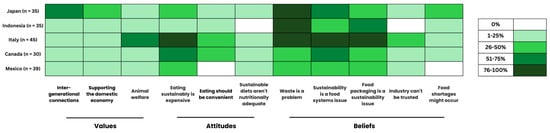
Sustainable diet transitions are required to protect human and planetary health, and consumers are important food systems actors who can foster positive changes. However, little is known about how consumers perceive the concept of sustainable diets. This study explored perceptions of sustainable diets
[...] Read more.
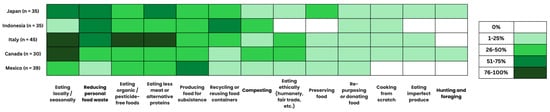
Sustainable diet transitions are required to protect human and planetary health, and consumers are important food systems actors who can foster positive changes. However, little is known about how consumers perceive the concept of sustainable diets. This study explored perceptions of sustainable diets across five high- and middle-income countries: Japan, Indonesia, Italy, Canada, and Mexico. Semi-structured interviews were conducted with 184 young adults (30–45 per country), and transcripts were analyzed using values coding to understand the values, attitudes, and beliefs that shape behaviours related to sustainable diets. Results revealed that defining “sustainable eating” was challenging for participants across all countries. While participants’ values regarding sustainable diets were often context-specific with marked differences across countries, common themes across countries included concern about food waste and packaging and the belief that sustainability should be the responsibility of all actors across the food system, not just the individual. These findings indicate that food policy should address both individual and systemic dimensions of food sustainability, specifically prioritizing strategies for waste and packaging infrastructure. Furthermore, public health strategies must be values-oriented and culturally tailored to ensure they resonate with local consumer priorities.
Full article

Figure 1
Open AccessArticle
Housing Retrofit at Scale: A Diffusion of Innovations Perspective for Planetary Health and Human Well-Being
by
Chamara Panakaduwa, Paul Coates, Nishan Mallikarachchi, Harshi Bamunuachchige and Srimal Samansiri
Challenges 2026, 17(1), 4; https://doi.org/10.3390/challe17010004 - 16 Jan 2026
Abstract
Housing stock is observed to be associated with high carbon emissions, high fuel poverty and low comfort levels in the UK. Retrofitting the housing stock is one of the best solutions to address these problems. This paper directly corresponds with human and planetary
[...] Read more.
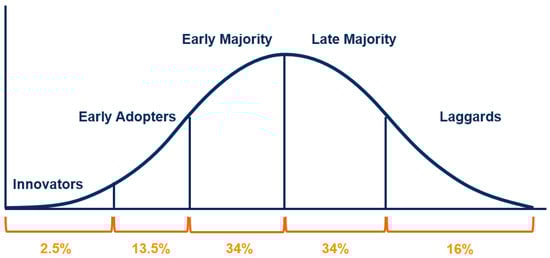
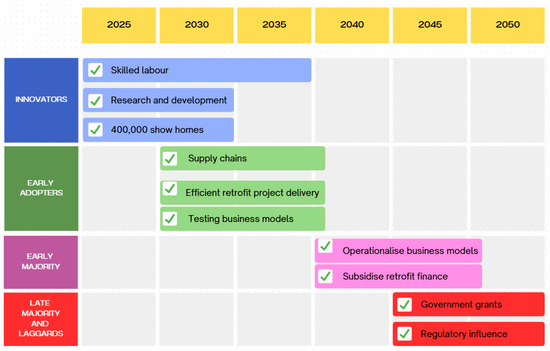
Housing stock is observed to be associated with high carbon emissions, high fuel poverty and low comfort levels in the UK. Retrofitting the housing stock is one of the best solutions to address these problems. This paper directly corresponds with human and planetary health in terms of climate change, human health and mental health by addressing the challenges of housing retrofit at scale. Retrofitting houses can also contribute to social equity, reduced use of planetary resources and better financial and physical comfort. Despite the availability of the right technology, government grants and the potential to acquire supply chain and skilled labour, the progress of retrofit is extremely poor. Importantly, the UK is off track to achieve net zero by 2050, and the housing stock contributes 18.72% of the total emissions. The problem is further exacerbated by the 30.4 million units of housing stock. Robust strategies are required to retrofit the housing stock at scale. The study uses a qualitative modelling method under the diffusion of innovations theory to formulate a retrofit-at-scale strategy for the UK. Findings recommend focusing on skill development, show homes, research and innovation, supply chain development, business models, government grants and regulatory tools in a trajectory from 2025 to 2050. The proposed strategy is aligned with the segments of the diffusion of innovation theory. Although the analysis was performed with reference to the UK, the findings are transferable, considering the broader and urgent concerns related to human and planetary health.
Full article
(This article belongs to the Section Energy Sustainability)
►▼
Show Figures

Figure 1

Open AccessViewpoint
Conscious Food Systems: Supporting Farmers’ Well-Being and Psychological Resilience
by
Julia Wright, Janus Bojesen Jensen, Charlotte Dufour, Noemi Altobelli, Dan McTiernan, Hannah Gosnell, Susan L. Prescott and Thomas Legrand
Challenges 2026, 17(1), 3; https://doi.org/10.3390/challe17010003 - 15 Jan 2026
Abstract
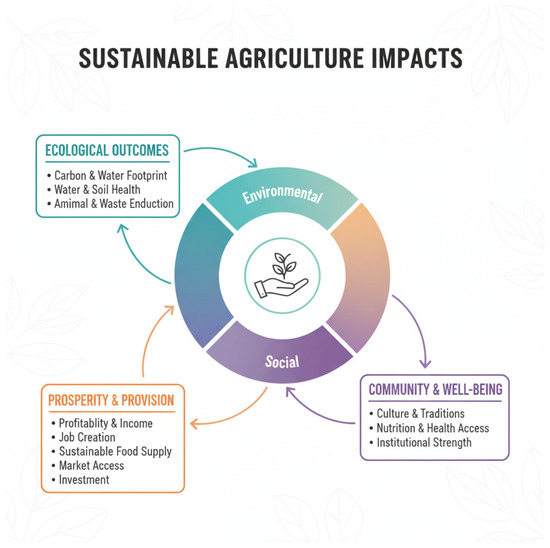
Amid escalating ecological degradation, social fragmentation, and rising mental health challenges—especially in rural and agricultural communities—there is an urgent need to reimagine systems that support both planetary and human flourishing. This viewpoint examines an emerging paradigm in agriculture that emphasizes the role of
[...] Read more.
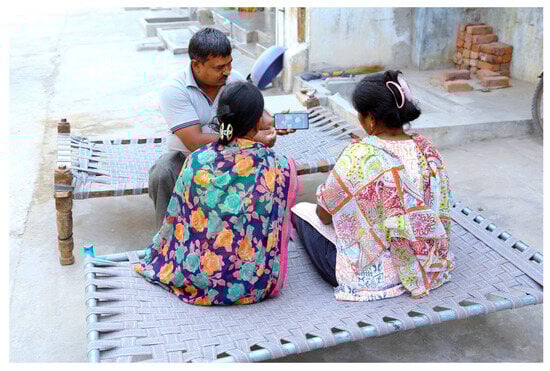
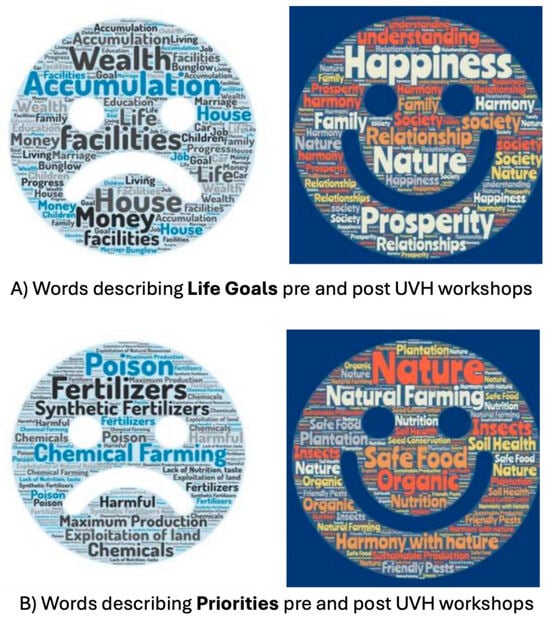
Amid escalating ecological degradation, social fragmentation, and rising mental health challenges—especially in rural and agricultural communities—there is an urgent need to reimagine systems that support both planetary and human flourishing. This viewpoint examines an emerging paradigm in agriculture that emphasizes the role of farmers’ inner development in fostering practices that enhance ecological health, community well-being, and a resilient food system. A key goal is to draw more academic attention to growing community calls for more holistic, relational, and spiritually grounded approaches to food systems as an important focus for ongoing research. Drawing on diverse case studies from Japan, India, and Europe, we examine how small-scale and natural farming initiatives are integrating inner development, universal human values, and ecological consciousness. These case studies were developed and/or refined through a program led by the Conscious Food Systems Alliance (CoFSA), an initiative of the United Nations Development Programme (UNDP) that seeks to integrate inner transformation with sustainable food systems change. The initiatives are intended as illustrative examples of how agriculture can transcend its conventional, anthropocentric role as a food production system to become a site for cultivating deeper self-awareness, spiritual connection, and regenerative relationships with nature. Participants in these cases reported significant shifts in mindset—from materialistic and extractive worldviews to more relational and value-driven orientations rooted in care, cooperation, and sustainability. Core practices such as mindfulness, experiential learning, and spiritual ecology helped reframe farming as a holistic process that nurtures both land and life. These exploratory case studies suggest that when farmers are supported in aligning with inner values and natural systems, they become empowered as agents of systemic change. By linking personal growth with planetary stewardship, these models offer pathways toward more integrated, life-affirming approaches to agriculture and future academic research.
Full article
(This article belongs to the Special Issue Agroecology and Conscious Food Systems for Flourishing of People, Places, and Planet)
►▼
Show Figures

Figure 1
Open AccessArticle
Forestland Resource Exploitation Challenges and Opportunities in the Campo Ma’an Landscape, Cameroon
by
Raoul Ndikebeng Kometa, Cletus Fru Forba, Wanie Clarkson Mvo and Jude Ndzifon Kimengsi
Challenges 2026, 17(1), 2; https://doi.org/10.3390/challe17010002 - 31 Dec 2025
Abstract
►▼
Show Figures
The global literature underscores a set of human wellbeing challenges and opportunities for forestland exploitation, albeit the lack of region-specific evidence. This concerns the Congo Basin, the second-largest forest ecosystem in the world. This study uses the case of the Campo Ma’an Landscape
[...] Read more.
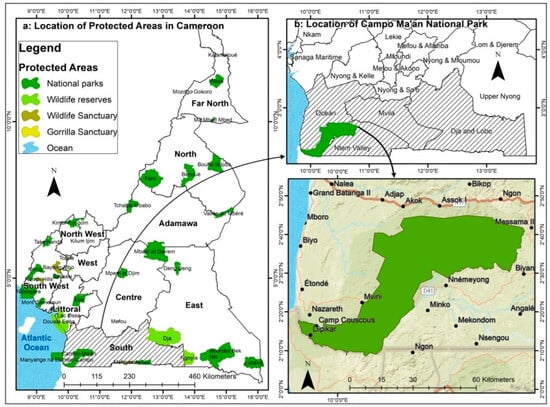
The global literature underscores a set of human wellbeing challenges and opportunities for forestland exploitation, albeit the lack of region-specific evidence. This concerns the Congo Basin, the second-largest forest ecosystem in the world. This study uses the case of the Campo Ma’an Landscape to: (i) analyze the challenges linked to the exploitation of forestland resources, and (ii) explore forest resource exploitation opportunities in the landscape. The study employed a random sample of 200 natural resource-dependent households drawn from four study zones—Niete, Campo, Ma’an and Akom II. This was complemented by focus group discussions (n = 4), key informant (n = 6) and expert (n = 6) interviews. The descriptive and inferential analyses led to the following results: First, economic, technical, socio-cultural and institutional challenges affect the sustainable exploitation of forestland resources in the Campo Ma’an Landscape. The economic challenges of forest (B = −0.389, p = 0.01) and land resource exploitation (B = −0.423, p = 0.006) significantly affect sustainable exploitation compared to other challenges, leading to biodiversity loss and deforestation. These constitute a threat to planetary health systems. Almost all households rely on forestland resources for their livelihoods and development, with opportunities for land resource exploitation outweighing those in forest resource exploitation. Protected area management and agriculture are affected owing to competing interests among farmers, conservationists and other land users. Thus, short-term economic gains are prioritized over long-term sustainability, putting the resource landscape at risk of degradation and future uncertainties. Integrated stakeholder engagement, capacity building, and policy revision could enhance the planetary health approach by linking the social, economic and environmental dimensions of forestland resource management.
Full article

Figure 1
Open AccessArticle
Earth Awareness: Mapping an Emergent Relational Field
by
Stephen M. Posner
Challenges 2026, 17(1), 1; https://doi.org/10.3390/challe17010001 - 22 Dec 2025
Abstract
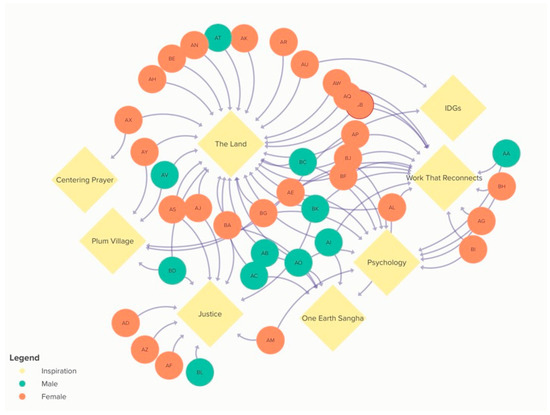
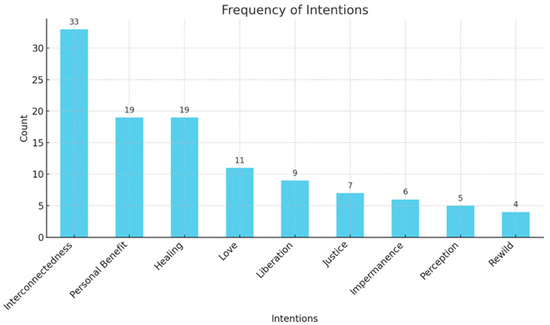
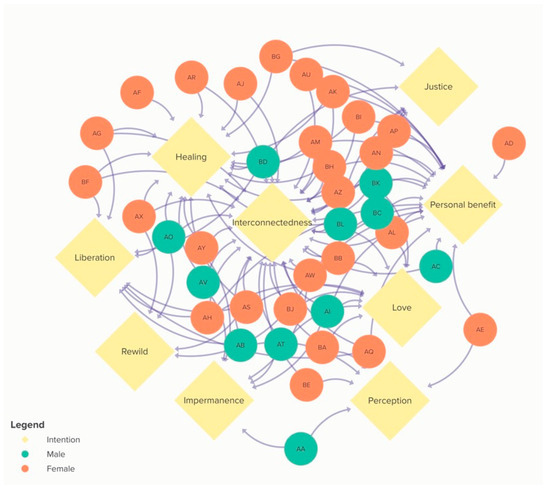
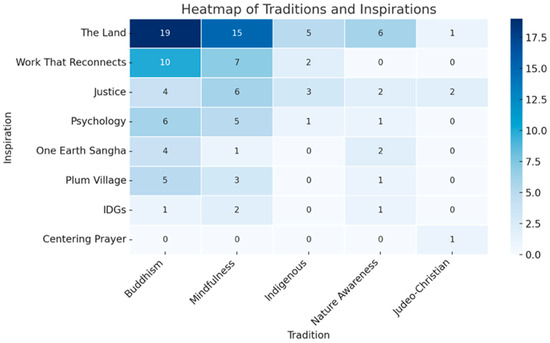
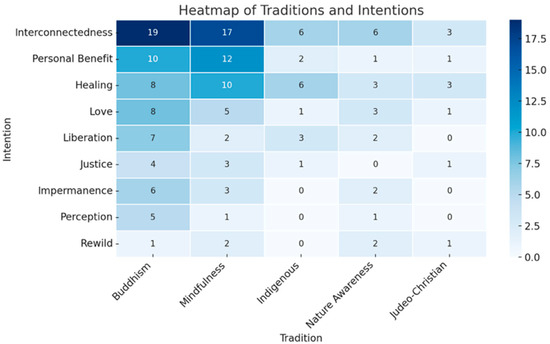
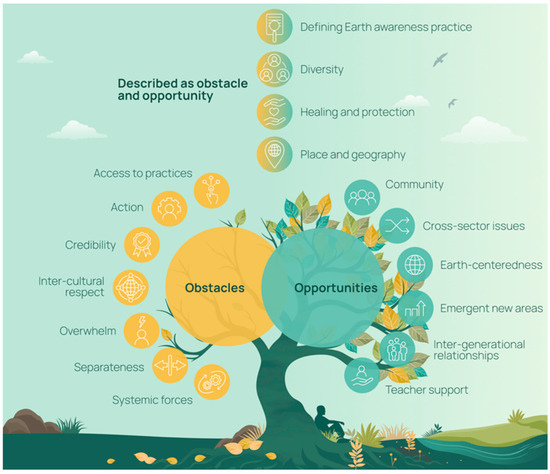
Amidst deepening ecological disruption and widespread disconnection from nature, this study explores the emerging field of Earth Awareness (EA) as a relational and experiential aspect of advancing planetary health. EA practices—rooted in Buddhist, Indigenous, mindfulness, and nature-based traditions—support direct experiences of interconnectedness with
[...] Read more.
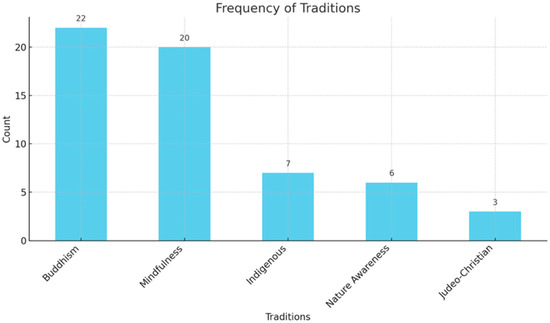
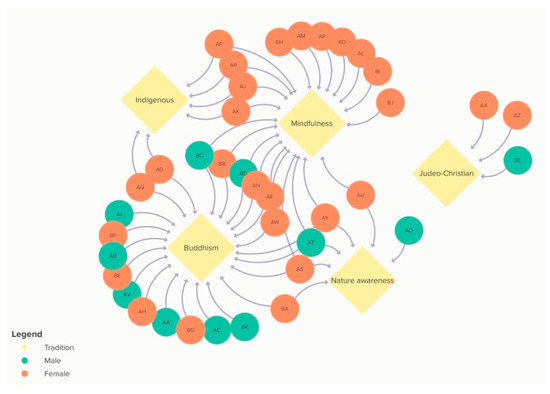
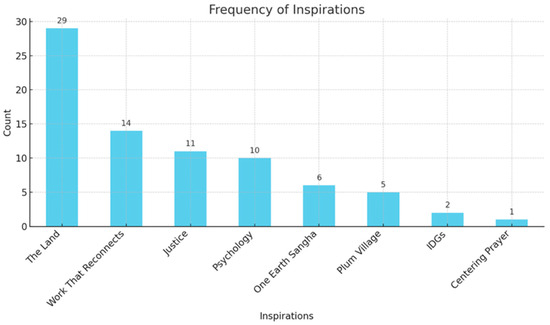
Amidst deepening ecological disruption and widespread disconnection from nature, this study explores the emerging field of Earth Awareness (EA) as a relational and experiential aspect of advancing planetary health. EA practices—rooted in Buddhist, Indigenous, mindfulness, and nature-based traditions—support direct experiences of interconnectedness with Earth, ecological awareness and consciousness, and opportunities to transform underlying patterns and systems. Through 45 reflective dialogues with teachers and practitioners across traditions, this participatory research identifies common inspirations, intentions, and challenges that shape the emerging EA field. Findings reveal that EA is characterized by contemplative practices, rituals, and ceremonies that bridge inner transformation and outer action in the world. Central intentions such as healing, interconnectedness, and justice align closely with planetary health priorities, including mental well-being, equity, and stewardship of the living world. Although the field faces challenges related to access, risk of cultural appropriation, and systemic separation, participants identified opportunities for community building, intercultural exchange, and centering Earth as teacher and co-participant. By mapping coherence in this diverse field, this study highlights EA’s potential to contribute to planetary health by reconnecting people with place, fostering a more ecological consciousness, and supporting culturally grounded pathways for collective action and care for Earth.
Full article
(This article belongs to the Special Issue Nurturing Connected Consciousness in the Anthropocene: Addressing Calls for Cultural and Spiritual Transformation as a Path to Personal, Collective, and Planetary Health)
►▼
Show Figures

Figure 1
Open AccessViewpoint
Artificial General Intelligence and Planetary Justice: A Framework for Safe and Just Transitions
by
Pascal Stiefenhofer and Cafer Deniz
Challenges 2025, 16(4), 59; https://doi.org/10.3390/challe16040059 - 8 Dec 2025
Cited by 2
Abstract
►▼
Show Figures
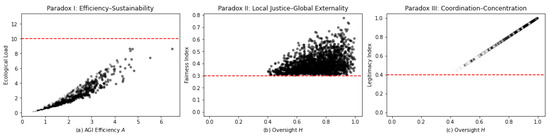
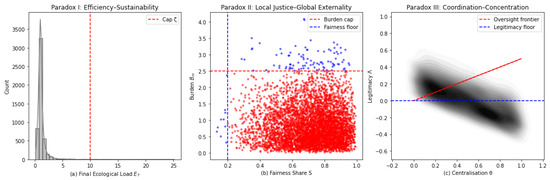
Artificial General Intelligence (AGI) is emerging not only as a technological breakthrough but as a defining challenge for planetary health and global governance. Its potential to accelerate discovery, optimise resource use, and improve health systems is counterbalanced by risks of inequality, domination, and
[...] Read more.
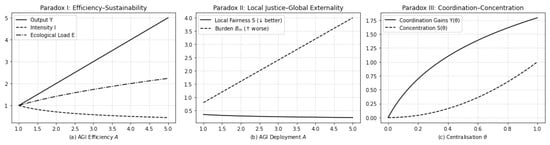
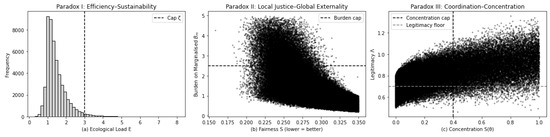
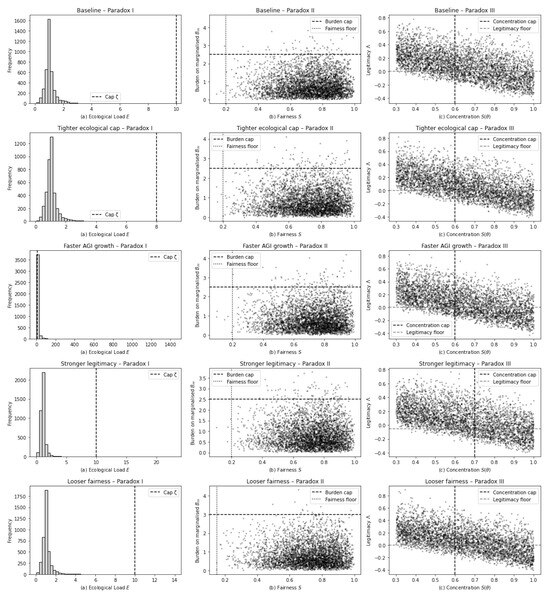
Artificial General Intelligence (AGI) is emerging not only as a technological breakthrough but as a defining challenge for planetary health and global governance. Its potential to accelerate discovery, optimise resource use, and improve health systems is counterbalanced by risks of inequality, domination, and ecological overshoot. This paper introduces a Justice-First Pluralist Framework that embeds fairness, capability expansion, relational equality, procedural legitimacy, and ecological sustainability as constitutive conditions for governing intelligent systems. The framework is realised through a stylised, simulation-based study designed to demonstrate the possibility of formally analysing justice-relevant paradoxes rather than to produce empirically validated results. Three structural paradoxes are examined: (i) efficiency gains that accelerate ecological degradation, (ii) local fairness that externalises global harm, and (iii) coordination that reinforces concentration of power. Monte Carlo ensembles comprising thousands of stochastic runs indicate that justice-compatible trajectories are statistically rare, showing that ethical and sustainable AGI outcomes do not arise spontaneously. The study is conceptual and diagnostic in nature, illustrating how justice can be treated as a feasibility boundary—integrating social equity, ecological limits, and procedural legitimacy—rather than as an after-the-fact correction. Aligning AGI with planetary stewardship therefore requires anticipatory governance, transparent design, and institutional calibration to the safe and just operating space for humanity.
Full article

Figure 1
Open AccessArticle
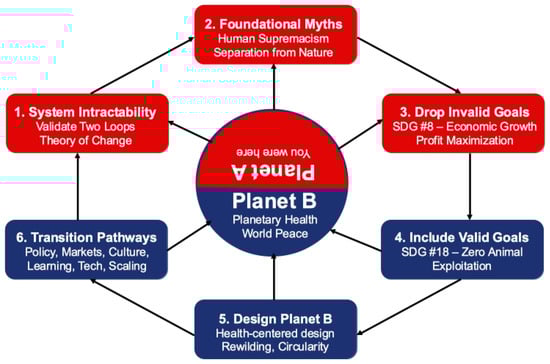
Planet B: A Systems Engineering Framework for World Peace and Planetary Health
by
Sailesh Krishna Rao and Gerard Wedderburn-Bisshop
Challenges 2025, 16(4), 58; https://doi.org/10.3390/challe16040058 - 8 Dec 2025
Abstract
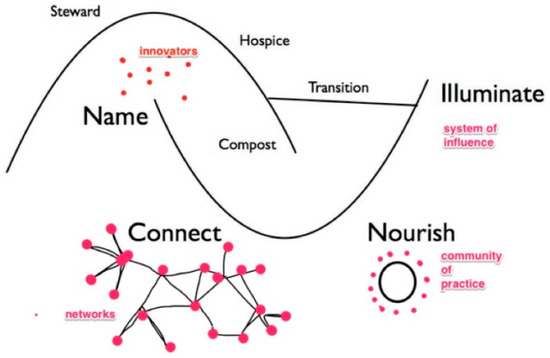
Planetary boundary transgressions occur as the result of a conflict between human-engineered systems and the natural life-support systems on Earth. In this paper, we validate the Berkana Institute’s Two Loops Theory of Change which posits that big living systems cannot be changed from
[...] Read more.
Planetary boundary transgressions occur as the result of a conflict between human-engineered systems and the natural life-support systems on Earth. In this paper, we validate the Berkana Institute’s Two Loops Theory of Change which posits that big living systems cannot be changed from within. We can only abandon them and start over. We show that the desired objectives of world peace and planetary health can be attained through a “Planet B” style engineering of human systems to meet the 17 UN Sustainable Development Goals (SDG), sans SDG #8 (Economic Growth) and with the addition of Beyond Cruelty Foundation’s SDG #18 (Zero Animal Exploitation). We show that the transition to fully plant-based systems as envisioned in SDG #18 mitigates all seven planetary boundary transgressions and aids in the development of a regenerative, equitable, and sustainable civilization that we call Planet B.
Full article
(This article belongs to the Special Issue Planetary Health: Urgency and Agency for Systems Change. Including Submissions Associated with the 2025 Planetary Health Annual Meeting (PHAM2025))
►▼
Show Figures

Figure 1
Open AccessReview
The Planetary Health Impacts of Coffee Farming Systems in Latin America: A Review
by
Emiliano Hersch-González and Horacio Riojas-Rodríguez
Challenges 2025, 16(4), 57; https://doi.org/10.3390/challe16040057 - 20 Nov 2025
Abstract
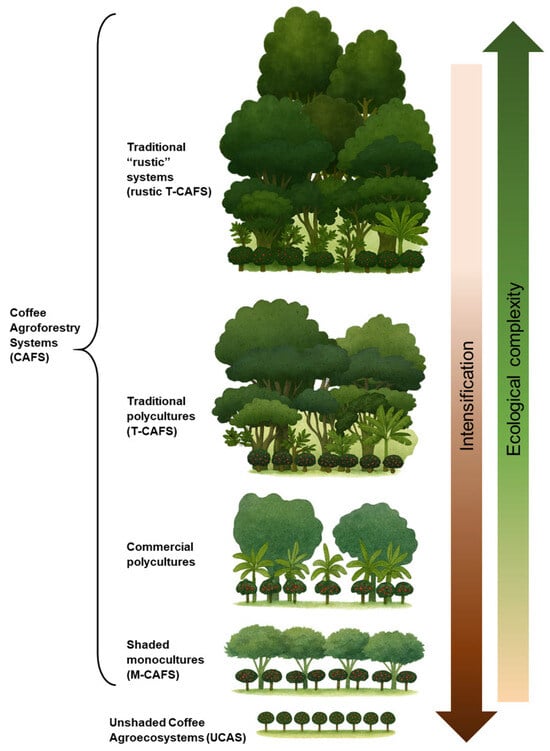
In Latin America, coffee is cultivated in distinct coffee agroecosystems (CASs), ranging from traditional agroforestry (“shade”) systems (CAFSs) to intensive, unshaded (“sun”) monocultures (UCASs). While various socioenvironmental impacts of these systems have been studied, their implications have not yet been integrated within a
[...] Read more.
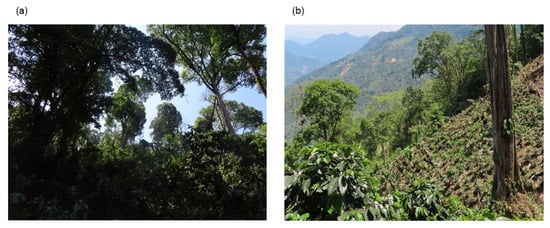
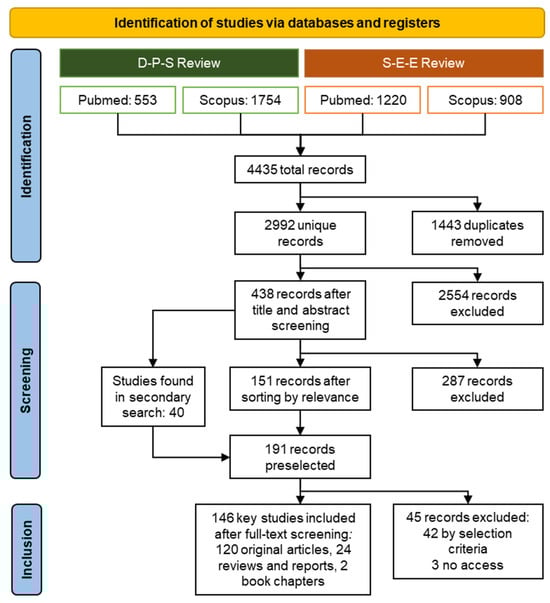
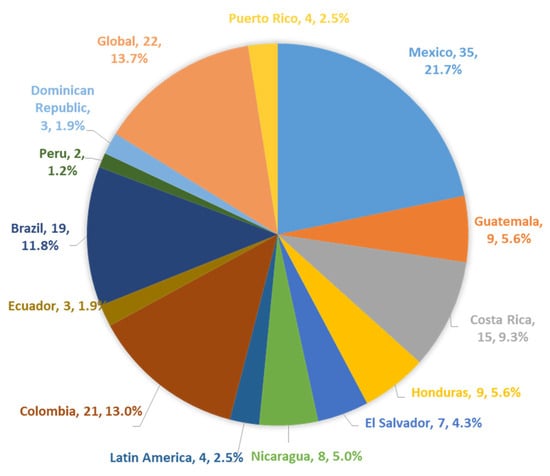
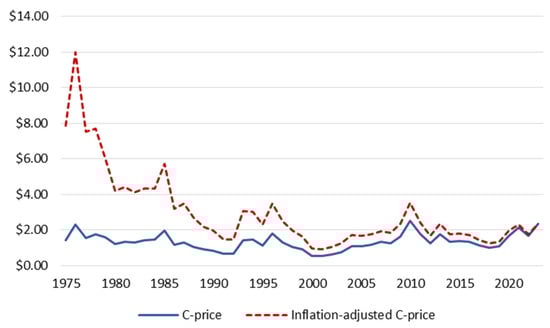
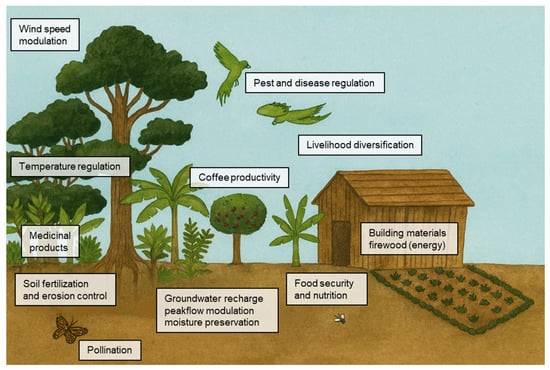
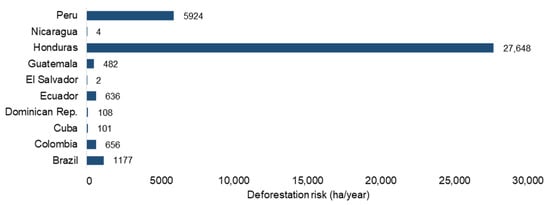
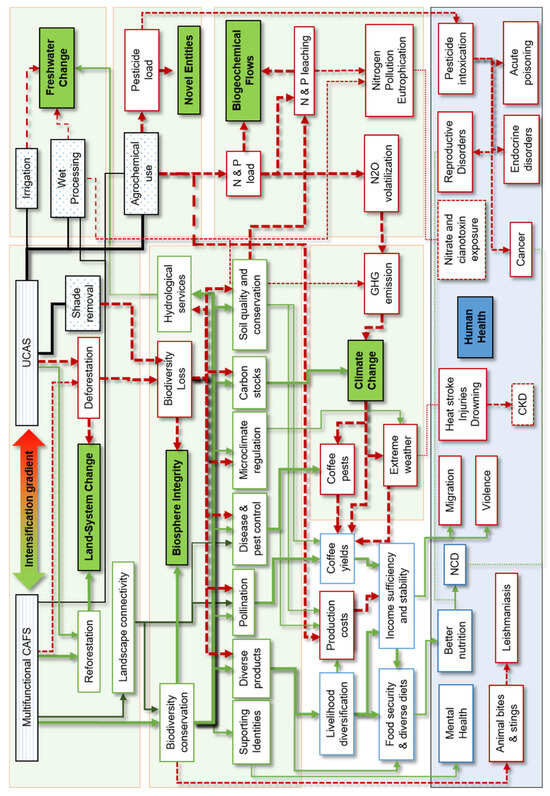
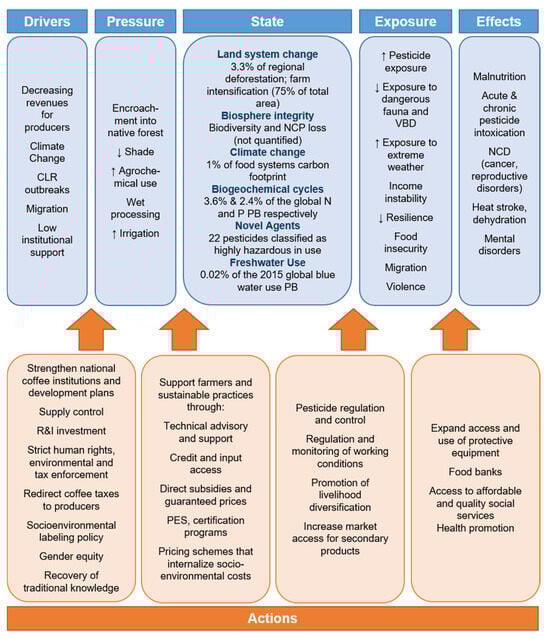
In Latin America, coffee is cultivated in distinct coffee agroecosystems (CASs), ranging from traditional agroforestry (“shade”) systems (CAFSs) to intensive, unshaded (“sun”) monocultures (UCASs). While various socioenvironmental impacts of these systems have been studied, their implications have not yet been integrated within a planetary health perspective. This review of 146 studies applies the Planetary Boundaries and Nature’s Contributions to People frameworks and the DPSEEA (Drivers, Pressures, State, Exposure, Effects, Actions) model to map the relationships between socioenvironmental drivers of change, different CASs, the state of natural systems at local and global scales, and human health and well-being. The analysis shows that conventional intensification, driven by low revenues for producers, climate change, and disease outbreaks, has accelerated deforestation, biodiversity loss, greenhouse gas emissions, agrochemical use and leakage, and water pressures. These changes create health risks for coffee-growing communities, such as pesticide exposure and increased vulnerability to external shocks. Conversely, agroecological practices can mitigate environmental pressures while reducing exposure to health hazards and improving resilience, food security, and income stability. However, mainstreaming these practices requires addressing structural inequities in the global coffee value chain to ensure fairer revenue distribution, stronger institutional support, and the protection of coffee-growing communities.
Full article
(This article belongs to the Special Issue Planetary Health: Urgency and Agency for Systems Change. Including Submissions Associated with the 2025 Planetary Health Annual Meeting (PHAM2025))
►▼
Show Figures

Figure 1
Open AccessArticle
Development and Preliminary Validation of the Planetary Empathy Scale: An International Study
by
Tracy Levett-Jones, Katie J. Tunks Leach, Heidi Honegger Rogers, Catelyn Richards, Aletha Ward and Samuel Lapkin
Challenges 2025, 16(4), 56; https://doi.org/10.3390/challe16040056 - 17 Nov 2025
Abstract
(1) Background: Planetary empathy includes deep reflection on one’s relationship with nature, curiosity about other worldviews, and an assumption of responsibility for creating a healthier and more equitable world for current and future generations. (2) Purpose: This paper presents a study that aimed
[...] Read more.
(1) Background: Planetary empathy includes deep reflection on one’s relationship with nature, curiosity about other worldviews, and an assumption of responsibility for creating a healthier and more equitable world for current and future generations. (2) Purpose: This paper presents a study that aimed to develop and conduct preliminary validation of the Planetary Empathy Scale for healthcare professionals. (3) Methods: The Planetary Empathy Scale was developed based on a concept analysis and preliminary validation was conducted in accordance with COSMIN guidelines. Data from 231 healthcare students and professionals informed item analysis. Cronbach’s alpha, known-groups comparisons, and exploratory factor analysis were used to assess reliability and validity. (4) Results: Initial psychometric testing supported a six-factor structure representing distinct yet interrelated dimensions of planetary empathy. The Scale demonstrated adequate structural validity, internal consistency, and construct validity. (5) Conclusions: The Planetary Empathy Scale proved to be a valid and reliable instrument. Participants had generally high levels of planetary empathy. Further psychometric testing with diverse cohorts is recommended.
Full article
(This article belongs to the Special Issue Nurturing Connected Consciousness in the Anthropocene: Addressing Calls for Cultural and Spiritual Transformation as a Path to Personal, Collective, and Planetary Health)
Open AccessArticle
From Knowledge to Action in Tackling Energy Poverty: The Role of European Postgraduate Programs in Energy Equity
by
Christiana Papapostolou, Kosmas Kavadias, Stefanos Tzelepis, Gilles Notton, Marie-Laure Nivet, Jean-Laurent Duchaud and Ghjuvan Antone Faggianelli
Challenges 2025, 16(4), 55; https://doi.org/10.3390/challe16040055 - 12 Nov 2025
Abstract
►▼
Show Figures
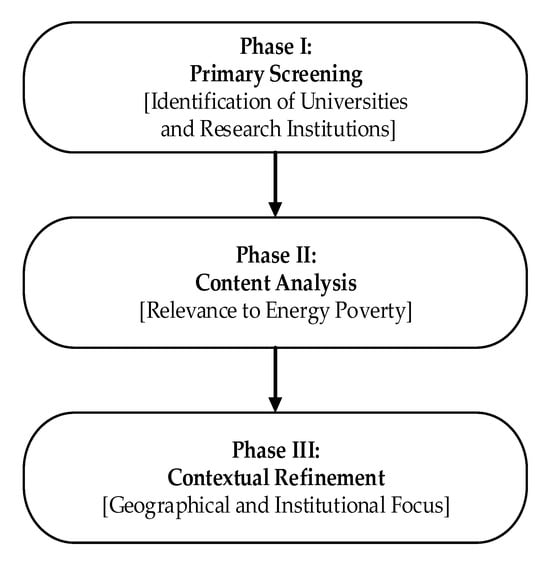
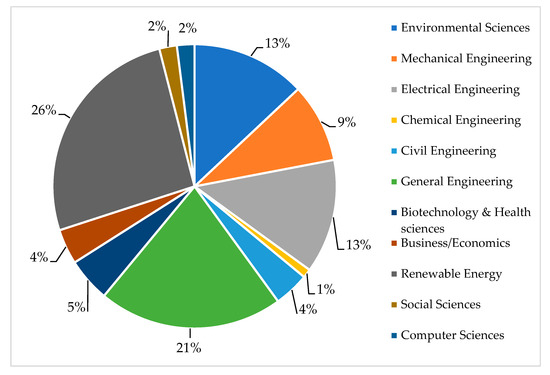
Education can play a pivotal role in the eradication of energy poverty by facilitating the transfer of knowledge and skills to all interested stakeholders whilst also promoting the adoption of sustainable energy solutions. In the context of this paper, a comprehensive review of
[...] Read more.
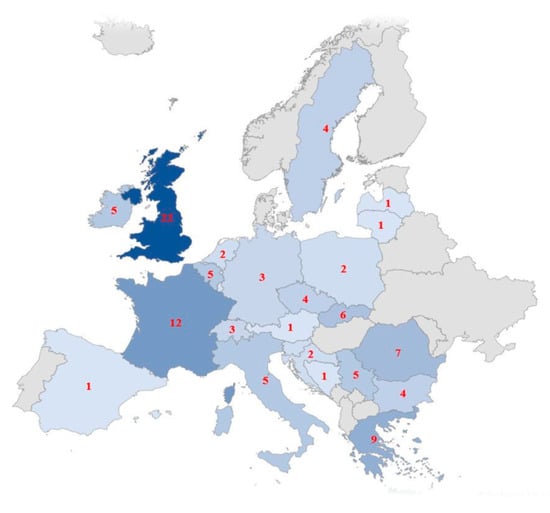
Education can play a pivotal role in the eradication of energy poverty by facilitating the transfer of knowledge and skills to all interested stakeholders whilst also promoting the adoption of sustainable energy solutions. In the context of this paper, a comprehensive review of European master’s programs related to energy poverty is carried out, resulting in the identification of approximately of 100 programs across seven European countries that either explicitly or implicitly address the topic. In most cases, energy poverty is embedded in a broader academic discipline—such as energy systems, renewable energy, or sustainable development—rather than being treated as a standalone field. In Europe, the United Kingdom, France, Greece, and Romania were singled out as the leading contributors to energy poverty education. Within the framework of the EU-funded project “MSc in Energy Poverty Alleviation Technologies”, implemented in collaboration with South African universities, this study focuses on South Africa, which represents a characteristic example of a country facing high levels of energy poverty and significant inequalities in energy access. This work highlights the critical need for targeted academic curricula specifically designed to bridge the persistent gap between academic research and its real-world applications, particularly in regions of the world where such integration is most urgent. It also emphasizes the essential role of linking STEM education with the social and humanitarian sciences. Finally, this work underscores the need for interdisciplinary approaches that connect energy poverty alleviation and education by additionally expanding the research and documentation of relevant good initiatives from Asia (China).
Full article

Figure 1
Highly Accessed Articles
Latest Books
E-Mail Alert
News
Topics
Topic in
Economies, Energies, Environments, Sustainability, Resources, World, Challenges
Studies in the Nexus Between Energy, Environment and Economic Growth
Topic Editors: Yi Jin, Ni Sheng, Yuan Wang, Zhaobo ZhuDeadline: 30 April 2027
Topic in
Challenges, Land, Social Sciences, Sustainability, Behavioral Sciences, Smart Cities
Mindfulness Communication and Sustainable Cities
Topic Editors: Wen-Ko Chiou, Chao Liu, Hao ChenDeadline: 1 July 2027
Topic in
Administrative Sciences, Clean Technol., FinTech, IJFS, Sustainability, World, Challenges
AI for Sustainable Development: Innovations, Challenges, and Real-World Applications
Topic Editors: Rohail Hassan, Costinela ForteaDeadline: 30 November 2027
Conferences
Special Issues
Special Issue in
Challenges
The Global Healthcare Workforce: Challenges, Opportunities and Implications for Planetary Health
Guest Editors: David Smith, Nicola Gillin, Louise ProtheroDeadline: 31 October 2026
Special Issue in
Challenges
Planetary Health and the Role of Regenerative Economies, Regenerative Business and Wellbeing Economies in the Symbiosene
Guest Editors: David Webb, Guenola NonetDeadline: 1 December 2026
Special Issue in
Challenges
Agroecology and Conscious Food Systems for Flourishing of People, Places, and Planet
Guest Editors: Victor Ernesto Méndez, Karen Spiller, Molly D. Anderson, Hannah Gosnell, Xiaoan Li, Carlos Andres Gallegos-RiofríoDeadline: 31 December 2026
Special Issue in
Challenges
Climate Change and Migration: Navigating Intersecting Crises
Guest Editor: Alessandro IndelicatoDeadline: 31 December 2026