


Viewpoint

Reflecting on Social Inclusion Through Philosophical Discussion: A Sustainable Partnership Framework

by
Peter R. J. Trim
1,* and
Richard C. L. Trim
2
1
Birkbeck Business School, Birkbeck, University of London, Malet Street, London WC1E 7HX, UK
2
UCL Information Studies, Faculty of Arts & Humanities, University College London, UCL East Campus, One Pool Street, London E20 2AF, UK
*
Author to whom correspondence should be addressed.
Challenges 2025, 16(4), 54; https://doi.org/10.3390/challe16040054
Submission received: 26 September 2025 / Revised: 30 October 2025 / Accepted: 31 October 2025 / Published: 5 November 2025

Abstract

The 17 sustainable development goals advocated by the United Nations have played a big role in focusing the minds of policy makers in terms of sustainability issues and have also highlighted the issue of social inclusion and the need to make society more equitable. As well as referencing the sustainable development goals, attention is given to the planetary health concept as it is known to deepen our understanding of the ecological interdependence brought about by cultural, environmental and socio-economic factors, which have relevance in terms of mankind achieving the sustainable development goals. This paper addresses the following question: How can a framework to foster global partnerships leading to sustainable development be underpinned by a philosophical argument that strengthens the case for social inclusion? Consequently, a wide body of literature is reviewed, with key concepts such as collaboration being placed in context and reinforced through stakeholder theory. A philosophical discussion is entered into embracing Moore’s open question argument regarding the reliance on Intuitionism to explain how actions can be coined as immoral or moral. Such arguments are useful for raising moral issues that often end in moral disagreements, and which raise and help solve ethical problems. To effectively deal with the complexity involved, policy makers should support the use of frameworks that can be used to support and encourage social inclusion. In adopting this viewpoint, we put forward a sustainable partnership framework that provides guidance to policy makers and their advisors in terms of tackling the issue of social inclusion. In order to achieve social inclusion, policy makers need to understand the role that symbolic representation plays and how the influence of major influencers generates collaborative knowledge that is reappraised through philosophical argument. The outcome of the philosophical argument is a change in a nation’s cultural value system and the implementation of social inclusion policy.

1. Introduction

Today’s challenges, such as the effects of climate change, are deep rooted and have pronounced consequences. Indeed, storms and storm surges are known to create much damage and threaten lives [1] (p. 2). It is for this reason that philosophical debate focusing on environmental protection can be considered highly influential as it forces policy makers to pay attention to investments in infrastructure and the mobility of people. Hence, policy makers need to act pragmatically when solving complex environmental problems and enter into debate regarding how to implement solutions that are to the benefit of a wider public. Taking cognizance of this means that policy makers and their advisors need to engage more in philosophical debate that draws on ethical insight. This is important because the discussion arising goes beyond solving an immediate problem/crisis and can be considered influential in terms of the formation of future policy.
The United Nations has defined 17 sustainable development goals that are concerned with raising the quality of life. They are as follows (https://www.un.org/sustainabledevelopment/development-goals/, accessed on 18 April 2025): goal 1—end poverty in all its forms; goal 2—zero hunger; goal 3—health; goal 4—education; goal 5—gender equality and women’s empowerment; goal 6—water and sanitation; goal 7—energy; goal 8—economic growth; goal 9—infrastructure, industrialization; goal 10—inequality; goal 11—cities; goal 12—sustainable consumption and production; goal 13—climate action; goal 14—oceans; goal 15—biodiversity, forests, desertification; goal 16—peace, justice and strong institutions; and goal 17—partnerships. Looking more deeply into the individual characteristics of each of the sustainable development goals, it is possible to say that there is a strong fit with the concept of planetary health. This is because there is a clear ecological interdependence connecting “the health and vitality of individuals, communities, and the earth’s natural systems” [2] (p. 3498) that fall within a grand ecosystem. Hence, the heads of government need to acknowledge that the socio-economic factors that are embedded in the sustainable development goals are concerned with alleviating poverty and the inequality between nations. Indeed, Klarin [3] (p. 83) has taken this a stage further by linking poverty with environmental degradation and has made a case for greater harmony between “human development and the environment”.
For policy makers to achieve the objectives associated with the 17 sustainable development goals, there must be realization that the problems the planet is facing cannot be solved by one nation or a single international institution. The issues facing mankind include various types of man-made problems, such as the disposal of waste material and its consequences (e.g., pollution of the environment). However, increased attention needs to be given to the cascading effects associated with climate change and natural disasters, as well as the challenges stemming from war and political and socio-economic instability [3] (p. 67).
Policy makers need to be aware of the need to maintain and enhance ecological interdependence and ensure that the 17 sustainable development goals are implemented so that they satisfy and contribute to the objectives highlighted by the UN. Utilizing relevant concepts and frameworks allows those implementing policy decisions to exercise appropriate leadership that ensures that people in society are governed appropriately and that organizational staff are compliant in their actions. Because policy makers work hard to solve problems through collaboration, it is right to suggest that issues of complexity draw on a diverse set of perspectives [4] (p. 384). Acknowledging this means that solutions can be found to complex problems from various sources. It also means that appropriate action is linked to accountability (e.g., those devising and implementing policy). But it is not straight forward. Accepting that policy related issues are subject to political manoeuvring and the mitigation of various types of risk, focuses attention on the plans and strategies drawn up to deal with recurring problems. For example, an action implemented may be viewed as positive but results in a negative impact that has unexpected consequences. It is for this reason that collaboration is aligned with stakeholder action and the need to draw on all sections of society to help solve recurring problems. Taking cognizance of the fact that stakeholder action is grounded in the stakeholder approach allows us to draw on stakeholder theory.
A partnership arrangement consumes the time and energy of staff, and in some cases, interaction turns into a deep engagement. The individuals involved in a partnership arrangement represent a myriad of organizations and it is for this reason that stakeholder theory is applicable with regard to placing relationship building in context [5]. Noting that a partnership arrangement can change in nature through time means that those overseeing the decision-making process, need to be aware that relationship building is contingent upon commitment and the sharing of resources.
The above highlights the stakeholder perspective [6] (p. 177) and the need to produce knowledge that gives rise to co-create ‘shared value’ [7] (p. 5) that is for the benefit of society. The arguments put forward will no doubt be underpinned by moral and legal considerations [8] (p. 14) that ensure policy makers cannot transfer responsibility away from them. They need to be held accountable for their actions. We assert that this is the right approach because accountability is associated with how a “person or organisation carries out its obligations” [8] (p. 17). However, the work of the policy maker is made more difficult than it should be because of “the apparent willingness of households to ignore risk entirely and to migrate towards more hazardous locations” [1] (p. 1). This suggests that people in society make their own informed decisions and market forces are influential in terms of presenting individuals with opportunities for self-advancement. To deny people the right to make their own decisions may be construed as antidemocratic and against market forces. There are, however, several cultural factors to consider because it is culture that underpins the way society is governed. Cultural factors also create the context within which people interact with each other and establish norms of behaviour.
An appreciation of culture and the role that cultural value systems play prepares people well in terms of understanding why the United Nations (UN) has identified the sustainable development goals it has and in particular number 17, “Strengthen the means of implementation and revitalize the global partnership for sustainable development” (https://sdgs.un.org/goals/goal17, accessed on 18 April 2025). Sustainable development goal 17 is a realistic aim but requires people to draw on philosophical logic to fully appreciate what is involved. Indeed, the objectives of multi-stakeholder partnerships that relate to the aim are defined as (https://partnershipaccelerator.netlify.app/, accessed on 18 April 2025):
(1)
“Enhance collaboration between sectors and stakeholders”. This involves trust and collaboration.
(2)
“Building partnerships and platforms at the national level”. This is underpinned by support and mechanisms for engagement.
(3)
“Partnership skills and competencies”. This requires building capacity and perfecting systems and processes.
To effectively deal with the complexity contained in the sustainable development goals, policy makers need to be more proactive in terms of the use of frameworks that can be used to support, encourage and foster social inclusion. In adopting this viewpoint, we put forward a sustainable partnership framework, which incorporates stakeholder theory, and which provides guidance to policy makers and their advisors so that they can formulate and implement initiatives pertaining to social inclusion.
Bearing the above viewpoint in mind, we set ourselves the task of answering the question: How can a framework to foster global partnerships leading to sustainable development be underpinned by a philosophical argument that strengthens the case for social inclusion? To answer this question, we reflect on an ancient monument and modern-day developments. We also articulate through philosophical debate why it is important to engage more fully in philosophical discussion to produce a framework that can be used as a basis for social impact. The framework proposed should enable key influencers in society to produce collaborative knowledge that is then subject to philosophical appraisal. Consequently, change will occur in the cultural value system and social inclusion will be viewed as a priority.
It is important to acknowledge that those individuals that have visited the ancient monument, settlement and ritual site of Stonehenge, have taken away with them a fascination for man’s achievements. They have also developed an understanding and a sense of knowing that to achieve something requires dedication. Through the process of learning from history, mankind is able to value past achievements and share knowledge and gain confidence to address existing and emerging challenges. It is for this reason that we hold dear to us our cultural heritage but at the same time think deeply about embracing technology for the advancement of mankind. Understanding the role that history plays is essential as it allows us to make sense of certain phenomena [9] (p. 876) and take cognizance of mankind’s development. This can be considered essential in terms of theory building and the development of concepts, models and frameworks that aid problem solving and decision-making.
Philosophical debate raises and highlights issues of significance and requires that attention is given to “the conditions under which objects exist” [10] (p. 86). Reflecting on this, it can be assumed that the allocation of resources is open to influence and judgment. How best to allocate the resources bearing in mind they are limited, requires those wishing to utilize the resources to articulate well and engage in persuasive argument. The utilization of scare resources highlights the need for cooperation, and it is with this in mind that the authors of this paper make reference to the United Nations (UN) sustainable development goals and what they are to achieve.
Bearing the above in mind, a conceptual framework, Figure 1, has been constructed outlining how the key components of a partnership arrangement can be mapped out and linked. It can be noted that history plays a fundamental role in allowing policy makers, innovators and those out to influence change in society, to draw on the knowledge gained that permeates through society and manifests as cultural heritage knowledge. Learning from the past allows mankind to experiment, innovate and develop technology that is fundamental to mankind’s development. Technology brings with it criticism and opposition that results in philosophical debate that provides the platform for the acceptance of technology. Because technology has various applications, ways are found for technology to improve mankind’s decision-making capability for the better. Consequently, issues of concern such as climate change, pollution, and food insecurity, bring to the fore environmental problems that have both a physical and a socio-cultural dimension.

2. Theoretical Background and Literature Review

2.1. Reflecting on the Past

Referring again to the ancient monument of Stonehenge, it can be argued that those involved in Stonehenge’s construction had an inner calling. Musical instruments, made from bone and clay, were used during various performances relating to the rituals undertaken. Bearing this in mind, it is useful to consider the point made by Till [11] (p. 2): “Music has a vital role in human culture, is a key human technology for building and maintaining community”. Indeed: “Stonehenge shows evidence of those who were most involved being within the centre of the stone circle, with others of lower status staying further outside the sarsen ring, but within the surrounding bank and ditch; and also shows evidence of likely rhythmic musical activity” [11] (p. 4). This raises the issues of hierarchy and structure, and the issues of creativity, criticality and philosophical thinking. This, we suggest, is important because it links current day issues, such as migration and the settlement of dispersed people, with how people are accepted and then integrated into the community. These are challenges identified by the United Nations, which are known to provide insight and guidance into strategic issues and challenges facing mankind. By discussing complex issues and concerns openly, issues of ‘right’ and ‘wrong’ surface. This suggests that there is an emotional closeness in place among discussants (e.g., policy makers and their advisors) and they can distinguish ‘right’ from ‘wrong’. By adopting a holistic approach to problem solving, the complex topics can be brought into a wider political arena. The nature and complexity of such topics has a bonding effect on those involved and results in a negotiated decision-making process that is considered to have priority for mankind. However, deploying multisector strategies to achieve cultural change [2] (p. 3499) is not an easy task. But the task is made easier through the application of concepts, theories and frameworks that are viewed as timely and relevant.
Bauman [12] (p. vii) is aware that change is taking place and is of the view that policy makers have a difficult task because mankind has entered a period of ‘interregnum’, which means that the previous structures in place are not as effective as they were previously. Bauman [12] (p. vii) bases this view on the fact that change is occurring and the complexities confronting society require that new structures are developed that adhere to the concept of flexibility. Underlining this is the thought that even a new structure will become outdated at some point and will be replaced. Possibly the way to deal with this dilemma is to adopt the notion of flexibility [12] (p. ix) and ensure that a framework is not too rigid and can be adapted to accommodate change. To deal with change successfully requires that a framework is designed to be receptive to incremental and influential change. In other words, the output(s) from a framework need to be viewed as having value or be value creating, and lead to further discourse and a new structure(s).

2.2. Cultural Landscape

A specific cultural landscape can be viewed as providing heritage, which broadly interpreted has meaning for contemporary society [13] (p. 289). This is important to recognize because people form an emotional connection with a place and its surrounding landscape [13] (p. 290). Connectivity is known to have a strong binding influence on people and it does not matter if it is emotional or historically derived, connectivity is known to go beyond human-to-human interaction. Connectivity is largely associated with emotional bonding and involves different types of human-technology engagement. Today, people do not need to travel to a fixed location to view a monument or physically attend a ritual (e.g., music festival). They can view performances and images online. They can also watch online videos via networked connections and engage in augmented reality that helps them shape their view of how they fit into their immediate environment. Customized products (e.g., fitted kitchens) and services (e.g., insurance) can now be bought online, delivered to the buyer’s door or downloaded. Physical products can be returned to the retailer via a managed postal tracking system if necessary. Hence, customized interactivity occurs via networks and involves multiple partners/suppliers, each completing their part of the transaction. The laws in place governing such interaction offer the buyer protection against all sorts of threats. Consumer associations offer advice and help consumers to obtain what they are entitled to by contributing to and influencing government policy. The industry regulations that have emerged over the years force staff to be compliant and this enhances customer service. As nations embrace technology more, consumers become detached from a physical place and move more to the metaverse. So, the nature of social inclusion today is different from that of the past. Today, it is technology that brings people together and makes them bond as opposed to a physical place as indeed Stonehenge represents.
As people embrace the metaverse, questions surface regarding the purpose of communication and how people are expected to interact with each other. For example, Alan Warburton’s (https://vimeo.com/884929644, accessed on 18 April 2025) video essay entitled “The Wizard of AI” does much to highlight the difference in psyche between those that consider generative AI (artificial intelligence) to be beneficial (e.g., Wonderers) and those that consider it can be harmful (Panickers). According to Warburton, mixing and remixing AI images can be construed as liquid postmodernism and the reinterpretation of cultural models. Hence, the pace of technological change and ever-increasing use of AI is likely to escalate through time and will require greater thought in terms of what represents the ‘Futch’ and how society deals with the issues and challenges arising (https://vimeo.com/884929644, accessed on 18 April 2025). There is no doubt that enhanced connectivity will affect the way people interact, and this will have implications in terms of functionality and accountability, but it will also raise new challenges relating to social inclusion.
Embracing artificial intelligence (AI) can be considered natural because technology is associated with man’s evolution and stems from investments that result in sustainable consumption and production. Although AI is clearly perceived as bringing about opportunities for advancement, it can be associated with making some members of society vulnerable as they become dependent upon AI outputs to make decisions. They may also be replaced by AI in due course. Bauman [12] (p. 170) has provided a fascinating insight into the future by suggesting that “communitarianism is an all-too-expectable reaction to the accelerating ‘liquefaction’ of modern life, a reaction first and foremost to the one aspect of life felt perhaps as the most vexing and annoying among its numerous painful consequences—the deepening imbalance between individual freedom and security”.
Policy makers are aware that security is closely linked with a person’s freedom. They are also aware that inequality between people in society may emerge because of where a person lives (e.g., their geographical location). For example, those living in an affluent neighbourhood avail themselves of a certain quality of life that those living in an impoverished neighbourhood cannot. A community that is vulnerable is subject to risk and a clear example of this is how climate change and pandemics are placing people in a location at risk because the hazard identified [1] is likely to cause cascading effects that need intervention to rectify the situation. Policy makers need to note, therefore, that intervention (e.g., actions taken by government, individuals and organizations), is associated with functionality and solving a problem/set of problems.
Returning to the theme of artificial intelligence (AI) and social context, it is suggested that AI can be used to provide better weather forecasts [14] (p. 6). Such intelligence is helpful as it allows people to seek safety away from extreme weather conditions. So, AI can help people that are at risk and understanding this allows those affected to put their trust in policy makers. However, moving away from an area that is at risk means that although the individual is safe, their property and possessions may not be. This may cause doubt in the mind of those affected and much discontent, should the property and possessions be destroyed due to fire, flooding or vandalism.
Yasir et al. [15] (p. 1) make reference to a report from Global Findex Data that suggests there are 1.7 billion adults worldwide that do not have access to formal financial services. Taking this into account also brings to the fore safeguarding people against banking and financial crimes. Some countries are known to have lax banking systems, an inadequate banking infrastructure, and high risk in terms of people using online banking services. Yasir et al. [15] (pp. 4–5) suggest that fraud discourages people from using financial services; however, AI can be used to overcome barriers to traditional financial systems.
Mai et al. [16] (p. 4) reflect on the use of AI in relation to social inclusion and state: “AI is increasingly recognized as both a powerful enabler and a potential disruptor of sustainable development. Empirical evidence demonstrates that AI technologies-including machine learning, robotics, and drones-can contribute positively to multiple SDGs by enhancing efficiency, monitoring, and decision-making”. However, it has to be recognized that social factors in relation to digital literacy, gender-related constraints and distrust in government digital systems [17] (p. 11) militates against the use of e-government services.
Turning to the issue of functionality, translated as community embodiment, through togetherness, we suggest that Schofield [13] (p. 290) is right to state that music is inspirational and can change the way people think. For example, the words contained in songs from various types of singers including rock stars, allows us to reflect on the feelings and emotions of people and the crises and hardships they have experienced and which haunt or torment them. We accept that music is highly personal [18] and concur with the view of O’Keeffe [19], who purports that modern popular music falls within the auspices of music archaeology.
Music and the availability of it in different forms (e.g., advertisements on television, concerts, church services, personal instruction, streaming services) fulfils various needs and can be considered soothing and inspirational. Individuals can play musical instruments in order to relax in a quiet and unpressurized environment, and groups of people can come together and enjoy the harmony of a group activity (e.g., choir practice, orchestral rehearsal). Those that cannot play a musical instrument or live in an isolated location, can listen to music played out over the radio. But music does more than relax and inspire people. Hernandez-Ruiz et al. [20] (p. 3) remind us that that there are different music genres and it is important to match music consumption with personality trait because music is consumed in different ways. Rodgers-Melnick et al. [21] (p. 2) suggest that socio-demographic characteristics can be used to profile people so that appropriate music therapy is used to address acute pain. Research undertaken by Rodgers-Melnick et al. [21] (p. 5) into managing pain revealed that patients responded well to singing, playing a musical instrument, and engaging in relaxation and imagery. The most impactful musical elements are according to Hernandez-Ruiz et al. [20] (p. 5): rhythm, instrumentation, melody, lyrics and harmony. Bearing in mind that stress and depression are evident in society, it is encouraging to know that Tai Chi, which is a traditional mind–body exercise often combined with relaxing music, can be used to help elderly people to enter a state of relaxation and thus deal with symptoms of mild to moderate depression [22].
Reflecting back on the ancient monument of Stonehenge, it can be suggested that the stone blocks that form Stonehenge had an additional purpose, that of offering protection to those involved in spiritual activities. Like the thick walls of a castle, the stones portrayed designed-in security. We can equate this with present day computer systems that have software built in to protect against certain types of cyber-attack. Hence, designing and building a system, which Stonehenge represents, requires man’s ability to think of defending against the actions of an attacker. This is reiterated in Warburton’s (https://vimeo.com/884929644, accessed on 18 April 2025) video essay when reference is made to the Panicker, who envisages issues and challenges arising from AI and tries to put security controls in place. Bearing this in mind, it is useful to reflect again on the United Nations and their commitment to ensuring that the sustainable development goals outlined are in fact realized. Each of the goals is aligned with a specific problem or set of problems but are brought into unison by the one goal that we focus on in this paper, which can be considered a control. Indeed, a framework is representative of a control, and the individual components of the framework (themes/antecedents) can be considered minor and/or interlocking controls. It is important that a framework has an appropriate structure because the inputs that lead to a certain or specific output determine and are determined by events that are normally beyond the reach of an individual stakeholder. These events, which arise through issues and challenges, are often, in the case of a partnership arrangement, subject to negotiated solutions. Furthermore, events can be past or current and recurring, and bring to the surface different types of expertise, which through time is transformed into collaborative knowledge.
The connection with the past is clear to see. For example, in the case of music, heritage is reflective of time and originality, and like Stonehenge, has uniqueness that contributes to mankind’s development. Mankind has gained knowledge and inspiration from the past and has developed processes that are embedded in our psyche and emotional well-being. Again, reflecting on the United Nations and the sustainable development goals requires us to think deeply about our cultural value system and how we use our intuition to influence people to embrace social inclusion. Possibly social inclusion can be thought of as mankind developing a set of relationships, which are psychological in nature, and which are community inspired. What is important to note, is that artists and musicians, and poets and writers, are considered influential in terms of creating new shared narratives that shift mindsets [2] (p. 3507).

3. Paving the Way to Social Inclusion Through Social Impact

3.1. Social Inclusion

Social inclusion can be broadly interpreted as integrating people into the economic, social, cultural and political life of society so that they feel valued [23] and avail themselves of the resources available, and through employment, enhance their quality of life. Although it is possible to define social inclusion from a number of viewpoints, for example, the social-psychological perspective or an organizational perspective [24] (p. 331), the key point to take into consideration is the “dialectical relationship between inclusion and exclusion” [25] (p. 80). Silver [26] (p. 2) provides further insight by stating: “My working definition of social in/exclusion is one of a multi-dimensional, relational process of increasing opportunities for social participation, enhancing capabilities to fulfil normatively prescribed social roles, broadening social ties of respect and recognition, and at the collective level, enhancing social bonds, cohesion, integration, or solidarity. Social inclusion may refer to a process of encouraging social interaction between people with different socially relevant attributes or an impersonal institutional mechanism of opening up access to participation in all spheres of social life”.
People that do not fit into mainstream society and become marginalized, can become isolated and eventually lack the confidence to undertake the tasks necessary to improve their position and have a meaningful quality of life. However, exclusion occurs for a variety of reasons and although policy makers attempt to ensure that employment opportunities are created and are sustainable, it is not always possible to motivate people to succeed. Through the implementation of interventionist policy, structures and mechanisms can be created to empower people that are beneficial in terms of motivating people in the long term. Empowerment, which enables individuals to achieve something through their own actions, can also be viewed from different perspectives [24] (p. 331) depending upon what is considered to have priority. The various issues identified can be related to and stem from the sociopolitical environment or they can be related to how an individual interacts with other members of society [24] (p. 331) and how they are made to feel of value. For example, “Social acceptance reflects society’s willingness to embrace the individual, and the feeling of being accepted comes from the signals received from the reference group” [24] (p. 331). It is through such acceptance that social cohesion results and the spirit of a community evolves.
Oxoby [27] (p. 6) refers to social cohesion as the “condition of a group or an economy and as such affects the decision environment faced by the population”. Oxoby [27] (p. 6) goes on to say that “social cohesion affects the incentives to invest in social capital by increasing the return to these investments and reducing the associated uncertainty”. It is not surprising to learn, therefore, that Oxoby [27] (p. 7) considers inclusion to be highly personalized vis-à-vis an individual’s decision making and because of this it “affects the incentives an individual faces when choosing to invest in social capital or behave in a reciprocal manner”. This line of thought raises questions about how an excluded person thinks about themselves and the people around them. By indulging in further thought, an individual may consider their place in the world/the community is unsatisfactory bearing in mind the skills they possess and their ambition. When reflecting on the role an individual plays in society, a conclusion may be reached that a specific skill or expertise or resource needs to be acquired for them to achieve their ambition. However, an individual may feel they are excluded from gaining the skill/resource because they are discriminated against and this may affect their confidence and their willingness to improve their situation. They may feel hurt because they are prevented from participating in the way that they want to or they may gain stimulation and set out to achieve their ambition.
Various research projects have been undertaken into cross-cultural understanding and social cohesion [28]; however, more work needs to be carried out. The need exists to better explain how people in a community, which is composed of different actors, work together to achieve a common purpose and think in terms of making something sustainable. To achieve this, guidance can be drawn from the Charity Commission’s [29] (p. 3) report entitled: The Promotion of Social Inclusion, which states: “helping socially excluded people and communities overcome inequality and disadvantage, arising as a result of the circumstances an individual is born into, or as a result of his or her own particular circumstances; and promoting equality of opportunities. Promoting social inclusion usually includes promoting equal opportunities for those who are excluded and eliminating discrimination, and so there is clearly a link between promoting social inclusion and promoting equality and diversity. Therefore, social inclusion work may be carried out as a way of furthering the promotion of equality and diversity”.
Le et al. [30] have undertaken research into various aspects of culture and have applied established cultural theory. Interestingly, Le et al. [30] (pp. 385–388) found that social connection is important and this suggests that relationships and relationship building are pivotal as regards social inclusion involving ethnic groups. This raises questions about what social connection represents and what happens to people that are unable to build sustainable relationships with other members of society. This is especially relevant because technology is becoming dominant in terms of shaping and transforming the work environment and highly influential in terms of how people spend their leisure time and interact socially.
Taking into account how important relationship building is, it is right to consider the role that social relationships play in promoting social inclusion. Korkiamäki and O’Dare [31] add to our understanding by providing insights into intergenerational friendship. People across age groups expressed a need to be with people and have fun, which suggests that people like to be with people that they relate to and feel comfortable with. As expected, trusting and being trustworthy were viewed as important [31]. Research undertaken by Martin et al. [32] into social inclusion among adults with intellectual disabilities indicates that older people used mobile technology to stay in touch with family and friends, but they need help from time to time to utilize the technology. The role of family, friends and volunteer staff is paramount in providing support and guidance to those in need and can be considered essential to the relationship building process. Furthermore, the relationship building process can be enhanced through the process of value co-creation [33] and those providing services to people in need can reflect on the fact that community groups can extend their reach through collaborating with other community groups.
Brik and Brown [34] link social inclusion with social policy and have undertaken research to answer the question: “What are the theoretical, conceptual, and definitional frameworks for social inclusion and exclusion, and how have they developed over time? They have posed other questions as well, but this question is of interest because it focuses on ‘frameworks’ and finding answers to what a highly complex topic is. Bearing in mind that: “Social policy refers to government measures aimed at improving human welfare and social conditions” [35] (p. 1). It is possible to suggest that a framework can be conceptualized so that social inclusion is placed within a partnership arrangement of some kind that is within a specific cultural context. The benefit of this is that social inclusion policy is placed within a national context [35] (p. 3) and interventionist policy is fine tuned to solve local problems. At the intersection of these separate entities is emotional and cognitive health and physical and emotional health [2] (p. 3500). In other words, the well-being of society.
By localizing matters, it should be possible to identify influencing factors that stem from the environment [36] (p. 785) and then relate these factors back to the cultural value system(s). The advantage of this approach is that appropriate interventions and strategies can be devised that help specific communities to reintegrate back into the mainstream of society, when indeed they become detached from it. The reason why this can be considered a logical approach is because the term social inclusion has been used since the nineteenth century when it was used by Weber [37] (p. 2) and linked with social cohesion. However, some of the antecedents of social inclusion go back many centuries [38] (p. 1). It is because of this that mankind needs to find ways to solve current problems through the means of philosophical insight and pay greater attention to what social impact represents.

3.2. Social Impact

The United Nations (UN) has raised concerns regarding the sustainability of current food systems and is committed to achieving a balanced food system by 2030 [39] (p. 2). Food security is very much a UN priority, and this brings into focus the need to increase yields from agro-ecological systems [39] (p. 4). Importantly, companies such as Mars, have risen to the challenge and have committed themselves to helping farmers in the Cote d’Ivoire to improve cocoa production through various means including improving planting materials and training [40] (p. 12). Linked to this initiative is also a commitment to safeguard the health and livelihood of farmers. This is achieved through various forms of intervention that allow selected farmers to remain in business, to keep active and fit, and help reduce stress brought on by crop failure. Overall, such actions can be viewed as positive because they result in the sustainability of local agriculture. Furthermore, as crops thrive and agricultural production increases, new market opportunities open and are served, thus creating additional employment.
It is useful to reflect on additional real-world examples of social impact in order to have an appreciation of what can be achieved through intervention. Windsor Foodshare (https://www.windsorfoodshare.org.uk/, accessed on 1 May 2023) “provides short term weekly help in the form of non-perishable foods, bread, eggs, fresh fruit, and vegetables to any local household in which due to a lack of funds there is a likelihood of an individual becoming hungry. Once a month we also provide toiletries and cleaning products”. Indeed, “Windsor Foodshare was initiated by the Churches in Windsor in October 2013. It is part of Windsor Christian Action, a registered charity. It is centred around the desire for fairness and where there is abundance for it to be shared. Our approach is to treat everyone as equal and make no judgements on how need has arisen” (https://www.windsorfoodshare.org.uk/how-to-get-help/, accessed on 1 May 2023).
Pembroke House London (https://www.pembrokehouse.org.uk/pembroke-academy-of-music/, accessed on 18 April 2025), which is associated with Pembroke College Cambridge, manages the Pembroke Academy of Music (PAM), which is a heavily subsidized open access music project that provides music tuition to children aged 7–14 that reside in Walworth, South London. Fifty children each year benefit from the scheme. Children have the opportunity to take examinations with the Trinity College London examination board, and their experience is enriched through the opportunity to perform at special venues as well as winter and summer concerts at Pembroke House, London.
Inequalities in medical provision are of fundamental concern to the UN. Research undertaken by Prescott et al. [41] (p. 9) into the health care burden of food allergy produced some startling results: “The burden of food allergy and eczema also has major economic implications for health care provision of specialist allergy services worldwide. Our survey reveals wide inequities in health service provision, even in developed regions where the disease burden is already well recognised. Based on current trends in emerging economies the health burden of food allergy and eczema is anticipated to rise substantially in the next decade, and the greatest impact is likely to be in the more populated regions of the developing world. Currently, emerging economies generally have the fewest trained medical staff with expertise in paediatric allergy. Investment in training, which can take many years, is particularly important as these regions might anticipate a substantial increase in disease burden”.
These examples both constitute and embrace partnership development and can be placed in the context of sustainable development. They also highlight specific needs to be addressed. Various projects into community well-being have been undertaken and much has been learned about family and community involvement [42]. Hence, those championing social inclusion have a role to play in explaining how policies and frameworks aid social inclusion because additional ways need to be found to maintain the support that stakeholders and volunteers provide for social causes. Additionally, by adopting a broader perspective of sustainability and linking it firmly within the health of humans and the health of the environment [2] (p. 3499), it should be possible to place social inclusion within a wider narrative. For example, intervention can make limited resources available to those in need and through the better utilization of these resources, additional jobs can be created that give those outside the mainstream of society an opportunity to work and enhance the quality of their life. So, the concept of planetary health can be used to extend our understanding and appreciation of seeking what is right and justifying our understanding so that being productive (e.g., working, playing a musical instrument, preserving our heritage), is supplemented by a commitment to making food and medicine available to those in need. This can be considered ethical and has a clear purpose, to increase the well-being of society.

4. Community Involvement Through Partnership

Sustainable Partnership Development

Trim and Lee [43], provide insights into sustainable partnership formation involving a collectivist decision-making approach that embraces customer relationship management. What can be deduced from this is that information sharing is common practice among partnership members [44] but not all the information shared is viewed as having the same value. Furthermore, as the level of dependency increases between the partners, so too does the need to share information as it is viewed as assisting partner learning [45]. Evidence of this can be drawn from a real-world example represented by The Challenge, a charity that focused on helping to build a more integrated society in the UK. During its existence, The Challenge was extensively funded by the National Citizen Service Trust (NCS Trust). It had previously “put 250,000 young people through NCS since 2009, while employing over 500 permanent staff. The dispute between the two organisations centred on a requirement for all NCS Trust’s delivery partners to use the same IT system” (https://www.civilsociety.co.uk/news/ncs-trust-agrees-to-pay-the-challenge-2-8m.html, accessed on 1 May 2023).
The example above highlights the need for collaboration. Collaboration is, it can be argued, a key determinant of the sustainability of a partnership arrangement and indeed the success of a partnership arrangement. Success is dependent upon several factors including a shared set of values that are ethically grounded. Griffiths [4] (p. 387) is of the view that “collaboration processes are driven by the emotions characteristic of small groups, by self-interested motives, and by (differences of) principles”. Hence, separating out emotion from ethical reasoning can be considered essential in terms of a partnership arrangement functioning in the long term. Dealing with conflict, which arises from time to time, must be anticipated because stakeholder commitment influences and is influenced by the motivations of those in charge of the partnership arrangement. Indeed, conflict can occur between stakeholders because there is a resource imbalance between the members and those involved in making decisions are divided into an ‘inner’ circle and an ‘outer’ circle [4] (p. 391). The ‘inner’ circle or in-group may be set on achieving certain objectives that conflict with the aspirations of the out-group members. Hence, conflict arises.
Although it is likely that other factors were responsible and contributed to the failure of the charity made reference to above, it is important to note that: “Partnership arrangements can facilitate developments in information systems technology, and data and information transfer can result that leads to the development of knowledge and the transfer of knowledge between and among partner members” [43] (p. 234). It is useful at this juncture to take cognizance of the United Nations concept of sustainability, because: “At the end of the day, it is the welfare of humans that we are concerned about, not just the present generation but future generations as well” [46] (p. 363). This brings to attention the relevance of the first sixteen sustainable development goals identified by the United Nations, which can be placed in the context of solving the problem of ‘public space’ [4] (p. 391). Griffiths [4] (pp. 391–392) is clear that people form collective spaces to engage in debate and action, and collective spaces are representative of where groups of people enter into discussion with other groups of people. During the group interaction process, challenges are identified, and solutions are put forward. The outcome of which is collective action: “which realizes the possibilities of justice through working with rather than against multiple and overlapping perspectives” [4] (p. 393). This brings to the fore the need for policy makers and senior managers to set and achieve realistic objectives, that are community focused.
Managers, whether employed by for-profit or not-for-profit organizations, realize that in order to achieve the goals set through time, it is necessary to think of achieving and maintaining a ‘sustainable’ competitive advantage as opposed to just a competitive advantage. This line of thought falls within the strategic marketing school of thought, which is grounded within the resource-based view of the firm [47]. Resource based theory connects resources and capabilities and explains how a company achieves a competitive advantage. This theoretical notion has been extended to include a natural-resource-based view, which focuses on how a company develops a sustainable competitive advantage through pollution prevention, product stewardship and sustainable development [47]. This can be considered important because the natural-resource-based view advocated by Hart [47] can be mapped to the role performed by key influencers and the technology in use. As regards the former, key influencers devise and implement regulations that ensure that senior managers put the necessary governance system in place that ensure also that staff are compliant in their actions. As regards the technology in use concept, not only do senior managers ensure that the company is efficient in its production, but they put emphasis on it being environmentally friendly. This has ramifications for consumers because through innovation, products (e.g., packaging) can be developed that are biodegradable or easy to recycle.
The logic underpinning the resource-based view of the firm is that organizations require resources that are in limited supply, and the most efficient use needs to be made of these resources if criticism is to be avoided. Although achieving a sustainable competitive advantage is essential in terms of defending market space, also of importance are key success factors. Whereas the design team of a for-profit organization may be highly prized, it could be that in the case of a not-for-profit organization, it is the army of volunteers that turn out in all types of weather to help the community that are highly regarded.
The management of people, whether they are in-house staff or staff employed by a supplier or customers of the company, is aligned with the process of stewardship. Stewardship is responsible for ensuring that the resources of an organization are utilized in an appropriate way. In the context of stakeholder theory, stewardship is associated with leadership that is aimed at solving performance-related problems [48] (p. 220). Relationship building is considered a priority in terms of achieving performance-related objectives and is strengthened through the process of stakeholder empowerment. Underpinning stakeholder theory is the concept of morality and social and ecological well-being [49] (p. 1160) and it is this that provides the ethical context within which decisions are discussed and implemented.
Reflecting on the fact that resources are limited and need to be used to good effect, means that policy makers and their advisors, when considering appropriate interventions in relation to social inclusion, need to think deeply about what is involved. This means projecting forward and establishing how the interventions in place will help realize the goals set. This is because the action(s) undertaken will have counteractions and this will give rise to consequences and possible vulnerabilities. For example, making resources available to a social cause may mean that other social causes cannot receive funding and this may result in discontent among the community. So, it is with this in mind that interventionist policy does, we feel, need to be subject to philosophical debate and insight. Indeed, this can be viewed as helping to establish critical competencies [50] (p. 14).

5. Philosophical Insight

5.1. Philosophical Definition

According to Kania [51] (p. 3), “Traditionally, a philosophical definition takes the form of a set of individually necessary, jointly sufficient conditions”. Hence, we adopt a philosophical argument to clarify why it is important to ensure the United Nations sustainable development goal 17 is carried out. We suggest that the approach used is appropriate for answering the question posed: How can a framework to foster global partnerships leading to sustainable development be underpinned by a philosophical argument that strengthens the case for social inclusion? In adopting the approach that we do, we take cognizance of the fact that accountability, and indeed answerability and liability [8] (p. 17), are important in terms of the long-term success of the partnership entered into. It can also be suggested that the United Nations is placing emphasis on ‘joined-up policy’ [52] (p. 2) that considers the need for welfare vis-à-vis socio-economically disadvantaged communities as well as disadvantaged groups. This focuses attention on how cultural value systems are formed and influenced in relation to public policy provision. The advantage of the cognitive science perspective is that it promotes perception and thinking and thus deepens mankind’s judgement and decision-making capability [53] (p. 5). Hence, we assert that Moore’s (1903) [54] argument is logical because it provides a basis for raising issues and concerns relating to sustainability. The sustainability science perspective [53] (p. 6) can, we feel, be enriched through philosophical argument. The point to note is that open and transparent debate is beneficial because it can improve environmental decision-making and ultimately reduce disputes [55] (p. 9) that militate against the successful completion of a project.

5.2. Moore’s (1903) [54] Argument

By viewing “Strengthen the means of implementation and revitalize the global partnership for sustainable development” (https://sdgs.un.org/goals/goal17, accessed on 18 April 2025) from the perspective of a ‘just’ and ‘right’ cause, it is possible to enter into a philosophical argument regarding the concept of how intuitionism challenges the validity of ethical naturalism. Cognitivism is the belief that moral statements are propositions and are therefore ‘truth-apt’, capable of being either ‘true’ or ‘false’. Ethical naturalism and ethical non-naturalism are both branches of cognitivism and each has their supporters. Non-naturalists, such as Moore [54], believe that there are descriptive moral terms, concepts, or properties that cannot be defined through the natural world. Alternatively, ethical naturalists, such as Jeremy Bentham, believe that moral terms, concepts, or properties are definable through the natural world [56]. Moral terms such as “good” and “wrong” correspond to natural features of the world, in this case, pleasure and human well-being. So, it is possible to argue that multi-stakeholder partnerships are the result of positive actions and include interventions, which are viewed as ‘good’ and ‘right’ and necessary for achieving sustainability as proposed by the United Nations. In the context of the United Nations sustainable development goal number 17, we denote a partnership as “good” and “justified” and consider the antithesis of partnership and what it involves to be “bad” and “unjustified”.
It can be suggested that ethical naturalism bases moral understanding and judgments on principles and methods used in natural sciences, such as empirical evidence and observation. As regards a universal framework for understanding and evaluating moral claims, it can be noted that Moore [54] criticizes ethical naturalism because it equivocates natural and moral properties, which commits, what he coined, ‘the naturalistic fallacy’. We assert that Moore [54] does not successfully challenge the validity of ethical naturalism, and we propose presenting our case in the form of addressing Moore’s open argument. To achieve this, we (i) explain what the open question argument is; (ii) we look at and evaluate critiques of the open question argument; and (iii) we assess whether Moore’s [54] intuitionism can further strengthen and add to his challenge of the validity of ethical naturalism.

5.2.1. What Is the Open Question Argument?

The open question argument was formulated by Moore in his work Principia Ethica, published in 1903 [54], arguing that the property of goodness is a simple, unanalyzable quality [57]. Moore argued that we cannot define moral terms using natural terms and when one does try to do so, they are committing a naturalistic fallacy [58]. Hume [59] is of the view that it is not always possible to define something as it is a simple concept that cannot be defined in terms of any other concept. The point being that if insufficient definition occurs, then it is not possible to analyze the conditions present or further define matters to arrive at a perfect solution. In reflecting on the need for global partnership to assist and give rise to sustainable development, we suggest that more than one policy needs to be devised because as is denoted in goal 17, whatever is in being has to be “implemented” and then “revitalized”. This suggests that policy is formed and reformed and the strengthening process occurs on a continuous basis through time.
To suggest a partnership arrangement is a good idea or will have a good effect on the community is rather ambitious because the word ‘good’ is a simple concept but it cannot be analyzed or defined according to Moore [54]. To define ‘good’ as anything other than itself is to be committing the ‘naturalistic fallacy’. Moore’s reasoning was based upon David Hume’s ‘Is’—‘Ought’ Problem, the idea that people mistakenly reach conclusions on what is ‘ought’ to be the case based upon what ‘is’ [59] (p. 36). For example, a Utilitarian may claim that what is good produces pleasure and what is bad produces pain. This statement jumps from a descriptive claim of ‘what is’ (‘what produces pleasure happens in reality’) to a prescriptive claim of ‘what ought to be’ (‘what is good produces pleasure’) without explaining why pleasure leads to moral good. Moore challenged this leap in thought by showing that if something produces pleasure it is still an open question to ask whether it is ‘good’. An open question is something that cannot be answered in a direct and meaningful way. In addition, Moore illustrated how reducing a moral property to a natural property is a mistake as it is insufficient, through the use of his open question argument. Indeed, the conclusion derived from Moore’s line of arguing is that ‘good’ is a simple (primitive) concept that cannot be defined; therefore, ethical naturalism is false. If the moral property ‘good’ is analytically equivalent to a natural property (N), then it would be absurd to question whether N is good. According to Moore [54], there is no set definition for ‘good’ and because of this, the open question argument shows how problematic ethical naturalism can be. This is because complications arise when an attempt is made to reduce a moral property to a natural property. This is important to note because the concept of partnership can mean something different depending upon an individual’s belief system, how they set priorities, how they view the development or management of a partnership arrangement. And as Moriarty et al. [60] (p. 446) indicate, how people abide by the rules.

5.2.2. Criticism of the Open Question Argument

The ambiguity associated with the word ‘good’ does not mean that it is good enough to say that ‘good’ is indefinable. Feldman was of the view that if the word ‘good’ is viewed as undefinable then this leads to confusion around ‘good’ and can also lead to strengthening the case against it [58]. Feldman [61] suggests that Moore’s argument is limited as it only reaffirms Moore’s original assumption rather than addressing broader questions about how ‘good’ can be described in a way that allows people to understand it. Moore does not fully engage in providing an ethical framework unlike ethical naturalism and only challenges naturalistic definitions of ‘good’.
As Moore is a cognitivist, he believes that moral statements are truth-apt but if moral properties cannot be reduced to natural properties, then how can we definitively tell whether something is right or wrong? As Moore originally stated, he does not believe ‘good’ can be defined by using natural terms, and so if something cannot be defined, how can we know for certain whether that something is ‘good’ or ‘bad’? As a non-naturalist, Moore believes people can recognize good when they see it and do it with their intuition. Intuition is associated with mortality and truth, but it is also associated with judgement and insight [62] and can be placed in the context of decision-making. For example, if a partnership is developed that does not utilize resources well and operates in an inefficient and costly manner, then it would be considered to be ‘bad’ and not worthwhile continuing. However, if a group of stakeholders unite and start co-operative action that results in raising funds that contribute to an aspect of social inclusion, then they would know that was ‘good’ and their actions would be continued.
Moore provides an alternative way of proposing how there are moral properties that do exist that are objectively true whilst keeping to his original notion that moral properties cannot be evaluated in the form of natural properties. However, if, as Moore claims, people have an innate moral intuition that enables us to identify what is good or bad, then why are there moral disagreements? How can one person view an action as immoral or bad, when another person views the same action as moral and good? These inconsistencies raise doubts about universality and the objectivity of one’s moral intuition. And they come into play when nation states do not sympathize with or refute the advice provided by the United Nations.
Held [10] (p. 386) makes clear that rational society, which is the outcome of institutional structures, is the subject of continual discussion. This is possibly because what we call modern life is subject to “fragility, temporariness, vulnerability, and inclination to constant change” [12] (p. viii). Change is brought about by impacts that reorder mankind’s priorities and at the same time result in the exclusion of sections of society. Exclusion implies that people are outside the mainstream and thus become marginalized, which can happen when unemployment increases and those affected are unable to reskill and thus become impoverished.
So, the United Nations’ line of reasoning must be distilled further and made concrete so that the sustainable development goals resonate more with the individual heads of government and as a consequence, ensure that appropriate action is taken to rectify the problem of inequality that is brought about through exclusion. To achieve this, the United Nations sustainable development goal number 17 must be considered inclusive of the other 16 goals. The logic supporting this assumption is that goal number 17 is highly worthwhile and has a morale outcome, namely, to aid the process of social inclusion and thus have social impact. But it is more than this. The partnership approach outlined in this paper, is very much associated with focusing attention on the bi-directional effects of human-made systems across scales [2] (p. 3500) because social inclusion is associated with having an impact on planetary health. Achieving sustainable development goal number 17 is not possible without a commitment to the application of stakeholder theory. This is because to exclude people and organizations is to underutilize the resources available that can be drawn on to generate the structures that stem from intervention. Embracing interventionist forces, which include key influencers such as government representatives, academics, industry practitioners; and experts employed by non-government organizations (e.g., not-for-profit organizations), is essential for developing knowledge that is of a developing/emerging nature. Such knowledge can be classified as transformative in nature. However, what comes out of collaborative knowledge may not always be acceptable in the sense that it may, in the case of being used to produce artificial intelligence, represent a threat to some people in society. For example, questions must be asked relating to whether artificial intelligence will make some people (those that have a certain skill that can be replaced with artificial intelligence (e.g., artists, designers, musicians, writers and those offering legal and medical advice)) redundant. If the answer is yes, the question must be asked: is this likely to reduce the level of structure in society? If the answer to this question is yes, then what are the consequences for mankind? Having answers to these types of questions allows activists to challenge authority and ensure society remains democratic.
Providing no reliable or clear mechanism(s) to explain how intuition can assess whether something is morally right or wrong leads to the theory being unreliable. From an ethical naturalist point of view, there is a need for a robust ethical framework as without one, there will be a problem of conflicting intuitions. For example, the American Civil War was fought between the Union (the North) who believed that slavery was morally wrong, and the Confederacy (the South) who believed slavery was justifiable [63]. If intuition is supposed to give us access to objective moral truth, then there should not have been widespread disagreement about whether one should prioritize economic benefit above an individual’s life or whether a person is intrinsically more important. Therefore, intuitionism does not provide a clear explanation as to how we can perceive whether something is moral and ‘good’ and so cannot prove that ethical naturalism is invalid. It is because of this reasoning that a sustainable partnership framework needs to be placed in context and accompanied by philosophical debate because governments hold different views and have different objectives. It is because of the need to achieve social inclusion that the sustainable development goals promoted by the United Nations can be considered impactful and worthwhile of support. However, it is important for policy makers to be aware that the implementation of the 17 sustainable development goals will lead to the transformation of society. The change in consumption and production, brought about by the utilization of technology, will reshape market offerings (e.g., environmentally friendly products will be produced and consumed). Consumer culture will be heavily influenced by changes in producer-consumer engagement and consumer culture theory will advance. It is for this reason that a partnership arrangement framework needs to be supportive of intervention and knowledge use. Furthermore, the collaborative knowledge that feeds into and stimulates philosophical discussion is required to appraise existing policy and steer managers into making appropriate ethical decisions. By finding answers to ethical questions, the cultural value system will be transformed. This will bring into discussion the theory of neoliberalism [64] (p. 256), and how the free-market system can benefit everyone. Ultimately, the partnership arrangement in place needs to stimulate factors leading to a change in the cultural value system as this is necessary for social inclusion to manifest.

6. The Real-World Challenges of Partnerships

Reflecting on the sustainable development goals advocated by the United Nations, means that more attention can be given to how collaborative partnerships help reduce geographical boundaries and help members of society to tackle complex social issues [52] (p. 4). Furthermore, by accepting that mankind is responsible for and influential as regards creating and solving social problems, it is possible to suggest that innovation will reshape man’s environment. Indeed, technology is perceived increasingly as solving ecological imbalances, which can be viewed as positive from the stance of aiding the cognitive science perspective advocated by Stålbrand et al. [53] (p. 5).
The benefits arising from achievements and the solving of problems can be viewed as the outcome of specifically formed programmes [65] (p. 423), which are aligned with a specific objective/set of objectives. This is especially important for the managers of a partnership arrangement to remember because often, the inability to achieve an objective is due to either the misuse or the absence of a necessary resource [66] or it could be due to inadequate monitoring and evaluation of the partnership arrangement [43] (pp. 229–230). However, the problems associated with sustainability are complex and need to be viewed from a holistic perspective because they relate to planetary health [67] (p. 2) and this increases the level of complexity dealt with. It is for the reason of dealing with risk and uncertainty that the stakeholder approach has been adopted and applied to partnership development. Such an approach is acceptable because it has methodological relevance and embraces conceptual rigour. For example, those managing a partnership arrangement need to have strategic vision and be able to specify the contribution of each stakeholder [68] (p. 480). The advantage of this is that the framework supporting the partnership is viewed as an ‘analytical framework’ that has a specific objective, namely, to match the outputs of production with consumption [9] (p. 868).
Noting that for-profit and not-for-profit organizational staff cooperate and achieve specifically defined outcomes is important from the perspective of social impact because social impact is often associated with social partnership [65] (p. 423). Through continuous interaction, organizational staff and policy makers ensure that organizational institutionalism is viewed as consensus-seeking behaviour that is aimed at enhancing social partnership through lobbying [69] (p. 336). However, the process is not straightforward. It requires intellectual stimulation, which has been defined as “soliciting followers’ ideas and challenging them to question old assumptions and analyze problems from new perspectives” [70] (p. 110). The intellectual debate arising includes discussion about mutuality because mutuality underpins why cooperation is perceived as beneficial. But problems can arise.
The real-world challenges of partnerships can intensify if information sharing does not occur [44] (p. 557). This may be the case because there are ethical issues that need to be addressed before resources are committed for use or there may be other issues to address. In order to avoid a delay or not utilize limited resources within a specific time period, senior managers employed by organizations in the partnership arrangement can draw on the logic of Moore [54] and reflect on the notion: “We agree this is profitable but is it good?” This is a useful approach because continuous cooperation requires partnership members to be transparent in their decision-making. The cooperative agreement in place needs to contain a number of sub-agreement clauses specifying how certain issues and challenges (e.g., vulnerability and risk) are dealt with. Without such an agreement it is difficult to gain the commitment of staff and make sure that when a problem arises it is viewed as a shared problem and because of this, joint action occurs.
It is because collective action is required that a partnership arrangement needs to be structured and monitored through time [43]. In addition, thought needs to go into the governance of a partnership arrangement because the issues and challenges arising have a strong ethical underpinning that requires philosophical insight. Indeed, adhering to this view means that senior managers will ensure that all the organizations in the partnership arrangement undertake risk assessments, engage in knowledge exchange, have a learning culture in place, embrace corporate social responsibility, engage in ethical management, and adopt a strategic intelligence focus that ensures a resource audit is undertaken [43] (p. 224). If disagreements occur for any reason, it should be possible to draw on a governance mechanism [43] (p. 224) that establishes an appropriate committee/group to look into the situation and establish a resolution that is acceptable to all the parties affected.
Although it may be possible to solve a dispute involving members of a partnership arrangement within a short period of time, this may not be possible for a number of reasons (e.g., change in personnel, resetting or refocusing organizational priorities, and a prolonged crisis that consumes senior management’s attention). Should a crisis occur and require attention, it is possible to establish a multi-meeting negotiation process [71] (p. 167) that allows senior managers to discuss sensitive information and topics in a relaxed manner. It is during the discussion meeting stage that the key facts are exchanged and discussed, and a solution is reached. However, it is likely that the same types of problem will surface from time to time and because of this, the multi-meeting negotiation process needs to be formalized. By formalizing the negotiation process, the senior managers attending and their organization will be held accountable for the actions agreed.

7. Discussion

A Framework to Foster Global Partnerships

It is clear that engaging in philosophical debate is worthwhile in terms of establishing what is good and just, and what needs to be achieved to ensure that an ethically derived social inclusion policy is implemented effectively. Social inclusion can be considered good and just from a moral standpoint. Because of this, ways have to be found to achieve integration through various means including cultural engagement [30] and demographic differentiation [37] for example. Taking cognizance of this, we put forward a framework to foster global partnership leading to sustainable development that incorporates philosophical insight and social inclusion. The framework, outlined in Figure 2, incorporates stakeholder theory and has been derived from the academic literature. The framework makes clear how a sustainable partnership framework contributes to the United Nations’ sustainable development goal 17. By being aware of the meaning of symbolic representation and how collaborative knowledge is utilized, a philosophical debate can be entered into that ensures the cultural value system in place accommodates and supports the doctrine of social inclusion. As social inclusion becomes established practice, the benefits derived lead to increases in human capital and the further advancement of society [9] (p. 873). However, in order that collaborative knowledge is maximized, the influencers identified need to be both active and receptive to change and draw upon intuition. They also need to be committed to the work of the United Nations and have a clear understanding of what planetary health incorporates and how social inclusion aids well-being.
Intuition can be interpreted from the perspective of intellectual stimulation [70] (p. 110) and the need to fully explain how social partnership gives rise to social impact. The open question argument posits that ‘good’ and other moral properties cannot be defined by using natural properties such as ‘pleasure’. This outlines Moore’s [54] criticism of the naturalistic fallacy when trying to prove ethical naturalism is invalid. However, Moore’s argument does not address how ‘good’ can be described in a way that allows people to understand it as he only challenges the naturalistic definition of ‘good’. This means he does not engage in producing an ethical framework that people can apply, which can be known as truly ‘good’. This, therefore, undermines the arguments’ strength as a refutation of ethical naturalism. Moreover, Moore’s reliance on intuitionism to explain how actions can be coined as immoral or moral falls short. This is due to the existence of moral disagreements, such as the American Civil War, as it challenges the concept that intuition offers access to universal moral truths. Although it can be suggested that Moore may be correct in suggesting that ‘good’ cannot be defined by using natural terms, Moore uses Intuitionism to explain why ‘good’ can be perceived which is not viable. Ultimately, Moore’s open question argument lacks application to the real world, and his use of intuitionism does not challenge the validity of ethical naturalism. However, philosophical debate is ongoing and demands that people challenge existing perspectives and raise and answer ethical questions that are related to social inclusion. Hence, the term philosophical appraisal is used to reflect on, evaluate and demystify an existing idea that is reformed through new knowledge. Bauman [12] provides guidance with respect to this because it is clear that we live in a world where change brings uncertainty and dealing with uncertainty brings further change. Hence, putting a structure in place such as a framework, which takes into account and integrates various policies such as those underpinned by the UN’s sustainable development goals, is manageable because incremental change management is placed within the context of stakeholder theory.
The broad sweep of sustainable goals highlighted by the United Nations offers much to the world community, but their implementation is likely to be problematic because the United Nations sustainable development goals can be misinterpreted or simply considered unimportant. To avoid this, the framework outlined in Figure 2 should be implemented to help policy makers and government advisors view partnership positively. Those in power or holding powerful and influential positions in society (e.g., key influencers) need to remain committed to achieving social inclusion. Should this be the case, social impact that is achieved through various interventions will be viewed as contributing to the sustainability of society.
Figure 2 depicts social inclusion as an outcome of sustainable development, and this is logical because socio-economic development is associated with the utilization of resources that are for the benefit of mankind [3] (p. 68). Collaborative knowledge, which often manifests in interventionist policy, plays a fundamental role in shaping the intellectual arguments that underpin the utilization and sharing of resources. Policy makers need, therefore, to understand that the sharing of resources is a top priority because it can lead to the protection of the environment.
One of the issues to be addressed is how knowledge is developed and then accessed to deploy technology more wisely. Because innovation raises issues as well as creates challenges, it is necessary to view sustainability as a shared responsibility. For example, by taking cognizance of the various sustainable development initiatives that have occurred over the past 60 to 70 years [3] (pp. 72–73), the heads of government can encourage public debate relating to the sustainability of communities and groups of people. Existing theory can be applied to achieve peaceful settlements; however, the opportunity exists to develop new theory and/or utilize various theories in a more direct way. For example, attention is now being given to the meaning of well-being and new forms of waste usage. Recycling waste is viewed as resourceful and falls under the umbrella of the circular economy [3] (p. 80). This suggests there is both a widening and a deepening of the sustainability subject matter and room for new theory to emerge that complements existing theory such as consumer culture theory.
It has been suggested that a collaborate partnership may be vulnerable because each of the partners in the arrangement is required to “invest what are inevitably scarce resources of time and staff in developing relationships with other organizations when the potential return on such investment is often unclear and intangible” [52] (p. 4). Policy makers are aware that in order to achieve a specific community goal, it is necessary to engage with community leaders and to consider issues of inclusion and exclusion [52] (p. 12). Should this be the case, it is likely that societal and environmental risks will be addressed when they manifest [72]. However, policy makers need to guard against assuming that the sustainable partnership framework outlined in Figure 2 will automatically help deliver the sustainable development goals advocated by the UN. It was known that progress in relation to 13 of the UN’s sustainable development goals was hindered by the COVID-19 pandemic [72] (p. 2). Taking note of this, it can be suggested that the framework proposed can be utilized to facilitate the development and transfer of collaborative knowledge to the benefit of society because the main argument is underpinned by logic. This is because the framework includes the factors “that influences, reshapes, and drives human development” [9] (p. 867) and ultimately leads to environmental sustainability.
As can be noted from Figure 2, cultural value systems are subject to all sorts of influence and are themselves the source of change. Indeed, culture incorporates symbolic representation and is transformed through the influence of key people and organizations. A value system is transformed through collaborative knowledge and various forms of philosophical appraisal. This suggests that cultural value systems are deep rooted in a society’s fabric and are derived from past events and transformed through acts of stimulation. Indeed, in some societies, corporate social responsibility is perceived as highly influential and the engine of change. But corporate social responsibility is dependent on adequate governance and adherence to an ethics policy that ensures staff are compliant in their actions. Corporate social responsibility should, however, be viewed as an instrument of change for the better as it is associated with well-being and the welfare of society [73] (p. 90).

8. Practical Implications

The sustainable partnership arrangement framework can be used by policy makers to coordinate resources in support of the United Nations’ sustainable development goal 17, which also includes the other 16 goals. To ensure this occurs, the actions of key influencers need to be aligned, and momentum built to harness cooperation among senior managers in various organizations. Policy makers also need to ensure that the regulations in place are adhered to, and staff in interventionist organizations are motivated to carry out the directives that are in place. The sustainable development goals will be realized if nation states are committed to achieving social inclusion. To ensure this happens, a structured approach to the implementation of the framework is required.

8.1. How-to Implement the Framework

There are five main considerations as regards the implementation of the framework.
  • The Symbolic Representation factors need to be harmonized across nations and policy makers need to be held to account for determining how cultural value systems are to be influenced and shaped, considering past achievements, current uses and future uses of technology, and important social factors such as the production and consumption of music.
  • Collaborative knowledge needs to be viewed as being formed through two direct processes: (i) key influencers that draw on data and information from various sources and (ii) futurologists that are engaged by or contribute to a range of publications and events that are acknowledged by key influencers.
  • Collaborative knowledge should be viewed as malleable in the sense that it is to be appraised through being challenged—‘right’ versus ‘wrong’.
  • Cultural value systems need to allow new insights to be discussed and the attitudes and behaviour of people to be influenced and changed in an appropriate way.
  • Equality is viewed from the perspective of social impact and measures must be developed to monitor the progress made in terms of social inclusion.

8.2. How to Use the Framework

The following advice is partially derived from the work of Tett [52] (p. 5) and Trim and Lee [43] (p. 224). The first point to note is that those considering implementing the sustainable development framework outlined above need to undertake a strategic environmental analysis and identify a limited number of organizations (e.g., potential partners) that are deemed appropriate for the organization to work with. Following a risk assessment, agreements can be drawn up with staff based in the organizations that are approved as collaborative partners. Next, areas for cooperation are defined and information sharing, resource sharing and knowledge transfer agreements are signed, and reporting channels and processes are clarified.
The ethical management policy devised and implemented makes reference to the ‘technology in use’ concept and which organizational members will be responsible for issues such as technology transfer, bearing in mind that nondisclosure agreements are in place.
Staff training and development programmes are used to pass on collaborative knowledge. The training and staff development programmes ensure that an innovative and collectivist decision-making process is incorporated within a governance policy. Regular meetings centered around an agreed agenda ensure that there is shared ownership of the project(s) undertaken. A commitment to organizational learning is important because staff learn from each other. Furthermore, the complexity of the issues and challenges that need to be addressed require an interdisciplinary/multidisciplinary approach. This is because the topics arising include practical, theoretical and intellectual issues and concerns.
It is important to note that the key influencers that contribute knowledge through insight, keep people on track and ensure that a common purpose is maintained. Because government representatives and policy makers devise new legislation, it can be argued that cultural value systems undergo incremental change. It can also be suggested that lobbyists and acts of humanity are also influential in terms of a change in a nation’s value system.
The management of a sustainable development framework requires senior managers to set objectives and targets that are realistic and measurable. Should this be the case, staff in partner organizations can be held to account through a formal auditing process.

9. Theoretical Contribution

The framework referred to adds to the social impact body of knowledge by making clear how social inclusion is achieved. The framework is a conceptual model that can be used alongside existing frameworks that specify how the sustainable development goals are to be managed from a service perspective [6]. In addition, the framework can be used as an evaluative tool to assess value [7] (p. 5) by appraising collaborative knowledge gained from symbolic representation (culture) and from key influencers that influence cultural change. This, we feel, takes forward the contribution made by Stålbrand et al. [53] and opens areas of further investigation into sustainability in the context of the ethical considerations highlighted by the United Nations. Another contribution rests in the framework’s ability to highlight the need to link partnership development with regulatory processes [69] (p. 336) through philosophical appraisal and ensuring that appropriate regulatory mechanisms are put in place. In addition, the sustainable development goals advocated by the United Nations both support and are reinforced by the concept of planetary health and it is pleasing to note that there are many areas of interconnection [67]. This suggests that in the future more attention will be given to integrating the “habitats and habits, ecosystems, and cultures” [2] (p. 3503) of people and their environments. This can be considered important and necessary as mankind moves further into digitalization and all that it brings.

10. Limitations

It is recognized that the framework outlined is rather prescriptive in nature and should be extended through including additional themes/antecedents that make it more of a generic application. Furthermore, variations in the framework can be produced that fulfil different applications and appeal to different users (e.g., not-for-profit organizations and university research departments). This would ensure that additional themes/antecedents would be fine-tuned and related more clearly to operational issues. Furthermore, although the framework is inclusive of all 17 sustainable development goals, greater interdisciplinarity is needed to provide better linkage between the themes/antecedents. This would allow more emphasis to be placed on social inclusion as this theme/antecedent is not fully incorporated throughout the framework and is considered mainly to be an outcome of the framework.

11. Future Research

The framework can be considered unique as it incorporates philosophical debate, which is not mainstream to the implementation of the United Nations sustainable development goal 17. In order to expand the framework, it is recommended that research is undertaken to produce an overarching policy and set of inputs that make clear how the outputs from social inclusion feed back into the framework. This can be considered important from the perspective of social impact. By undertaking further research into social inclusion, it should be possible to extend our understanding of stakeholder theory and to incorporate the sustainable development goals, 1 to 16, more fully in an overarching policy-oriented framework.
Research involving the development and implementation of frameworks should include ethical considerations and interventionist policy for nation states that have limited resources and/or do not have the infrastructure in place to implement the directives that are in being. A typology of nation states can be produced and the support required from international institutions can be identified. Case study research can be undertaken and in-depth personal interviews with policy makers can be carried out to identify the type of support needed to achieve social inclusion and the benefits associated with social impact. Furthermore, an area of priority for future research is, we assert, regenerative educational leadership because education has a vital role to play in fostering ecological awareness that can be placed in the context of community partnerships. Valuable work has been undertaken in this area to date but more needs to be carried out, especially from the perspective of how various stakeholders reduce existing “cultural, structural and systematic barriers” involving strategic planning and capacity-building [50] (p. 7).

12. Conclusions

The sustainable partnership framework is interdisciplinary in nature and can be used to explain how government representatives, policy makers, individuals and organizational staff can work together to identify emerging risks and draw up contingency plans. By identifying emerging risks before they become disruptive, mitigation strategies can be put in place that draw on support for the community. This cannot happen, however, unless the risk communication process in use is robust. Indeed, a robust risk communication strategy will, we assert, enable stakeholders to “operate to the fullest level of rational action” [1] (p. 8) because collaborative knowledge is viewed as owned by the stakeholders and shared by them. The philosophical appraisal entered into, and which is continuous, ensures that society’s value system evolves and adapts so that disadvantaged members of society are included in mainstream activities. This, we suggest, has real significance because food system initiatives such as Fairtrade bode well in terms of supporting ‘food fairness’ [39] (p. 9) and meet various social and economic conditions. Appropriate forms of agriculture also help prevent soil erosion and damage to the environment but need to be safeguarded from acts of inclement weather brought about by climate change. Hence, the framework approach advocated in this paper can be utilized to complement various initiatives undertaken by the United Nations and other international institutions. This will result in the accumulation of knowledge [9] (p. 873) that is utilized to provide economic benefits for society.
Another application of the framework is in education. Indeed, the framework can be utilized in the context of Complexity Leadership Theory vis-à-vis regeneration [50] (p. 2). This is because the components of the framework can be aligned with environmental, social and economic initiatives that are culture-specific. In other words, the framework does not impose cultural values of a specific type and nature on the problem identified but draws on symbolic representation and other inputs so that a localized approach to sustainability problem solving is achieved. By adopting an appropriate focus such as regeneration, community involvement can be linked with well-being and the preservation of cultural heritage as outlined by Beresford-Dey [50] (p. 4). In other words, there is a cyclical approach to problem solving that has the preservation of human life as its main goal.
Much work has been undertaken on sustainability and social inclusion, and it is encouraging to note that the United Nations is having an influence on governments and policy makers around the world. It is also pleasing to reflect on the substantial amount of research that is being undertaken on the environment and planetary health. Such research is vital in terms of helping mankind to utilize the Earth’s limited resources to good effect and ensure that future generations can avail themselves of a quality of life that is sustainable. It is envisaged that the concept of planetary health will continue to gain recognition as mankind interacts more intensively to solve environmental problems and increase well-being.

Author Contributions

Conceptualization, P.R.J.T. and R.C.L.T.; methodology, P.R.J.T. and R.C.L.T.; formal analysis, P.R.J.T. and R.C.L.T.; writing-original draft preparation, P.R.J.T. and R.C.L.T.; writing-review and editing, P.R.J.T. and R.C.L.T.; supervision, P.R.J.T. All authors have read and agreed to the published version of the manuscript.

Funding

This research received no external funding.

Data Availability Statement

The original contributions presented in this study are included in the article. Further inquiries can be directed to the corresponding author.

Acknowledgments

The authors of the paper would like to express their gratitude to the editor of the journal and the three anonymous reviewers for providing detailed feedback and guidance as to how to improve the paper. They are also appreciative of the timely administrative and technical support provided.

Conflicts of Interest

The authors declare no conflict of interest.

References

  1. Kirby, A. The right to make mistakes? The limits to adaptive planning for climate change. Challenges 2022, 13, 25. [Google Scholar] [CrossRef]
  2. Prescott, S.L.; Logan, A.C.; Bristow, J.; Rozzi, R.; Moodie, R.; Redvers, N.; Haahtela, T.; Warber, S.; Poland, B.; Hancock, T.; et al. Exiting the Anthropocene: Achieving personal and planetary health in the 21st century. Allergy 2022, 77, 3498–3512. [Google Scholar] [CrossRef]
  3. Klarin, T. The concept of sustainable development: From its beginning to the contemporary issues. Zagreb Int. Rev. Econ. Bus. 2018, 21, 67–94. [Google Scholar] [CrossRef]
  4. Griffiths, M. Collaboration and partnership in question: Knowledge, politics and practice. J. Educ. Policy 2000, 14, 383–395. [Google Scholar] [CrossRef]
  5. Barney, J.B.; Harrison, J.S. Stakeholder theory at the crossroads. Bus. Soc. 2020, 59, 203–212. [Google Scholar] [CrossRef]
  6. Russell-Bennett, R.; Polonsky, M.J.; Fisk, R.P. SDG commentary: Services that sustainably manage resources for all humans—The regenerative service economy framework. J. Serv. Mark. 2024, 38, 172–189. [Google Scholar] [CrossRef]
  7. Albertson, K.; Fox, C.; O’Leary, C.; Painter, G. Towards a theoretical framework for social impact bonds. In NonProfit Policy Forum; De Gruyter: Berlin, Germany, 2020; p. 20190056. [Google Scholar]
  8. Bexell, M.; Jönsson, K. Responsibility and the United Nations’ sustainable development goals. Forum Dev. Stud. 2017, 44, 13–29. [Google Scholar] [CrossRef]
  9. Manioudis, M.; Meramveliotakis, G. Broad strokes towards a grand theory in the analysis of sustainable development: A return to the classical political economy. New Political Econ. 2022, 27, 866–878. [Google Scholar] [CrossRef]
  10. Held, D. Introduction to Critical Theory: Horkheimer to Habermas; Hutchinson: London, UK, 1980. [Google Scholar]
  11. Till, R. Songs of the stones: An investigation into the acoustic culture of Stonehenge. J. Int. Assoc. Study Pop. Music 2010, 1, 1–18. [Google Scholar] [CrossRef]
  12. Bauman, Z. Liquid Modernity; Polity: Cambridge, UK, 2012. [Google Scholar]
  13. Schofield, J. The archaeology of sound and music. World Archaeol. 2014, 46, 289–291. [Google Scholar] [CrossRef][Green Version]
  14. Nordgren, A. Artificial intelligence and climate change: Ethical issues. J. Inf. Commun. Ethics Soc. 2023, 21, 1–15. [Google Scholar] [CrossRef]
  15. Yasir, A.; Ahmad, A.; Abbas, S.; Inairat, M.; Al-kassem, A.H.; Rasool, A. How artificial intelligence is promoting financial inclusion? A study on barriers of financial inclusion. In Proceedings of the 2022 International Conference on Business Analytics for Technology and Security (ICBATS), Dubai, United Arab Emirates, 16–17 February 2022. [Google Scholar] [CrossRef]
  16. Mai, S.; Qing, L.; Mehmood, U.; Almulhim, A.A.; Aljughaiman, A.A. From digital advancement to SDGs disruption: How artificial intelligence without inclusion threatens sustainable development in G7 economies. J. Environ. Manag. 2025, 394, 127411. [Google Scholar] [CrossRef] [PubMed]
  17. Djatmiko, G.H.; Sinaga, O.; Pawirosumarto, S. Digital transformation and social inclusion in public services: A qualitative analysis of E-government adoption for marginalized communities in sustainable governance. Sustainability 2025, 17, 2980. [Google Scholar] [CrossRef]
  18. Alpemon, P. Chapter 14: The philosophy of music: Formalism and beyond. In The Blackwell Guide to Aesthetics; Kivy, P., Ed.; Wiley-Blackwell: Malden, MA, USA, 2004; pp. 254–275. [Google Scholar]
  19. O’Keeffe, T. Performance, materiality, and heritage: What does an archaeology of popular music look like? J. Pop. Music Stud. 2013, 25, 91–113. [Google Scholar] [CrossRef]
  20. Hernandez-Ruiz, E.; Asano, M.; Ryu, J.; Kirby, H.; Abernathy, D.; Rosholt, M. Preference or choice? Relationships among college students’ music preference, personality, stress, and music consumption. Arts Psychother. 2025, 93, 102291. [Google Scholar] [CrossRef]
  21. Rodgers-Melnick, S.N.; Gunzler, D.; Love, T.E.; Koroukian, S.M.; Beno, M.; Dusek, J.A.; Rose, J. Impact of sociodemographic, clinical, and intervention characteristics on pain intensity within a single music therapy session. J. Pain 2025, 36, 105556. [Google Scholar] [CrossRef]
  22. Liao, S.J.; Chong, M.C.; Tan, M.P.; Chua, Y.P. Tai Chi with music improves quality of life among community-dwelling older persons with mild to moderate depressive symptoms: A cluster randomized controlled trial. Geriatr. Nurs. 2019, 40, 154–159. [Google Scholar] [CrossRef]
  23. Silver, H. Understanding social inclusion and its meaning for Australia. Aust. J. Soc. Issues 2010, 45, 183–211. [Google Scholar] [CrossRef]
  24. Licsandru, T.C.; Cui, C.C. Subjective social inclusion: A conceptual critique for socially inclusive marketing. J. Bus. Res. 2018, 82, 330–339. [Google Scholar] [CrossRef]
  25. O’Reilly, D. Social inclusion: A philosophical anthropology. Politics 2005, 25, 80–88. [Google Scholar] [CrossRef]
  26. Silver, H. The Contexts of Social Inclusion. DESA Working Paper No. 144. (ST/ESA/2015/DWP/144); Department of Economic and Social Affairs: New York, NY, USA, 2015. [Google Scholar] [CrossRef]
  27. Oxoby, R. Understanding Social Inclusion, Social Cohesion, and Social Capital; Economic Research Paper: 2009-09; University of Calgary: Calgary, AB, Canada, 2009. [Google Scholar]
  28. Odena, O.; Scharf, J. Music education in Northern Ireland: A process to achieve social inclusion through segregated education? Int. J. Music Educ. 2022, 40, 471–486. [Google Scholar] [CrossRef]
  29. Charity Commission. The Promotion of Social Inclusion; Charity Commission: London, UK, 2001. [Google Scholar]
  30. Le, H.; Polonsky, M.; Arambewela, R. Social inclusion through cultural engagement among ethnic communities. J. Hosp. Mark. Manag. 2015, 24, 375–400. [Google Scholar] [CrossRef]
  31. Korkiamäki, R.; O’Dare, C.E. Intergenerational friendship as a conduit for social inclusion? Insights from the “book-ends”. Soc. Incl. 2021, 9, 304–314. [Google Scholar] [CrossRef]
  32. Martin, A.J.; Strnadová, I.; Loblinzk, J.; Danker, J.C.; Cumming, T.M. The role of mobile technology in promoting social inclusion among adults with intellectual disabilities. J. Appl. Res. Intellect. Disabil. 2021, 34, 840–851. [Google Scholar] [CrossRef] [PubMed]
  33. Vargo, S.L.; Lusch, R.F. Evolving to a new dominant logic for marketing. J. Mark. 2004, 68, 1–17. [Google Scholar] [CrossRef]
  34. Brik, A.B.; Brown, C.T. A critical review of conceptualisation and measurement of social inclusion: Directions for conceptual clarity. Soc. Policy Soc. 2025, 1–14. [Google Scholar] [CrossRef]
  35. Brik, A.B.; Brown, C.T. Global trends in social inclusion and social inclusion policy: A systematic review and research agenda. Soc. Policy Soc. 2024, 1–24. [Google Scholar] [CrossRef]
  36. Pinkert, C.; Köhler, K.; von Kutzleben, M.; Hochgräber, I.; Cavazzini, C.; Völz, S.; Palm, R.; Holle, B. Social inclusion of people with dementia—An integrative review of theoretical frameworks, methods and findings in empirical studies. Ageing Soc. 2021, 41, 773–793. [Google Scholar] [CrossRef]
  37. Gidley, J.M.; Hampson, G.P.; Wheeler, L.; Bereded-Samuel, E. Social inclusion: Context, theory and practice. Aust. J. Univ. Community Engagem. 2010, 5, 6–36. [Google Scholar]
  38. Allman, D. The sociology of social inclusion. SAGE Open 2013, 3, 2158244012471957. [Google Scholar] [CrossRef]
  39. Dekker, S.C.; Kraneveld, A.D.; van Dijk, J.; Kalfagianni, A.; Knulst, A.C.; Lelieveldt, H.; Moors, E.H.M.; Müller, E.; Pieters, R.H.H.; Pieterse, C.M.J.; et al. Towards healthy planet diets—A transdisciplinary approach to food sustainability challenges. Challenges 2020, 11, 21. [Google Scholar] [CrossRef]
  40. Bonini, S.; Swartz, S. Profits with Purpose: How Organizing for Sustainability can Benefit the Bottom Line; McKinsey: New York, NY, USA, 2014. [Google Scholar]
  41. Prescott, S.L.; Pawankar, R.; Allen, K.J.; Campbell, D.E.; Sinn, J.K.H.; Fiocchi, A.; Ebisawa, M.; Sampson, H.A.; Beyer, K.; Lee, B.-W. A global survey of changing patterns of food allergy burden in children. World Allergy Organ. J. 2013, 6, 1–21. [Google Scholar] [CrossRef]
  42. Gatt, S.; Ojala, M.; Soler, M. Promoting social inclusion counting with everyone: Learning Communities and INCLUD-ED. Int. Stud. Sociol. Educ. 2011, 21, 33–47. [Google Scholar] [CrossRef]
  43. Trim, P.R.J.; Lee, Y.-I. A strategic approach to sustainable partnership development. Eur. Bus. Rev. 2008, 20, 222–239. [Google Scholar] [CrossRef]
  44. Carlile, P.R. Transferring, translating, and transforming: An integrative framework for managing knowledge across boundaries. Organ. Sci. 2004, 15, 555–568. [Google Scholar] [CrossRef]
  45. Inkpen, A.; Currall, S. The coevolution of trust, control, and learning in joint ventures. Organ. Sci. 2004, 15, 586–599. [Google Scholar] [CrossRef]
  46. Duraiappah, A.K.; Munoz, P. Inclusive wealth: A tool for the United Nations. Environ. Dev. Econ. 2012, 17, 362–367. [Google Scholar] [CrossRef]
  47. Hart, S.L. A natural-resource-based view of the firm. Acad. Manag. Rev. 1995, 20, 986–1014. [Google Scholar] [CrossRef]
  48. Freeman, R.E.; Phillips, R.; Sisodia, R. Tensions in stakeholder theory. Bus. Soc. 2020, 59, 213–231. [Google Scholar] [CrossRef]
  49. Kujala, J.; Sachs, S.; Leinonen, H.; Heikkinen, A.; Lause, D. Stakeholder engagement: Past, present and future. Bus. Soc. 2022, 61, 1136–1196. [Google Scholar] [CrossRef]
  50. Beresford-Dey, M. Educational leadership: Enabling positive planetary action through regenerative practices and complexity leadership theory. Challenges 2025, 16, 32. [Google Scholar] [CrossRef]
  51. Kania, A. Chapter 1: Definition. In The Routledge Companion to Philosophy and Music; Gracyk, T., Kania, A., Eds.; Routledge: London, UK, 2011; pp. 3–13. [Google Scholar]
  52. Tett, L. Partnerships, community groups and social inclusion. Stud. Contin. Educ. 2005, 27, 1–15. [Google Scholar] [CrossRef]
  53. Stålbrand, I.S.; Brissman, I.; Nyman, L.; Sidenvall, E.; Tranberg, M.; Wallin, A.; Wamsler, C.; Jacobsen, J. An interdisciplinary model to foster existential resilience and transformation. Challenges 2025, 16, 5. [Google Scholar] [CrossRef]
  54. Moore, G.E. Principia Ethica; University of Cambridge: Cambridge, UK, 1922; Reprint; Available online: https://fair-use.org/g-e-moore/principia-ethica/s.10 (accessed on 27 August 2025).
  55. Yakubu, O.H. Delivering environmental justice through environmental impact assessment in the United States: The challenge of public participation. Challenges 2018, 9, 9. [Google Scholar] [CrossRef]
  56. Bowring, J. The Works of Jeremy Bentham; William Tait: Edinburgh, UK, 1841. [Google Scholar]
  57. Verbeek, B.J.E. The open question argument. In Just the Arguments: 100 of the Most Important Arguments in Western Philosophy; Verbeek, B.J.E., Bruce, M., Barbone, S., Eds.; Wiley: New York, NY, USA, 2011; pp. 237–239. [Google Scholar]
  58. Tanner, J. The Naturalistic Fallacy. Richmond J. Philos. 2006, 13, 1–6. [Google Scholar]
  59. MacIntyre, A.C. Hume on ‘is’ and ‘ought’. In The Is-Ought Question: A Collection of Papers on the Central Problem in Moral Philosophy; Hudson, W.D., Ed.; Palgrave Macmillan: London, UK, 1969; pp. 35–50. [Google Scholar]
  60. Moriarty, J.; Norman, W.; Heath, J. Business ethics and (or as) political philosophy. Bus. Ethics Q. 2010, 20, 427–452. [Google Scholar]
  61. Feldman, F. The open question argument: What it isn’t; and what it is. Philos. Issues 2005, 15, 22–43. [Google Scholar] [CrossRef]
  62. Dörfler, V.; Ackermann, F. Understanding intuition: The case for two forms of intuition. Manag. Learn. 2012, 43, 545–564. [Google Scholar] [CrossRef]
  63. Freehling, W.W. The Reintegration of American History: Slavery and the Civil War; Oxford University Press: Oxford, UK, 1994. [Google Scholar]
  64. Veresiu, E.; Giesler, M. Chapter 11: Neoliberalism and consumption. In Consumer Culture Theory; Arnould, E.J., Thompson, C.J., Eds.; Sage Publications Limited: London, UK, 2018; pp. 255–275. [Google Scholar]
  65. Hansen, E.G.; Spitzeck, H. Measuring the impacts of NGO partnerships: The corporate and societal benefits of community involvement. Corp. Gov. 2011, 11, 415–426. [Google Scholar] [CrossRef]
  66. Feldman, M.S. Resources in emerging structures and processes of change. Organ. Sci. 2004, 15, 295–309. [Google Scholar] [CrossRef]
  67. Prescott, S.L.; Webb, D. A new vision for Challenges: A transdisciplinary journal promoting planetary health and flourishing for all. Challenges 2024, 15, 26. [Google Scholar] [CrossRef]
  68. Harrison, J.S.; Freeman, R.E. Stakeholders, social responsibility, and performance: Empirical evidence and theoretical perspectives. Acad. Manag. J. 1999, 42, 479–485. [Google Scholar] [CrossRef]
  69. Behrens, M.; Helfen, M. The foundations of social partnership. Br. J. Ind. Relat. 2016, 54, 334–357. [Google Scholar] [CrossRef]
  70. Bellè, N. Leading to make a difference: A field experiment on the performance effects of transformational leadership, perceived social impact, and public service motivation. J. Public Adm. Res. Theory 2013, 24, 109–136. [Google Scholar] [CrossRef]
  71. Baily, P.; Farmer, D.; Jessop, D.; Jones, D. Purchasing Principles and Management; Pitman Publishing: London, UK, 1994. [Google Scholar]
  72. Henrysson, M.; Swain, R.B.; Swain, A.; Nerini, F.F. Sustainable development goals and wellbeing for resilient societies: Shocks and recovery. Humanit. Soc. Sci. Commun. 2024, 11, 1–13. [Google Scholar] [CrossRef]
  73. Carroll, A.B. Corporate social responsibility: The centrepiece of competing and complementary frameworks. Organ. Dyn. 2015, 44, 87–96. [Google Scholar] [CrossRef]
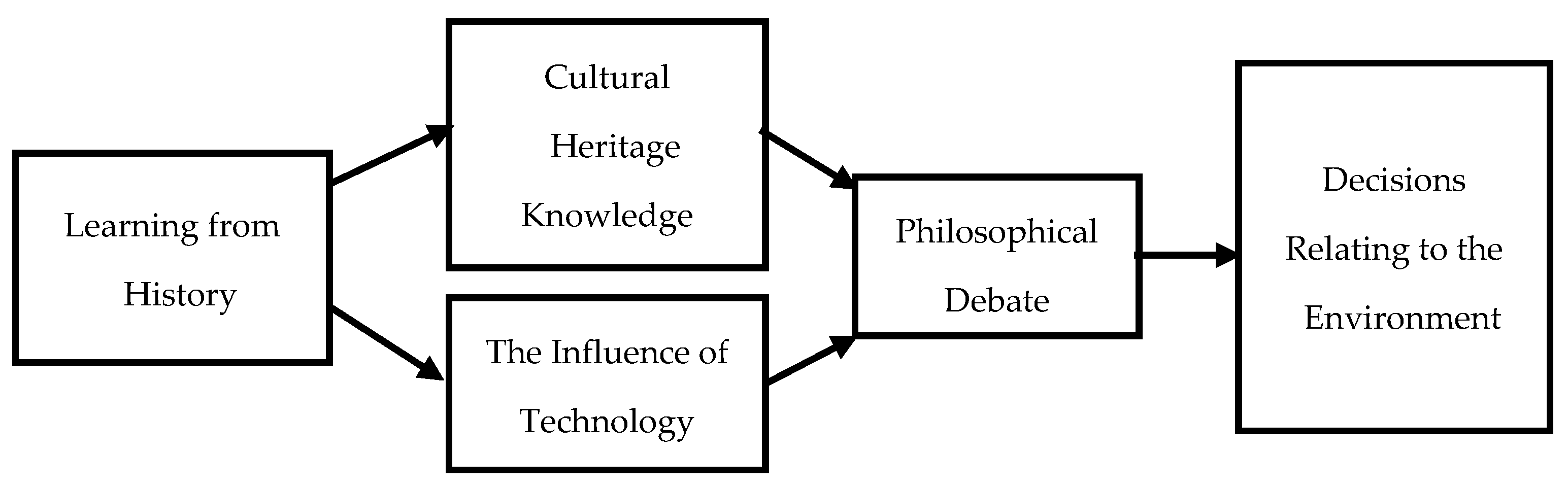
Figure 1. Conceptual framework. Source: (The authors).
Challenges 16 00054 g001
Figure 2. Sustainable partnership framework. Source: (The authors).
Challenges 16 00054 g002
Disclaimer/Publisher’s Note: The statements, opinions and data contained in all publications are solely those of the individual author(s) and contributor(s) and not of MDPI and/or the editor(s). MDPI and/or the editor(s) disclaim responsibility for any injury to people or property resulting from any ideas, methods, instructions or products referred to in the content.

