


Abstract
This study explored the association between pornography consumption and self-reported sexual behavior among male students from two campuses of a South African public university in an HIV risk region. Using a quantitative, cross-sectional survey design, data were collected from 200 black male students (aged 18–26 years old) across the rural and urban campuses. Grounded in Albert Bandura’s Social Cognitive Theory, this research examined the relationship between digital sexual scripts and reported sexual behavior. Statistical analysis using Pearson’s correlation and Chi-square tests showed three significant associations: first, there was a significant negative correlation between consumption frequency and the age of sexual debut (r = −0.42, p < 0.05), with higher frequency use associated with earlier reported sexual debut. Second, reported consumption of aggressive or dominant content was significantly associated with a higher reported number of annual sexual partners ((χ2) = 12.45, p < 0.01). Third, frequent pornography consumption positively correlated with reported unprotected sexual intercourse (r = 0.51, p < 0.05). These findings indicate the co-occurrence between certain patterns of pornography and reported sexual risk behavior rather than causality. This study suggests a need to integrate digital media literacy into university orientation programs and to develop peer-led interventions that address unrealistic sexual scripts. Given the cross-sectional nature of this study, longitudinal research is needed to further understand these associations.
1. Introduction
Pornhub.com, which is the largest and growing website for pornography worldwide, has 3.84 billion visits monthly [1], and pornography exposure has been found to be the leading cause of risky sexual behavior among male adolescent and university students [2,3,4]. Current estimates suggest that a staggering proportion of global web traffic, approximately 43% of all internet activity, is directly related to sexually explicit content, illustrating its dominance in the digital landscape [5]. For young adults, particularly college-aged men, this constant availability has shifted pornography from a marginal activity to a normalized component of their digital experience and social pleasure [6]. Pornography is defined as any material deemed sexual, which intends to evoke erotic feelings and make unwanted sexual advancements to another person [7]. It could be in the form of the internet, adult magazines, and sexually explicit movies or books where videos and pictures reveal genitals, people engaging in oral, vaginal, and anal sex, and masturbation [8,9]. Beyond its basic definition, it is designed to maximize physiological arousal; it often utilizes exaggerated physical traits and unrealistic sexual scenarios to maintain viewer engagement [10,11]. It is regarded as a violation of human rights when sending nude pictures to others without their consent via WhatsApp, Facebook or Twitter [12,13], especially to children under 18 years of age [14]. Pornography consumption is regarded pathological when it interferes with psychological, emotional and behavioral functioning [15], and academic research on its use began in the 1960s [16].
In developed countries such as Italy, Poland and Austria, male university students who consumed pornography material demonstrated more sexual prowess compared to female students [17,18,19]. In Germany, research showed that these students masturbated often, 49% engaged in vaginal intercourse, while 35.9% reported having engaged in anal sex without using condoms [9]. Likewise, Hungarian evidence showed that pornography use of male university students positively related to sexual compulsivity and impulsivity [20], whereas in New Zealand, students who were addicted to pornography demonstrated lower sexual satisfaction with their partners and had trust issues in relationships [21]. Many men who access pornography tend to have unrealistic views of their penis sizes and feel inadequate about their sexual performance when they compare themselves with the men in the videos; subsequently, they experience psychological distress and lower self-esteem [22,23,24]. While there are some controversies regarding whether excessive pornography exposure causes erectile dysfunction and decreases sexual libido [25,26,27], in clinical settings, frequent pornography consumption was one of the factors leading to erectile dysfunction and intromission among university students in Belgium who used to enjoy penetrative sex [28]. Intromission in males refers to the inability of the penis to be inserted into a vagina during penetrative sex owing to porn-induced erectile dysfunction [29].
On the other hand, 19% of the worldwide youth population comes from Africa [30], and, given that there is a lack information related to sexual health and limited programs aimed at equipping them with necessary skills [31,32,33,34], an alarming number of male university students in countries such as Indonesia, Ghana, Ethiopia and Nigeria, have easy online access to pornography as compared to their female counterparts [35,36,37,38]. Male South African university students are not exceptional regarding pornography because 61% are in sexual relationships, and, since they receive free data as part of improving their research skills and self-regulated learning from the National Student Financial Aid Scheme (NSFAS) bursary in conjunction with Department of Higher Education and Training (DHET), they also log onto sexually explicit websites [39]. Driving forces for such behavior among male students stem from the socially constructed gender norms, cultural expectations, and what Connell [40] and Ratele [41] conceptualized as gender and power to gain status. According to social cognitive theory (SCT) by Albert Bandura [42], which underpinned this study, male university students can learn deviant sexual behavior from others such as peers, adults as well as social media, especially when they were never exposed to sex education by their parents or mentors, such as amakhankata from the mountain school during traditional male circumcision [43,44]. This process is driven by triadic reciprocal determinism, the continuous interplay between the student’s digital environment (high-speed campus Wi-Fi), their internal cognitions (skewed expectations of pleasure without consequence), and their resulting actions (early sexual debut or multiple partners) [4,9]. Because pornography often rewards risky behaviors with perceived visual pleasure and “conquest” while omitting the realities of STIs or emotional distress, students develop a distorted outcome expectancy, leading them to view unsafe sexual practices as both normative and socially desirable within their peer groups [7,45]. Katz, Blumler and Gurevitch’s [46] gratification theory also asserts that media influences behavior through psychological factors.
Owing to the nature of the liberal cultural practices which exist within higher institutions, having uncontrollable sexual urges and multiple sexual partners is perceived as the highest form of masculinity [47,48]. Hence, multiple studies [49,50] and Youth Risk Behaviour Surveillance System (YRBSS) [51] reported that while male university students interact with others, their behavior is likely to be shaped and reinforced even by internet pornography. They are most likely put into practice what they observe from pornography to explore their sexuality and to be curious [52]. Curiosity is the desire to know and when male university students view pornography, they are in a psychosocial developmental stage to establish their identity and know more about discovering their sexual orientation [53]. Thus, the aim of this study is to examine the relationship between media consumption habits and real-world sexual debut and contraceptive use, thereby providing evidence-based insights. Ultimately, understanding these dynamics is crucial for developing campus-based interventions that promote healthy sexual decision-making and mitigate the potential harms of unregulated digital socialization.
1.1. University Culture for Male Students in South Africa
Scholars have described house parties in university dormitories as safe spaces for hook-ups and early sexual debut where male students invite female students or acquaintances to entertain them with music, food, snacks, gifts, drinks and alcohol [54,55,56]. As most female South African students come from poverty-stricken villages in the KwaZulu-Natal, Limpopo and Eastern Cape provinces, such environments and lifestyles allow them to meet potential lovers when they cannot be harshly disciplined and monitored by parents [57,58]. While having fun, research shows that female students do not regard male students as capable of exposing them to pornography, spiking their drinks and then gang-raping them [59,60,61]. Singh [62] argued that hegemonic heterosexual masculinities demonstrated by male university students are enabled by alcohol and drugs such as marijuana. Substance-influenced sex represents a highly dangerous component of the risky behavior construct. The use of alcohol or recreational drugs before or during sexual activity severely impairs cognitive judgment and the ability to consent or to insist on protection [63]. At university, the social scene, binge drinking and sexual activity are often intertwined, creating a volatile environment where risky decisions are made under diminished capacity. This intersection of substance use and sexuality is frequently exacerbated by media portrayals that link party culture with effortless, consequence-free sexual encounters. For example, 171 rape cases have been reported at the University of Witwatersrand, Gauteng province, where most victims reported being invited by their male friends to the campus bar or social clubs in town and ended up being exposed to pornography and strangers [64]. The danger of pornography is that it can disseminate harmful messages about sexuality as most of their scenes feature male dominance and men objectifying and sexually degrading women when under the influence of alcohol and drug use [65,66]. It is for resons such as these gender-transformative interventions, namely, the Inyathelo lethu program (i.e., Transformative Pedagogies) [67] should be extended to male students at universities for critical thinking, sense of accountability and responsible adulthood.
1.2. Risky Sexual Behavior Among Male University Students
Risky sexual behavior is conceptualised as a set of actions or patterns that significantly increase an individual’s susceptibility to adverse health outcomes, ranging from physical diseases to psychological distress. In a public health context, these behaviors are characterised by a disregard for protective measures and a tendency toward high-sensation sexual encounters [63]. For male university students, risk is often not a single event but a cumulative pattern of decision-making that prioritizes immediate gratification over long-term health security. This behavior is the leading driver of STI transmission and unplanned pregnancies, which can derail a student’s academic career and future economic stability. Another critical dimension of sexual risk is the maintenance of multiple concurrent partners, often referred to as sexual networking. Engaging with more than one partner within a short time frame increases the biological bridge through which infections can travel within a community [68,69,70]. This concept is central to identifying why certain populations remain vulnerable to the HIV/AIDS epidemic and other persistent health challenges in South Africa. Within the context of HIV in South Africa, the Higher Education HIV and AIDS Programme [71] reported that university students had negative attitudes towards condom use and HIV testing. No wonder there are approximately 300,000 university students in Southern Africa living with HIV [72]. Given these multifaceted impacts, it is essential to investigate the localized effects of pornography on university populations, where the intersection of newfound independence and high-speed internet access is most acute. This study specifically targets male students from a public university (with two campuses) in Eastern Cape, South Africa, to bridge the gap between global digital trends and local behavioral outcomes.
1.3. Pornography Consumption Among Male University Students in South Africa
Melamed and Nduna [73] investigated the association between risky sexual behavior and religiosity among South African university students. Findings showed that those who belonged to Christianity and Islam had higher values for self-control and lower levels of substance abuse and accessibility to pornography as compared to their counterparts who indicated they were non-believers. Contrary to what many scholars have stated from morality and religious studies that pornography has the propensity to mislead youth [74] contended that it provides male students physical gratification without commitment nor susceptibility to sexually transmitted infections. But it is concerning when university students are reported to engage in premarital sex four times more than female counterparts due to pornography exposure [75]. Of the 49.4% of male students from the three campuses of the University of Johannesburg (UJ), Gauteng province, 36.7% were not bothered by the number of times they accessed pornography [76]. This confirms the theory of Bandura [42] that male university students’ sexual attitudes are often shaped by those around them. In other words, being rewarded for dating multiple girlfriends could reinforce such behavior in the future and increase the probability of being less self-efficacious. However, quality friends could be responsible for the internal locus of control of an individual and lead to assertiveness, abstinence or delayed sexual gratification.
1.4. Sexual Aggression and Gender-Based Violence
Sexual aggression is defined as sexual contact without consent [77]. Researchers in the Global North have contributed extensively to the evidence that pornography has an element of sexual aggression, which, in turn, leads to gender-based violence [78,79]. In response to the high prevalence rate, the South African government has tried to implement interventions such as Stepping Stones, Sonke’s One Man Can Intervention [80,81], Ntombi Vimbela! [82] to improve awareness of sexual rights and shifts in gender-equitable beliefs, but they are not enough to equip students from 26 universities. The consumption of such material is increasingly categorized by its “scripting” function, where the viewer adopts the behaviors seen on screen as a template for real-life encounters. When pornography explicitly depicts aggressive or dominant behaviors, it provides a psychological roadmap that suggests these actions are normative or expected during sex [45,70]. Drawing from Foucauldian post-structuralism and postmodernism approaches, sexual aggression is perpetrated by an ideology around masculinity as a discursive construction and sexual coercion of women and provocation of violence, which is largely learnt and influences both young and old men [83]. It is embarrassing for university students who may be navigating their first serious intimate relationships to be physically abusing their partners in the name of being men because they are traditionally circumcised [44]. The explicit nature of the material ensures that the “lesson” being taught is focused on the mechanics of sex rather than the consequences or the emotional health of the partners involved. Hence, Rosentock’s Health Belief Model (HBM) supports SCT by emphasizing the idea of viewing the risk and effects (susceptibility and severity) of the learned behavior [84]. While critics argue that SCT may overemphasize environmental observation at the expense of biological drives and the moral “filtering” common in South African households, the theory remains indispensable for understanding the current digital socialization of young adults.
Instances of gender-based violence (GBV) on university campuses, especially in South Africa, are influenced by economic and cultural factors [58,85]. In a qualitative study conducted by [86] in the Eastern Cape, female students who lived in cohabitation situations reported sexual abuse, ill mental health and trauma because their male sexual partners would force them to imitate the sexual positions and behavior from internet pornography. Since they were/are financially dependent on men owing to orphanhood, and poverty, research shows that most of women find it difficult to report GBV to the authorities. Specifically in the Eastern Cape, Ref. [87] established that female students from Rhodes University, Nelson Mandela University and Walter Sisulu University also encountered GBV on several occasions. No wonder feminist scholars like [88,89,90,91] express dissatisfaction on how women are portrayed in films, raped and marginalized. Similarly, Ref. [92] contested the sexual violence policies in higher education following the rape case that occurred at Rhodes University, Makhanda, Eastern Cape.
1.5. Negative Effects of Pornography on Mental Health
Research on mental health found that pornographic viewing could distort one’s concept of sexual intimacy and sexual attitudes [93]. Furthermore, university male students may find themselves struggling with memorizing their academic work and losing concentration easily since the schema formed is dominated by explicit sex [94]. To prove the assertion cited above, in a survey conducted among 1500 (960 males and 540 females) university students in Zimbabwe, of the 72% who attempted to quit digital pornography, the effects were as follows: sense of loneliness (22.2%), irritability (26.4%), attention disturbance (26%) and erotic dreams (53.5%) [95]. In Asia, negative outcomes of watching pornography have been recorded among male students in Malaysia and India, as well [96,97]. Findings show that excessive exposure to pornography yielded perceived stress, anxiety, depression, decreased productivity, broken relationships and self-blame.
2. Problem Statement
Most young males, when leaving homes to pursue higher education in South Africa, become exposed to life full of fun, freedom and risks [98]. However, through socialization, student life creates an environment conducive to sex activity in residences and access pornography, which, in turn, influences alcohol consumption, drug and non-condom use [51,57]. Specifically, there is an observed correlation between early or heavy pornography exposure and two high-risk outcomes: premature sexual debut, the pursuit of multiple concurrent sexual partners [58,99]. Because pornography often glamorizes unprotected and aggressive encounters, it risks desensitizing students to the very real dangers of sexually transmitted infections (STIs) and HIV, which remain critical public health crises within the Eastern Cape region [100].
Despite the existence of the global literature on this trend, there is a profound lack of localized, quantitative data specifically addressing the black male student body at universities [50]. Generalizing international findings to a South African rural–urban university context is insufficient, as local socio-economic factors, cultural norms, and peer pressures uniquely shape how students process digital media. Without a dedicated investigation into these media habits, the university lacks the evidence necessary to implement effective sexual health interventions or support systems that could mitigate the potential negative impacts on both the students’ physical health and their academic concentration.
3. Objectives
For this empirical study, the objectives were formulated based on the understanding that pornography is a multidimensional variable that includes frequency of use, the duration of viewing sessions, and the specific genres consumed:
- i.
- To examine the relationship between the frequency of pornography consumption and the age of sexual debut among male students at one South African university campus.
- ii.
- To investigate the association between the types of pornography consumed and the number of sexual partners reported by male students at one South African university campus.
- iii.
- To determine if there is a relationship between the frequency of pornography consumption and the practice of unprotected sexual intercourse among male students at one South African university campus.
4. Hypotheses
- i.
- There is a significant negative relationship between the frequency of pornography consumption and the age of sexual debut among male students at one South African university campus, such that a higher frequency of consumption is associated with an earlier age of sexual debut.
- ii.
- There is a significant positive relationship between the consumption of dominant or aggressive types of pornography and a higher number of sexual partners reported by male students at one South African university campus.
- iii.
- There is a significant positive relationship between the frequency of pornography consumption and the practice of unprotected sexual intercourse among male students at one South African university campus.
5. Method
5.1. Research Design
This study adopted a quantitative, cross-sectional survey design to investigate the relationship between pornography consumption and risky sexual behaviors. A quantitative approach was selected because it allowed for the objective measurement of behavioral variables and the statistical testing of the proposed hypotheses [101]. The cross-sectional nature of the design enabled the researchers to collect data from a specific point in time, providing a “snapshot” of the current digital habits and sexual health statuses of male students. This design is particularly effective for identifying correlations between media exposure and behavioral outcomes within a large group, ensuring that the findings can be analyzed for broader trends across the university population [102,103].
5.2. Population and Sampling
The target population consisted of 200 black male students, aged 18–26 years old, enrolled at a public university in an HIV risk region, spanning both the rural and urban campuses. The mean age of the respondents was 22.85, with a standard deviation of 3.01. On both campuses, most students spoke isiXhosa and were from villages, although there were students from other provinces and towns. Prior to reaching the participants, the ethical principles, namely, informed consent, confidentiality, privacy and anonymity, were adhered to [103]. To reach this group, the researchers utilized convenient random sampling, a technique where participants are selected based on their availability and willingness to participate while still maintaining a randomized element within the accessible locations (such as student centers, libraries, and residences). This sampling method ensured a diverse representation of students from different academic departments and socio-economic backgrounds, providing a comprehensive view of how male undergraduates across the institution’s geographical footprint interact with digital media.
5.3. Instrumentation
Data collection was facilitated through a self-administered structured questionnaire, on a 5-point Likert scale specifically designed to capture sensitive information regarding media habits and sexual history [101,104]. The instrument was divided into three distinct sections: the first gathered demographic data, the second quantified the frequency and types of pornography consumed, and the third recorded instances of risky sexual behavior, such as age of debut and condom use. By utilizing a self-administered format, the study prioritized participant privacy and anonymity, which is crucial for reducing social desirability bias the tendency of respondents to under-report “taboo” behaviors like frequent pornography use or unprotected sex. To ensure the validity and reliability of the research instrument, the researchers relied on the rich literature (i.e., content validity) [105], as reflected in this article, to formulate the items that measured the variables impacting male university students’ sexual behavior due to pornography exposure [4,6,25,59,60,62]. Cronbach’s alpha was 0.87. It is important to note that the questionnaire was pre-tested to ensure that the language was culturally appropriate and easily understood by the student body.
5.4. Data Analysis
Following the collection of the data, the information was coded and analyzed using Statistical Package for the Social Sciences (SPSS) version 18 [105]. To test specific hypotheses, two primary statistical techniques were employed: Pearson’s correlation and Chi-square tests. Pearson’s correlation was used to determine the strength and direction of the relationship between continuous variables, such as the frequency of consumption and the age of sexual debut. Meanwhile, Chi-square tests were utilized to examine the associations between categorical data, such as the specific types of pornography viewed and the reported number of sexual partners. These rigorous statistical methods ensured that the conclusions drawn from the data were mathematically sound and that the relationships identified were statistically significant (p < 0.05).
6. Results
As indicated in Table 1, data reveals a strong link between high-frequency consumption of pornography and an earlier onset of sexual activity. Higher frequency in this context means multiple times. The individuals classified in the “High Frequency” group reported a mean age debut at 15.8 years, significantly younger than the 18.2 years reported by those in the “Low Frequency” or seldom viewing group. The negative correlation (r = −0.42) and a p-value of less than 0.05 confirm that as the frequency of consumption increases, the age of sexual debut tends to decrease, marking this as a statistically significant trend.
Table 1.
Summary of consumption frequency vs. age of sexual debut.
Table 2 presents the specific type of content consumed by male university students, which may influence the number of sexual partners. The results show that users who primarily view violent content of pornography report an average of 3.8 annual partners, nearly triple the 1,4 partners reported by those viewing non-violent content. With a Chi-square (χ2) of 12,45 and a p-value under 0.01, the data suggests that the nature of the media consumed is not just a preference but is significantly associated with different behavioral patterns in terms of sexual variety or partner turnover.
Table 2.
Summary of pornography type vs. number of partners.
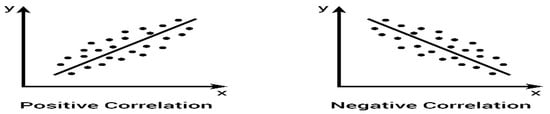
As illustrated in Figure 1, linear correlations dictate the directional behavior of two continuous variables. catterplot & correlation overview, graphs.
Figure 1.
Catterplot & correlation overview, graphs.
Table 3 shows the relationship between frequent consumption of pornography and high-risk sexual behavior. According to Table 3, 68% of frequent viewers reported engaging in unprotected sex compared to only 31% of occasional or rare viewers. The correlation coefficient (r = 0.51) indicates a moderate to strong relationship, suggesting that higher exposure to this media is associated with a greater likelihood of not using protection. Across all three hypotheses, the results consistently point toward significant behavioral shifts to earlier debut, more partners, and higher risk, correlated with the frequency and type of consumption.
Table 3.
Showed summary of frequency vs. unprotected sex.
7. Discussion of Findings
The current study analyzed the association between pornography consumption and early sexual debut among male university students. Our study established a significant negative relationship between the frequency of pornography consumption and the age of sexual debut among male students. These findings indicate that higher exposure to sexually explicit material correlates with premature entry into sexual activity. This outcome strongly aligns with social cognitive theory, as repetitive exposure to digital models creates a sense of psychological readiness and perceived normalcy long before a student may be emotionally mature. Our findings are congruent with previous research, which indicates that early exposure acts as precocious socialization, where digital scripts effectively replace traditional parental or educational guidance [4,9,106]. However, this relationship may be bidirectional, specifically for individuals with high levels of impulsivity due to natural predisposition to both heavy media consumption and early sexual experimentation [107]. This implies that pornography may be a symptom of broader personality traits rather than the sole catalyst. For example, in Egypt, nursing students who were exposed to pornography repeatedly displayed neuroticism as opposed to conscientiousness and agreeableness [108].
The results of the second hypothesis confirm that the consumption of dominant or aggressive types of pornography is positively associated with an increased number of sexual partners. Students who reported a preference for uncompromising genres typically maintained more extensive sexual networks compared to those who viewed conventional material. As discussed in the beginning of this article, sexual scripting theory posits that adult media provides a blueprint for hegemonic masculinity defined largely by sexual variety and the quantity of encounters [45,70]. These findings are consistent with previous research, which noted that specific aggressive genres significantly correlate with variety-seeking behaviors [83]. Another contributing factor could be that parents do not prepare male adolescents for responsible adulthood as compared to girls during puberty. Furthermore, research shows that having peers whose behavior is socially unacceptable has led to many male university students experimenting with alcohol and drugs, living in cohabitation and becoming sexually aggressive towards women, especially after graduating from mountain school [109,110,111]. Conversely, Ref [112] cautioned against a strictly causal interpretation, suggesting that environmental factors such as campus peer group influence and innate personality traits like “sensation-seeking” are more powerful predictors of a student’s partner count than the specific genre of media they consume in private.
Our study also found a strong positive relationship between high-frequency pornography consumption and the practice of unprotected sexual intercourse among the participants. This reveals a critical knowledge–behavior gap where students may be well-informed about HIV/STI risks but fail to apply that knowledge during intimate encounters. As previously highlighted by various scholars [4,22,32,34,51], the near-total absence of condom representation in mainstream pornography fosters a skewed outcome expectancy, where students begin to view barrier protection as an obstacle to real pleasure. In these instances, university students find themselves thinking irrationally and acting impulsively due to alcohol and drug abuse. This cognitive desensitization is further intensified by the stimulus effect of regular digital media exposure, which can diminish a student’s perception of biological risk [10]. While some scholars argue that socio-economic status and physical access to contraceptives are the primary drivers of unprotected sex [57,58], the current findings suggest that the unregulated digital scripts consumed by male undergraduates significantly undermine their willingness to negotiate for safer sex.
8. Summary
The findings of this study collectively demonstrate that pornography consumption among male students is a significant behavioral determinant rather than a neutral leisure activity. This research established that frequent exposure to sexually explicit material is strongly correlated with an accelerated age of sexual debut and a higher propensity for engaging in risky sexual behaviors, including the maintenance of multiple concurrent partners and the inconsistent use of barrier protection. By applying social cognitive theory, this study highlights how digital blueprints and aggressive sexual scripts override traditional health education, leading students to internalize unrealistic and dangerous norms. While modern technology has provided unprecedented access to information, it has simultaneously created a digital environment that rewards high-risk sexual experimentation, thereby complicating the university’s efforts to promote holistic student wellness and academic focus.
9. Conclusions
In conclusion, the pervasive nature of internet pornography represents a profound public health challenge that necessitates urgent institutional intervention at most universities in developing countries. The evidence suggests that the knowledge–behavior gap observed in the male student population is fueled by the desensitization effects of frequent media consumption, which prioritizes immediate gratification over long-term health security. As digital socialization continues to displace conventional forms of sexual education, the university must recognize the role of unregulated media in shaping the sexual health landscape of its students. Ultimately, addressing the link between pornography and risky sexual behavior is essential not only for mitigating the spread of HIV and STIs but also for ensuring that the academic environment remains conducive to the personal and professional development of all male undergraduates.
10. Recommendations
Based on the findings of this study, it is important that universities in South Africa incorporate integrated media literacy programs from the first-year orientation curriculum. These workshops should move beyond basic HIV awareness to specifically deconstruct the scripts found in pornography, helping students distinguish between adult entertainment and safe, consensual real-world practices. Since peer groups heavily influence consumption and behavior, the campus health department should train student influencers to lead safe-sex dialogues. These discussions should focus on the importance of condom negotiation and the risks of sexual networking, directly counteracting the variety-seeking scripts modelled in aggressive pornography. The university counseling center should provide specialized support for students exhibiting signs of compulsive pornography consumption that may be interfering with their academic performance or interpersonal relationships, ensuring a non-judgmental environment for behavioral change. Finally, for strategic health communication, campus Wi-Fi landing pages and student portals should be utilized to distribute targeted health messaging and direct links to anonymous STI testing. This leverages the very technology used for consumption to promote protective health behaviors.
11. Implications of This Study
The findings suggest that pornography consumption is not an independent leisure activity but a primary behavioral determinant that reshapes the sexual landscape of the male student body.
- Educational implications: There is a clear knowledge–behavior gap. Even if students are aware of health risks, the digital schemas they internalize through frequent consumption appear to override traditional health education.
- Behavioral implications: This study implies that the scripts found in aggressive or frequent pornography consumption are being trialed in real life, leading to accelerated sexual debut and the normalization of high-risk experimentation.
Author Contributions
Both authors contributed equally to the conception and design of this study. All authors have read and agreed to the published version of the manuscript.
Funding
This research received no external funding.
Institutional Review Board Statement
Institutional Review Board Statement: The study was conducted in accordance with the Declaration of Helsinki, and approved by the Ethical Committee of the University of Fort Hare (Ref. No. KHE041SOKO01 and approved on 9 September 2022).
Informed Consent Statement
Informed consent was obtained from all subjects involved in the study.
Data Availability Statement
The data that supports the findings of this study are available from the corresponding author upon reasonable request.
Conflicts of Interest
The authors declare no conflicts of interest.
References
- Semrush. Pornhub.com. Traffic and Visitor Engagement. 2026. Available online: https://www.semrush.com/website/pornhub.com/overview/?source=trending-website (accessed on 24 August 2026).
- Camilleri, C.; Perry, J.T.; Sammut, S. Compulsive internet pornography use and mental health: A cross-sectional study in a sample of university students in the United States. Front. Psychol. 2021, 11, 613244. [Google Scholar] [CrossRef] [Scilit] [PubMed]
- Okabe, Y.; Takahashi, F.; Ito, D. Problematic pornography use in Japan: A preliminary study among university students. Front. Psychol. 2021, 12, 638354. [Google Scholar] [CrossRef] [Scilit] [PubMed]
- Pouralijan, Z.; Bőthe, B.; Farnam, F. Pornography use, demographic and sexual health characteristics among university students: A gender-based comparative study of non-users, non-problematic users, and problematic users. Reprod. Health 2024, 21, 103. [Google Scholar] [CrossRef] [Scilit] [PubMed]
- Baltieri, D.A.; Aguiar, A.S.; Silveira, L.M. The role of online pornography in the sexual lives of young adults. J. Digit. Behav. Health 2016, 4, 112–125. [Google Scholar]
- Nozid, N.R.C.; Rostam, M.A.; Uzir, B.F. Psychological impacts of pornography exposure among university students in Pahang. Int. J. Allied Health Sci. 2023, 7, 2909–2916. [Google Scholar]
- Mikorski, R.; Szymanski, D.M. Masculine norms, peer group, pornography, Facebook, and men’s sexual objectification of women. Psychol. Men Masculinity 2017, 18, 257. [Google Scholar] [CrossRef] [Scilit]
- Ahorsu, D.K.; Adjorlolo, S.; Nurmala, I.; Ruckwongpatr, K.; Strong, C.; Lin, C.Y. Problematic porn use and cross-cultural differences: A brief review. Curr. Addctn. Rep. 2023, 10, 572–580. [Google Scholar] [CrossRef] [Scilit]
- Jahnen, M.; Zeng, L.; Kron, M.; Meissner, V.H.; Korte, A.; Schiele, S.; Schulwitz, H.; Dinkel, A.; Gschwend, J.E.; Herkommer, K. The role of pornography in the sex life of young adults-a cross-sectional cohort study on female and male German medical students. BMC Public Health 2022, 22, 1287. [Google Scholar] [CrossRef] [Scilit] [PubMed]
- Marshall, E.A.; Miller, H.A.; Bouffard, J.A. Bridging the theoretical gap: Using sexual script theory to explain the relationship between pornography use and sexual coercion. J. Interpers. Violence 2021, 36, NP5215–NP5238. [Google Scholar] [CrossRef] [Scilit] [PubMed]
- Wright, P.J.; Randall, A.K. Internet pornography exposure and risky sexual behavior among adult males in the United States. Comput. Hum. Behav. 2012, 28, 1410–1416. [Google Scholar] [CrossRef] [Scilit]
- Kumar, P.; Patel, V.K.; Bhatt, R.B.; Vasavada, D.A.; Sangma, R.D.; Tiwari, D.S. Prevalence of problematic pornography use and attitude toward pornography among the undergraduate medical students. J. Psychosexual Health 2021, 3, 29–36. [Google Scholar] [CrossRef] [Scilit]
- Zvi, L.; Bitton, M.S. Perceptions of victim and offender culpability in non-consensual distribution of intimate images. Psychol. Crime Law 2021, 27, 427–442. [Google Scholar] [CrossRef] [Scilit]
- Alberts, C.; Kheswa, J.G. Social networks and sexual behaviour amongst adolescent females in one secondary school in Eastern Cape, South Africa. Afr. Popul. Stud. 2017, 31. [Google Scholar] [CrossRef] [Scilit][Green Version]
- Bőthe, B.; Lonza, A.; Štulhofer, A.; Demetrovics, Z. Symptoms of problematic pornography use in a sample of treatment considering and treatment non-considering men: A network approach. J. Sex. Med. 2020, 17, 2016–2028. [Google Scholar] [CrossRef] [Scilit] [PubMed]
- Rasmussen, K. A historical and empirical review of pornography and romantic relationships: Implications for family researchers. J. Fam. Theory Rev. 2016, 8, 173–191. [Google Scholar] [CrossRef] [Scilit]
- Altin, M.; De Leo, D.; Tribbia, N.; Ronconi, L.; Cipolletta, S. Problematic pornography use, mental health, and suicidality among young adults. Int. J. Environ. Res. Public Health 2024, 21, 1228. [Google Scholar] [CrossRef] [Scilit] [PubMed]
- Dwulit, A.D.; Rzymski, P. Prevalence, patterns and self-perceived effects of pornography consumption in polish university students: A cross-sectional study. Int. J. Environ. Res. Public Health 2019, 16, 1861. [Google Scholar] [CrossRef] [Scilit] [PubMed]
- Laleh, S.S.; Yıldız Karaahmet, A. Gender differences in pornography use and sexual health outcomes: A systematic review and meta-analysis. J. Sex. Med. 2026, 23, qdag021. [Google Scholar] [CrossRef] [Scilit] [PubMed]
- Bőthe, B.; Tóth-Király, I.; Potenza, M.N.; Griffiths, M.D.; Orosz, G.; Demetrovics, Z. Revisiting the role of impulsivity and compulsivity in problematic sexual behaviors. J. Sex Res. 2019, 56, 166–179. [Google Scholar] [CrossRef] [Scilit] [PubMed]
- Adamson, S.J.; Martin, A.; Deering, D.E.A.; Boden, J.M. New Zealand women’s experience of intimacy within heterosexual relationships: Influence of partners’ perceived pornography use. J. Sex Marital. Ther. 2021, 47, 656–668. [Google Scholar] [CrossRef] [Scilit] [PubMed]
- Miller, D.J.; Stubbings-Laverty, R. Does pornography misinform consumers? The association between pornography use and porn-congruent sexual health beliefs. Sexes 2022, 3, 578–592. [Google Scholar] [CrossRef] [Scilit]
- Sharp, G.; Oates, J. Sociocultural influences on men’s penis size perceptions and decisions to undergo penile augmentation: A qualitative study. Aesthetic Surg. J. 2019, 39, 1253–1259. [Google Scholar] [CrossRef] [Scilit] [PubMed]
- Young, D.R.; Stephens, B.; Sprinkle, A.; Osterweil, A.; Gorfinkel, E.; Courcoux, C.A.; Correa, K.; Osterweis, A.; Murray-Bozeman, C.; Wynter, K.; et al. Body, genre, apparatus: Re-reading Linda Williams on pornography. Porn Stud. 2024, 11, 131–195. [Google Scholar] [CrossRef] [Scilit]
- Carvalheira, A.; Træen, B.; Stulhofer, A. Masturbation and pornography use among coupled heterosexual men with decreased sexual desire: How many roles of masturbation? J. Sex Marital. Ther. 2015, 41, 626–635. [Google Scholar] [CrossRef] [Scilit] [PubMed]
- De Win, G.; Jacobs, T.; Geuens, S. Do pornography use and masturbation play a role in erectile dysfunction and relationship satisfaction in men? Int. J. Impot. Res. 2023, 35, 581–584. [Google Scholar] [CrossRef] [Scilit] [PubMed]
- Pantazis, A.; Franco, I.; Gitlin, J. Erectile dysfunction in adolescents and young adults. Curr. Urol. Rep. 2024, 25, 225–232. [Google Scholar] [CrossRef] [Scilit] [PubMed]
- Jacobs, T.; Geysemans, B.; Van Hal, G.; Glazemakers, I.; Fog-Poulsen, K.; Vermandel, A.; De Wachter, S.; De Win, G. Associations between online pornography consumption and sexual dysfunction in young men: Multivariate analysis based on an international web-based survey. JMIR Public Health Surveill. 2021, 7, e32542. [Google Scholar] [CrossRef] [Scilit] [PubMed]
- Khalafallah, A.A.; Osman, I.A.; Elamir, M.Y. The Incidence of Compulsive Pornography Viewers in Erectile Dysfunction Patients. Hum. Androl. 2025, 15, 1–9. [Google Scholar] [CrossRef] [Scilit]
- Fikre, S.; Tenkolu, G.; Mamo, Z.B. Risky sexual behavior and Associated factors among Street Youth in Dilla Town, Gedeo Zone, South Ethiopia. Ethiop. J. Health Sci. 2021, 31, 947–954. [Google Scholar] [CrossRef] [Scilit] [PubMed]
- Cheney, K.; Kamusiime, A.; Mekonnen Yimer, A. Feeling ‘Blue’: Pornography and sex education in eastern Africa. IDS Bull. 2017, 48, 81–97. [Google Scholar] [CrossRef] [Scilit]
- Mogotsi, M.; Govender, S.; Nel, K.; Govender, I. Sexual risk-taking behaviours amongst rural adolescent boys in a province in South Africa: A qualitative study. Open Public Health J. 2024, 17, e18749445278672. [Google Scholar] [CrossRef] [Scilit]
- Mulaudzi, F.M.; Seretlo, R.J.; Musie, M.R.; Sepeng, N.V. “We are on our own”: The neglected voices of the boy-child in adolescent sexual and reproductive health in Vhembe District, Limpopo, South Africa. Afr. J. Reprod. Health 2025, 29, 28–37. [Google Scholar] [CrossRef] [Scilit] [PubMed]
- Mwanza, N.; Lukwesa, H. Substance Abuse, Parties, Orgies, and Pimping among University Students: An Extract from Lived Experiences. Chalimbana J. Humanit. Soc. Sci. 2025, 2, 93–116. [Google Scholar]
- Argadini, N.D.A.; Kusumawardani, D.A. Pornography Exposure and Sexual Behavior Among College Students at Universitas Jember. Indones. J. Public Health 2026, 21, 183. [Google Scholar] [CrossRef] [Scilit]
- Danso, S.; Awudi, B. Triggers of Internet addiction and control mechanisms among undergraduate students of University of Education, Winneba. Int. J. Adv. Res. Innov. Ideas Educ. 2022, 8, 2022. [Google Scholar]
- Sifer, S.D.; Getachew, M.S. Risky sexual behavior and associated factors among out-of-school youths in Addis Ababa, Ethiopia; mixed methods study. Reprod. Health 2024, 21, 77. [Google Scholar] [CrossRef] [Scilit] [PubMed]
- Olaleye, O.S.; Ajuwon, A. Influence of the use of Social-Media and Exposure to Pornography on the Sexual Behaviour of youths in selected tertiary institutions in Southwest Nigeria. Health Behav. Res. 2022, 5, 23. [Google Scholar] [CrossRef] [Scilit]
- HEAIDS. Knowledge, Attitudes, and Behaviours of Students and Staff at South Africa’s Technical and Vocational Education and Training Colleges, 2014; Human Sciences Research Council (HSRC): Pretoria, South Africa, 2014. Available online: http://www.hsrc.ac.za/uploads (accessed on 12 April 2021).
- Connell, R.W. The big picture: Masculinities in recent world history. Theory Soc. 1993, 22, 597–623. [Google Scholar] [CrossRef] [Scilit]
- Ratele, K. Why Men Hurt Women and Other Reflections on Love, Violence and Masculinity; NYU Press: New York, NY, USA, 2022. [Google Scholar]
- Bandura, A. Social Learning Theory; Prentice-Hall: Englewood Cliffs, NJ, USA, 1977. [Google Scholar]
- Mpateni, A.; Kang’ethe, S.M. Susceptibility of contracting diseases during the Traditional Male Circumcision (TMC) rite of males in Alice, South Africa (Eastern Cape): Implication to social work. E-J. Humanit. Arts Soc. Sci. 2025, 6, 97–107. [Google Scholar] [CrossRef] [Scilit]
- Nomngcoyiya, T.; Kang’ethe, S.M. The impact of traditional male circumcision challenges on newly initiated men’s advancement in education: Implications for human rights and social work in South Africa. J. Hum. Rights Soc. Work 2021, 6, 204–212. [Google Scholar] [CrossRef] [Scilit]
- Krahé, B.; Tomaszewska, P.; Schuster, I. The role of pornography in shaping young adults’ sexual scripts and sexual behavior: A longitudinal study with university students. Psychol. Pop. Media 2025, 14, 422. [Google Scholar] [CrossRef] [Scilit]
- Katz, E.; Blumler, J.G.; Gurevitch, M. Uses and Gratifications Research. Public Opin. Q. 1973, 37, 509–523. [Google Scholar] [CrossRef] [Scilit]
- Mavhandu-Mudzusi, A.H.; Tesfay-Asgedom, T. The prevalence of risky sexual behaviours amongst undergraduate students in Jigjiga University, Ethiopia. Health SA Gesondheid 2016, 21, 179–186. [Google Scholar] [CrossRef] [Scilit]
- Morrell, R.; Jewkes, R.; Lindegger, G. Hegemonic masculinity/masculinities in South Africa: Culture, power, and gender politics. Men Masculinities 2012, 15, 11–30. [Google Scholar]
- Hodes, R.; Gittings, L. ‘Kasi curriculum’: What young men learn and teach about sex in a South African township. Sex Educ. 2019, 19, 436–454. [Google Scholar] [CrossRef] [Scilit]
- Kheswa, J.G.; Notole, M. The impact of pornography on adolescent males’ sexual behaviour in the Eastern Cape, South Africa. A qualitative study. Mediterr. J. Soc. Sci. 2014, 5, 2831–2840. [Google Scholar] [CrossRef] [Scilit]
- Mthembu, Z. Risky Sexual Behaviours of Students: A Case Study of Students at the University of KwaZulu-Natal. Doctoral Dissertation, University of KwaZulu-Natal, Howard College, Durban, South Africa, 2017. [Google Scholar]
- Wamathai, A.; Sirera, M.A.; Mwenje, M. Prevalence and factors contributing to pornography viewing among male students in selected universities in Kenya. IOSR J. Humanit. Soc. Sci. 2014, 19, 1–7. [Google Scholar] [CrossRef] [Scilit]
- Erikson, E.H. Identity and the Life Cycle; WW Norton & Company: New York, NY, USA, 2015. [Google Scholar]
- Bhana, D.; Pillay, J. Negotiating femininities on campus: Sexuality, gender and risk in an HIV environment. Health Educ. J. 2018, 77, 915–926. [Google Scholar] [CrossRef] [Scilit]
- Khumalo, S.; Taylor, M.; Makusha, T.; Mabaso, M. Intersectionality of cultural norms and sexual behaviours: A qualitative study of young Black male students at a university in KwaZulu-Natal, South Africa. Reprod. Health 2020, 17, 188. [Google Scholar] [CrossRef] [Scilit] [PubMed]
- Koba, Y.S. The functions of pornography in South Africa: A mixed research study of what remains unsaid about explicit media. Commun. S. Afr. J. Commun. Theory Res. 2022, 48, 61–87. [Google Scholar] [CrossRef] [Scilit]
- Ngidi, N.D.; Moyo, S.; Zulu, T.; Adam, J.K.; Krishna, S.B.N. Qualitative evaluation of selected social factors that impact sexual risk-taking behaviour among African students in Kwazulu-Natal, South Africa. Sahara-J. Soc. Asp. HIV/AIDS 2016, 13, 96–105. [Google Scholar] [CrossRef] [Scilit] [PubMed][Green Version]
- Phungula, P.G. Understanding Risk Influences for Sexual Violence Against Women on a Tertiary Institution Campus in South Africa. Ph.D. Thesis, University of KwaZulu Natal, Durban, South Africa, 2022. Available online: https://ukzn-dspace.ukzn.ac.za/handle/10413/2238 (accessed on 25 November 2022).
- Jewkes, R.; Nduna, M.; Jama Shai, N.; Dunkle, K. Prospective study of rape perpetration by young South African men: Incidence & risk factors. PLoS ONE 2012, 7, e38210. [Google Scholar] [CrossRef] [Scilit] [PubMed]
- Kheswa, J.G.; Mahola, M.N.; Dayi, X. The effects of cultural practices and substance abuse among male students at one South African College Campus. J. Hum. Ecol. 2020, 70, 58–66. [Google Scholar] [CrossRef] [Scilit]
- Sikweyiya, Y.; Machisa, M.; Mahlangu, P.; Nunze, N.; Dartnall, E.; Pillay, M.; Jewkes, R. “I Don’t Want to Be Known as a Weak Man”: Insights and Rationalizations by Male Students on Men’s Sexual Violence Perpetration against Female Students on Campus. Int. J. Environ. Res. Public Health 2023, 20, 4550. [Google Scholar] [CrossRef] [Scilit] [PubMed]
- Singh, S. South African male university students’ perspectives on gender norms concerning alcohol and related harmful behaviours towards female drinkers. Cult. Health Sex. 2023, 25, 554–566. [Google Scholar] [CrossRef] [Scilit] [PubMed]
- Braithwaite, S.R.; Coulson, G.; Keddington, K.; Fincham, F.D. The influence of pornography on sexual scripts and hooking up among emerging adults in college. Arch. Sex. Behav. 2015, 44, 111–123. [Google Scholar] [CrossRef] [Scilit] [PubMed]
- Finchilescu, G.; Dugard, J. Experiences of gender-based violence at a South African university: Prevalence and effect on rape myth acceptance. J. Interpers. Violence 2021, 36, NP2749–NP2772. [Google Scholar] [CrossRef] [Scilit] [PubMed]
- Mestre-Bach, G.; Villena-Moya, A.; Chiclana-Actis, C. Pornography use and violence: A systematic review of the last 20 years. Trauma Violence Abus. 2024, 25, 1088–1112. [Google Scholar] [CrossRef] [Scilit] [PubMed]
- Prego-Meleiro, P.; Pastor-Moreno, G.; Recalde-Esnoz, I.; Sordo, L. Drug-Facilitated Sexual Assault Pornography and Sexual Violence While Partying: Cross-Sectional Study. JMIR Public Health Surveill. 2026, 12, e80110. [Google Scholar] [CrossRef] [Scilit] [PubMed]
- Ngidi, N.D.; Moletsane, R. Using transformative pedagogies for the prevention of gender-based violence: Reflections from a secondary school-based intervention. Agenda 2015, 29, 66–78. [Google Scholar] [CrossRef] [Scilit]
- Kassie, B.A.; Yenus, H.; Berhe, R.; Kassahun, E.A. Prevalence of sexually transmitted infections and associated factors among the University of Gondar students, Northwest Ethiopia: A cross-sectional study. Reprod. Health 2019, 16, 163. [Google Scholar] [CrossRef] [Scilit] [PubMed]
- Owens, E.W.; Behun, R.J.; Manning, J.C.; Reid, R.C. The impact of internet pornography on adolescents: A review of the research. Sex. Addctn. Compulsivity 2012, 19, 101–122. [Google Scholar] [CrossRef] [Scilit]
- Wright, P.J.; Randall, A.K. Internet pornography consumption and sexual behavior. Commun. Monogr. 2012, 79, 84–106. [Google Scholar]
- HEAIDS. HIV Prevalence and Related Factors: Higher Education Sector Study, South Africa, 2008–2009; Higher Education South Africa: Pretoria, South Africa, 2010. Available online: https://www.gov.za/sites/default/files/gcis_document/201409/4936-hesa-hiv-and-aids-higher-education-sectori.pdf (accessed on 25 November 2022).
- World Health Organization. Guidance on Provider-Initiated HIV Testing and Counselling in Health Facilities. 2007. Available online: https://iris.who.int/items/399d3328-2982-4e6b-95c7-e94b5778e101 (accessed on 25 November 2022).
- Melamed, K.; Nduna, M. HIV knowledge and risky sexual behavior of young adults in Johannesburg. New Voices Psychol. 2012, 8, 71–85. [Google Scholar]
- Malamuth, N.M. Naturalistic Sexual Aggression. In Readings About the Social Animal; Macmillan: London, UK, 2003; Volume 363. [Google Scholar]
- Hedayati-Moghaddam, M.R.; Eftekharzadeh-Mashhadi, I.; Fathimoghadam, F.; Pourafzali, S.J. Sexual and reproductive behaviours among undergraduate university students in Mashhad, a City in Northeast of Iran. J. Reprod. Infertil. 2015, 16, 43–48. [Google Scholar] [PubMed]
- Laughton, P.; Rensleigh, C. Investigating on-line pornography at the University of Johannesburg. S. Afr. J. Inf. Manag. 2007, 9, a204. [Google Scholar] [CrossRef] [Scilit][Green Version]
- Schuster, I.; Tomaszewska, P.; Krahé, B. Changing cognitive risk factors for sexual aggression: Risky sexual scripts, low sexual self-esteem, perception of pornography, and acceptance of sexual coercion. J. Interpers. Violence 2022, 37, NP1377–NP1400. [Google Scholar] [CrossRef] [Scilit] [PubMed]
- Edwards, K.M.; Sessarego, S.N. Risk of Rape Across the Ecosystem: Outlining a Frameworkfor Sexual Assault Risk Reduction and Resistance Education. In Sexual Assault Risk Reduction and Resistance; Orchowski, L.M., Gidycz, C.A., Eds.; Academic Press: San Diego, SC, USA, 2018; pp. 39–66. [Google Scholar] [CrossRef] [Scilit]
- Fielding-Miller, R.; Shabalala, F.; Masuku, S.; Raj, A. Epidemiology of campus sexual assault Among University women in Eswatini. J. Interpers. Violence 2019, 36, NP11238–NP11263. [Google Scholar] [CrossRef] [Scilit] [PubMed]
- Sonke Gender Justice Network. OMC Handbook; Sonke: Cape Town, South Africa, 2012; Volume 22. [Google Scholar]
- De Villiers, T. Engaging Male University Student Leaders in the Adaptation Process of the One Man Can Intervention (OMCI) to Inform Sexual Violence Prevention Strategies in Student Residences: A Case Study. Ph.D. Thesis, University of Cape Town, Cape Town, South Africa, 2016. [Google Scholar]
- Machisa, M.T.; Mahlangu, P.; Chirwa, E.; Nunze, N.; Sikweyiya, Y.; Dartnall, E.; Pillay, M.; Jewkes, R. Ntombi Vimbela! Sexual violence risk reduction intervention: Pre and one-year post assessments from a single arm pilot feasibility study among female students in South Africa. BMC Public Health 2023, 23, 1242. [Google Scholar] [CrossRef] [Scilit] [PubMed]
- Johansson, T. The Transformation of Sexuality: Gender and Identity in Contemporary Youth Culture; Routledge: London, UK, 2016. [Google Scholar]
- Rosenstock, I.M. Historical origins of the health belief model. Health Educ. Monogr. 1974, 2, 328–335. [Google Scholar] [CrossRef] [Scilit]
- World Health Organization. Violence Against Women: Intimate Partner and Sexual Violence Against Women: Evidence Brief (No. WHO/RHR/19.16); World Health Organization: Geneva, Switzerland, 2019. [Google Scholar]
- Mashabela, E.; Kheswa, J.G. Exploring the impact of intimate partner violence on the women students living in cohabitation. Indep. J. Teach. Learn. 2020, 15, 35–48. [Google Scholar]
- Mutinta, G. Gender-based violence among female students and implicatons for health intervention programmes in public universities in Eastern Cape, South Africa. Cogent Soc. Sci. 2022, 8, 2079212. [Google Scholar] [CrossRef] [Scilit]
- Boonzaier, F. The Life and death of Anene Booysen: Colonial discourse, gender-based violence and media representations. S. Afr. J. Psychol. 2017, 47, 470–481. [Google Scholar] [CrossRef] [Scilit]
- Gqola, P.D. Rape: A South African Nightmare; MF Books Joburg: Auckland Park, South Africa, 2015. [Google Scholar]
- Mokgatle, M.M.; Madiba, S.; Cele, L. A comparative analysis of risky sexual behaviors, self-reported sexually transmitted infections, knowledge of symptoms and partner notification practices among male and female university students in Pretoria, South Africa. Int. J. Environ. Res. Public Health 2021, 18, 5660. [Google Scholar] [CrossRef] [Scilit] [PubMed]
- Ngabaza, S.; Shefer, T. Rethinking sexuality education in South African contexts. In Reimagining Social Justice Scholarship: Creative Decolonial Feminisms in South Africa and Beyond; Routledge: London, UK, 2025. [Google Scholar]
- Macleod, C.I.; Böhmke, W.; Mavuso, J.; Barker, K.; Chiweshe, M. Contesting sexual violence policies in higher education: The case of Rhodes University. J. Aggress. Confl. Peace Res. 2018, 10, 83–92. [Google Scholar] [CrossRef] [Scilit]
- Campbell, L.; Kohut, T. The use and effects of pornography in romantic relationships. Curr. Opin. Psychol. 2017, 13, 6–10. [Google Scholar] [CrossRef] [Scilit] [PubMed]
- Tewogbola, P. The Effect of Pornography Use on the Academic Performance of College Students; Western Illinois University: Macomb, IL, USA, 2018. [Google Scholar]
- Kiwa, F.J.; Zembe, W.; Masamha, T.; Chinofunga, S.; Sengerai, T. Examining the Effects of Digital Pornography Among University Students Aged 18 to 30 Years in Zimbabwe. In Proceedings of the 2nd Zimbabwe Conference on Information Communication and Technology (ZCICT), Gweru, Zimbabwe, 2–3 November 2023. [Google Scholar]
- Pandey, A.K.; Kunkulol, R.R. Cyber pornography addiction amongst medical students of western rural Maharashtra. Int. J. Clin. Biomed. Res. 2017, 18, 10–14. [Google Scholar]
- Fraumeni-McBride, J. Addiction and mindfulness; pornography addiction and mindfulness-based therapy (ACT). Sex. Addctn. Compulsivity 2019, 26, 42–53. [Google Scholar] [CrossRef] [Scilit]
- HEAIDS. Student Guide: Road to Your Social, Mental and Physical Wellbeing; CPUT: Bellville, South Africa, 2017.
- Pillay, J. Gender, Sexuality and Risk in Young Women’s Narratives of University Life: A Study of Selected Black African Women at Edgewood Campus, University of KwaZulu-Natal. Master’s Thesis, University of KwaZulu-Natal, Durban, South Africa, 2013. [Google Scholar]
- Peltzer, K.; Pengpid, S. Childhood physical and sexual abuse and adult health risk behaviours among university students from 24 countries in Africa, the Americas and Asia. J. Psychol. Afr. 2016, 26, 149–155. [Google Scholar] [CrossRef] [Scilit]
- McMillan, J.H.; Schumacher, S. Research in Education: A Conceptual Introduction; Longman: New York, NY, USA, 2001. [Google Scholar]
- Bless, C.; Higson-Smith, C.; Sithole, S.L. Fundamentals of Social Research Methods: An African Perspective, 5th ed.; Juta & Company Ltd.: Cape Town, South Africa, 2013. [Google Scholar]
- Creswell, J.W. Research Design; Sage Publishers: Los Angeles, CA, USA, 2014. [Google Scholar]
- De Vos, A.S.; Strydom, H.; Fouche, C.B.; Delport, C.S.L. Research at Grass Roots; Van Schaik Publishers: Pretoria, South Africa, 2011. [Google Scholar]
- Christensen, B.L.; Johnson, R.B.; Turner, L.A. Research Methods, Design and Analysis; Pearson Education Limited: Boston, MA, USA, 2015. [Google Scholar]
- Pirrone, D.; Griffiths, M.D.; Shabalala, S. The influence of sexually explicit media on sexual initiation: A cross-sectional study of university students. J. Sex Res. 2022, 59, 912–925. [Google Scholar]
- Grubbs, J.B.; Perry, S.L. Moral incongruence and self-reported problematic pornography use: A longitudinal study. Arch. Sex. Behav. 2019, 48, 717–721. [Google Scholar]
- Karim, N.A.H.A.; Osman, M.A.; Abdelmonaem, Y.M.M.; El-Ashry, A.M. Effects of porn addiction on mental health and personality of nursing students: A cross-sectional study in Egypt. BMC Nurs. 2025, 24, 414. [Google Scholar] [CrossRef] [Scilit] [PubMed]
- Gittings, L.B. Ezobudoda (Manhood Things) a Qualitative Study of HIV-Positive Adolescent Boys and Young Mens Health Practices in the Eastern Cape Province of South Africa. Ph.D. Thesis, University of Cape Town, Cape Town, South Africa, 2019. [Google Scholar]
- Mawere, M.; Mayekiso, A. Sexuality and AmaXhosa Women’s Agency: South African Indigenous Women’s Agency in Sexual Matters. In Muyambo: Re-imagining Indigenous Knowledge and Pr: Debunking Myths and Misconceptions for Conviviality; African Books Collective: Oxford, UK, 2022. [Google Scholar]
- Phaswana-Mafuya, N.; Seager, J.; Peltzer, K.; Jooste, S.; Mkhonto, S. Social Determinants of HIV in the Eastern Cape; Commissioned by the Eastern Cape Socio-Economic Consultative Council: KuGompo City, South Africa, 2010. [Google Scholar]
- Ferguson, C.J.; Hartley, R.D. Pornography and sexual aggression: Can we draw causal conclusions? Psychol. Pop. Media 2022, 11, 261–270. [Google Scholar]

Disclaimer/Publisher’s Note: The statements, opinions and data contained in all publications are solely those of the individual author(s) and contributor(s) and not of MDPI and/or the editor(s). MDPI and/or the editor(s) disclaim responsibility for any injury to people or property resulting from any ideas, methods, instructions or products referred to in the content. |
© 2026 by the authors. Licensee MDPI, Basel, Switzerland. This article is an open access article distributed under the terms and conditions of the Creative Commons Attribution (CC BY) license.