


Abstract
Climate change is transforming industrial systems globally, both by exposing them to increasing environmental risks and by positioning them as key players in worldwide mitigation and adaptation efforts. This study offers a comprehensive review of how research at the climate–industry interface has developed over the past thirty years. Using a dual-method approach that combines a Systematic Literature Review (SLR) with bibliometric analysis, we examine 2458 publications from Scopus and Web of Science and visualize the field’s conceptual structure using the Thematic–Conceptual–Map (TCM) framework. Our results identify five main research themes: (1) integration of adaptation and mitigation; (2) spatial technologies and remote sensing; (3) urban heat and industrial resilience; (4) fundamental adaptation and climate resilience; and (5) connecting vulnerability with adaptive capacity. While mitigation and energy transition are predominant in industry-focused climate research, significantly fewer studies explore how industrial transformation relates to socio-ecological resilience and biodiversity conservation. This gap highlights the need for frameworks that connect decarbonization efforts with ecological preservation. By synthesizing these thematic trends, our study places industrial research at the forefront of shaping low-carbon, climate-resilient futures and offers a valuable knowledge base for scholars, practitioners, and policymakers working to integrate technology, governance, and sustainability within industrial systems.
1. Introduction
Climate change is one of the most urgent issues of the twenty-first century, with industrial activity both causing the crisis and offering key pathways toward its solution. While industries have historically driven global economic growth and technological advances, they remain among the biggest contributors to greenhouse gas (GHG) emissions and environmental harm [1,2]. Industries are now essential drivers of global sustainability efforts, supporting decarbonization, advancing the circular economy, and enhancing climate resilience [3,4]. Despite its growing importance, research at the intersection of climate change and industry remains scattered across various disciplines, sectors, and theoretical viewpoints. Many studies focus on specific topics such as mitigation strategies, adaptation technologies, or governance mechanisms, but they often struggle to integrate these perspectives into a cohesive understanding of how industries change in response to climate pressures [1,5]. To address this fragmentation, the current study uses a dual-method approach that combines a Systematic Literature Review (SLR) with bibliometric analysis [6]. Using the Thematic–Conceptual–Map (TCM) framework, the analysis identifies the intellectual structure and thematic evolution of climate–industry research based on 2458 publications retrieved from Scopus and Web of Science. In this study, “industrial systems” refers to the socio-technical configurations, including energy, manufacturing, transportation, construction, and urban infrastructure, through which industrial activity interacts with climate risks and responses. The conceptual foundation of this study draws on two well-established theoretical perspectives: Resilience Theory and Sustainability Transitions Theory. Resilience Theory views industries as complex systems that must adapt to climate impacts while maintaining functionality [7,8]. Sustainability Transitions Theory emphasizes how socio-technical systems move toward low-carbon pathways through technological innovation, institutional change, and behavioral shifts [9,10,11]. These frameworks offer a structured way to examine not only how the literature on industries discusses the reduction in emissions and the enhancement in adaptive capacity, but also how they support socio-ecological resilience and long-term sustainability. The subsequent sections discuss the climate–industry link, emphasize current research gaps, and justify the need for an integrated review approach.
1.1. Industrial Contributions and Climate Imperatives
Industrial sectors have long served as both engines of economic growth and major contributors to environmental damage. Since the Industrial Revolution, advances in manufacturing, energy, and transportation have increased wealth but also raised greenhouse gas emissions and drained resources [12,13]. For example, the IPCC (2023) estimates that about 78–80% of global emissions come from sectors like energy, transportation, and construction, highlighting their major role in the climate crisis. Impacts such as extreme weather, biodiversity loss, and resource shortages pose systemic risks to economic stability and human well-being [14,15,16].
However, industries are increasingly viewed as part of the solution to climate change. Advances in cleaner production, digitalization, renewable energy, and blockchain-based carbon tracking demonstrate how innovation can reduce emissions while increasing competitiveness [17,18,19]. Research shows that digital manufacturing and carbon accounting tools can significantly boost transparency and efficiency in the industry [2,20,21]. Policies such as the European Green Deal and India’s National Mission on Enhanced Energy Efficiency further demonstrate the growing global movement toward sustainable industrialization [22,23,24,25,26].
1.2. Mitigation and Adaptation: Complementary Pathways
Two interconnected strategies dominate the industrial response to climate change: mitigation and adaptation. Mitigation aims to reduce emissions at their origin by adopting renewable energy, optimizing processes, and implementing circular-economy practices that cut waste and promote reuse [3,18]. Adaptation, on the other hand, highlights industrial systems’ ability to anticipate and withstand climate-related disruptions. This involves enhancing infrastructure, expanding energy supply networks, and integrating climate risk evaluations into corporate decision-making [27,28,29]. Although mitigation and adaptation are often studied separately, recent research emphasizes their combined potential [30,31]. Combining both strategies enhances industrial resilience, ensuring that emission reductions both occur and support the ability to withstand climate shocks. These dual approaches not only maintain productivity but also strengthen socio-ecological systems, aligning industrial practices with global sustainability goals, such as the UN Sustainable Development Goals (SDGs) (United Nations, 2015).
1.3. Fragmentation in Existing Research
Despite significant growth in the literature, climate–industrial research remains divided across sectors, disciplines, and methods. Many studies focus narrowly on the energy, construction, or transportation industries, limiting their broader applicability [27,29]. Others examine specific technologies, such as blockchain or renewable integration, without connecting them to broader industrial transformation processes [17,18]. Furthermore, theoretical inconsistency continues. While frameworks such as stakeholder theory, institutional theory, and the resource-based view are sometimes used to explain corporate or policy behavior, much of the literature remains descriptive [29,32]. The absence of an integrated theory impedes the development of a systematic understanding of how and why industries respond to climate challenges [33]. Lastly, little attention has been given to the ecological dimension, including how industrial mitigation and adaptation strategies intersect with biodiversity protection and community resilience [34]. This omission limits the understanding of the industry’s ability to achieve comprehensive sustainability outcomes.
1.4. Rationale for an Integrated Review
Addressing this fragmentation requires a comprehensive synthesis that connects insights across industrial sectors, technologies, policy mechanisms, and theoretical approaches. Existing studies, while helpful, often analyze mitigation and adaptation separately or within single-industry contexts, missing the interconnections that drive sustainable industrial transformation [19,35]. To address these gaps, this study performs an integrated bibliometric and systematic review to outline publication trends, main research themes, and intellectual networks over three decades (1991–2025). Using the TCM framework, this study provides a structured overview of how industrial activities both influence and respond to climate change, emphasizing the field’s conceptual evolution and proposing directions for future research [4,36].
1.5. Research Questions
Driven by the need to unify fragmented research and promote a system-level understanding of how climate–industrial research responds to climate change, this study explores four research questions:
How has scholarly attention to climate change and industry evolved over time, and which periods show the most significant growth in publications?
What are the major foundational and emerging themes in the literature on climate–industrial sustainability, including adaptation, mitigation, and decarbonization?
How does existing research describe the relationship between industrial systems and climate change, and what conceptual patterns or gaps are evident in these discussions?
What strategies for industrial transformation are highlighted in the literature, and how are these linked to climate adaptation, mitigation, and sustainability transitions?
By systematically answering these questions using an integrated SLR and bibliometric approach, this study combines various research streams, identifies conceptual and methodological gaps, and offers practical insights for researchers, practitioners, and policymakers working at the intersection of industry and climate change.
2. Methodology
This study uses a systematic literature review (SLR) method [6,37], supported by bibliometric analysis, to examine the evolving research landscape at the intersection of climate change and industry. The objective goes beyond compiling previous studies; it aims to reveal publication trends, thematic structures, and intellectual linkages shaping industrial mitigation and adaptation research [38]. To guide this process, the analysis adopts the Thematic–Conceptual Map (TCM) framework, which offers an integrative perspective for understanding how climate–industrial knowledge has developed both conceptually and methodologically over time. The TCM framework functions not only as a mapping tool but also as a structured analytical device that traces the progression of research themes over three decades. It interprets industries as socio-technical systems that adapt, transform, and co-evolve in response to environmental pressures [33,39].
Data were collected from two multidisciplinary academic databases, Scopus and Web of Science (WoS), chosen for their global coverage, strict citation indexing, and relevance to climate, environmental, and industrial studies. Comprehensive search strings were developed using Boolean operators (“AND,” “OR”) and applied to the Topic field (TS) in Web of Science and the Title–Abstract–Keywords field (TITLE-ABS-KEY) in Scopus to ensure accuracy, completeness, and broad coverage of relevant literature. The final search string was: (“climate change” OR “climate crisis” OR “global warming”) AND (“industry” OR “industrial sector” OR “manufacturing” OR “energy” OR “agriculture” OR “construction”) AND (“mitigation” OR “adaptation” OR “climate policy” OR “climate change policy” OR “emissions reduction” OR “resilience” OR “decarbonization”). The initial search yielded 5893 records from Web of Science and Scopus. To ensure methodological rigor and consistency, database-specific refinements were applied. In Web of Science, records were filtered using Web of Science Categories, including Business, Management, Economics, Environmental Sciences, Energy, and Multidisciplinary Sciences, and further refined by document type (articles and review articles) and language (English). In Scopus, the results were limited using Subject Areas, namely Business, Management and Accounting, Economics, Econometrics and Finance, Environmental Science, Energy, and Multidisciplinary fields, and subsequently filtered by source type (journals), document type (articles and reviews), publication stage (final), and language (English). Conference papers, book chapters, editorials, notes, preprints, and other non-peer-reviewed publications were excluded. Subsequently, Titles, abstracts, and author keywords were manually screened to confirm relevance to industrial efforts in climate change mitigation and adaptation. Following dataset consolidation and duplicate removal, the final sample comprised 2458 publications, which were exported to Microsoft Excel and analyzed using the Bibliometrix R package (Version 4.3.2). This final bibliometric dataset was retrieved and finalized on 24 September 2025, which serves as the explicit cutoff date for this study. Accordingly, publications indexed after this date were excluded from the analysis. Although additional articles appeared in the final quarter of 2025, a verification check indicated that these later publications did not alter the dominant thematic structures identified in the dataset. To maintain methodological consistency and analytical integrity, this study retained the finalized dataset without post hoc expansion. As such, references to the year 2025 in this study reflect a partial publication year up to the stated cutoff date.
Bibliometric mapping and visualization were performed with Biblioshiny, the graphical user interface of Bibliometrix [6,40]. The software detects co-occurring keywords, thematic groups, and patterns of conceptual development [6,40]. The TCM framework sorts themes into four quadrants: motor, basic, niche, and emerging/declining, based on centrality (importance) and density (development). This classification separates highly developed, influential research areas from specialized or less mature ones.
Industrial relevance within these clusters was identified through a structured, step-by-step upward analytical workflow (see Figure 1). It starts at the cluster level, where climate–industry-related keywords are extracted from the bibliometric network. These clusters are then cross-checked with highly cited papers to validate their conceptual focus. Subsequently, keywords and article titles are examined for sector-specific terminology, encompassing urban systems, agriculture, forestry, energy, transport, mining, construction, and manufacturing. This process isolates themes directly linked to industrial activities. For example, the urban heat island cluster aligns with studies such as [35,41], while the forestry cluster aligns with [42]. The refined clusters are then mapped back to their respective TCM quadrants: motor, basic, niche, or emerging/declining, to evaluate their maturity and centrality. The final stage consolidates these classifications into the overall TCM output, providing a comprehensive view of how industry-focused themes have evolved.
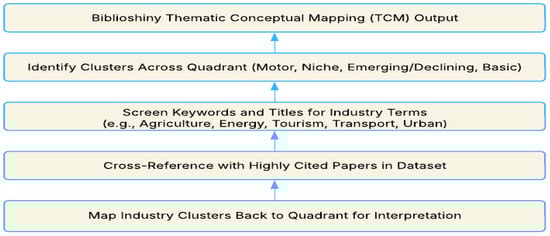
Figure 1.
Workflow for industry cluster identification using Biblioshiny thematic–conceptual mapping (TCM).
This analytical workflow revealed significant shifts in research focus: in recent years, urban systems have become key themes with high density and centrality, while earlier specialized fields, such as water scarcity, exhibit lower connectivity but greater thematic emphasis. To supplement the quantitative mapping, a content analysis of titles, abstracts, and keywords was performed, offering interpretive insight and confirming the conceptual patterns identified through bibliometric analysis. Combining bibliometric and qualitative methods aligns with best practices for multimethod review design, enhancing both analytical validity and interpretive clarity [37,40].
The data selection and screening processes adhered to the PRISMA 2020 protocol [6,43], which standardizes the steps of identification, screening, eligibility, and inclusion. In addition, the PRISMA 2020 checklist is provided as Supplementary Materials. The PRISMA 2020 flow diagram (Figure 2) illustrates these sequential stages and promotes methodological transparency. This systematic review was not prospectively registered in PROSPERO or any other public review registry.
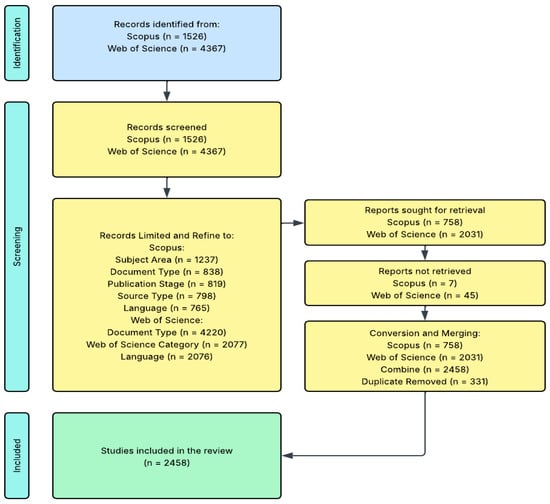
Figure 2.
PRISMA 2020 Framework.
This combined methodological approach, integrating systematic review procedures, bibliometric mapping, thematic analysis, and PRISMA documentation, offers a strong foundation for understanding the development of climate–industrial research. By balancing quantitative accuracy with conceptual understanding, this study captures both the field’s growth trajectory and its intellectual development [36,40]. The TCM framework further supports this goal by tracing how research has evolved from an early focus on adaptation and emissions reduction to modern themes such as governance, digitalization, and systemic transformation. Overall, this approach provides a multidimensional view of how industrial research contributes to and responds to global climate challenges, enabling deeper theoretical and empirical analysis in later sections.
3. Results and Analysis
This section summarizes the main findings of the systematic literature review and bibliometric analysis on industries and climate change. Using 2458 publications from Scopus and Web of Science analyzed with Biblioshiny, the results emphasize key publication trends, influential sources, and thematic patterns.
3.1. Overview of the Literature on Industries and Climate Change
Figure 3 presents bibliometric insights from 2458 articles published between 1991 and September 2025, authored by 10,354 researchers from 582 sources. We selected 1991 as the starting point because it marks the first major wave of indexed research linking industrial systems to climate change following the 1990 IPCC First Assessment Report. The dataset includes 6728 unique author keywords and shows an average of 4.88 co-authors per paper, reflecting a collaborative research environment. However, only 36.1% of the publications involve international co-authorship, indicating limited cross-border collaboration. The average age of publications is 8.3 years, and the field has grown at an annual rate of 19.8%, demonstrating ongoing and increasing scholarly interest. The earliest indexed contribution in the dataset by [44] highlighted the political and scientific forces behind global warming soon after the 1990 IPCC assessment. This early depiction of industries as both major contributors and potential innovators foreshadowed later shifts in the literature toward integrated mitigation–adaptation strategies and industrial transformation. The bibliometric profile presented here, therefore, frames the subsequent thematic evolution: from an initial focus on adaptation to increasingly diverse, sector-specific, and technology-driven research paths.
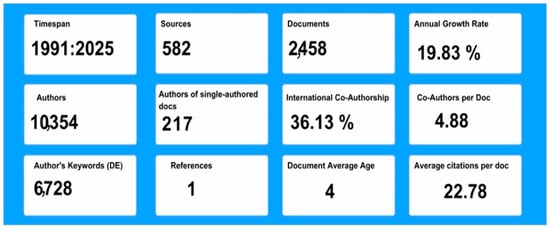
Figure 3.
Overview of the literature on industries and climate change.
3.2. Thematic Map
The thematic map (Figure 4) offers a visual and conceptual overview of research on climate change and industry. Using the Thematic–Conceptual–Map (TCM) output from Biblioshiny, the analysis categorizes research themes into four quadrants: Motor, Basic, Niche, and Emerging or Declining, based on their centrality (importance within the field) and density (extent of internal development). The Motor themes, including climate change, adaptation, and mitigation, are both highly central and well-developed. They act as the intellectual and policy drivers, shaping discussions on industrial transformation, sustainability, and global decarbonization pathways. In contrast, Niche themes, such as remote sensing and geographic information systems (GIS), display strong methodological sophistication but occupy peripheral positions in terms of conceptual influence, reflecting their specialized focus on analytical tools rather than comprehensive frameworks. Emerging or Declining themes, like urban heat islands, show low centrality and density, indicating research areas that are either in early stages or losing momentum. Basic themes, including climate resilience, climate change adaptation, and climate adaptation, are highly central but still maturing. Although closely related, ‘climate change adaptation’ and ‘climate adaptation’ appear as distinct themes in the bibliometric mapping due to differences in keyword usage across the literature. ‘Climate change adaptation’ is predominantly employed in policy-oriented and governance-focused studies, often aligned with international frameworks and long-term climate strategies. In contrast, ‘climate adaptation’ is more frequently used in sector-specific and applied research that addresses operational responses across industries, infrastructure, and local systems. The separation of these terms, therefore, reflects variations in author terminology captured through keyword co-occurrence analysis, rather than a conceptual distinction imposed by the authors. These themes form the conceptual foundation of the field, broad, influential, and often cited, yet they continue to evolve toward greater theoretical cohesion. Notably, cross-cutting concepts such as resilience, vulnerability, and drought occupy central positions on the map, acting as bridging themes that connect methodological approaches with applied climate and industry research. Their intermediary placement highlights the field’s integrative nature, linking specialized, sector-specific studies with broader discussions on sustainability, governance, and adaptive capacity. Overall, the thematic map depicts a research landscape rooted in adaptation and mitigation, supported by evolving methodological and sector-specific subfields that collectively shape the current climate–industry relationship.
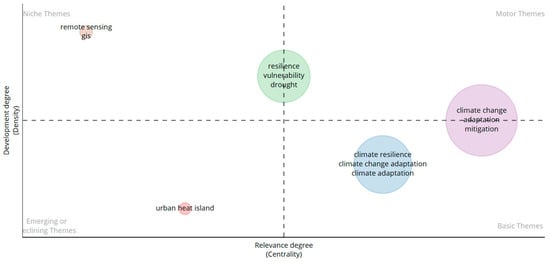
Figure 4.
Thematic Map of the literature on industries and climate change.
3.2.1. Thematic Mapping Analysis of Climate Change and Industries
To understand the landscape of climate–industry literature, a thematic conceptual map was created using the Thematic–Conceptual–Map (TCM) analysis in Biblioshiny. This map illustrates not only the current research framework but also its development and future directions. The analysis shows that adaptation and mitigation are main themes, while specialized and emerging topics, such as spatial technologies and urban climate risks, are becoming more diverse. The following synthesis provides a quadrant-by-quadrant interpretation, situating each cluster within the broader development of climate change and industrial sustainability research.
First Quadrant: Motor Themes (High Density and High Centrality)
Cluster 1: “Driving Global Climate Action: Integrating Adaptation and Mitigation Pathways”.
The motor themes represent well-developed and influential areas that drive research and policy discussions. The Driving Global Climate Action cluster underscores the growing consensus that adaptation and mitigation are interconnected strategies vital for achieving sustainable industrial transformation. Recent studies highlight that neither approach alone can address the scale of global climate risks. Integrated frameworks now combine adaptation, such as climate-resilient infrastructure, water resource management, and agricultural changes, with mitigation efforts, such as transitioning to renewable energy and controlling emissions [21,44,45]. This convergence aligns with the IPCC’s coordinated strategies to reduce vulnerability and promote decarbonization [46]. Ongoing debates center on equity and responsibility, especially how the burdens of climate action are shared between developed and developing economies [47]. Overall, this cluster emphasizes that integrated adaptation–mitigation strategies are essential for industrial resilience, technological innovation, and the wider transition toward global sustainability. Theoretically, this cluster aligns with Resilience Theory by highlighting how industrial systems integrate adaptation and mitigation to absorb climate shocks while maintaining long-term stability. It also reflects Sustainability Transitions Theory, as the convergence of policy coordination, technological innovation, and decarbonization pathways illustrates coordinated regime-level change toward low-carbon and climate-resilient industrial practices.
Second Quadrant: Niche Themes (High Density and Low Centrality)
Cluster 2: “Harnessing Spatial Technologies: Remote Sensing and GIS as Specialized Climate Tools”.
Niche themes represent highly developed methodological areas that, while not yet central to the wider discussion, offer important technical innovations. The Harnessing Spatial Technologies cluster highlights the growing use of remote sensing and geographic information systems (GIS) to study industrial and environmental interactions under climate stress. Research in this area uses satellite imagery, spatial modeling, and geostatistical analysis to track industrial emissions, measure land-use change, and assess exposure to climate hazards like droughts, floods, and heatwaves [48,49,50]. Remote sensing is increasingly used to map carbon fluxes and monitor the urban heat island effect, while GIS-based tools aid infrastructure planning and vulnerability assessment at high spatial resolution [51,52]. Although this cluster remains focused on methodology and, therefore, on its fringe of theoretical debates, its influence is growing quickly as industries and policymakers adopt data-driven spatial intelligence for sustainable planning. The increasing use of spatial analytics highlights the field’s move toward precise monitoring, climate risk mapping, and evidence-based decision-making [53,54].
Third Quadrant: Emerging or Declining Themes (Low Density and Low Centrality)
Cluster 3: “Urban Heat Island Dynamics: An Emerging Frontier in Industrial Climate Research”.
Emerging themes highlight nascent yet increasingly important areas of study. The Urban Heat Island (UHI) Dynamics group exemplifies the rising connection between industrial sustainability and urban climatology. As cities grow and industrial areas become more intense, localized temperature increases have become a vital research focus. Studies show that industrial emissions, impervious surfaces, and decreased vegetation together worsen urban heat buildup, raising energy demands and harming environmental quality [55,56,57]. Scholars have suggested adaptation measures, such as green roofs, reflective materials, and vegetation-based cooling, to reduce the UHI effect and enhance urban resilience [58]. Although this cluster remains conceptually emerging and less integrated into broader theoretical frameworks, its practical importance is growing quickly. UHI research now influences urban planning, energy-efficiency strategies, and industrial design, underscoring its role in creating sustainable cities under climate stress [59]. This shifting focus indicates an important move toward understanding the urban–industrial interface as a vital area for climate adaptation and resilience innovation.
Fourth Quadrant: Basic Themes (Low Density and High Centrality)
Cluster 4: “Building Foundations for Climate Resilience: Core Adaptation Strategies”.
Basic themes form the conceptual backbone of the research field, being highly central but still evolving in theory and method. The Building Foundations for Climate Resilience cluster highlights adaptation as both an environmental and socio-economic necessity within industrial systems. The literature describes resilience as a multi-dimensional process that involves infrastructure reinforcement, energy system diversification, and redesigning production processes to withstand climatic shocks [60,61]. Empirical studies show that resilience planning improves industrial competitiveness and reduces vulnerability to disruptions such as droughts, floods, and supply chain issues [62,63,64].
Recent research integrates socio-ecological and institutional perspectives, indicating that adaptive capacity depends on governance quality, social capital, and ecosystem services that support industrial operations [30,31]. Yet, conceptual fragmentation persists, and measurement frameworks and accountability mechanisms remain inconsistent across regions and sectors. Despite these gaps, resilience and adaptation now serve as foundational paradigms that connect sustainability, policy, and industrial transformation. This cluster thus provides the theoretical foundation for climate–industry literature, positioning resilience as a strategic imperative for sustainable development amid increasing environmental uncertainty. From a theoretical standpoint, this cluster reflects the foundations of Resilience Theory by emphasizing adaptive capacity, robustness, and recovery within industrial systems facing climatic stress. It also connects to Sustainability Transitions Theory at an early stage, where adaptation and resilience function as stabilizing foundations that enable future institutional, technological, and policy-driven transformation.
Central Themes: Bridging Concepts Across the Field
Cluster 5: “Bridging Vulnerability and Resilience: Linking Climate Risks with Adaptive Capacity”.
Central themes play key roles within the research network, linking otherwise separate areas of study. The Bridging Vulnerability and Resilience cluster serves as a conceptual link, defined by the intersection of vulnerability, resilience, and drought. Research in this area highlights that vulnerability and resilience are not opposing ideas but complementary parts of climate adaptation [33,65]. Drought-focused studies demonstrate how resource-dependent sectors, especially agriculture, energy, and water-intensive industries, need to balance exposure assessment with long-term resilience planning [66,67,68]. Governance frameworks that integrate ecological, social, and industrial systems are essential for decreasing vulnerabilities and improving adaptive capacity [69,70]. This theme’s central role emphasizes its bridging function, connecting methodological innovations with applied industrial practices and linking theoretical discussions with policy applications. The integrative nature of this cluster supports a comprehensive understanding of industrial climate resilience, considering adaptation as both a systemic process and a localized action. By combining conceptual insight with practical governance, this body of work advances a unified framework to enhance adaptive capacity across sectors.
Together, these five clusters represent the intellectual diversity of climate–industry literature. Strong main themes drive the field focused on adaptation and mitigation, supported by basic research on resilience, and enhanced by specialized and emerging contributions, such as geospatial methods and urban heat dynamics. The presence of bridging clusters highlights increasing interdisciplinarity, as vulnerability, resilience, and adaptive capacity are increasingly connecting policy, governance, and industrial transformation within the changing climate dialogue.
3.3. Thematic Evolution of Climate Change and Industrial Sustainability
The thematic evolution map created with Biblioshiny tracks the conceptual and empirical growth of research on climate change and industry from 1991 to 2025 (Figure 5). Each strand shows a group of related research themes, with thickness indicating publication activity and continuity or fragmentation reflecting how ideas develop over time. Over the years, these thematic strands have shifted from initial discussions about adaptation to more complex, policy-focused, and technologically advanced debates on mitigation and resilience. Early themes like adaptation and vulnerability laid the conceptual groundwork for understanding climate–industry connections, while later periods introduced themes related to policy, mitigation, renewable energy, and urban sustainability. The evolution displays a clear chronological path, starting with basic adaptation studies (1991–2000), moving into expanded policies and diversification (2001–2010), then toward integration and governance strengthening (2011–2017), and finally toward innovation and net-zero initiatives (2018–2025). This progression aligns with key global milestones such as the Kyoto Protocol, the Paris Agreement, and the Sustainable Development Goals, all of which encouraged industrial involvement in climate action. Overall, the thematic development reflects a shift from reactive adaptation to forward-looking, technology-driven industrial sustainability, where resilience and decarbonization become central research themes.
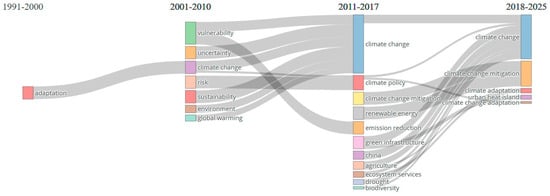
Figure 5.
Thematic Evolution of the literature on industries and climate change.
3.3.1. Period 1991 to 2000
The period from 1991 to 2000 (Figure 6) marks the initial phase of climate–industry research, marked by a strong focus on adaptation. This early emphasis might seem counterintuitive today, but it reflected the scientific and policy realities of that time: while full acknowledgment of human-caused climate change was still developing, environmental scientists and policymakers focused on understanding how societies and ecosystems could cope with observable climate variability, well before mitigation became a global priority. Industrial adaptation, however, remained limited, fragmented, and driven more by uncertainty than strategic planning.
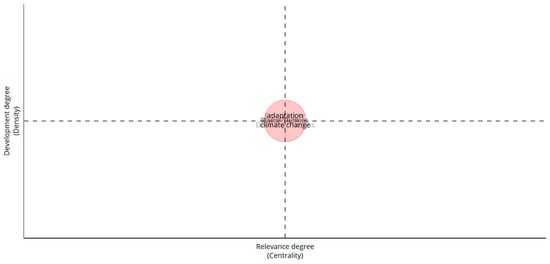
Figure 6.
Thematic Evolution of the literature on industries and climate change from 1991–2000.
Biblioshiny analysis shows low thematic density and centrality during this decade, indicating that the field remained exploratory, primarily focused on how ecological and social systems adjusted to environmental change. Instead of technological innovation or emission reduction, studies during this period concentrated on coping strategies, vulnerability assessment, and ecosystem-based responses.
This approach aligns with early global policy developments. The first IPCC Assessment Reports and the 1992 United Nations Framework Convention on Climate Change (UNFCCC) framed climate change as a global issue but emphasized adaptation as an immediate necessity. Scholars such as [71,72] examined adaptation at the institutional and community levels, and mechanisms, while [73,74] highlighted biodiversity conservation and freshwater management as key priorities. Collectively, the literature of the 1990s defined adaptation as both an ecological and social necessity, establishing a foundation for linking adaptation to resilience and sustainability. Although industrial implications were only implicit at this stage, this decade laid the groundwork for the policy-driven and sectoral expansion that would characterize the 2001–2010 period.
3.3.2. Period 2001 to 2010
The period from 2001 to 2010 marks the first major expansion of climate–industry research, characterized by a shift from mostly ecological adaptation studies toward policy integration and sector-specific diversification (Figure 7). Biblioshiny analysis shows that global warming, climatology, and energy management emerged as dominant themes, forming highly central and mature clusters that defined the research landscape. During this decade, “global warming” and “climate change” appeared as separate clusters, reflecting the evolution of terminology at the time. Global warming remained the widely used scientific and political term in the early 2000s, frequently referenced in discussions of temperature rise and emission reduction. Conversely, climate change gained more traction in policy and governance discussions because it more effectively captured broader impacts, including extreme weather, vulnerability, and sectoral disruptions. This conceptual distinction aligns with global usage trends before “climate change” became the dominant umbrella term in the mid–2010s, when the two concepts eventually merged in both research and public communication.
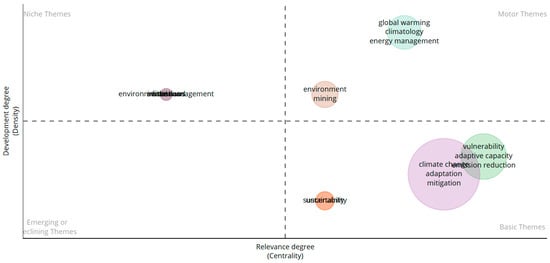
Figure 7.
Thematic Evolution of the literature on industries and climate change from 2001–2010.
Meanwhile, core themes such as mitigation, adaptation, and vulnerability formed the conceptual foundation, highlighting a growing recognition that preventive and adaptive strategies must develop together to manage industrial climate risks effectively. This decade also coincided with the Kyoto Protocol of 1997, implemented in 2005, which spurred the development of global policy frameworks for emission reduction and increased scrutiny of industries as both emitters and agents of change. Scholarly focus expanded to include sector-specific contexts and governance mechanisms. For instance, Ref. [75,76] examined how industries adapted to climate change variability, while [77] explored the synergies between mitigation and adaptation in policy design. Infrastructure-focused studies, such as [78] on rail transport and [79] on Asia-Pacific regional cooperation, it highlighted emerging industrial governance responses to climate threats.
Collectively, this period marks a turning point in the climate industry, shifting from localized adaptation studies to multi-sectoral, policy-driven discussions. The decade’s focus on industrial governance, technological innovation, and cross-border cooperation laid the groundwork for the integration and resilience phase (2011–2017) that followed.
3.3.3. Period 2011 to 2017
The period from 2011 to 2017 marks a phase of intense conceptual growth and institutional maturity in climate–industry literature (Figure 8). Biblioshiny’s thematic mapping revealed 12 interconnected clusters, reflecting the field’s increasing interdisciplinarity and depth. Climate change, adaptation, and resilience emerged as dominant driving themes, highly central and well-developed areas that bridged environmental science, industrial systems, and policy innovation. Surrounding these were core clusters, including climate policy, food security, ecosystem services, and mitigation, illustrating the growing integration of ecological, social, and industrial dimensions. This period aligned with global governance milestones, notably the negotiations leading up to the 2015 Paris Agreement, which spurred renewed focus on multi-level governance and industrial accountability. Research increasingly highlighted institutional mechanisms, governance frameworks, and social capital as key enablers of adaptive capacity. For example, examined how policy frameworks and community networks influenced farmers’ adaptive behaviors while comparing agricultural responses across regions to identify institutional determinants of resilience. Similarly, analyzed the co-benefits and trade-offs between mitigation and adaptation, and explored public acceptance of carbon pricing as a central element of climate governance.
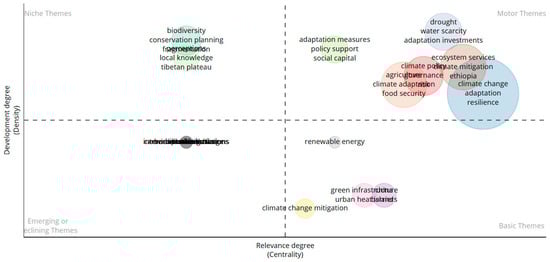
Figure 8.
Thematic Evolution of the literature on industries and climate change from 2011–2017.
Sector-specific studies expanded further to include livestock systems [80], crop management [64], and community-level adaptation [81] highlighting how resilience principles were put into action in production and supply chains. At the same time, new niches and emerging themes, such as drought, water scarcity, adaptation finance, and social capital, gained importance, emphasizing the economic and financial aspects of climate resilience [82]. Research on biodiversity conservation, local knowledge systems, and green infrastructure broadened the focus of industrial adaptation into socio-ecological settings. At the same time, studies on renewable energy and urban heat island effects indicated the early use of climate strategies in urban-industrial systems.
Overall, this period marked a key shift from broad, policy-focused discussion to more integrated, sector-specific, and governance-centered approaches. Adaptation and resilience became the main concepts in industrial climate research, supporting the shift from reactive methods to proactive transformation. This phase effectively connected the policy-driven diversification of the 2000s with the innovation-led decarbonization era that came after (2018–2025).
3.3.4. Period 2018 to 2025
The period from 2018 to 2025 marks the consolidation and technological transformation of the climate industry, reflecting its maturation in the post-Paris Agreement era (Figure 9). Biblioshiny analysis revealed five major clusters that show the dual trajectory of conceptual stability and applied innovation. The largest core theme, climate change, resilience, and adaptation, remains the intellectual foundation of the field, indicating continuity from earlier decades. A parallel core cluster combines climate adaptation, nature-based solutions, and the Sustainable Development Goals (SDGs), emphasizing the integration of industrial sustainability within global policy frameworks. Key themes like machine learning, adaptive capacity, and adaptation strategies point to a technological shift in industrial climate research. The adoption of artificial intelligence, big data analytics, and simulation modeling has accelerated progress in emissions monitoring, predictive risk management, and resource efficiency. Studies by [19,21] illustrate how digital and policy innovations come together in national decarbonization efforts, alongside research on urban morphology [83] and green infrastructure [84] highlights the increasing focus on the urban–industrial interface. Supporting niche clusters, such as remote sensing and GIS, offers methodological precision for spatial decision-making, thereby strengthening the field’s empirical rigor. This phase also sees the emergence of net-zero narratives that redefine adaptation and mitigation as interconnected, technology-supported strategies. The integration of renewable energy systems, circular economy principles, and nature-based solutions indicates a shift from policy-driven adaptation to practical, innovation-centered approaches to transformation. [85] advanced nature-based approaches for climate resilience, while [86] linked industrial mitigation strategies to global warming limits of 1.5 °C. Collectively, these studies demonstrate how sustainability goals, digital tools, and industrial policy frameworks now operate in concert to shape low-carbon futures.
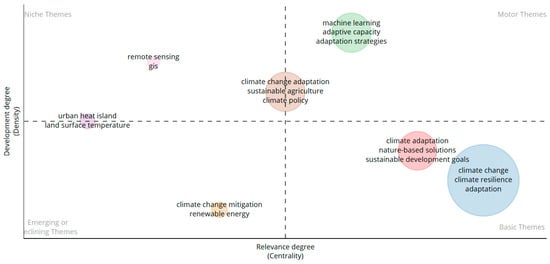
Figure 9.
Thematic Evolution of the literature on industries and climate change from 2018–2025.
Overall, this period marks the end of three decades of intellectual growth, spanning from basic adaptation (1990s), through policy integration (2000s), to governance consolidation (2010s), leading to today’s era of industrial innovation and net-zero transition. The merging of digitalization, renewable energy shifts, and systemic governance shows not only the field’s maturity but also its readiness to lead industries toward fair, resilient, and technologically advanced climate solutions.
The evolution of climate–industry research from 1991 to 2025 shows a clear progression from early, reactive adaptation studies to more integrated, innovation-driven frameworks. The 1990s focused on ecological adaptation and environmental awareness, while the 2000s saw policy-oriented expansion influenced by the Kyoto Protocol and increasing industrial accountability. Between 2011 and 2017, research broadened into multi-dimensional themes emphasizing resilience, governance, and cross-sectoral adaptation, laying the intellectual foundation for the Paris Agreement era. The most recent phase (2018–2025) reflects the consolidation of these trends, marked by digital innovation, data-driven mitigation strategies, and alignment with global agendas such as the SDGs and net-zero transitions.
Throughout these phases, the field has gradually shifted from fragmented ecological studies to an interdisciplinary domain that recognizes industry as a central player in climate solutions. This trajectory highlights the growing integration of technology, governance, and sustainability within industrial systems. At the same time, the thematic evolution also reveals notable gaps. Key global concerns, such as climate finance, equity, and responsibility-sharing, appear much less prominently in bibliometric patterns, despite their importance in international negotiations and current climate debates. These gaps suggest that while the literature has made significant progress in mapping technological and governance pathways, issues related to financial responsibility, adaptation funding, and the varied obligations of developed and developing countries remain underexplored within the climate–industry research landscape.
Viewed through a theoretical lens, the temporal evolution of themes reflects a progression consistent with both Resilience Theory and Sustainability Transitions Theory. Early periods emphasize adaptive awareness and coping mechanisms, aligning with resilience-building in the face of uncertainty. Subsequent phases reveal increasing policy coordination, governance mechanisms, and mitigation strategies, indicating the stabilization of dominant industrial regimes. In the most recent period, the convergence of digitalization, innovation, and net-zero pathways reflects a transition toward transformative change, where technological niches begin to scale within established industrial systems. Together, these patterns demonstrate how climate–industry research has evolved from reactive adaptation toward coordinated socio-technical transformation.
3.4. Industries in Focus Across the Thematic Evolution
An additional analysis layer highlights the most studied topics in the climate change and industrial sustainability literature from 1991–2025. Early research (1991–2000) mainly focused on adaptation in broad ecological or societal contexts, with little variation across different industrial sectors. However, in the following decades, there was a clear shift toward industry-specific analysis, reflecting the diversification of industrial activities and the growing scope of climate policy and technological advances. Among the sectors examined (Table 1), urban and city-related industries consistently stand out as the most prominent and persistent focus across all periods. Studies on Urban Heat Islands (UHIs) and land surface temperature regularly emphasize cities as critical areas of climate vulnerability and innovation. Ref. [87,88] showed how urban layout and greenery projects reduce heat stress, while [57] developed urban adaptation indicators that now guide local governance and industrial design. These studies view urban systems as both significant emitters and testing grounds for resilience strategies, making them key to industrial-climate interactions.
Natural-resource-based industries, especially forestry and agriculture, also play a significant role in the literature. Forestry research emphasizes the sector’s importance in carbon sequestration, ecosystem restoration, and nature-based solutions. Ref. [89] analyzed urban and peri-urban forestry governance. In agriculture, studies such as [31,60] explored adaptive farming responses and the impact of institutions and social capital on shaping resilience. Together, these elements demonstrate how natural resource industries act as vital interfaces between environmental processes and industrial adaptation.
The energy sector, though less represented, carries strategic weight. Ref. [19,21] examined low-carbon city policies and pathways toward carbon neutrality, emphasizing the central role of energy systems in national and industrial decarbonization agendas. Transport appears as a smaller but significant niche. Ref. [90] identified infrastructure-based studies, such as those focusing on railways, highlight the growing emphasis on climate-resilient transport systems.
Overall, the industry-focused analysis shows a clear shift from broad adaptation frameworks to sector-specific specialization and integration. Urban, forestry, agricultural, and energy systems dominate the research, reflecting global efforts to advance sustainability and resilience across these sectors. These industries serve as the main pillars of the climate industry, illustrating how modern research has shifted from theoretical debates to practical, systems-level changes that support the transition to a sustainable, low-carbon economy.

Table 1.
Industries and Studies discussed in climate change and industrial sustainability literature (1991–2025).
Table 1.
Industries and Studies discussed in climate change and industrial sustainability literature (1991–2025).
| Industry | Example Authors | Key Focus |
|---|---|---|
| Urban/City-related industries | [57,88,91] | Urban heat islands, land surface temperature, resilience indicators, urban morphology, greenery-based adaptation. |
| Forestry | [89,91] | Nature-based solutions, urban and peri-urban forestry governance, ecosystem services, and carbon sequestration. |
| Agriculture | [60,81] | Food security, drought adaptation, farmer responses, social capital, livestock systems. |
| Energy | [19,21,64] | Low-carbon city policies, carbon neutrality, renewable energy transitions, and emission reduction. |
| Transport (Railways) | [90] | Infrastructure Vulnerability and Adaptation within National Transport Systems. |
| Technology/Digital Infrastructure | [92,93,94,95] | AI in climate modelling, digital innovation, the carbon footprint of ICT and data centers, the energy/water demands of computing, remote sensing, monitoring technologies, and smart systems. |
From a geographical perspective, the industry-focused literature exhibits clear regional concentration that shapes both thematic emphasis and analytical depth. Studies on industrial sustainability, low-carbon policy, and urban systems are predominantly situated in China and Europe, reflecting strong regulatory frameworks and state-led climate initiatives [1,19,57]. Agricultural adaptation research is particularly prominent in climate-sensitive regions such as China and the United States, where policy support, social capital, and institutional capacity influence resilience outcomes [60,81]. European cities dominate research on nature-based solutions, urban forestry, and infrastructure resilience, highlighting governance-driven approaches to climate adaptation [89,91]. Emerging studies on digital technologies and critical infrastructure span multiple regions but remain concentrated in technologically advanced economies, indicating that institutional capacity and data availability strongly condition research visibility [92,93,94,95]. Ref. [96] cautioned that risk assessments and policy actions tended to favor adaptation over prevention and contended that only systemic changes in the energy sector could significantly lower long-term risks. Together, these regional patterns provide important context for interpreting sectoral trends in climate–industry research.
Taken together, both the thematic evolution and industry-specific patterns reveal an increasingly mature and interdisciplinary field where climate change is no longer seen as just an external environmental factor, but as a fundamental driver of industrial transformation. The literature clearly shifts from early ecological and adaptation-focused studies toward sector-specific, data-driven analyses that highlight the role of industries in both contributing to and responding to climate risks. While the main clusters shown in Table 1—urban systems, forestry, agriculture, energy, tourism, and transport—capture the primary industrial pathways through which climate impacts occur, the findings also emphasize the rising importance of technology and digital infrastructure as a new industrial domain. Recent research demonstrates that artificial intelligence, data centers, platform logistics, and digital connectivity systems are transforming industrial responses to climate challenges, particularly in energy use, carbon emissions, and the management of large-scale digital infrastructure. This trend shows that technology is no longer peripheral to climate–industry research, but rather essential to understanding modern industrial changes.
The shift from broad adaptation studies in the 1990s to policy integration in the 2000s and governance-resilience frameworks in the 2010s has led to a focus on digitalization, innovation, and net-zero transitions in the 2020s. This evolution aligns with major global policy milestones, including the Kyoto Protocol, the Paris Agreement, and the Sustainable Development Goals, illustrating how research has developed alongside changes in international climate governance. Across industries, climate mitigation, adaptation, and innovation now converge as key themes, reflecting a paradigm shift from descriptive vulnerability studies to comprehensive frameworks that emphasize resilience, systemic decarbonization, and socio-technical transformation.
Within this broader development, the following discussion interprets these empirical patterns and explores their theoretical, methodological, and policy implications. It considers how industries, from traditional sectors like agriculture and energy to new digital infrastructure systems, are reshaping governance models, operational strategies, and technological capabilities to become active agents in global climate resilience.
4. Discussion
This study uncovers an evolving and more advanced research landscape at the intersection of industry and climate change. The discussion interprets the bibliometric and thematic findings in relation to the four guiding research questions, using Resilience Theory and Sustainability Transitions Theory to explain how industrial systems are reimagined, from passive emitters to adaptive, innovation-driven agents of transformation.
RQ1.
Publication Trends and Global Policy Inflection Points
The bibliometric evidence shows a clear chronological and conceptual path. From 1991 to 2025, research on climate change and industry grew from a small, exploratory area into a global, policy-based field. The slow increase in publications during the 1990s reflected a growing awareness of industrial vulnerability to environmental stress but remained mostly descriptive and fragmented. The first major spike occurred after 2005, aligning with the Kyoto Protocol, which established mechanisms for emissions accounting and corporate responsibility. A second, more pronounced rise happened around the Paris Agreement (2015–2016), when research increasingly emphasized technological innovation, decarbonization, and climate-resilient production systems. This growth is not just about numbers. Citation trends and co-authorship networks show the field’s intellectual development, from ecological observations to solution-focused research. This shift mirrors the ideas in Sustainability Transitions Theory, in which industries change under regulatory pressure, innovation niches, and societal demand for low-carbon transformation. The expanding global collaboration, especially between Europe, Asia, and the Global South, also demonstrates the spread of resilience thinking, as industrial actors adapt knowledge to different social and economic contexts.
From the perspective of Resilience Theory [8] this period marks a shift in industrial research toward building adaptive capacity: how firms, sectors, and economies absorb climate shocks while reorganizing for long-term sustainability. Consequently, the field’s development reflects not just scientific curiosity but also an adaptive response by the research community to global climate governance.
RQ2.
Fundamental and Emerging Themes in Industrial Sustainability
The thematic mapping highlights five enduring research pillars: adaptation and resilience, mitigation and emissions management, governance and policy, technological innovation, and nature-based solutions. These pillars collectively define the field’s intellectual architecture. Early studies on adaptation and policy laid the foundation by examining how industries respond to environmental stress through incremental adjustments. Over time, the literature evolved toward integrated frameworks that view mitigation and adaptation as complementary rather than separate processes. This conceptual convergence aligns with Resilience Theory, which states that robust systems must both reduce exposure (mitigation) and increase adaptive capacity (adaptation).
Emerging clusters, such as machine learning, the circular economy, and renewable energy transitions, reflect the growing role of Industry 4.0 technologies in sustainability discussions. These developments signify a paradigm shift aligned with Sustainability Transitions Theory, in which digitalization, automation, and socio-technical innovation drive structural change within industrial regimes. The focus on data-driven monitoring and predictive analytics signals a shift from reactive assessments to anticipatory governance, enabling the identification of vulnerabilities before they emerge.
To capture this evolution, the Industrial–Climate Research Maturity Typology (Table 2) classifies the field into four sequential phases. This typology reflects a wider epistemic shift from environmental concern to systemic industrial innovation. It shows that research has advanced from simply documenting industrial impacts to reimagining industries as socio-technical systems capable of self-transformation through innovation, governance reforms, and multi-level coordination.
Table 2.
Industrial–Climate Research Maturity Typology.
RQ3.
Industrial Contributions and Systemic Impacts on the Climate Crisis
The results reveal a dual relationship between industrialization and climate change. On the one hand, industries are among the largest sources of greenhouse gas emissions, resource depletion, and biodiversity loss; on the other hand, they are key drivers of innovation toward low-carbon futures. The high-emission sectors—energy, manufacturing, transportation, and construction—are responsible for over two-thirds of human-caused CO2 emissions, highlighting their importance in global mitigation efforts. From 2001 to 2017, research focused more on industrial externalities, reflecting increasing awareness of ecological limits and the need to separate economic growth from carbon emissions. During this period, global carbon accounting methods under the Kyoto Protocol and early corporate sustainability reporting became more widespread. However, after 2010, the literature began to see industrial impacts not just as environmental “costs” but as processes embedded within socio-technical systems capable of change. This new view aligns with Sustainability Transitions Theory, which considers industrial change as a co-evolution driven by technological innovation, institutional forces, and social learning. In this framework, new areas like renewable energy, carbon capture, and life-cycle assessments emerged as pathways for existing industrial systems to shift toward sustainability.
At the same time, Resilience Theory offers a complementary perspective, highlighting industries’ ability to withstand climatic shocks while preserving essential functions through diversification, adaptive design, and knowledge-driven innovation. The growing focus on eco-innovation, industrial symbiosis, and circular value chains in the literature reflects this adaptive approach. These studies indicate that climate resilience is not a fixed state but a developing capability built into organizational strategies and technological systems.
Thus, industries are seen as both agents and facilitators of change, sources of environmental stress yet essential to the development of mitigation, adaptation, and restoration strategies. This dual role redefines the industrial–climate relationship as a space of transformative potential, where sustainability is not about restricting industrial activity but about rethinking its material, technological, and institutional foundations.
RQ4.
Leveraging Industrial Transformation for Climate Mitigation and Adaptation
The latest thematic clusters (2018–2025) highlight a major shift from conceptual adaptation to operational change. Industries are no longer just side players responding to climate mandates but are now strategic leaders pushing innovation toward net-zero and resilience goals. This shift is driven by three interconnected mechanisms: technological advancement, governance coordination, and financial and collaborative tools, which together shape the new industrial sustainability framework. The literature highlights rapid progress in digitalization, artificial intelligence, machine learning, and automation as key drivers of industrial decarbonization. Smart energy grids, AI-powered monitoring, and predictive modeling now enable optimized emissions management, efficient supply chains, and flexible infrastructure design. These technologies reflect the adaptive capacity described by Resilience Theory, allowing industries to foresee risks and self-adjust amid uncertainty.
A key insight from the bibliometric results is that industrial innovation tends to happen alongside periods of strong policy coordination rather than in isolation. The clustering of publications around global governance milestones, such as the Paris Agreement and the UN Sustainable Development Goals (SDGs 7, 9, 12, and 13), shows that research interest and industrial experimentation increase when policy frameworks offer clearer guidance for long-term climate action. These patterns suggest that policy stability and institutional commitments create favorable conditions for firms to develop sustainable technologies and shift toward climate-focused transitions. Sustainability Transitions Theory describes this as a form of regime–niche alignment, where regulatory signals and market incentives work together to support the scaling of innovative practices.
The literature further emphasizes the rise of green financing, carbon pricing tools, and public–private partnerships as vital enablers of industrial transformation. Building on the Industrial–Climate Research Maturity Typology presented in Table 2, recent studies move beyond documenting mitigation commitments to examine whether industrial responses translate into measurable reductions in climate risk and emissions intensity. Studies published after 2018 demonstrate a growing shift from policy-oriented mitigation frameworks toward applied technological solutions, including artificial intelligence, machine learning, digital monitoring systems, and smart infrastructure. These technologies are positioned not merely as efficiency-enhancing tools but as mechanisms for real-time emissions tracking, predictive risk assessment, and adaptive system reconfiguration. Importantly, the literature suggests that while mitigation policies remain central, their effectiveness increasingly depends on how they are operationalized through technological deployment and integrated governance structures. This distinction highlights an emerging research emphasis on impact-oriented transformation, in which industries are evaluated not only on mitigation intent but also on their capacity to deliver sustained reductions in climate vulnerability and environmental pressure. These mechanisms help align high-level policy goals with practical implementation by providing avenues for investment, risk-sharing, and technology deployment. In developing economies, where disparities in capital, expertise, and access to technology remain substantial, transnational collaboration becomes especially important for speeding up industrial decarbonization. However, the evidence also reveals ongoing barriers: high transition costs, unequal access to advanced technologies, and fragmented governance systems often hinder progress. Overcoming these challenges requires integrated governance structures capable of coordinating innovation with fairness, ensuring that transitions support not only net-zero commitments but also broader social and economic resilience.
Overall, the findings depict industrial transformation as a multi-level adaptive process where technological pathways, financial systems, and institutional arrangements evolve together. The shift observed in the literature, from incremental operational efficiencies toward more systemic and cross-sectoral innovations, indicates a maturing research field that increasingly emphasizes the coordination and orchestration of industrial solutions rather than just problem diagnosis. This progression highlights how the climate–industry literature now treats industrial systems as dynamic socio-technical ecosystems that require synchronized technological, policy, and financial strategies to promote resilient and sustainable futures. While these findings highlight important directions for industrial climate action, their broader theoretical, practical, and policy implications are discussed explicitly in the following section.
5. Implications
5.1. Theoretical Implications
This review advances the conceptual integration of the climate–industrial literature by clarifying how researchers increasingly view industrial transformation as a socio-technical process influenced by adaptation, mitigation, governance, and technological change. The findings reveal consistent patterns across thirty years of publications. Specifically, the literature demonstrates a gradual shift from ecological and policy-focused studies toward frameworks that connect industrial resilience with digitalization, innovation, and long-term decarbonization strategies. These patterns build on existing ideas within Resilience Theory and Sustainability Transitions Theory by showing how industries are seen as adaptive systems whose technological and institutional capabilities develop in response to climate risks.
5.2. Practical and Industrial Implications
For practitioners, the reviewed literature highlights how climate strategy is increasingly seen as a strategic capability in academic research, reflecting a shift from compliance-focused approaches toward models that emphasize transparency, cross-sector collaboration, and the integration of circular economy practices. The literature indicates a growing scholarly consensus that data-driven monitoring, digital tools, and collaborative industrial platforms improve efficiency and support long-term decarbonization efforts. These insights provide firms with conceptual pathways to align operational innovation with climate goals.
5.3. Policy Implications
For policymakers, the findings highlight the need for coordinated and multi-level governance that supports fair industrial transformation. The literature consistently stresses the importance of technology transfer, capacity-building, and financial inclusion, especially for developing economies where transition costs and resource gaps are most severe. This review also shows a limited focus on several critical global issues, including climate finance, responsibility for adaptation costs, and the distributional effects of decarbonization. Addressing these gaps could help align industrial governance with broader equity and justice goals found in international climate negotiations. Strengthening accountability standards and increasing investment in green infrastructure are essential policy tools for accelerating industrial transitions and fostering inclusive, sustainable growth.
6. Limitations and Future Research
Although this study offers a comprehensive synthesis of the climate–industrial literature through a dual-methodological approach combining Systematic Literature Review (SLR) and bibliometric analysis, certain limitations must be acknowledged. First, this study’s reliance on Scopus and Web of Science as primary data sources, while ensuring high-quality and peer-reviewed coverage, may have inadvertently excluded relevant regional, policy-oriented, or non-English publications. This introduces a potential linguistic and geographic bias, which may subtly influence the thematic emphasis observed in this study. In particular, literature outside globally indexed journals may place greater emphasis on issues such as climate finance, distributional justice, adaptation funding responsibilities, and localized governance challenges that are less visible in mainstream academic outlets. Research emerging from developing and climate-vulnerable regions may also prioritize community-led adaptation, informal industrial practices, and context-specific resilience strategies. While these perspectives are essential for a more comprehensive understanding of climate–industry interactions, their limited representation reflects broader structural patterns in academic publishing rather than an analytical omission. Future research could extend the present framework by incorporating regional databases, policy repositories, and multilingual sources to further enrich insights into industrial climate action. Second, while Biblioshiny’s co-occurrence mapping effectively identifies structural relationships and thematic clusters, it is inherently quantitative and does not capture the contextual and interpretive nuances of how industrial adaptation and mitigation are implemented in practice. Future studies could complement these findings with qualitative content analysis, policy discourse evaluation, or expert interviews to deepen understanding of the social, institutional, and cultural dimensions of industrial transformation. Third, the temporal segmentation (1991–2025), although methodologically justified, provides a broad overview of the evolution. More detailed longitudinal or decadal analyses may reveal finer shifts, especially in response to major policy milestones such as the Kyoto Protocol (2005), the Paris Agreement (2015), and the acceleration of net-zero commitments (post-2020). Such focused time slices could shed light on the feedback loops between policy innovation and industrial behavior.
Furthermore, future research could use mixed-method frameworks that combine bibliometric mapping with network analysis, case studies, and system modeling to assess how industries implement resilience and sustainability transitions across different regional settings. Comparative studies between high-emission and low-emission economies, or between technology-heavy and resource-dependent industries would also offer valuable insights into the diversity of industrial pathways toward decarbonization.
Ultimately, there is great potential to connect industrial innovation metrics (such as patent data, technology adoption rates, or ESG disclosures) with climate performance indicators. These cross-domain studies would allow for a stronger assessment of whether industrial systems are not only conceptually adapting but also effectively transforming toward resilience, circularity, and equity. By broadening methodological approaches and integrating theories, future research can go beyond simply mapping the intellectual landscape to evaluate the practical and transformative effects of industrial responses to climate change, a crucial step in advancing the global sustainability transition.
7. Conclusions
This study offers a thorough synthesis of over thirty years of research at the intersection of climate change and industrial research. By combining a Systematic Literature Review (SLR) with bibliometric mapping, the analysis shows a clear shift in research focus—from early ecological and adaptation-focused studies in the 1990s to policy-oriented integration in the 2000s, followed by the rise in resilience, governance, and digital innovation frameworks after the Paris Agreement. Throughout this progression, the literature increasingly views industry not just as a source of emissions but as a key area for exploring climate mitigation, adaptation, and technological change.
The findings suggest that scholarly focus has increasingly shifted toward understanding industrial systems as complex socio-technical ecosystems shaped by technological capabilities, governance mechanisms, environmental pressures, and cross-sectoral connections. Instead of indicating uniform behavior across industries, the data show how research has expanded to cover various industrial contexts, such as urban systems, energy, agriculture, forestry, transportation, and digital infrastructure, each with unique vulnerabilities, capacities, and paths for transition. This diversification reflects the field’s growing recognition that climate–industry interactions are diverse and shaped by geographical, institutional, and economic factors.
Basically, this study adds to the integration of Resilience Theory and Sustainability Transitions Theory within the climate–industry discussion. These frameworks help explain why research has focused more on adaptive capacity, systemic interdependence, and the co-evolution of technological and institutional change. The merging of adaptation, mitigation, and innovation themes in recent years reflects a maturing research area in which industrial transformation is analyzed across multiple levels and by different actors.
Importantly, the results highlight both progress and ongoing challenges within the climate–industry literature. While many areas of the literature focus on innovation, decarbonization, and collaborative governance, other industries, especially fossil-fuel and resource-intensive sectors, continue to face political resistance, high transition costs, and varying technological readiness. These patterns emphasize that the research does not follow a simple story of industrial leadership but instead reveals a complex landscape where ambitions, constraints, and transition paths differ widely.
Looking ahead, as global climate pressures grow, the literature indicates that scholarly and policy focus will continue to broaden toward themes of equity, resilience, and systemic transformation. The next research frontier will depend on understanding how industrial systems can navigate rising climatic uncertainties while balancing technological progress, social inclusion, and economic sustainability. By highlighting the intellectual foundations and thematic progression of this field, the present study provides a solid platform for future exploration of how industries, across various contexts, may contribute to or face challenges posed by the global sustainability transition.
Supplementary Materials
The following supporting information can be downloaded at: https://www.mdpi.com/article/10.3390/world7020024/s1
Author Contributions
Conceptualization, V.P.S., B.T. and U.K.; methodology, V.P.S. and U.K.; software, U.K. and V.P.S.; validation, B.T. and T.B.P.; formal analysis, U.K. and V.P.S.; investigation, T.B.P., B.T., U.K. and V.P.S.; resources, B.T. and T.B.P.; data curation, U.K. and V.P.S.; writing—original draft preparation, V.P.S., U.K., B.T. and T.B.P.; writing—review and editing, U.K., V.P.S., B.T. and T.B.P.; visualization, V.P.S. and U.K.; supervision, B.T. and T.B.P.; project administration, B.T. All authors have read and agreed to the published version of the manuscript.
Funding
This research received no external funding.
Institutional Review Board Statement
Not applicable.
Informed Consent Statement
Not applicable.
Data Availability Statement
No new data were created or generated in this study. The data supporting the findings of this research are derived from bibliographic records indexed in the Scopus and Web of Science databases, accessed according to the search strategy described in the Methods section. The analyzed data are available from the corresponding author upon reasonable request, subject to database access restrictions.
Conflicts of Interest
The authors declare no conflict of interest.
References
- Wang, C.; Wang, L.; Dai, S.F. An Indicator Approach to Industrial Sustainability Assessment: The Case of China’s Capital Economic Circle. J. Clean. Prod. 2018, 194, 473–482. [Google Scholar] [CrossRef]
- Wang, S.; Chen, B. Three-Tier Carbon Accounting Model for Cities. Appl. Energy 2018, 229, 163–175. [Google Scholar] [CrossRef]
- Coelho, S.; Ferreira, J.; Lopes, D.; Carvalho, D.; Lopes, M. Facing the Challenges of Air Quality and Health in a Future Climate: The Aveiro Region Case Study. Sci. Total Environ. 2023, 876, 162767. [Google Scholar] [CrossRef] [PubMed]
- Zolfagharipoor, M.A.; Ahmadi, A.; Nikouei, A.; Zolfagharipoor, M.A.; Ahmadi, A.; Nikouei, A. Market-Based Groundwater Resources Allocation Mechanism: An Inter-Sectoral Water Exchanges Programming Analysis. Water Resour. Econ. 2022, 37, 100193. [Google Scholar] [CrossRef]
- Elaouzy, Y.; Zaabout, A. Carbon Capture, Utilization and Storage in Buildings: Analysis of Performance, Social Acceptance, Policy Measures, and the Role of Artificial Intelligence. Build. Environ. 2025, 275, 112817. [Google Scholar] [CrossRef]
- Kargbo, U.; Terrence, B.; Palmer, T.B. Redefining Corporate Social Responsibility: The Role of Strategic Communication Practices. Sustainability 2025, 17, 4226. [Google Scholar] [CrossRef]
- McMillan, R.; Kocsis, J.; Daniere, A. Rights, Justice and Climate Resilience: Lessons from Fieldwork in Urban Southeast Asia. Environ. Urban. 2022, 34, 170–189. [Google Scholar] [CrossRef]
- Pienaah, C.K.A.; Antabe, R.; Arku, G.; Luginaah, I. Farmer Field Schools, Climate Action Plans and Climate Change Resilience among Smallholder Farmers in Northern Ghana. Clim. Change 2024, 177, 90. [Google Scholar] [CrossRef]
- Holm, J.; Stauning, I.; Søndergård, B. Local Climate Mitigation and Eco-Efforts in Housing and Construction as Transition Places. Environ. Policy Gov. 2011, 21, 183–198. [Google Scholar] [CrossRef]
- Mehryar, S.; Sasson, I.; Surminski, S. Supporting Urban Adaptation to Climate Change: What Role Can Resilience Measurement Tools Play? Urban Clim. 2022, 41, 101047. [Google Scholar] [CrossRef]
- Nesci, I.; Klopp, J.; Madajewicz, M. Balancing Socio-Economic Development Goals and Coping with Climate Impacts: Lessons from Historically Marginalised Communities in New York City. Local Environ. 2025, 30, 1217–1239. [Google Scholar] [CrossRef]
- Charkovska, N.; Halushchak, M.; Bun, R.; Nahorski, Z.; Oda, T.; Jonas, M.; Topylko, P. A High-Definition Spatially Explicit Modelling Approach for National Greenhouse Gas Emissions from Industrial Processes: Reducing the Errors and Uncertainties in Global Emission Modelling. Mitig. Adapt. Strateg. Glob. Change 2019, 24, 907–939. [Google Scholar] [CrossRef]
- Roibás, L.; Loiseau, E.; Hospido, A. Determination of the Carbon Footprint of All Galician Production and Consumption Activities: Lessons Learnt and Guidelines for Policymakers. J. Environ. Manag. 2017, 198, 289–299. [Google Scholar] [CrossRef] [PubMed]
- Montejo-Damián, K.C.; Díaz-Perera, M.Á.; Espinoza-Tenorio, A. The Social Construction of Risk: A Local Perspective of the Vulnerability of Artisanal Fisheries to Climate Change. Coast. Stud. Soc. 2022, 1, 55–77. [Google Scholar] [CrossRef]
- Thierry, V.; Claustre, H.; Pasqueron de Fommervault, O.; Zilberman, N.; Johnson, K.S.; King, B.A.; Wijffels, S.E.; Bhaskar, U.T.V.S.; Balmaseda, M.A.; Belbeoch, M.; et al. Advancing Ocean Monitoring and Knowledge for Societal Benefit: The Urgency to Expand Argo to OneArgo by 2030. Front. Mar. Sci. 2025, 12, 1593904. [Google Scholar] [CrossRef]
- Okewu, E.; Misra, S.; Okewu, J. Model-Driven Engineering and Creative Arts Approach to Designing Climate Change Response System for Rural Africa: A Case Study of Adum-Aiona Community in Nigeria. Probl. Ekorozwoju 2017, 12, 101–116. [Google Scholar]
- Goean Candelo, E.; Bagnoli, C.; Carì, L.; Matrisciano, A.; Sampò, E.; Sprocati, R.; Toletti, G.E. Using the Blockchain to Reduce Carbon Emissions in the Visitor Economy. Sustainability 2024, 16, 4000. [Google Scholar] [CrossRef]
- Nyangchak, N. Renewable Energy Efficiency and Green Finance for Sustainable Development: Evidence from China’s Renewable Energy Sector. Energy Sustain. Dev. 2024, 81, 101462. [Google Scholar] [CrossRef]
- Huo, W.D.; Qi, J.; Yang, T.; Liu, J.L.; Liu, M.M.; Zhou, Z.Q. Effects of of China’s Pilot Low-Carbon City Policy on Carbon Emission Reduction: A Quasi-Natural Experiment Based on Satellite Data. Technol. Forecast. Soc. Change 2022, 175, 121422. [Google Scholar] [CrossRef]
- Wu, Q.; Li, S. Decarbonization by Digits: How Data Factors Drive Nonlinear Sustainable Dynamics in Manufacturing. Appl. Energy 2024, 374, 123967. [Google Scholar] [CrossRef]
- Chen, L.; Msigwa, G.; Yang, M.Y.; Osman, A.I.; Fawzy, S.; Rooney, D.W.; Yap, P.S. Strategies to Achieve a Carbon Neutral Society: A Review. Environ. Chem. Lett. 2022, 20, 2277–2310. [Google Scholar] [CrossRef]
- Liuta, O.; Malovanyy, M.; Vnukova, N.; Tymchuk, I.; Zhelnovach, G.; Kordzadze, T. IMPLEMENTATION OF THE EUROPEAN GREEN STRATEGY. SYNERGY OF EDUCATIONAL, SCIENTIFIC, MANAGERIAL AND INDUSTRIAL COMPONENTS FOR CLIMATE MANAGEMENT AND CLIMATE CHANGE PREVENTION/CLIMAN ERASMUS+ KA2. Environ. Probl. 2023, 8, 55–62. [Google Scholar] [CrossRef]
- Knez, S.; Štrbac, S.; Podbregar, I. Climate Change in the Western Balkans and EU Green Deal: Status, Mitigation and Challenges. Energy. Sustain. Soc. 2022, 12, 1. [Google Scholar] [CrossRef]
- Field, B.G. Adapting to Climate Change and the European Union Pursuit of a Just Transition. J. Urban Regen. Renew. 2024, 18, 40–58. [Google Scholar] [CrossRef]
- Ravindra, K.; Bhardwaj, S.; Gandhi, A.P.; Attri, S.D.; Mor, S. Navigating the Challenges of a Warmer Climate: Strategies for Mitigating Impacts and Fostering Resilience in India. Air Soil Water Res. 2025, 18, 1712. [Google Scholar] [CrossRef]
- Dutta, M.; Herreros-Cantis, P.; Mcphearson, T.; Mustafa, A.; Palmer, M.I.; Tosca, M.; Ventrella, J.; Cook, E.M. New York City 2100: Environmental Justice Implications of Future Scenarios for Addressing Extreme Heat. Landsc. Urban Plan. 2025, 254, 105249. [Google Scholar] [CrossRef]
- Chen Wang, P.; Cui, L.; Huang, S.; Song, M.J. CO2 Emissions and Economic Growth: New Evidence on the Role of Human Capital. Ecol. Econ. 2024, 224, 108289. [Google Scholar] [CrossRef]
- Chen, B.Y.; Liu, Y.; Li, Z.W.; Xu, C.; Hou, W.X. Spatiotemporal Carbon Sequestration by Forests among Counties and Grids in China. J. Clean. Prod. 2024, 468, 142971. [Google Scholar] [CrossRef]
- Liu Zhang, J.; Liu, J.; Huang, X.; Zhao, M.W. Can Carbon Reduction Policies Promote Sustainable Construction Development? Evidence from China’s Green Building Market. PLoS ONE 2024, 19, 0303149. [Google Scholar] [CrossRef]
- Bustamante, M.M.C.; Silva, J.S.; Scariot, A.; Sampaio, A.B.; Mascia, D.L.; Garcia, E.; Sano, E.; Fernandes, G.W.; Durigan, G.; Roitman, I.; et al. Ecological Restoration as a Strategy for Mitigating and Adapting to Climate Change: Lessons and Challenges from Brazil. Mitig. Adapt. Strateg. Glob. Change 2019, 24, 1249–1270. [Google Scholar] [CrossRef]
- Prokopy, L.S.; Arbuckle, J.G.; Barnes, A.P.; Haden, V.R.; Hogan, A.; Niles, M.T.; Tyndall, J. Farmers and Climate Change: A Cross-National Comparison of Beliefs and Risk Perceptions in High-Income Countries. Environ. Manag. 2015, 56, 492–504. [Google Scholar] [CrossRef] [PubMed]
- Mitoulis, S.A.; Bompa, D.; Argyroudis, S. Sustainability and Climate Resilience Metrics and Trade-Offs in Transport Infrastructure Asset Recovery. Transp. Res. Part D-Transp. Environ. 2023, 121, 103800. [Google Scholar] [CrossRef]
- Foley, A.M.; Moncada, S.; Mycoo, M.; Nunn, P.; Tandrayen-Ragoobur, V.; Evans, C. Small Island Developing States in a Post-Pandemic World: Challenges and Opportunities for Climate Action. Wiley Interdiscip. Rev. Change 2022, 13, e769. [Google Scholar] [CrossRef]
- Yang, C.H.; Wu, H.; Xie, C.K.; Wan, Y.S.; Qin, Y.F.; Jiang, R.Y.; Zhang, Y.C.; Che, S.Q. Community Future Climate Resilience Assessment Based on CMIP6, A Case Study of Communities along an Urban-Rural Gradient in Shanghai. Urban Clim. 2024, 56, 101966. [Google Scholar] [CrossRef]
- Bernauer, T.; Böhmelt, T.; Koubi, V. Environmental Changes and Violent Conflict. Environ. Res. Lett. 2012, 7, 015601. [Google Scholar] [CrossRef]
- Esen, Ö.; Yildirim, D.Ç.; Yildirim, S. A Quantile Regression Approach to Assess the Impact of Water-Related Environmental Innovations on Water Stress. Technol. Forecast. Soc. Change 2024, 203, 123343. [Google Scholar] [CrossRef]
- Paul, J.; Lim, W.M.; O’Cass, A.; Hao, A.W.; Bresciani, S. Scientific Procedures and Rationales for Systematic Literature Reviews (SPAR-4-SLR). Int. J. Consum. Stud. 2021, 45, 1–16. [Google Scholar] [CrossRef]
- Donthu, N.; Kumar, S.; Mukherjee, D.; Pandey, N.; Lim, W.M. How to Conduct a Bibliometric Analysis: An Overview and Guidelines. J. Bus. Res. 2021, 133, 285–296. [Google Scholar] [CrossRef]
- Touza, J.; Lacambra, C.; Kiss, A.; Amboage, R.M.; Sierra, P.; Solan, M.; Godbold, J.A.; Spencer, T.; White, P.C.L. Coping and Adaptation in Response to Environmental and Climatic Stressors in Caribbean Coastal Communities. Environ. Manag. 2021, 68, 505–521. [Google Scholar] [CrossRef]
- Aria, M.; Cuccurullo, C. Bibliometrix: An R-Tool for Comprehensive Science Mapping Analysis. J. Informetr. 2017, 11, 959–975. [Google Scholar] [CrossRef]
- Wu, X.H.; Xi, D.Y. DOES CARBON EMISSION TRADING PROMOTE THE APPLICATION OF PATENTS RELATED TO CLIMATE CHANGE?—EVIDENCE FROM 820,000 PATENTS IN CHINA. Singap. Econ. Rev. 2023, 206, 123565. [Google Scholar] [CrossRef]
- Roitsch, D.; Abruscato, S.; Lovric, M.; Lindner, M.; Orazio, C.; Winkel, G. Close-to-Nature Forestry and Intensive Forestry-Two Response Patterns of Forestry Professionals towards Climate Change Adaptation. For. Policy Econ. 2023, 154, 103035. [Google Scholar] [CrossRef]
- Page, M.J.; McKenzie, J.E.; Bossuyt, P.M.; Boutron, I.; Hoffmann, T.C.; Mulrow, C.D.; Shamseer, L.; Tetzlaff, J.M.; Akl, E.A.; Brennan, S.E.; et al. The PRISMA 2020 Statement: An Updated Guideline for Reporting Systematic Reviews. BMJ 2021, 372. [Google Scholar] [CrossRef] [PubMed]
- Szumilas-kowalczyk, H.; Giedych, R. Analysis of Regulatory Possibilities and Obstacles to Expand Renewable Energy and Preserve Landscape Quality in the Silesian Voivodship. Resources 2022, 11, 23. [Google Scholar] [CrossRef]
- Malerba, D.; Wiebe, K.S. Analysing the Effect of Climate Policies on Poverty through Employment Channels. Environ. Res. Lett. 2021, 16, 3. [Google Scholar] [CrossRef]
- Lu, W.W.; Yu, X.X.; Jia, G.D. Retrospective Analysis of Tree Decline Based on Intrinsic Water-Use Efficiency in Semi-Arid Areas of North China. Atmos 2020, 11, 577. [Google Scholar] [CrossRef]
- Reckien, D.; Salvia, M.; Heidrich, O.; Church, J.M.; Pietrapertosa, F.; De Gregorio-Hurtado, S.; D’Alonzo, V.; Foley, A.; Simoes, S.G.; Lorencová, E.K.; et al. How Are Cities Planning to Respond to Climate Change? Assessment of Local Climate Plans from 885 Cities in the EU-28. J. Clean. Prod. 2018, 191, 207–219. [Google Scholar] [CrossRef]
- Han, H.; Bai, X.M.; Dong, L. Global Policy Stocktake of Urban Climate Resilience: A Literature Review. Resour. Conserv. Recycl. 2025, 212, 107923. [Google Scholar] [CrossRef]
- Mapfumo, P.; Rurinda, J.; Cramer, L.; Mushore, T.D.; Wamukoya, G. Developing Just Transition Pathways for Africa’s Agriculture towards Low Emission and Climate Resilient Development under a 1.5 °C Global Warming. CAB Rev. Perspect. Agric. Vet. Sci. Nutr. Nat. Resour. 2025, 20. [Google Scholar] [CrossRef]
- Liang, C.; Zhang, R.-C.; Zeng, J.; Shen, Z.-J. A Land-Use Decision Approach Integrating Thermal Regulation, Stormwater Management, and Economic Benefits Based on Urbanization Stage Identification. Sci. Total Environ. 2021, 779, 146415. [Google Scholar] [CrossRef]
- Liu, D.L.; Timbal, B.; Mo, J.H.; Fairweather, H. A GIS-Based Climate Change Adaptation Strategy Tool. Int. J. Clim. Change Strateg. Manag. 2011, 3, 140–155. [Google Scholar] [CrossRef]
- Brunetta, G.; Caldarice, O.; Faravelli, M. Mainstreaming Climate Resilience: A GIS-Based Methodology to Cope with Cloudbursts in Turin, Italy. Environ. Plan. B-Urban Anal. City Sci. 2022, 49, 1431–1447. [Google Scholar] [CrossRef]
- Chen, Y.; Liu, R.; Barrett, D.; Gao, L.; Zhou, M.W.; Renzullo, L.; Emelyanova, I. A Spatial Assessment Framework for Evaluating Flood Risk under Extreme Climates. Sci. Total Environ. 2015, 538, 512–523. [Google Scholar] [CrossRef] [PubMed]
- Vetharaniam, I.; Müller, K.; Stanley, C.J.; Van den Dijssel, C.; Timar, L.; Clothier, B. Modelling Continuous Location Suitability Scores and Spatial Footprint of Apple and Kiwifruit in New Zealand. Land 2022, 11, 1528. [Google Scholar] [CrossRef]
- Dursun, D.; Yavas, M. Chasing Comfort in the Chill: Simulating the Impact of Opened Streamlines on Microclimatic Conditions, Thermal Comfort and Building Facades in Cold Climate Cities. Sustainability 2024, 16, 2138. [Google Scholar] [CrossRef]
- Vahmani, P.; Sun, F.; Hall, A.; Ban-Weiss, G. Investigating the Climate Impacts of Urbanization and the Potential for Cool Roofs to Counter Future Climate Change in Southern California. Environ. Res. Lett. 2016, 11, 124027. [Google Scholar] [CrossRef]
- Feldmeyer, D.; Wilden, D.; Kind, C.; Kaiser, T.; Goldschmidt, R.; Diller, C.; Birkmann, J. Indicators for Monitoring Urban Climate Change Resilience and Adaptation. Sustainability 2019, 11, 2931. [Google Scholar] [CrossRef]
- Li, F.; Yigitcanlar, T.; Li, W.D.; Nepal, M.; Nguyen, K.; Dur, F. Understanding Urban Heat Vulnerability: Scientometric Analysis of Five Decades of Research. Urban Clim. 2024, 56, 102035. [Google Scholar] [CrossRef]
- Khan, A.; Vasilakopoulou, K.; Santamouris, M. Exploring the Potential Impacts of Anthropogenic Heating on Urban Climate during Heatwaves. Sci. Rep. 2025, 15, 3908. [Google Scholar] [CrossRef]
- Chen, H.; Wang, J.X.; Huang, J.K. Policy Support, Social Capital, and Farmers’ Adaptation to Drought in China. Glob. Environ. Change Policy Dimens. 2014, 24, 193–202. [Google Scholar] [CrossRef]
- Mcevoy, D.; Tara, A.; Vahanvati, M.; Ho, S.R.E.; Gordon, K.; Trundle, A.; Rachman, C.; Qomariyah, Y. Localized Nature-Based Solutions for Enhanced Climate Resilience and Community Wellbeing in Urban Informal Settlements. Clim. Dev. 2024, 16, 600–612. [Google Scholar] [CrossRef]
- Musungu, A.L.; Kubik, Z.; Qaim, M. Drought Shocks and Labour Reallocation in Rural Africa: Evidence from Ethiopia. Eur. Rev. Agric. Econ. 2024, 51, 1045–1068. [Google Scholar] [CrossRef]
- Kutlu, D.; Kasalak, M.A.; Bahar, M. Assessing Climate Change Impacts on Outdoor Recreation: Insights from Visitor and Business Perspectives. Sustainability 2025, 17, 3400. [Google Scholar] [CrossRef]
- Teixeira, E.; Fischer, G.; van Velthuizen, H.; van Dingenen, R.; Dentener, F.; Mills, G.; Walter, C.; Ewert, F. Limited Potential of Crop Management for Mitigating Surface Ozone Impacts on Global Food Supply. Atmos. Environ. 2011, 45, 2569–2576. [Google Scholar] [CrossRef]
- Zhai, Y.W.; Jiao, H. Risk Assessment of Urban Low-Temperature Vulnerability: Climate Resilience and Strategic Adaptations. Sustainability 2025, 17, 5705. [Google Scholar] [CrossRef]
- Saguansap, P.; Mruksirisuk, P.; Garshasbi, D.; Thanvisitthpon, N.T. Drought Vulnerability Assessment and Mitigation Strategies for Peri-Urban Province of Pathum Thani, Thailand. Prog. Disaster Sci. 2025, 26, 100431. [Google Scholar] [CrossRef]
- Kilimani, N.; van Heerden, J.; Bohlmann, H.; Roos, L. Economy-Wide Impact of Drought Induced Productivity Losses. Disaster Prev. Manag. 2018, 27, 636–648. [Google Scholar] [CrossRef]
- Babaeian, I.; Rahmatinia, A.E.; Entezari, A.; Baaghideh, M.; Aval, M.B.; Habibi, M. Future Projection of Drought Vulnerability over Northeast Provinces of Iran during 2021-2100. Atmos 2021, 12, 1704. [Google Scholar] [CrossRef]
- Frawley, T.H.; González-Mon, B.; Nenadovic, M.; Gladstone, F.; Nomura, K.; Alberto Zepeda-Domínguez, J.; Rodriguez-Van Dyck, S.; Ferrer, E.M.; Torre, J.; Micheli, F.; et al. Self-Governance Mediates Small-Scale Fishing Strategies, Vulnerability and Adaptive Response. Glob. Environ. Change 2024, 84, 102805. [Google Scholar] [CrossRef]
- Tyler, S.; Moench, M. A Framework for Urban Climate Resilience. Clim. Dev. 2012, 4, 311–326. [Google Scholar] [CrossRef]
- Shackley, S. Institutions for Global Environmental Change. Glob. Environ. Change 1997, 7, 77–79. [Google Scholar] [CrossRef]
- Magadza, C.H.D. Climate Change Impacts and Human Settlements in Africa: Prospects for Adaptation. Environ. Monit. Assess. 2000, 61, 193–205. [Google Scholar] [CrossRef]
- Williams, J.E. The Biodiversity Crisis and Adaptation to Climate Change: A Case Study from Australia’s Forests. Environ. Monit. Assess. 2000, 61, 65–74. [Google Scholar] [CrossRef]
- Magaña, V.O.; Conde, C. Climate and Freshwater Resources in Northern Mexico: Sonora, a Case Study. Environ. Monit. Assess. 2000, 61, 167–185. [Google Scholar] [CrossRef]
- Hall, C.M. New Zealand Tourism Entrepreneur Attitudes and Behaviours with Respect to Climate Change Adaptation and Mitigation. Int. J. Innov. Sustain. Dev. 2006, 1, 229–237. [Google Scholar] [CrossRef]
- Scott, D.; McBoyle, G. Climate Change Adaptation in the Ski Industry. Mitig. Adapt. Strateg. Glob. Change 2007, 12, 1411–1431. [Google Scholar] [CrossRef]
- Mills, E. Synergisms between Climate Change Mitigation and Adaptation: An Insurance Perspective. Mitig. Adapt. Strateg. Glob. Change 2007, 12, 809–842. [Google Scholar] [CrossRef]
- Baker, C.J.; Chapman, L.; Quinn, A.; Dobney, K. Climate Change and the Railway Industry: A Review. Proc. Inst. Mech. Eng. Part C J. Mech. Eng. Sci. 2010, 224, 519–528. [Google Scholar] [CrossRef]
- McGee, J.; Taplin, R. The Role of the Asia Pacific Partnership in Discursive Contestation of the International Climate Regime. Int. Environ. Agreem.-Politics Law Econ. 2009, 9, 213–238. [Google Scholar] [CrossRef]
- Dreyer, S.J.; Walker, I. Acceptance and Support of the Australian Carbon Policy. Soc. Justice Res. 2013, 26, 343–362. [Google Scholar] [CrossRef]
- Roesch-McNally, G.E.; Arbuckle, J.G.; Tyndall, J.C. Barriers to Implementing Climate Resilient Agricultural Strategies: The Case of Crop Diversification in the US Corn Belt. Glob. Environ. Change Policy Dimens. 2018, 48, 206–215. [Google Scholar] [CrossRef]
- D’Ambrosio, V.; Leone, M.F. Climate Change Risks and Environmental Design for Resilient Urban Regeneration. Napoli Est Pilot Case. Techne 2015, 10, 130–140. [Google Scholar] [CrossRef]
- Wu, W.C.; Xu, Y. Factors Affecting Climate Adaptation Behavior among Grain Farmers in China. Environ. Dev. Sustain. 2025, 27, 13933–13946. [Google Scholar] [CrossRef]
- Rodriguez, M.; Fu, G.T.; Butler, D.; Yuan, Z.G.; Cook, L. The Effect of Green Infrastructure on Resilience Performance in Combined Sewer Systems under Climate Change. J. Environ. Manag. 2024, 353, 120229. [Google Scholar] [CrossRef] [PubMed]
- Calliari, E.; Castellari, S.; Davis, M.; Linnerooth-Bayer, J.; Martin, J.; Mysiak, J.; Pastor, T.; Ramieri, E.; Scolobig, A.; Sterk, M.; et al. Building Climate Resilience through Nature-Based Solutions in Europe: A Review of Enabling Knowledge, Finance and Governance Frameworks. Clim. Risk Manag. 2022, 37, 100450. [Google Scholar] [CrossRef]
- Brown, S.; Nicholls, R.J.; Lázár, A.N.; Hornby, D.D.; Hill, C.; Hazra, S.; Addo, K.A.; Haque, A.; Caesar, J.; Tompkins, E.L. What Are the Implications of Sea-Level Rise for a 1.5, 2 and 3 A°C Rise in Global Mean Temperatures in the Ganges-Brahmaputra-Meghna and Other Vulnerable Deltas? Reg. Environ. Change 2018, 18, 1829–1842. [Google Scholar] [CrossRef]
- Wu, W.-B.; Yu, Z.-W.; Ma, J.; Zhao, B. Quantifying the Influence of 2D and 3D Urban Morphology on the Thermal Environment across Climatic Zones. Landsc. Urban Plan. 2022, 226, 104499. [Google Scholar] [CrossRef]
- Balany, F.; Ng, A.W.M.; Muttil, N.; Muthukumaran, S.; Wong, M.S. Green Infrastructure as an Urban Heat Island Mitigation Strategy—A Review. Water 2020, 12, 3577. [Google Scholar] [CrossRef]
- Gulsrud, N.M.; Hertzog, K.; Shears, I. Innovative Urban Forestry Governance in Melbourne?: Investigating “Green Placemaking” as a Nature-Based Solution. Environ. Res. 2018, 161, 158–167. [Google Scholar] [CrossRef]
- Armstrong, J.; Preston, J.; Hood, I. Adapting Railways to Provide Resilience and Sustainability. Proc. Inst. Civ. Eng. Eng. Sustain. 2017, 170, 225–234. [Google Scholar] [CrossRef]
- Cortinovis, C.; Olsson, P.; Boke-Olen, N.; Hedlund, K. Scaling up Nature-Based Solutions for Climate-Change Adaptation: Potential and Benefits in Three European Cities. Urban For. Urban Green. 2022, 67, 127450. [Google Scholar] [CrossRef]
- Shaamala, A.; Tilly, N.; Yigitcanlar, T. Leveraging Urban AI for High-Resolution Urban Heat Mapping: Towards Climate Resilient Cities. Environ. Plan. B-Urban Anal. City Sci. 2025, 52, 2251–2266. [Google Scholar] [CrossRef]
- Argyroudis, S.A.; Mitoulis, S.A.; Chatzi, E.W.; Baker, J.W.; Brilakis, I.; Gkoumas, K.; Vousdoukas, M.; Hynes, W.; Carluccio, S.; Keou, O.; et al. Digital Technologies Can Enhance Climate Resilience of Critical Infrastructure. Clim. Risk Manag. 2022, 35, 100387. [Google Scholar] [CrossRef]
- Inakollu, S.; Morin, R.; Keefe, R. Carbon Footprint Estimation in Fiber Optics Industry: A Case Study of OFS Fitel, LLC. Sustainability 2017, 9, 865. [Google Scholar] [CrossRef]
- Zhang, Z.; Zhang, W.; Wu, Q.; Liu, J.; Jiang, L. Climate Adaptation through Trade: Evidence and Mechanism from Heatwaves on Firms’ Imports. China Econ. Rev. 2024, 84, 102133. [Google Scholar] [CrossRef]
- Leggett, J. Energy and the New Politics of the Environment. Energy Policy 1991, 19, 161–171. [Google Scholar] [CrossRef]
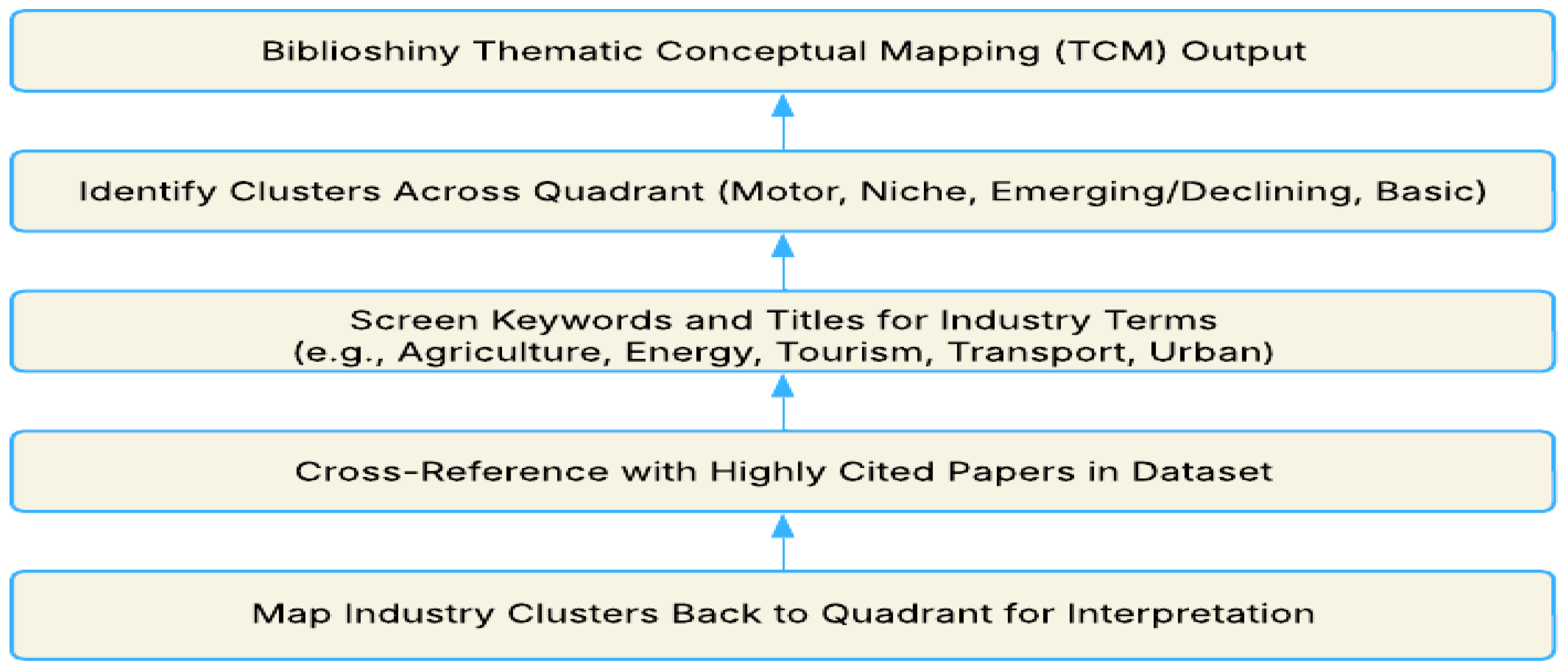
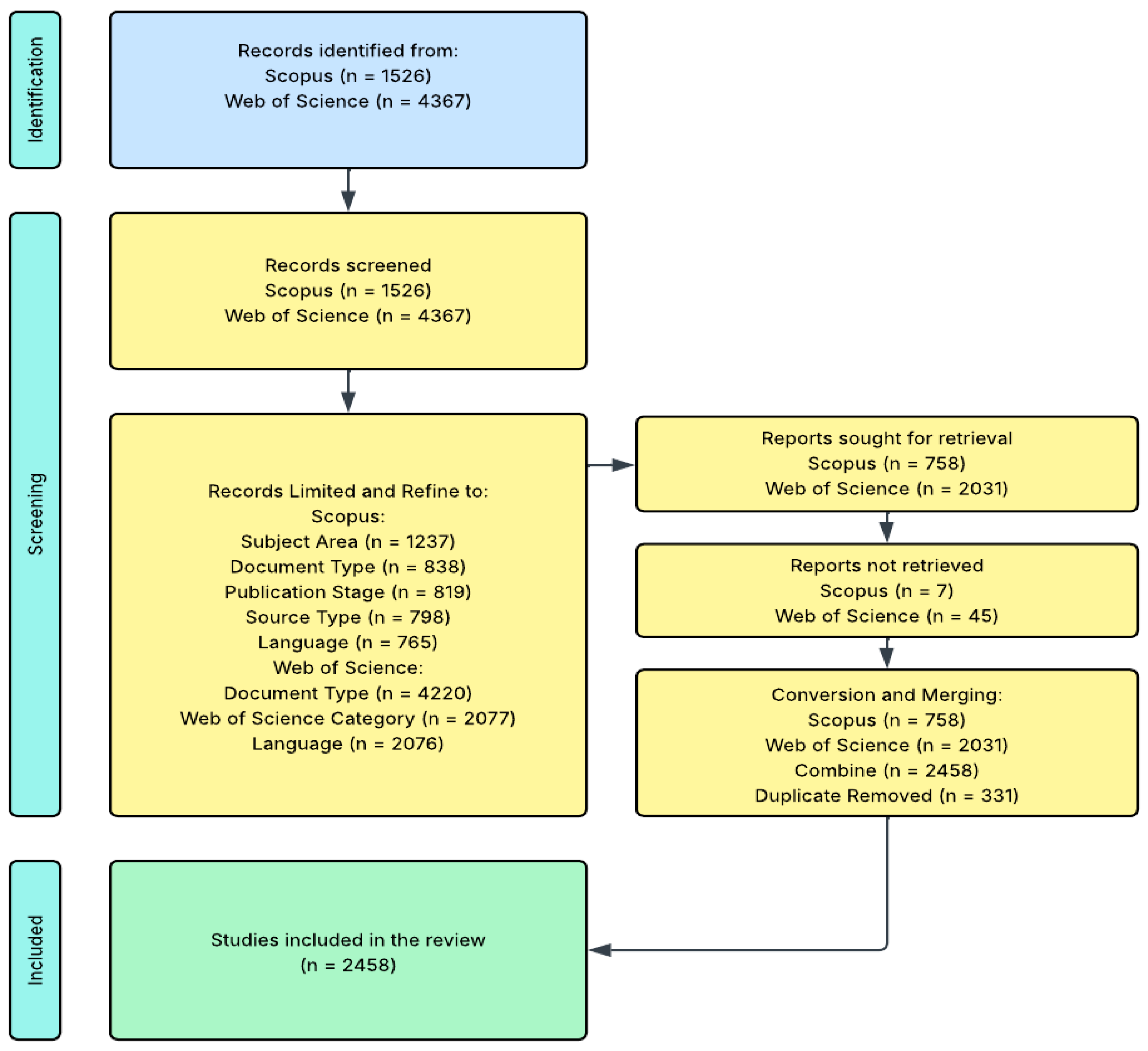
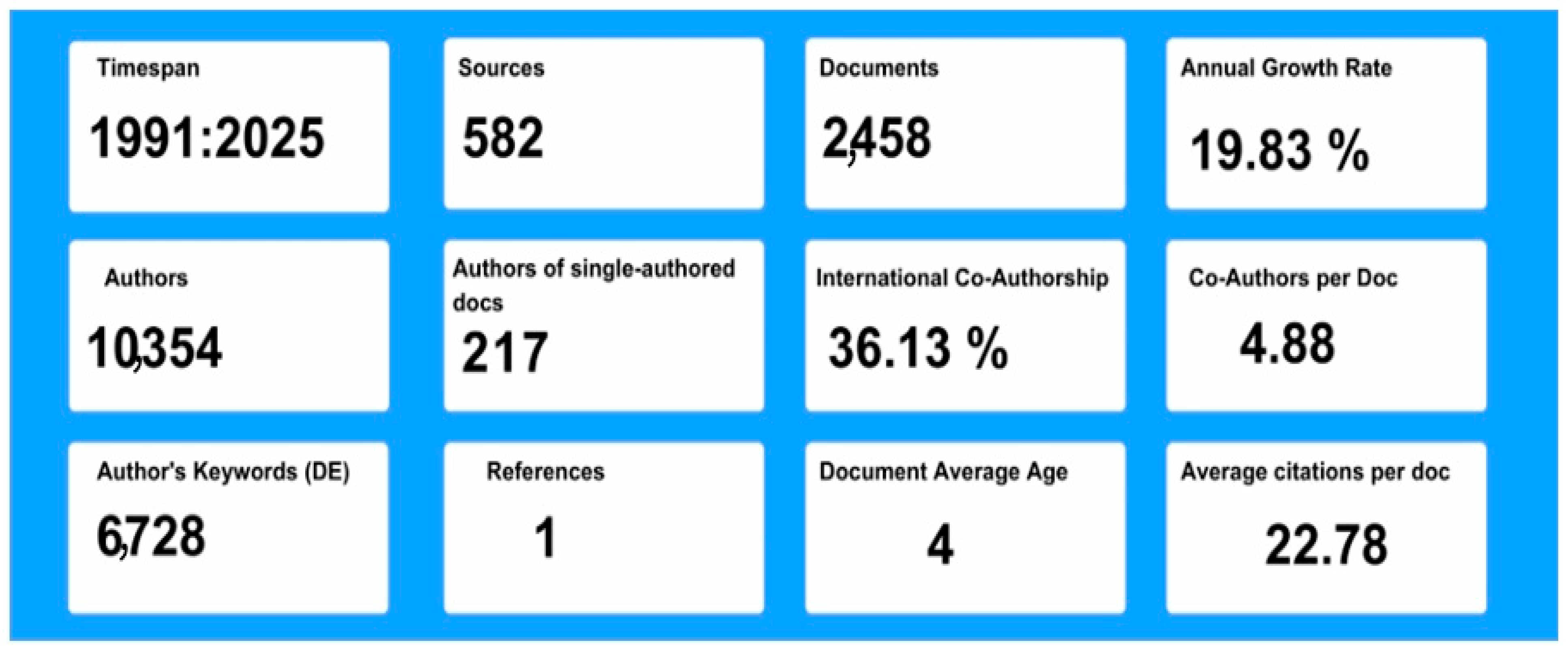
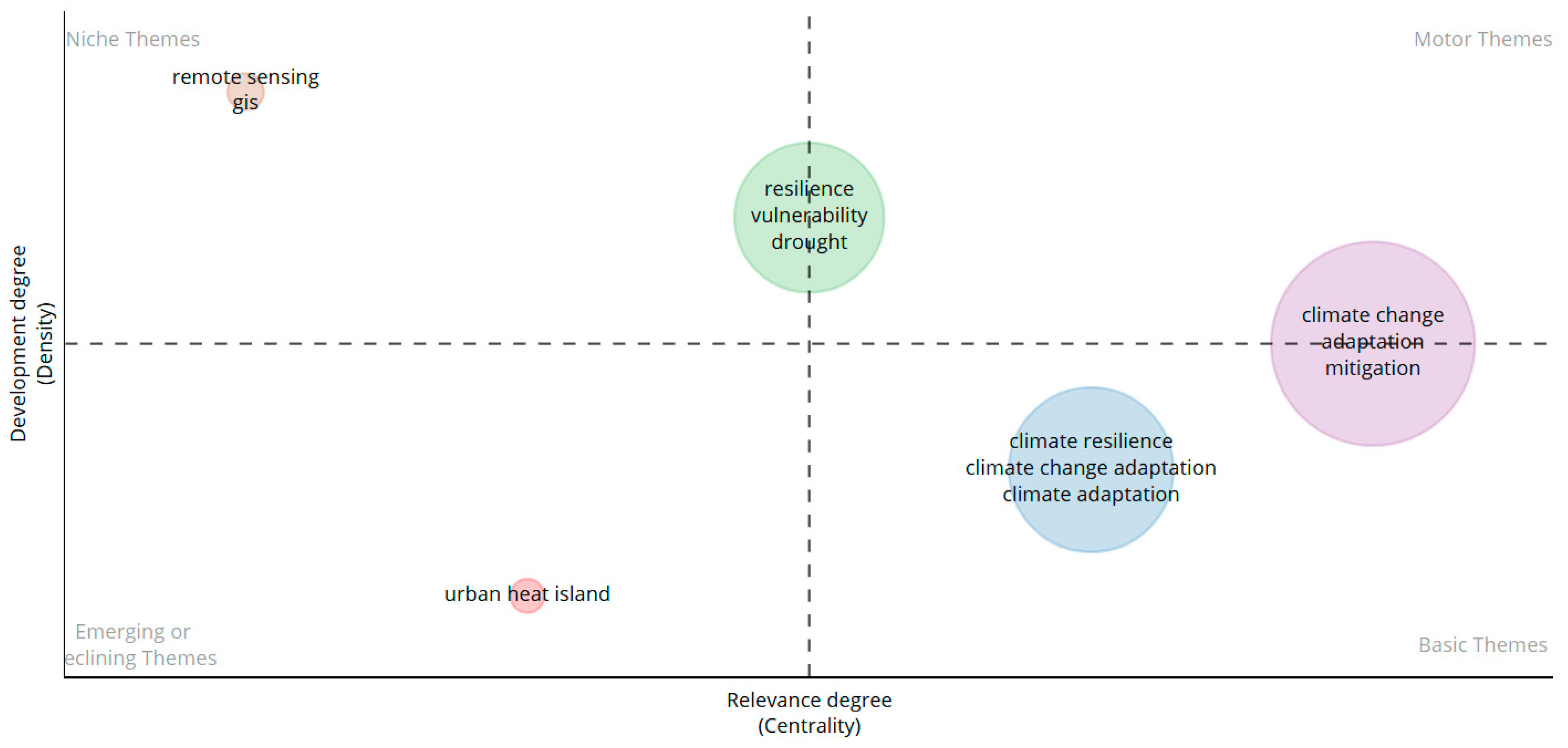
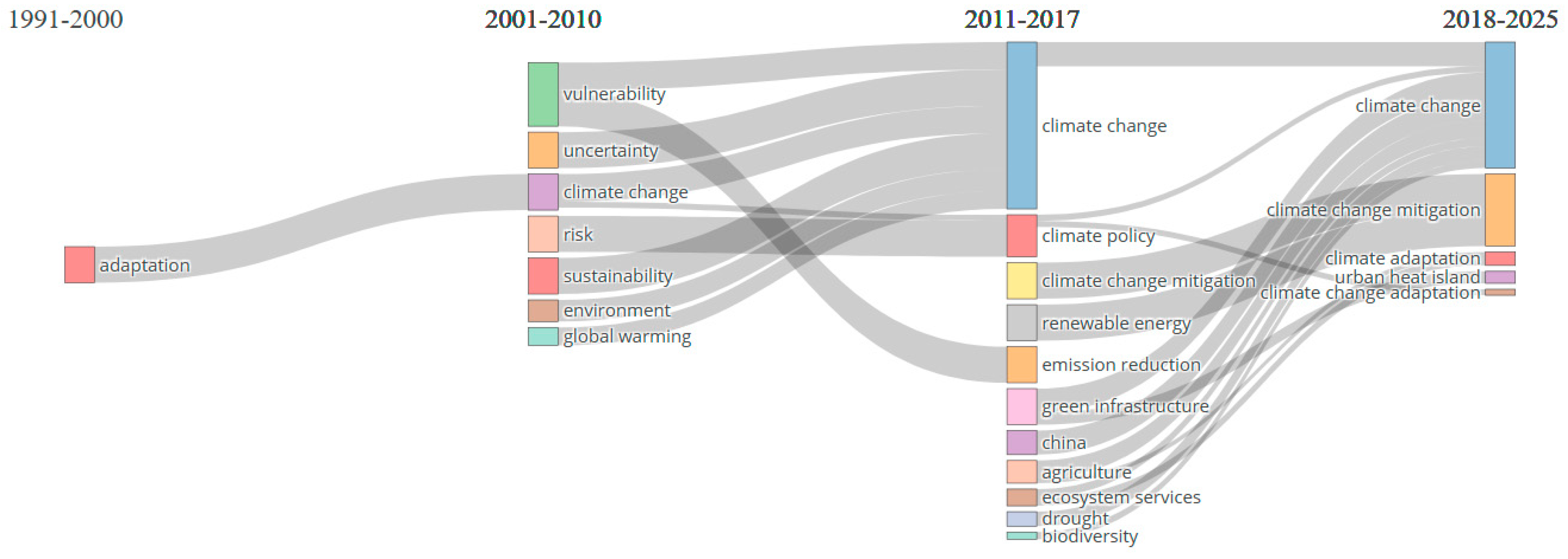
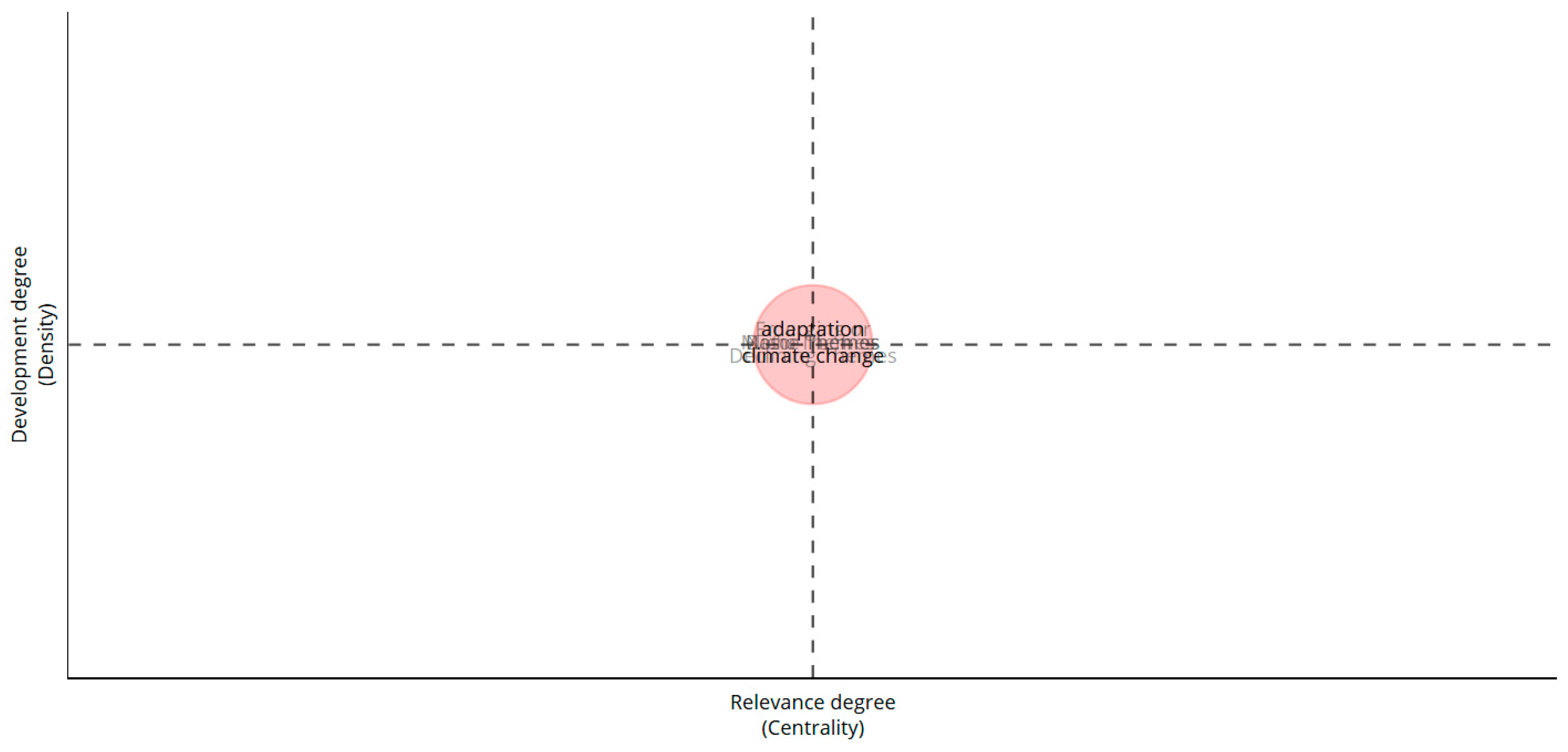
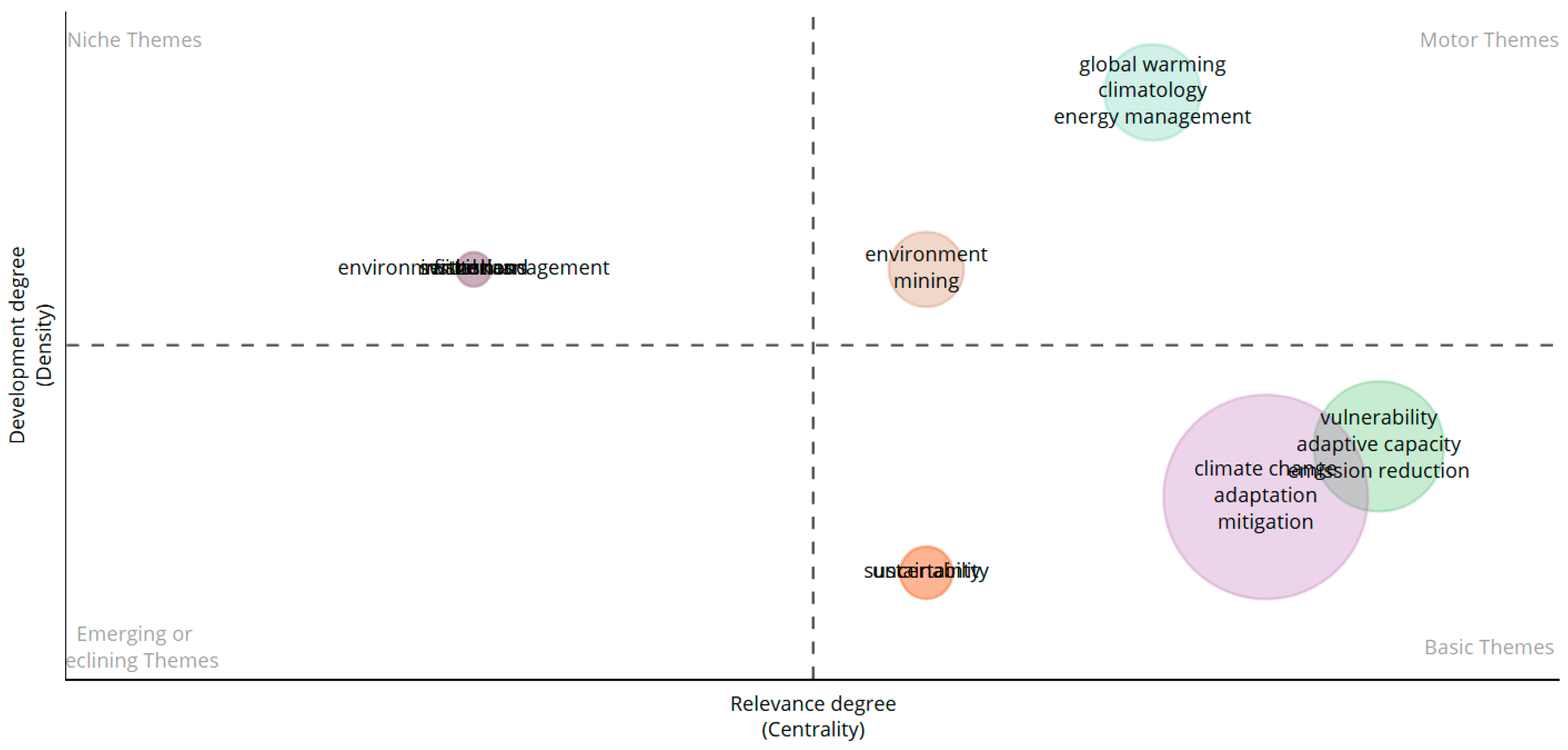
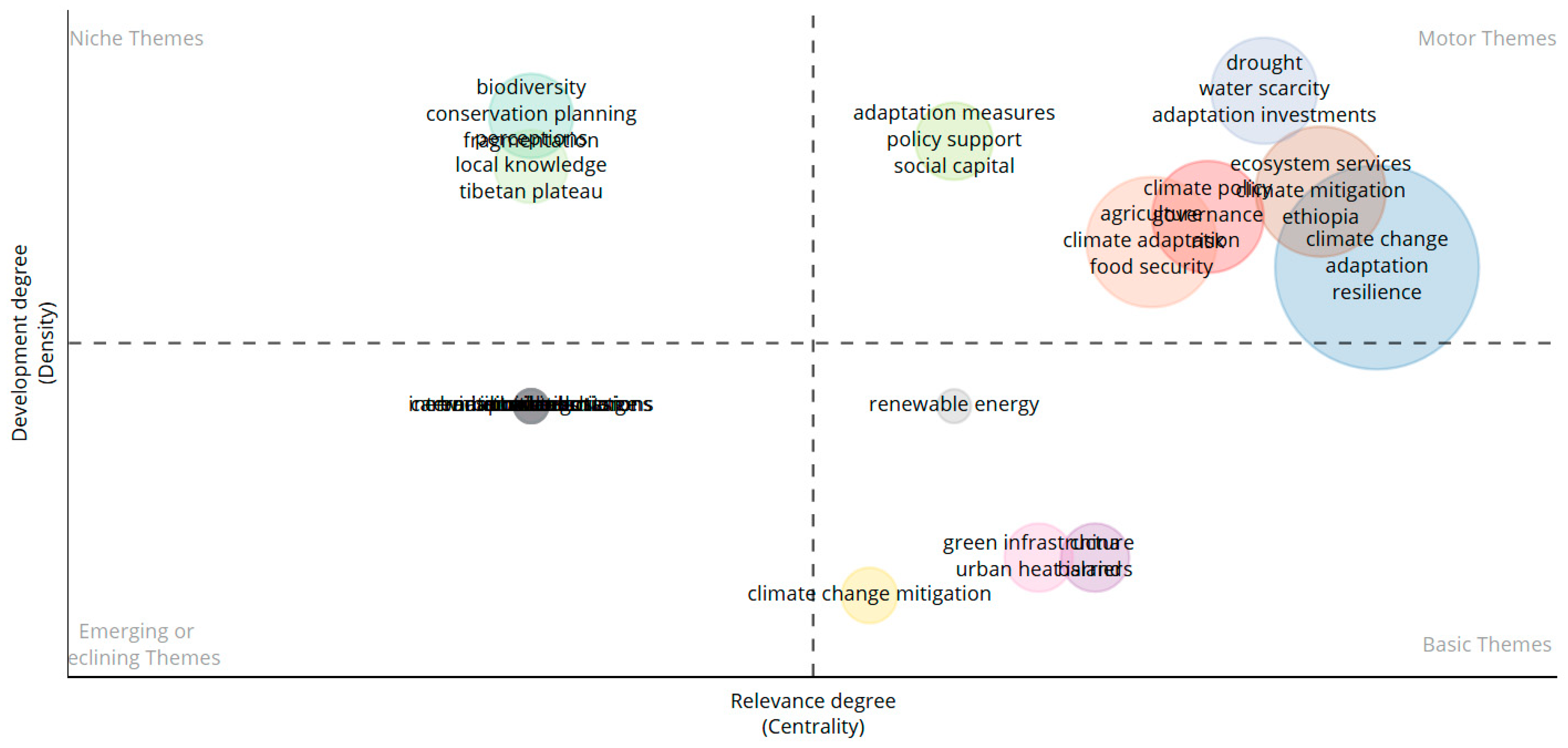
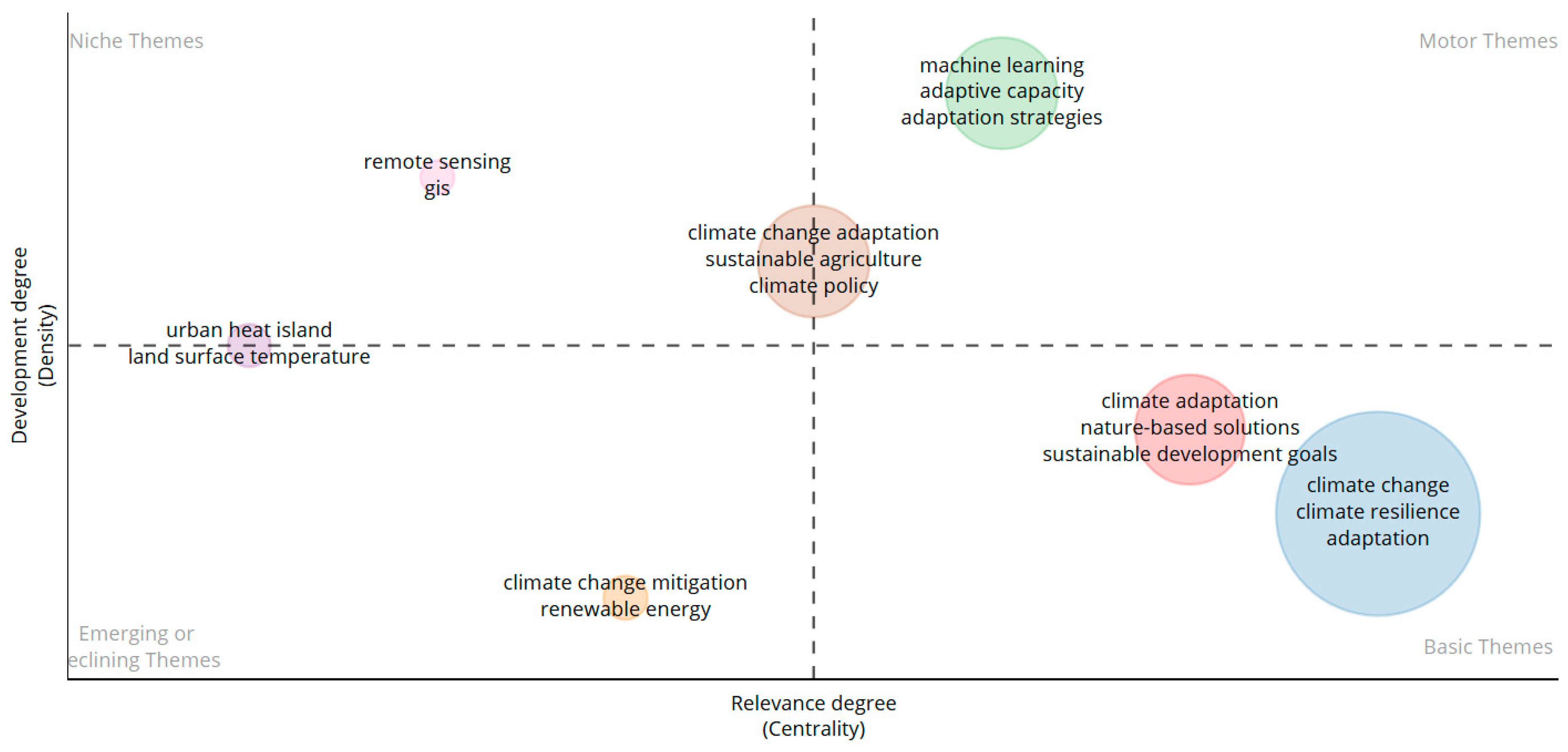
Disclaimer/Publisher’s Note: The statements, opinions and data contained in all publications are solely those of the individual author(s) and contributor(s) and not of MDPI and/or the editor(s). MDPI and/or the editor(s) disclaim responsibility for any injury to people or property resulting from any ideas, methods, instructions or products referred to in the content. |
© 2026 by the authors. Licensee MDPI, Basel, Switzerland. This article is an open access article distributed under the terms and conditions of the Creative Commons Attribution (CC BY) license.