Article

Harvesting Renewable Energy to Supply Power for Electric Buses

by
Shwan Hussein Awla
1 and
Simon P. Philbin
2,*
1
School of Engineering, London South Bank University, 103 Borough Rd, London SE1 0AA, UK
2
School of Engineering, Kingston University London, London SW15 3DW, UK
*
Author to whom correspondence should be addressed.
Clean Technol. 2024, 6(4), 1625-1652; https://doi.org/10.3390/cleantechnol6040079

Submission received: 15 May 2024 / Revised: 5 September 2024 / Accepted: 25 November 2024 / Published: 12 December 2024

Abstract

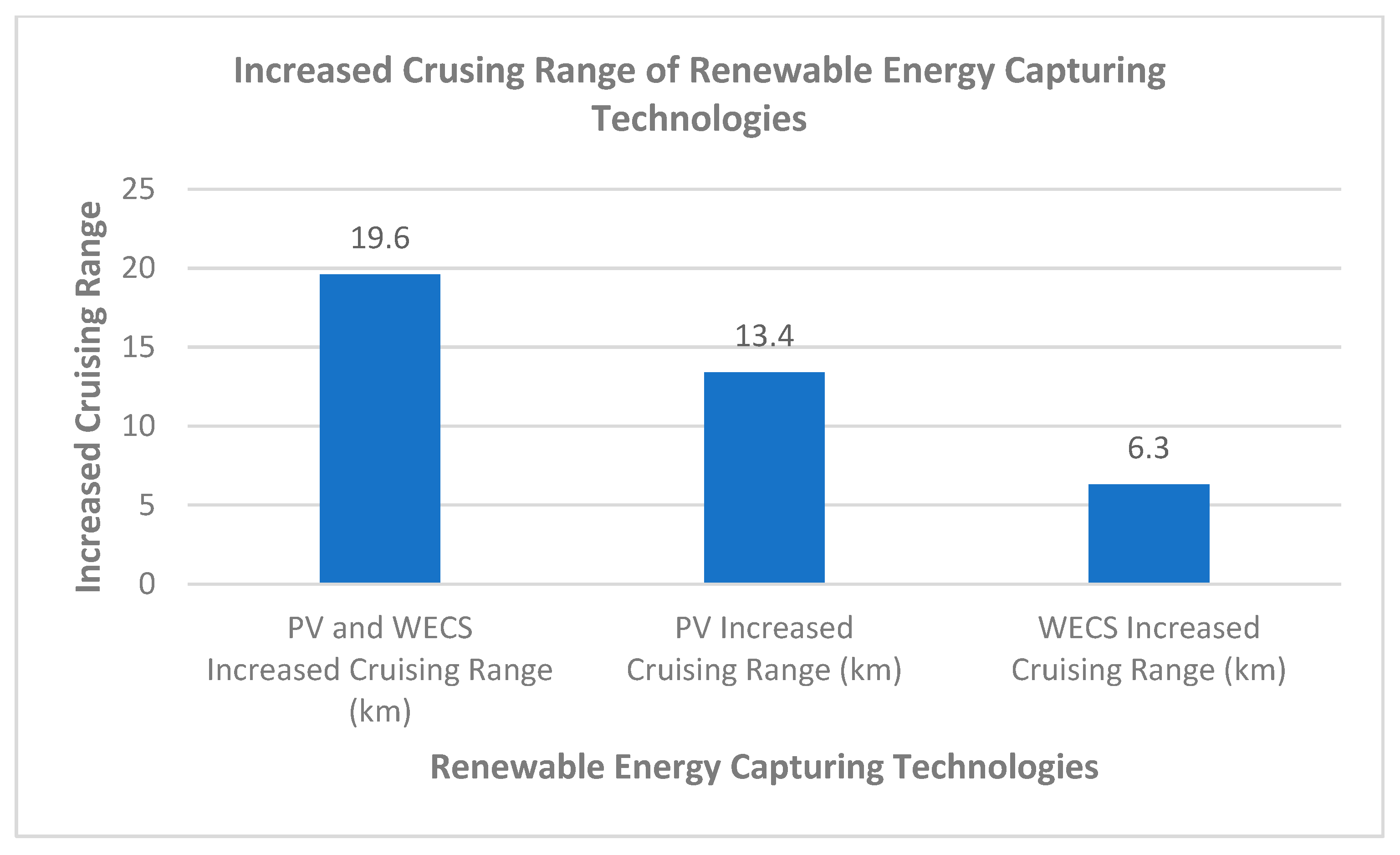
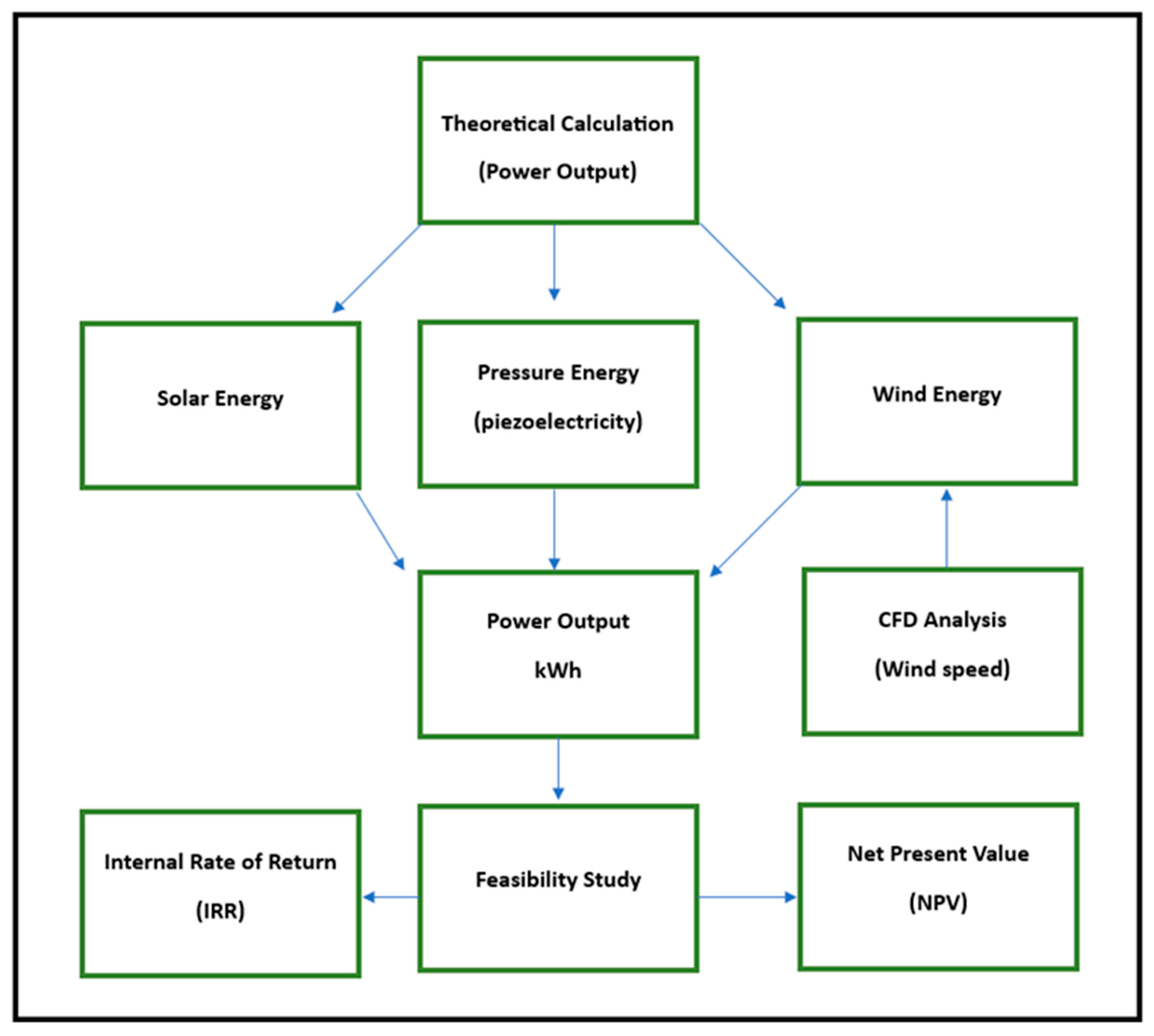
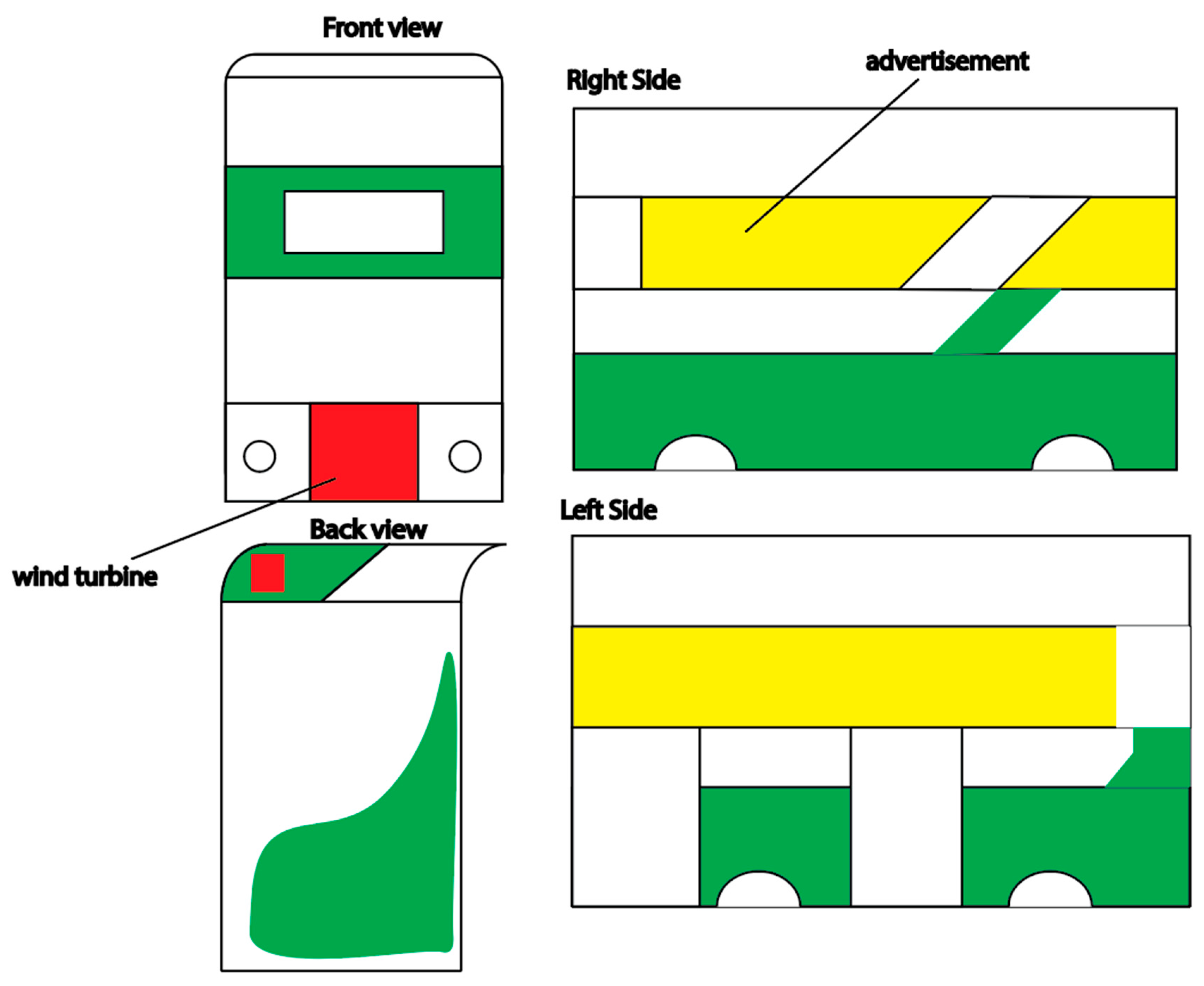
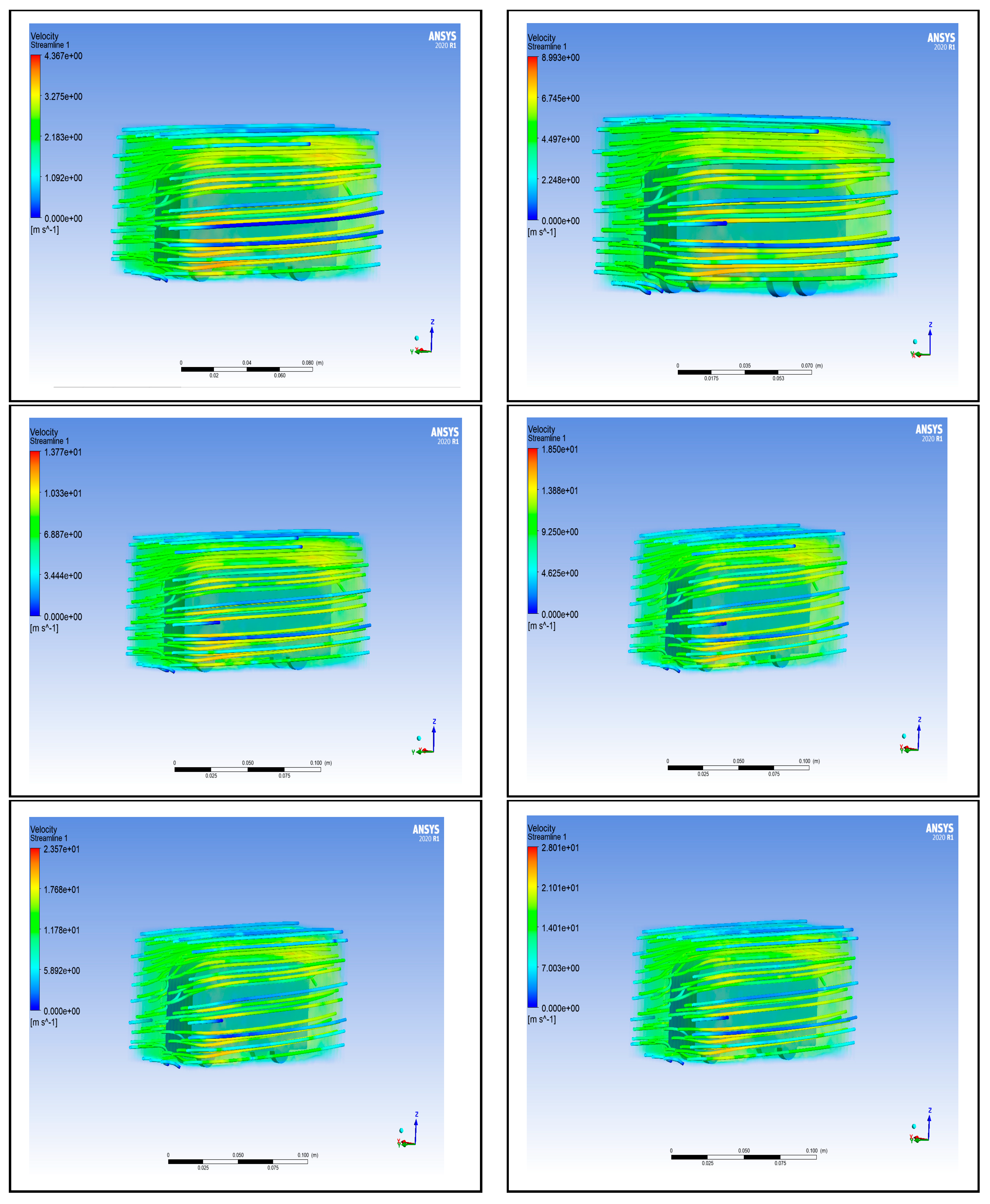
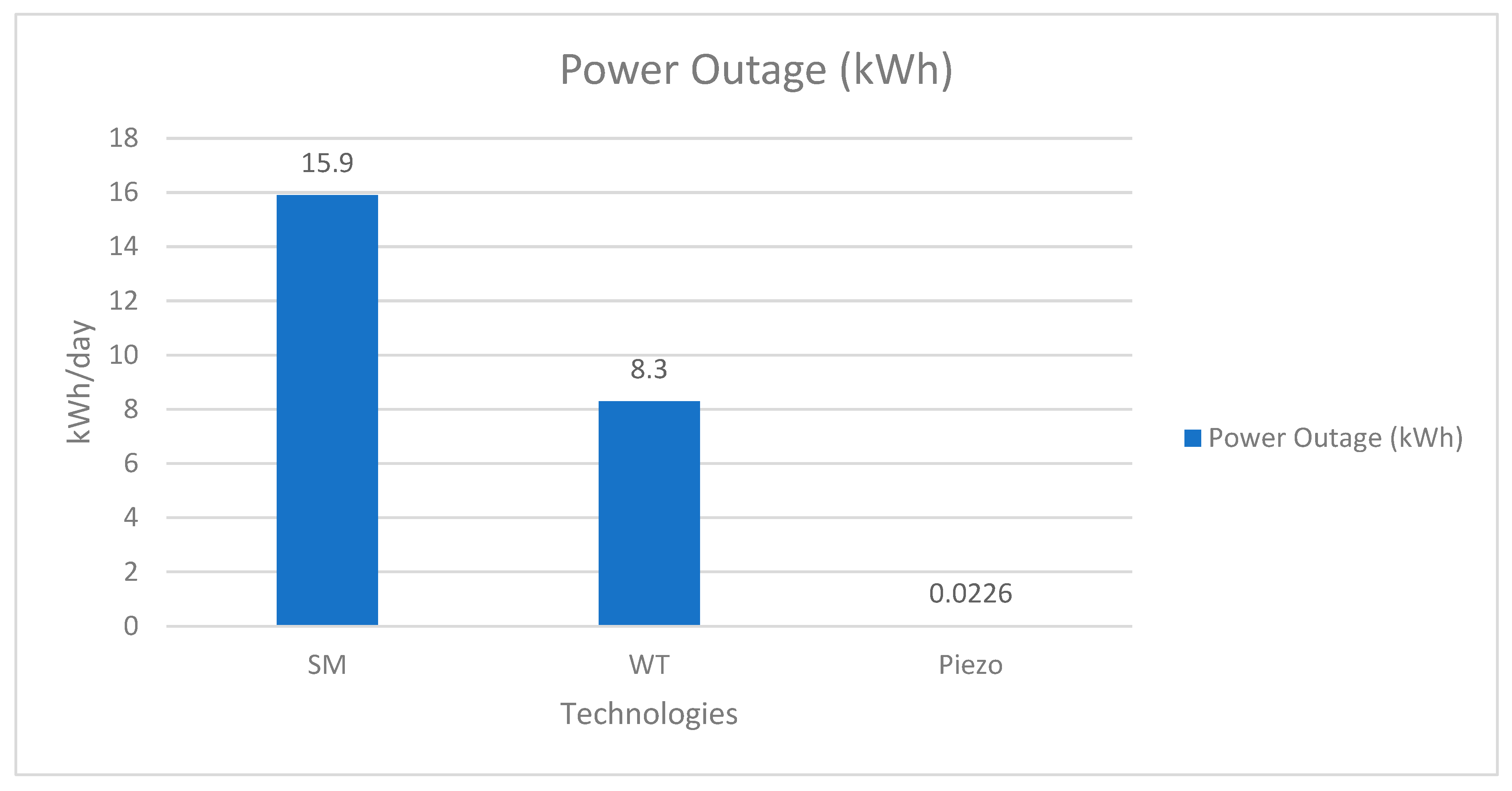
This research study addresses the challenges of extended charging times and limited ranges in electric vehicles by conducting a techno-economic analysis of integrating renewable energy technologies—solar modules, wind turbines, and piezoelectric materials—into double-decker electric buses in London, UK. Consequently, the empirical study evaluates the power output of renewable energy technologies through simulation modelling based on vehicle specifications and energy requirements, which is followed by numerical modelling to assess economic viability. Furthermore, CFD (computational fluid dynamics) modelling is undertaken to examine the performance levels of vehicular-mounted wind turbines. The solar modules are placed on the rooftop and sides of the bus, generating 15.9 kWh/day, and the wind turbine in the front bumper of the bus generates 8.3 kWh/day. However, the piezoelectric material generated only 22.6 Wh/day, thereby rendering this technology impractical for further analysis. Therefore, both the solar modules and wind turbines combined generate 24.2 kWh/day, which can increase the driving range by 16.3 km per day, resulting in savings of 19.36 min for charging at the stations. Investing in such projects would have a positive return as the internal rate of return (IRR) and net present value (NPV) are 2.8% and £11,175, respectively. The annual revenue would be £6712, and the greenhouse gas (GHG) reduction would be two metric tons annually. Electricity generation, the electricity generation rate, and the initial investment are identified as key factors influencing power outages in a sensitivity analysis. In conclusion, this numerical modelling study paves the way for experimental validation toward the implementation of renewable energy technologies on electric bus fleets.
Keywords: renewable energy technologies; solar modules; wind turbines; piezoelectric materials; techno-economic analysis; electric buses renewable energy technologies; solar modules; wind turbines; piezoelectric materials; techno-economic analysis; electric buses