Article

Enhancing Monascus Pellet Formation for Improved Secondary Metabolite Production

Beijing Advanced Innovation Center for Food Nutrition and Human Health, Beijing Engineering and Technology Research Center of Food Additives, School of Food and Health, Beijing Technology and Business University, Beijing 100048, China
*
Authors to whom correspondence should be addressed.
J. Fungi 2023, 9(11), 1120; https://doi.org/10.3390/jof9111120
Submission received: 13 October 2023 / Revised: 12 November 2023 / Accepted: 16 November 2023 / Published: 19 November 2023
(This article belongs to the Section Fungal Cell Biology, Metabolism and Physiology)

Abstract

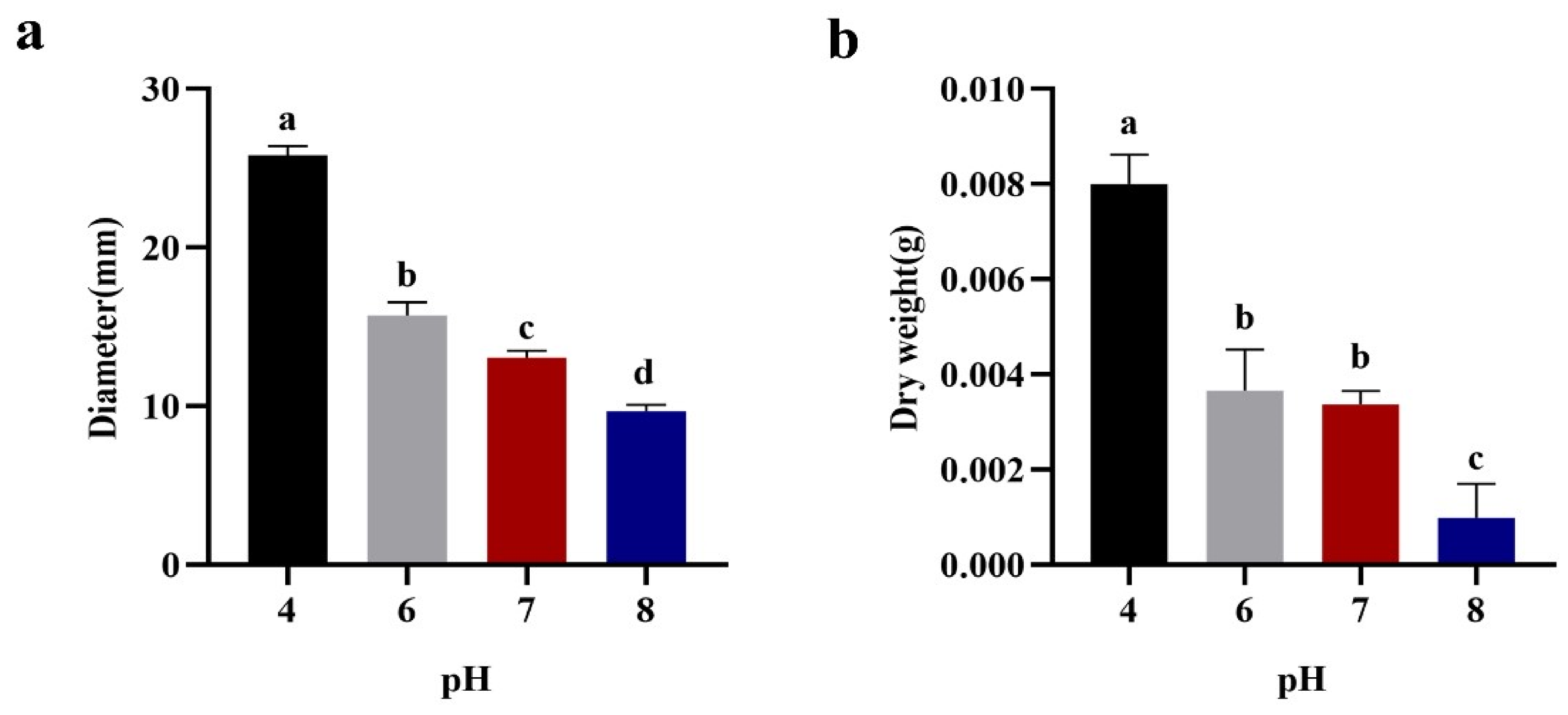
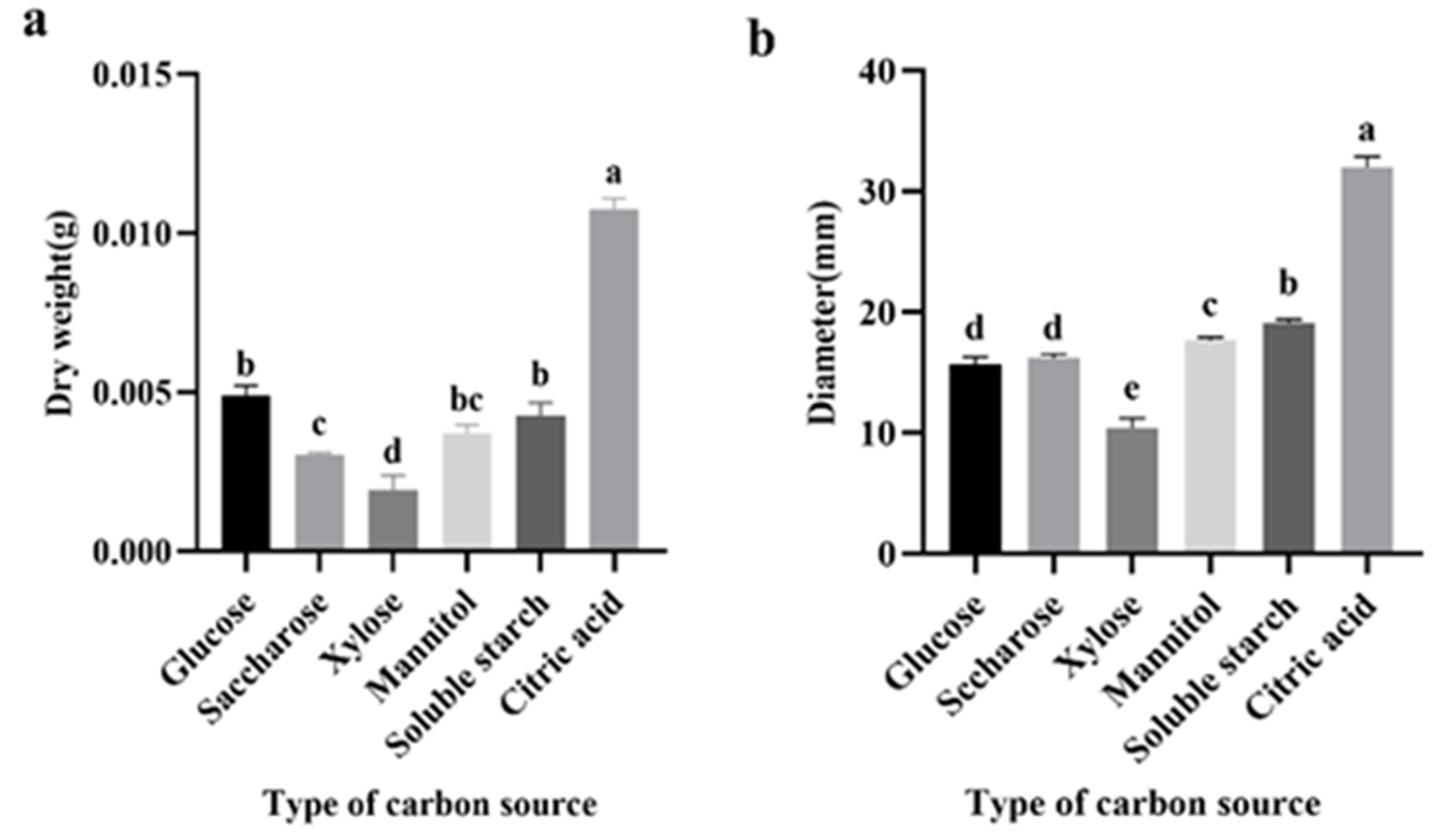
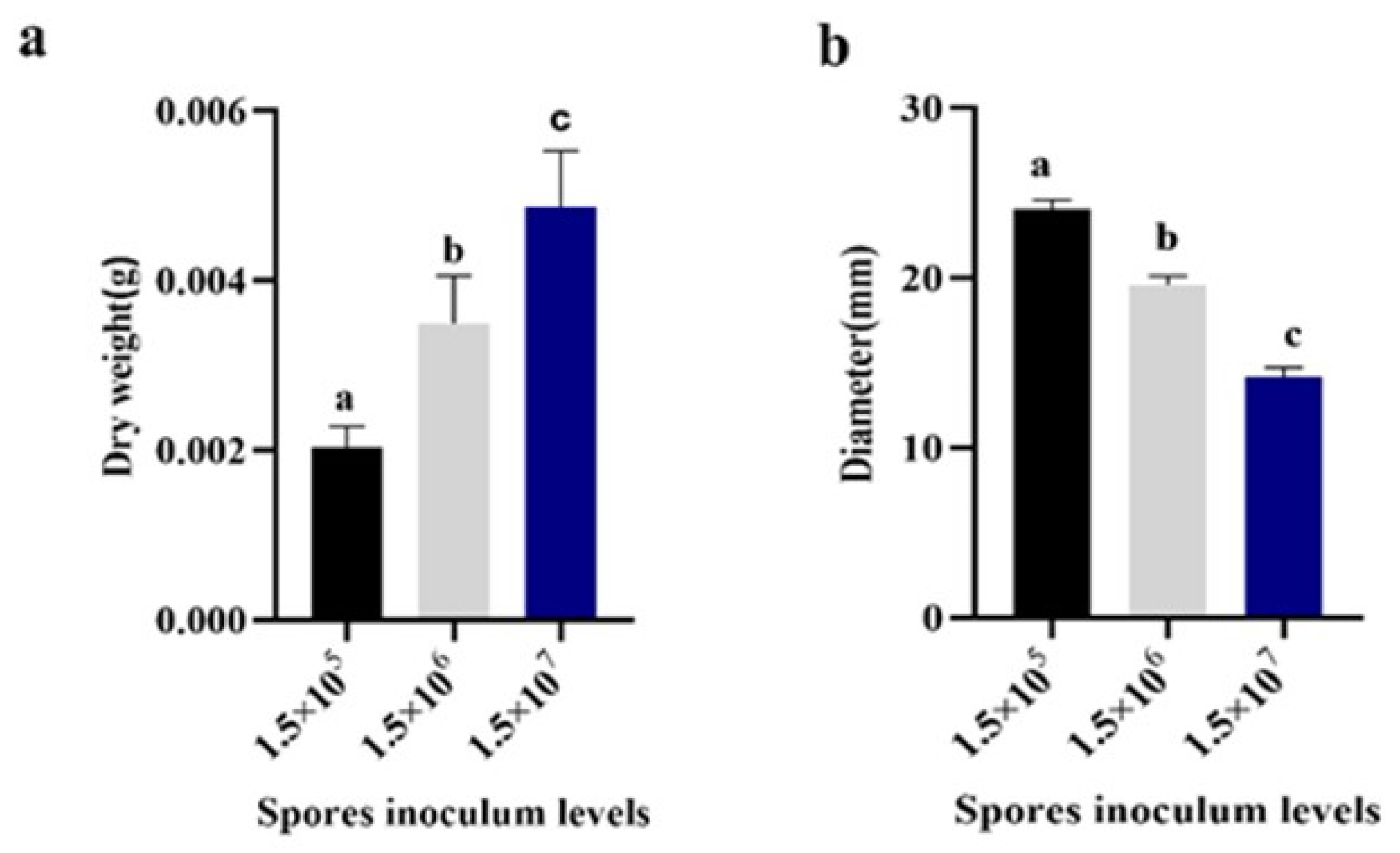
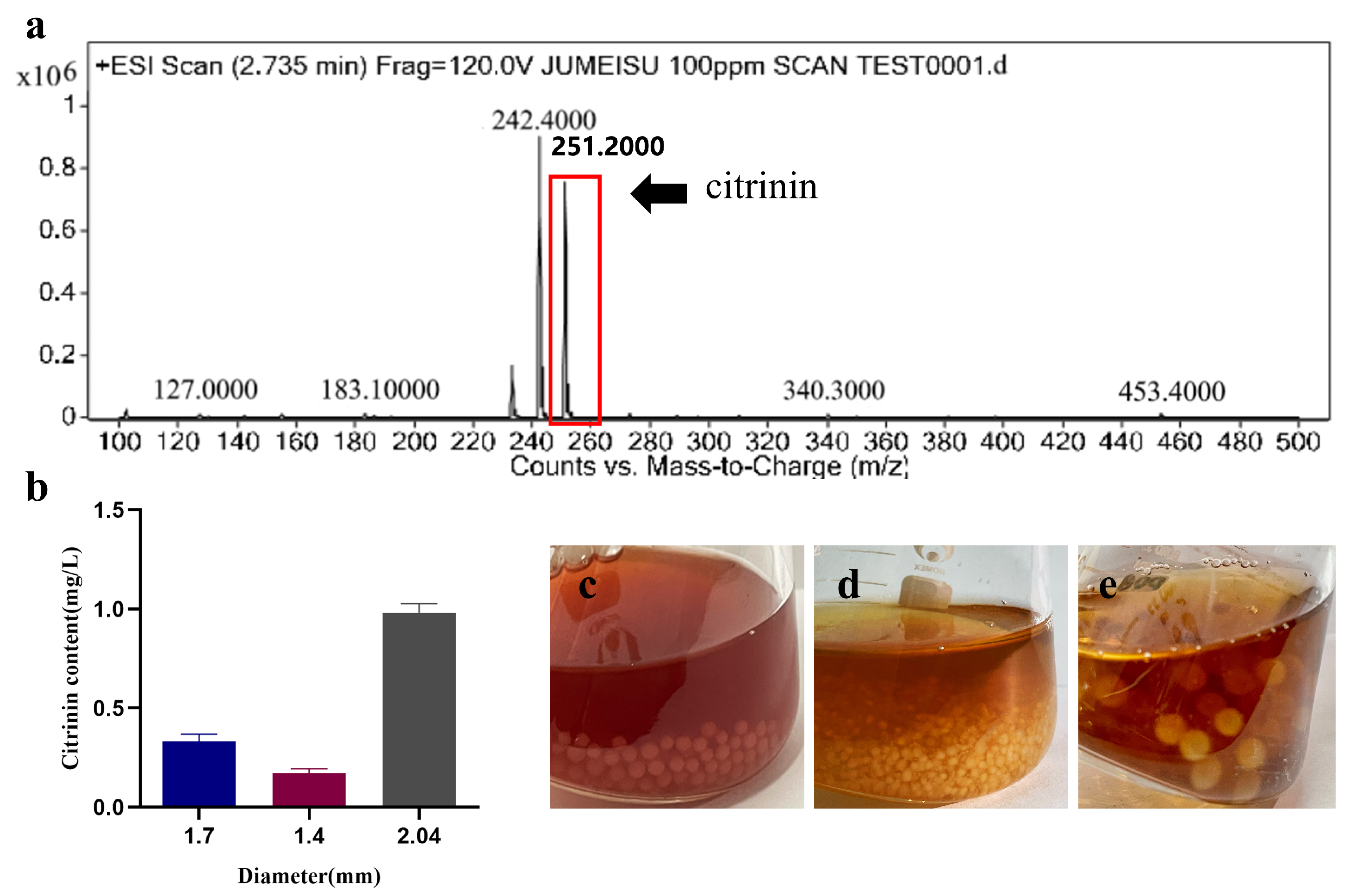
Filamentous fungi are well-known for their ability to form mycelial pellets during submerged cultures, a characteristic that has been extensively studied and applied. However, Monascus, a filamentous saprophytic fungus with a rich history of medicinal and culinary applications, has not been widely documented for pellet formation. This study aimed to investigate the factors influencing pellet formation in Monascus and their impact on citrinin production, a key secondary metabolite. Through systematic exploration, we identified pH and inoculum size as critical factors governing pellet formation. Monascus exhibited optimal pellet growth within the acidic pH range from 5 to 6, resulting in smaller, more homogeneous pellets with lower citrinin content. Additionally, we found that inoculum size played a vital role, with lower spore concentrations favoring the formation of small, uniformly distributed pellets. The choice of carbon and nitrogen sources also influenced pellet stability, with glucose, peptone, and fishmeal supporting stable pellet formation. Notably, citrinin content was closely linked to pellet diameter, with larger pellets exhibiting higher citrinin levels. Our findings shed light on optimizing Monascus pellet formation for enhanced citrinin production and provide valuable insights into the cultivation of this fungus for various industrial applications. Further research is warranted to elucidate the molecular mechanisms underlying these observations.
Keywords: Monascus; pellet formation; secondary metabolites; fermentation; industrial applications Monascus; pellet formation; secondary metabolites; fermentation; industrial applications