Article

Polyethylene Stresses in Lumbar Total Joint Replacement Under Elevated Loading: Insights from an Anatomic Finite Element Model

by
Steven A. Rundell
1,2,
Hannah Spece
2,3,*,
Ronald V. Yarbrough
4 and
Steven M. Kurtz
2,3
1
Explico Inc., Novi, MI 48375, USA
2
School of Biomedical Engineering, Science and Health Systems, Drexel University, Philadelphia, PA 19104, USA
3
Gyroid LLC., Haddonfield, NJ 08033, USA
4
3Spine Inc., Chattanooga, TN 37402, USA
*
Author to whom correspondence should be addressed.
Bioengineering 2026, 13(1), 66; https://doi.org/10.3390/bioengineering13010066

Submission received: 25 November 2025 / Revised: 15 December 2025 / Accepted: 25 December 2025 / Published: 7 January 2026
(This article belongs to the Special Issue Bioengineering Technologies for Spine Research)

Abstract

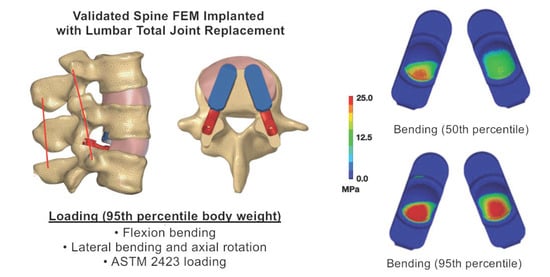
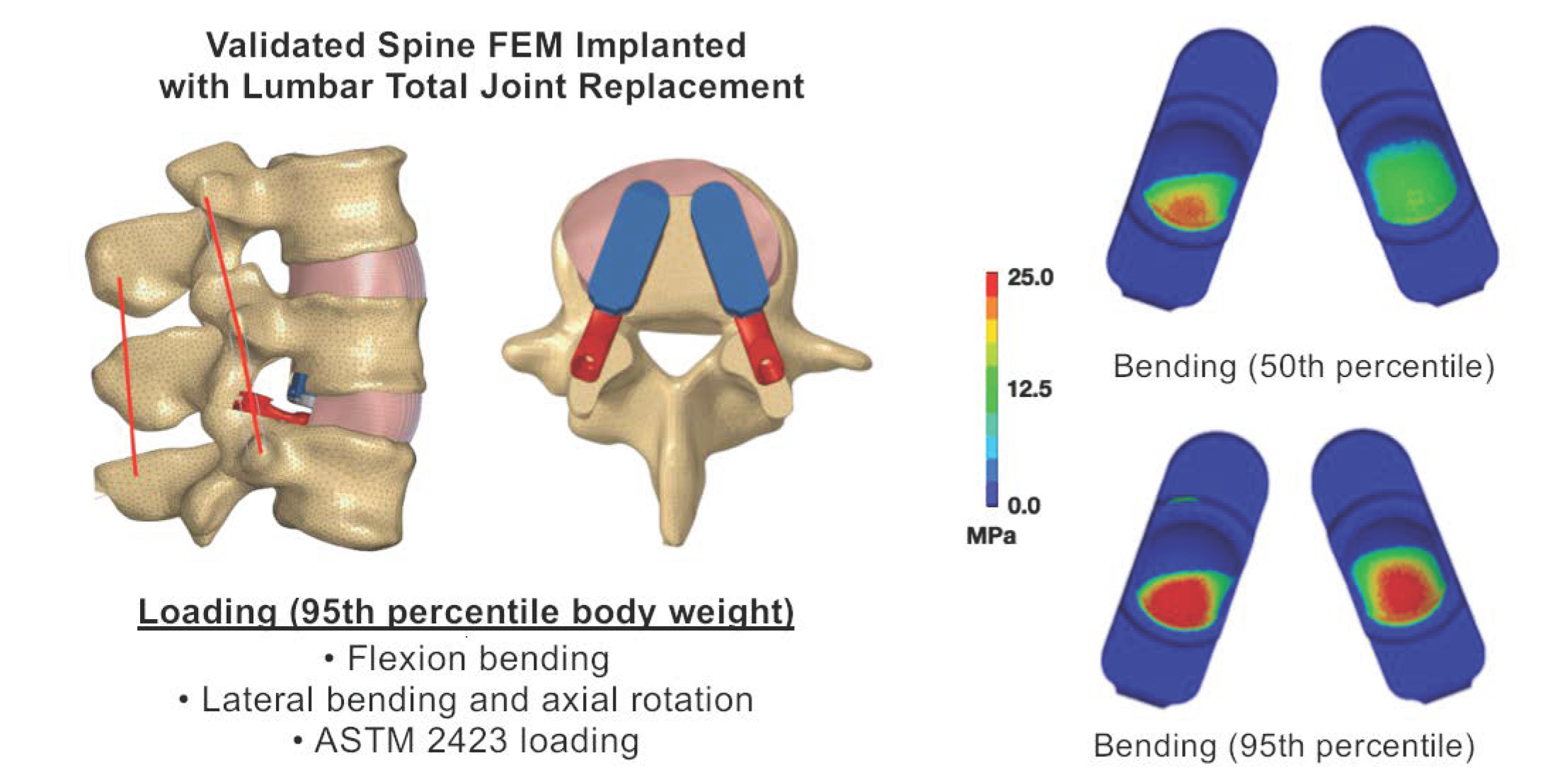
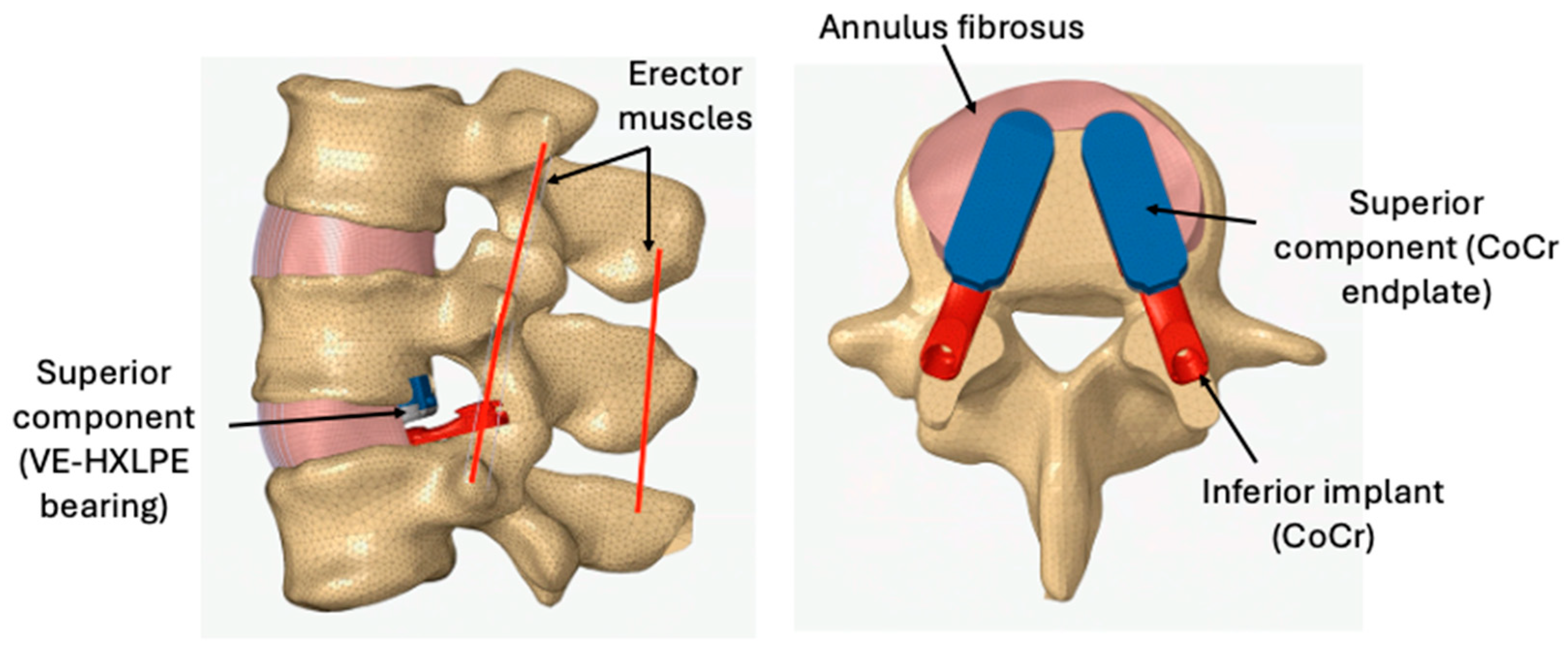
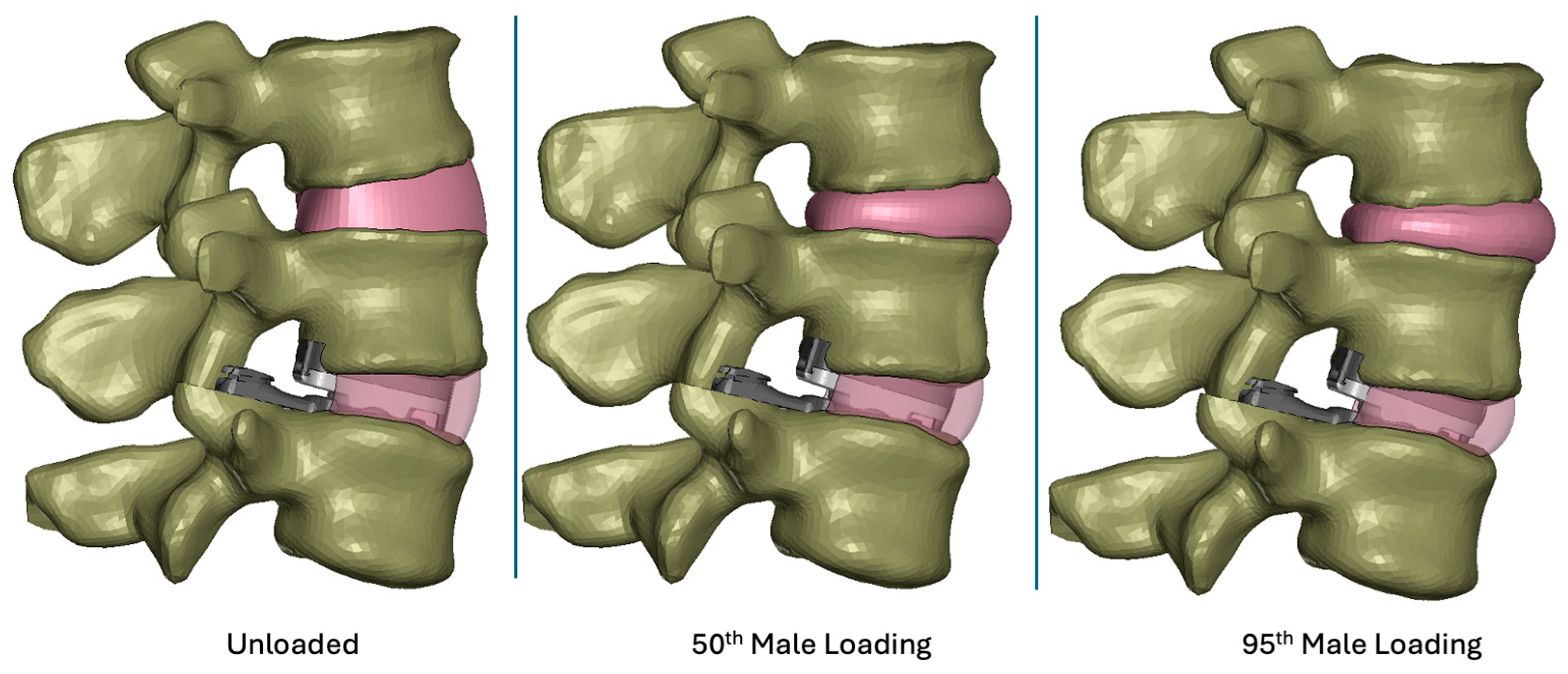
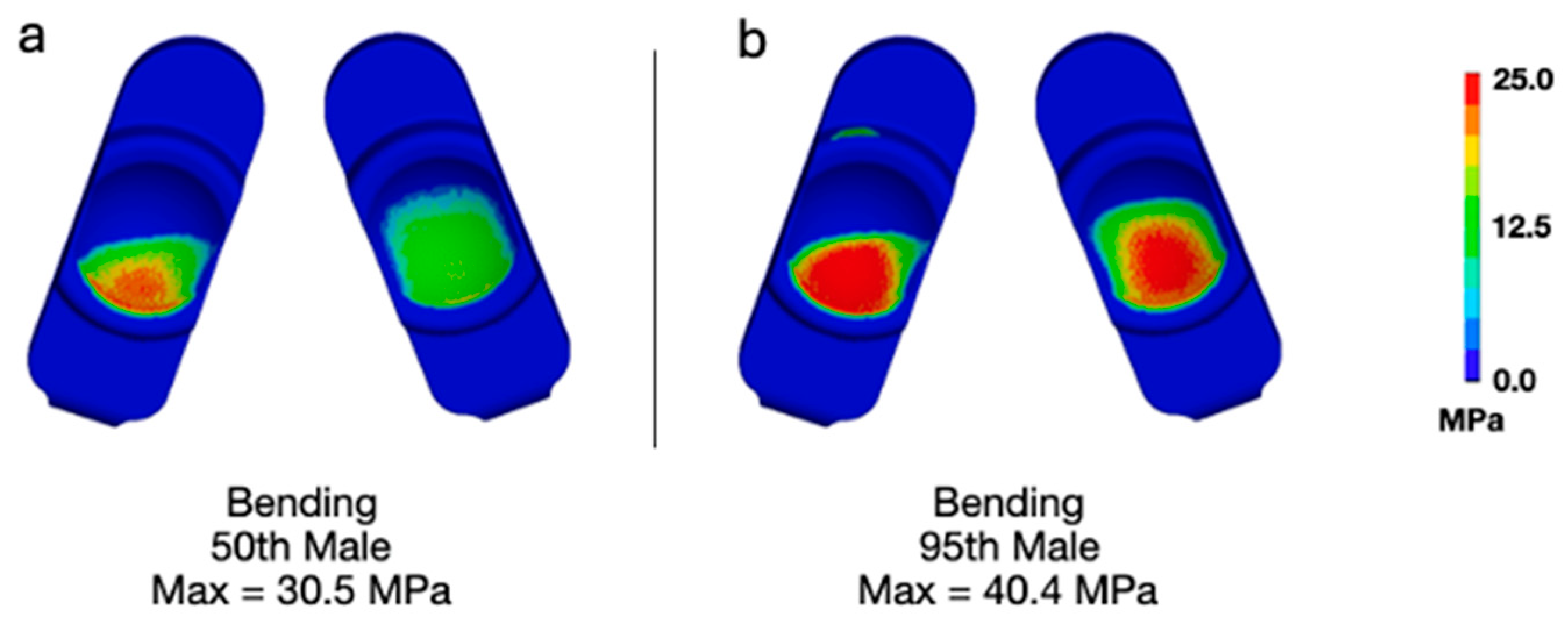
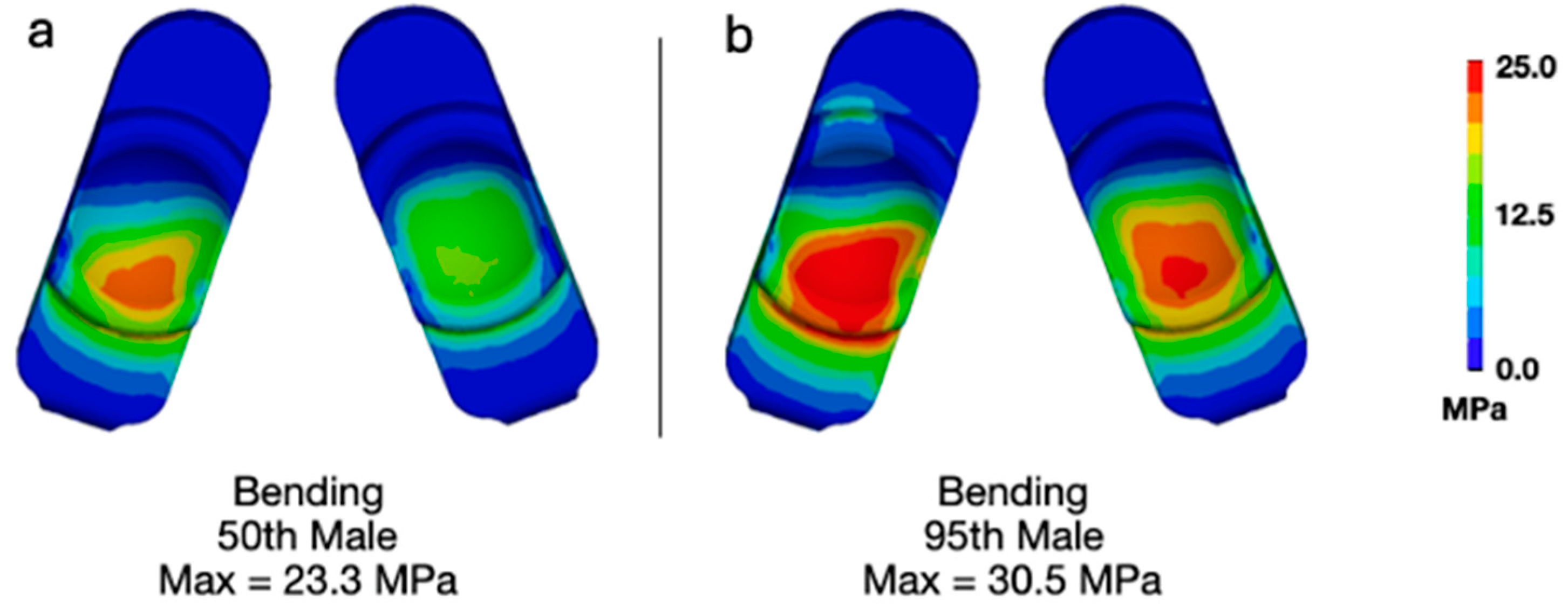
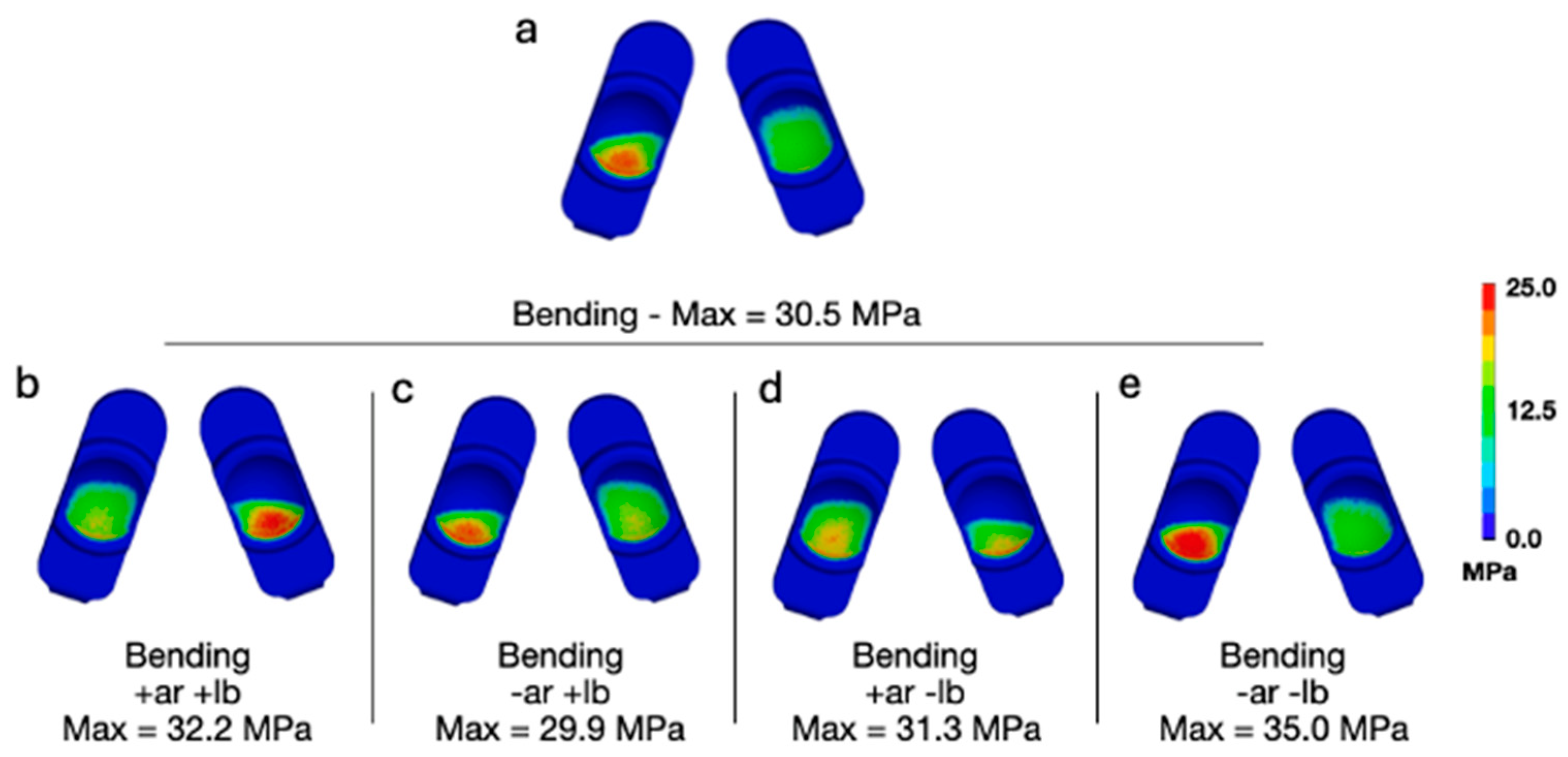
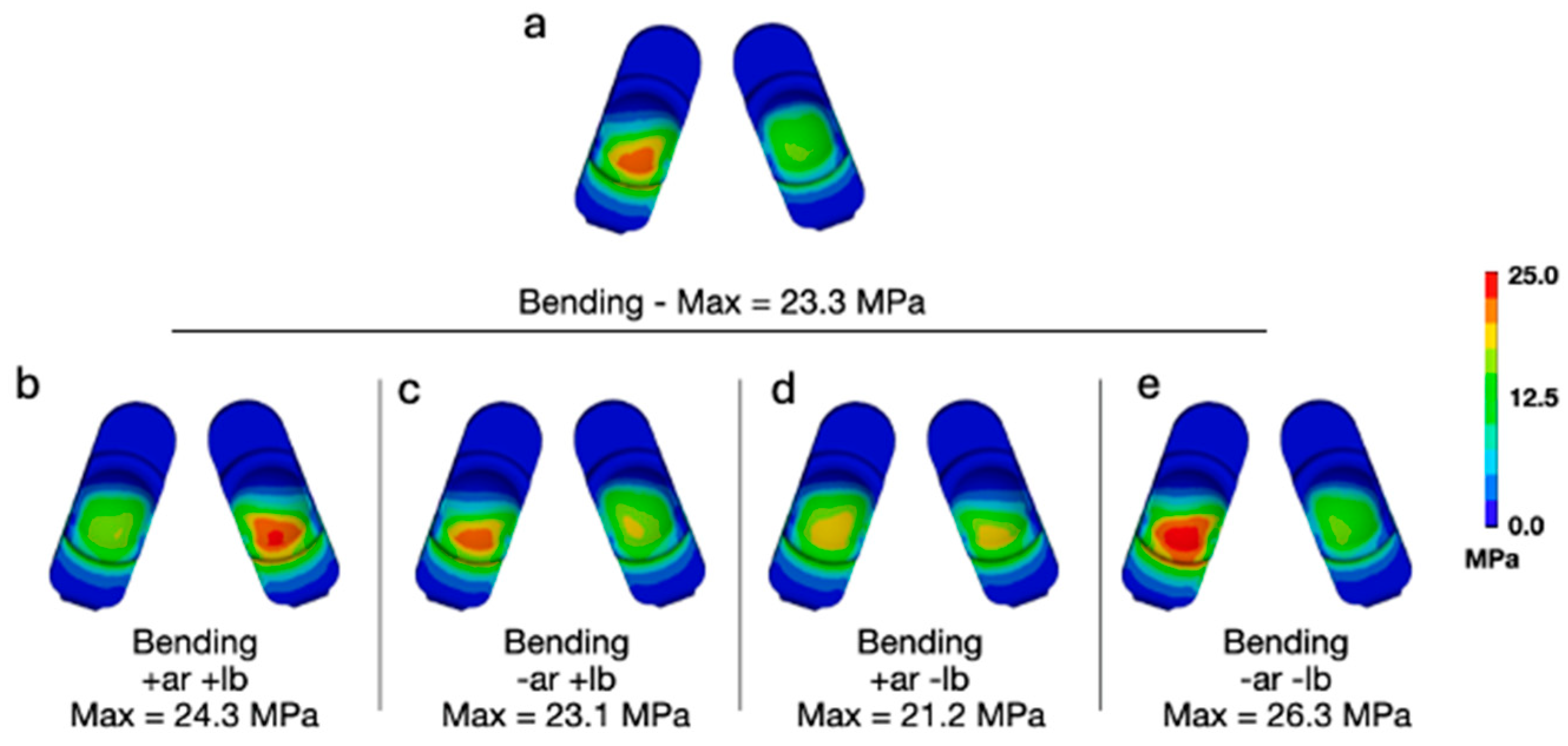
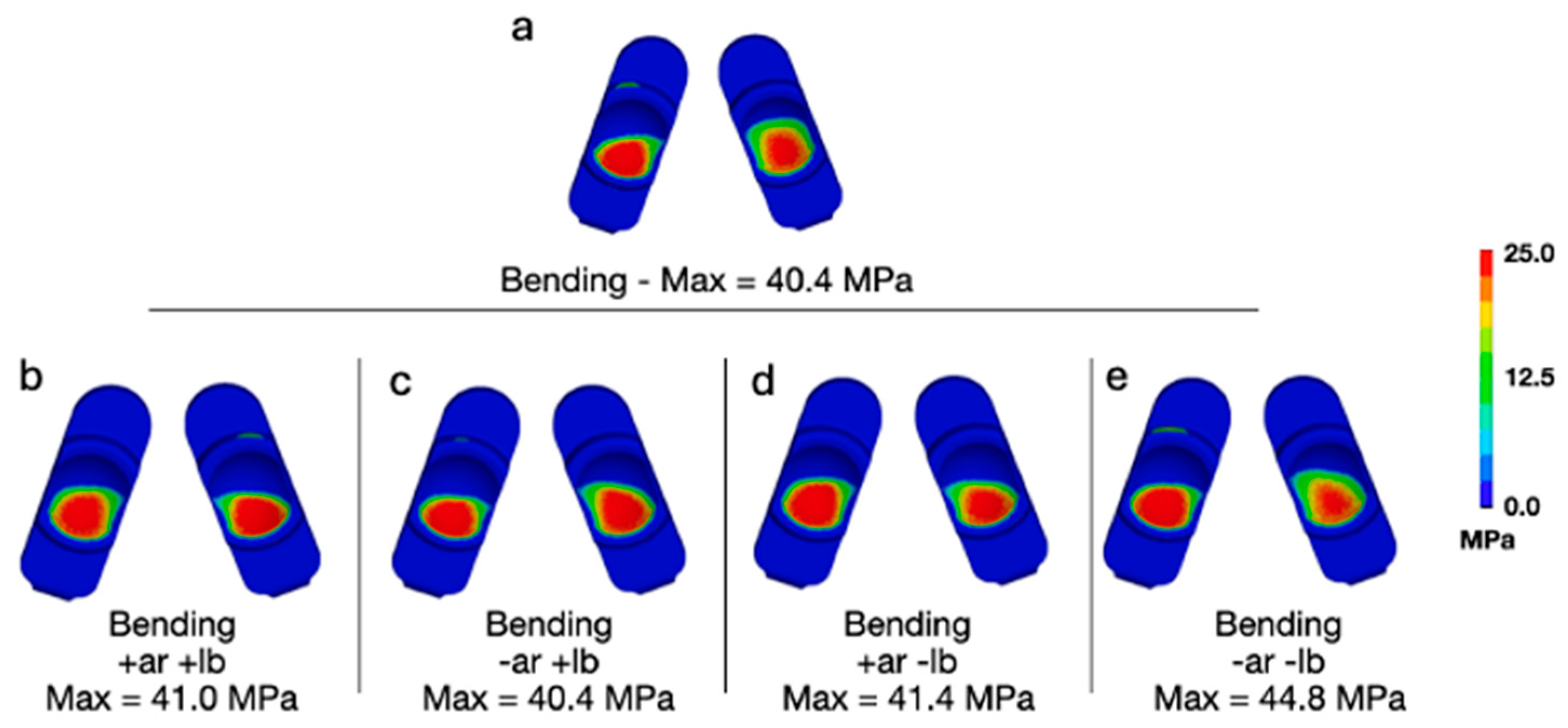
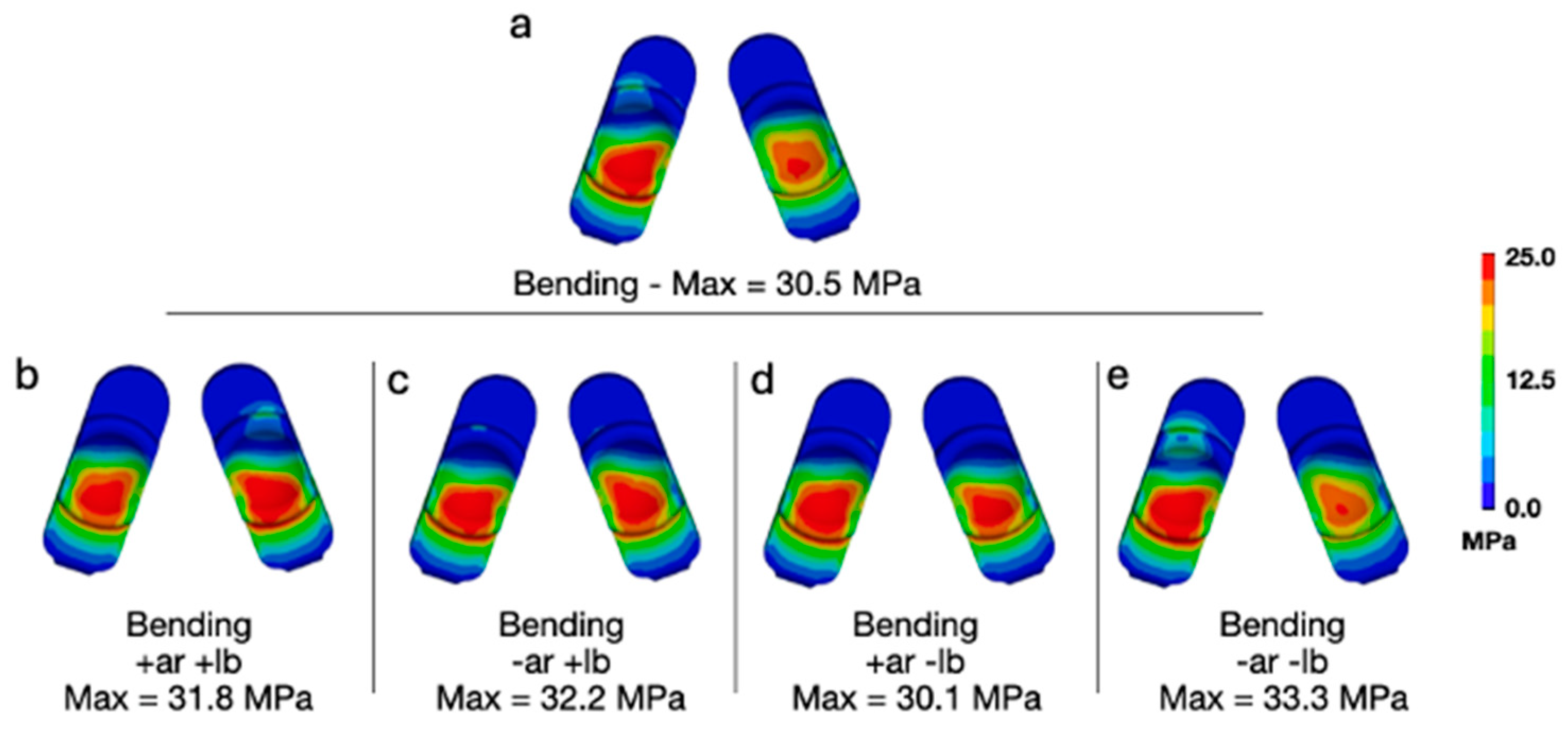
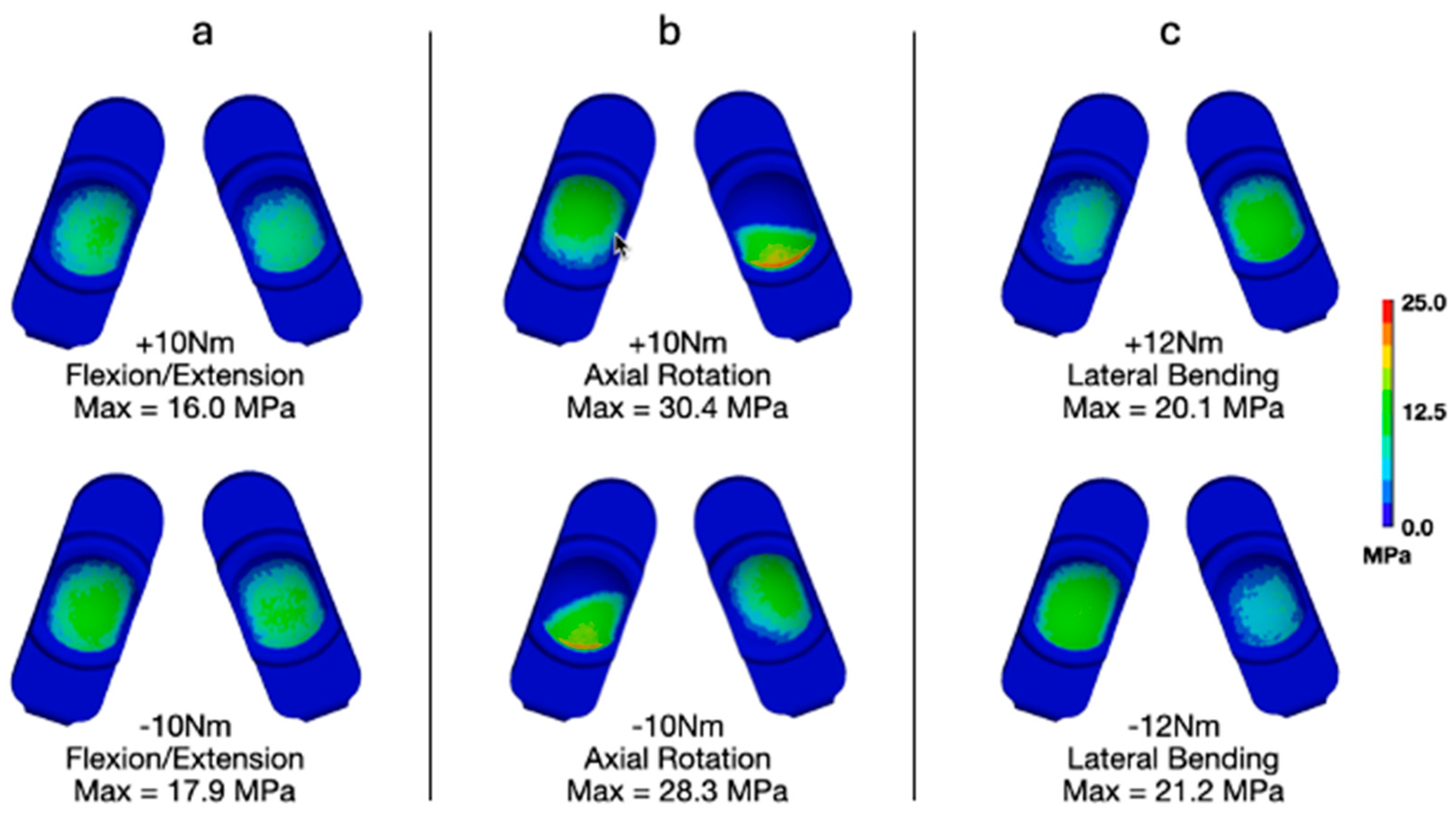
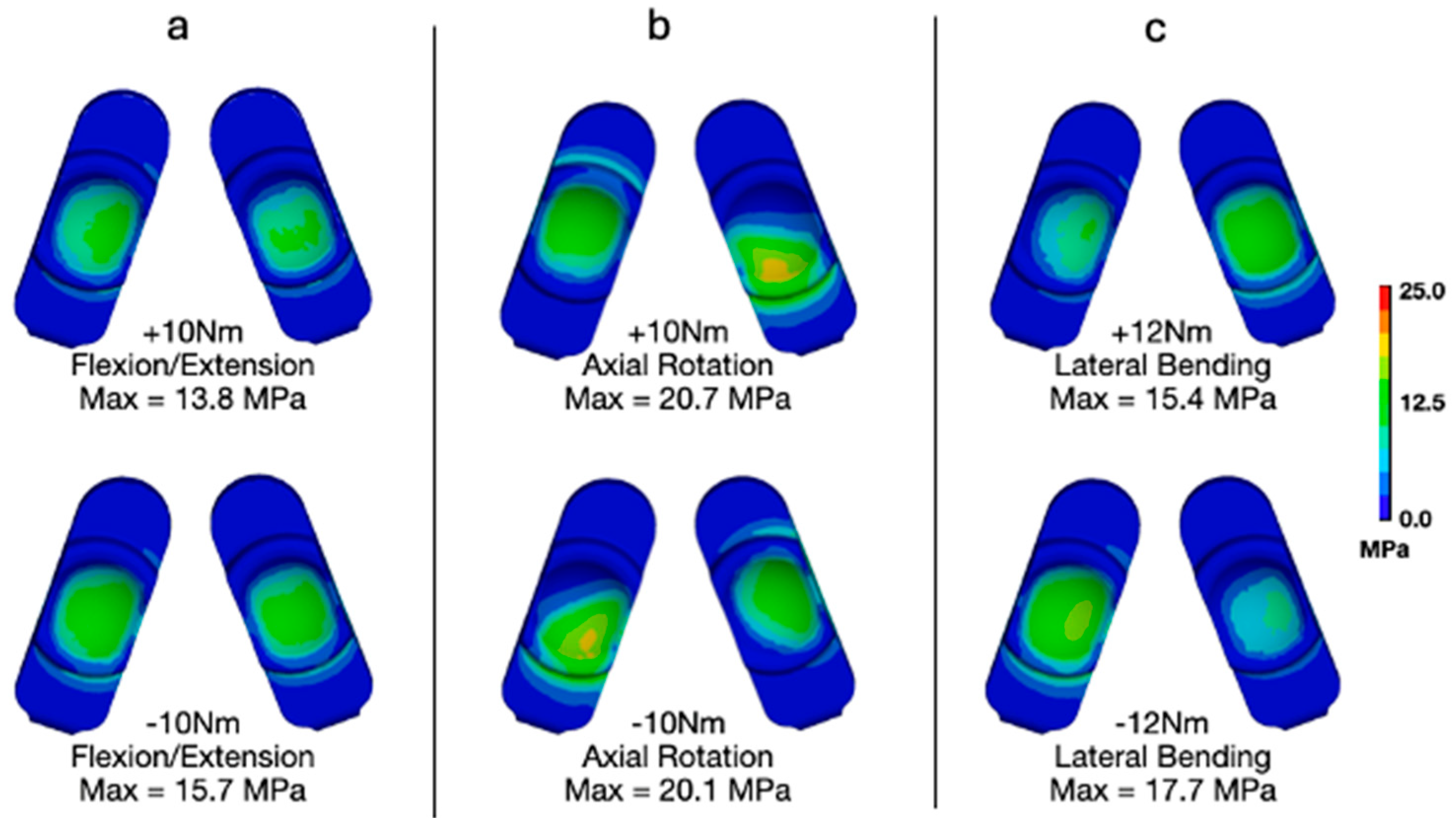
The goal of this study was to assess elevated spinal loading conditions and their effect on the polyethylene stresses of a lumbar total joint replacement (L-TJR). A previously validated lumbar spine finite element model was virtually implanted with an L-TJR at L4–L5 and exposed to three elevated loading conditions: (1) 95th-percentile male body weight while bending forward, (2) combined ±7.5 Nm axial torsion and lateral bending, and (3) ASTM F2423 aggressive loading (1850 N plus 10–12 Nm bending). Combined torsion and lateral bending were considered because these loads and moments may be coupled in demanding real-world scenarios. Across all conditions, contact at the bearing remained confined to the intended spherical surfaces, consistent with Mode I in vitro wear tests, with no evidence of impingement. Contact stresses and von Mises stresses were considered acceptable based on the simulated results of Mode IV impingement tests. Only in one scenario—95th-percentile male body weight with multiaxial torsion—did von Mises stress in the polyethylene slightly exceed the stresses associated with impingement (<5%). These findings are useful in establishing the upper biomechanical loading limits for the L-TJR design beyond the 50th-percentile loading levels employed by standard in vitro tests. Future validation efforts such as a comparison with retrieval analyses or clinical data will further strengthen the model’s applicability to current and future questions of interest and contexts of use. Additional work may expand the modeling framework to incorporate patient-specific anatomy, variable implant positioning conditions, and a broader range of physiological load scenarios.
Keywords: spine; arthroplasty; elevated loading; finite element model; highly crosslinked polyethylene; wear; contact pressure; von Mises stress spine; arthroplasty; elevated loading; finite element model; highly crosslinked polyethylene; wear; contact pressure; von Mises stress
Graphical Abstract