
Article

The Effect of Dust Storm on Sea Surface Temperature in the Western Basin of Persian Gulf
1
Faculty of Marine Science and Technology, Islamic Azad University, North Tehran Branch, Tehran 14515-775, Iran
2
Physical Oceanography, Islamic Azad University, North Tehran Branch, Tehran 14515-775, Iran
3
Department of Marine Physics, Faculty of Marine Sciences, Tarbiat Modares University, Tehran 14115-336, Iran
4
Department Physics, Technical and Vocational University (TU), Tehran 16846-13114, Iran
5
Department of Civil Engineering, University of Applied Sciences, 23562 Lübeck, Germany
6
Department of Civil Engineering, Ilia State University, 0162 Tbilisi, Georgia
*
Author to whom correspondence should be addressed.
Standards 2022, 2(3), 246-259; https://doi.org/10.3390/standards2030018

Submission received: 11 February 2022 / Revised: 28 March 2022 / Accepted: 7 May 2022 / Published: 23 June 2022

Abstract

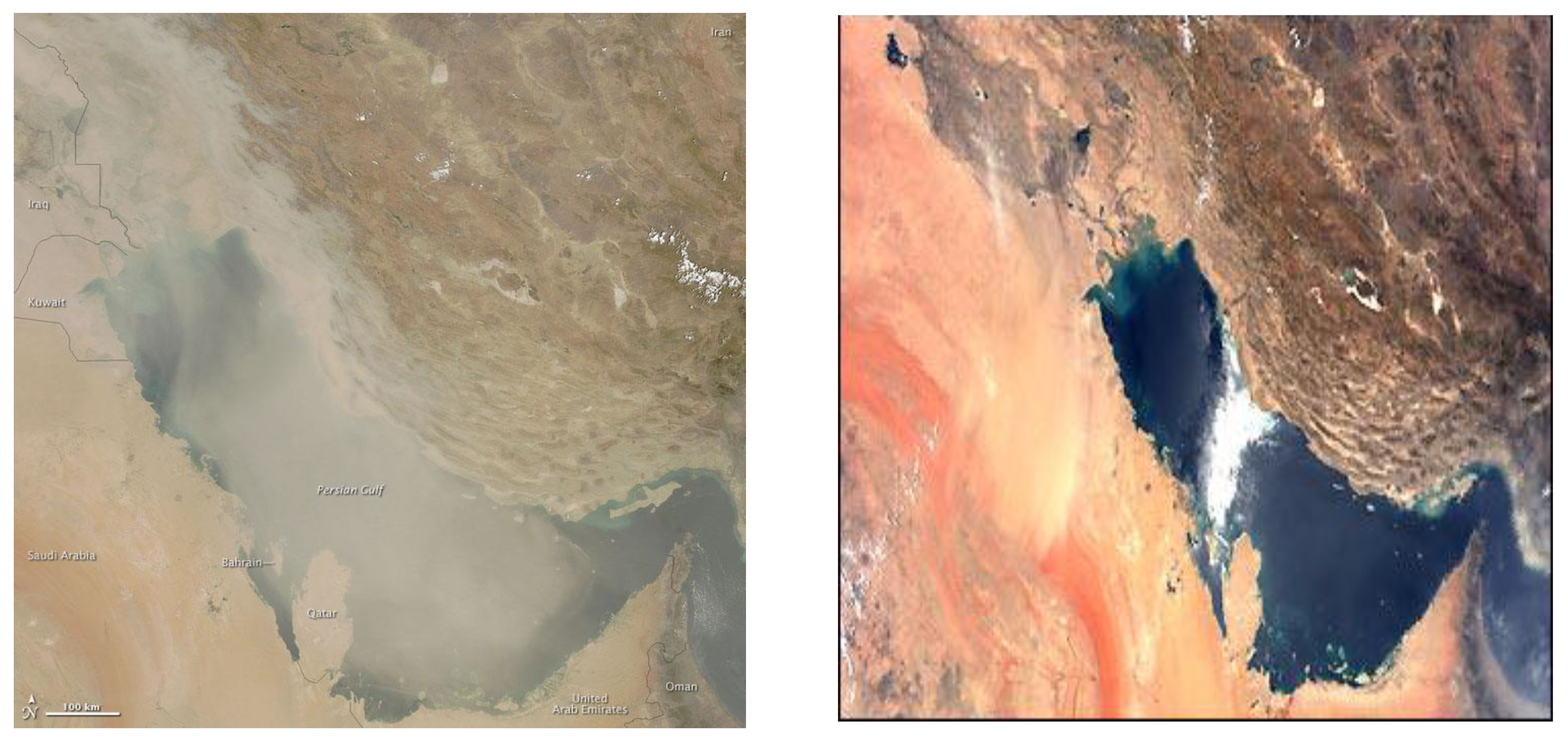
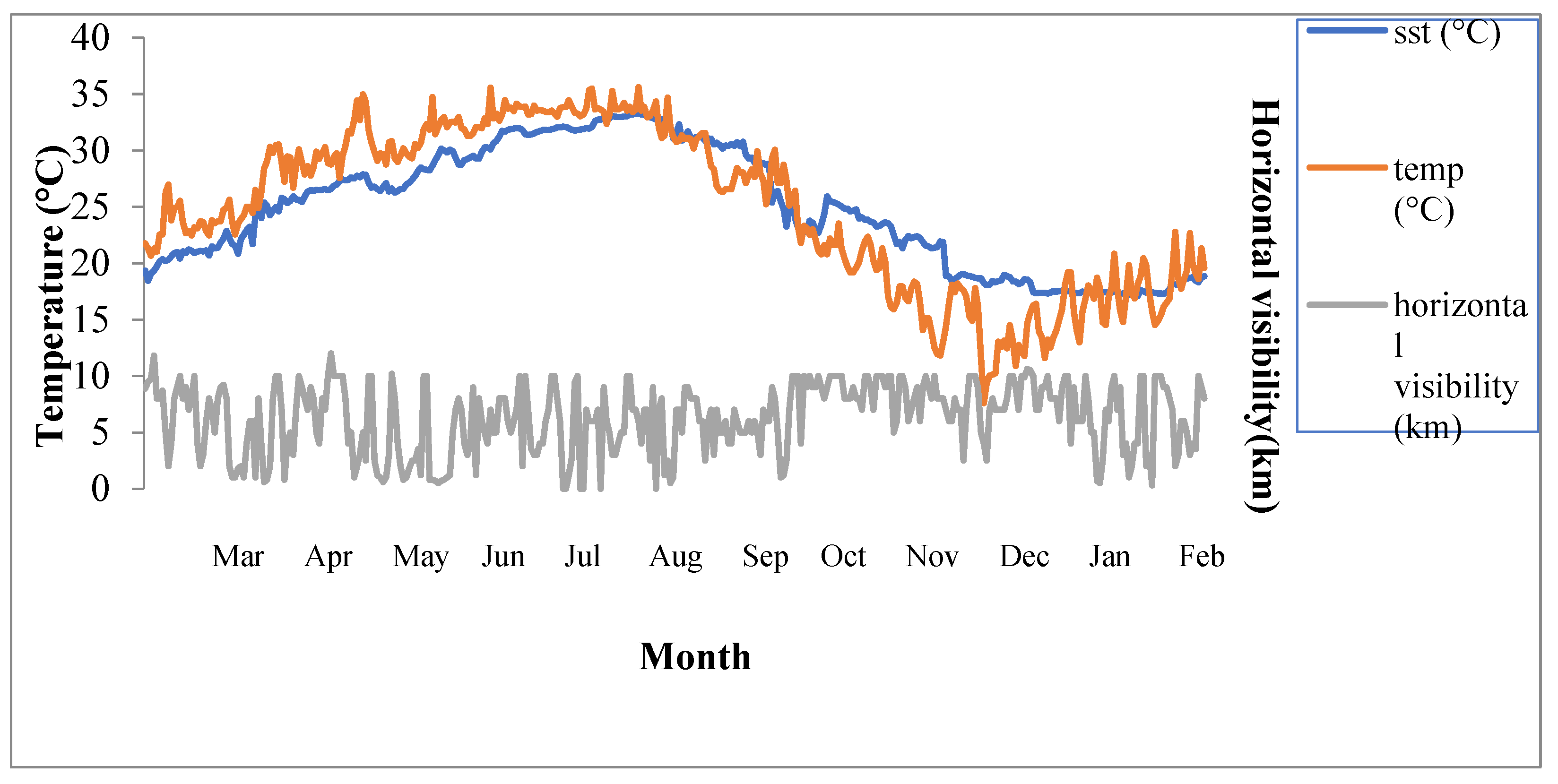
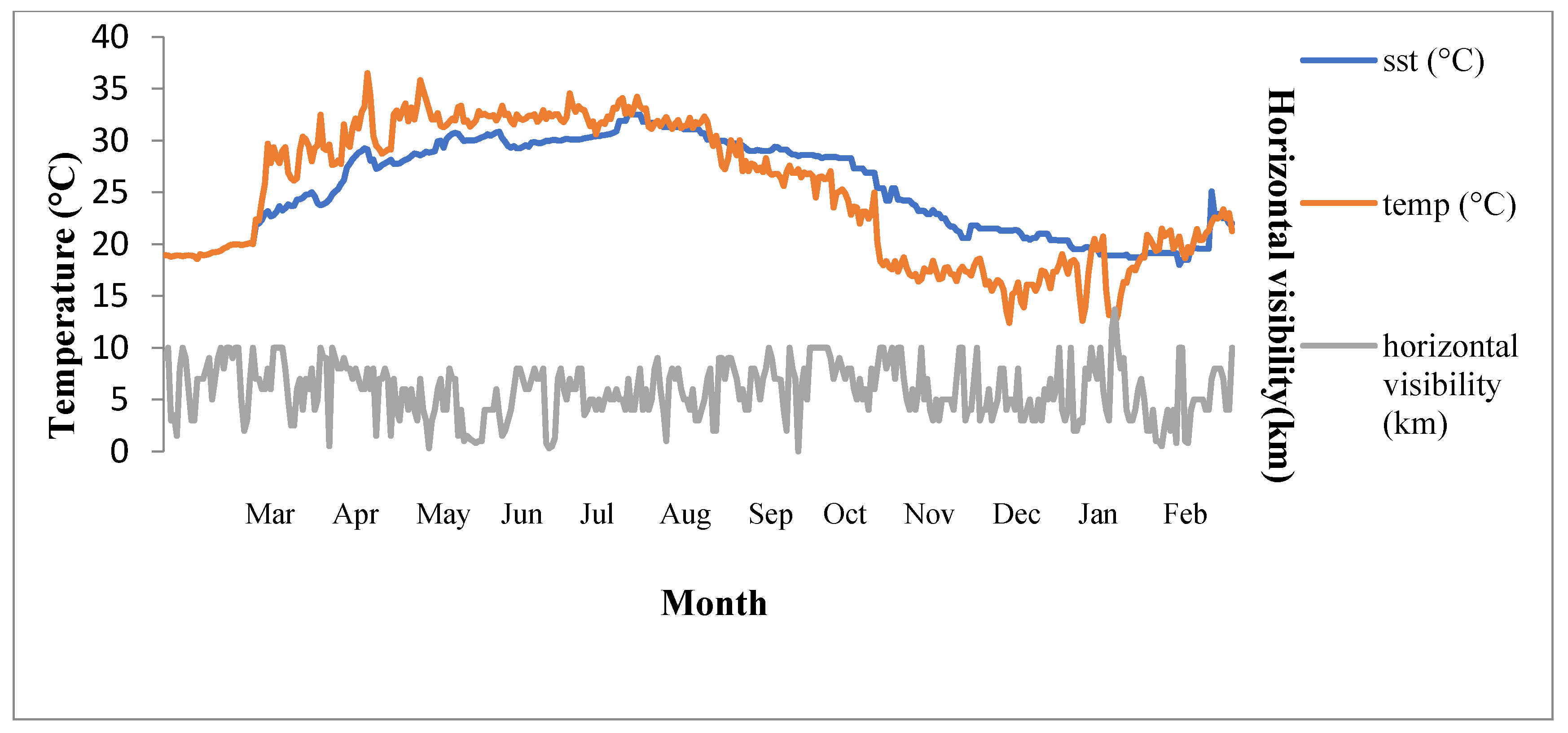
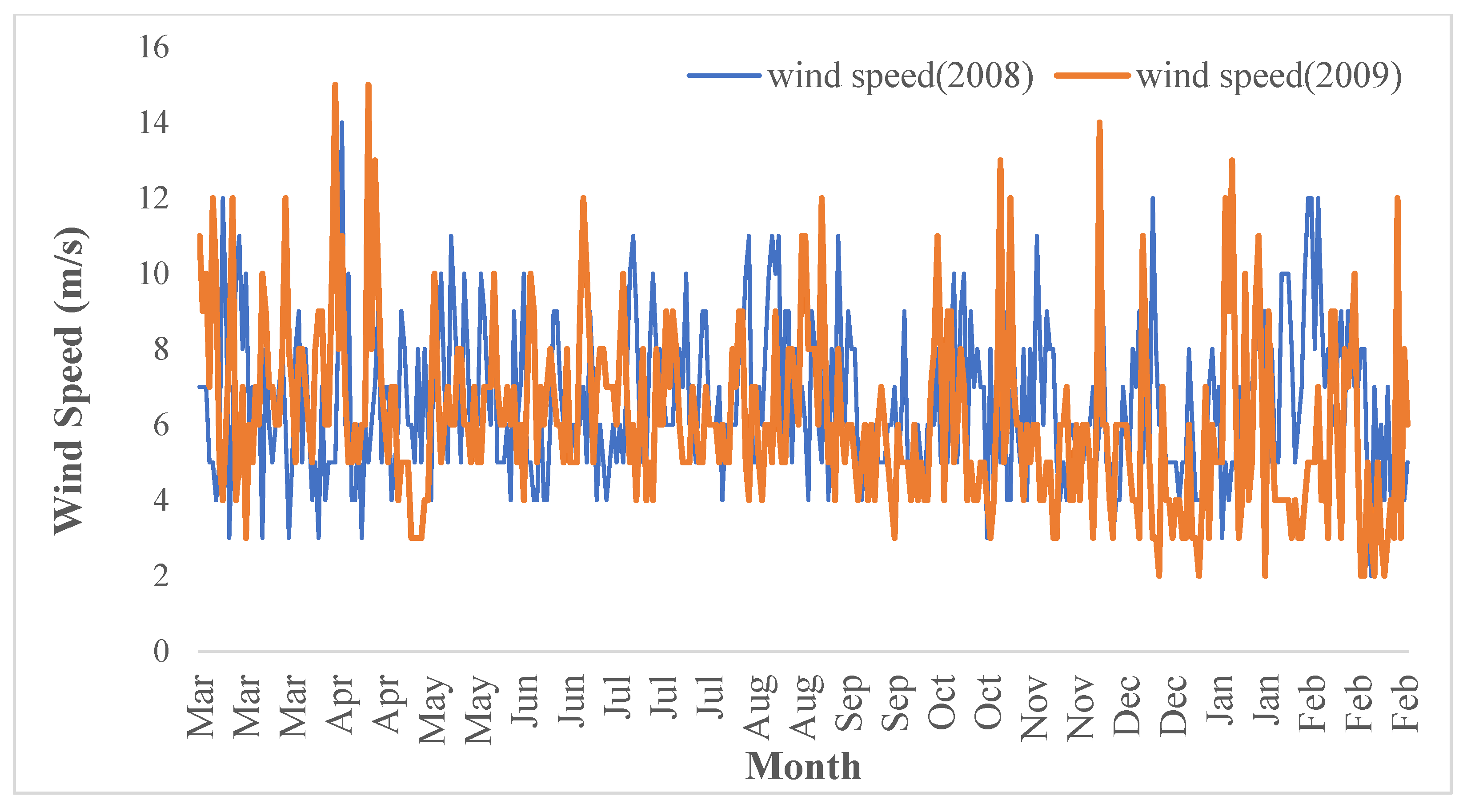
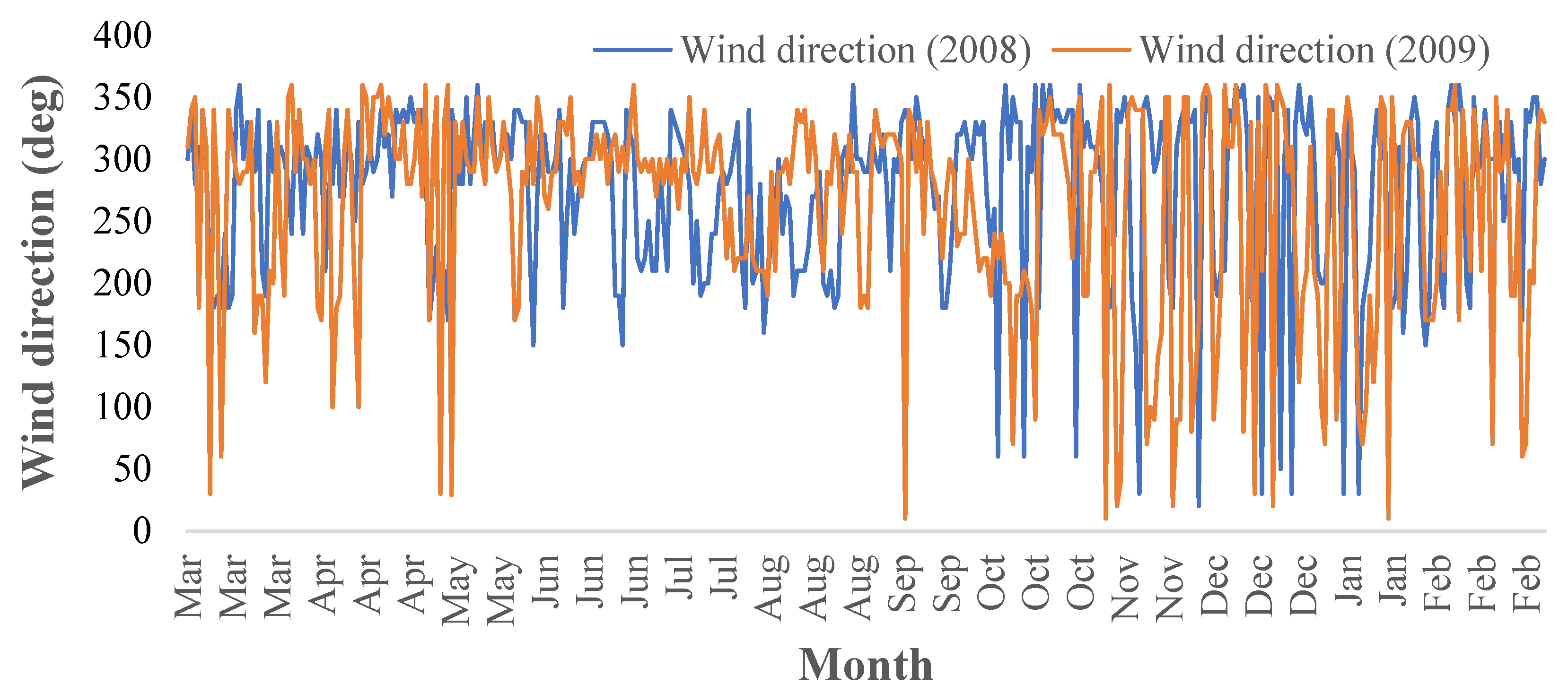
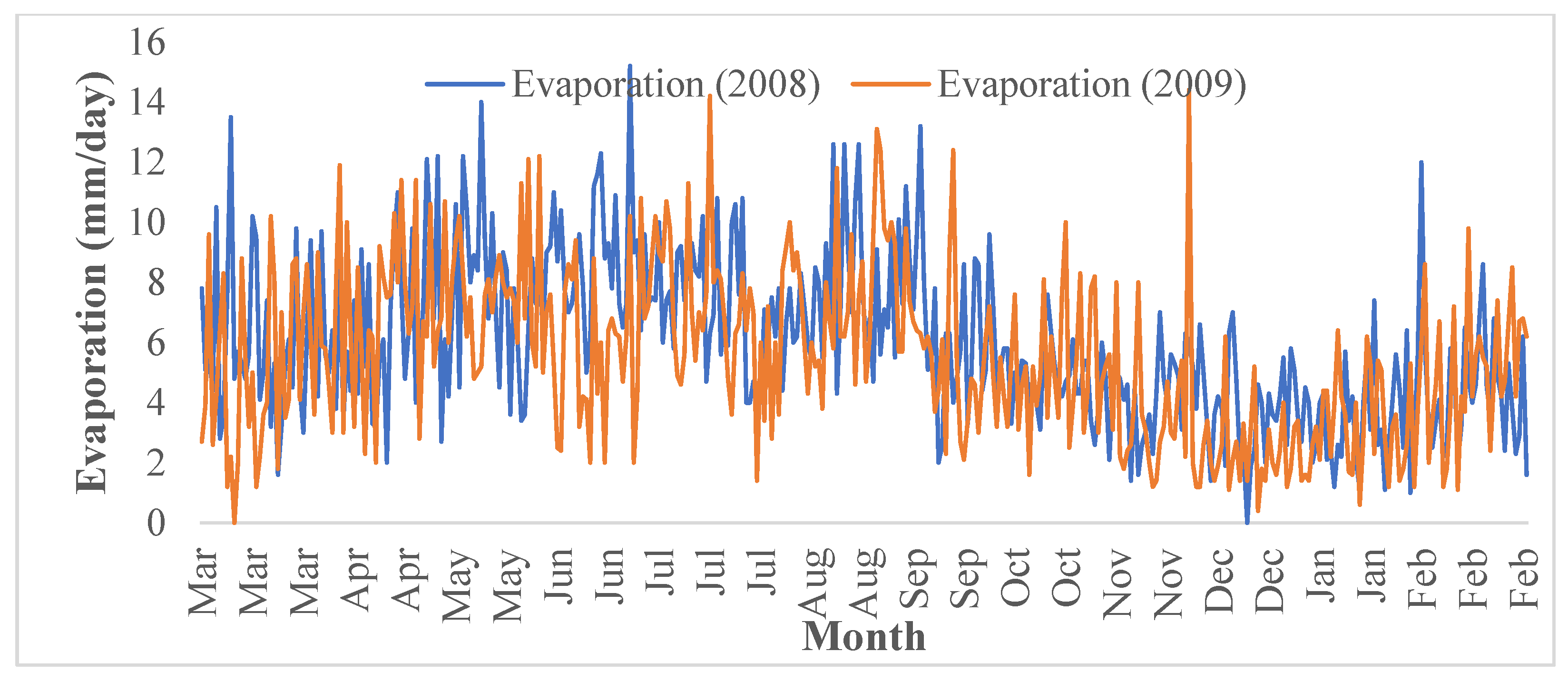
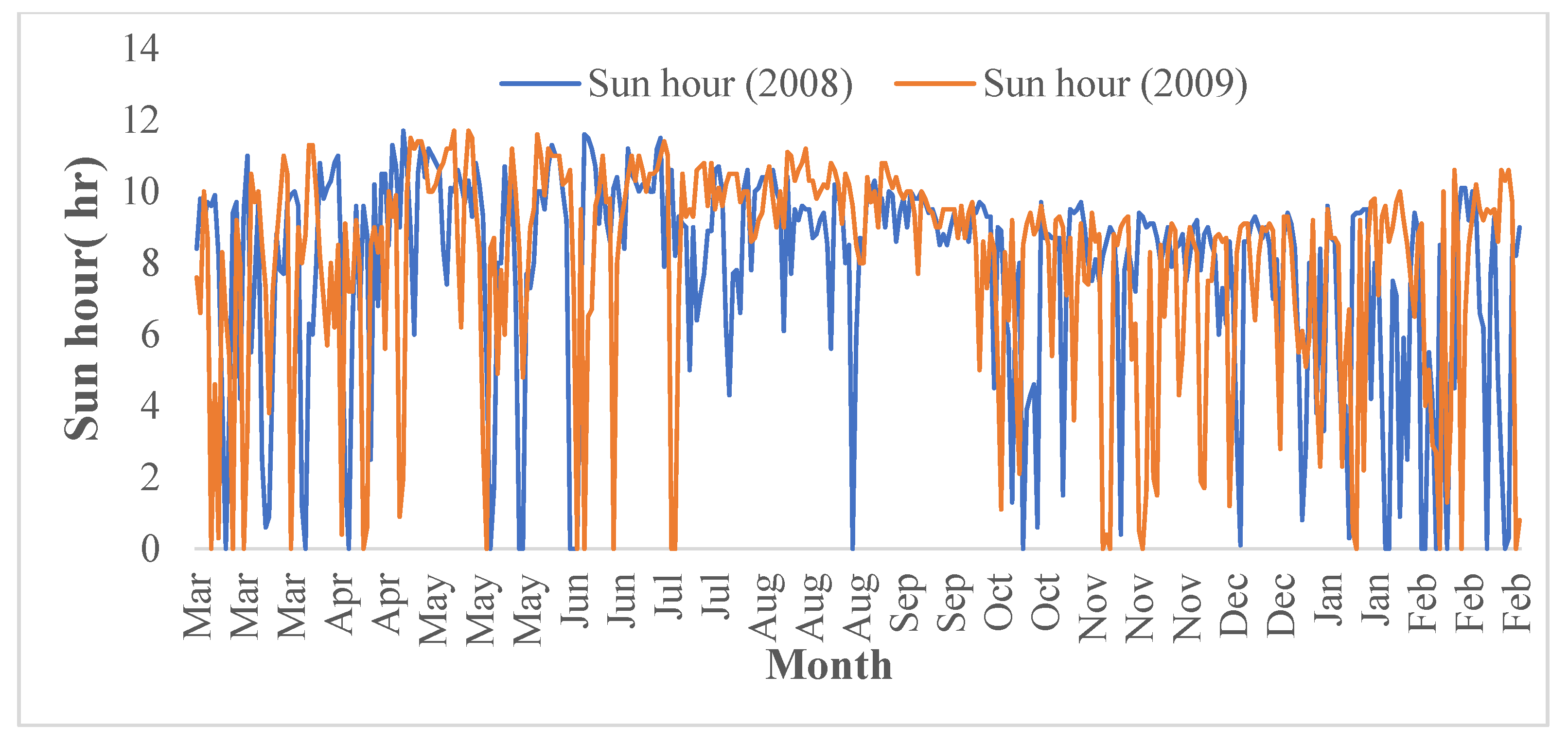
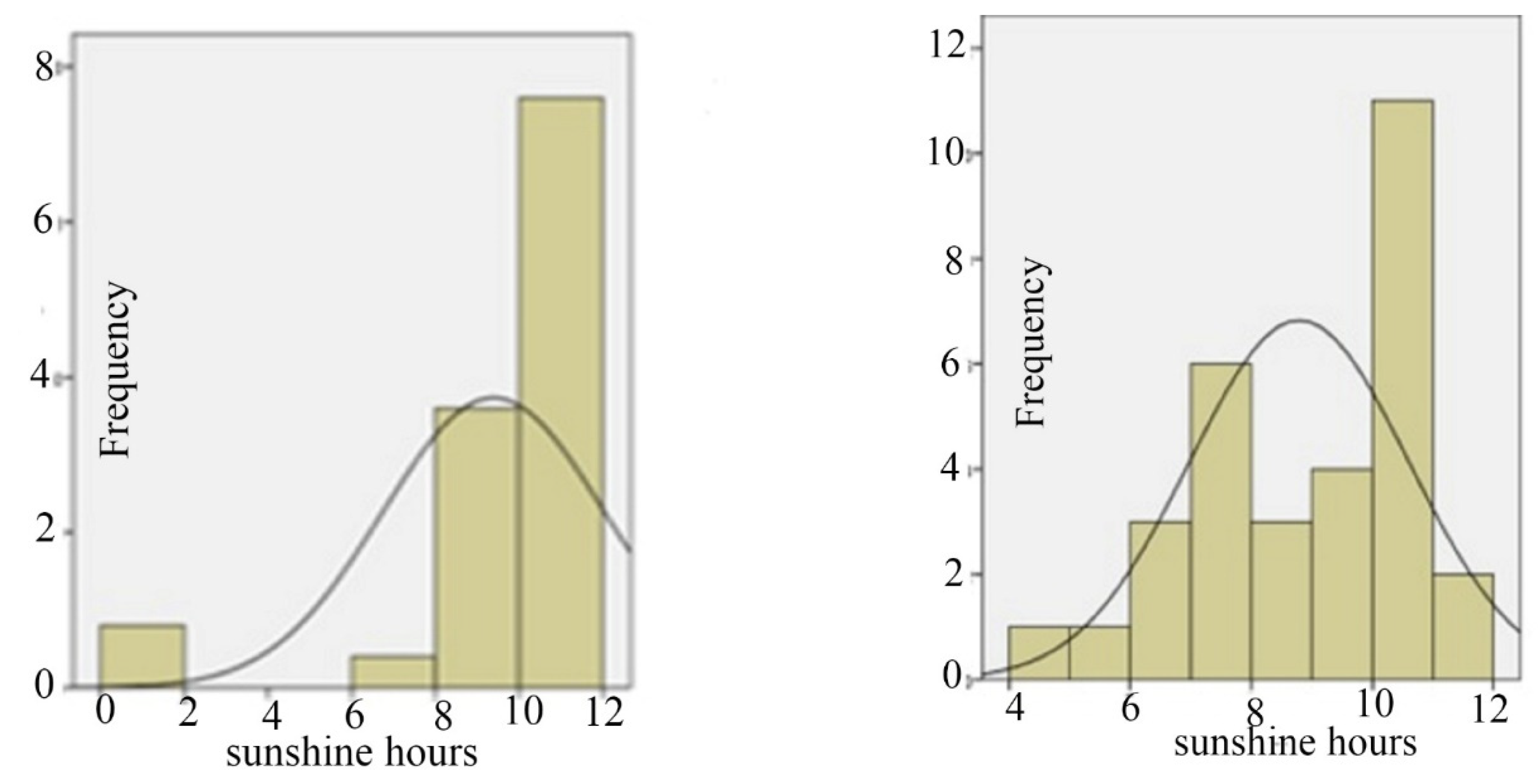
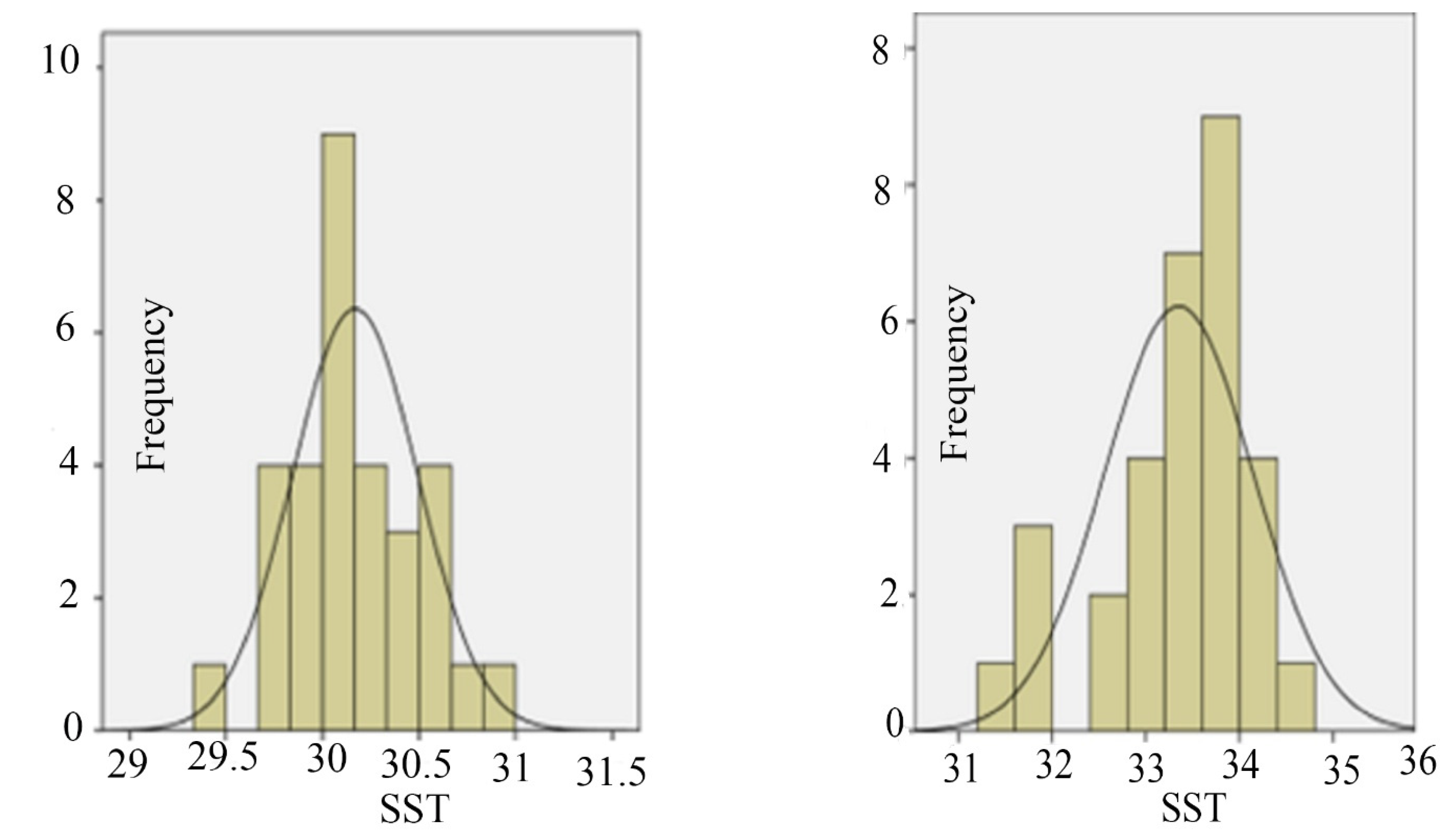
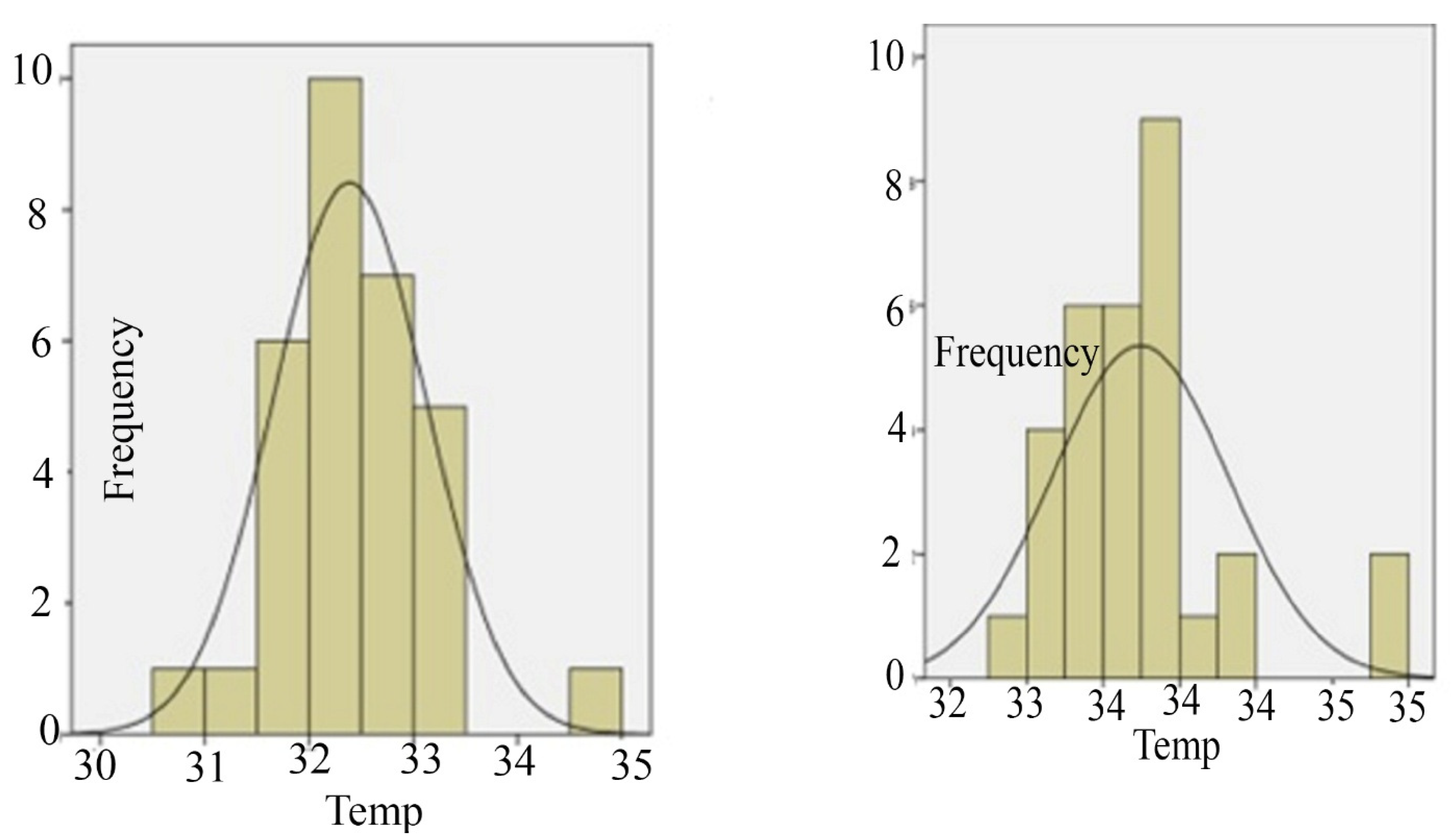
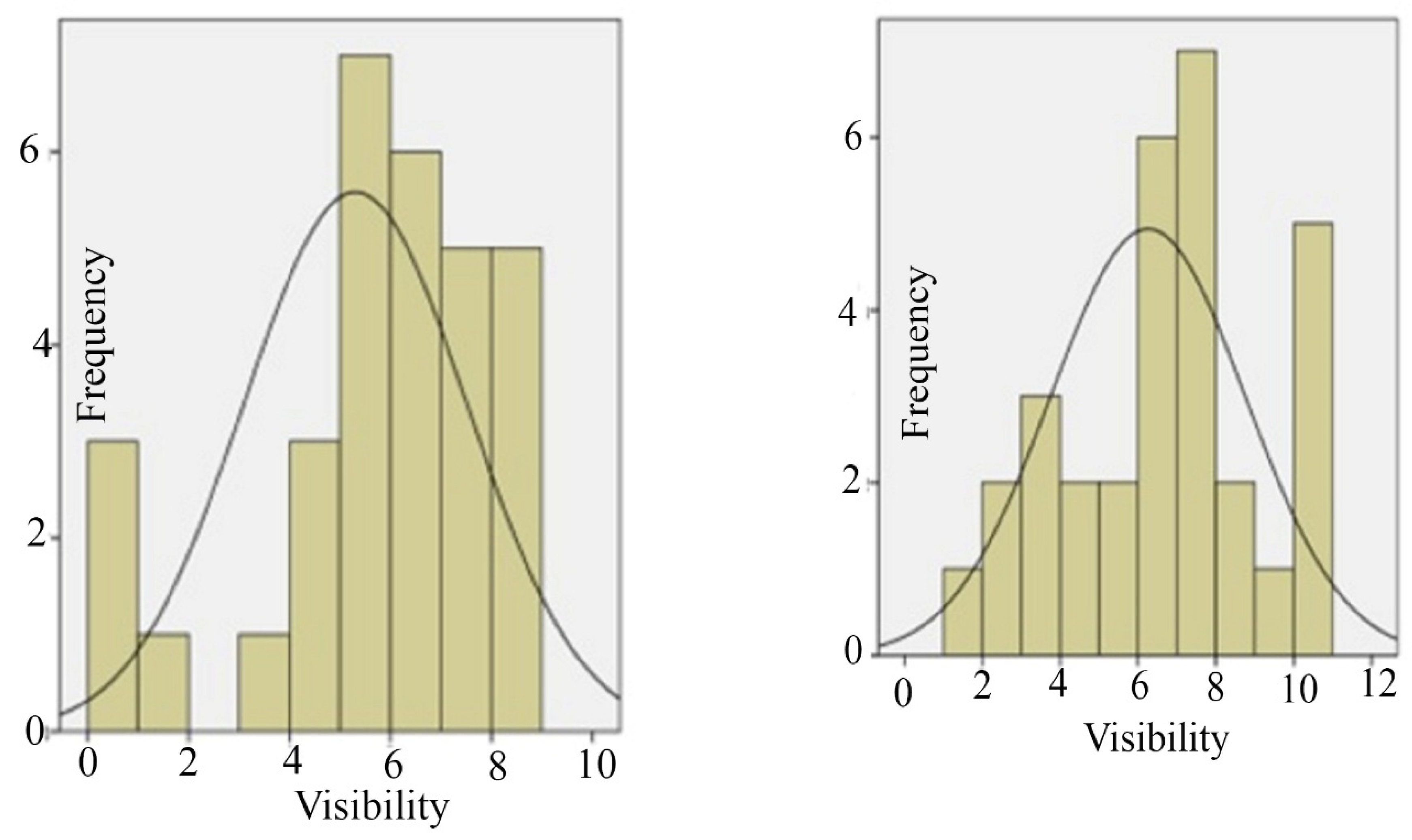
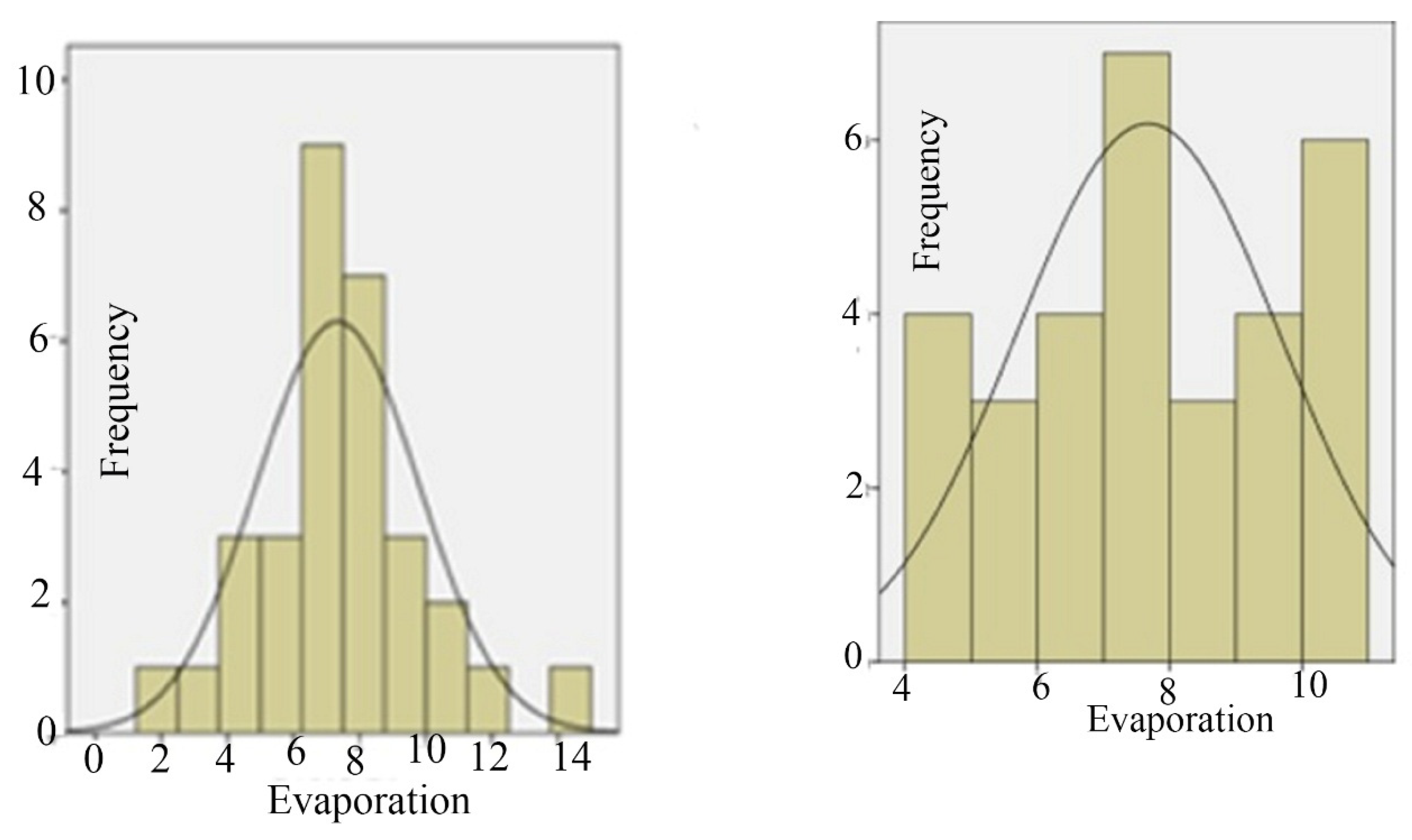
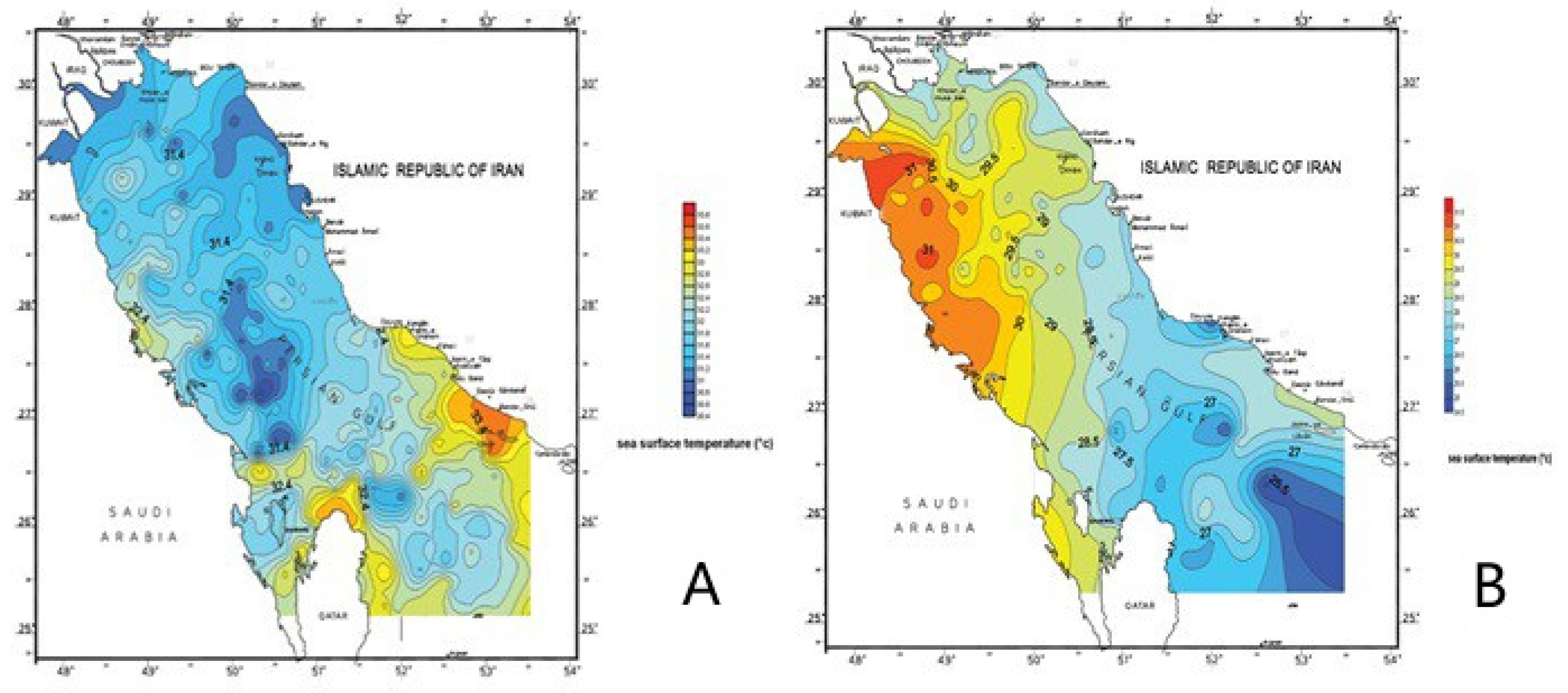
A dust storm is one of the costliest and most destructive events in many desert regions. This research investigates the effect of dust storm on sea surface temperature (SST) in the western zone of the Persian Gulf, especially Bushehr Province and its beaches in the years 2008 and 2009. Therefore, some climate and sea parameters such as SST, salinity, air temperature, wind velocity and direction, evaporation, horizontal visibility, sunshine hours and radiation, simultaneously measured in a specific period of time, were analyzed by comparing each of them with satellite data. Sea surface temperature analysis in summer shows that the maximum SST in Persian Gulf along neighbor waters to Bushehr County and central regions in northern section of Persian Gulf is about 34–36 °C. The SST amplitude variation in these places in summer ranges from 28 to 34 °C and when there are dust phenomena, it is from 29.5 to 31 °C. The outcome of this study shows that the SST increases during dusting phenomena and this causes an increase in vapor and as a result a decrease in temperature occurs. On the other hand, vapor increase leads to a growth in the amount and layer of earth’s cloud cover and finally it causes an effective decrease in short-wave sunshine and the temperature and the vapor on surface decrease. As a result, the decrease in sea surface temperature terminates.
Keywords: dust storm; sea surface temperature; evaporation; horizontal visibility; Persian Gulf dust storm; sea surface temperature; evaporation; horizontal visibility; Persian Gulf