Article

New Complex of Salinomycin with Hg(II)—Synthesis and Characterization

1
Faculty of Medicine, Sofia University “St. Kliment Ohridski”, Kozjak Str., 1, 1407 Sofia, Bulgaria
2
Department of Biomedical Imaging and Image-Guided Therapy, Division of Molecular and Structural Preclinical Imaging, Preclinical Imaging Laboratory, Medical University of Vienna, General Hospital of Vienna, Waehringer Guertel 18-20, 1090 Vienna, Austria
3
Microanalytical Laboratory, Faculty of Chemistry, University of Vienna, Waehringer Strasse 42, 1090 Vienna, Austria
4
Faculty of Chemistry and Pharmacy, Sofia University “St. Kliment Ohridski”, J Bourchier 1, blvd., 1164 Sofia, Bulgaria
5
Chemistry Department, R&D, BIOVET JSC, 39 Peter Rakov Str., 4550 Peshtera, Bulgaria
*
Author to whom correspondence should be addressed.
Inorganics 2025, 13(7), 220; https://doi.org/10.3390/inorganics13070220

Submission received: 25 May 2025 / Revised: 20 June 2025 / Accepted: 28 June 2025 / Published: 1 July 2025
(This article belongs to the Section Coordination Chemistry)

Abstract

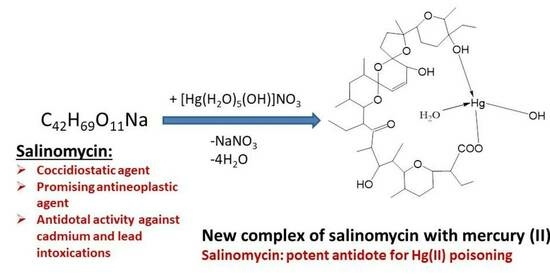
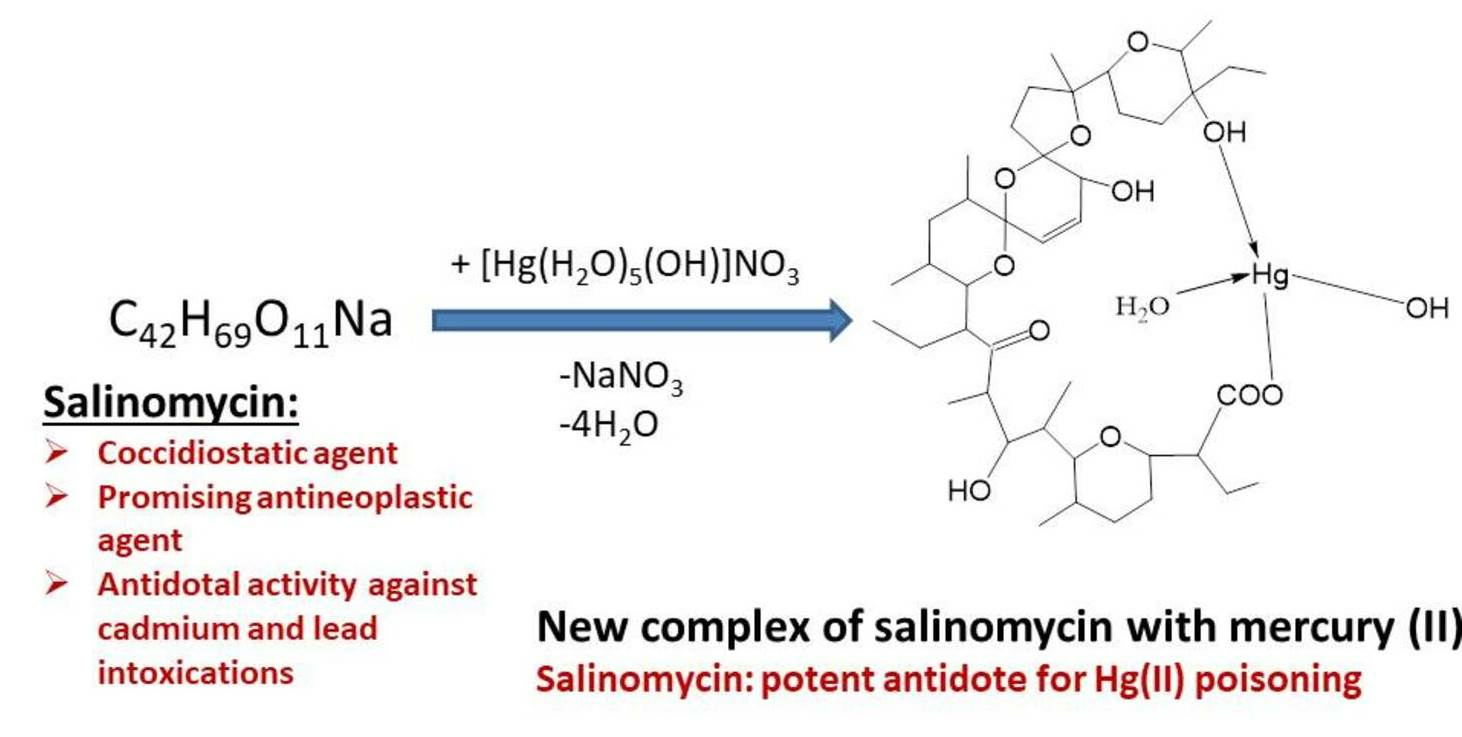
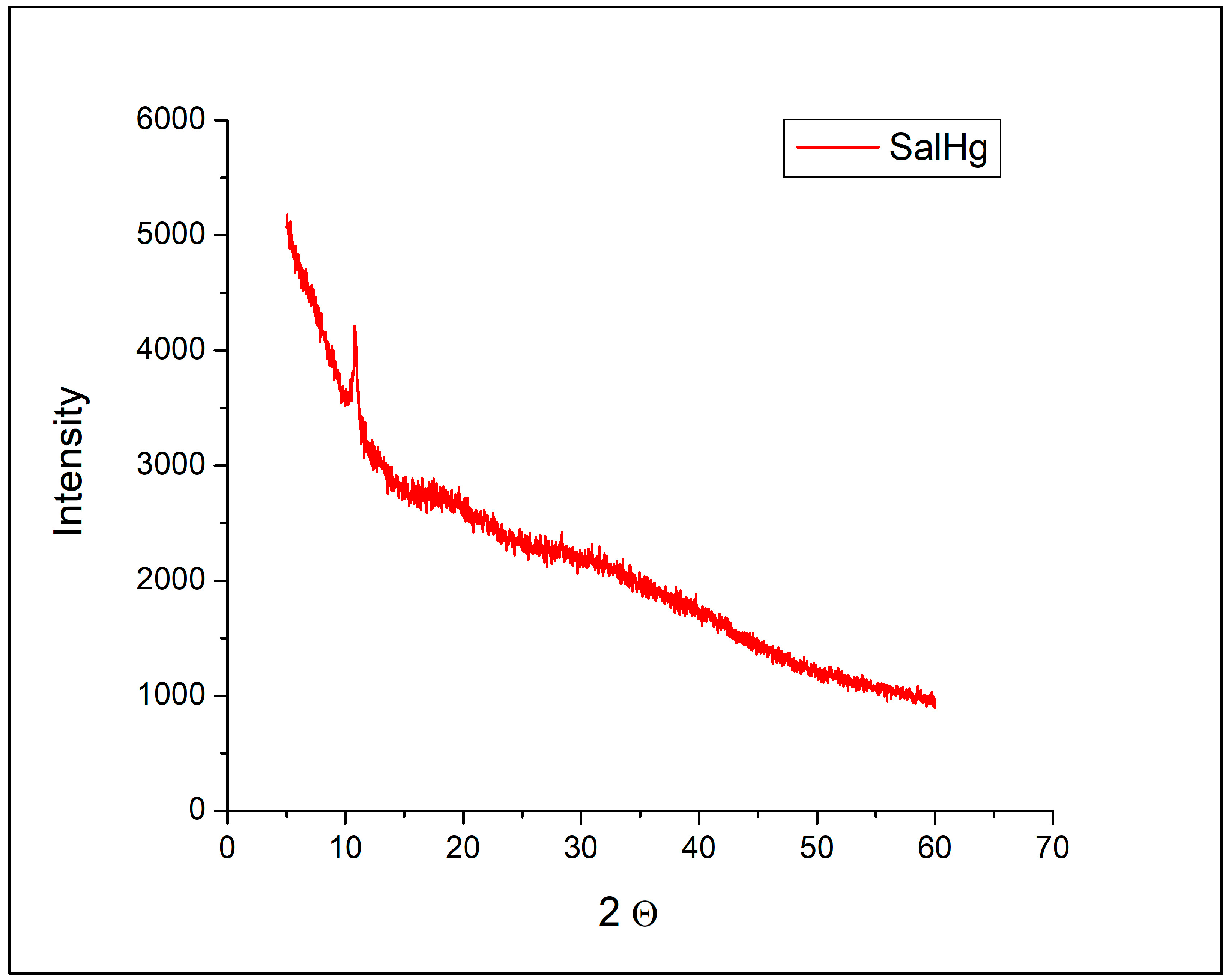
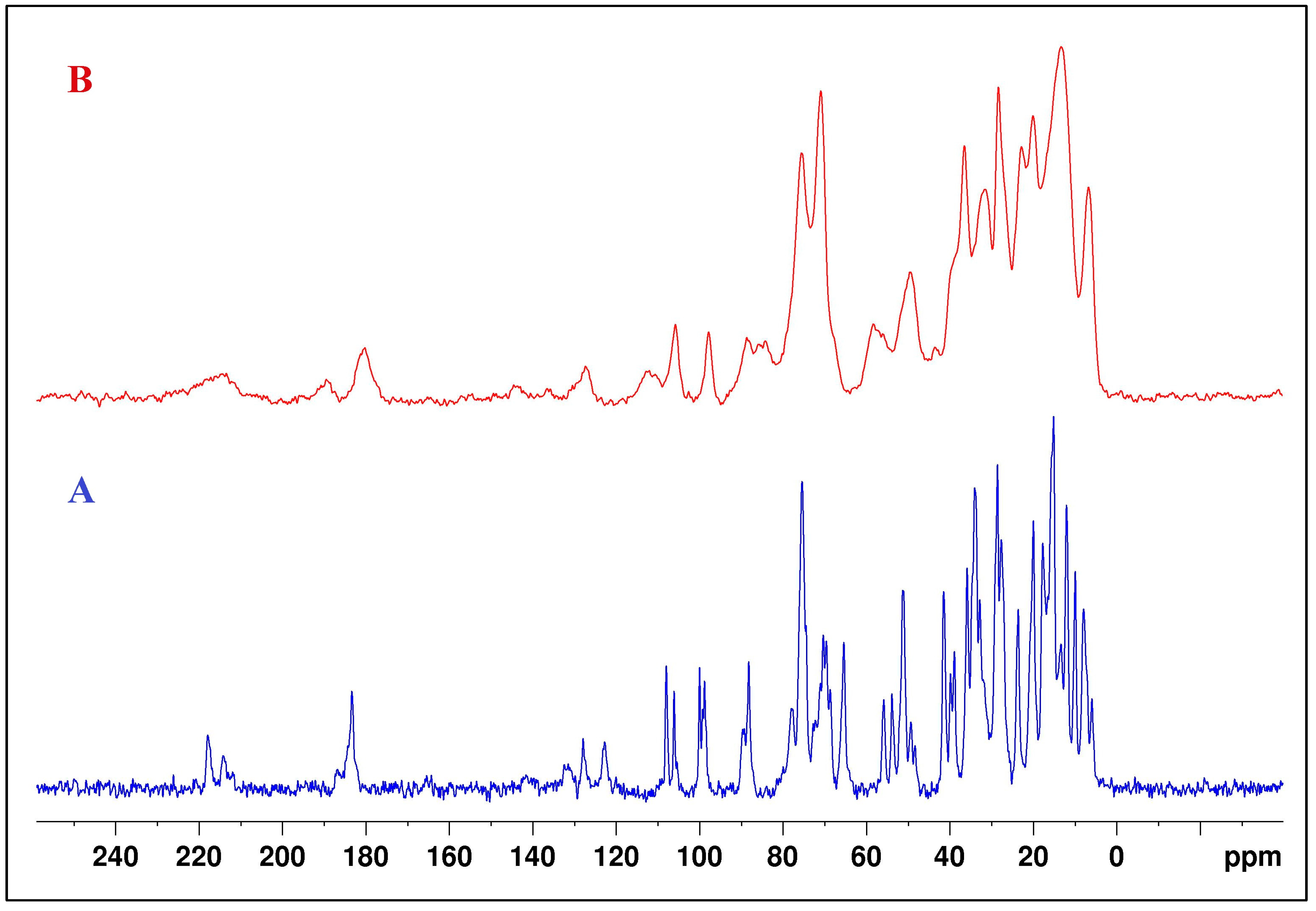
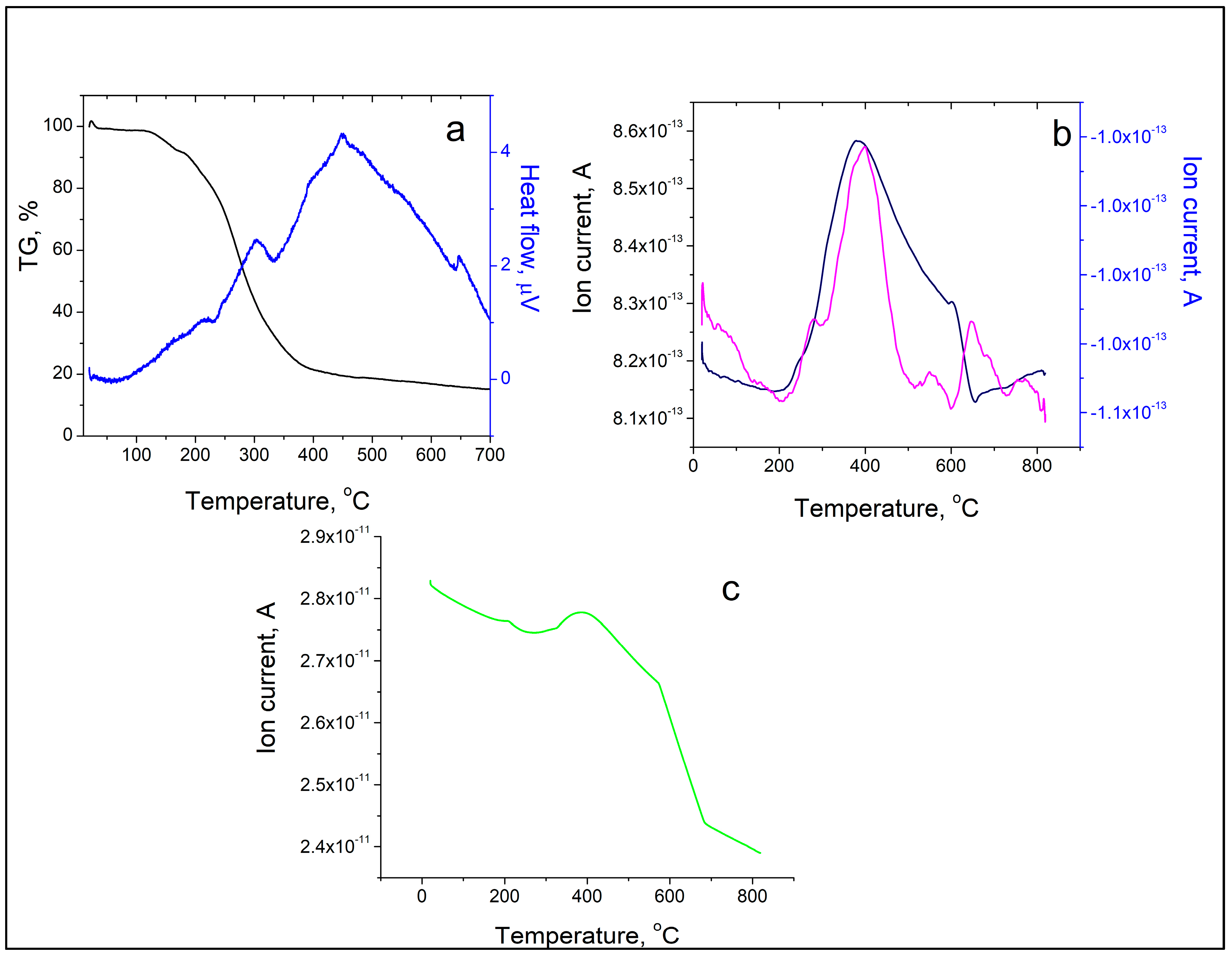
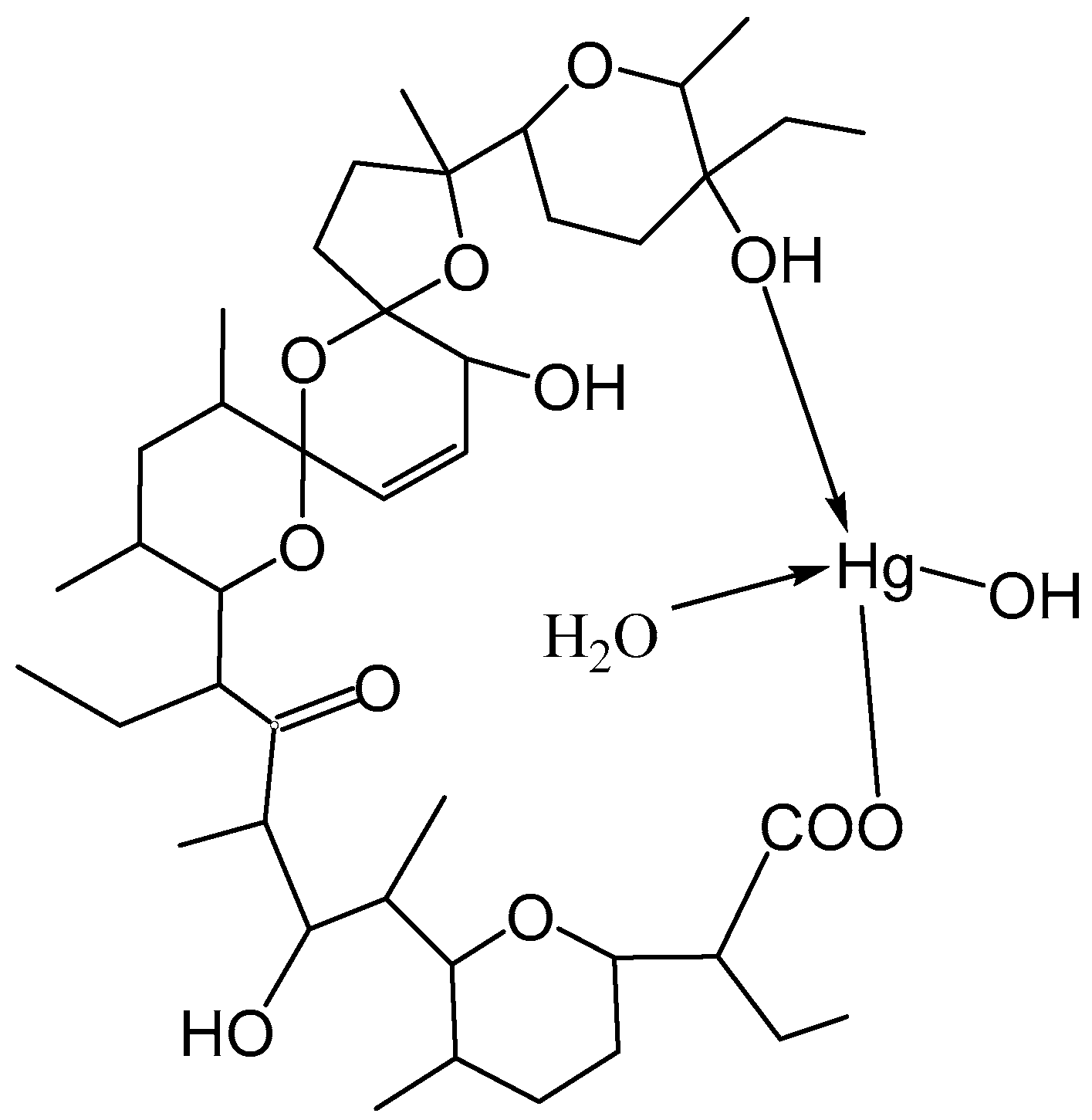
Salinomycin is a polyether ionophorous antibiotic with promising antineoplastic properties. Published studies have revealed that the compound also exerts pronounced antidotal activity against cadmium (Cd) and lead (Pb) intoxications. It has been proven that salinomycin with Cd(II) forms a coordination compound of a composition [Cd(C42H69O11)2(H2O)2] and an octahedral molecular geometry, while the coordination compound of the antibiotic with Pb(II) has a square pyramidal structure and composition [Pb(C42H69O11)(NO3)]. To date, there is no published information about the ability of salinomycin to form complexes with the mercury ion (Hg(II)). Herein, we report, for the first time, a synthetic procedure for a complex compound of salinomycin with Hg(II). The coordination compound was characterized by a variety of methods, such as elemental analysis, attenuated total reflectance–Fourier transform infrared spectroscopy (ATR-FTIR), electrospray ionization–mass spectrometry (ESI-MS), powder X-ray diffraction, nuclear magnetic resonance spectroscopy (NMR), thermogravimetry with differential thermal analysis (TG-DTA), and thermogravimetry with mass spectrometry (TG-MS). The elemental analysis data revealed that the new compound is of the chemical composition [Hg(C42H69O11)(H2O)(OH)]. Based on the results from the spectral analyses, the most probable structure of the complex was proposed.
Keywords: salinomycin; mercury; metal complexes salinomycin; mercury; metal complexes
Graphical Abstract