1. Introduction
With the continuous advancement of photonic integration technology, various photonic platforms based on different materials have received broad attention and found extensive applications, including silicon-on-insulator (SOI), lithium niobate (LN), silicon nitride (SiN), and indium phosphide (InP). Lithium niobate, as a prominent material in the field of integrated photonics, has been extensively studied and applied in devices such as electro-optic modulators and optical frequency combs [
1,
2,
3,
4], owing to its excellent electro-optic modulation capability, superior nonlinear optical properties, and broad optical transparency window [
5,
6]. However, traditional lithium niobate waveguides are limited by fabrication techniques, accompanied by a low refractive index contrast and consequently large device footprints, which hinder their suitability for high-density on-chip integration [
7]. Recent progress in thin-film lithium niobate on insulator (LNOI) technology has enabled submicron-scale waveguides with high refractive index contrast, thereby reducing the minimum bending radius and significantly shrinking the footprint of adiabatic photonic devices [
8,
9,
10]. Such enhancements enable the realization of high-performance integrated photonic chips on the LNOI platform.
Due to the inherent birefringence of lithium niobate, most photonic devices built on the LNOI platform typically exhibit pronounced polarization sensitivity, making polarization management a critical technique for realizing high-performance LN-based photonic devices. A variety of polarization control elements have been developed on the LNOI platform, including polarizers [
11,
12], polarization beam splitters (PBS) [
13,
14], and polarization splitter-rotators (PSR) [
15,
16]. Among them, polarizers serve as vital and efficient components for polarization control, which can selectively transmit and extract specific polarization modes while suppressing undesired ones, thus enabling precise manipulation of the polarization state of the optical field. Such precise polarization control plays an essential role in improving the stability of integrated photonic systems, and it is expected to support the development of devices with improved performance. Recent years have seen significant advancements in polarizer design with various working principles being proposed. For instance, Dai et al. demonstrated a TE-pass polarizer with a silver (Ag) plasmonic grating integrated on lithium niobate waveguides [
17], which achieved an excellent polarization extinction ratio (PER) higher than 20 dB over a 230 nm bandwidth (1470–1700 nm) while having a compact length of only 9 μm. However, the intrinsic absorption loss of the metal incurs a relatively high insertion loss (IL) of 2.3 dB within the C-band. Another TE-pass polarizer was designed by Qi et al. employing an asymmetric directional coupler (ADC) structure [
18], which attained an
IL < 0.4 dB over a 60 nm bandwidth. Nevertheless, the wavelength dependence of the ADC structure limits the effective bandwidth to only 22 nm when
PER > 20 dB. Furthermore, Fei et al. proposed a reconfigurable TE-pass polarizer incorporating the phase-change material Ge
2Sb
2Te
5 (GST) [
19], realizing a low
IL (<0.5 dB) and a high
PER (>25 dB) over 200 nm bandwidth. Nevertheless, the integration of heterogeneous materials such as GST and Si
3N
4 increases fabrication complexity, potentially hindering large-scale manufacturing and long-term device stability.
Subwavelength grating (SWG) metamaterials are a class of artificially engineered periodic micro- and nanostructures whose grating period (
Λ) is significantly smaller than the incident wavelength (
λ), exhibiting effective homogeneous medium characteristics during light propagation [
20,
21]. Compared with conventional optical structures, SWGs offer enhanced flexibility and superior performance in optical field manipulation. By strategically tuning the structural parameters of SWGs, such as grating period, duty cycle, length, and width, the effective refractive index distribution can be precisely controlled, allowing flexible manipulation of the velocity and direction of light propagation [
22,
23,
24,
25]. Consequently, SWGs have emerged as a promising platform for polarization control due to their strong selective manipulation of TE and TM modes, establishing them as a critical technology for realizing high-performance polarization devices. Several SWG-based polarization devices have been reported [
26,
27,
28]. For example, Liu et al. realized a 90°—bent ultra-broadband TM-pass polarizer on the LNOI platform utilizing SWG metamaterials according to the effective medium theory [
29], attaining an excellent
PER > 29.4 dB over 415 nm bandwidth (1460–1680 nm). However, the
IL was relatively high (<1.1 dB), and the device employed an air cladding instead of silicon dioxide (SiO
2) as the upper cladding material. Moreover, certain structural features approached fabrication tolerance limits, potentially compromising the performance of the fabricated devices and their long-term reliability. Similarly, Han et al. implemented an ultra-broadband TM-pass polarizer by depositing and etching silicon nitride (Si
3N
4) SWG structures on LNOI waveguides [
30]. This polarizer achieved
PER > 20 dB over a 130 nm (1500–1630 nm) bandwidth. Nevertheless, the device exhibited a relatively high
IL (<2.5 dB), while its large footprint (>200 μm) and air cladding limited applicability in high-density integrated photonic circuits. In another approach, Yang et al. designed a compact TE-pass polarizer with a footprint of 19.21 μm [
31]. The device realized a
PER of 29 dB at 1550 nm; however, the effective bandwidth for
PER > 10 dB was limited to approximately 150 nm, while the
IL was below 1.5 dB across the bandwidth.
In this paper, a TE-pass polarizer assisted by SWG metamaterials based on LNOI platform is presented. Unlike most conventional SWG metamaterial polarizers that utilize air as the cladding, the proposed structure adopts silicon dioxide (SiO2) as the cladding material, significantly improving fabrication compatibility and structural stability. The structure of polarizer is derived from a directional coupler (DC) structure, where the central SWG region is designed using Effective Medium Theory (EMT) to ensure TE0 mode propagation with negligible loss, while an inverse design algorithm is applied to the waveguide boundaries to aggressively suppress the TM0 mode propagation. This hybrid methodology merges analytical physical characteristics with global parameter search, achieving a balance between low loss and large bandwidth. Results show that the TE-pass polarizer achieves a low IL of less than 0.174 dB and a PER greater than 10 dB over a bandwidth of 176 nm (1465–1641 nm), and has a compact footprint of 66 μm. By supplementing traditional parameter sweeping with an inverse design approach, the proposed device achieves competitive performance among LNOI-based TE-pass polarizers reported to date. It combines the advantages of low insertion loss, broad bandwidth, and high integration density, providing an innovative design strategy for high-performance polarization devices on the LNOI platform.
2. Structure and Methods
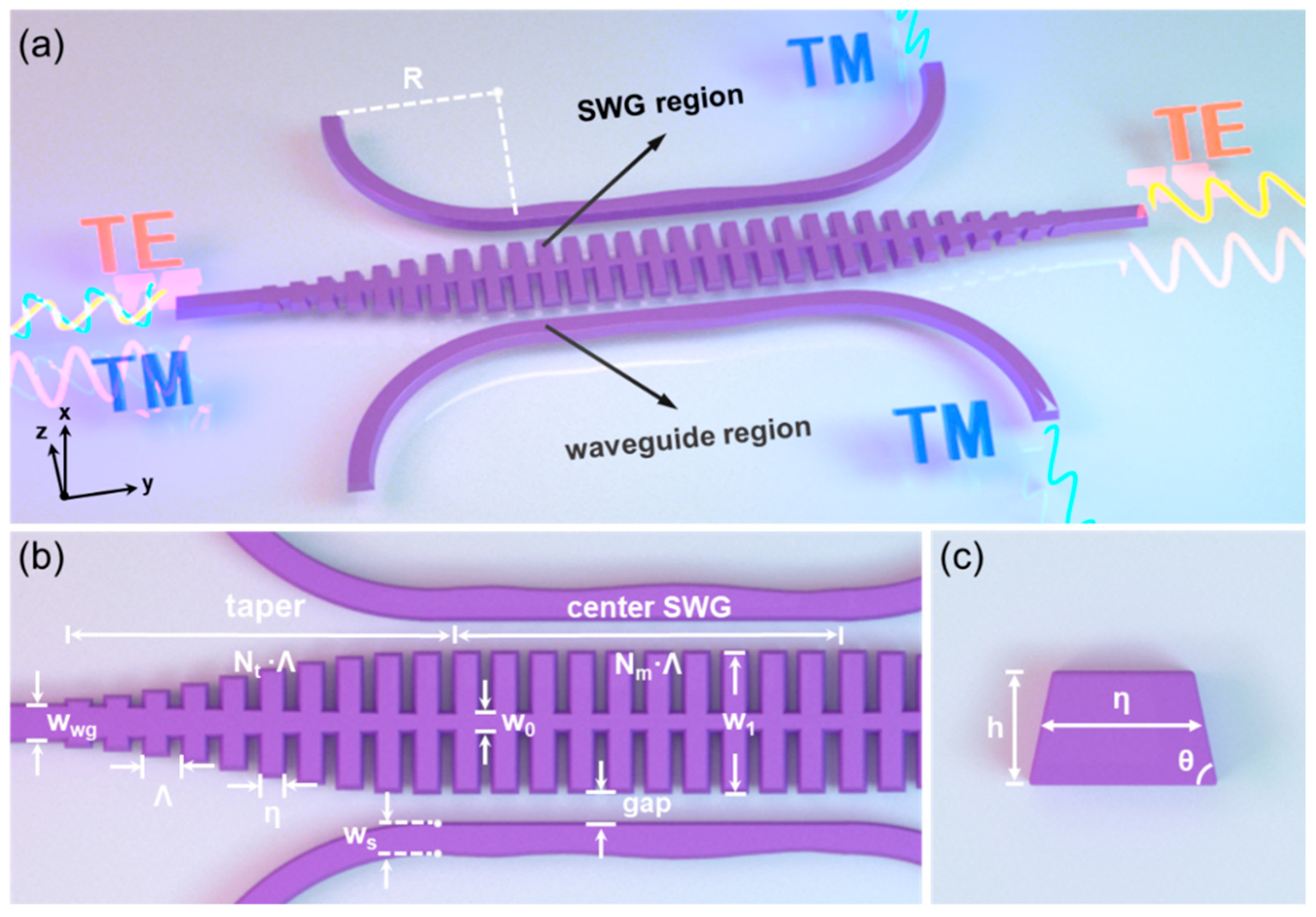
Figure 1a presents the three-dimensional (3D) structure of the proposed TE-pass polarizer on an x-cut LNOI platform. The device is symmetrically arranged along the horizontal axis and divided into two functional regions: the central SWG region and the upper/lower waveguide regions. The cladding and buried oxide layer are both composed of SiO
2. Compared with air-cladding approach, this configuration not only shields fragile sub-wavelength structures from mechanical damage during dicing and testing but also ensures compatibility with standard LNOI fabrication, thereby improving structural robustness and prevents mode mismatch at the junctions with other integrated photonic components. Regarding the cladding thickness, the buried oxide layer and the top cladding in our design are both set to be sufficiently large to fully encompass the evanescent field. The geometric parameters are specified in
Figure 1b. The widths of the input and output waveguides are set to
Wwg = 0.65 μm, which is below the cutoff widths of higher order TE and TM modes to ensure single-mode operation. In the tapered region, the width of the straight waveguide decreases linearly from
Wwg to
W0, while that of the SWG increases from
Wwg to
W1, with
Nt unit cells incorporated. This adiabatic tapered architecture enables low-loss mode transfer between the input/output waveguides and the SWG section. In the central SWG region, the grating width is fixed at
W1 with
Nm unit cells, providing stable mode propagation and efficient coupling.
Figure 1c shows the cross-sectional schematic of the waveguide, where the height of the waveguide is set to 400 nm and is denoted by
h. Owing to the dry etching process typically adopted in LN waveguide fabrication, a sidewall angle
θ is induced between the waveguide and the substrate, resulting in a trapezoidal rather than ideal rectangular profile [
9]. Consequently, the grating unit width at half of the waveguide height (
h/2) is defined as the effective width
η, and the duty cycle of the grating is defined by Equation (1):
where
f denotes the duty cycle of the grating, and Λ represents the grating period.
In the proposed polarizer, the TE and TM modes primarily propagate along the y-axis within the central SWG region and the upper/lower waveguide regions, therefore the Effective Medium Theory of the SWG and the optical waveguide properties of LN are the essential considerations. According to the EMT established by S. M. Rytov [
32], SWGs with grating periods Λ much smaller than the incident wavelength
λ (Λ ≪
λ) can be treated as homogeneous anisotropic media, allowing optical field propagation with negligible loss. The effective refractive indices of the SWG are given by Equation (2) [
20,
21]:
where
no and
ne denote the ordinary and extraordinary refractive indices of the SWG, while
nLN and
nSiO2 represent the refractive indices of LN and SiO
2, respectively. For optical fields perpendicularly directed to the grating orientation, the anisotropic properties of the SWG can be described by the effective refractive index tensor shown in Equation (3) [
20]:
Regarding the crystal orientation and the SWG optical axes in our device, the main electric field component of the TE mode is along the z-axis, while that of the TM mode is along the x-axis. In this case, both modes correspond to the ordinary refractive index (
no) of the SWG, as defined in the tensor components of Equation (3).
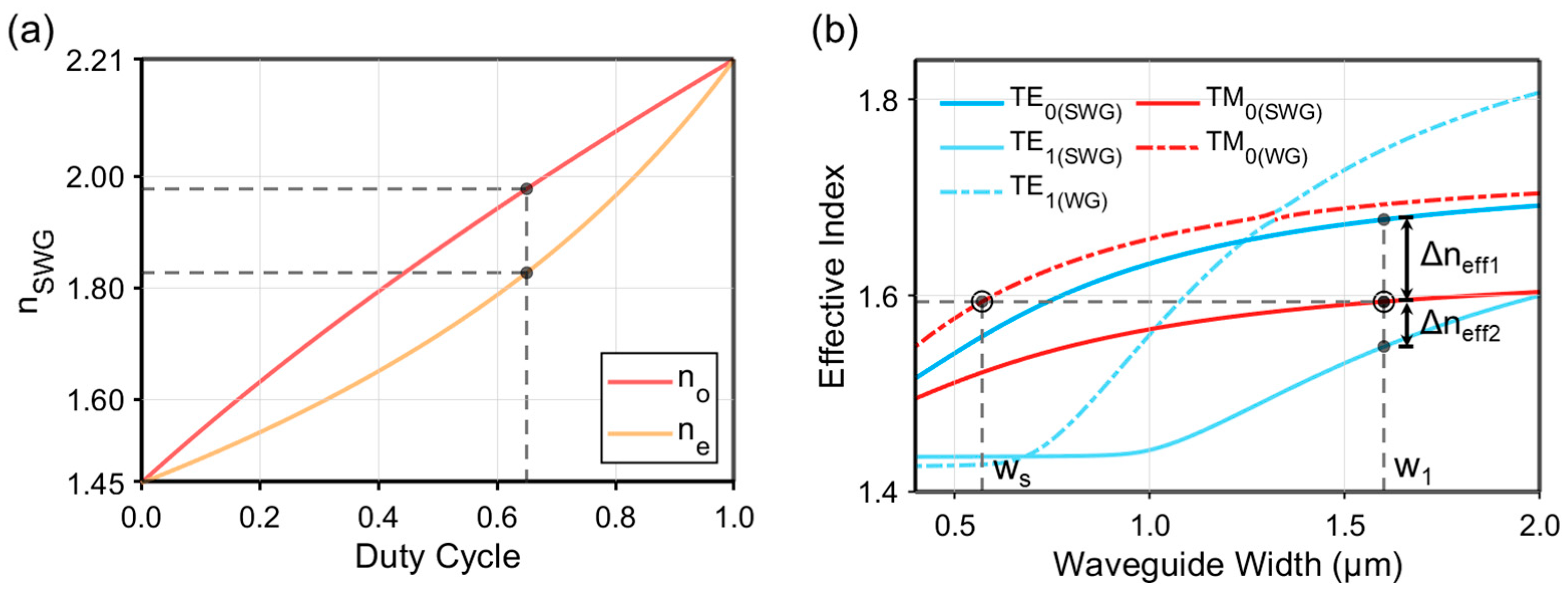
Figure 2a illustrates the relationship between the equivalent refractive indices of the SWG and the duty cycle
f as derived from Equation (2). In practical fabrication, an excessively high duty cycle may cause overlap between adjacent grating units due to the inherent sidewall inclination of LN waveguides, whereas an relatively large grating period may cause the grating to operate in the Bragg reflection regime, potentially increasing TE mode reflection and degrading the transmission efficiency [
21,
22,
33]. To balance both manufacturability and optical performance, the design adopts a grating period of Λ = 0.36 μm, a duty cycle of
f = 0.65, and a sidewall angle of
θ = 75°, which were obtained through simulation and are consistent with the achievable precision of current micro/nanofabrication techniques.
The phase-matching condition indicates that efficient modal coupling is realized when the TM
0 modes in the central SWG region and the adjacent waveguides share identical effective refractive indices [
34,
35]. To verify this, the effective indices of TE and TM modes were systematically calculated as functions of waveguide width using the finite-difference eigenmode (FDE) solver, and the results are presented in
Figure 2b. The simulations show that when the straight waveguide width is set to
Ws = 0.575 μm and the SWG width to
W1 = 1.60 μm, the TM
0 modes in both structures exhibit identical effective indices (
neff = 1.594), thereby satisfying the phase-matching condition. In this configuration, the effective index difference between TE
0 and TM
0 modes is Δ
neff1 = 0.0839, while that between TM
0 and TE
1 modes is Δ
neff2 = 0.0462; both Δ
neff values are sufficient to block TE-TM mode coupling and avoid mode hybridization. Accordingly, at the calculated values of
W1 and
Ws, the polarizer could achieve a relatively low IL alongside a high PER. Under these conditions, the TE
0 mode does not satisfy the coupling requirement and is transmitted through the central SWG region with a small IL, whereas the TM
0 mode is coupled into the adjacent waveguides and subsequently routed into bent sections with width
Ws = 0.575 μm and radius
R = 25 μm, where it is effectively filtered out from the central SWG. As a result, efficient separation between TE and TM polarizations is accomplished, enabling a high-performance TE-pass polarizer.
3. Results and Analysis
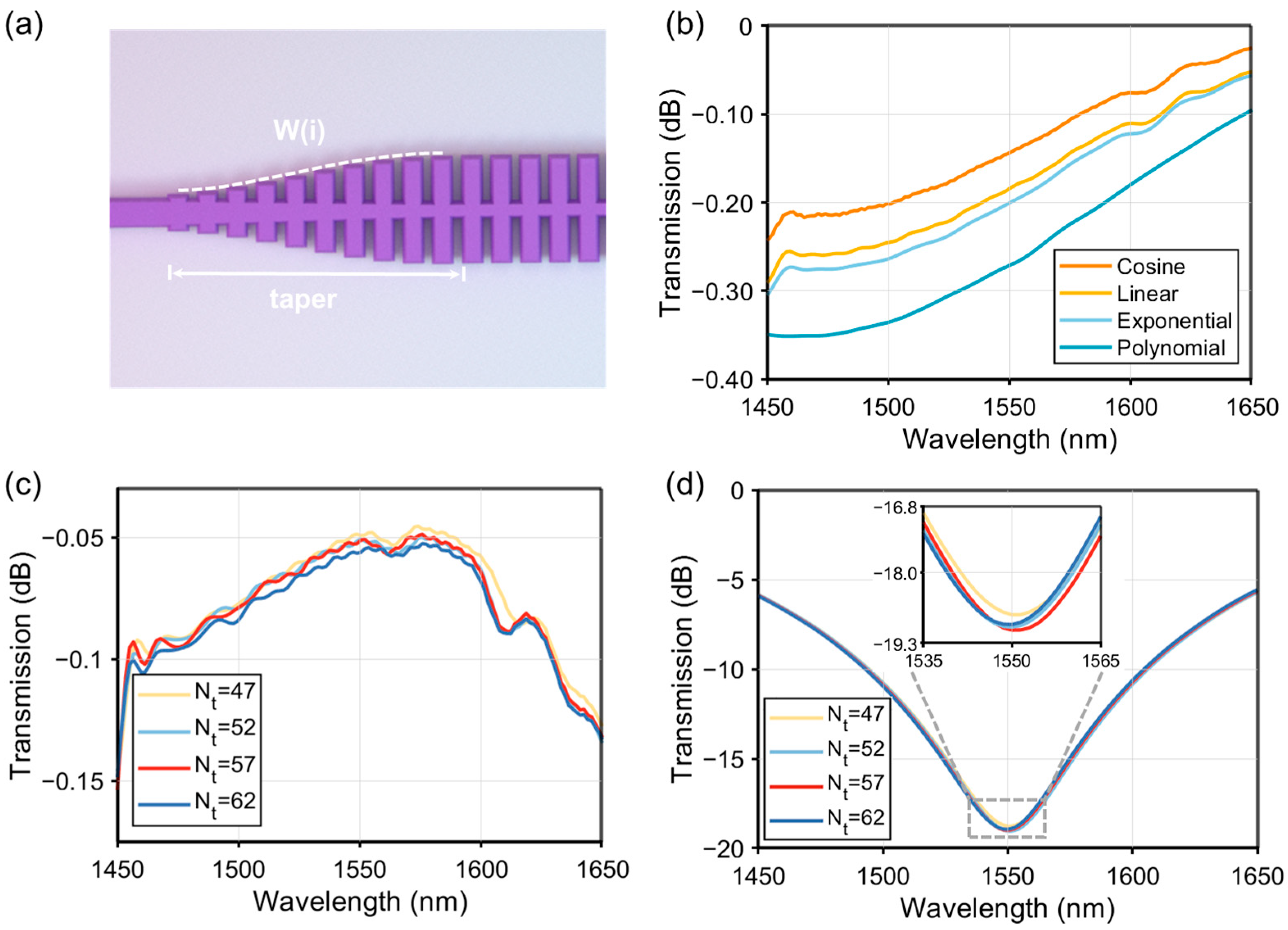
Following the above design principles, simulations were conducted to analyze the influence of structural parameters on the polarizer characteristics, as shown in
Figure 3. The transmission efficiencies of TE and TM modes are strongly affected by both the magnitude and the variation rate of the SWG width in the tapered region, and the grating width must be carefully optimized to maximize TE
0 mode transmission. To obtain the optimal width profile, four interpolation functions were systematically evaluated, including linear (
W1), polynomial (
W2, second-order), cosine (
W3), and exponential (
W4, first-order) variations, with their mathematical formulations provided in Equation (4):
where
W denotes the width of the grating at position
i (
i = 1, 2, …,
N),
Wwg represents the width of the input waveguide,
W1 is the width of the grating in the central SWG region, and
N is the total number of gratings in the tapered section.
Figure 3a depicts the progressive variation of the SWG width from
Wwg to
W1. The corresponding transmission behavior was subsequently analyzed using three-dimensional finite-difference time-domain (3D-FDTD) simulations, with the TE
0 mode transmission under specific numbers of
Nt and
Nm (e.g.,
Nt = 40,
Nm = 60) for each interpolation method presented in
Figure 3b. It can be seen that the highest TE
0 mode transmission efficiency is realized with cosine interpolation (
W3). Such a performance enhancement is attributed to the derivatives at both the start and end points approaching zero, resulting in slow variation of the grating width at both ends and faster variation in the middle, thereby effectively minimizing the IL while maintaining adiabatic mode conversion between the input waveguide and SWG structure. Building on these results, the cosine interpolation scheme was adopted for implementing the tapered SWG width transition to optimize overall device performance.
Furthermore, the performance of both TE
0 and TM
0 modes is also influenced by the number of SWG periods
Nt in the tapered region.
Figure 3c,d present the transmission characteristics of both modes for different
Nt values. For the TE
0 mode, the transmission exhibits a gradual decrease with increasing
Nt, indicating that smaller values should be chosen to maintain a low
IL. Conversely, the TM
0 mode transmission initially decreases, reaching a minimum at
Nt = 57, beyond which it gradually increases. Notably, reduced TM
0 mode transmission enhances polarization selectivity but increases
IL, hence a trade-off is required to determine the optimal
Nt in the tapered region. On the basis of systematic optimization,
Nt = 57 was identified as the optimal choice, ensuring a high PER while maintaining adiabatic transmission and low
IL. To further improve TM
0 mode coupling efficiency into the upper and lower waveguides, a particle swarm optimization (PSO) algorithm was employed to simultaneously optimize three key structural parameters: the number of gratings in the central SWG region
Nm, the gap between the grating region and the waveguides, and the narrow-end width
W0 of the tapered waveguide. After multiple iterative optimizations, the optimal parameters were determined to be
Nm = 70,
gap = 0.45 μm and
W0 = 0.21 μm (satisfying the fabrication minimum feature size requirement of 0.2 μm).
An inverse design algorithm with shape optimization was applied to optimize the geometry of the upper and lower narrow-waveguide regions of the polarizer, aiming to mitigate the bandwidth limitation caused by the strong wavelength sensitivity of the directional coupler [
36]. Owing to the structural symmetry along the propagation direction, the following analysis focuses on the lower waveguide section. This region consists of a central coupling waveguide with bent waveguides positioned on both sides. The coupling of the TM
0 mode predominantly occurs within the central section, while the bent waveguides serve to further separate the coupled TM
0 mode to prevent recoupling into the central grating region, allowing gradual attenuation during propagation. Accordingly, the optimization is focused on the coupling waveguide to broaden the bandwidth of the TM mode. Considering the small gap between the coupling waveguide and the SWG, shape optimization algorithms are constrained only to the outer side of the coupling waveguide to prevent structural dimensions below the fabrication limit.
To ensure the validity of the optimization process, the inverse design was initialized with parameters consistent with the preceding discussion: the number of central SWG periods
Nm = 70, SWG width
W1 = 1.6 μm, the gap between central SWG and waveguides of 0.45 μm, and the coupling waveguide width
Ws = 0.575 μm. For the geometric parameterization of the coupling waveguide’s outer boundary, a third-order B-spline curve was introduced, providing not only a smooth profile but also continuous curvature transitions, which effectively minimizes scattering losses and adheres to the constraints of lithographic processes [
37]. By placing
n control points along the propagation axis, the boundary profile can be flexibly tuned for high local controllability. Specifically, the waveguide width is constrained within a predefined range prior to optimization. This ensures structural parameters remain above the minimum feature size to prevent both optical leakage and multi-mode interference, thereby maintaining single-mode operation and fabrication compatibility. To ensure structural continuity and mode matching during optimization, the first and last control points were constrained to
Ws, consistent with the width of the bent waveguides which enhances device stability. In this work, a figure of merit (FOM) was defined as the optimization target for the inverse design, with its mathematical expression provided in Equation (5):
Here,
TTE0 and
TTM0 denote the transmission efficiencies of the TE
0 and TM
0 modes over a wavelength range of 1450–1650 nm. Within this span, transmissions are sampled with a 10 nm step and averaged to represent the overall efficiency. Since the transmission of both modes significantly impacts performance, equal weighting is assigned in Equation (5). The
FOM ranges from 0 to 1, with higher values indicating greater transmission efficiency for the TE mode and stronger suppression of the TM mode. The adjoint method was utilized to efficiently calculate the gradients of the objective function with respect to all design variables through only two full-wave simulations per iteration [
38]. By leveraging the adjoint-based gradient calculation, we can efficiently refine the B-spline boundaries. The sensitivity information is extracted via the overlap of forward and adjoint fields, ensuring that the optimization converges towards a geometry that aggressively suppresses the TM
0 mode. The Limited-memory Broyden–Fletcher–Goldfarb–Shanno algorithm for Constrained optimization (L-BFGS-C) algorithm was adopted to iteratively update these variables to achieve performance improvement [
39,
40,
41].
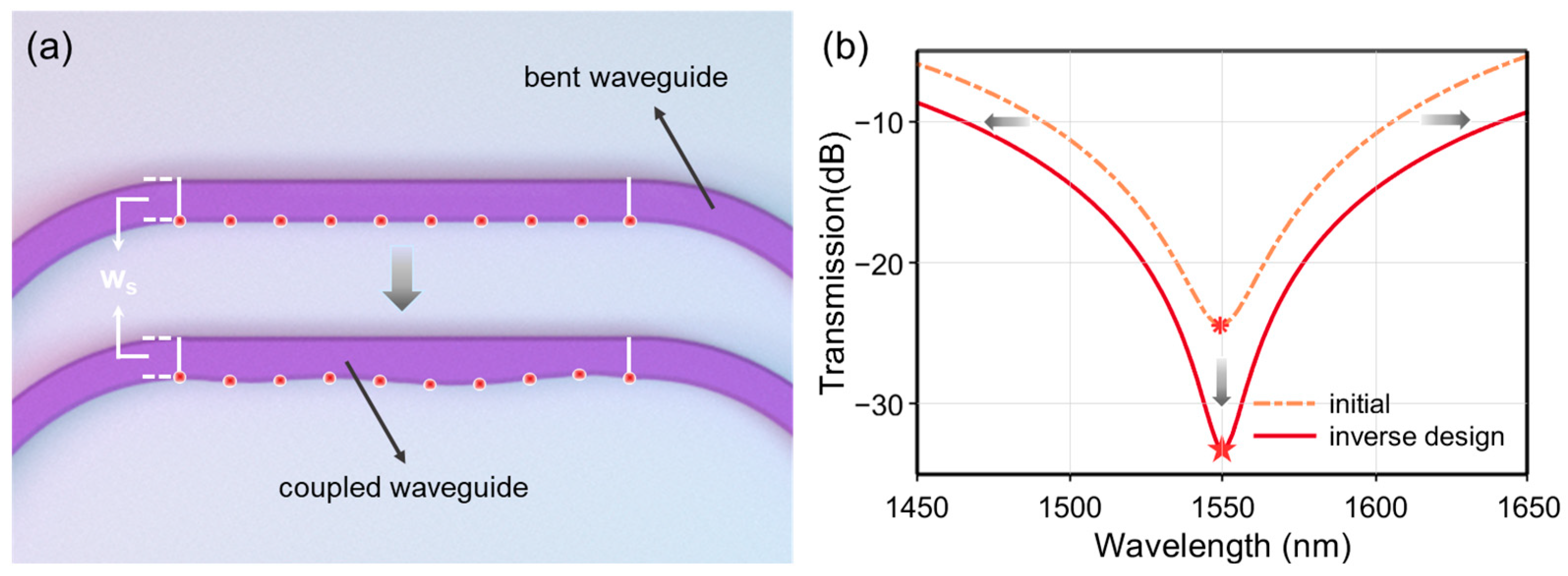
Figure 4a presents the optimized coupling waveguide profile obtained after 18 iterations with the number of control points set to
n = 10, the corresponding figure of merit was
FOM = 0.854 over the wavelength range of 1450–1650 nm (the FOM reaches a maximum value of 0.972 at 1550 nm), where the increase in T
TM0 away from 1550 nm may reduce the averaged FOM across the bandwidth.
Figure 4b shows a comparison of the TM
0 mode transmission efficiency for both the initial and shape optimized structures. It can be observed that the inverse design not only reduced the TM
0 transmission from −24.42 dB to −33.27 dB at 1550 nm, but also broadened the suppression bandwidth, which resulted in improved coupler efficiency and PER of the polarizer.
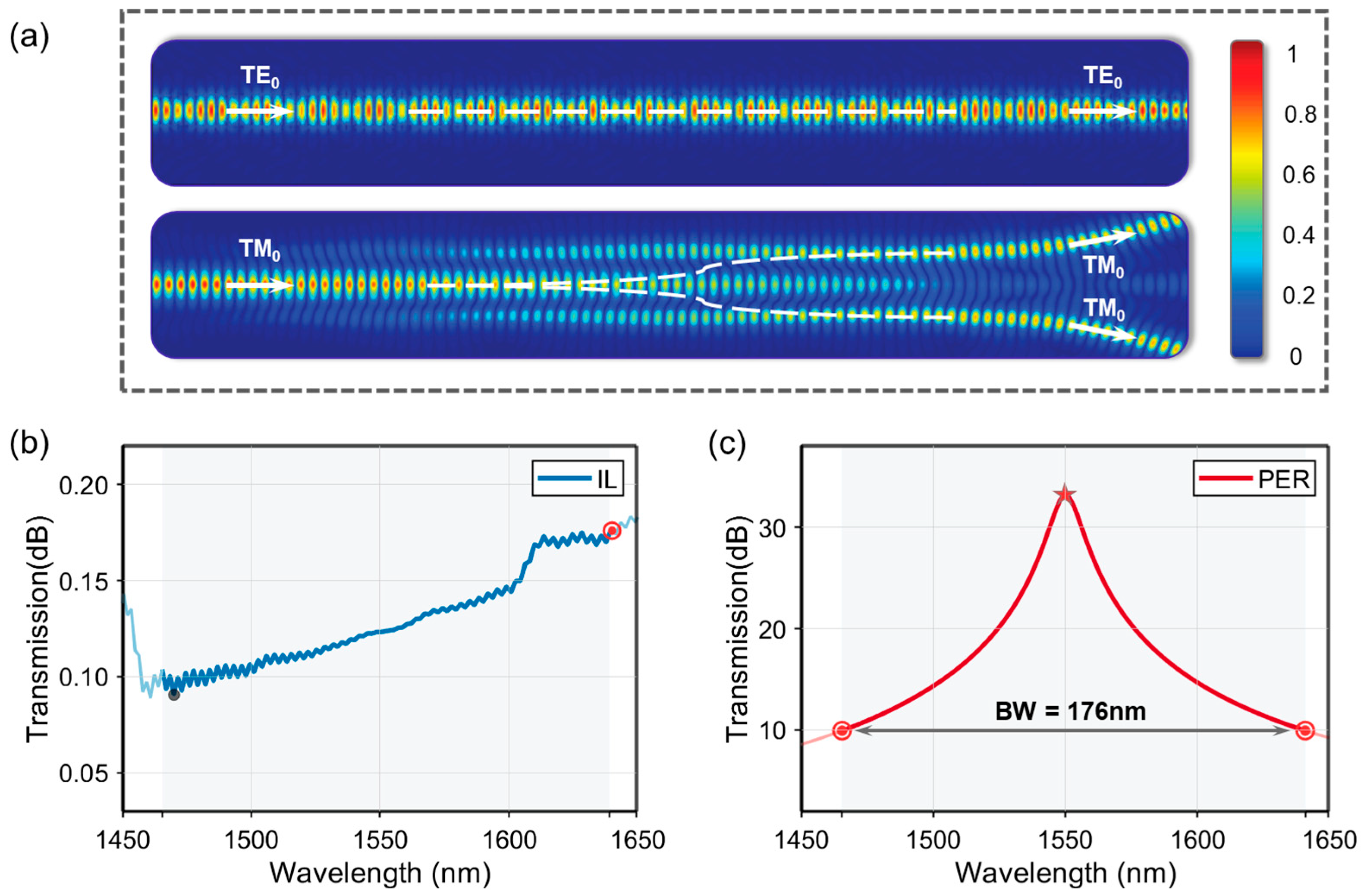
Figure 5a illustrates the electric field distributions of the TE-pass polarizer under TE
0 and TM
0 mode excitations, where the TE
0 mode mainly propagates through the central grating region without coupling, and the TM
0 mode is gradually coupled from the central region into the upper and lower waveguides, resulting in polarization separation. Although the coupling efficiency of the TM
0 mode was significantly optimized by the inverse design, a residual portion of the optical field away from 1550 nm remains confined in the central region without full coupling, which may constrain the bandwidth of the polarizer. For the polarizer,
IL and
PER constitute two critical performance parameters, with their definitions provided in Equation (6):
Here,
TTE0 and
TTM0 denote the transmission efficiencies of the TE
0 and TM
0 modes, respectively. The characteristics of
IL and
PER of the TE-pass polarizer are presented in
Figure 5b,c. The proposed polarizer exhibits excellent performance with
IL < 0.174 dB and
PER > 10 dB over 176 nm (1465–1641 nm) bandwidth, effectively covering the S, C, and L bands. Within this range, the device maintains a
PER > 20 dB over 55 nm (1522–1577 nm), and notably reaching a peak of 33.2 dB at 1550 nm.
4. Tolerance Analysis
This work provides a numerical proof of concept for the proposed TE-pass polarizer on the x-cut LNOI platform. To evaluate the experimental feasibility, it is essential to perform a fabrication tolerance analysis. First, the minimum feature size of the designed polarizer is 210 nm, which is well above the typical 200 nm resolution limit of current LNOI processing technologies. Second, potential discrepancies between numerical simulations and practical fabrication were investigated by simulating variations.
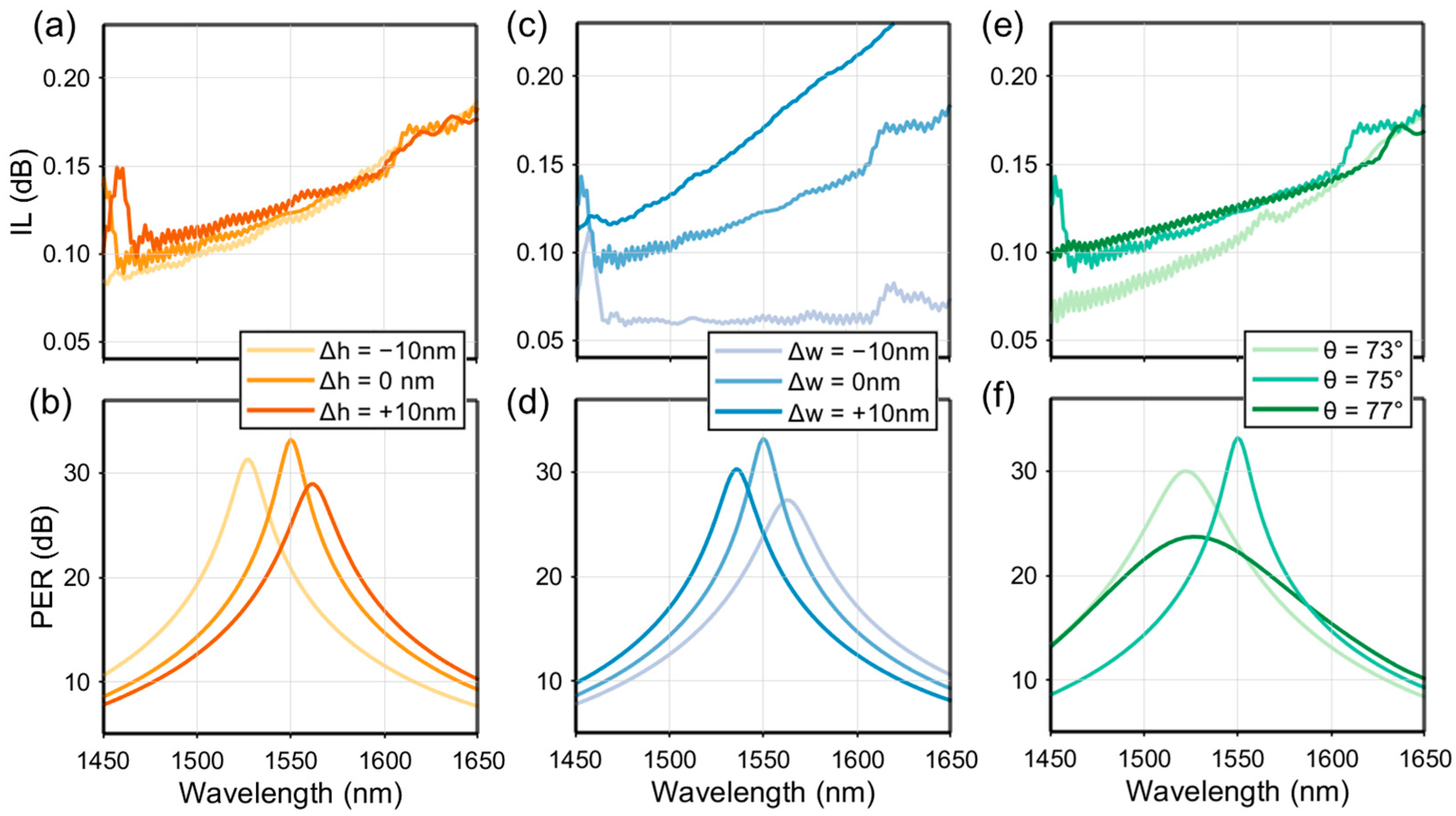
Figure 6 depicts the tolerance response of
IL and
PER to deviations in waveguide height
h, SWG width
W, and sidewall angle
θ. For waveguide height
h, a ±10 nm deviation has negligible impact on
IL, with the
PER showing a blue shift for Δ
h = −10 nm and a red shift for Δ
h = +10 nm. For SWG width, Δ
W = −10 nm causes reduced
IL and a red shift in
PER, while Δ
W = +10 nm produces higher
IL along with a blue shift in
PER. Alterations in the sidewall angle
θ induce relatively minor changes in
IL but a pronounced reduction in
PER. These trends indicate that
IL is more sensitive to width deviations, as they allow part of the TE
0 mode to satisfy the phase-matching condition and couple into the grating, leading to an increased
IL. Meanwhile,
PER is more affected by variations in the sidewall angle due to associated changes in the SWG duty cycle. This modification alters the TM
0 mode’s effective index, reducing coupling efficiency and consequently degrading
PER performance.
The above results demonstrate that the device maintains a PER > 20 dB across the C-band within reasonable manufacturing tolerances. Furthermore, considering potential sidewall roughness and waveguide dimensional deviations in actual fabrication, we have optimized the effective waveguide width (η) during the simulation stage. This approach effectively mitigates the impact of fluctuations in waveguide width and sidewall slant on the grating period, thereby preventing significant performance degradation. Our analysis confirms that the proposed polarizer exhibits high tolerance to manufacturing imperfections and can operate stably within the range of practical experimental errors.



 ,
,