Article

Treatment of Tannery Wastewater with Vibratory Shear-Enhanced Processing Membrane Filtration


by
Anastasios I. Zouboulis
*,
Efrosyni N. Peleka
and
Anastasia Ntolia
Laboratory of Chemical and Environmental Chemical Technology, Department of Chemistry, Aristotle University, GR-54124 Thessaloniki, Greece
*
Author to whom correspondence should be addressed.
Separations 2019, 6(2), 20; https://doi.org/10.3390/separations6020020

Submission received: 8 January 2019 / Revised: 20 February 2019 / Accepted: 19 March 2019 / Published: 8 April 2019
(This article belongs to the Special Issue Five Years of Separations: Feature Paper 2018)

Abstract

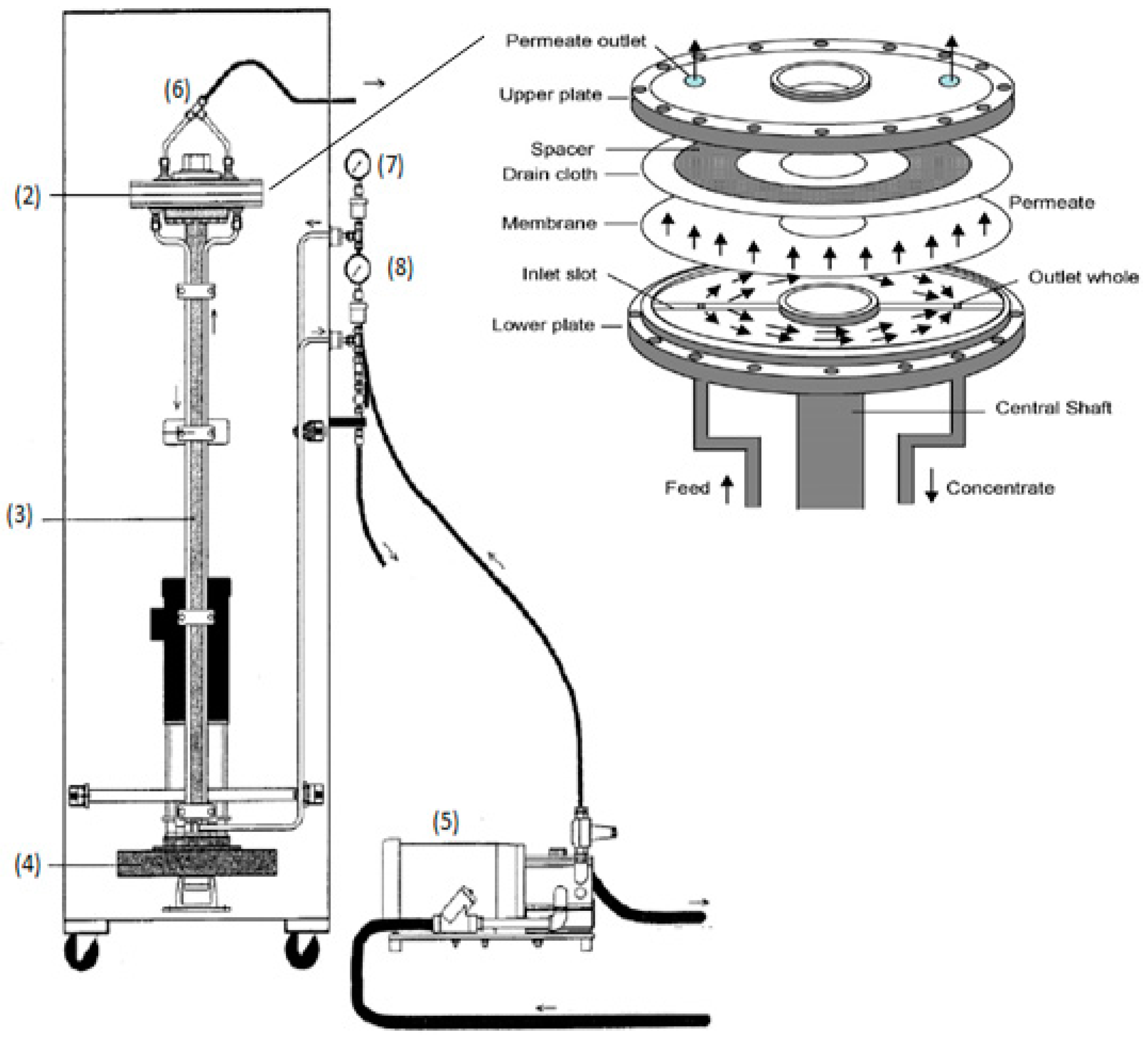
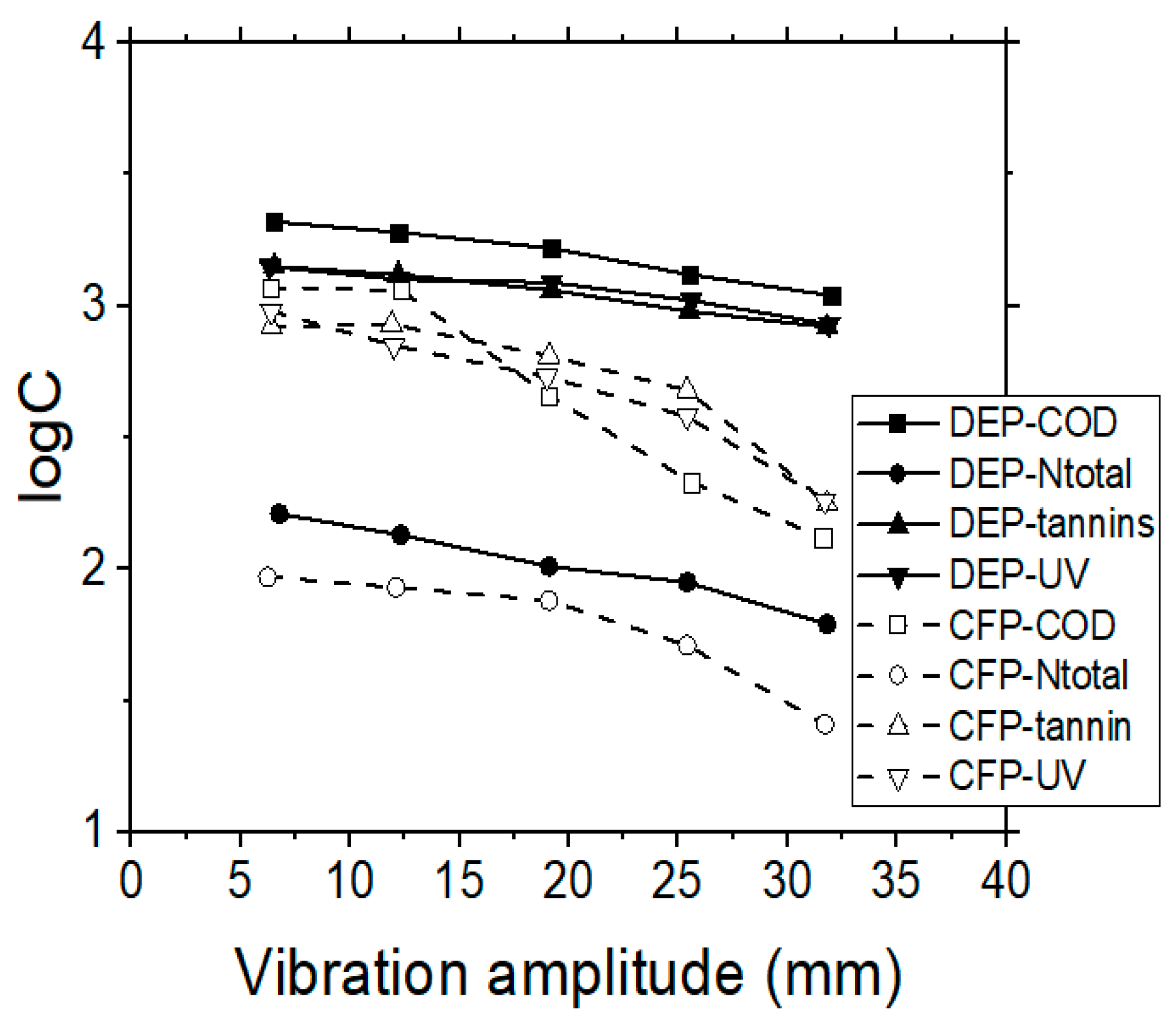
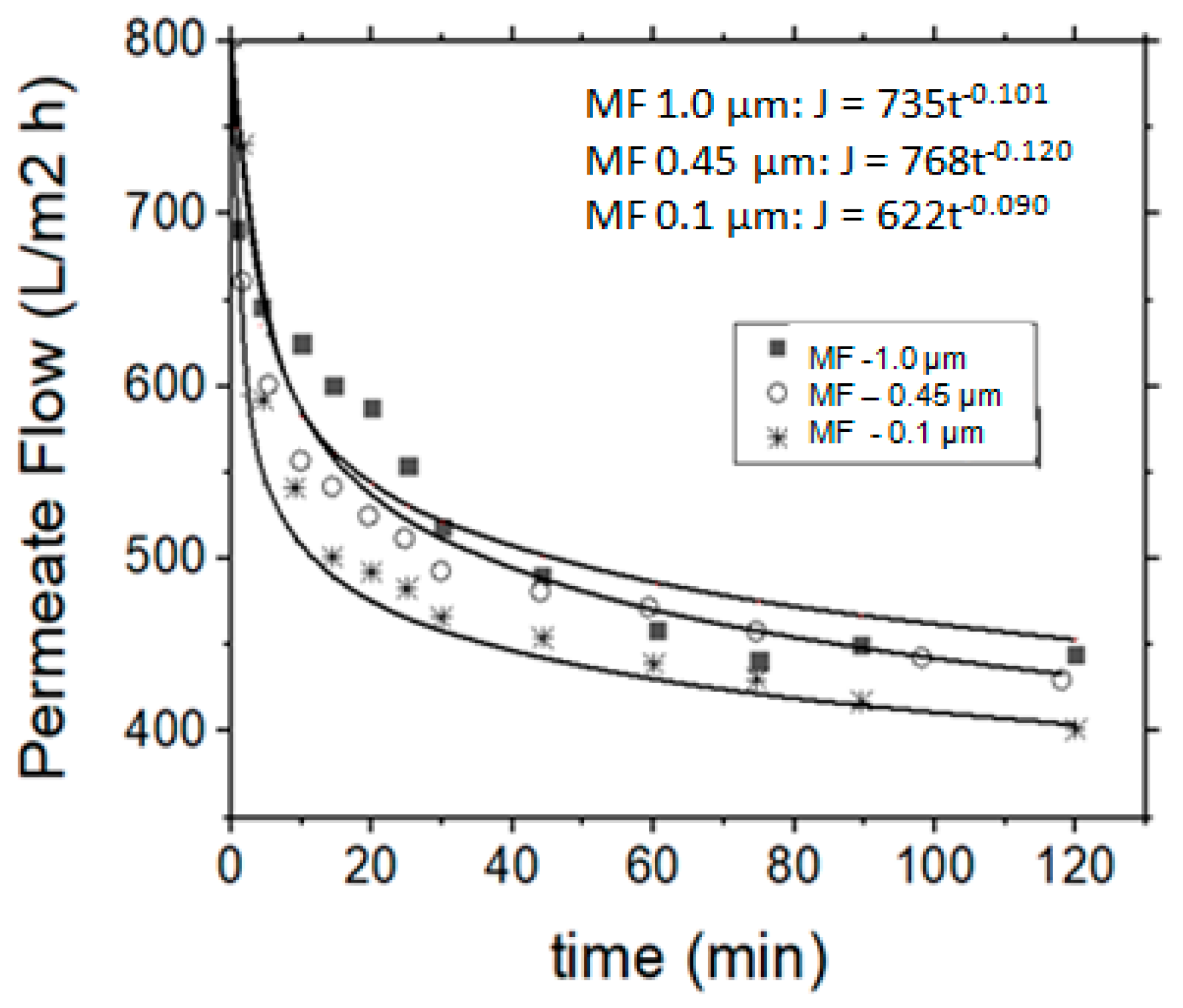
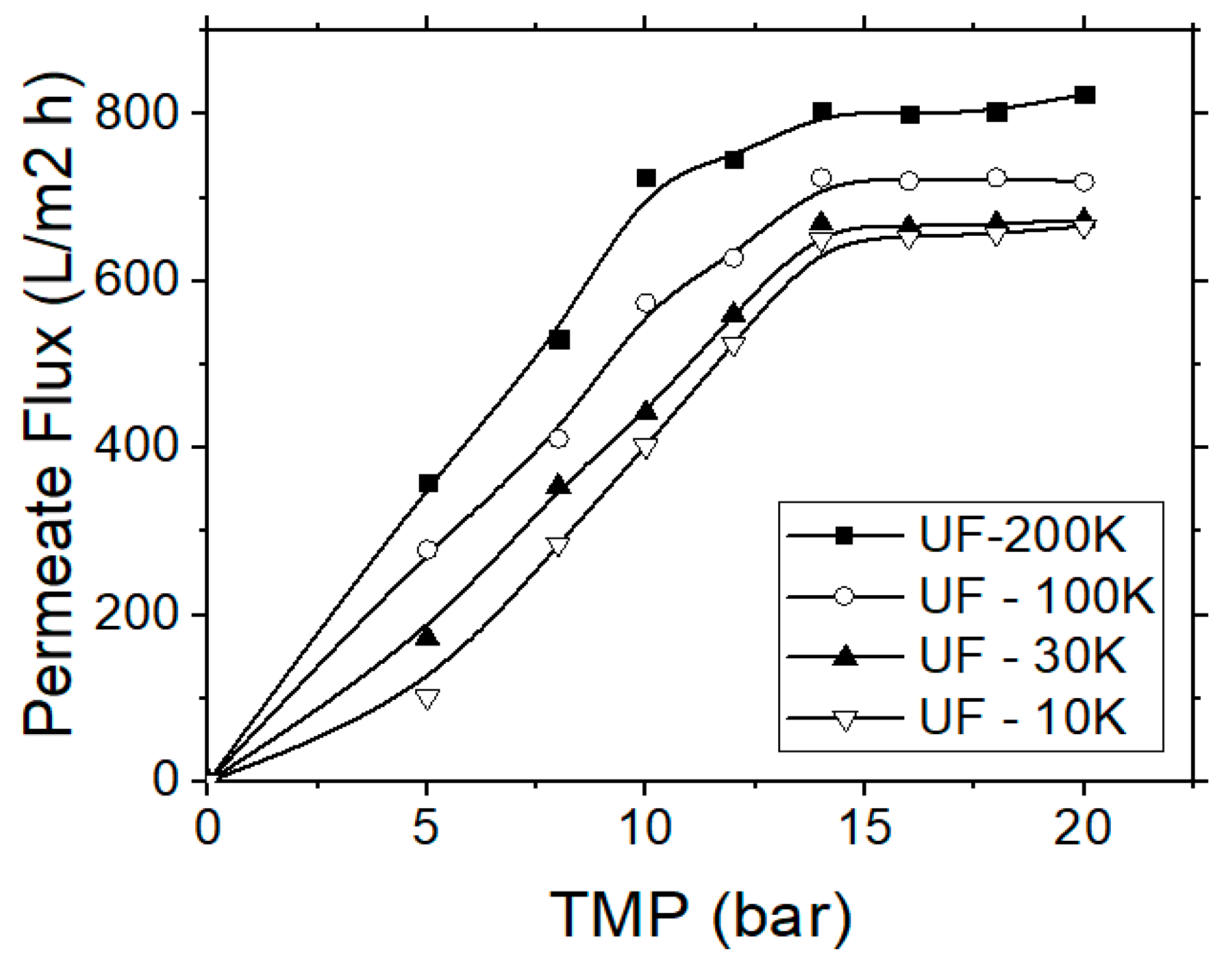
The performance of a vibratory shear-enhanced process (VSEP) combined with an appropriate membrane unit for the treatment of simulated or industrial tannery wastewaters was investigated. The fundamental operational and pollution parameters were evaluated, i.e., the membrane type, the applied vibration amplitude, as well as the removal rates (%) of tannins, chemical oxygen demand (COD), Ntotal, turbidity and color. Regarding the system’s treatment efficiency, specific emphasis was given towards the removal of organics (expressed as COD values), suspended solids (SS), conductivity (as an index of dissolved solids’ presence) and total nitrogen. The removal of organic matter in terms of COD exceeded 75% for all the examined cases. The quality of treated wastewater was affected not only by the membrane specific type (i.e., the respective pore diameters), but also by the applied vibration amplitude. Furthermore, an average 50% removal rate, regarding the aforementioned parameters, was observed both for the simulated and the industrial tannery wastewaters during the microfiltration (MF) experiments. That removal rate was further increased up to 85%, when ultrafiltration (UF) was applied, and up to 99% during the Reverse Osmosis (RO) experiments, considering the maximum applied vibration amplitude (31.75 mm).
Keywords: membrane filtration-treatment; membrane type-operation; membrane fouling mechanism; tannery industrial wastewater; vibratory shear-enhanced process (VSEP) membrane filtration-treatment; membrane type-operation; membrane fouling mechanism; tannery industrial wastewater; vibratory shear-enhanced process (VSEP)