Review

Lipedema: Insights into Morphology, Pathophysiology, and Challenges

Department of Physiology & Pharmacology, Thomas J. Long School of Pharmacy, University of the Pacific, Stockton, CA 95211, USA
*
Author to whom correspondence should be addressed.
These authors contributed equally to this work.
Biomedicines 2022, 10(12), 3081; https://doi.org/10.3390/biomedicines10123081

Submission received: 26 October 2022 / Revised: 26 November 2022 / Accepted: 28 November 2022 / Published: 30 November 2022

Abstract

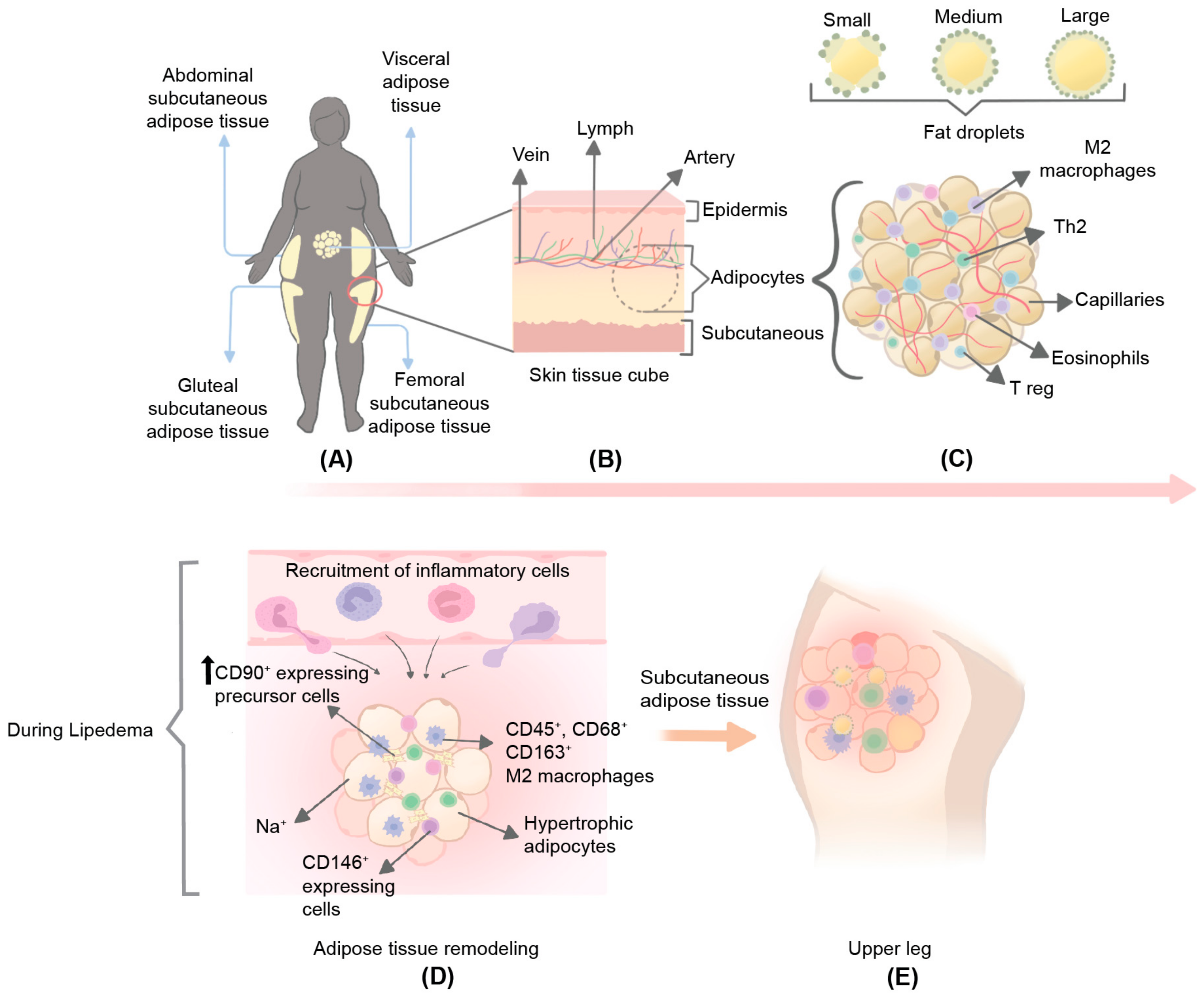
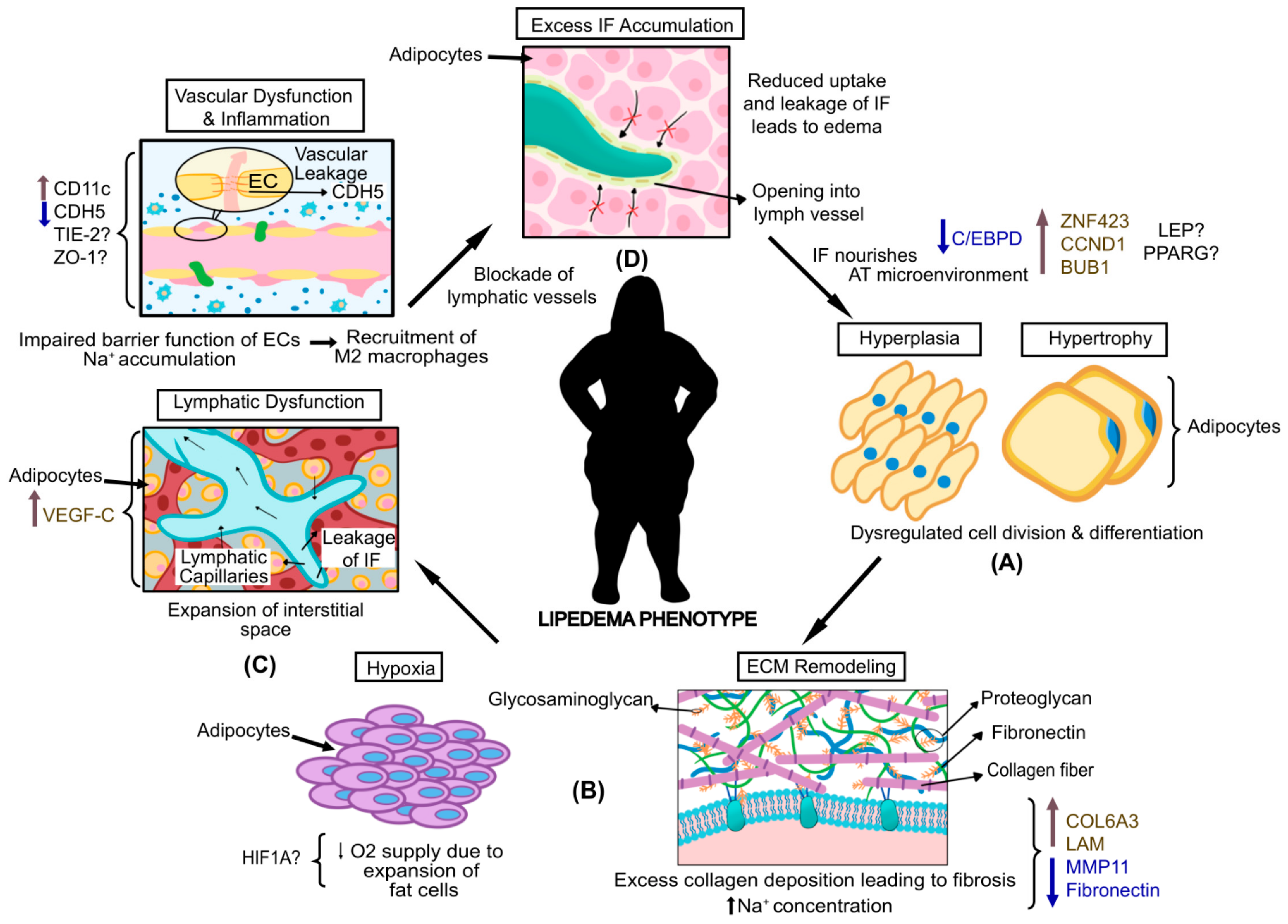
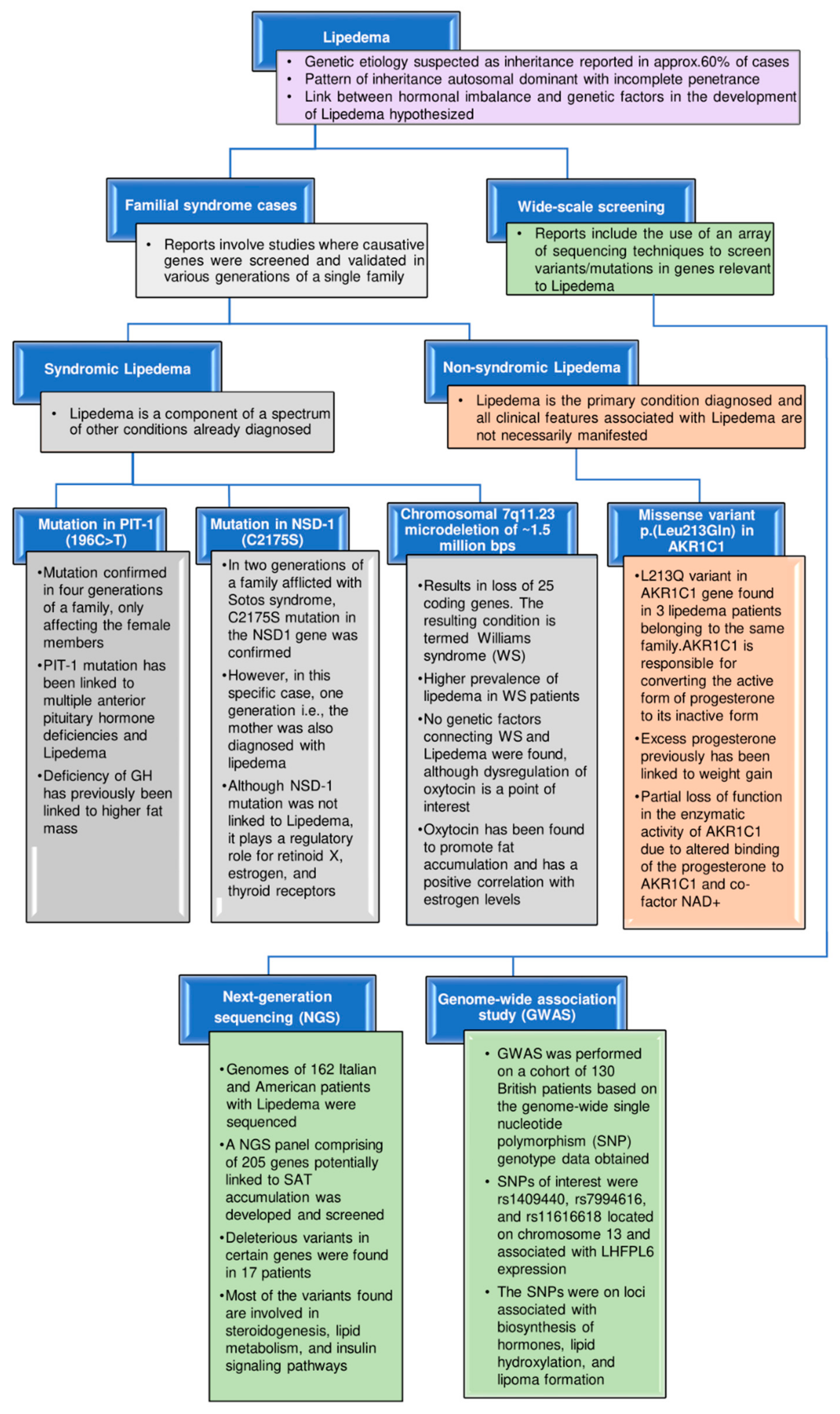
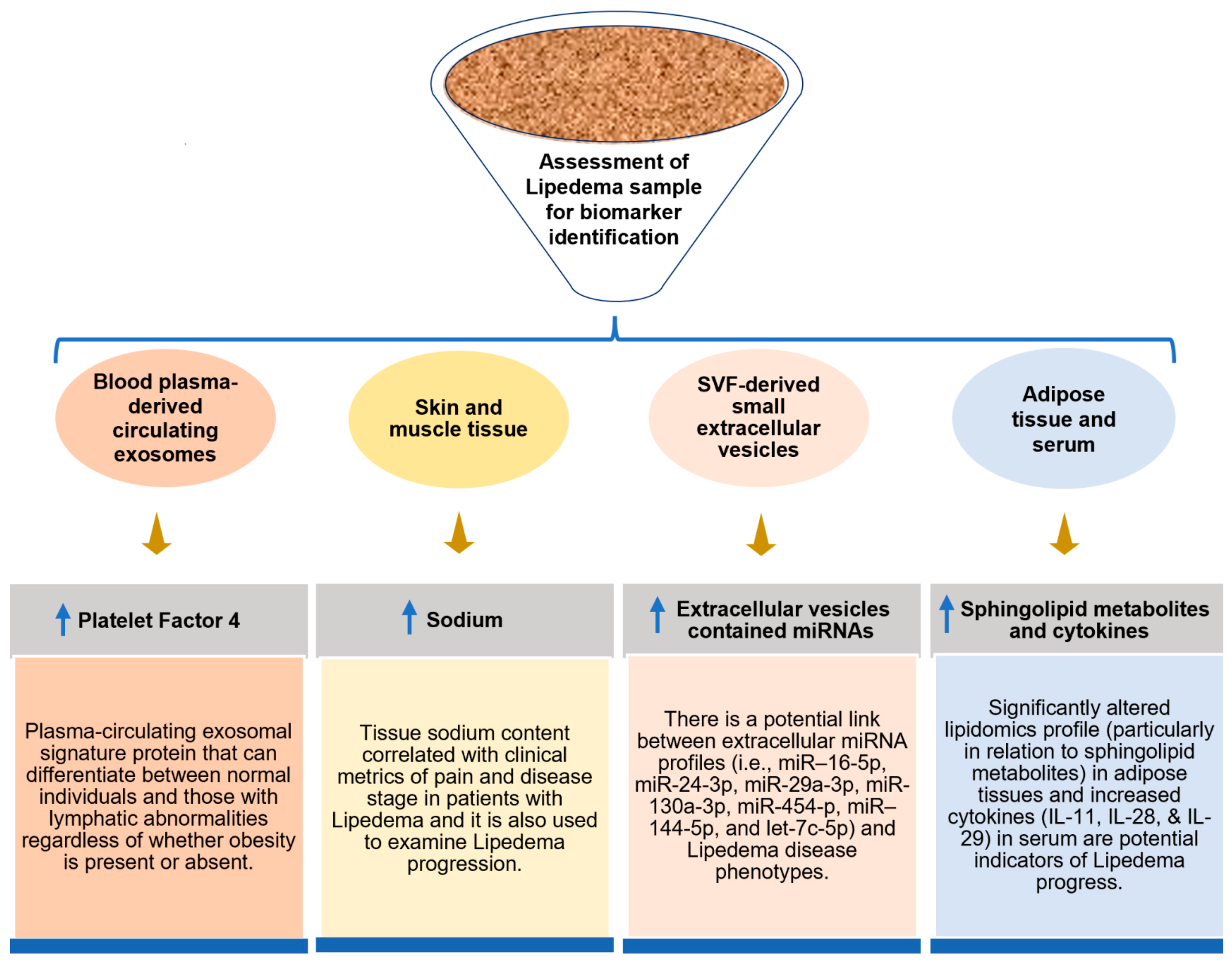
Lipedema is an adipofascial disorder that almost exclusively affects women. Lipedema leads to chronic pain, swelling, and other discomforts due to the bilateral and asymmetrical expansion of subcutaneous adipose tissue. Although various distinctive morphological characteristics, such as the hyperproliferation of fat cells, fibrosis, and inflammation, have been characterized in the progression of lipedema, the mechanisms underlying these changes have not yet been fully investigated. In addition, it is challenging to reduce the excessive fat in lipedema patients using conventional weight-loss techniques, such as lifestyle (diet and exercise) changes, bariatric surgery, and pharmacological interventions. Therefore, lipedema patients also go through additional psychosocial distress in the absence of permanent treatment. Research to understand the pathology of lipedema is still in its infancy, but promising markers derived from exosome, cytokine, lipidomic, and metabolomic profiling studies suggest a condition distinct from obesity and lymphedema. Although genetics seems to be a substantial cause of lipedema, due to the small number of patients involved in such studies, the extrapolation of data at a broader scale is challenging. With the current lack of etiology-guided treatments for lipedema, the discovery of new promising biomarkers could provide potential solutions to combat this complex disease. This review aims to address the morphological phenotype of lipedema fat, as well as its unclear pathophysiology, with a primary emphasis on excessive interstitial fluid, extracellular matrix remodeling, and lymphatic and vasculature dysfunction. The potential mechanisms, genetic implications, and proposed biomarkers for lipedema are further discussed in detail. Finally, we mention the challenges related to lipedema and emphasize the prospects of technological interventions to benefit the lipedema community in the future.
Keywords: lipedema; chronic disease; adipose tissue; fat disorder; obesity; lymphedema lipedema; chronic disease; adipose tissue; fat disorder; obesity; lymphedema