1. Introduction
Computer optimization is a key area of computational science that focuses on finding optimal solutions in complex problem spaces. Its applications span disciplines such as computer science, engineering, economics, and biology, supporting advancements in system design, resource allocation, and predictive modeling. Metaheuristic algorithms (MAs), a class of techniques inspired by natural processes, are central to this field due to their stochastic nature, which enables the exploration of diverse solutions to find near-optimal outcomes [
1]. The comparison of different MAs is verified through experiments on different benchmarks and problems [
2]. Although the benchmarks are adapted to measure the efficiency and robustness of the algorithms and are updated regularly, this can lead to the overfitting of the MAs’ development to the problems used for the comparison of the algorithms [
3]. The unpredictability of various computational models and the human inclination toward certainty, as described by Nassim Nicholas Taleb in his books
The Black Swan: The Impact of the Highly Improbable [
4] and
Antifragile [
5], highlight the limitations of traditional predictive approaches. From stock market crashes and the collapse of empires to smaller anomalies—such as the triple flooding of a stream within 20 years, despite its bed being designed for 400-year flood events—these events underscore the antifragility of systems [
6]. This perspective motivated us to explore the robustness of MAs, particularly for optimization problems with deceptive regions in their fitness landscapes. The bare minimum baseline for any optimization algorithm’s average performance on most problems (excluding highly stochastic or noisy problems) should surpass that of the random search (RS) algorithm. If it does not, the algorithm is either ineffective or fundamentally flawed. What we truly seek is the algorithm’s ability to thrive under stress, uncertainty, and challenges, improving its performance over time. A prime example in optimization is the use of self-adaptive control parameters, which enable the algorithm to adjust and enhance its behavior dynamically in response to the problem’s complexity [
7,
8,
9]. By applying the LTMA meta-level approach to detect duplicate solutions and quantify population diversity [
10], we introduce a novel diversity-guided adaptation mechanism with a memory-based archive of unique non-revisited solutions, enabling dynamic adjustment of MAs’ exploration mechanisms based on the frequency of duplicates and enhancing robustness against premature convergence in local optima.
The main contributions of this paper are as follows:
The development of Blind Spot, a novel benchmark problem crafted to expose vulnerabilities in existing algorithms.
The introduction of LTMA+, a meta-approach integrating diverse strategies to improve the robustness of MAs.
An empirical evaluation validating LTMA+’s effectiveness in enhancing algorithmic robustness across optimization tasks.
Section 2 provides a brief overview of the concepts of exploration and exploitation. In
Section 3, we introduce a benchmark problem called blind spot, and we present unexpected cases where RS outperformed MAs. This outcome serves as a clear indication that the selected algorithms lacked robustness on the Blind Spot benchmark. In
Section 4, we propose a novel meta-approach, LTMA+, designed to enhance the robustness of optimization algorithms. In
Section 5, we present the experimental results, while, in
Section 6 and
Section 7, we provide a detailed discussion and conclude the paper, respectively. The paper includes an Appendix composed of seven sections, providing additional results, experiments, and analyses to support the study.
2. Related Work
MAs are a class of optimization algorithms inspired by the process of natural evolution, whose primary goal is the survival of the fittest [
11,
12,
13]. They typically incorporate elements such as randomness, a population of candidate solutions, and mechanisms to search around promising solution candidates. The optimization process is generally iterative and continues until a stopping criterion is met, such as a time limit, a maximum number of evaluations, or another predefined condition [
14,
15]. The main objective of MAs is to find the optimal solution to a given problem by evolving a population of candidate solutions iteratively. This process relies on two fundamental components: exploration and exploitation of the search space [
16]. Exploration refers to the search for new solutions across the unexplored regions, while exploitation focuses on refining and improving the previously visited solutions. Striking the right balance between exploration and exploitation is critical to the success of MAs [
17,
18,
19]. Within the broader category, MAs represent high-level strategies that guide the search process [
20]. Recent studies have highlighted their effectiveness in areas like real-world engineering design [
21], unrelated-parallel-machine scheduling [
22], multi-objective-optimization problems [
23], and emerging fields such as swarm intelligence and bio-inspired computing [
16,
24]. More recently, MAs have advanced through hybridization techniques and applications in dynamic and uncertain environments [
25,
26]. Modern MAs are designed to be flexible and adaptable, making them suitable for a wide range of optimization problems. However, most MAs require the tuning of control parameters, which can influence their efficiency and effectiveness significantly.
To evaluate the general performance of MAs, researchers use benchmark problems designed to assess algorithm capabilities across diverse optimization challenges. These benchmarks include unimodal, multimodal, and composite functions, each presenting unique difficulties such as deceptive optima and high dimensionality [
2]. The most popular benchmarks are the CEC Benchmark Suites [
27], Black-Box Optimization Benchmarking (BBOB) [
28], International Student Competition in Structural Optimization (ISCSO) [
29], and a collection of Classical Benchmark Functions, including Sphere, Ackley, and Schwefel, which are often integrated into the aforementioned suites. These benchmarks are used widely in the research community to compare the performance of different MAs and to identify their strengths and weaknesses. However, it is important to note that the choice of benchmark problems can influence the perceived performance of an algorithm significantly. This has led to concerns about overfitting, where the algorithms are tailored to perform well on specific benchmarks but may not generalize effectively to other problem types [
3].
The term “blind spot problem” in the optimization community often describes specific challenges, such as positioning radar antennas or cameras to maximize coverage [
30,
31,
32]. In the paper “Breeding Machine Translations”, blind spots refer to weaknesses in automated evaluation metrics [
33]. Similarly, in “Evolutionary-Algorithm-Based Strategy for Computer-Assisted Structure Elucidation”, blind spots are regions in the solution space where the correct structure might be overlooked [
34]. With an approach closer to our usage, some authors define blind spots as regions in the search space that an algorithm may skip due to linear steps during exploitation [
35]. In reinforcement learning, the term describes mismatches between a simulator’s state representation and real-world conditions, leading to blind spots [
36]. In this paper, for continuous optimization problems, we define blind spots as optima that are inherently difficult to locate. The challenge stems from the problem’s fitness landscape, which can influence the search process directly by creating local optima that trap algorithms or guide them toward the global optimum through gradually changing local optima, as seen in the Ackley function. Certain landscapes can also be misleading or deceptive, directing search processes toward suboptimal regions [
37,
38]. Another difficulty arises in barren plateaus, where gradients vanish exponentially with the problem size, hindering progress [
39,
40,
41]. It becomes particularly challenging when the global optimum lies in a region independent of its surroundings. Such a region represents a blind spot, a part of the search space where the objective function contains an optimum that is especially hard to identify. Defining the blind spot problem is crucial for understanding exploration challenges in algorithm optimization. One might ask the following: why not use established problems like Easom or Foxholes? These problems are insufficiently deceptive for our purposes (
Appendix A) [
14].
As computational power has advanced rapidly, we have observed an underutilization of memory during optimization processes. This issue has often been overlooked, from the early days of 640 KB memory to today’s 64 GB systems. In 2019, we introduced a meta-approach titled “Long-Term Memory Assistance for Evolutionary Algorithms” [
10], which leverages memory during optimization to avoid redundant evaluations of previously explored solutions, known as duplicates. This is particularly significant, as solution evaluation is often the most computationally expensive part of optimization. The study [
10] revealed a prevalence of duplicate solutions generated around the best-known solutions—a phenomenon often referred to as stagnation. Duplicates are identified when the genotypes
and
satisfy
for all
, where
n is the problem dimension. In Java-based experiments, double-value precision (Pr) was limited to three, six, or nine decimal places for real-world optimization problems. LTMA achieved a ≥10% speedup on low computational cost problems, and a ≥59% speedup in a soil model optimization problem where the Artificial Bee Colony (ABC) algorithm generated 35% duplicates, mitigating stagnation around the known optima [
10].
Our experiments aimed to explore blind spots, such as underexplored regions, in the optimization process of MAs, rather than compare their superiority. Selecting appropriate metaheuristic algorithms is crucial, as over 500 distinct algorithms had been documented by 2023 [
42]. State-of-the-art metaheuristic algorithms are typically adaptive or self-adaptive, making them versatile for diverse optimization challenges. We chose metaheuristic algorithms for our experiments based on their adaptability, implementation within the EARS framework (which includes over 60 algorithms) [
43], and recent advancements in the field. To ensure a focused study, we limited our selection to five algorithms. These algorithms or their variants have consistently demonstrated strong performance across diverse benchmark problems [
44,
45,
46].
For the experiments, we selected adaptive, self-adaptive, and more recent MAs from the EARS framework [
43], including Artificial Bee Colony (ABC), self-adaptive Differential Evolution (jDElscop) with dynamically encoded parameters and strategies [
47], Linear Population Size Reduction Success-History Based Adaptive Differential Evolution (LSHADE) for balanced exploration and exploitation [
48], the Gazelle Optimization Algorithm (GAOA) [
49], and the Manta Ray Foraging Optimization (MRFO) [
50]. A simple RS was included as a separate algorithm that samples solutions randomly in the search space without any specific optimization strategy. It serves as a reference point to evaluate the performance of the other algorithms.
3. The Blind Spot Benchmark
To analyze blind spots’ impact systematically, we define the blind spot problem for three classical optimization problems of increasing difficulty, serving as benchmarks to illustrate their effect on the selected MAs. For each problem, we will define the size of the blind spot.
The blind spot size we define as the percentage of the search space in a single dimension occupied by the blind spot. For example, if the search space is and the blind spot spans , it covers of the search space.
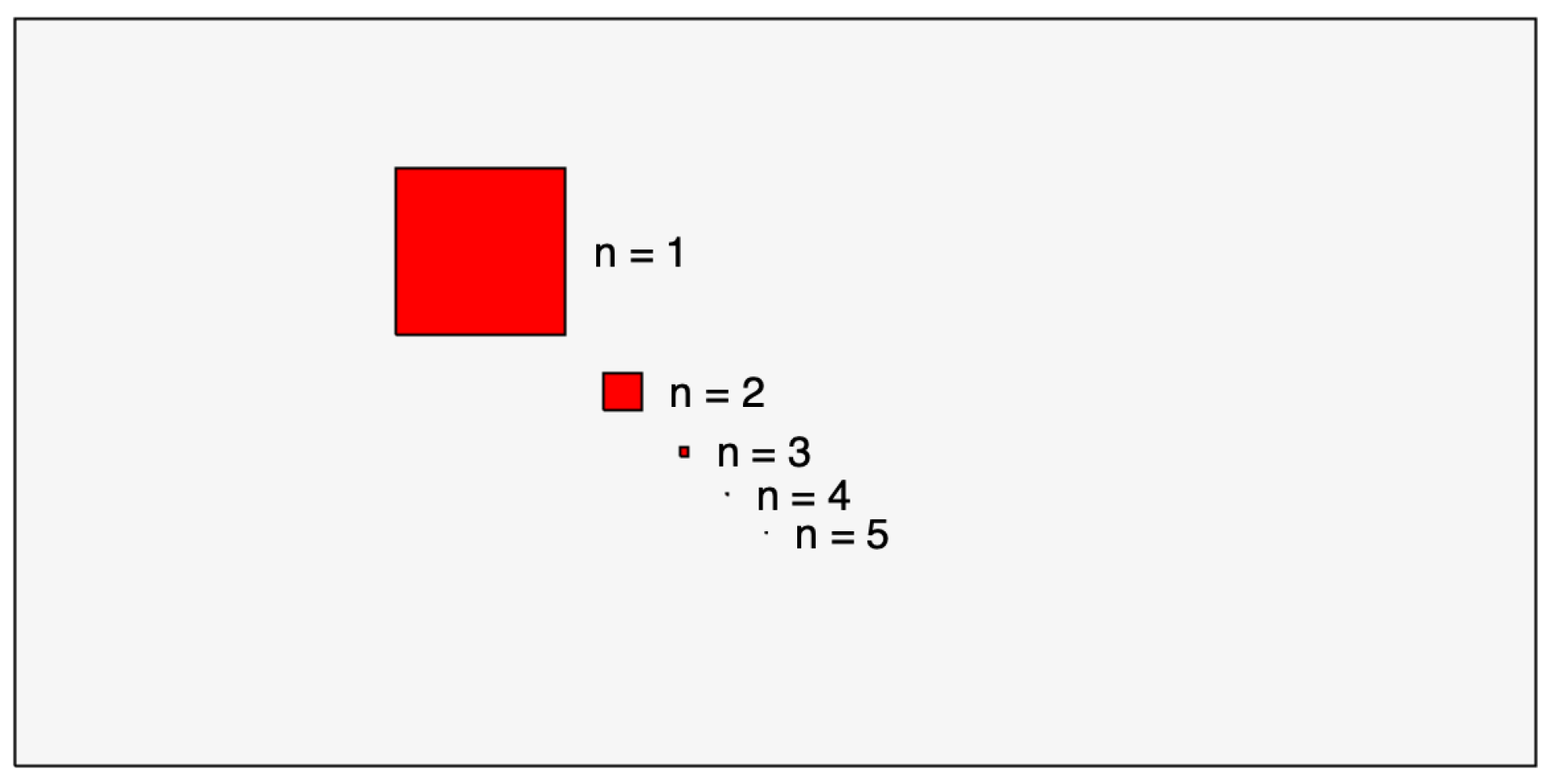
This definition seems intuitive for any number of dimensions. However, the blind spot’s size relative to the entire search space decreases exponentially as the dimensionality increases. To illustrate this, consider a search space where the blind spot’s probability remains constant across all dimensions (see
Figure 1). Humans often struggle to visualize how small the blind spot becomes in higher dimensions.
The probability of finding the blind spot is , where n is the problem’s dimension. Since its location is independent of the fitness landscape, the likelihood of an MA discovering it is extremely low. In our experiments, we used a blind spot size of per dimension, with n ranging from 2 to 5. To assess algorithm robustness in higher dimensions, we recommend increasing the blind spot size or the number of blind spots.
3.1. Sphere Blind Spot Problem (Easy)
The basic Sphere function is unimodal with a single basin of attraction, making it a simple global optimization problem without local optima [
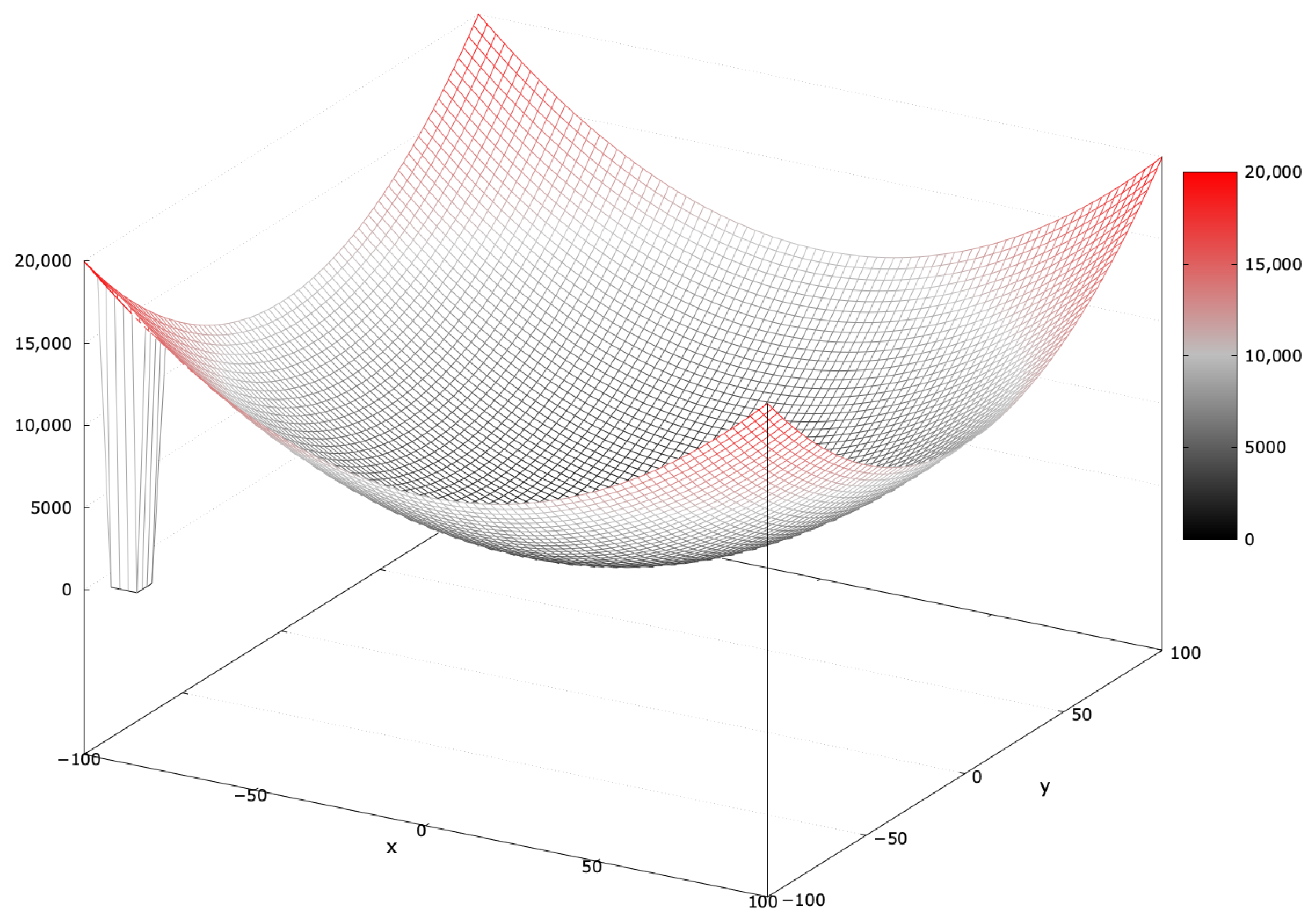
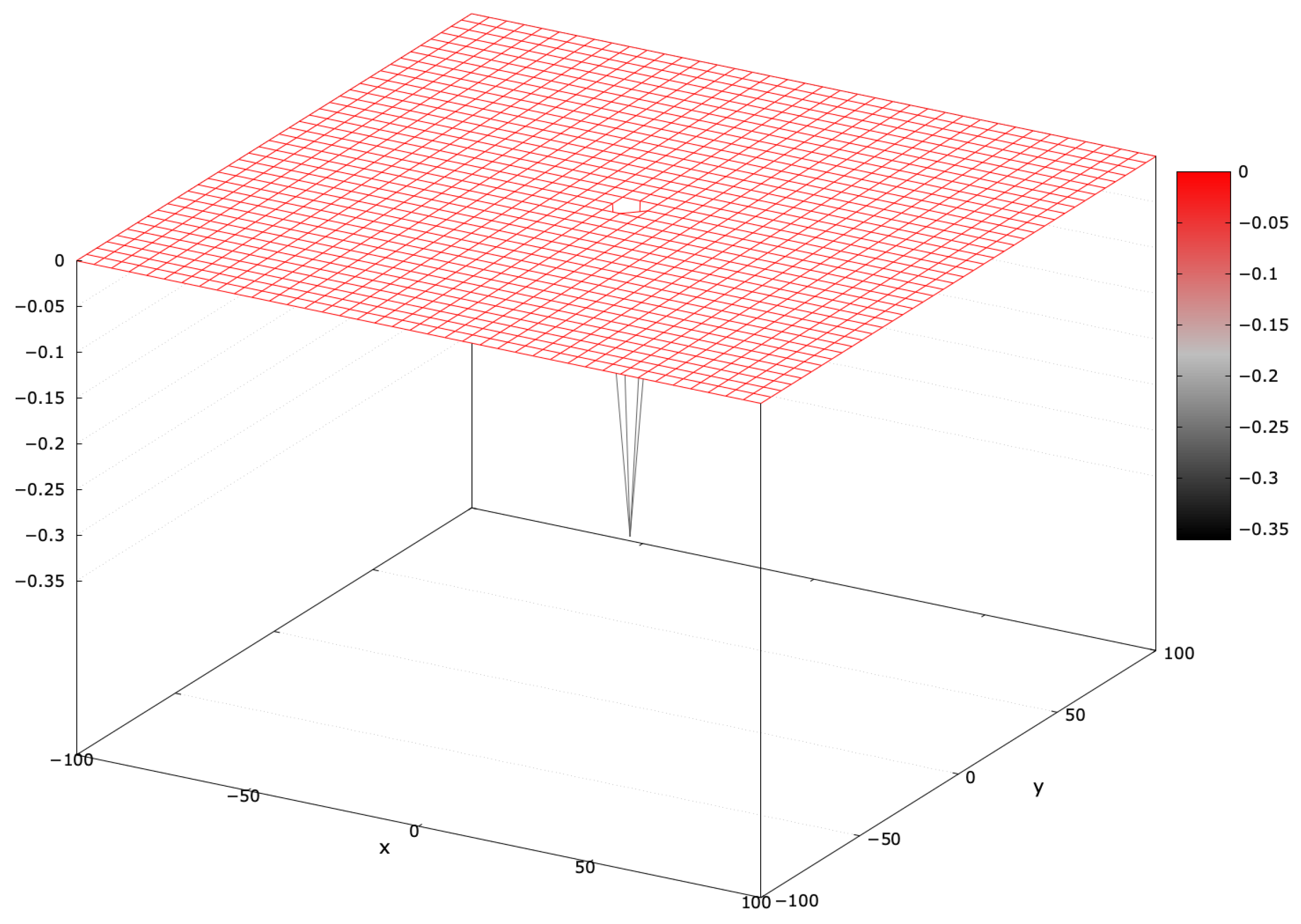
51]. Introducing a blind spot covering
of the search interval (denoted as SphereBS) transforms the global optimum into a local one, misleading the search process (see
Figure 2).
Equation (
1) defines the SphereBS minimization problem:
The global optimum has a fitness value of . The SphereBS function provides insight into an algorithm’s basic exploitation behavior.
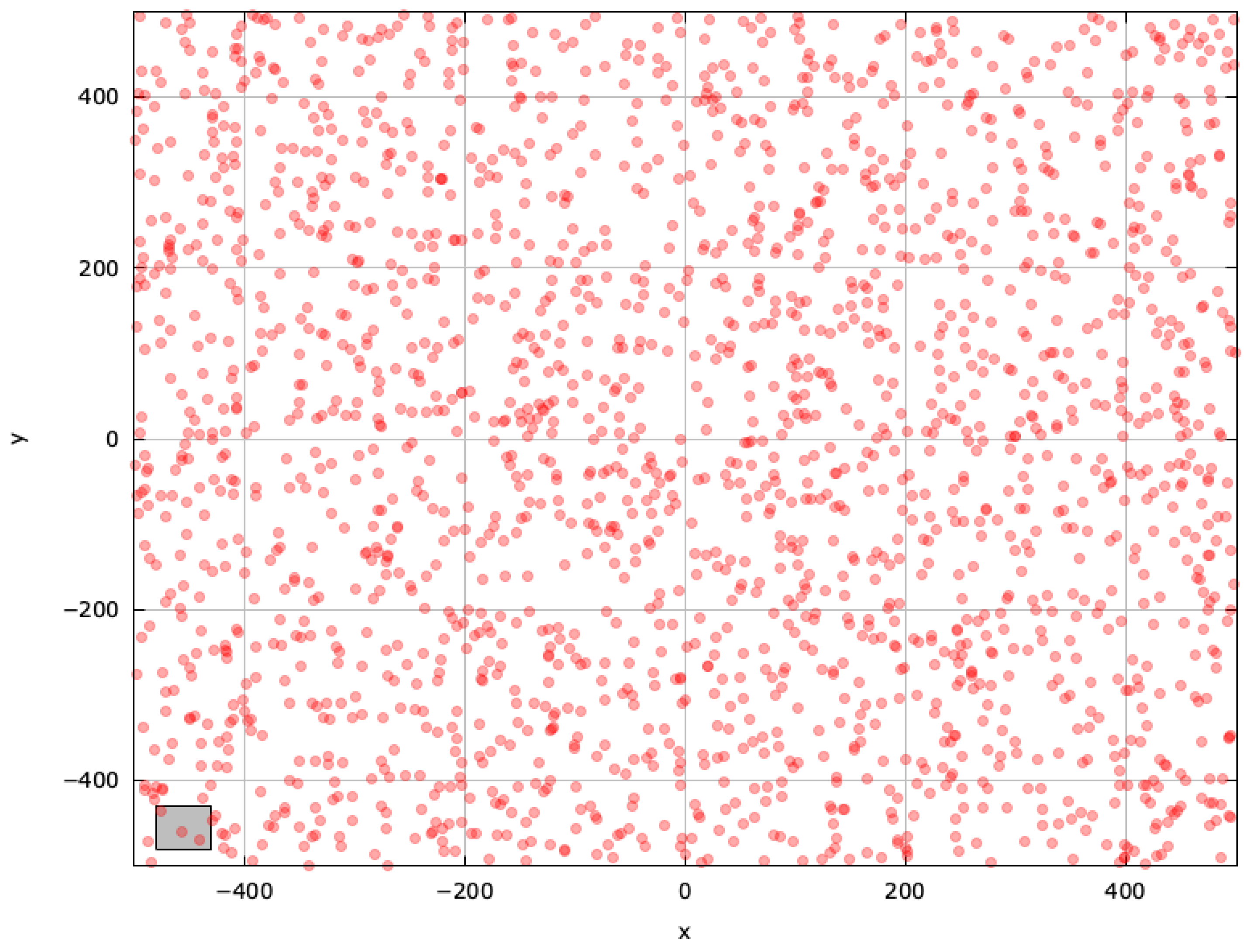
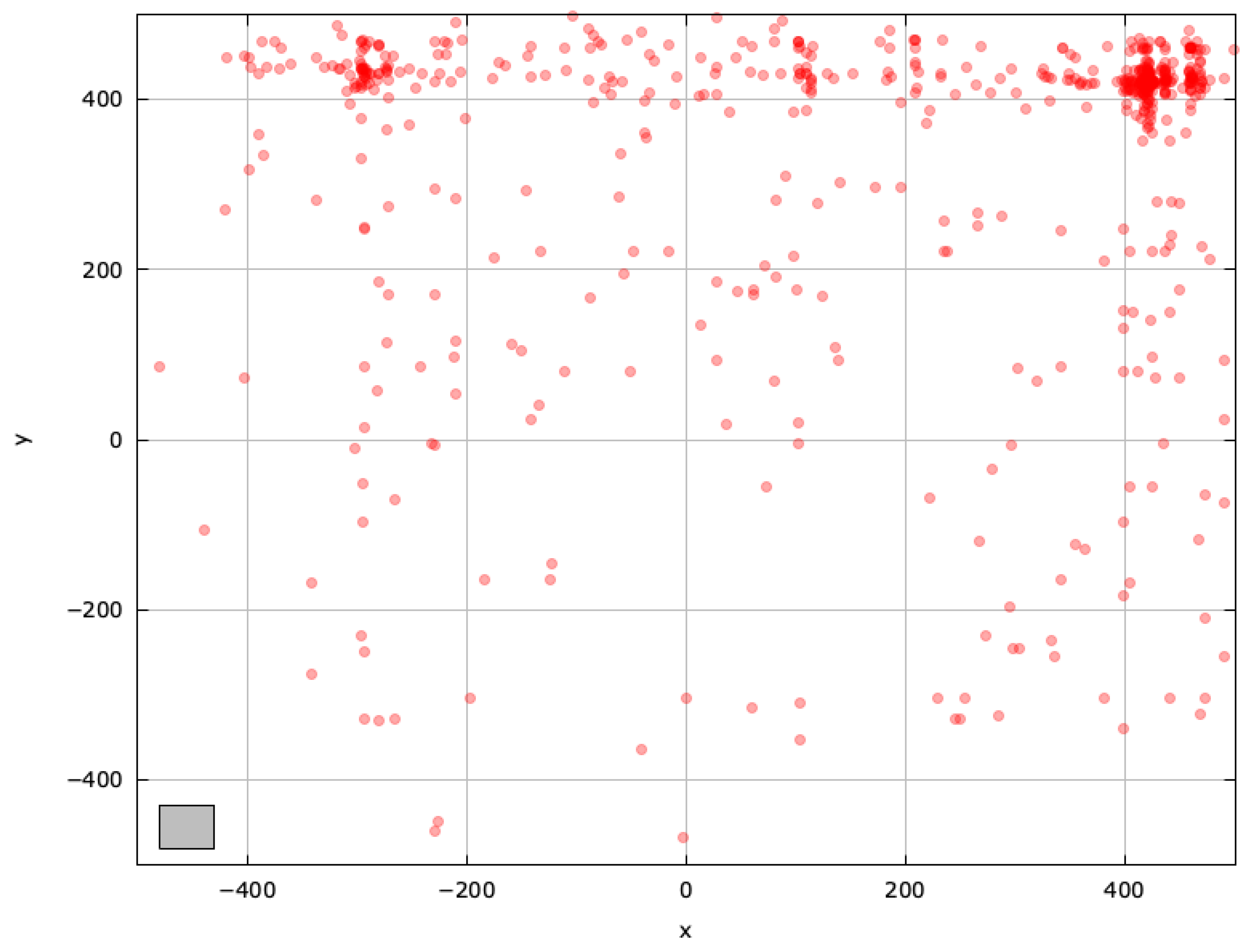
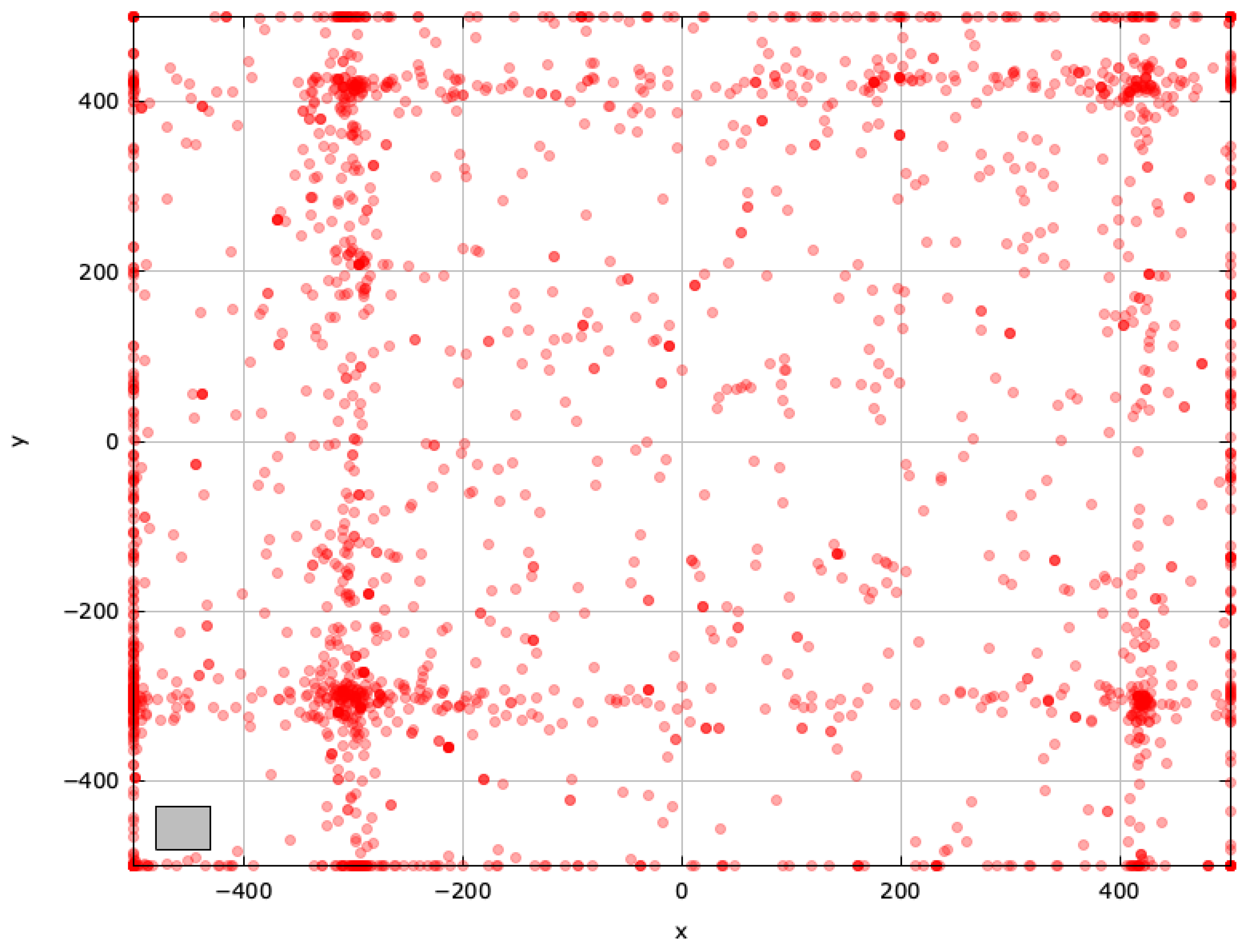
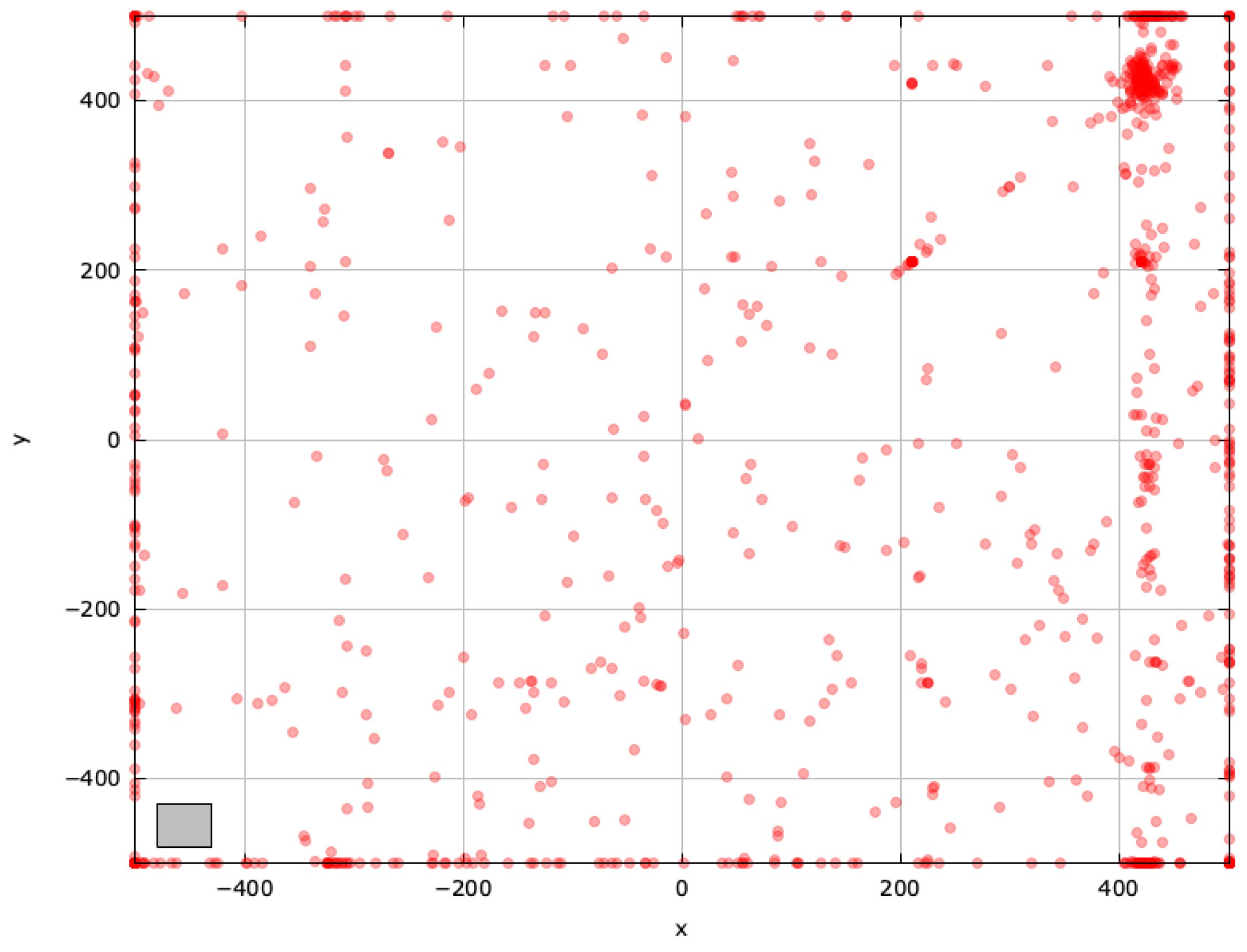
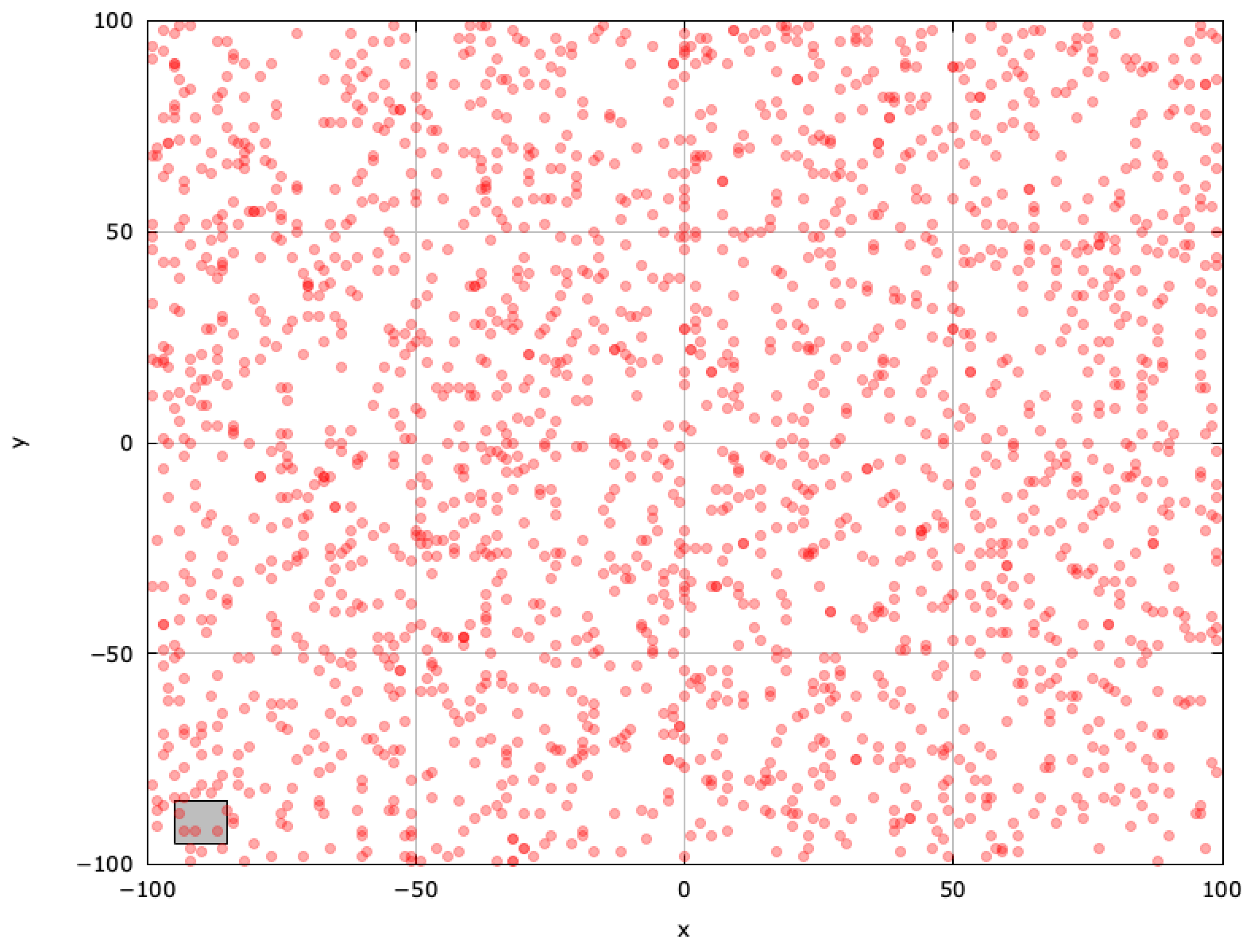
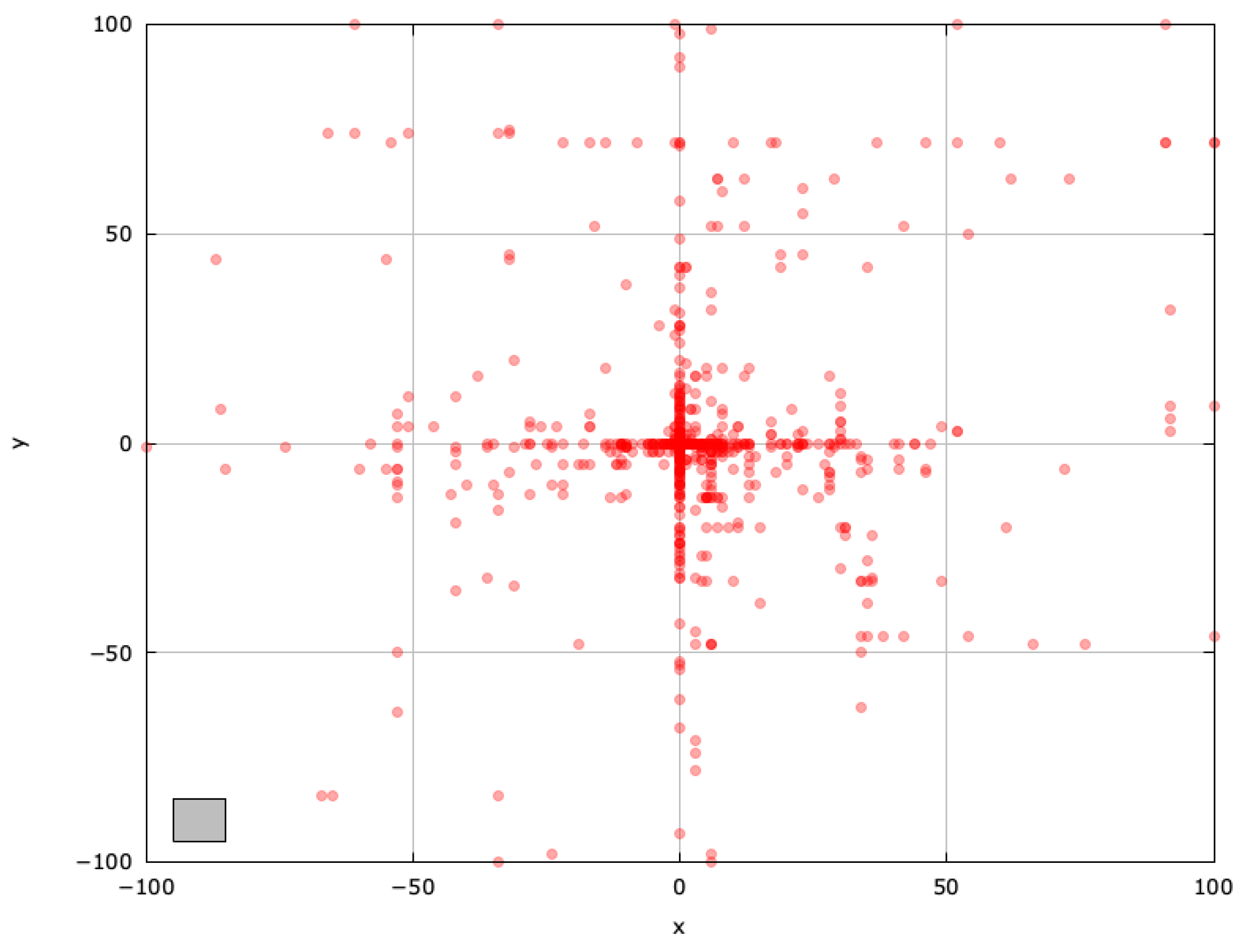
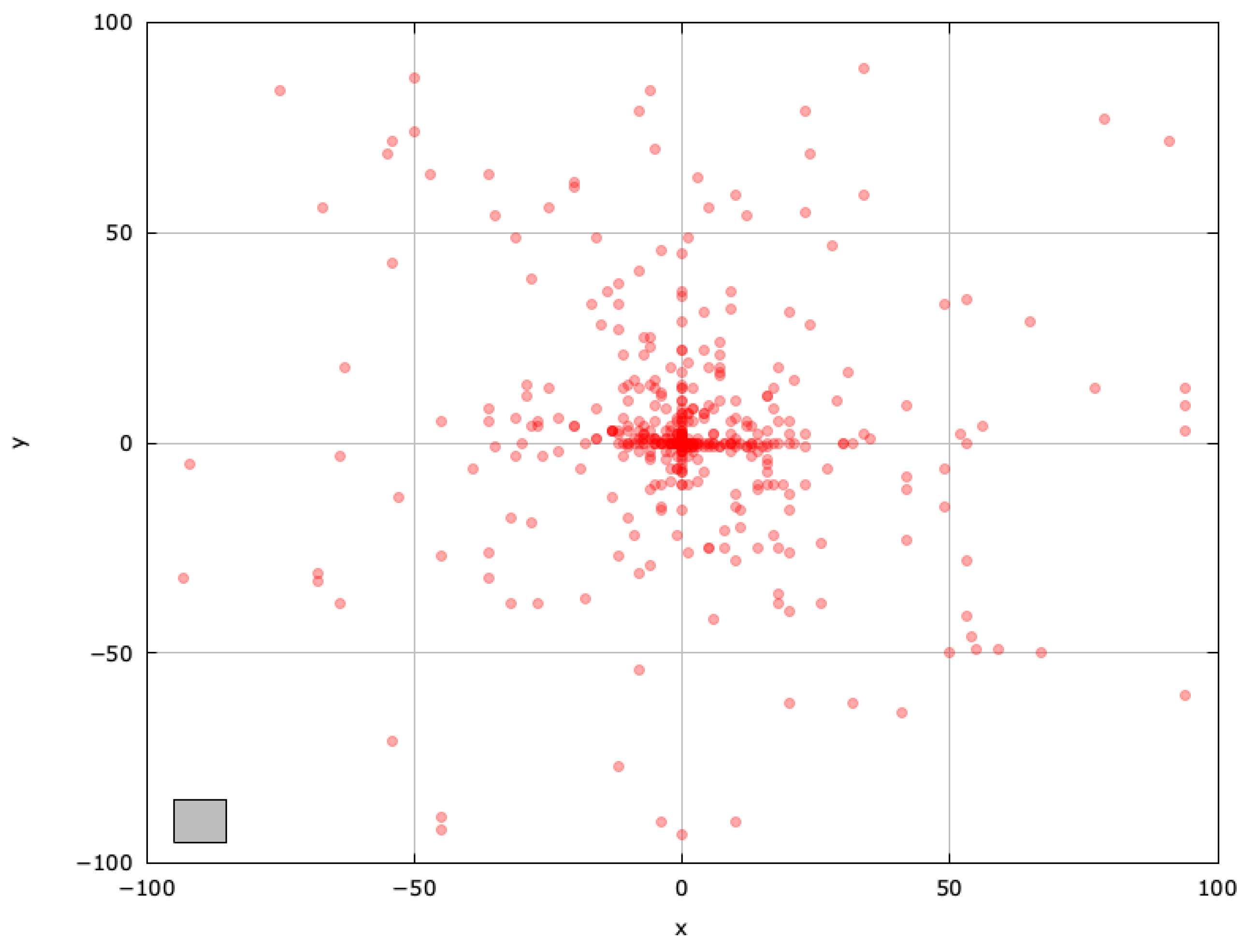
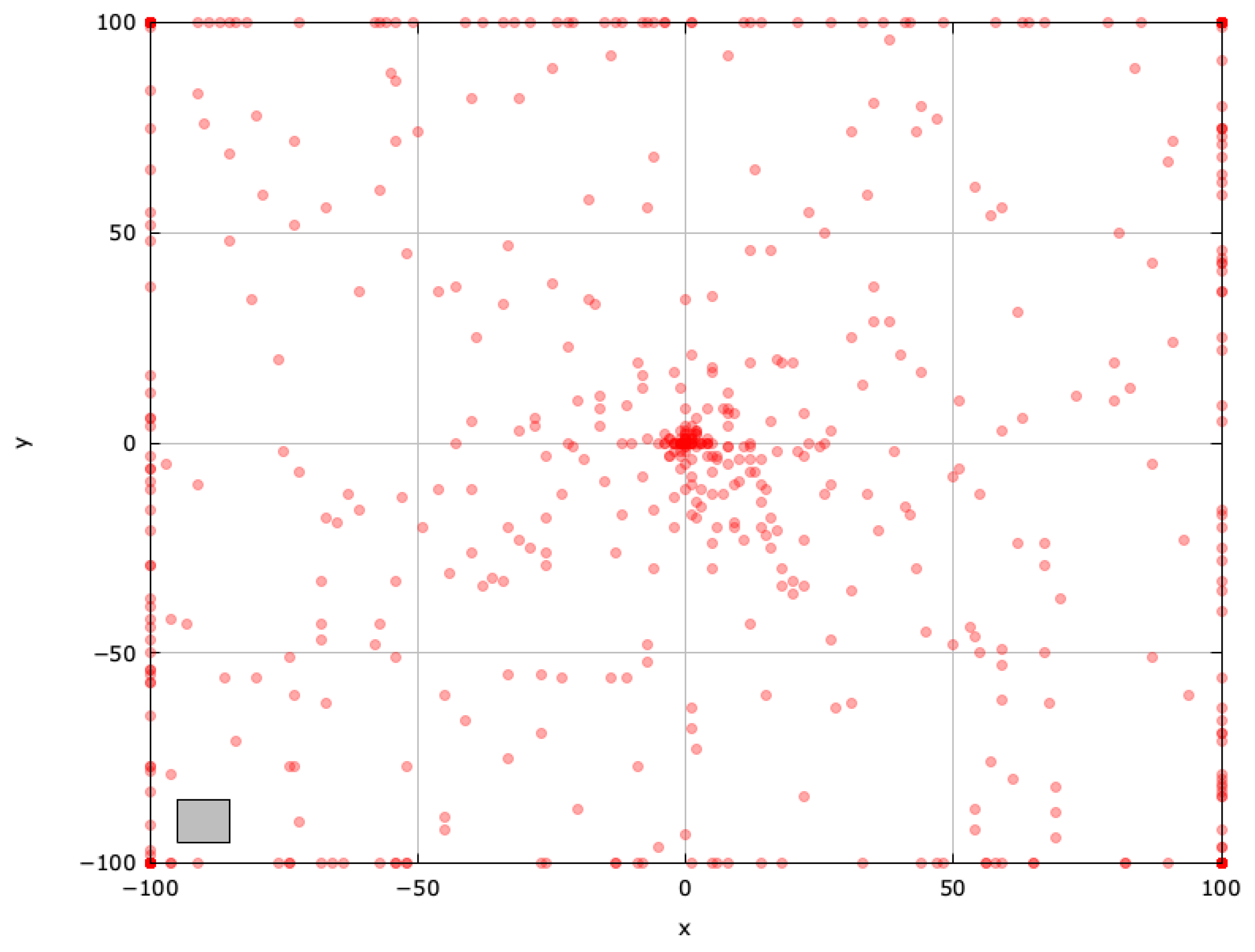
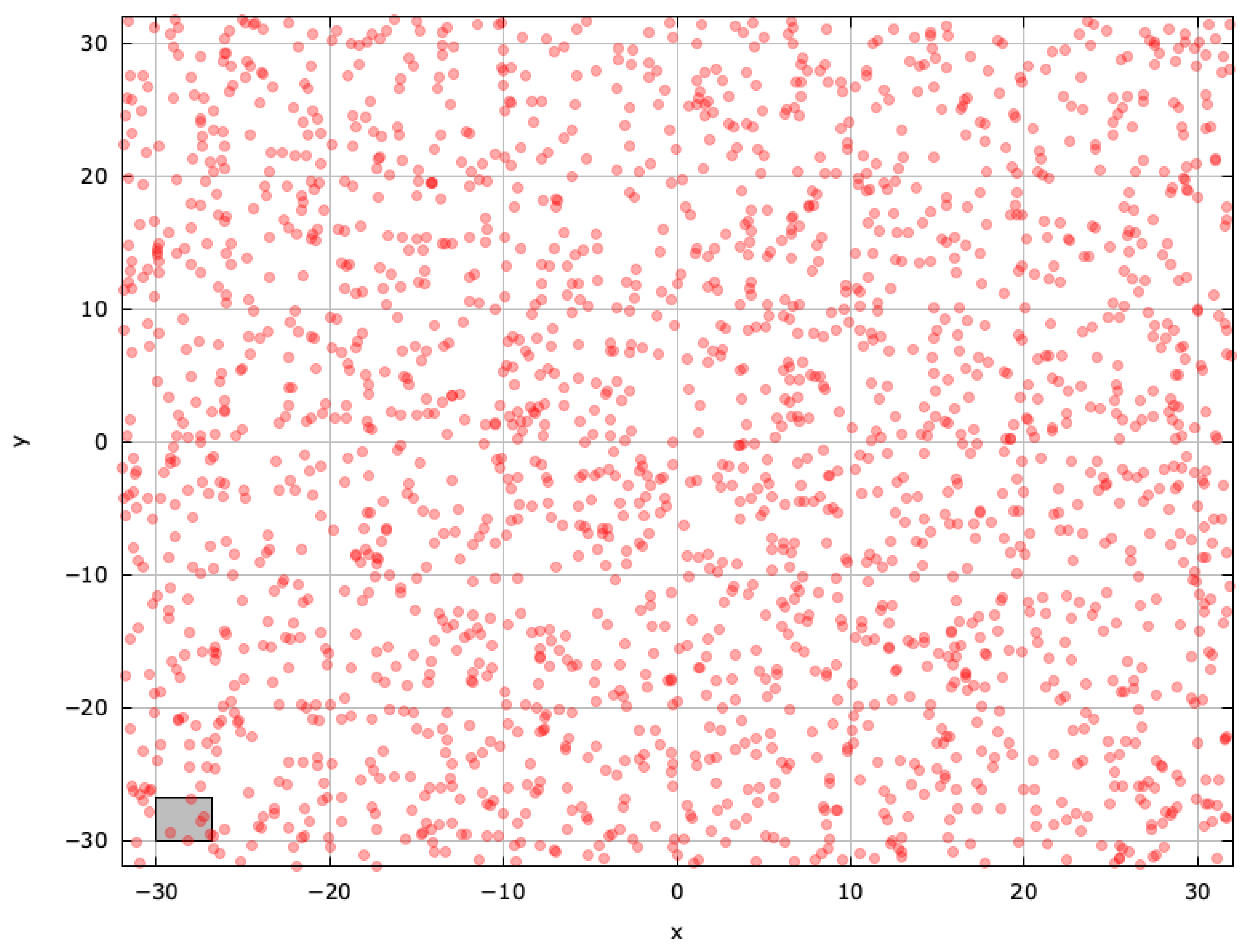
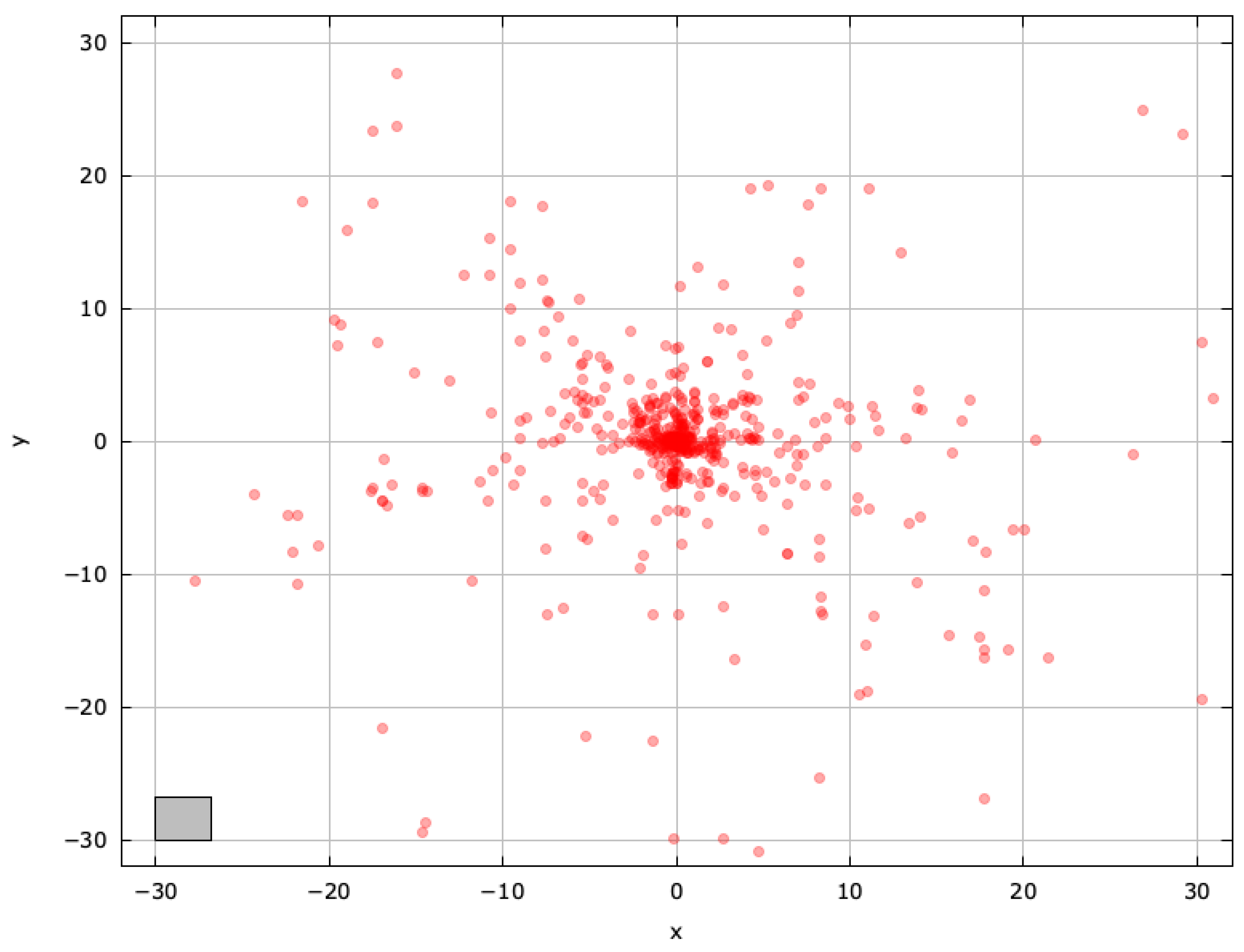
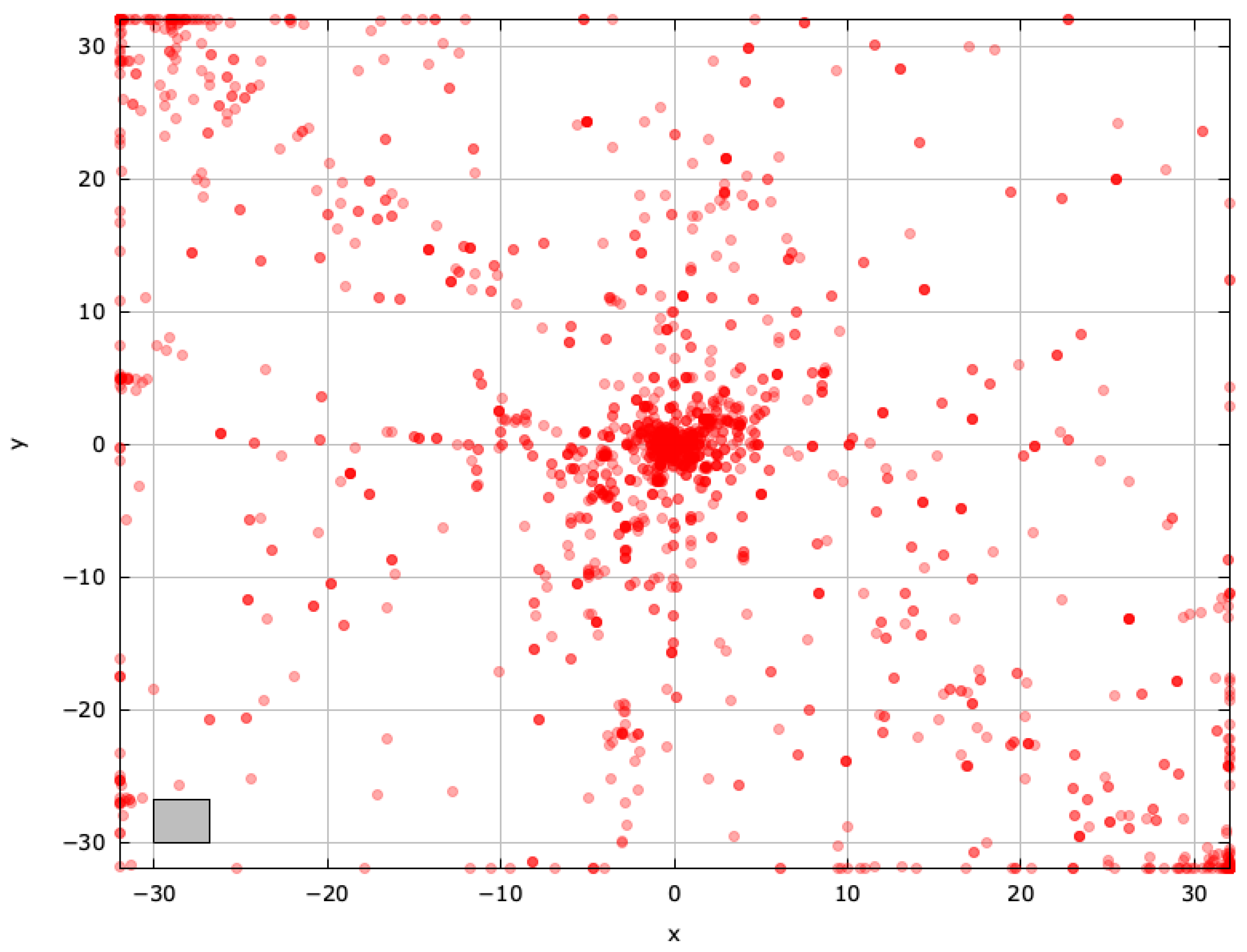
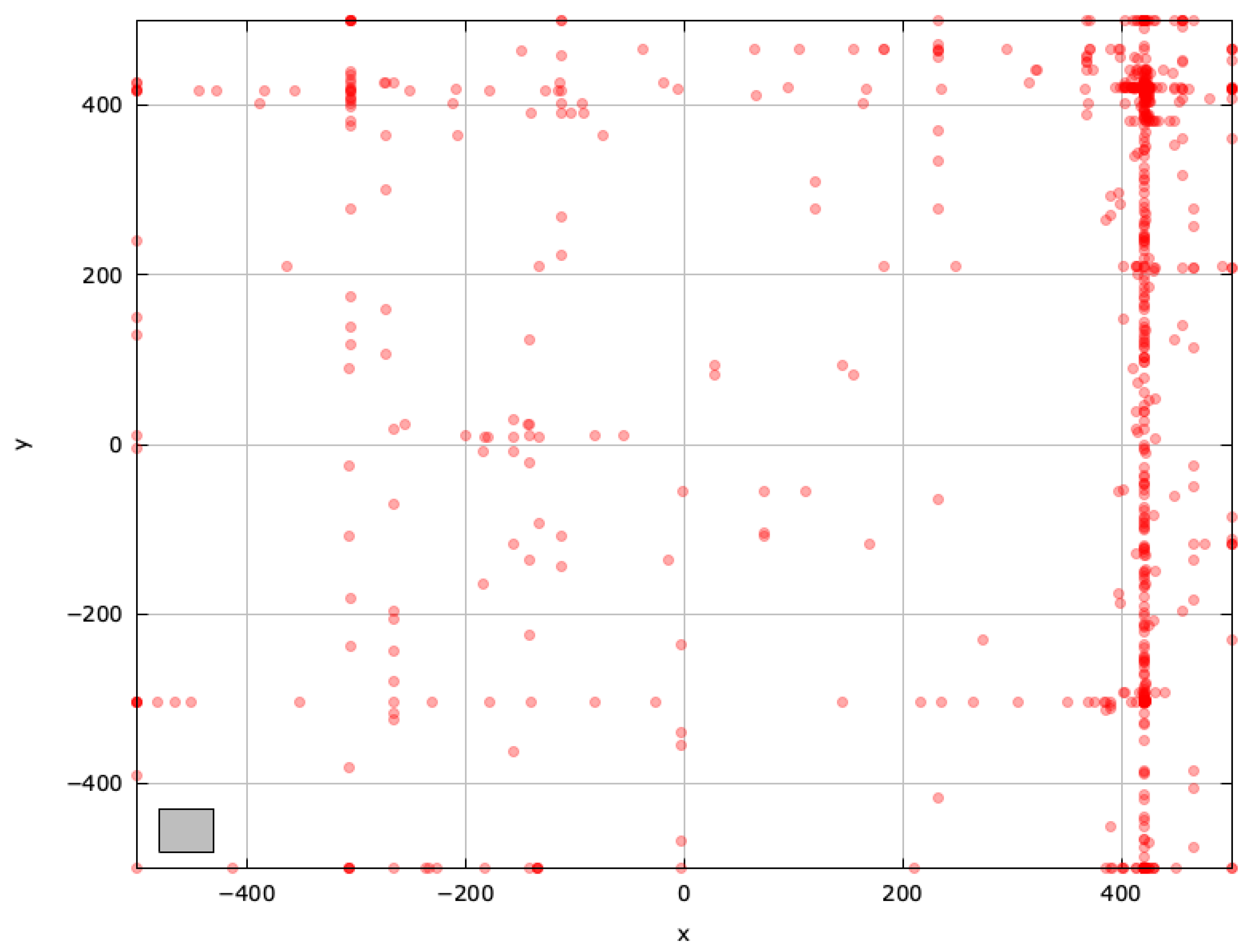
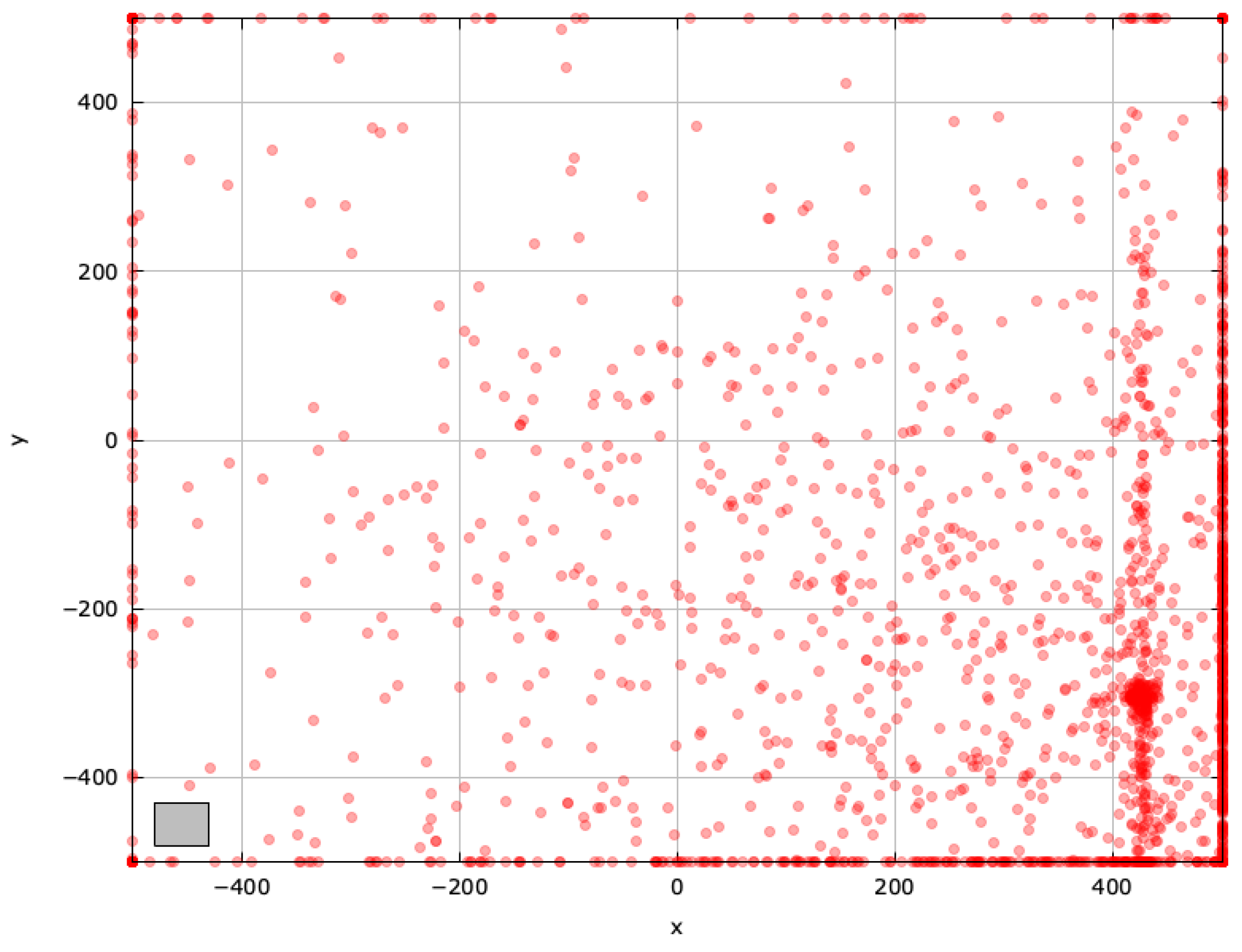
Every MA navigates the search space differently, with success hinging on balancing exploration and exploitation. Visualizing the 2D search space—representing each evaluated solution as a point—helps clarify these mechanics. Greater coverage typically indicates more diverse exploration.
To understand blind spots better and identify regions for improvement, we analyzed the search space explored with the MAs. For a single run of each selected algorithm, we used a population size of
,
and a stopping criterion of
(maximum function evaluations). The results are shown in
Figure 3,
Figure 4,
Figure 5,
Figure 6,
Figure 7,
Figure 8 and
Figure 9, with the blind spot highlighted with a gray rectangle.
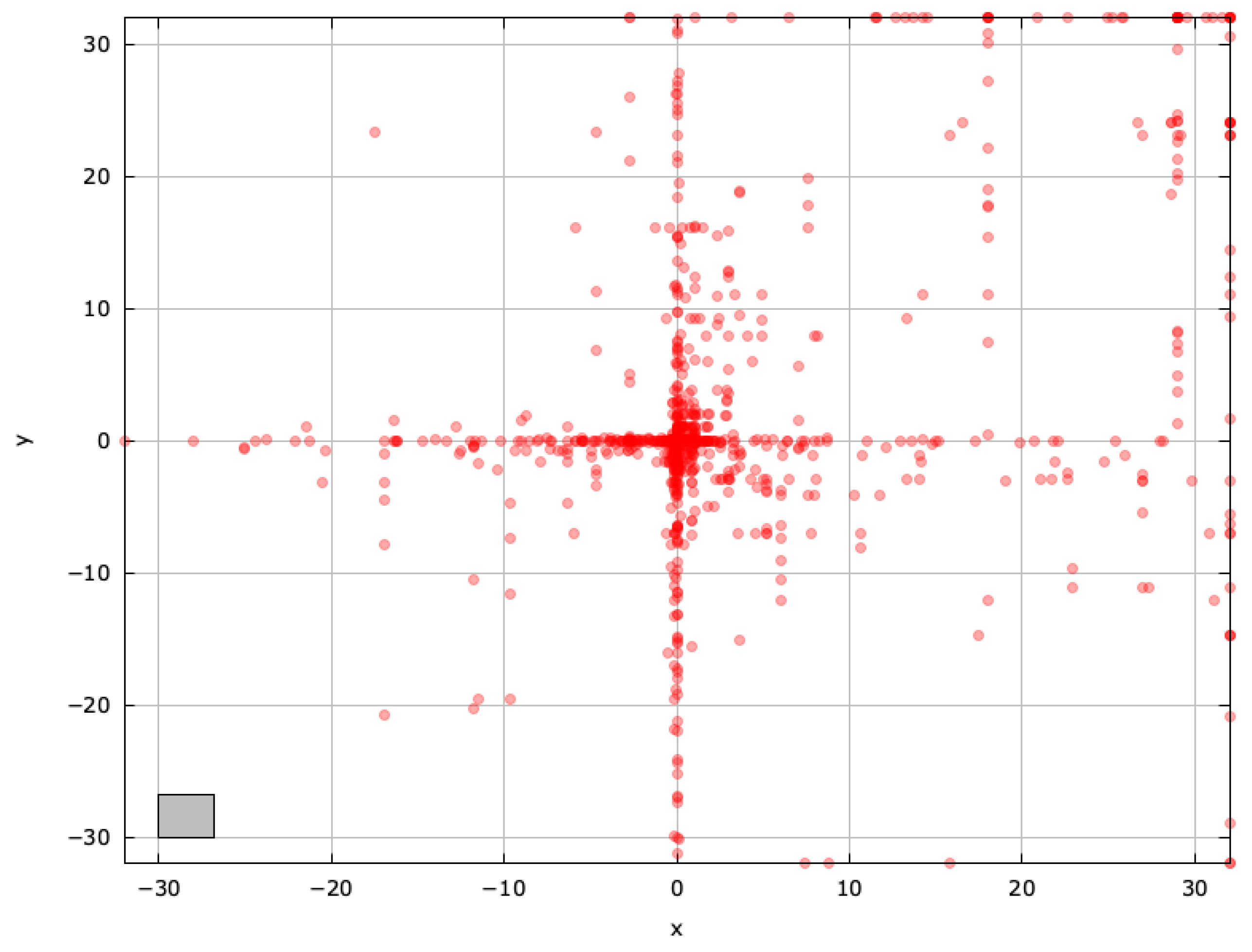
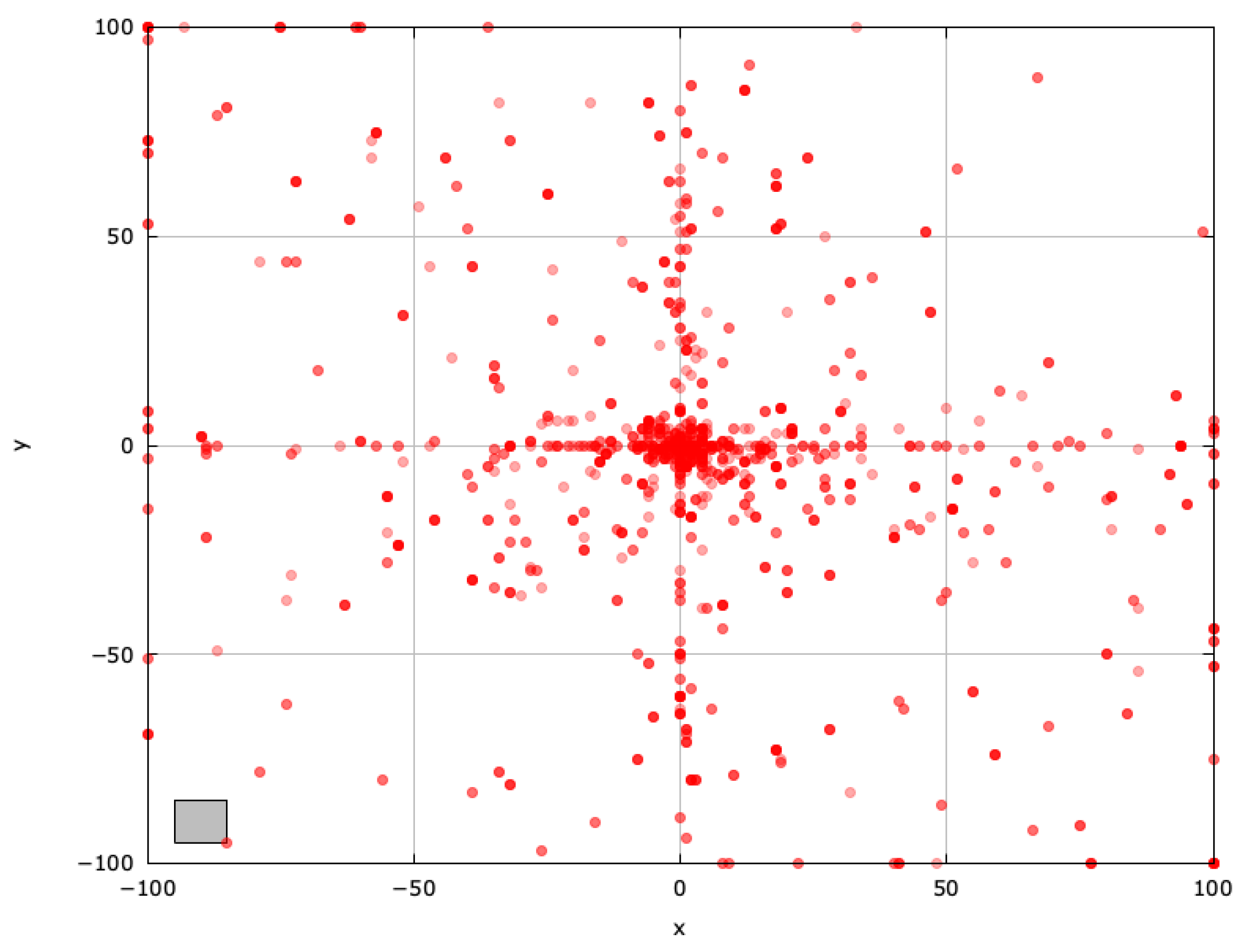
The ABC algorithm employs probability-based selection and a limit parameter to balance exploration and exploitation. Its search-space exploration shows vertical and horizontal patterns around influential solutions, attributable to scout bees sharing genotypic information probabilistically (
Figure 4).
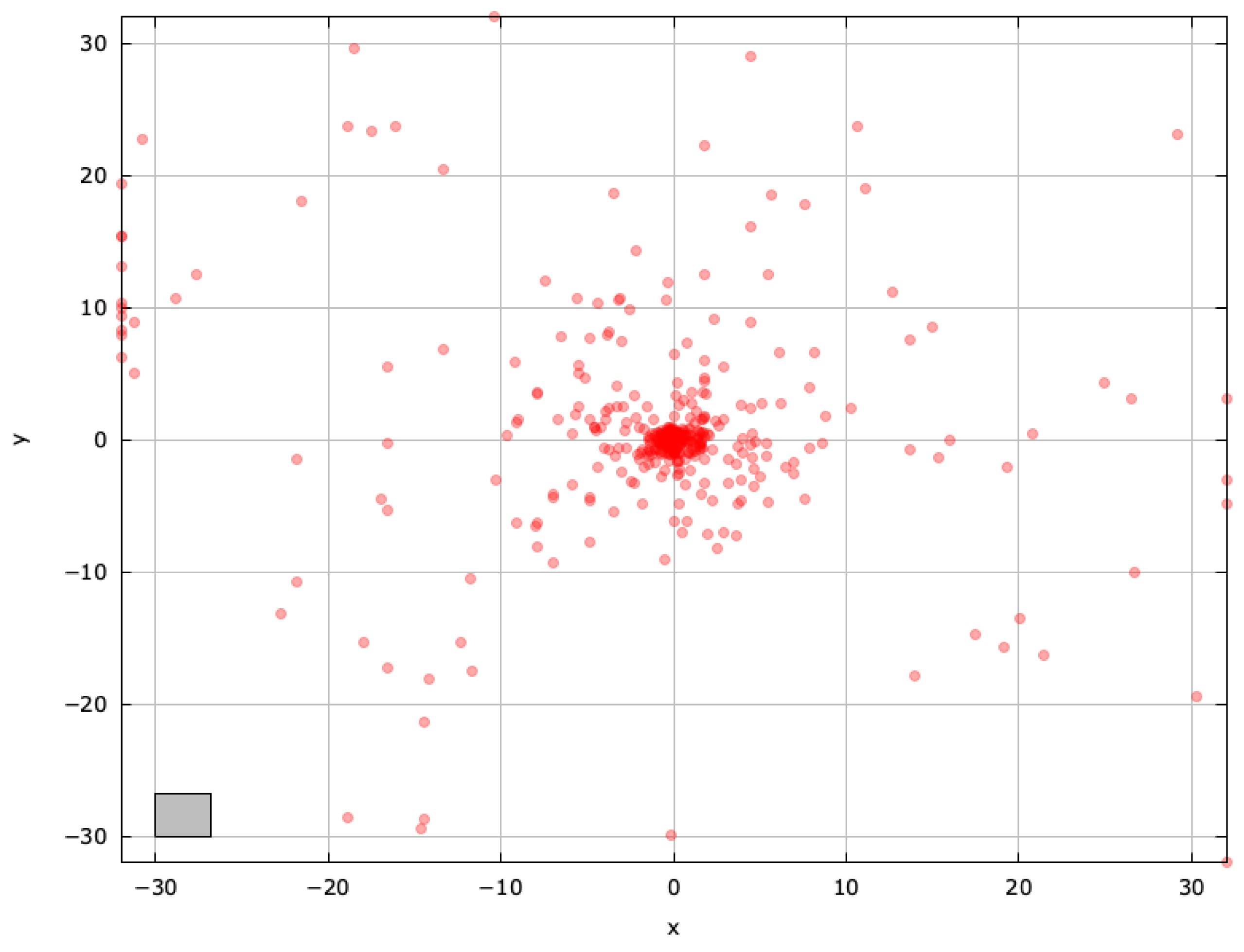
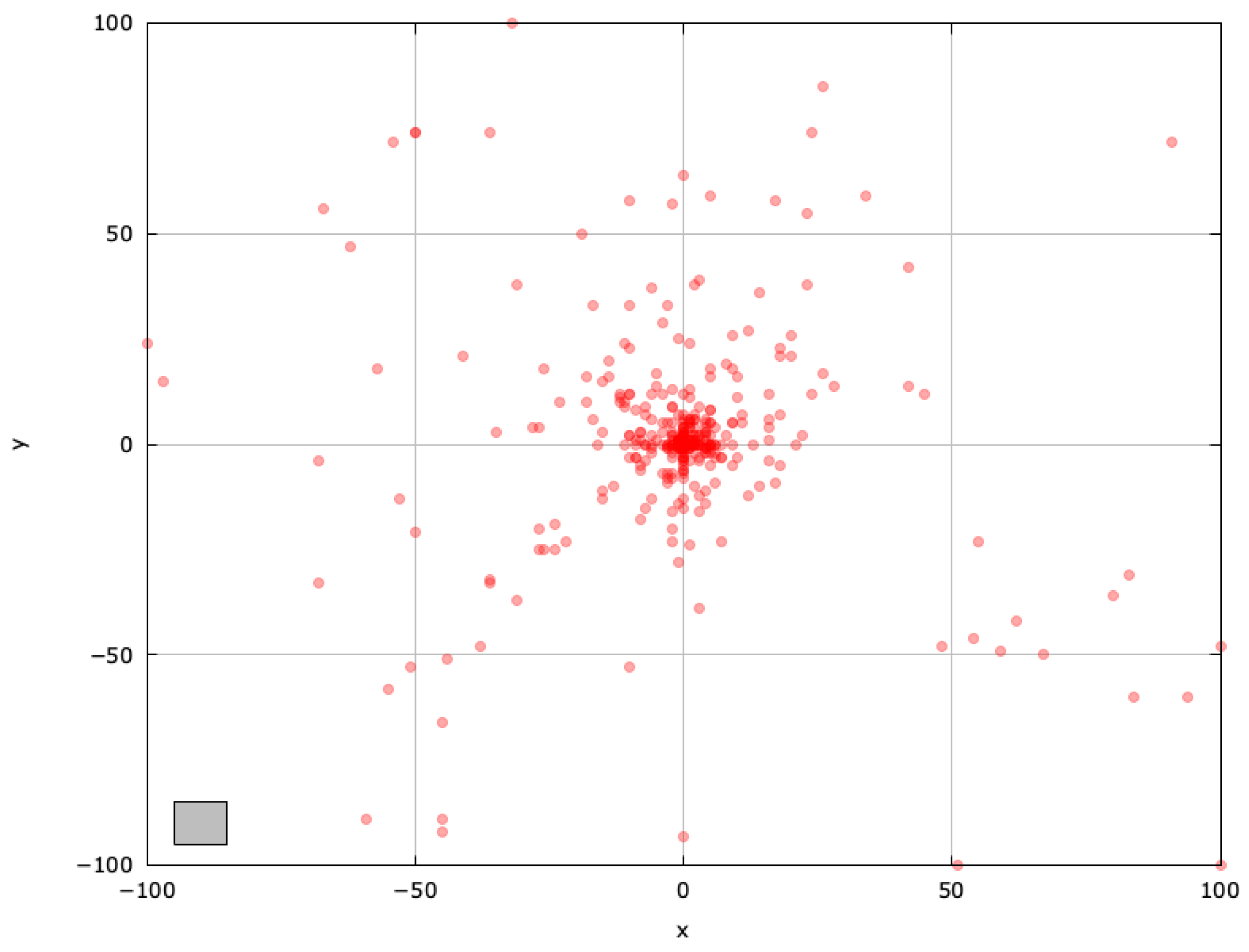
LSHADE’s success-history-based adaptation and population size reduction enable more diverse exploration, outperforming ABC (
Figure 5).
GAOA’s big, unpredictable movements enhance exploration, nearly locating the blind spot (
Figure 6).
MRFO’s chain foraging promotes highly effective exploration with diverse solutions (
Figure 7). Note that a good balance between exploration and exploitation is needed for an efficient search.
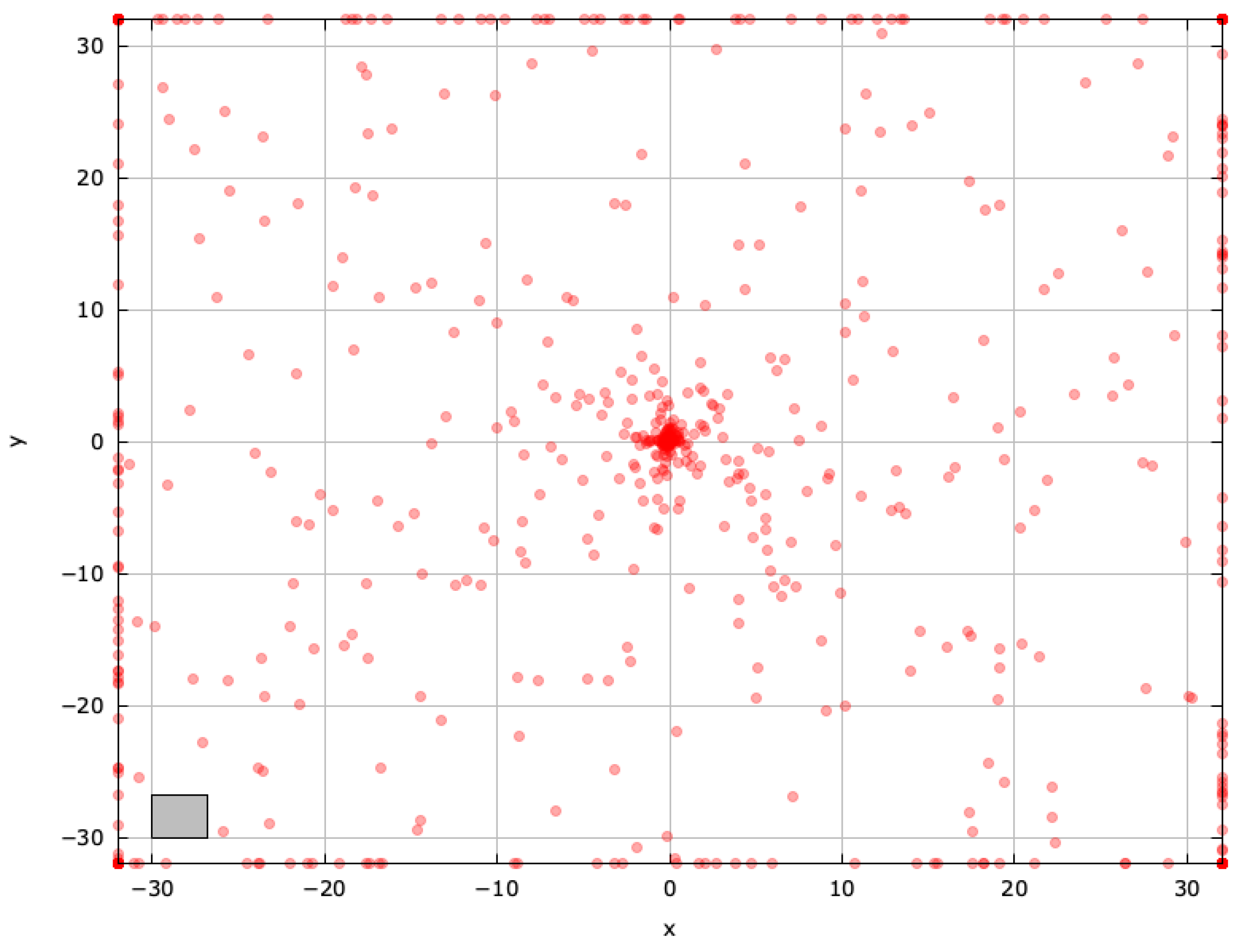
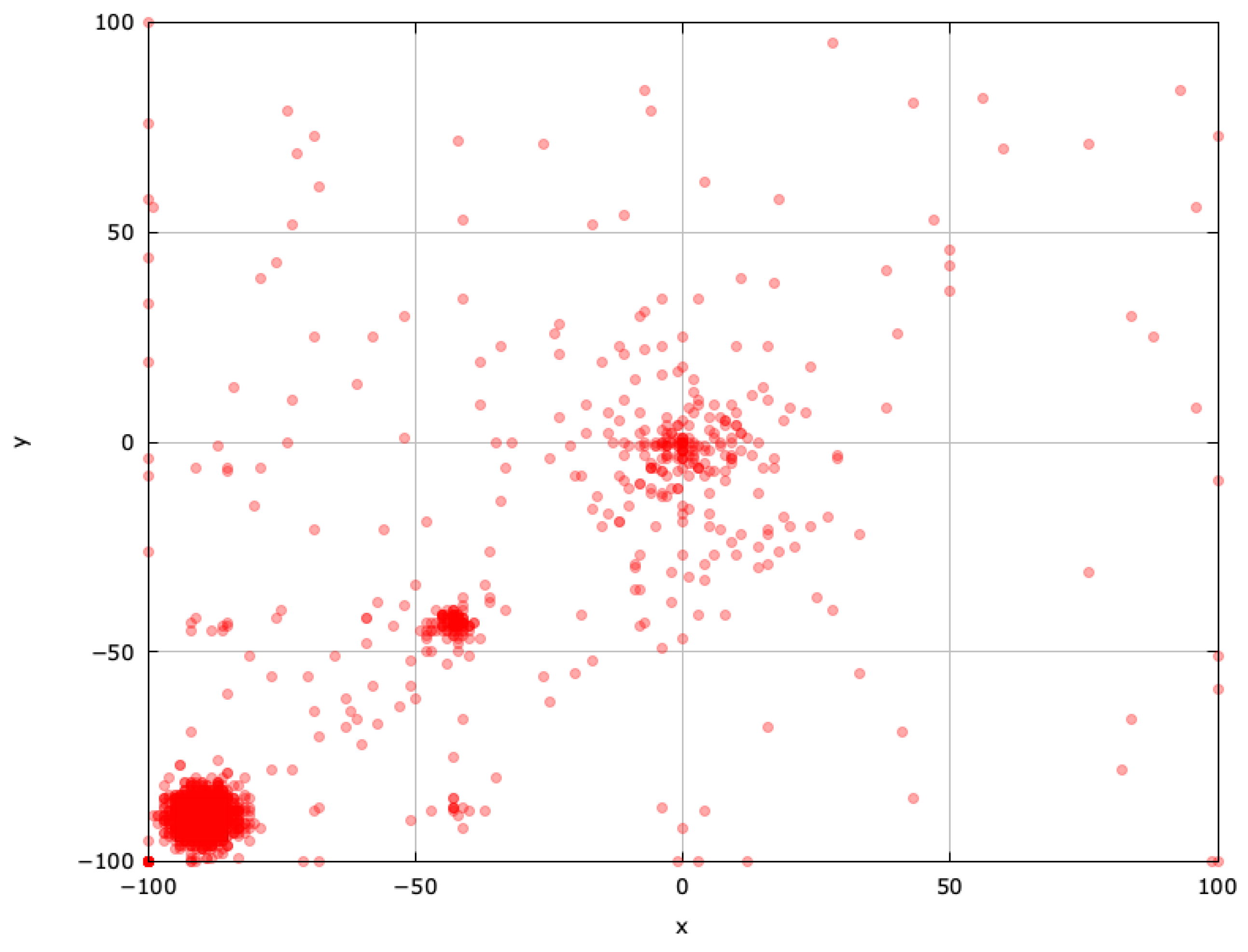
The self-adaptive jDElscop excels in exploration, but it can be hindered by intense pressure toward the local optima (
Figure 8). A successful run, however, shows it searching around both optima thoroughly, highlighting strong exploitation (
Figure 9).
LTMA Experiment Results for the SphereBS Problem
For each problem, we applied the original LTMA approach [
10] with
and memory precisions (Pr) of 3 and 6 (decimals in the solution space) and the stopping criterion
. Since duplicates do not count as evaluations, we added a secondary stopping criterion,
, to prevent infinite loops. The results are averaged over 100 runs.
Table 1,
Table 2 and
Table 3 report the fitness evaluations used (
), total duplicates (
), the fitness value (
), and the success rate (
) for detecting blind spots. The best
results for every
n are formatted in
bold. For
and
, RS outperformed the others on SphereBS (
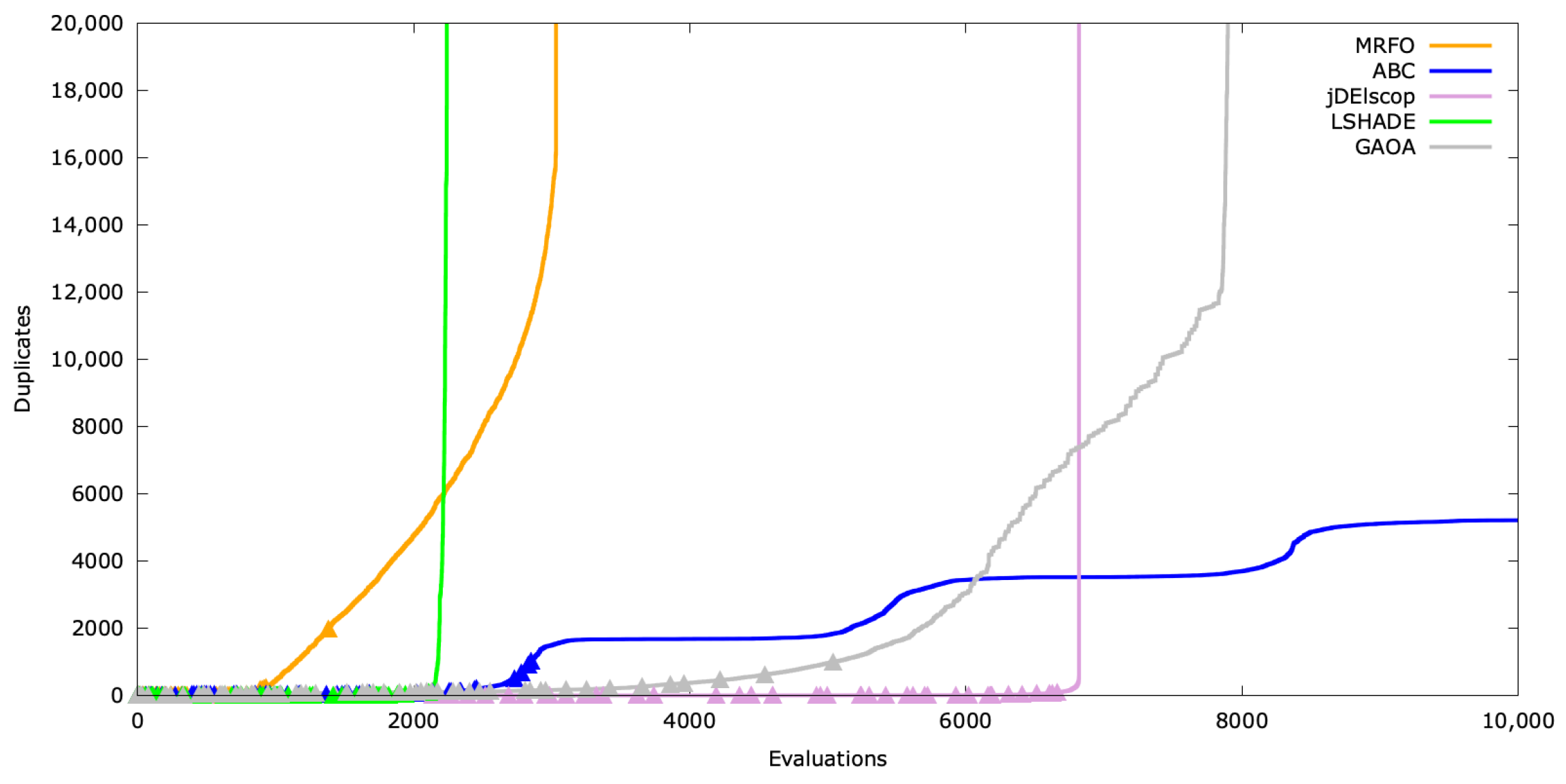
Table 1). Some algorithms underutilized the fitness evaluations (e.g., MRFO used 2086 of 8000 for
, or 26%, while generating 16,000 duplicates), suggesting premature convergence or success.
3.2. Ackley Blind Spot Problem (Medium)
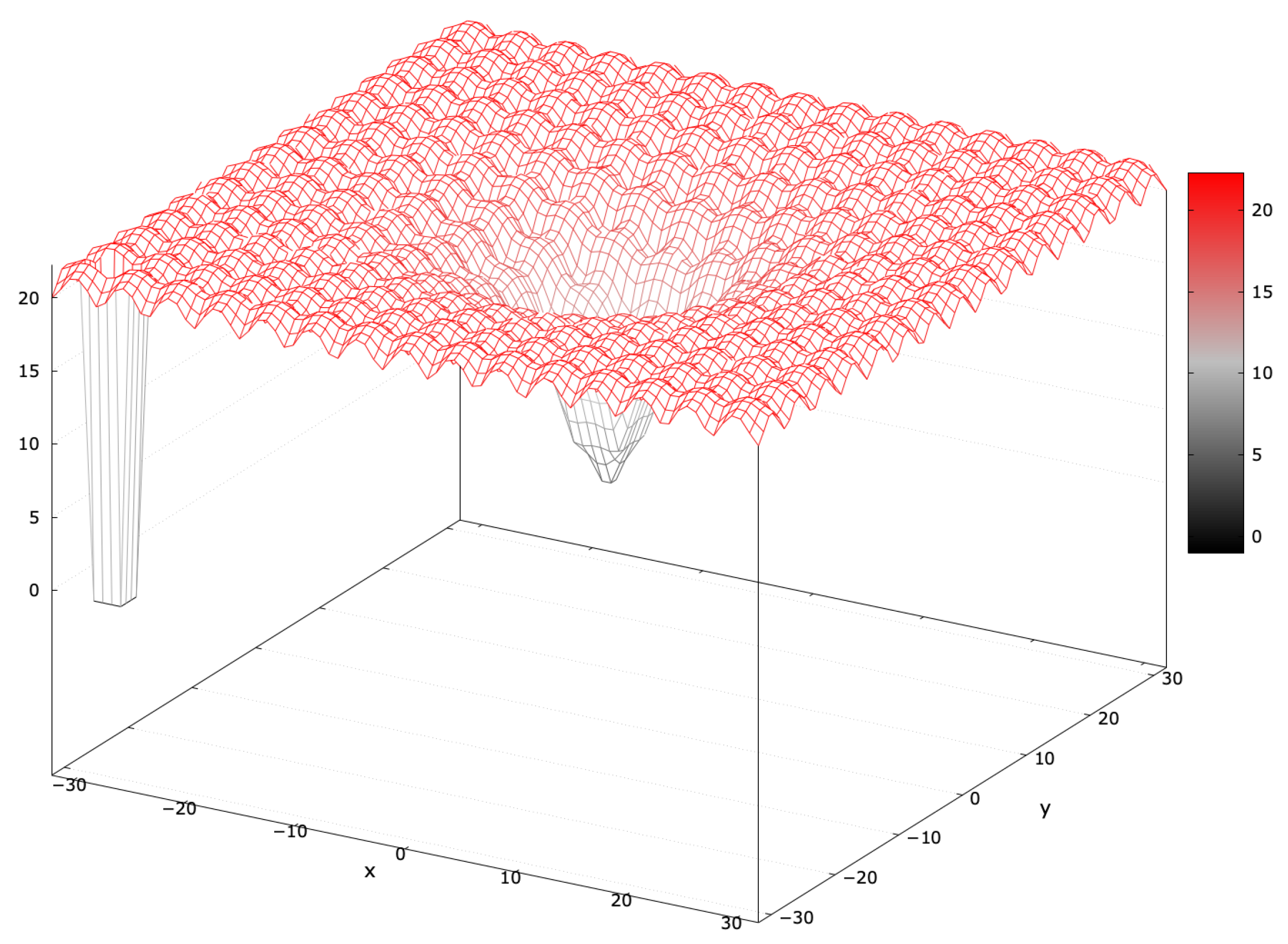
The Ackley function features many local optima with small basins and a global optimum with a large basin [
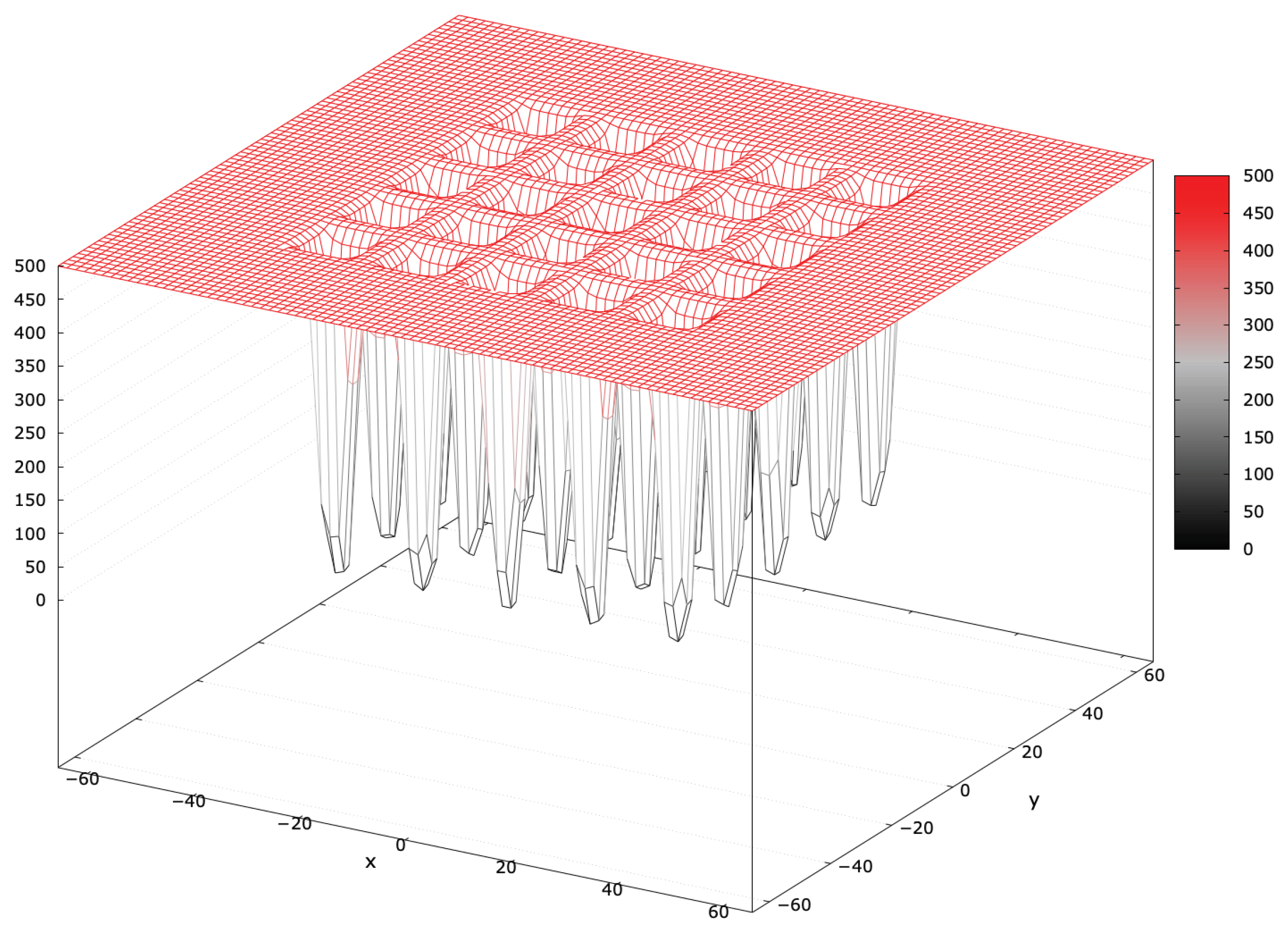
52]. MAs typically find the global optimum easily due to its gradual gradient. Adding a blind spot covering
of the search interval (AckleyBS) increases the difficulty (
Figure 10). The global optimum fitness is
.
Equation (
2) defines the minimization problem:
where
e is Euler’s number (≈2.7182818284).
LTMA Experiment Results for the AckleyBS Problem
Classified as medium difficulty, AckleyBS produced fewer duplicates than SphereBS, as confirmed by the results (
Table 2). RS’s success rate in detecting blind spots remained consistent.
Figures presenting the search space exploration via MAs for the AckleyBS problem are provided in
Appendix B.1.
3.3. Schwefel 2.26 Blind Spot Problem (Hard)
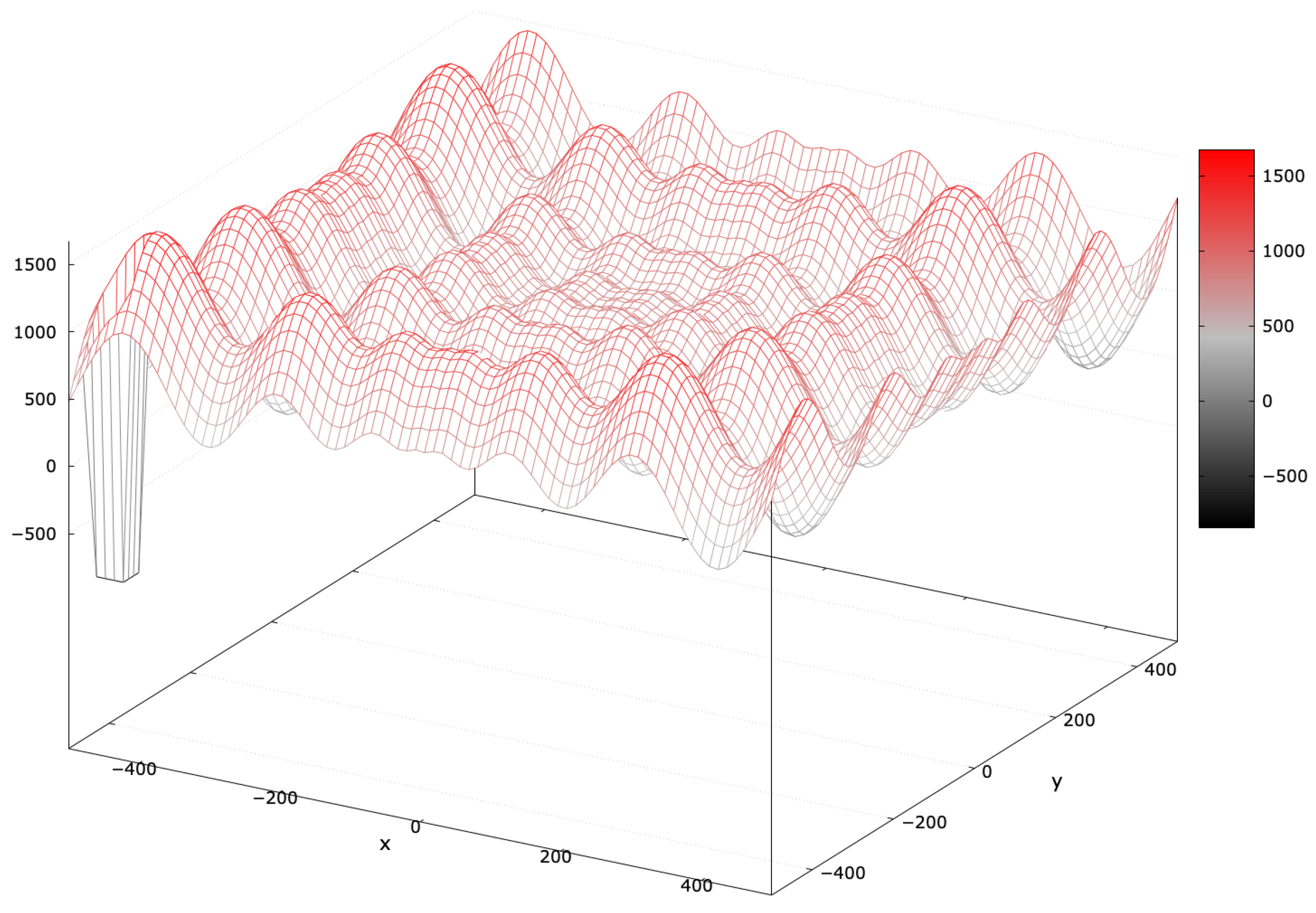
The Schwefel 2.26 function includes a complex landscape with numerous local optima, and its global optimum is distant [
53]. MAs often struggle due to its deceptive nature. Adding a blind spot covering
of the search interval (SchwefelBS 2.26) heightens the challenge (
Figure 11).
Equation (
3) defines the minimization problem:
LTMA Experiment Results for the SchwefelBS 2.26 Problem
The SchwefelBS 2.26 problem proved challenging, with RS achieving a 100% success rate for
and
(
Table 3). Most MAs used all the fitness evaluations, except LSHADE, which used 2733 of 8000 for
with
, indicating entrapment in the local optima.
Figures presenting the search space exploration with MAs for the SchwefelBS 2.26 problem are provided in
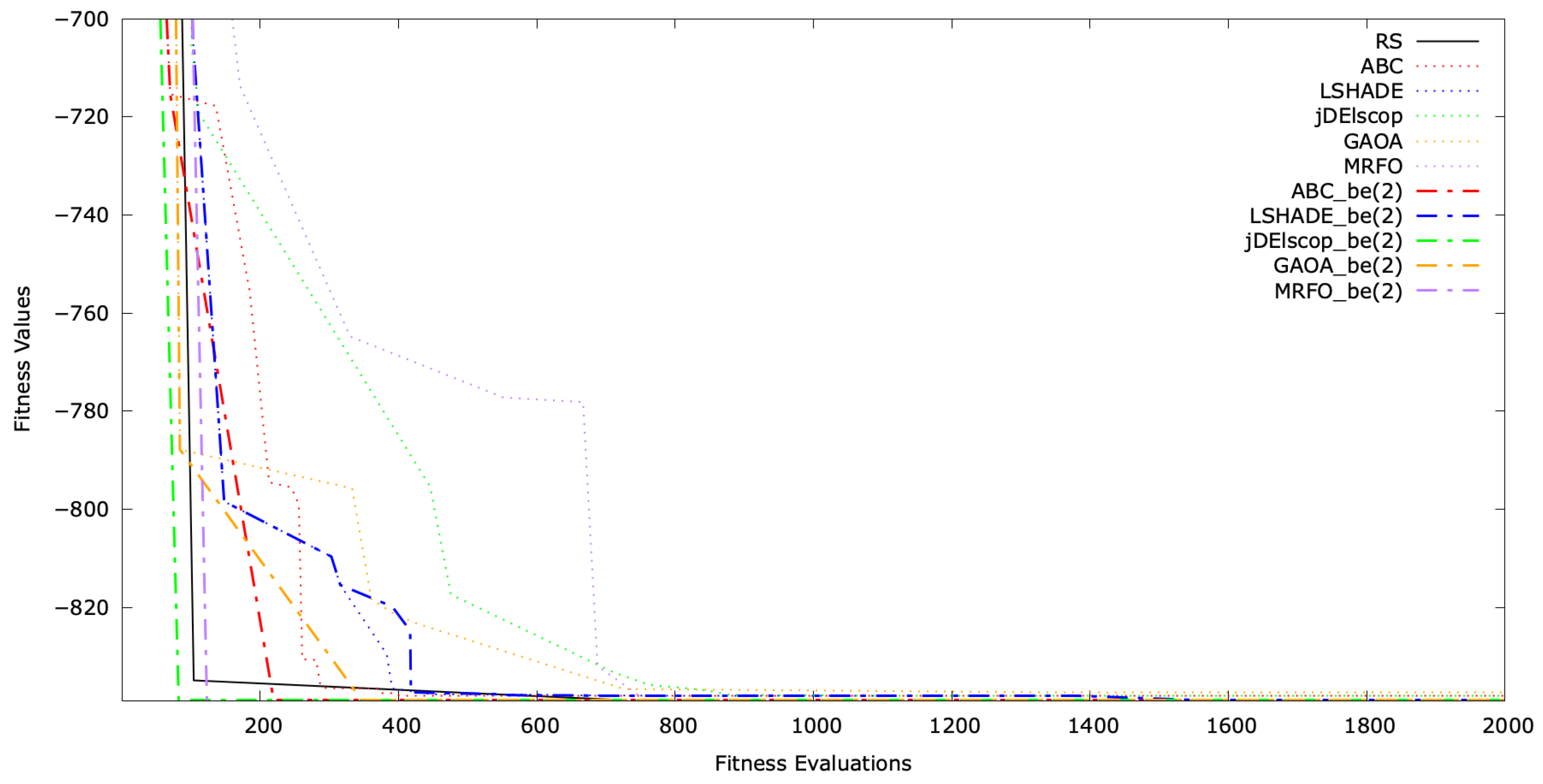
Appendix B.2. A further convergence analysis of the selected MAs’ runs with benchmark problems is detailed in
Appendix C.
3.4. Blind Spot Problem Benchmark
We created a benchmark including SphereBS, AckleyBS, and SchwefelBS 2.26 for , totaling 12 problems with set to 2000, 6000, 8000, and 10,000. For LTMA, the precision was set to 3.
For statistical analysis, we employed the EARS framework with the Chess Rating System for Evolutionary Algorithms (CRS4EAs), based on the Glicko-2 system [
54,
55]. CRS4EAs assigns ratings via pairwise comparisons (win, draw, or loss), defining a draw when the fitness values differ by less than 0.001, mitigating bias from the averaging fitness values affected by blind spots. Each MA, initially assigned a rating of 1500 and a rating deviation of 250, undergoes 30 independent optimization runs per benchmark problem in a tournament [
43]. Pairwise comparisons, based on fitness values, update ratings using the Glicko-2 system, with the process repeated across 30 tournaments to assess performance robustness [
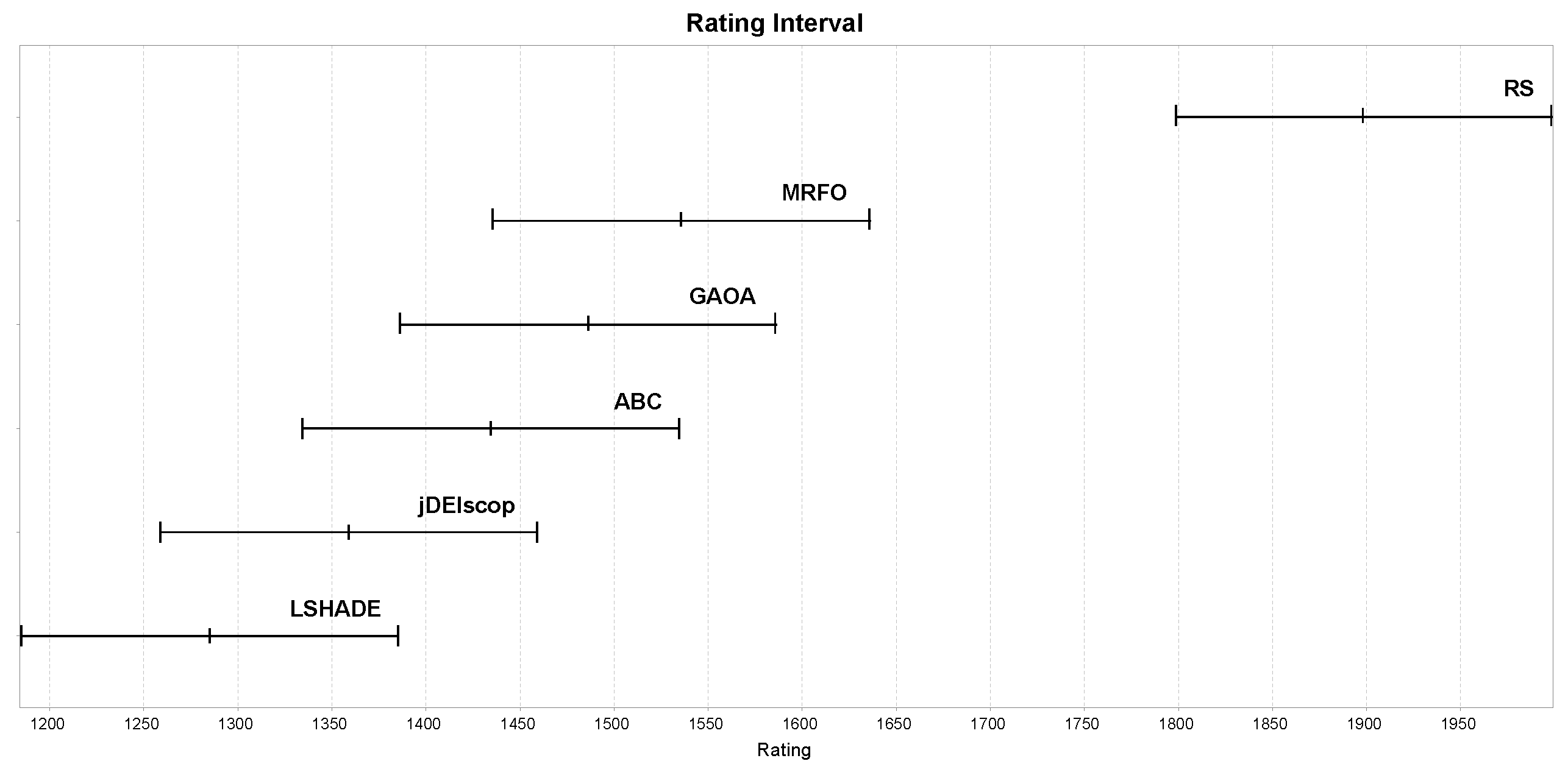
10]. For the calculated ratings and confidence intervals, overlapping intervals indicate no significant difference. For
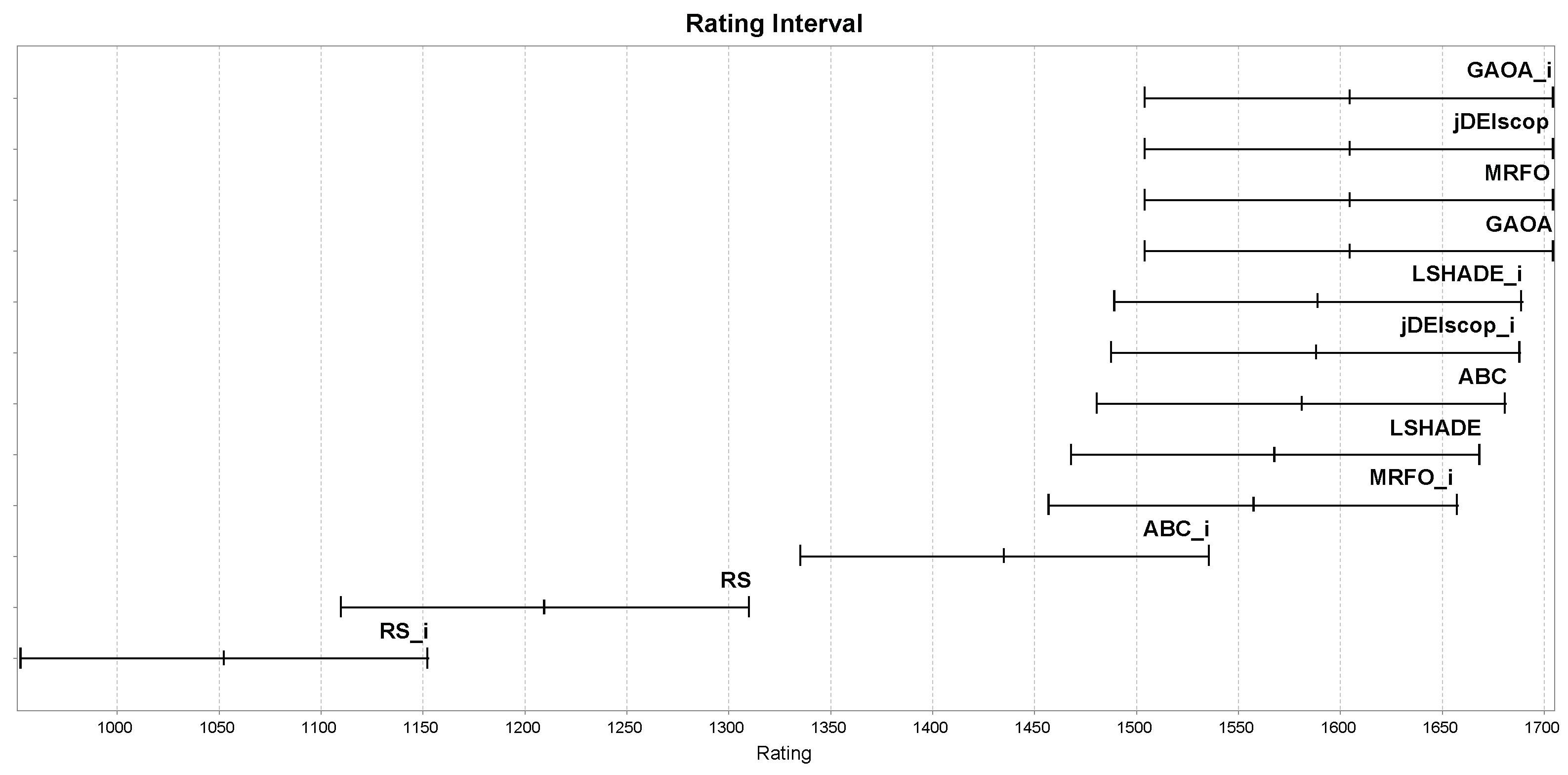
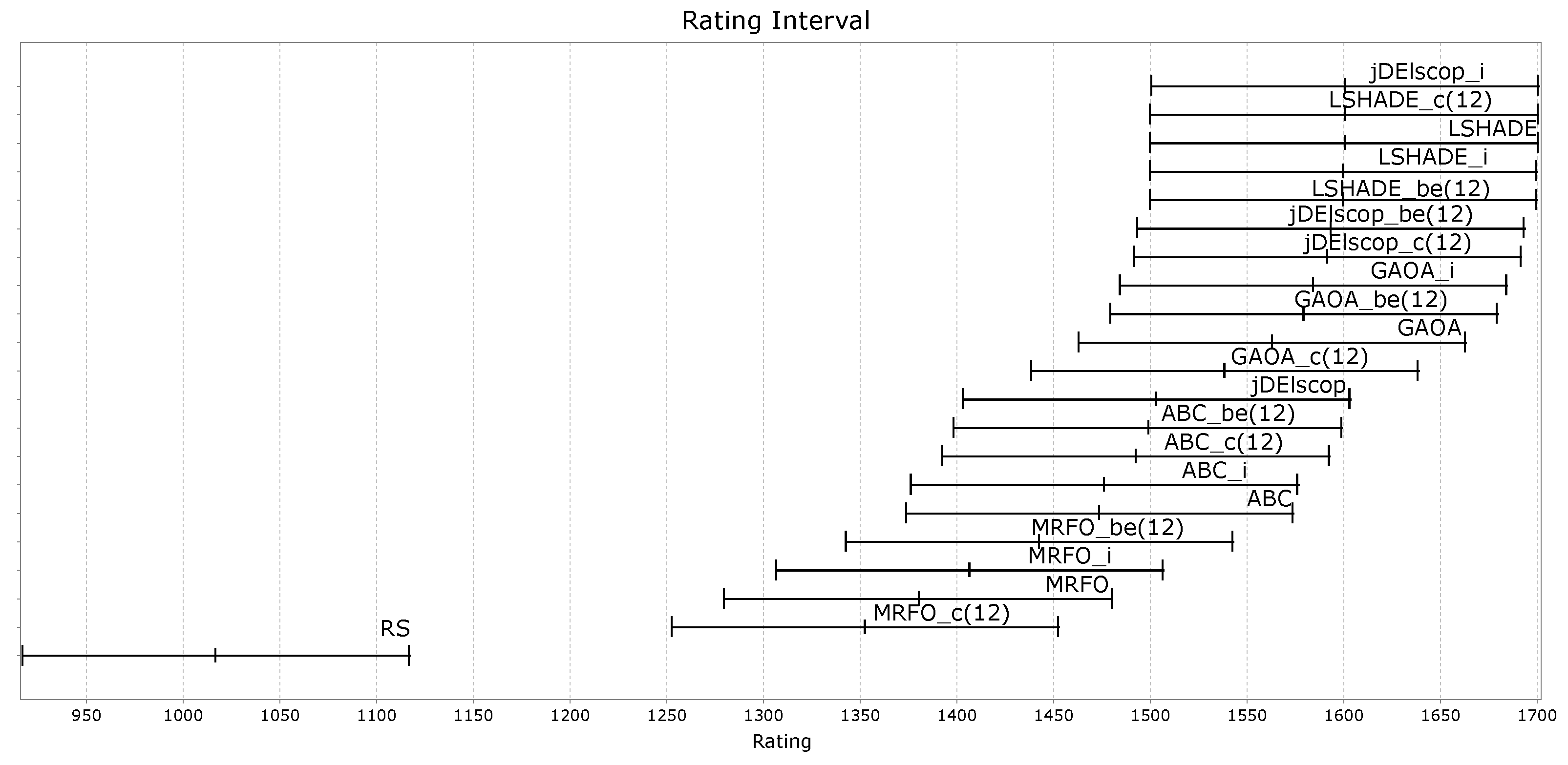
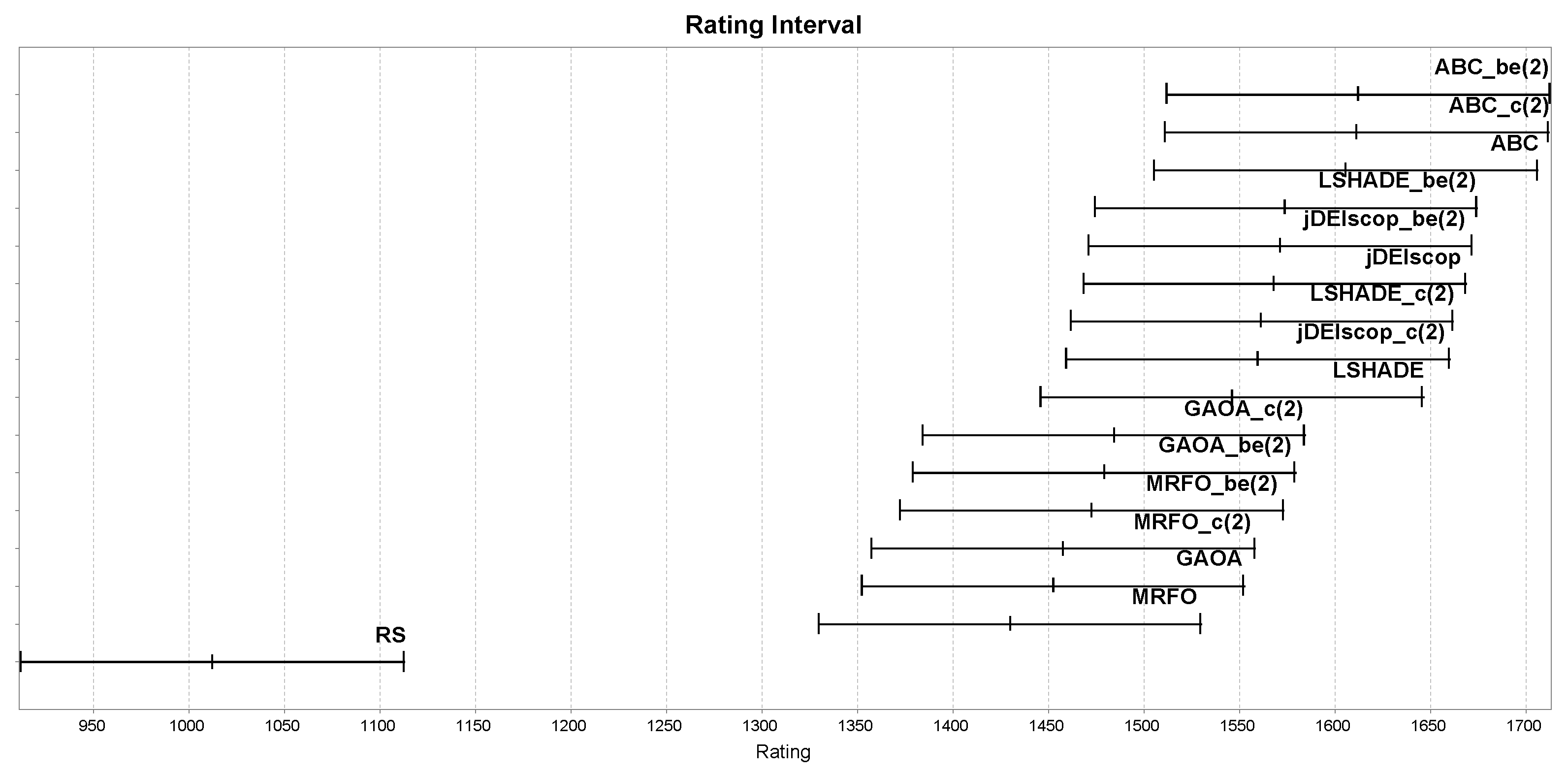
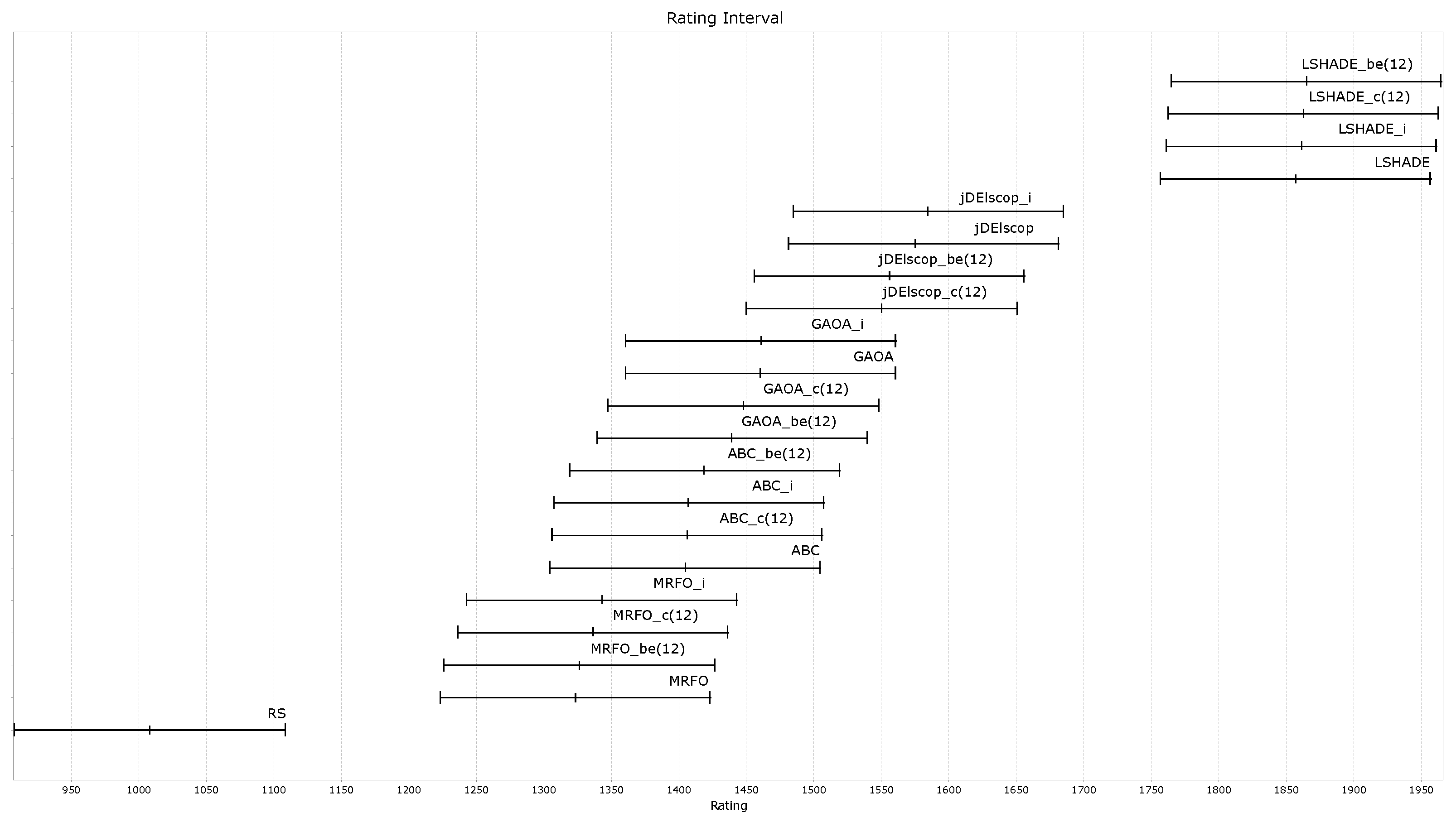
, RS outperformed MAs statistically significantly in detecting blind spots, as shown in
Figure 12, suggesting limitations in MAs’ exploration of complex landscapes. The RS excelled at detecting blind spots (
Figure 12), raising concerns about MAs.
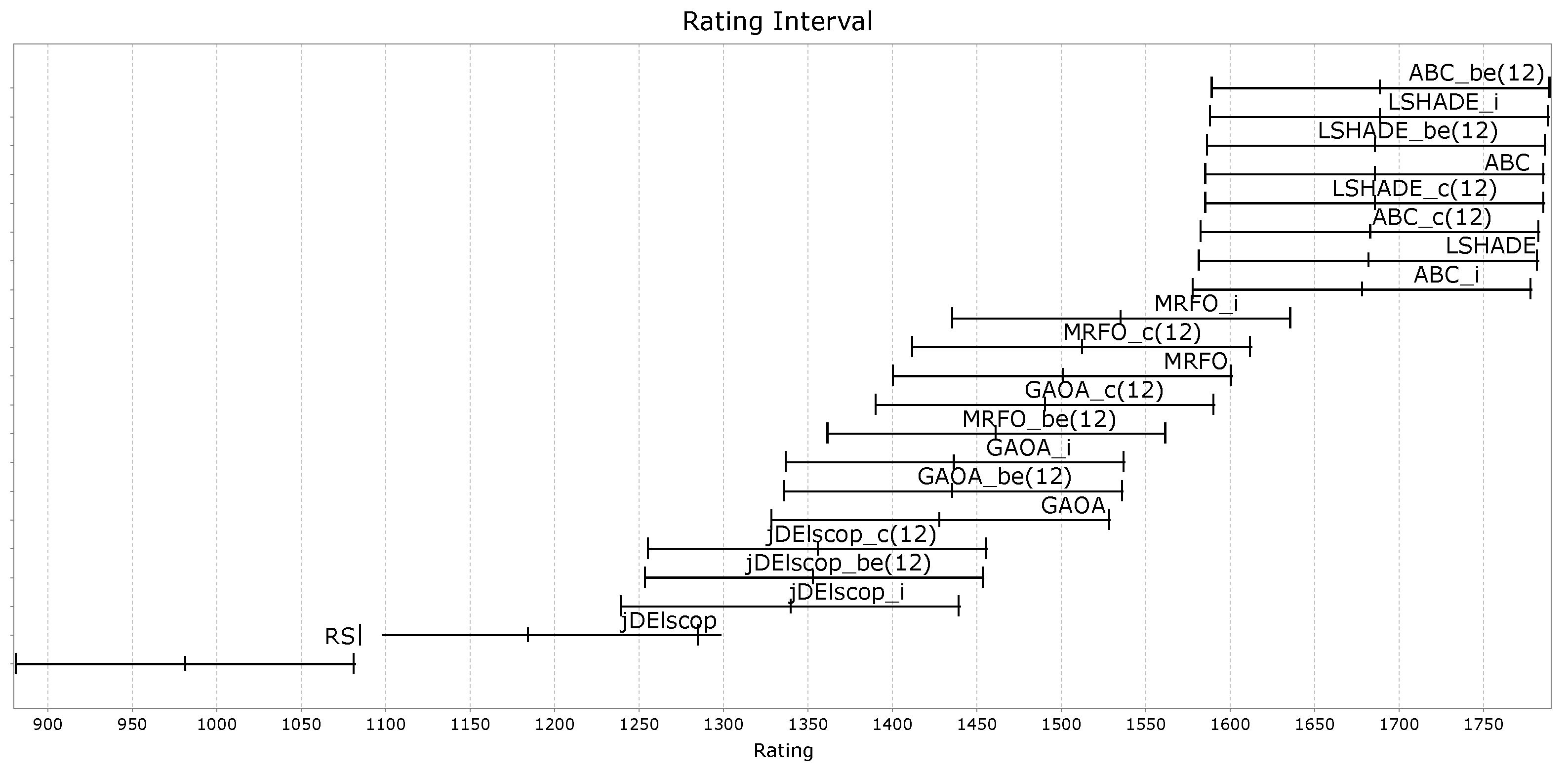
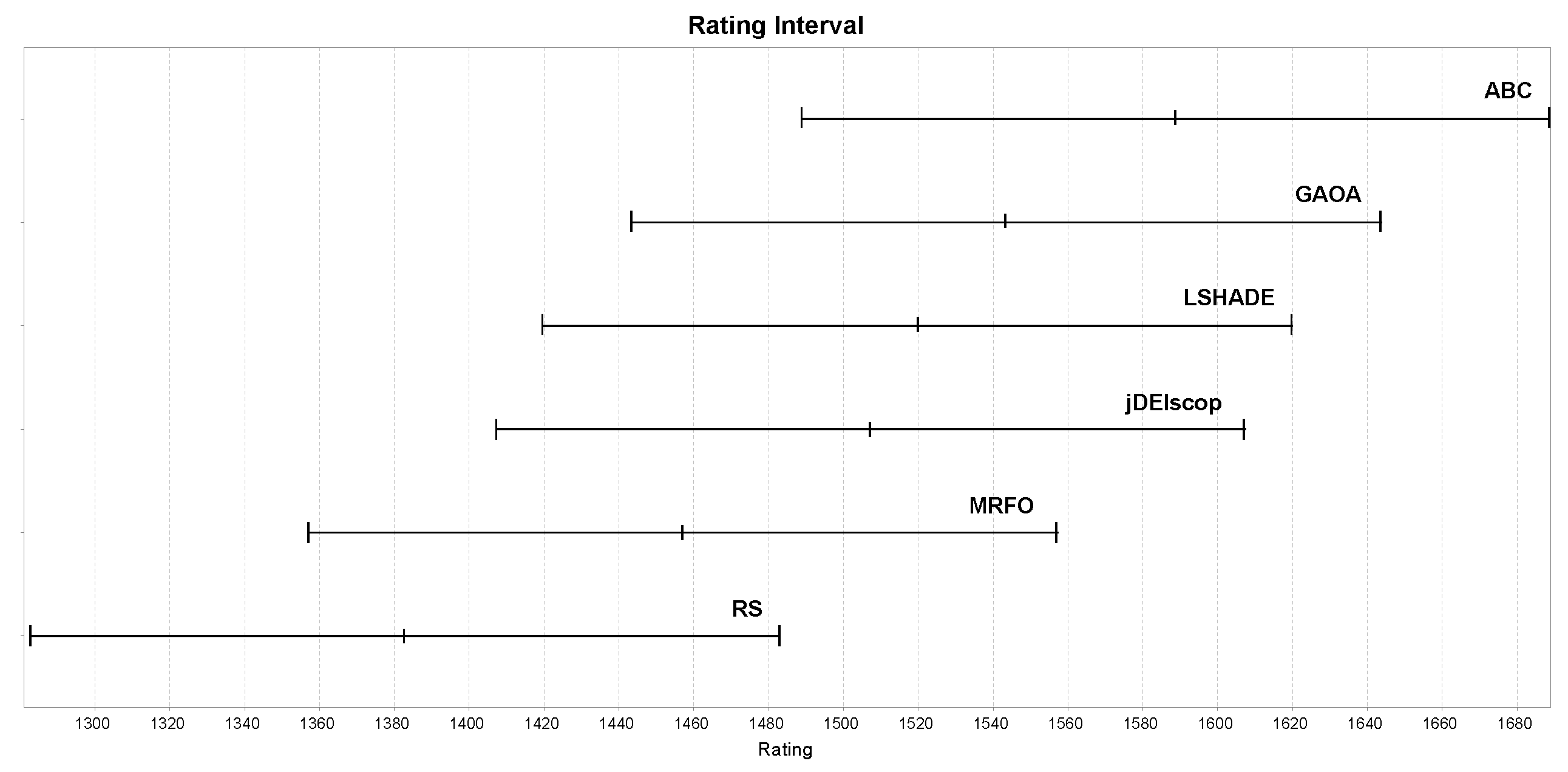
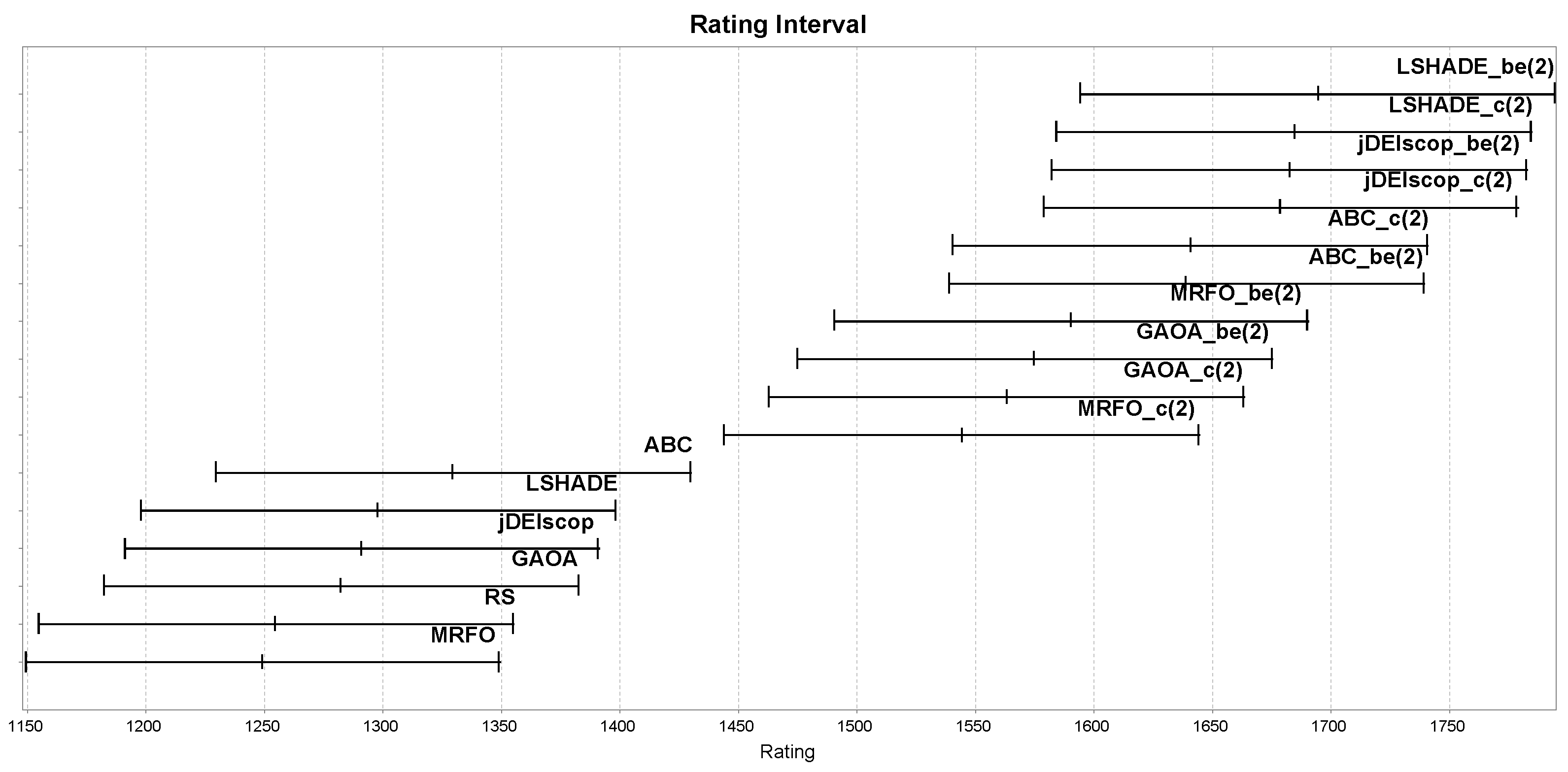
Benchmark results with blind spots revealed that only the ABC algorithm outperformed the RS baseline statistically significantly in terms of ratings, as shown in
Figure 13, indicating that the selected MAs struggled to explore complex landscapes effectively [
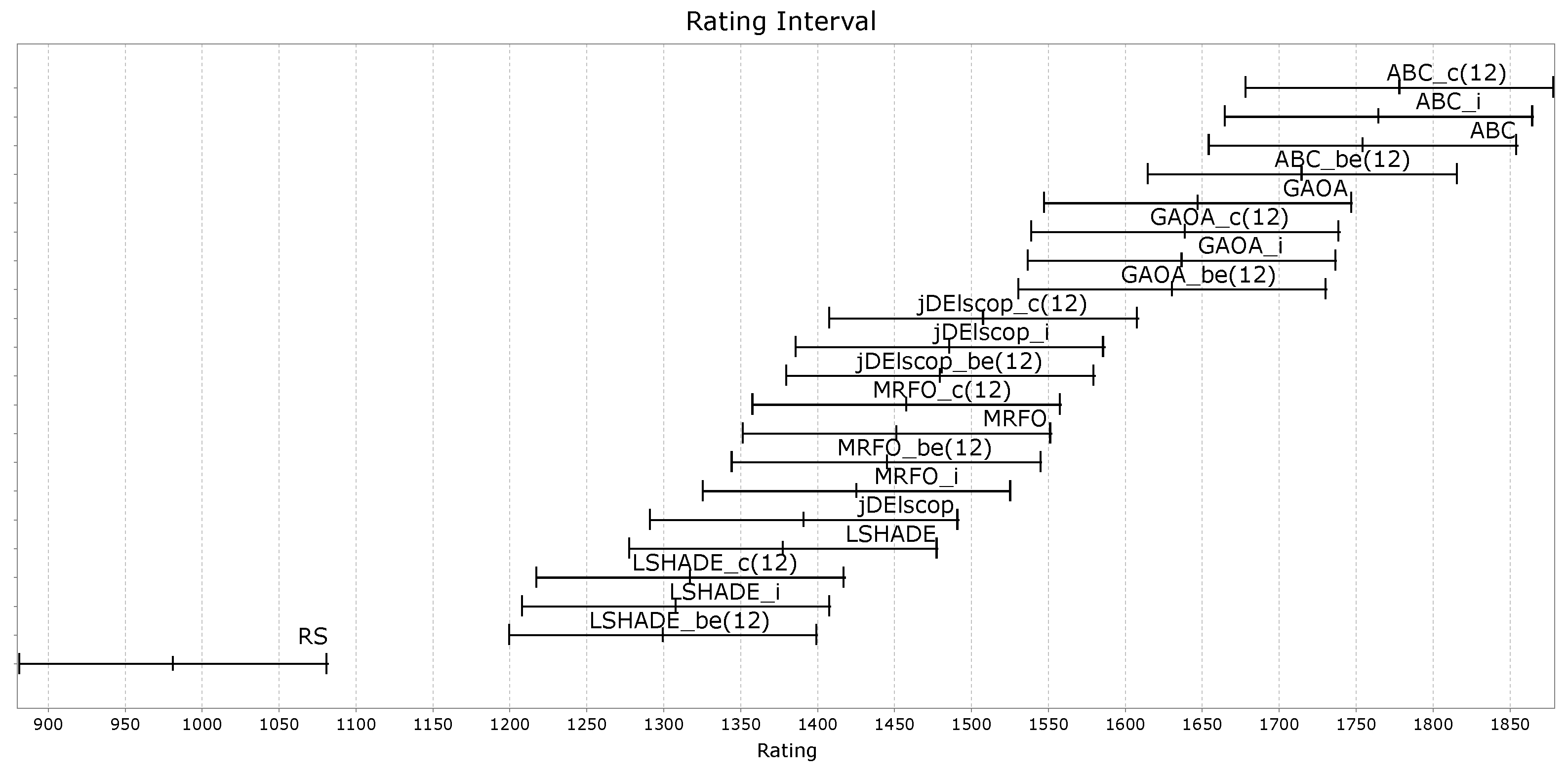
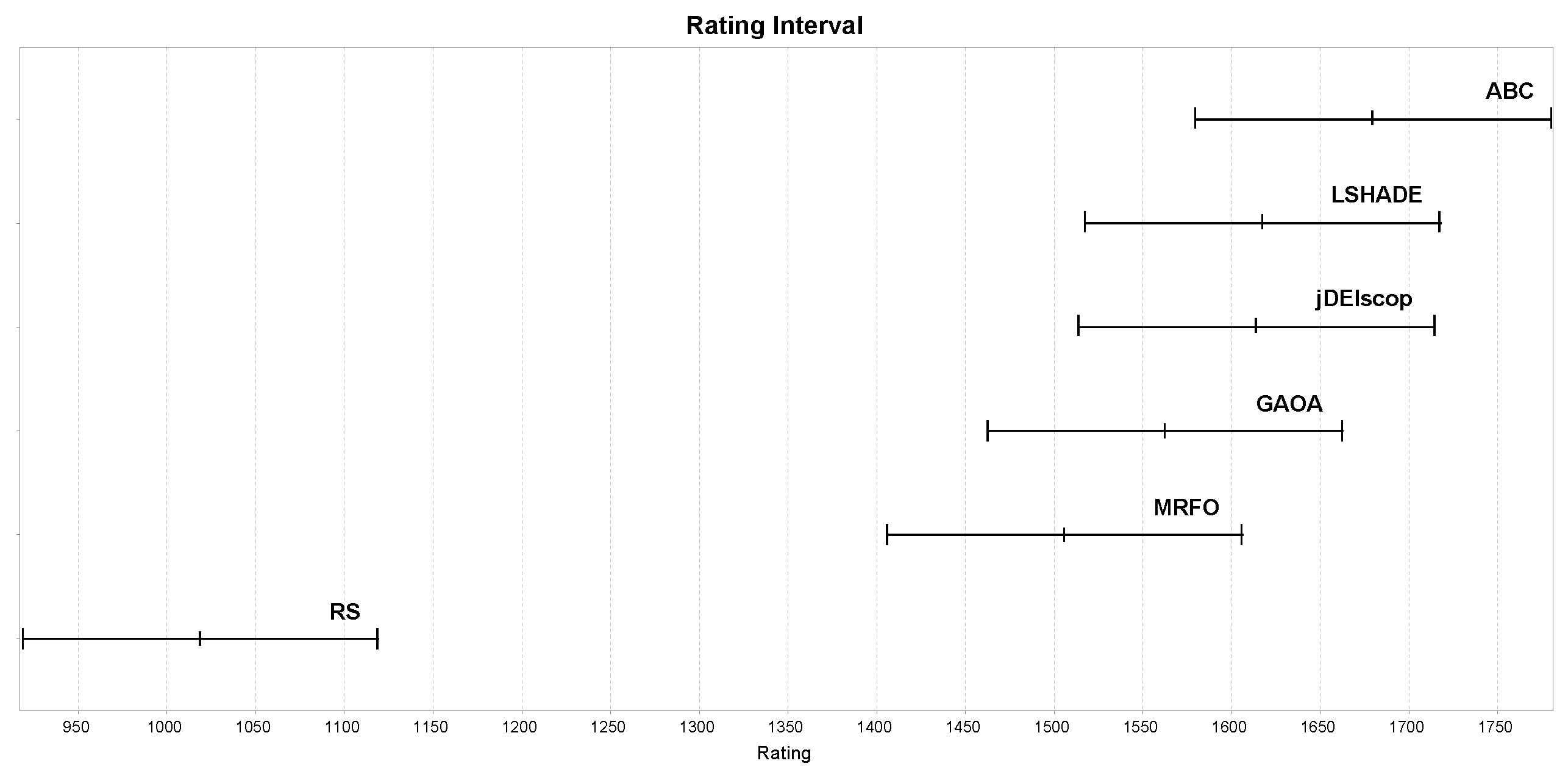
43]. To provide context, we repeated the experiments with identical settings on standard benchmark problems without blind spots. These results confirmed the expected superiority of MAs, with higher ratings across all the algorithms, as illustrated in
Figure 14 [
10].
4. LTMA+
LTMA+ is a novel approach based on LTMA [
10] that enhances the exploration mechanics of MAs by leveraging duplicate detection. This mechanism operates independently of the MAs, ensuring a fair algorithm comparison. LTMA+ functions as a meta-operator applicable to any metaheuristic, improving success rates without altering the algorithms themselves.
LTMA [
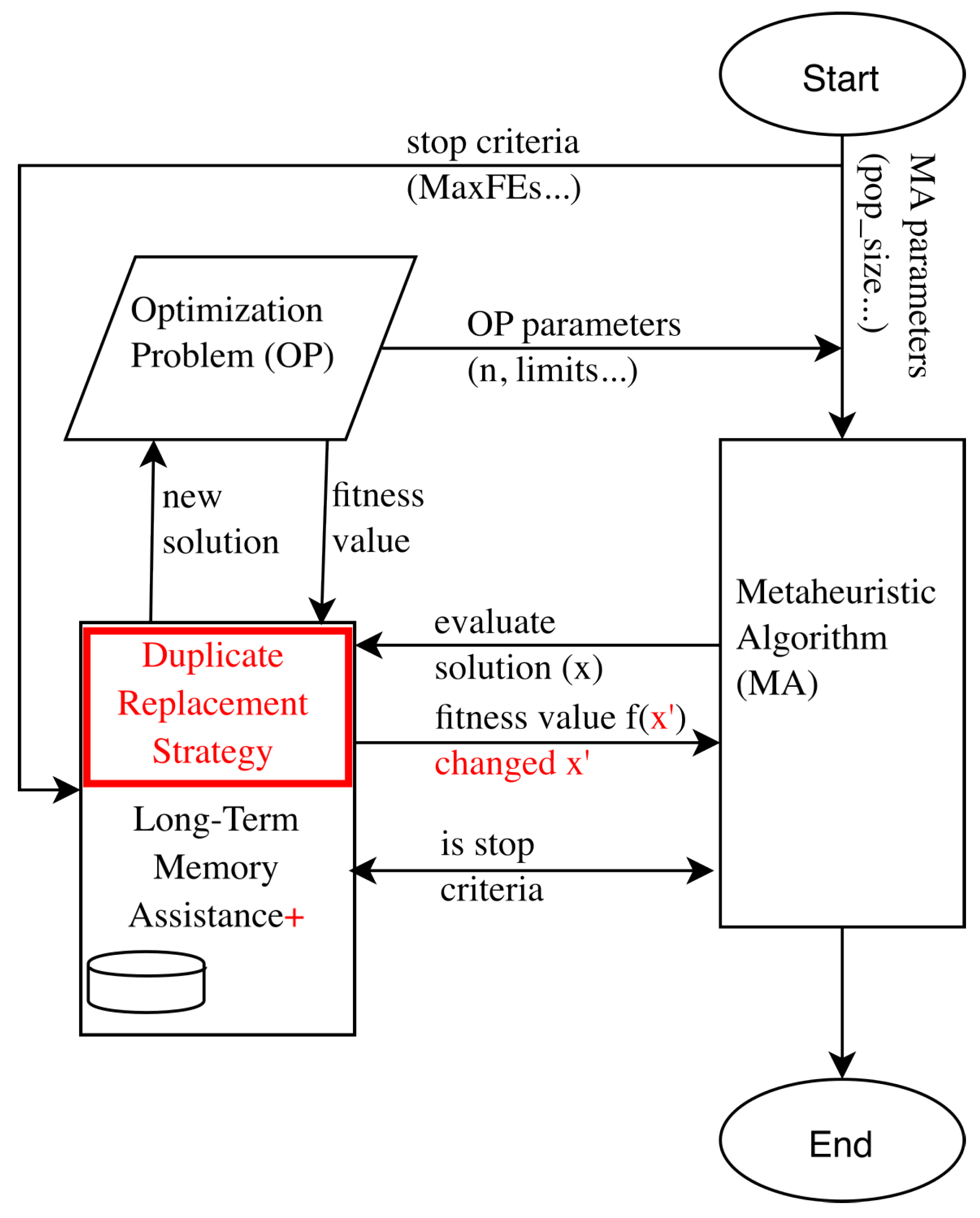
10] is extended with a duplicate replacement strategy: when a duplicate solution is detected, the solution,
x, is replaced with a newly generated solution,
, (
Figure 15). This approach aims to avoid local optima and enhance search-space exploration. However, it raises concerns about its impact on the core mechanics of optimization algorithms, as it may alter exploration procedures and disrupt the exploitation phase significantly. We conducted a detailed analysis in which duplicate solutions were created to address these concerns (
Appendix E).
The frequency of duplicates,
, is observable in
Table 1,
Table 2 and
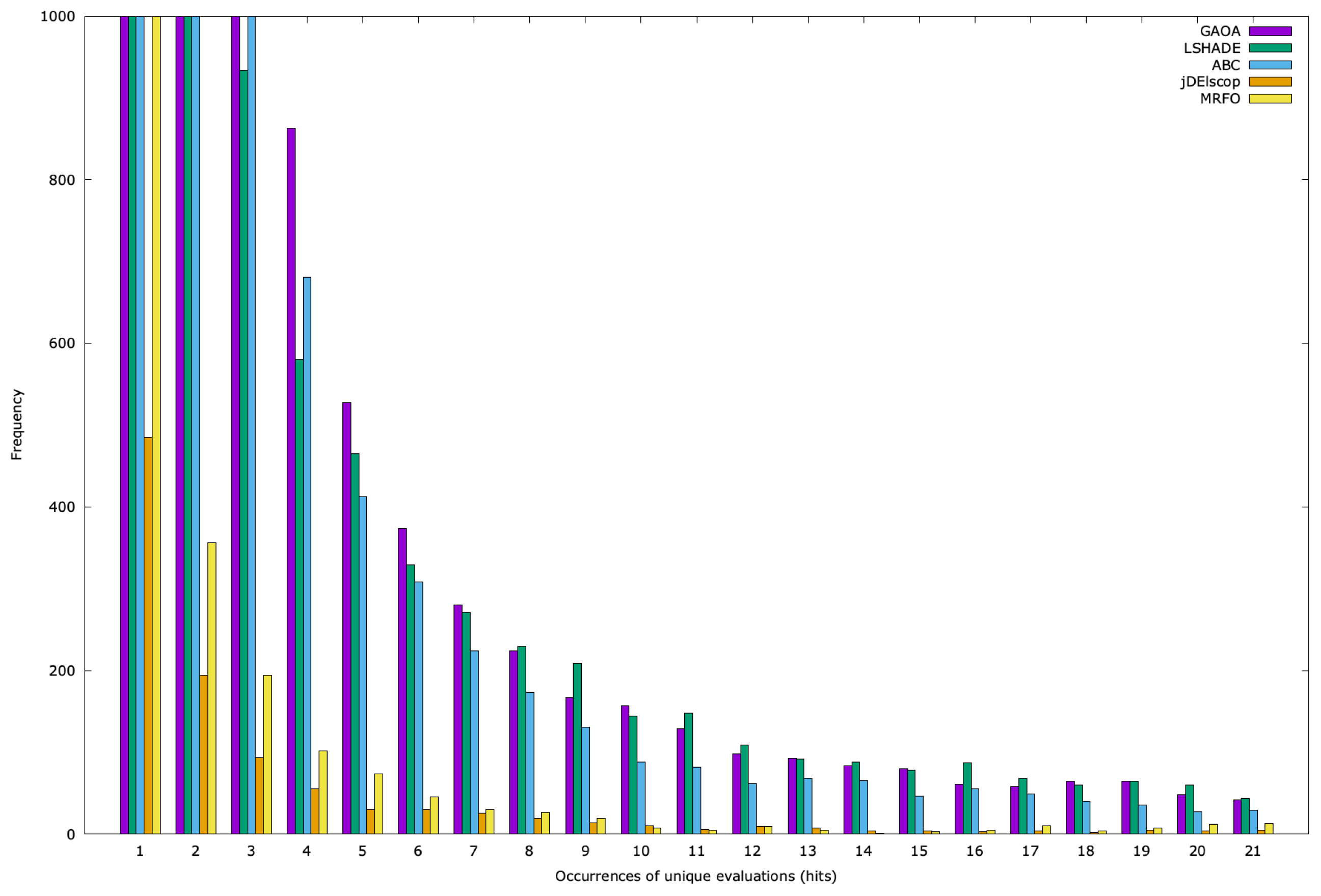
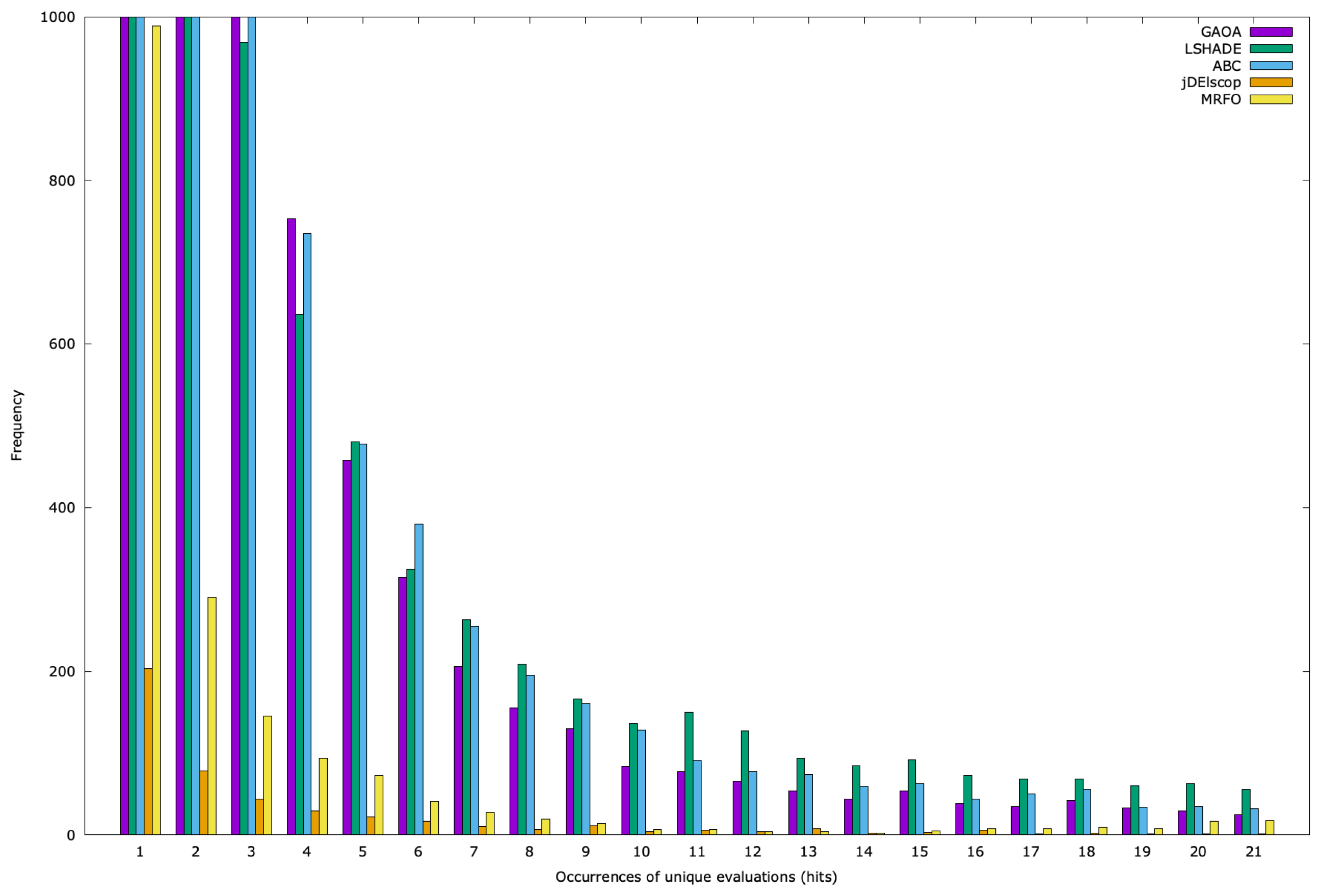
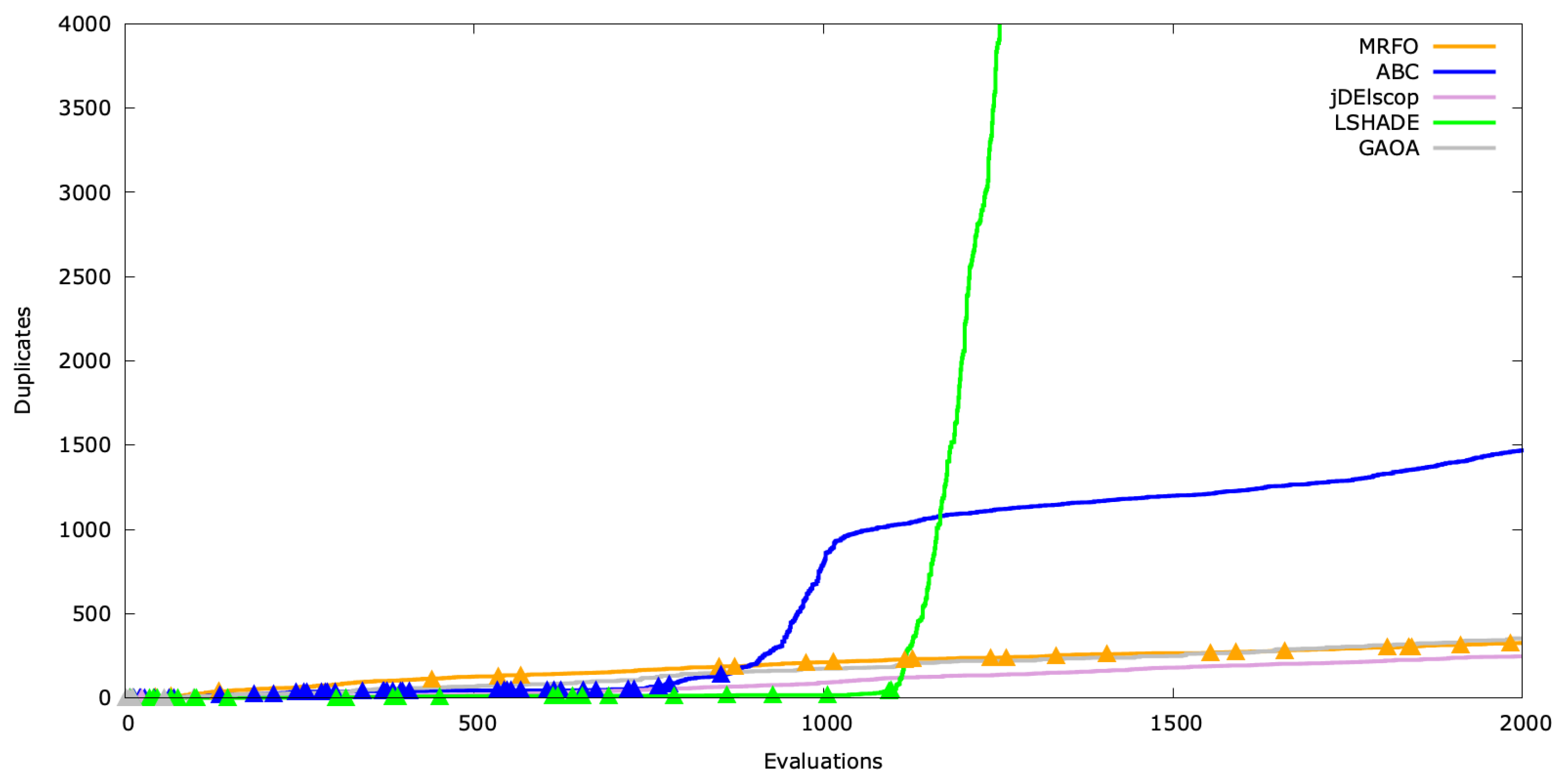
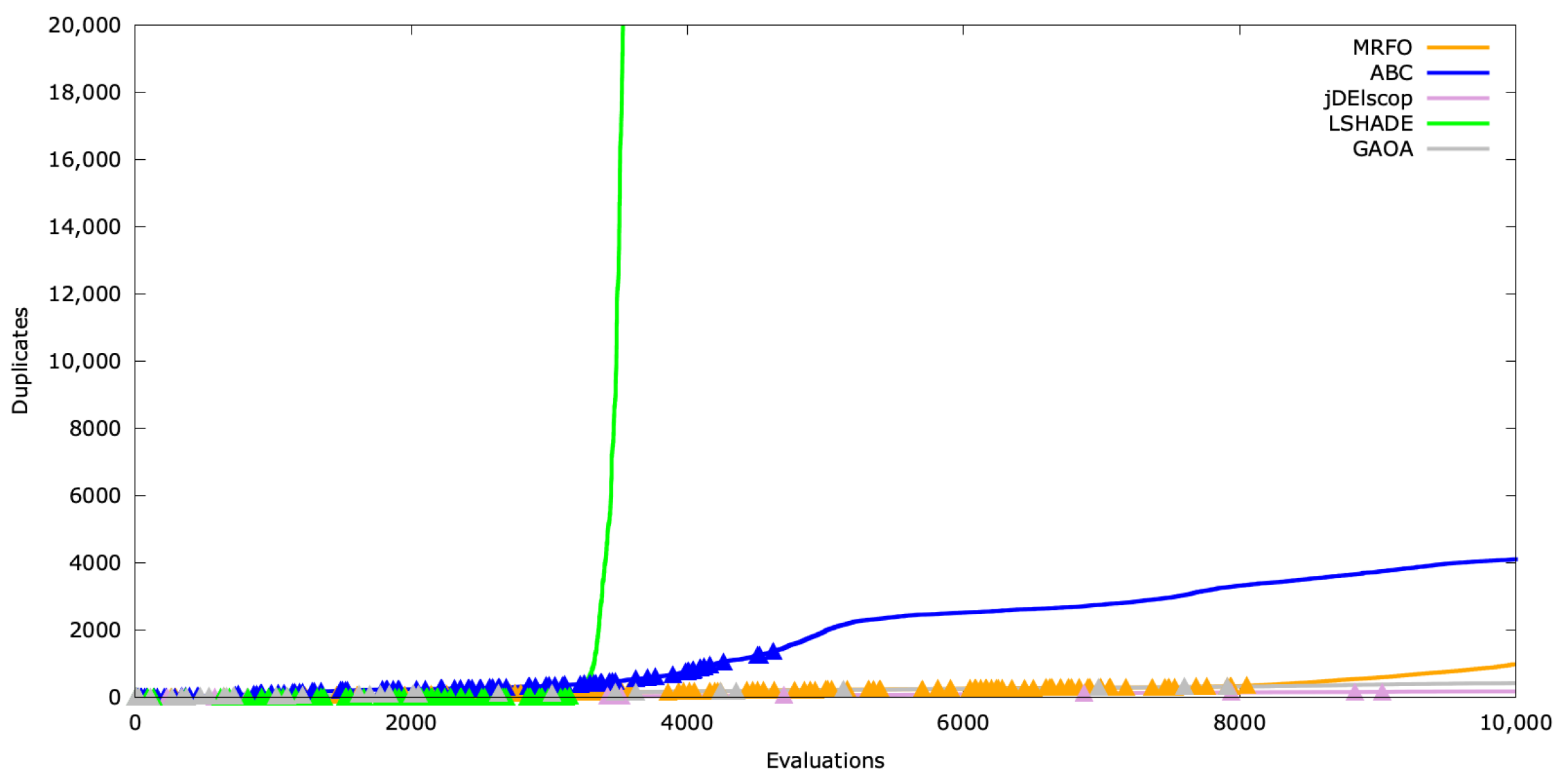
Table 3. The percentage of duplicates varies by problem, dimension, population size, and algorithm. However, these data alone do not reveal how often a solution is duplicated or the frequency of such duplicates (LTMA access hits). For instance, if a solution,
, is duplicated 1000 times (
), it might indicate a local optimum trap. The key distinction is whether a single solution generates many duplicates or multiple solutions are duplicated. This information can be used to trigger a forced exploration of new search-space regions.
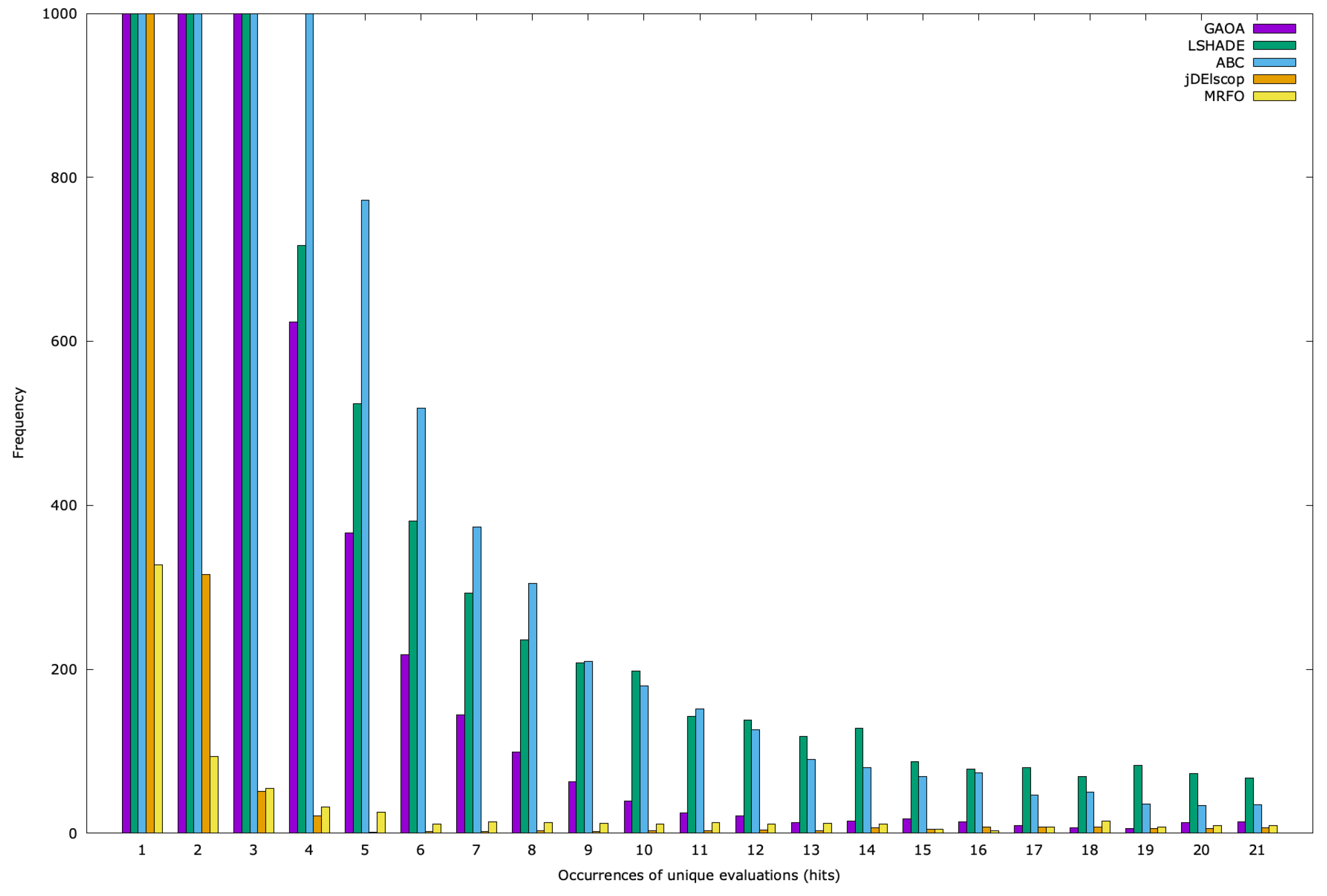
A detailed analysis of the LTMA access hits showed that most solutions had low hit counts, while a few had high ones (
Figure A19,
Figure A20 and
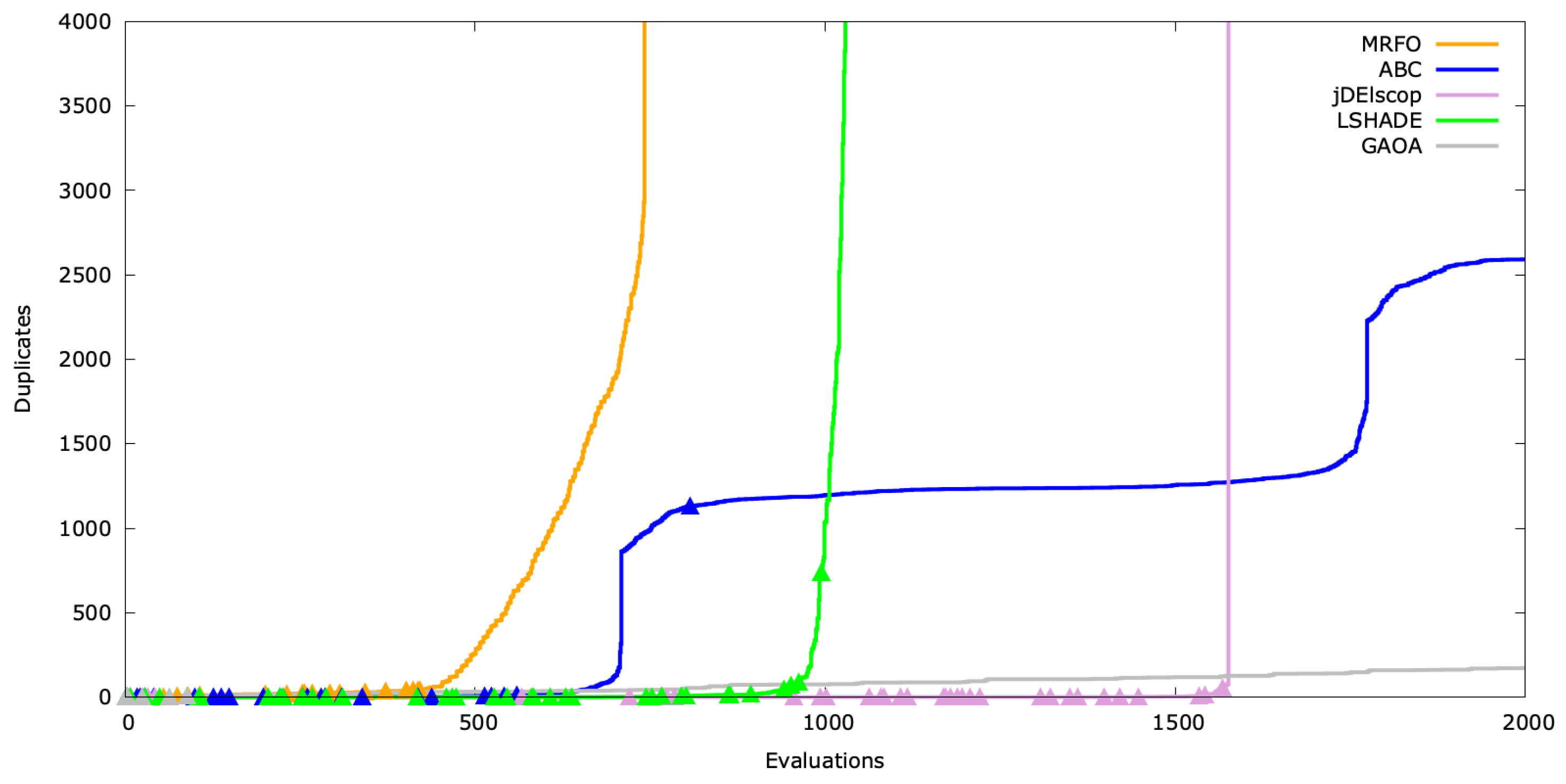
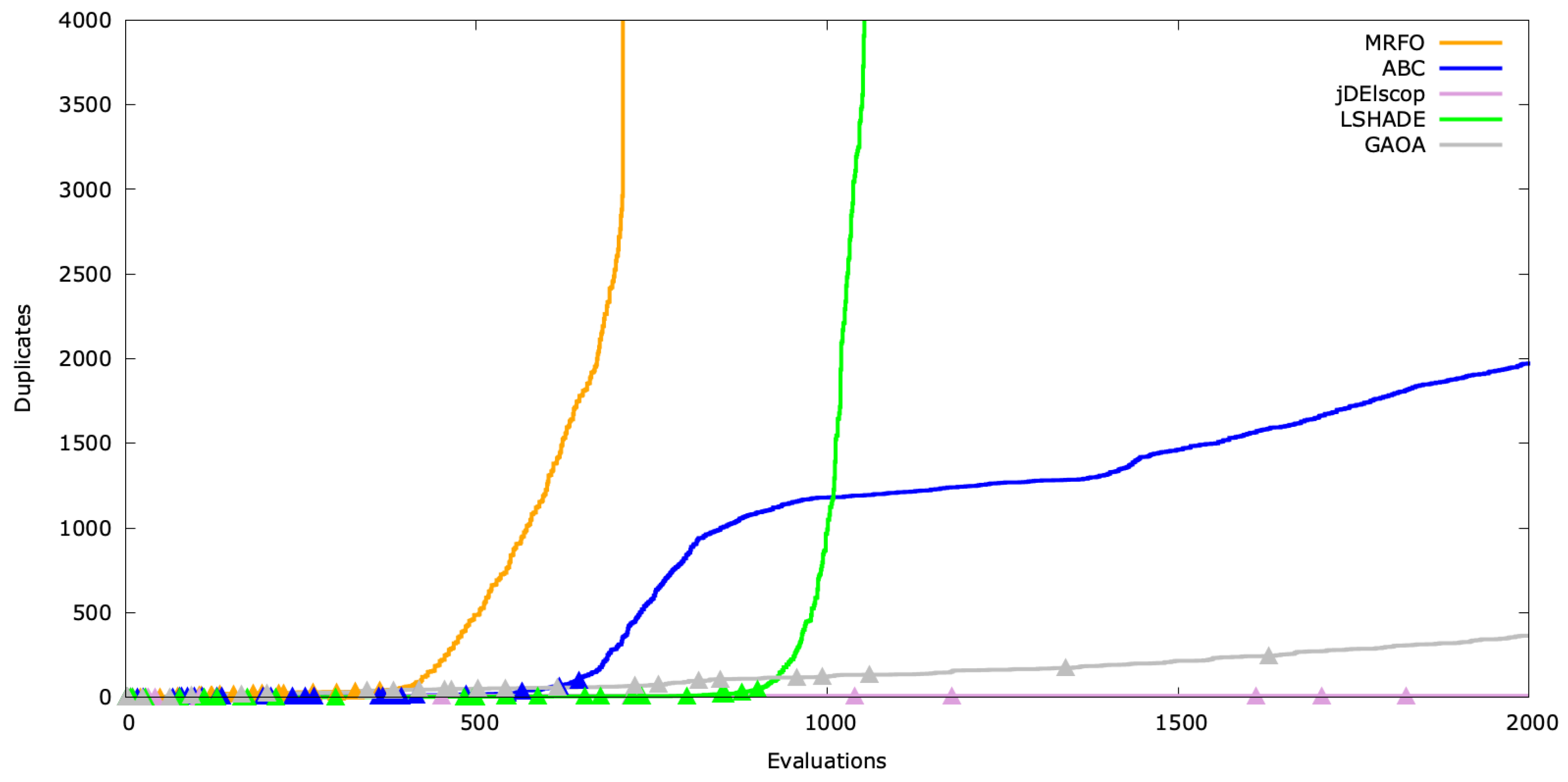
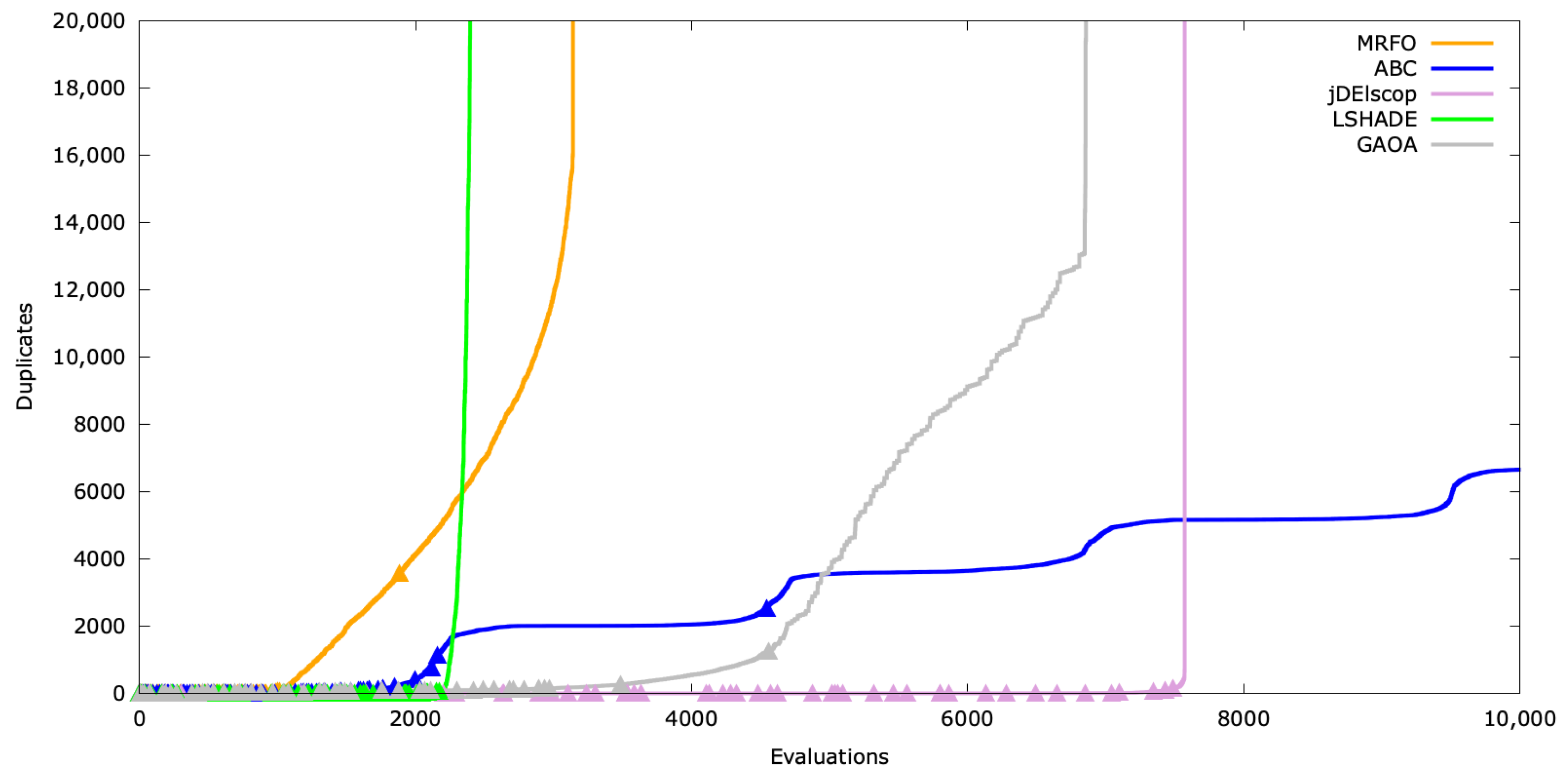
Figure A21). This suggests effective search-space exploration. However, the graph’s tail (rare high-hit individuals) indicates a few solutions with very high hit counts, where the total sum of hits is concentrated, potentially signaling entrapment in the local optima. To clarify this, we generated a running sum of hits graph for duplicate creation (
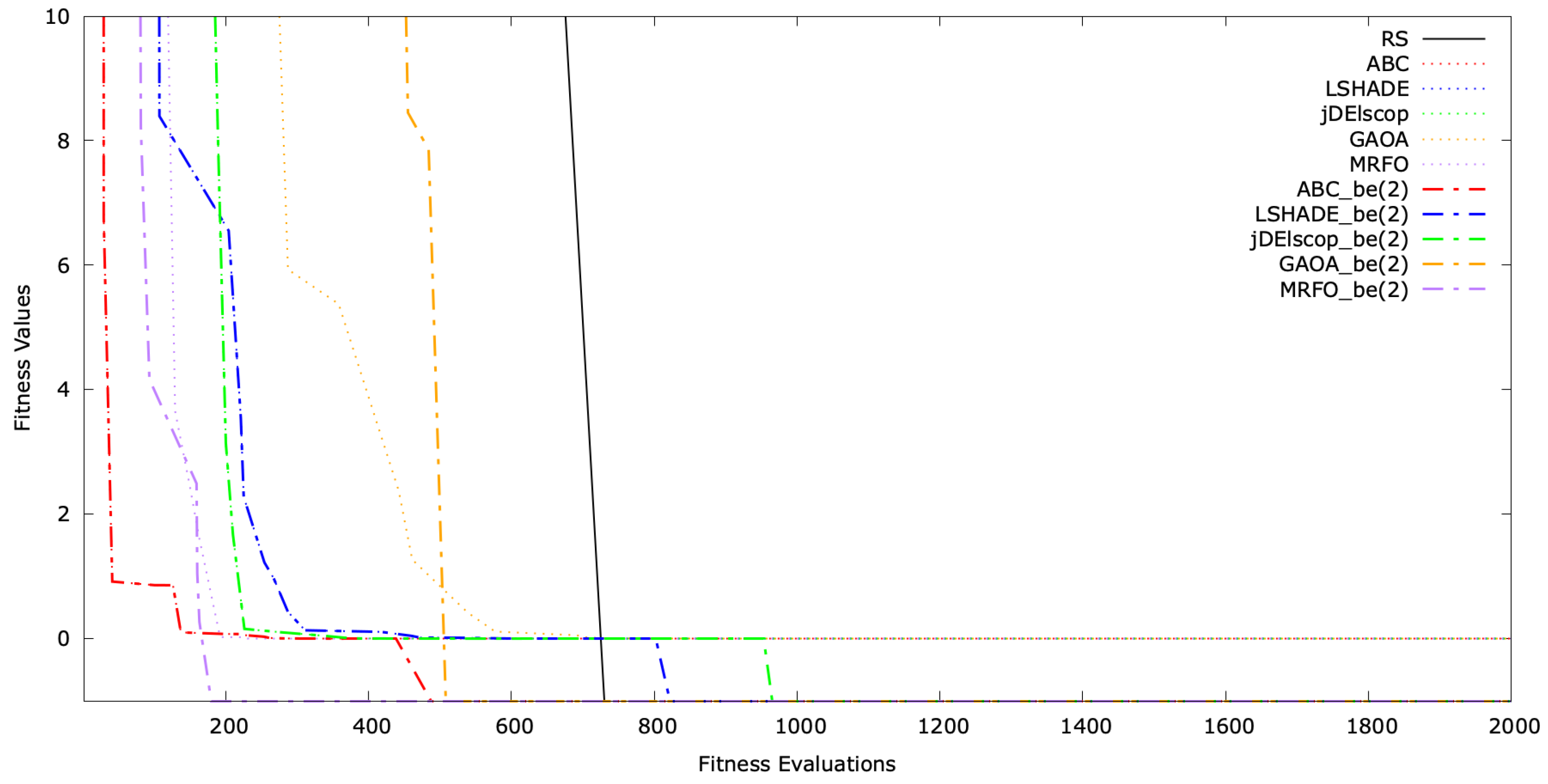
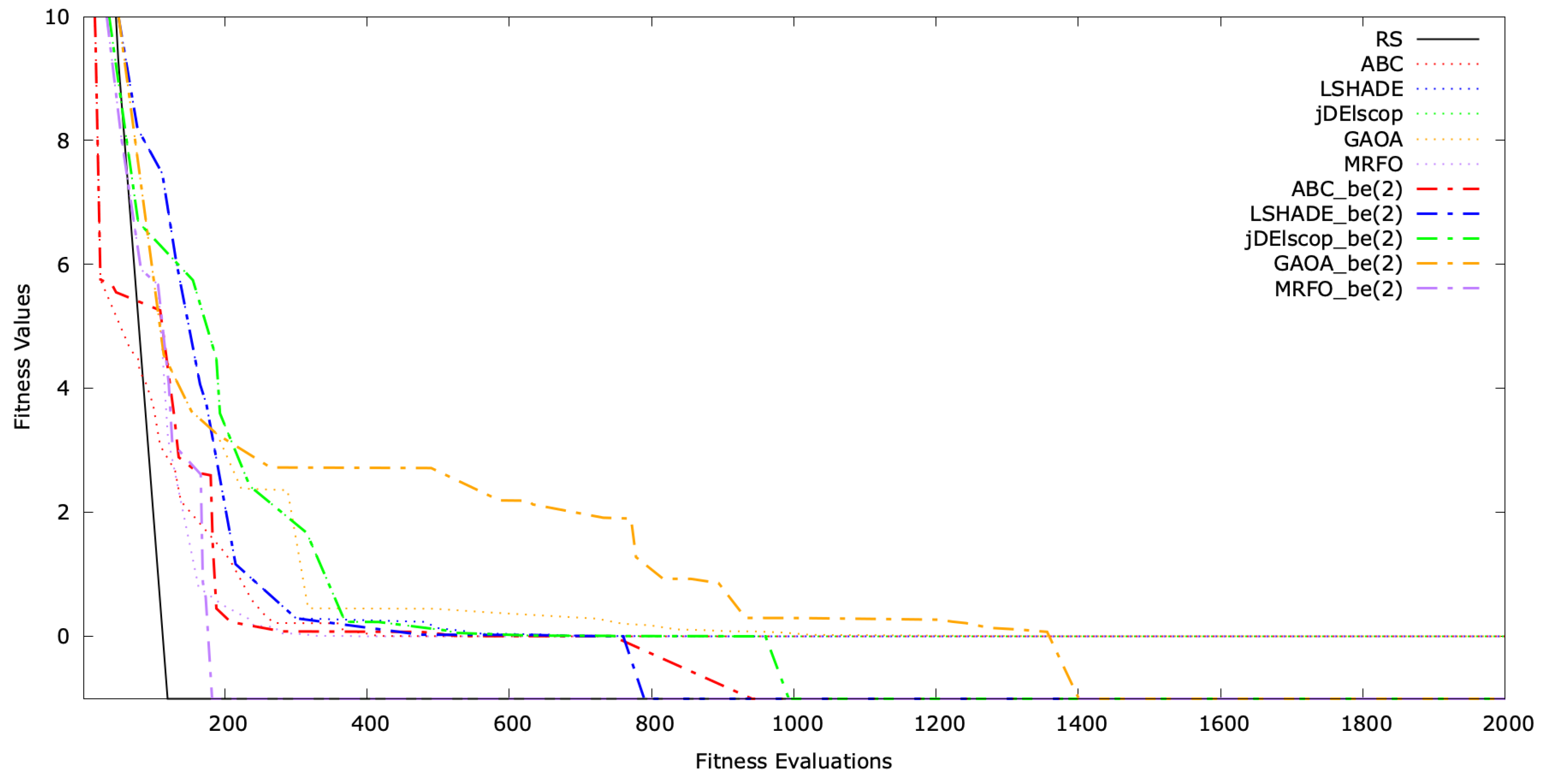
Appendix D). The analysis of duplicate creation timing is also crucial for understanding the behavior of LTMA+ and its impact on optimization algorithms. By examining the timing of duplicate creation, we can identify when the algorithm is likely to become trapped in local optima (
Appendix E).
Our analysis identified two key parameters to guide the exploration:
Number of hits (Hit): if a solution is generated x times, a new, non-revised solution replaces it.
Timing of duplicates: new solutions are created after x sum of memory hits ().
These parameters defined the LTMA+ strategies that preserve MAs’ internal exploration and exploitation dynamics, avoiding premature convergence.
4.1. Generating New Candidate Solutions
Mimicking RS, we could generate random solutions for additional exploration, but this would ignore the prior search information. From
Figure 4,
Figure 5,
Figure 6,
Figure 7 and
Figure 8, we observed that blind spots near the current solutions are more likely to be found during exploitation. Thus, we propose generating solutions using three random generation variants: basic random, random farther from the duplicate, and random farther from the current best.
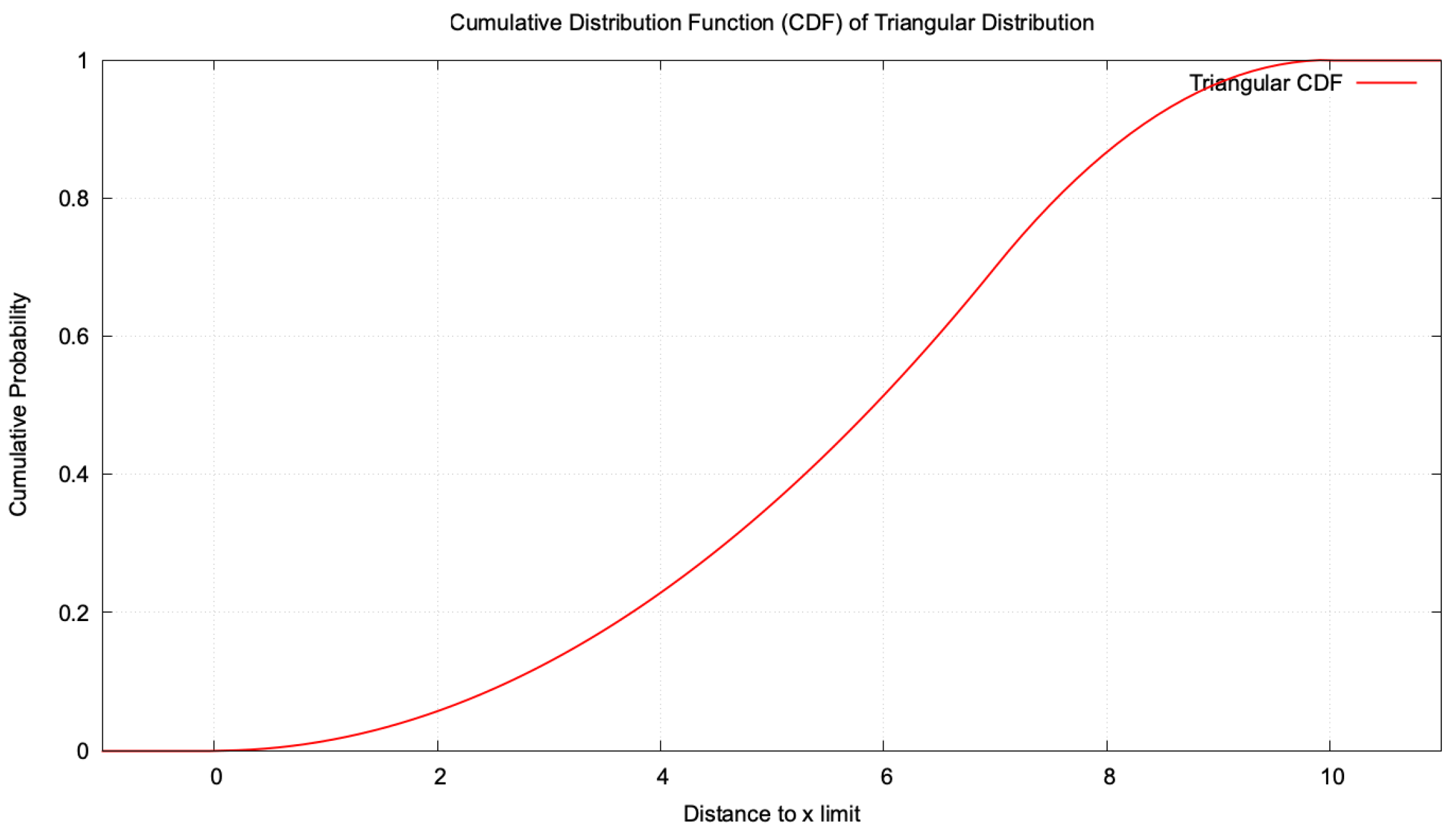
We use a triangular probability distribution to generate a solution randomly, likely far from a selected position (
Appendix F). For each dimension
, we generate a random position from the current position to the search space boundary, deciding to move left or right randomly:
where
and
are search-space bounds, and
generates a number with
,
, and mode
.
4.2. Strategies
Using exploration triggers and random generation methods, we define the following strategies:
Ignore duplicates (i): ignores duplicates, simulating LTMA.
Random (r): generates a basic random solution for duplicates, simulating RS.
Random from current (c): generates a random solution farther from the duplicate.
Random from best (b): generates a random solution farther from the current best solution.
Random from best extended (be): generates random solutions farther from the current best for the next 100 evaluations.
Strategies may include a parameter, replacing duplicates only after a specified hit count, or a parameter for the number of prior duplicate evaluations to initiate replacement.
6. Discussion
The proposed LTMA+ approach offers advantages, disadvantages, and considerations. To begin the discussion, we first highlight its positive aspects.
6.1. The Good
LTMA+ enhances the robustness of MAs by facilitating a transition from duplicate creation to exploration, often preventing algorithm stagnation. This is particularly effective when the total number of evaluations is unknown. Even RS can outperform MAs when an algorithm is trapped in a local optimum. By leveraging prior evaluations, such as the current duplicate or best solution, LTMA+ generates smarter random individuals positioned farther from the current search space, promoting exploration.
Experiments on the Blind Spot benchmark demonstrated LTMA+’s benefits, with its strategies outperforming LTMA [
10] and RS statistically significantly. The top performer,
, generated random individuals farther from the current best solution and extended the number of such evaluations. The second-best,
, targeted individuals farther from the current duplicate. These results underscore LTMA+’s ability to escape the local optima and enhance search diversity.
Designed as a meta-approach, LTMA+ applies to diverse optimization problems—discrete, continuous, and multi-objective within the EARS framework, where over 60 MAs can be adopted seamlessly. This versatility ensures broad applicability, limited only by inherent search-space constraints, including those that do not sort solutions at the end of the optimization process. Although state-of-the-art MAs are often self-adaptive, dynamically adjusting their control parameters during optimization, our results demonstrate that they can be further enhanced with LTMA+. However, if an MA already incorporates mechanisms similar to LTMA+, significant improvements are not expected.
Moreover, LTMA+ reduces reliance on the algorithm control parameters by enabling self-adaptation to the problem. This is advantageous when the optimal parameters are unknown, minimizing manual tuning and boosting robustness. For instance, if the population size is too small, causing duplicates, LTMA+ generates additional random solutions. While not eliminating parameter tuning entirely, this enhances algorithm robustness.
6.2. The Bad
LTMA+ is an adaptive solution for optimization challenges, including blind spot detection, but its effectiveness diminishes for smaller blind spots or higher problem dimensions. While LTMA+ enhanced MAs’ performance significantly on the Blind Spot benchmark problems, its ability to detect blind spots weakened as the dimensionality increased. At , LTMA+-wrapped MAs identified blind spots inconsistently across the runs.
A second concern, especially for experienced users, is the additional computational cost and resources required. LTMA+ demands extra memory to store and manage long-term optimization data, a burden that grows in large-scale problems with many evaluations. While duplicate evaluations do not count toward stopping criteria, searching memory incurs computational time. Solution comparisons are discretized by decimal places, introducing a parameter (Pr) that is primarily problem-dependent (i.e., how much precision makes sense for a solution), but can also be used to tune the optimization process. Edge-case problems are those that require a very high level of precision. In such cases, the LTMA+ approach may be less effective, as the generation of duplicate solutions is less likely, and more memory is required to store potential duplicates.
An efficient LTMA+ implementation achieves near-linear time complexity for duplicate detection and memory operations, enabling optimization speedups for MAs on benchmark problems with blind spots, such as the blind spot suite. The time complexity and resulting speedups of LTMA-wrapped MAs were discussed in detail in the original LTMA study [
10], where we showed that the LTMA computation cost was marginal and non-significant. An edge case for computational efficiency includes methods that rarely generate duplicate solutions; an extreme example of this is the RS algorithm. Another partial edge case involves problems where fitness evaluation is very computationally efficient—comparable to a memory lookup in LTMA+. In such cases, the LTMA+ optimization process is slower than running without LTMA+, but it can offer greater robustness, as the detection of duplicate solutions triggers additional exploration.
Furthermore, LTMA+ introduces the parameters Hit and strategy selection, which require careful tuning. Small values yielded improvements in our experiments, but their effectiveness varied with the MAs, control parameters, and problem nature, emphasizing the need for parameter sensitivity and adaptability.
6.3. The Ugly
LTMA+ requires integration with a metaheuristic, achieved here via the EARS framework, which relies on object-oriented programming. Many EA researchers, not being software development experts, may struggle to implement or use such meta-approaches. However, these implementations standardize the structure, easing comparison and evolution.
From a results perspective, long runs with many duplicates risk over-exploration, potentially reducing effectiveness.
7. Conclusions
This paper has introduced LTMA+, a novel approach to addressing the blind spot problem in MAs, where the optimization process becomes trapped in the local optima, failing to locate specific global optima. This challenge impairs MAs’ effectiveness in optimization tasks significantly. By leveraging LTMA+ strategies, MAs mitigate stagnation by dynamically enhancing exploration when duplicate solutions indicate optimization stagnation. LTMA+ redirects its focus to underexplored search-space regions, promoting continuous improvement and robustness in problems with blind spots, such as the Blind Spot benchmark problems.
Despite LTMA+’s universal applicability across optimization challenges, its effectiveness diminishes for smaller blind spots or higher-dimensional problems. To advance LTMA+ research, several key directions warrant exploration. First, evaluating LTMA+ on comprehensive benchmarks, with diverse blind spot configurations and dimensions beyond , will assess its scalability and robustness. Specifically, testing adaptive LTMA+ strategies, such as , on multimodal and constrained problems could optimize blind spot detection. Second, integrating LTMA+ with hybrid MAs or deep learning techniques may enhance exploration in discrete, continuous, and multi-objective domains, addressing real-world applications like scheduling or neural architecture search. Third, investigating LTMA+’s performance under varying evaluation budgets, from real-time constraints (e.g., autonomous navigation) to extended periods (e.g., structural optimization), will clarify its efficacy in time-sensitive scenarios. Finally, developing new adaptive LTMA+ strategies to guide exploration toward underexplored regions would enhance blind spot detection robustness in high-dimensional benchmark problems. These directions, deferred for brevity, highlight LTMA+’s significant promise. We believe LTMA+ holds substantial potential to enhance the robustness of MA in optimization tasks.