Article

Attitudes Towards Sustainability at Business Schools: A Comparative Study of Students at Local and International Universities in Singapore

1
National University of Singapore, Singapore 119077, Singapore
2
Institute for Human Resource Management, WU Vienna, Welthandelsplatz 1, 1020 Vienna, Austria
3
Faculty of Law, Bond University, Robina, QLD 4226, Australia
4
Department of International Management, Poznan University of Economics and Business, 61-875 Poznań, Poland
*
Author to whom correspondence should be addressed.
Educ. Sci. 2025, 15(12), 1689; https://doi.org/10.3390/educsci15121689
Submission received: 18 September 2025 / Revised: 18 November 2025 / Accepted: 3 December 2025 / Published: 15 December 2025

Abstract

Higher education institutions have been called to step up and contribute towards the United Nations Sustainable Development Goals (SDGs). Much research has been conducted in the areas of sustainable development and responsible management education. However, global progress towards achieving the SDGs has been slow. This paper scrutinizes foreign (subsidiary) and local business schools operating in Singapore by exploring the factors that influence students’ consideration of a program of study and what is important to the student experience, particularly from a sustainability perspective. An online survey questionnaire was distributed, and 139 participants completed it. Results suggest no significant difference in attitudes between genders and local and international students. However, all students are concerned and expect the school to provide support for mental well-being. The analysis also revealed that sustainability perceptions and awareness are low, and that students received very little education on sustainability. Despite extensive research on sustainable development and responsible management education, a significant gap remains between theory and practice, primarily due to the lack of translation of theory into practical applications.

1. Introduction

1.1. The Problem

Sustainability has become a primary global concern as countries, cities, governments, corporations, and universities worldwide come together in their determination to tackle this important issue for future generations (WEF, 2022). Since higher education is viewed as a social mission with a moral responsibility to serve the public good through education, knowledge creation, and enhancement, universities and higher education institutions are encouraged to adopt sustainability (UNESCO, 2022).
Furthermore, research has demonstrated that obtaining a formal education in sustainability can positively influence students’ awareness and attitudes towards sustainability (Hay & Eagle, 2020). Therefore, higher education plays a crucial role in building a sustainable future for many generations to come. Among other institutions of higher education, the expectations are particularly high for business schools, given their role in developing and shaping business leaders (Monje-Cueto et al., 2024; Doś & Pattarin, 2024), as well as establishing partnerships between academia and business for sustainable development (UN PRME, 2025). Business schools are thus expected to take the lead in integrating sustainability into their strategy plans, teaching, instruction, and curriculum, as well as the overall student experience, to provide students with a creative problem-solving mindset and the skills necessary to solve complex sustainability-related problems (Sroufe, 2020).
As the United Nations Sustainable Development Goals (SDGs) for the “2030 Agenda for Sustainable Development” draw nearer, universities worldwide are facing immense pressure to transform themselves. In particular, business schools have the responsibility to adopt an interdisciplinary approach to achieve and contribute towards the economic, social, and environmental sustainability to fulfill the fourth SDG (United Nations, 2025), where access to quality education for all is vital to the overall sustainable development agenda (UNESCO, 2022). The term “access” referred to fair and socially inclusive opportunities to gain admission to higher education and lifelong learning for everyone, while “quality education” represented the accomplishments in global and internationally recognized rankings, university league tables, and other achievement indexes (Gidley et al., 2010). Often, students seek equitable opportunities in higher education. However, they often judge the quality of education provided by universities based on their reputation and achievements in internationally recognized rankings and other performance indexes, thereby creating tension and widening the gap between elite and mass-access universities (Altbach, 2010). Nevertheless, universities with achievements in their rankings and reputation present a positive image, which results in student satisfaction and has an impact on their sustainability (Manzoor et al., 2021).

1.2. Research Gap

Despite a robust body of scholarship on sustainable development and responsible management education, progress in translating these ideas into everyday educational practice remains uneven. In Singapore, an established regional education hub analyzed in this article, there is comparatively limited empirical evidence on how business–school students perceive sustainability, how such perceptions affect program choice and the student experience, and whether differences emerge across local versus foreign–affiliated institutions.
As a critical component of a research study, research questions guide the investigation of a problem to find an answer or a solution (Saunders et al., 2019). The research questions (RQs) addressed in this study are:
RQ1: To what extent are various factors considered when choosing a program by local and international students?
RQ2: To what extent does the student experience differ between types of higher education institutions?
RQ3: To what extent are sustainability-related aspects important to the student experience?

1.3. Significance of This Research

This study will contribute in several ways. First, to identify potential gaps between students’ expectations and attitudes towards sustainability, and what business schools actually do for sustainable development. The findings are crucial for education policymakers as they navigate their institutions and develop strategies to help achieve the United Nations SDGs. Second, the findings are significant for marketing and recruitment teams at business schools, academic program directors, and school leaders. Knowing what students expect and their perceptions will enable these key stakeholders to target their marketing and recruitment efforts effectively and develop their sustainability initiatives, positioning their schools and programs in a way that meets the expectations of students. Lastly, the findings will help the school better understand and identify the type of support students need and what they expect from it. The data was collected in Singapore, a regional hub for high-quality education (Mok & Lee, 2003), which hosts both local and foreign-affiliate business schools. These schools attract students from many countries. Therefore, the empirical findings can be generalized to other institutions and locations with similar characteristics and allow replication and comparative studies in different contexts.

2. Globalization and Higher Education in Singapore—Background for Further Research

Globalization has impacted higher education worldwide, transforming the way universities operate and increasing complexity and competition among them (Altbach, 2010; Bourn, 2011). Once perceived as an ethical social good, higher education has evolved to behave and operate like for-profit corporations, prioritizing financial viability and economic objectives (Chan, 2016). To remain competitive, universities have to boost revenue while keeping operating costs low. One way to increase revenue is to recruit international students in addition to growing local student numbers. Consequently, universities compete against each other to attract international students in various ways, including their brand, reputation, global rankings, program offerings, academic talent, and even tuition fees (Altbach, 2010).
Thus, the internationalization of higher education is a way of coping with globalization by tapping into international students in global markets through transnational education, such as overseas campuses, distance learning, and partnerships with other universities or higher education institutions for in-country program delivery (Olds, 2007). Therefore, the recruitment of international students has become a crucial aspect of internationalization, as it forms a pivotal source of income for universities, especially since governments worldwide have drastically reduced funding budgets since the 2008 global financial crisis (Ojo & Lorenzini, 2021). The internationalization of higher education has also led to an increase in student mobility, as students go overseas for experiential learning through exchange programs or internship opportunities, resulting in greater student diversity (Olivas & Li, 2006). Additionally, knowledge transfer has occurred through faculty participation in international teaching exchanges and transnational research collaborations, thereby increasing faculty diversity (Teichler, 2017).
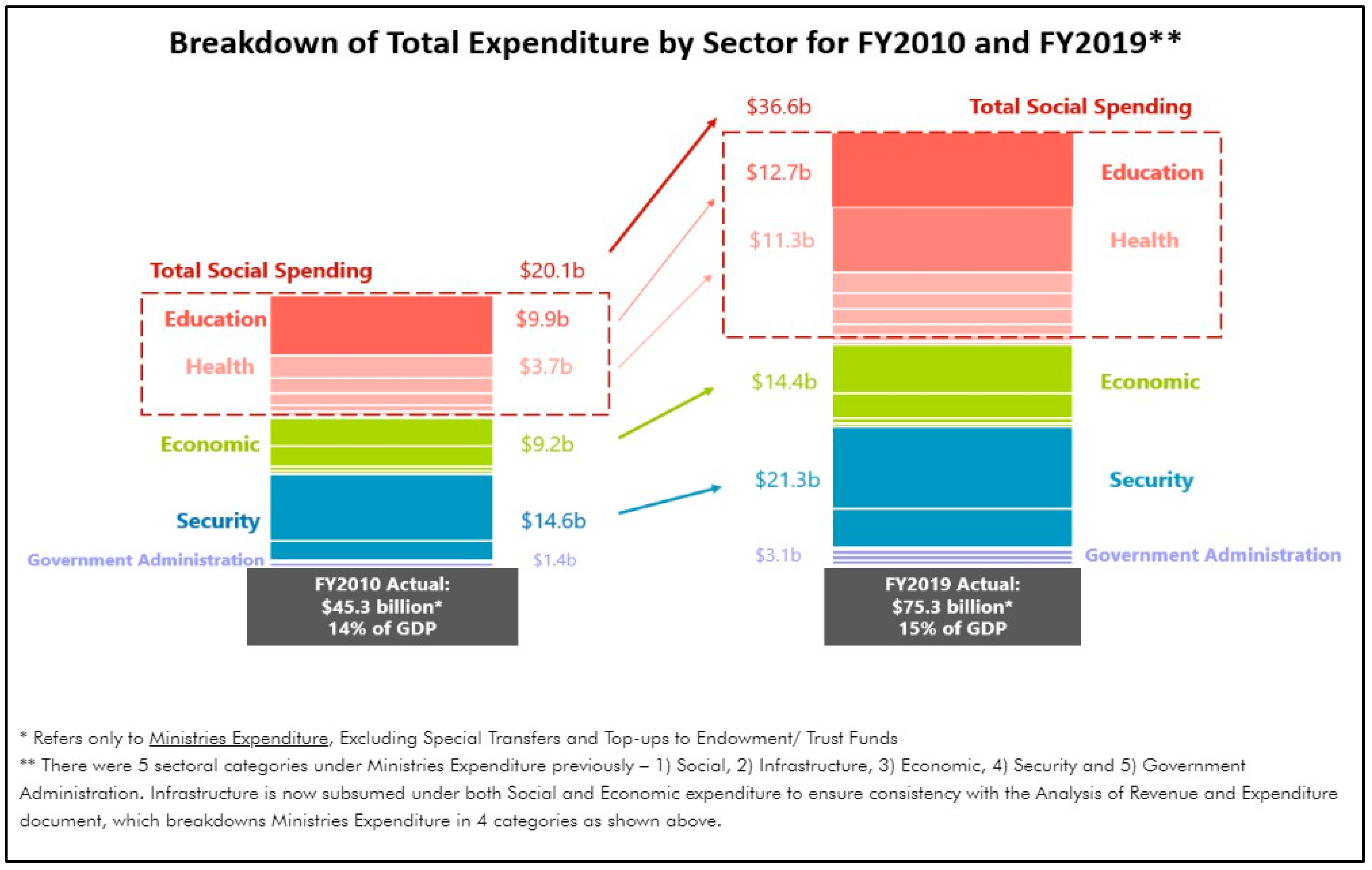
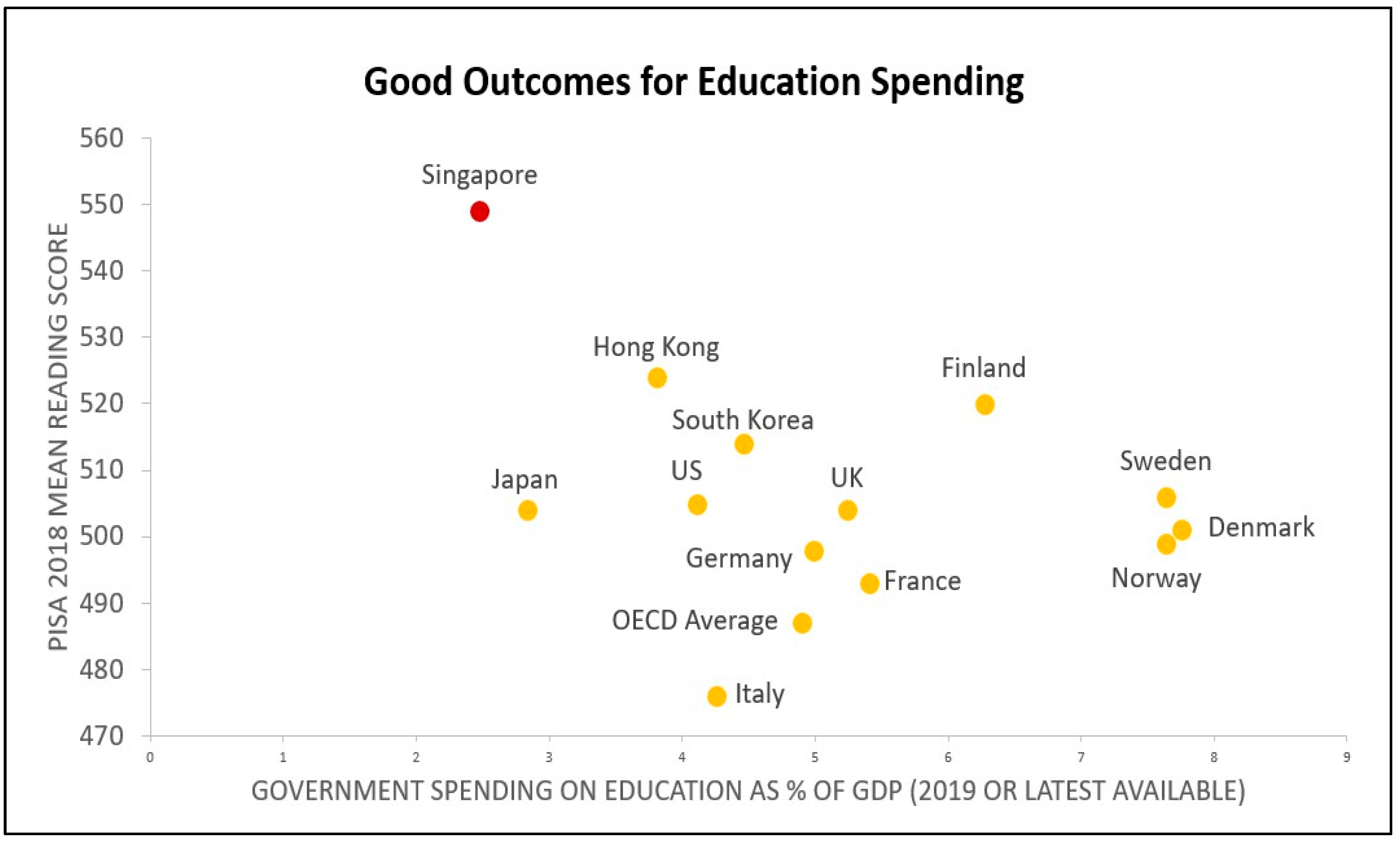
With practically no natural resources, the Singapore government has made education one of its top priorities (Ministry of Education, 2025), promoting and investing in quality education, in line with the United Nations’ Sustainable Development Agenda, specifically “Goal no. 4: Quality Education” (United Nations, 2025). Before the pandemic, the government’s third-largest expenditure in 2019 was on education, amounting to 12.7 billion Singapore dollars (approximately 17 percent of total budget expenditure), as shown in Figure 1 (Ministry of Finance, 2022). Furthermore, Singapore spent a relatively low proportion of GDP on education and yet achieved better outcomes compared to other developed nations, as illustrated in Figure 2 (Ministry of Finance, 2022).
University education attainment is high in Singapore. Thirthy-three percent of the population in Singapore attained at least a bachelor’s degree as of 2020, which was comparable to other developed nations, such as the US (37.5 percent) and the UK (37.3 percent) (Statista, 2022).
With Singapore’s education system being regarded as one of the best globally, this demonstrates the success of the government’s commitment to education in building its human capital and developing talent for the country’s survival (H. L. Lee, 2009; The Economist, 2018).
Singapore faces challenges in competing due to its limited natural resources. To overcome this challenge, the Singapore government responded to globalization by launching the ambitious “Global Schoolhouse” plan in 2003 (Yeo, 2003). The government aimed to promote Singapore as a hub for world-class education, attracting international students and thereby contributing to Singapore’s economy, acquiring talent, and nurturing its workforce to cater to the rise in the knowledge-based economy (Mok & Lee, 2003). Today, Singapore has established itself as a top-quality education hub in the region (ICEF Monitor, 2014).
Singapore’s higher education sector is diverse, comprising six local autonomous public universities, six foreign universities with local campuses, and over 300 private institutes of higher learning (TPGateway, 2021; ICA, 2023). The diversity resulted from the government’s invitation to elite foreign universities to set up local operations (Ng & Tan, 2010). Foreign universities could either set up their own local campus (example: INSEAD Asia Campus), partner with local public universities (example: Duke-NUS Medical School), or partner with local private education providers to offer their programs locally (for example, PSB Academy and University of Nottingham partnership) (INSEAD, 2023; Duke-NUS, 2023; PSB Academy, 2023). Hence, students have numerous options to pursue a local or foreign degree without leaving Singapore. With the influx of numerous foreign universities in addition to the local ones, competition to recruit international students to Singapore has grown even more intense.

3. Literature Review

The literature review began with a systematic review by searching the relevant literature in the online database EBSCO. To keep the search focused on the topics relevant to the research questions, the keywords “sustainability” and “business school” were used in the search. While there is much literature in EBSCO, the search showed limited research on responsible management education for sustainability in Singapore business schools and student attitudes.
In addition, a review of the literature was conducted on the top two most important journals in this field: the Academy of Management Learning & Education (AMLE) and the Journal of Management Education (JME). A further search into AMLE and JME revealed numerous publications on themes such as sustainability, responsible management education, and ethics. When using the keyword “sustainability” to perform a search, 144 research articles were found in JME, and 76 journal papers were published in AMLE since 2013. However, the number of published papers drastically reduced when the keyword “Singapore” was added to the same search: 3 research articles in JME and 12 journal papers in AMLE. This illustrates the limited research in this area within the context of Singapore. While this explains the need for more empirical research on sustainable development in higher education institutions in Singapore, particularly in business schools, and its impact on students’ perceptions, we expanded our literature review to include relevant sources from other academic journals.

Higher Education for Sustainability

Since students associate quality education with the university’s reputation and internationally recognized achievements, creating a good brand leads to a competitive advantage and attracts higher enrollment numbers (Manzoor et al., 2021). Furthermore, students consider the value of tuition fees in relation to the quality of education they receive. Therefore, maintaining a positive reputation and achieving success are crucial in influencing student experience and satisfaction, which in turn affects the university’s sustainability (Manzoor et al., 2021).
On one hand, universities are anxious about growing international student numbers to remain competitive. On the other hand, universities are pushed to embrace sustainability. As society recovers from the pandemic, the higher education sector, severely impacted (Al-Kumaim et al., 2021; Almahasees et al., 2021; Aristovnik et al., 2020), has begun to resume its pre-pandemic plans and prioritize sustainability and sustainability-focused curricula, emphasizing the importance of its role in creating socially inclusive and equitable access to education (Crawford & Cifuentes-Faura, 2022).
Even as the United Nations presses on with the “2030 Agenda for Sustainable Development”, global progress was already painfully slow before the pandemic, and was hampered even further when the pandemic struck. According to the United Nations, the pandemic has wiped out 20 years of education gains (UN Statistics, 2021). While the SDGs (particularly SDG4) do not exclusively focus on higher education, there have been calls for the sector to step up and contribute to society and towards the SDGs, due to its moral obligations and availability of sustainability-related resources (United Nations, 2023). Clearly, higher education is recognized as a driving force in fostering an equitable society and a sustainable future for everyone.
These days, graduates are expected to demonstrate qualities of responsible and humanistic behavior in addition to the competencies gained from their education at business schools (Kouatli, 2019; Waddock, 2016). As a result, universities have an ethical duty to raise awareness of sustainability by instilling values and developing knowledge and skills, so that graduates can enter the workforce armed with competencies in sustainability and grow into professionals and decision-makers who will influence society (Cortese, 2003).
Sustainable development and sustainability education are not only about environmental problems and concerns, but an integrated approach that includes creating an economically and environmentally feasible society that is fair and just for everyone (Șimon et al., 2020). Since universities have traditionally focused on a single dimension of sustainability, primarily environmental problems and concerns, adopting an interdisciplinary approach to integrating sustainability into the curriculum would aid business schools in their sustainability development while also imparting a broader understanding of sustainability knowledge (Fisher & McAdams, 2015).
Despite recognizing that higher education is a catalyst for sustainable development and a driver of societal change, barriers to its actual implementation persist among universities (Žalėnienė & Pereira, 2021). Furthermore, business schools with limited financial resources have avoided implementing sustainability-focused education (Mousa, 2021). Ultimately, the lack of financial resources implies that business schools need to generate revenue to stay afloat before they can focus on sustainable development. However, there have been criticisms that universities are not implementing sustainability practices to attract more students, and that students are not particularly concerned about environmental sustainability when selecting a program of study (Stafford, 2011).
While considerable research has been conducted on responsible university practices and establishing sustainability-focused curricula, a global effort towards sustainability is underway. However, much of the research has primarily focused on the Western context. Furthermore, there are limited studies on how research theories have translated into practice and whether students are genuinely concerned about sustainability, particularly in the context of Singapore’s higher education. Therefore, this exploratory study is necessary to gain a deeper understanding of sustainability perceptions at universities in Singapore.

4. Methodology

4.1. Scope of Research

This research focuses on students in Singapore who enrolled in a business school of a foreign university to pursue master’s degrees in business administration, as well as students enrolled in a local autonomous public university to pursue equivalent degrees. It puts local and international students, including those at local public and private universities abroad, under scrutiny. The research and questionnaire design, sample size, respondent profile, data collection, and analysis process will be presented in the following sections.

4.2. Research Design

The study involved gathering insights into the attitudes, opinions, and experiences of a specifically defined population of students. Specifically, we employed a descriptive mixed-methods methodology, utilizing both quantitative and qualitative approaches to data collection, analysis, and integration of findings (Tashakkori & Creswell, 2007; Saunders et al., 2019; McKim, 2017). Any empirical findings of the data would be reported.
For representative samples obtained from a sizable number of a specifically defined population of students, the quantitative approach was appropriate, as the collected variables were quantifiable and inferences could be made from the samples to provide a complete representation of the whole population (Queirós et al., 2017). Additionally, the qualitative approach employed open-ended questions to allow participants to provide input for deeper insights, thereby enriching the data beyond numerical data.
An online, self-administered, structured survey questionnaire was chosen for this study, as it was cost-effective and could reach large numbers in a short time compared to paper or telephone survey methods. Online surveys are also efficient and the most common in Singapore, where mobile and wireless broadband penetration rates are high (IMDA, 2023). The questionnaire was designed using Qualtrics (https://www.qualtrics.com/), a popular Web-based survey tool for research, evaluation, and data collection.
Research participants were invited to participate in the study by completing the online survey questionnaire, accessible by a generic, anonymous web link or QR code. The questionnaire was written in English, which was chosen for this study since English is perceived as the common global language that the majority of people would understand without the need for translation, and is also the only medium of instruction in higher education and all levels of public education in Singapore (Crystal, 2003; Bolton & Botha, 2017).

4.3. Sample Size and Respondent Profile

Considering the limitations of time, resources, and access to data for this study, it would be unfeasible to collect data from every student in the university student population. Instead, a practicable method was collecting and examining data from a sample that would be representative of the population (Saunders et al., 2019; Dalati & Marx Gómez, 2018). Due to the competitive local higher education environment, it would be insightful to explore an overview of expectations, attitudes, and perceptions from a diverse group consisting of local and international students in different programs and universities (including local public and foreign private universities). The specific participant profile and sample size selected for this study were representative of answering the research questions in this exploratory study (Dužević et al., 2025).
There would be three different groups of research participants, each with at least 20 to 30 participants. First, Master of Business Administration (MBA) students in Singapore enrolled at a business school of a British foreign university that partnered with a local private education provider to offer their programs locally. For this study, the private university will be referred to as University F1. Next, MBA students enrolled at a business school of a local autonomous public university, which shall be referred to as University L1. Lastly, students pursuing their bachelor’s degree in business administration enrolled at a business school of another British university abroad, which partnered with a local private education provider to offer its programs locally. This private university shall be referred to as University F2.

4.4. University Profiles

The universities in this study were selected based on their similar program offerings, attainment of similar international accreditations, reputations, and global rankings among well-ranked universities worldwide. All the selected universities offer their programs locally.
University F1, one of the top British universities in the UK, has demonstrated a commitment to sustainable development, including the implementation of sustainability-focused curricula. The master’s program they offer in Singapore is part-time and is popular among local and regional students (University Annual Report, n.d.). University L1 is one of the top local universities, highly regarded by regional and international students due to its strengths in incorporating Asian insights into its programs (University Home Page, 2023). University F2 is a British university and one of the top 50 young universities globally. Similarly to University F1, its bachelor’s programs are popular among local students (University Report, n.d.).

4.5. Data Collection

Prior to data collection, the study received advance ethical approval through the pre-approved standard research protocol for web-based surveys by the respective Research Ethics Committee at the (name disguised due to the requirement of blind peer review). Research participants were clearly informed of the objective of the research study and that the data they provided would be anonymized and kept strictly confidential. Participants were also informed that the data collected would be examined for the purpose of the researcher’s MBA management project and for potential future publications in scholarly journals, as well as for scientific presentations and conferences. Before the start of the survey, participants were asked to declare their consent to participate voluntarily in the study, after which they could proceed to answer the questionnaire.
Before distributing the survey questionnaire, it was pretested with a small group of the researcher’s friends and course mates to verify the questionnaire’s accuracy and ensure that the questions could be easily understood. This would reduce biases as it allowed the researcher to amend any flaws before disseminating the survey to research participants (Sekaran & Bougie, 2016).
To reach out to students and ensure they fit the profile of the participants for this study, the researcher approached personal contacts in the higher education sector, both past and present, rather than posting the invitation publicly on social media. An anonymous web link and QR code were generated in Qualtrics (https://www.qualtrics.com/) and sent to the researcher’s contacts, such as lecturers, program administrators, and heads of student clubs, through electronic mail (email) invitations and instant messaging platforms. The research participants were then invited to participate and complete the survey by accessing the questionnaire through a web link or QR code they received by email, or through in-class facilitation by the lecturers. The data collection was completed over a period of two weeks, between January and February 2023.
Response rates for online survey research are typically so low that it becomes problematic to establish a representative sample. Hence, a response rate of 30 percent for online survey questionnaires is generally considered acceptable (Sekaran & Bougie, 2016). When the survey was initially administered via email invitations and distributed to various schools, the researcher also encountered a low response rate, with fewer than five responses per school. This initial difficulty in data collection could be due to the majority of students being apathetic towards voluntary surveys, especially when no incentives were involved. In total, 44 out of 55 completed responses were gathered from the first institution, University F1. Next, the researcher sought assistance from a lecturer at one of the local autonomous public universities to distribute the survey in his class. The researcher went to the seminar room and invited participants, who were also MBA students, to complete the questionnaire on the spot by accessing it through a QR code displayed on the screen. From this institution, University L1, 24 completed responses were gathered among 32 participants in the class.
Lastly, the researcher approached a personal contact, another lecturer who taught a bachelor’s degree in business administration at a British foreign university that partnered with a local private education provider. The survey was administered similarly in class and gathered 30 out of 52 completed responses from this institution, University F2.
The survey respondents from Universities F1 and L1 may have come from different schools, but their programs of study were equivalent, and the admission criteria were similar. Therefore, their respondent profiles were comparable. Consequently, the combined total number of responses gathered from the three different universities was 139, of which 98 responses were complete (response rate of 71 percent), as illustrated in Table 1.

5. Results

This section aims to explain the findings and results of the analysis done on the collected data. Out of the total of 139 participants who participated in the study, 98 completed responses were gathered, while 41 responses were incomplete and could not be used. Upon initial examination, all 98 completed responses were suitable for further analysis. As illustrated in Table 1 in the previous section, the total number of completed responses came from MBA students at universities F1 and L1 (44 and 24 responses, respectively), and from business undergraduates at University F2 (30 responses).

5.1. Demographic Profile

Demographics are an essential piece of data, as they provide information about the research participants, reveal their attitudes, opinions, and behaviors, and determine whether the sample target is representative of the population (M. Lee & Schuele, 2010). This section explains the demographic profile of the research participants of this study.

5.1.1. Age

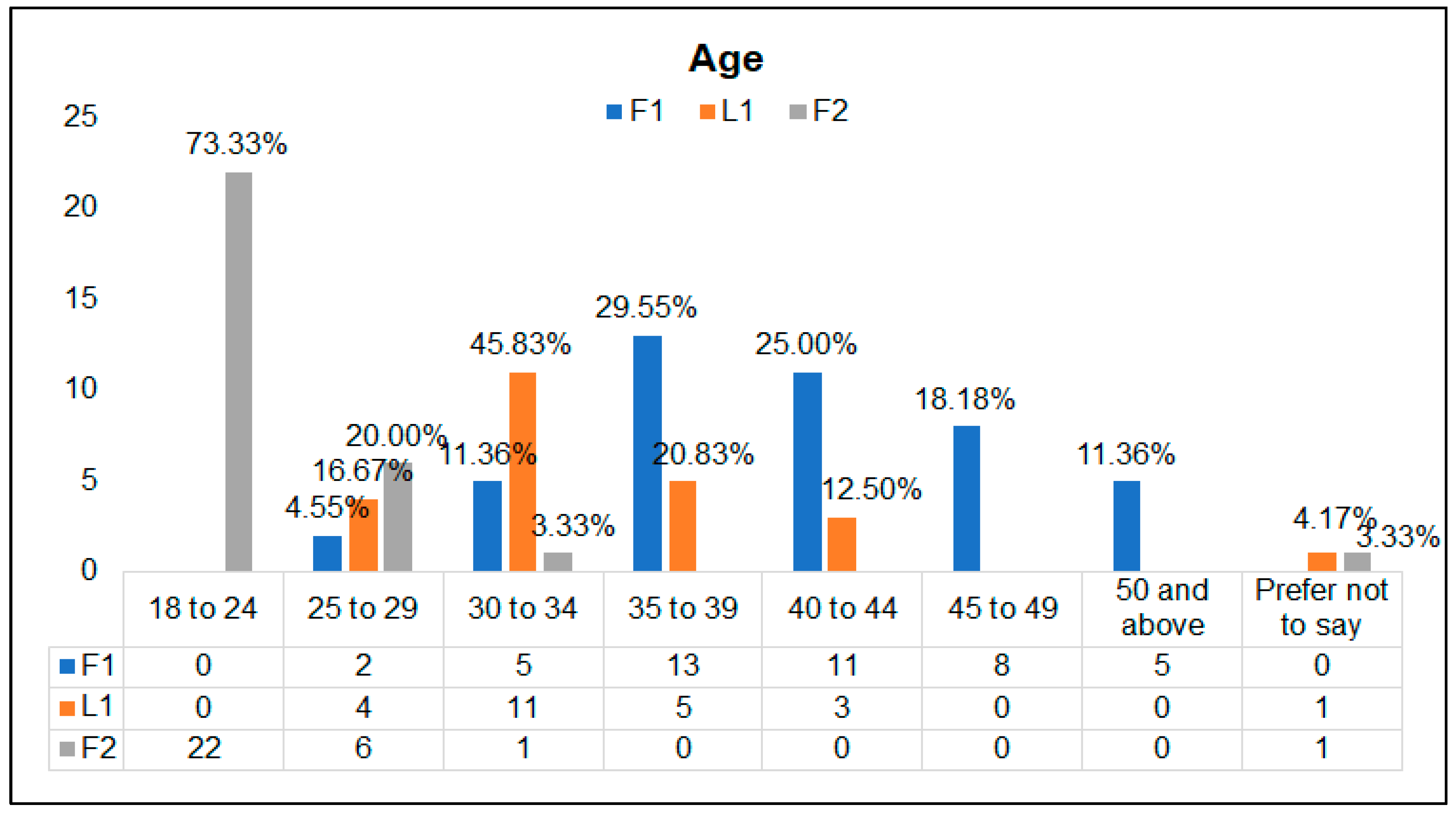
MBA programs typically admit students who have several years of work experience following graduation. Therefore, they are usually more mature than undergraduates. Over 70 percent of University F1 were between the ages of 35 and 49 years old, where 29.55 percent were 35 to 39 years old, 25 percent were 40 to 44 years old, and 18.18 percent were 45 to 49 years old. At University L1, most participants were between the ages of 30 and 39 years old, with 45.83 percent falling within the 30–34 years old range and 20.83 percent within the 35–39 years old range. It was observed that participants from University L1 were slightly younger than those from University F1, although both groups consisted of MBA students.
Conversely, undergraduates are much younger than MBA students. As observed at University F2, most participants were between 18 and 24 years old (73.33%). A small number was 25 to 29 years old (20 percent) and 30 to 34 years old (3.33 percent). One participant from each of University L1 and F2 did not specify their age. Figure 3 illustrates the age of the research participants.

5.1.2. Gender

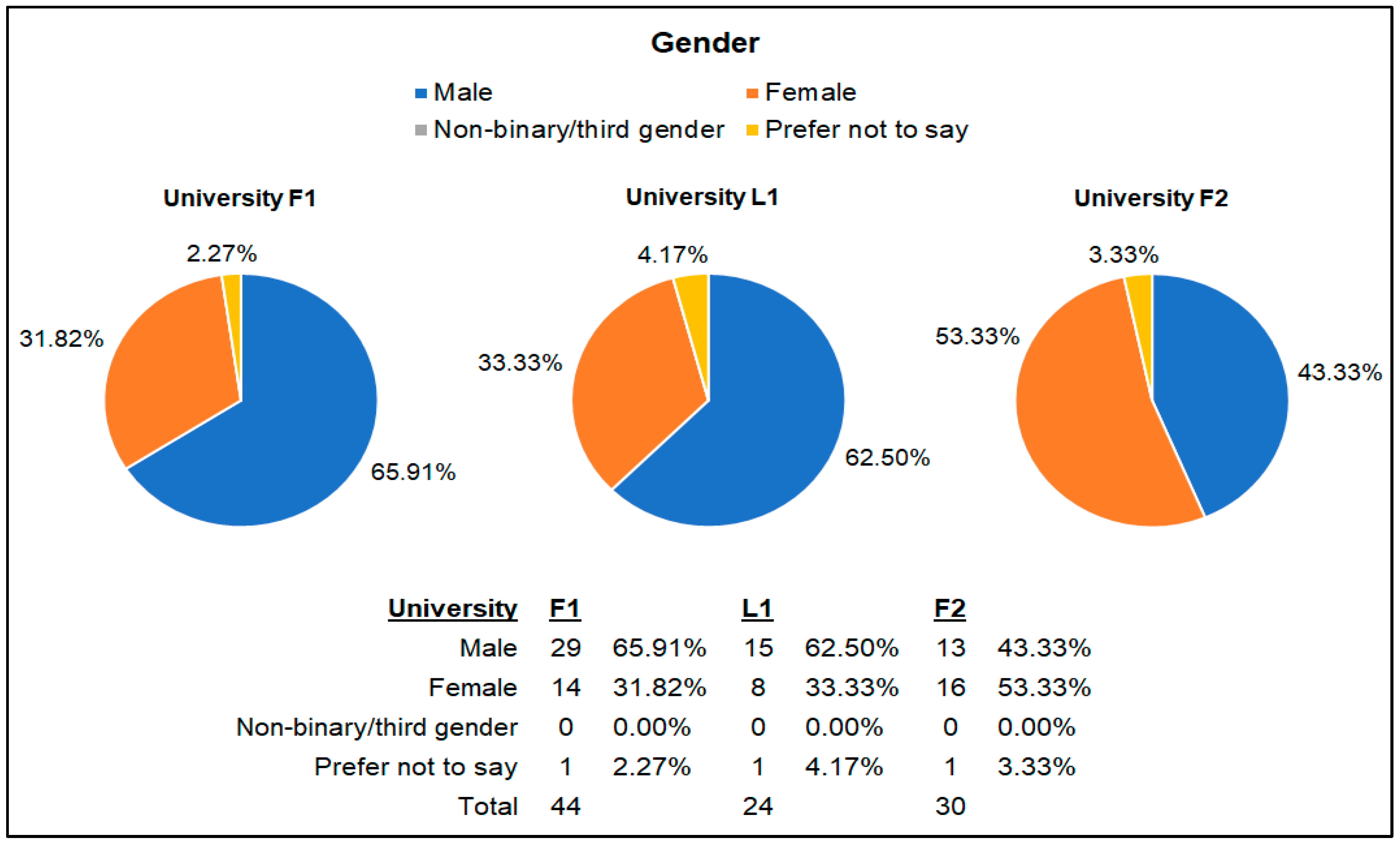
Generally, MBA student cohorts have been predominantly male (Reilly, 2021). This was also observed in this study, where MBA students were predominantly male, regardless of whether they attended a foreign or local university. Males accounted for almost two-thirds of the participants from universities F1 (65.91%) and L1 (62.50%), while females accounted for about one-third of the participants from Universities F1 (31.82%) and L1 (33.33%). On the contrary, University F2 had a higher proportion of females (53.33%) than males (43.33%).
One participant from each university did not indicate their gender; hence, the results from such participants will be excluded from the analysis in the subsequent sections. Figure 4 illustrates the gender of the research participants.
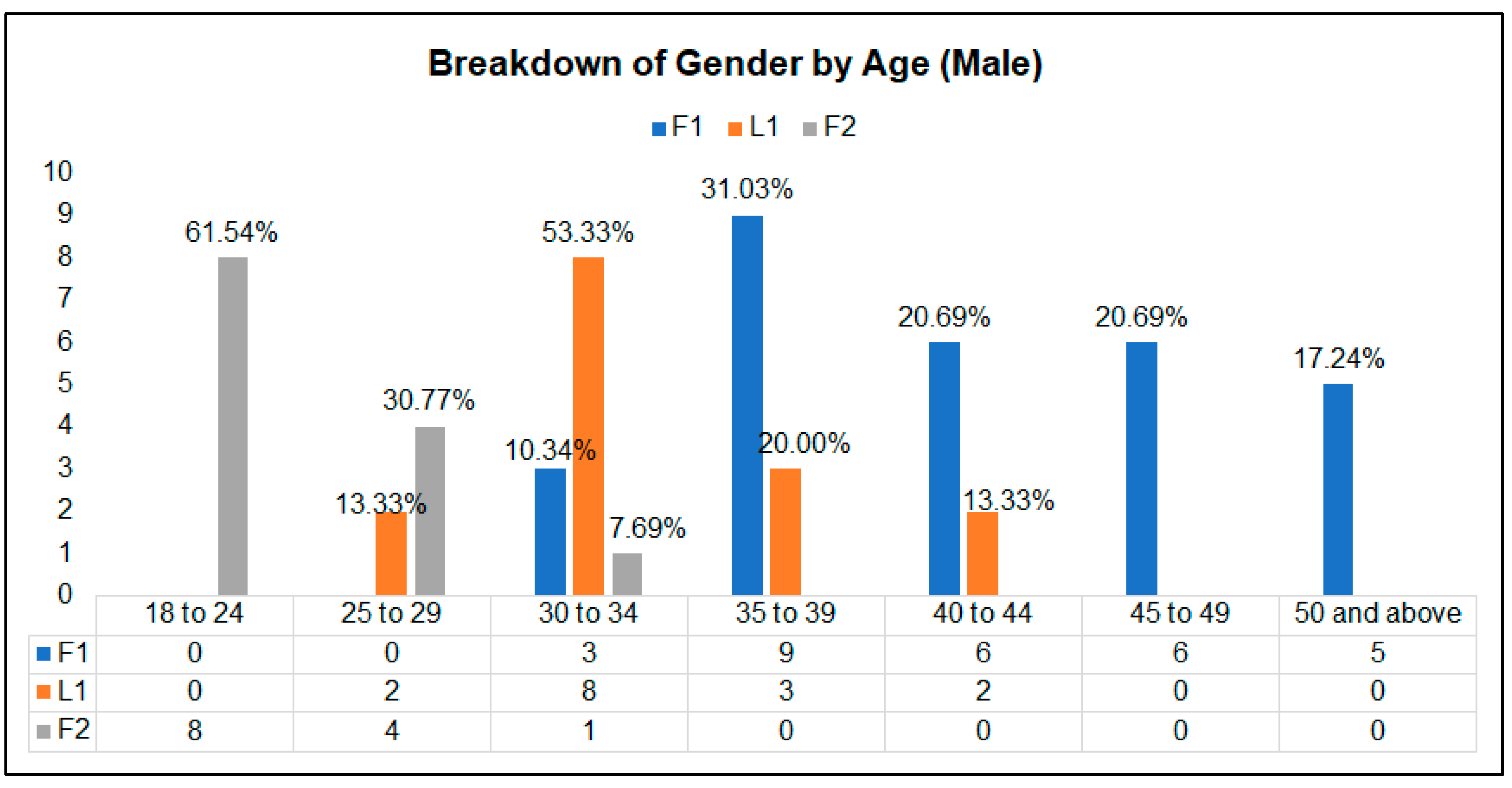
Figure 5 illustrates the breakdown of males by age. 10.34 percent of male University F1 participants were between the ages of 30 and 34. The majority fell within the age range of 35 to 39 (31.03%), with 20.69% each in the age ranges of 40 to 44 and 45 to 49 years old. 17.24 percent was 50 or older.
As observed in earlier findings, University L1 participants were slightly younger than those in University F1. 13.33 percent of male University L1 participants were between the ages of 25 and 29, and 40 and 44, respectively. The majority fell within the age range of 30 to 34 (53.33%), with 20% between the ages of 35 and 39.
University F2 participants were much younger as they were undergraduates. The majority of males were between the ages of 18 and 24 (61.54%), with 30.77% between the ages of 25 and 29, and 7.69% between the ages of 30 and 34.
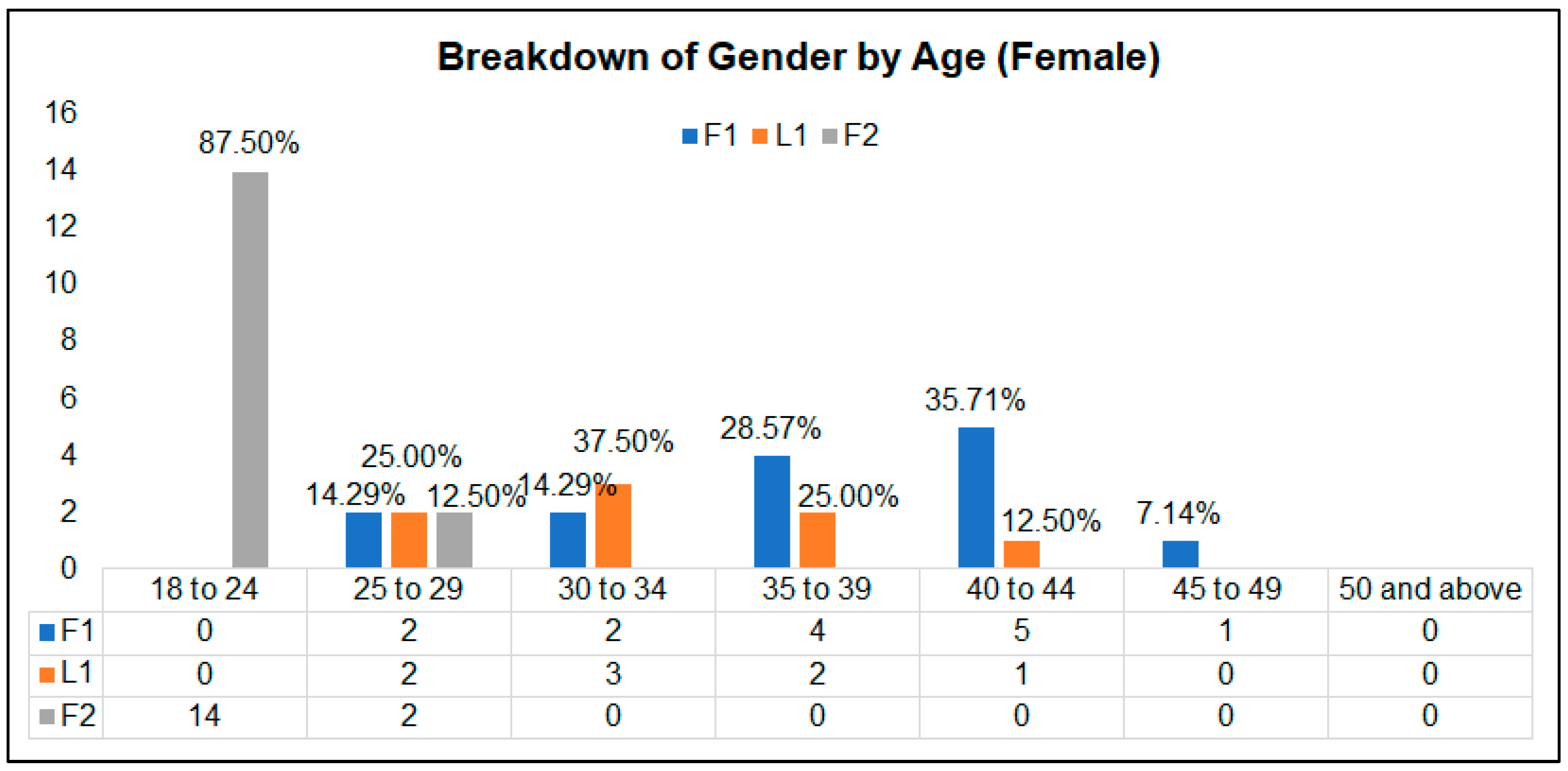
Figure 6 illustrates the breakdown of females by age. The majority of female University F1 participants were between the ages of 35 and 39 (28.57 percent), and 40 and 44 (35.71 percent), with 14.29 percent each for ages 25 to 29 and 30 to 34, and 7.14 percent for ages 45 to 49.
The majority of University L1 females (37.5 percent) were younger than University F1 females and between the ages of 30 and 34, with 25 percent each for ages 25 to 29 and 35 to 30, and 12.5 percent for ages 40 to 44.
The University F2 female participants were significantly younger, as they were undergraduates. Most participants were between the ages of 18 and 24 (87.5%), with 12.5% between the ages of 25 and 29.

5.1.3. Country of Origin

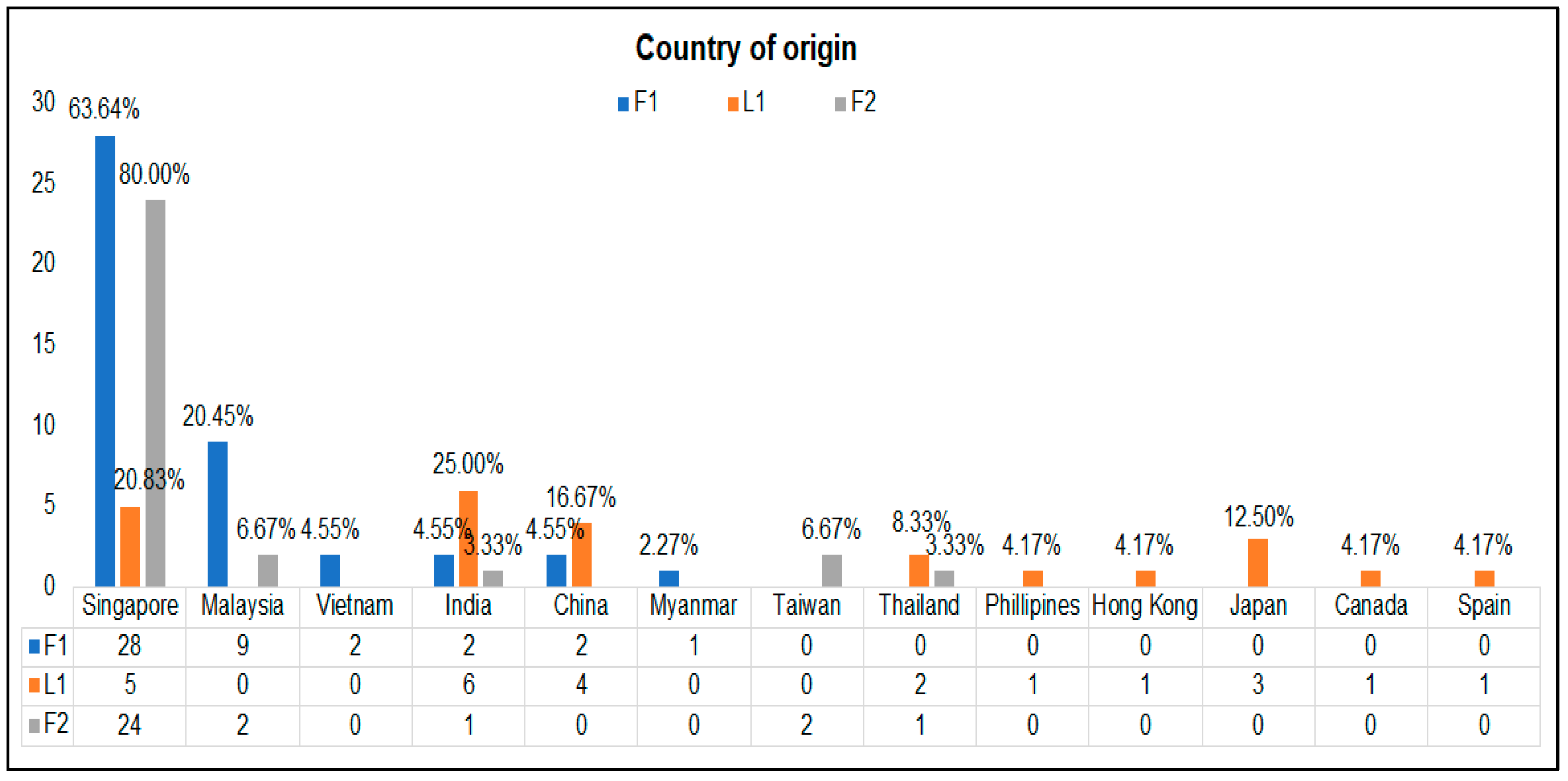
Figure 7 illustrates the country of origin of the research participants. University L1 had more international students than local students. The cohort was more diverse compared to universities F1 and F2. The majority of University L1 students were from India (25%), Singapore (20.83%), and China (16.67%). University L1 participants were also from other countries, like Japan (12.50 percent) and Thailand (8.33 percent). A minority (4.17 percent) came from the Philippines, Hong Kong, Canada, and Spain.
In comparison, University F1 had a higher percentage of local students (63.64%) than international students (36.36%). Over half of the University’s F1 students were from Singapore (63.64%) and Malaysia (20.45%). Other countries include Vietnam (4.55%), India (4.55%), China (4.55%), and Myanmar (2.27%).
Similarly, University F2 had more local students than international students. The majority came from Singapore (80 percent), along with other countries such as Malaysia (6.67 percent), India (3.33 percent), Taiwan (6.67 percent), and Thailand (3.33 percent).

5.1.4. Local and International Students

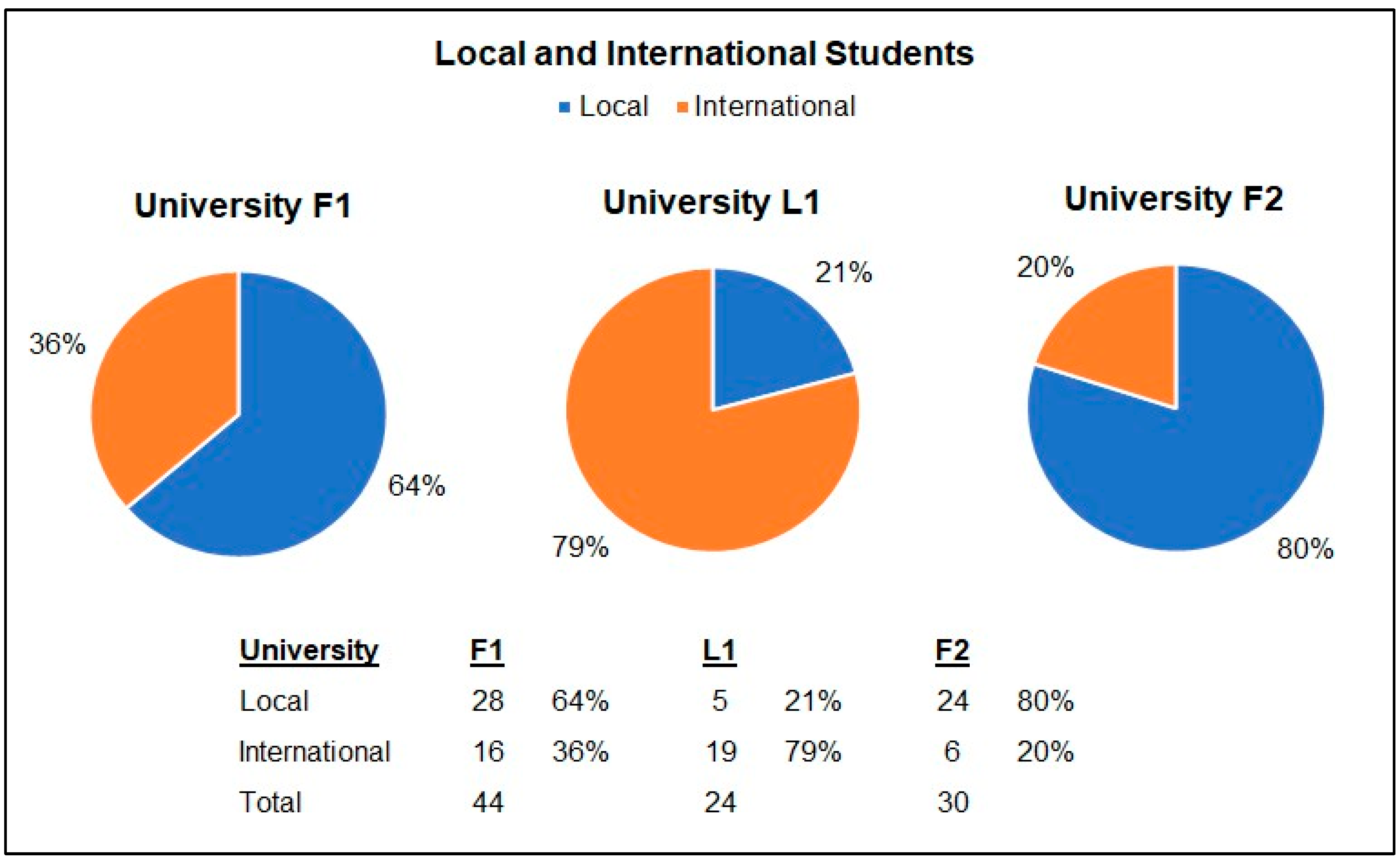
From the earlier findings on the country of origin, the proportion of local and international students could be identified. Local students were those from Singapore, while international students were those from countries other than Singapore. Figure 8 shows the proportion of local and international students at the respective university.
In this study, both foreign private universities had more local students enrolled than the local public university. University F1 had more local (64 percent) than international students (36 percent). Similarly, University F2 had more local (80 percent) than international students (20 percent). In contrast, University L1 had more international (79 percent) than local students (21 percent).

5.1.5. Language

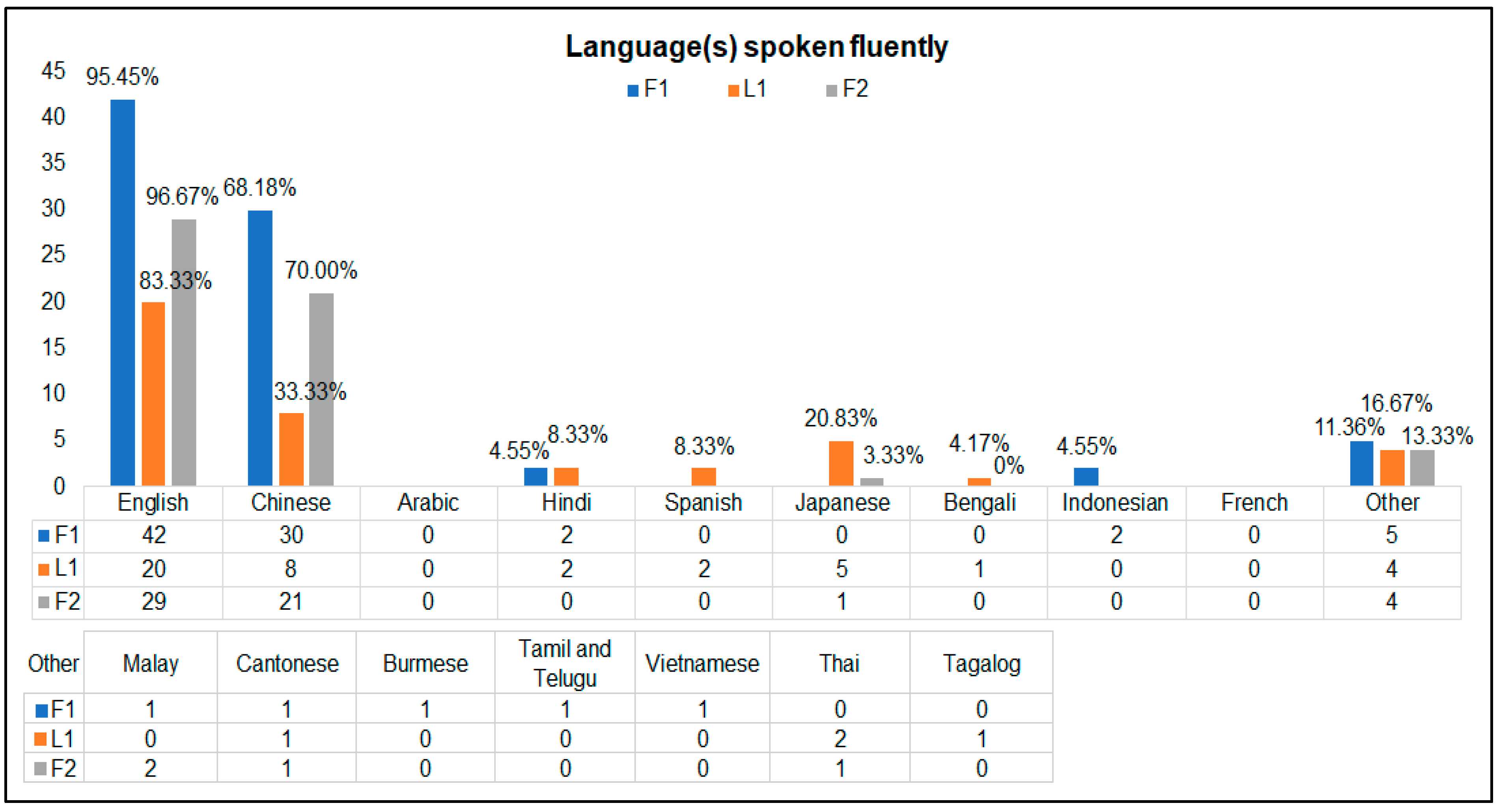
The world’s most spoken languages include English and Chinese (Julian, 2020). English is the only medium of instruction in Singapore’s higher education system (Bolton & Botha, 2017). It was observed that English and Chinese are the most frequently spoken languages by the participants, as illustrated in Figure 9.
English is spoken fluently by most participants at universities F1 (95.45%), L1 (83.33%), and F2 (96.67%). Chinese is also spoken fluently by participants at universities F1 (68.18%), L1 (33.33%), and F2 (70%).
Besides English and Chinese, University F1 participants also spoke Hindi and Indonesian fluently (4.55 percent), with five others (11.36 percent) who spoke other languages fluently (Malay, Cantonese, Burmese, Tamil, Telugu, and Vietnamese). University L1 participants also spoke Japanese (20.83 percent), Hindi (8.33 percent), Spanish (8.33 percent), and Bengali (4.17 percent) fluently, with four others (16.67 percent) speaking other languages (Cantonese, Thai, and Tagalog). University F2 participants also spoke Japanese (3.33 percent), with four others (13.33 percent) who spoke other languages (Malay, Cantonese, and Thai).

5.2. Findings

5.2.1. Sustainability Influences on Student Experience

Participants were asked to select the five most important factors to investigate how sustainability might impact the student experience. Thereafter, they were asked to rank their choices in order of importance (1 = least important, 5 = most important).
Transparency in assignment assessment was chosen by 70.45 percent of University F1 participants as the most significant sustainability influence on the student experience, with a mean ranking of 3.387. Following that, 65.91% chose student diversity as the second most important factor, with a mean ranking of 2.965. Third, teaching staff diversity was selected by 63.64 percent as the third-most important factor, with a mean ranking of 3.25. Fourth, support for students’ mental well-being was chosen by 61.36 percent with a mean ranking of 2.851. Last, safeguarding students’ personal data and privacy rights was selected by 59.09 percent with a mean ranking of 3.384.
Diversity of students was chosen by 95.83 percent of University L1 participants as the most significant sustainability influence on the student experience, with a mean ranking of 3.652. It was also observed from the earlier findings that student diversity was the top-most positive influence on student experience following the pandemic for University L1. Additionally, this group had a higher proportion of international students and a more diverse cohort than the other two universities. Following that, 75 percent chose transparency in assignment assessment as the second-most important factor, with a mean ranking of 2.833. Teaching staff diversity was selected by 70.83 percent as the third-most important factor, with a mean ranking of 3.352. Fourth, support for students’ mental well-being was chosen by 70.83% of respondents, with a mean ranking of 2.941. Lastly, support for students’ physical well-being was selected by 41.67 percent with a mean ranking of 2.4.
86.67 percent of University F2 selected support for students’ mental well-being as the most significant sustainability influence on the student experience, with a mean ranking of 3.307. Following that, 80 percent chose transparency in assignment assessment as the second-most important factor, with a mean ranking of 2.625. The third-most important factor, according to 66.67 percent and a mean ranking of 2.9, was support for students’ physical well-being. Fourth, safeguarding students’ personal data and privacy rights was chosen by 63.33 percent with a mean ranking of 3.052. Lastly, the diversity of students was selected by 40 percent with a mean ranking of 2.666.

5.2.2. Expectations of Support from the School

Universities must incorporate sustainability as it becomes an increasingly significant aspect of the student experience. Participants were asked to rank the degree of importance of sustainability to their student experience, thus providing insights into their expectations of support from the school.
When asked whether their current school should prioritize students’ physical well-being, a mean ranking of 2.909 was given by 27.27 percent of University F1 participants, indicating that they considered it the least important aspect. In comparison, 22.73 percent thought it was most important. For University L1, 20.83 percent ranked it the least important, contradicting another 20.83 percent that ranked it the most important, with a mean ranking of 3. According to the earlier findings, sustainability was also the fifth most significant influence on the student experience at University L1. For University F2, 30 percent ranked it the least important, and 16.67 percent ranked it the most important, with a mean ranking of 3. From the earlier findings, it was also the third most significant sustainability influence on the student experience for them.
When asked whether their current school should support students’ mental well-being, a mean ranking of 3.318 was given by 9.09 percent of University F1 students, who considered it the least important. In comparison, 34.09 percent thought it was important. According to the earlier findings, this factor was University F1’s fourth most significant influence on sustainability in the student experience. For University L1, 50 percent ranked it as important, and another 29.17 percent thought it was important, with a mean ranking of 2.958. Similarly, based on the earlier findings, this factor was the University L1’s fourth most significant influence on sustainability in the student experience. For University F2, 33.33 percent thought it was most important, and 26.67 percent thought it was important, with a mean ranking of 2.958. According to the earlier findings, this factor was the most significant sustainability influence on the student experience at University F2.
Their schools needed to promote student diversity, according to 29.55 percent at University F1, with a mean ranking of 3.045, and 40 percent at University F2, with a mean ranking of 2.633. For University L1, 37.5 percent with a mean ranking of 3.541 thought it was the most important. According to earlier findings, University L1 also ranked its student experience as most influenced by student diversity and whether the school prioritized it.
It was slightly important that the school promotes diversity of teaching staff, according to 27.27 percent at University F1 (mean ranking of 2.818) and 45.83 percent at University L1 (mean ranking of 2.833). Both groups ranked it the third-most significant sustainability influence on the student experience in earlier findings. Promoting teaching staff diversity was the least important to 26.67% of the respondents at University F2 (mean ranking of 2.633). Supporting students with disabilities was the least important for 27.27 percent of students at University F1 (mean ranking of 2.909) and 45.83 percent of students at University L1 (mean ranking of 2.666). In comparison, it was the most important to 33.33 percent at University F2 (mean ranking of 3.366).

5.2.3. Importance of Diversity in Student Experience

Diversity is becoming an increasingly important topic, as it demonstrates social inclusivity and has a substantial impact on the student experience (Denson & Zhang, 2010). To explore the significance of diversity among the participants, they were asked if it was important for their course to have ethnic diversity among students. University F1 and F2 participants ranked it the least important, with 27.27 percent and a mean ranking of 3.431, and 30 percent with a mean ranking of 3.566, respectively. Conversely, 41.67 percent of University L1 participants ranked it as the most important, with a mean ranking of 4.166.
For gender diversity, 20.45 percent of University F1 participants ranked it as moderately important, with a mean ranking of 3.659. For University L1, 33.33 percent of participants ranked gender diversity as very important, with a mean ranking of 3.791. Conversely, 26.67 percent of University F2 respondents indicated that gender diversity was of low importance, with a mean ranking of 3.5.
22.73 percent of University F1 participants indicated that it was very important to see age diversity among students in their course, with a mean ranking of 4.022. For University L1, 25 percent with a mean ranking of 4.125 indicated that it was most important to see age diversity in their course. Similarly, for University F2, 26.67 percent ranked it the most important, with a mean ranking of 4.
For the ethnic diversity of the teaching staff, University F1 (29.55%) and University L1 (29.17%) both ranked as slightly important, with a mean ranking of 3.636 and 3.125, respectively. University F2 (33.33 percent) also ranked slightly important with a mean ranking of 3.033. 27.27 percent of University F1, with a mean ranking of 3.25, indicated that it was very important to see gender diversity of teaching staff. For University L1, 29.17 percent ranked low importance, with a mean ranking of 3.208. Similarly, 33.33 percent of University F2 ranked low importance, with a mean ranking of 3.266.
Both universities, F1 and L1, indicated that age diversity among the teaching staff was the least important, according to 31.82 percent (University F1) with a mean ranking of 3, and 50 percent (University L1) with a mean ranking of 2.583. Conversely, 33.33 percent of University F2 ranked it the most important, with a mean ranking of 3.633.

5.2.4. Comparison of Local and International Students

Overall, there were no significant differences between the attitudes of local and international students regarding their consideration criteria when choosing a program of study, as both groups of students exhibited similar behaviors.

6. Discussion

6.1. Implications for Practitioners

This study has revealed significant insights for both practitioners and scholars. First, business school leaders and administrative staff responsible for student recruitment and marketing are informed that student attitudes and perceptions regarding sustainability are relatively low. Regarding the student consideration criteria for choosing a program of study, students were not too concerned about whether the school is recognized for sustainability. In fact, this criterion was of low importance for the majority of the students. This is a pity because universities and schools are doing so much on sustainability, yet students do not seem to care.
Instead, when students select their program of study, they place top priority on tuition fees and the university’s reputation, as reflected in its international rankings. Manzoor et al. (2021) argued that when universities maintain their strong reputation, students will be satisfied and contribute back to their alma mater, which has a positive effect on sustainability. However, the results of this study demonstrated that sustainability is of low importance or not an important factor to students.

6.2. Implications for Scholars

Second, for scholars, our study reveals a considerable gap between theory and practice. The majority of students received very little education on sustainability, despite a wealth of literature on sustainable development, sustainability practices, and sustainability-focused curricula among universities. The majority of students had difficulty naming sustainable and unsustainable companies, thus indicating that student perceptions and attitudes towards sustainability are low, even among those who have received education or attended courses on sustainability. Postgraduate students and especially international students, however, cared more about student diversity. On the other hand, the diversity of teaching staff was of low concern to students. The results of the analysis also demonstrated that sustainability did not score very high, as students were largely unconcerned about responsible leadership and its impact on their student experience.
Furthermore, the study has shown that there were few differences in perceptions and attitudes between males and females. However, the study revealed that, regardless of gender or whether students are local or international, they all want more support from the school in terms of mental well-being. In contrast, undergraduate students expected more support in physical well-being. Moreover, international postgraduate students expected the school to provide more support for learning through transparency in assignment assessments, which is related to student learning outcomes since students regard the availability of feedback and explicit criteria as supportive elements of their learning. However, achieving complete transparency remains challenging, but the increasing use of rubrics and other clearly articulated criteria may make learning a more equitable experience (Bearman & Ajjawi, 2018; Evans, 2021).

6.3. Limitations and Directions for Future Research

This study had several limitations. First, the sample was based on a questionnaire completed by students from universities based in Singapore. Although the questionnaire included some qualitative open-ended questions, it was primarily quantitative. The data also lacked crucial information, such as income levels and ethnicity. Second, none of the students were identified as third-gender or non-binary, despite studies revealing that persons of third gender or non-binary identity make up approximately 0.1 to 2 percent of populations (Spizzirri et al., 2021). Lastly, there were some questions about the behavior of teaching staff, yet their perspectives were lacking in this study. For future research, it is suggested to include interviews with students. The quality of the interviews would provide an in-depth understanding of the students’ rationale and the reasons behind their responses. For the inclusivity of education, new variables such as income levels and ethnicity could be incorporated into future studies, enabling a more nuanced consideration of diverse perspectives. Further studies could also include non-business students to explore similarities or differences with business students. Additionally, interviews with faculty could be included to gather their perspectives and provide deeper insights.

7. Conclusions

There is a global push towards the United Nations “2030 Agenda for Sustainable Development”, but worldwide progress towards the achievement of the SDGs has been slow and even delayed further due to the pandemic. Higher education has stepped up to contribute to society and towards achieving the SDGs, even though SDG 4 did not specifically focus on higher education.
Despite extensive research on sustainability and responsible management education, as well as the urgent push for business schools to implement sustainability-focused curricula, a significant gap remains between what universities are doing and students’ expectations and perceptions of sustainability. The research is not translated into practice, and universities are still lagging in their sustainability development.
This study has implications for both policymakers and university administrators. Policymakers might examine the results further and make appropriate adjustments to policies on sustainability to progress towards the United Nations SDGs. Universities might consider suitable marketing and recruitment strategies to enhance their international student recruitment efforts. Based on the insights from this study, university management may also consider enhancing relevant student support services, especially those related to mental well-being, which students are particularly concerned about, as well as making efforts to improve the sustainable development of universities.
The contribution of this study reveals that a significant theory–practice gap persists in sustainability development and responsible management education. Indeed, more can be done to narrow the significant gap between theory and practice, to progress towards the achievement of the United Nations SDGs in the near future.

Author Contributions

Conceptualization, H.L. and M.K.L.; methodology, H.L.; investigation, H.L.; writing—original draft preparation, H.L. and M.K.L.; writing—review and editing, C.W. and M.S.; visualization, H.L.; supervision, M.K.L. All authors have read and agreed to the published version of the manuscript.

Funding

This research received no external funding.

Institutional Review Board Statement

This study was conducted in accordance with the Declaration of Helsinki and approved under the Research Ethics Committee Policy on graduate research, on 9 November 2022.

Informed Consent Statement

Informed consent was obtained from all subjects involved in the study.

Data Availability Statement

The original contributions presented in this study are included in the article. Further inquiries can be directed to the corresponding author.

Acknowledgments

The Authors are grateful to Rajan L. Gaikwad and participants of the Academy of International Business annual conference in Louisville, KY, USA, in July 2025.

Conflicts of Interest

The authors declare that they have no conflicts of interest.

References

  1. Al-Kumaim, N. H., Alhazmi, A. K., Mohammed, F., Gazem, N. A., Shabbir, M. S., & Fazea, Y. (2021). Exploring the impact of the COVID-19 pandemic on university students’ learning life: An integrated conceptual motivational model for sustainable and healthy online learning. Sustainability, 13, 2546. [Google Scholar] [CrossRef]
  2. Almahasees, Z., Mohsen, K., & Amin, M. O. (2021). Faculty’s and students’ perceptions of online learning during COVID-19. Frontiers in Education, 6, 638470. [Google Scholar] [CrossRef]
  3. Altbach, P. G. (2010). Competition’s impact on higher education. Available online: https://www.forbes.com/2010/08/01/higher-education-competition-opinions-best-colleges-10-altbach.html?sh=484b51c1722a (accessed on 1 January 2025).
  4. Aristovnik, A., Keržič, D., Ravšelj, D., Tomaževič, N., & Umek, L. (2020). Impacts of the COVID-19 pandemic on life of higher education students: A global perspective. Sustainability, 12(20), 8438. [Google Scholar] [CrossRef]
  5. Bearman, M., & Ajjawi, R. (2018). From “seeing through” to “seeing with”: Assessment criteria and the myths of transparency. Frontiers in Education, 3, 96. [Google Scholar] [CrossRef]
  6. Bolton, K., & Botha, W. (2017). English as a medium of instruction in Singapore higher education. In B. Fenton-Smith, P. Humphreys, & I. Walkinshaw (Eds.), English medium instruction in higher education in Asia-pacific: From policy to pedagogy (pp. 133–152). Springer International Publishing AG. [Google Scholar]
  7. Bourn, D. (2011). From internationalisation to global perspectives. Higher Education Research & Development, 30(5), 559–571. [Google Scholar] [CrossRef]
  8. Chan, R. Y. (2016). Understanding the purpose of higher education: An analysis of the economic and social benefits for completing a college degree. Journal of Education Policy, 6(5), 1–40. [Google Scholar]
  9. Cortese, A. D. (2003). The critical role of higher education in creating a sustainable future. Planning for Higher Education, 31(3), 15–22. [Google Scholar]
  10. Crawford, J., & Cifuentes-Faura, J. (2022). Sustainability in higher education during the COVID-19 pandemic: A systematic review. Sustainability, 14, 1879. [Google Scholar] [CrossRef]
  11. Crystal, D. (2003). English as a global language (2nd ed.). Cambridge University Press. [Google Scholar]
  12. Dalati, S., & Marx Gómez, J. (2018). Surveys and questionnaires. In J. Marx Gómez, & S. Mouselli (Eds.), Modernizing the academic teaching and research environment (pp. 175–186). Springer. [Google Scholar]
  13. Denson, N., & Zhang, S. (2010). The impact of student experiences with diversity on the development of graduate attributes. Studies in Higher Education, 35(5), 529–543. [Google Scholar] [CrossRef]
  14. Doś, A., & Pattarin, F. (2024). Is sustainability a cost, an obligation, or an opportunity? Evidence on sustainable entrepreneurship orientation from Poland. Entrepreneurial Business and Economics Review, 12(1), 17–33. [Google Scholar] [CrossRef]
  15. Duke-NUS. (2023). Dean’s message. Available online: https://www.duke-nus.edu.sg/about/about-duke-nus (accessed on 10 January 2025).
  16. Dužević, I., Baković, T., & Surman, V. (2025). Understanding artificial intelligence chatbot quality and experience: A higher education student perspective. Entrepreneurial Business and Economics Review, 13(3), 151–170. [Google Scholar] [CrossRef]
  17. Evans, C. (2021). Equity, agency and transparency: Making assessment work better for students and academics. Available online: https://www.timeshighereducation.com/campus/equity-agency-and-transparency-making-assessment-work-better-students-and-academics (accessed on 10 January 2025).
  18. Fisher, P. B., & McAdams, E. (2015). Gaps in sustainability education: The impact of higher education coursework on perceptions of sustainability. International Journal of Sustainability in Higher Education, 16(4), 407–423. [Google Scholar] [CrossRef]
  19. Gidley, J. M., Hampson, G. P., & Wheeler, L. (2010). From access to success: An integrated approach to quality higher education informed by social inclusion theory and practice. Higher Education Policy, 23(1), 123–147. [Google Scholar] [CrossRef]
  20. Hay, R., & Eagle, L. (2020). Impact of integrated sustainability content into undergraduate business education. International Journal of Sustainability in Higher Education, 21(1), 131–143. [Google Scholar] [CrossRef]
  21. ICA. (2023). Institutes of higher learning. Available online: https://www.ica.gov.sg/reside/STP/apply/ihl (accessed on 10 January 2025).
  22. ICEF Monitor. (2014). Singapore solidifies its reputation as a regional education hub. Available online: https://monitor.icef.com/2014/06/singapore-solidifies-its-reputation-as-a-regional-education-hub/ (accessed on 10 April 2023).
  23. IMDA. (2023). Statistics on telecom services for 2022 July. Available online: https://www.imda.gov.sg/About-IMDA/Research-and-Statistics/telecommunications/statistics-on-telecom-services/statistics-on-telecom-services-for-2022-jul (accessed on 10 January 2025).
  24. INSEAD. (2023). Welcome to INSEAD Asia campus. Available online: https://www.insead.edu/campuses/asia (accessed on 10 January 2025).
  25. Julian, G. (2020). What are the most spoken languages in the world? Available online: https://www.fluentin3months.com/most-spoken-languages/ (accessed on 10 January 2025).
  26. Kouatli, I. (2019). The contemporary definition of university social responsibility with quantifiable sustainability. Social Responsibility Journal, 15(7), 888–909. [Google Scholar] [CrossRef]
  27. Lee, H. L. (2009). Speech by Mr Lee Hsien Loong, Prime Minister, at the Singapore human capital summit opening, 29 September 2009, 9:45am at Raffles City convention centre. Available online: https://www.pmo.gov.sg/Newsroom/speech-mr-lee-hsien-loong-prime-minister-singapore-human-capital-summit-opening-29 (accessed on 10 January 2025).
  28. Lee, M., & Schuele, C. M. (2010). Demographics. In N. J. Salkind (Ed.), Encyclopedia of research design (pp. 346–347). SAGE Publications, Inc. [Google Scholar]
  29. Manzoor, S. R., Ho, J. S. Y., & Mahmud, A. A. (2021). Revisiting the ‘university image model’ for the sustainability of higher education institutions. Journal of Marketing for Higher Education, 31(2), 220–239. [Google Scholar] [CrossRef]
  30. McKim, C. A. (2017). The value of mixed methods research: A mixed methods study. Journal of Mixed Methods Research, 11(2), 202–222. [Google Scholar] [CrossRef]
  31. Ministry of Education. (2025). Education in Singapore. Available online: https://www.moe.gov.sg/education-in-sg (accessed on 10 January 2025).
  32. Ministry of Finance. (2022). Singapore’s fiscal policy. Available online: https://www.mof.gov.sg/policies/fiscal (accessed on 10 January 2025).
  33. Mok, J. K., & Lee, M. H. (2003). Globalization or glocalization? Higher education reforms in Singapore. Asia Pacific Journal of Education, 23(1), 15–42. [Google Scholar] [CrossRef]
  34. Monje-Cueto, F., Gonzalez-Perez, M. A., Barbery-Merida, O. N., Cordova, M., & Nava-Aguirre, K. M. (2024). Shaping sustainable futures: Multi-stakeholder perspectives on government-business partnerships for achieving the 2030 Agenda in Latin America and the Caribbean. Entrepreneurial Business and Economics Review, 12(4), 7–24. [Google Scholar] [CrossRef]
  35. Mousa, M. (2021). Responsible management education (RME) post COVID-19: What must change in public business schools? Journal of Management Development, 40(2), 105–120. [Google Scholar] [CrossRef]
  36. Ng, P. T., & Tan, C. (2010). The Singapore global schoolhouse: An analysis of the development of the tertiary education landscape in Singapore. International Journal of Educational Management, 24(3), 178–188. [Google Scholar]
  37. Ojo, E., & Lorenzini, E. (2021). Global higher education beyond pandemics in a future of uncertainties. Texto & Contexto-Enfermagem, 30, e20210101. [Google Scholar]
  38. Olds, K. (2007). Global assemblage: Singapore, foreign universities, and the construction of a “global education hub”. World Development, 35(6), 959–975. [Google Scholar] [CrossRef]
  39. Olivas, M., & Li, C.-S. (2006). Understanding stressors of international students in higher education: What college counselors and personnel need to know. Journal of Instructional Psychology, 33(3), 217–222. [Google Scholar]
  40. PSB Academy. (2023). About university of Nottingham. Available online: https://web.archive.org/web/20210414044055/https://www.psb-academy.edu.sg/university-of-nottingham (accessed on 10 January 2025).
  41. Queirós, A., Faria, D., & Almeida, F. (2017). Strengths and limitations of qualitative and quantitative research methods. European Journal of Education Studies, 3(9). Available online: https://oapub.org/edu/index.php/ejes/article/view/1017 (accessed on 10 January 2025).
  42. Reilly, K. (2021). A record number of women are enrolled in top business schools, but men still dominate MBA programs. Available online: https://time.com/6116802/women-business-school-record/ (accessed on 12 March 2023).
  43. Saunders, M., Lewis, P., & Thornhill, A. (2019). Research methods for business students (Eighth ed.). Pearson Education, Limited. [Google Scholar]
  44. Sekaran, U., & Bougie, R. (2016). Research methods for business: A skill-building approach (7th ed.). Wiley. [Google Scholar]
  45. Spizzirri, G., Eufrásio, R., Lima, M. C. P., de Carvalho Nunes, H. R., Kreukels, B. P., Steensma, T. D., & Abdo, C. H. N. (2021). Proportion of people identified as transgender and non-binary gender in Brazil. Scientific Reports, 11, 2240. [Google Scholar] [CrossRef] [PubMed]
  46. Sroufe, R. (2020). Business schools as living labs: Advancing sustainability in management education. Journal of Management Education, 44(6), 726–765. [Google Scholar] [CrossRef]
  47. Stafford, S. L. (2011). How green is your campus? An analysis of the factors that drive universities to embrace sustainability. Contemporary Economic Policy, 29(3), 337–356. [Google Scholar] [CrossRef]
  48. Statista. (2022). 20 countries worldwide with the highest share of population with at least a bachelor’s degree as of 2020. Available online: https://www.statista.com/statistics/1346188/countries-world-highest-share-bachelors-degree/ (accessed on 10 January 2025).
  49. Șimon, S., Stoian, C. E., & Gherheș, V. (2020). The concept of sustainability in the Romanian top universities’ strategic plans. Sustainability, 12(7), 2757. [Google Scholar] [CrossRef]
  50. Tashakkori, A., & Creswell, J. W. (2007). The new era of mixed methods. Journal of Mixed Methods Research, 1(1), 3–7. [Google Scholar] [CrossRef]
  51. Teichler, U. (2017). Internationalisation trends in higher education and the changing role of international student mobility. Journal of International Mobility, 1(5), 177–216. [Google Scholar] [CrossRef]
  52. The Economist. (2018). What other countries can learn from Singapore’s schools. Available online: https://www.economist.com/leaders/2018/08/30/what-other-countries-can-learn-from-singapores-schools (accessed on 10 January 2025).
  53. TPGateway. (2021). Permitted courses offered by PEIs. Available online: https://www.tpgateway.gov.sg/resources/information-for-private-education-institutions-(peis)/pei-listing (accessed on 10 January 2025).
  54. UNESCO. (2022). Knowledge-driven actions: Transforming higher education for global sustainability. UNESCO. [Google Scholar]
  55. United Nations. (2023). Higher education. Available online: https://www.un.org/en/academic-impact/higher-education (accessed on 10 January 2025).
  56. United Nations. (2025). Sustainable development goal No. 4 quality education. Available online: https://www.un.org/sustainabledevelopment/education/ (accessed on 10 January 2025).
  57. United Nations’ Principles for Resposnible Management Education. (2025). Available online: https://www.unprme.org/ (accessed on 2 November 2025).
  58. University Annual Report. (n.d.). University 2025 strategy plan. s.l.:s.n. (disguised to protect anonymity). [Google Scholar]
  59. University Home Page. (2023). University report: About us. s.l.:s.n. [Google Scholar]
  60. University Report. (n.d.). 2020–2025 Strategic plan. s.l.:s.n. (disguised to protect anonymity). [Google Scholar]
  61. UN Statistics. (2021). The sustainable development goals report 2021. Available online: https://unstats.un.org/sdgs/report/2021/ (accessed on 10 January 2025).
  62. Waddock, S. (2016). Developing humanistic leadership education. Humanist Management Journal, 1, 57–73. [Google Scholar] [CrossRef]
  63. World Economic Forum (WEF). (2022). How businesses are taking the lead to get the world to net-zero. Available online: https://www.weforum.org/agenda/2022/05/global-sustainability-corporations-lead-net-zero/ (accessed on 10 January 2025).
  64. Yeo, G. (2003). Speech by George Yeo, minister for trade and industry, at “Singapore—The global schoolhouse” launch. Available online: https://www.nas.gov.sg/archivesonline/data/pdfdoc/2003081602.htm (accessed on 10 January 2025).
  65. Žalėnienė, I., & Pereira, P. (2021). Higher education for sustainability: A global perspective. Geography and Sustainability, 2(2), 99–106. [Google Scholar] [CrossRef]
Figure 1. Breakdown of total expenditure by the Singapore government (Ministry of Finance, 2022).
Education 15 01689 g001
Figure 2. Good outcomes for education spending by the Singapore government (Ministry of Finance, 2022).
Education 15 01689 g002
Figure 3. Age.
Figure 3. Age.
Education 15 01689 g003
Figure 4. Gender.
Figure 4. Gender.
Education 15 01689 g004
Figure 5. Breakdown of gender by age (Male).
Education 15 01689 g005
Figure 6. Breakdown of gender by age (Female).
Education 15 01689 g006
Figure 7. Country of origin.
Education 15 01689 g007
Figure 8. Local and international students.
Education 15 01689 g008
Figure 9. Language(s) spoken fluently.
Education 15 01689 g009
Table 1. Total number of responses and response rate.
UniversityF1L1F2Total ResponsesResponse Rate
Completed
Responses
4424309871%
Incomplete
Responses
1182241
Total
Responses
553252139
RemarksForeign University
(British university in partnership with local private education provider)
Local University (Local autonomous public university)Foreign University
(British university in partnership with local private education provider)
Academic LevelPostgraduatePostgraduateUndergraduate
Disclaimer/Publisher’s Note: The statements, opinions and data contained in all publications are solely those of the individual author(s) and contributor(s) and not of MDPI and/or the editor(s). MDPI and/or the editor(s) disclaim responsibility for any injury to people or property resulting from any ideas, methods, instructions or products referred to in the content.