Abstract
Steroid drugs have a broad range of applications in medicine. The microbial degradation of phytosterols for the synthesis of steroid drug intermediates holds significant potential for industrial applications. In this study, the transformation efficiency and underlying mechanisms of different phytosterols in Mycobacterium sp. 191574 were investigated. Among the tested compounds, β-sitosterol exhibited the highest conversion efficiency, followed by mixed sterols, while stigmasterol showed the lowest efficiency. Proteomic analysis identified key enzymes involved in sterol metabolism. Further molecular docking experiments revealed that acyl-CoA synthetase (A0A0T1W1C0) and hydrolase (A0A0T1W815) may act as rate-limiting enzymes contributing to the low conversion rate of stigmasterol. Significant differences in hydrogen bonding patterns and three-dimensional spatial structures between these enzymes and sterol-derived ligands were observed, resulting in reduced binding affinity of stigmasterol. This study provides a theoretical basis for the optimization of sterol biotransformation processes and offers a foundation for improving the biological production efficiency of sterol-based pharmaceutical intermediates.
1. Introduction
Steroids are a class of non-nutritive, lipophilic compounds characterized by a common cyclopentane polyhydrophenanthrene core structure. They are widely distributed in plants, animals, and fungi, and exhibit a diverse range of physiological activities [1]. These compounds primarily form hormone-receptor complexes by binding to specific intracellular receptors and function as multi-domain, ligand-dependent transcriptional regulators in the nucleus [2]. Through this mechanism, they can modulate the expression of hundreds to thousands of target genes, thereby influencing protein synthesis [3]. Consequently, steroids have significant applications in the development of anti-inflammatory, immunosuppressive, hormone replacement, and other therapeutic drugs [2]. The biological activity of steroids is closely related to their chemical structure; various modification reactions such as oxidation, reduction, and hydrolysis can significantly affect their biological activity and biocompatibility [4]. Currently, steroids have become the second largest class of drugs globally after antibiotics, with an annual production value of approximately USD 13.5 billion and a global output exceeding 1 million tons. Over 400 steroid drugs are authorized and in circulation, playing a crucial role in the pharmaceutical industry [5].
Although sterols are widely present in organisms, their low abundance and structural diversity pose challenges for drug discovery and development. Currently, the synthesis of steroidal compounds can be achieved either through complex total synthesis routes, starting from simple organic small molecules such as cyclohexanone and terpenoids and constructing a complete steroidal core via dozens of steps, or through semi-synthetic approaches, which involve limited chemical modifications of natural sterols such as diosgenin from yams root and hecogenin from sisal [4,6]. However, these processes are often complex, generate by-products, and face other issues, with most syntheses remaining at the laboratory scale, thus failing to meet industrial production requirements. The rapid advancement of biological information has provided strong support for exploring and transforming sterol biosynthesis pathways. Among these, microbial endogenous transformation pathways for sterol synthesis and modification have become a research hotspot. The discovery by Sih et al. that actinomycetes can remove the side chain from saturated sterols and convert them into androstenedione has stimulated increased interest among researchers in using biotransformation to produce C19 and C22 steroid drug intermediates [7]. Biotransformation-based methods for producing steroidal drug intermediates involve modifying unsaturated bonds in the side chain or ring structures based on the unique multi-ring skeleton of steroidal compounds [8]. The key raw material in this process is phytosterol, which is structurally similar to steroidal drugs and serves as a natural precursor substrate for steroid drug synthesis.
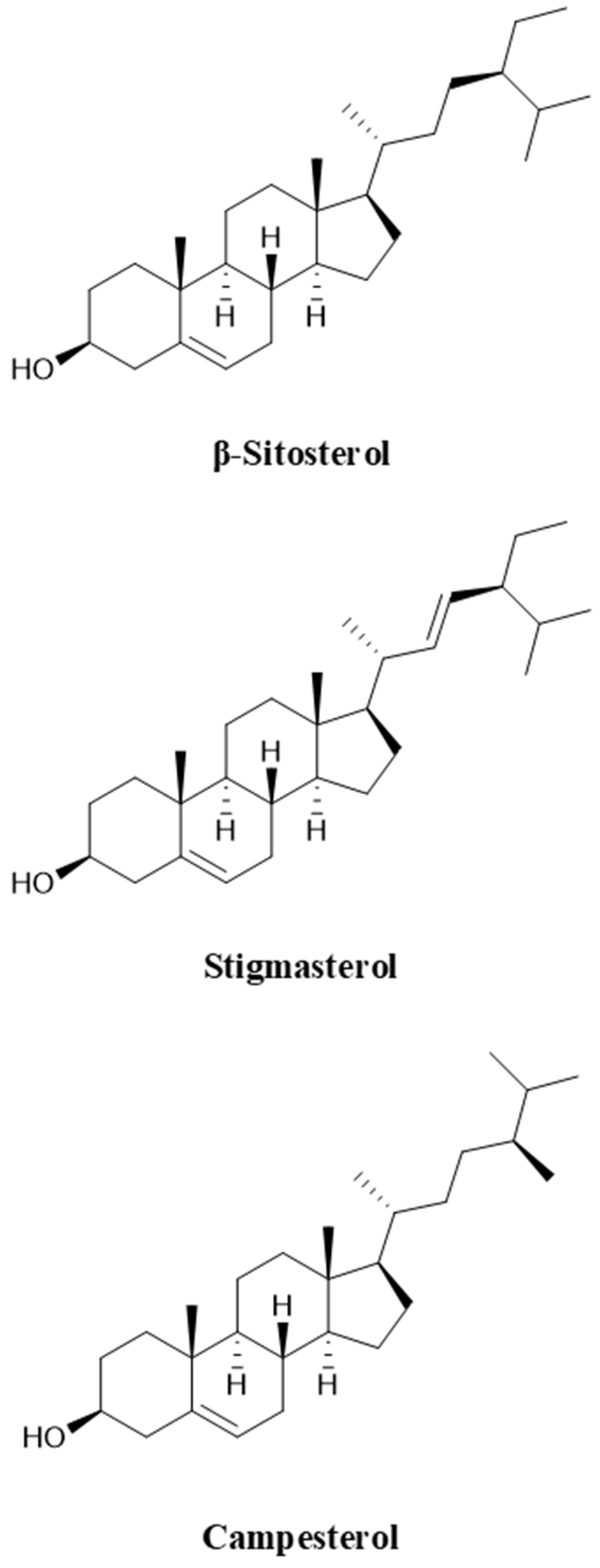
Unlike the higher fatty acid ester forms of sterols in animals, phytosterols in plants occur in the form of free sterols, sterol esters, sterol glycosides, and acyl sterol glycosides [9]. Among them, β-sitosterol, stigmasterol, and campesterol are the most common free sterols, which are widely derived from oil crops such as corn and soybean, accounting for more than 70% of phytosterol production, and their molecular structures are shown in Figure 1 [10]. The primary structural difference lies in the presence or absence of a double bond between C20 and C21 and the nature of the side chain at C22. Specifically, stigmasterol possesses a double bond at C20–C21, whereas β-sitosterol and campesterol contain single bonds at this position. In terms of side chains, both β-sitosterol and stigmasterol are linked to an ethyl group at C22, while campesterol carries a methyl group. These structural variations result in significant differences in the side chains of different sterols. In biotransformation studies, mixed sterols are commonly employed as fermentation substrates, primarily because the separation and purification of individual sterols involve costly refining processes [11]. Using sterol mixtures as substrates reduces the requirement for high purity and thus offers a more economical approach. For example, Li et al. [12] utilized a sterol blend comprising β-sitosterol, stigmasterol, and campesterol. García-Fernández et al. [13] employed a mixture of cholesterol, β-sitosterol, campesterol, and stigmasterol with gradually decreasing concentrations. Zhou et al. [11] investigated a substrate composition consisting of 51.7% β-sitosterol, 27.2% stigmasterol, 17.1% campesterol, and 4.0% brassicasterol. Similarly, Xiao et al. [14] adopted a blend containing 45.0% β-sitosterol, 26.2% stigmasterol, 23.5% campesterol, and 3.2% brassicasterol. Notably, the type and proportion of sterols in different fermentation substrates vary considerably, leading to distinct differences in microbial conversion efficiency. These variations directly influence the physicochemical properties and biological activities of sterols following biotransformation [15]. Therefore, the composition of sterol substrates is a critical factor in determining both the efficiency of microbial transformation and the functional characteristics of the resulting products. Careful selection and optimization of substrate composition will thus be essential for improving the industrial application of sterol biotransformation.
Figure 1.
Molecular structures of β-sitosterol, stigmasterol and campesterol.
At present, microorganisms identified for sterol conversion include Arthrobacter, Mycobacterium, Bacillus, and Streptomyces [16,17,18]. Among these, Mycobacterium species have been the most extensively studied due to their strong sterol-degrading capacity, although they are difficult to cultivate and growing very slowly, they still show obvious advantages in sterol degradation [17]. For instance, molecular modification of Mycobacterium neoaurum to overexpress NADH dehydrogenase improved cell viability by 54.17%, increased the phytosterol conversion rate from 23.92% to 94.98%, and enhanced androstenedione (AD) production by 12.75-fold [19]. In addition, genetic engineering of the M. neoaurum LY-2 strain specifically through knockout of the KasB gene and overexpression of the pcc, hsd4a, and vgb genes, enabled androst-1,4-diene-3,17-dione (ADD) production of up to 11.12 g/L [20]. These findings highlight the potential of metabolic pathway engineering to reprogram microbial biosynthesis of steroid intermediates. However, wild-type strains tend to further degrade the steroid nucleus after cleaving the C17 side chain of sterols, thereby preventing the accumulation of valuable C19 and C22 steroidal drug intermediates [21]. To overcome this limitation, wild strains have been optimized through mutation breeding, key enzyme engineering, and related strategies to better meet the demands of industrial-scale production [22,23,24]. Precise regulation of key metabolic nodes is urgently needed to enhance the selective synthesis of specific steroid drug intermediates and improve the overall efficiency of microbial transformation processes.
The development of genome sequencing technology has greatly facilitated the functional analysis of genes involved in phytosterol degradation in Mycobacterium, and most of the genes in the phytosterol metabolic pathway have now been elucidated [25]. This progress provides a solid foundation for the modification of biosynthetic pathways toward steroid drug intermediates. However, phytosterol metabolism is inherently complex, involving multiple metabolic routes and key enzyme systems in Mycobacterium. Therefore, it is of considerable significance to investigate the differences in conversion efficiency and the underlying mechanisms associated with different sterol types in these microorganisms. To address this issue, we selected the most abundant sterol monomers, β-sitosterol and stigmasterol, as model substrates. We systematically compared their overall conversion rates in Mycobacterium and employed integrated proteomics and molecular docking analyses to elucidate the molecular mechanisms driving the observed differences in conversion efficiency. This multi-scale approach provides valuable theoretical guidance for the optimization of sterol biotransformation in industrial fermentation processes.
2. Materials and Methods
2.1. Materials
AD and ADD were sourced from Macklin Biochemical Co., Ltd. (Shanghai, China). 2-Hydroxypropyl-β-cyclodextrin (HP-β-CD) and phytosterols, including β-sitosterol (93.11% purity, containing 6.89% campesterol), stigmasterol (95.79% purity, containing 3.54% β-sitosterol and 0.68% campesterol), and mixed sterols (β-sitosterol 60.70%, stigmasterol 22.41%, campesterol 16.79%) were obtained from the same supplier (Macklin). Nutrient broth medium was purchased from Beijing Auboxing Bio-Tech Co., Ltd. (Beijing, China). Citric acid, MgSO4·7H2O, K2HPO4, and (NH4)2HPO4 were supplied by Tianjin Zhiyuan Chemical Reagent Co., Ltd. (Tianjin, China). Methanol, acetonitrile, and ethyl acetate were procured from Tianjin Comio Chemical Reagent Co., Ltd. (Tianjin, China).
2.2. Strain and Cultivation
The bacterial strain Mycobacterium sp. 191574 was obtained from Beijing Beina Chuanglian Biotechnology Research Institute. Cultures were maintained on nutrient broth-agar slant medium (containing peptone 10.0 g/L, NaCl 5.0 g/L, beef extract powder 3.0 g/L, and agar powder 2.0 g/L) in 45 mL screw-cap tubes (8 mL medium/tube). Slants were sterilized by autoclaving at 121 °C for 20 min and stored at 4 °C. Colonies from slants were inoculated into 100 mL of nutrient broth medium in 250 mL flasks. Cultures were incubated at 30 °C with shaking (160 rpm) until OD600 nm reached 0.80–1.00.
Seed culture was inoculated (1% v/v) into fermentation medium and incubated at 30 °C with shaking (160 rpm) for 5 days. Fermentation medium: Citric acid: 2 g/L; (NH4)2HPO4: 3.75 g/L; HP-β-CD: 15 g/L; MgSO4: 1.5 g/L; K2HPO4: 0.5 g/L; Initial pH: 6.0. This fermentation medium was optimized to ensure optimal fermentation conditions for Mycobacterium sp. 191574 [26]. Carbon sources: each of β-sitosterol (1.23 g/L), stigmasterol (1.10 g/L), mixed sterols (1.19 g/L). Cultures (50 mL in 250 mL flasks) were sampled every 12 h. Conversion rates of sterols by Mycobacterium sp. 191574 were determined. Data were fitted to a five-parameter logistic (5PL) model using Origin 2021 software. Rate differences were assessed based on exponential growth phase slopes.
2.3. Fermentation Product Analysis
Fermentation broth was centrifuged at 8000× g for 3 min. The supernatant was transferred to a 250 mL separatory funnel and extracted three times with ethyl acetate. The combined organic phases were concentrated by rotary evaporation at 55 °C under reduced pressure. The residue was extracted by acetonitrile for five cycles (3 mL per cycles). The supernatant was collected and adjusted to a final volume of 25 mL, then filtered through a 0.22 μm membrane into HPLC vials for analysis.
Fermentation product was analyzed by our previous established HPLC method. Fuli LC5090 HPLC system (Fuli Analytical Instrument Co., Ltd., Zhejiang, China) was employed with a column of ZORBAX Eclipse Plus Phenyl-Hexyl (4.6 × 250 mm, 5 μm, Agilent Technologies, Inc., California, USA). The detection conditions of the product were as follows: column temperature 30 °C, detection wavelength 254 nm, elution with a 70% methanol solution at a flow rate of 1 mL/min, and injection volume of 10 μL. The retention time of AD is 8.96 min. Other detailed parameters can be found in our previous publication [26].
The conversion rate was calculated according to Formula (1).
where nin represents the amount of intermediate, mol; nst denotes the amount of sterol, mol; m stands for weight of sterol esters or intermediates, g; M indicates the molar weight, g/mol [27].
2.4. Proteomics
Proteomics were performed by Wuhan Maiwei Metabolism Biotechnology Co., Ltd. (Wuhan, China). Samples were lysed in buffer (1.5% SDS/100 mmol/L Tris-HCl) and centrifuged. Proteins in the supernatant were precipitated using acetone, then redissolved in 8 mol/L urea/100 mmol/L Tris-HCl solution. Reduction was carried out with dithiothreitol at 37 °C for 1 h, followed by alkylation with iodoacetamide in the dark at room temperature to block thiol groups. Protein concentration was determined using the Bradford assay. After reduction and alkylation, samples were diluted with 100 mmol/L Tris-HCl to reduce urea concentration below 2 mol/L. Trypsin was added at a 1:50 (w/w) enzyme-to-protein ratio for overnight digestion at 37 °C with shaking. The reaction was terminated with trifluoroacetic acid the next day. The supernatant was desalted using Sep-Pak C18 cartridges, dried under vacuum, and stored at −20 °C until analysis. MaxQuant v1.6.3.3 was used to search the UniProt species database. The FDR of peptide and protein levels were set to ≤1%, and only proteins with ≥2 unique peptides were identified. LFQ intensity was normalized by total peptide amount, and log2 conversion was performed. Missing values were interpolated according to normal distribution. The difference was tested by one-way ANOVA and corrected by Benjamini–Hochberg method. The significance threshold was set as adjusted p < 0.05, and the difference multiple threshold |log2FC| ≥ 0.58. GO and KEGG enrichment analysis showed that FDR ≤ 0.05 was significant, and key proteins were verified by Western blot.
LC-MS/MS analysis was performed on an Orbitrap Exploris 480 mass spectrometer coupled to an EASY-nLC 1200 nanoflow UHPLC system (Thermo Fisher Scientific Inc., Cleveland, OH, USA ). Separation used a C18 analytical column (75 μm × 25 cm, 1.9 μm particles) with mobile phases: A: 0.1% formic acid in water; B: 0.1% formic acid in 80% acetonitrile. A flow rate of 300 nL/min was maintained. Data were acquired in data-independent acquisition mode.
2.5. Molecular Docking
Starting from the amino acid sequence of the target protein, the three-dimensional structure of the protein was constructed by AlfaFold 3, the quality of the protein structure was detected by SAVES v6.0 (https://saves.mbi.ucla.edu/, accessed on 4 June 2025), and the non-conforming residues were re-revised by YASARA 20.12.24 software. Chemdraw 3D 17.0 software was used to draw the structure of small molecules and optimize it to the minimum energy. AutoDock Vina 1.1.2 was used to dock the enzyme with the substrate. The active center of the enzyme Gridbox was adjusted according to the size of the enzyme protein molecule. The number of dockings was 9, and other parameters were default. PyMOL 3.0 was used to visualize and analyze the modeled structures.
2.6. Data Processing
All experiments were performed in at least three independent replicates. Data were processed using SPSS 26.0 and Origin 2021 (Origin Lab). Results are expressed as mean ± standard deviation. Statistical significance was assessed by one-way analysis of variance (ANOVA), with p < 0.05 indicating significant differences. Post hoc pairwise comparisons were conducted using Duncan’s multiple range test.
3. Results and Discussion
3.1. Accumulation Rate of Total Yield of Different Steroid Drug Intermediates
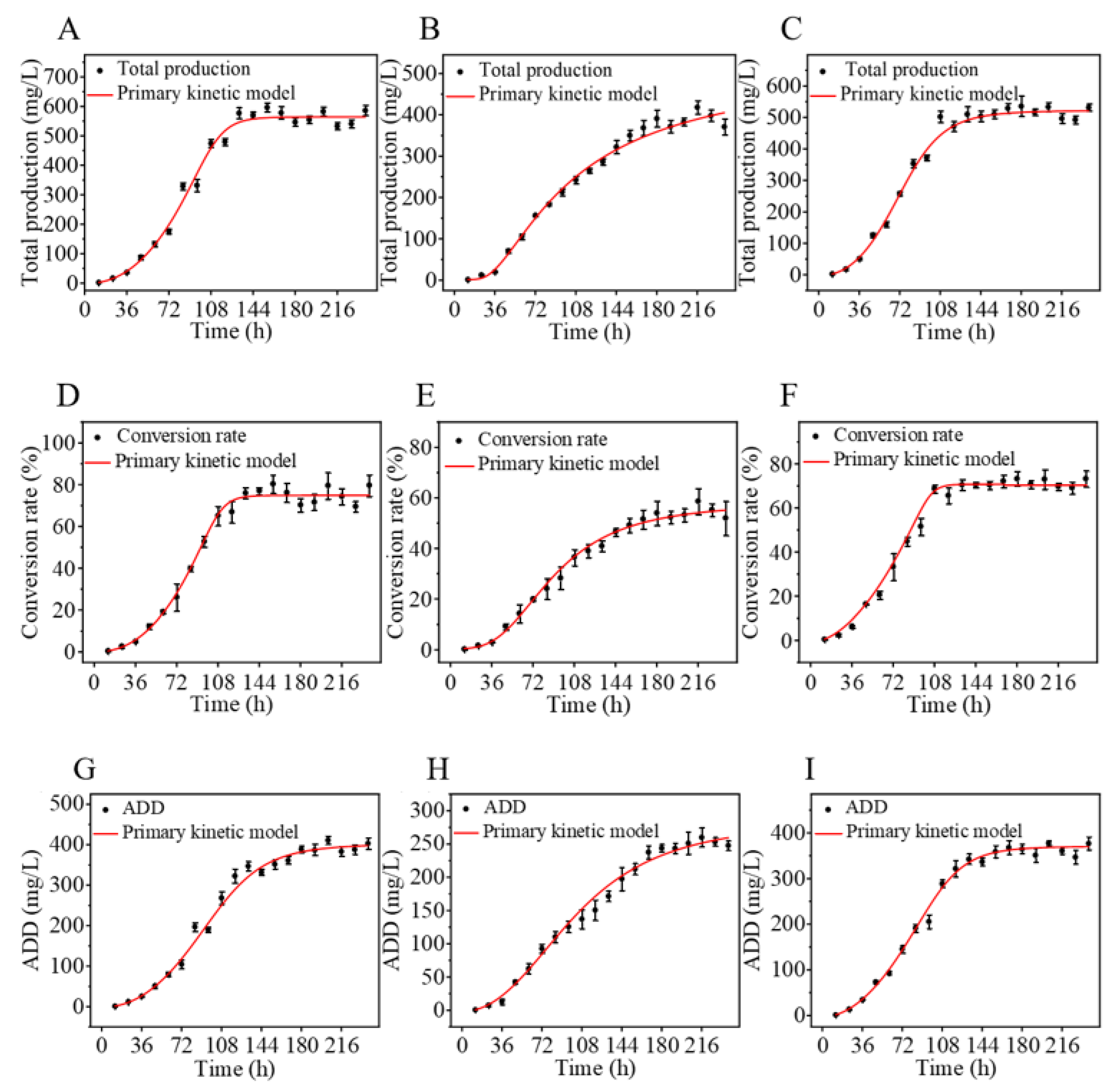
Steroid drug intermediates are precursors used in the synthesis of steroid drugs and are mainly classified into C19 and C22 types [7]. C19 steroid drug intermediates primarily include AD and its dehydrogenation product ADD (Figure S1), as well as the hydroxylation product 9-hydroxy-4-androstene-3,17-dione (9α-OH-AD). AD is a precursor for the synthesis of male hormones, ADD can be used to synthesize progesterone and certain female hormones, and 9α-OH-AD serves as a precursor for the synthesis of glucocorticoids such as dexamethasone [28]. C22 steroid drug intermediates include 22-hydroxy-23,24-bisnorchol-4-ene-3-one (4-HBC) and its dehydrogenation product 22-Hydroxy-23,24-bisnorchol-1,4-diene-3-one (1,4-HBC) (Figure S1), which are commonly employed in the synthesis of progesterone and adrenocortical hormones [24]. Among these, AD and ADD have been developed as important precursors for a variety of steroid hormone drugs, including immunosuppressants, sex hormones, and neurosteroids. Phytosterols generally produce the same C19 and C22 degradation products during degradation by Mycobacterium, which is determined by their structural commonality, the conservation of metabolic pathways and the specificity of key enzymes. Mycobacterium accumulate a large amount of ADD after transporting phytosterols into the cells through an active transport system, which is consistent with our previous report [26]. Using β-sitosterol, stigmasterol and mixed sterols as substrates, the total yield of drug intermediates after transformation by mycobacteria was nonlinearly fitted. The fitting results are presented in Figure 2, and the corresponding first-order kinetic equations are listed in Table 1. Comprehensive analysis showed that the conversion efficiency of Mycobacterium varied with different sterol substrates. The conversion of β-sitosterol, stigmasterol and mixed sterol reached the maximum at 156, 180 and 180 h, respectively, with corresponding concentrations of sterol drug intermediates of 596.65, 391.09, and 535.80 mg/L. Their slopes of exponential growth phase were 11.01, 1.29 and 6.88, respectively. These results indicate that, under identical conditions, the conversion rate of β-sitosterol was the fastest, followed by mixed sterol, whereas stigmasterol exhibited the lowest conversion rate.
Figure 2.
Kinetic profiles of β-sitosterol (A,D,G), stigmasterol (B,E,H), and mixed sterols (C,F,I). (A–C) kinetic profiles of total steroidal intermediate production; (D–F), kinetic profiles of sterol conversion rate; (G–I), kinetic profiles of ADD production.
Table 1.
First-order kinetics equation of divergent sterols.
Table 1.
First-order kinetics equation of divergent sterols.
| First-Order Kinetics Equation | Slope | R2 | ||
|---|---|---|---|---|
| Total intermediate production | β-sitosterol | 11.01 | 0.9965 | |
| stigmasterol | 1.29 | 0.9969 | ||
| mixed sterols | 6.88 | 0.9985 | ||
| Conversion rate | β-sitosterol | 15.41 | 0.9976 | |
| stigmasterol | 2.84 | 0.9948 | ||
| mixed sterols | 19.31 | 0.9976 | ||
| ADD production | β-sitosterol | 5.59 | 0.9971 | |
| stigmasterol | 2.77 | 0.9973 | ||
| mixed sterols | 6.68 | 0.9958 |
3.2. Comparison of Conversion Rate of Different Sterols
Nonlinear fitting of sterol conversion data yielded the kinetic curves shown in Figure 2D–F, with the corresponding first-order kinetic equations presented in Table 1. The maximum conversion efficiencies of Mycobacterium sp. 191574 were 80.45% for β-sitosterol, 58.72% for stigmasterol, and 73.34% for mixed sterols. The slopes of the exponential growth phase were 15.41, 2.84, and 19.31 for β-sitosterol, stigmasterol, and mixed sterols, respectively. The accelerated conversion of the mixed sterols, surpassing that of both β-sitosterol and stigmasterol, can be attributed to the presence of campesterol (16.79%) in the mixture. Unlike stigmasterol, which contains a C22 double bond in its side chain, campesterol possesses a saturated alkyl side chain similar to β-sitosterol but with one fewer methyl group. This structural simplification reduces steric hindrance during enzymatic side-chain cleavage, thereby enhancing substrate accessibility and metabolic flux through the degradation pathway. Consequently, the inclusion of campesterol synergistically improved the overall conversion kinetics of the mixed sterol system. In addition, due to the hydrophobic nature of sterols, their biotransformation by Mycobacterium is also influenced by the cell wall structure and transport system [29]. Thus, modifying the structure and permeability of the Mycobacterium cell wall, as well as enhancing the activity of key enzymes involved in sterol uptake via active transport, are critical strategies for further improving sterol conversion efficiency [30].
3.3. ADD Accumulation Rate of Different Sterol Conversion Products
ADD is the product of complete degradation of the sterol C17 side chain, which is accomplished during the second round of β-oxidation of the sterol side chain. If the C17 side chain is not fully oxidized, the final accumulated products are the C22 steroid drug intermediates 4-HBC and 1,4-HBC [31]. As shown in Figure 2G–I, the accumulation of the main product ADD during the conversion of the three sterols was fitted using a nonlinear model, and the corresponding first-order kinetic equations of ADD yield are summarized in Table 1. Kinetic analysis of ADD accumulation showed that the yield from mixed sterols was the highest, followed by β-sitosterol, whereas stigmasterol exhibited the slowest accumulation. The slopes of the exponential growth phase were 6.68 for mixed sterols, 5.59 for β-sitosterol, and 2.77 for stigmasterol. During sterol biotransformation, side-chain degradation and nucleus oxidation are independent catalytic processes, and their sequence varies among microorganisms [9]. Among these reactions, 3-ketosteroid-Δ1-dehydrogenase (KstD) specifically catalyzes the oxidative dehydrogenation at C1,2 to form a double bond, thereby converting AD into ADD [32]. Thus, the high accumulation of ADD is closely associated with KstD activity. Knockout of the kstD1 gene in Mycobacterium directly results in the accumulation of AD, whereas enhancing the activity of KstD1 through molecular modification can significantly improve the catalytic efficiency toward substrates such as AD [31].
3.4. Proteomics Identification of Enzymes in Sterol Metabolic Pathway
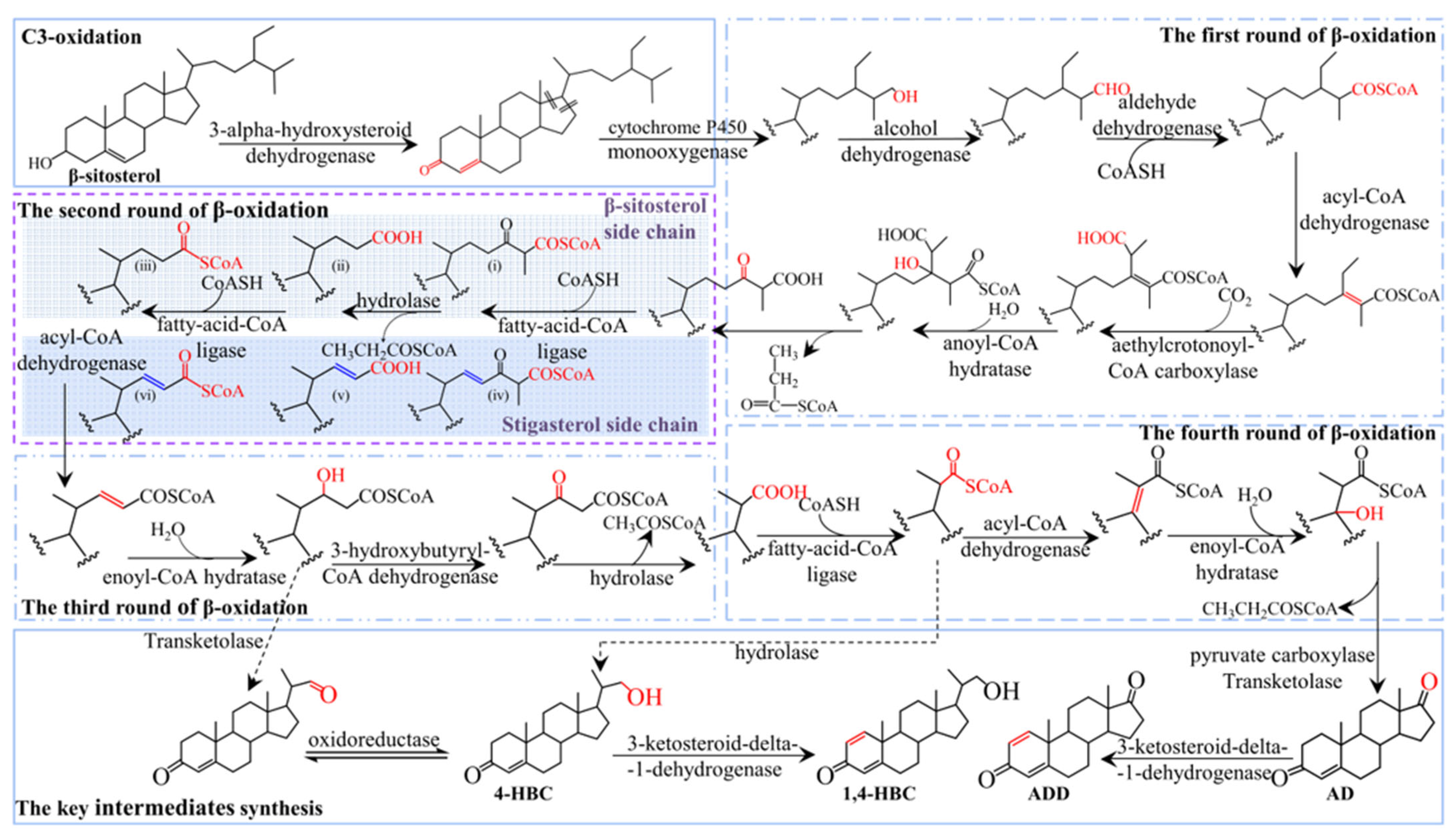
The above results indicated that Mycobacterium sp. 191574 exhibited significantly lower conversion efficiency for stigmasterol than for β-sitosterol, likely due to the C22-double bond in stigmasterol’s side chain. To elucidate the underlying limiting factors, proteomic analysis was employed. Proteomic profiling was performed using DIA-NN (v1.8.1) for protein identification and quantification, with a reference database of 5996 protein sequences. This identified 2463 peptides and quantified 724 proteins. Key enzymes implicated in sterol metabolism are detailed in Supplementary Table S1, including: C3-oxidation: One 3α-hydroxysteroid dehydrogenase (3α-HSD); C17 side-chain initial cleavage: One cytochrome P450 monooxygenase and seven monooxygenases (including one steroid-C27-monooxygenase). Side-chain degradation: one acetyl-CoA synthetase, two acetyltransferases, seven acyl-CoA synthetases, sixteen acyl-CoA dehydrogenases, nine enoyl-CoA hydratases, seven short-chain dehydrogenases, five oxidoreductases, one acyl-CoA thioesterase, one pyruvate carboxylase, one transketolase. Steroid nucleus modification: one 3-ketosteroid-Δ1-dehydrogenase and one 3-ketosteroid-9α-hydroxylase. Comparative analysis between 60 h and 120 h revealed no significant temporal variations in enzyme expression. Integrating these proteomic findings with prior studies by Szentirmai and Wang, we propose the comprehensive sterol metabolic pathway illustrated in Figure 3 [18,19].
Figure 3.
Pathway of sterol intermediates biosynthesis in Mycobacterium. Different frames represent different reaction processes, in which the purple frame represents the second cycle of β-oxidation. The light blue shaded area highlights the β-sitosterol conversion pathway, and the dark blue shaded area represents the predicted stigmasterol conversion pathway.
As illustrated in Figure 3, intracellular β-sitosterol undergoes C3 oxidation catalyzed by 3α-hydroxysteroid dehydrogenase, converting the C3-hydroxy group to a keto group while inducing isomerization of the Δ5 bond to Δ4. Side-chain degradation initiates via monooxygenase-mediated oxidation, followed by sequential β-oxidation cycles: Cycle 1: Alcohol dehydrogenase, aldehyde dehydrogenase, acyl-CoA dehydrogenase, methylcrotonoyl-CoA carboxylase, and enoyl-CoA hydratase. Cycles 2–4: Fatty acid-CoA ligase, hydrolase, and hydroxyacyl-CoA dehydrogenase, yielding a C17-keto intermediate. Final side-chain cleavage generates AD through pyruvate carboxylase and transketolase activity. AD is subsequently dehydrogenated at C1–C2 by 3-ketosteroid Δ1-dehydrogenase to form ADD. During the fourth β-oxidation cycle, the intermediate 4-HBC forms via hydrolytic removal of its CoA moiety. Analogous to ADD synthesis, 4-HBC is dehydrogenated by 3-ketosteroid Δ1-dehydrogenase to yield 1,4-HBC.
It is worth noting that the C22 double bond of stigmasterol has little effect on early β-oxidation due to its distal position relative to the initial cleavage site. However, as shown in Figure 3 (dark blue shadow), the spatial accessibility of late intermediates (e.g., C20–C22 fragments) near the double bond is reduced due to the presence of residues at both ends of the molecule, which may hinder the enzymatic binding and catalysis in the second β-oxidation cycle.
3.5. The Difference in Conversion Rate Was Analyzed by Molecular Docking
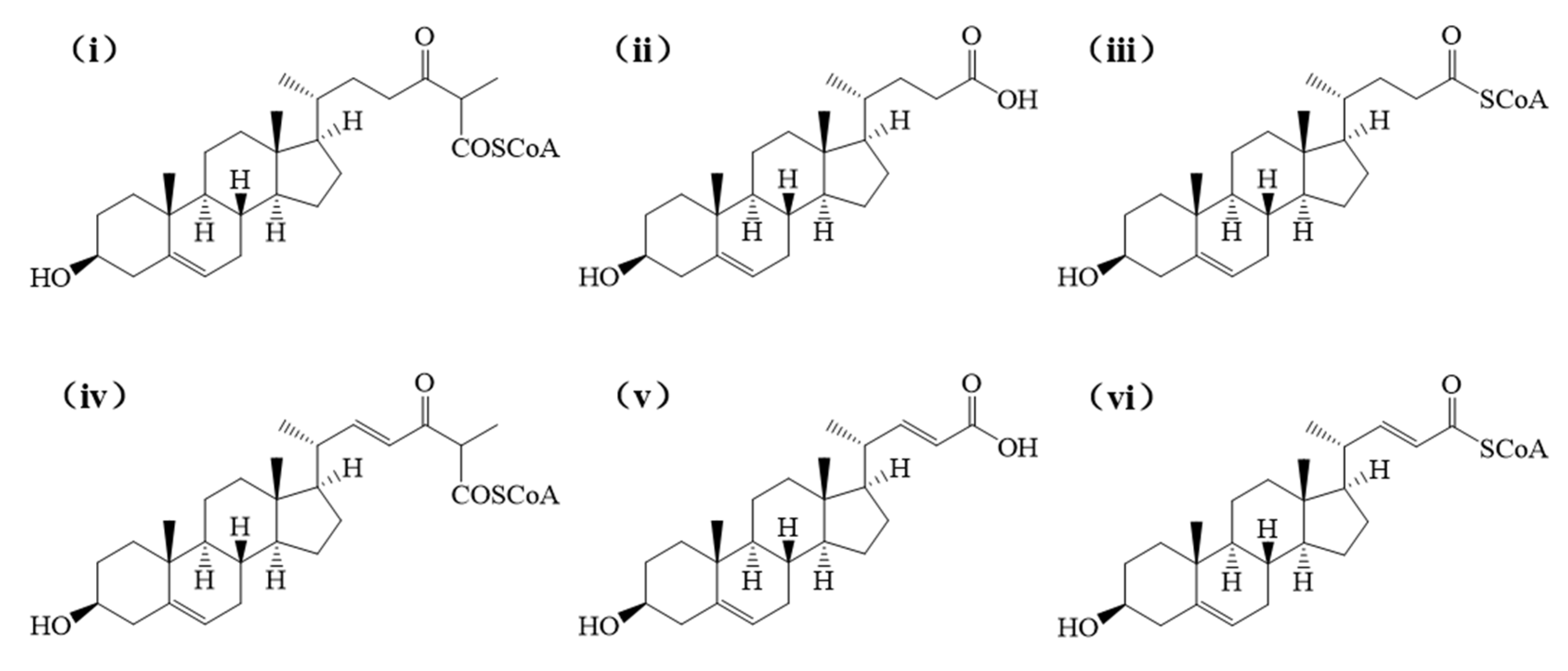
Figure 3 indicates that during the second cycle of β-oxidation of sterol molecules, the catalytic sites of enzymatic proteins (e.g., hydrolases, fatty acid-CoA ligases, acyl-CoA dehydrogenases) are spatially proximate to the C22 double bond in stigmasterol’s side chain. This proximity likely induces significant steric hindrance, thereby impeding substrate-enzyme interactions and potentially limiting the conversion efficiency of stigmasterol. Given that acyl-CoA synthetase shares functional redundancy with fatty acid-CoA ligase (both exhibit medium-to-long-chain fatty acid-CoA ligase activity) and demonstrates substantially higher expression levels (Table 2), it was prioritized as the primary model for molecular docking simulations. Using AutoDock Vina 1.1.2, we performed molecular docking between these enzymes and sterol-derived small molecules generated during β-sitosterol and stigmasterol bioconversion. The expression levels of docked enzymes are detailed in Table 2, structural formulas of small molecules are shown in Figure 4, and binding energies are summarized in Table 3.
Table 2.
Enzymes in molecular docking and their circadian expression profiles.
Table 2.
Enzymes in molecular docking and their circadian expression profiles.
| Enzymes | Gene ID | Accession ID | 60 h | 120 h | Docking Molecules |
|---|---|---|---|---|---|
| Hydrolase | ASD37_17210 | A0A0T1WAV6 | 0.83 ± 0.01 | 0.78 ± 0.01 | (i)(iv) |
| ASD37_20395 | A0A0T1W815 | 0.34 ± 0.01 | 0.37 ± 0.10 | ||
| Fatty acid-CoA ligase | ASD37_14510 | A0A0T1WE13 | 1.86 ± 0.18 | 1.74 ± 0.13 | (ii)(v) |
| Acyl-CoA synthase | ASD37_29270 | A0A0T1W1C0 | 32.89 ± 0.10 | 42.18 ± 0.70 | |
| ASD37_08775 | A0A0T1WFV2 | 20.52 ± 0.16 | 25.25 ± 1.65 | ||
| Acyl-CoA dehydrogenase | ASD37_29235 | A0A0T1W1E3 | 6.81 ± 0.01 | 6.87 ± 0.46 | (iii)(vi) |
Figure 4.
The intermediates obtained from the biotransformation of β-sitosterol and stigmasterol by Mycobacterium, respectively. Among them, (i–iii) denote the intermediates derived from β-sitosterol conversion, whereas (iv–vi) correspond to those generated during stigmasterol biotransformation.
Table 3.
Affinity of enzymes and legends.
Table 3.
Affinity of enzymes and legends.
| Affinity(kcal/mol) | Affinity (kcal/mol) | Affinity (kcal/mol) | Affinity (kcal/mol) | ||
|---|---|---|---|---|---|
| Mode | A0A0T1WAV6-(i) | A0A0T1WAV6-(iv) | Mode | A0A0T1W815-(i) | A0A0T1W815-(iv) |
| 1 | −9.5 | −9.7 | 1 | −7.7 | −6.3 |
| 2 | −9.5 | −9.6 | 2 | −7.7 | −6.3 |
| 3 | −9.4 | −9.3 | 3 | −7.4 | −6.2 |
| 4 | −9.3 | −9.3 | 4 | −7.3 | −6.2 |
| 5 | −9.2 | −9.2 | 5 | −7.3 | −6.1 |
| 6 | −9.1 | −9.2 | 6 | −7.3 | −6.1 |
| 7 | −9.0 | −8.9 | 7 | −7.1 | −6.0 |
| 8 | −9.0 | −8.8 | 8 | −7.0 | −5.9 |
| 9 | −8.9 | −8.6 | 9 | −7.0 | −5.9 |
| Mode | A0A0T1WE13-(ii) | A0A0T1WE13-(v) | Mode | A0A0T1W1C0-(ii) | A0A0T1W1C0-(v) |
| 1 | −8.7 | −9.3 | 1 | −9.0 | −7.8 |
| 2 | −8.7 | −9.3 | 2 | −7.5 | −7.4 |
| 3 | −8.0 | −8.9 | 3 | −7.4 | −7.4 |
| 4 | −8.0 | −8.3 | 4 | −7.2 | −7.2 |
| 5 | −7.1 | −8.1 | 5 | −7.1 | −7.2 |
| 6 | −7.1 | −8.0 | 6 | −7.0 | −6.9 |
| 7 | −7.0 | −7.9 | 7 | −7.0 | −6.8 |
| 8 | −7.0 | −7.8 | 8 | −6.9 | −6.7 |
| 9 | −7.0 | −7.7 | 9 | −6.8 | −6.6 |
| Mode | A0A0T1WFV2-(ii) | A0A0T1WFV2-(v) | Mode | A0A0T1W1E3-(iii) | A0A0T1W1E3-(vi) |
| 1 | −8.3 | −8.7 | 1 | −10.3 | −10.2 |
| 2 | −7.6 | −8.1 | 2 | −10.1 | −10.0 |
| 3 | −7.6 | −8.1 | 3 | −10.1 | −9.9 |
| 4 | −7.4 | −8.1 | 4 | −9.9 | −9.6 |
| 5 | −7.3 | −8.0 | 5 | −9.7 | −9.5 |
| 6 | −6.9 | −7.5 | 6 | −9.6 | −9.4 |
| 7 | −6.8 | −7.3 | 7 | −9.6 | −9.4 |
| 8 | −6.7 | −7.3 | 8 | −9.6 | −9.3 |
| 9 | −6.6 | −7.2 | 9 | −9.5 | −8.9 |
As detailed in Table 3, all 12 molecular docking groups exhibited binding energies below −5.0 kcal/mol, indicating strong binding affinity and high complementarity between the selected enzymes and the sterol-derived ligands within their respective catalytic pockets. Notably, two enzyme-ligand pairs showed substantial binding energy differences: Hydrolase (A0A0T1W815) bound to ligands (i) and (iv) with energies of −7.7 kcal/mol and −6.3 kcal/mol, respectively (Δ = 1.4 kcal/mol); Acyl-CoA Synthetase (A0A0T1W1C0) bound to ligands (ii) and (v) with energies of −9.0 kcal/mol and −7.8 kcal/mol (Δ = 1.2 kcal/mol). Furthermore, quantitative proteomics revealed that Acyl-CoA Synthetase (A0A0T1W1C0) had significantly higher expression levels than A0A0T1WE13 and A0A0T1WFV2 (fold-change > 2.1, p < 0.01). Given its role as the dominant enzyme in sterol side-chain β-oxidation and its superior binding kinetics, A0A0T1W1C0 is identified as the rate-limiting enzyme responsible for the constrained conversion efficiency of stigmasterol, likely due to steric hindrance from stigmasterol’s C22 double bond during catalytic pocket engagement.
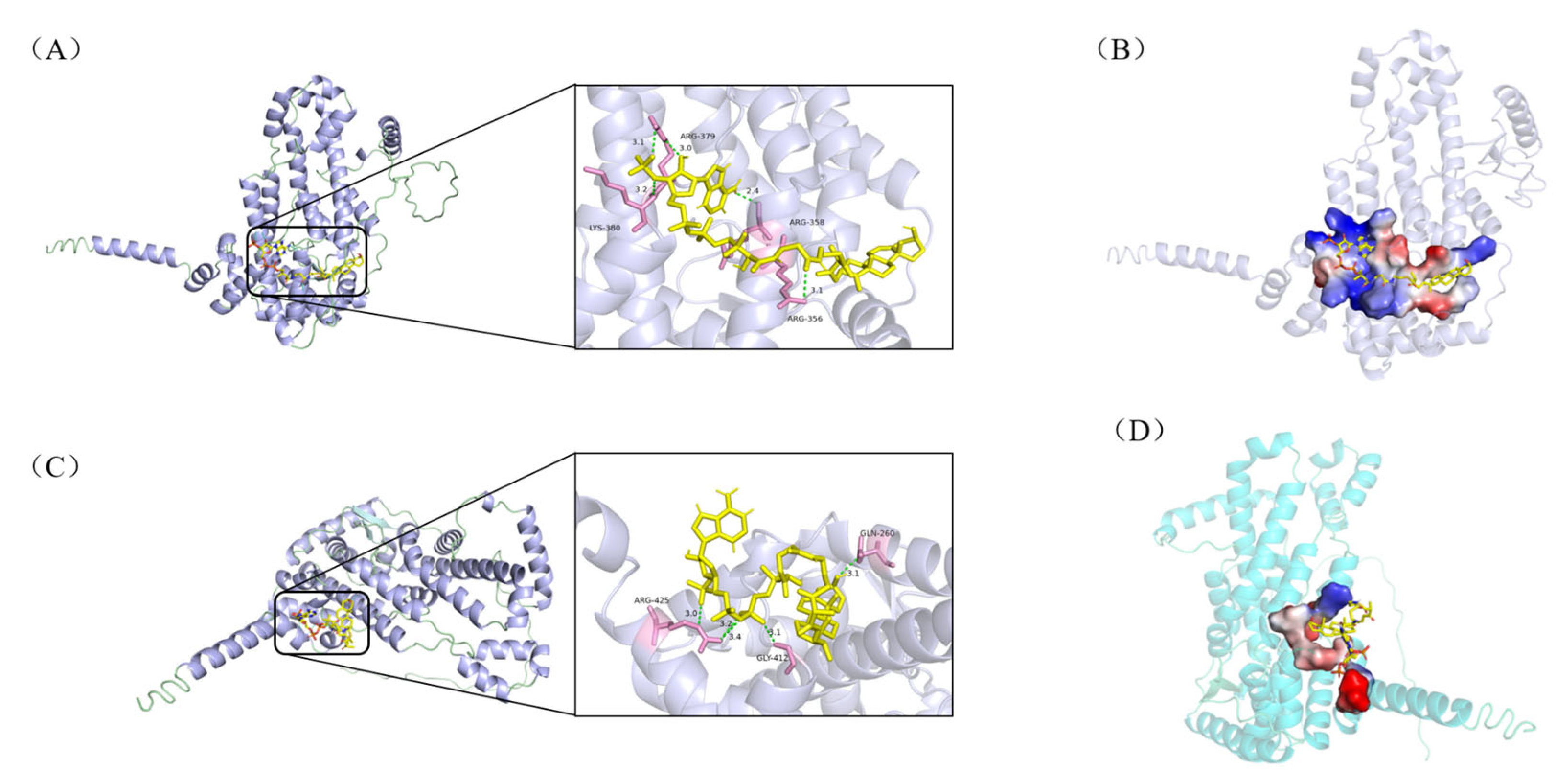
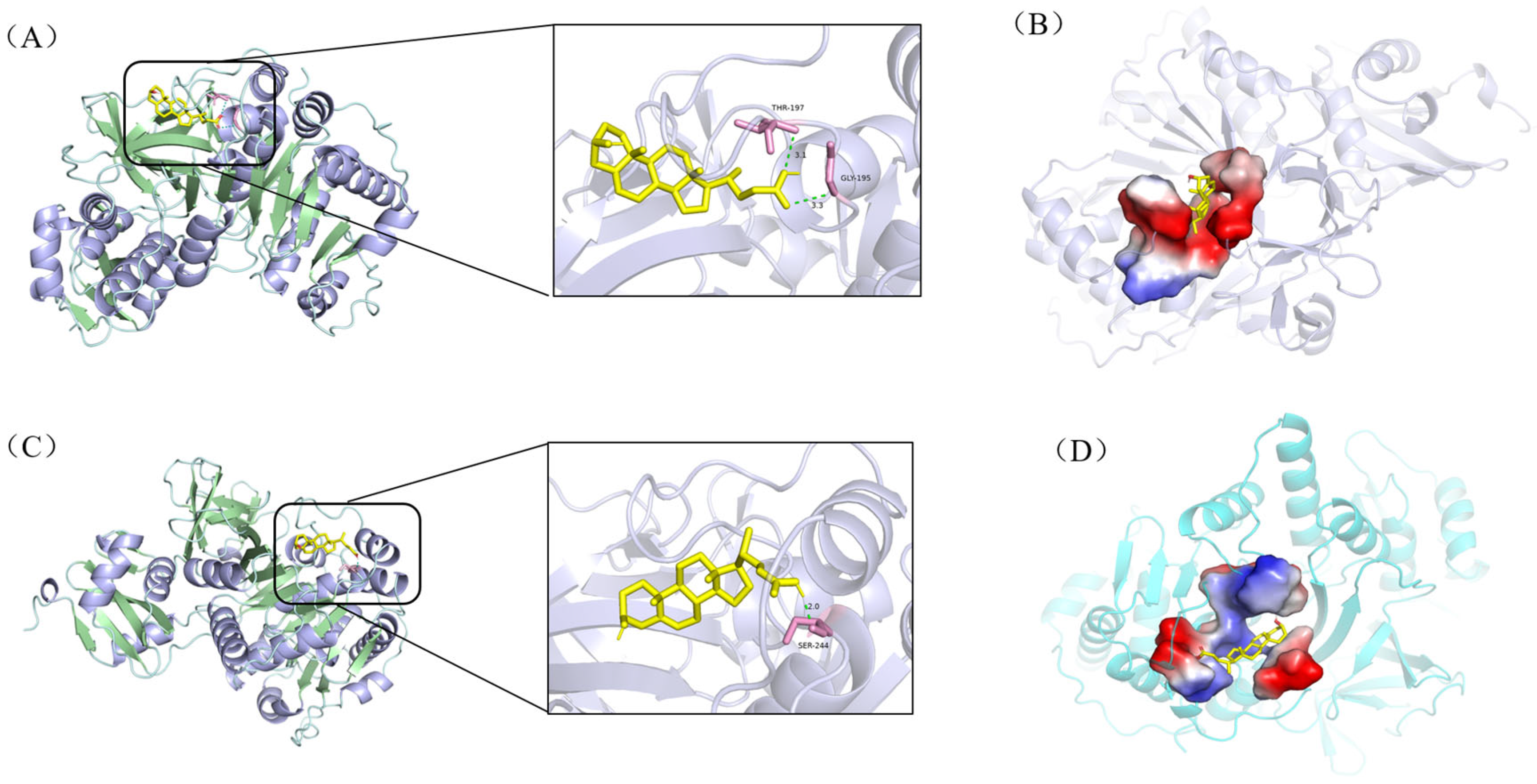
As illustrated in Figure 5, the hydrogen bonding patterns and spatial geometries between hydrolase A0A0T1W815 and the two ligands (i and iv) exhibited distinct differences. Ligand (i) formed five hydrogen bonds with amino acid residues ARG-379, LYS-380, ARG-356, and ARG-358 (Figure 5A), with bond lengths ranging from 2.4 to 3.3 Å. These interactions provided significant conformational stability to the complex. In contrast, ligand (iv) engaged residues ARG-425, GLY-412, and GLN-260 via five hydrogen bonds (Figure 5C), though with slightly longer bond distances (3.1–3.4 Å), suggesting comparatively weaker electrostatic contributions. Similarly, as shown in Figure 6, the hydrogen bonding patterns and spatial geometries between acyl-CoA synthetase A0A0T1W1C0 and its ligands exhibited distinct variations. Ligand (ii) formed two hydrogen bonds with amino acid residues THR-197 and GLY-195 (Figure 6A), with bond distances of 3.1 Å and 3.3 Å, respectively. In contrast, ligand (v) engaged residue SER-244 via a single hydrogen bond (Figure 6C) characterized by a significantly shorter bond length of 2.0 Å, suggesting stronger electrostatic stabilization at this interaction site.
Figure 5.
Molecular docking results of hydrolase A0A0T1W815 with intermediates (i) and (iv). The enzyme is shown in cartoon and the ligands as yellow sticks; interacting amino-acid residues are highlighted in pink; hydrogen bonds are indicated by light-green dashed lines. Panel (A) illustrates the interaction network between A0A0T1W815 and ligand (i), while panel (B) displays the corresponding ligand-binding pocket. Likewise, panel (C) depicts the interactions with ligand (iv), and panel (D) depicts the topological architecture of its binding pocket.
Figure 6.
Molecular docking results of acyl-CoA synthetase A0A0T1W1C0 with ligands (ii) and (v). The enzyme is shown in cartoon and the ligands as yellow sticks; pink segments denote amino acid residues forming hydrogen bonds; light-green dashed lines indicate hydrogen bonds. Panel (A) illustrates the interaction network between A0A0T1W1C0 and ligand (ii), while (B) displays the corresponding ligand-binding pocket. Similarly, (C) depicts interactions with ligand (v), and (D) visualizes its binding pocket topology.
Collectively, all 12 enzyme-ligand docking groups demonstrated robust binding affinity, as evidenced by binding energies consistently below the threshold of −5.0 kcal/mol. Notably, significant binding energy disparities were observed for hydrolase A0A0T1W815 complexed with ligands (i) and (iv), and acyl-CoA synthetase A0A0T1W1C0 bound to ligands (ii) and (v), suggesting that both enzymes likely serve as rate-limiting factors in the comparatively sluggish bioconversion of stigmasterol. Structural analyses further revealed that while A0A0T1W815 exhibited differential hydrogen bond distances (2.4–3.3Å vs. 3.1–3.4Å) with ligands (i) and (iv), A0A0T1W1C0 showed variations in both bond quantity (two vs. one) and bond length (3.1/3.3Å vs. 2.0Å) with ligands (ii) and (v). These disparities in hydrogen bonding geometry directly modulate intermolecular interaction stability, particularly through suboptimal orbital alignment and desolvation penalties, which manifest macroscopically as differences in catalytic efficiency in the degradation of stigmasterol side chains. Further validation of their restrictive effects through in vitro enzyme activity assays or knockdown/overexpression experiments is needed, which will provide a strong basis for the rational modification of Mycobacterium.
4. Conclusions
Mycobacterium sp. 191574 exhibited markedly divergent conversion rates for different sterols, with β-sitosterol being metabolized significantly faster than stigmasterol. Proteomic mining of sterol metabolic pathways revealed that hydrolase, fatty acid-CoA ligase, and/or acyl-CoA dehydrogenase likely serve as rate-limiting enzymes in stigmasterol bioconversion. Molecular docking simulations further identified hydrolase A0A0T1W815 and acyl-CoA synthetase A0A0T1W1C0 as the primary bottlenecks. Comparative analysis demonstrated distinct spatial geometries and hydrogen bonding patterns between the two enzymes and sterol-derived ligands: β-sitosterol complexes formed more numerous and shorter hydrogen bonds (≤3.3Å) with optimized orbital alignment, whereas stigmasterol interactions exhibited longer bond distances (≥3.1Å) and suboptimal binding poses due to steric hindrance from its C22 double bond. These molecular-scale disparities in docking affinity directly explain the macroscopic divergence in conversion kinetics, providing a mechanistic framework for understanding sterol metabolism and guiding future engineering of high-efficiency Mycobacterium cell factories.
Supplementary Materials
The following supporting information can be downloaded at https://www.mdpi.com/article/10.3390/biom15111496/s1, Figure S1. Structural formula of main steroid drug intermediates. Table S1. Enzymes of sterol conversion identified by the proteomics and expression level.
Author Contributions
Conceptualization: Z.N.; Data curation: Z.W. and Y.H.; Formal analysis: L.Z.; Funding acquisition: L.Z.; Investigation: Z.N.; Methodology: Y.B. (Yingjing Bi); Project administration: S.S.; Resources: S.S.; Software: Z.W.; Supervision: Y.B. (Yanlan Bi); Validation: Y.H.; Visualization: S.S.; Writing—original draft: Z.N.; Writing—review and editing: Z.N. and L.Z. All authors have read and agreed to the published version of the manuscript.
Funding
This work was supported by the Zhengzhou Research and Development Special Fund (22ZZRDZX25); the Food Engineering Technology Research Center/Key Laboratory of Henan Province, Henan University of Technology (GO202316).
Institutional Review Board Statement
Not applicable.
Informed Consent Statement
Not applicable.
Data Availability Statement
The original contributions presented in the study are included in the article and Supplementary Materials, and further inquiries can be directed to the corresponding authors.
Conflicts of Interest
The authors declare no conflicts of interest.
Abbreviations
AD: androstenedione; ADD: androst-1,4-diene-3,17-dione; 4-HBC: 22-hydroxy-23,24-bisnorchol-4-ene-3-one; 1,4-HBC: 22-Hydroxy-23,24-bisnorchol-1,4-diene-3-one; 9α-OH-AD: 9-hydroxy-4-androstene-3,17-dione; HP-β-CD: 2-Hydroxypropyl-β-cyclodextrin; KstD: 3-ketosteroid-Δ1-dehydrogenase; 3α-HSD: 3α-hydroxysteroid dehydrogenase.
References
- Donova, M. Microbial Steroid Production Technologies: Current Trends and Prospects. Microorganisms 2021, 10, 53. [Google Scholar] [CrossRef]
- Zhao, M.; Li, X.; Xiong, L.; Liu, K.; Liu, Y.; Xue, Z.; Han, R. Green Manufacturing of Steroids via Mycolicbacteria: Current Status and Development Trends. Fermentation 2023, 9, 890. [Google Scholar] [CrossRef]
- Gu, Y.; Jiao, X.; Ye, L.; Yu, H. Metabolic Engineering Strategies for de Novo Biosynthesis of Sterols and Steroids in Yeast. Bioresour. Bioprocess. 2021, 8, 110. [Google Scholar] [CrossRef]
- Bermúdez-Bazán, M.; Castillo-Herrera, G.A.; Urias-Silvas, J.E.; Escobedo-Reyes, A.; Estarrón-Espinosa, M. Hunting Bioactive Molecules from the Agave Genus: An Update on Extraction and Biological Potential. Molecules 2021, 26, 6789. [Google Scholar] [CrossRef]
- Li, R.; Guo, S.; Wang, D.; Yang, T.; Li, W.; Wang, J.; Huang, L.; Zhang, X.; Dai, Z. Elucidation of the Plant Progesterone Biosynthetic Pathway and Its Application in a Yeast Cell Factory. Metab. Eng. 2025, 90, 197–208. [Google Scholar] [CrossRef]
- Wang, Z.; Qiu, H.; Chen, Y.; Chen, X.; Fu, C.; Yu, L. Microbial Metabolism of Diosgenin by a Novel Isolated Mycolicibacterium Sp. HK-90: A Promising Biosynthetic Platform to Produce 19-Carbon and 21-Carbon Steroids. Microb. Biotechnol. 2024, 17, e14415. [Google Scholar] [CrossRef]
- Sih, C.J.; Wang, K.C. A New Route to Estrone from Sterols. J. Am. Chem. Soc. 1965, 87, 1387–1388. [Google Scholar] [CrossRef] [PubMed]
- Liu, X.; He, B.; Zhang, J.; Yuan, C.; Han, S.; Du, G.; Shi, J.; Sun, J.; Zhang, B. Phytosterol Conversion into C9 Non-Hydroxylated Derivatives through Gene Regulation in Mycobacterium Fortuitum. Appl. Microbiol. Biotechnol. 2023, 107, 7635–7646. [Google Scholar] [CrossRef]
- Han, S.; Liu, X.; He, B.; Zhai, X.; Yuan, C.; Li, Y.; Lin, W.; Wang, H.; Zhang, B. Efficient Production of 9,22-Dihydroxy-23,24-Bisnorchol-4-Ene-3-One from Phytosterols by Modifying Multiple Genes in Mycobacterium Fortuitum. Int. J. Mol. Sci. 2024, 25, 3579. [Google Scholar] [CrossRef] [PubMed]
- Zhou, L.; Li, H.; Xu, Y.; Liu, W.; Zhang, X.; Gong, J.; Xu, Z.; Shi, J. Effects of a Nonionic Surfactant TX-40 on 9α-Hydroxyandrost-4-Ene-3,17-Dione Biosynthesis and Physiological Properties of Mycobacterium Sp. LY-1. Process. Biochem. 2019, 87, 89–94. [Google Scholar] [CrossRef]
- Zhou, X.; Zhang, Y.; Shen, Y.; Zhang, X.; Xu, S.; Shang, Z.; Xia, M.; Wang, M. Efficient Production of Androstenedione by Repeated Batch Fermentation in Waste Cooking Oil Media through Regulating NAD+/NADH Ratio and Strengthening Cell Vitality of Mycobacterium Neoaurum. Bioresour. Technol. 2019, 279, 209–217. [Google Scholar] [CrossRef] [PubMed]
- Li, X.; Zhang, R.; Li, J.; Feng, J.; Wu, Q.; Zhu, D.; Ma, Y. The Function of Steroid Terminal Monooxygenase in Cholesterol or Phytosterol Degradation by the Mycobacterium Neoaurum NRRL B-3805. Syst. Microbiol. Biomanufacturing 2023, 3, 585–592. [Google Scholar] [CrossRef]
- García-Fernández, J.; Martínez, I.; Fernández-Cabezón, L.; Felpeto-Santero, C.; García, J.-I.; Galán, B. Bioconversion of Phytosterols into Androstadienedione by Mycobacterium Smegmatis CECT 8331. Methods Mol. Biol. 2017, 1645, 211–225. [Google Scholar] [CrossRef]
- Xiao, X.; He, J.-K.; Guan, Y.-X.; Yao, S.-J. Effect of Cholinium Amino Acids Ionic Liquids as Cosolvents on the Bioconversion of Phytosterols by Mycobacterium Sp. Resting Cells. ACS Sustain. Chem. Eng. 2020, 8, 17124–17132. [Google Scholar] [CrossRef]
- Zhu, H.; Chen, L.; Chen, Z.-X.; Lin, H.; Liu, J.; Kwek, E.; Ma, K.Y.; He, W.; Wang, G.; Chen, Z.-Y. Synthesis of Cholesterol Analogues and Comparison on Their Effect on Plasma Cholesterol with β-Sitosterol. Food Chem. 2024, 461, 140820. [Google Scholar] [CrossRef]
- Chen, Z.; Ding, H.; Zhu, H.; Huang, S.; Yan, C.; Chen, Z.-Y. Additional Mechanism for Selective Absorption of Cholesterol and Phytosterols. Food Chem. 2024, 458, 140300. [Google Scholar] [CrossRef]
- Xiong, L.-B.; Liu, H.-H.; Song, L.; Dong, M.-M.; Ke, J.; Liu, Y.-J.; Liu, K.; Zhao, M.; Wang, F.-Q.; Wei, D.-Z. Improving the Biotransformation Efficiency of Soybean Phytosterols in Mycolicibacterium Neoaurum by the Combined Deletion of FbpC3 and EmbC in Cell Envelope Synthesis. Synth. Syst. Biotechnol. 2021, 7, 453–459. [Google Scholar] [CrossRef] [PubMed]
- Attila Szentirmai Microbial Physiology of Sidechain Degradation of Sterols. J. Ind. Microbiol. 1990, 6, 101–115. [CrossRef]
- Wang, X.-X.; Ke, X.; Liu, Z.-Q.; Zheng, Y.-G. Rational Development of Mycobacteria Cell Factory for Advancing the Steroid Biomanufacturing. World J. Microbiol. Biotechnol. 2022, 38, 191. [Google Scholar] [CrossRef]
- Hernández-Fernández, G.; Acedos, M.G.; de la Torre, I.; Ibero, J.; García, J.L.; Galán, B. Improving the Production of 22-Hydroxy-23,24-Bisnorchol-4-Ene-3-One in Mycolicibacterium Smegmatis. Microb. Biotechnol. 2024, 17, e14551. [Google Scholar] [CrossRef] [PubMed]
- Ma, Q.; Li, H.; Xue, M.; Liu, W.; Xu, L.; Shi, J.; Xu, Z. Multidirectional Pathway Engineering of Mycobacterium Neoaurum LY-2 for the Enhancement of Androstenedione Production from Phytosterols. Biochem. Eng. J. 2024, 206, 109294. [Google Scholar] [CrossRef]
- Pathak, N.; Negi, A.S. Plant Based Steroidal and Triterpenoid Sapogenins: Chemistry on Diosgenin and Biological Aspects. Eur. J. Med. Chem. 2024, 279, 116915. [Google Scholar] [CrossRef]
- Feng, J.; Wu, Q.; Zhu, D.; Ma, Y. Biotransformation Enables Innovations toward Green Synthesis of Steroidal Pharmaceuticals. Chemsuschem 2022, 15, e202102399. [Google Scholar] [CrossRef] [PubMed]
- Shen, M.; Yuan, L.; Zhang, J.; Wang, X.; Zhang, M.; Li, H.; Jing, Y.; Zeng, F.; Xie, J. Phytosterols: Physiological Functions and Potential Application. Foods 2024, 13, 1754. [Google Scholar] [CrossRef] [PubMed]
- Xiong, L.-B.; Liu, H.-H.; Song, X.-W.; Meng, X.-G.; Liu, X.-Z.; Ji, Y.-Q.; Wang, F.-Q.; Wei, D.-Z. Improving the Biotransformation of Phytosterols to 9α-Hydroxy-4-Androstene-3,17-Dione by Deleting EmbC Associated with the Assembly of Cell Envelope in Mycobacterium Neoaurum. J. Biotechnol. 2020, 323, 341–346. [Google Scholar] [CrossRef] [PubMed]
- Bi, Y.; Han, Y.; Bi, Y.; Zhang, L.; Sun, S. Bioconversion of Sterol Esters to Steroid Intermediates through Mycobacterium Sp. Fermentation. World J. Microbiol. Biotechnol. 2025, 41, 169. [Google Scholar] [CrossRef]
- Fieweger, R.A.; Wilburn, K.M.; Montague, C.R.; Roszkowski, E.K.; Kelly, C.M.; Southard, T.L.; Sondermann, H.; Nazarova, E.V.; VanderVen, B.C. MceG Stabilizes the Mce1 and Mce4 Transporters in Mycobacterium Tuberculosis. J. Biol. Chem. 2023, 299, 102910. [Google Scholar] [CrossRef]
- Ke, X.; Pan, Z.; Du, H.; Shen, Y.; Shen, J.; Liu, Z.; Zheng, Y. Secretory Production of 7-Dehydrocholesterol by Engineered Saccharomyces cerevisiae. Biotechnol. J. 2023, 18, 2300056. [Google Scholar] [CrossRef]
- Zhang, B.; Zhu, S.; Zhu, Y.; Sui, X.; Zhou, J.; Liu, Z.; Zheng, Y. Construction of a Cell Factory for the Targeted and Efficient Production of Phytosterol to Boldenone in Mycobacterium Neoaurum. Biotechnol. J. 2024, 19, e202400489. [Google Scholar] [CrossRef]
- Xia, M.; Yan, X.; Zan, Z.; Yang, F.; Liu, M.; Xue, D.; Shen, Y.; Wang, M. Construction of Automated High-Throughput Screening Method for Finding Efficient 3-Ketosteroid 1,2-Dehydrogenating Strains. Appl. Microbiol. Biotechnol. 2022, 106, 7301–7314. [Google Scholar] [CrossRef]
- Liu, N.; Feng, J.; Zhang, R.; Chen, X.; Li, X.; Yao, P.; Wu, Q.; Ma, Y.; Zhu, D. Efficient Microbial Synthesis of Key Steroidal Intermediates from Bio-Renewable Phytosterols by Genetically Modified Mycobacterium Fortuitum Strains. Green Chem. 2019, 21, 4076–4083. [Google Scholar] [CrossRef]
- Yuan, C.; Song, S.; He, J.; Zhang, J.; Liu, X.; Pena, E.L.; Sun, J.; Shi, J.; Su, Z.; Zhang, B. Bioconversion of Phytosterols to 9-Hydroxy-3-Oxo-4,17-Pregadiene-20-Carboxylic Acid Methyl Ester by Enoyl-CoA Deficiency and Modifying Multiple Genes in Mycolicibacterium Neoaurum. Appl. Environ. Microbiol. 2022, 88, e0130322. [Google Scholar] [CrossRef] [PubMed]
Disclaimer/Publisher’s Note: The statements, opinions and data contained in all publications are solely those of the individual author(s) and contributor(s) and not of MDPI and/or the editor(s). MDPI and/or the editor(s) disclaim responsibility for any injury to people or property resulting from any ideas, methods, instructions or products referred to in the content. |
© 2025 by the authors. Licensee MDPI, Basel, Switzerland. This article is an open access article distributed under the terms and conditions of the Creative Commons Attribution (CC BY) license (https://creativecommons.org/licenses/by/4.0/).