Bioactive Ingredient Profiling of Dendrobium officinale: Plant-Part-Specific Distribution of Key Metabolites and Their Multi-Disease Therapeutic Potential

Abstract
1. Introduction
2. Materials and Methods
2.1. Plant Materials and Sample Collection
2.2. Determination of Total Flavonoid and Total Alkaloid Contents
2.3. Metabolites Analysis Based on Widely Targeted Metabolomic Profiling
2.4. Identification of the Key Active Ingredients and Active Pharmaceutical Ingredients in Dendrobium officinale
2.5. Data Analysis
3. Results
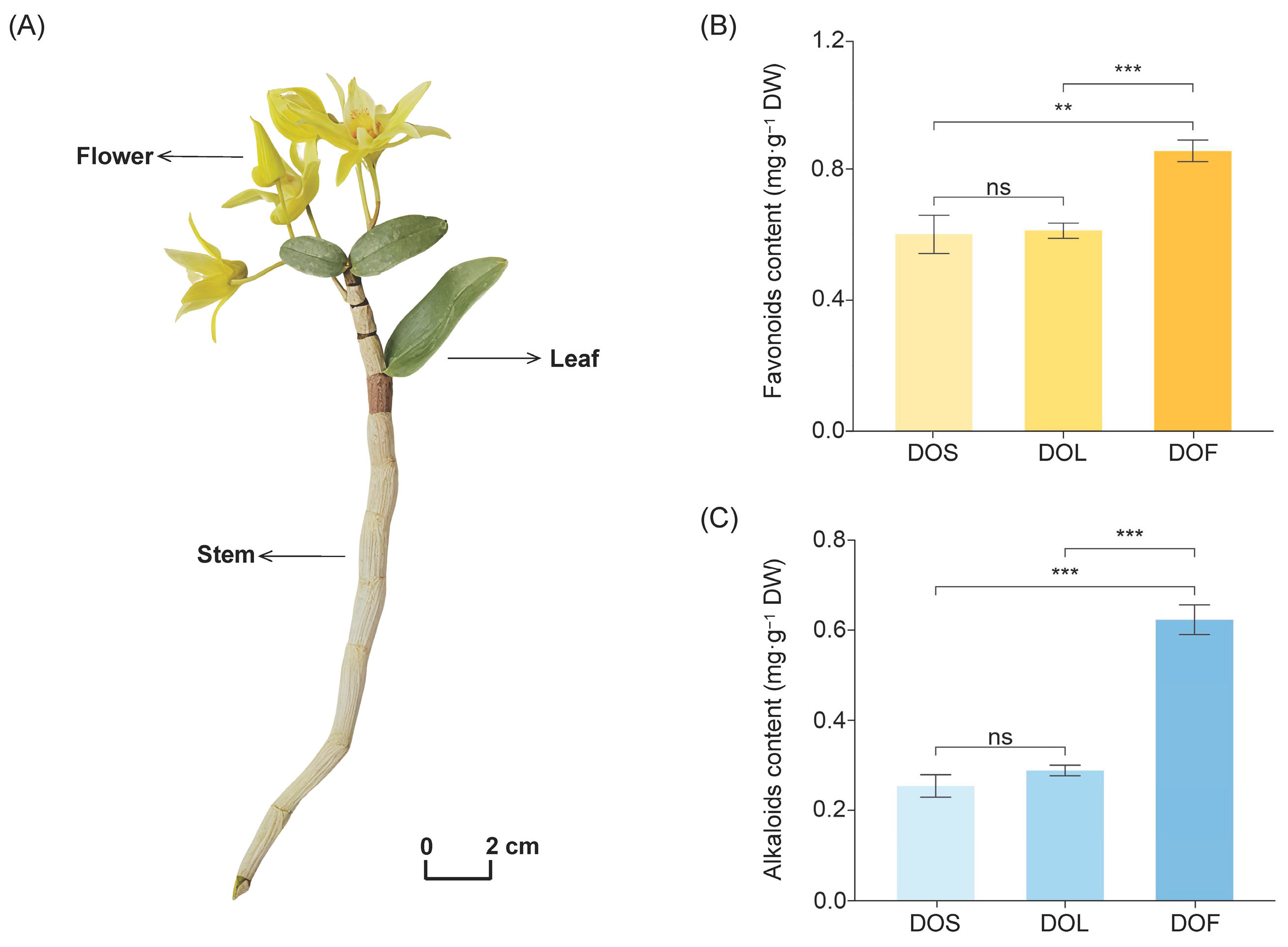
3.1. Contents of Total Flavonoids and Alkaloids
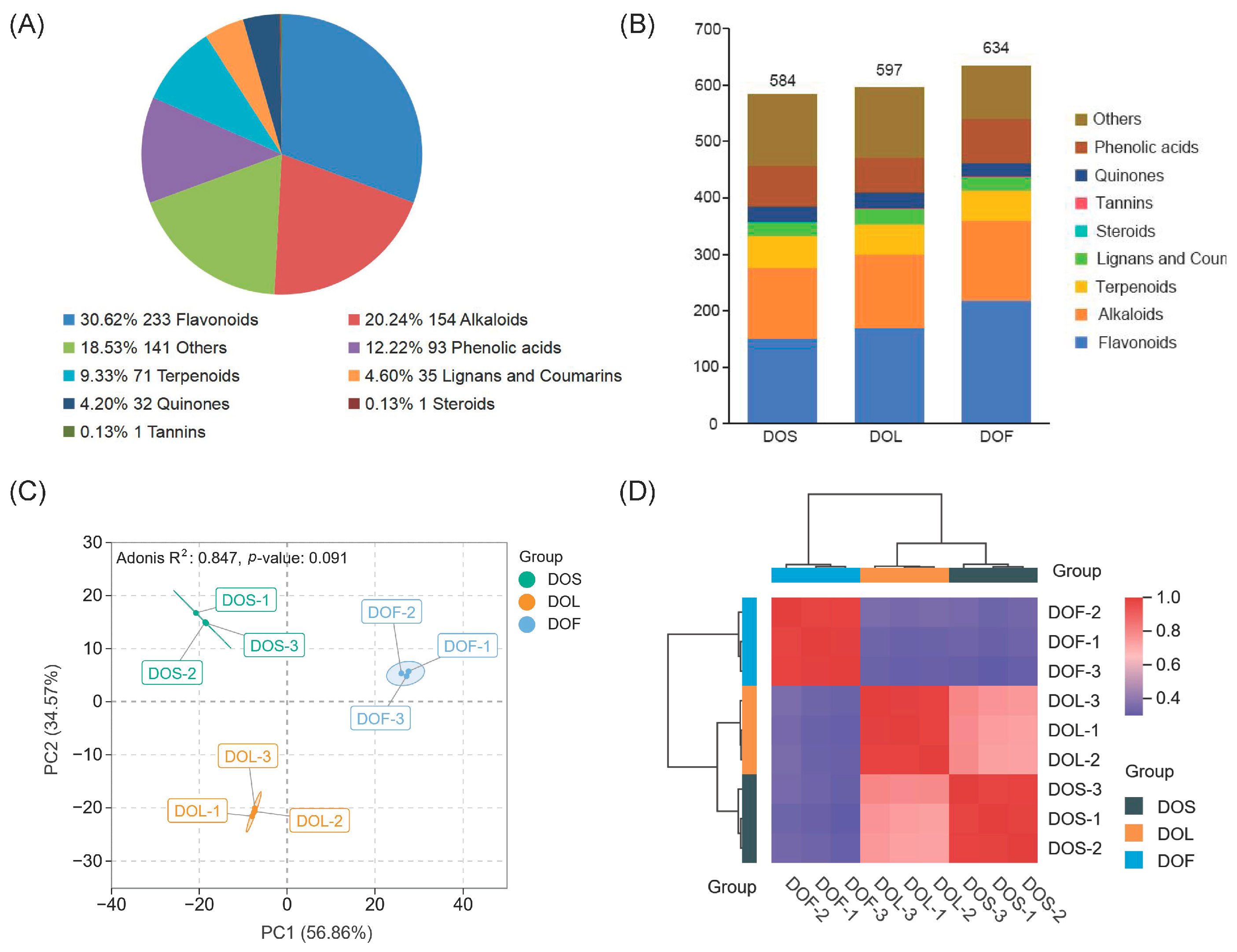
3.2. Detection of Metabolites in Dendrobium officinale
3.3. Identification of the Key Active Ingredients in Dendrobium officinale
3.4. Identification of the Active Pharmaceutical Ingredients Relevant to Six Major Diseases in Dendrobium officinale
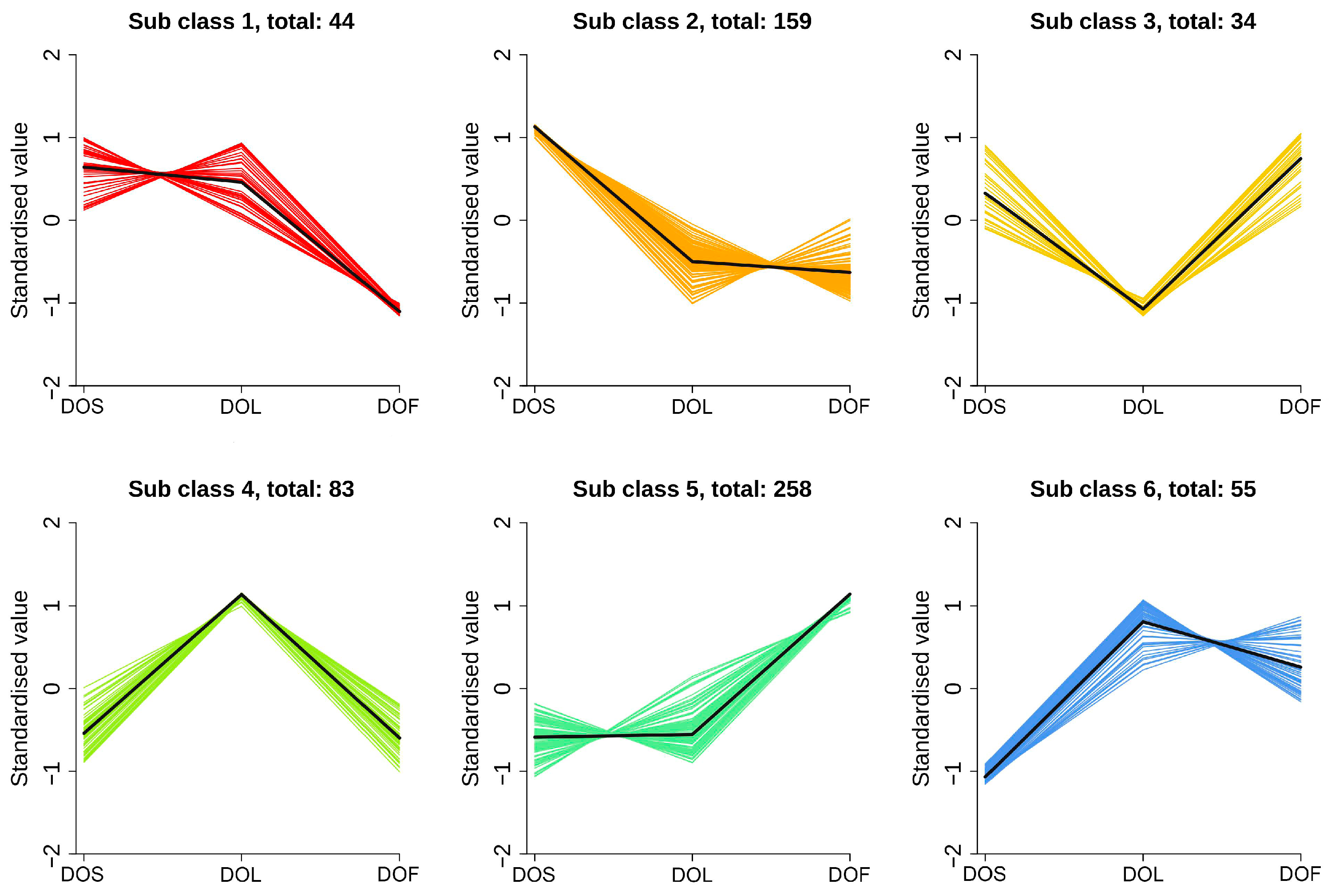
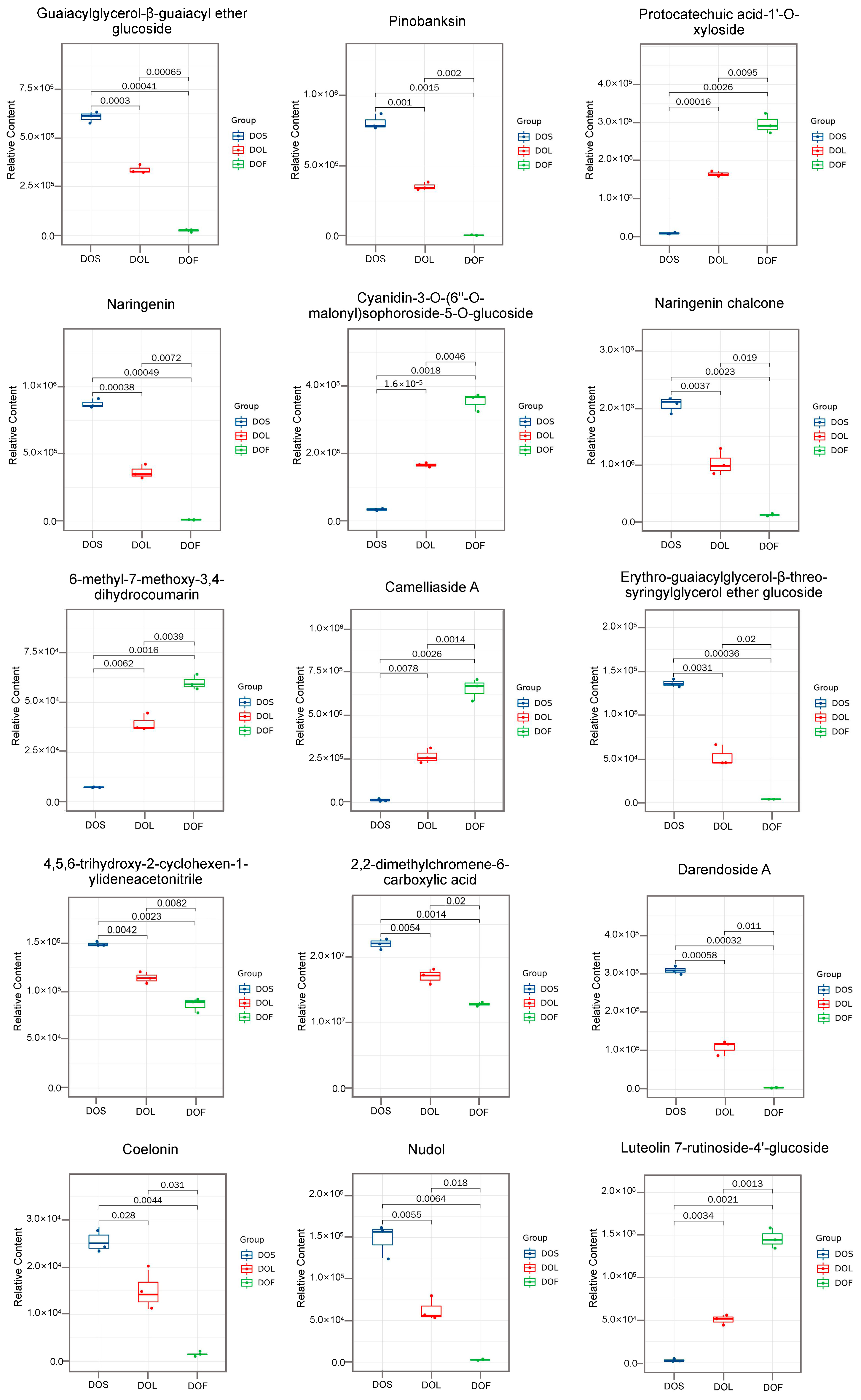
3.5. Differential Metabolite Analysis Among Different Plant Parts of Dendrobium officinale
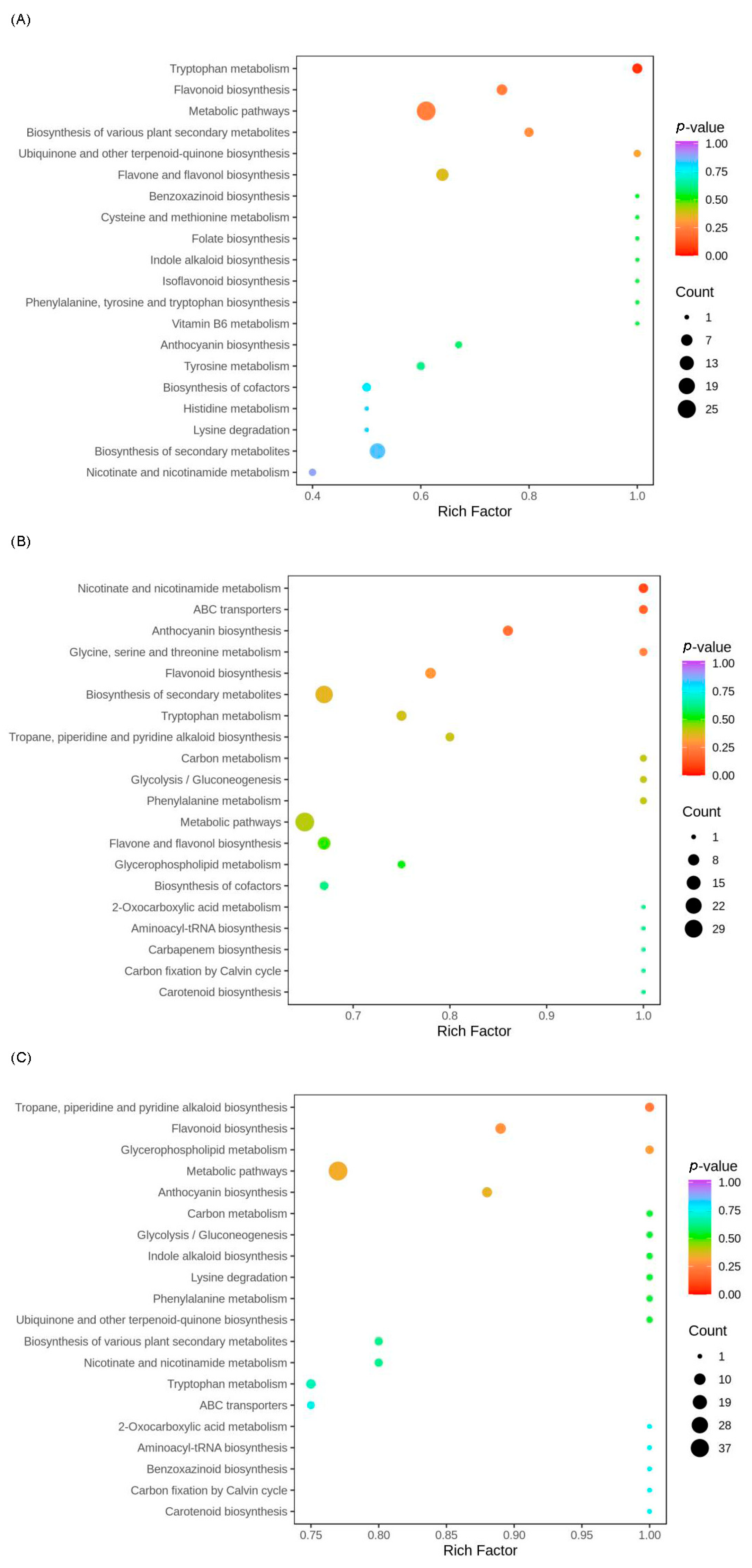
3.6. KEGG Analysis
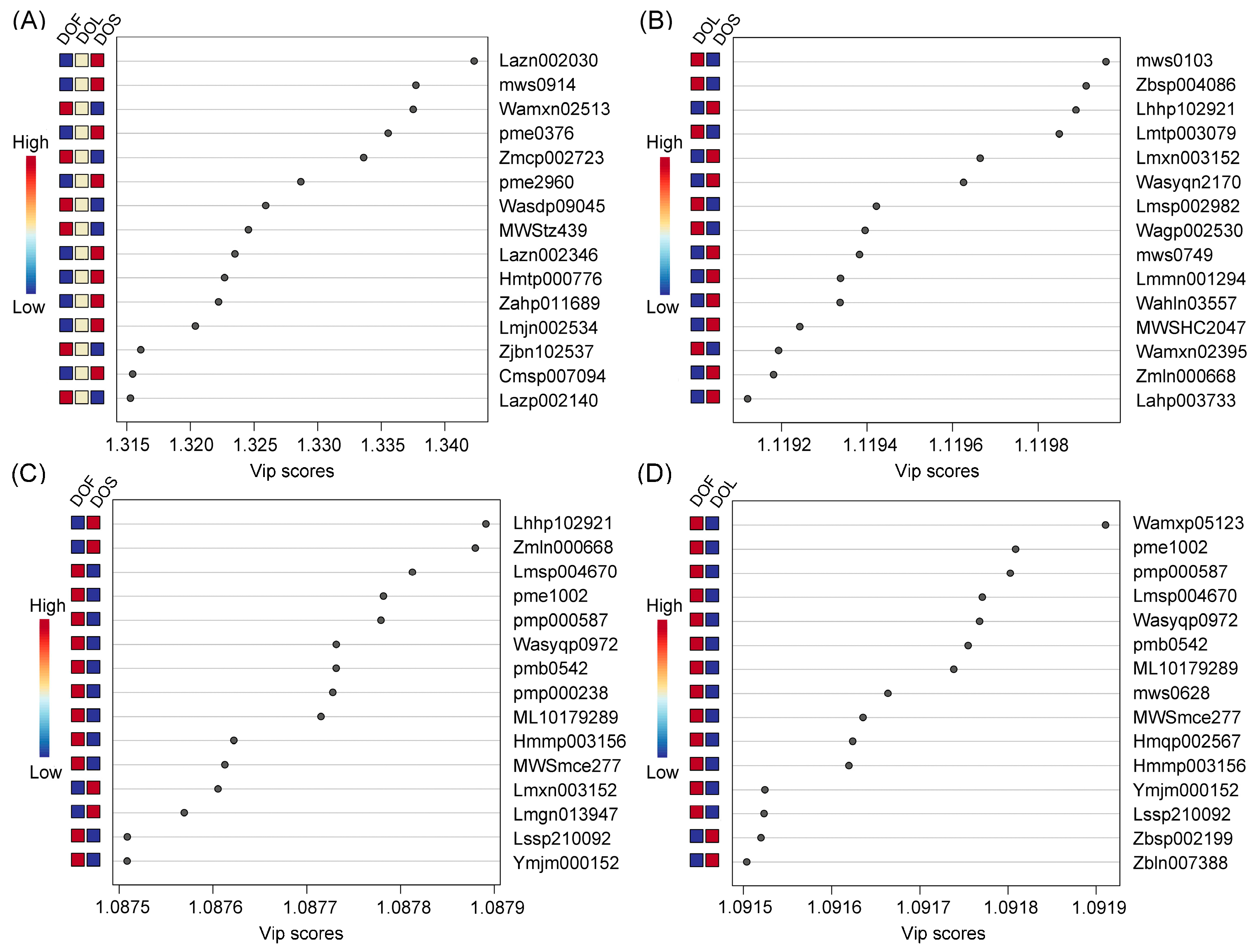
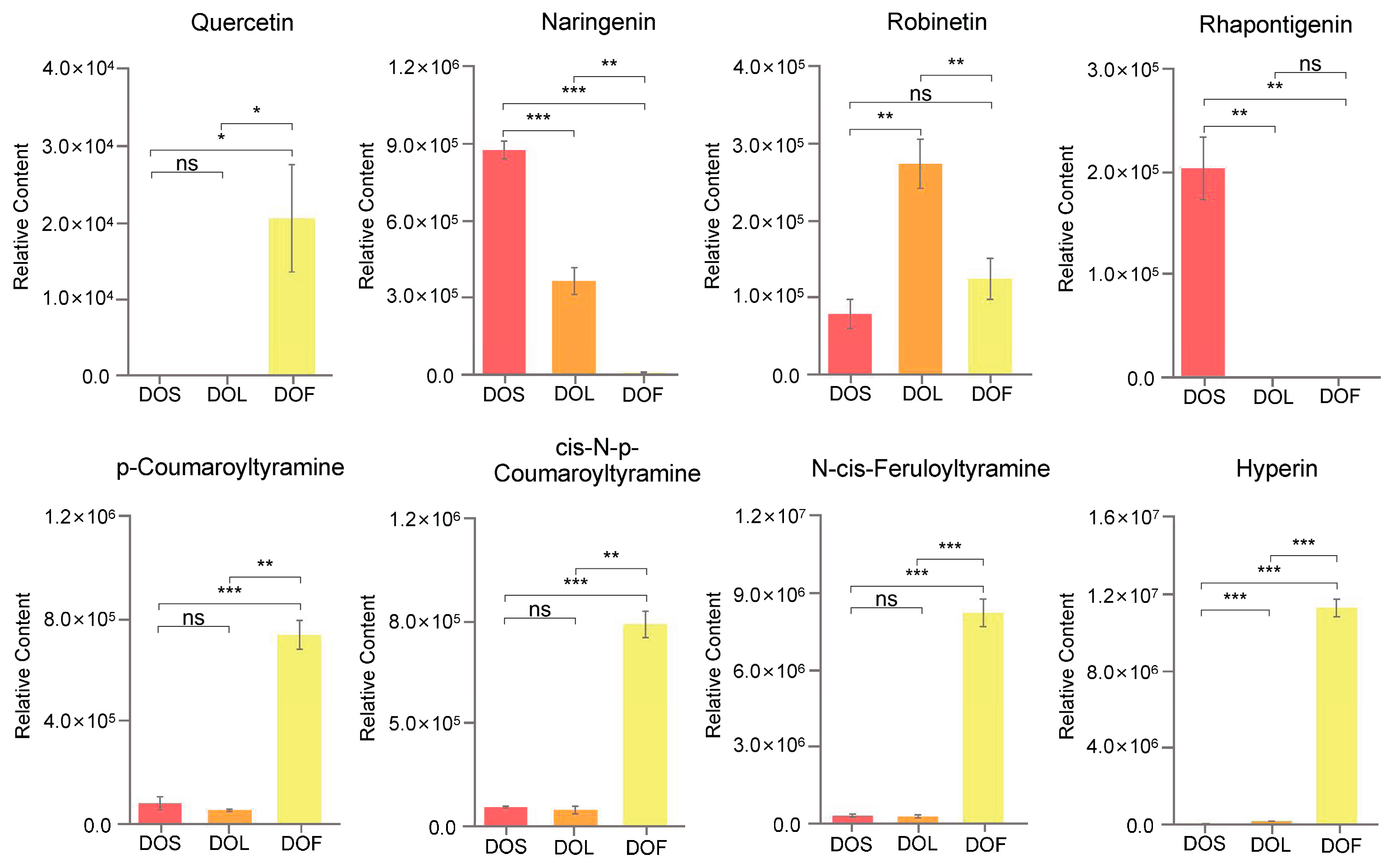
3.7. Potential Biomarker Analysis in Dendrobium officinale Stems, Leaves, and Flowers
4. Discussion
5. Conclusions
Supplementary Materials
Author Contributions
Funding
Institutional Review Board Statement
Informed Consent Statement
Data Availability Statement
Acknowledgments
Conflicts of Interest
Abbreviations
| APIs | Active pharmaceutical ingredients |
| DAMs | Differentially accumulated metabolites |
| DL | Drug-likeness |
| DOF | Flowers of Dendrobium officinale |
| DOL | Leaves of Dendrobium officinale |
| DOS | Stems of Dendrobium officinale |
| HCA | Hierarchical clustering analysis |
| KAIs | Key active ingredients |
| MRM | Multiple reaction monitoring |
| OB | Oral bioavailability |
| OPLS-DA | Orthogonal partial least squares discriminant analysis |
| PCA | Principal component analysis |
| PCC | Pearson correlation analysis |
| PLS-DA | Partial least squares discriminant analysis |
| QC | Quality control |
| QTRAP | Quadrupole ion trap tandem mass spectrometry |
| TCM | Traditional Chinese medicine |
| TCMSP | Traditional Chinese Medicine Systems Pharmacology Database and Analysis Platform |
| TIC | Total ion chromatogram |
| UHPLC–MS/MS | Ultra-high-performance liquid chromatography–tandem mass spectrometry |
| API | Active pharmaceutical ingredients |
| DAM | Differentially accumulated metabolites |
References
- Ma, Y.; Li, J.; Yuan, X.; Tao, W.; Zhou, W.; Xing, J.; Yang, Y.; Zhang, H. Dendrobium officinale Polysaccharide Relieves the DSS-Induced Chronic Colitis in C57BL/6J Mice and Regulates Colonic Microflora Structure. Metabolites 2025, 15, 708. [Google Scholar] [CrossRef]
- Huang, J.; Khan, Y.; Cheng, L.; Zhang, S.; Xiao, W.; Sun, X.; Liu, L.; Fan, H. Spatial Mapping of Metabolite Distribution in Dendrobium officinale Stems across Different Ages by MALDI-MSI. Food Res. Int. 2025, 221, 117209. [Google Scholar] [CrossRef]
- Tang, W.; Xia, J.; Chen, H. Analysis of Functional Composition, Antioxidant Activity and Their Correlation in Stem, Leaf and Flower from Dendrobium officinale. Food Mach. 2021, 37, 45–50. [Google Scholar] [CrossRef]
- Guo, R.; Liao, J.; Sun, Y.; Wang, Y.; Li, P.; Du, B. A Review of Advances in the Extraction, Structural Characterization, Gel Properties, and Biological Activity Mechanisms of Dendrobium officinale Polysaccharides. Int. J. Biol. Macromol. 2025, 311, 143756. [Google Scholar] [CrossRef] [PubMed]
- Liu, Y.; Odiba, A.S.; Yu, Q.; Xie, J.; Okoro, N.O.; Liao, G.; Zhu, X.; He, B.; Jin, C.; Fang, W.; et al. Alkaloids Extracted from Dendrobium officinale Grown in Diverse Environments Exhibited Robust Antioxidative and Antiaging Activity. J. Future Foods 2025, 5, 591–604. [Google Scholar] [CrossRef]
- Yang, D.; Song, Y.; Lu, A.; Qin, L.; Tan, D.; Zhang, Q.; He, Y.; Lu, Y. Metabolomics-Based Analysis of the Effects of Different Cultivation Strategies on Metabolites of Dendrobium officinale Kimura et Migo. Metabolites 2023, 13, 389. [Google Scholar] [CrossRef] [PubMed]
- Wang, M.; Shao, G.; Song, M.; Ye, Y.; Zhu, J.; Yang, X.; Song, X. Dynamic Changes in Functional Components of Dendrobium officinale and Their Applications in Food Science: A Review. Plant Foods Hum. Nutr. 2025, 80, 59. [Google Scholar] [CrossRef]
- Yang, J.; Kuang, M.-T.; Yang, L.; Huang, W.; Hu, J.-M. Modern Interpretation of the Traditional Application of Shihu—A Comprehensive Review on Phytochemistry and Pharmacology Progress of Dendrobium officinale. J. Ethnopharmacol. 2023, 302, 115912. [Google Scholar] [CrossRef]
- Zeng, X.; Shen, T.; Hu, J.; Wang, Y.; Mu, B.; Li, T. Characteristics of Biomass Allocation and Polysaccharide Content in Stem and Leaf of Different Dendrobium officinale Strains. Southwest China J. Agric. Sci. 2018, 31, 57–61. [Google Scholar] [CrossRef]
- Zhang, Y.; Zhang, L.; Liu, J.; Liang, J.; Si, J.; Wu, S. Dendrobium officinale Leaves as a New Antioxidant Source. J. Funct. Foods 2017, 37, 400–415. [Google Scholar] [CrossRef]
- Ji, X.; He, H.; Kuang, S.; Liu, Y.; Bai, M.; Li, X.; Miao, M. Modern Research and Comprehensive Application of Non⁃medicinal Parts of Chinese Medicines in Chinese Pharmacopoeia. World Chin. Med. 2024, 19, 3650–3654. [Google Scholar] [CrossRef]
- Li, Y.; Chang, Q.-X.; Xia, P.-G.; Liang, Z.-S. The Different Parts of Dendrobium officinale Kimura et Migo: Traditional Uses, Phytochemistry, Pharmacological Activities, and Product Development Status and Potential. Phytochem. Rev. 2025, 24, 985–1026. [Google Scholar] [CrossRef]
- Zhao, M.; Fan, J.; Liu, Q.; Luo, H.; Tang, Q.; Li, C.; Zhao, J.; Zhang, X. Phytochemical Profiles of Edible Flowers of Medicinal Plants of Dendrobium officinale and Dendrobium devonianum. Food Sci. Nutr. 2021, 9, 6575–6586. [Google Scholar] [CrossRef] [PubMed]
- Chen, Y.; Wei, Q.; Wang, J.; Huang, C.; Wang, Z.; Liu, Y. Studies on the Flavonoid Composition of Pleioblastus amarus Leaves and Shoots Based on Targeted Metabolomics. Metabolites 2025, 15, 709. [Google Scholar] [CrossRef]
- Wang, Y. Traditional Uses, Chemical Constituents, Pharmacological Activities, and Toxicological Effects of Dendrobium Leaves: A Review. J. Ethnopharmacol. 2021, 270, 113851. [Google Scholar] [CrossRef]
- He, X.; Wu, R.; Long, H.; Chen, X.; Chen, Y.; Ren, Z. Study on Antihypertensive Effect and Mechanism of Dendrobium Flowers in Spontaneously Hypertensive Rats. Chin. J. Tradit. Chin. Med. Pharm. 2017, 32, 1836–1840. [Google Scholar]
- Yang, Y.; Fan, L.; Peng, Y.; Peng, C.; Li, X. Alcohol–Soluble Polysaccharides from Dendrobium officinale Flowers as an Antidepressant by Regulating the Gut–Brain Axis. Int. J. Biol. Macromol. 2022, 216, 836–849. [Google Scholar] [CrossRef]
- Cai, G.; Dong, H.; Liu, S.; Wu, W.; Yang, H. Comparative Evaluation of the Physiochemical Properties, and Antioxidant and Hypoglycemic Activities of Dendrobium officinale Leaves Processed Using Different Drying Techniques. Antioxidants 2023, 12, 1911. [Google Scholar] [CrossRef]
- Zhang, Z.; Yin, Z.; Xie, G.; Chen, J.; Chen, K.; Dai, J.; Liu, D. Metabolic Regulation and Quality Enha2ancement Mechanisms in Dendrobium officinale Flower Tea Aroma-Crafting Processes Revealed by Fuzzy Mathematics and Metabolomics. Food Chem. X 2025, 29, 102785. [Google Scholar] [CrossRef]
- Hao, Y.; Zhang, Z.; Luo, E.; Yang, J.; Wang, S. Plant Metabolomics: Applications and Challenges in the Era of Multi-Omics Big Data. aBIOTECH 2025, 6, 116–132. [Google Scholar] [CrossRef]
- Shen, S.; Zhan, C.; Yang, C.; Fernie, A.R.; Luo, J. Metabolomics-Centered Mining of Plant Metabolic Diversity and Function: Past Decade and Future Perspectives. Mol. Plant 2023, 16, 43–63. [Google Scholar] [CrossRef] [PubMed]
- Liang, L.; Li, Y.; Mao, X.; Wang, Y. Metabolomics Applications for Plant-Based Foods Origin Tracing, Cultivars Identification and Processing: Feasibility and Future Aspects. Food Chem. 2024, 449, 139227. [Google Scholar] [CrossRef] [PubMed]
- Zhao, M.; Zhai, L.; Tang, Q.; Ren, J.; Zhou, S.; Wang, H.; Yun, Y.; Yang, Q.; Yan, X.; Xing, F.; et al. Comparative Metabolic Profiling of Different Colored Rice Grains Reveals the Distribution of Major Active Compounds and Key Secondary Metabolites in Green Rice. Foods 2024, 13, 1899. [Google Scholar] [CrossRef] [PubMed]
- Wang, J.; Shen, S.; Zhao, Q.; Shen, X.; Zhuo, Q. Plant Metabolome between Root and Aerial Parts of Cichorium intybus L. and Anti-Hyperuricemia Mechanisms Based on Cell Metabolomics. Metabolites 2025, 15, 727. [Google Scholar] [CrossRef]
- Liu, S.; Zhang, H.; Yuan, Y. A Comparison of the Flavonoid Biosynthesis Mechanisms of Dendrobium Species by Analyzing the Transcriptome and Metabolome. Int. J. Mol. Sci. 2022, 23, 11980. [Google Scholar] [CrossRef]
- Xie, G.; Jin, S.; Li, H.; Ai, M.; Han, F.; Dai, Y.; Tao, W.; Zhu, Y.; Zhao, Y.; Qin, M. Chemical Constituents and Antioxidative, Anti-Inflammatory and Anti-Proliferative Activities of Wild and Cultivated Corydalis saxicola. Ind. Crops Prod. 2021, 169, 113647. [Google Scholar] [CrossRef]
- Zou, S.; Wu, J.; Shahid, M.Q.; He, Y.; Lin, S.; Liu, Z.; Yang, X. Identification of Key Taste Components in Loquat Using Widely Targeted Metabolomics. Food Chem. 2020, 323, 126822. [Google Scholar] [CrossRef]
- Ru, J.; Li, P.; Wang, J.; Zhou, W.; Li, B.; Huang, C.; Li, P.; Guo, Z.; Tao, W.; Yang, Y.; et al. TCMSP: A Database of Systems Pharmacology for Drug Discovery from Herbal Medicines. J. Cheminform. 2014, 6, 13. [Google Scholar] [CrossRef]
- Xia, T.; Xiong, Z.; Sun, X.; Chen, J.; Wang, C.; Chen, Y.; Zheng, D. Metabolomic Profiles and Health-Promoting Functions of Camellia drupifera Mature-Seeds Were Revealed Relate to Their Geographical Origins Using Comparative Metabolomic Analysis and Network Pharmacology Approach. Food Chem. 2023, 426, 136619. [Google Scholar] [CrossRef]
- Sajjad, M.; Xue, S.; Zhou, M.; Li, G.; Xu, Y.; Liu, L.; Zhu, J.; Meng, Q.; Jin, Q.; Du, H.; et al. Decoding Comparative Taste and Nutrition Regulation in Chinese Cabbage via Integrated Metabolome and Transcriptome Analysis. Food Res. Int. 2024, 195, 114943. [Google Scholar] [CrossRef]
- Zhao, S.; Xiong, F.; Li, J.; Ye, Z.; Wang, L.; Wang, T.; Zhou, G. Metabolomic Characteristics and Anthraquinones Accumulation Patterns of Rhubarb in Different Tissues and Roots from Different Developmental Stages. Food Biosci. 2024, 62, 105426. [Google Scholar] [CrossRef]
- Jia, N.; Jiang, J.; Ye, W.; Liu, J. Metabolic Signatures of Four Polygonatum Rhizoma Species Mapped Using Untargeted Metabolomics. Metabolites 2025, 15, 682. [Google Scholar] [CrossRef] [PubMed]
- Feng, L.; Zhang, T.; Ye, W.; Qu, D. Resveratrol and Rutin Alleviate DSS-Induced Ulcerative Colitis by Affecting the Polarization of Intestinal Epithelial T Cells. J. Funct. Foods 2025, 129, 106866. [Google Scholar] [CrossRef]
- Wang, X.; Gong, M.; Zhu, Z.; Zhang, B.; Han, L.; Li, W.; Wu, Z.; Ma, Q.; Wang, Z.; Qian, W. Rutin Protects the Pancreas from Inflammatory Injury and Oncogene-Driven Tumorigenesis by Inhibiting Acinar to Ductal Metaplasia. Eur. J. Pharmacol. 2025, 998, 177536. [Google Scholar] [CrossRef]
- Wu, J.; Ma, Y.; Xie, R.; Zhang, Z.; Zhang, S.; Wu, X.; Wang, P.; Wang, D.; Lu, C. Integrated Metabolomics and Transcriptomics Reveals Difference Involved in Flavonoid and Indole Alkaloids Biosynthesis in Potato Tuber Flesh. Sci. Hortic. 2024, 324, 112630. [Google Scholar] [CrossRef]
- Li, H.; Lv, Q.; Liu, A.; Wang, J.; Sun, X.; Deng, J.; Chen, Q.; Wu, Q. Comparative Metabolomics Study of Tartary (Fagopyrum tataricum (L.) Gaertn) and Common (Fagopyrum esculentum Moench) Buckwheat Seeds. Food Chem. 2022, 371, 131125. [Google Scholar] [CrossRef]
- Luo, Z.; Liu, L.; Nie, Q.; Huang, M.; Luo, C.; Sun, Y.; Ma, Y.; Yu, J.; Du, F. HPLC-Based Metabolomics of Dendrobium officinale Revealing Its Antioxidant Ability. Front. Plant Sci. 2023, 14, 1060242. [Google Scholar] [CrossRef]
- Si, C.; Zeng, D.; Yu, Z.; Teixeira Da Silva, J.A.; Duan, J.; He, C.; Zhang, J. Transcriptomic and Metabolomic Analyses Reveal the Main Metabolites in Dendrobium officinale Leaves during the Harvesting Period. Plant Physiol. Biochem. 2022, 190, 24–34. [Google Scholar] [CrossRef]
- Li, L.; Jiang, G.; Li, H.; Liu, J.; Zhang, P.; Wang, Q.; Huang, L.; Zhang, S.; Wang, X.; Zhang, L.; et al. UV-B Induced Flavonoid Accumulation and Related Gene Expression in Blue- Grained Wheat at Different Periods of Time. Front. Plant Sci. 2024, 15, 1520543. [Google Scholar] [CrossRef]
- Mao, Y.; Luo, J.; Cai, Z. Biosynthesis and Regulatory Mechanisms of Plant Flavonoids: A Review. Plants 2025, 14, 1847. [Google Scholar] [CrossRef]
- Isah, T. Stress and Defense Responses in Plant Secondary Metabolites Production. Biol. Res. 2019, 52, 39. [Google Scholar] [CrossRef]
- Al-Khayri, J.M.; Sahana, G.R.; Nagella, P.; Joseph, B.V.; Alessa, F.M.; Al-Mssallem, M.Q. Flavonoids as Potential Anti-Inflammatory Molecules: A Review. Molecules 2022, 27, 2901. [Google Scholar] [CrossRef] [PubMed]
- Attiq, A.; Jalil, J.; Husain, K.; Mohamad, H.F.; Ahmad, A. Luteolin and Apigenin Derived Glycosides from Alphonsea elliptica Abrogate LPS-Induced Inflammatory Responses in Human Plasma. J. Ethnopharmacol. 2021, 275, 114120. [Google Scholar] [CrossRef]
- Trinh, P.T.N.; Truc, N.C.; Danh, T.T.; Trang, N.T.T.; Le Hang, D.T.; Vi, L.N.T.; Hung, Q.T.; Dung, L.T. A Study on the Antioxidant, Anti-Inflammatory, and Xanthine Oxidase Inhibitory Activity of the Artemisia vulgaris L. Extract and Its Fractions. J. Ethnopharmacol. 2024, 334, 118519. [Google Scholar] [CrossRef] [PubMed]
- Zhang, X.; Tang, Y.; Lu, G.; Gu, J. Pharmacological Activity of Flavonoid Quercetin and Its Therapeutic Potential in Testicular Injury. Nutrients 2023, 15, 2231. [Google Scholar] [CrossRef] [PubMed]
- Irtegun Kandemir, S.; Fidan, H.S.; Yener, I.; Mete, N.; Ertas, A.; Topcu, G.; Kolak, U. Investigation of Cytotoxic and Apoptotic Effects of 63 Compounds Obtained from Salvia Species: Promising Anticancer Agents. J. Food Biochem. 2022, 46, e14226. [Google Scholar] [CrossRef]
- Kim, T.W.; Ko, S.-G. Anti-Inflammatory and Anticancer Effects of Kaurenoic Acid in Overcoming Radioresistance in Breast Cancer Radiotherapy. Nutrients 2024, 16, 4320. [Google Scholar] [CrossRef]
- Zhuge, X.; Jin, X.; Ji, T.; Li, R.; Xue, L.; Yu, W.; Quan, Z.; Tong, H.; Xu, F. Geniposide Ameliorates Dextran Sulfate Sodium-Induced Ulcerative Colitis via KEAP1-Nrf2 Signaling Pathway. J. Ethnopharmacol. 2023, 314, 116626. [Google Scholar] [CrossRef]
- Alizadeh, S.R.; Ebrahimzadeh, M.A. Quercetin Derivatives: Drug Design, Development, and Biological Activities, a Review. Eur. J. Med. Chem. 2022, 229, 114068. [Google Scholar] [CrossRef]
- Bhat, I.U.H.; Bhat, R. Quercetin: A Bioactive Compound Imparting Cardiovascular and Neuroprotective Benefits: Scope for Exploring Fresh Produce, Their Wastes, and by-Products. Biology 2021, 10, 586. [Google Scholar] [CrossRef]
- Fan, M.; Xu, Y.; Wu, B.; Long, J.; Liu, C.; Liang, Z.; Zhang, R.; Liu, Z.; Wang, C. Geniposidic Acid Targeting FXR “S332 and H447” Mediated Conformational Change to Upregulate CYPs and miR-19a-3p to Ameliorate Drug-induced Liver Injury. Adv. Sci. 2025, 12, 2409107. [Google Scholar] [CrossRef]
- Tamura, T.; Zhai, R.; Takemura, T.; Ouhara, K.; Taniguchi, Y.; Hamamoto, Y.; Fujimori, R.; Kajiya, M.; Matsuda, S.; Munenaga, S.; et al. Anti-Inflammatory Effects of Geniposidic Acid on Porphyromonas gingivalis-Induced Periodontitis in Mice. Biomedicines 2022, 10, 3096. [Google Scholar] [CrossRef] [PubMed]
- Khan, F.; Tabassum, N.; Bamunuarachchi, N.I.; Kim, Y.-M. Phloroglucinol and Its Derivatives: Antimicrobial Properties toward Microbial Pathogens. J. Agric. Food Chem. 2022, 70, 4817–4838. [Google Scholar] [CrossRef] [PubMed]
- Marasinghe, C.K.; Jung, W.-K.; Je, J.-Y. Phloroglucinol Possesses Anti-Inflammatory Activities by Regulating AMPK/Nrf2/HO-1 Signaling Pathway in LPS-Stimulated RAW264.7 Murine Macrophages. Immunopharmacol. Immunotoxicol. 2023, 45, 571–580. [Google Scholar] [CrossRef]
- Bangar, S.P.; Chaudhary, V.; Sharma, N.; Bansal, V.; Ozogul, F.; Lorenzo, J.M. Kaempferol: A Flavonoid with Wider Biological Activities and Its Applications. Crit. Rev. Food Sci. Nutr. 2023, 63, 9580–9604. [Google Scholar] [CrossRef] [PubMed]
- Salehi, B.; Quispe, C.; Chamkhi, I.; El Omari, N.; Balahbib, A.; Sharifi-Rad, J.; Bouyahya, A.; Akram, M.; Iqbal, M.; Docea, A.O.; et al. Pharmacological Properties of Chalcones: A Review of Preclinical Including Molecular Mechanisms and Clinical Evidence. Front. Pharmacol. 2021, 11, 592654. [Google Scholar] [CrossRef]
- Wang, S.; Li, C.; Zhang, L.; Sun, B.; Cui, Y.; Sang, F. Isolation and Biological Activity of Natural Chalcones Based on Antibacterial Mechanism Classification. Bioorg. Med. Chem. 2023, 93, 117454. [Google Scholar] [CrossRef]
- Shen, N.; Wang, T.; Gan, Q.; Liu, S.; Wang, L.; Jin, B. Plant Flavonoids: Classification, Distribution, Biosynthesis, and Antioxidant Activity. Food Chem. 2022, 383, 132531. [Google Scholar] [CrossRef]
- Zhu, T.; Du, M.; Chen, H.; Li, G.; Wang, M.; Meng, L. Recent Insights into Anthocyanin Biosynthesis, Gene Involvement, Distribution Regulation, and Domestication Process in Rice (Oryza sativa L.). Plant Sci. 2024, 349, 112282. [Google Scholar] [CrossRef]
- Wang, M.; Shen, Q.; Pang, J.; Mao, Y.; Li, X.; Tao, Y.; Tang, W.; Sun, R.; Zhou, X. Study on Chemical Constituents and Antioxidant Activities of Dianthus caryophyllus L. Front. Plant Sci. 2024, 15, 1438967. [Google Scholar] [CrossRef]
- Wang, S.; Zhang, X.; Gong, D.-H.; Huang, Q.-Q.; Kandegama, W.M.W.W.; Georgiev, M.I.; Gao, Y.-Y.; Liao, P.; Hao, G.-F. Sophisticated Crosstalk of Tryptophan-Derived Metabolites in Plant Stress Responses. Plant Commun. 2025, 6, 101425. [Google Scholar] [CrossRef]
- Gakière, B.; Hao, J.; De Bont, L.; Pétriacq, P.; Nunes-Nesi, A.; Fernie, A.R. NAD+ Biosynthesis and Signaling in Plants. Crit. Rev. Plant Sci. 2018, 37, 259–307. [Google Scholar] [CrossRef]
- Hong, Y.; Wang, Z.; Shi, H.; Yao, J.; Liu, X.; Wang, F.; Zeng, L.; Xie, Z.; Zhu, J.-K. Reciprocal Regulation between Nicotinamide Adenine Dinucleotide Metabolism and Abscisic Acid and Stress Response Pathways in Arabidopsis. PLoS Genet. 2020, 16, e1008892. [Google Scholar] [CrossRef]


Disclaimer/Publisher’s Note: The statements, opinions and data contained in all publications are solely those of the individual author(s) and contributor(s) and not of MDPI and/or the editor(s). MDPI and/or the editor(s) disclaim responsibility for any injury to people or property resulting from any ideas, methods, instructions or products referred to in the content. |
© 2025 by the authors. Licensee MDPI, Basel, Switzerland. This article is an open access article distributed under the terms and conditions of the Creative Commons Attribution (CC BY) license.
Share and Cite
Yang, Y.; Guan, Y.; Li, S.; Xu, Y. Bioactive Ingredient Profiling of Dendrobium officinale: Plant-Part-Specific Distribution of Key Metabolites and Their Multi-Disease Therapeutic Potential. Metabolites 2026, 16, 10. https://doi.org/10.3390/metabo16010010
Yang Y, Guan Y, Li S, Xu Y. Bioactive Ingredient Profiling of Dendrobium officinale: Plant-Part-Specific Distribution of Key Metabolites and Their Multi-Disease Therapeutic Potential. Metabolites. 2026; 16(1):10. https://doi.org/10.3390/metabo16010010
Chicago/Turabian StyleYang, Yue, Yongxin Guan, Shasha Li, and Yingchao Xu. 2026. "Bioactive Ingredient Profiling of Dendrobium officinale: Plant-Part-Specific Distribution of Key Metabolites and Their Multi-Disease Therapeutic Potential" Metabolites 16, no. 1: 10. https://doi.org/10.3390/metabo16010010
APA StyleYang, Y., Guan, Y., Li, S., & Xu, Y. (2026). Bioactive Ingredient Profiling of Dendrobium officinale: Plant-Part-Specific Distribution of Key Metabolites and Their Multi-Disease Therapeutic Potential. Metabolites, 16(1), 10. https://doi.org/10.3390/metabo16010010