
Article

Long-Term Effects on the Lipidome of Acute Coronary Syndrome Patients
1
Department of Food Chemistry and Analysis, University of Chemistry and Technology, Technická 3, 16628 Prague, Czech Republic
2
Department of Medicine, First Faculty of Medicine, Charles University in Prague and Military University Hospital, U Vojenské Nemocnice 1200, 16900 Prague, Czech Republic
3
Institute of Haematology and Blood Transfusion, 12000 Prague, Czech Republic
*
Author to whom correspondence should be addressed.
Metabolites 2022, 12(2), 124; https://doi.org/10.3390/metabo12020124

Submission received: 15 December 2021 / Revised: 13 January 2022 / Accepted: 22 January 2022 / Published: 27 January 2022
(This article belongs to the Special Issue Thrombosis and Metabolism)

Abstract

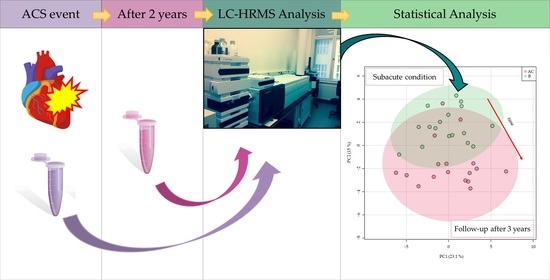
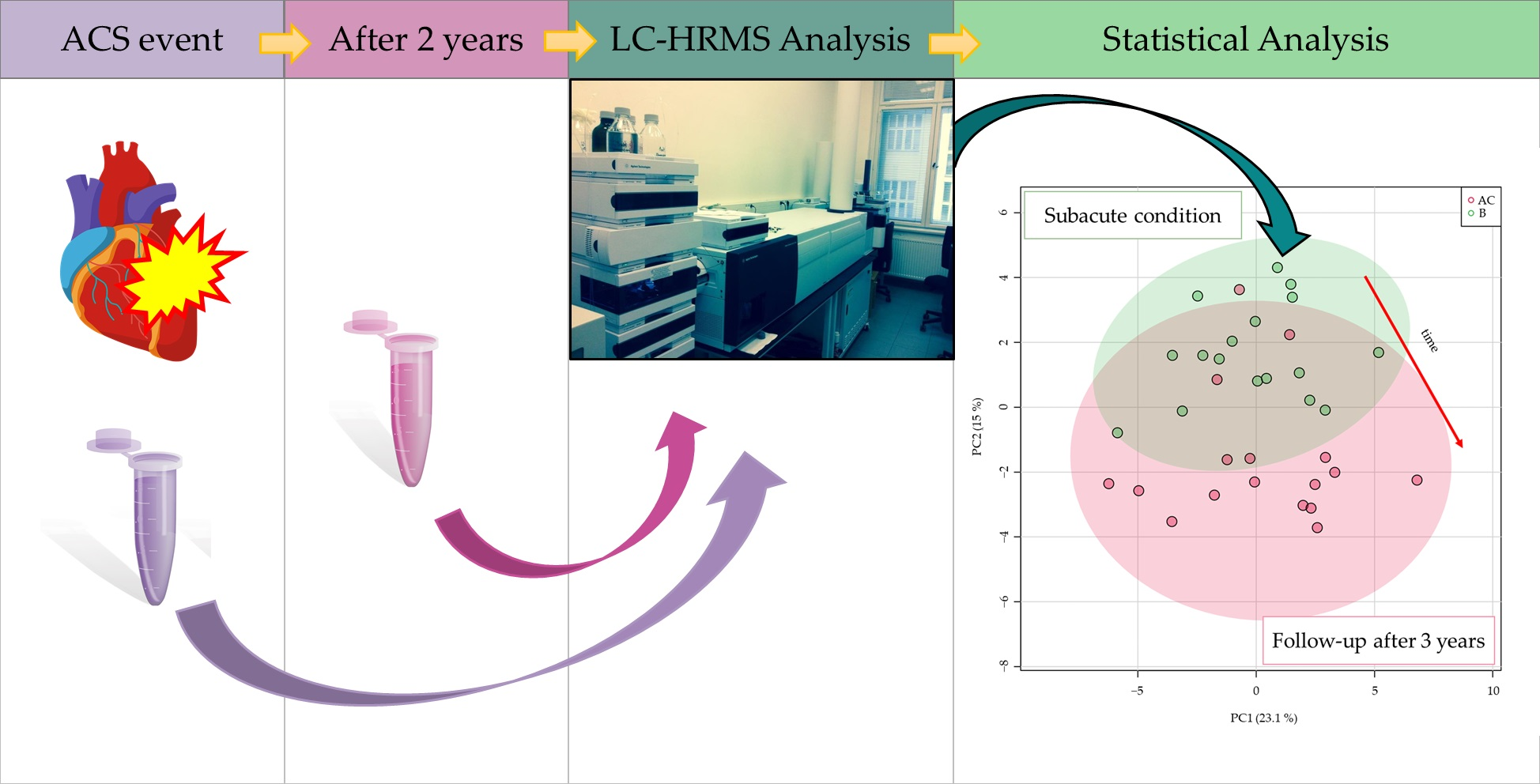
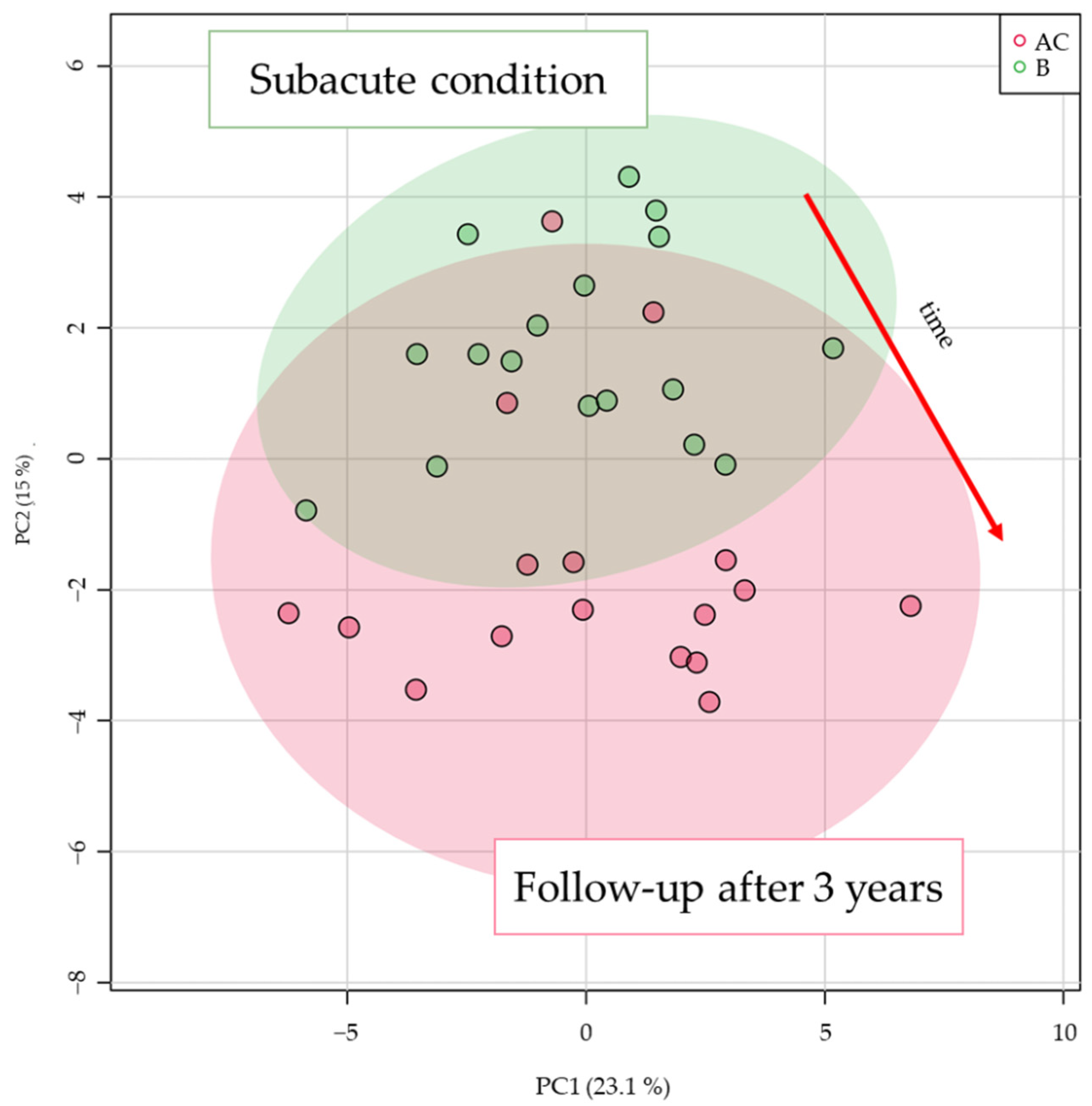
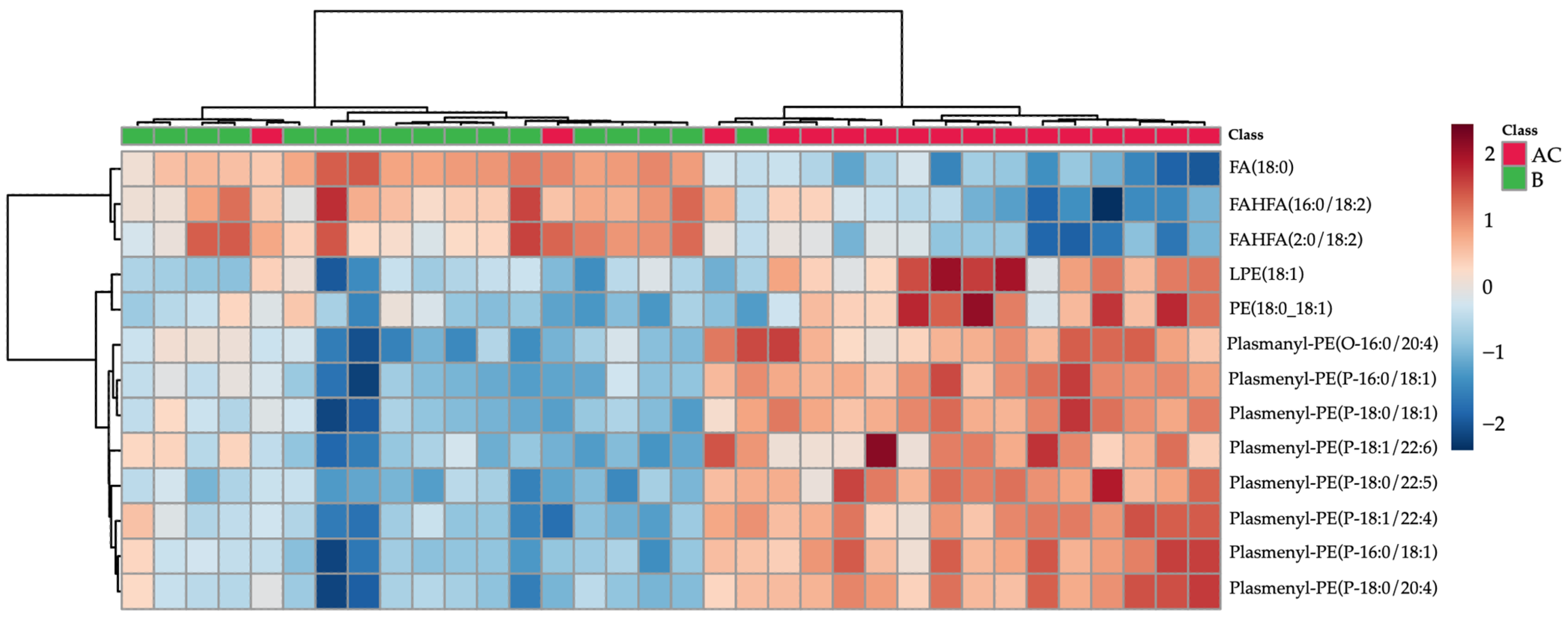
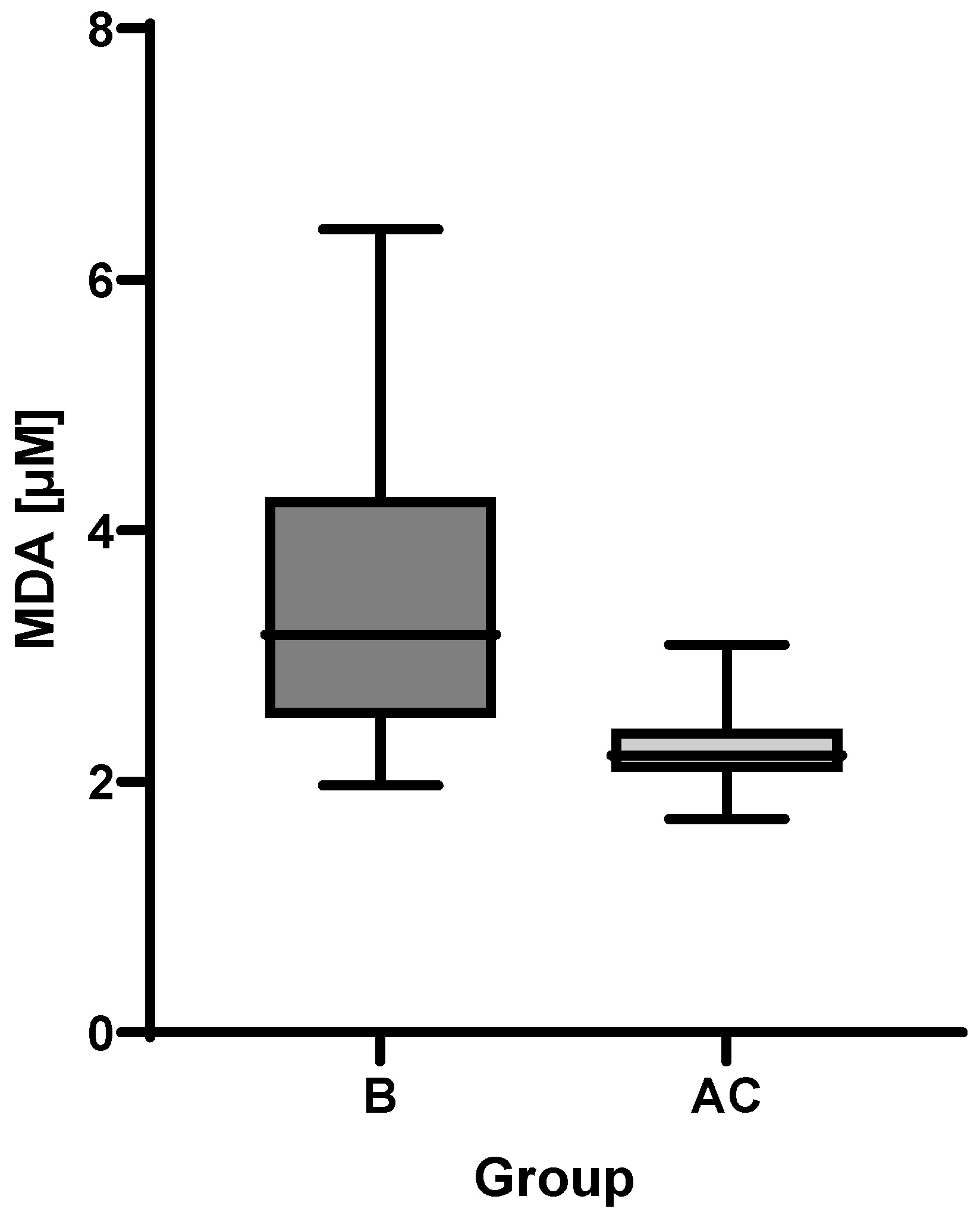
Lipids modified by oxidative stress are key players in atherosclerosis progression. Superimposed thrombosis with subsequent closure of the coronary artery leads to the clinical manifestation of acute coronary syndrome (ACS). While several studies focusing on alterations in lipid metabolism in the acute phase have been conducted, no information is available on patients’ lipidome alterations over longer time periods. In the current follow-up study, we analyzed plasma samples obtained from 17 patients three years after their ACS event (group AC). Originally, these patients were sampled 3–5 days after an index event (group B). Lipidome stability over time was studied by untargeted lipidomics using high performance liquid chromatography coupled to high resolution mass spectrometry (UHPLC–HRMS). Multi-dimensional statistics used for data processing indicated that plasmalogen lipids were the most prominent lipids separating the above patient groups and that they increased in the follow-up AC group. A similar trend was observed for lysophosphatidylethanolamine (LPE) and phosphatidylethanolamine (PE). The opposite trend was observed for two fatty acyls of hydroxy fatty acid (FAHFAs) lipids and free stearic acid. In addition, a decrease in the “classic” oxitadive stress marker, malondialdehyde (MDA), occurred during the follow-up period. Our findings present unique information about long-term lipidome changes in patients after ACS.
Keywords: acute coronary syndrome; stroke; lipidomics; high resolution mass spectrometry acute coronary syndrome; stroke; lipidomics; high resolution mass spectrometry
Graphical Abstract