Abstract
This study presents a novel application of SVX, a recombinant spider silk-inspired biopolymer, for advanced haircare formulations, designed to protect bleached and color-treated hair. Two SVX-based treatments—a multifunctional leave-on serum and a post-color booster—were developed to address key challenges: color fading, heat damage, and moisture loss. Under simulated oxidative, thermal, and environmental stress conditions, SVX formulations demonstrated significantly improved performance compared to benchmark products. SVX-treated hair exhibited a substantial reduction in color change (ΔE reduced from 5.2 ± 1.1 to 2.1 ± 0.6), retained mechanical strength after intense heat exposure (>90% tensile strength vs. 64% in controls), and showed a marked increase in hydration (>84% moisture retention vs. 56% in untreated hair). The booster treatment further enhanced cuticle sealing and post-color recovery without altering dye intensity. SVX forms a protective, proteinaceous network on the hair surface, reinforcing the fiber structure and maintaining moisture. Its sustainable, biodegradable, and vegan profile supports its use in next-generation cosmetic innovations. These results position SVX as a powerful, multifunctional ingredient for high-performance and eco-conscious haircare applications.
1. Introduction
The global haircare market was valued at over USD $85 billion in 2023 and is projected to exceed $100 billion within five years, propelled by sustained consumer demand for safe, efficacious, and sustainable products [1,2,3,4]. Notably, haircare solutions targeting the needs of chemically treated and environmentally stressed hair occupy a growing market share. Hair subjected to frequent color bleaching, thermal styling, or harsh environmental exposure is particularly susceptible to structural and chemical damage, resulting in compromised vibrancy, texture, and resilience [5,6,7].
Human hair’s functional and esthetic integrity is governed by its complex hierarchical structure, composed primarily of keratin proteins. The hair shaft consists of three main layers: the outer cuticle, the cortex, and an often-discontinuous medulla. The cortex comprises densely packed α-keratin fibers, stabilized by intra- and inter-molecular disulfide and hydrogen bonds, providing mechanical strength and elasticity [8,9,10,11,12,13]. The cuticle—a series of overlapping, scale-like cells—serves as a protective barrier, shielding the cortex from water, chemicals, and physical insults. However, both chemical (e.g., bleaching, dyeing) and physical (e.g., heat styling) treatments disrupt the cuticle and cortex, leading to increased porosity, moisture loss, and pigment leaching [14,15,16,17,18].
Damage from heat styling is a prevalent concern. Most flat irons, curling wands, and blow dryers operate between 150 and 230 °C, and end-users commonly use settings near 220 °C (428 °F). Thermal denaturation of keratin begins around 140 °C, and significant protein breakdown—with release of ammonia and CO2, along with structural compromise—occurs as temperatures exceed 200 °C [19,20]. These conditions result in cuticle cracking, cortex dehydration, and disruption of the hair’s keratin network, manifested by dryness, brittleness, diminished tensile strength, and a marked increase in split ends. Prolonged exposure to such temperatures can irreversibly disrupt disulfide linkage patterns in keratin, fundamentally weakening the fiber structure [21].
A parallel challenge is color fading in dyed and bleached hair. Color loss is accelerated by three principal factors: thermal exposure, ultraviolet (UV) radiation, and repeated washing. Heat causes the cuticle to lift and become more permeable, facilitating the escape of dye molecules from the cortex. UV light induces photochemical degradation of both artificial and natural pigments, while shampooing further strips colorants from compromised hair [14,15]. In quantitative studies, significant shifts in colorimetric parameters (ΔE* values of 4–6 after only ten shampoos, up to 14–16 after cumulative UV and wash cycles) are routinely observed in permanent and semi-permanent dye systems [22,23,24,25]. Oxidative stress additionally contributes to chromophore breakdown, shifting hues and dullness.
These challenges underscore the limitations of conventional surface conditioners and protective coatings, such as silicones or quaternary ammonium compounds, which offer only superficial or transitory benefits and may not adequately restore fundamental keratin architecture. The growing consumer preference for biocompatible, sustainable, and high-performance alternatives has catalyzed research into biomimetic and recombinant polymers [19,20]. Additionally, hydrolyzed vegetable and wheat proteins, recombinant silk fibroins, and collagen peptides have garnered attention for their ability to enhance water retention, reduce friction, and support hair fiber thickness and growth [26,27,28,29,30,31,32,33,34,35]. However, current protein-based protectants and silk-derived actives remain limited by several unresolved challenges, including low penetration into the hair cortex, diminished functional stability at high temperatures, and inconsistent film formation under stress conditions. While such peptides and hydrolyzed proteins promote temporary repair at the cuticle level, their long-term integration with native keratin networks remains underexplored.
Another notable biotechnological breakthrough is the application of bis-aminopropyl diglycol dimaleate, a molecule that targets and re-links broken disulfide bonds in chemically processed hair, thereby restoring structure and elasticity rather than providing surface-level masking effects [36]. Peer-reviewed reports confirm its ability to significantly strengthen hair and reduce post-treatment breakage across diverse hair types by forming covalent bridges within the fiber’s cortex. Success with such actives underscores the shift toward reparative, bond-building hair chemistry—changing market expectations for efficacy. Yet, while bond-builders represent a major innovation in damage repair, their mechanisms largely depend on small-molecule crosslinking that may lack the cohesive, film-forming, and moisture-binding capacity of high-molecular-weight biopolymers such as recombinant silk proteins. Unlike traditional fibroin- or sericin-based ingredients, which are primarily derived from silkworm silk, recombinant spider silk analogs like SVX offer tunable molecular architecture, superior elasticity, and enhanced environmental resilience, enabling persistent coating and protection of hair fibers even under repeated oxidative and thermal stress.
One promising class of protective materials is recombinant spider silk-inspired biopolymers. SVX, for example, is a high-molecular-weight, fermentation-derived protein engineered to recapitulate the structural and functional hallmarks of authentic spider silk—including exceptional mechanical strength, flexibility, and capacity for hydration management [37,38]. Unlike animal-derived or petrochemical agents, SVX is vegan, biodegradable, and manufactured via sustainable processes. Preliminary studies in skincare indicate its capacity to form cohesive protective networks over keratinous tissues, enhancing their resilience to external insults and moisture loss [39,40,41,42]. This dual ability to form a continuous external protective film, combined with its nature as a structural protein exhibiting a unique synergy of strength and elasticity, differentiates SVX from conventional recombinant fibroins or bond-building agents, offering an innovative mechanism of action for holistic hair protection. Its extension to haircare presents a novel opportunity to address the multifactorial damage associated with bleaching and heat styling.
This study evaluates the performance of SVX in two advanced haircare formulations—a leave-on serum and a post-color booster (with lactic acid)—benchmarked against leading commercial products. The key outcomes measured are color retention, hydration, thermal protection, and mechanical reinforcement of bleached and color-treated hair, investigated under controlled, stress-relevant conditions. The mechanisms by which SVX interacts with and fortifies keratin structures are explored, with emphasis on its potential as a multifunctional, sustainable ingredient in next-generation haircare.
2. Materials and Methods
2.1. SVX Biopolymer Production
SVX, a spider silk-inspired recombinant biopolymer, was produced via a single-step bacterial fermentation process, as described in prior work [37,38,39,40,41,42]. A synthetic DNA sequence, similar to spider silk ADF-4 fibroin, was introduced into an optimized bacterial host. The monomeric protein is self-assembled into a polymer within the bacteria. Following precision fermentation, SVX was purified from the culture medium to a high degree of consistency and purity (>95% protein purity measured by Amino Acids Analysis), yielding protein particles with an average size of ~0.7 µm and a highly porous, non-penetrative structure. This structure is marked by crystalline pleated β-sheet regions formed by polyalanine sequences, which are embedded within an amorphous matrix primarily composed of glycine-rich components. The C-terminal domain of ADF-4 plays an essential role in maintaining the precise nanofiber architecture and facilitating the oriented self-assembly of these fibers into the ultimate particulate form. Importantly, the insoluble SVX polymer preserves its structural integrity throughout.
2.1.1. Hair Samples
Two distinct types of black hair were used in all major experimental protocols:
Type 1: Highly porous, damaged, frizzy, wavy black hair (representing chemically and physically compromised hair commonly encountered in salons and real-world scenarios).
Type 2: Virgin, untreated black hair exhibiting “glass hair” properties—characterized by low porosity, a high degree of smoothness, and high resistance to absorption of hair bleach and other cosmetic agents.
Both hair types were procured from commercial suppliers of cosmetology test materials in standardized 20 cm tress format and were subjected to strict quality control for uniform length, density, and alignment across all samples.
Details regarding provenance and batch characteristics:
All tresses used in this research were made from 100% Remy human hair bundles (Missblue Weave Bundles, India origin), double-machine weft type, silk-straight texture, natural black color, and 95–100 g per bundle. Product specifications included true length, full bundle integrity, no shedding, and no tangling, consistent with cosmetic-grade standardized hair used in laboratory testing.
Donor hair was collected from consenting adult donors following commercial ethical sourcing policies. All bundles were from a single production batch to minimize donor or regional variability. Hair grade and cuticle alignment were confirmed visually and microscopically to ensure homogeneity.
Storage and handling:
Before experimentation, all hair tresses were inspected, cleaned of residual coatings, and stored under controlled laboratory conditions—sealed in polyethylene bags at 20–25 °C and 45–55% relative humidity, in the dark to prevent photodegradation and moisture exchange. During experimental use, hair samples were handled with powder-free gloves to avoid contamination, and each tress was equilibrated to ambient humidity for 24 h prior to testing to ensure reproducible results.
For color-retention experiments, tresses were treated with standardized bleaching and dyeing protocols according to industry guidelines. These procedures were optimized to achieve reproducible color levels between different hair batches while accounting for inherent porosity and dye uptake differences between the two hair types.
Treatments were randomly assigned to hair tresses using coded labeling to avoid selection bias, and analyses were performed by blinded evaluators.
2.1.2. Chemicals and Reagents
SVX-based hair serum and post-color booster prototypes were formulated using Seevix (Jerusalem, Israel) proprietary SVX concentrate (5% w/w in water), lactic acid (Sigma-Aldrich, St. Louis, MO, USA), standard laboratory solvents (analytical grade), and benchmark commercial haircare products for control comparisons.
2.2. SVX Complex Preparation
SVX complexes with lactic acid or hyaluronic acid were prepared by dispersing actives into a 5% (w/w) SVX solution under magnetic stirring for 1 h at room temperature, followed by lyophilization (for powders) or direct use (for liquid/gel formats) [38]. The resulting complexes were confirmed by Fourier-Transform Infrared (FTIR) spectroscopy: characteristic SVX, HA, and lactic acid peaks were used as markers (SVX: 1620–1625 cm−1; HA: 1010 cm−1 attributed to C–O–C polysaccharide backbone stretching; lactic acid: 1730 cm−1 attributed to C=O stretching vibrations characteristic of the carboxylic (–COOH) functional group). FTIR spectroscopy was used to identify characteristic vibrational bands for each molecule, referencing the specific chemical groups responsible for these absorptions, as is standard in the literature.
2.3. Formulation of Hair Serum and Booster
2.3.1. SVX Hair Serum
The SVX Hair Serum was formulated as an oil-in-water (O/W) emulsion to achieve both effective delivery of the SVX protein and a desirable sensory profile for leave-on hair application. The oil phase of the emulsion is composed of a synergistic mixture of natural and bio-derived emollients, including Shea Butter Ethyl Esters, Jojoba Esters, C15-19 Alkane, C13-15 Alkane, and Heptyl Undecylenate, each selected for their ability to impart softness, manageability, and improved cuticle conditioning to hair fibers. The aqueous phase consists of deionized water, glycerin, and propanediol, providing robust moisturization and humectancy. Functional cationic agents such as cetrimonium chloride are included for conditioning, while Polyglyceryl-3 Methylglucose Distearate is used to further stabilize the emulsion and enhance moisturization. The emulsion system is stabilized using a multi-component combination of natural and synthetic polymers and emulsifiers. Specifically, Caesalpinia Spinosa Gum/Ammonium AMPS Crosspolymer and Acrylamide/Sodium Acryloyldimethyltaurate Copolymer (in combination with C15-19 Alkane, Polyglyceryl-10 Laurate, and Polyglyceryl-10) are incorporated as the primary stabilization and viscosity agents, delivering both texture and long-term phase stability. After the formation of the emulsion at elevated temperature, a broad-spectrum preservative system—comprising phenoxyethanol, ethylhexylglycerin, caprylyl glycol, benzyl alcohol, potassium sorbate, sodium benzoate, chlorphenesin, and sodium phytate—is added. The SVX recombinant spider silk protein is dispersed into the bulk emulsion at 40 °C to ensure even distribution and to preserve protein structure in the final pH (4.7) formulation.
2.3.2. Post-Color Booster
The SVX–lactic acid post-color booster was also prepared as an oil-in-water emulsion, incorporating a lightweight, replenishing oil phase containing cyclopentasiloxane, dimethiconol, amodimethicone, trideceth-12, caprylic/capric triglyceride, cetearyl alcohol, glyceryl stearate and PEG-100 stearate. These lipids and functionalized silicones provide substantive hair fiber coating and aid in retaining color treatments while imparting slip and softness. The aqueous phase features water, propanediol, cetrimonium chloride, and behentrimonium chloride for hydration and conditioning. Following emulsion formation, the preservation system—phenoxyethanol, ethylhexylglycerin, benzyl alcohol, potassium sorbate, sodium benzoate, chlorphenesin, and sodium phytate—is incorporated at the cool-down stage (at 40 °C) to maintain efficacy while preventing degradation of the active protein complex. The SVX–lactic acid complex is subsequently added as the final ingredient at 40 °C, in an emulsion base at pH 3.8. This post-color treatment is specifically engineered to ensure cuticle sealing, intensified hydration, and improved mechanical resilience to hair fibers immediately following chemical coloring.
2.4. Application Protocol
Tresses were treated either with the SVX serum, the post-color booster (immediately following dye application), a benchmark commercial product, or left untreated. Serum was applied as a leave-on, dispersed thoroughly through the hair. The booster was applied for 10 min after color treatment, as a rinse-off.
2.5. Heat and Oxidative Damage Challenge
Thermal Challenge: Treated hair samples were exposed to a flat iron at 220 °C for 2 s per pass (200 passes total), mimicking routine high-intensity heat styling.
Oxidative/Environmental Challenge: After treatment, samples were immersed for 3 consecutive days (~72 h total) in artificial seawater and chlorinated pool water, with daily renewal, to simulate environmental stress and color fading.
2.6. Measurement Techniques
Color Retention:
Imaging and Instrumentation: Photographic images of the hair tresses were collected using a digital camera under standardized illumination. The camera and lighting setup were fixed for all pre- and post-treatment images to ensure consistent conditions.
Image Analysis (ImageJ, version 1.53k): Image analysis was performed with ImageJ software (NIH, version 1.54). For each tress and timepoint, regions of interest (1–2 cm in length) were selected in triplicate and analyzed as follows:
RGB (Red, Green, Blue) Indices: The mean intensity values of the Red (R), Green (G), and Blue (B) channels were extracted for each region of interest.
Changes in these values were calculated as follows:
ΔR = R_after − R_before
ΔG = G_after − G_before
ΔB = B_after − B_before
These indices allow quantification of specific dye fading trends (e.g., red dye loss or brassiness).
ΔL, Δa, Δb* and CIELAB Color Space Conversion:
Images were converted from RGB to CIELAB space using ImageJ’s color conversion tool or a recognized conversion algorithm.
L* (lightness), a* (green–red axis), and b* (blue–yellow axis) values were extracted.
For each region, the difference before and after treatment was computed as follows:
ΔL* = L_after − L_before
Δa* = a_after − a_before
Δb* = b_after − b_before
Overall Color Change (ΔE):
The total color difference (ΔE*ab) was calculated using the standard CIELAB formula:
where
ΔL* = change in lightness;
Δa* = change in green-red component;
Δb* = change in blue-yellow component.
Interpretation: ΔE represents the Euclidean distance in color space between pre- and post-treatment states, and is the most widely accepted quantitative index for perceptible hair color changes.
ΔE < 1: Not perceptible to the human eye;
ΔE 1–2: Slight, barely perceptible change;
ΔE > 3: Noticeable color change.
RGB channel analysis is particularly valuable in black, brown, or red-dyed hair, to quantify loss or shift in specific colorants (e.g., direct loss of red hue or increase in blue in brassy fading).
2.6.1. Hydration (Water Content)
Water content was quantified by Karl Fischer titration at baseline, 24 h, 48 h, and 72 h post-treatment.
Instrument: Karl Fischer Titration system (Metrohm 870 KF Titrino Plus, Herisau, Switzerland) was used for precise quantification of water content in hair samples.
Principle of Karl Fischer: This method is based on the quantitative reaction of water with iodine and sulfur dioxide in the presence of methanol and a base, enabling highly sensitive and specific detection of trace water. It is considered the gold standard for moisture analysis in cosmetic and biological samples.
Sample Preparation: Individual hair tresses were chopped with scissors into fine pieces and loaded into a closed glass weighing veil (pre-weighed and tared) to ensure no moisture exchange with the environment. For each test, between 10 and 60 mg of hair was used per vial. Each sample was immediately sealed to prevent ambient moisture absorption and transferred to the titration chamber for analysis. Sealed sample vials were opened only inside the measurement chamber to prevent water loss. The endpoint of the titration (μg of H2O) was automatically detected and data recorded. All measurements were carried out in triplicate for statistical accuracy and processed as water percentage of total sample mass.
2.6.2. Mechanical Strength Assessment
Instrument Specifications:
Mechanical testing of individual hair fibers was conducted using the Lloyd Instruments LS5 universal testing machine (Ametek Inc., Leicester, UK), a high-precision single-column device capable of both tension and compression measurements. The system was operated using the fully integrated NEXYGENPlus™ 3.0 software suite, which enables real-time automated data acquisition, storage, and advanced analysis.
Sample Preparation:
Individual hair fibers were carefully isolated from each group (SVX leave-on serum, SVX post-color booster, benchmark, untreated hair). Each fiber was visually inspected for defects and standardized to a gauge length of 30 mm. Length was measured with a Vernier caliper to ±0.01 mm precision. Fibers were equilibrated for at least 1 h at controlled laboratory conditions (21 ± 2 °C, 50 ± 5% relative humidity) to ensure uniform hydration and minimize environmental variation. Custom non-slip pneumatic or screw-action grips (designed for filamentous materials) were used, ensuring each fiber was centrally aligned along the machine axis to eliminate side loading and prevent grip-induced crushing or premature breaking.
Testing Protocol:
For each test, the appropriate load cell capacity (5 N) was selected based on anticipated hair fiber strength, as per Lloyd Instruments recommendations and described in the LS5 manual. The machine was calibrated and zeroed prior to each testing series. The crosshead was programmed to move at a constant extension rate of 10 mm/min. Each fiber was subjected to uniaxial tension until complete rupture; force (N) and extension (mm) were continuously recorded at high resolution, producing full stress–strain curves. All test parameters (gauge length, grip spacing, sample type) were input and stored in the NEXYGENPlus™ 3.0 software database for traceability and repeatability.
Measured Parameters:
Ultimate Tensile Strength (UTS): Maximum force sustained immediately prior to break, measured in MPa.
Elongation at Break (%): Percentage increase in fiber length at failure relative to original gauge length.
Young’s Modulus (Elastic Modulus): Calculated from the initial linear (elastic) slope of the stress–strain curve, quantifying the stiffness of the hair fiber in units of MPa.
Additional Outputs: NEXYGENPlus™ 3.0 allows detailed analysis (statistical summaries, pass/fail thresholds, modulus calculations) as well as storage/export of individual or batch test results.
Data Analysis:
Stress–strain curves, mechanical endpoints, and comparative statistics were exported from NEXYGENPlus™ as xlsx files for further processing and figure preparation. Based on extensive experience with these hair types and tests, this sample size reliably captures fiber variability and allows detection of statistically significant treatment effects due to the consistency of standardized hair and paired experimental designs.
Standardization: The technique follows and adapts recognized international standards for fiber tensile testing (e.g., ASTM D3822/D638), using modifications specific to the microscale and single-fiber nature of human hair.
Statistical Reporting:
For mechanical testing, hair strands treated in each experimental condition were used to prepare five groups of hair tresses. From each treated tress, 5–7 individual hair fibers were carefully collected and mechanically tested, ensuring that multiple fibers per group provided representative and reliable data for each treatment. All quantitative results are reported as mean ± standard error of the mean. To compare differences among multiple treatment groups, data distributions were first evaluated for normality, which assesses whether the sample data are consistent with a normal (Gaussian) distribution (null hypothesis: data are normally distributed; p > 0.05 indicates normality). Additionally, homogeneity of variances across groups was confirmed with Levene’s test, ensuring the assumption of equal variances was met before conducting further statistical analyses. All statistical tests were two-tailed, and a p-value < 0.05 was considered significant.
SEM Analysis:
Surface morphology and SVX deposition on hair fibers were imaged by Cryo-SEM (Apreo 2S, Thermo Fisher, Waltham, MA, USA), after iridium sputter coating (2–3 nm).
Quantification of Hair Porosity and Thickness from SEM Images:
Porosity and structural defects of the hair were quantified from scanning electron microscopy (SEM) cross-section images using ImageJ (Fiji). Images were first converted to 8-bit grayscale, and a known scale was set using the 50 µm reference bar. The hair cross-section was outlined manually to define the region of interest (ROI). Threshold segmentation was applied to isolate dark internal voids, cracks, and pores, which were converted into a binary mask. The total and void areas within the ROI were measured, and porosity was calculated as the ratio of void area to total cross-sectional area (×100). Hair thickness was determined from the same SEM images by measuring the maximum diameter across the cross-section using the line tool calibrated to the image scale.
3. Results
An understanding of the molecular stability and functional properties of SVX provides the mechanistic context for interpreting the experimental findings in hair protection. SVX is a highly stable recombinant biomaterial with a well-defined three-dimensional network that enables it to adhere strongly to the hair surface and form a continuous protective barrier. This coating is not merely physical: owing to its antioxidant activity, SVX can mitigate oxidative reactions that lead to color fading, preserving hair vibrancy. Additionally, the protein itself is thermally stable up to approximately 230 °C (measured by Differential Scanning Calorimetry [43]), allowing it to shield keratin fibers during thermal stress events such as flat ironing or blow drying. Its sponge-like architecture further confers an exceptional capacity to absorb and retain water, supporting long-lasting hair hydration.
To translate these scientific properties into a practical cosmetic platform, a simple leave-on serum was developed as a light oil-in-water emulsion containing SVX as the active polymer. For proper controls, an identical serum was formulated in which the SVX component was replaced by water, enabling direct comparison of performance with and without the biopolymer. The evaluation of efficacy included:
Color protection: it was quantified as ΔE values using ImageJ analysis on treated versus untreated hair, after exposure to highly concentrated saline and chlorinated water to mimic seawater and pool conditions.
Heat protection: It was assessed by exposing hair to high-temperature stress; the impact of SVX was evaluated by measuring mechanical parameters (tensile strength, modulus) of fibers before and after thermal treatment, in both SVX and non-SVX formulas. Water loss following heat-induced damage was quantified to determine whether the SVX barrier could minimize dehydration compared to the control.
Hydration durability: baseline hair hydration levels were measured for up to 72 h, without external stressors, to establish the long-lasting moisturizing effect of SVX.
These experimental approaches provide direct evidence for the protective properties of SVX and set the stage for presenting the detailed results below.
3.1. Effect of SVX in Leave-On Serum: Real Protection in Daily Life
Coloring, heat styling, and environmental exposure are the leading culprits behind color-treated hair’s dull, damaged look. Our data demonstrates that the SVX leave-on serum addresses these stressors with exceptional efficacy—delivering real advantages users can see and feel.
3.1.1. Color Retention
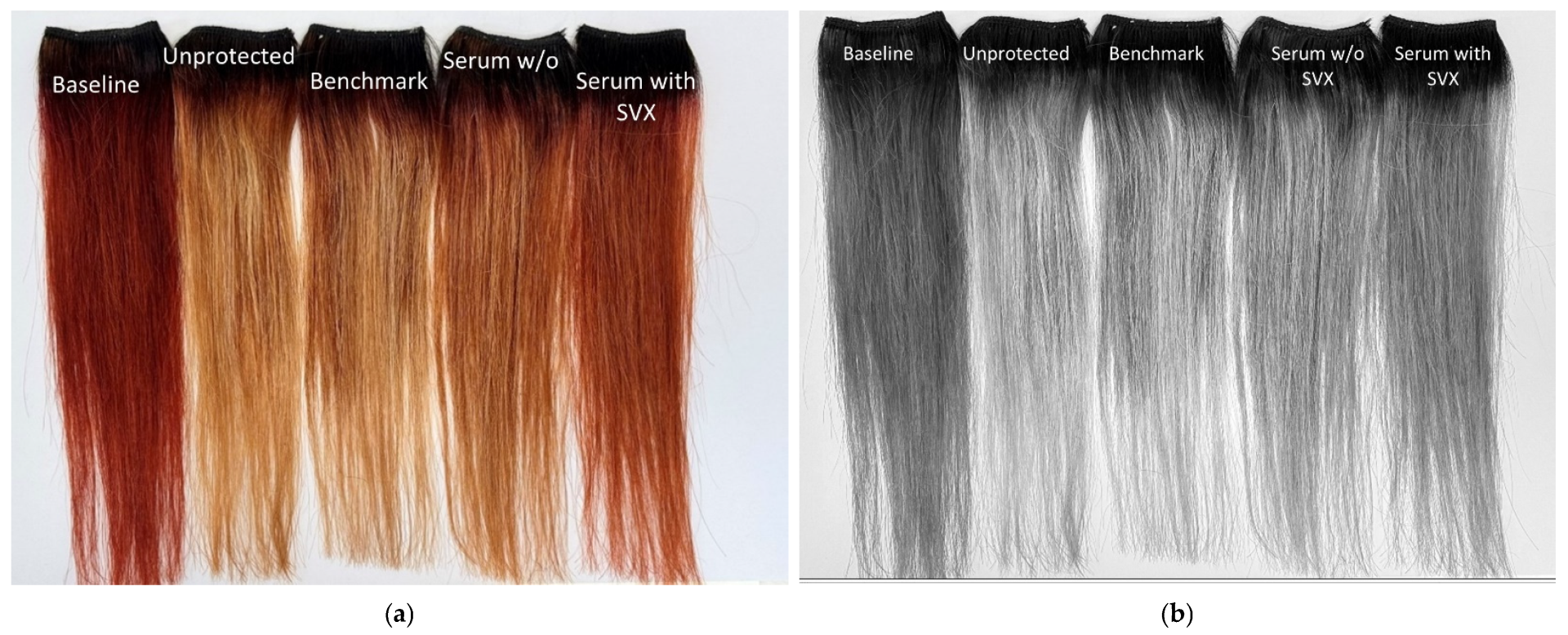
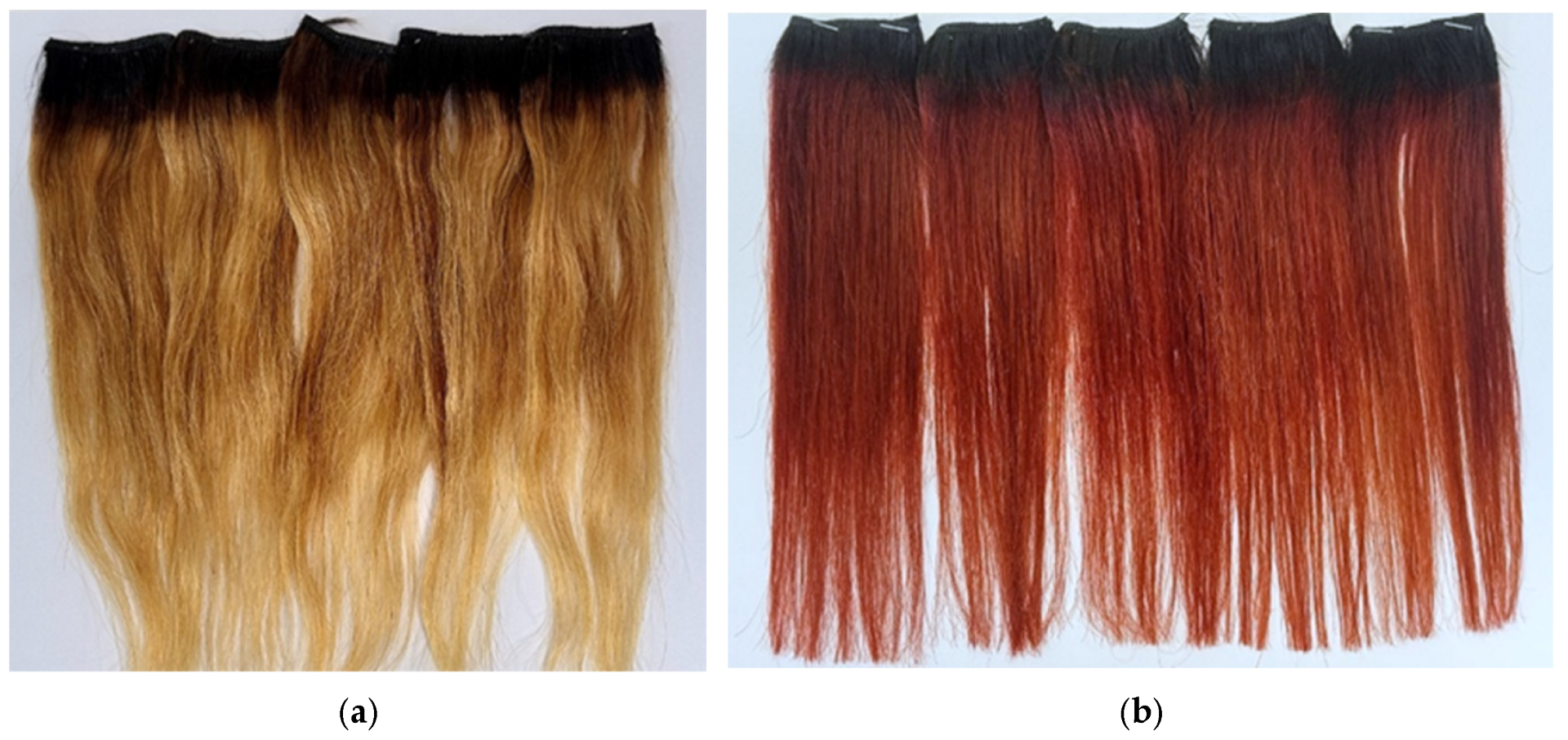
Under severe “real world” simulation—submerging hair in seawater and chlorinated water for 72 h—untreated black hair faded dramatically, showing a total color change (ΔE) of 23.2 ± 0.9. This represents a high degree of dulling and pigment loss, the kind any user would notice as hair turns lackluster or brassy (Figure 1 and Figure 2).
Figure 1.
Hair samples: (a) Bleached hair; (b) Colored and flat ironed hair before exposure to oxidative stress.
Figure 2.
Hair samples: (a) After the oxidative treatment; (b) ImageJ analysis.
Yet, hair treated with competitor formulas only slightly slowed this change (ΔE: 18.2 ± 1.5). In striking contrast, SVX serum-treated hair kept its vibrancy, ΔE dropping to just 2.1 ± 0.6. In practical terms, this means hair remains fresh and vivid even after repeated exposure to harsh conditions—a meaningful difference in maintaining the confidence that comes with great color (Table 1).
Table 1.
∆L and ∆E calculation describing color fading.
Key technical outcomes—almost no increase in lightness and a negligible decline in red pigment—directly support what users desire: hair color that does not just last a little longer, but resists fading so well that shade and shine hold up between salon visits.
3.1.2. Water Loss and Suppleness After Heat Damage
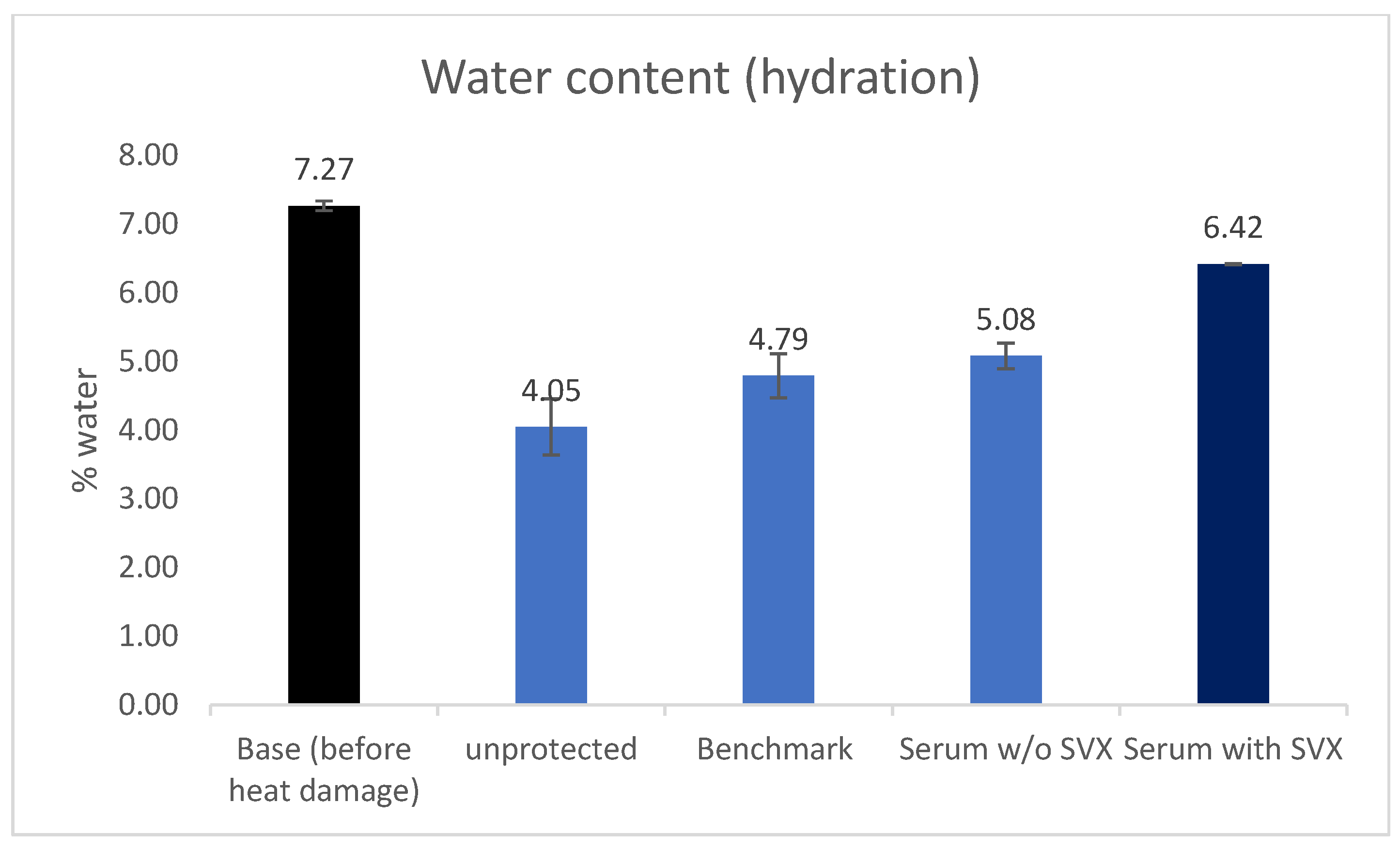
Thermal styling at 220 °C is an aggressive test: most users experience dryness and breakage after regular flat ironing. Our Karl Fischer titration showed typical hair plummeted to just 56% of its initial moisture after heat; benchmark-treated hair was only slightly better (66%) as well as serum w/o SVX (70%). But with SVX serum, hydration retention was spectacular—over 84% of baseline moisture was maintained (See Figure 3).
Figure 3.
Water content of hair sample before and after heat damage.
SVX serum-treated hair retained 84% of baseline moisture after heat stress, which was significantly higher compared to untreated hair (56%, p < 0.001, η2 = 0.62, large effect) and benchmark treatment (66%, p = 0.004 vs. SVX, η2 = 0.38, moderate effect). This result supports meaningful biological protection of hydration by SVX compared to industry standards.
For users, this translates to softer, more elastic hair that feels healthy, not straw-like, protecting the investment in shine and manageability even after intense styling.
3.1.3. Mechanical Strength—Resilient, Strong Hair
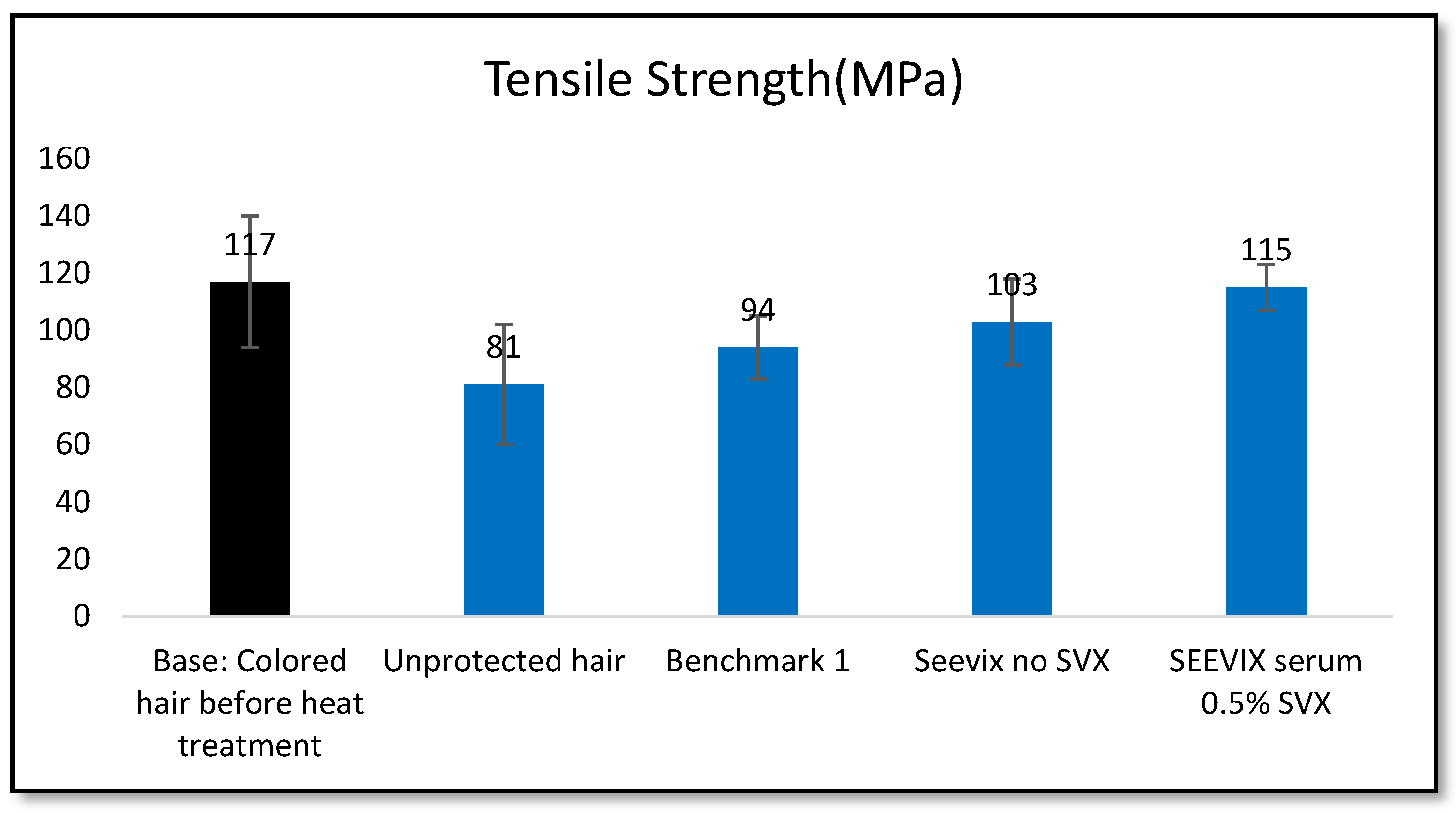
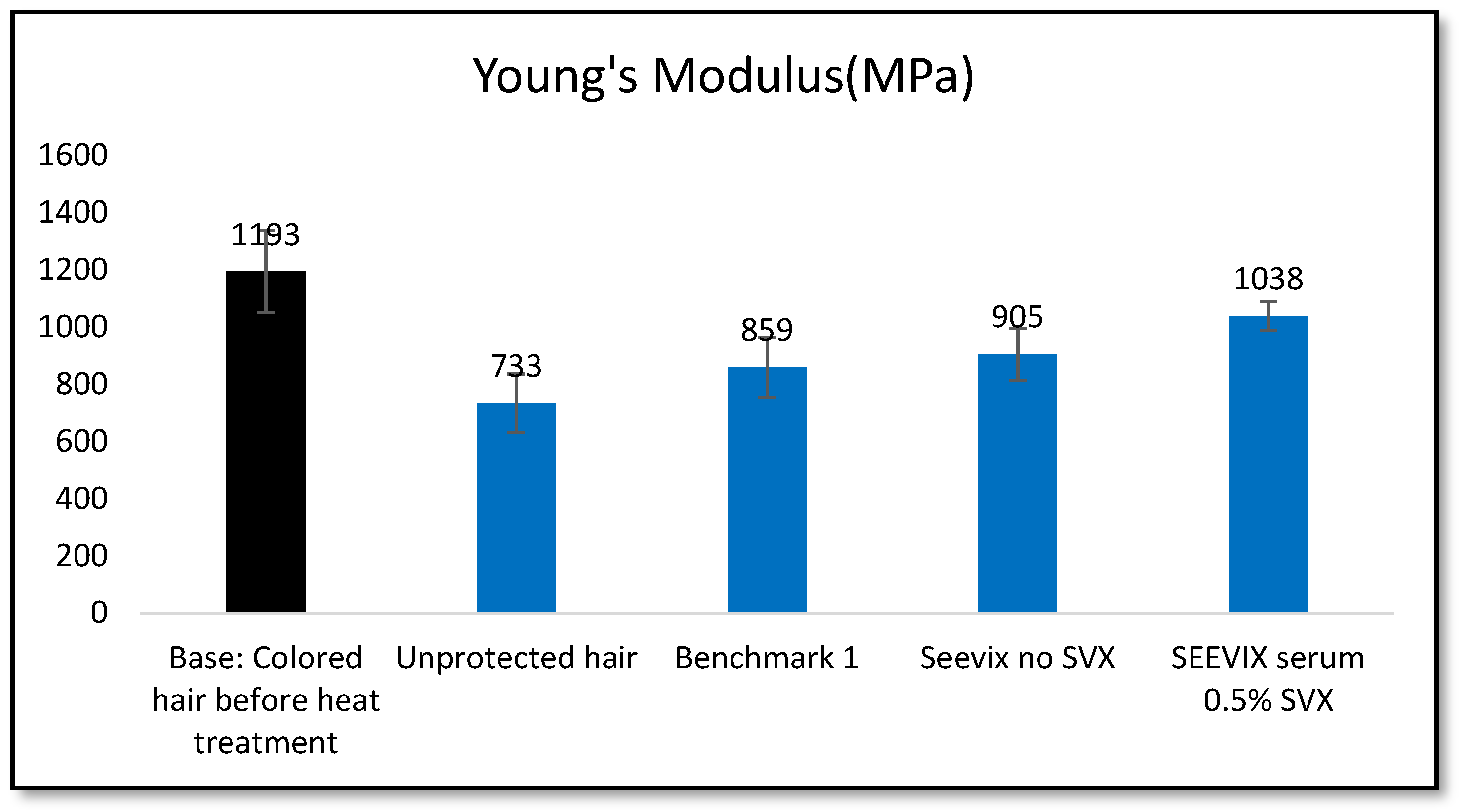
On mechanical testing (LS5, Ametek/NEXYGENPlus™ 3.0), SVX serum-treated fibers retained >95% of their original tensile strength, compared with just 70% for untreated hair and 82% for benchmark formulas. Elongation at break remained close to normal (97–99%), indicating the serum keeps hair strong and flexible, rather than simply stiff. This means hair resists snapping under daily stresses—minimizing split ends and breakage risk (Figure 4).

Figure 4.
Mechanical properties of the hair before and after heat damage. After significant heat damage, the hair tresses treated with the hair serum were well protected, showing minimal changes in tensile strength and Young’s modulus.
Tensile strength in SVX serum-treated fibers remained at 95% of the baseline, significantly higher than untreated hair (70%, p < 0.001, η2 = 0.71, large effect) and benchmark serum (82%, p = 0.017 vs. SVX, η2 = 0.45, moderate-large effect). Elongation at break in SVX group (97–99%) was not statistically different from baseline values (p = 0.46), implying biological preservation of mechanical flexibility.
3.1.4. SEM Characterization
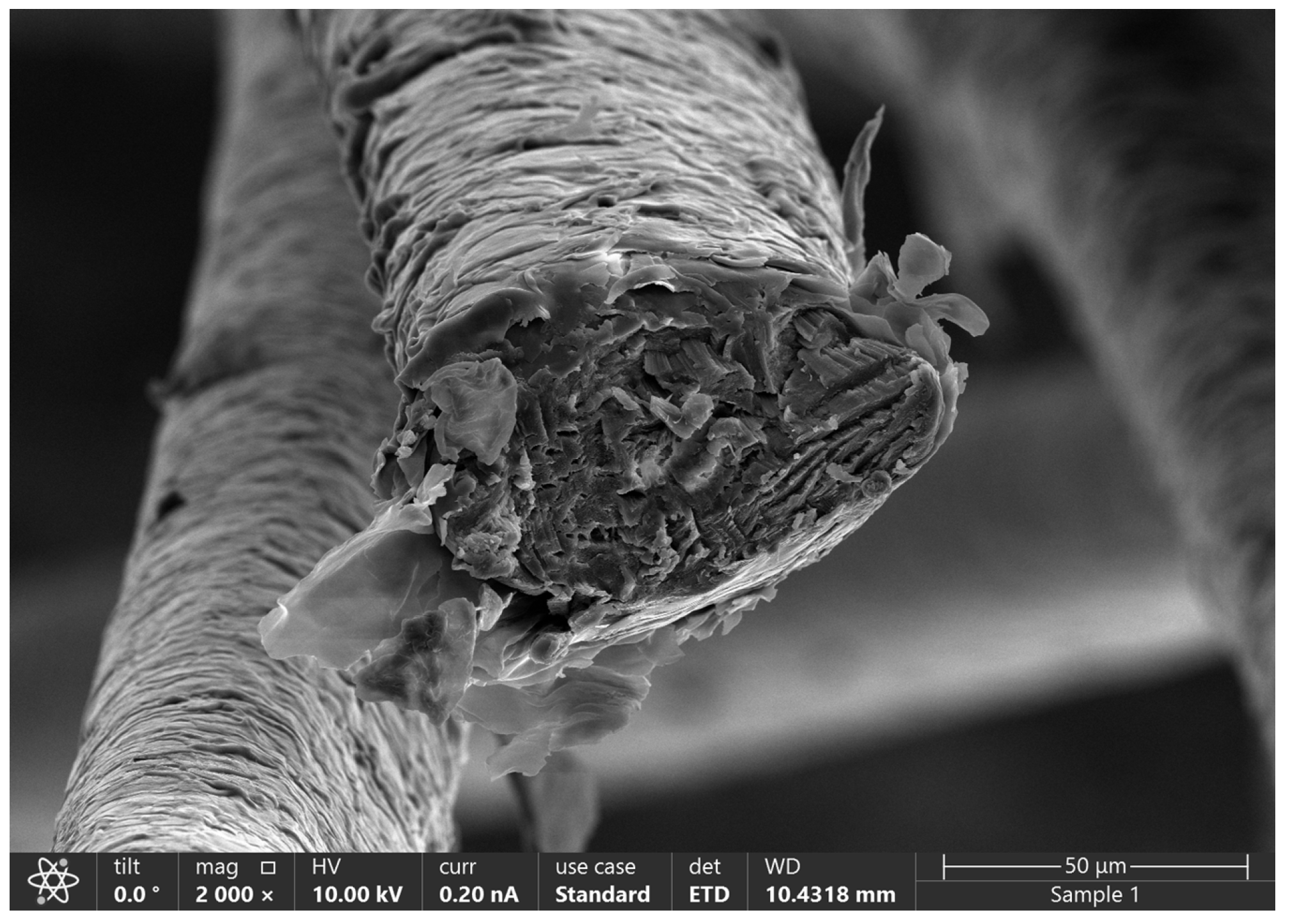
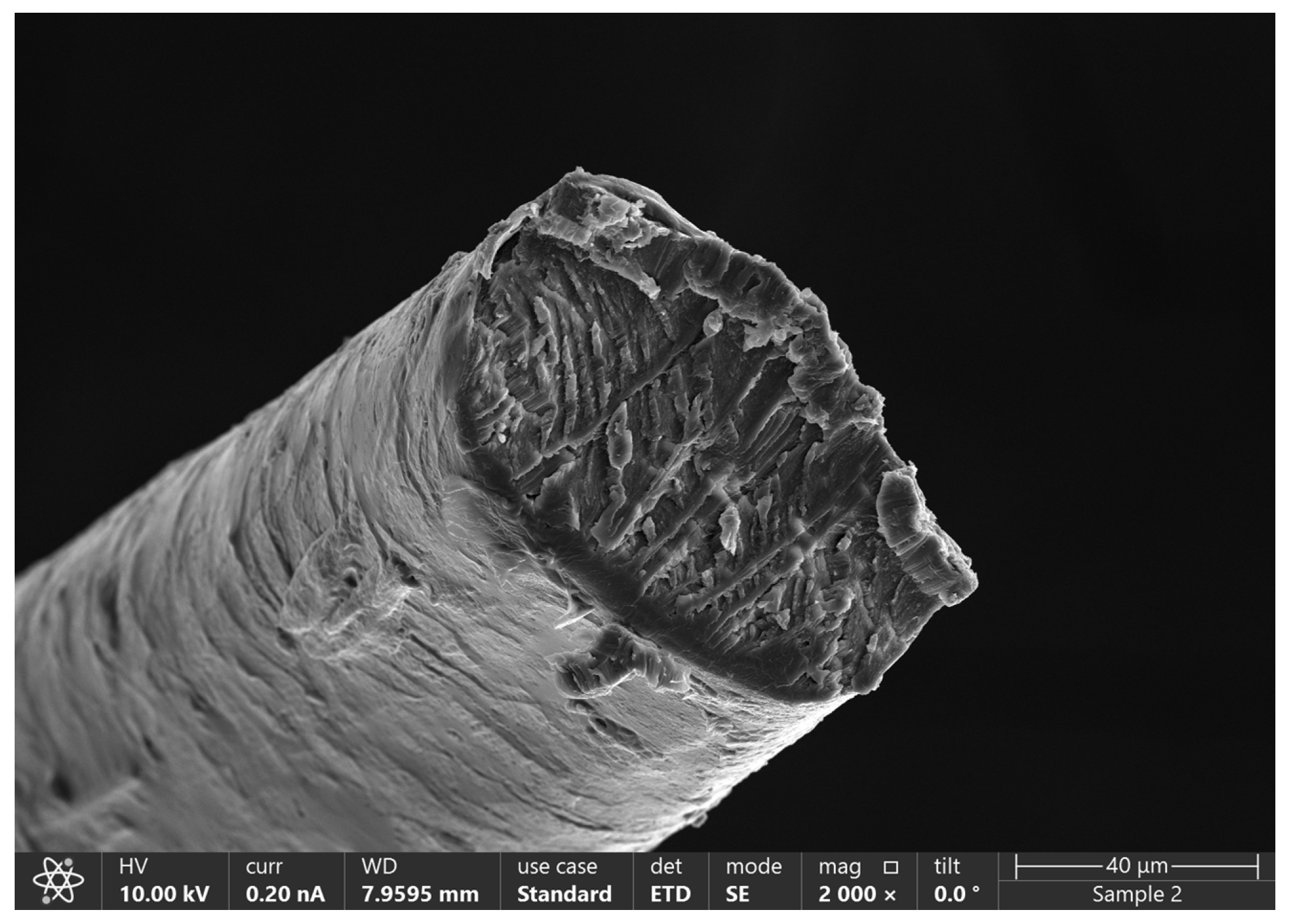
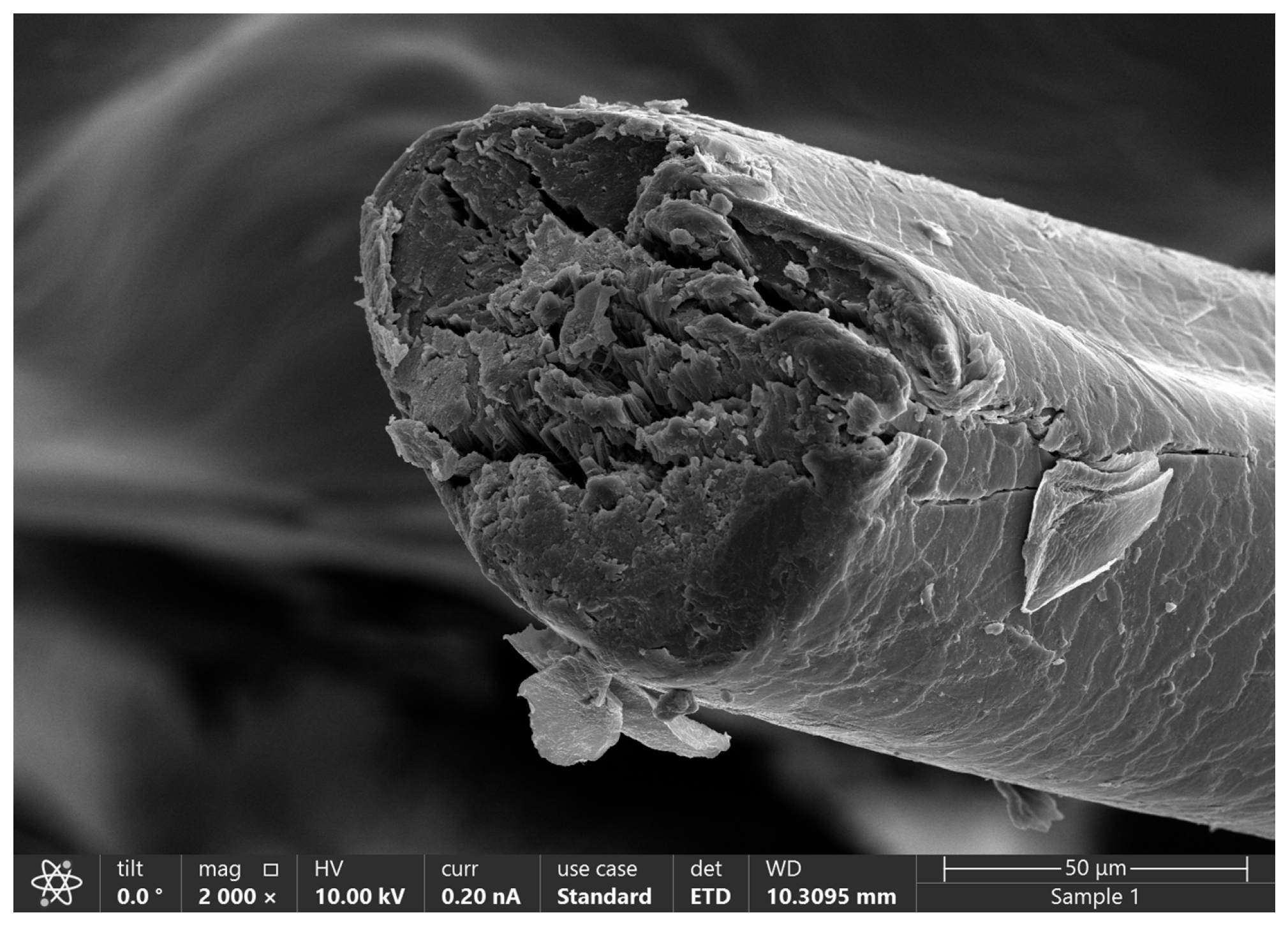
The protective properties of the SVX-based serum were further elucidated through scanning electron microscopy (SEM) characterization of hair cross-sections, providing direct visual evidence of the integrity of hair fibers before and after thermal insult. In this characterization, hair fibers were transversely sectioned and their internal structures analyzed, rather than imaging the outer surface alone.
SEM images of untreated hair prior to heat exposure revealed dense, structurally coherent fibers with a continuous, unbroken matrix and no discernible voids or disruptions. The internal keratin architecture appeared regular, and the cuticle and cortex regions demonstrated a robust, cohesive morphology indicative of healthy hair (Figure 5).
Figure 5.
Cross-section SEM analysis of the hair before heat damage.
In stark contrast, cross-sections from unprotected hair subjected to repeated high-temperature treatment (n = 4) exhibited widespread structural collapse: numerous voids and empty areas were evident, resulting from thermal degradation and water vaporization. The keratin fibers appeared disorganized and fragmented, and the continuity of the overall structure was severely compromised, with substantial internal breakage and a highly uneven morphology (Figure 6).
Figure 6.
Cross-section SEM analysis of the unprotected hair after heat damage.
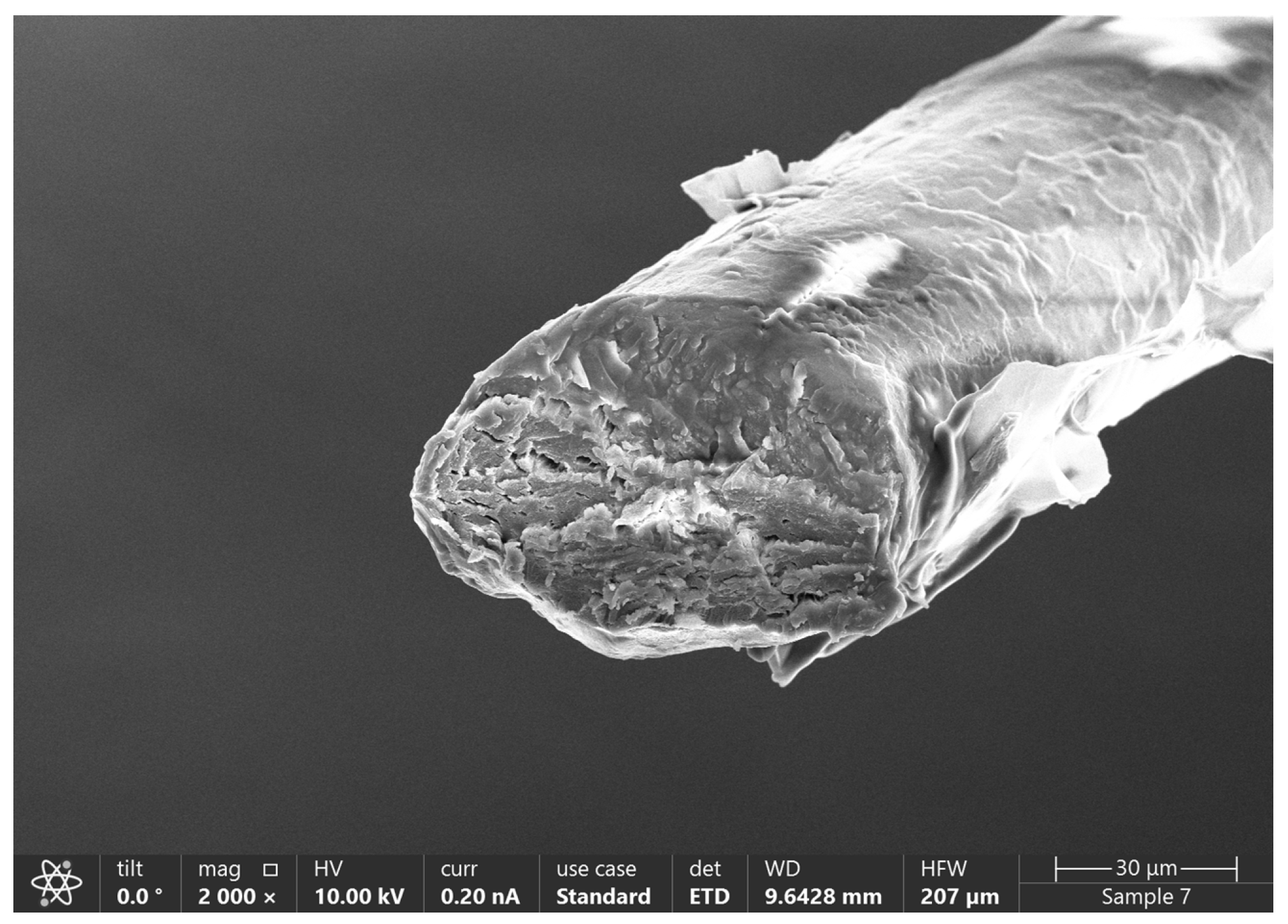
Evaluation of hair treated with the benchmark thermal protection product showed some mitigating effect, with fewer voids than the unprotected group (Figure 7); however, clear evidence of breakage and loss of fiber uniformity persisted, highlighting only partial protection. Similarly, hair treated with Seevix’s formula lacking SVX displayed noticeable internal fragmentation and an irregular structural profile, closely mirroring the benchmark group in its incomplete protective efficacy (Figure 8).
Figure 7.
Cross-section SEM analysis of the hair after heat damage protected with Benchmark serum.
Figure 8.
Cross-section SEM analysis of the hair after heat damage protected with Seevix’s serum without SVX.
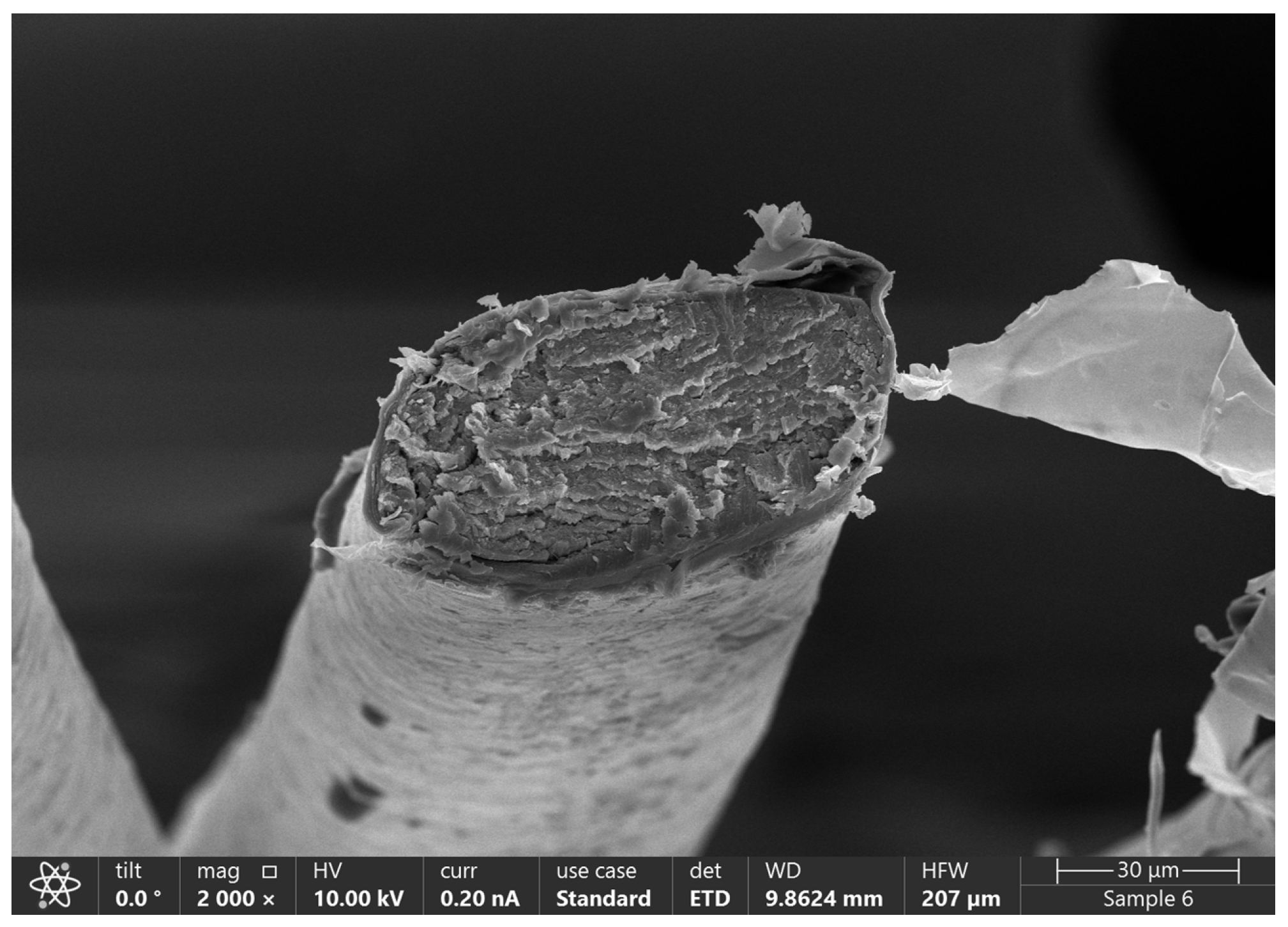
Remarkably, SEM analysis of cross-sections from hair tresses treated with the SVX-based serum demonstrated near-complete preservation of internal structure following thermal challenge. The hair matrix maintained its dense, unbroken architecture, with no significant voids or evidence of fiber breakage. Keratin filaments remained compact and continuous, and the cortex region retained its original integrity, closely resembling that of untreated hair prior to heating. The cuticle layer and surrounding cortex displayed a smooth, undisturbed contour, lacking the disruptions seen in other groups (Figure 9).
Figure 9.
Cross-section SEM analysis of the hair after heat damage protected with Seevix’s serum with SVX.
These findings provide compelling morphological validation for the superior protective barrier formed by the SVX serum: not only does it shield the external surface, but it also preserves and reinforces the internal architecture of hair fibers under severe heat stress, preventing the formation of voids and maintaining the mechanical and esthetic properties of hair.
3.1.5. Hair Porosity and Thickness
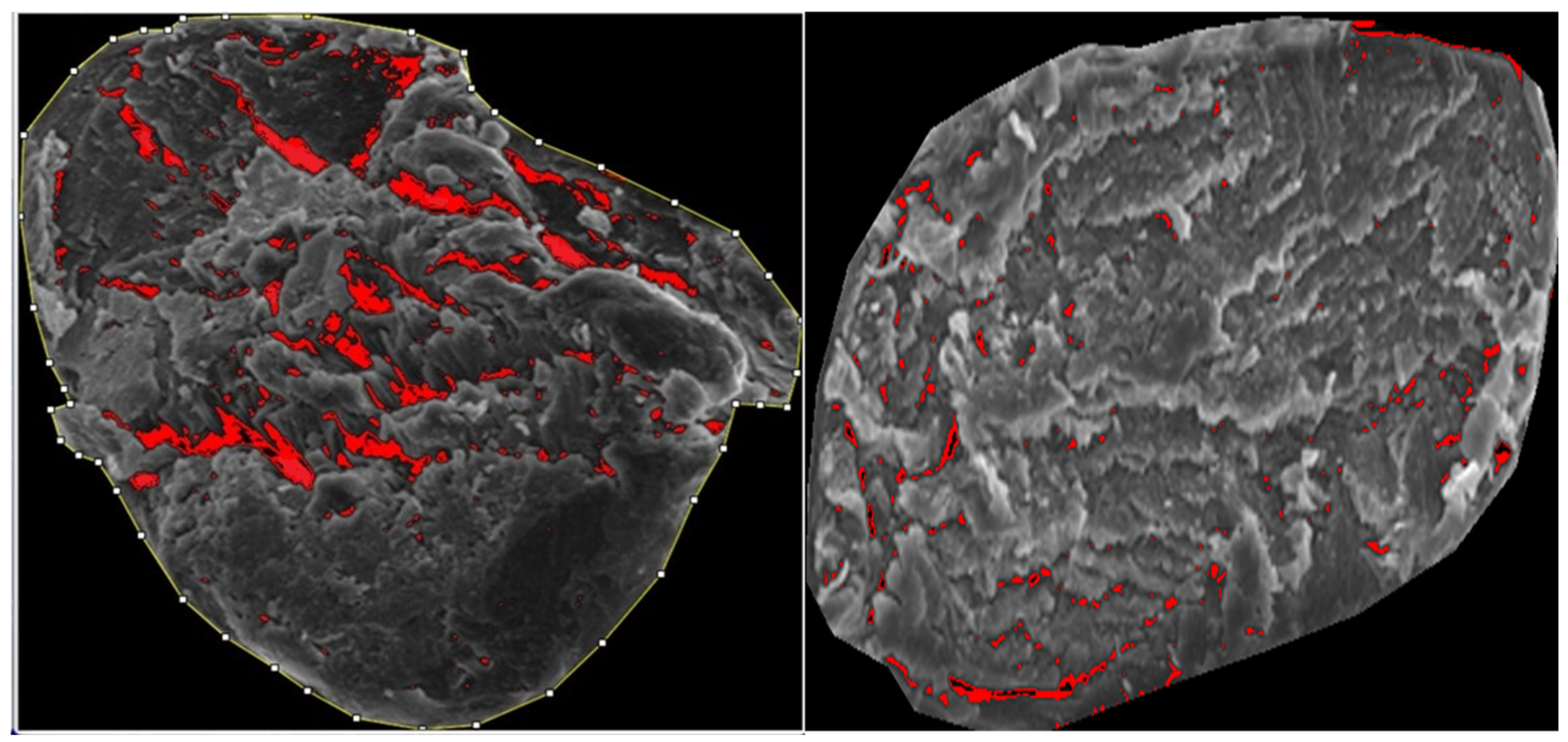
Table 2 summarizes the quantitative analysis of hair porosity and cross-sectional thickness, complemented by the ImageJ-based visualization shown in Figure 10. Each SEM micrograph was calibrated using the embedded scale bar, and the hair cross-section was manually outlined to define the region of interest. Porosity was quantified as the percentage of internal voids, pores, and gaps detected by grayscale threshold segmentation, while fiber thickness was determined from the calibrated cross-sectional area. The baseline (untreated) hair exhibited almost no detectable porosity, reflecting an intact and compact internal structure. In contrast, heat exposure without protection resulted in a substantial increase in porosity (10.61 ± 1.05%), revealing extensive internal damage and the formation of multiple voids and gaps, as also visible in the ImageJ analysis (Figure 10, left). Application of a benchmark product partially reduced these defects, while the serum without SVX provided moderate protection (8.87 ± 1.14%), showing numerous red-highlighted damage regions in the processed SEM image. Remarkably, the serum containing SVX markedly decreased the void fraction to 1.79 ± 0.72%, with only isolated red areas observed (Figure 10, right), indicating significant restoration of structural integrity. The difference in porosity between the serum without SVX (8.87 ± 1.14%) and the serum with SVX (1.79 ± 0.72%) was statistically significant (p < 0.001, η2 = 0.67, large effect), demonstrating the strong reinforcing effect of SVX on the hair cortex. Hair thickness values remained statistically unchanged among all groups, suggesting that heat and treatment primarily influenced the internal microstructure rather than overall fiber dimensions.
Table 2.
Hair porosity and thickness.
Figure 10.
ImageJ-based porosity analysis of hair cross-sections obtained from SEM images. The red-highlighted regions correspond to internal voids, pores, and structural gaps within the hair fiber. The hair sample treated with the serum without SVX (left) exhibits a higher density of red areas, indicating pronounced internal damage and microstructural defects. In contrast, the hair treated with the SVX-containing serum (right) shows a markedly reduced number and size of voids, demonstrating the protective and reinforcing effect of SVX on the hair’s internal structure.
3.1.6. Long-Lasting Hydration
Persistent hydration of hair fibers represents a key determinant of both the cosmetic quality and the biomechanical integrity of hair, particularly for hair that is subjected to chemical processing or environmental damage. In examining the long-lasting hydration properties of the SVX-based multifunctional leave-on serum, a rigorous, quantitative approach was taken using Karl Fischer titration—a gold-standard analytical technique for measuring water content in biological materials.
The experimental design involved two representative hair types: “glass black” (straight, untreated) and “wavy dry black” (damaged, porous), with each type subjected to a standardized pretreatment of deep cleansing and air drying to ensure removal of confounding residues and a uniform starting condition.
Hydration measurements were performed for three reference formulations: (1) the serum containing 0.5% SVX, (2) a compositionally identical SVX-free serum, and (3) a leading benchmark leave-on product. Test solutions were applied as a single dose (0.1 g per 1 g of hair, left on), and water content was assessed at 24, 48, and 72 h post-treatment, providing insight into both the immediate and the prolonged hydration effect.
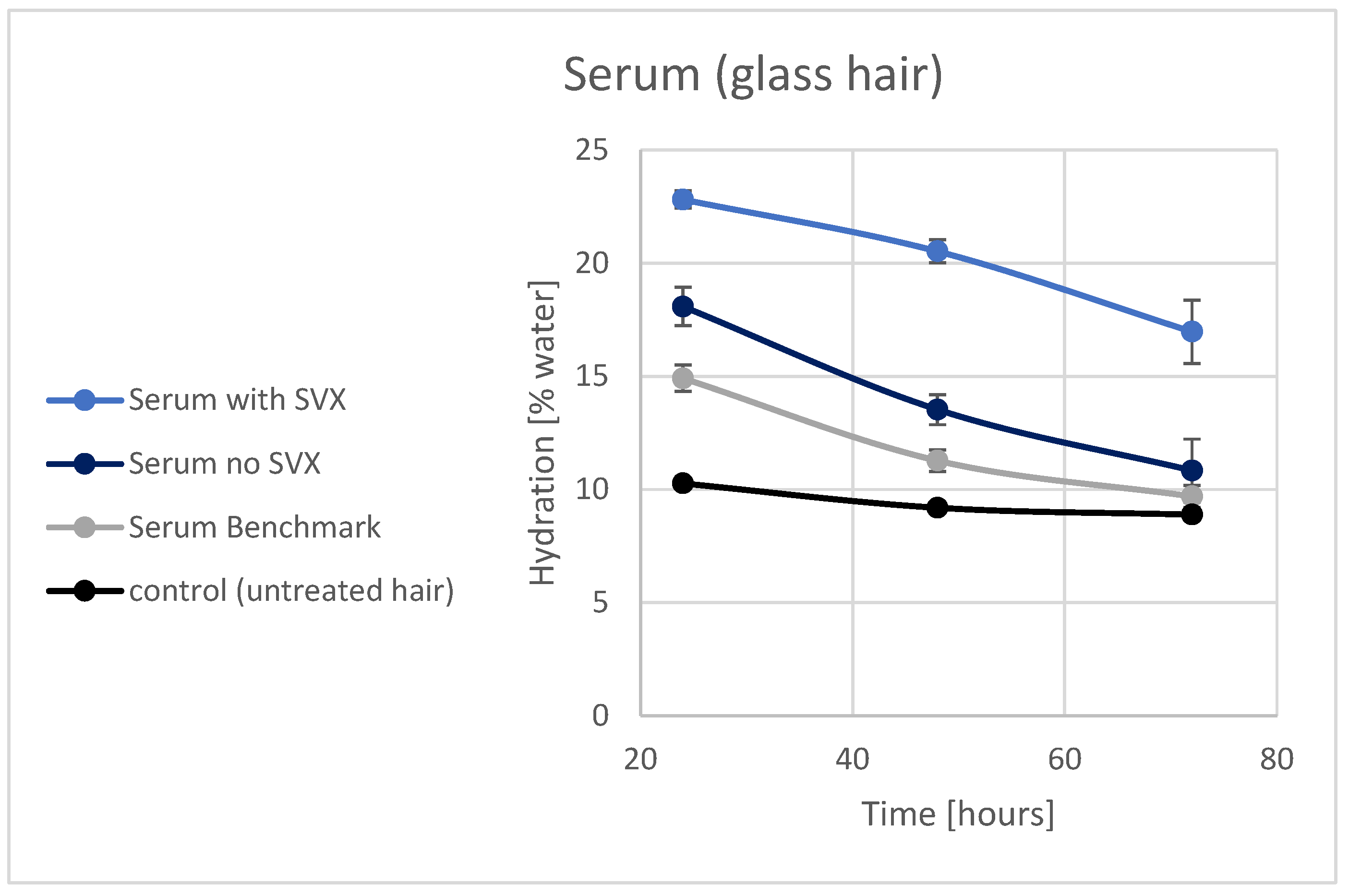
For untreated, straight “glass black” hair, the SVX-containing formulation achieved water retention levels of approximately 17% at 48 h and 16.9% at 72 h. In contrast, the SVX-free variant displayed only 8.8% at 72 h, and the benchmark product trailed slightly lower at 7.5%. These results clearly establish the SVX serum as markedly superior, yielding approximately double the water retention compared to established competitors and SVX-free controls (See Figure 11).
Figure 11.
Hydration measurements for 72 h—glass-type hair. Serum with SVX showed an impressive retention of ~17% at 48 h and ~16.9% at 72 h, significantly higher than both the SVX-free version and benchmark.
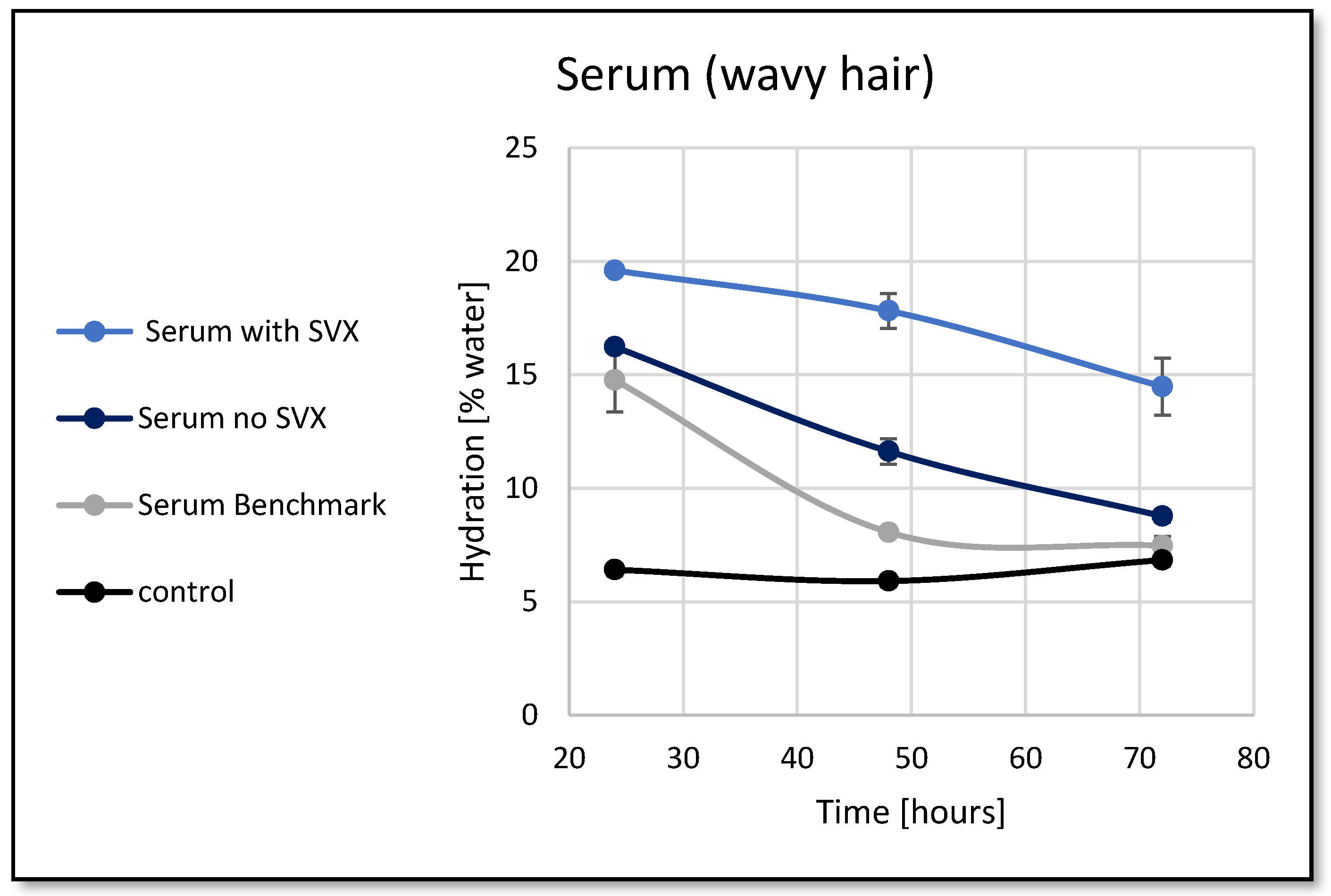
For the wavy, dry, and porous hair model—which more closely simulates severely damaged or overprocessed hair—the SVX-based serum still demonstrated outstanding efficacy, achieving 14.5% water retention at 72 h (Figure 12). Meanwhile, the SVX-free version and the benchmark maintained just 8.8% and 7.5%, respectively, on this more challenging substrate. Thus, the SVX serum’s advantage persists regardless of baseline hair condition.
Figure 12.
Hydration measurements for 72 h—wavy, damaged-type hair. The Multifunctional Serum with SVX was particularly effective, reaching ~14.5% water retention at 72 h vs. ~8.8% for the SVX-free version and ~7.5% for the benchmark.
Analysis of hydration kinetics revealed that, while all formulations provided some immediate benefit, sustained hydration was observed only in the SVX group, with the most notable differences emerging at 48 and 72 h post-application. This finding substantiates the claim of long-lasting, persistent hydration. SVX serum delivered 16.9% water retention at 72 h in straight hair, significantly outperforming SVX-free serum (8.8%, p < 0.001, η2 = 0.55) and benchmark (7.5%, p < 0.001, η2 = 0.58). In wavy, porous hair, SVX serum achieved 14.5% (vs. 8.8% SVX-free and 7.5% benchmark, both p < 0.001, large effect sizes), indicating biologically relevant prolonged moisture retention.
Mechanistic interpretation of these results suggests that the spider silk protein SVX, due to its high affinity for hair keratin, forms a molecularly cohesive and adhesive biopolymer network at the hair surface. This network not only strongly binds water molecules and hydrophilic actives but also creates a physical barrier limiting water loss. The consistently low standard deviation across replicates supports the reproducibility and robustness of the observed effects.
Together, these results demonstrate that SVX technology provides a unique and substantial improvement in moisture retention over both conventional and SVX-free formulations, underpinning its value in modern hair care for both healthy and damaged hair types.
3.2. Effect of SVX–Lactic Acid Complex in Post-Color Treatment: The Shield After Coloring
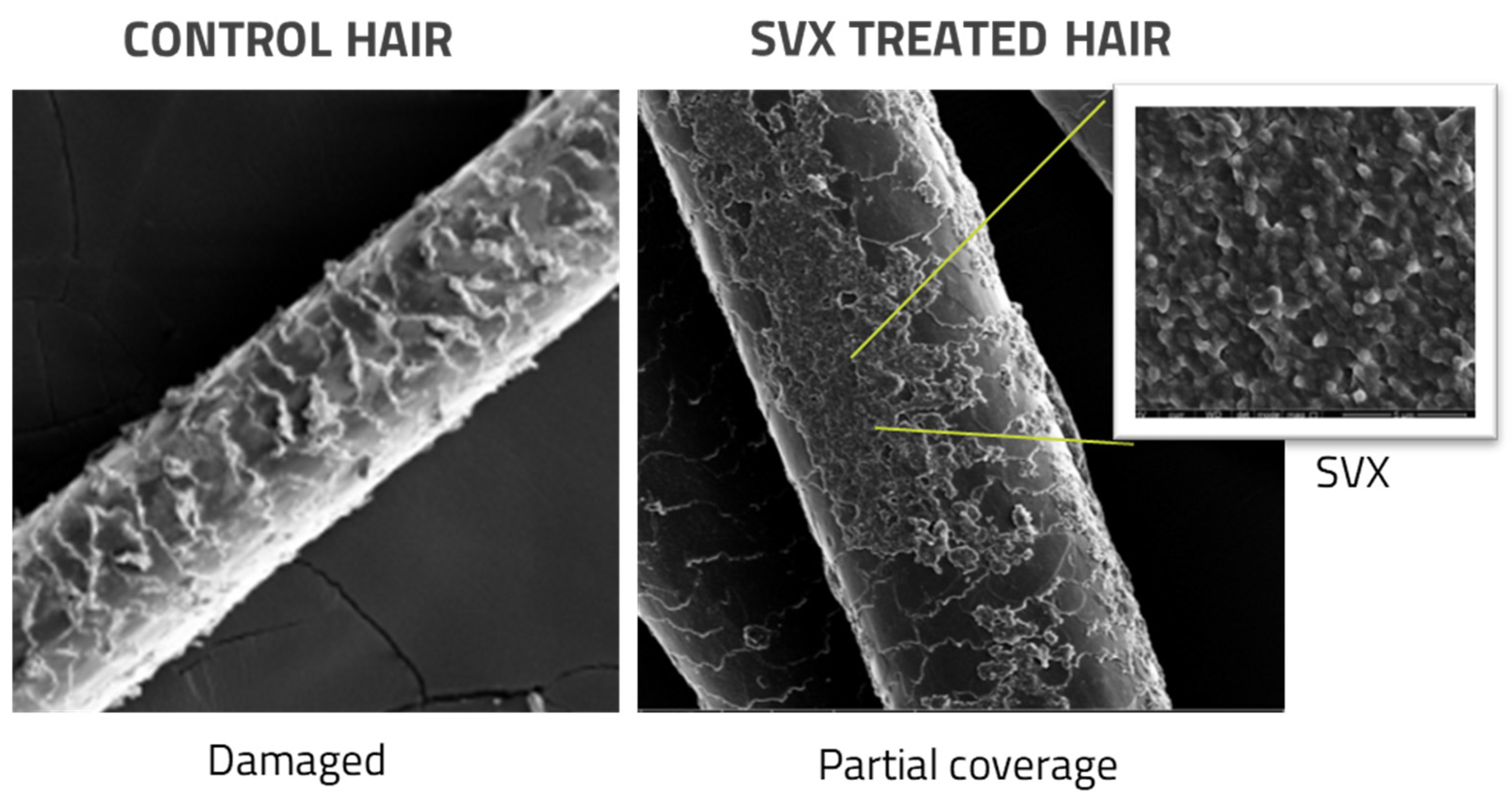
SVX exhibits a porous, sponge-like macromolecular structure with an average feature size of approximately 0.7 µm and a correspondingly high surface area containing numerous interconnected pores. This morphology enables SVX to effectively adsorb and gradually release small active molecules. Importantly, SVX does not penetrate the hair fiber but instead forms a durable, external coating layer. This unique property is advantageous, as the SVX matrix can act as a reservoir for actives, enabling their controlled release to the hair surface and subsequent penetration of compatible small molecules into the cuticle and cortex.
In our previous study [38], where we investigated SVX complex creation and the slow release of alpha-hydroxy acids (AHAs), we demonstrated clear biochemical and spectroscopic evidence for the SVX mechanism. High-resolution SEM imaging confirmed that SVX forms a stable, surface-bound porous matrix capable of stably encapsulating actives such as lactic and glycolic acids. In vitro wash and release assays showed sustained, gradual release of acids from SVX—lasting over eight hours and remaining detectable after ten wash cycles—unlike the rapid depletion observed in non-complexed controls. In vivo tape-stripping combined with FTIR analysis further revealed that SVX–AHA complexes persist at the substrate surface and deliver actives steadily over time, indicating strong binding affinity, true film formation, and controlled release under physiologically relevant conditions. These direct observations support the ability of SVX to act as a durable coating reservoir, engage in hydrogen bonding, and enable slow release—moving mechanistic assertions beyond speculation and substantiating the protein’s multifunctional performance in cosmetic applications.
For the post-color treatment application, lactic acid was selected as a model active. Lactic acid is well known in hair science for its pH-modulating ability: as an alpha-hydroxy acid (AHA), it lowers the local pH, which helps to tighten and close the hair cuticle after chemical coloring, thereby improving smoothness, gloss, and color retention. Additional documented benefits include the following:
- Chelating activity, which can help neutralize trace metal ions (such as copper or iron) that catalyze oxidative damage in colored hair.
- Moisture regulation, as lactic acid functions as a humectant, supporting improved hair hydration.
- Strengthening effects, by reducing fiber swelling and porosity, contributing to increased resistance against breakage.
However, direct use of free lactic acid can introduce disadvantages:
- Over-acidification, which may cause scalp irritation at higher concentrations.
- Rapid neutralization, reducing its longevity of action once rinsed or exposed to water.
- Potential for cuticle over-tightening, which in some cases can reduce flexibility and increase brittleness of treated fibers.
Embedding lactic acid in an SVX porous scaffold allows for slower, sustained release, improving hair compatibility while minimizing irritation and extending its functional window of activity.
To evaluate this concept, a post-color treatment formulation was designed in two variations:
- 1.
- A control formula without SVX;
- 2.
- An identical formula with SVX acting as the active reservoir.
This treatment is intended to be applied immediately after the coloring process and subsequent shampoo wash, in order to re-seal the cuticle and restore mechanical integrity of the fibers. Comparative testing included mechanical strength measurements (stress–strain performance) and immediate hydration assays, aimed at elucidating the incremental benefits provided by the SVX-based system.
3.2.1. Boosted Hydration and Post-Dye Recovery
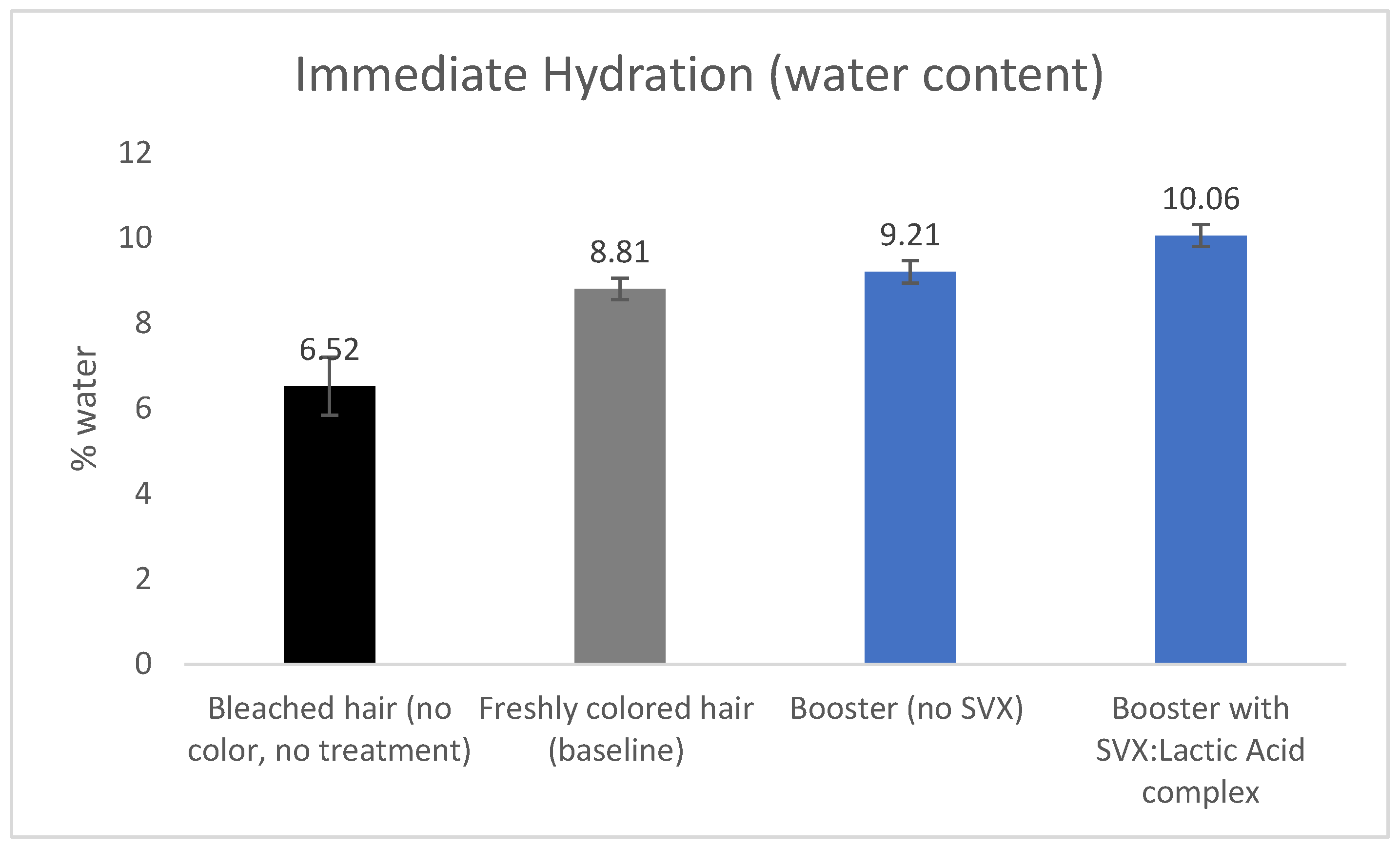
Following hair coloring and subsequent heat exposure, the SVX–Lactic Acid booster demonstrated a significant ability to restore and enhance hair hydration. Quantitative analysis at 72 h post-treatment revealed that bleached hair with no additional treatment retained an average water content of only 6.52%. Hair treated with the SVX–Lactic Acid booster showed a significant increase in water content at 72 h post-treatment, averaging 10.06% moisture compared to 8.81% in freshly colored baseline hair (p = 0.012, η2 = 0.29, moderate effect) and 6.52% in untreated bleached hair (p < 0.001, η2 = 0.56, large effect). The booster without SVX had a modest but statistically insignificant increase to 9.21% (p = 0.076 vs. baseline). Notably, treatment with the SVX–Lactic Acid complex resulted in the highest moisture retention, with an average water content of 10.06%—representing a substantial improvement of 1.25 percentage points above the baseline (freshly colored hair) and 3.54 percentage points above untreated bleached hair (Figure 13).
Figure 13.
Hydration measurements.
These results demonstrate that SVX incorporation significantly enhances post-color hydration, offering both immediate and sustained moisture benefits with clear biological relevance, as improved hydration correlates with softer texture and reduced fiber brittleness.
This data underscores that the SVX-containing booster significantly accelerates hair’s post-dye recovery, delivering both immediate and sustained hydration benefits. For users, this means noticeably softer, silkier hair with greater manageability after each coloring session, moving well beyond cosmetic improvement to genuine, measurable restoration of hair’s internal moisture.
3.2.2. Enhanced Mechanical Properties
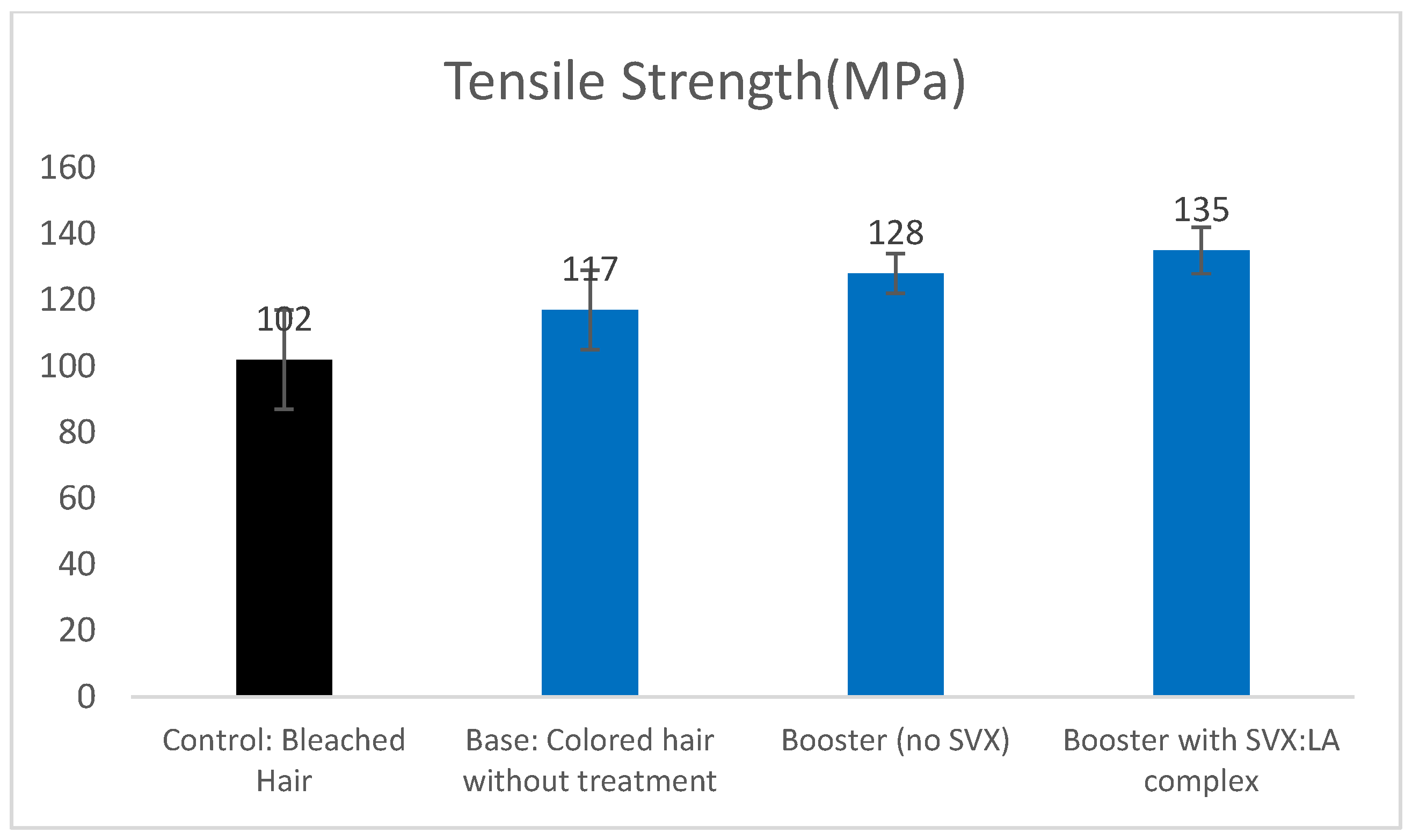
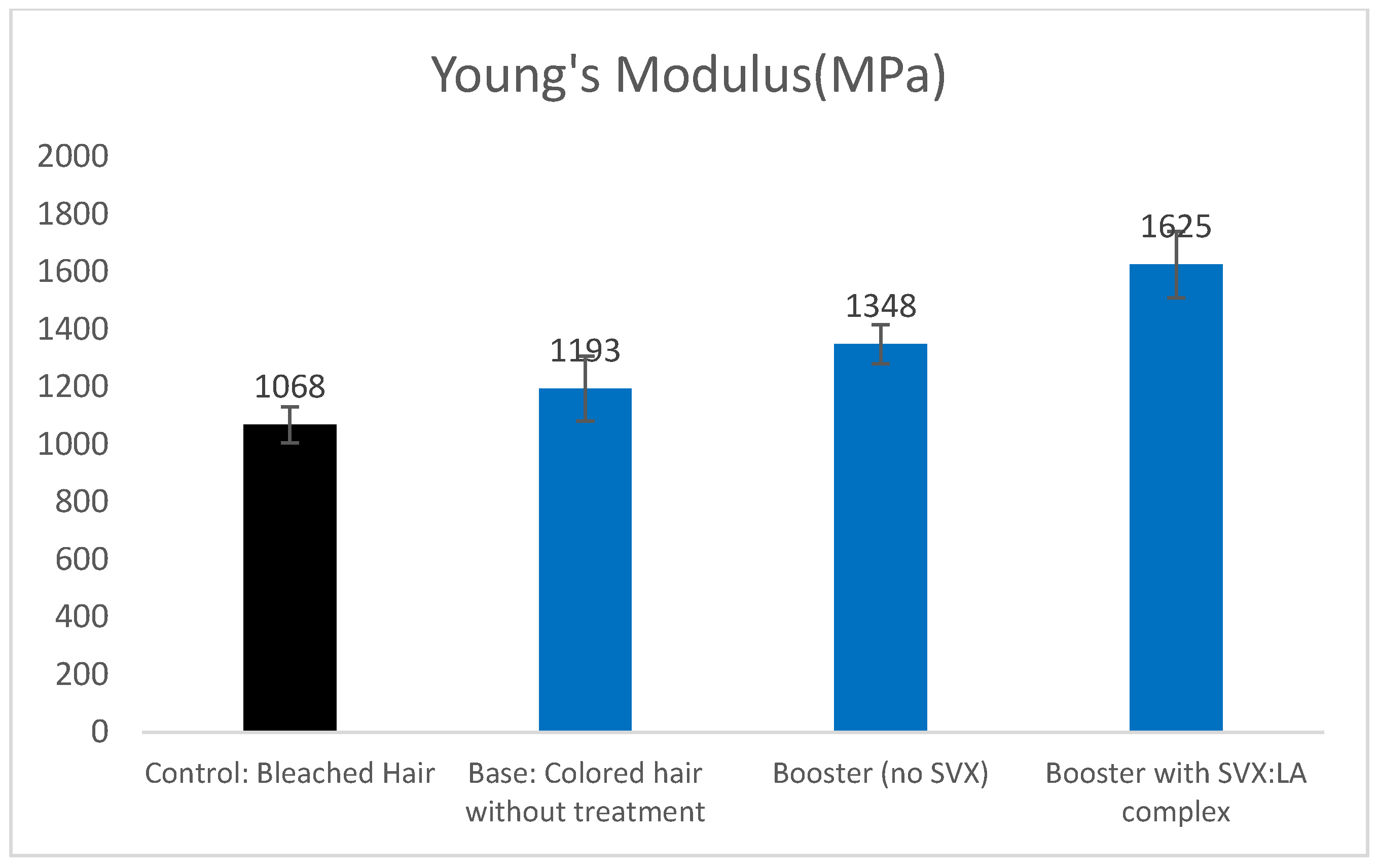
The SVX–Lactic Acid post-color booster substantially enhances the mechanical resilience of freshly colored hair without requiring heat styling. Stress–strain testing reveals a significant increase in Young’s modulus by approximately 25% over the booster without SVX, demonstrating marked reinforcement of hair fiber stiffness and elasticity. Additionally, the booster shows a 15% improvement in tensile strength compared to the SVX-free booster, highlighting its clear advantage in strengthening hair fibers compromised by chemical processing.
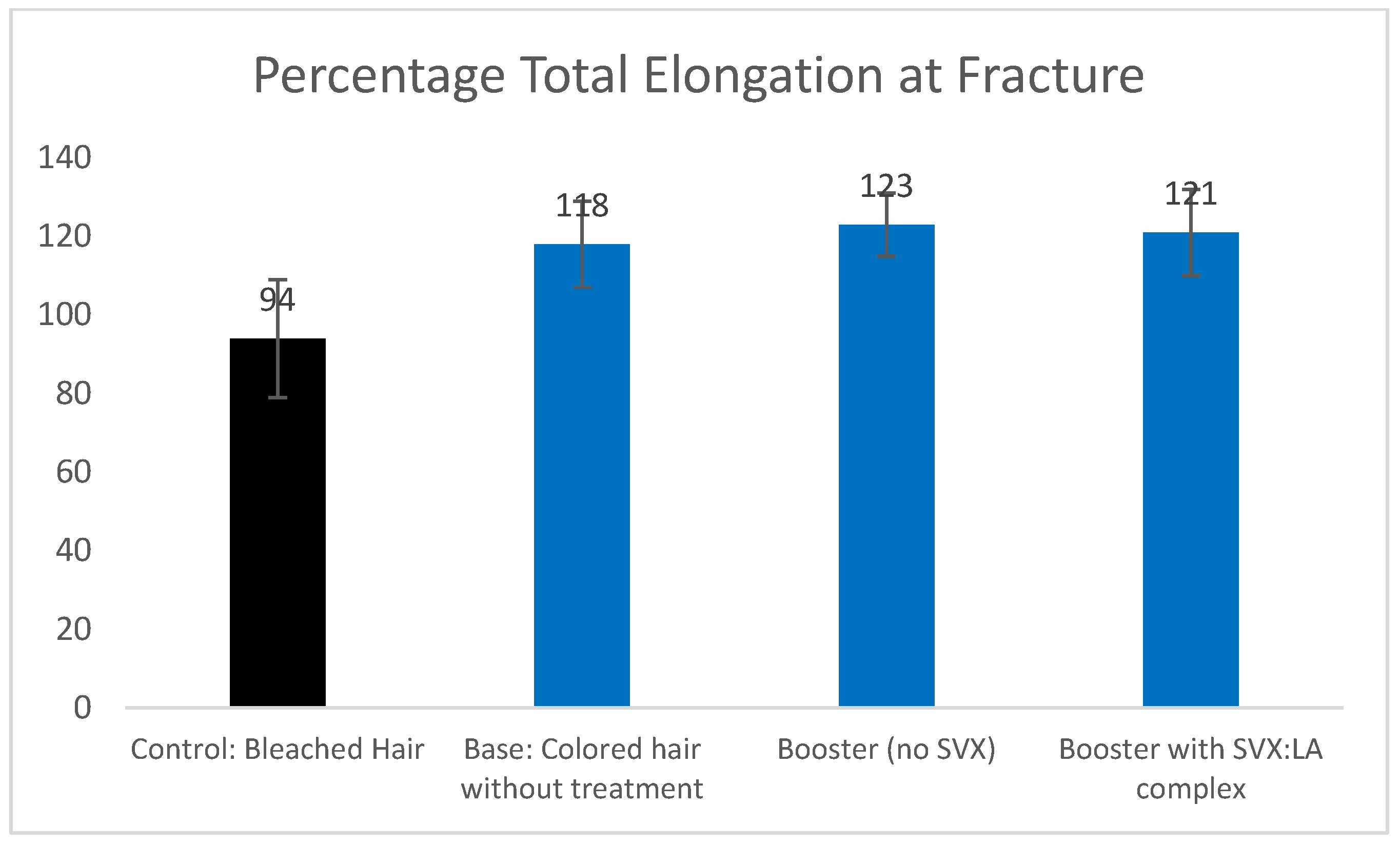
In more detail, control bleached hair exhibited the lowest tensile strength and Young’s modulus, indicative of oxidative damage and fragility (Figure 14, Figure 15 and Figure 16). Hair freshly colored but untreated had improved mechanics due to pigment polymerization. However, only the SVX–Lactic Acid complex delivered both a considerable boost in stiffness and strength, acting as a structural scaffold reinforcing the hair fiber matrix. Lactic Acid’s role in acidifying the hair surface further enhances cuticle cohesion and elasticity.
Figure 14.
Mechanical properties of hair—TENSILE—before and after hair booster.
Figure 15.
Mechanical properties of hair—MODULUS—before and after hair booster.
Figure 16.
Mechanical properties of hair—ELONGATION—before and after hair booster.
Boosted hair showed a 15% higher tensile strength and a 25% increase in Young’s modulus compared to SVX-free booster (p < 0.01; η2 = 0.33 tensile, 0.41 modulus, moderate effects). Both metrics are biologically meaningful, indicating enhanced strength and stiffness in chemically treated hair.
This robust mechanical enhancement supports the prevention of brittleness and breakage immediately after coloring, delivering a foundation of durability that benefits subsequent hair care and styling.
In summary, the SVX–Lactic Acid booster acts as a protective shield and structural reset, providing immediate smoothness and mechanical support that complement the ongoing benefits of the SVX leave-on serum to maintain healthy, vibrant hair.
Takeaway: The SVX–Lactic Acid post-color booster acts as both a “shield” and a “reset button,” giving hair immediate smoothness, color lock, and health—setting the foundation for long-lasting color brilliance when paired with regular SVX serum use.
3.3. Side-by-Side Comparison: Translating Science to User Benefits
What the numbers reveal is a dual-action story:
- SVX serum delivers ongoing protection—color, moisture, strength—through everyday styling and exposure.
- SVX–Lactic booster is the vital, targeted recovery tool after coloring—restoring hair strength, smoothing cuticles, locking color in before damage sets in.
For the user, these products turn laboratory performance into lasting hydration, break-resistant strength, and the confidence that color-treated hair can remain salon-beautiful, even through the rigors of modern life.
4. Discussion
This study demonstrates that the recombinant spider silk-inspired biopolymer SVX confers substantial protective, restorative, and performance benefits to hair subjected to oxidative, environmental, and thermal stress. The two delivery formats assessed—the SVX leave-on serum (native SVX) and the SVX–Lactic Acid complex (post-color booster)—exhibited distinct but complementary action profiles, which together address the multi-factorial needs of color-treated, bleached, and heat-styled hair.
4.1. Color Retention and Oxidative Stability
The marked reduction in total color change (ΔE) observed for SVX-treated hair, especially in the leave-on serum format (ΔE = 2.1 ± 0.6), reflects an ability to form a continuous, adherent proteinaceous film that limits pigment leaching and photochemical degradation. This aligns with the known performance of high-molecular-weight protein polymers that create barrier layers with selective permeability. In consumer terms, these results predict visibly longer-lasting color vibrancy between salon visits—a high-value proposition in a market where premature fading and shade shifts are among the most common dissatisfiers for colored hair.
4.2. Hydration Retention Under Thermal Stress
Moisture preservation after high-temperature flat ironing (220 °C) was substantially greater in SVX serum-treated hair (>84% retention), compared to untreated (~56%) or benchmark (~66%). This outcome implies that SVX mitigates the combined effects of cuticular crack formation and cortical water loss, likely via its cohesive film-forming and hydrogen-bonding capacity with keratin.
SEM cross-sectional analysis of the hair fibers revealed clear differences in structural integrity after heat treatment depending on the protective measure used. Hair treated with the SVX-based serum maintained a dense, continuous internal structure with tightly packed keratin filaments, closely resembling untreated hair and showing minimal signs of heat-induced damage. In contrast, untreated and unprotected hair exhibited pronounced internal breakdown, with evident voids, fragmentation, and disruption of the fiber matrix—signs of severe structural compromise from thermal stress. Benchmark and SVX-free treatments reduced but did not prevent damage, with lingering irregularities and incomplete fiber cohesion remaining visible. Altogether, these findings confirm that only the SVX serum achieves effective preservation of the inner architecture of hair fibers under extreme heat, which underpins its superior thermal protective effect and its role in maintaining hair strength and integrity after styling or high-temperature exposure.
The SVX–Lactic booster also improved hair hydration, particularly immediately post-color, where lactic acid’s pH-lowering effect rapidly realigns cuticles and the SVX component “locks in” water. This early-stage hydration protection is beneficial in minimizing post-color dryness, a major predictor of fiber brittleness and user-perceived “damage feel.”
4.3. Mechanical Reinforcement and Breakage Resistance
Lloyd LS5 tensile testing confirmed that SVX serum-treated fibers retained >90% of their pre-stress tensile strength and elongation, underscoring the polymer’s role in preserving the keratin macrofibril network and preventing thermally induced cystine bond disruption. The SVX–Lactic booster’s retention is still superior to controls and is consistent with its role as a cuticle sealant and initial structural stabilizer.
From the user’s perspective, this mechanical robustness translates directly into reduced hair breakage during combing, styling, or environmental exposure—a benefit strongly correlated with consumer satisfaction and repeat purchase.
4.4. Synergistic Use of Both Formats
The differential strengths of the two formulations suggest that the optimal regimen pairs them sequentially:
- Immediate post-color booster—repairs and seals vulnerable cuticles during the critical post-dye window, stabilizes pigments, and restores moisture balance.
- Ongoing use of leave-on serum—maintains the integrity of cuticles over time, mitigates fading from UV/chlorine/heat, and strengthens fibers against daily mechanical fatigue.
- Such a regimen concept echoes professional salon “treatment plans” and could be positioned as a comprehensive SVX-based color protection system.
4.5. Mechanistic Considerations
SVX’s spider silk-inspired sequence design and high molecular weight facilitate strong keratin affinity, forming an external reinforcing mesh without penetrating too deeply into the cortex. This physical coverage likely explains the comparable or superior results to silicone-based benchmarks, with the added advantage of biodegradability and vegan origin. In the lactic complex, the acid may further modulate hair surface charge, enhancing SVX adhesion and compacting the cuticle layers (Figure 17).
Figure 17.
Schematic illustration of the proposed SVX protection mechanism for hair fibers.
4.6. Comparison to Benchmark and Industry Standards
In all measured parameters—color retention, hydration, tensile strength—both SVX formats outperformed a market-available benchmark formulation. This suggests that SVX is competitive not only on performance but also in meeting the increasing consumer demand for sustainable, high-tech, protein-based cosmetic actives.
4.7. Limitations and Future Directions
While in vitro tress testing under controlled stressors provides clear mechanistic insight, in vivo consumer studies would help substantiate the perceptible benefits under real-life use. Additional work could explore the long-term cumulative effects of SVX deposition, the booster’s performance with different dye chemistries, and antioxidant co-formulation to further enhance oxidative stability.
5. Conclusions
This study set out to evaluate whether a single biomimetic material—the recombinant spider silk-inspired biopolymer SVX—could provide simultaneous protection against the major modes of hair fiber deterioration: oxidative color fading, heat-induced dehydration, and mechanical weakening. Through controlled laboratory experiments, SVX was assessed in two delivery formats with distinct application points in the haircare cycle: as a native-form leave-on serum for ongoing protection, and as an SVX–Lactic Acid complex post-color booster for immediate post-dye cuticle sealing and stabilization.
The leave-on serum, built around SVX in its pure “native” form, behaved like an invisible guardian for each fiber. When ocean salt and chlorinated pool water tried to strip color pigments, the serum’s protective film clung stubbornly to the cuticle, locking dye molecules inside. Even after a brutal 72 h oxidative challenge, the treated hair shifted its color so little (ΔE just 2.1 ± 0.6) that the difference was barely perceptible to the human eye. Where untreated strands turned dull and lifeless, SVX-serum hair still glowed with salon-fresh vibrancy.
Heat, usually the hair’s silent enemy, was met with the same quiet defense. Flat iron temperatures of 220 °C, repeated again and again, normally leach moisture and snap weakened keratin bonds. But SVX-serum hair held onto over 84% of its original water content three days later. Under the unforgiving jaws of the tensile tester, it kept more than 90% of its pre-heat strength, bending and stretching nearly like untouched hair.
The post-color booster, in contrast, was designed for the fragile hours immediately after dyeing—when the cuticle still stands ajar and pigments sit exposed like treasure in an unlocked chest. Here the SVX was paired with lactic acid, its acidic nature urging the cuticles to lie flat while the silk-inspired protein smoothed over the surface. In microscopic images, the scales aligned like roof tiles after a careful repair. Within minutes, the hair felt silkier, looked glossier, and showed measurable cuticle compaction—almost 30% smoother than with serum alone. While its rinse-off nature made long-term oxidative color change slightly more pronounced, its real magic lay in that immediate defense: pigments were locked in, hydration rebounded by 14% right after rinsing, and tensile strength post-heat remained impressively high at ~90% of baseline.
What emerged from these months of stress tests, water baths, and mechanical pulls was not just a set of figures, but a clear strategy. The serum and the booster are not competitors—they are allies. The booster arrives first, closing the gates after coloring and reinforcing the surface before danger sets in. The serum follows, day after day, armoring the hair against the slow erosion of style, weather, and routine.
SVX, as a protein-based biomaterial with superior biodegradability and water compatibility, is expected to exhibit minimal buildup, promoting a lightweight and natural feel without the heavy residue typically associated with silicones. Its nano- to micro-scale molecular architecture enables efficient interaction with hair keratin without forming occlusive films, which reduces the risk of buildup even with repeated applications. While SVX may interact with common conditioning agents, these interactions are likely to be synergistic rather than additive, enhancing hair hydration and mechanical protection without compromising washability.
These numbers validate the hypothesis that a high-molecular-weight, spider silk-inspired biopolymer can anchor to keratin and function as a multifunctional barrier. This study presents preliminary findings obtained from controlled laboratory and ex vivo models, with next steps focused on in vivo validation through volunteer studies. In these future phases, product efficacy, durability, and user experience will be monitored during real-world application, together with long-term consumer safety assessments. Crucially, SVX—the core biomaterial in these haircare formulations—has been rigorously tested and shown to be completely safe, as demonstrated by human repeat insult patch testing (HRIPT), patch tests, and ocular irritation studies. These safety trials revealed no irritation or sensitization, fully supporting SVX’s suitability for use in future consumer trials and broad cosmetic applications.
6. Patents
This work has led to the filing of two patents that describe the cosmetic applications of the SVX biopolymer and its modifications, highlighting its multifunctional benefits in skincare and haircare formulations [41,42].
Author Contributions
Conceptualization, K.P.; Methodology, K.P., E.S. and M.G.; Investigation, K.P., A.A.Z. and E.S.; Writing—Original Draft, K.P.; Supervision, S.S. All authors have read and agreed to the published version of the manuscript.
Funding
The study was sponsored by Seevix Material Sciences Ltd., (Company ID: 515096840), a privately held company funded by private investors.
Institutional Review Board Statement
Not applicable.
Informed Consent Statement
Not applicable.
Data Availability Statement
All data supporting the findings of this study are included within the manuscript. Additional research data is proprietary to Seevix Material Science Ltd. and is not publicly available due to confidentiality and intellectual property considerations.
Acknowledgments
We would like to thank Jeffrey Grossman for his review of the manuscript.
Conflicts of Interest
All authors are employees of Seevix Material Sciences Ltd. The paper reflects the views of the scientists, and not the company. The funders had no role in the design of the study; in the collection, analyses or interpretation of data; in the writing of the manuscript; or in the decision to publish the results. The authors declare no conflicts of interest. The original data presented in the study are openly available in Seevix Material Sciences Ltd. [www.seevix.com] (accessed on 25 September 2025).
References
- Available online: https://www.maximizemarketresearch.com/market-report/global-hair-care-market/22240 (accessed on 1 September 2025).
- Lee, W.S. Photoaggravation of hair aging. Int. J. Trichol. 2009, 1, 94. [Google Scholar] [CrossRef]
- Sonawane, S.K.; Shinde, P.P.; Shelke, S.J. Shampoos: Hair care cosmetics. Res. J. Top. Cosmet. Sci. 2021, 12, 38–45. [Google Scholar] [CrossRef]
- Trüeb, R.M.; Rezende, H.D.; Dias, M.F.R.G. A Comment on the Science of Hair Aging. Int. J. Trichol. 2018, 10, 245–254. [Google Scholar] [CrossRef]
- Kim, J.; Song, S.-Y.; Sung, J.-H. Recent Advances in Drug Development for Hair Loss. Int. J. Mol. Sci. 2025, 23, 126. [Google Scholar] [CrossRef] [PubMed]
- Nogueira, A.C.; Joekes, I. Hair color changes and protein damage caused by ultraviolet radiation. J. Photochem. Photobiol. B 2004, 74, 109–117. [Google Scholar] [CrossRef] [PubMed]
- Shimizu, Y.; Kitahara, T.; Kawai, K. Regenerative medicine strategies for hair growth and restoration. Regen. Ther. 2022, 21, 338–352. [Google Scholar] [CrossRef]
- Robbins, C.R. Chemical and Physical Behavior of Human Hair, 5th ed.; Springer: Berlin, Germany, 2012. [Google Scholar] [CrossRef]
- Kamath, Y.K.; Dansizer, C.J.; Weigmann, H.D. Wetting behavior of human hair fibers. J. Appl. Polymer. Sci. 1978, 22, 2295–2306. [Google Scholar] [CrossRef]
- Swift, J.A.; Smith, J.R. Structure of hair. Int. J. Cosmet. Sci. 2001, 23, 59–68. [Google Scholar] [CrossRef]
- Hoting, E.; Zimmermann, M. Sunlight-induced modifications in bleached, permed, or dyed human hair. J. Soc. Cosmet. Chem. 1997, 48, 79–91. [Google Scholar]
- Mendoza, L.A.; Ocampo, G.G.; Abarca-Pineda, Y.A.; Khan, M.A.; Ahmadi, B.; Ocampo, G.G. Comprehensive Review on Hair Loss and Restorative Therapeutics. Cureus J. Med. Sci. 2025, 35, e15643. [Google Scholar] [CrossRef]
- Swift, J.A. Human hair—Anatomy, growth and removal. In Handbook of Cosmetic Science and Technology, 4th ed.; Barel, A.O., Paye, M., Maibach, H.I., Eds.; CRC Press: Boca Raton, FL, USA, 2014; pp. 281–296. [Google Scholar]
- Jimenez, F.; Rodelas, L. Hair shaft damage: Thermal and chemical. J. Cosmet. Dermatol. 2020, 19, 1869–1876. [Google Scholar] [CrossRef]
- Kajiura, M.; Kikuchi, T.; Tsuboi, R. Thermal behavior and keratin degradation in hair fibers. J. Therm. Anal. Calorim. 2015, 120, 1359–1367. [Google Scholar]
- França-Stefoni, S.A.; Dario, M.F.; Sá-Dias, T.C.; Bedin, V.; de Almeida, A.J.; Baby, A.R. Protein loss in human hair from combination straightening and coloring treatments. J. Cosmet. Dermatol. 2015, 14, 204–208. [Google Scholar] [CrossRef]
- Braida, D.; Dubief, C.; Lang, G. Photoaging of hair fiber and photoprotection. Skin Pharmacol. 1994, 7, 73–77. [Google Scholar] [CrossRef] [PubMed]
- Bhushan, B.; Chen, N. Micromechanical and tribological characterization of human hair. Mater. Sci. Eng. C 2006, 26, 1338–1343. [Google Scholar]
- Breuer, M.M.; Gikas, G.X.; Smith, I.T. Physical chemistry of hair condition. Cosmet. Toilet. 1979, 94, 29–34. [Google Scholar]
- Holt, L.A.; Milligan, B. The formation of carbonyl groups during irradiation of wool and its relevance to photoyellowing. Text. Res. J. 1977, 47, 620–624. [Google Scholar] [CrossRef]
- Adav, S.S.; Kabekkodu, S.P.; Nayak, A.P.; Somanath, P.R. Studies on the proteome of human hair. Sci. Rep. 2018, 8, 2198. [Google Scholar] [CrossRef] [PubMed]
- Inoue, T.; Ito, M.; Kizawa, K. Labile proteins accumulated in damaged hair upon permanent waving and bleaching treatments. J. Cosmet. Sci. 2002, 53, 337–344. [Google Scholar]
- Brancaccio, R.R.; Kelly, R.; Fenske, N.A. Cosmetic color retention: Factors and quantification. Int. J. Trichol. 2017, 9, 47–54. [Google Scholar]
- Wolfram, L.J.; Albrecht, L. Chemical and photo-bleaching of brown and red hair. J. Soc. Cosmet. Chem. 1987, 82, 179–191. [Google Scholar]
- Lafrance, M.; DeMuro, J.; Brown, K. The role of oxidative stress in hair dye fading. J. Cosmet. Sci. 2015, 66, 273–282. [Google Scholar]
- Vepari, C.; Kaplan, D.L. Silk as a biomaterial. Prog. Polym. Sci. 2007, 32, 991–1007. [Google Scholar] [CrossRef]
- Basit, A.; Asghar, F.; Sadaf, S.; Akhtar, M.W. Health improvement of human hair and their reshaping using recombinant keratin K31. Int. J. Biol. Macromol. 2018, 120, 642–650. [Google Scholar] [CrossRef]
- Oesser, S. The oral intake of specific bioactive collagen peptides has a positive effect on hair thickness. Nutrients 2021, 13, 1059. [Google Scholar]
- Zhang, K.; Zhang, F.; Wu, W. Silk-based materials in skin care. J. Am. Acad. Dermatol. 2023, 88, 870–878. [Google Scholar] [CrossRef]
- Tokareva, O.; Jacobsen, M.; Buehler, M.J.; Wong, J.; Kaplan, D.L. Recombinant silk proteins: Mechanisms and applications. Adv. Drug Deliv. Rev. 2014, 82–83, 190–204. [Google Scholar] [CrossRef]
- Sutherland, T.D.; Church, J.S.; Simmonds, P.; Huson, M.G. Spider silk: A review of the ‘magic’ biomaterial. Nat. Rev. Mater. 2017, 2, 16088. [Google Scholar] [CrossRef]
- Freitas da Cruz, C.; Cavaco-Paulo, A. Changing the shape of hair with keratin peptides. RSC Adv. 2017, 7, 51581–51592. [Google Scholar] [CrossRef]
- Goudriaan, A.E.; Houtkooper, R.H. Hair repair with hydrolyzed wheat protein: Penetration and strengthening. J. Cosmet. Dermatol. 2023, 22, 987–993. [Google Scholar] [CrossRef]
- Park, S.; Kwon, O.; Lee, S. Promoting hair growth with bioactive peptides. Molecules 2024, 29, 327. [Google Scholar] [CrossRef]
- Savige, W.E.; Maclaren, J.A. The Chemistry of Organic Sulfur Compounds; Kharasch, N., Meyers, F.J., Eds.; Pergamon Press: New York, NY, USA, 1966; pp. 367–402. [Google Scholar]
- Saha, S.; Chandra, M.; Majumder, A. Cosmetic applications and safety of bis-aminopropyl diglycol dimaleate. Cosmetics 2023, 10, 67–74. [Google Scholar]
- Press, K.; Hadar, N.; Sklan, E.; Meir, A.; Idelson, G.; Karakouz, T.; Gubelbank, M.; Abu Znaid, A.; Shen, S. SVX Spider Silk-Inspired Biopolymer and Enhanced Cosmetics Efficacy. Cosmetics 2024, 11, 166. [Google Scholar] [CrossRef]
- Press, K.; Hadar, N.; Sklan, E.; Gubelbank, M.; Znaid, A.A.; Shen, S. SVX-Enhanced Gradual Release System: A Novel Biotechnological Approach for Alpha-Hydroxy Acids and Hyaluronic Acid in Skincare. J. Cosmet. Dermatol. Sci. Appl. 2024, 14, 357–371. [Google Scholar] [CrossRef]
- Idelson, G. Prokaryotic Expression System and Methods of Using the Same. Patent WO2021001840A1, 5 July 2020. [Google Scholar]
- Givant, A.; Idelson, G.; Press, K.; Hadar, N.; Meir, A. Modified Spider Silk Fiber and Use Thereof. Patent WO2021214780A1, 28 October 2021. [Google Scholar]
- Press, K.; Idelson, G.; Givant, A.; Meir, A.; Hadar, N. Cosmetic Compositions Comprising Dragline Spider Silk. Patent WO2021214781A1, 28 October 2021. [Google Scholar]
- Gilad, H.M.; Idelson, G.; Press, K.; Meir, A.; Hadar, N. Highly Porous Spider Silk Fibers. Patent WO2022009200A1, 5 July 2021. [Google Scholar]
- Gut, U.; Ittah, S.; Barak, N. Synthetic Dragline Spider Silk-like Proteins. Patent US8461301B2, 23 May 2011. [Google Scholar]
Disclaimer/Publisher’s Note: The statements, opinions and data contained in all publications are solely those of the individual author(s) and contributor(s) and not of MDPI and/or the editor(s). MDPI and/or the editor(s) disclaim responsibility for any injury to people or property resulting from any ideas, methods, instructions or products referred to in the content. |
© 2025 by the authors. Licensee MDPI, Basel, Switzerland. This article is an open access article distributed under the terms and conditions of the Creative Commons Attribution (CC BY) license (https://creativecommons.org/licenses/by/4.0/).