Metabolite Diversity and Carbohydrate Distribution in Brassica campestris ssp. chinensis L. Cultivars: A UPLC-MS/MS Approach


National Key Laboratory of Crop Genetics & Germplasm Enhancement and Utilization, College of Horticulture, Nanjing Agricultural University, Nanjing 210095, China
*
Author to whom correspondence should be addressed.
Biology 2024, 13(8), 568; https://doi.org/10.3390/biology13080568
Submission received: 23 June 2024
/
Revised: 23 July 2024
/
Accepted: 24 July 2024
/
Published: 27 July 2024
Simple Summary
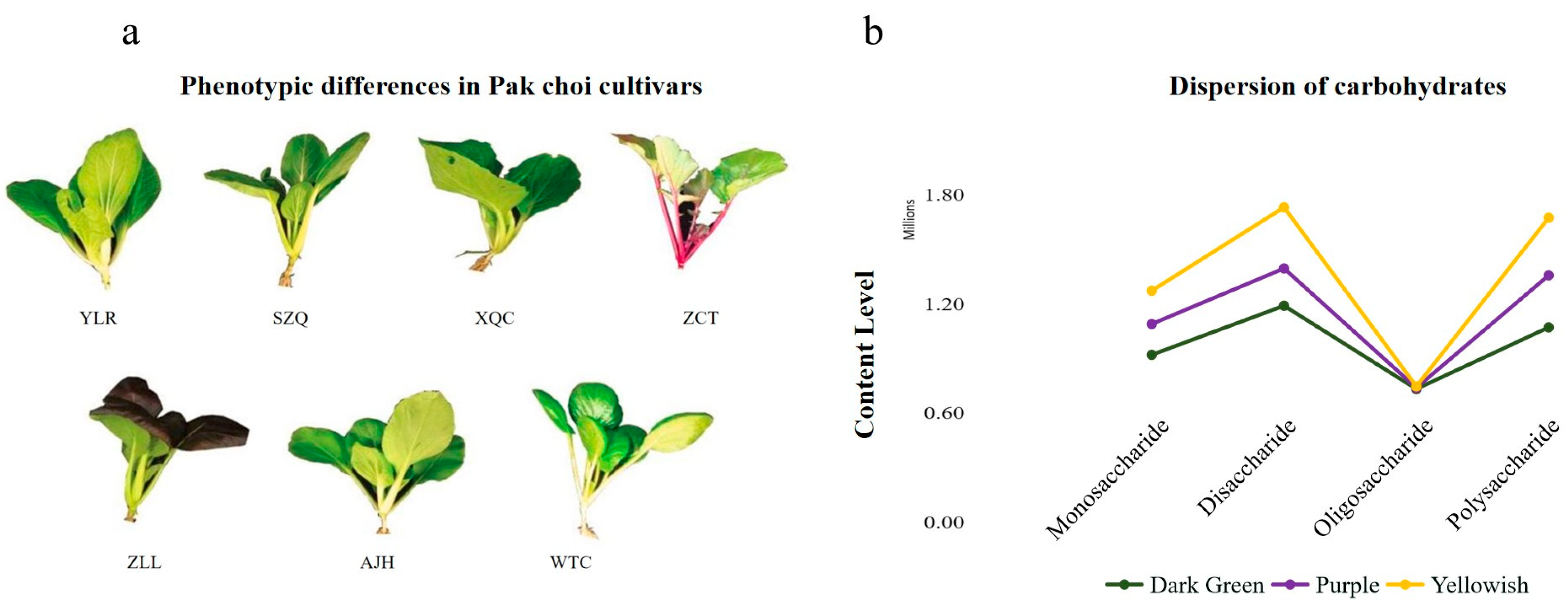
Pak choi is a leafy green vegetable originating from China and is known for its nutritional value. It is important to understand which compound class is dominant and which cultivar contains the most nutritional value. The objective of the investigation was to ascertain how metabolic pathways influence the differences in the physiology, morphology, and nutritional value of different contents of Pak choi cultivars using advanced metabolomic technologies. A total of 513 metabolites fall into various classes, and subclasses were found, focusing on 16 key carbohydrates like simple sugars and complex carbohydrates. They found significant differences between the cultivars, with Suzhouqing having the most carbohydrates and Xiangqingcai having the least. These results are crucial for selecting the best cultivars for targeted metabolome, nutritional benefits, and cultivation. The study also revealed important metabolic pathways and highlighted that some cultivars are better suited for specific needs. By understanding these variations, this research supports better dietary choices and crop breeding strategies, contributing to improved nutrition and sustainable agriculture.
Abstract
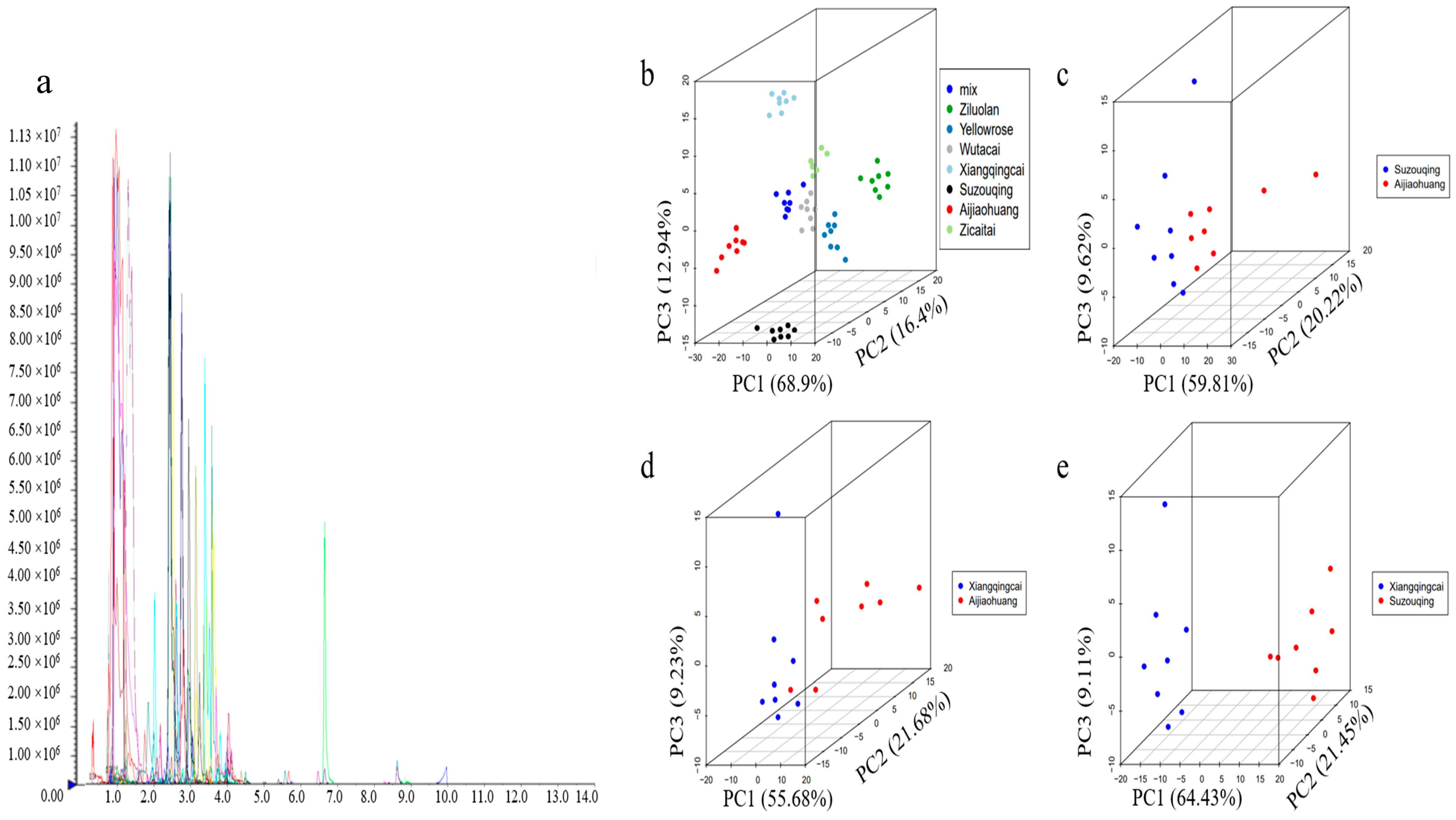
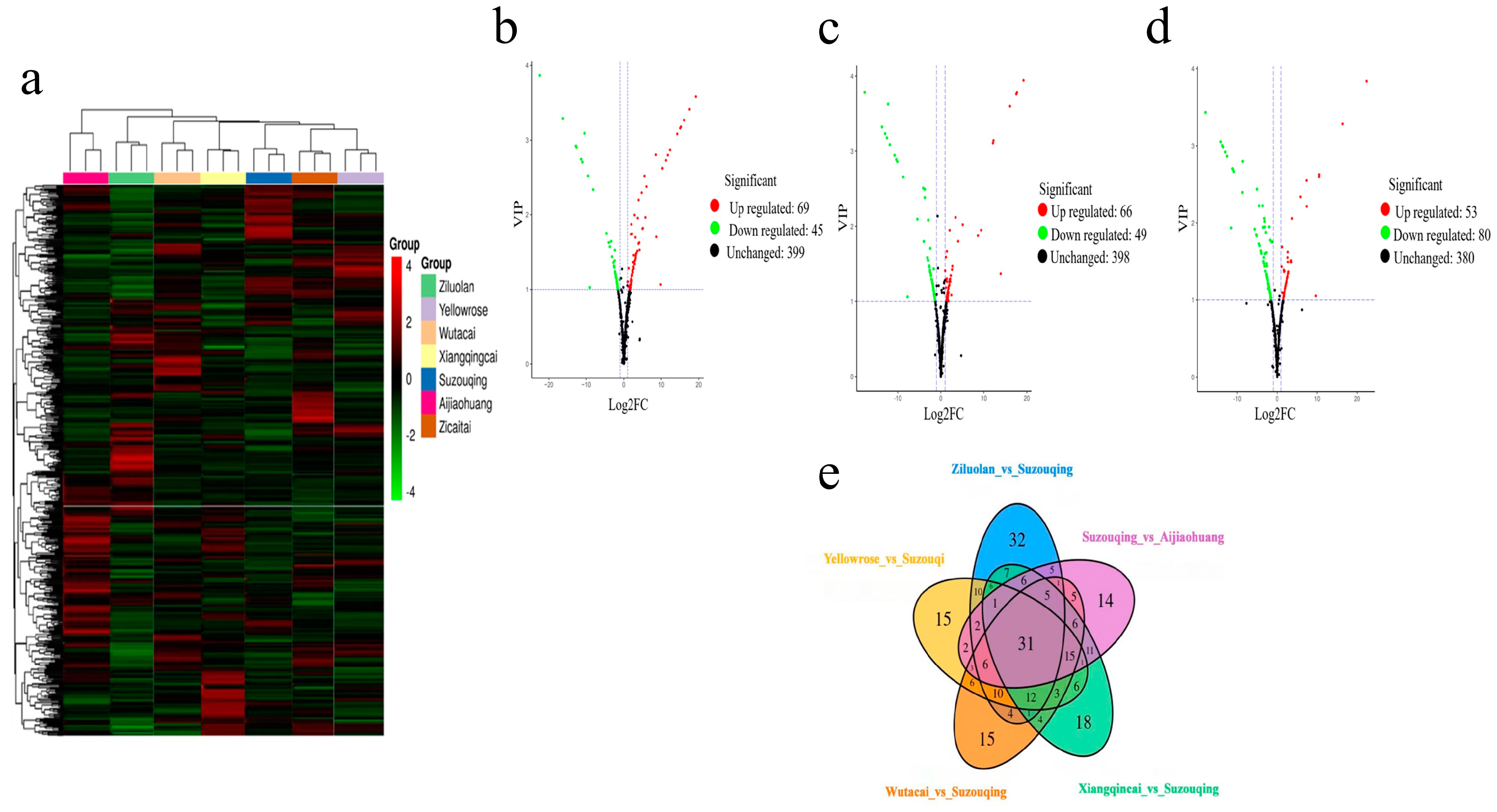
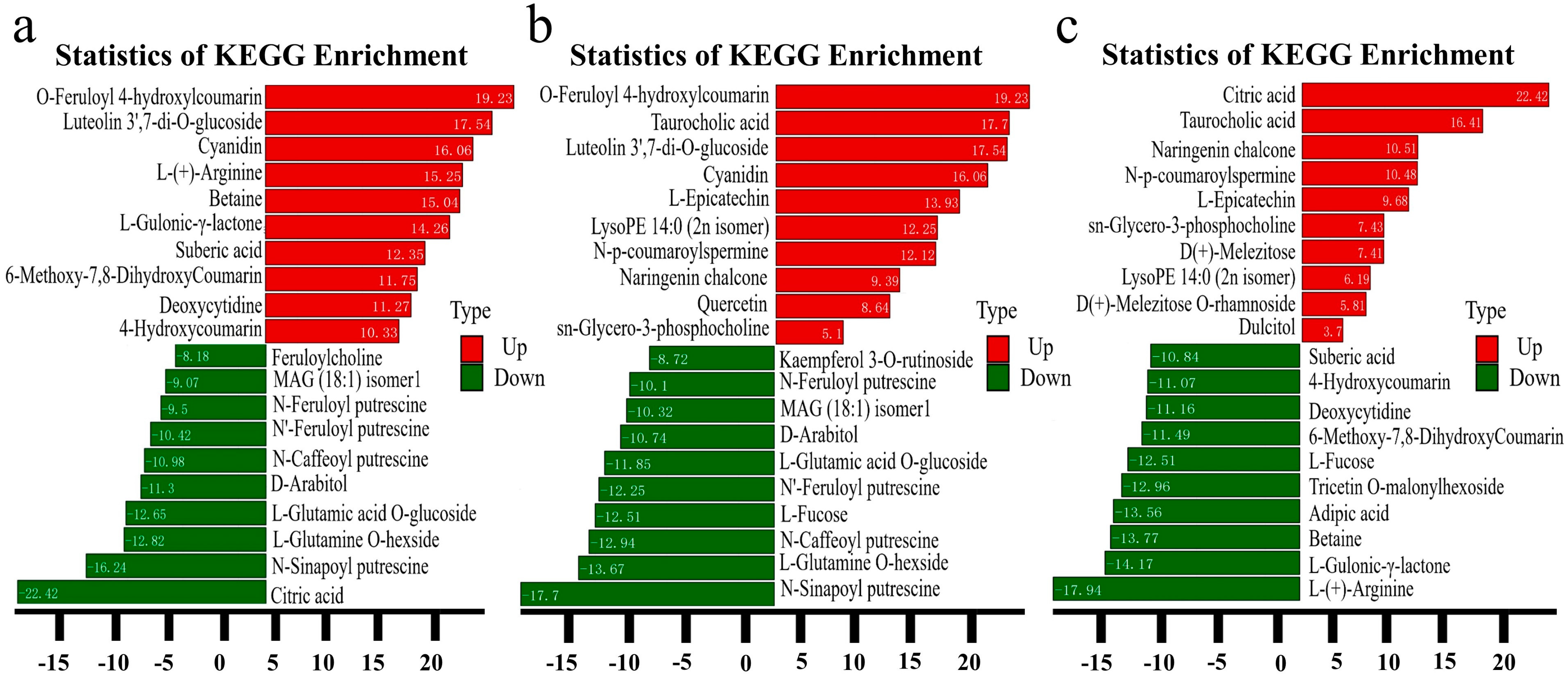
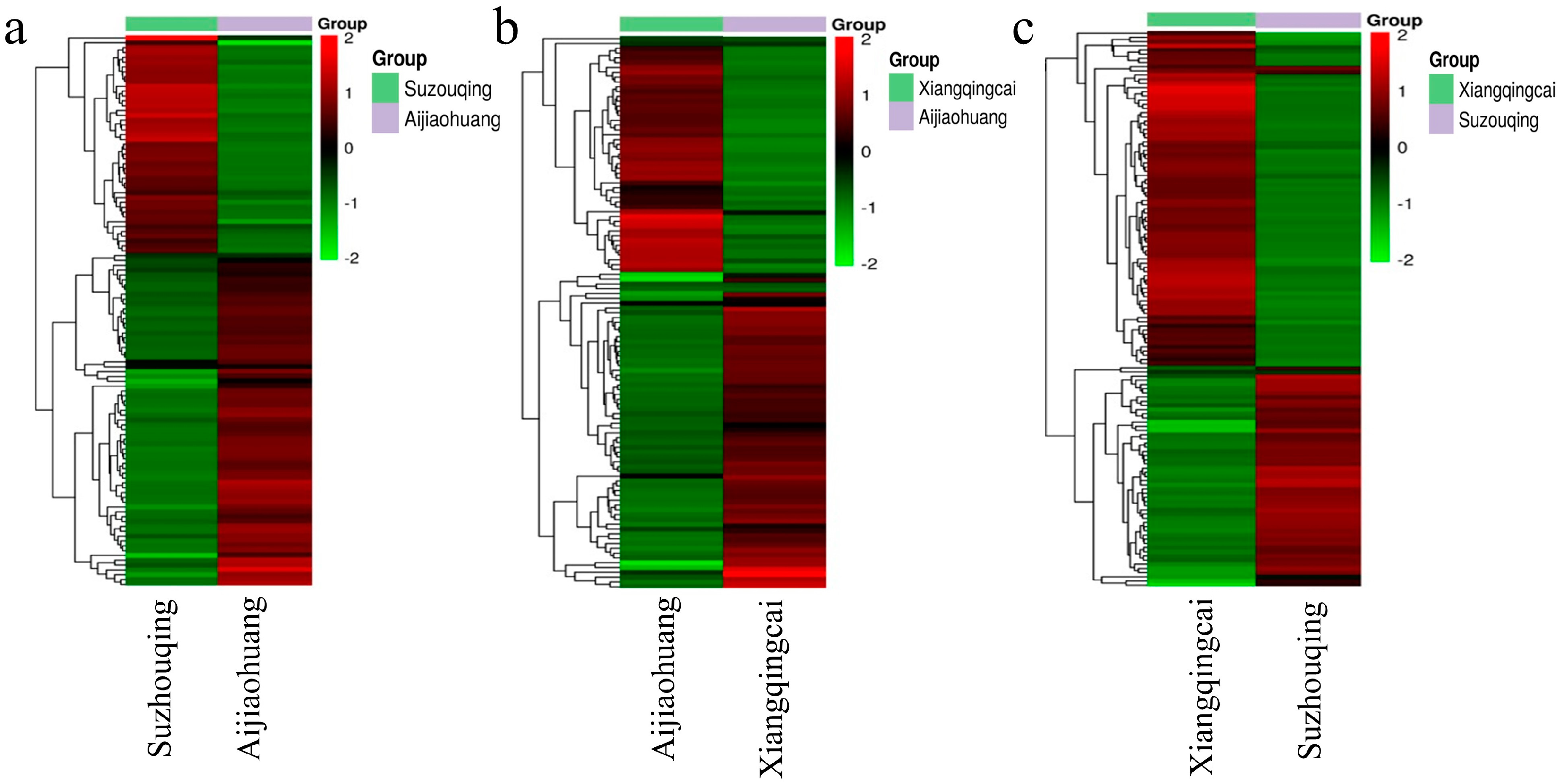
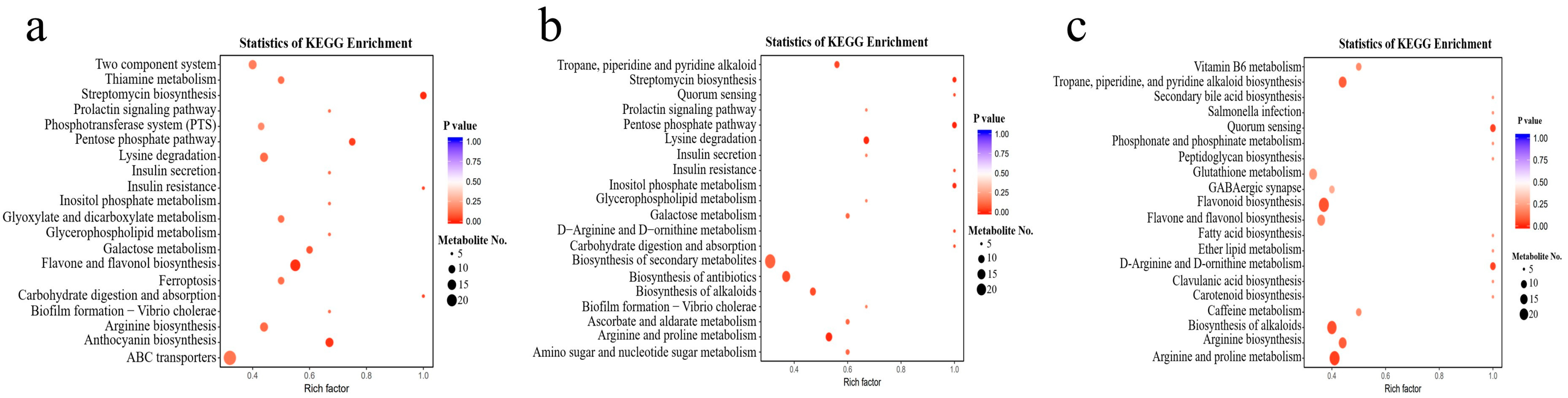
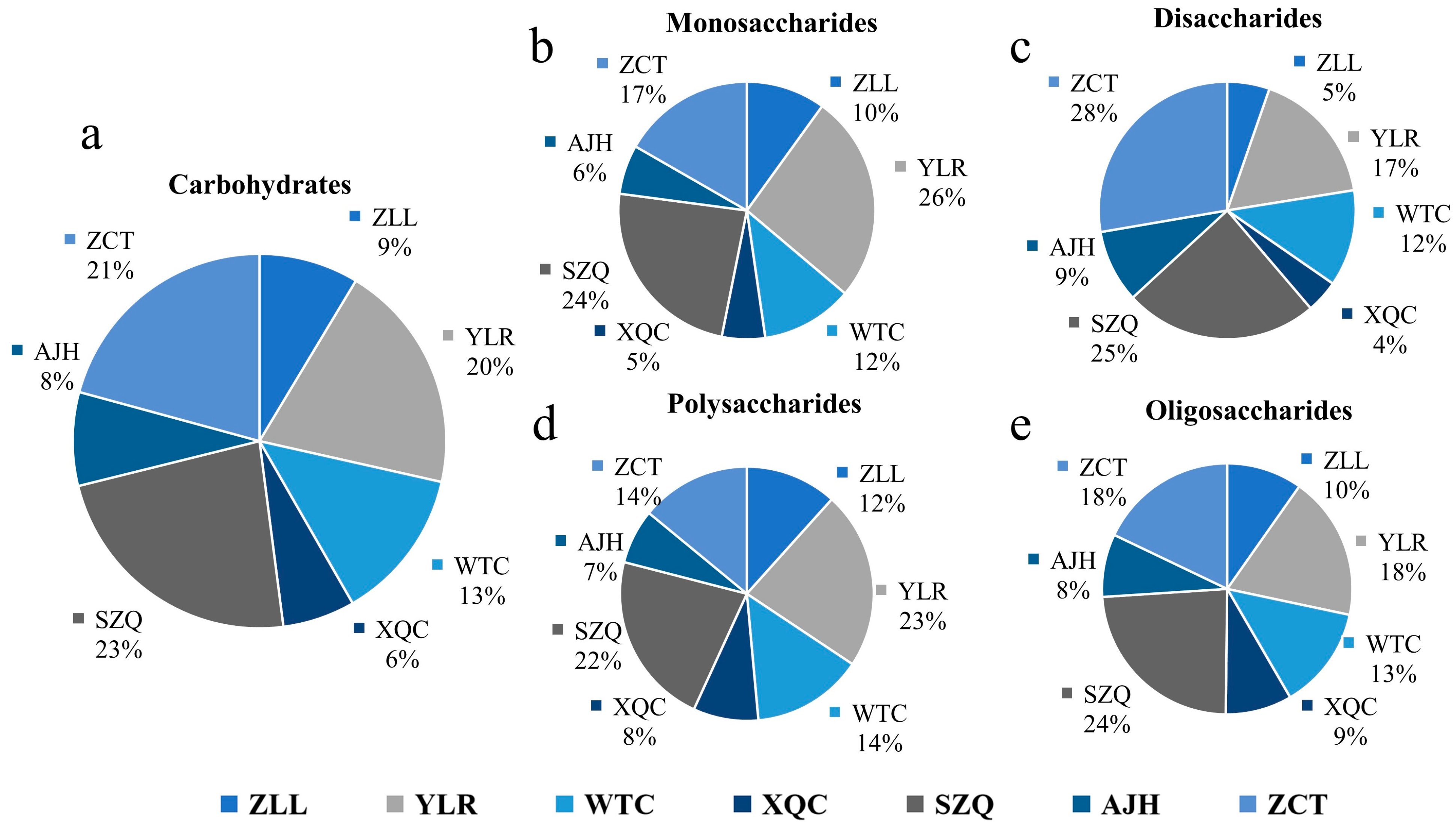
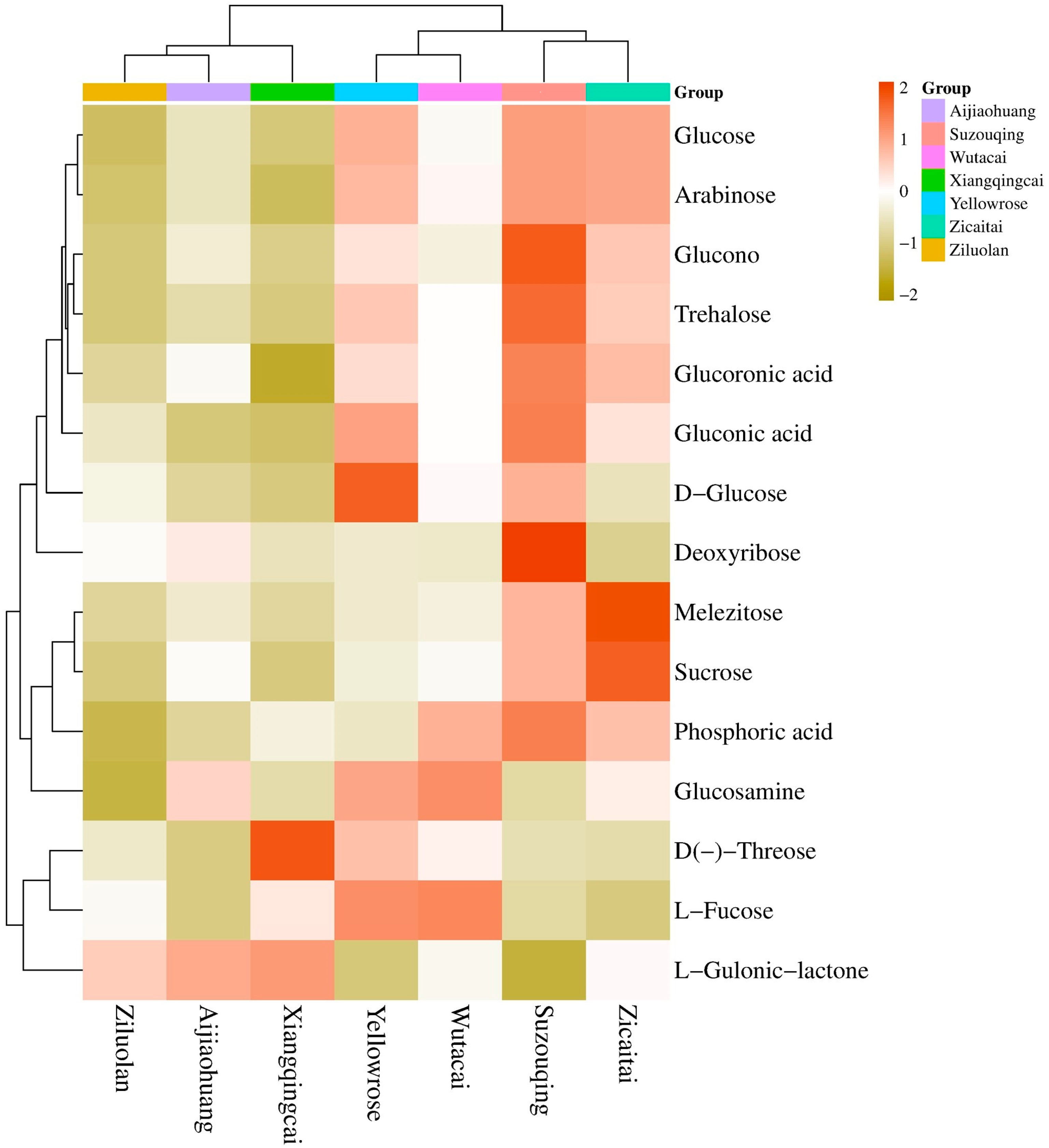
Pak choi exhibits a wide range of phenotypic and morphological variations, significantly impacting its carbohydrate composition. This study aimed to analyze these variations by employing UPLC-MS/MS technology on eight biological replicates of seven Pak choi cultivars. The untargeted metabolic analysis identified 513 metabolites, focusing on 16 key carbohydrates, including monosaccharides, disaccharides, and polysaccharides. Monosaccharides were the most prevalent, which were followed by di-, poly-, and oligosaccharides. Suzhouqing had the highest number of differentially accumulated metabolites (DAMs), while Xiangqingcai had the least. Notably, the cultivars Xiangqingcai, Suzhouqing, and Aijiaohuang showed significant metabolite differentiation. The study found 114 metabolites that differed significantly between Suzhouqing and Aijiaohuang, of which 69 were upregulated and 45 were downregulated. In Xiangqingcai and Aijiaohuang, 66 metabolites were upregulated and 49 were downregulated. Between Xiangqingcai and Suzhouqing, 80 metabolites were downregulated and 53 were upregulated. Key carbohydrate digestion and absorption pathways were identified alongside the most enriched flavonoid biosynthesis pathway in Xiangqingcai and Suzhouqing. The findings highlight the considerable carbohydrate variation among Pak choi cultivars, providing valuable insights for targeted carbohydrate extraction and improving nutritional and agricultural practices.