Article

Can Rice Growth Substrate Substitute Rapeseed Growth Substrate in Rapeseed Blanket Seedling Technology? Lesson from Reactive Oxygen Species Production and Scavenging Analysis

1
Institute of Crop and Nuclear Technology Utilization, Zhejiang Academy of Agricultural Sciences, Hangzhou 310021, China
2
Institute of Crop, Huzhou Academy of Agricultural Sciences, Huzhou 313000, China
3
Zhejiang Agri-Tech Extension and Service Center, Hangzhou 310020, China
*
Author to whom correspondence should be addressed.
Antioxidants 2024, 13(8), 1022; https://doi.org/10.3390/antiox13081022

Submission received: 14 July 2024 / Revised: 16 August 2024 / Accepted: 21 August 2024 / Published: 22 August 2024
(This article belongs to the Special Issue Oxidative Stress and Antioxidant Defense in Plants)

Abstract

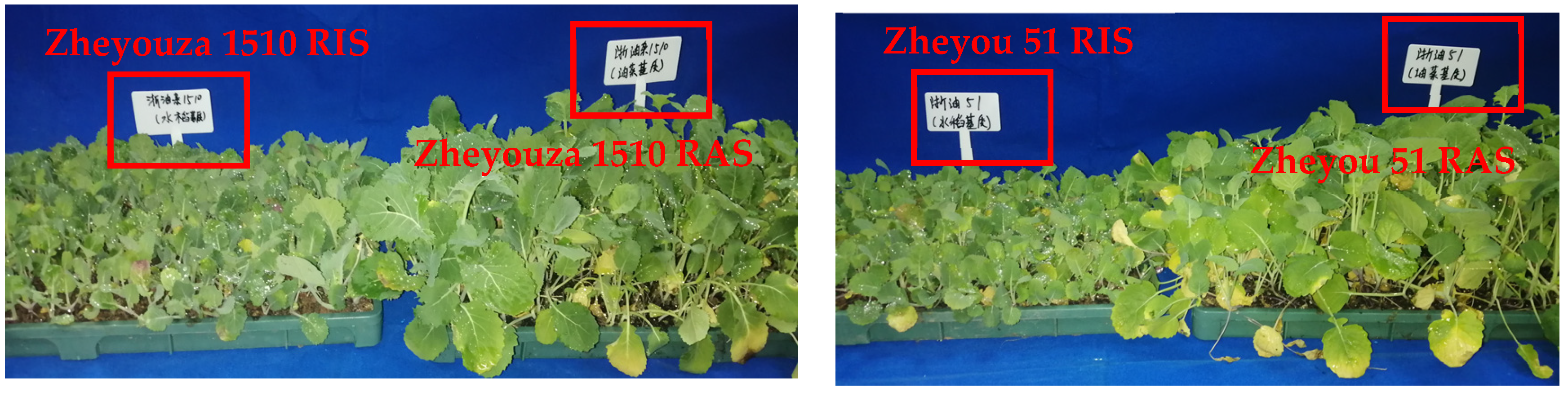
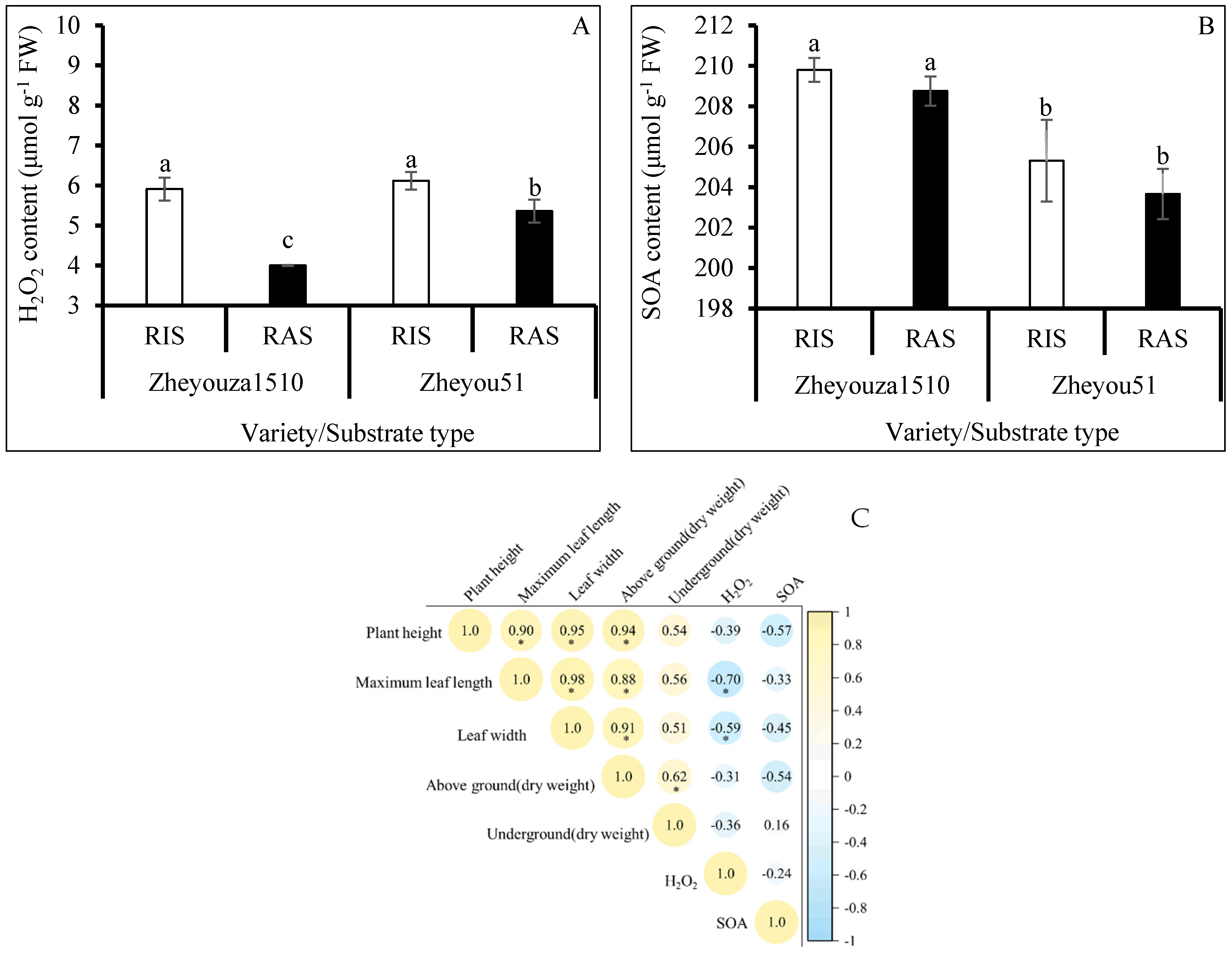
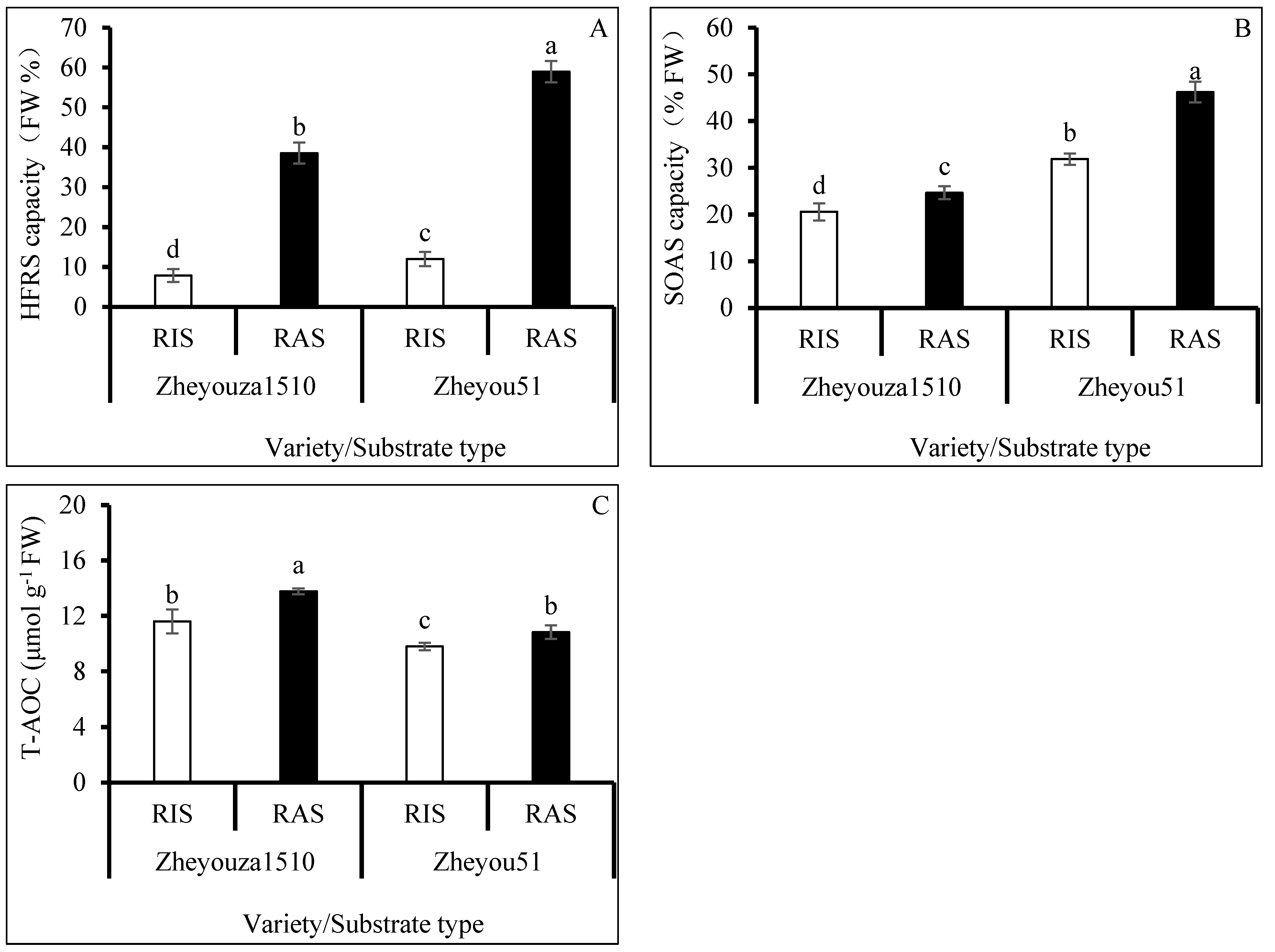
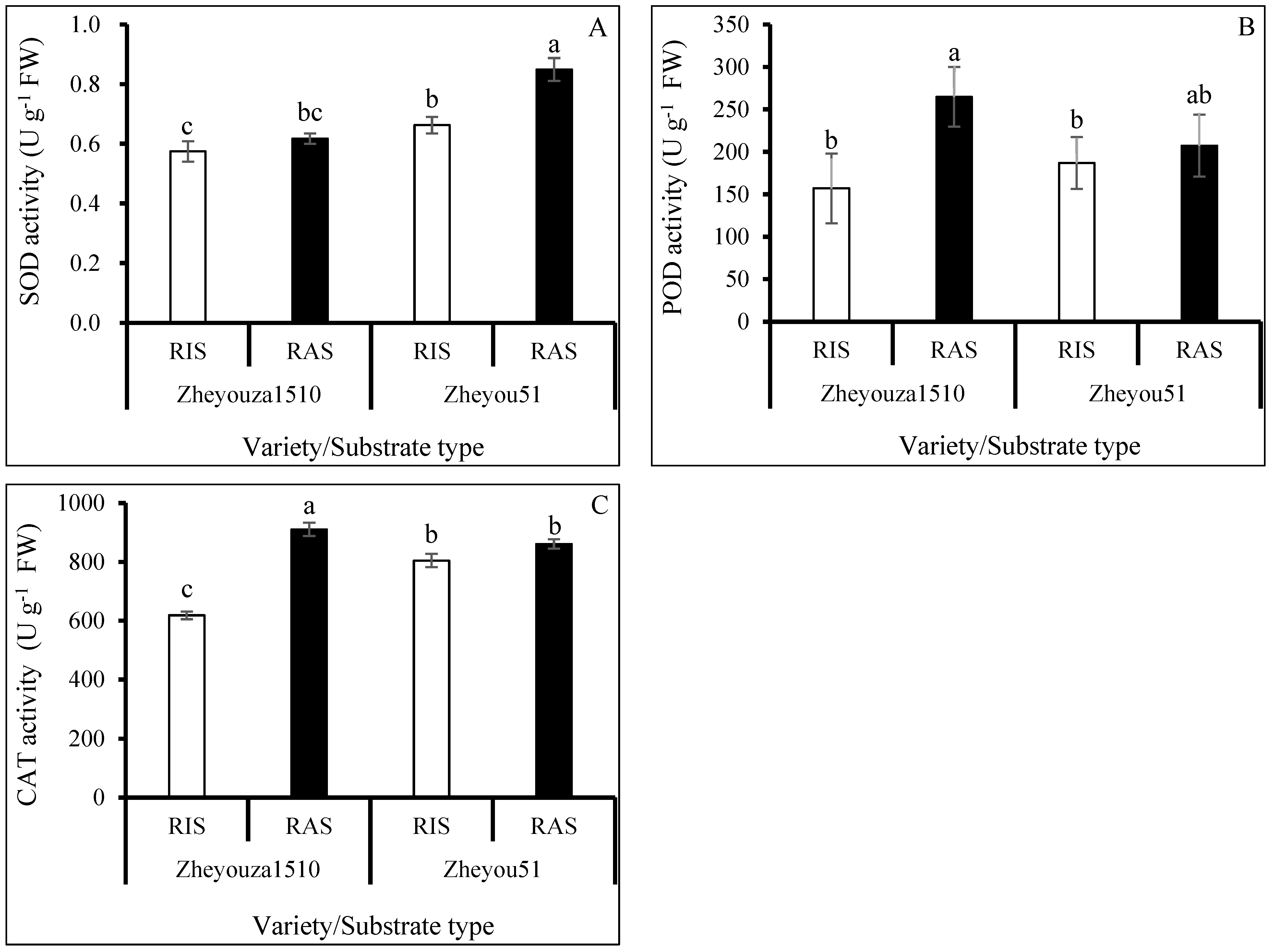
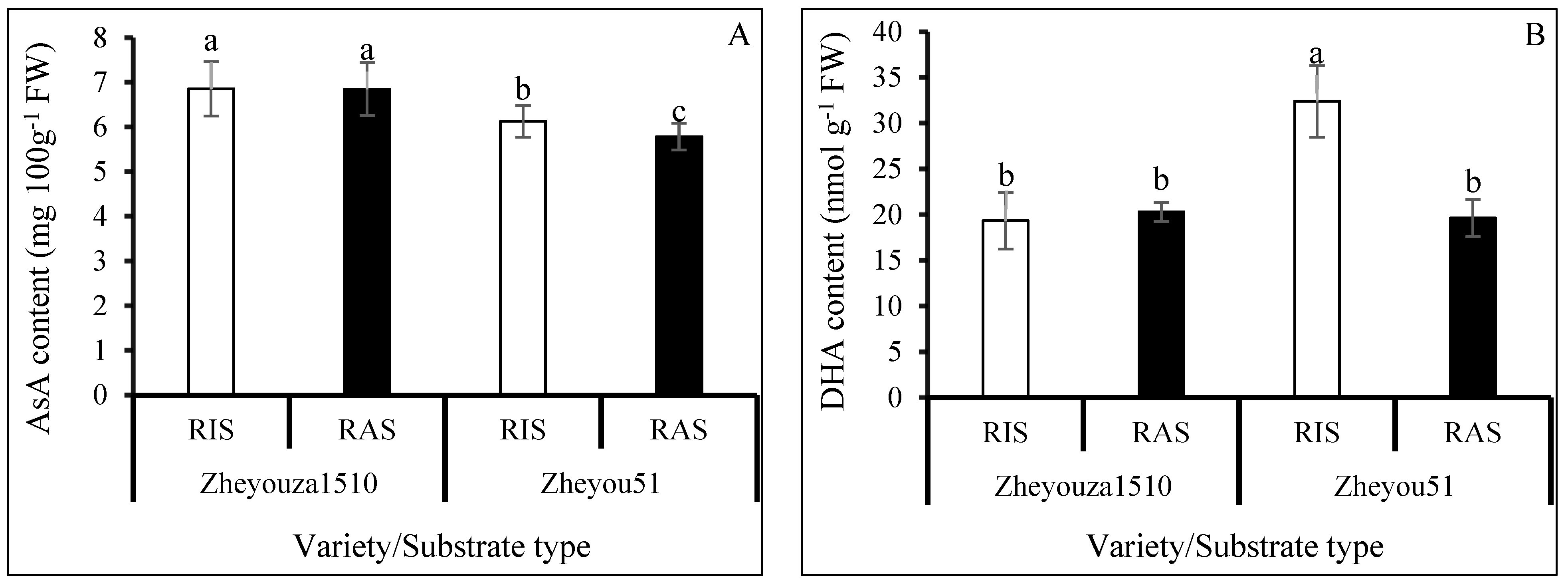
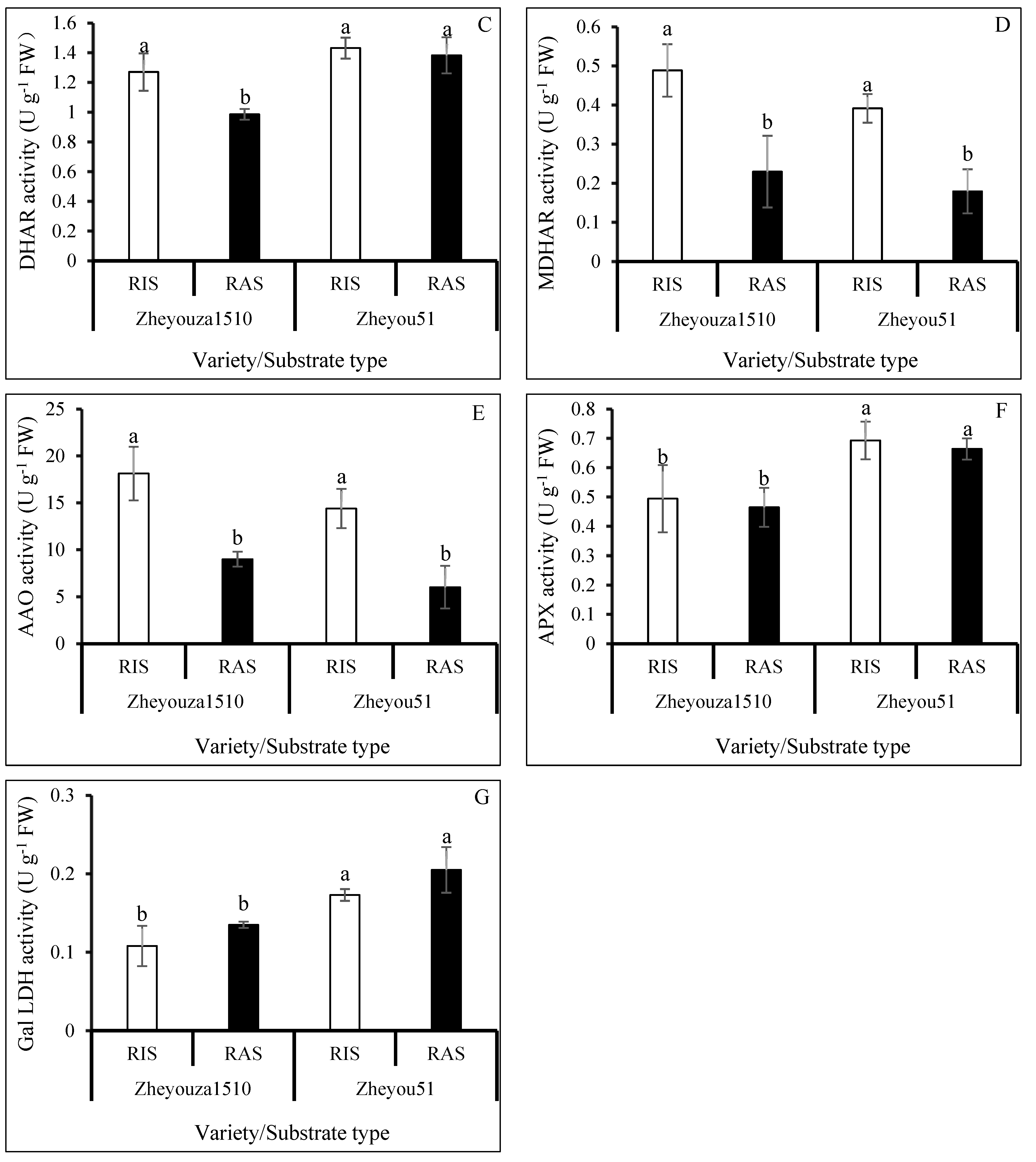
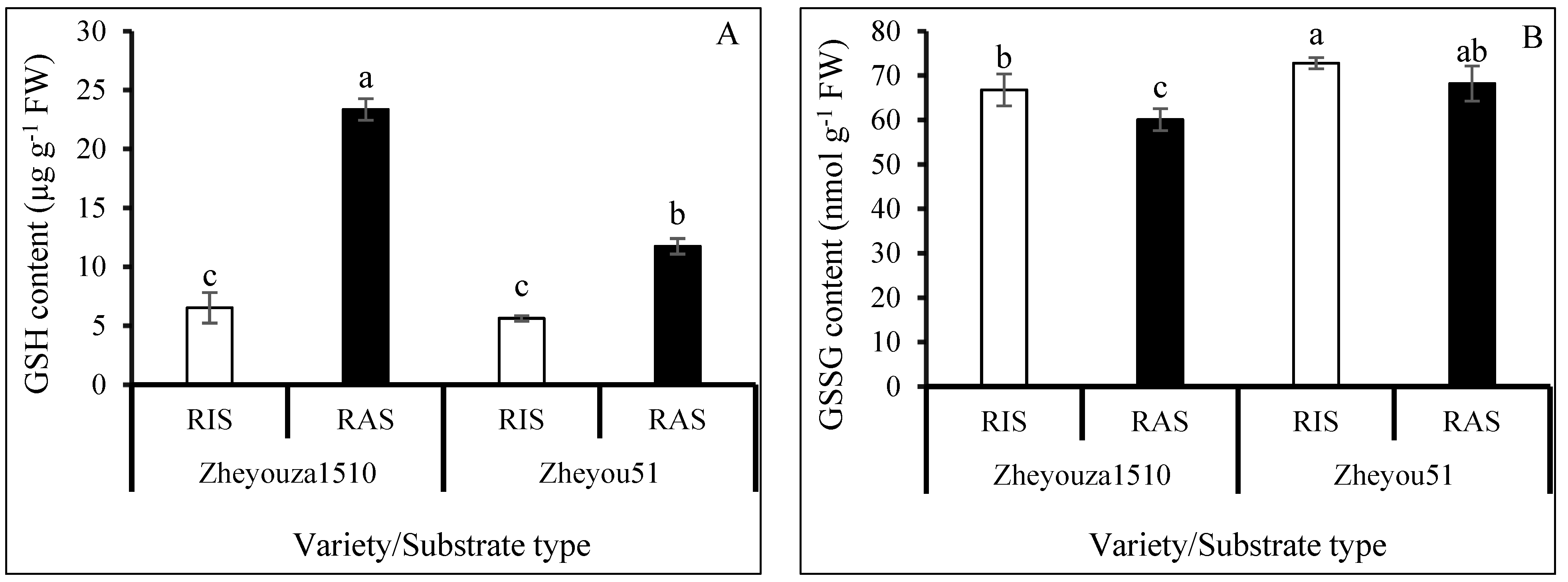
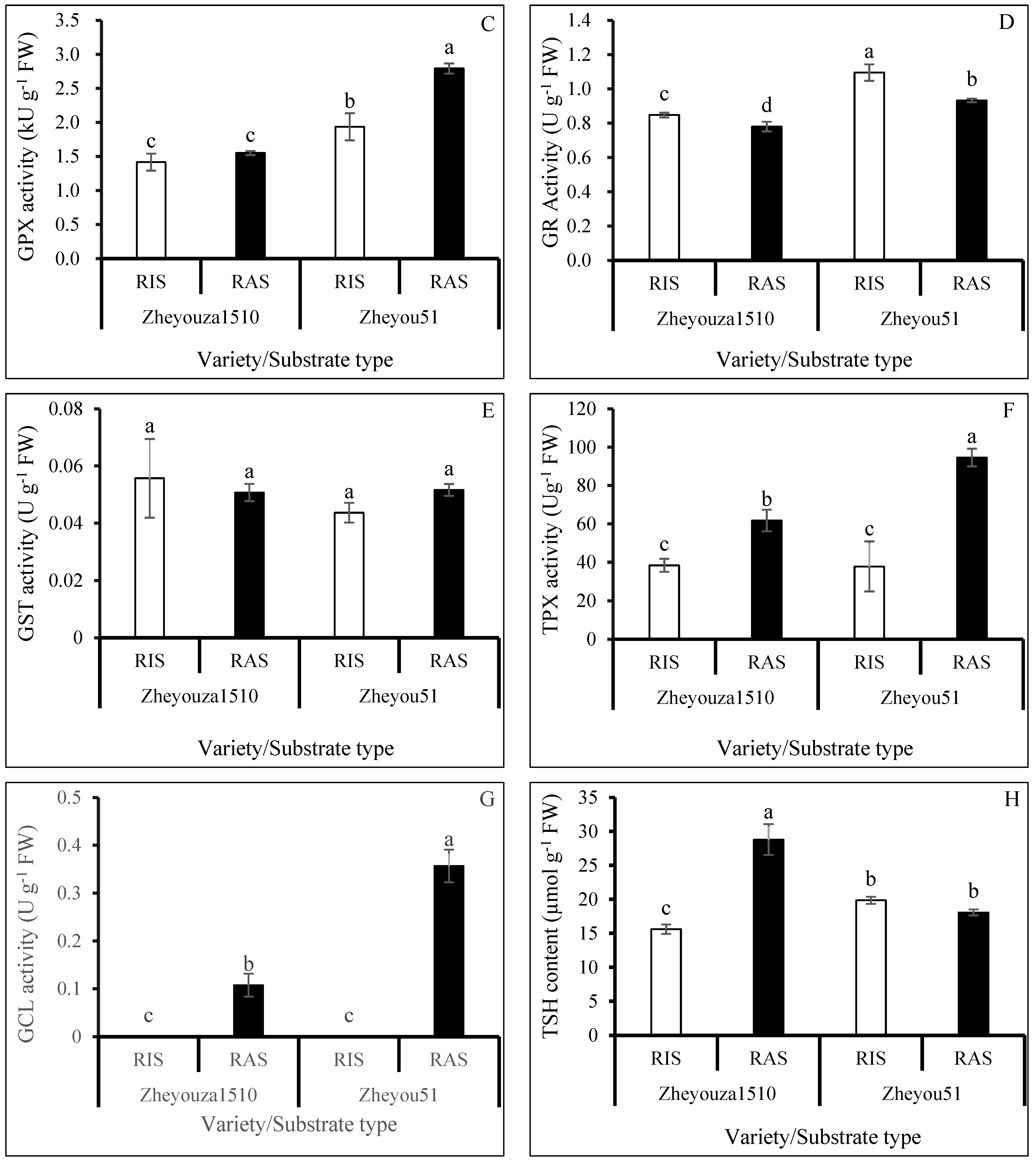
Rapeseed (Brassica napus L.) seedlings suffering from inappropriate growth substrate stress will present poor seedling quality. However, the regulatory mechanism for the production and scavenging of reactive oxygen species (ROS) caused by this type of stress remains unclear. In the current study, a split plot experiment design was implemented with two crop growth substrates—a rice growth substrate (RIS) and rapeseed growth substrate (RAS)—as the main plot and two genotypes—a hybrid and an open-pollinated variety (Zheyouza 1510 and Zheyou 51, respectively)—as the sub-plot. The seedling quality was assessed, and the ROS production/scavenging capacity was evaluated. Enzymatic and non-enzymatic systems, including ascorbic acid and glutathione metabolism, and RNA-seq data were analyzed under the two growth substrate treatments. The results revealed that rapeseed seedling quality decreased under RIS, with the plant height, maximum leaf length and width, and aboveground dry matter being reduced by 187.7%, 64.6%, 73.2%, and 63.8% on average, respectively, as compared to RAS. The main type of ROS accumulated in rapeseed plants was hydrogen peroxide, which was 47.8% and 14.1% higher under RIS than under RAS in the two genotypes, respectively. The scavenging of hydrogen peroxide in Zheyouza 1510 was the result of a combination of enzymatic systems, with significantly higher peroxidase (POD) and catalase (CAT) activity as well as glutathione metabolism, with significantly higher reduced glutathione (GSH) content, under RAS, while higher oxidized glutathione (GSSH) was observed under RIS. However, the scavenging of hydrogen peroxide in Zheyou 51 was the result of a combination of elevated oxidized ascorbic acid (DHA) under RIS and higher GSH content under RAS. The identified gene expression levels were in accordance with the observed enzyme expression levels. The results suggest that the cost of substituting RAS with RIS is a reduction in rapeseed seedling quality contributing to excessive ROS production and a reduction in ROS scavenging capacity.
Keywords: ascorbic acid; Brassica napus L.; crop growth substrate; enzyme; glutathione; reactive oxygen species; seedling quality ascorbic acid; Brassica napus L.; crop growth substrate; enzyme; glutathione; reactive oxygen species; seedling quality