Article

Systemic Dental Pulp Stem Cell Secretome Therapy in a Mouse Model of Amyotrophic Lateral Sclerosis

1
Department of Biomedical Sciences and Comprehensive Care, Indiana University School of Dentistry, Indianapolis, IN 46202, USA
2
Neuromuscular Research Group, Richard L. Roudebush Veterans Affairs Medical Center, Indianapolis, IN 46202, USA
*
Author to whom correspondence should be addressed.
Brain Sci. 2019, 9(7), 165; https://doi.org/10.3390/brainsci9070165

Submission received: 21 June 2019 / Revised: 11 July 2019 / Accepted: 12 July 2019 / Published: 14 July 2019
(This article belongs to the Special Issue Novel Targets and Therapies for Motor Neuron Diseases)

Abstract

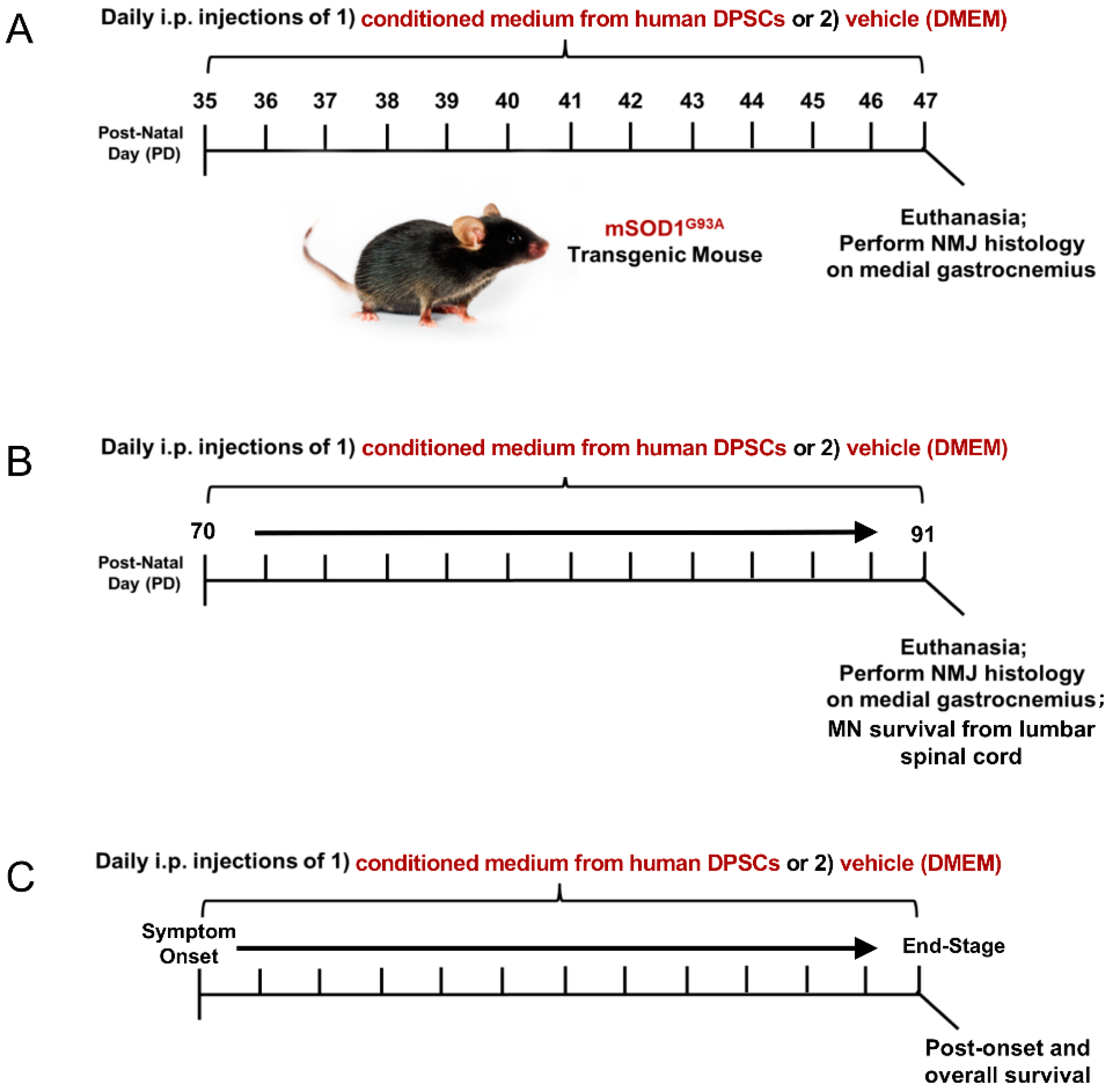
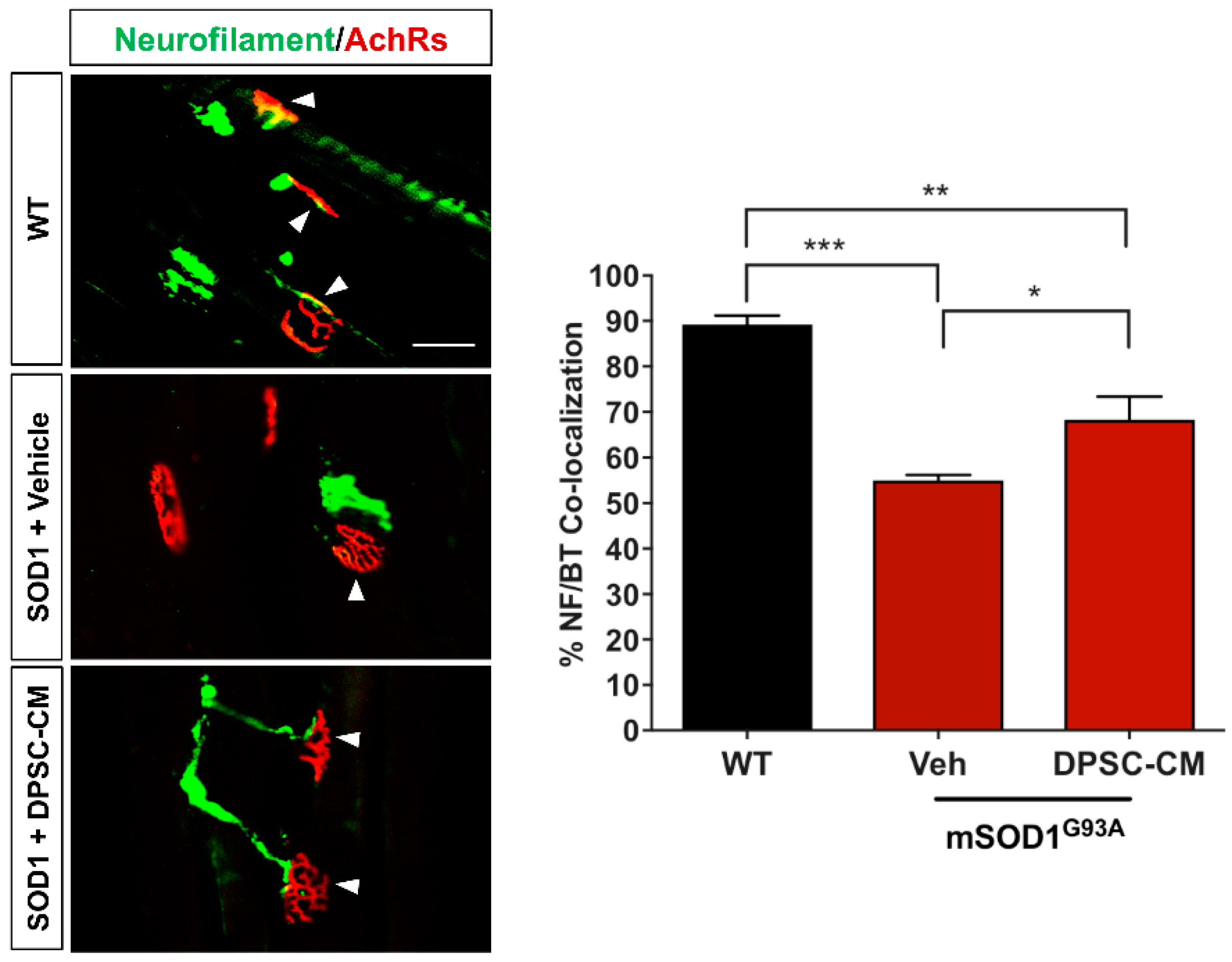
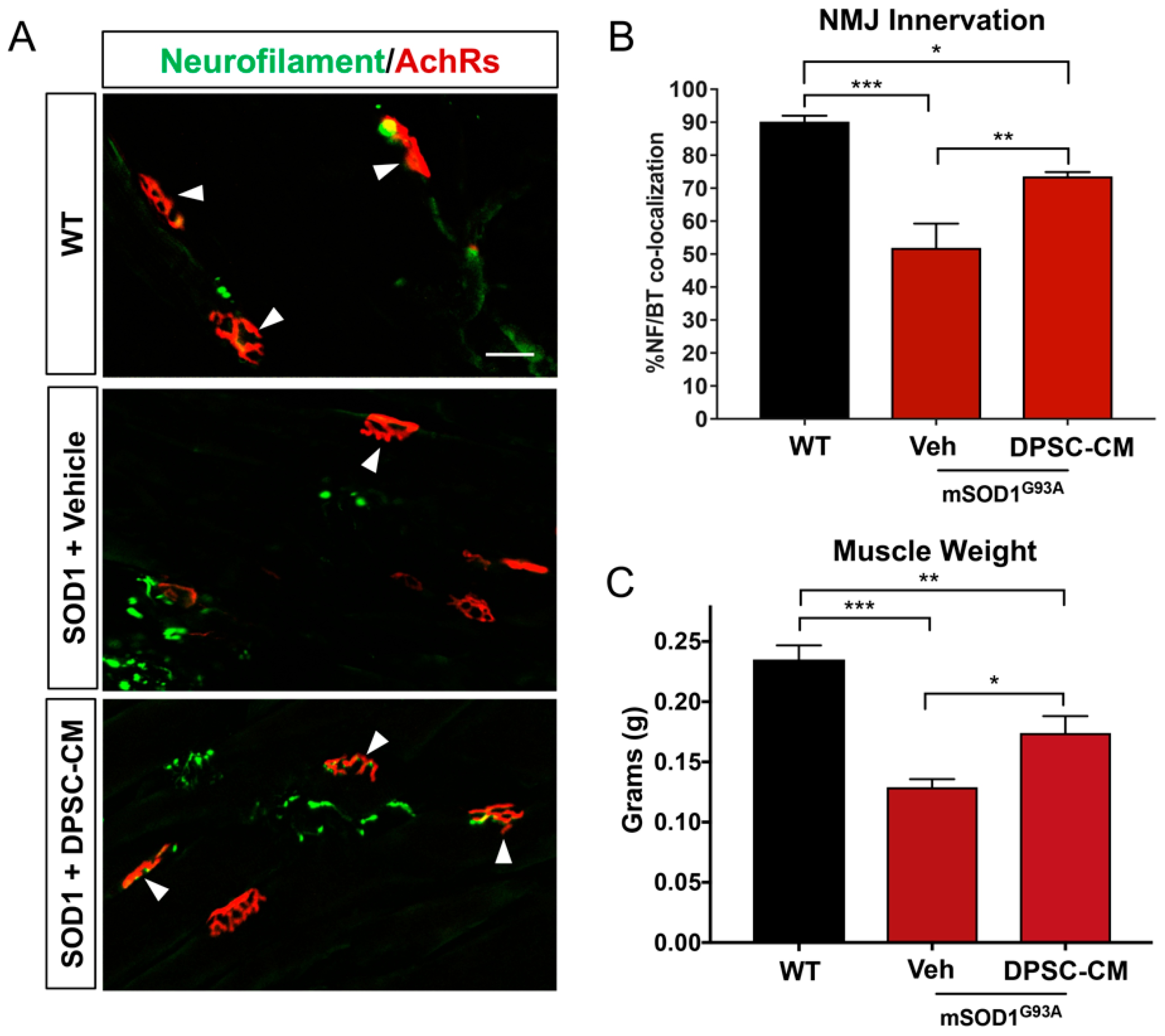
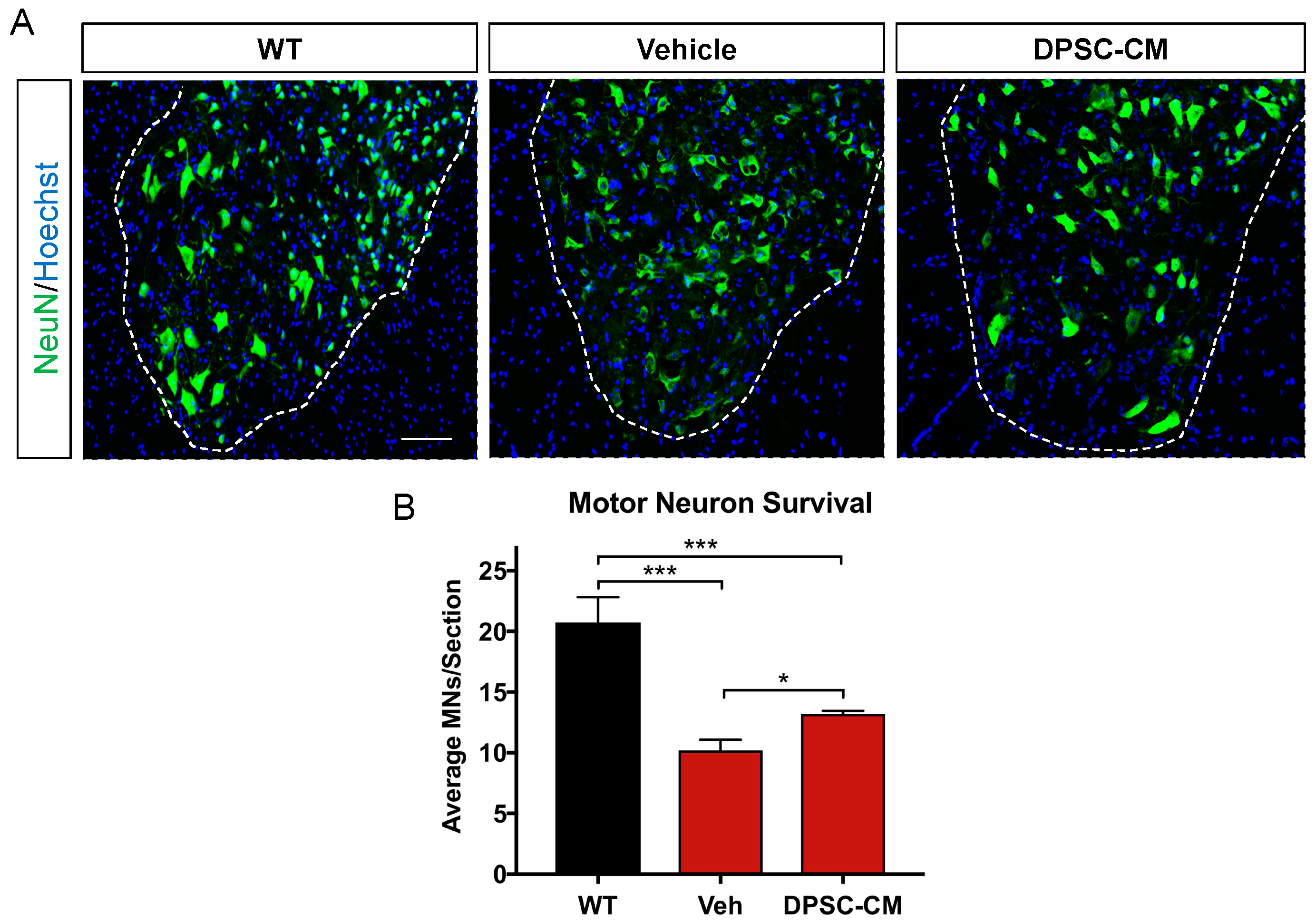
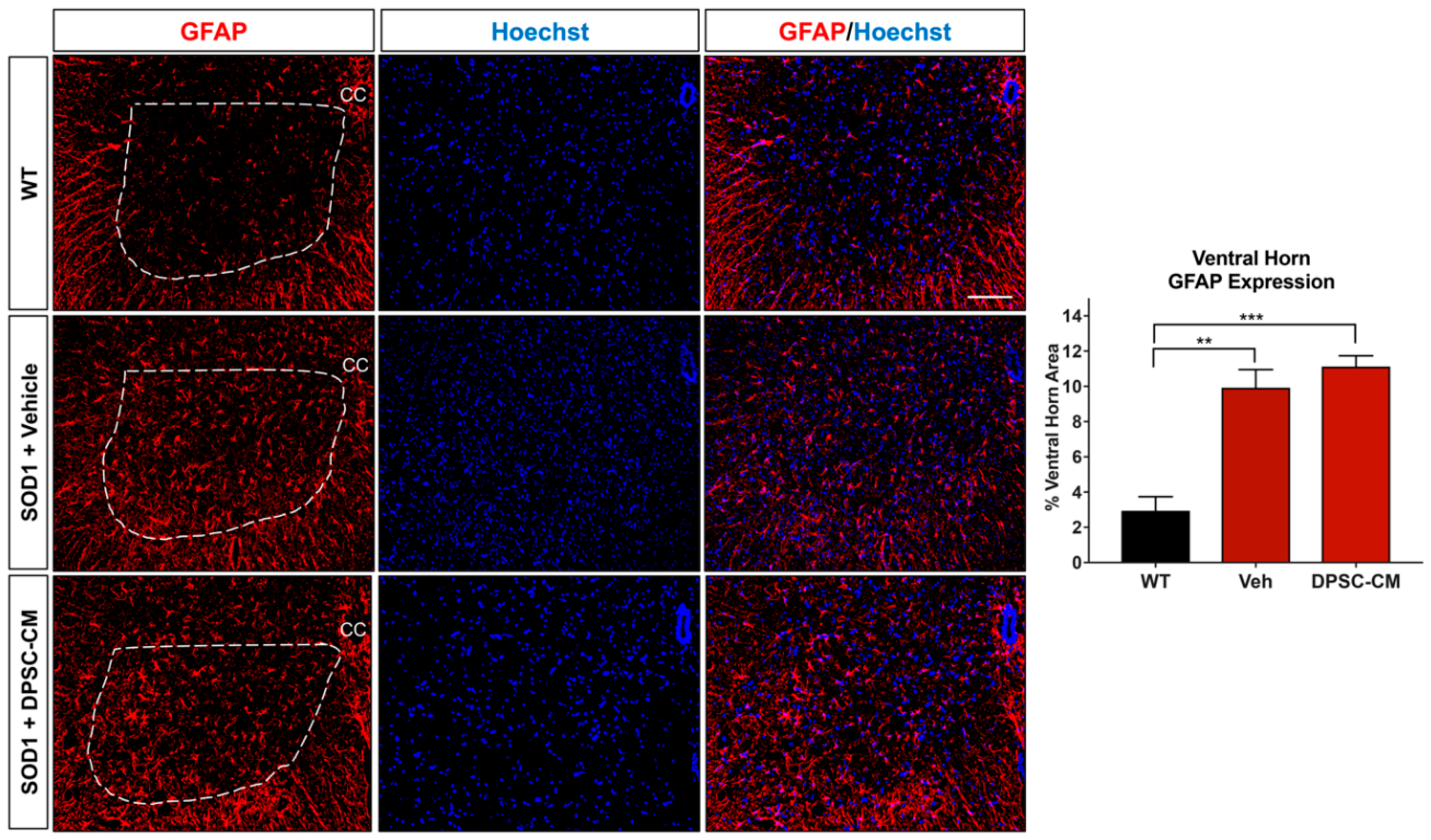
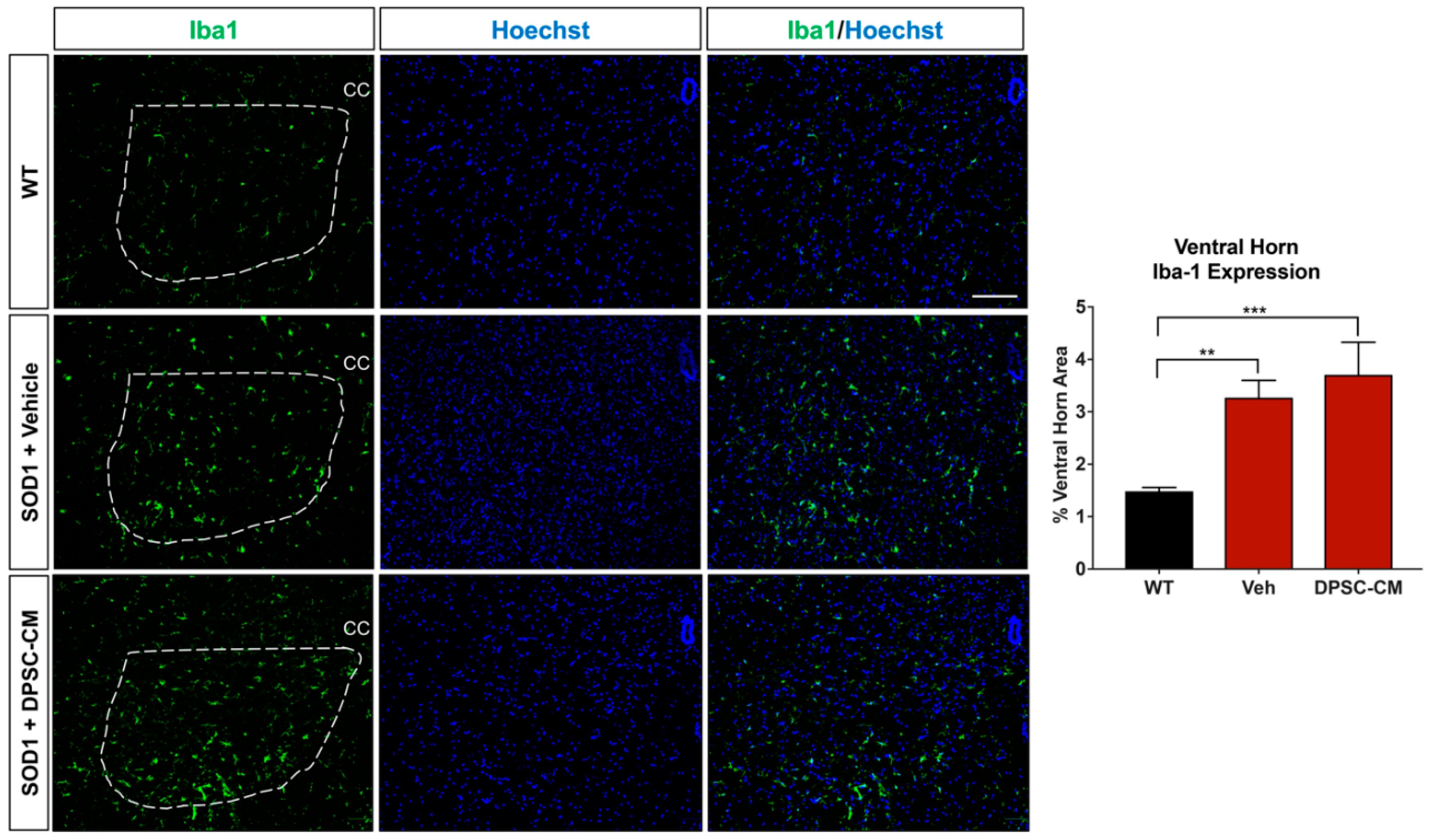
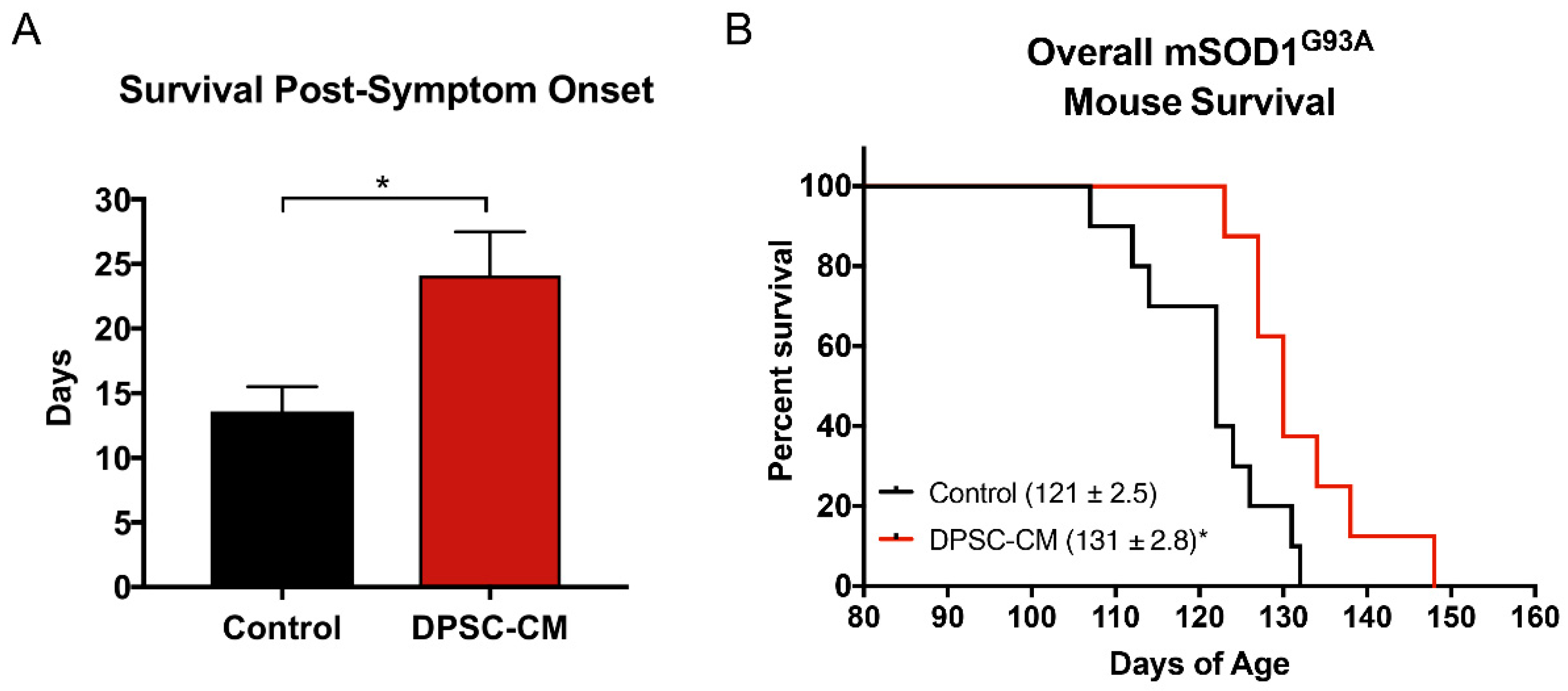
Amyotrophic lateral sclerosis (ALS) is a devastating motor neuron (MN) disease with no cure. Accumulating evidence indicates ALS involves a complex interaction between central glia and the peripheral immune response and neuromuscular interface. Stem cell secretomes contain various beneficial trophic factors and cytokines, and we recently demonstrated that administration of the secretome of adipose-derived stem cells (ASCs) during early neuromuscular junction (NMJ) denervation in the mutant superoxide dismutase (mSOD1G93A) ALS mouse ameliorated NMJ disruption. In the present study, we hypothesized that administration of dental pulp stem cell secretome in the form of conditioned medium (DPSC-CM) at different stages of disease would promote NMJ innervation, prevent MN loss and extend lifespan. Our findings show that DPSC-CM significantly improved NMJ innervation at postnatal day (PD) 47 compared to vehicle treated mSOD1G93A mice (p < 0.05). During late pre-symptomatic stages (PD70-P91), DPSC-CM significantly increased MN survival (p < 0.01) and NMJ preservation (p < 0.05), while reactive gliosis in the ventral horn remained unaffected. For DPSC-CM treated mSOD1G93A mice beginning at symptom onset, post-onset days of survival as well as overall lifespan was significantly increased compared to vehicle treated mice (p < 0.05). This is the first study to show therapeutic benefits of systemic DPSC secretome in experimental ALS, and establishes a foundation for future research into the treatment effects and mechanistic analyses of DPSC and other stem cell secretome therapies in ALS.
Keywords: amyotrophic lateral sclerosis; ALS; dental pulp stem cells; DPSC; secretome; conditioned medium amyotrophic lateral sclerosis; ALS; dental pulp stem cells; DPSC; secretome; conditioned medium