1. Introduction
Demolition waste refers to construction materials generated during the renovation or modification of structures that have been subjected to various loads and external effects throughout their service life [
1]. Large-scale demolition activities, particularly following seismic disasters, produce enormous amounts of waste debris. The 6 February 2023 Kahramanmaraş earthquakes alone resulted in 350 to 850 million tons of demolition waste [
2]. Official figures released in 2023 indicate that Türkiye has 28.6 million buildings, 6.7 million (~23.4%) of which are classified as structurally risky in the event of an earthquake [
3]. Consequently, earthquake-prone countries like Türkiye must undergo urgent urban renewal efforts [
4]. However, this process leads to massive demolition waste disposal challenges. Demolition waste may contain concrete blocks, bricks, lime, wood, metal, bituminous, and plastic materials. In terms of mass, 75–80% of this waste consists of concrete and brick materials [
5]. A study has determined that approximately 60% of 1 m
3 of demolition waste can be recycled, while another study has reported that this rate can reach up to 90% [
6]. However, unfortunately, worldwide, these wastes are not fully utilized, and a significant portion is disposed of in vacant lands [
7].
The storage of demolition waste not only incurs high costs but also poses environmental risks. On the other hand, in line with the principle of sustainability, research on the reuse of demolition waste continues. The partial use of recycled concrete aggregate (RCA) instead of newly produced virgin aggregate can help reduce carbon emissions to some extent, particularly those generated during the production and transportation of aggregates extracted from quarries located far from residential areas [
8,
9]. Research has been conducted on the various applications of recycled concrete aggregate (RCA) in the construction sector. In particular, numerous studies in the literature have explored the use of RCA in road base and subbase construction [
10,
11,
12]. A summary of some of these studies and the findings obtained is as follows.
In a study conducted by Aytekin (2023) [
1], recycled concrete aggregate (RCA) was mixed with crushed limestone aggregate at ratios of 0%, 25%, 50%, 75%, and 100%. The findings indicated that some of these mixtures met the lower limit values specified in the Technical Specifications of the Turkish Republic Highways (KTŞ). However, it was also noted that RCA alone did not meet the required specification standards [
1]. In another study conducted by Tabyang et al. (2022) [
13], municipal solid waste ash was used to improve the strength of RCA for use in road construction. As alkali activators, liquid sodium metasilicate (Na
2SiO
3) and sodium hydroxide (NaOH) solutions were added. The study investigated the suitability of the resulting material for use as a pavement base. The findings revealed that the best results were obtained when 10% municipal solid waste ash was added [
13]. In a study conducted by Arulrajah et al. (2016) [
14], demolition waste consisting of bricks and concrete was stabilized for road base applications using mixtures of fly ash, blast furnace slag, and carbide sludge. The binder content in the mixtures was adjusted to 10%, and the materials were combined in binary combinations at different ratios. Additionally, an alkali activator was introduced to enhance bond formation within the mixture. The final mixture was prepared for use in road base and subbase layers. The best performance was achieved using a combination of 5% carbide sludge and 5% blast furnace slag [
14]. Fly ash has also been used to improve the properties of soil layers. In their 2022 study, Chompoorat et al. found that fly ash added to cement at a rate of up to 15% met the standards required for soil reinforcement [
15]. In general, RCA is reported to have low or inconsistent strength values, high porosity, and consequently high water absorption capacity and abrasion values. Due to these drawbacks, it is recommended that RCA should be reinforced with natural aggregates or other additive materials [
1,
13,
16]. On the other hand, it is also known that the addition of materials such as cement and lime improves the properties of RCA for use in road layers [
17,
18]. However, the production of cement and lime releases a significant amount of carbon emissions into the environment [
19,
20]. Data indicates that 10% of global carbon emissions result from cement production, while 2% originate from lime production. According to these figures, the production of 1 ton of Portland cement leads to the emission of 1 ton of CO
2 into the atmosphere [
12]. To summarize, as evident from the literature review, a significant volume of concrete waste is projected to be generated in the near future. Without proper planning, this waste will be disposed of in vacant areas, posing a threat to the environment. On the other hand, research and strategic planning can facilitate the reuse of RCA. Previous studies have shown that materials composed entirely of 100% RCA do not yield successful results when used alone in road base and subbase applications [
1,
11,
18,
21,
22]. At this point, it is recommended that RCA either be mixed with virgin aggregate or enhanced with different mixtures. Studies indicate that improving the properties of RCA would be beneficial for its utilization in construction applications [
23,
24]. Although cement and lime are commonly used materials for enhancing RCA properties, researchers are investigating alternative materials with a lower carbon footprint. At this point, various pozzolanic waste materials, such as fly ash and blast furnace slag, can be used as alternatives to cement due to their binding properties [
15]. In particular, it has been found that the use of materials with high Ca(OH)
2 content as alkaline activators improves bonding capabilities [
25]. In this study, two different waste materials (CCS, SSA) are used to improve RCA properties.
Calcium carbide sludge (CCS) is a waste byproduct generated from the hydrolysis of calcium carbide during acetylene gas production. It contains a high amount of Ca(OH)
2 [
26] and is classified as an alkali-activated material with low carbon emissions [
11]. Due to its Ca(OH)
2 content, CCS is known to exhibit binding properties by reacting with materials containing silicon and aluminum oxides [
5,
13,
27]. It has been observed that, due to its binding ability, CCS enhances the strength of the materials it is mixed with while reducing their permeability [
28]. Additionally, studies have shown that CCS lowers the hydration heat, thereby reducing the risk of thermal cracking. It also improves resistance to chemical deterioration caused by sulfates and chlorides [
29]. The proportion of CCS added as an alkali activator in the material must be carefully considered; if added in insufficient quantities, it cannot create an adequate alkaline medium and will not provide the desired benefits. When too much is added, the strength obtained decreases, etringite formation is observed, the environment becomes excessively alkaline, which damages the C-S-H bonds, and finally, an excessive amount of unreacted calcium hydroxide remains in the environment, which reacts with CO
2 to form porous limestone, which increases permeability. Therefore, it is important that almost all of the CCS added to the mixture is consumed [
30,
31]. In previous studies, the ratio of CCS to binder has ranged from 10% to 40% [
32,
33,
34,
35,
36,
37,
38]. CCS is generally dried in the sun or in an oven to a constant moisture content, ground, and passed through sieves with apertures of 40 or smaller. It has been determined that the lower the particle size, the more reactive it is [
25,
32,
39]. A study conducted in 2024 determined that 28 million tons of CCS is produced worldwide annually, with approximately 55% of it being utilized [
40]. Additionally, the production volume continues to increase each year [
41]. On the other hand, a study in Türkiye in 2019 reported that waste CCS could not be reused and was instead transported to storage sites [
42]. Globally, the unused portion of CCS in recycling is disposed of in vacant lands, causing environmental damage and leading to issues such as unpleasant odors [
43]. Therefore, planning for its reuse through research is important.
In this study, sewage sludge ash (SSA) was used alongside carbide sludge to improve the properties of recycled concrete aggregate (RCA). The use of CCS together with SSA is mechanistically justified by the pozzolan–lime synergy between Ca(OH)
2-rich CCS and the reactive aluminosilicate phases in SSA [
25,
28]. In cementitious and alkali-activated systems, the amorphous silica in SSA can consume calcium hydroxide and contribute to additional C–S–H-type gel formation, while Ca(OH)
2-based residues provide both a highly alkaline pore solution and Ca
2+ that promote precursor dissolution and hydrated gel precipitation. Consequently, adopting an SSA-rich blend can be theoretically rationalized as a balance that supplies sufficient Ca(OH)
2 for activation while maximizing reactive silica availability and minimizing unreacted Ca(OH)
2 [
44,
45]. Sewage sludge is a semi-solid/liquid material collected from wastewater treatment plants [
46]. With population growth and infrastructure development worldwide, the production of municipal solid waste is expected to increase significantly, reaching 3.4 billion tons by 2050 [
47]. These wastes cause various environmental problems. In recent years, they have played a significant role in the formation of mucilage. Mucilage is an organic material produced by various marine organisms and negatively affects marine life due to its structure and odor [
48]. A study has found that nitrogen and phosphorus in sewage waste are critical factors in the formation of mucilage, and this problem intensifies in stagnant inland seas [
49]. One of the most effective solutions to this issue is waste incineration plants. In these facilities, sewage waste is converted into solid waste and then transformed into thermal energy, thus providing a sustainable benefit by generating energy while preventing the release of hard-to-recycle waste into the sea [
50]. The incineration of solid waste results in the formation of three new types of waste: bottom ash, fly ash, and gas emissions. The use of bottom ash and fly ash as construction materials is an area of ongoing research. The presence of active alkalis in the ashes has further encouraged studies in this field. However, the physical and chemical properties of the ash vary depending on factors such as the facility where it is produced, the type of raw material burned, and the process used (incineration or treatment) [
51].
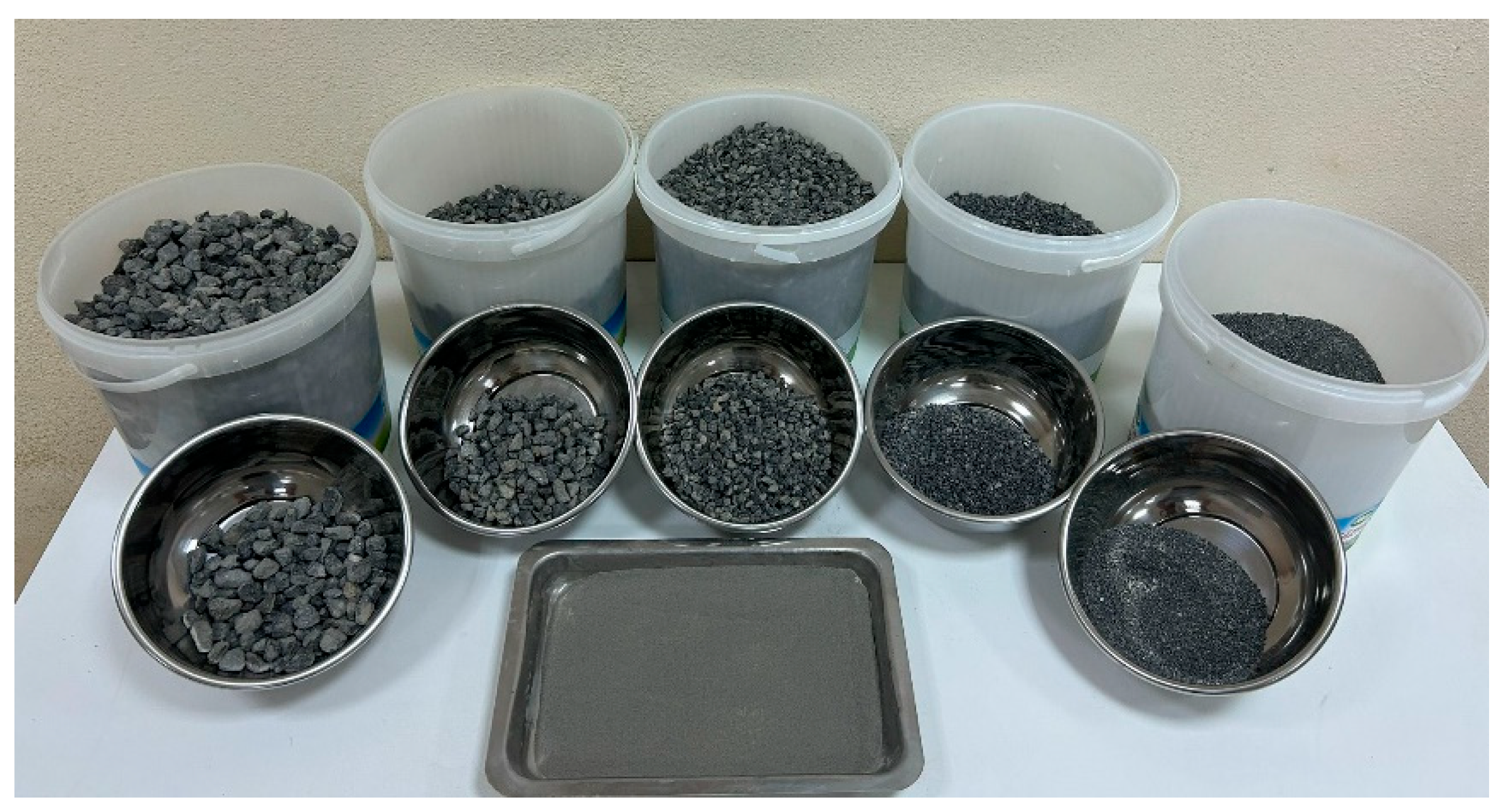
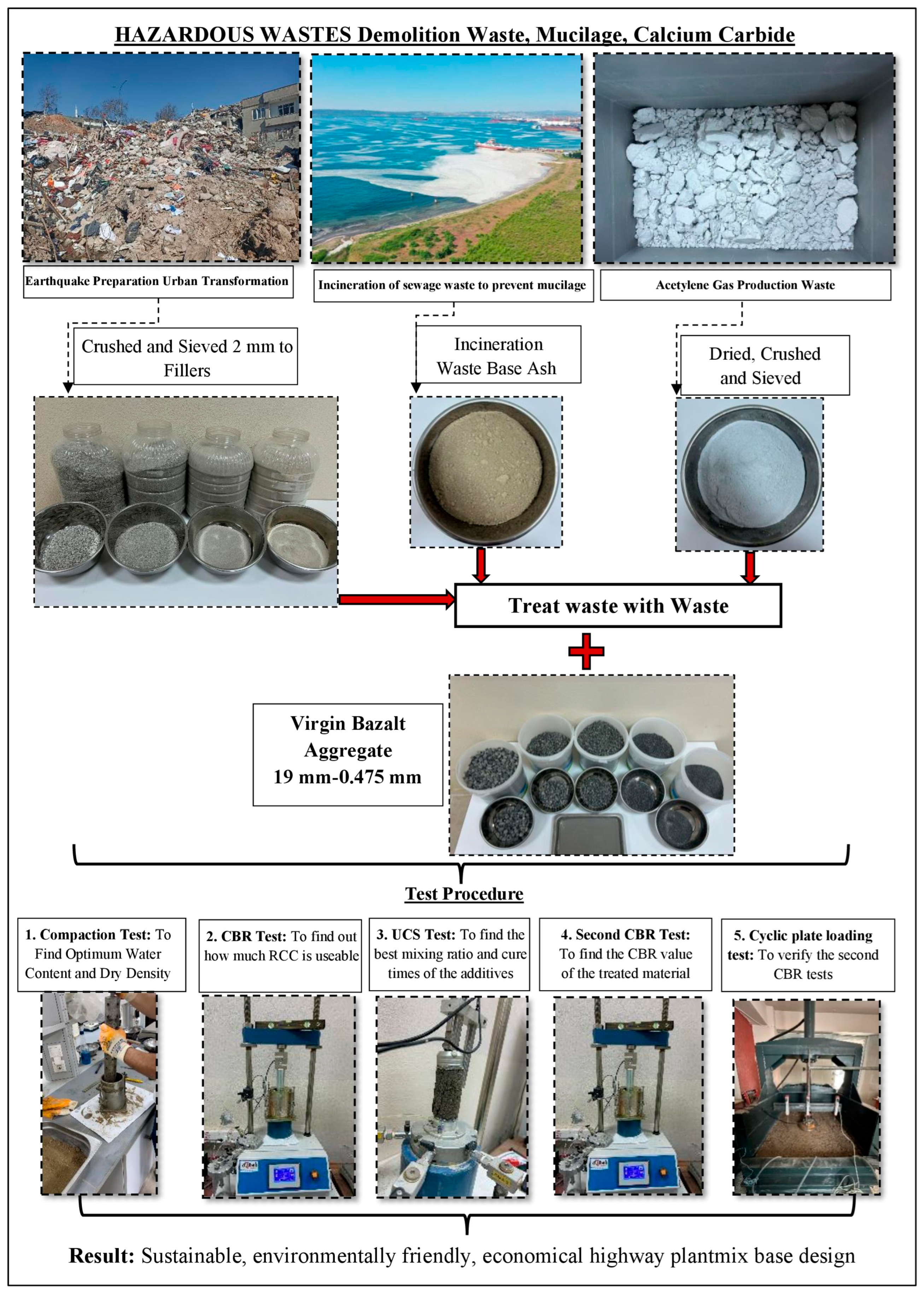
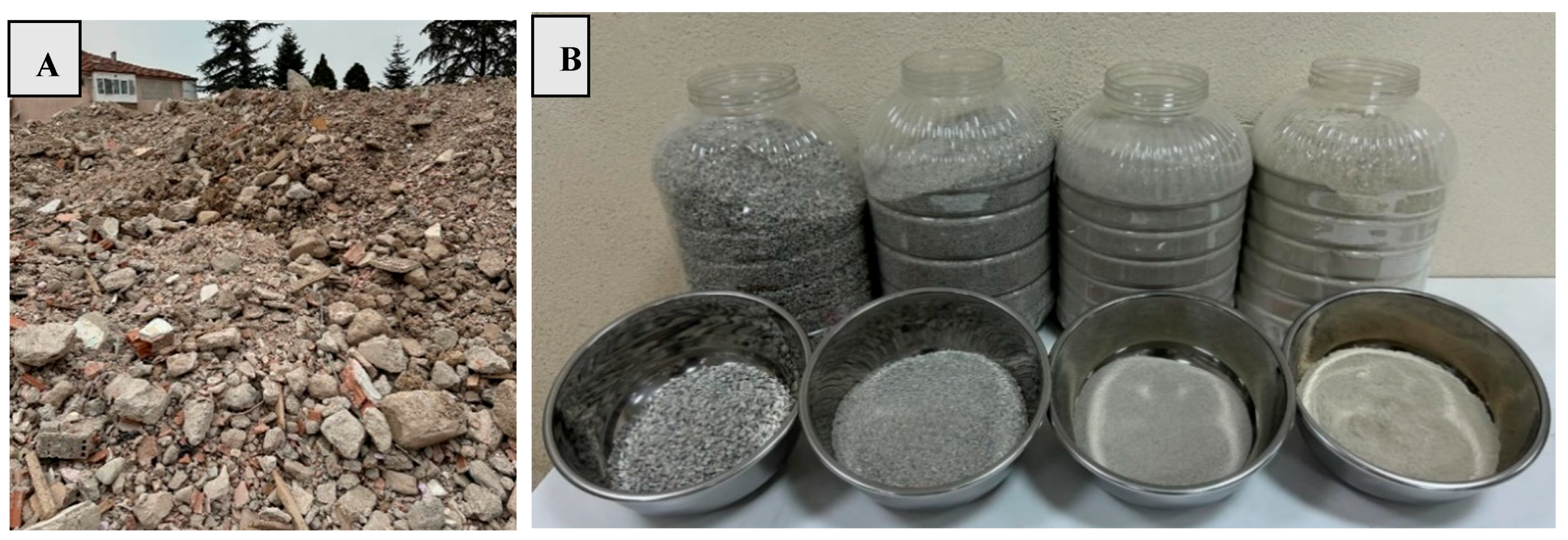
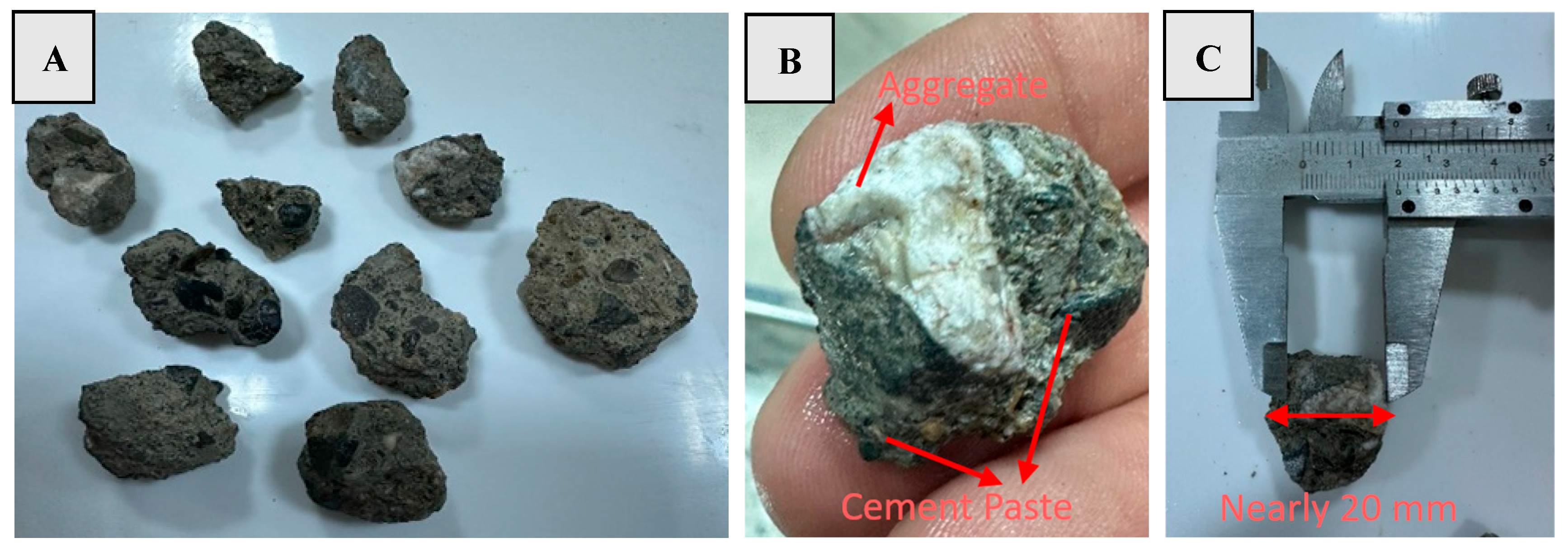
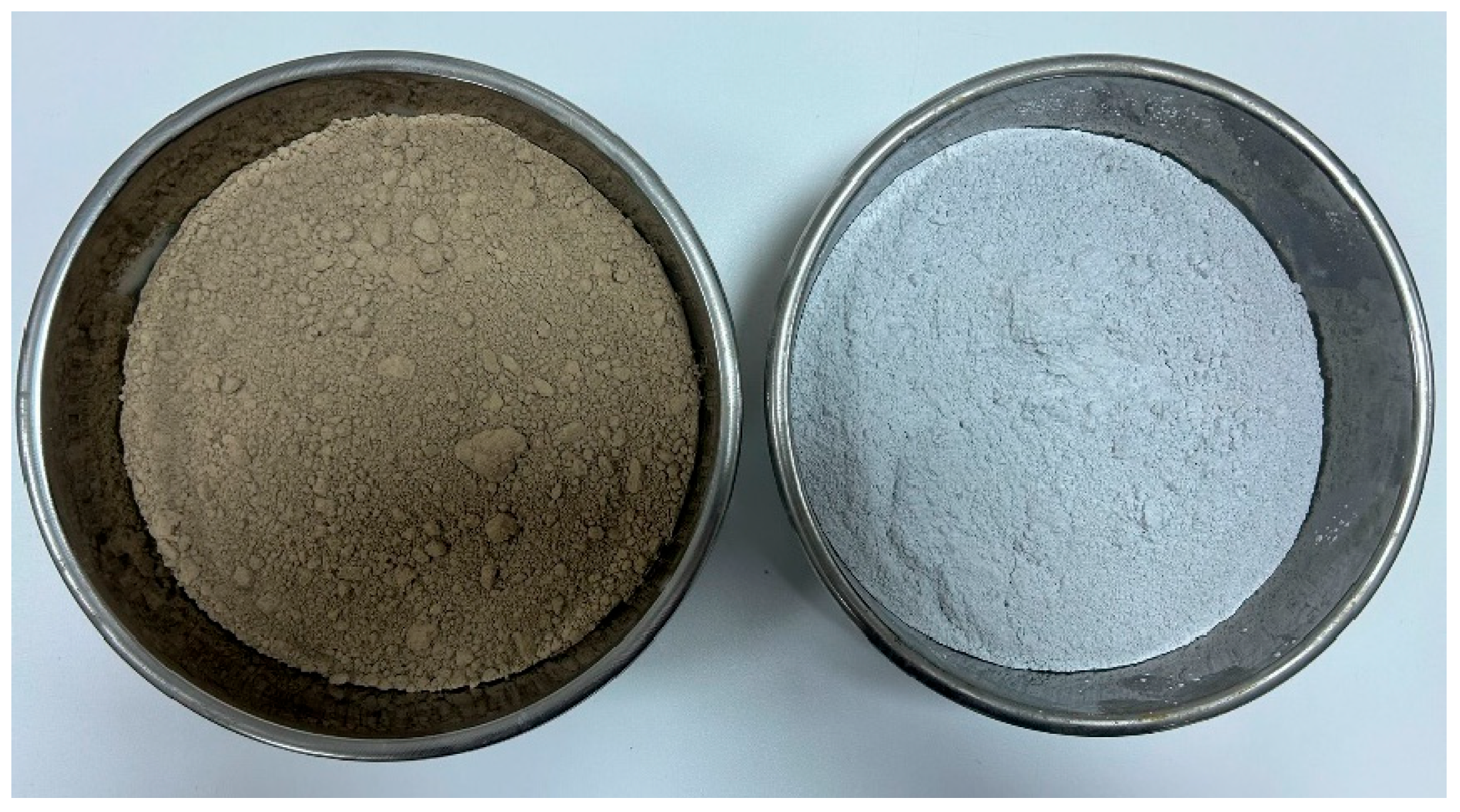
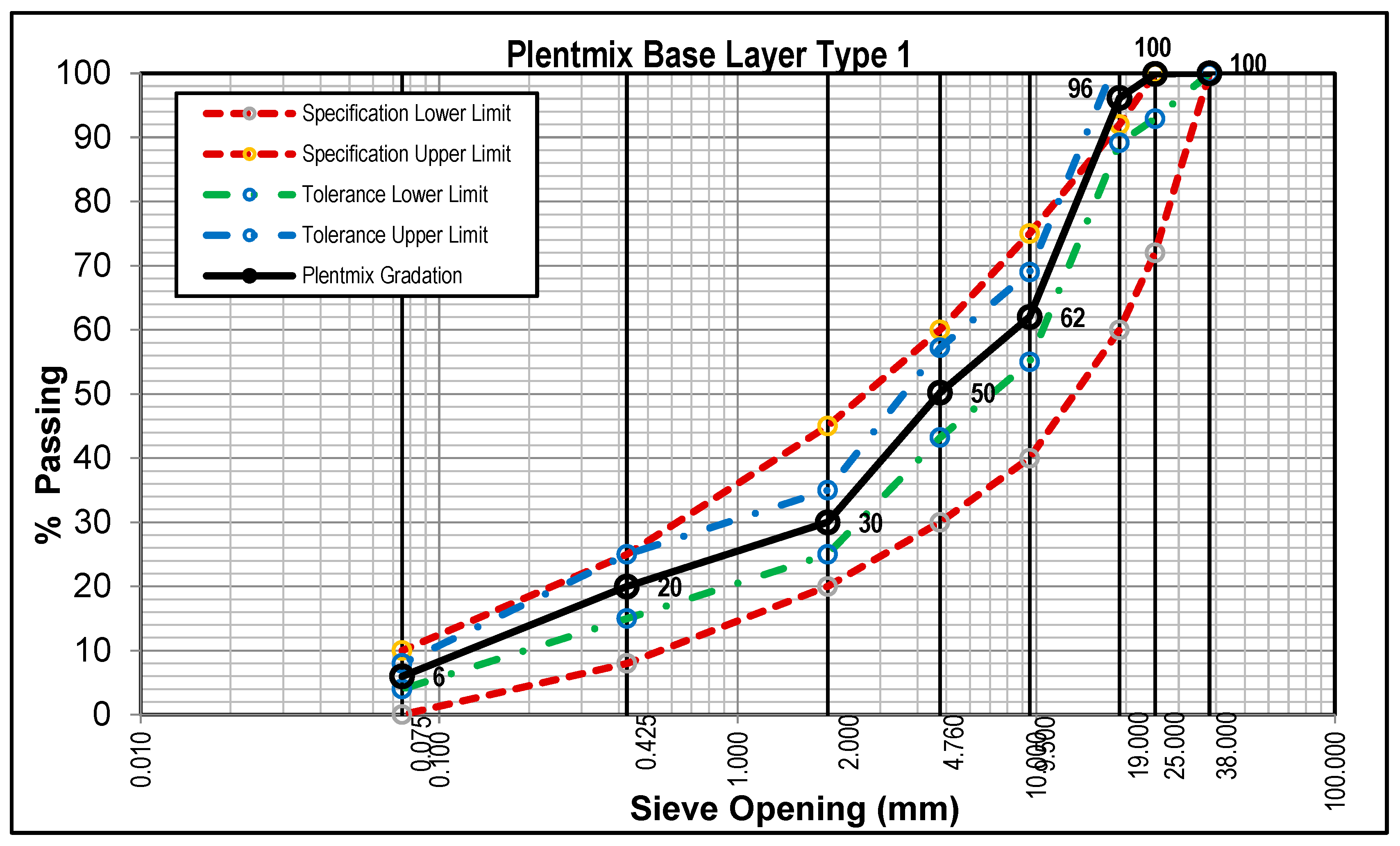
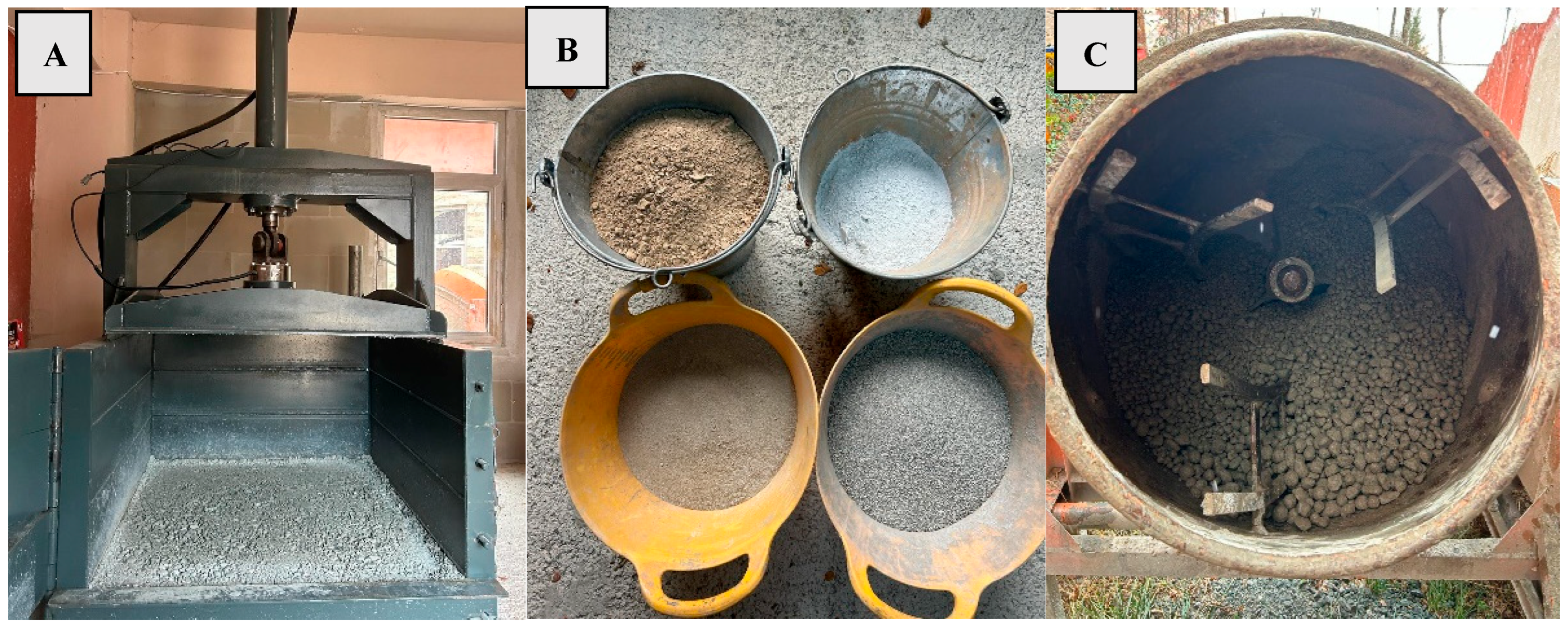
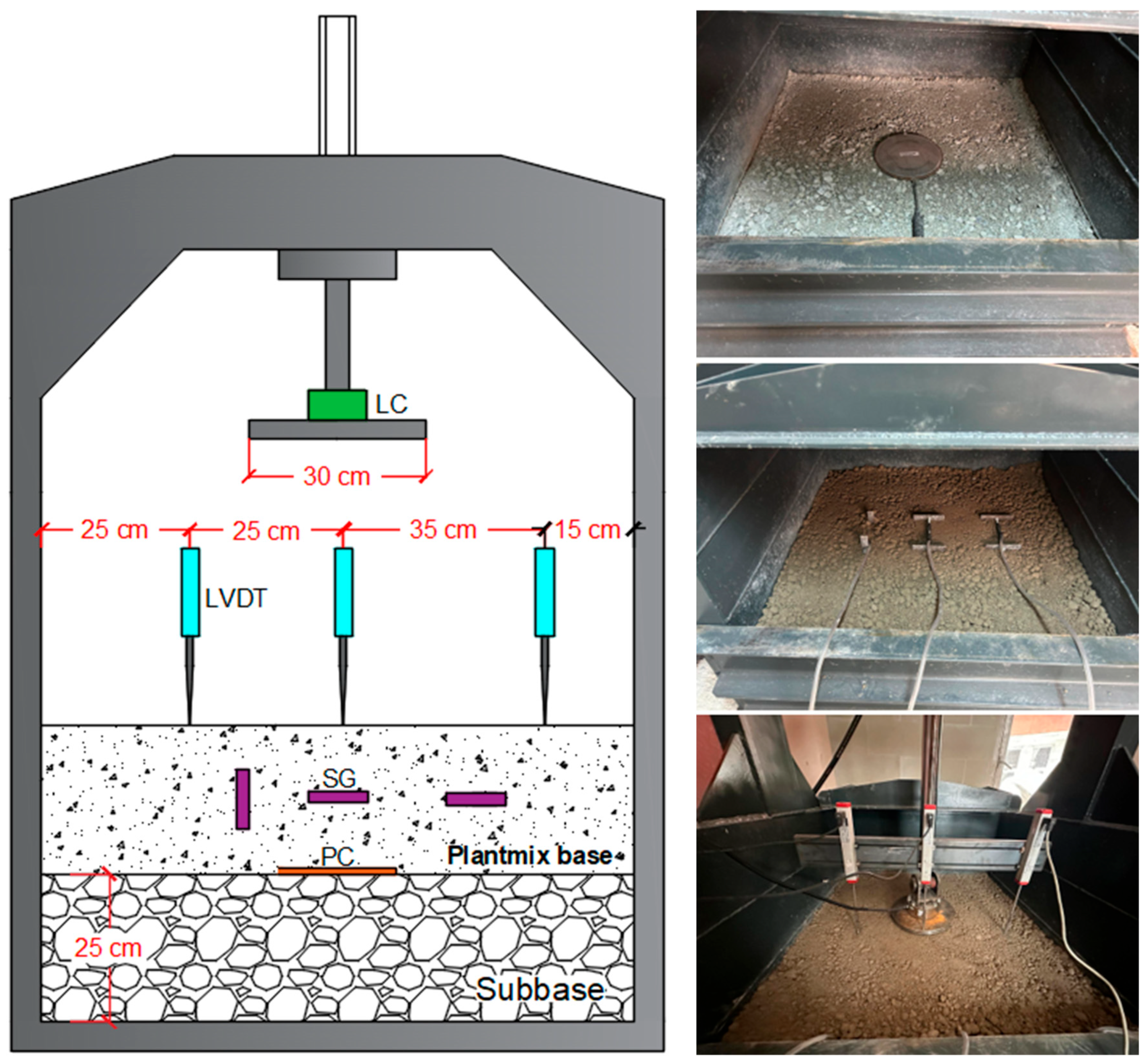
In this study, the potential use of RCA waste, which is expected to emerge in earthquake-prone countries like Türkiye in the near future, was examined for pavement base applications in highways after an improvement process using other waste materials. As an alternative to cement and lime, the improvement process incorporated sewage sludge ash (SSA), which exhibits pozzolanic properties, and carbide sieve sludge (CCS), a waste material that is an alkaline activator with a high calcium content. Motivated by the increasing costs and environmental impacts of virgin aggregate extraction, this study aims to develop an alternative road base design using locally available waste materials. This study investigates the beneficial reuse of waste materials by improving RCA with other waste-based materials. The enhanced RCA was designed as the fine fraction (2 mm–0.075 mm), whereas basalt aggregate (BA) was used as the coarse skeleton (19 mm–0.475 mm). Selecting RCA below 2 mm was intended to mitigate the adverse effects of its porous adhered mortar and to promote stronger bonding with pozzolanic wastes. The experimental program comprised (i) compaction tests, (ii) soaked CBR tests on BA with RCA replacement levels up to 45%, and (iii) UCS tests to identify the optimal stabilizer blend by varying CCS:SSA ratios (2:8 to 4:6), RCA contents (20% to 40%), and curing period (0–28 days). Based on the UCS outcomes, CBR tests were repeated at 7 and 14 days using a fixed RCA–BA ratio while adding CCS and SSA at 10–30% to quantify the improvement efficiency. Finally, the mixture yielding the highest soaked CBR was validated by a cyclic plate load test as a small-scale performance check.
Coarse aggregates form the structural framework of base layers and govern resistance to repeated traffic and environmental loads, including permanent deformation [
52,
53,
54,
55]. Accordingly, untreated BA was selected as the coarse fraction, while the waste-derived fine fractions (RCA, SSA, and CCS) were used to fill voids and progressively enhance inter-particle bonding. As reported in the literature, such fine fractions can reduce permeability, limit pore water pressure buildup, mitigate thermal cracking risk, and improve durability against environmental actions [
29,
56]. Moreover, CCS and SSA are expected to compensate for typical RCA drawbacks such as low strength, high porosity, and high water absorption [
13,
16]. The experimental study designed for this purpose is detailed in the methodology section. The flow chart for this study is presented in
Figure 1.
4. Conclusions
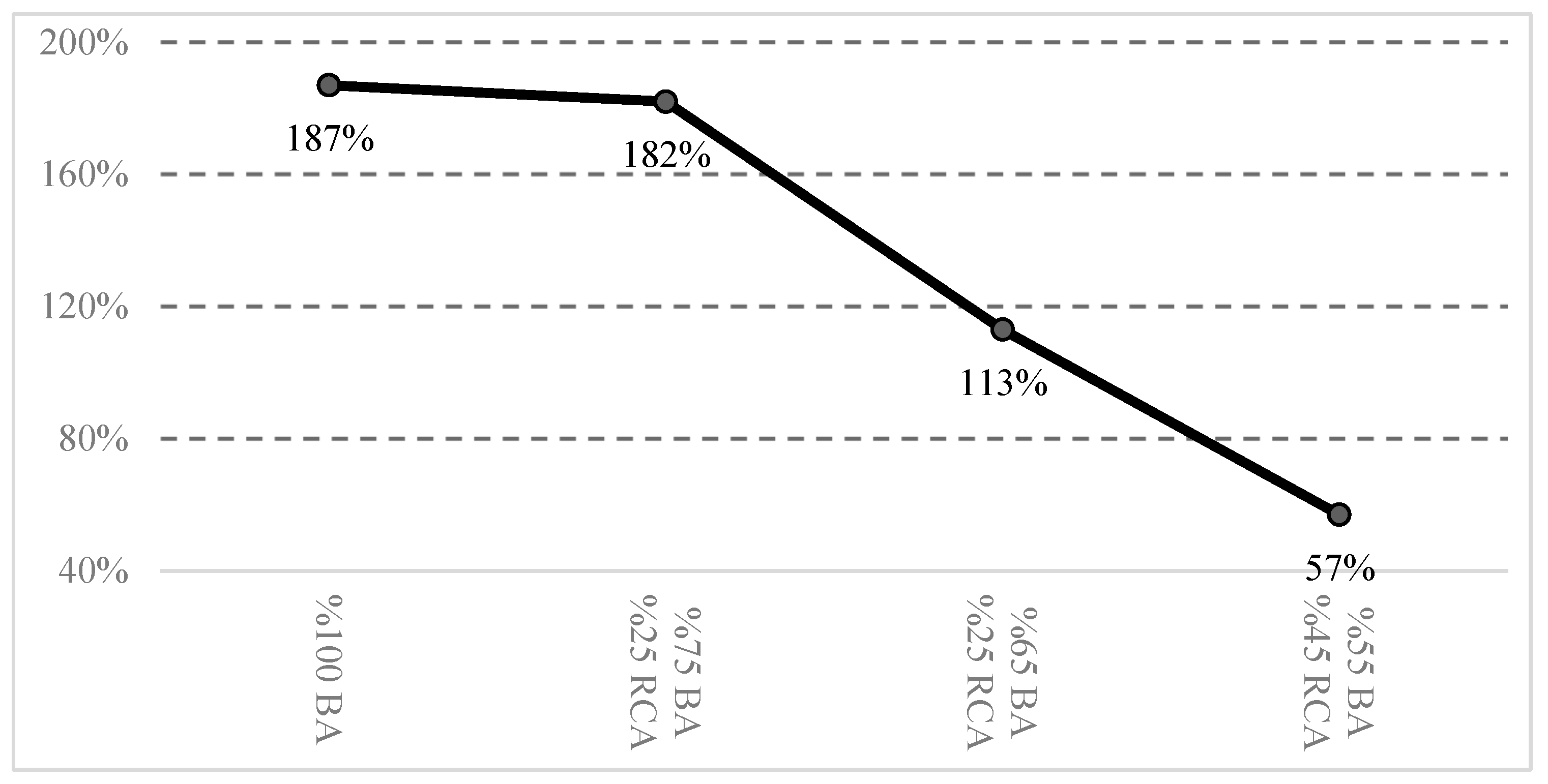
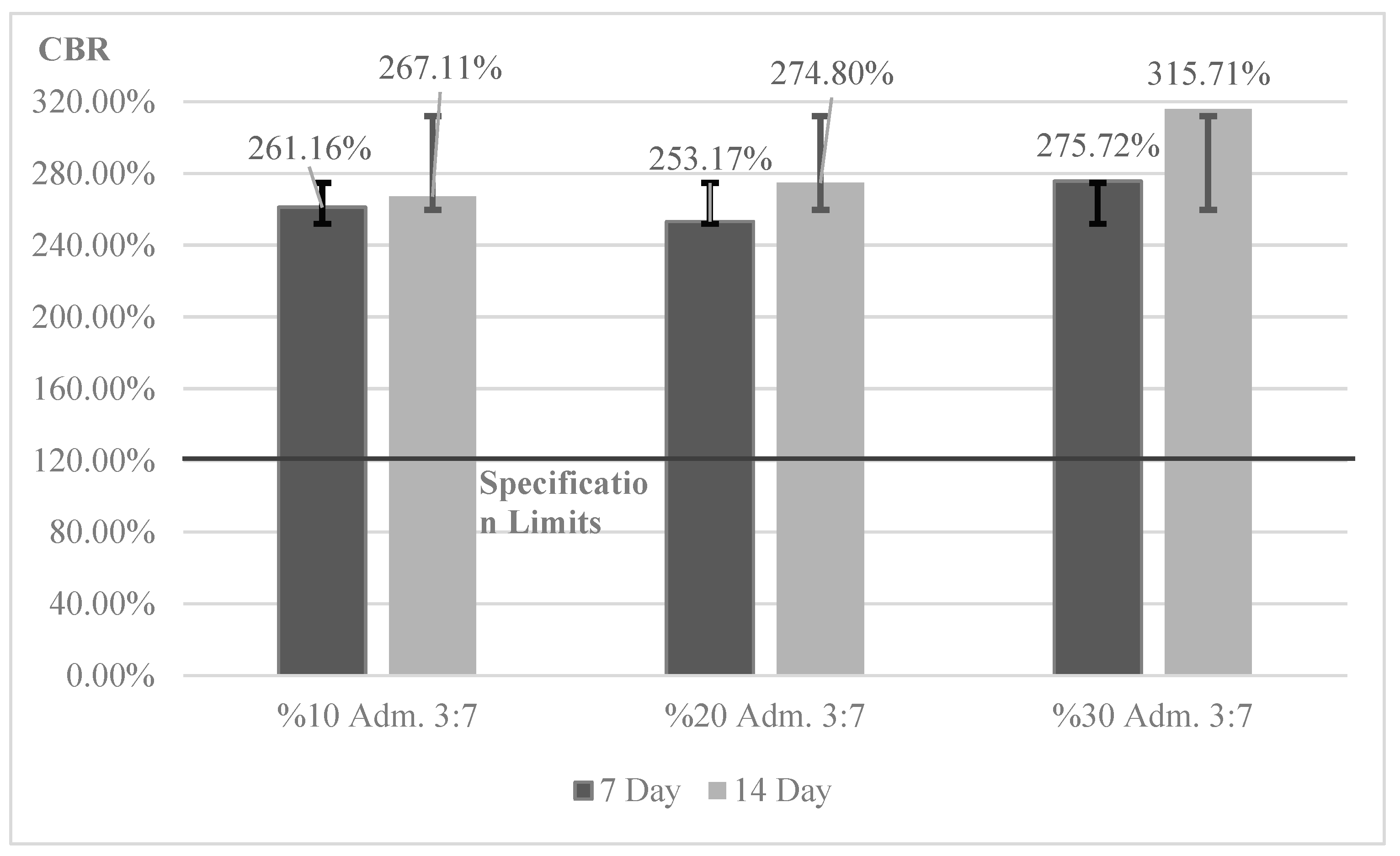
In this study, recycled concrete aggregate (RCA) was used both as a fine aggregate and in combination with other waste-based additives to enhance its performance. All modified samples achieved at least double the CBR values compared to untreated ones, demonstrating the effectiveness of the proposed mixture design. The results identified an optimal RCA content of 35% by weight, as higher ratios caused inconsistencies in CBR performance.
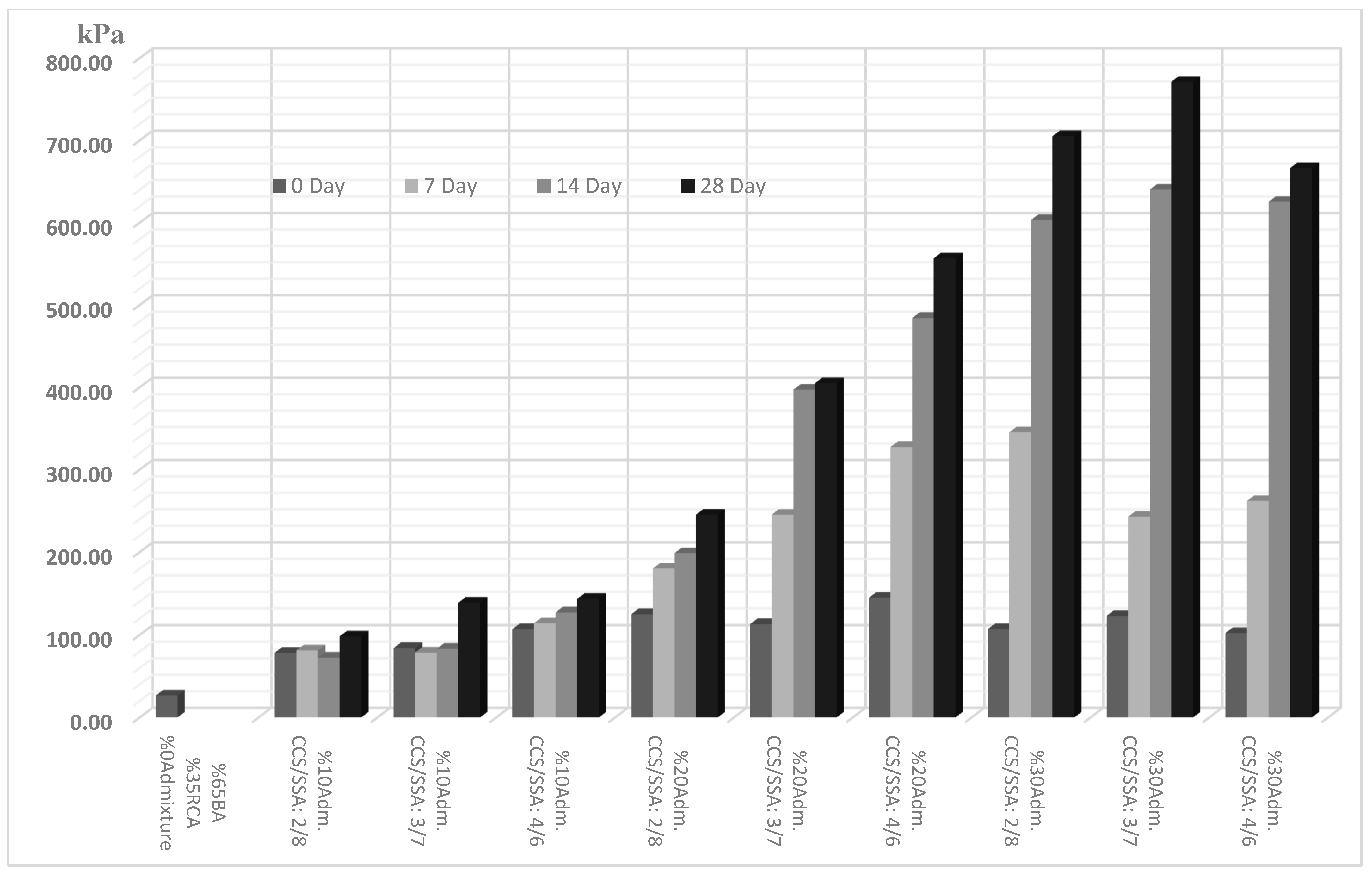
Unconfined compressive strength (UCS) tests showed that a 3:7 ratio of calcium carbide sludge (CCS) to sewage sludge ash (SSA) produced the highest strength. SSA played a key role in accelerating pozzolanic reactions, and the 3:7 ratio provided a balanced chemical environment that enhanced pore filling and the formation of additional binding gels. These synergistic effects explain the superior UCS and CBR values observed in this mixture.
UCS testing also proved to be a practical method for optimizing mixture design. When CBR tests were later performed on samples prepared according to UCS-based ratios, consistently high CBR values were obtained. Therefore, UCS testing can serve as a reliable preliminary screening tool to minimize the need for resource-intensive CBR testing.
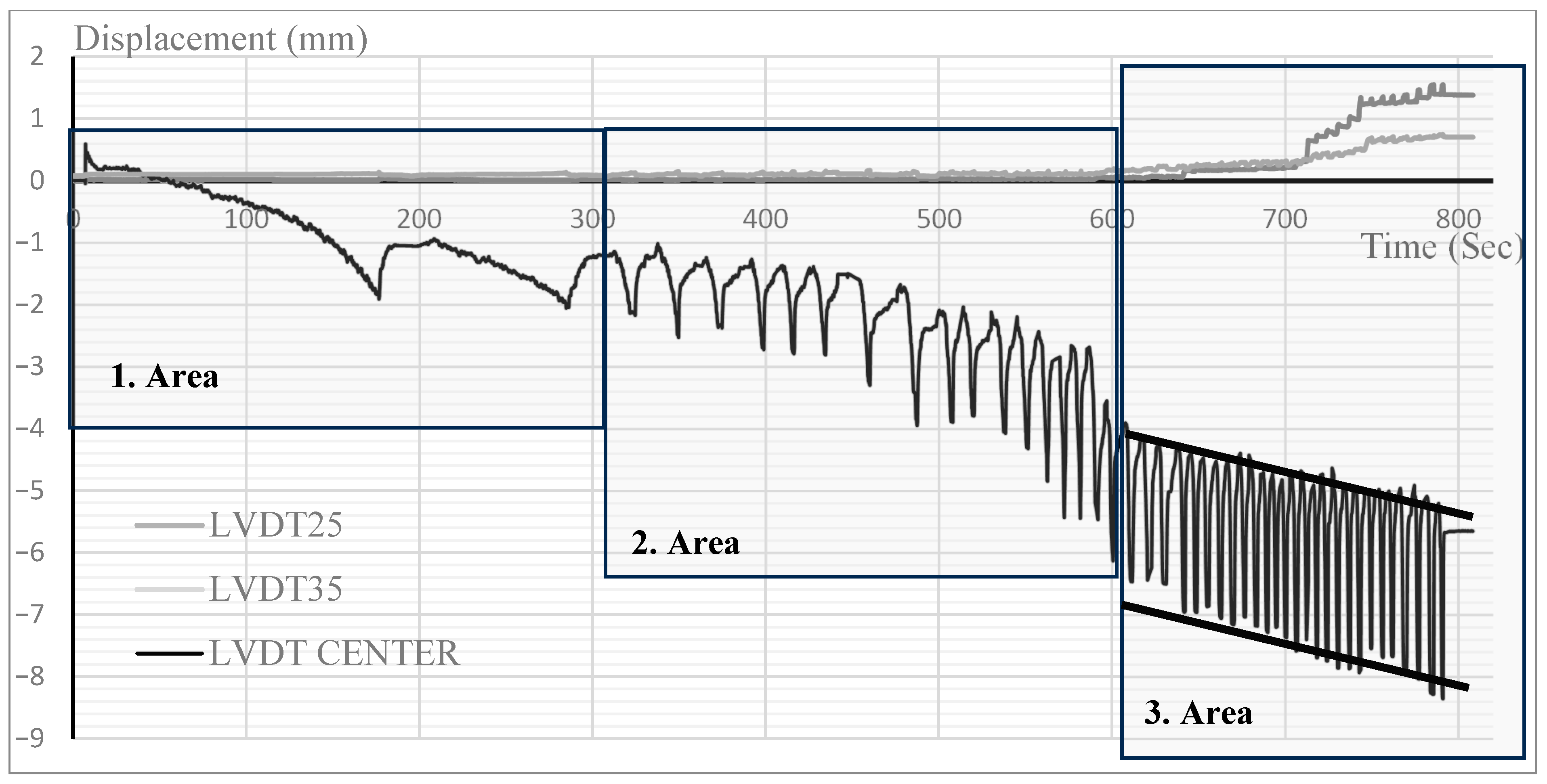
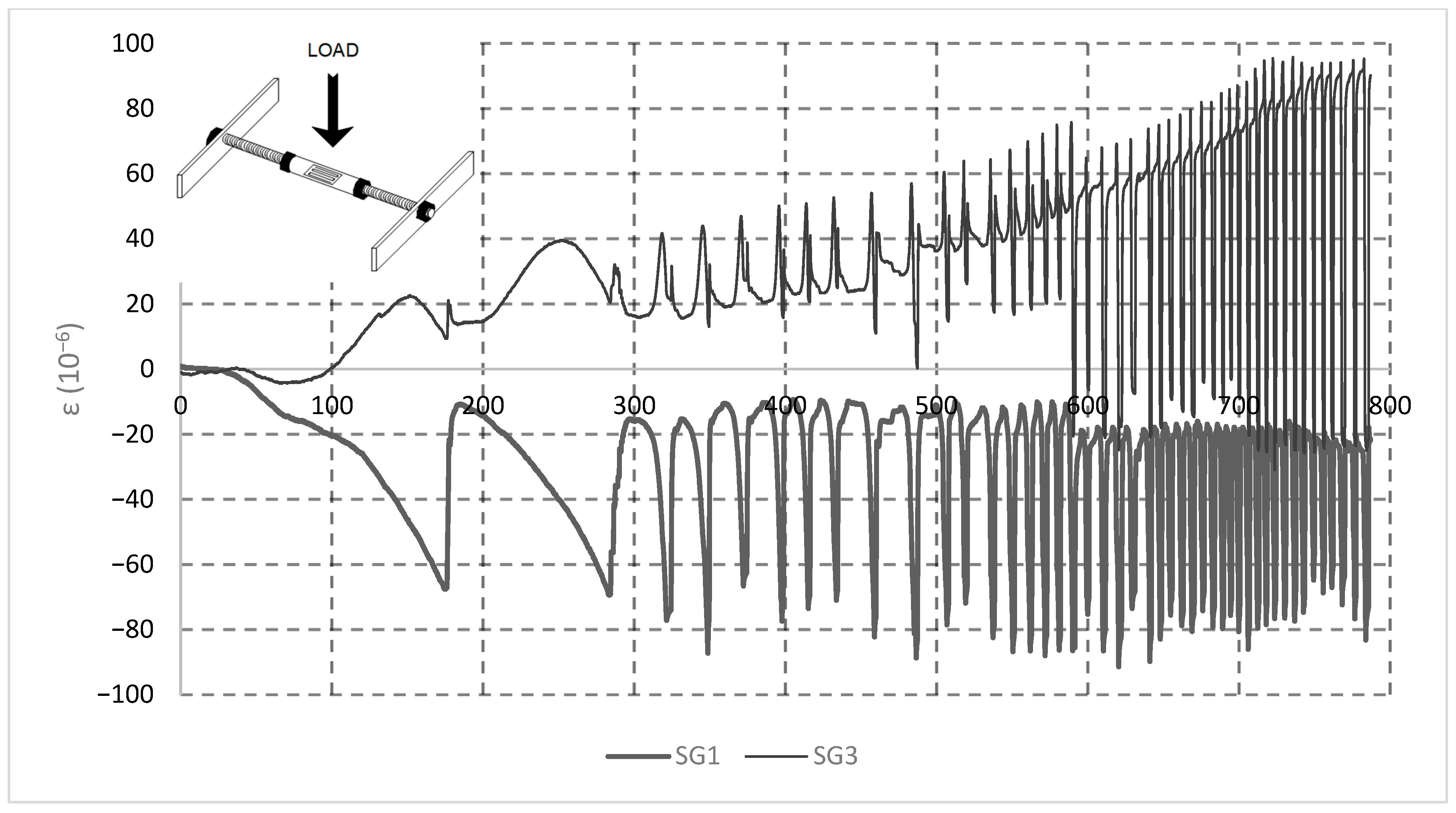
The plantmix base prepared with 35% RCA, enhanced with CCS and SSA, achieved an outstanding CBR value of approximately 315%. Under a 35 kN cyclic plate loading test, only a 2.5 mm recoverable displacement and a vertical compressive strain of 110 × 10−6 were observed, confirming the mixture’s superior load-bearing capacity and its suitability for high-fatigue, rut-resistant pavement structures. However, the cyclic plate loading program employed a limited number of cycles and a stabilization-based stopping criterion (constant displacement difference over 50 cycles). Accordingly, the reported cyclic response should be interpreted as an initial verification of deformation and strain stabilization. Further work is recommended to evaluate long-term fatigue and rutting performance using a substantially larger number of cycles and representative load spectra.
From an economic perspective, the construction sector consumes 40% of global energy and generates 50% of total waste, making waste reuse essential. Based on 2024 cost data from the Turkish General Directorate of Highways, aggregate procurement and transportation account for over 93% of the total cost of road base construction. Using 35% RCA significantly reduces aggregate-related expenses, while sourcing RCA from urban demolition sites shortens transportation distances and minimizes costs. Additionally, the reuse of RCA, CCS, and SSA mitigates waste storage issues, offering a more sustainable and cost-effective alternative for infrastructure development. Studies in the literature indicate that aggregate production costs are approximately 20% for drilling and blasting, 45% for crushing and screening, and 35% for loading and transportation. Even considering these costs, it is clear that RCA use would result in at least 50% lower costs [
98].
The findings are particularly applicable to Yalova Province, where extensive urban transformation is underway and over 6000 high-risk buildings have been identified. The region’s valuable agricultural land, limited local stone resources, and high transportation costs make the proposed mixture design highly advantageous. Furthermore, incorporating local industrial by-products—such as CCS waste from shipyards—reduces environmental pressures while supporting a circular economy approach.
The proposed mixture design aligns closely with the United Nations Sustainable Development Goals (SDGs). It promotes sustainable urban transformation (SDG 11), reduces dependence on natural aggregates and supports circular resource use (SDG 12), lowers carbon emissions by substituting cement and lime with industrial by-products (SDG 13), and introduces innovative infrastructure solutions (SDG 9) by converting waste into valuable construction materials.
Finally, the mechanical assessment in this study is based on compaction characteristics, soaked CBR, UCS, and a small-scale cyclic plate loading verification. While CBR is widely used as an index test to evaluate the potential strength of subgrade/subbase/base materials, mechanistic–empirical pavement design frameworks typically require resilient modulus (Mr) and permanent deformation parameters for unbound layers. Therefore, future work should include resilient modulus testing and long-term rutting/permanent deformation evaluation under representative stress states and load repetitions. Another limitation is that inferential statistical analyses (e.g., ANOVA or nonparametric equivalents) were not performed, primarily because a limited number of laboratory tests were conducted with a limited number of repetitions due to material and labor intensity. Consequently, the differences observed between mixtures were discussed in comparison with results in the literature; future studies should perform the new experiments mentioned above, increase the number of repetitions to statistically validate mixture differences, and report appropriate inferential statistics (p-values and/or confidence intervals). In addition, the sustainability discussion in this paper is qualitative and focuses on waste diversion and reduced virgin aggregate demand; a full life cycle assessment conducted in accordance with ISO 14040/14044 is recommended to quantify environmental impacts.